10 Prettiest Villages in the Cotswolds (Must-Visit Spots)
Introduction: Why the Cotswolds Steal Every Traveler’s Heart
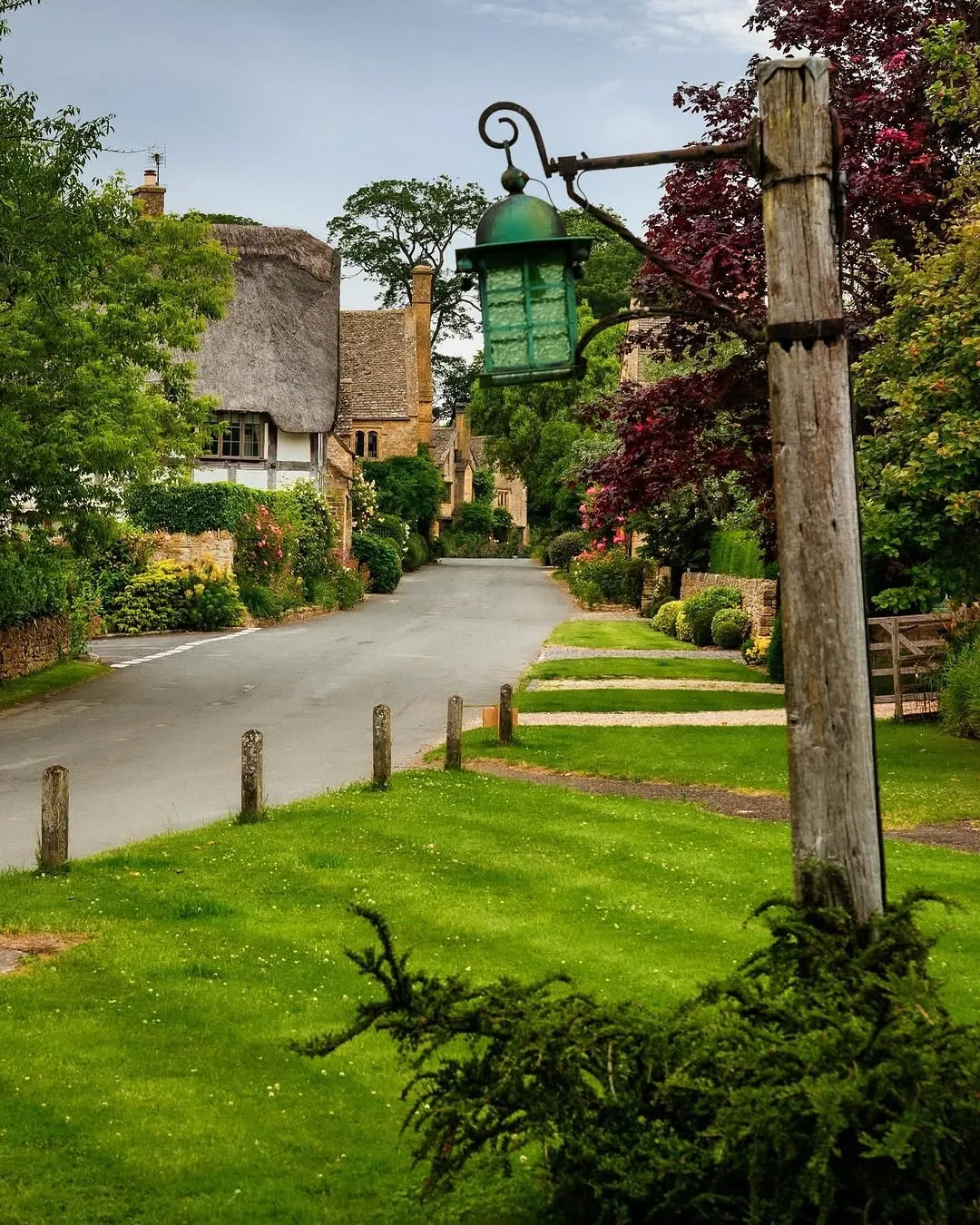
Nestled in the heart of south-central England, the Cotswolds feel like stepping into a storybook. With rolling green hills, honey-colored stone cottages, charming tea rooms, and winding cobblestone streets, this region embodies the quintessential English countryside. It’s no surprise that the Cotswolds has been designated an Area of Outstanding Natural Beauty (AONB) and continues to draw visitors from all over the world.
What makes the Cotswolds so irresistible is its timelessness. Walking through its villages, you’ll notice that not much has changed for centuries—ancient markets still bustle, stone bridges cross gentle rivers, and cozy pubs with thatched roofs welcome travelers. Each village has its own personality, from storybook charm to historic grandeur.
In this guide, we’ll explore the 10 prettiest villages in the Cotswolds, each worth adding to your travel bucket list. Whether you’re a photographer, a history buff, or simply a wanderer looking for beauty, these villages will capture your heart.
Find your perfect flight deal today
1. Bibury – The Most Photographed Village in England
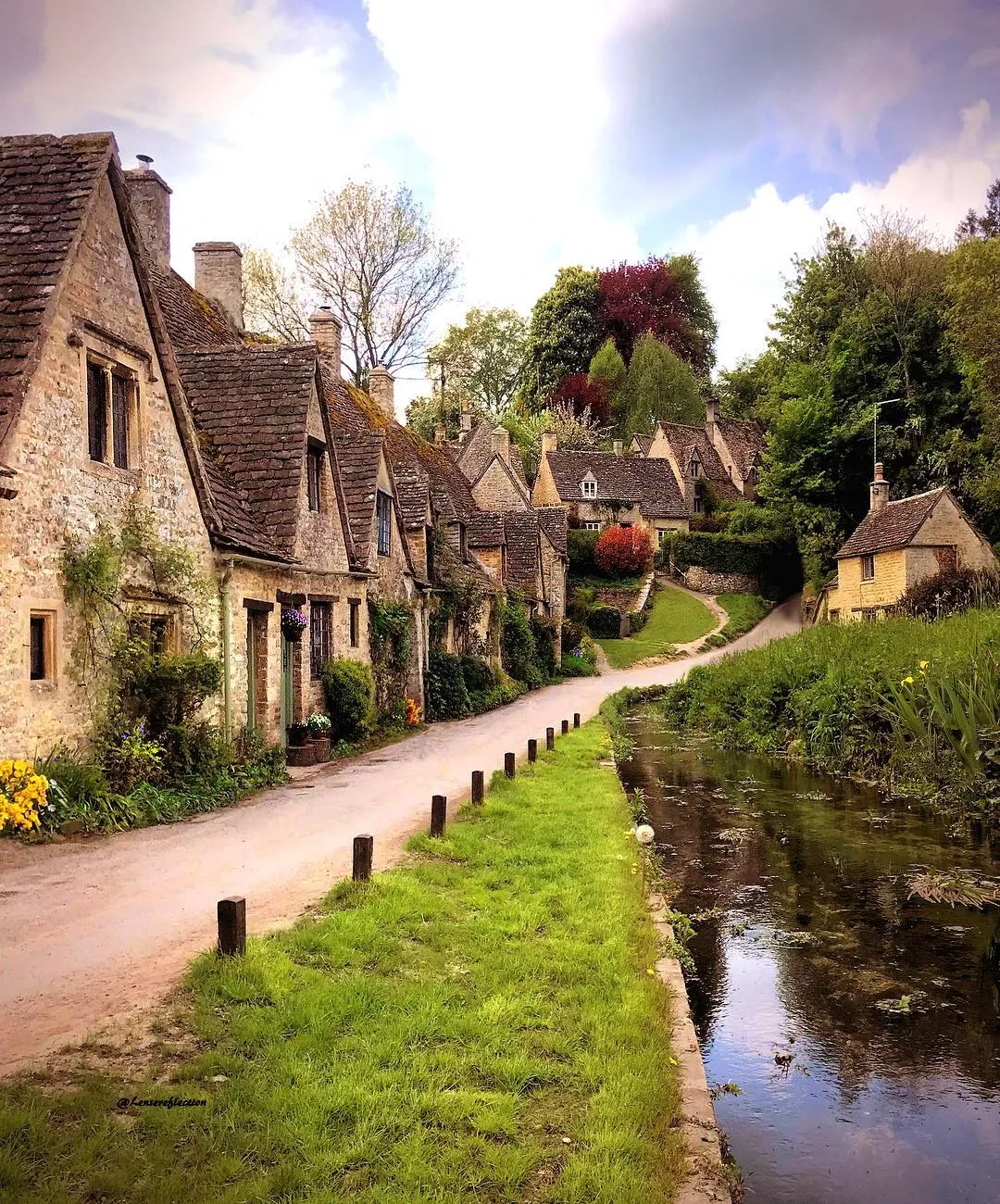
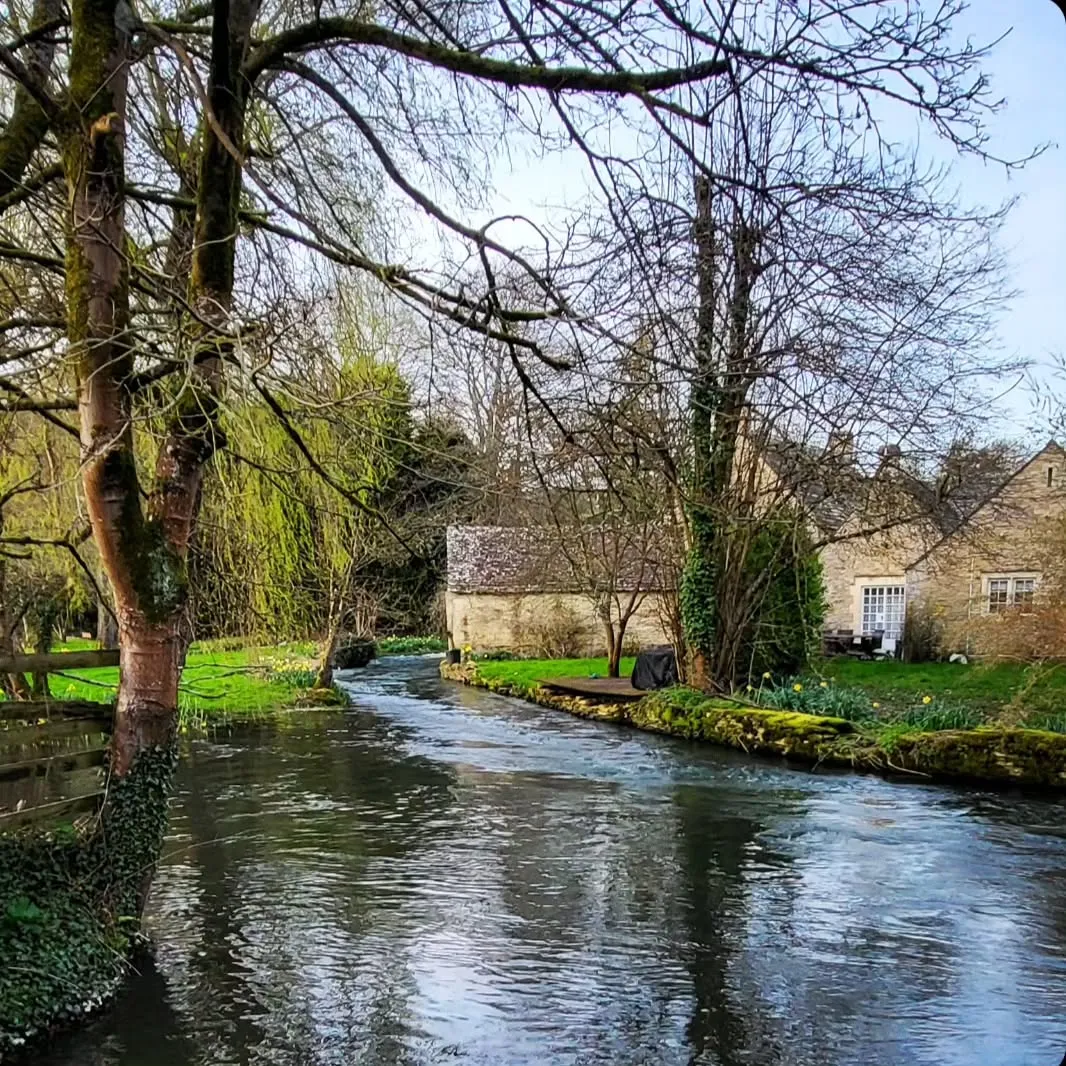
If there’s one village that epitomizes the Cotswolds, it’s Bibury. Often described as the “prettiest village in England,” Bibury looks like it leapt straight off a postcard. The jewel of this village is Arlington Row, a cluster of 14th-century stone cottages once built for wool weavers. Their honey-colored walls, steep roofs, and blooming gardens make them one of the most photographed spots in the country.
What makes Bibury so enchanting is its perfect balance of natural beauty and historic charm. The River Coln meanders gently through the village, home to swans and ducks that add to the fairytale atmosphere. Walking along the riverbanks, you’ll stumble upon charming tea rooms, local shops, and the Bibury Trout Farm—a unique place where you can catch your own fresh fish.
Travelers often compare Bibury to stepping back in time. It’s quiet, unhurried, and impossibly picturesque, especially during spring when wildflowers bloom, or in autumn when ivy-clad cottages turn shades of gold and red.
Travel Tip: If you want to experience Bibury without the crowds, visit early in the morning. Sunrise over Arlington Row is pure magic and offers photographers that dreamy golden light.
Recommended Travel Items for Your Trip
2. Bourton-on-the-Water – The Venice of the Cotswolds
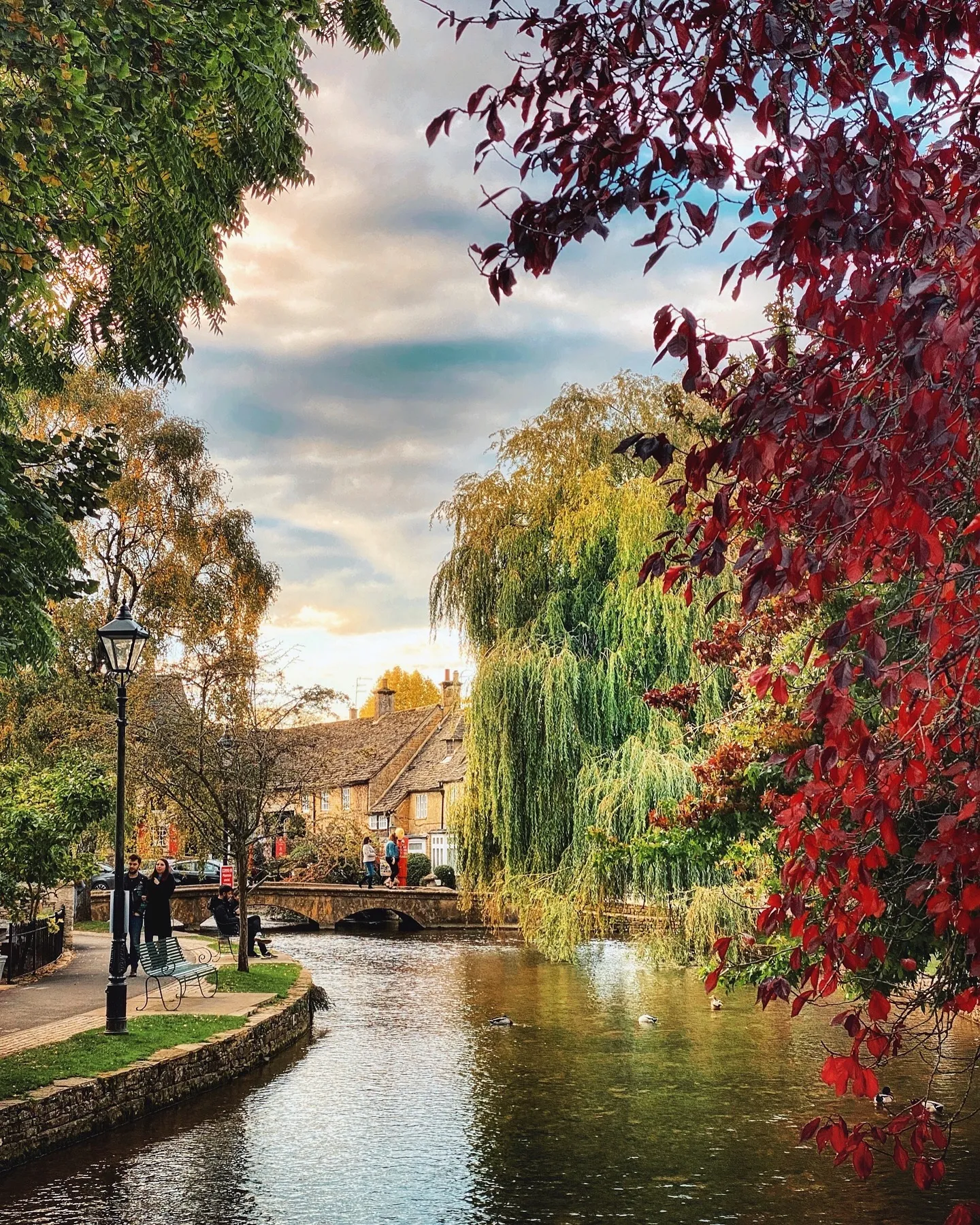
Known as the “Venice of the Cotswolds,” Bourton-on-the-Water is a must-see for first-time visitors. The River Windrush flows through the heart of the village, crossed by charming stone footbridges that give the town its romantic feel. On sunny days, families gather by the riverbanks for picnics while children paddle in the shallow waters—it’s the kind of simple joy that defines English countryside living.
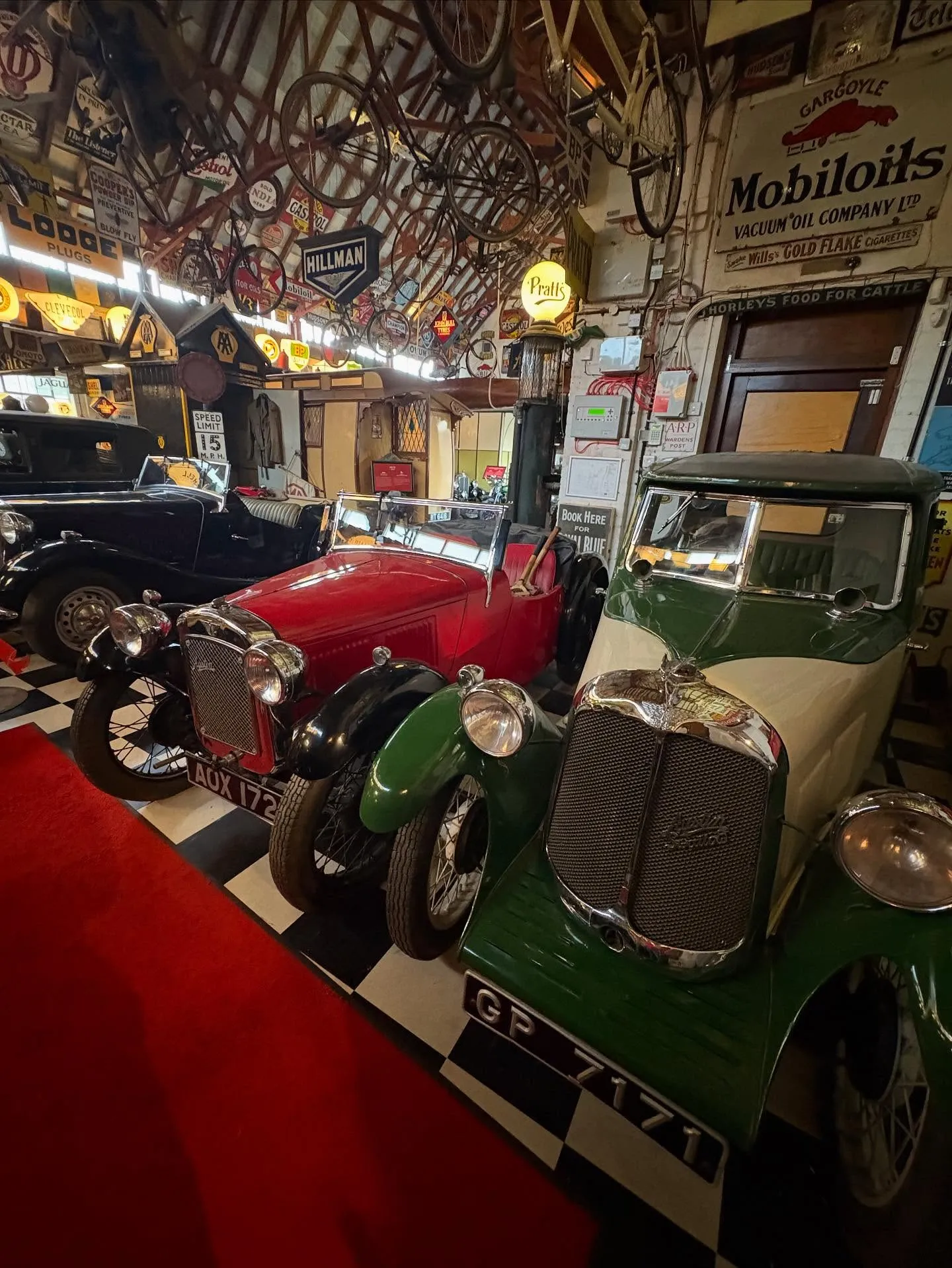
Bourton-on-the-Water is not only beautiful but also lively. The village is packed with attractions such as the Model Village, a miniature replica of Bourton built to scale, and the Cotswold Motoring Museum, which houses a quirky collection of vintage cars. If you’re an animal lover, don’t miss Birdland Park and Gardens, home to penguins, parrots, and rare species from around the globe.
What sets Bourton apart is its blend of charm and activity. Unlike some quieter villages, Bourton has a buzzing high street with tearooms, gift shops, and pubs that serve hearty meals. Yet, despite its popularity, it retains an old-world atmosphere thanks to its stone cottages and leafy surroundings.
Travel Tip: Visit during summer for the annual football match played in the river—a tradition that’s as quirky as it is fun.
3. Castle Combe – Timeless Beauty Frozen in History
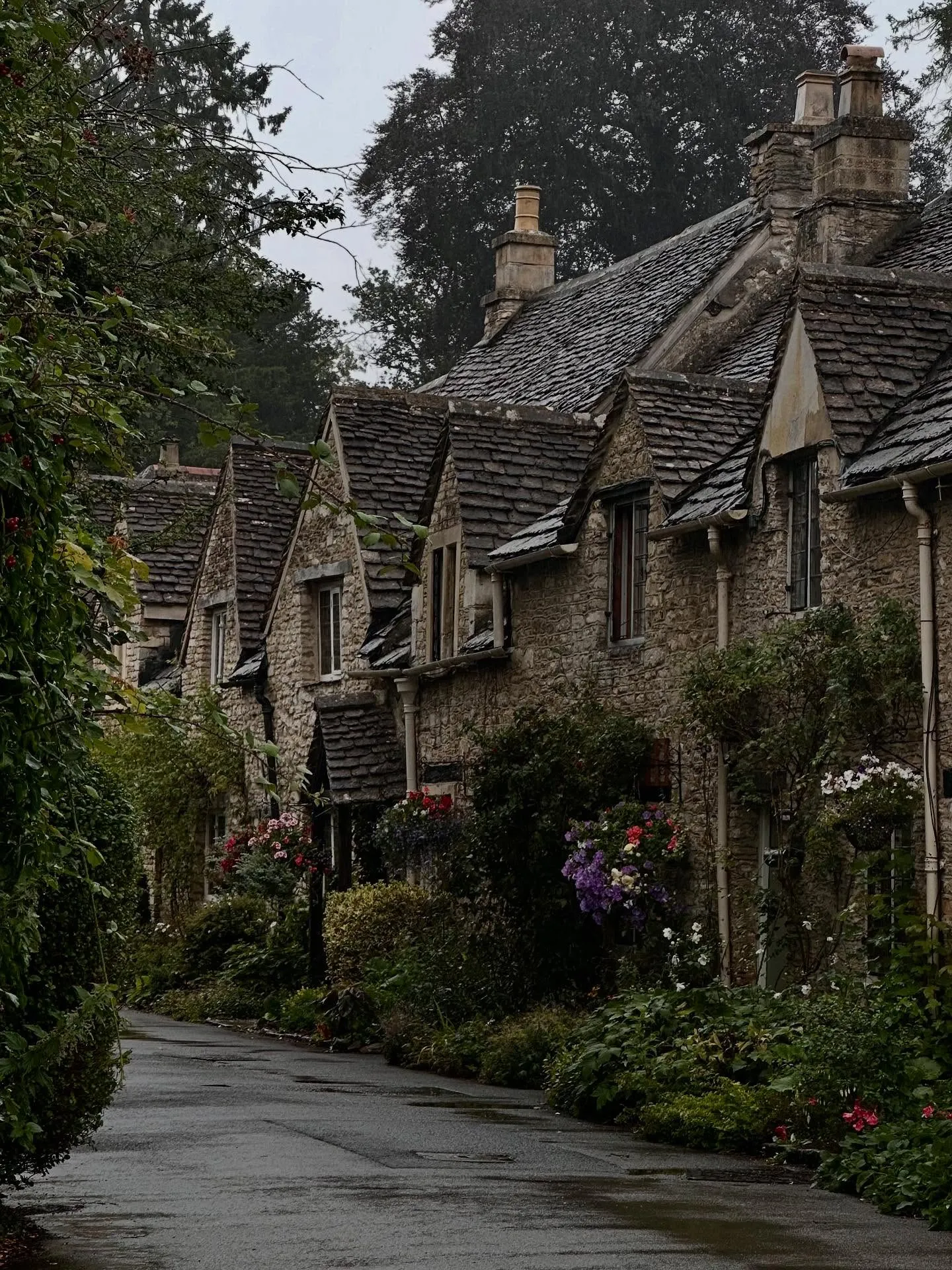
If you’ve ever watched a British period drama, chances are you’ve already seen Castle Combe on screen. Dubbed “the prettiest village in England” by many, this tiny village has been a filming location for movies like War Horse and Stardust. What makes Castle Combe so captivating is its frozen-in-time beauty—you won’t find modern intrusions like streetlights or signage here.
The village consists of a single main street lined with honey-stone cottages, a medieval market cross, and an ancient water pump. Walking through feels like stepping back to the 14th century. At the heart of the village stands the St. Andrew’s Church, home to one of the oldest working clocks in England, dating back to the 13th century.
Castle Combe is small—so small, in fact, that you can explore it in under an hour—but its tranquil charm leaves a lasting impression. The rolling hills surrounding the village make it a perfect base for countryside walks, and the nearby Manor House Hotel offers luxurious stays in a setting that feels straight out of a fairy tale.
Travel Tip: Castle Combe gets incredibly popular with tourists. Arrive early or visit in the late afternoon to experience its quiet, magical side.
4. Stow-on-the-Wold – Market Charm and Antique Treasures
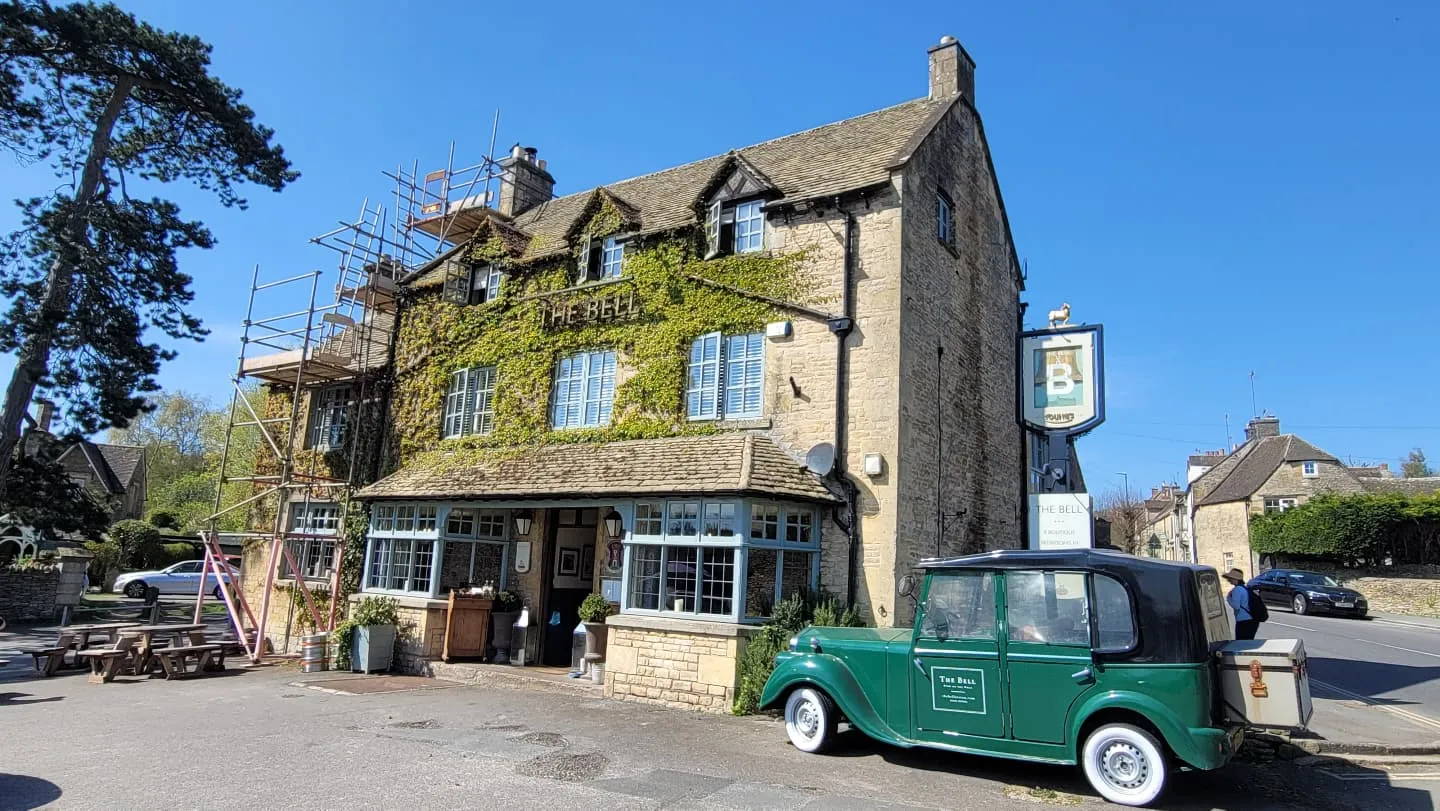
Perched on a hilltop, Stow-on-the-Wold is one of the largest and liveliest market towns in the Cotswolds. Historically, it was a major center for the wool trade, and its market square still reflects that legacy, surrounded by grand inns, old townhouses, and cozy tea shops.
What makes Stow so special is its rich history and quirky details. The square is said to have once held up to 20,000 sheep during the height of the wool trade. Today, it’s home to antique shops, art galleries, and the occasional farmers’ market. For book lovers, Stow is a dream, thanks to several charming bookshops tucked into centuries-old buildings.
One of the highlights of Stow-on-the-Wold is the St. Edward’s Church, whose north door is famously flanked by ancient yew trees. Many say it looks like the entrance to a fantasy world, and it’s often compared to something out of The Lord of the Rings.
Unlike some smaller villages, Stow has a bustling atmosphere, with plenty of pubs and restaurants offering hearty meals. It’s the perfect spot to stop for lunch or spend the night if you’re road-tripping through the Cotswolds.
Travel Tip: Stow is especially charming in autumn, when the crisp air and golden leaves bring out the magic of its historic streets.
5. Upper and Lower Slaughter – Tranquil Twin Villages
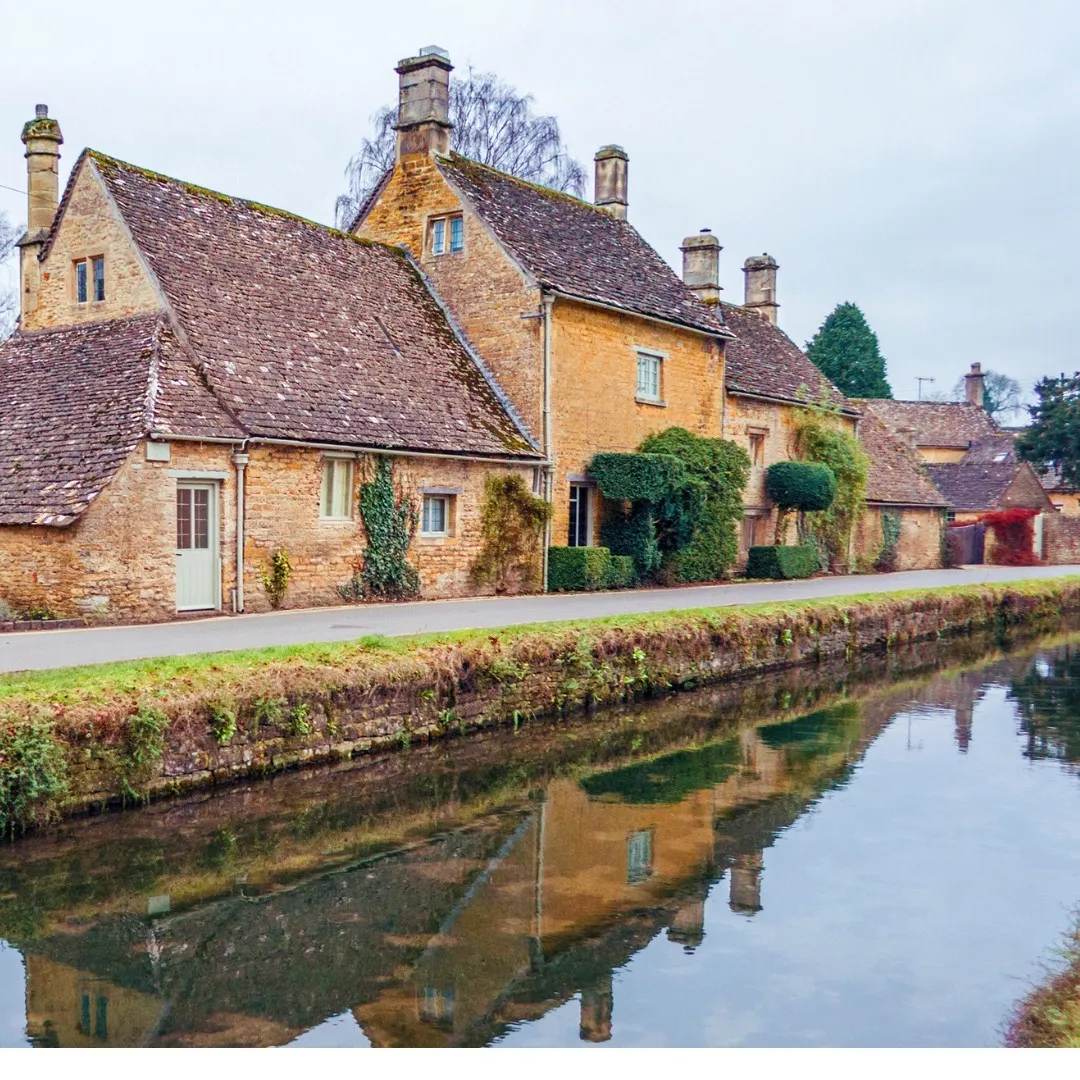
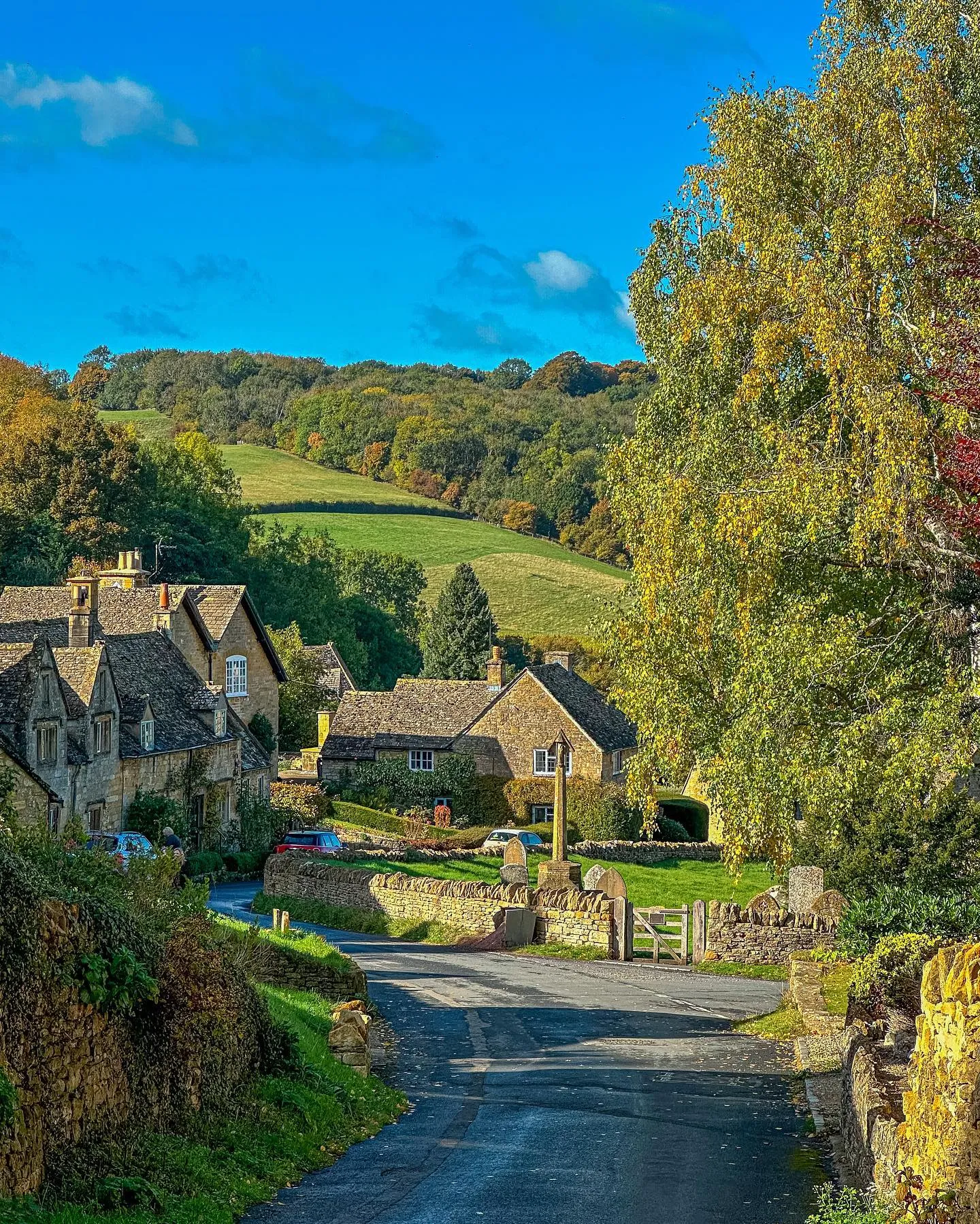
Despite their rather ominous names, Upper Slaughter and Lower Slaughter are among the most peaceful and picturesque villages in the Cotswolds. The name “Slaughter” comes from the Old English word slothre, meaning “muddy place,” though these villages are anything but gloomy.
The River Eye gently winds through Lower Slaughter, where you’ll find stone cottages reflected in its calm waters and a charming old mill that now houses a museum and café. Upper Slaughter, just a short walk away, is even quieter and is known as a “doubly thankful village,” meaning it lost no residents in both World Wars—a rarity in England.
What makes the Slaughters so beautiful is their unspoiled tranquility. Unlike busier spots such as Bourton-on-the-Water, these villages feel hidden and intimate. The pathways connecting the two villages offer some of the loveliest countryside walks in the Cotswolds, with sheep-dotted fields and meadows that feel untouched by time.
Travel Tip: Stay until sunset—watching the golden light fall on the cottages by the river is an experience you won’t forget.
6. Chipping Campden – A Jewel of Cotswold Architecture

If you’re passionate about history and architecture, Chipping Campden will sweep you off your feet. This village was once a thriving wool town, and its prosperity shows in the stunning buildings that line its High Street. The entire stretch feels like a showcase of Cotswold stone architecture, with gabled roofs, arched doorways, and elegant façades that glow golden in the sun.
One of the most striking landmarks is the Market Hall, built in the 17th century for traders to sell goods. Today, it still stands proudly at the heart of the village, a symbol of its rich trading past. Walking through its stone arches, you can almost hear the echo of merchants from centuries ago.
Beyond architecture, Chipping Campden has a vibrant arts scene. It was once the center of the Arts and Crafts Movement, and you can still feel its legacy in the galleries, workshops, and local craft shops. It’s also the starting point of the Cotswold Way, a 100-mile walking trail that winds through the region’s prettiest landscapes.
Travel Tip: Visit during the annual Cotswold Olimpick Games, a quirky tradition dating back to the 17th century featuring events like shin-kicking and tug-of-war.
7. Painswick – The Queen of the Cotswolds
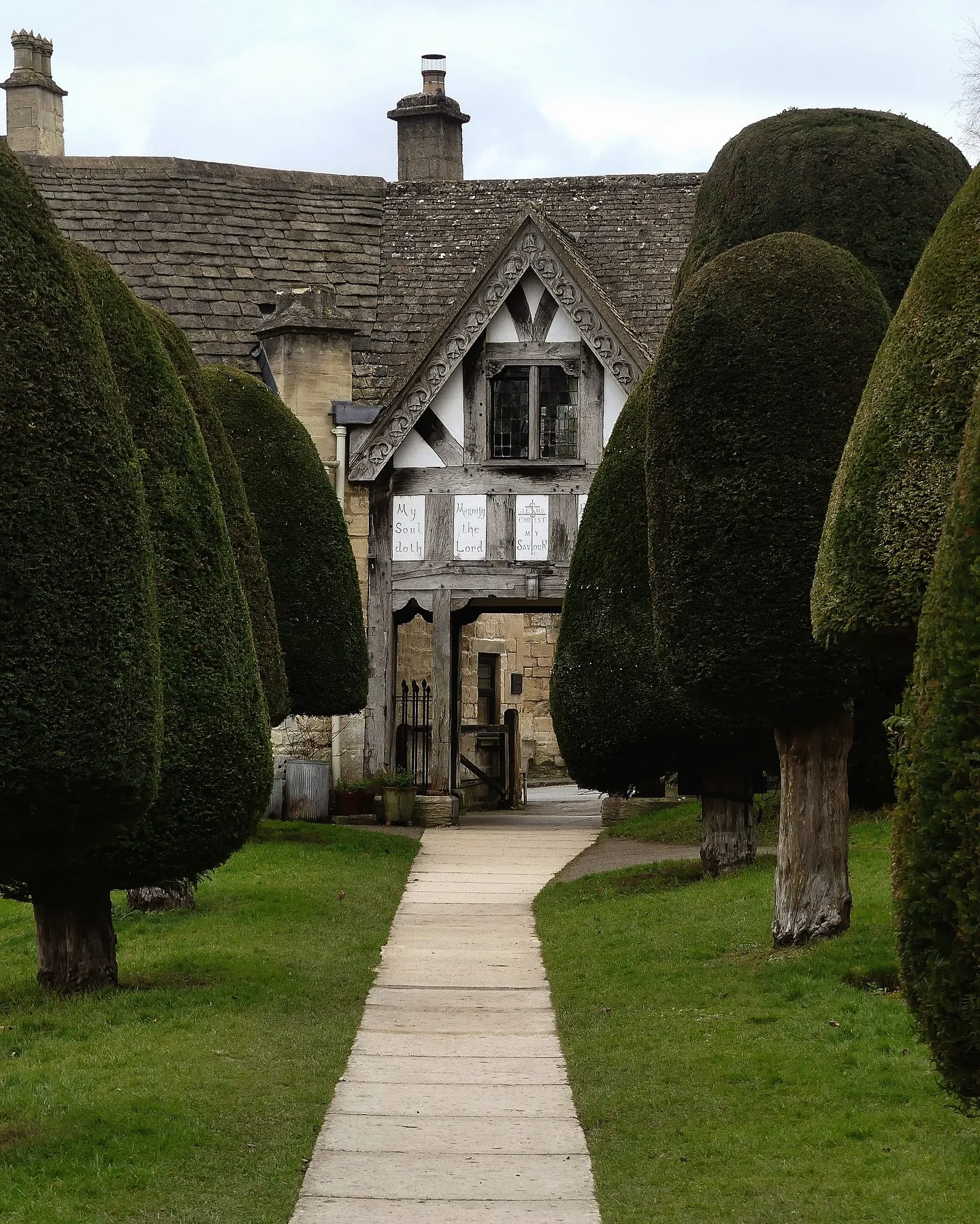
Nicknamed the “Queen of the Cotswolds,” Painswick is known for its elegance and charm. This hilltop village is surrounded by rolling valleys and offers breathtaking views in every direction. What makes Painswick unique is its abundance of fine Georgian stone houses, giving it a more refined and graceful appearance compared to other rustic villages.
The star attraction here is the St. Mary’s Churchyard, famous for its 99 beautifully sculpted yew trees. Legend has it that a 100th tree will never grow, though gardeners keep planting one to test the myth. The church itself is a gem, with medieval features and stunning stained glass.
Painswick is also well-known for its festivals, especially the Art Couture Painswick Festival, which celebrates fashion, art, and creativity in the most vibrant ways. Add in its winding narrow streets, cozy tea rooms, and scenic walking paths, and it’s easy to see why Painswick has earned its royal nickname.
Travel Tip: Hike the Painswick Beacon for panoramic views of the Severn Valley—you might even spot the Welsh mountains on a clear day.
8. Broadway – A Village with Artsy Vibes
Broadway, often referred to as the “Jewel of the Cotswolds,” is one of the region’s most glamorous villages. Its wide, tree-lined High Street is a delight to wander, with boutiques, art galleries, antique shops, and stylish cafés creating a lively yet refined atmosphere. Broadway’s charm lies in its mix of historic character and modern sophistication.
The village has long been a favorite among artists and writers. In the 19th century, it became a hub for the Arts and Crafts Movement, attracting big names like William Morris and John Singer Sargent. Even today, Broadway retains its creative spirit, with art festivals and galleries showcasing local talent.
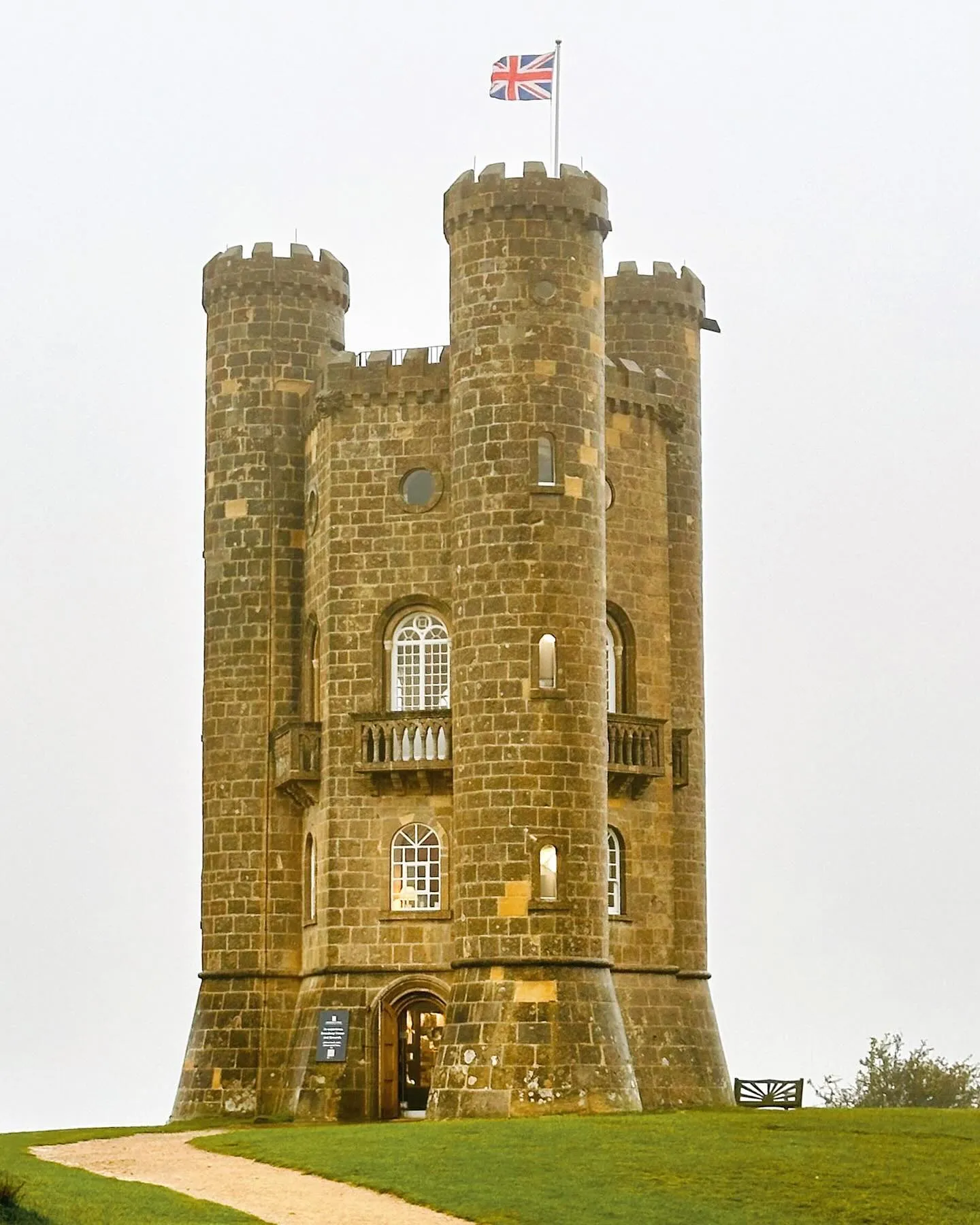
A must-visit landmark is the Broadway Tower, a folly perched on a hill that offers sweeping views across 16 counties on a clear day. It’s also a romantic spot for sunset watchers. Whether you’re strolling past honey-stone cottages or enjoying afternoon tea in a chic café, Broadway feels both timeless and trendy.
Travel Tip: Spend the night here if you love boutique stays—Broadway has some of the most charming hotels and guesthouses in the Cotswolds.
9. Lacock – A Film Star Village with Medieval Charm
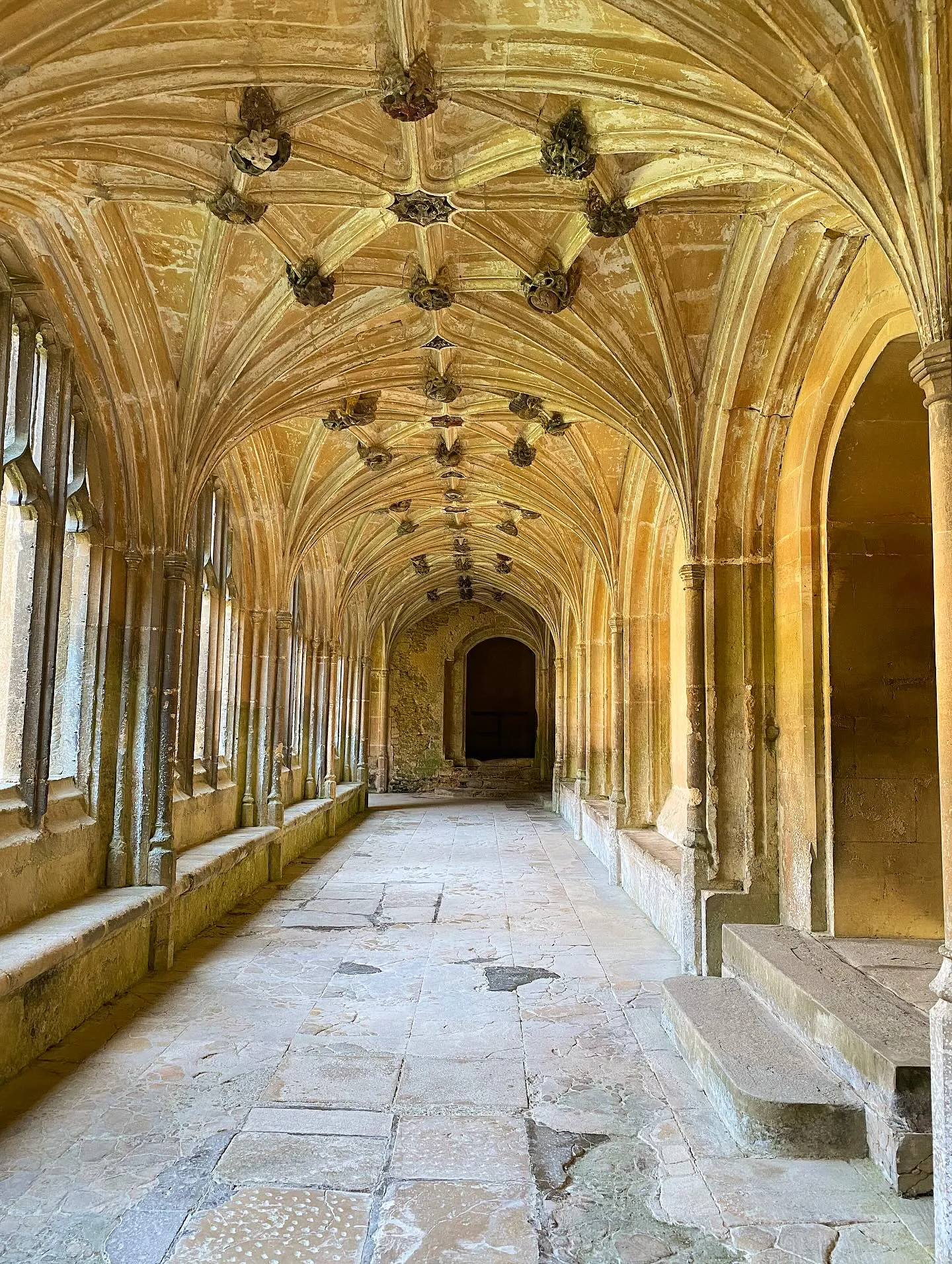
While technically just outside the Cotswolds, Lacock is too beautiful to leave off this list. This medieval village has barely changed in 800 years, and it’s so well-preserved that filmmakers often use it as a backdrop. Fans of Harry Potter, Downton Abbey, and Pride and Prejudice will recognize its streets and historic buildings immediately.
At the heart of the village is Lacock Abbey, a former nunnery turned stately home with a fascinating history. Its cloisters were famously used as filming locations for Hogwarts in the Harry Potter films, making it a magical stop for fans. The village itself is a maze of timber-framed cottages, stone houses, and old-fashioned inns, each telling its own story.
What makes Lacock special is its authentic medieval feel. There are no modern intrusions, and even the shops and pubs blend seamlessly into the historic setting. Wandering its lanes feels like stepping into a living museum.
Travel Tip: Visit on market day for an extra touch of charm—Lacock’s markets date back to the Middle Ages and still carry that timeless atmosphere.
10. Snowshill – Lavender Fields and Storybook Cottages

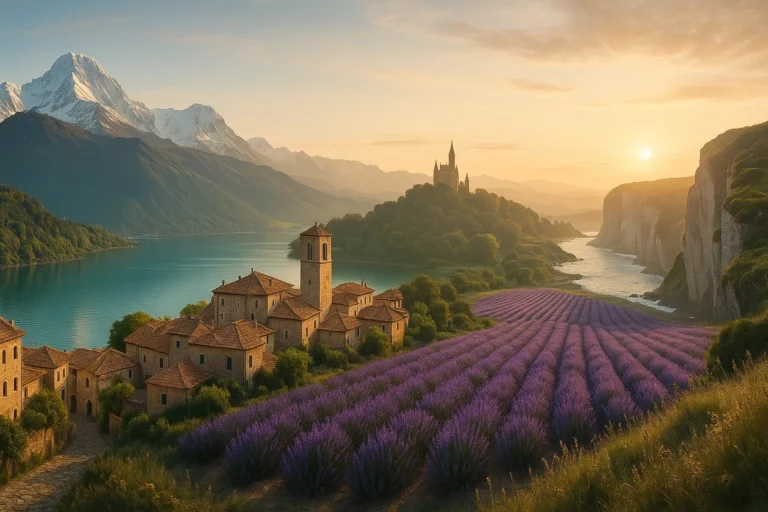
Tucked away in the hills, Snowshill is a village straight out of a fairytale. With its quaint cottages, rolling lavender fields, and peaceful vibe, it’s one of the most enchanting yet underrated spots in the Cotswolds.
The biggest attraction here is Snowshill Manor, a National Trust property filled with an eccentric collection of objects gathered by its former owner, Charles Wade. From samurai armor to antique toys, the manor is as quirky as it is fascinating. Outside, the gardens are equally captivating, especially in spring and summer when they burst into bloom.
Just outside the village lies the Cotswold Lavender Farm, which transforms the landscape into a sea of purple from June to August. The scent of lavender fills the air, and it’s a photographer’s dream come true.
Travel Tip: Time your visit during lavender season for the ultimate experience—you’ll feel like you’ve stepped into Provence without leaving England.
Conclusion: Planning Your Perfect Cotswolds Escape
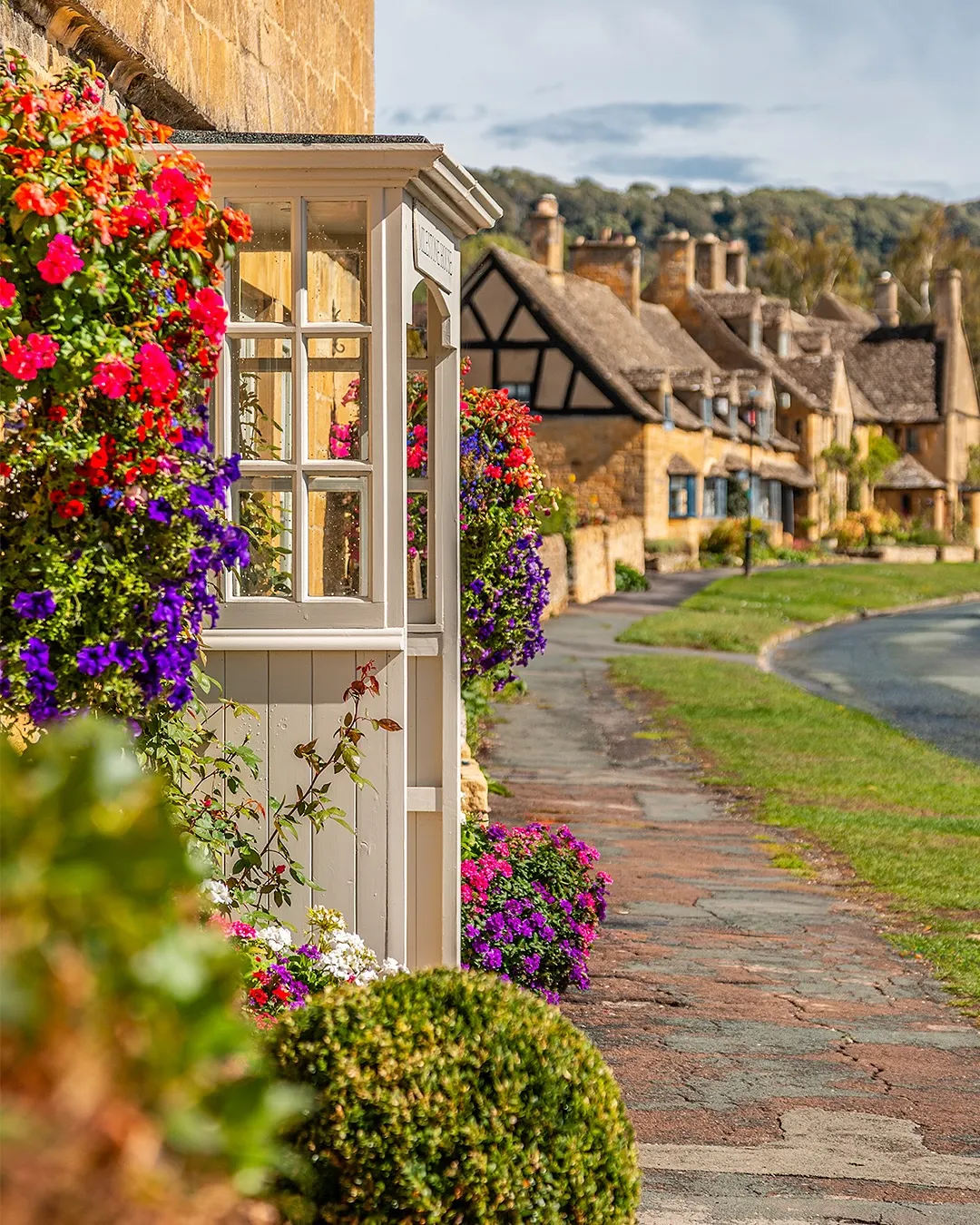
The Cotswolds isn’t just about pretty villages—it’s about stepping into another world. A world where time slows down, where rivers sparkle beneath stone bridges, and where every corner reveals a story. From the postcard perfection of Bibury to the artsy elegance of Broadway and the lavender-scented fields of Snowshill, each village has a unique charm that lingers long after your visit.
To make the most of your trip, consider spending a few days in the region. Stay in a cozy inn, rent a car to wander off the beaten path, and savor the local delights—from traditional cream teas to hearty pub meals. The beauty of the Cotswolds lies not only in its villages but in the journey between them: the rolling hills, the dry stone walls, and the sense of serenity that only the English countryside can provide.
No matter which villages you choose to visit, one thing is certain—the Cotswolds will steal your heart, one golden-stone cottage at a time.