12 Amazingly Beautiful Places in the Pacific Northwest for Nature Lovers (2026 Guide)
The Pacific Northwest is one of those rare regions where nature feels alive. Mist drifts through old-growth forests, rugged coastlines stretch into infinity, and snow-capped volcanoes watch over everything like silent giants. If you love landscapes that pull you outdoors, this region will absolutely steal your heart.
After years of road trips, early-morning hikes, rainy wanderings, and unexpected wildlife encounters across Washington, Oregon, and a hint of Idaho — these are the 12 places I recommend to every nature lover in 2026.
1. Olympic National Park, Washington — Where Every Landscape Lives Together

There are places where you get mountains. Others give you beaches. A few offer moss-draped rainforests. Olympic National Park gives you all three within a couple of hours.
My best memory here? Hiking the Hoh Rainforest in the early morning — the kind of quiet where you can hear your own footsteps squish on the mossy earth. The Hall of Mosses truly feels enchanted, especially when the sunlight filters through like gold dust.
Then there’s the coast. Ruby Beach and Rialto Beach feel like walking on the edge of the world, with fog rolling in and giant driftwood logs piled like nature’s playground.
If you want one park that sums up the Pacific Northwest’s wild soul, this is it.
Traveler Tip: Stay overnight in Forks to access both rainforest hikes and the beaches without rushing.
Unlock cheap flights for your trip
2. Mount Rainier National Park, Washington — Flower Meadows Beneath a Giant
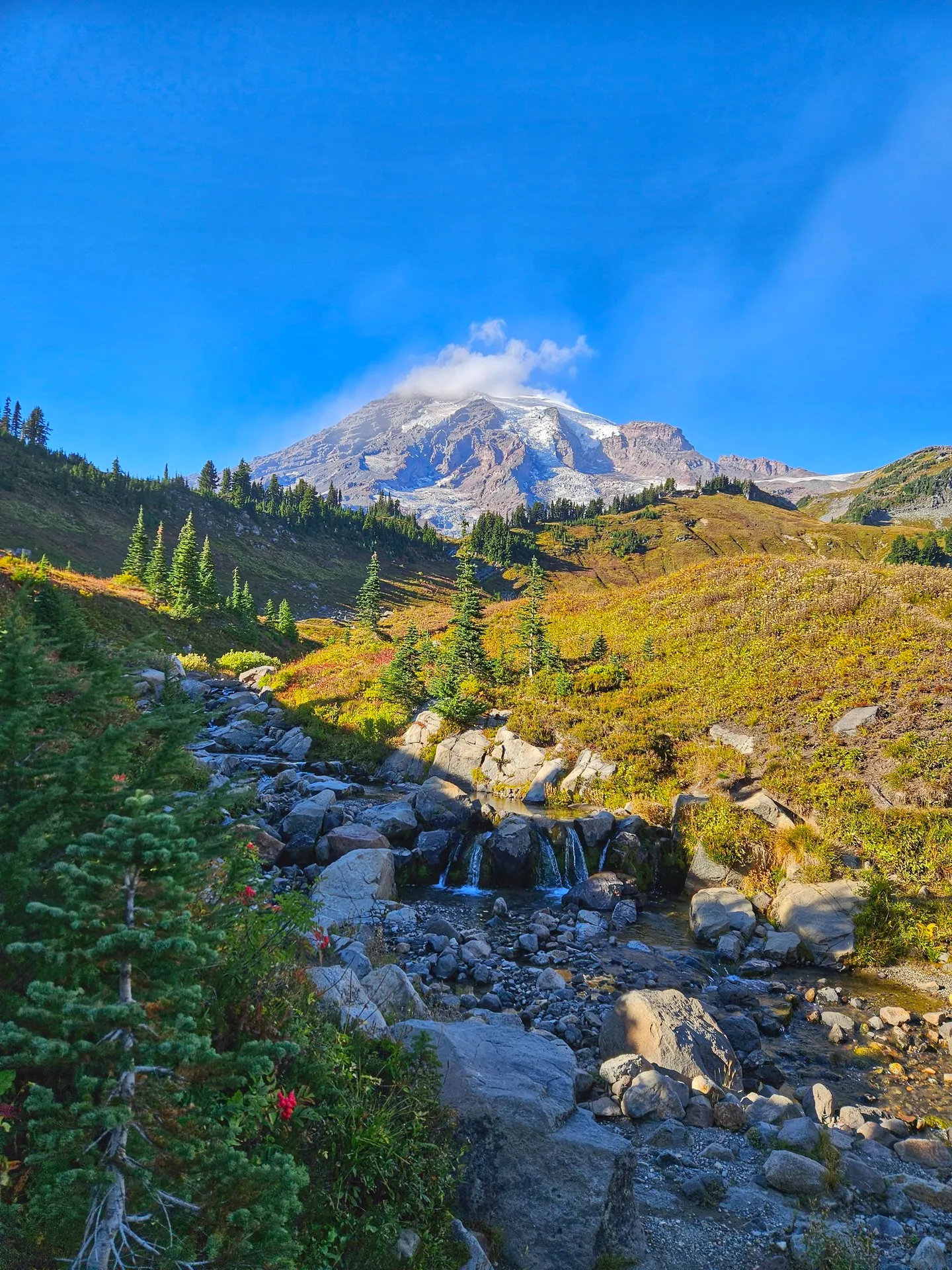
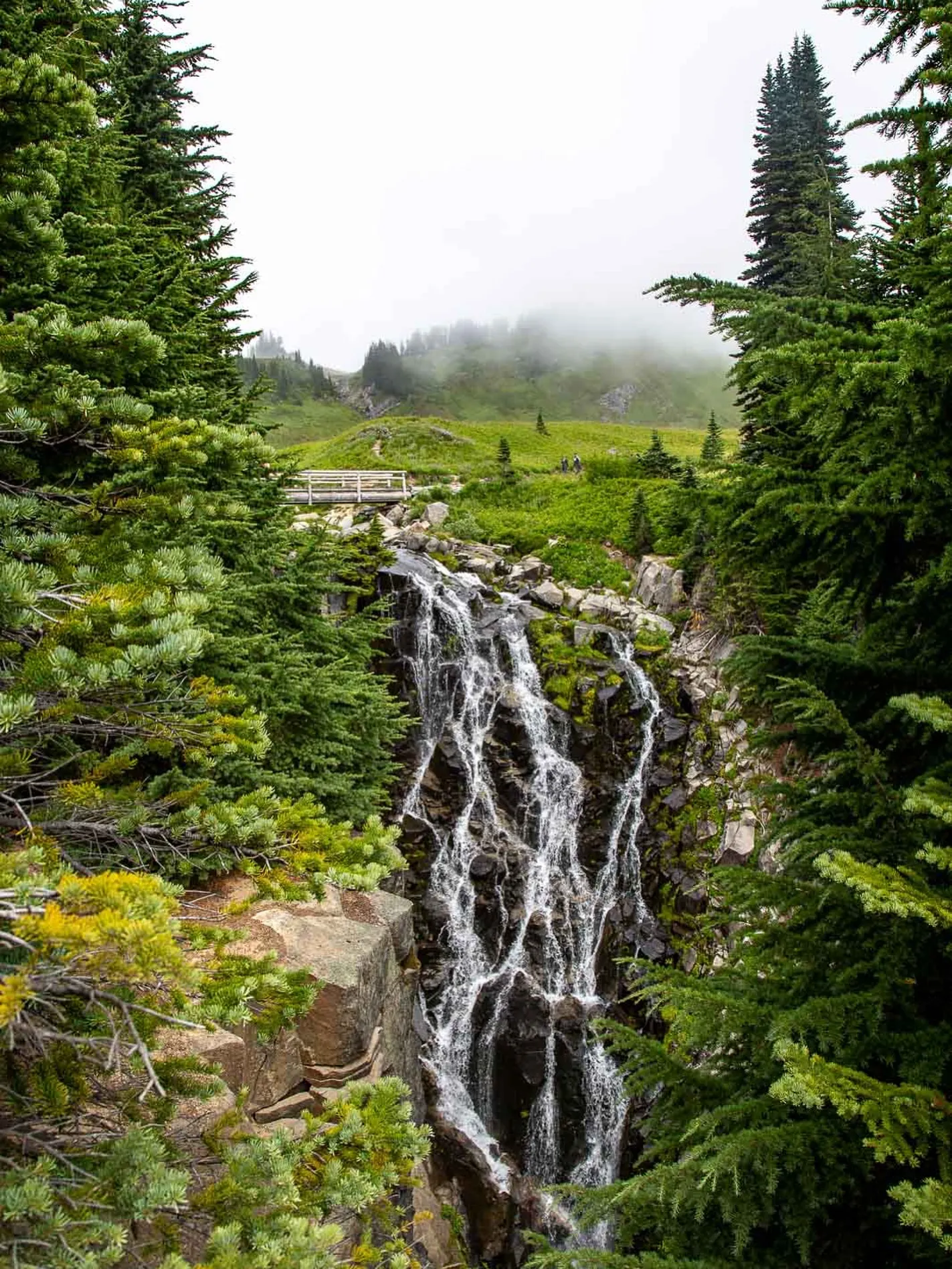
Mount Rainier doesn’t just dominate the Seattle skyline — it dominates your imagination. At over 14,000 feet, it’s one of the most iconic volcanoes in the U.S., but what surprised me most wasn’t the mountain itself… it was the wildflower meadows.
Visit anytime from late July to mid-August and the Paradise area becomes an explosion of purple lupines, magenta paintbrush, and white avalanche lilies. It feels like walking through the world’s prettiest postcard.
Skyline Trail is the classic hike here, but even the short Paradise paths make you feel like you’re touching the mountain.
Traveler Tip: Bring layers. Even in August, Rainier’s weather switches moods faster than a teenager.
3. North Cascades National Park, Washington — America’s Alps, Without the Crowds

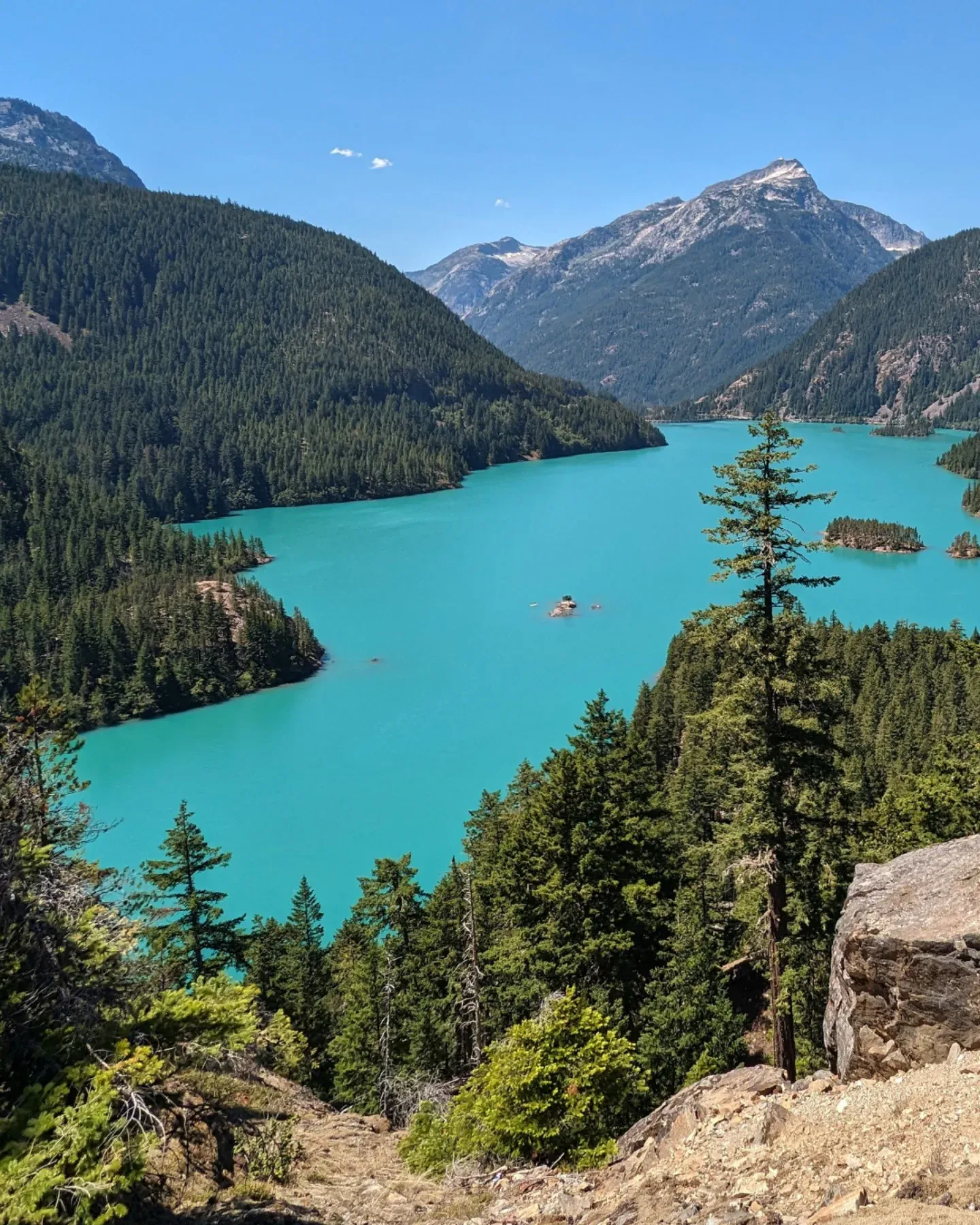
The North Cascades are criminally underrated. Think dramatic peaks, turquoise lakes, and a fraction of the visitors that nearby Rainier gets.
Diablo Lake is the star — yes, the water is actually that neon-blue — but the hikes around Maple Pass and Cascade Pass are what made me fall in love with this region. Expect ridge walks, wildflowers, and views that make you stop mid-step.
Traveler Tip: This park is more remote than most. Fill up on gas and bring snacks — towns are few and far between.
4. Columbia River Gorge, Oregon/Washington — Waterfall Wonderland


If you love waterfalls, the Columbia River Gorge is your happy place. I’ve never seen so many falls packed into one region. You can literally spend a full day hopping from one trailhead to the next.
The 2026 must-do list:
- Multnomah Falls — the celebrity
- Latourell Falls — elegant basalt backdrop
- Wahclella Falls — underrated and magical
- Bridal Veil Falls — a quick but lovely detour
Driving the Historic Columbia River Highway itself feels like a scenic experience.
Traveler Tip: Hit Multnomah before 9 a.m. or it becomes a festival.
5. Crater Lake National Park, Oregon — The Bluest Blue You’ll Ever See
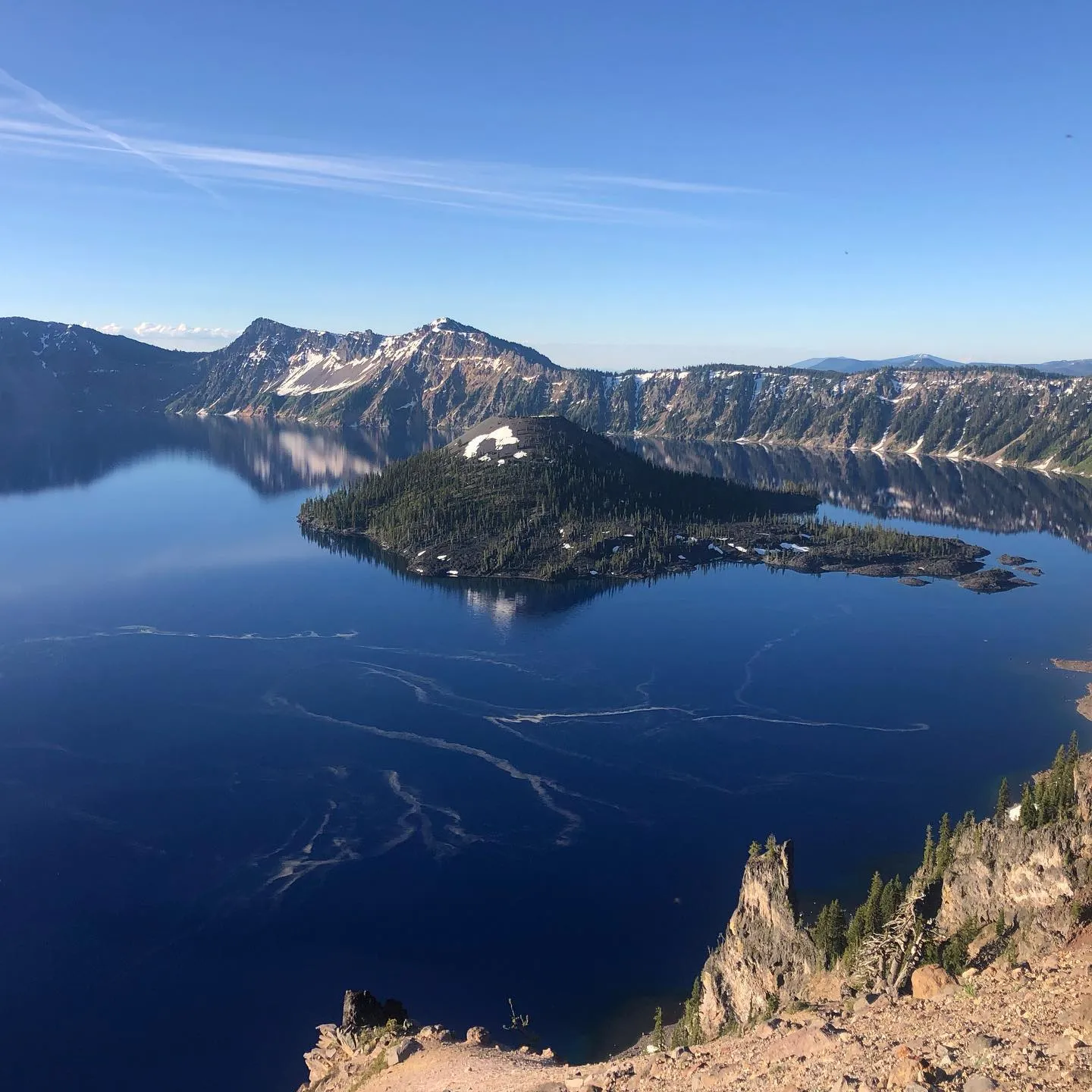
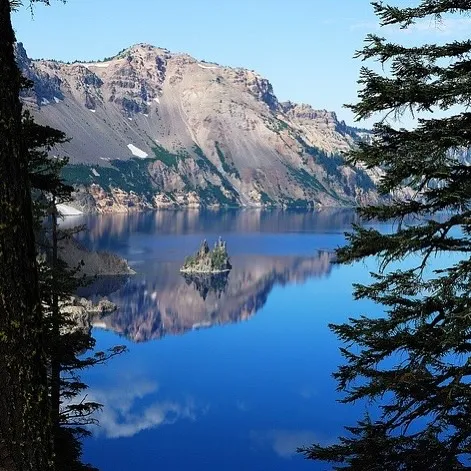
Crater Lake is one of those landscapes that doesn’t look real until you’re standing at the rim. The color of the water is almost unnaturally blue, and the crater’s silence has a calming, otherworldly vibe.
The Rim Drive offers the best viewpoints, but if you want a small adventure, hike down Cleetwood Cove and jump into the water. Fair warning: it is very cold — like your-heart-might-stop cold. But there’s a certain bragging-rights joy in saying you swam in a volcanic caldera.
Traveler Tip: The lake is only accessible in summer—snow can linger into July.
6. The Oregon Coast — 363 Miles of Coastal Drama

I’ve driven the Oregon Coast twice, and both times I wanted to stop every 10 minutes. Sea stacks rise out of misty waves, forests run right up to the cliffs, and lighthouse viewpoints practically demand detours.
Some unforgettable stops:
- Cannon Beach — famous Haystack Rock at golden hour
- Ecola State Park — cinematic headland views
- Cape Kiwanda — orange sandstone cliffs perfect for sunset
- Samuel H. Boardman Scenic Corridor — the most dramatic coastal scenery in the PNW
Traveler Tip: Expect overcast mornings. The coast reveals its beauty slowly.
7. Mount Hood, Oregon — The Pacific Northwest Ski/Hike Playground
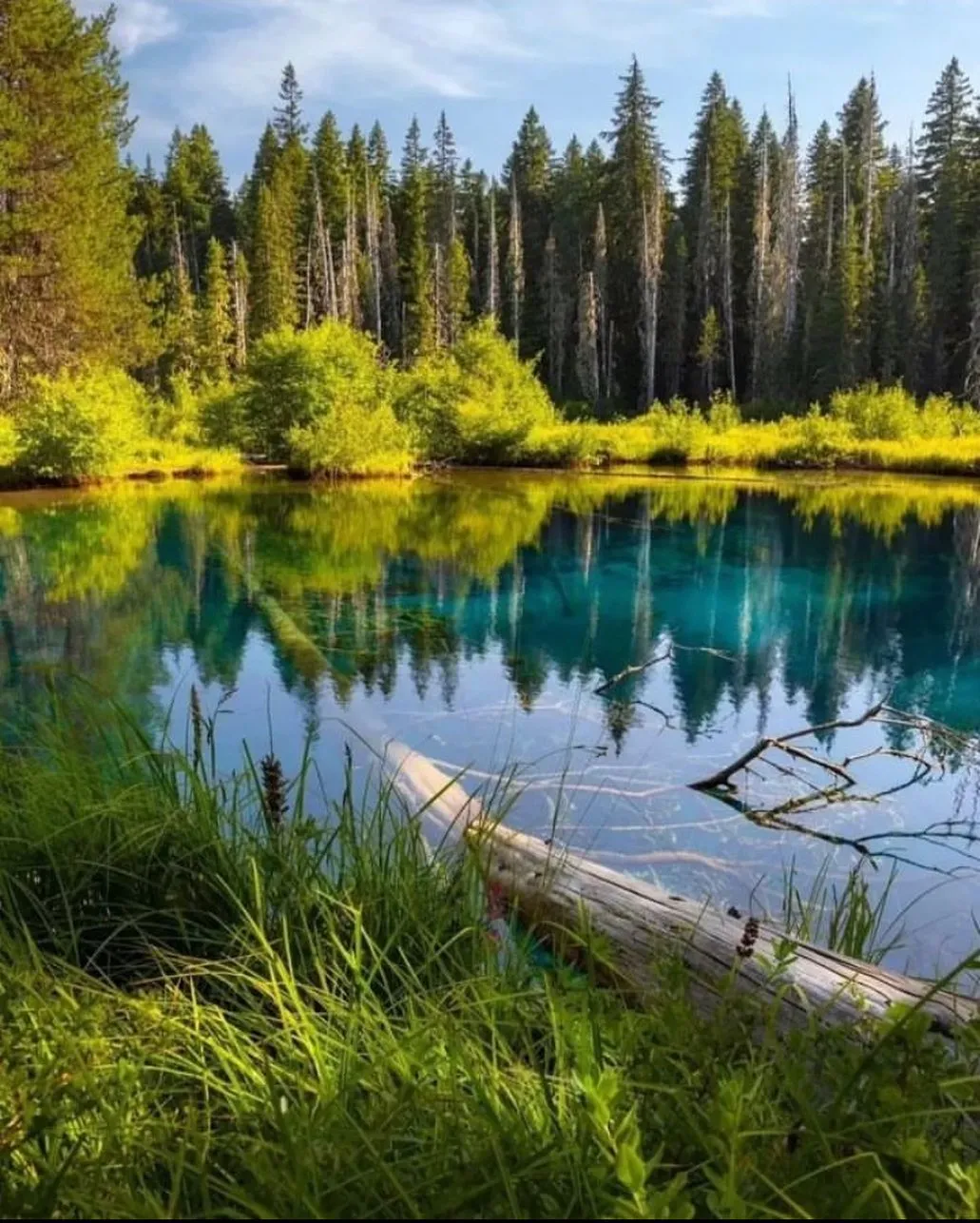
Mount Hood is Portland’s year-round backyard playground. I’ve skied here in spring and hiked here in summer, and it’s equally amazing in both seasons.
Trillium Lake might be the most photogenic spot, offering mirror-perfect reflections of the mountain at sunrise. The Timberline Trail is a bucket-list backpacking route, but even doing small sections gives you beautiful alpine scenery.
Traveler Tip: Bring mosquito repellent in July. Trust me.
8. The San Juan Islands, Washington — Gentle Adventures & Peaceful Landscapes

If your idea of nature is something calmer — coastal views, quiet beaches, and wildlife sightings — the San Juans might be your favorite place in the Pacific Northwest.
Orcas Island is the most hiker-friendly. The Moran State Park trails lead to lakes, old growth, and the summit of Mount Constitution, where you get a panoramic view of the entire archipelago.
Lopez Island is the cycling island — wide open roads, very little traffic, postcard-perfect farmland.
San Juan Island has Lime Kiln Point, one of the best places on earth to spot orcas from land.
Traveler Tip: Ferries book fast in summer. Reserve early.
9. Palouse Region, Washington — Rolling Hills Painted by Nature

The Palouse is a surprise — especially when you think you know what Washington looks like. Instead of forests and rain, you get soft, rolling hills that look like green waves frozen in time.
Summer evenings here are incredible. The golden light hits the hills and suddenly everything glows. Steptoe Butte is the best viewpoint, especially for sunrise or sunset photography.
Traveler Tip: This region is perfect for a relaxed road trip — rural, peaceful, wide open.
10. The Wallowa Mountains, Oregon — “The Alps of Oregon”

Oregon’s Wallowas are remote, rugged, and massively underrated. Getting here takes commitment — you’re driving almost to Idaho — but once you arrive, the landscapes feel untouched.
Wallowa Lake is postcard-perfect with mountains rising straight from the shore. The Wallowa Lake Tram gives you panoramic summit views without a difficult climb (ideal if you’re traveling with family).
This is also home to the Eagle Cap Wilderness — 360,000 acres of alpine lakes, granite peaks, and meadows. Backpackers call it heaven.
Traveler Tip: Book your stay early in peak summer — the region has limited accommodation.
11. Hells Canyon, Oregon/Idaho — Deeper Than the Grand Canyon
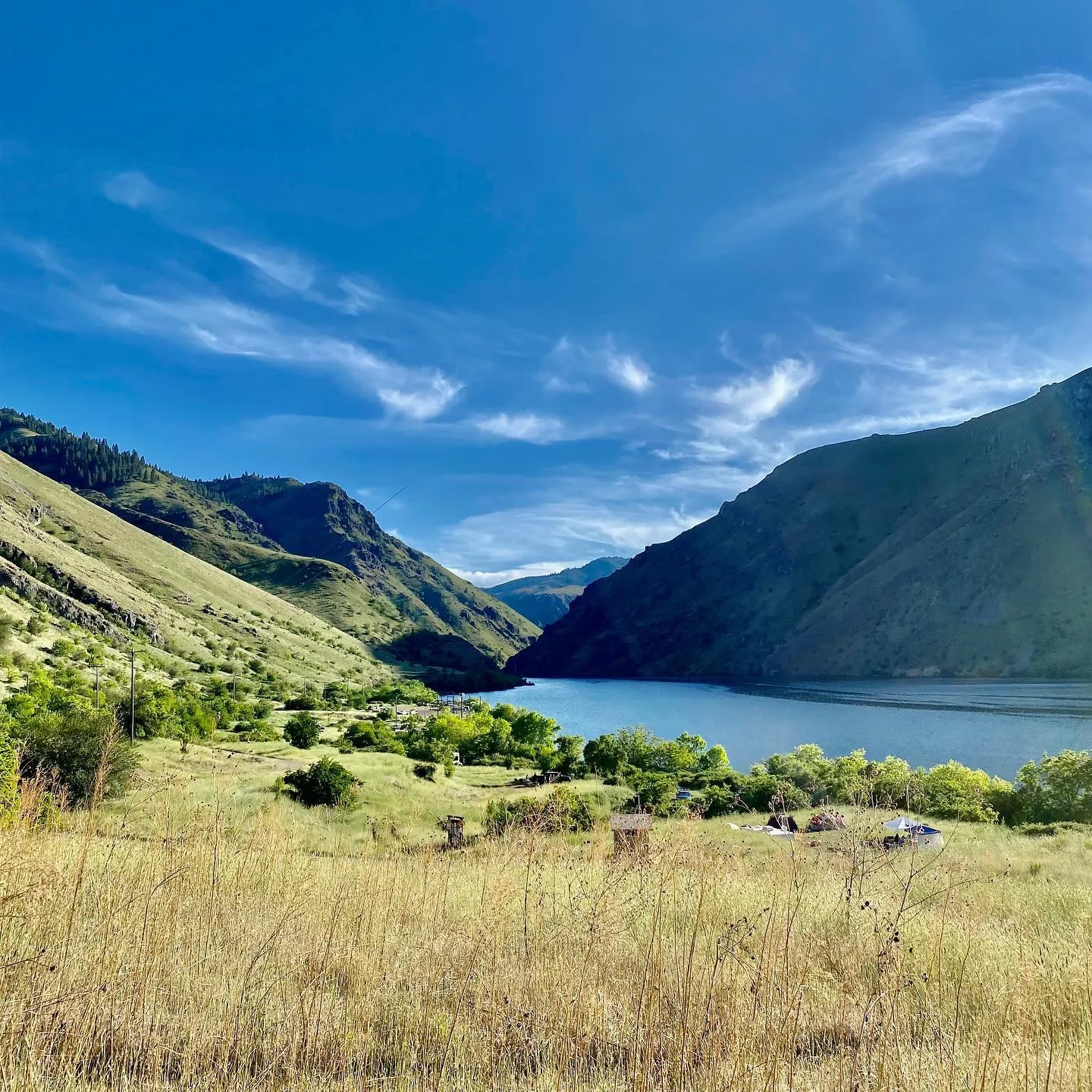
Few people realize that Hells Canyon is actually deeper than the Grand Canyon. And yet? It barely gets a fraction of the visitors.
Standing on the rim, you look down into a dramatic, rugged gorge carved by the Snake River. Jet boat tours are a fun (and surprisingly thrilling) way to explore the canyon’s hidden sections.
Traveler Tip: The Idaho side has better access roads, but the Oregon viewpoints have more drama.
12. Snoqualmie Region, Washington — Waterfalls, Forests & Cozy Mountain Vibes

Just 30–40 minutes from Seattle, Snoqualmie is one of the easiest “nature escapes” in the Pacific Northwest.
The star is Snoqualmie Falls — a thundering waterfall you can admire from two viewpoints. But what I love more are the smaller trails nearby. Twin Falls and Rattlesnake Ledge offer easy-to-moderate hikes with rewarding views and forest immersion.
In fall, the whole region turns brilliant shades of orange and gold.
Traveler Tip: Combine your hike with a stop at the Snoqualmie Point Park overlook for epic valley views.
Final Thoughts
The Pacific Northwest is not a place you visit once — it’s a place you return to again and again. Whether you prefer rain-soaked forests, alpine lakes, rocky coasts, or quiet islands, this region holds some of the most breathtaking nature in the world.
These 12 spots barely scratch the surface, but they’re guaranteed to give you those “I can’t believe this is real” moments that nature lovers crave.