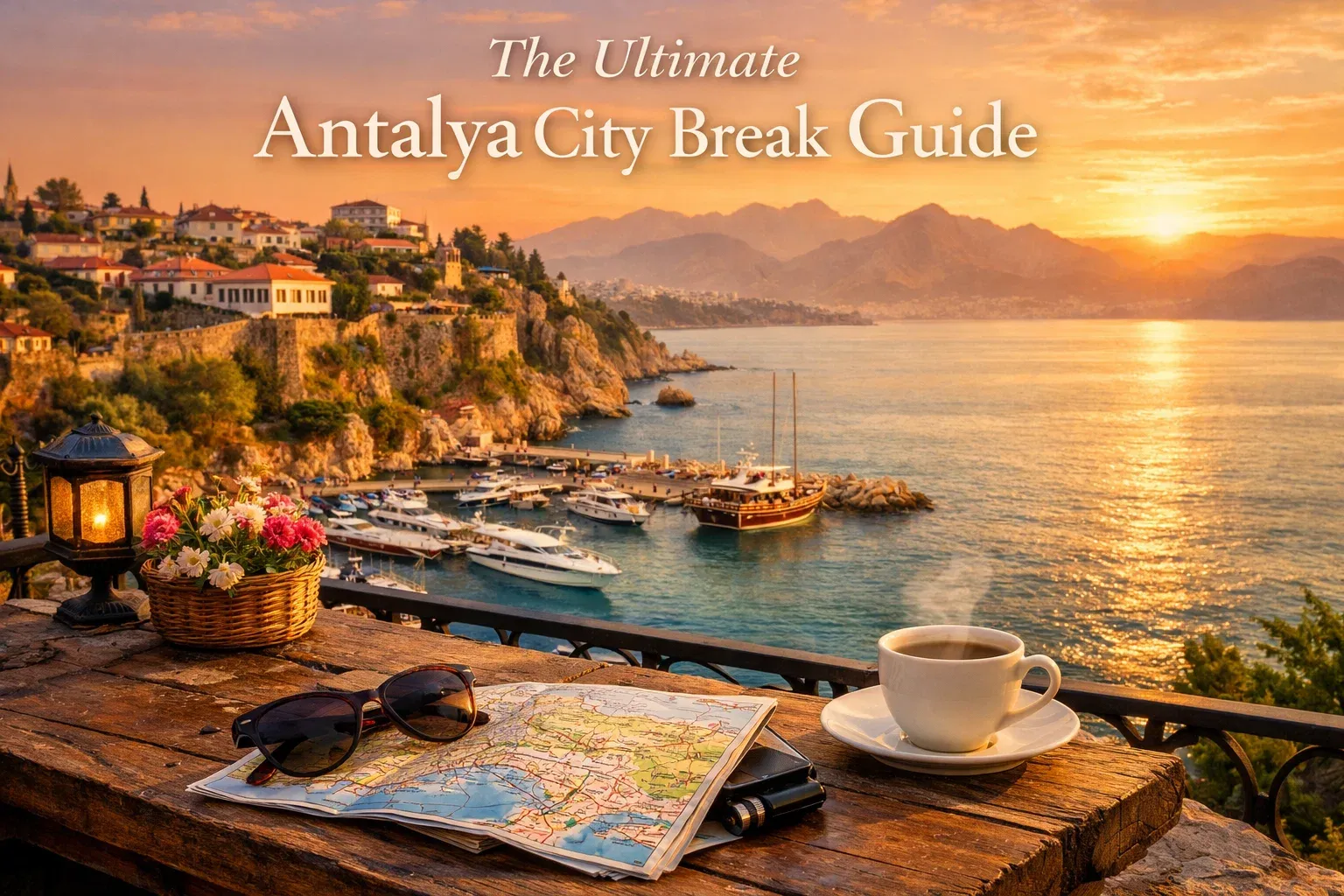
The Ultimate Guide: How to Experience the Best of Antalya on Your City Break
Ah, Antalya. For decades, it was known simply as the gateway to the Turkish Riviera—a place you flew into on your way to a beach resort. But if you make that mistake, you’re missing out on one of the most dynamic and captivating city breaks in the Mediterranean.
I’ve been wandering the globe for years, and few cities have charmed me quite like Antalya. It’s a place where you can spend the morning wandering through a Roman gate, the afternoon lounging on a pristine beach with the Taurus Mountains as your backdrop, and the evening eating freshly caught fish in a bustling old-town meyhane. It’s a functioning, modern Turkish city that also happens to wear its 2,000-year-old history on its sleeve.
This guide isn’t just a list of places to see; it’s your passport to experiencing Antalya like a seasoned traveler. We’ll go beyond the all-inclusive resorts and dive deep into the city’s soul, covering everything from hidden gems and local eats to practical tips that will save you time, money, and a sunburn.
Consider this your ultimate companion for the perfect Antalya city break.
“While Antalya is stunning in the summer, the mild winter climate makes it one of the best winter destinations in Turkey, offering sunshine without the scorching heat.”
Recommended Travel Items for Your Trip
Why Antalya Deserves a Spot on Your Travel List
Before we dive into the “how,” let’s talk about the “why.” Antalya resists easy labels. Unlike purpose-built holiday villages, this is a real city with a pulse. It offers a unique blend that’s hard to find elsewhere:
- History You Can Touch: From the imposing Hadrian’s Gate to the sprawling ruins of nearby Perge, history isn’t confined to museums here; it’s integrated into the fabric of daily life.
- A Coastal Playground: With two distinct beaches—the sandy expanse of Lara and the pebbly, mountain-backed Konyaalti—you’re never far from the Mediterranean’s dazzling blue waters.
- A Culinary Hotspot: Antalya’s food scene is a rich tapestry of traditional Turkish flavors, from street-side piyaz (a tangy white bean salad) to high-end Ottoman cuisine.
- Year-Round Sunshine: Even in winter, when temperatures hover in the pleasant high teens or low 20s°C, the city offers a sunny escape from colder European climates.
Part 1: Navigating the Ancient Heart: Kaleiçi & The Old City
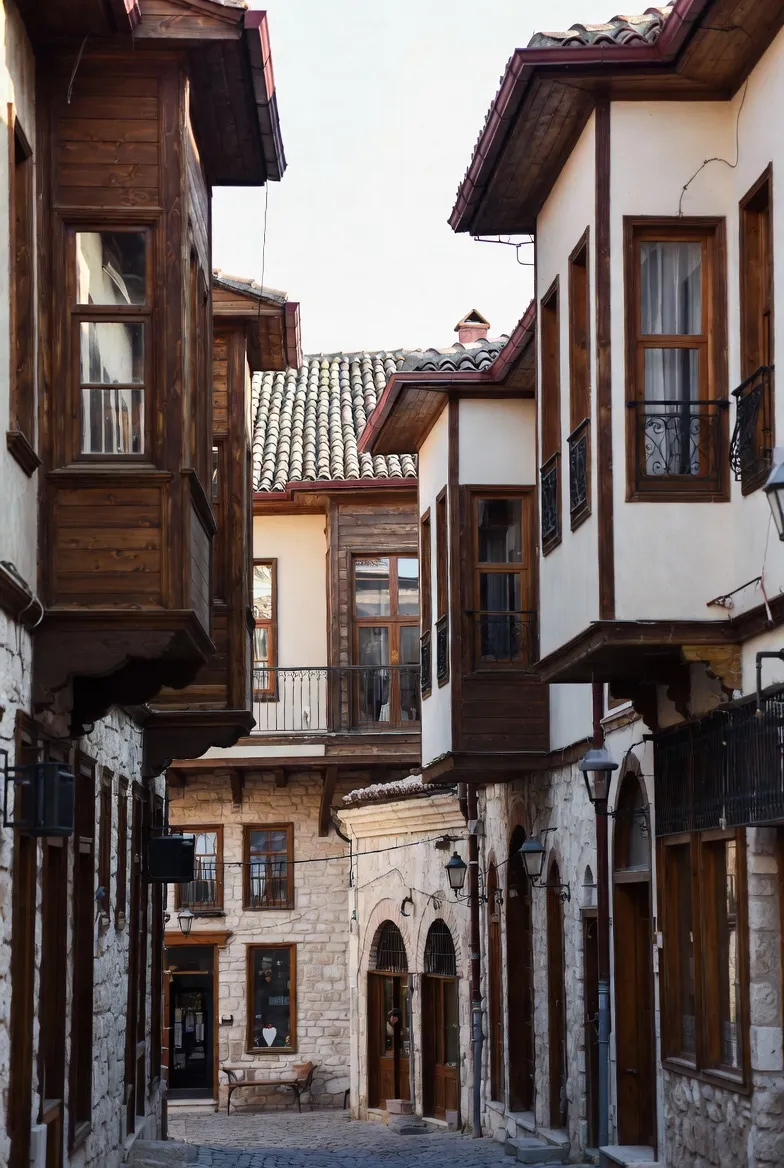
Every great city break starts with a walk, and in Antalya, that walk begins in Kaleiçi (literally “within the castle”). This is the city’s historic core, a maze of cobblestone lanes flanked by beautiful Ottoman-era houses with overhanging wooden balconies, now transformed into boutique hotels, galleries, and cafes.
Start at Hadrian’s Gate
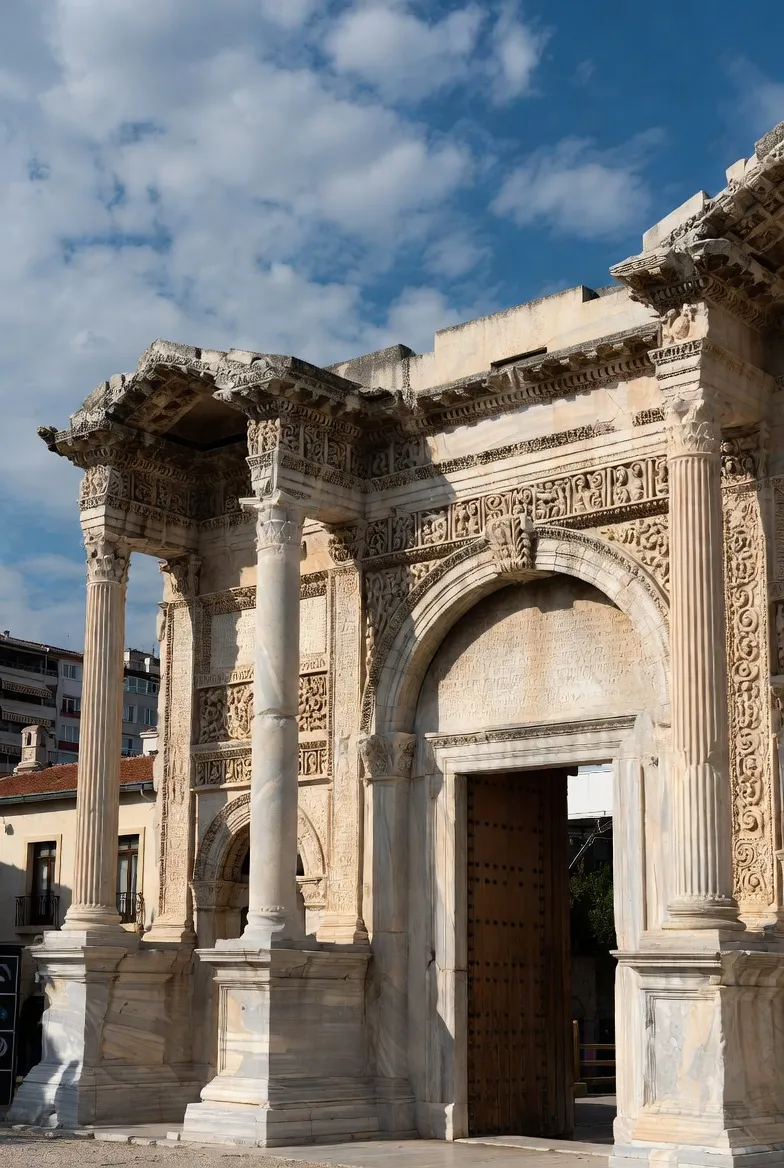
Begin your exploration at the Üçkapılar (Three Gates), better known as Hadrian’s Gate. Built in 130 AD to honor the Roman emperor’s visit, this triumphal arch is remarkably well-preserved. As you step through it, you literally walk from the modern city into the ancient one. Take a moment to admire the intricate stonework; it’s the perfect overture to the symphony of history that awaits.
Lose Yourself in the Lanes
Once inside, put away the map for an hour. Let the narrow streets guide you. You’ll stumble upon hidden courtyards, tiny mosques, and boutique shops selling everything from hand-woven carpets to contemporary art. Keep an eye out for:
- The Broken Minaret (Kesik Minare): Also known as the Şehzade Korkut Mosque, this architectural gem is a fascinating palimpsest of faiths. It began as a 2nd-century Roman temple, was converted into a Byzantine church, then a mosque, and back again. Today, preserved as a striking ruin, you can see the layers of its history under glass floors inside.
- The Fluted Minaret (Yivli Minare): This iconic symbol of Antalya, with its distinctive fluted shaft, towers over Kaleiçi. Built by the Seljuk Sultan Alaeddin Keykubad I in the 13th century, it’s a stunning example of early Islamic architecture in Anatolia.
The Roman Harbour
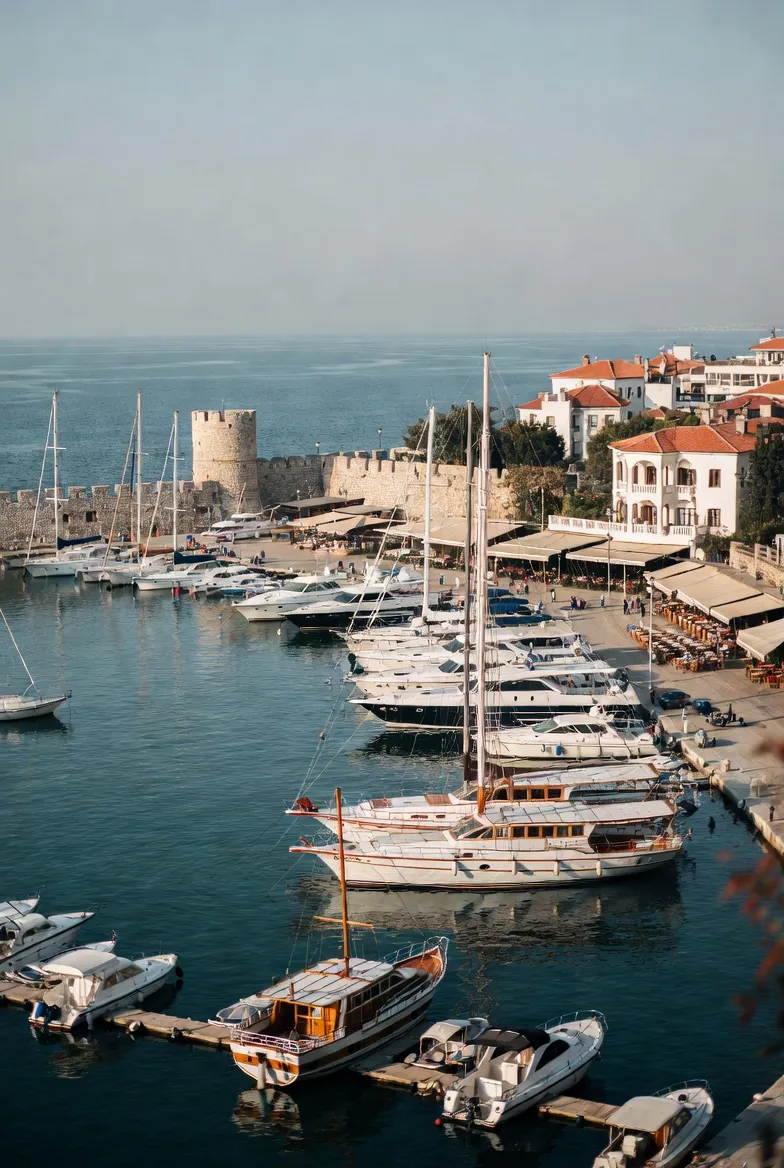
Follow the lanes downhill until you reach the water. The Roman Harbour is a picturesque marina filled with gleaming yachts and traditional wooden gulets. It’s a fantastic spot for a sunset stroll, and the cafes and restaurants ringing the harbor offer prime people-watching opportunities.
Pro Tip for Kaleiçi:
- Best Time to Visit: Early morning (before 10 AM) for quiet, photogenic streets, or after 6 PM when the air cools, and the lanterns are lit.
- Footwear: Leave the flip-flops for the beach. The cobblestones are uneven, and you’ll want sturdy, comfortable shoes.
“With its blend of Roman ruins and Ottoman architecture, Antalya rivals some of the most cultural cities in the Middle East, offering a deep dive into the region’s layered past.”
Part 2: Beyond the Walls: Ancient Ruins & Natural Wonders
While Kaleiçi is the heart, Antalya’s soul extends far beyond its old walls. A city break here means venturing out to explore the remnants of great civilizations and the power of nature.
Step Back in Time at Perge
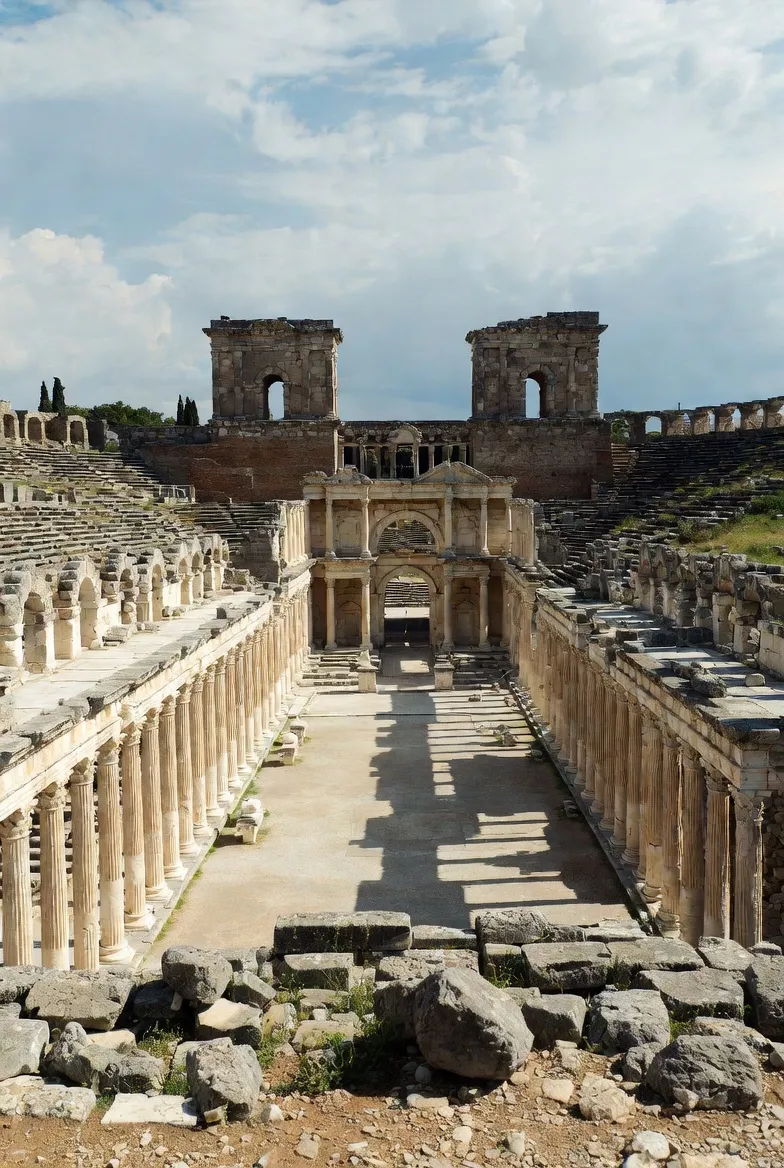
Just a 20-minute drive northeast of the city center lies Perge, one of the most impressive ancient cities in Turkey, second only to Ephesus in scale. Founded during the Bronze Age, it later became a major city in Roman Pamphylia. Walking down its long, colonnaded main street, past a massive Roman gate and a well-preserved stadium where gladiators once fought, is a truly awe-inspiring experience. St. Paul even preached here.
- The Perfect Pairing: Visit the Antalya Museum first. It houses hundreds of exquisite marble statues unearthed from Perge, which will give you a vivid sense of the city’s former grandeur before you walk its streets.
Catch a Show at Aspendos
A short drive from Perge, you’ll find the Theatre of Aspendos. Widely considered the best-preserved Roman theater in the world, its acoustics are so perfect that a whisper on the stage can be heard in the highest seats. Built in the 2nd century AD, it’s still used today for concerts and festivals—a truly magical way to experience ancient history.
The Thundering Waters: Düden Waterfalls
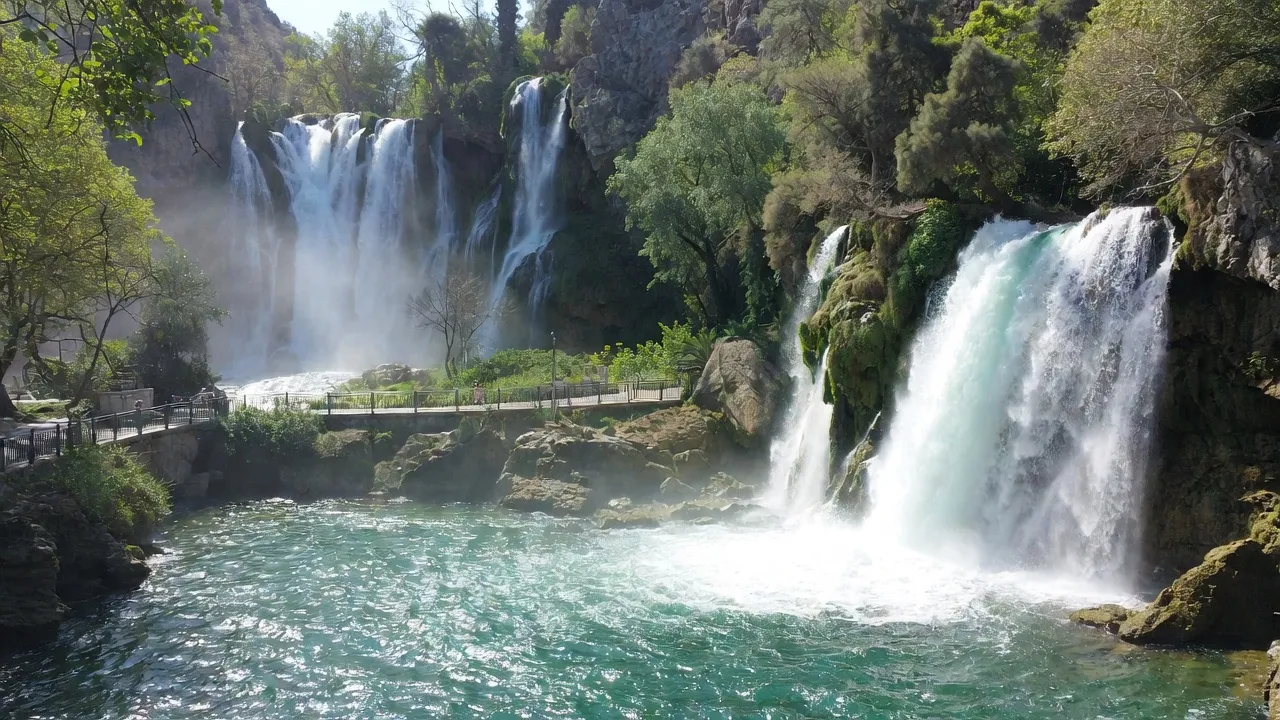
Antalya is famous for its waterfalls. You can experience them in two distinct ways:
- Upper Düden Waterfalls: Located about 20 minutes from the city center, these falls are set within a peaceful park. A walkway carved into the rock lets you go behind the cascading water—a perfect spot for photos and a refreshing misty break.
- Lower Düden Waterfalls: For a more dramatic view, you need to see the water as it plunges directly into the Mediterranean Sea. The best perspective is from a boat tour departing from the Roman Harbour, which brings you right up to the thundering cascade.
For the Adventurous: A Cable Car to the Clouds
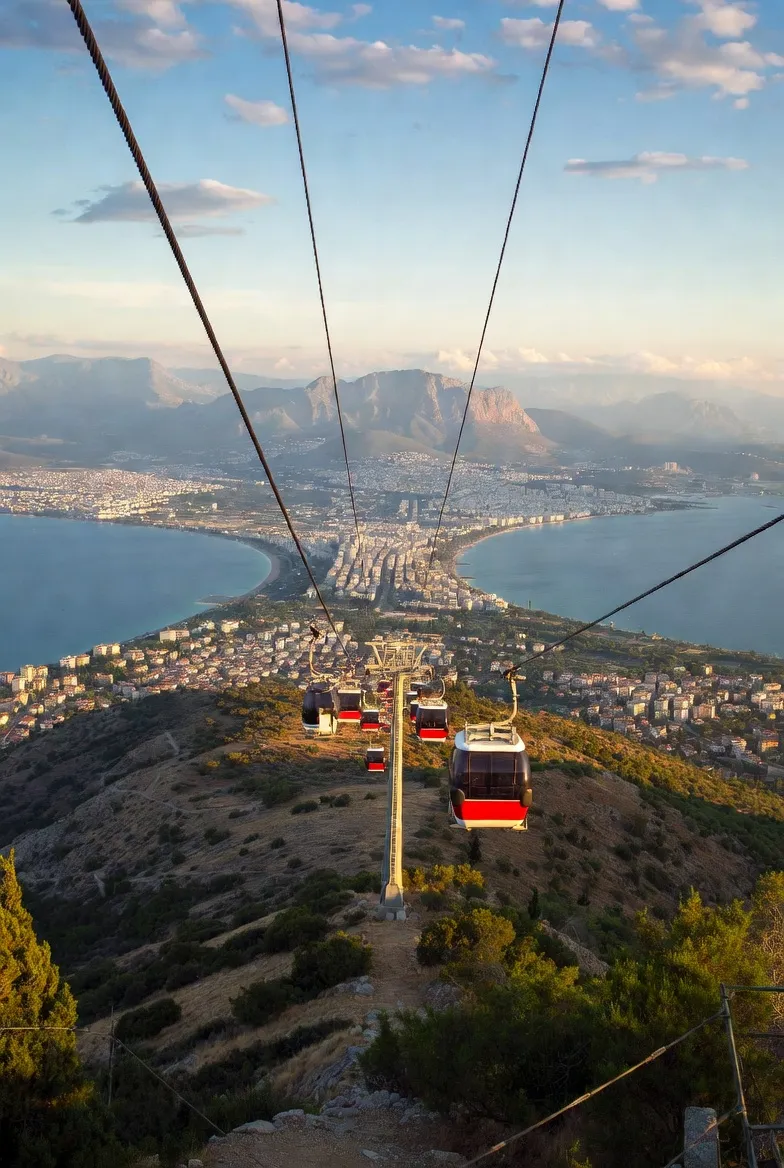
For a panoramic view that will sear itself into your memory, take the Tünektepe Teleferik (cable car). The ride lifts you from the beachfront up to a height of 605 meters. At the top, the view of the sprawling city, the coastline, and the Taurus Mountains is absolutely breathtaking, especially around sunset.
Part 3: The Antalya Museum & A Tale of Two Shores
The Antalya Museum
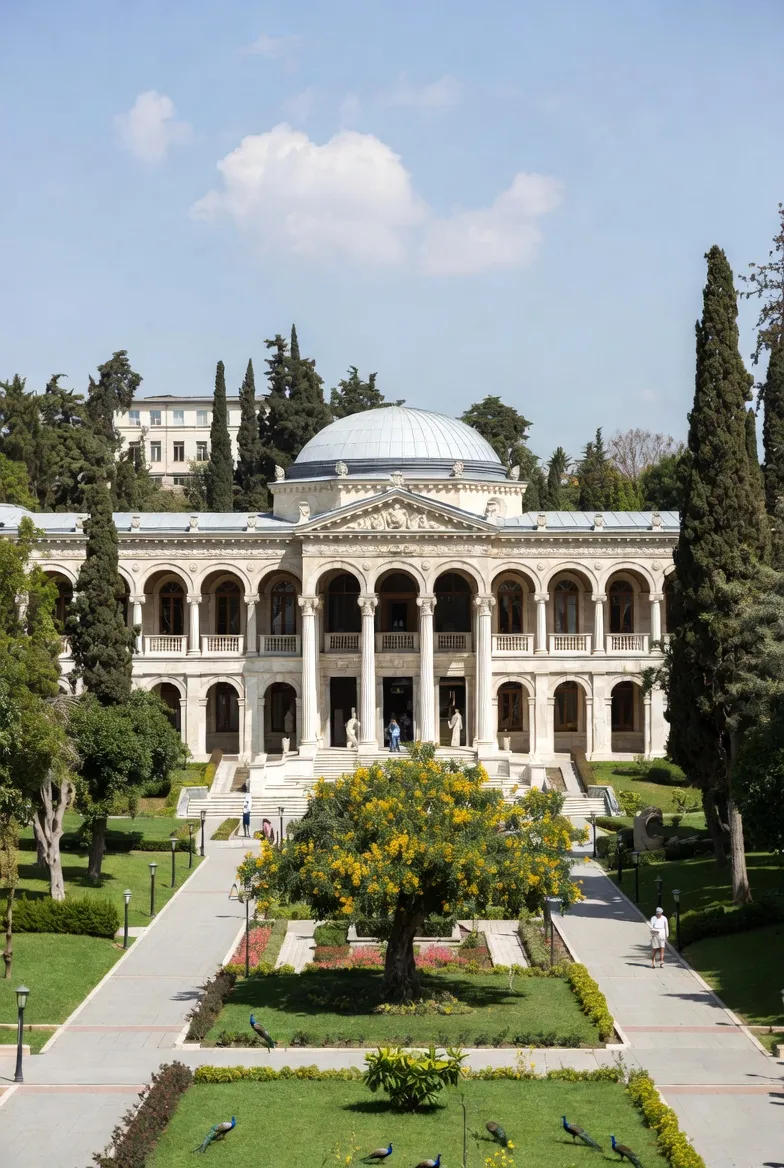
If you only visit one museum in Turkey, make it the Antalya Museum. It is world-class. The journey through its 13 galleries takes you from the Stone Age to the Ottoman era, but its crown jewels are the statues from Perge. The “Hall of Gods” is particularly stunning, filled with beautifully carved figures of Zeus, Aphrodite, and other deities from the Roman pantheon. Even the gardens are delightful, often with peacocks wandering among the visitors.
Konyaalti Beach
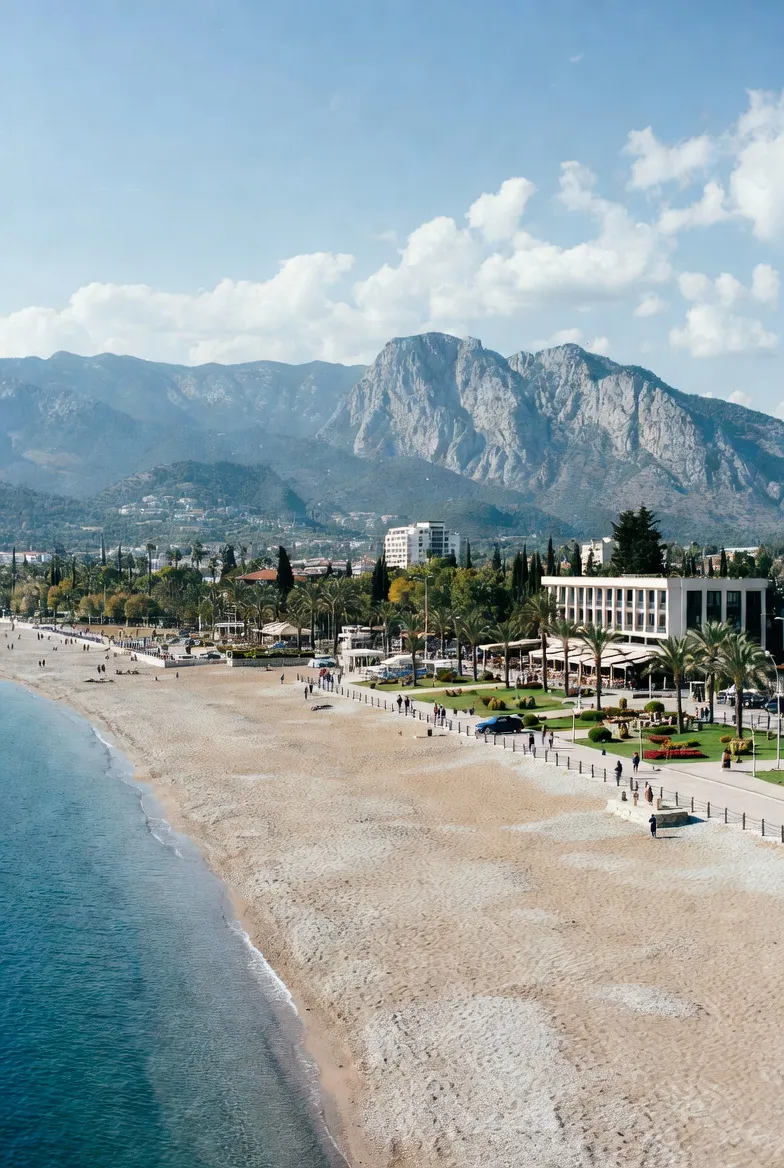
After a day of history, it’s time to hit the beach. Head to Konyaalti Beach, on the western side of the city. This is where the locals go . It’s a long, pebbly beach backed by a beautiful, landscaped park promenade lined with palm trees, cafes, and restaurants. The backdrop of the Taurus Mountains is simply spectacular. It’s less resort-oriented and has a more relaxed, urban vibe.
- Like a Local: Grab an ice cream or a cold beer from one of the bars along the promenade and watch the sunset. It’s a quintessential Antalya evening.
Lara Beach
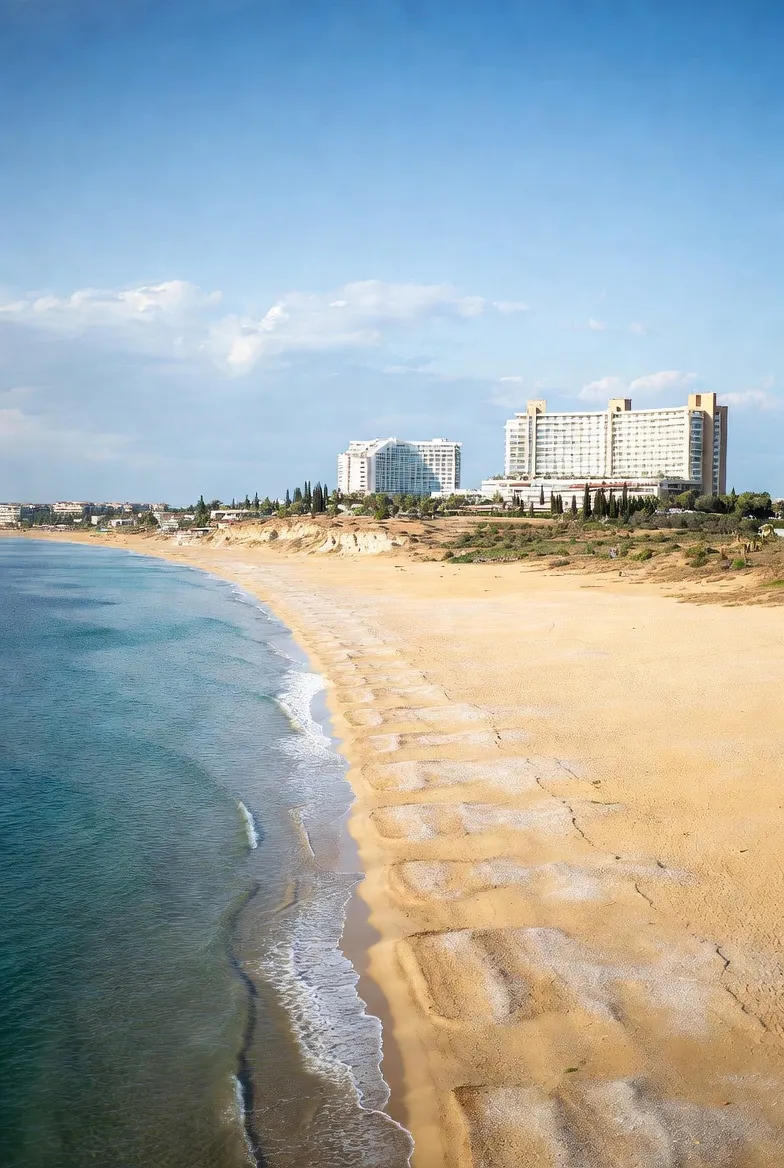
To the east lies Lara Beach, famous for its five-mile stretch of golden sand. This area is dominated by huge, luxurious all-inclusive resorts. While it’s perfect for a traditional fly-and-flop holiday, if you’re on a city break, it’s worth visiting for the beach clubs and a different perspective on the coastline, especially the view of the Lower Düden Falls from the cliffs.
“If you are planning your 2026 travel calendar, Antalya should be on your radar, and you can check our guide to the best places to travel for the ideal time to visit.”
Part 4: The Antalya Food Scene: A Culinary Journey
To truly experience a city, you must eat like a local. Antalya’s food scene is a delicious blend of regional specialties and classic Turkish cuisine. Here’s where to go, based on my own taste buds.
The Must-Try Dishes
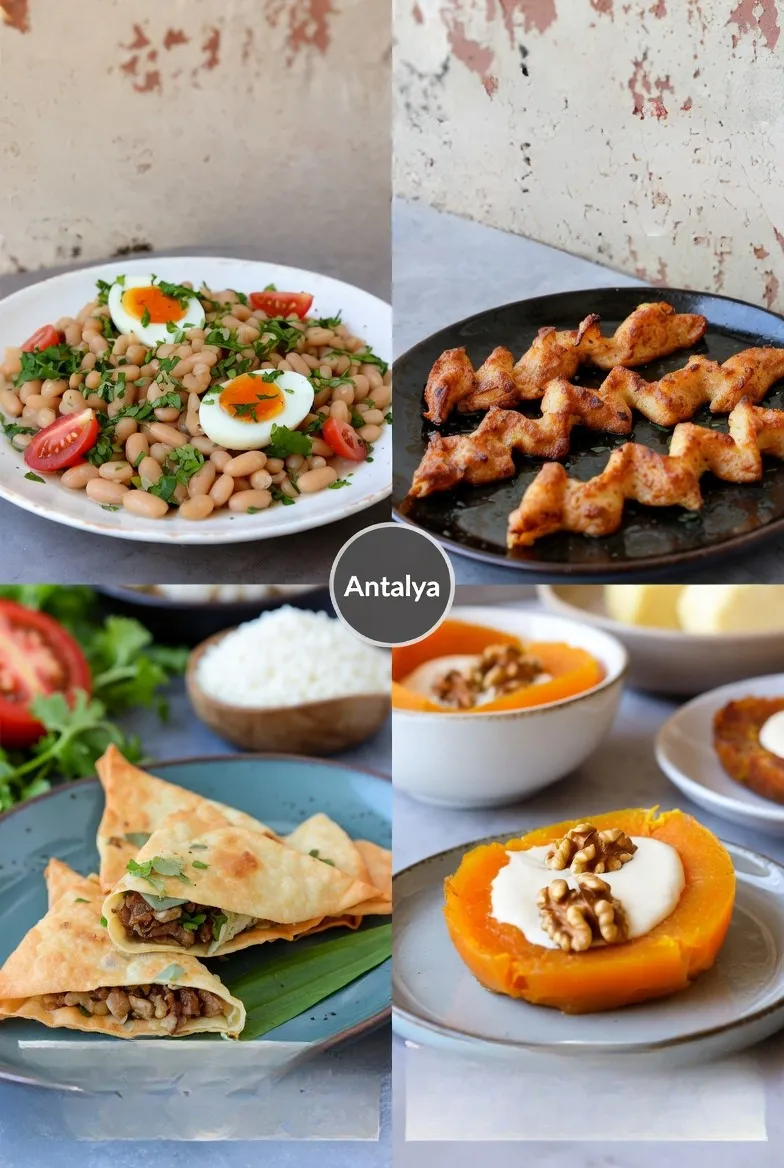
- Piyaz: Antalya’s signature dish. Don’t confuse it with the onion and sumac salad found elsewhere in Turkey. Here, it’s a hearty main dish of white beans in a tangy tahini and vinegar sauce, topped with chopped boiled egg, parsley, and tomatoes.
- Şiş Köfte & Grilled Meats: The city is full of ocakbaşı (grill houses) where you can watch masters cook skewered meats over an open flame.
- Serpme Börek: A paper-thin, crispy pastry filled with minced meat or cheese, unique to the region.
- Alanya-Style Pumpkin: A local dessert of oven-roasted pumpkin served with tahini and walnuts.
Where to Eat
- For Piyaz Perfection: Özgül Kebap Şişçi İbo: A humble, no-frills lunch spot in the Elmalı neighborhood. Their piyaz is legendary—prepared to order with a perfectly balanced, silky sauce.
- For an Upscale Feast: 7 Mehmet: A local institution run by the same family since 1937, offering a panoramic view and an encyclopedic menu of traditional Turkish dishes. Don’t leave without trying the wood oven-roasted pumpkin pudding.
- For Classic Kebabs: Kadirşinas Ocakbaşı: The place to experience the theatre of a Turkish grill. Sit by the fire, order a glass of rakı, and watch the usta (master) work his magic on the Adana kebabs and dil tava (bubbling beef tongue).
- For a Cheap & Cheerful Lunch: Can Pide Yemek Salonu: Ignore the divey exterior. This spot serves some of the best homemade Turkish food—lentil soup, pide (Turkish pizza), and köfte—for prices that haven’t changed in years (mains from £4).
- For a Sweet Treat: Meşhur 18’in Bağaçaları: A tiny bakery in the old center that has been perfecting the local bağaça (tahini cake) and incredible almond acıbadem cookies since 1940.
Part 5: Where to Rest Your Head
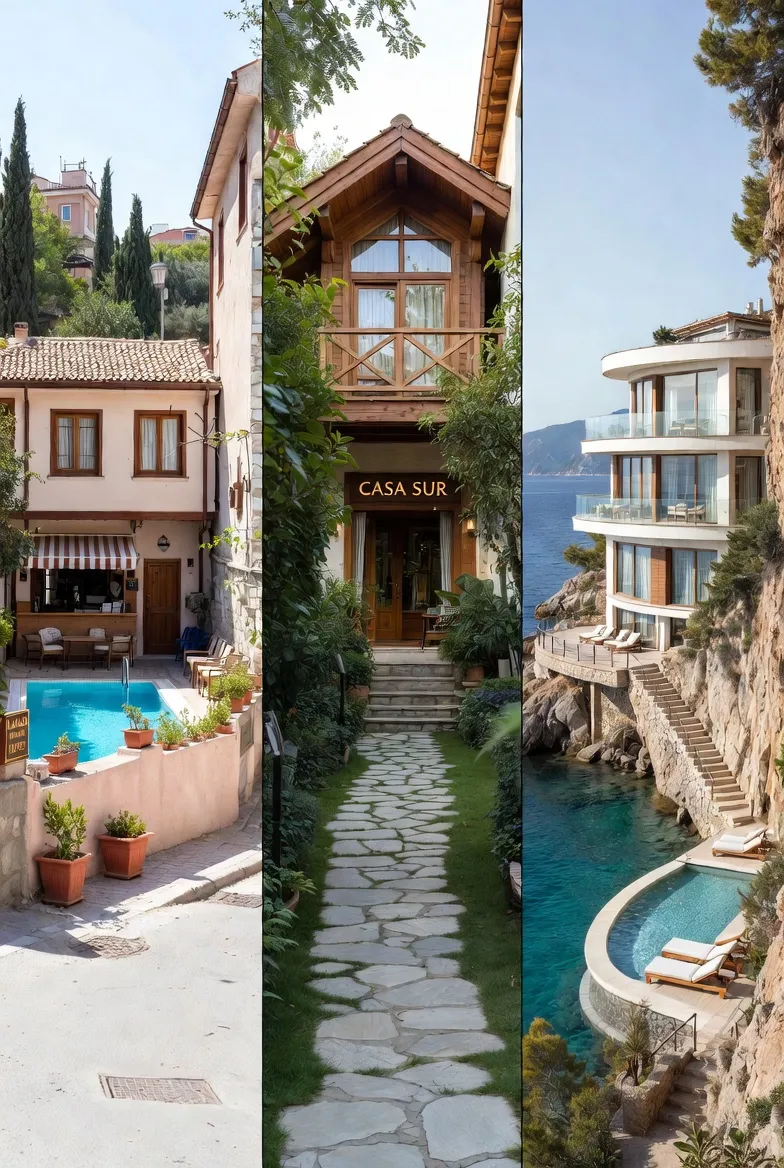
Antalya offers accommodation for every taste and budget. Here’s how to choose based on your style.
- Stay in the Heart of History (Kaleiçi):
- Kaleici Hotel: A budget-friendly, family-run gem. The rooms are simple, but the location on a quiet side street is perfect, and the little walled garden with a pool and bar is a delightful surprise.
- Casa Sur: A boutique beauty with a ski-lodge-meets-Mediterranean aesthetic. The rooms are gorgeous, the garden is fantastic, and the food is excellent.
- Stay for the Views (Konyaalti):
- Perge Hotel: An elegant, design-forward hotel perched on the cliffs between the city and the sea. The restaurant has a floor-to-ceiling view across the bay, and there’s a private cove with sun loungers for guests.
“Whether you are a history buff or a beach lover, this city caters to every type of explorer, making it one of the must-visit places for 2026 on our list.”
Part 6: The Traveler’s Toolkit: Insider Tips for a Smooth Trip
To help you navigate the city like a pro, here are some essential tips I’ve gathered along the way.
- Getting There: Antalya Airport (AYT) is well-connected. The city center is a short 15-minute drive away. The cheapest way to get into town is the AntRay tram, which takes about 30 minutes and costs pennies. Trams run from outside both the domestic and international terminals.
- Getting Around:
- Tram: The AntRay system is efficient for reaching Konyaalti Beach, the museum, and the main transport hub.
- Walking: Kaleiçi is best explored on foot.
- Public Buses/Dolmuş: For destinations like Lara Beach or Perge, minibuses (dolmuş) are frequent and cheap. Pro tip: Get a reloadable Antalyakart from vending machines at tram stops. It’s easier than paying cash and works on trams and buses.
- Taxis: They are metered, but be aware that drivers rarely respect pedestrians, so always be vigilant when crossing streets.
- Money-Saving Tips:
- Eat where the locals eat. A meal at a lokanta (cafeteria-style restaurant) or a pide salonu will cost a fraction of a tourist-trap restaurant in Kaleiçi.
- Visit the Tuesday market in Konyaalti’s Liman neighborhood for fresh produce and a true taste of local life.
- Bargain (Pazarlık) in the Bazaar: In the Old Bazaar, prices are often inflated for tourists. Haggling is expected. Start by offering half and meet somewhere in the middle. If the price isn’t right, don’t be afraid to walk away.
- Best Time to Visit: The shoulder seasons are perfect. May-June and September-October offer warm sea temperatures, plenty of sunshine, and fewer crowds than the peak summer months. The weather is also much more comfortable for exploring ruins.
Final Thoughts
Antalya is more than just a pretty face on the Mediterranean; it’s a city with depth, character, and a warm, welcoming soul. It’s a place where you can have a world-class cultural experience in the morning and a lazy, sun-drenched afternoon by the sea.
Whether you have 48 hours or two weeks, this guide will help you peel back the layers of this magnificent city. So, book that flight, pack your walking shoes and your swimsuit, and get ready to discover why Antalya is, in my book, the ultimate city break on the Turkish Riviera. Güle güle! (Go well!)