Best Time to Visit Mauritius: Month-by-Month Guide for the Perfect Island Trip
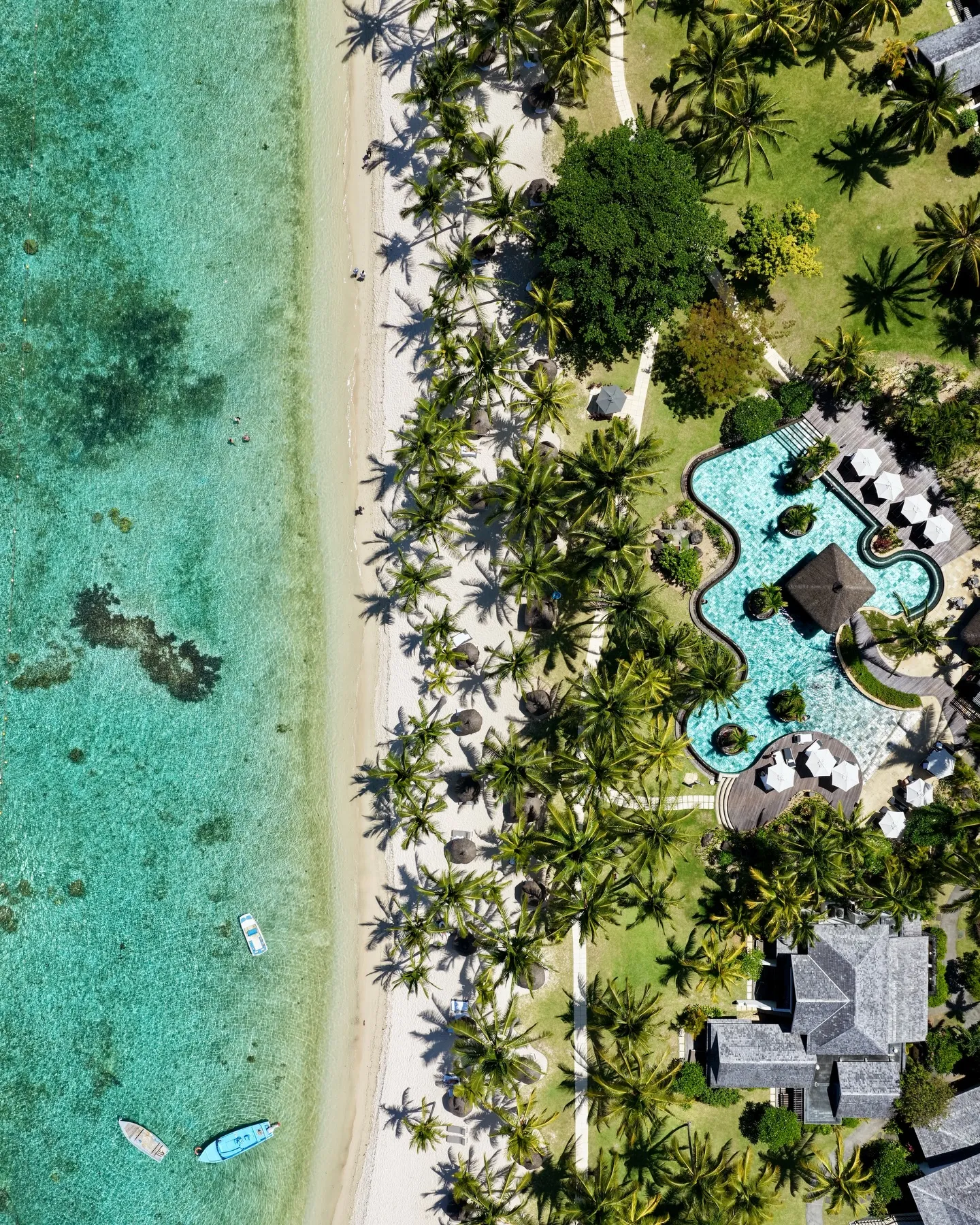
Mauritius is one of those destinations that quietly checks every travel box. White-sand beaches, turquoise lagoons, volcanic mountains, lush rainforests, multicultural food, and a laid-back island rhythm that makes you forget deadlines exist. But here’s the thing many travelers overlook: timing matters in Mauritius.
While the island is technically a year-round destination, the experience changes dramatically depending on when you go. Weather patterns, humidity, prices, crowds, marine life, and activities all shift with the seasons. Choosing the best time to visit Mauritius can mean the difference between a good trip and a truly unforgettable one.
Recommended Travel Items for Your Trip
Where Is Mauritius and Why Timing Is Important
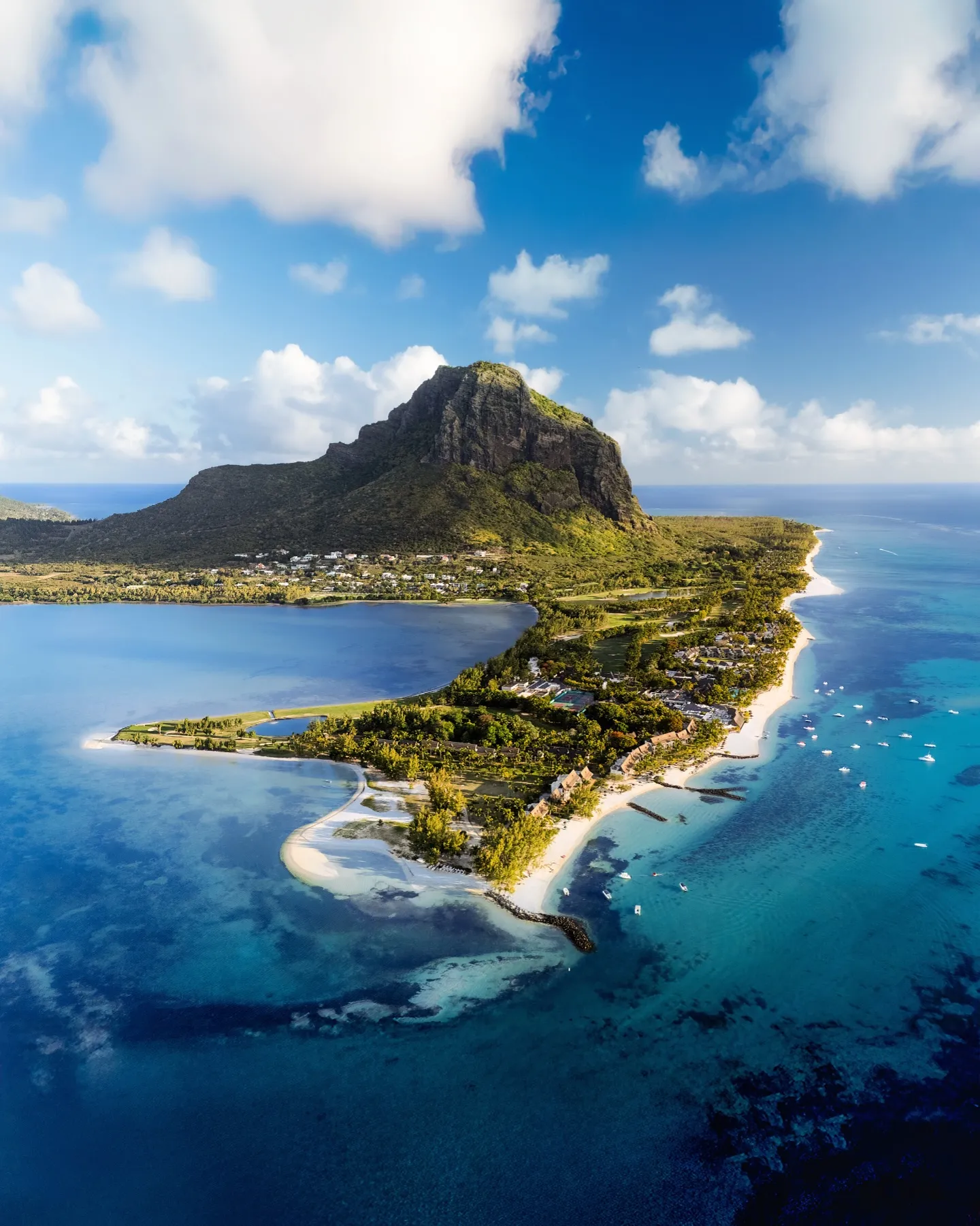
Mauritius is a tropical island nation located in the Indian Ocean, east of Madagascar and off the southeastern coast of Africa. Because of its location, Mauritius experiences a tropical maritime climate, meaning warm temperatures year-round but distinct dry and wet seasons.
Unlike destinations with four dramatic seasons, Mauritius operates on two main seasons:
- Dry, cooler season
- Hot, humid, and rainy season
Understanding these seasons is key to deciding the best time to visit Mauritius for beaches, sightseeing, water sports, wildlife, or budget travel.
Overview of Mauritius Seasons
Dry Season (May to October)
- Cooler temperatures
- Lower humidity
- Less rainfall
- Best overall travel conditions
Wet Season (November to April)
- Hotter temperatures
- Higher humidity
- Tropical showers
- Cyclone risk (January to March)
The “best” season depends on what kind of traveler you are, which is why this guide goes deeper than generic advice.
Best Time to Visit Mauritius Overall
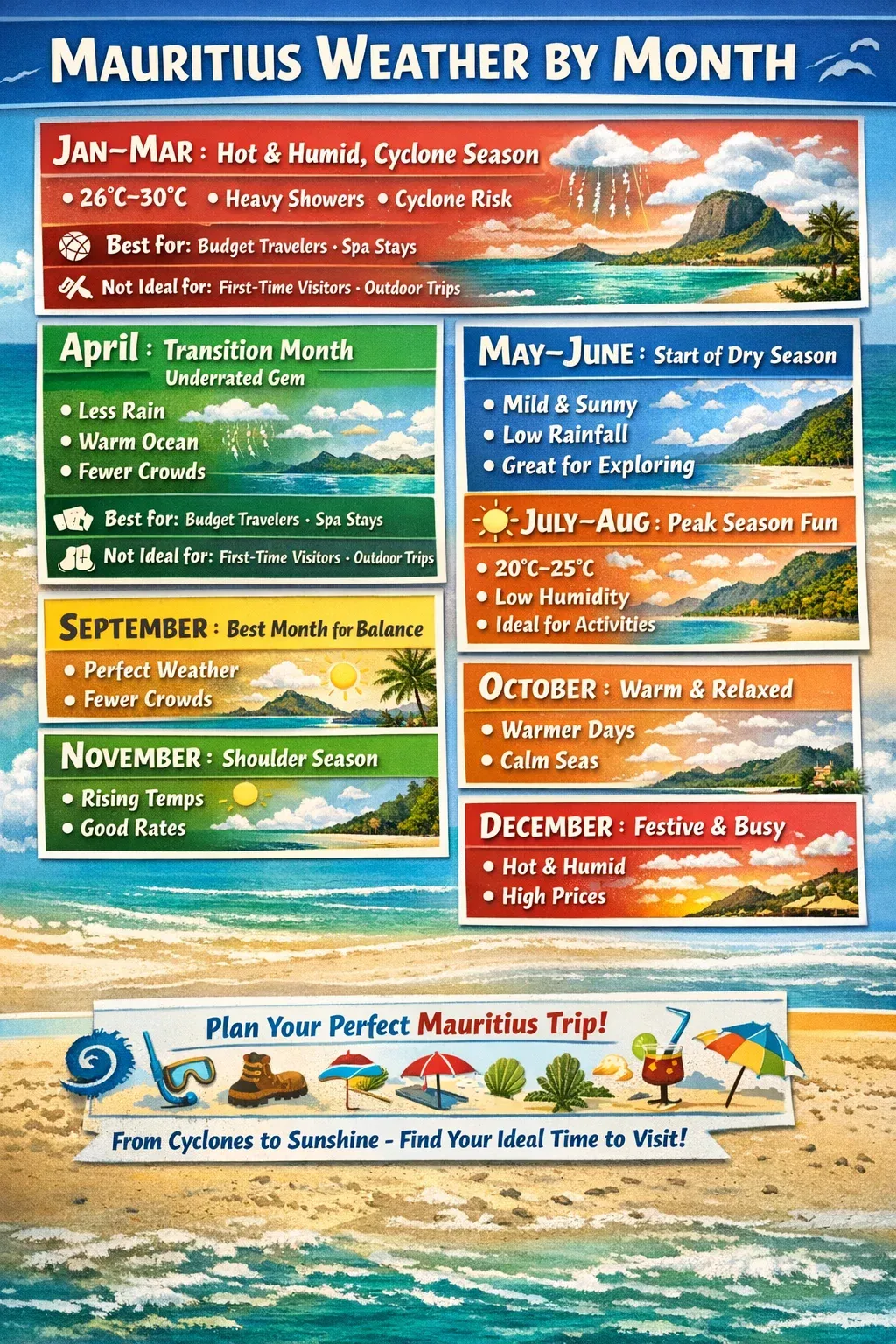
For most travelers, June to September is considered the best time to visit Mauritius.
During these months, the weather is pleasant, dry, and comfortable. Days are sunny without intense heat, making it ideal for beach time, sightseeing, hiking, and water activities.
However, this is also peak season, so prices are higher and popular resorts book quickly.
If you want fewer crowds and better deals, April–May and October–November offer excellent shoulder-season conditions.
Mauritius Weather by Month (Detailed Breakdown)
January to March: Hot, Humid, and Risky
These months fall within the cyclone season.
- Temperatures: 26°C to 30°C
- High humidity
- Short but heavy rain showers
- Possible cyclones, especially January and February
While not every trip is affected, weather unpredictability makes this period less ideal. That said, hotels often offer deep discounts, and landscapes are lush and green.
Best for:
- Budget travelers
- Spa and resort-focused stays
- Travelers with flexible plans
Not ideal for:
- Outdoor-heavy itineraries
- First-time visitors
April: Transition Month and Hidden Gem
April is one of the most underrated months to visit Mauritius.
- Rainfall decreases
- Humidity drops
- Ocean remains warm
- Fewer tourists
April offers a balance between affordability and comfort. It is excellent for snorkeling, beach lounging, and cultural exploration without peak-season crowds.
This month is often recommended by experienced travelers as a best-value time to visit Mauritius.
May to June: Start of the Dry Season
May marks the beginning of Mauritius’s dry season.
- Comfortable temperatures
- Low rainfall
- Clear skies
- Pleasant evenings
June brings slightly cooler temperatures, making it perfect for sightseeing, hiking, and exploring inland attractions like Black River Gorges National Park.
This is an ideal period for couples, families, and first-time visitors.
July to August: Peak Season and Best Weather
These are the most popular months to visit Mauritius.
- Temperatures: 20°C to 25°C
- Very low humidity
- Cool evenings
- Stronger trade winds
July and August are fantastic for outdoor activities and whale watching. However, winds can be stronger, especially on the east coast, which may affect swimming but benefit kitesurfers.
Expect higher prices and busy resorts, especially during European summer holidays.
September: Best Month for Balance
September is often considered the single best month to visit Mauritius.
- Excellent weather
- Fewer crowds than July–August
- Lower prices begin to appear
- Warm sea temperatures
Everything feels easier in September, from booking hotels to enjoying attractions without crowds. It is a favorite month among repeat visitors.
October: Warm, Dry, and Relaxed
October sits at the edge of the dry season.
- Warmer days
- Still low rainfall
- Calm seas
- Fewer tourists
October is perfect for beach holidays, snorkeling, and island hopping. It is also great for honeymooners seeking tranquility without sacrificing weather quality.
November: Shoulder Season Sweet Spot
November is another excellent shoulder month.
- Increasing temperatures
- Still manageable humidity
- Occasional showers
- Good hotel deals
It is a great time to visit if you want summer warmth without full wet-season downsides.
December: Festive but Busy
December is warm and festive, especially around Christmas and New Year.
- Hot and humid
- Short rain showers
- High prices
- Busy resorts
Despite the weather, many travelers love December for its lively atmosphere, celebrations, and holiday vibe. Book early if visiting during this period.
Best Time to Visit Mauritius for Different Travelers
Best Time for Beach Lovers
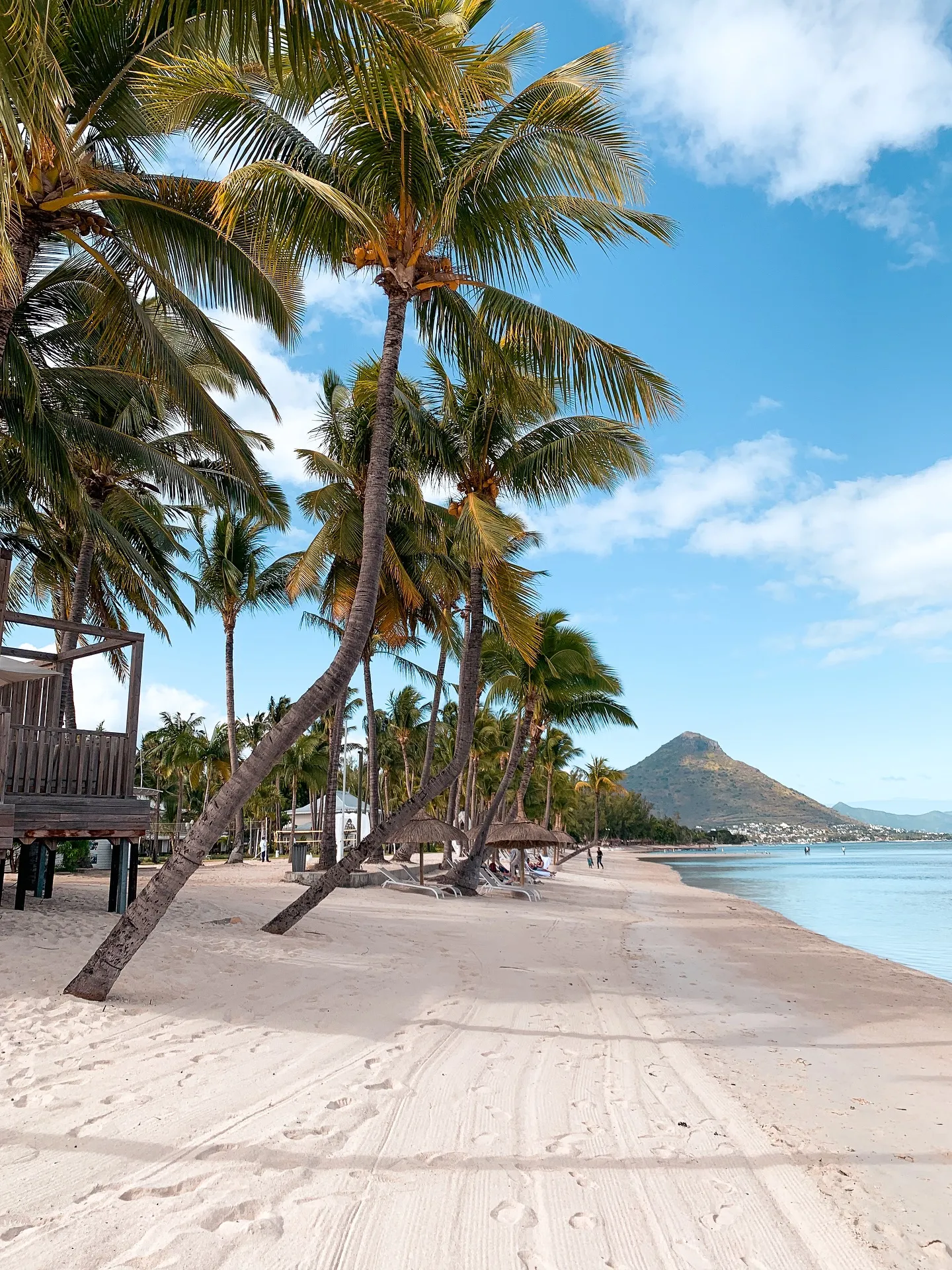
June to October offers the most comfortable beach conditions with low humidity and clear skies.
Best Time for Honeymooners

April, May, September, and October provide romance, privacy, and excellent weather without crowds.
Best Time for Budget Travelers
January, February, and March offer the lowest prices, but weather risk is higher. April and November are safer budget-friendly alternatives.
Best Time for Water Sports
- Kitesurfing: June to August
- Diving and snorkeling: April to November
- Whale watching: July to October
Best Time for Nature and Hiking
June to September is ideal for hiking and exploring inland attractions.
Best Places in Mauritius by Season
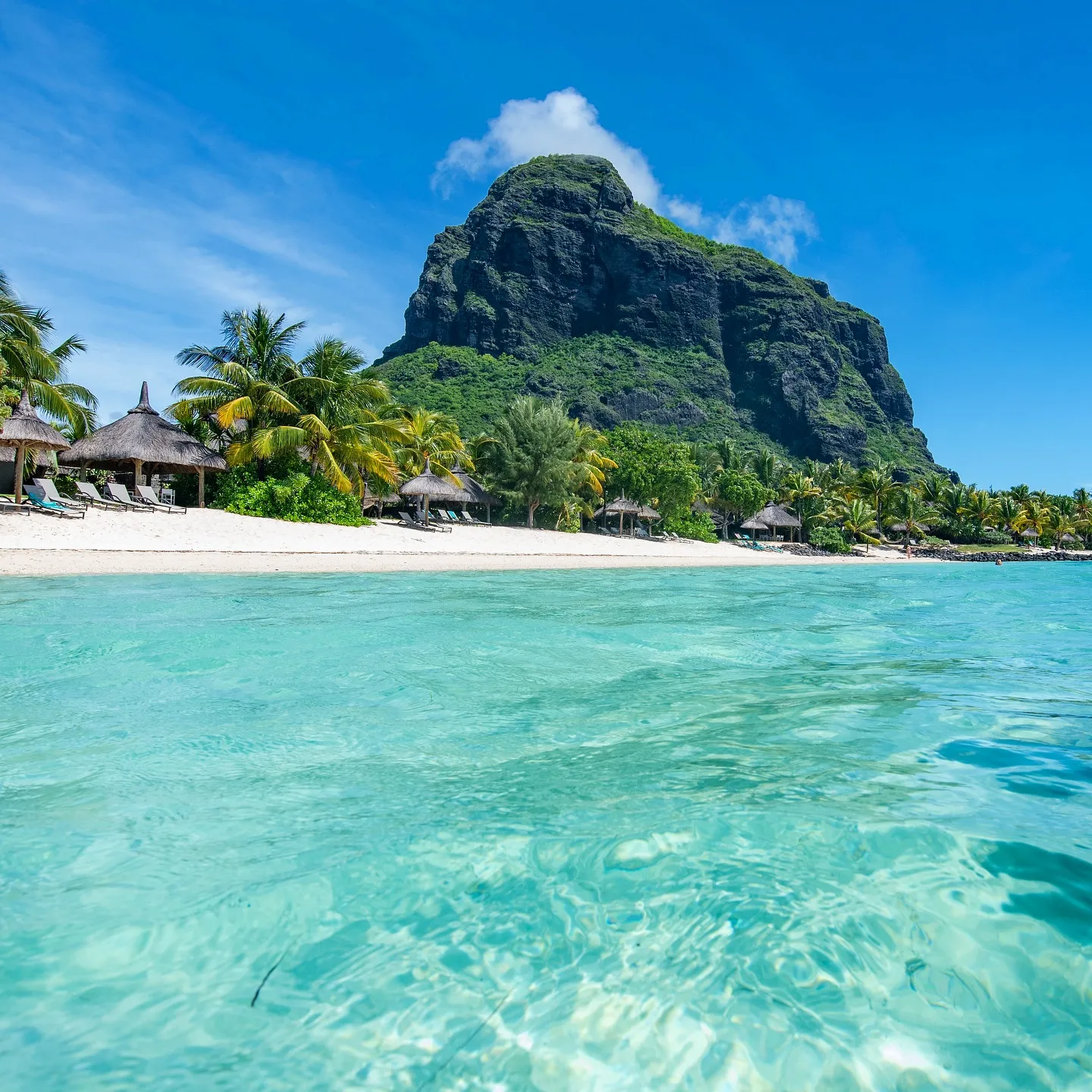
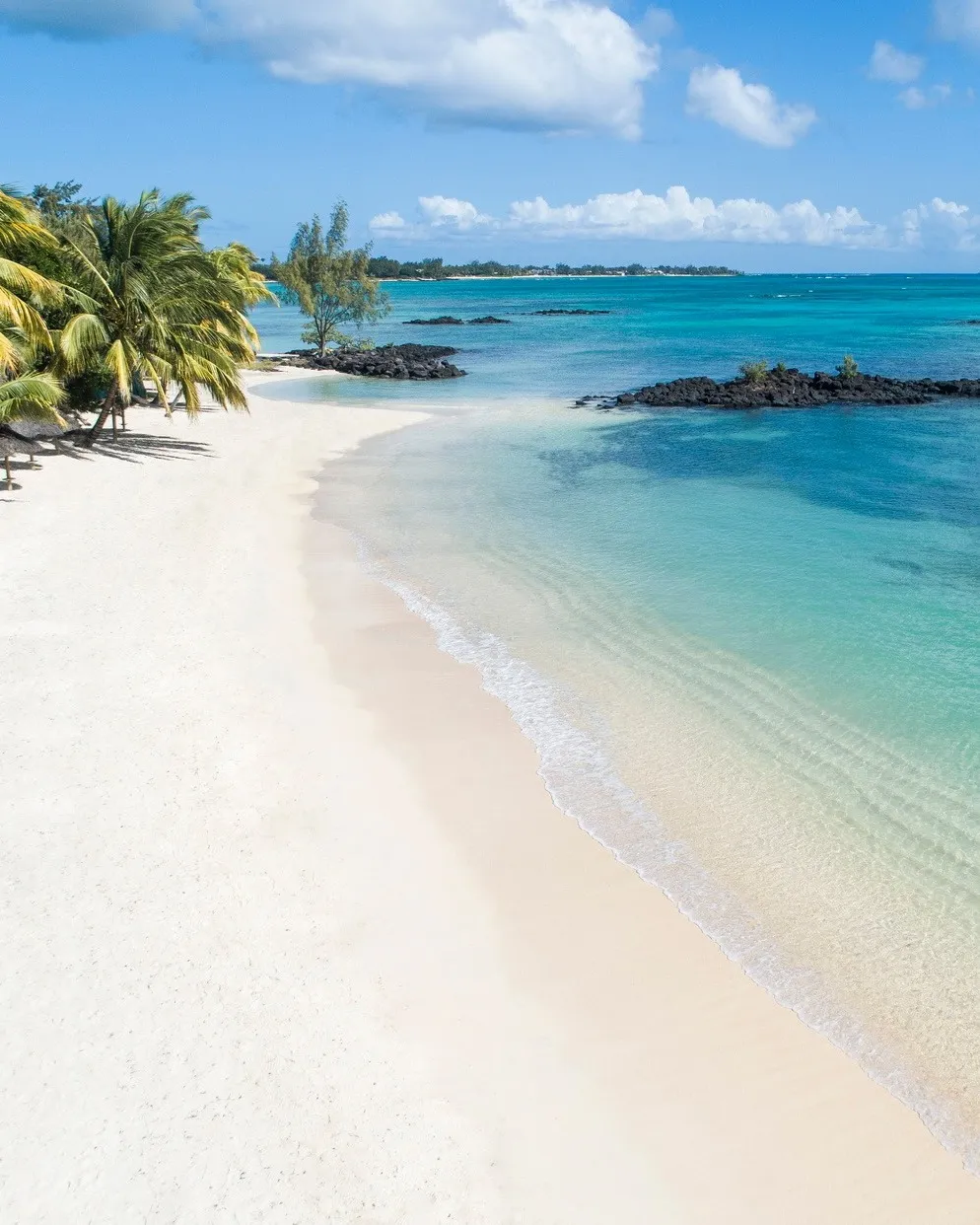
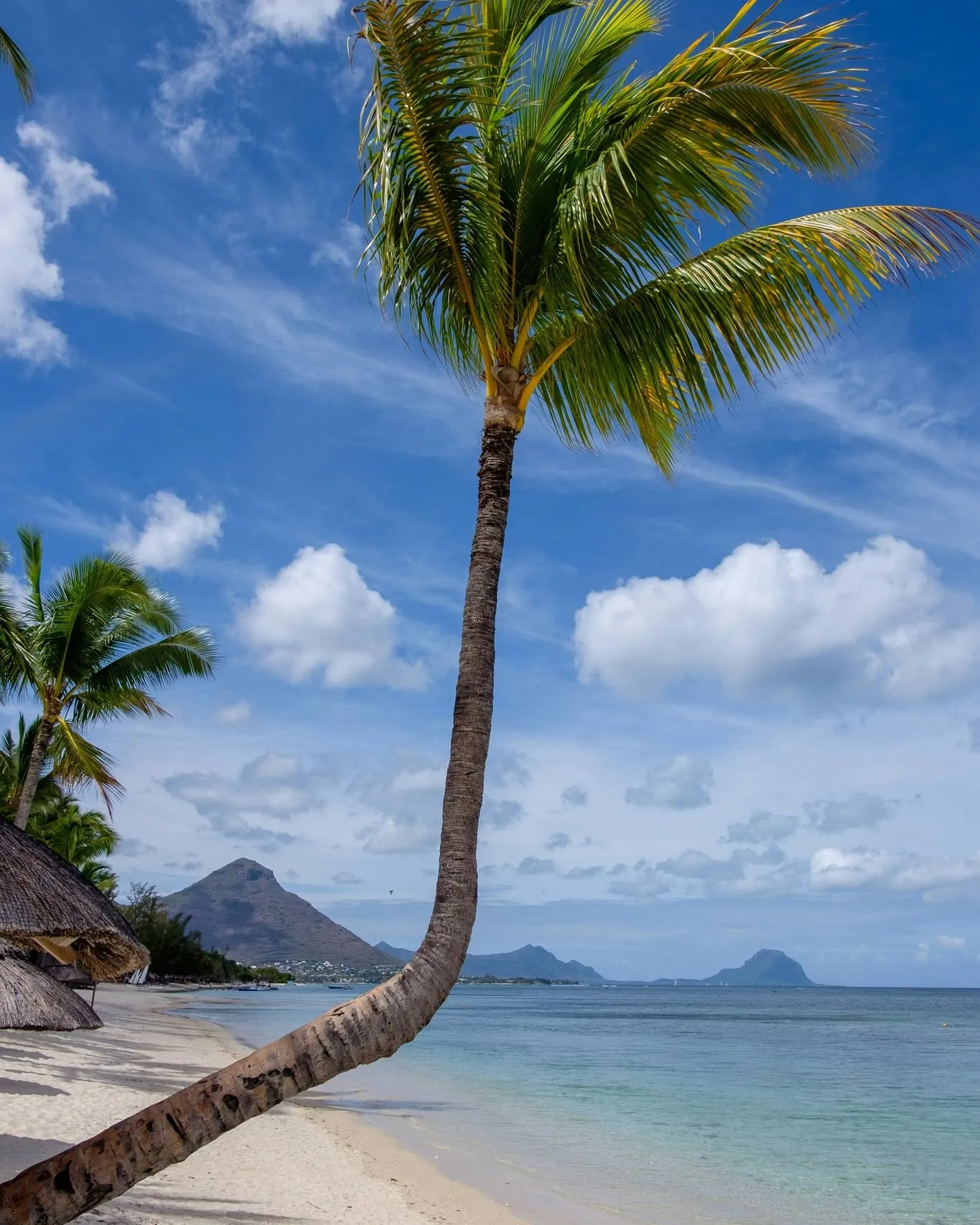
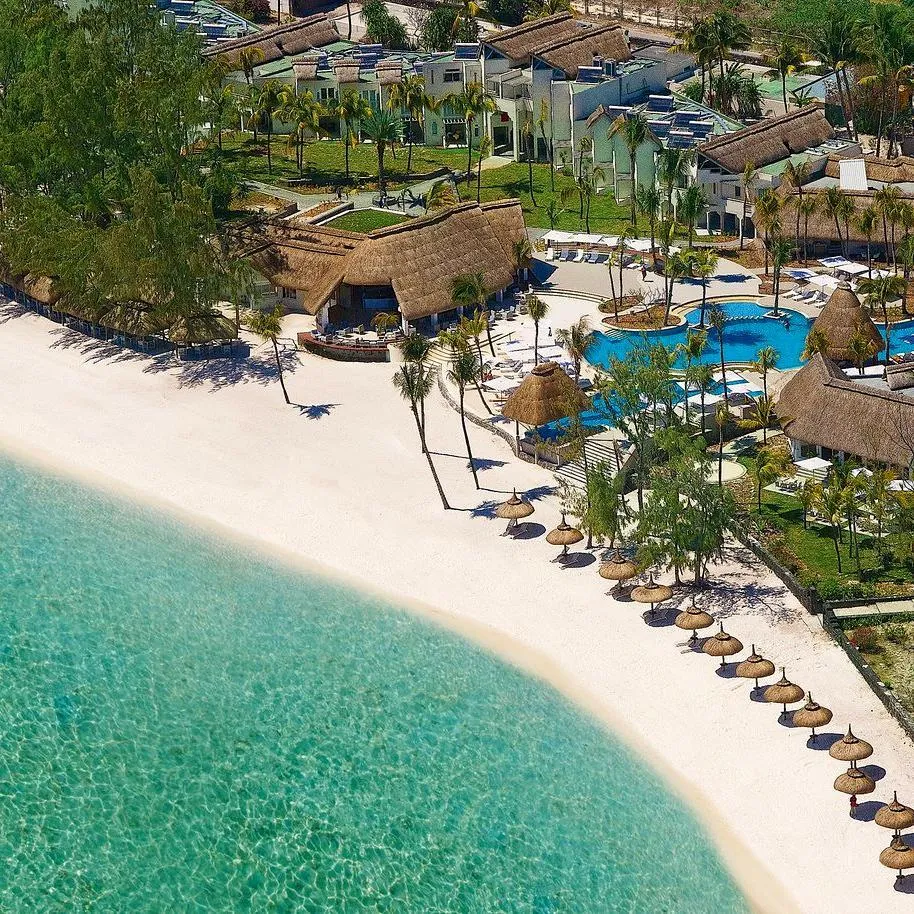
- West Coast (Flic en Flac, Le Morne): Best year-round, especially during winter
- East Coast (Belle Mare): Best from October to April when winds are lighter
- North Coast (Grand Baie): Good all year, lively during peak season
- South Coast: Wild and scenic, best during dry months
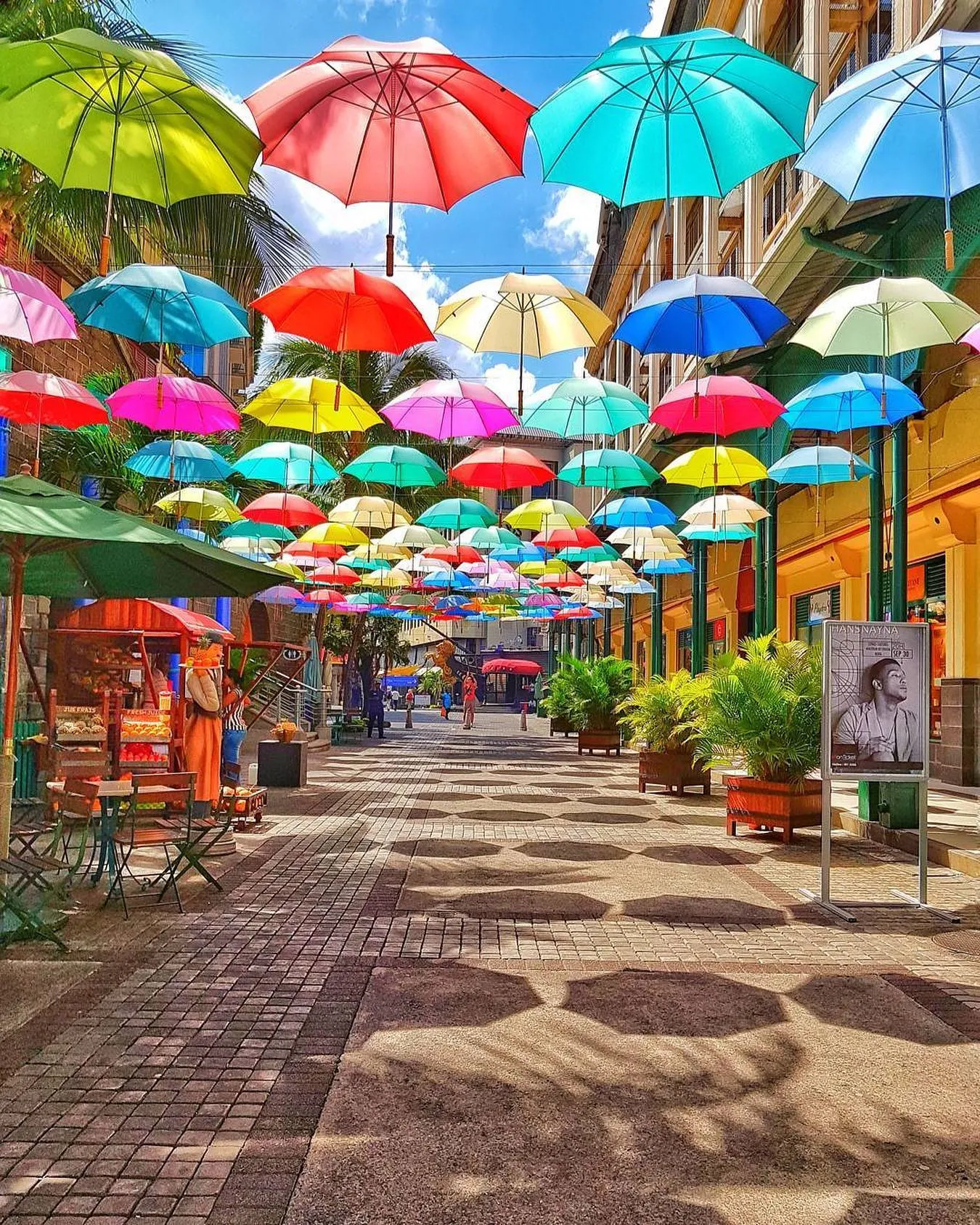
Capital city Port Louis is best explored during cooler months due to humidity.

Festivals and Events to Consider
Mauritius has a rich cultural calendar influenced by Indian, African, Chinese, and European traditions.
- Cavadee (January/February)
- Maha Shivaratri (February/March)
- Eid celebrations (variable)
- Diwali (October/November)
- Christmas and New Year (December)
Visiting during festivals adds cultural depth but may increase accommodation demand.
Is Mauritius Worth Visiting in the Rainy Season?
Yes, with realistic expectations.
Rain typically comes in short bursts rather than all-day downpours. Many travelers enjoy the quieter atmosphere, lower prices, and lush scenery.
However, if your trip depends heavily on outdoor activities, the dry season is a safer choice.
How Long Is the Ideal Trip to Mauritius?
- 5–7 days: Relaxed beach holiday
- 8–10 days: Beaches plus sightseeing
- 12–14 days: Complete island experience
Timing your visit well ensures you make the most of every day.
Travel Tips Based on Season
- Book resorts early for July–August and December
- Pack light layers for cooler evenings in winter
- Choose west coast resorts during windy months
- Travel insurance is recommended during cyclone season
Final Verdict: When Is the Best Time to Visit Mauritius?

The best time to visit Mauritius depends on your travel goals, but for most people:
- Best overall weather: June to September
- Best value months: April, May, October, November
- Best for budget travel: January to March
- Best for honeymoons: September and October
Mauritius rewards thoughtful planning. Choose the right season, and you get an island that feels effortless, warm, and deeply memorable.
No matter when you go, Mauritius has a way of slowing you down, pulling you closer to nature, and reminding you why island travel feels so special.