Big Lagoon, El Nido — The Complete Guide: How to Visit, What to Expect & Insider Tips
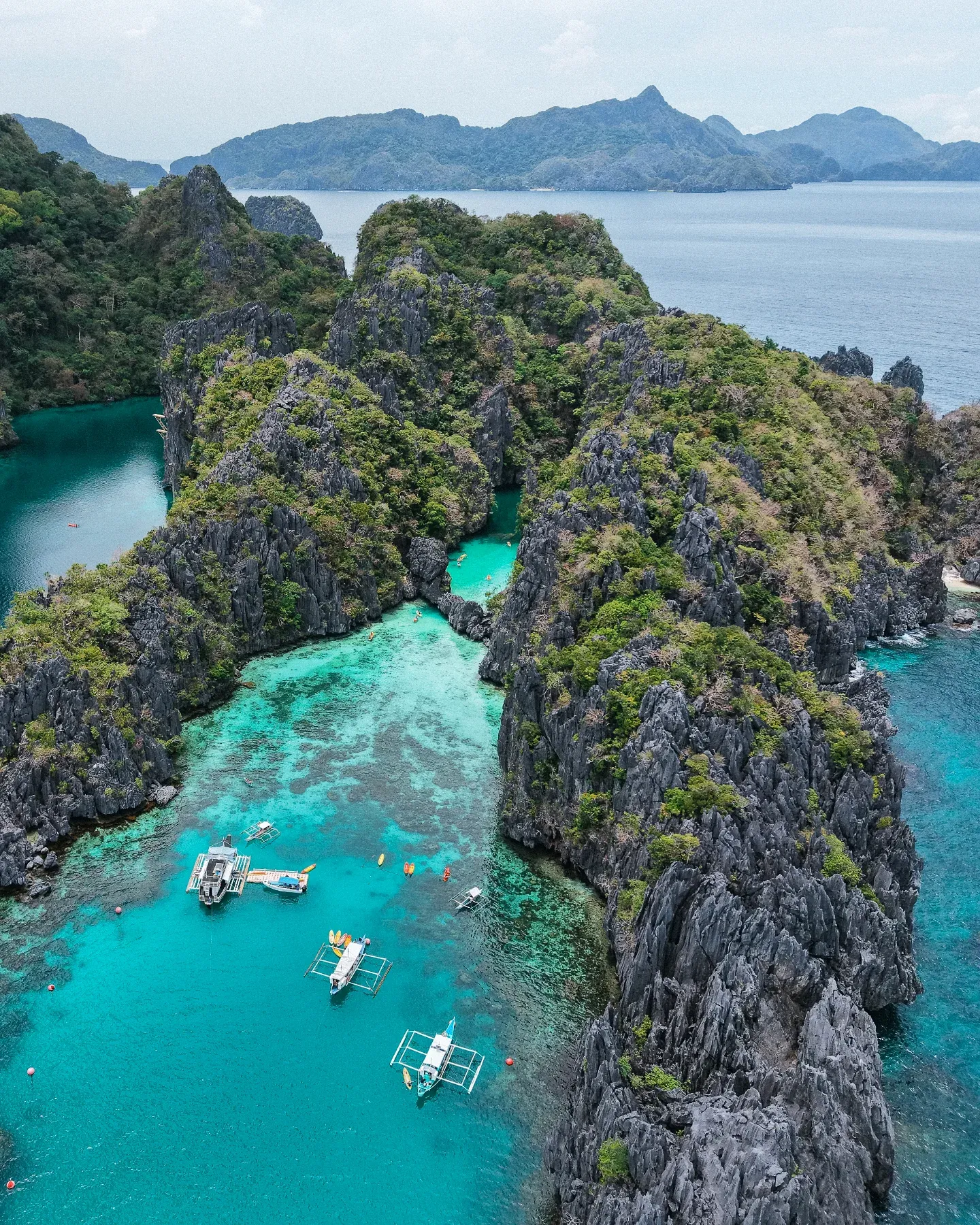
Big Lagoon on Miniloc Island, El Nido (Palawan) is the image most travelers imagine when they dream of the Philippines: a concealed pool of glassy turquoise water wrapped by soaring karst limestone cliffs. It’s cinematic, peaceful (if you go right), and endlessly photogenic — but it’s also a living ecosystem that needs responsible tourism. This guide gives you everything you need: how to get there, best time to visit, costs and logistics, exact things to do inside the lagoon, safety and conservation notes, photography tips, suggested itineraries, nearby places to stay, and a clean, practical conclusion so you leave informed and excited.
Many island-hopping tours pair Big Lagoon with stops like Shimizu Island, another El Nido gem known for its clear waters and excellent snorkeling.
Why Big Lagoon Is Special (and Why It’s a Must-See)
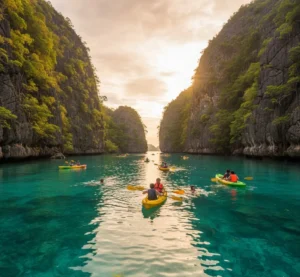
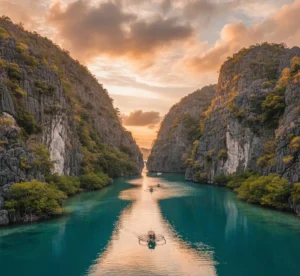
Big Lagoon is one of the signature sights in the Bacuit Archipelago. The lagoon’s narrow limestone entrance opens into a cathedral-like hollow where water mirrors the cliffs and mangrove pockets hug the shoreline. What makes it unforgettable:
- Imposing limestone scenery rising straight from the sea, formed over millennia.
- Exceptionally clear, calm water that invites kayaking and gentle swimming.
- Scale and privacy: if you arrive early or by private charter, the place can feel almost private — a rare luxury on a popular island-hopping route.
- Photographic variety: narrow entrance shots, panoramic inner-lagoon views, kayak reflections and aerial drone compositions (where allowed).
Getting There: Logistics & Practicalities
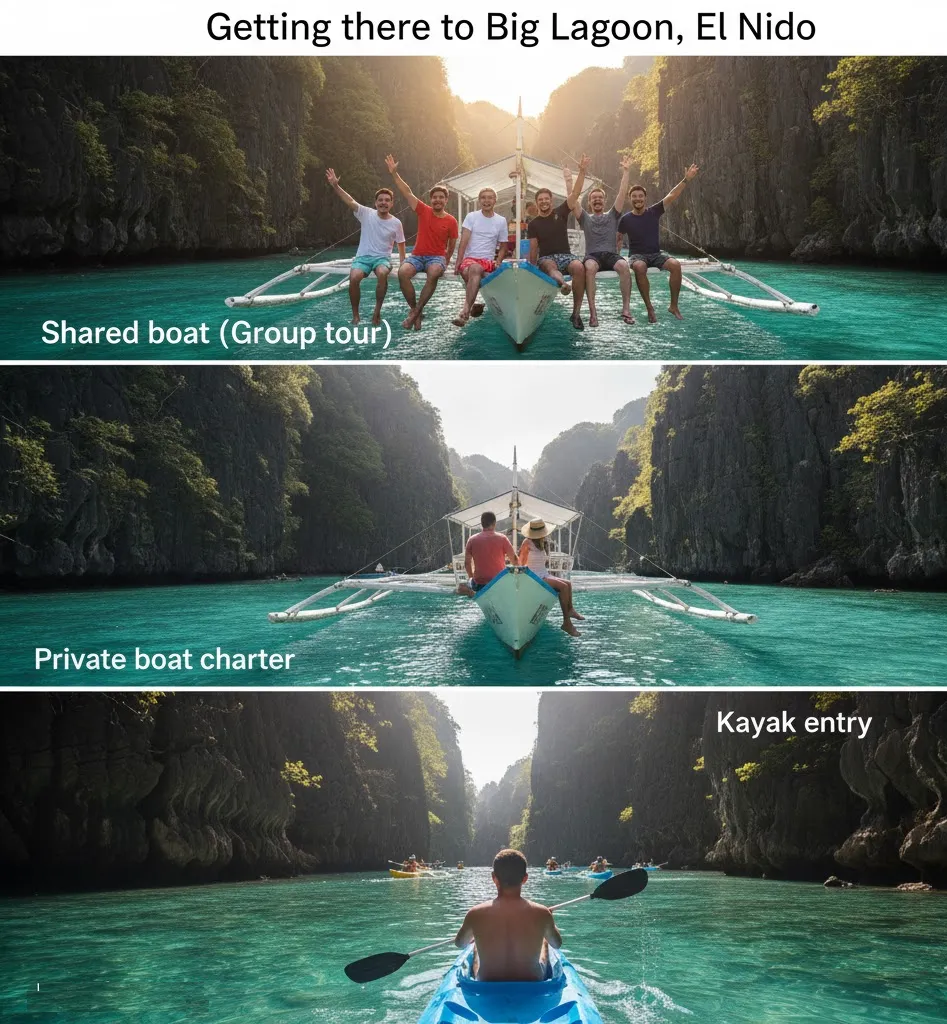
Big Lagoon is only accessible by boat. Most travelers visit as part of El Nido’s Island Hopping Tour A, which typically includes Big Lagoon, Small Lagoon (sometimes Secret Lagoon instead), Shimizu Island, and Seven Commandos Beach. Options:
- Shared boat tour (Group Tour A): cheapest and most common — morning departures from El Nido town pier; expect a 7–8 hour round trip.
- Private boat charter: higher cost but customizable itinerary and greater privacy; best for photographers, families, or couples who want extra time.
- Kayak entry: most tours supply kayaks at the entrance so you can paddle inside on your own; some operators loan kayaks for an extra fee.
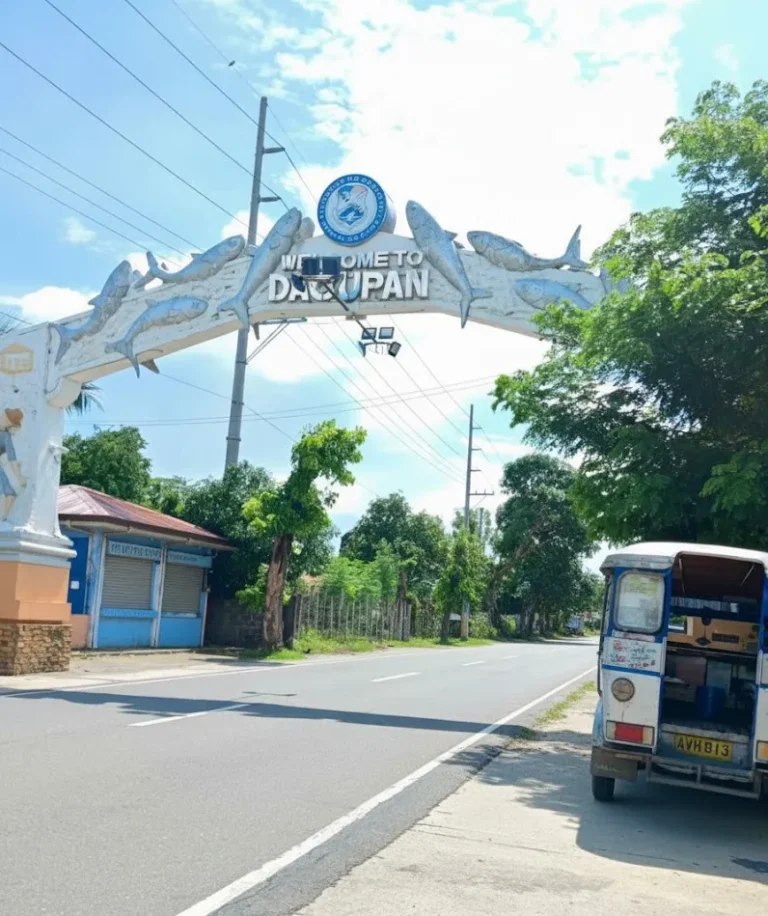
If calm turquoise waters are your thing, you might also love the rock pools in Siargao Island, often called nature’s own infinity pools.
Typical transfer time: 30–45 minutes boat ride from El Nido town to Miniloc Island (varies by sea conditions and operator).
Permits & fees: Visitors may pay a short-term environmental/entrance fee or an eco-tourism tax (amounts change periodically). Bring small bills of Philippine pesos for local payments; some remote operators won’t accept cards.
Find your perfect flight deal today
Best Time to Visit
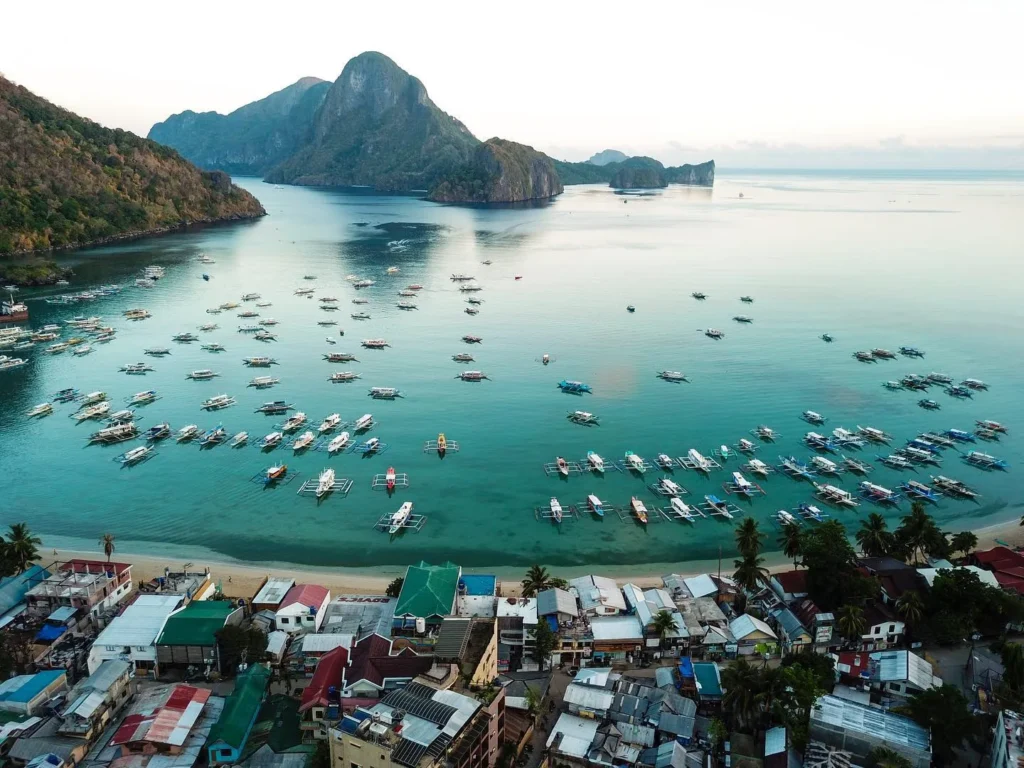
- Dry season (November–May) is the ideal window: calmer seas, clearer skies, and the best water color. Peak months (December–April) get the most visitors.
- Early morning departures are the single best tactical choice to avoid crowds: many tour boats arrive between 10am–1pm; getting in on the 7–8am run often gives you 30–60 minutes of near-solitude.
- Avoid rough weather: monsoon or storm conditions (typically June–October some years) can make the trip uncomfortable or dangerous. Always check local weather and listen to guides.
What to Do Inside Big Lagoon
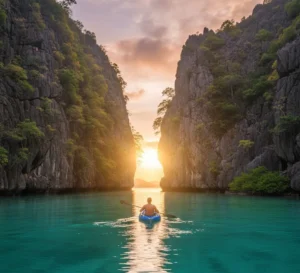
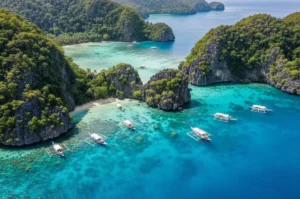
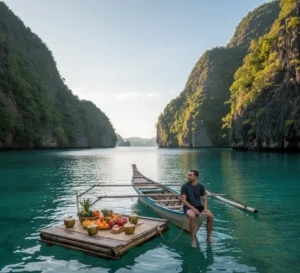
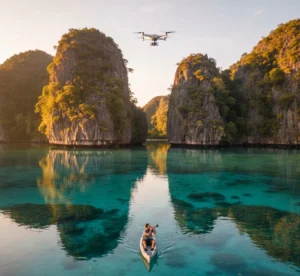
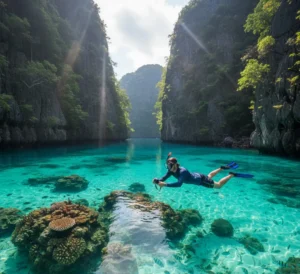
- Kayak or Stand-Up Paddle (SUP): Paddle through the narrow entrance into the wide pool — it’s meditative and gives you full freedom to explore every alcove. Kayaks let you get close to rock faces and shallow coral edges.
- Swim: The water is calm and shallow in parts. Bring reef-safe sunscreen and snorkel gear if you plan to swim near coral outcrops.
- Photography: Shoot the narrow limestone throat for dramatic composition; paddle out into the center for mirror reflections of the cliffs. Drone photography gives spectacular results where regulations permit — ask local guides about rules.
- Relax and Picnic: Many tours include a beach or floating picnic after the lagoon visit. Take time to sit on the boat or a small sandbar and soak in the stillness.
- Combine with other stops: Tour A commonly includes Small Lagoon, Secret Lagoon (hidden pocket you must enter through a small opening), and Shimizu Island for snorkeling.
Travelers planning a longer Asia itinerary often continue on to Vietnam, and this Vietnam Travel Guide covers everything from scenic bays to vibrant cities.
Costs & Booking Tips (Approximate & Practical)
- Shared Tour A price (approx): cost varies by operator, season, and inclusions. Expect a ballpark of ₱1,000–₱1,800 per person for a standard group tour (includes lunch, life vests, and stops) — check current local rates.
- Private boat charter: significantly higher; prices depend on duration, vessel size, and negotiation — good for groups who want flexibility.
- Kayak rental: sometimes included with a tour; private kayak rental may be charged separately.
- Extra fees: Eco-tax, environmental fees, or park entrance charges may apply — small but mandatory in many areas.
Booking tips: Book at least a day in advance in high season; for best photos and quiet, book the earliest available slot or a private charter.
Safety & Environmental Responsibility
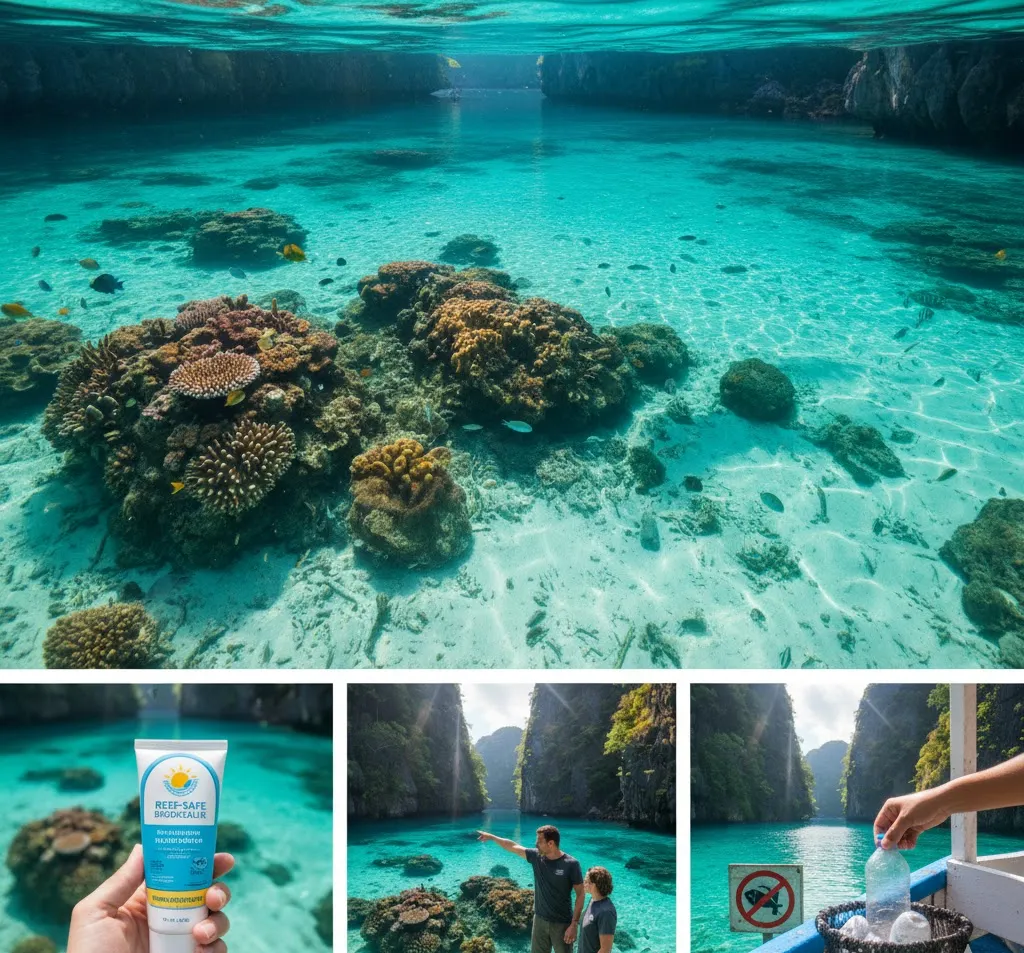
Big Lagoon is a protected area and its health depends on visitor behavior:
- Respect wildlife and coral: Do not touch, stand on, or remove coral. Avoid feeding fish.
- Use reef-safe sunscreen to prevent chemical damage to coral.
- Trash: Pack in, pack out — do not litter. Many boats supply lunch, so request minimal single-use plastics where possible.
- Follow guides’ instructions: Currents near the entrance can shift; guides know safe entry and exit points.
- Permits and visitor caps: Local authorities sometimes limit numbers to protect habitats — respect closures and schedules.
Photography & Drone Notes
- Golden hour (early morning or late afternoon) offers the best light for intense color and soft shadows.
- Composition ideas: framed throat shots through the entrance, wide panorama from the kayak center, vertical shots showing cliff height, close reflections on windless water.
- Drones: Drone rules vary; some areas ban drones entirely, others permit them with operator approval. Ask local guides and respect no-fly zones around resorts and nesting birds.
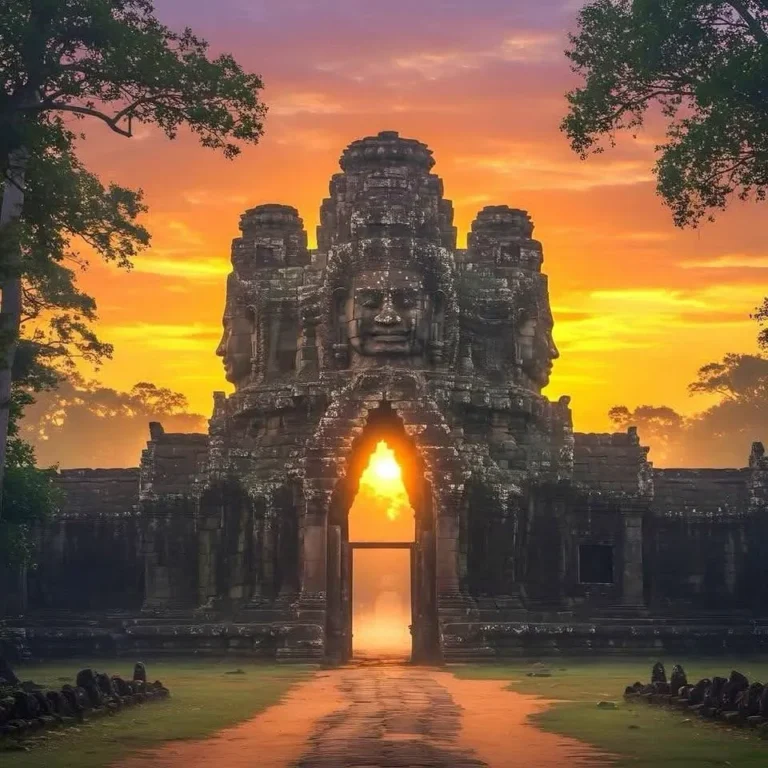
For those interested in cultural depth beyond island life, Cambodia offers unforgettable temples, food, and history that contrast beautifully with Palawan’s seascapes.
What to Pack
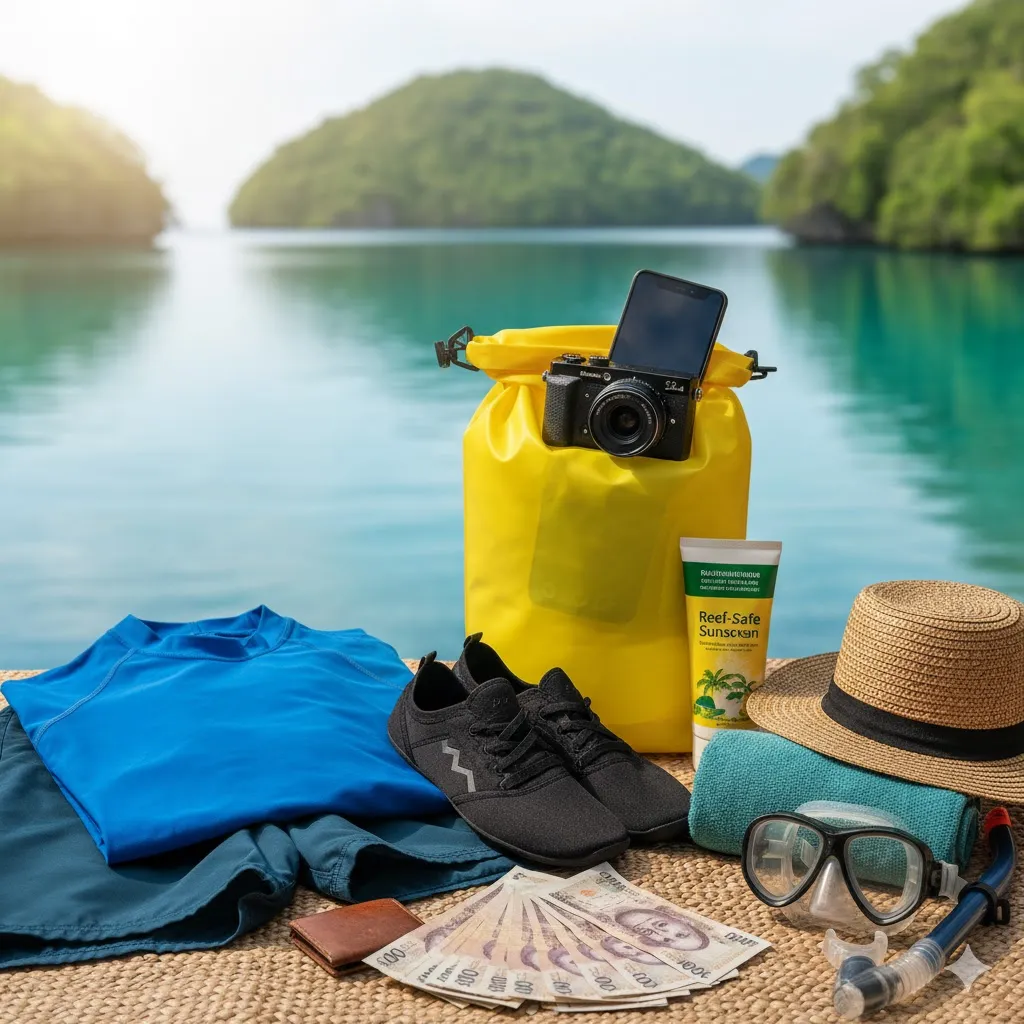
- Quick-dry swimwear and rash guard (for paddling and sun protection).
- Waterproof dry bag for phone, wallet, and camera.
- Reef-safe sunscreen and a wide-brim hat.
- Lightweight water shoes or sandals with traction.
- Microfiber towel, snorkel mask if you prefer your own gear.
- Cash (Philippine pesos) for fees, tips, and local purchases.
Where to Stay (Nearby Options)
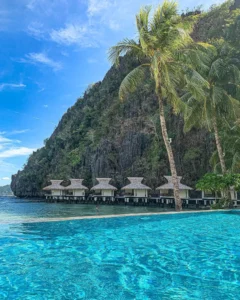
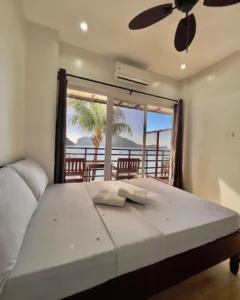
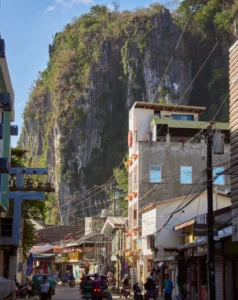
- El Nido town: budget hostels, mid-range hotels, and boutique guesthouses — best for dining choices and arranging tours.
- Lio Beach & Bacuit Bay resorts: quieter, newer developments with beach access and improved infrastructure; often easier to book private early tours.
- Miniloc island resort (historic/limited): some island resorts provide private access or early entry for guests — pricier, but offers unique pre-dawn lagoon experiences.
Sample Itinerary: A Perfect Day That Includes Big Lagoon
06:30 — Sunrise and early boarding in El Nido town.
07:30 — Arrival at Big Lagoon; rent a kayak and paddle the inner lagoon (45–90 minutes).
09:30 — Head to Small Lagoon or Secret Lagoon for a second water cave moment.
11:30 — Shimizu Island snorkel stop and beach picnic lunch.
13:30 — Relax at Seven Commandos Beach or explore nearby islets.
15:30 — Return to El Nido with sunset cruising mood.
(Pro tip: Private charters let you extend time inside Big Lagoon for sunrise photography.)
Common Visitor Questions
Can kids go in the kayaks? Yes — but ensure child life vests fit properly and choose calm days.
Is it wheelchair accessible? Not in the lagoon area; terrain and boats make access challenging. Plan accordingly.
Can I stay overnight inside the lagoon? No — the lagoon is for day visits; accommodation is off-island.
After experiencing places like Big Lagoon, some travelers begin exploring longer stays in Asia, including the best places to live in Thailand for a balance of nature and modern comfort.
Final Thoughts & Responsible Travel Pledge
Big Lagoon isn’t just a pretty backdrop — it’s an ecosystem and a cultural treasure. Visiting thoughtfully makes all the difference: arrive early, travel light, kayak gently, and leave only ripples. When treated with respect, Big Lagoon will continue to be a highlight for travelers who want nature’s drama without the crowds.
Whether you’re a photographer chasing reflective perfection, a paddler craving silence, or a traveler who simply wants to float inside a natural amphitheater, Big Lagoon delivers. Book smart, pack wise, and savor the stillness — that framed moment between cliff and sky is what keeps people returning to El Nido year after year.
Bon voyage — and may your visit be calm, clear, and full of wonder.