Caribbean Travel Guide: Everything You Need to Know Before You Go
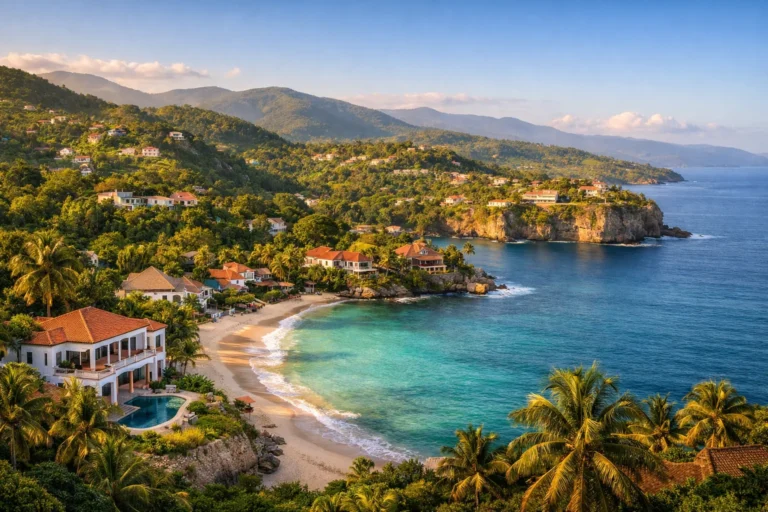
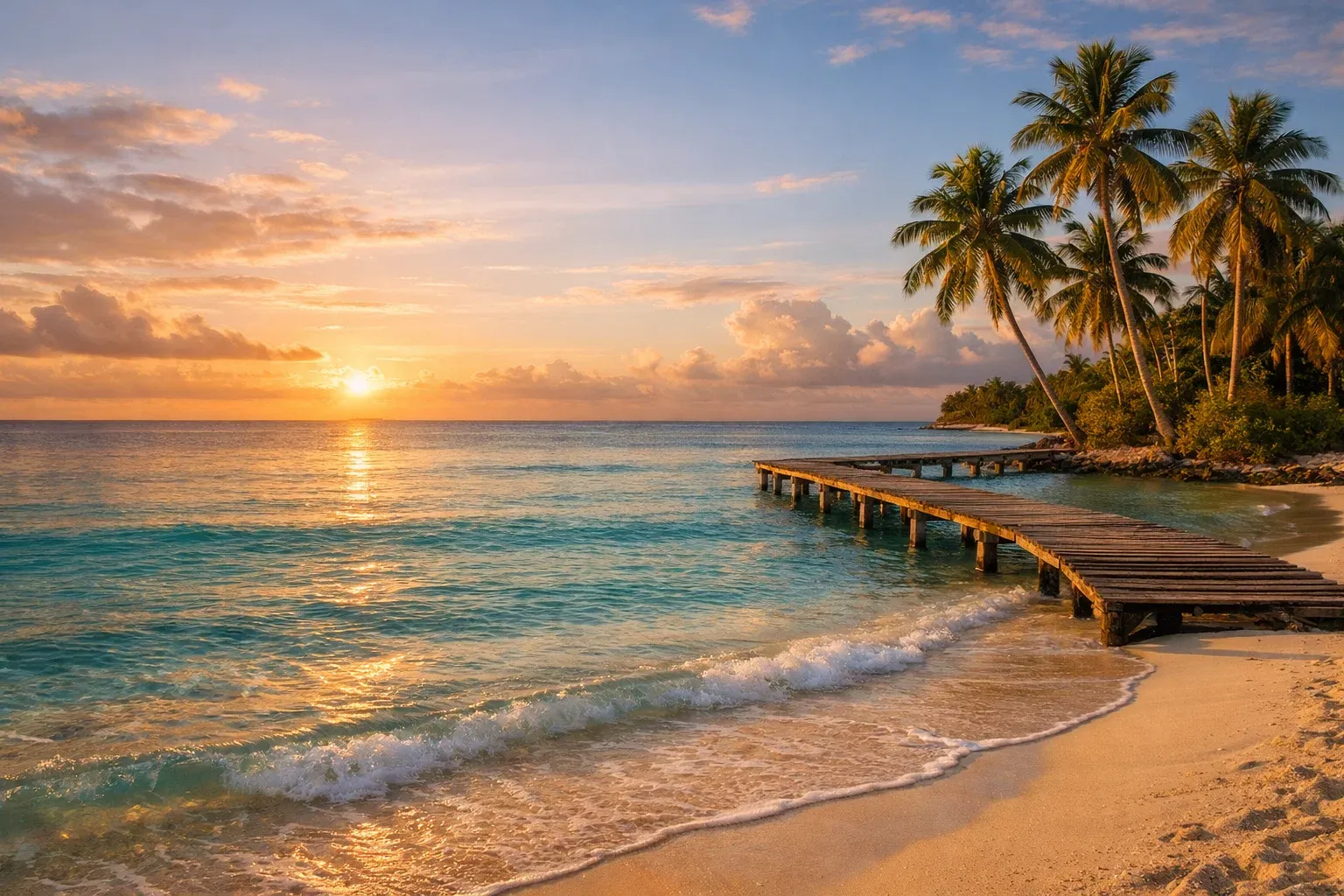
The Caribbean is not just one destination. It is a constellation of more than 7,000 islands, islets, and cays, scattered like jewels across turquoise waters. Each island has its own personality, history, flavors, and rhythm. Some pulse with music and nightlife, others whisper with palm trees and quiet beaches. For travelers, this diversity is exactly the appeal. Whether you are chasing adventure, romance, culture, food, or pure relaxation, the Caribbean offers a version of paradise tailored to your travel style.
This guide walks you through everything a traveler needs to know before choosing the Caribbean, from destinations and food to scams, safety, costs, and cultural etiquette.
Recommended Travel Items for Your Trip
Understanding the Caribbean: Regions and Vibes
The Caribbean is typically divided into three main regions, each with a distinct character.
The Greater Antilles
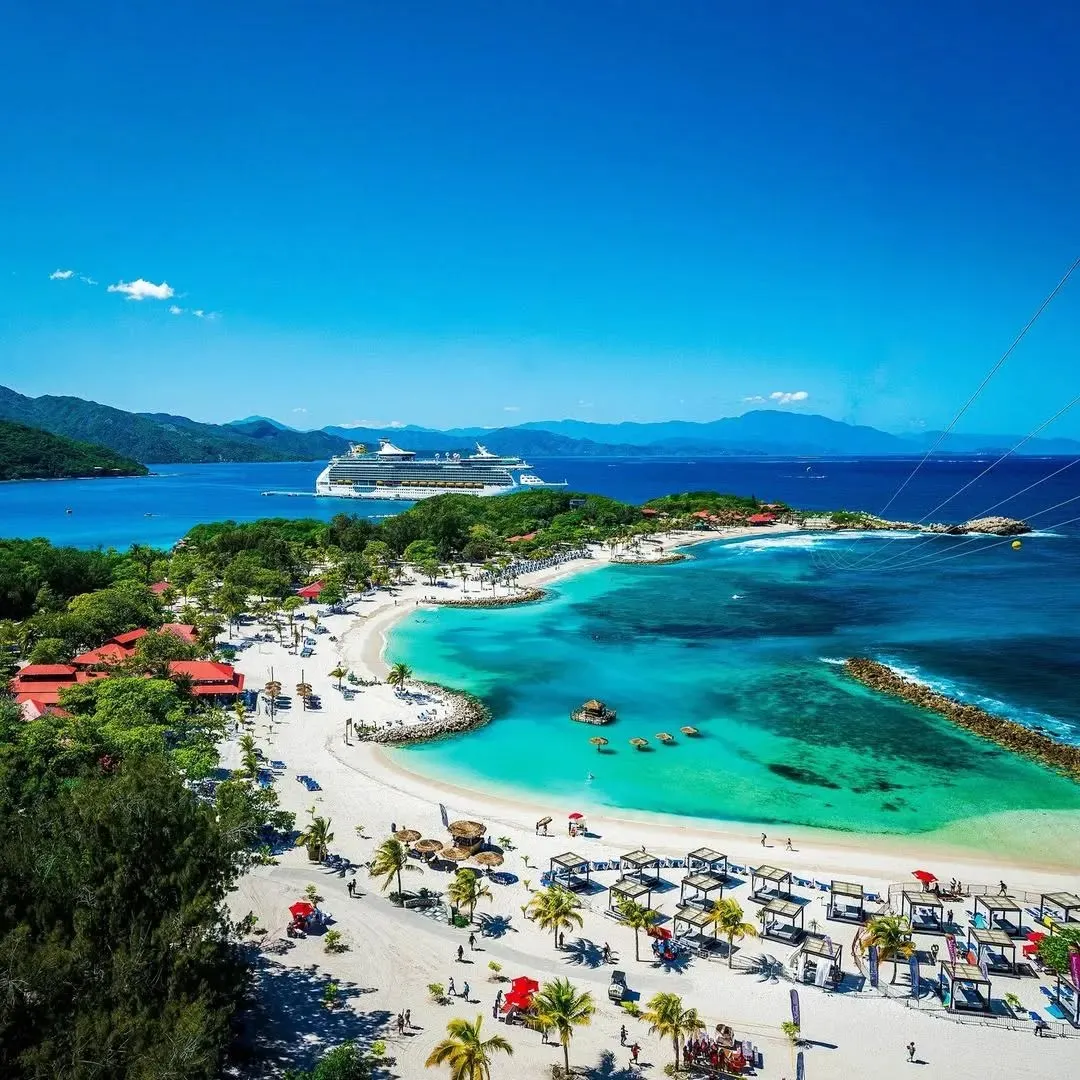
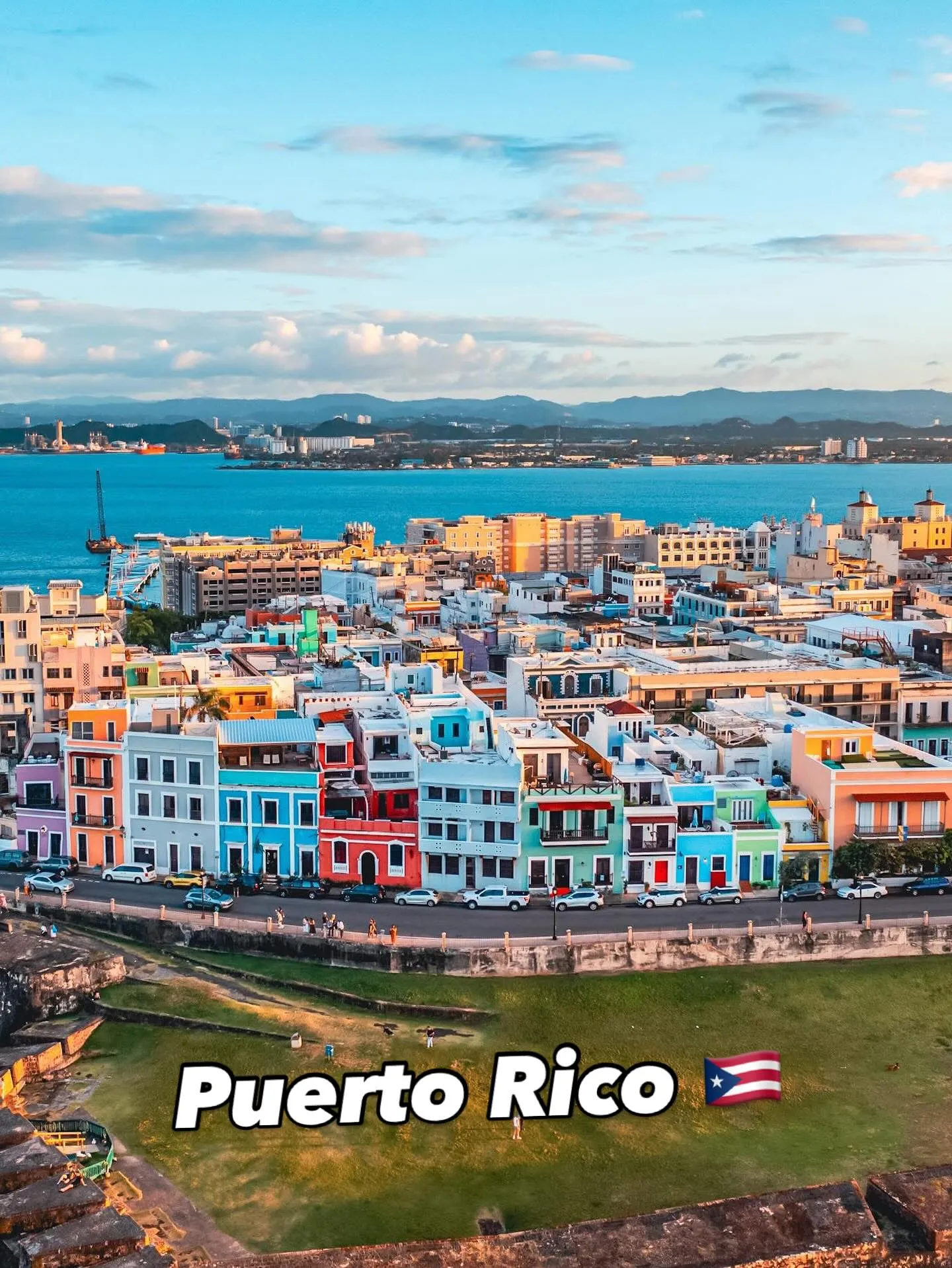
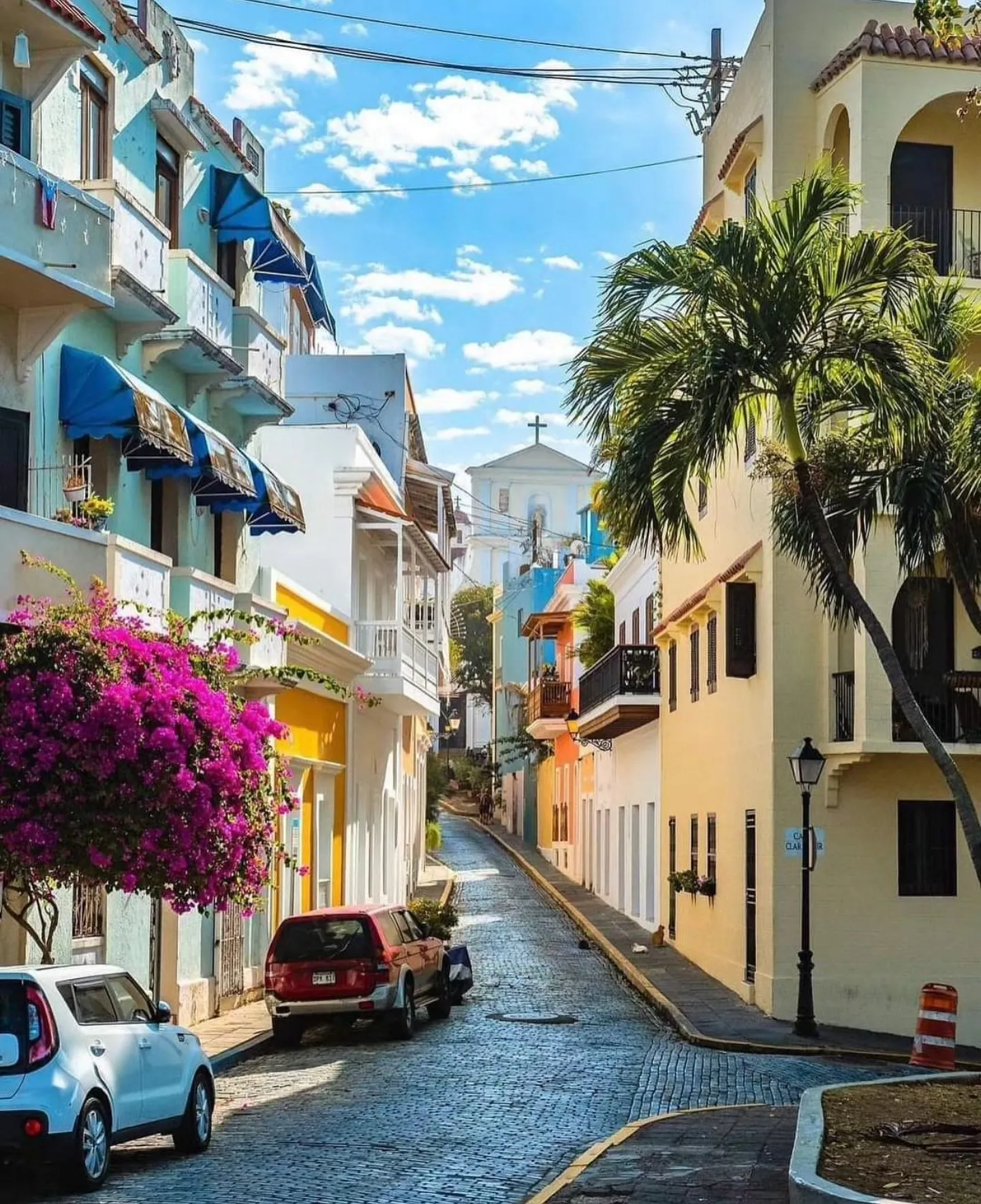

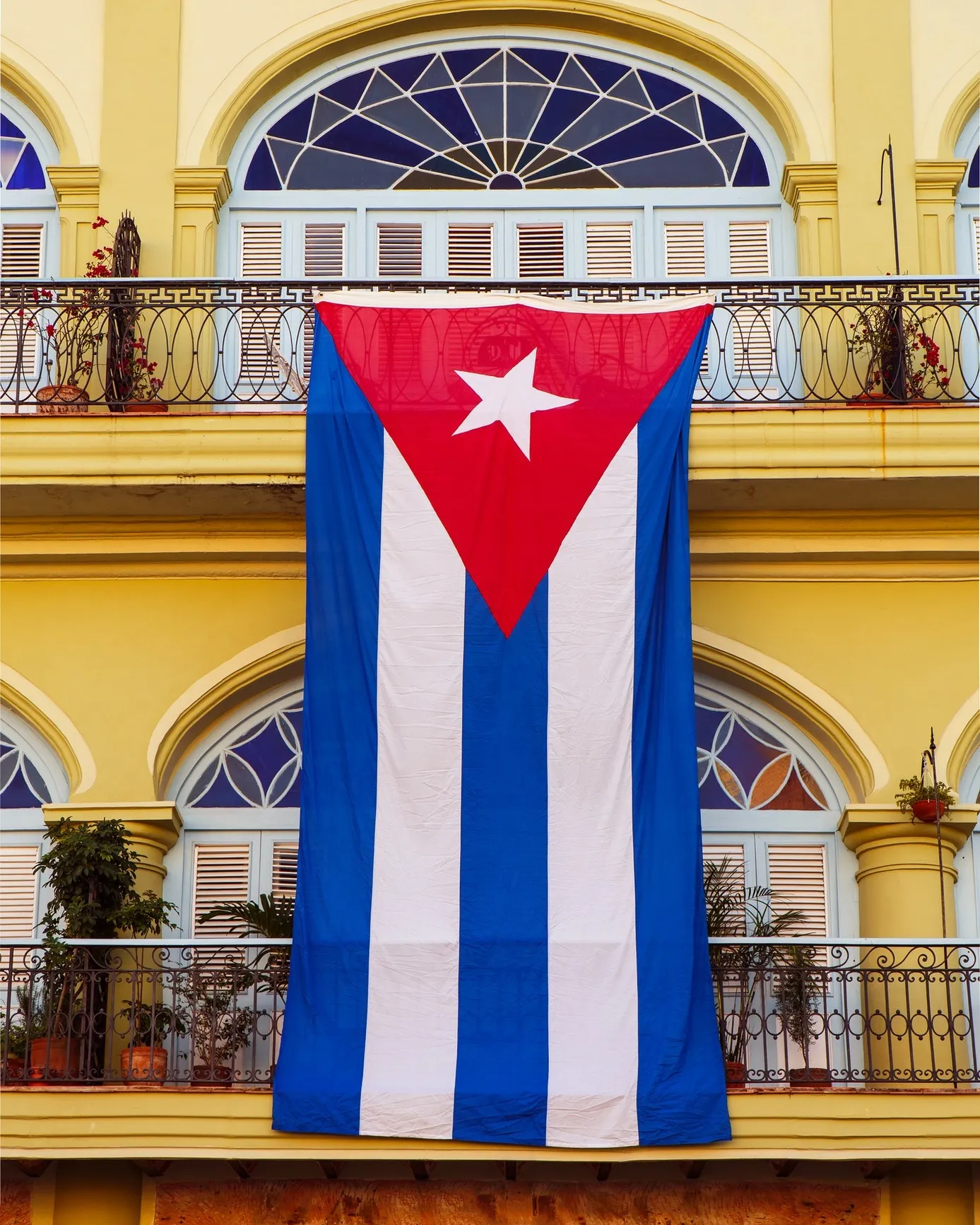

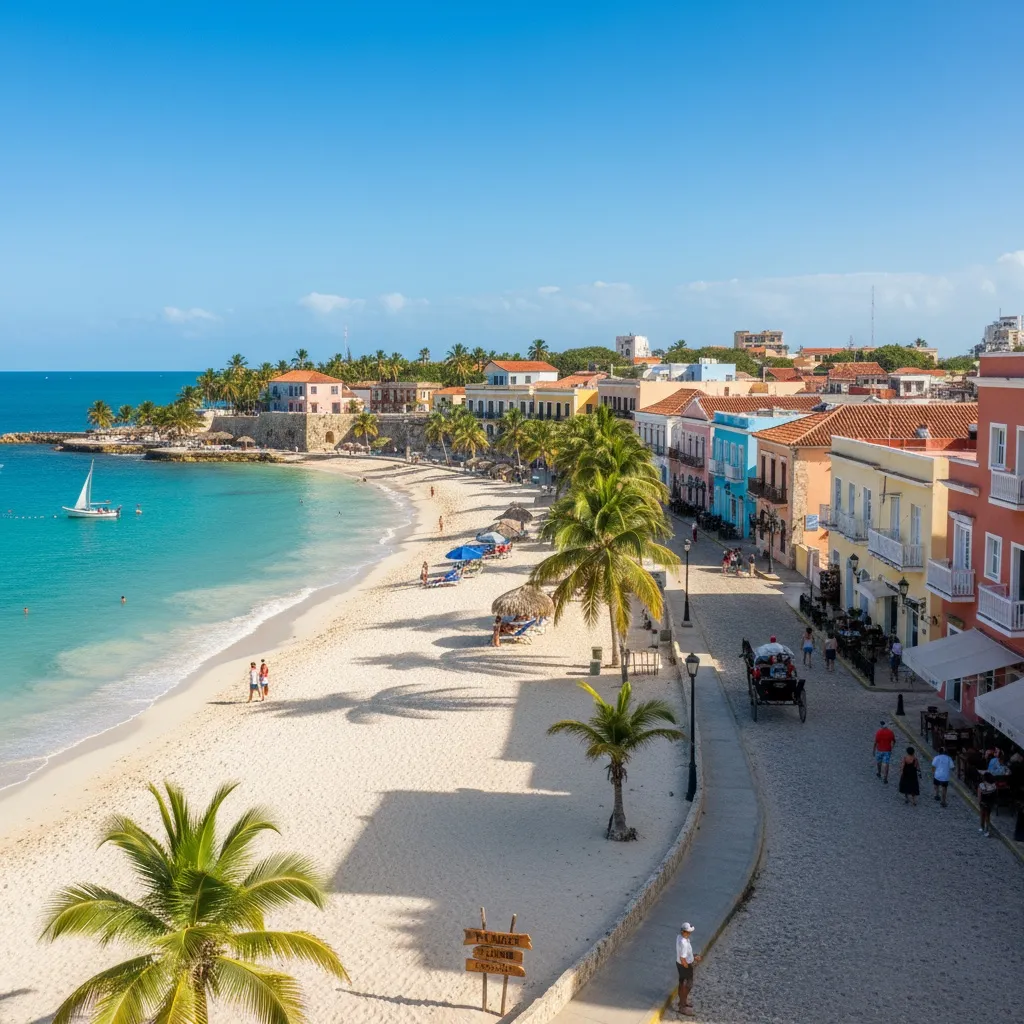

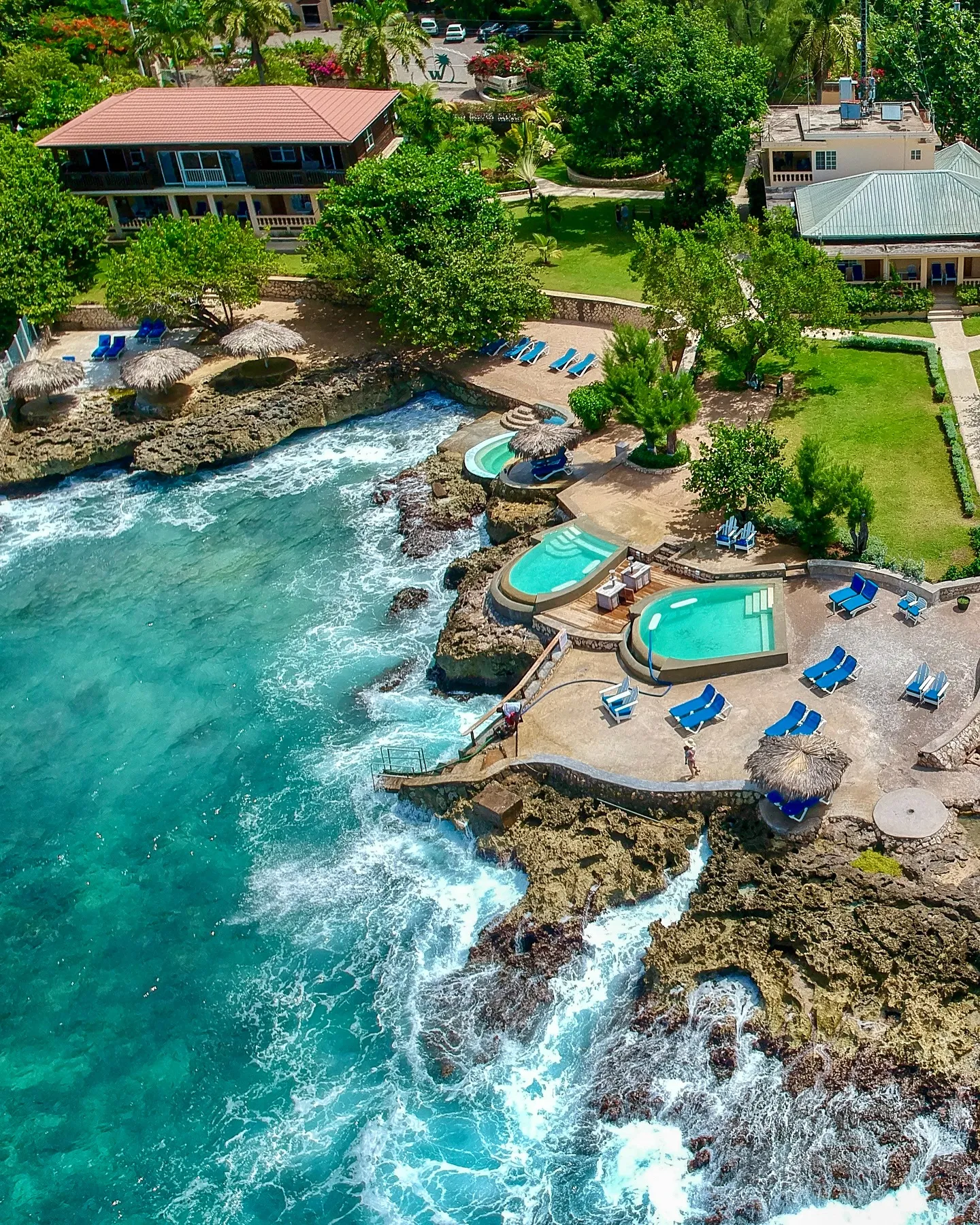
Includes Jamaica, Cuba, Puerto Rico, Haiti, and the Dominican Republic. These islands are larger, culturally rich, and diverse in landscapes.
- Jamaica is famous for reggae, beaches, and lush mountains
- Cuba offers history, classic cars, colonial architecture, and salsa
- Puerto Rico blends Caribbean culture with U.S. convenience
- The Dominican Republic is known for resorts, beaches, and adventure tourism
The Lesser Antilles
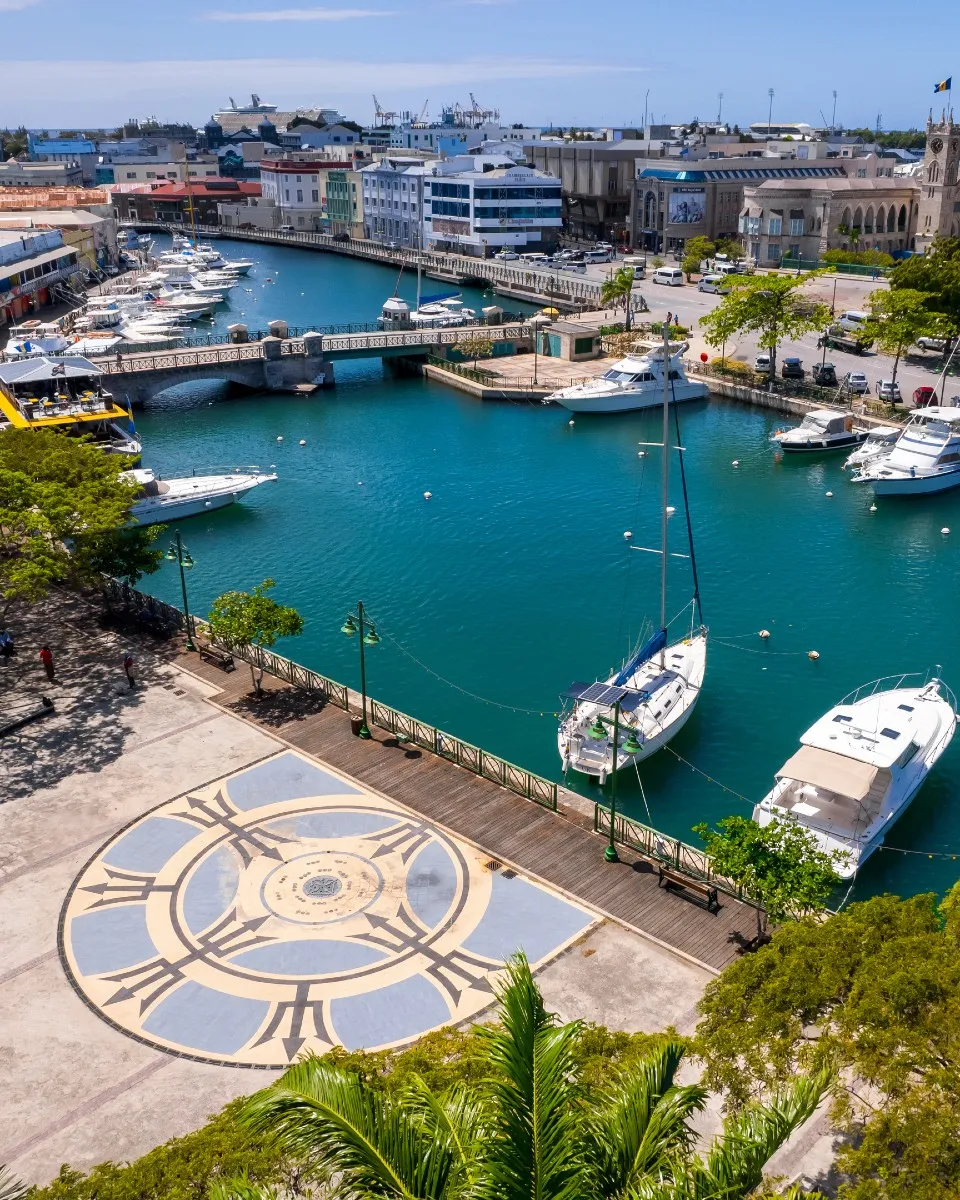
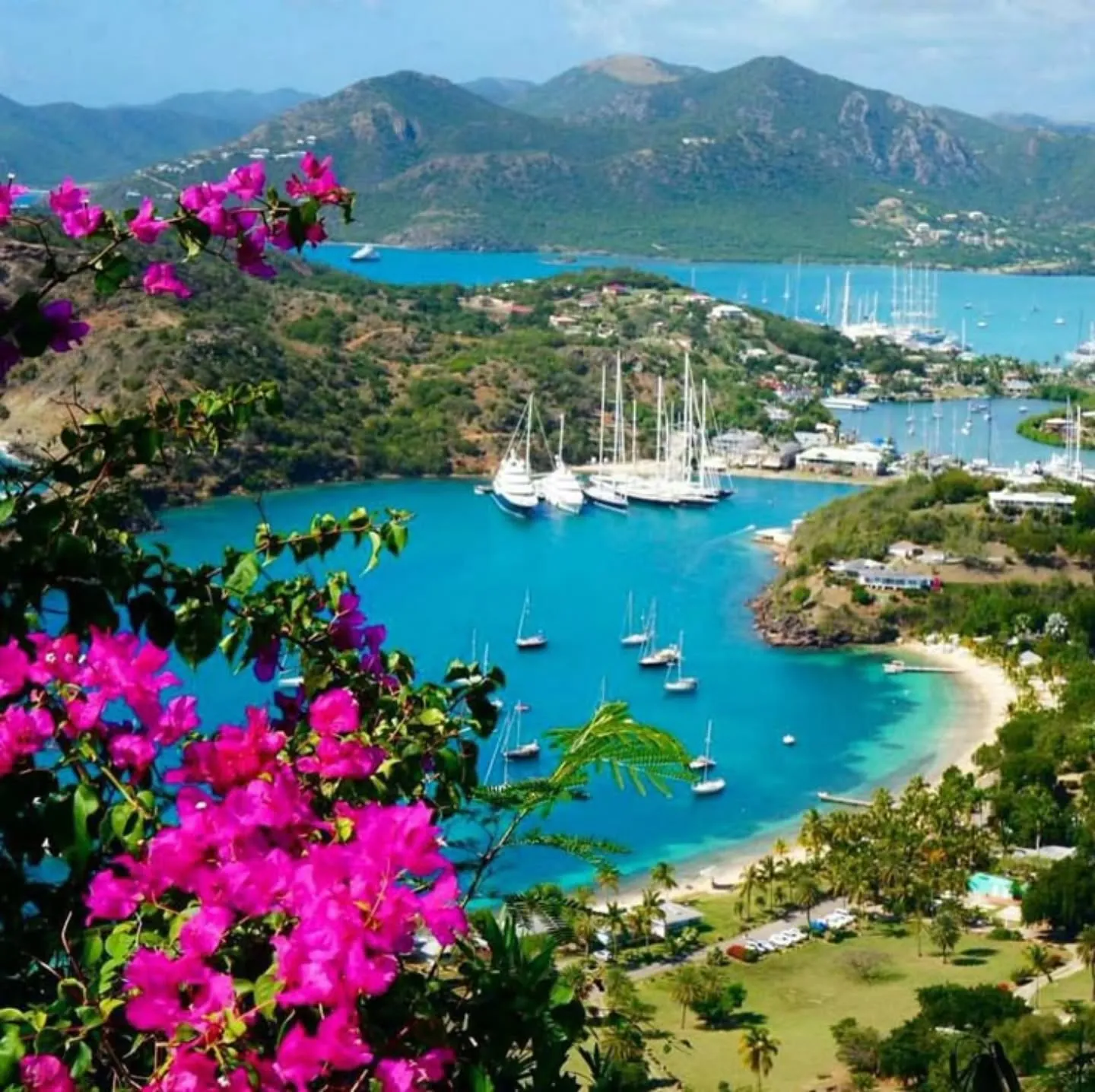
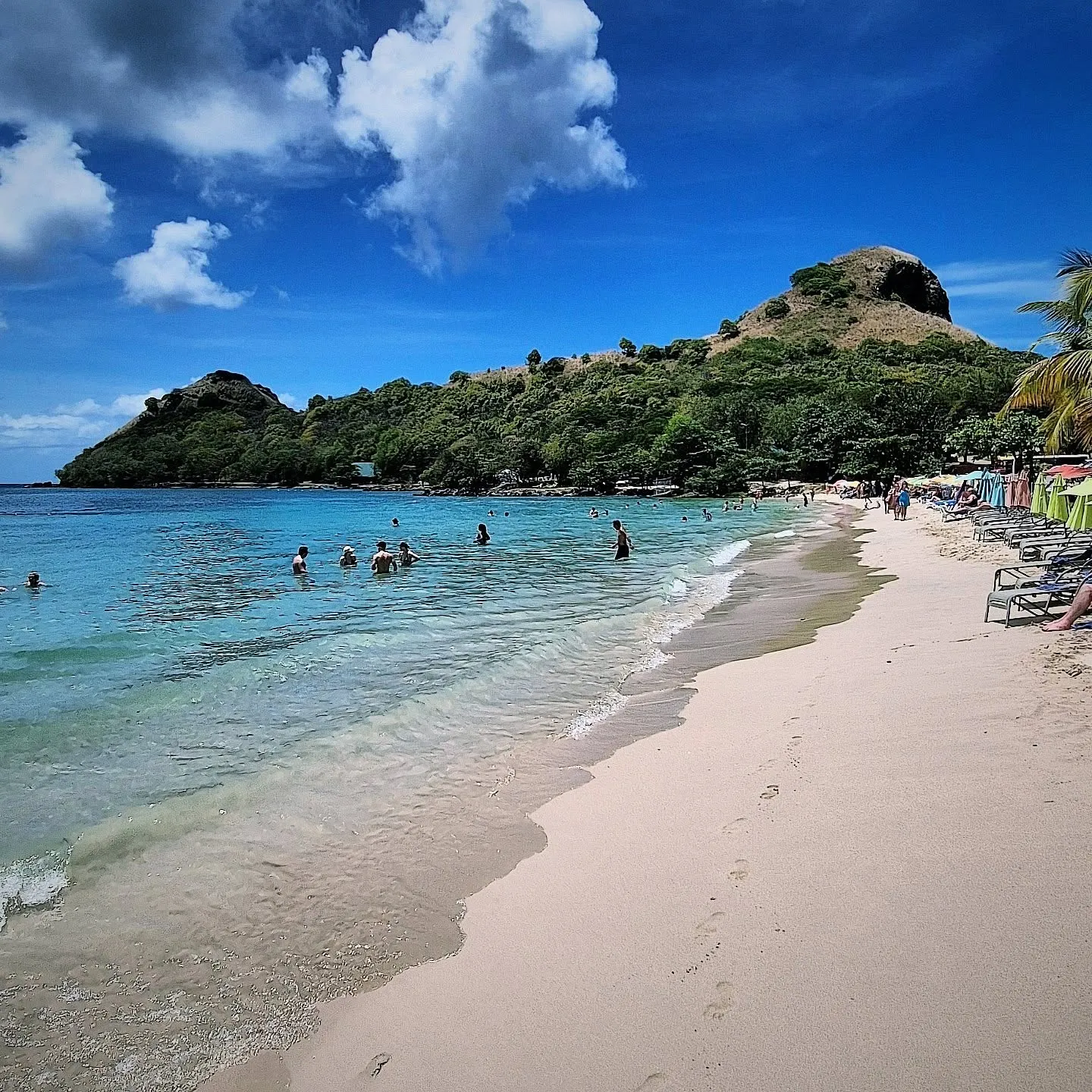
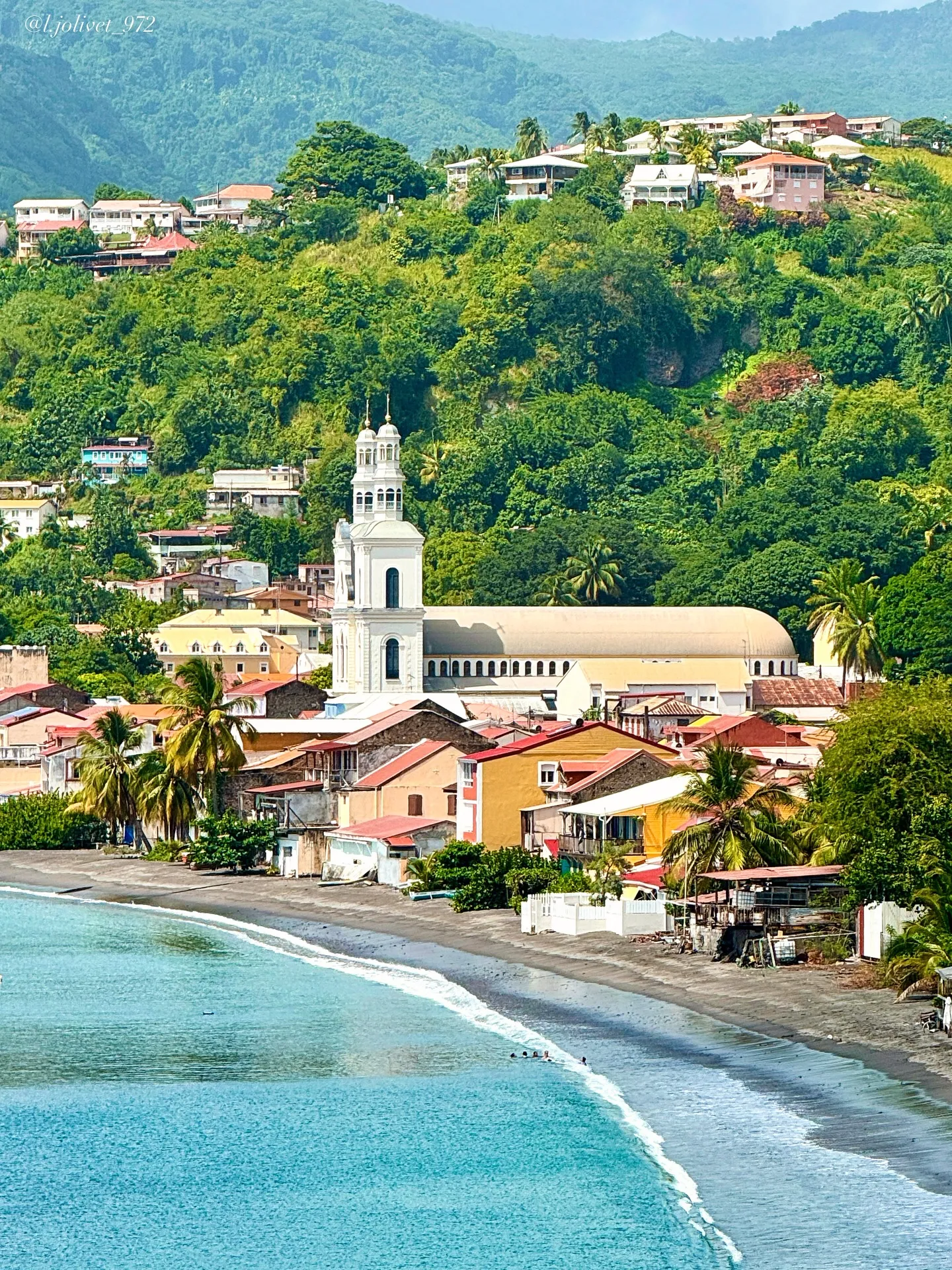
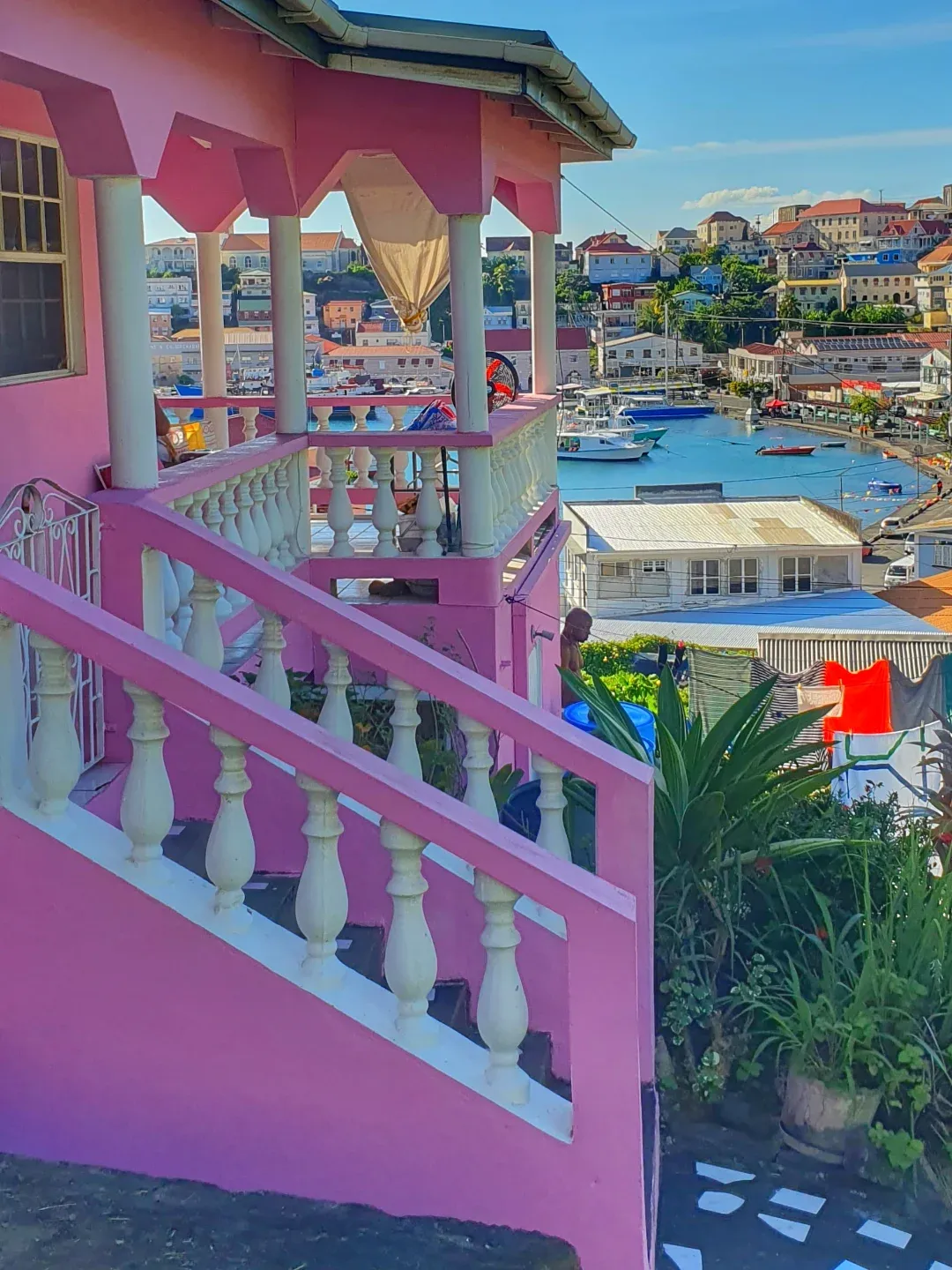
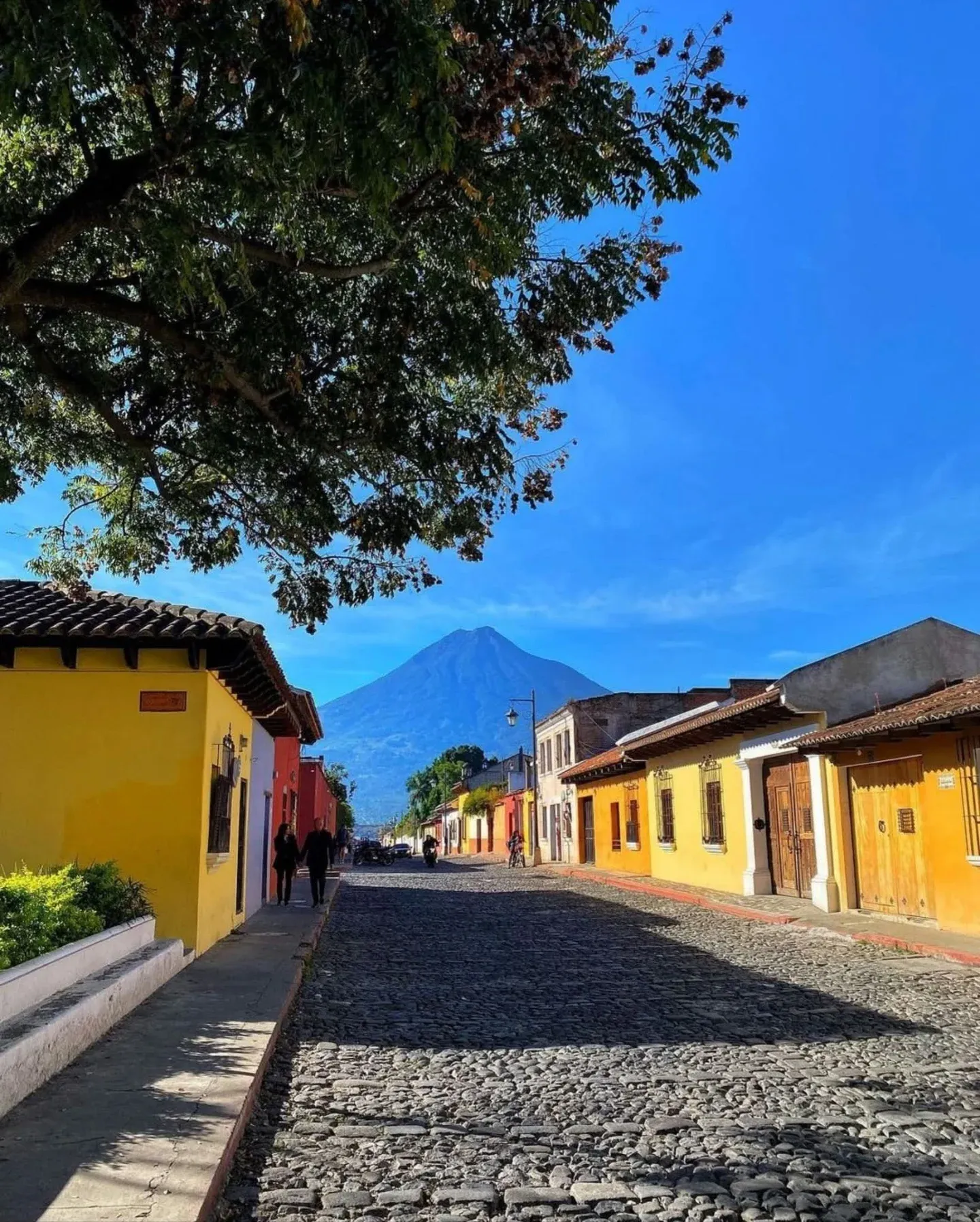
Smaller islands split into the Windward and Leeward Islands, including Barbados, Saint Lucia, Antigua, Grenada, Dominica, and Saint Martin.
These islands often feature:
- Volcanic mountains
- Rainforests
- Luxury resorts
- Intimate beaches
Saint Lucia, for example, is beloved for honeymoons, while Dominica attracts eco-travelers.
The Bahamas and Turks & Caicos
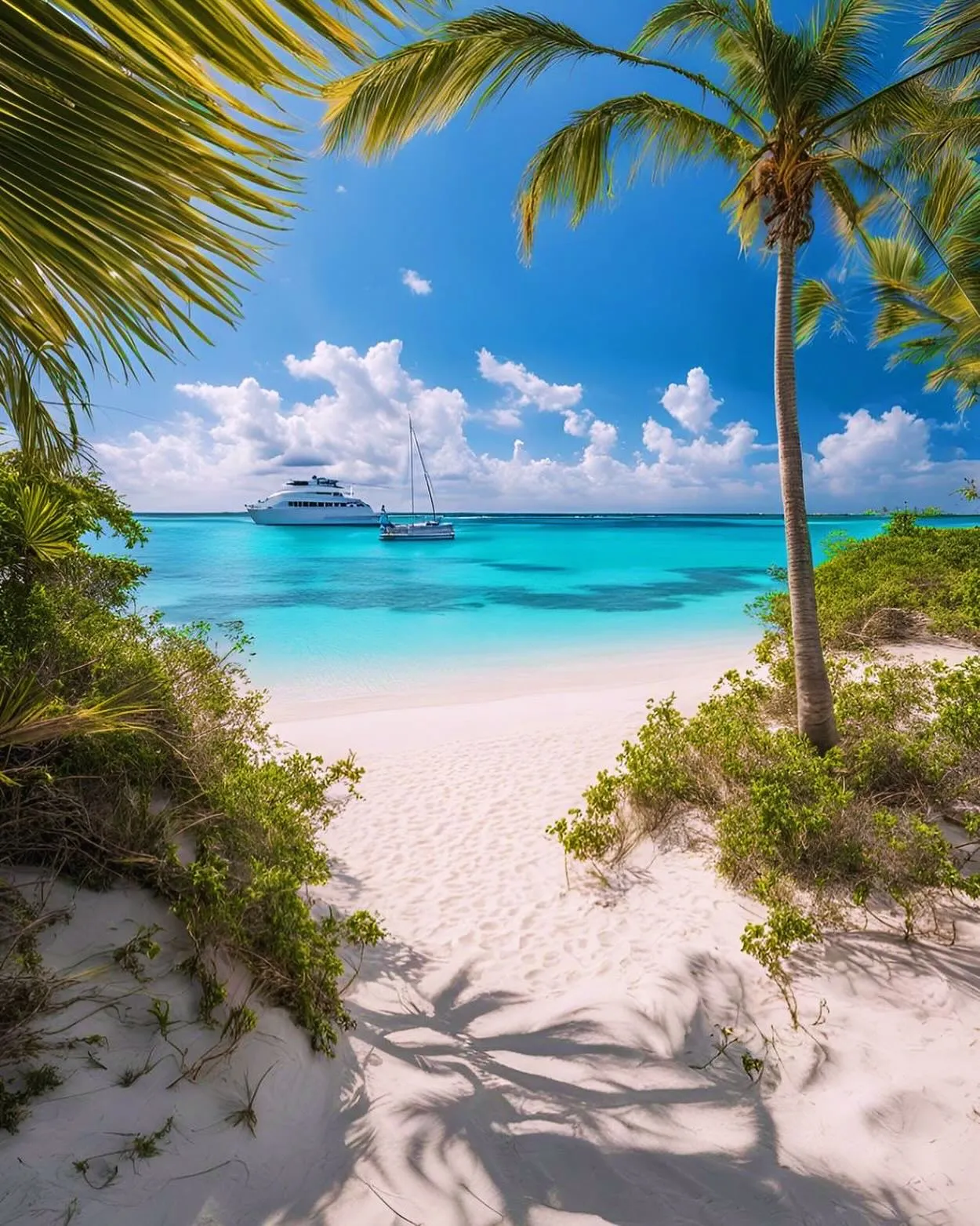
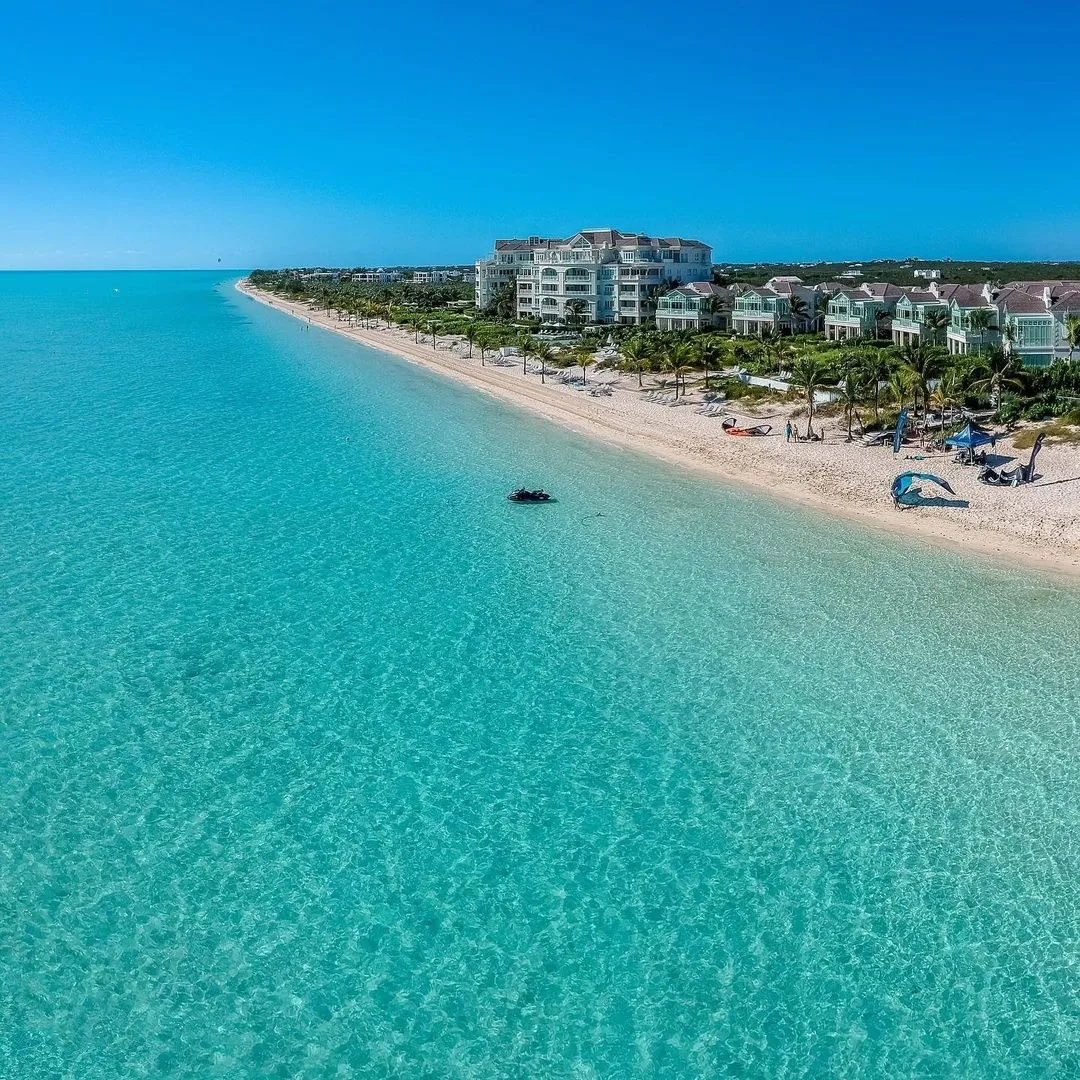
Though geographically closer to North America, these islands are culturally Caribbean.
- The Bahamas offers easy access, clear waters, and island hopping
- Turks & Caicos is known for powdery beaches and upscale relaxation
Best Reasons to Visit the Caribbean
Travelers choose the Caribbean for many reasons, but a few stand out.
Beaches That Define the Word “Paradise”
White sand, pink sand, black volcanic sand, shallow turquoise lagoons, and dramatic cliffs all exist within the Caribbean. Grace Bay, Seven Mile Beach, Eagle Beach, and Shoal Bay regularly rank among the world’s best.
Climate and Weather
The Caribbean enjoys warm weather year-round, typically between 24°C and 30°C (75°F to 86°F). The dry season runs from December to April, while the wetter, hurricane-risk season is from June to November, with peak risk between August and October.
Culture and Music
Each island has its own cultural mix influenced by African, European, Indigenous, and Asian heritage. Expect:
- Reggae and dancehall in Jamaica
- Salsa and son in Cuba
- Calypso and soca in Trinidad
- Carnival celebrations across many islands
Caribbean Food: What to Eat and Drink
Food is a central part of Caribbean travel. Meals are bold, spicy, fresh, and deeply rooted in local history.
Must-Try Caribbean Dishes
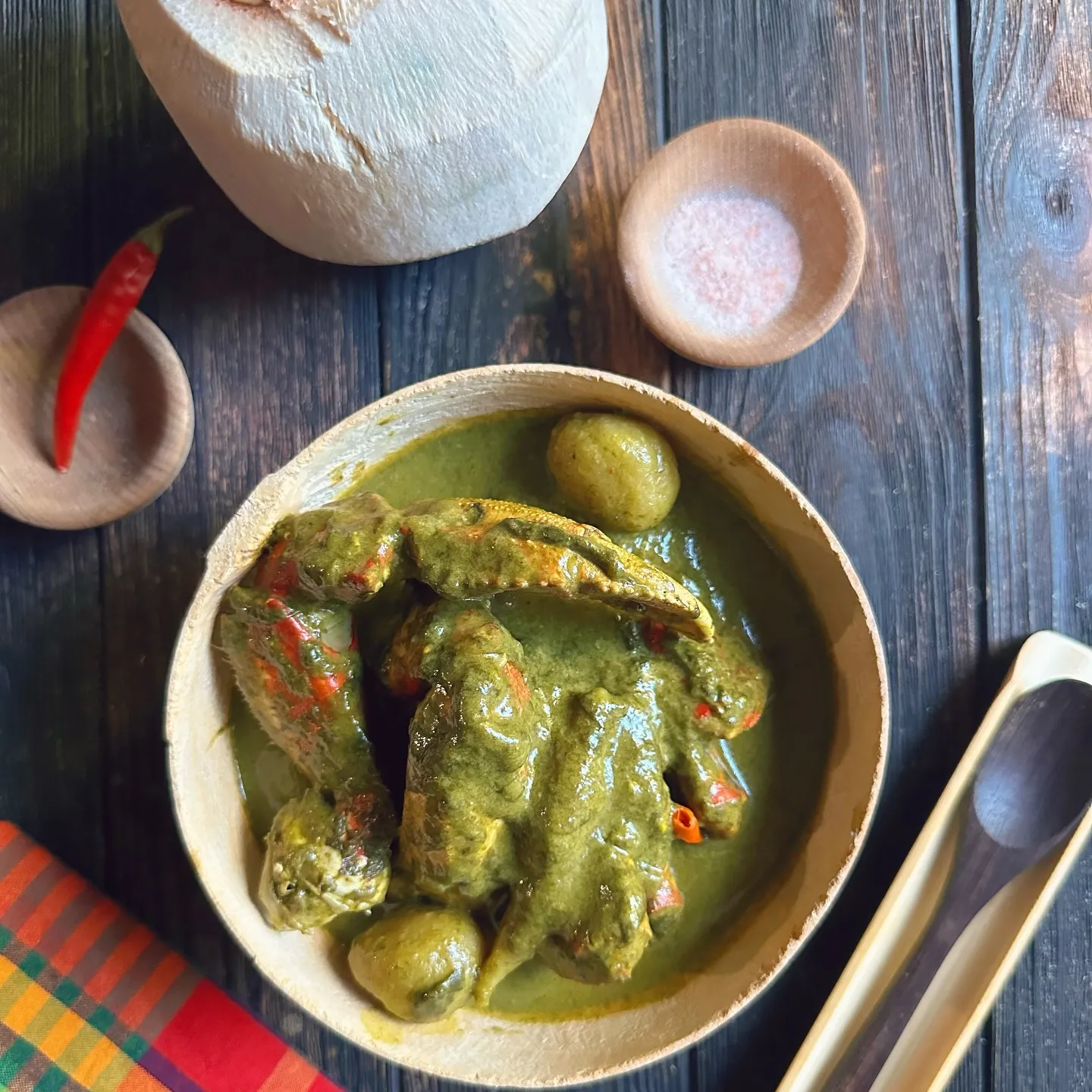 Callaloo
 Jerk chicken
 Mofongo
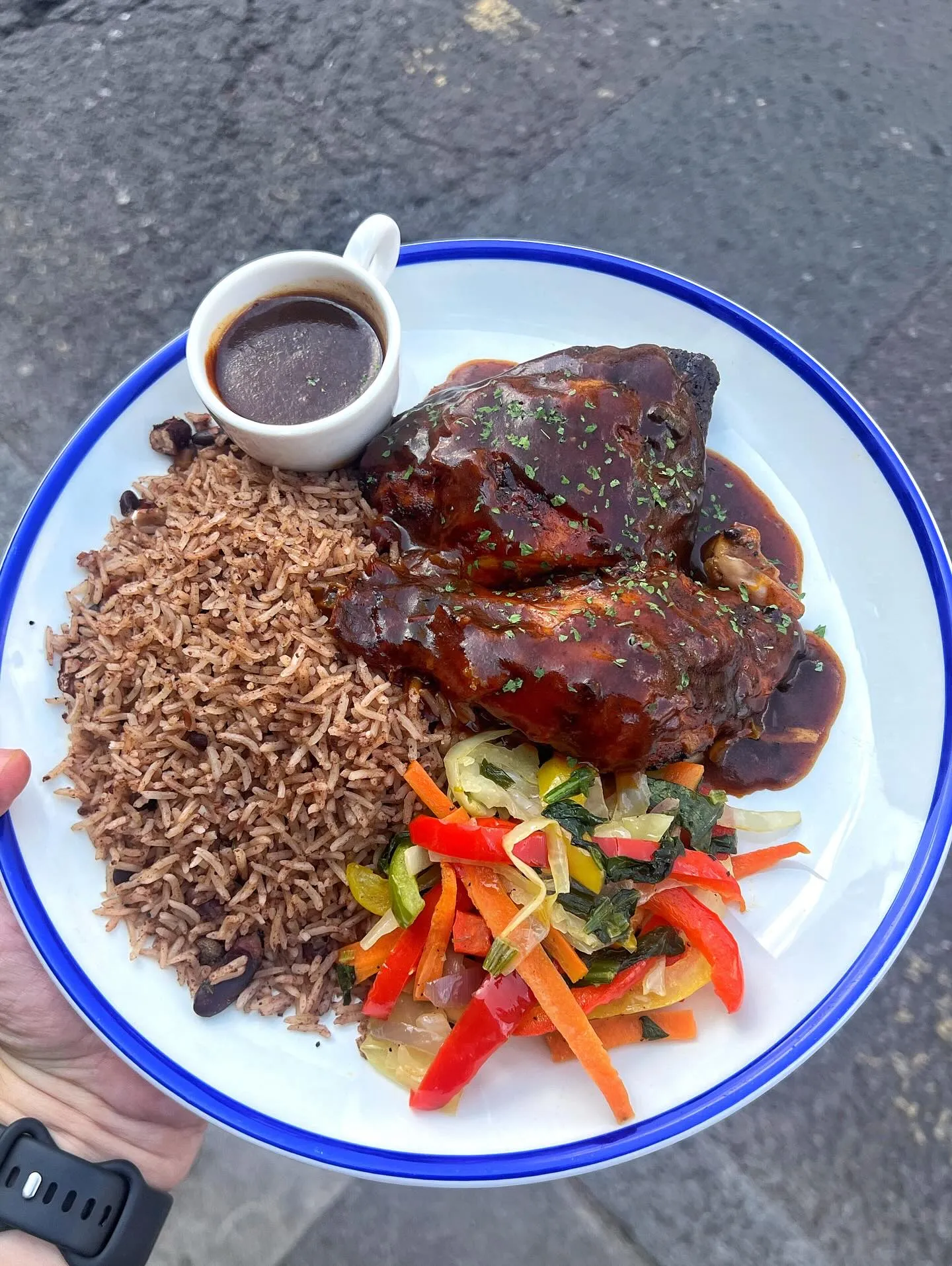 Rice and peas
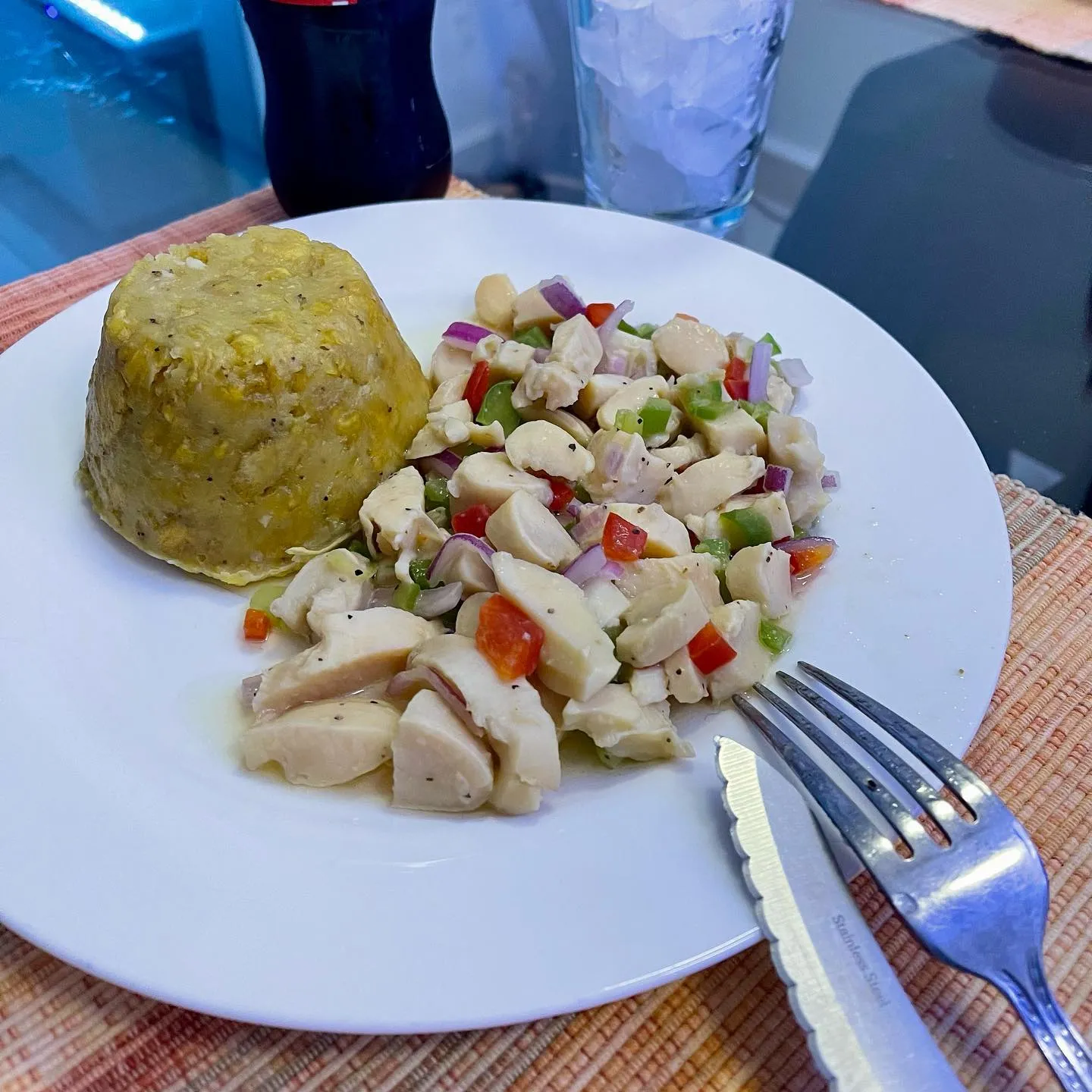 Conch
Conch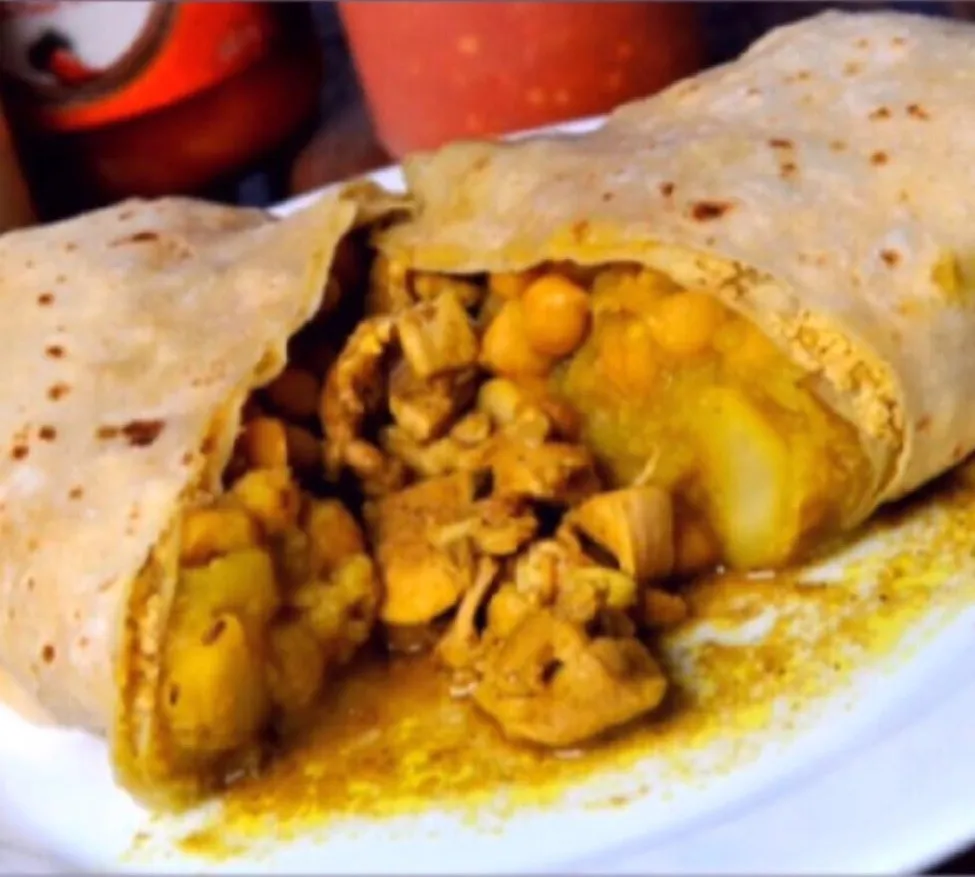 roti
roti
- Jerk chicken: Smoky, spicy, and iconic, especially in Jamaica
- Rice and peas: Coconut-infused rice served across many islands
- Conch: Served fried, stewed, or in salads in The Bahamas and Turks & Caicos
- Roti: A flatbread wrap filled with curry meats or vegetables, popular in Trinidad
- Callaloo: A leafy green dish with African roots
- Mofongo: Mashed plantains with garlic and pork, common in Puerto Rico
Seafood Culture
Fresh fish is everywhere: snapper, grouper, mahi-mahi, lobster, and shrimp are often grilled the same day they are caught.
Drinks You’ll Encounter Everywhere
- Fresh coconut water: Often cut open in front of you
Eating local is not just cheaper, it’s one of the best ways to understand island life.
Costs and Budget Expectations
The Caribbean can be budget-friendly or ultra-luxurious, depending on where and how you travel.
Budget Travel
Possible in islands like Jamaica, Cuba, Dominican Republic, and parts of Puerto Rico. Street food, guesthouses, and local transport keep costs manageable.
Mid-Range Travel
Resorts, boutique hotels, car rentals, and tours fit comfortably into mid-range budgets on islands like Barbados, Saint Lucia, and Antigua.
Luxury Travel
The Bahamas, Turks & Caicos, St. Barts, and Anguilla are known for high-end resorts, private villas, and premium pricing.
Flights vary greatly by season and departure city, so flexibility saves money.
Safety and Common Scams to Watch For
General Safety
Most Caribbean destinations are safe for tourists, especially in resort areas. However, like anywhere, awareness matters.
Basic safety tips:
- Avoid isolated areas at night
- Do not flash valuables
- Use hotel safes
- Stick to licensed taxis and tour operators
Common Caribbean Scams
While violent crime against tourists is rare, small scams exist.
Taxi overcharging
Some drivers may quote inflated prices. Always ask for the fare before entering the vehicle.
Fake tour operators
Unlicensed guides may sell cheap snorkeling or boat tours that don’t match promises. Book through hotels or verified operators.
Currency confusion
Some islands accept both local currency and U.S. dollars. Unscrupulous vendors may use unfavorable exchange rates. Paying in local currency helps.
Timeshare pressure
Free gifts or excursions may come with aggressive sales pitches. Politely decline if not interested.
Pickpocketing
Rare but possible in busy markets, festivals, or cruise ports.
The key rule: if something sounds too good to be true, it usually is.
Culture, Etiquette, and Local Behavior
Caribbean culture values politeness, respect, and friendliness.
- Greet people when entering shops
- Dress modestly away from beaches
- Be patient, island time is real
- Loud or aggressive behavior is frowned upon
- Tipping is customary, usually 10 to 20 percent
English is widely spoken across many islands, but Spanish, French, Dutch, and Creole languages are also common depending on the destination.
Transportation and Getting Around
Transportation varies widely by island.
- Taxis are common but often unmetered
- Car rentals offer flexibility, but driving sides differ
- Public minibuses exist on some islands and are very affordable
- Ferries and island flights connect nearby islands
Research transport options before arrival, especially on smaller islands.
Activities Beyond the Beach
The Caribbean offers far more than sunbathing.
- Snorkeling and scuba diving on coral reefs
- Hiking rainforests and volcanoes
- Waterfalls and natural pools
- Historical forts and colonial towns
- Carnival festivals and music events
- Whale watching in certain seasons
Adventure travelers, nature lovers, and culture seekers all find something to love.
Best Time to Visit the Caribbean
- High season: December to April (best weather, higher prices)
- Shoulder season: May and November (good deals, fewer crowds)
- Low season: June to October (cheaper, hotter, hurricane risk)
Travel insurance is highly recommended if visiting during hurricane season.
What to Pack for the Caribbean
Essentials include:
- Lightweight clothing
- Swimwear
- Reef-safe sunscreen
- Insect repellent
- Comfortable walking shoes
- Waterproof phone case
- Travel adapters (some islands use UK plugs)
Pack light. Island life favors simplicity.
Final Thoughts: Is the Caribbean Right for You?
The Caribbean is not a single experience, it is many journeys wrapped in one region. Whether you want all-inclusive luxury, cultural immersion, budget backpacking, or island hopping, there is a Caribbean destination that fits your style.
Come for the beaches, stay for the food, music, warmth, and rhythm of island life. Respect the culture, travel responsibly, and the Caribbean will reward you with memories that feel timeless.