Coconut Beach — Port Barton, Palawan: a complete local guide
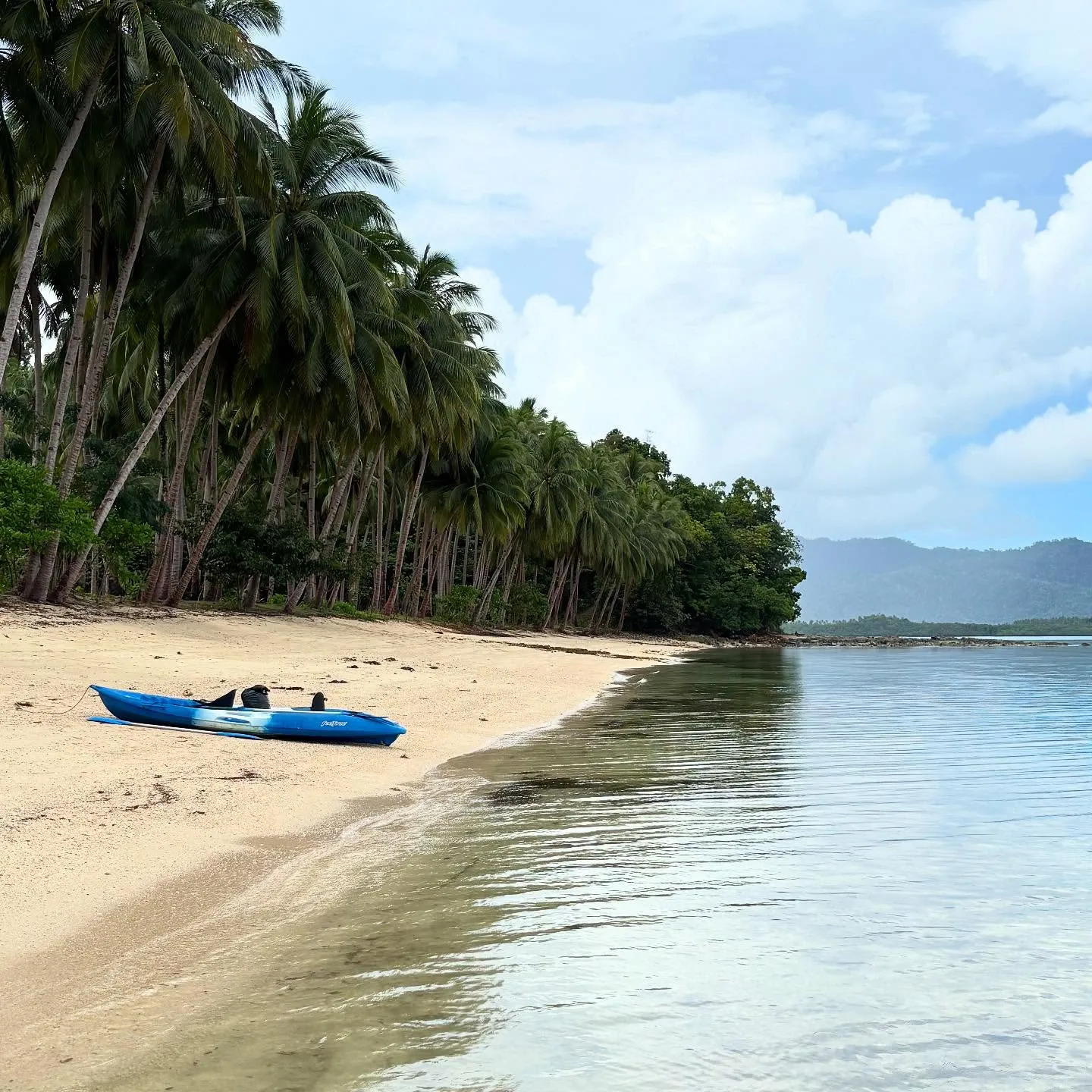
If you picture a postcard-perfect tropical beach with a long ribbon of white sand, a fringe of coconut palms swaying in the breeze, and quiet turquoise water that begs you to kick off your flip-flops — you’re basically imagining Coconut Beach in Port Barton, Palawan. This low-key stretch is one of the best day-trip spots near the little fishing village of Port Barton: calm, scenic, and refreshingly uncrowded compared with Palawan’s busier neighbors.
Below is an easy-to-skim, travel-friendly guide that covers how to get there, what to do, the best time to visit, safety tips, and a couple of sample itineraries so you can make the most of a visit.
If the calm shores of Port Barton inspire you, the island huts in Coron offer a similar mix of adventure and serenity for snorkeling and kayaking enthusiasts.
At a glance — why Coconut Beach deserves your time


- Long, soft white sand lined with coconut trees — perfect for hammocks and sunset photos.
- Quiet and more rustic than nearby White Beach: great if you want a peaceful, postcard vibe.
- Easy to reach from Port Barton town by foot, boat or tuk-tuk — pick your adventure.
Where it is and how to get there
Coconut Beach sits along the coast near Port Barton (municipality of San Vicente) on Palawan’s west side. Port Barton itself is roughly a multi-hour drive from the big Palawan hubs (Puerto Princesa to the south and El Nido to the north), making it an ideal slow-travel stop between the two.
Getting to Coconut Beach from Port Barton village:
- Walk — Many travelers walk a coastal path from Port Barton’s main beach (Itaytay Beach). The walk can take around 15–30 minutes, depending on pace and tide, and it’s a scenic route through shorelines and mangroves.
- Boat taxi — Local boatmen operate short transfers from Itaytay Beach; it’s the fastest and most fun way — and you can often bargain the price. Plan on joining others if you want to keep costs low.
- Tuk-tuk / tricycle — For those who prefer land, tuk-tuks (or trikes) will run you along the bumpy local road for a small fee — often around a few hundred pesos for a return trip when negotiated.
A small local entrance or environmental fee is commonly charged at Port Barton beaches — keep a few pesos/coins ready.
Find your perfect flight deal today
What to expect on the beach


Coconut Beach is less developed than some nearby stretches. Expect:
- A wide spit of soft sand shaded by rows of coconut palms — lots of natural hammocks and earned privacy.
- Clear, calm water great for gentle swimming and wading; the shoreline is ideal for a lazy day with a book.
- Fewer amenities than Port Barton town — bring water, snacks, and shade if you plan a long stay. (Some days you may find small vendors or locals offering fresh coconuts or simple snacks.)
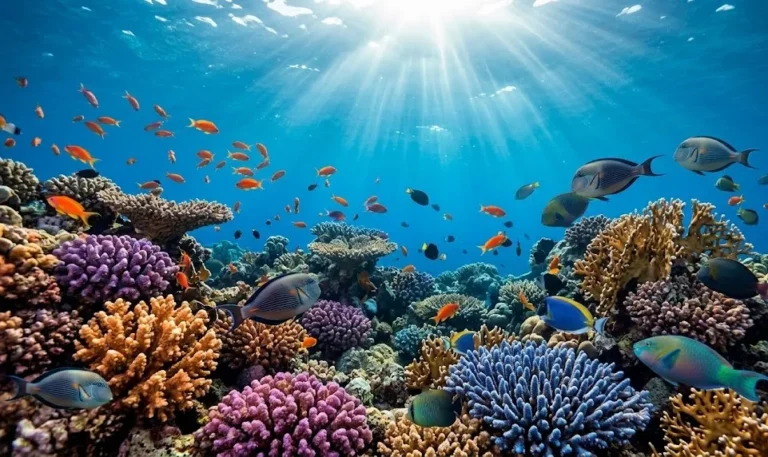
Wildlife & marine notes: Port Barton waters are home to healthy coral patches and varied marine life — you might see small reef fish, sea urchins, and occasionally turtles while snorkeling near reefs on boat trips. Ask locals before swimming in isolated spots, as jellyfish can appear seasonally.
Things to do (relaxation + light adventure)


Coconut Beach is perfect for slow, sensory travel. Here are the best ways to spend your time:
- Hammock time & beachcombing — lie back under the palms and watch the ocean change color.
- Swimming & shallow snorkeling — the water is calm and clear; bring your own mask if you have one. For better reefs, combine a beach visit with a Port Barton boat tour.
- Sunset photos — the tree line and long sandbar make for classic tropical silhouettes.
- Picnic or beach barbecue — pack a small picnic (respect local rules) and savor a private beach lunch.
- Combine with White Beach — many travelers pair Coconut Beach with nearby White Beach on the same trip — both can be reached by boat or by walking the coastal path.
Travelers visiting Port Barton often continue their journey to Busuanga, where hidden sandbars and turquoise waters create a peaceful retreat.
Practical tips — timing, money and what to pack
Best time to visit: Dry season (roughly November to April) offers calm seas and clearer skies; shoulder months can be pleasant too. Avoid the peak of the monsoon for boat reliability.
Sun & heat: Bring sun protection — hat, reef-safe sunscreen, sunglasses. The sun in Palawan is strong.
Cash: Small vendors and boatmen typically accept cash only; ATMs in Port Barton are limited — bring enough pesos.
Pack list: Swimsuit, quick-dry towel, snorkel gear (optional), reef-safe sunscreen, flip-flops/water shoes, mosquito repellent, water bottle, small dry bag, camera, cash/coins for fees and boat rides.
Beach fee & local rules: Expect a small entrance or environmental fee; be polite and follow local guidance (don’t leave trash behind).
Safety & environmental notes


- Jellyfish: There are reports of box jellyfish sightings in Port Barton waters, particularly around the start of the rainy season. Ask locals and resort staff about current conditions before swimming, and avoid isolated swims at dawn/dusk during those months.
- Tides & currents: Coastal conditions can change with the tide. For long swims or solo snorkeling, check with local guides.
- Respect local life: Coconut Beach is often maintained by small local communities — leave no trace, avoid single-use plastics, and steer clear of disturbing coral. Many small operations depend on responsible tourist behavior.
Where to stay nearby
Port Barton town has a range of accommodations from budget hostels and homestays to mid-range beach bungalows. Staying in town gives you restaurants, souvenir stalls, and easy access to Itaytay Beach where boats depart. If you prefer beachfront serenity, a few small resorts and cottages are dotted along White Beach and nearby coves.
Sample half-day and full-day plans
Quick half-day: Coconut Beach + sunset
- Morning: Walk or take a short boat to Coconut Beach; settle into a shady spot.
- Midday: Swim and snorkel near the shore; picnic or grab a coconut from a vendor.
- Late afternoon: Walk a little further to catch sunset photos, then boat/tuk-tuk back to Port Barton for dinner.
Full-day loop: White Beach → Coconut Beach → island snack
- Morning: Short boat to White Beach (the more popular neighbor) for swimming.
- Midday: Stroll the sand to Coconut Beach, enjoy lunch and a long swim.
- Afternoon: Head back to Port Barton village for a chilled dinner and local seafood.
For a tropical getaway in a completely different country, the Maldives’ Fihalhohi Island offers lush greenery and crystal-clear waters in a serene island setting.
Responsible travel — how to be a good guest
- Pay the environmental fees and any local charges — these help maintain the beaches.
- Use reef-safe sunscreen and don’t step on or touch coral.
- Buy local: small cafés and vendors benefit a lot from responsible tourism.
- Carry out what you carry in — leave the beach better than you found it.
Quick FAQ
How long is the walk from Port Barton to Coconut Beach?
Expect roughly 15–30 minutes along the shoreline path from Itaytay Beach to Coconut Beach, depending on pace and tide.
Can I take a boat from Port Barton to Coconut Beach?
Yes — boat taxis run regularly from Itaytay Beach and are a fun, quick option if you don’t want to walk. Haggling politely is normal.
Are there jellyfish at Coconut Beach?
Box jellyfish are reported at times (mainly near the rainy season). Ask a local before swimming if you’re visiting in April–May.
Is Coconut Beach crowded?
No — it’s usually quieter than White Beach and makes a peaceful escape from busier spots.
Port Barton is just one of Asia’s hidden paradise escapes, and you can explore more in our Asia travel guides collection.
Final word

Coconut Beach is exactly the kind of place you go to slow down: to read in a hammock, float in calm water, and watch the light slip off a line of coconut palms. Whether you walk the coastal path from town or arrive by a friendly local boat, you’ll find a peaceful corner of Palawan that still feels a little like a secret. Pack your curiosity, a good book, and your sense of wonder — Coconut Beach will do the rest.
Would you like a printable one-page packing list or a Google-Maps-style pin with suggested boat operators and exact walking routes for your blog/visitor page? I can build that for you next.