Colombia Travel Guide: Discover the Heart and Soul of South America
When most travelers think of Colombia, visions of Cartagena’s colorful colonial streets or a quick stop in Bogotá usually come to mind. What they often miss are the rhythms, landscapes, spice, and alive-in-the-moment spirit that make this country one of South America’s most rewarding destinations. Colombia is not just another place on a map — it’s a feeling stitched together by warm people, diverse regions, world-class coffee, and celebrations that turn everyday life into an experience worth remembering.
This guide isn’t a check-the-box itinerary. It’s a traveler’s companion — full of meaningful places, practical travel planning advice, cultural context, and insider tips for exploring Colombia like someone who wants to experience, not just see it.
Recommended Travel Items for Your Trip
A Tapestry of Landscapes: Understanding Colombia’s Diverse Regions
Colombia is unlike most countries in the world because it feels like several countries in one. Its landscapes shift dramatically from coastlines to cloud forests, from café-dotted hills to Amazon jungle canopy, and each region has its own distinct vibe and rhythm.
Here’s how the country unfolds region by region:
The Caribbean Coast:


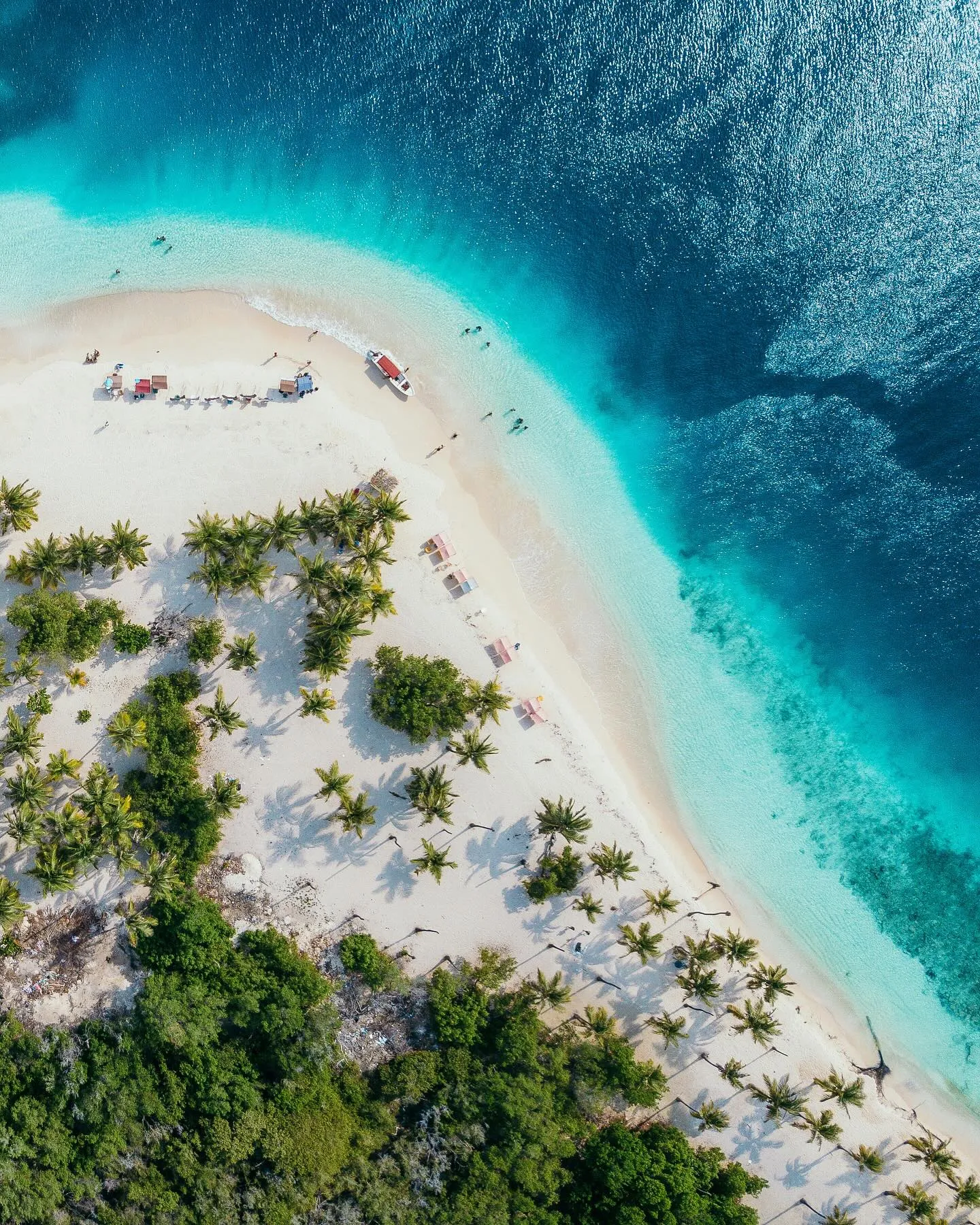
Think sun-washed beaches, warm sea breezes, Afro-Caribbean rhythms, and historic ports that have stood for centuries. Cartagena’s walled old city sits on this coast, but there’s more beyond the postcard — from the relaxed beach town of Santa Marta to wild jungles and secluded coves in Tayrona National Natural Park.
The Andean Highlands:

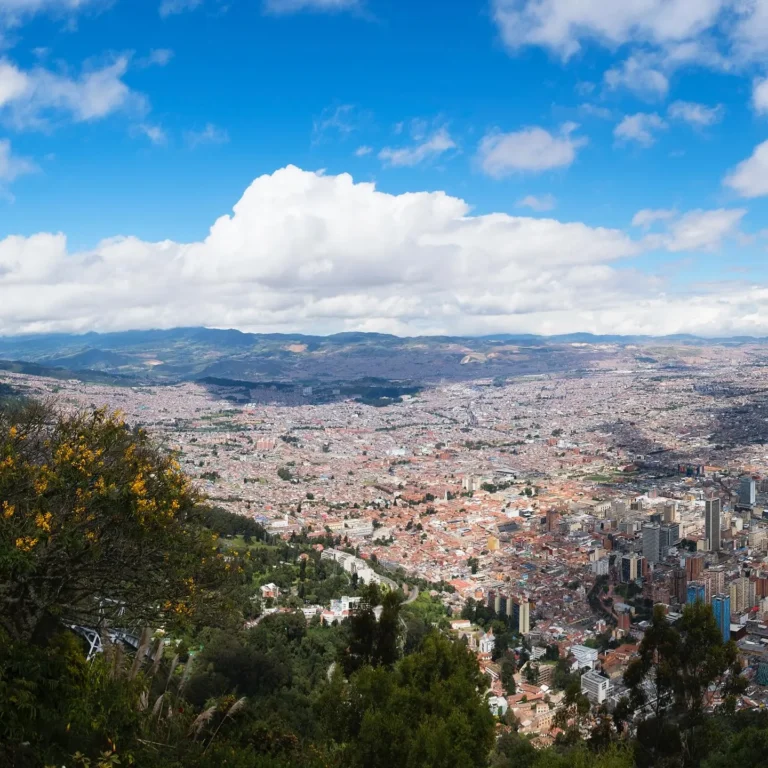
These central mountain landscapes are home to thriving cities like Medellín and Bogotá. Medellín has transformed from its past into a vibrant cultural center with art, cable cars, and neighborhood transformation projects. Bogotá, the capital, blends world-class museums with heritage neighborhoods like La Candelaria and a buzzing food scene.
Coffee Country (Eje Cafetero):

This UNESCO-listed region surrounding towns like Salento, Armenia, and Manizales is a lush quilt of coffee farms, rolling hills, and the iconic tall wax palms of the Cocora Valley.
Amazon & Orinoquía (South/East):

Wild, biodiverse, and remote, this part of Colombia is unlike anywhere else in the country. Indigenous communities, river cruises, and jungle lodges await travelers who love immersive nature experiences.
The key to exploring Colombia is focus. Don’t rush from one end to the other. Pick one or two areas for your trip and let each reveal its soul in its own pace.
Must-Visit Places Worth Planning For
No Colombia trip is complete without a blend of cities, nature, culture, and rhythm. Here’s a curated list of standout destinations that capture the spirit of the country:
Cartagena: The Jewel of the Caribbean

If Colombia had a fairy-tale face, it might well look like Cartagena’s pastel-painted streets. The walled old city is a UNESCO World Heritage Site where history, romance, and Caribbean charm meet. Wander plazas framed by bougainvillea, sip fresh fruit juices on cobblestone lanes, and watch sunset from the ancient walls.
Cartagena also makes a great base for beach day trips to places like Playa Blanca or nearby islands in the Rosario archipelago, perfect for snorkeling or lounging in tranquil turquoise water.
Medellín: Reinvention and Creativity

Once known for darker times, Medellín is now a symbol of urban transformation. Its vibrant street art, fun cable car rides over the hills, and lively neighborhoods in El Poblado and Comuna 13 offer visitors a rich mix of culture and local life. Cities like this are where you see Colombia’s resilience and creative spark come alive.
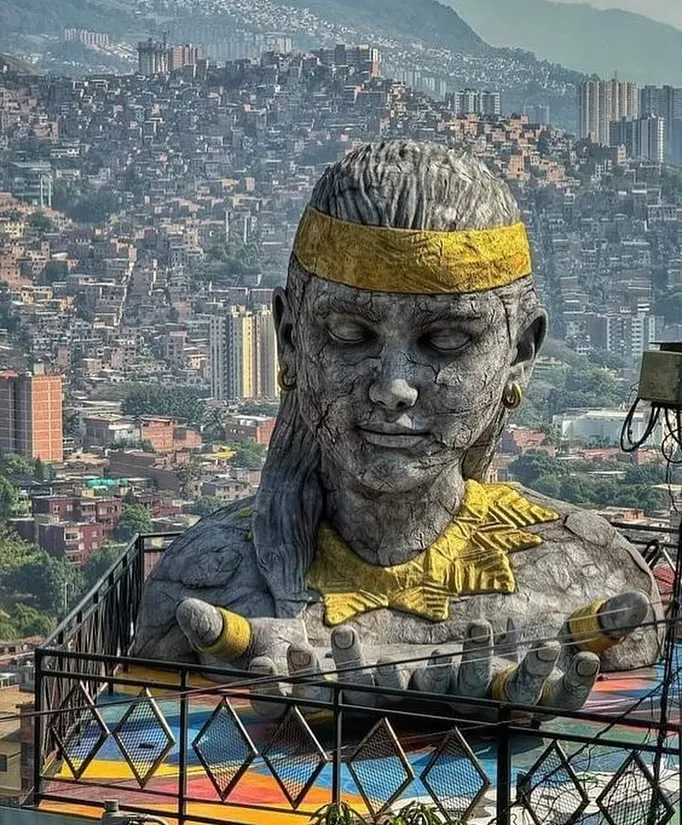
Near Medellín, you can also escape to Arví Park, a sprawling ecotourism zone of forests, trails, and outdoor activities — all easily accessible via metro and cable car.
The Cocora Valley and Coffee Triangle

Coffee and Colombia are almost synonyms, and there’s no better place to see why than in the Coffee Cultural Landscape. Take a tour of a working finca (coffee farm), stroll through haciendas, and relish a freshly brewed cup in a hilltop café. The Cocora Valley stands out with its surreal, towering wax palms and forest trails that feel like a dreamscape.
Bogota: Museums, Markets, and Moods

The capital, Bogotá, is a contrast of high energy and reflective spaces. Wander historic neighborhoods like La Candelaria, explore world-class museums like the Gold Museum with its stunning pre-Columbian collection, and dive into the vibrant culinary scene.

Beyond culture, the city’s markets — like Paloquemao — offer an edible tapestry of local produce and street food that’s worth exploring for any food lover.
Food and Coffee: Colombia’s Heart on a Plate
Food in Colombia isn’t just sustenance; it’s a cultural conversation. Whether you’re eating on a street corner or in a café overlooking rolling hills, you’ll taste history, regional identity, and community in every bite.

Bandeja Paisa is the quintessential dish of Antioquia — a generous plate of beans, rice, plantain, chorizo, and egg that fills you up and fuels your day. On the coast, fried fish with coconut rice captures the tropical vibe. Street vendors everywhere slice fresh mango and serve it with lime and salt — simple, local perfection.
Of course, you can’t talk about Colombian cuisine without coffee. Colombia is one of the world’s premier coffee producers, and its beans are known for balanced, smooth flavor. Visit coffee farms near Salento or Armenia and see the entire process up close — growing, roasting, brewing — and sip the result beside hills that look like emerald velvet.
And for that everyday local experience, order a tinto — a small, strong black coffee that’s part of daily life across the country.
Getting Around Colombia Without Stress
Colombia’s geography is beautiful — and it can be deceptive if you underestimate travel times. Mountains, valleys, and vast distances mean that even short journeys can take longer than expected.
Domestic flights are the most efficient way to traverse long distances. A flight from Bogotá to Cartagena, for example, takes just over an hour.
Buses remain a reliable, affordable option for regional travel. Booking platforms like RedBus let you compare schedules and book ahead, which is especially useful during peak season.
Rideshare apps like Cabify and Uber provide a safer and more predictable ground transport option in cities. In smaller towns, colectivos (shared vans) connect locals and travelers alike, giving you a chance to watch daily life pass by.
If navigating transport in a foreign country sounds daunting, know this: mastering buses and colectivos in Colombia doesn’t just smooth your trip — it builds confidence as a traveler.
Festivals and the Celebration of Life
Colombia doesn’t just celebrate travel — it lives it. Festivals in this country are vibrant, loud, and utterly immersive.

The Barranquilla Carnival is one of Latin America’s largest and most colorful carnivals, featuring parades, costumes, music, and an infectious energy that floods the streets every year.
In Medellín, the Feria de las Flores showcases floral artistry with parades and flower displays that highlight the region’s proud cultivation heritage.
And in Cali, salsa isn’t background music — it’s the heartbeat of the city, especially during the annual Cali Fair in December. Locals often pull travelers into the circle to dance — and saying yes is part of the fun.
These festivals aren’t just events; they’re invitations to feel Colombia’s joy and rhythm.
Practical Tips Before You Go
Safety: Colombia has become significantly safer for travelers over the past decade, with major tourist areas well-patrolled and tourism infrastructure improved. Local common-sense precautions — like using rideshare apps at night and sticking to well-lit areas — make exploration safer. Petty crime still exists, so stay aware of your surroundings like you would in any big city.
Best Time to Visit: Colombia’s diverse geography means there’s never a universally bad time. Coastal regions enjoy sunshine from December through March, while festivals like the Flower Fair in Medellín happen in summer months. Shoulder seasons like April and October often bring fewer crowds.
Language: While English is increasingly common in tourism hubs, basic Spanish phrases go a long way — especially in rural markets and smaller towns.
Colombia in Your Story
Colombia surprised me. I thought I was coming for landscapes but left with memories of friendly street conversations, random salsa lessons at midnight, coffee that tasted like sunshine and rain, and breathtaking natural beauty that refused to fit in any one frame.
This isn’t a place to check off the big sights and leave. It’s a place to slow down, blend in, taste deeply, dance a little, and reconnect with the joy of travel. From Cartagena’s pastel walls to the fog-kissed hills of the Coffee Triangle, Colombia rewards you when you stay open, curious, and ready to say yes to adventure.
So tell me — where will you start your Colombia story? Bogotá’s museums? A fincas coffee morning in Salento? Or maybe just a tinto at the first café you see?