Your Complete Guide to Visiting Greece: Everything You Need to Know for Your Trip
Planning a trip to Greece in the coming months? This guide covers exactly what you need to know. Just practical information is all for you. Use this information and sample itineraries to plan your perfect vacation.
Whether you’re visiting for a week or two, here’s everything about where to go, how to get there, what things cost, and how to make your trip smooth and enjoyable.
Recommended Travel Items for Your Trip
Before You Go: Essential Practical Information
When to Visit Based on Your Preferences
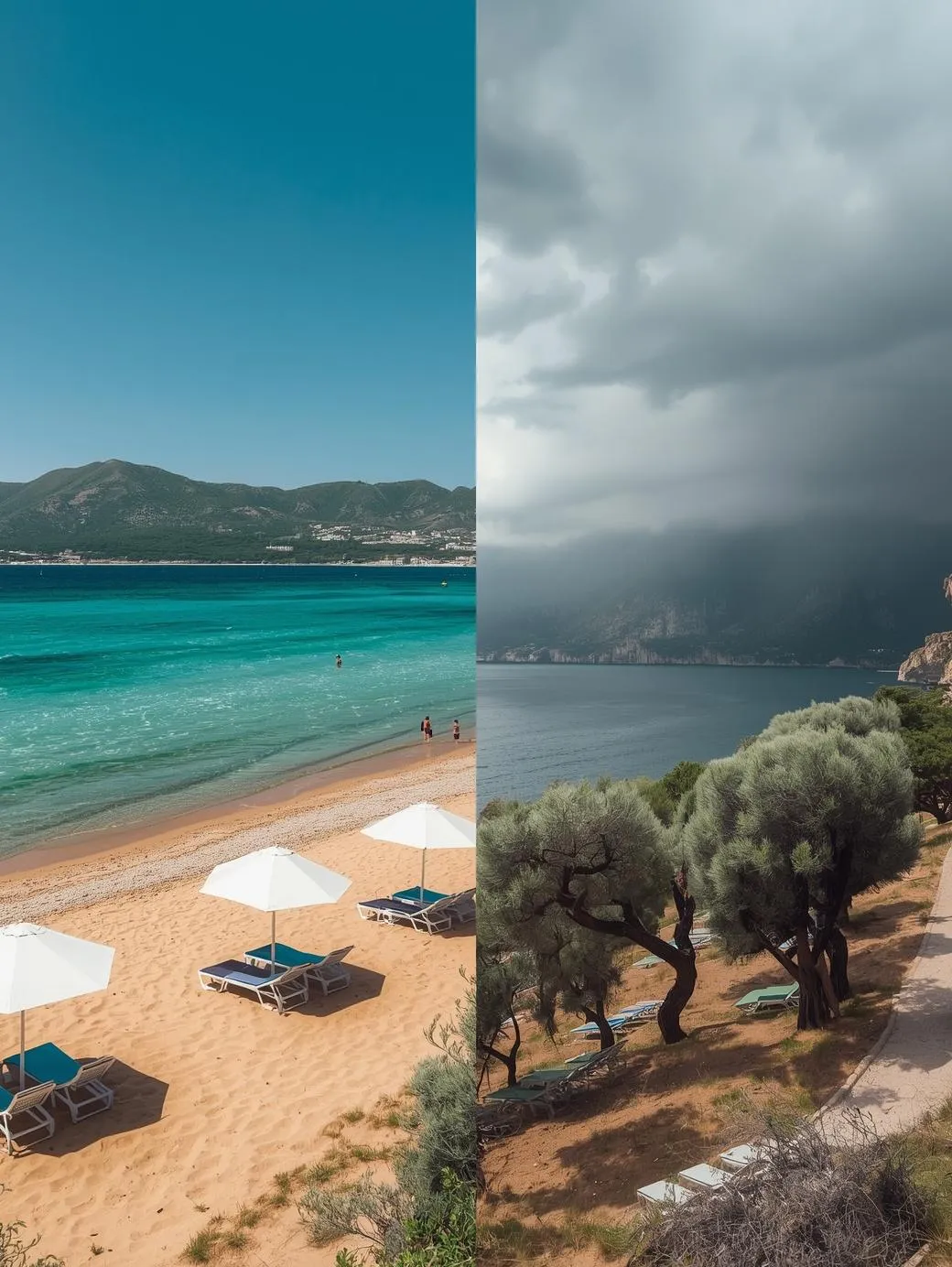
Greece has three distinct travel seasons. Pick the one that matches what you want:
| Season | Months | Weather | Crowds | Prices | Best For |
| Peak Summer | July-August | Hot (30-35°C), sunny | Packed | Highest | Beach parties, island nightlife |
| Shoulder | May-June, September-October | Warm (20-28°C), pleasant | Moderate | Medium | Hiking, sightseeing, and comfortable beach days |
| Winter | November-March | Cool (10-15°C), rainy in cities, snow in the mountains | Empty | Lowest | Exploring ruins, city breaks, skiing, and local life |
If you’re traveling in the next month or two, check which season you fall into and pack accordingly.
Entry Requirements for US Travelers
- Passport: Must be valid for at least three months beyond your intended departure date from Greece
- Visa: US citizens do not need a visa for stays up to 90 days for tourism
- ESTA Alternative: Greece is in the Schengen Area. The upcoming ETIAS system (expected mid-2025) will eventually require pre-authorization, but for now, just your passport is sufficient
Currency and Money
- Currency: Euro (€)
- Current Exchange Rate (approximate): €1 = $1.08 USD (check current rates before your trip)
- Cards vs Cash: Credit cards are widely accepted in cities and tourist areas. Always carry €50-100 in cash for small islands, village tavernas, and taxis
- ATMs: Available everywhere but may charge fees. Notify your bank before traveling
What to Pack Based on Season
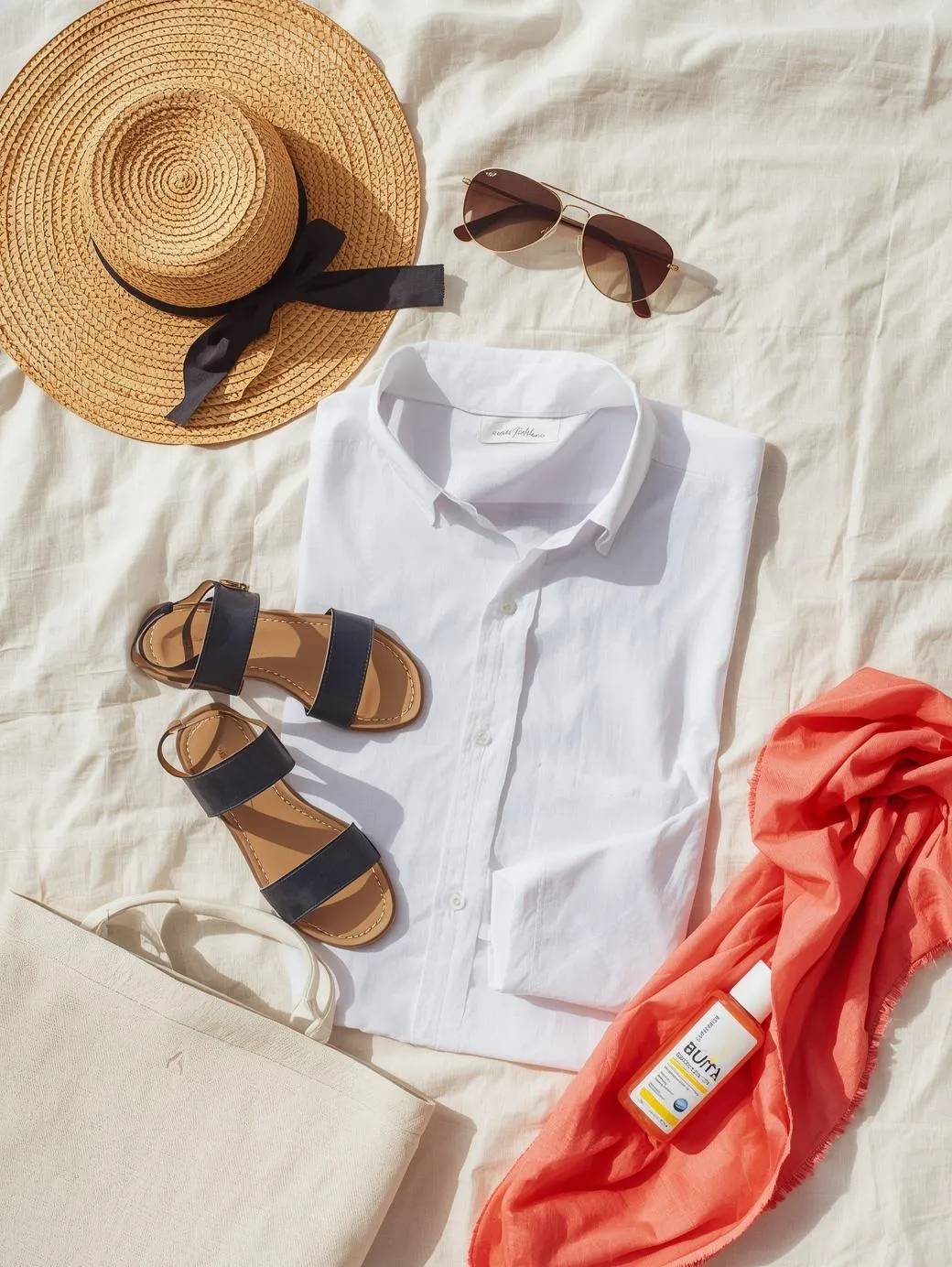
For Summer (June-September):
- Lightweight clothing, swimwear, cover-up
- Strong sunscreen (Greek sun is intense)
- Hat and sunglasses
- Comfortable walking shoes
- Light jacket for breezy ferry rides
For Shoulder Season (April-May, October):
- Layers: t-shirts, long-sleeve shirts, light sweater
- Light jacket or fleece
- Comfortable walking shoes
- Umbrella or rain jacket (especially in October)
- Swimsuit (sea still warm enough in October)
For Winter (November-March):
- Warm jacket or coat
- Sweaters and long pants
- Closed-toe comfortable shoes
- Umbrella and rain jacket
- Scarf and gloves for colder days
- Swimsuit only if your hotel has a heated pool
Getting There and Getting Around
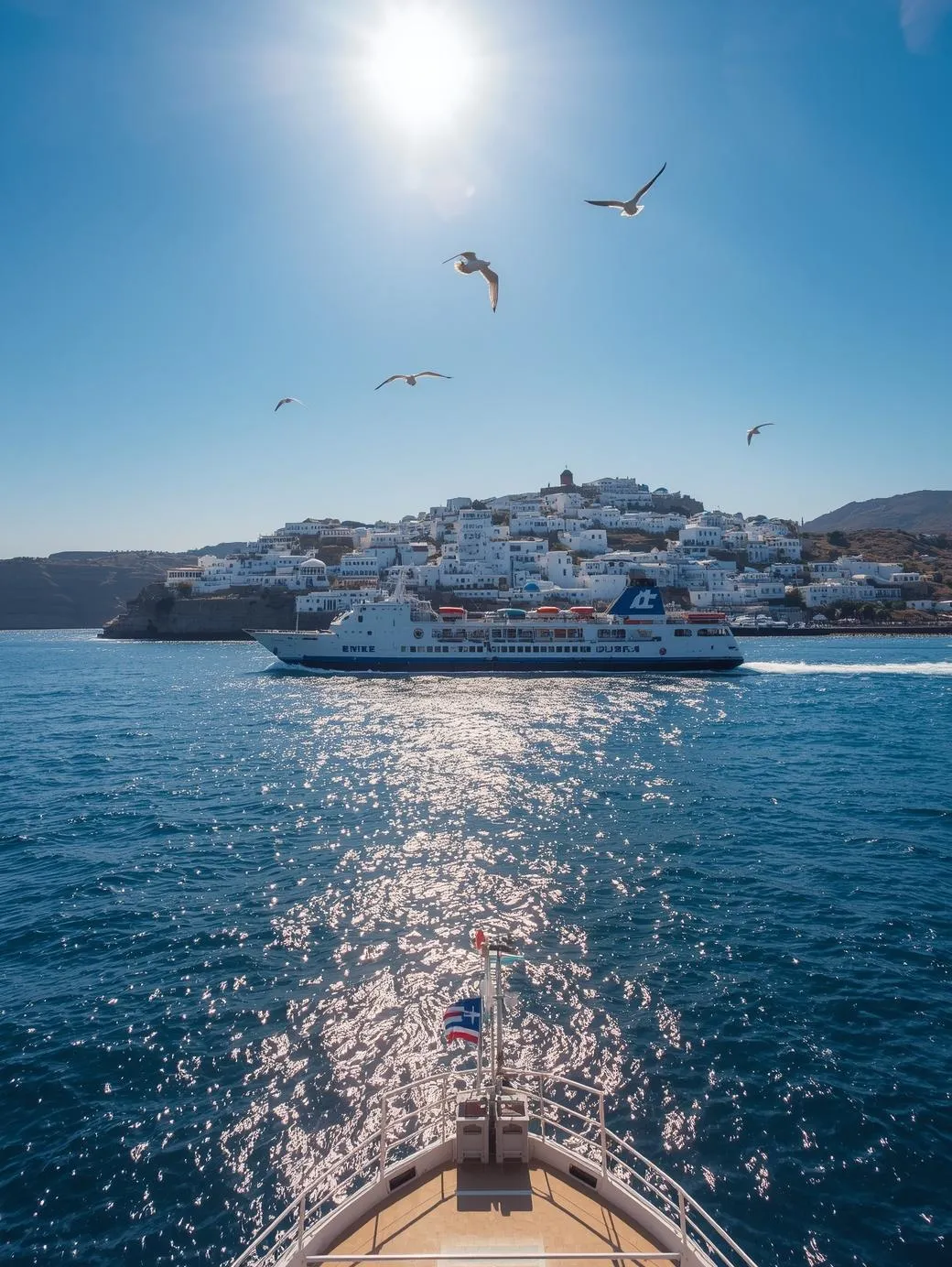
Flying to Greece
Main International Airports:
- Athens International Airport (ATH): Handles most international flights. Direct flights from New York (9-10 hours), Chicago, Atlanta, and other major US hubs
- Thessaloniki Airport (SKG): Good for accessing northern Greece
- Island Airports: Crete (HER, CHQ), Rhodes (RHO), Corfu (CFU), Santorini (JTR), Mykonos (JMK) have direct charter flights from Europe but limited direct US connections
Sample Flight Costs:
- Round-trip from New York to Athens in shoulder season: $700-1,000
- Round-trip in peak summer: $1,200-1,800
- Round-trip in winter: $600-900
Getting Between Islands: Ferries
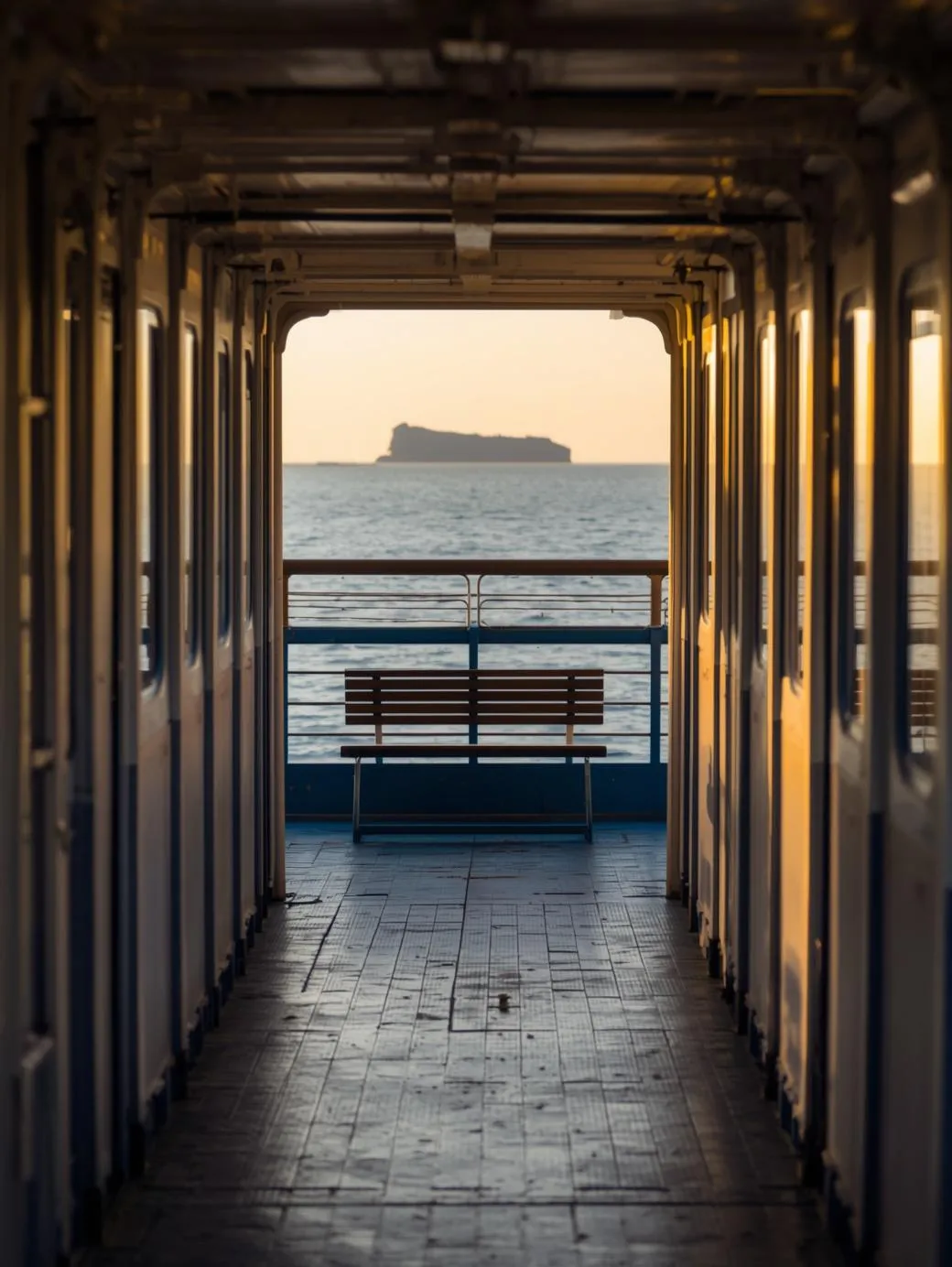
Ferries are how you island-hop. Here’s what you need to know:
- Types of Ferries:
- High-speed ferries: 2-5 hours between islands, more expensive, need seat reservations
- Conventional ferries: Slower, cheaper, you can walk around, often have outdoor decks
- Booking: Book through Ferryhopper or Direct Ferries to compare routes and prices. In peak summer, book 2-3 weeks in advance for popular routes. In winter, check schedules carefully—many routes run less frequently or stop entirely
- Sample Ferry Times and Costs (one-way, approximate):
- Athens (Piraeus) to Mykonos: 2.5-5 hours, €40-60
- Athens to Santorini: 5-8 hours, €50-80
- Mykonos to Santorini: 2-4 hours, €40-70
Getting Around on the Islands
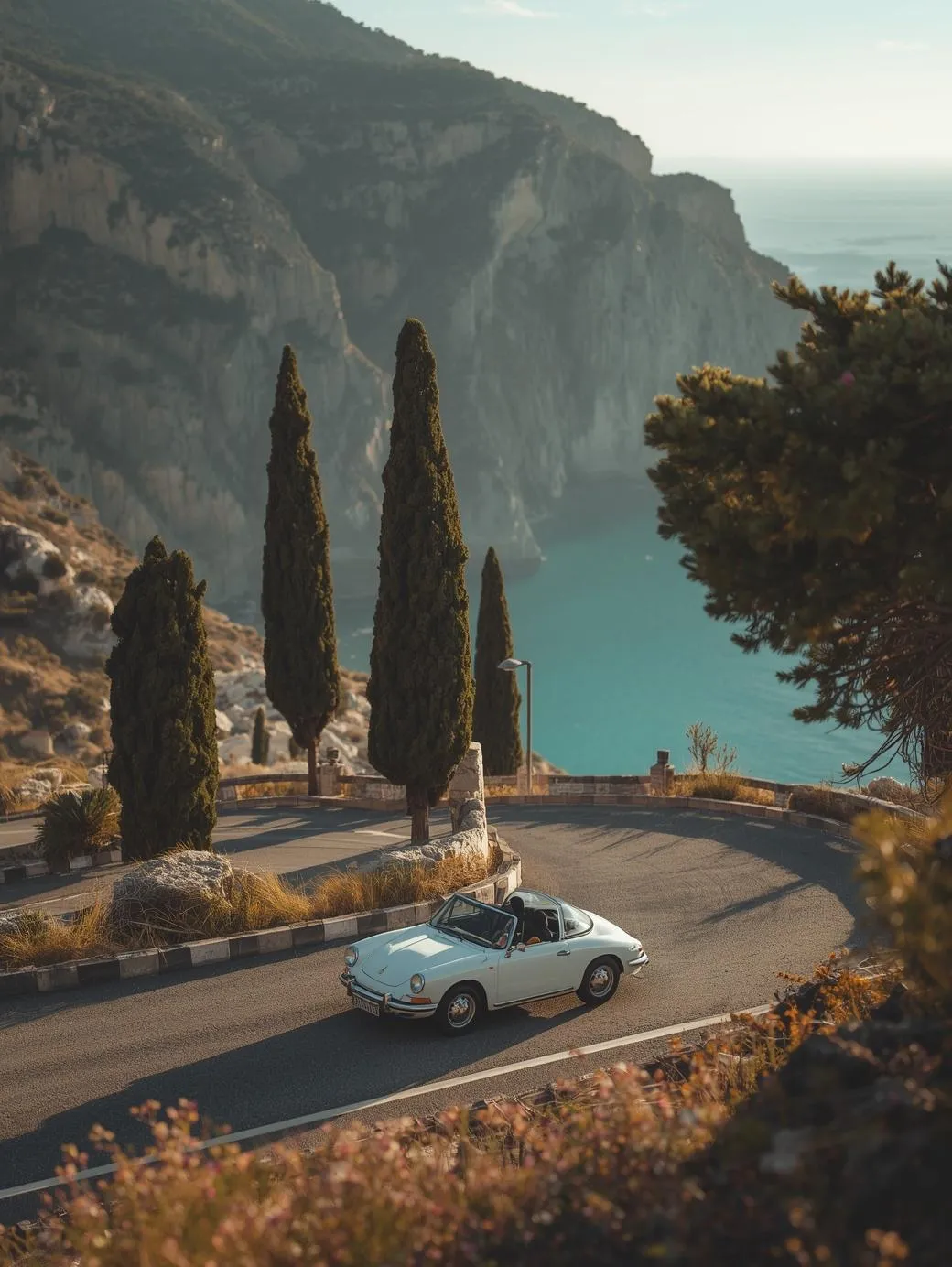
- Car Rental: Essential for islands like Crete, Naxos, and Corfu. Expect €40-60 per day in summer, less in winter. An international driver’s license is recommended, but not always required. Book ahead in peak season
- ATVs (Quads): Popular on small islands like Santorini and Mykonos. €20-40 per day
- Buses: Reliable between major towns and beaches on most islands. Schedules are posted at bus stops
- Taxis: Available but limited on small islands. Use Uber or FreeNow in Athens
If you are a remote worker and are looking for details about digital nomad in Greece. Here is your full guide.
Where to Go: Island-by-Island Breakdown
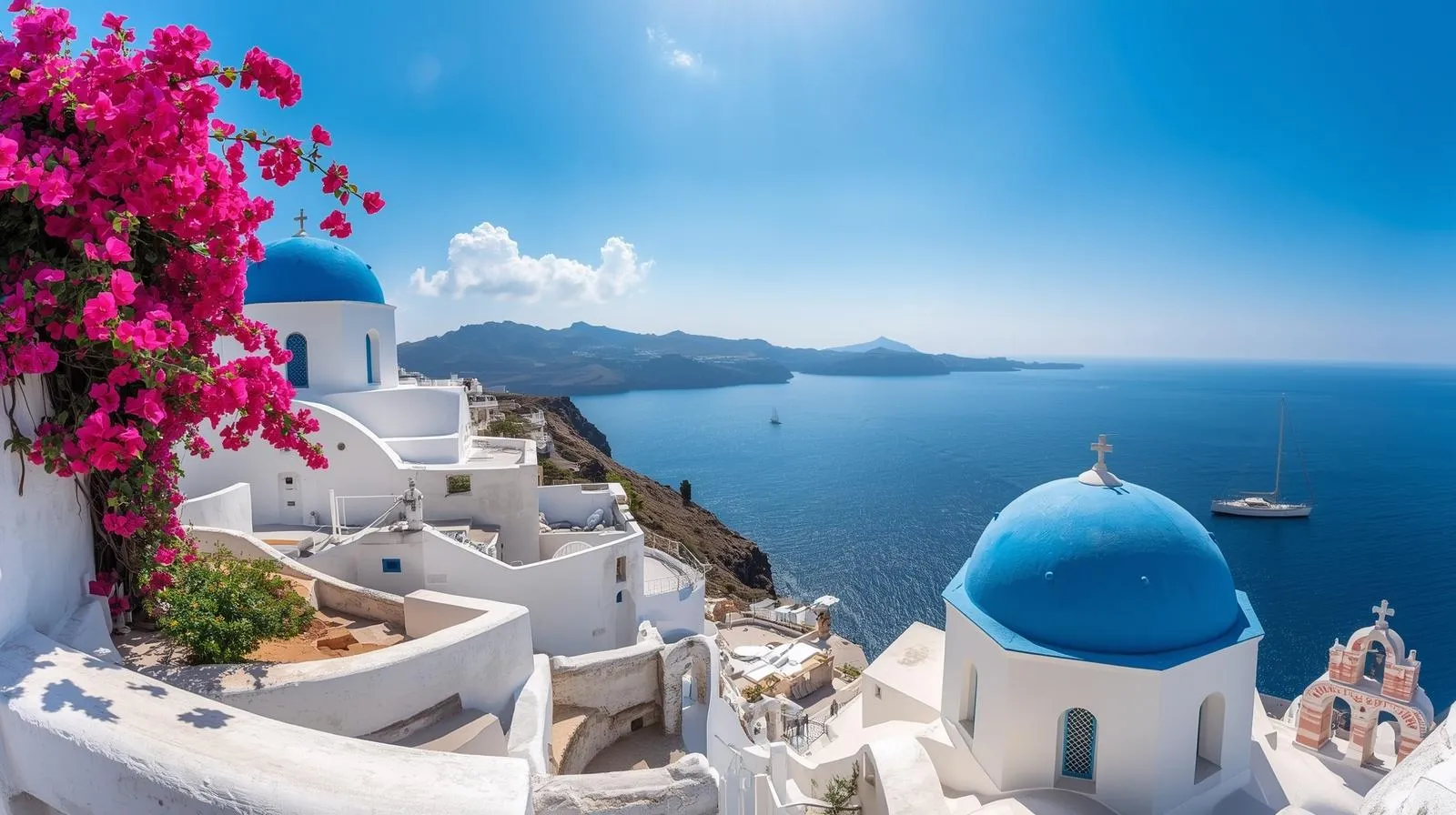
Santorini
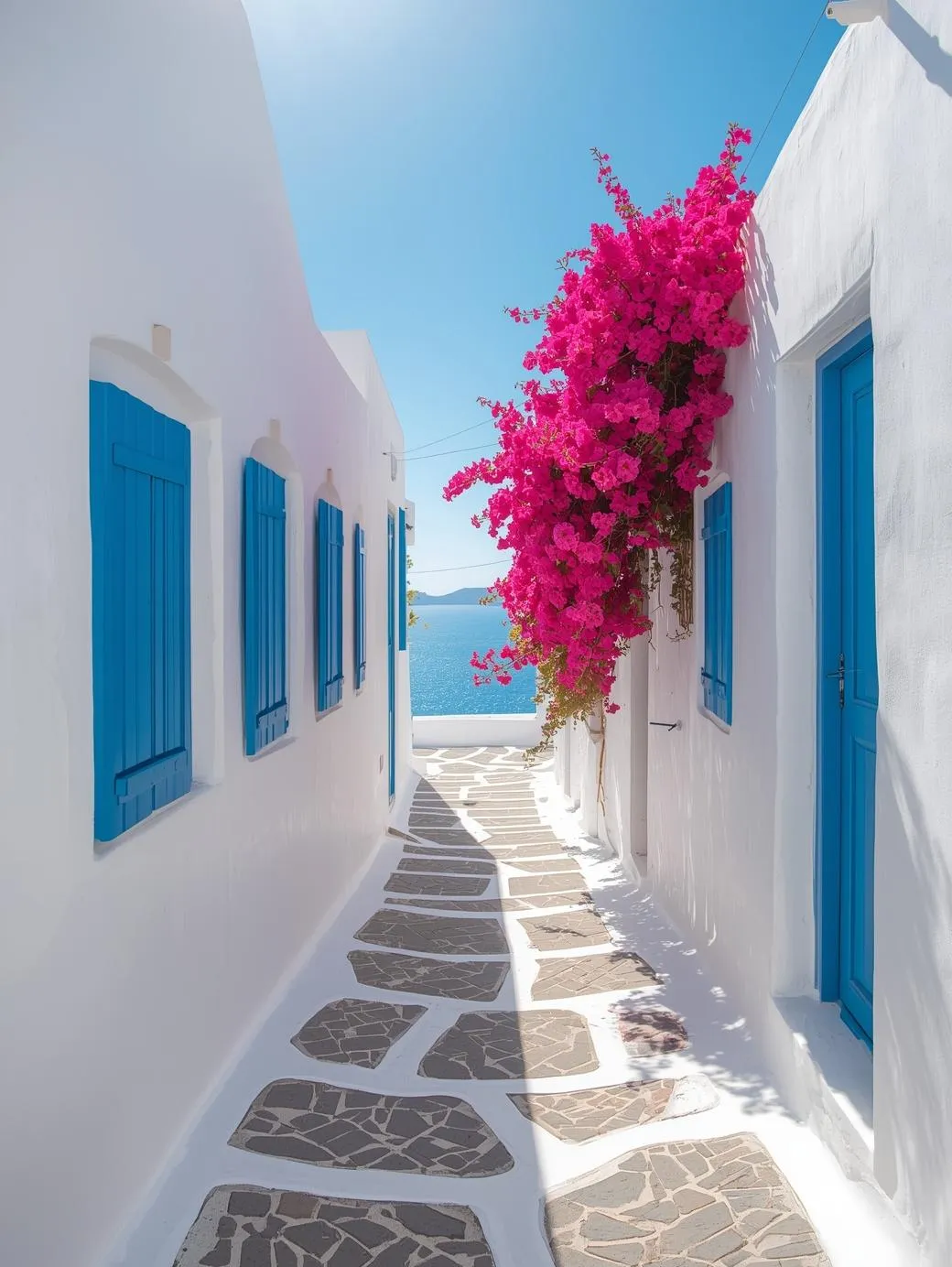
- Best For: Caldera views, sunsets, luxury stays, photography
- How Long to Stay: 2-3 nights
- Main Towns: Fira (capital, busy), Oia (sunsets, expensive), Imerovigli (quiet, best views)
- What to Do:
- Watch the sunset in Oia (arrive 2 hours early or book a sunset dinner)
- Walk the Fira-to-Oia caldera edge trail (3-4 hours, stunning views)
- Visit the Akrotiri archaeological site (Minoan Pompeii)
- Red Beach and Black Beach for swimming
- Getting There: Fly into Santorini (JTR) or ferry from Athens/other islands
- Where to Stay:
- Budget: Bed in hostel €25-40, basic hotel €70-100
- Mid-range: Hotel with caldera view €150-250
- Luxury: Cave suite with private pool €300-800+
For the fashion-loving women, here are the nail art designs inspired by Santorini, Greece.
Secure your spot on the caldera before the sunset chasers do—check the tour programs that put you front and center for Greece’s most iconic moment.
Mykonos
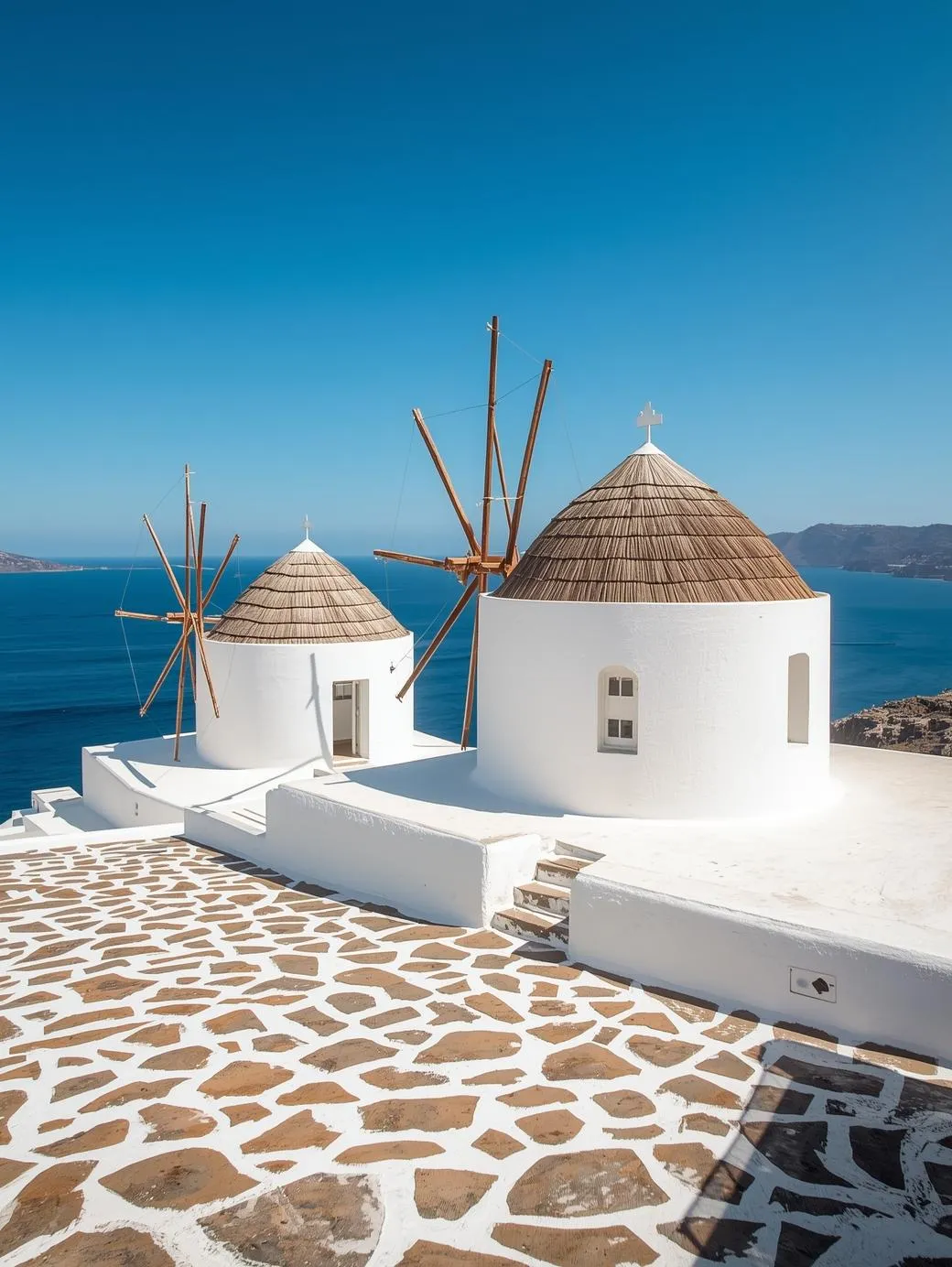
- Best For: Nightlife, beaches, luxury shopping, glamorous atmosphere
- How Long to Stay: 2-3 nights
- Main Towns: Mykonos Town (Chora, picturesque), beaches around the island
- What to Do:
- Party at beach clubs (Paradise, Super Paradise)
- See the windmills at sunset
- Walk through Little Venice
- Relax at Agios Sostis or Fokos beaches (quieter)
- Getting There: Fly into Mykonos (JMK) or ferry from Athens/other islands
- Important Note: Mykonos is expensive and party-focused. Skip if you want quiet authenticity
“The beach clubs fill up fast and the best tables vanish weeks ahead—browse the Mykonos experiences that separate a good trip from an unforgettable one.”
Crete
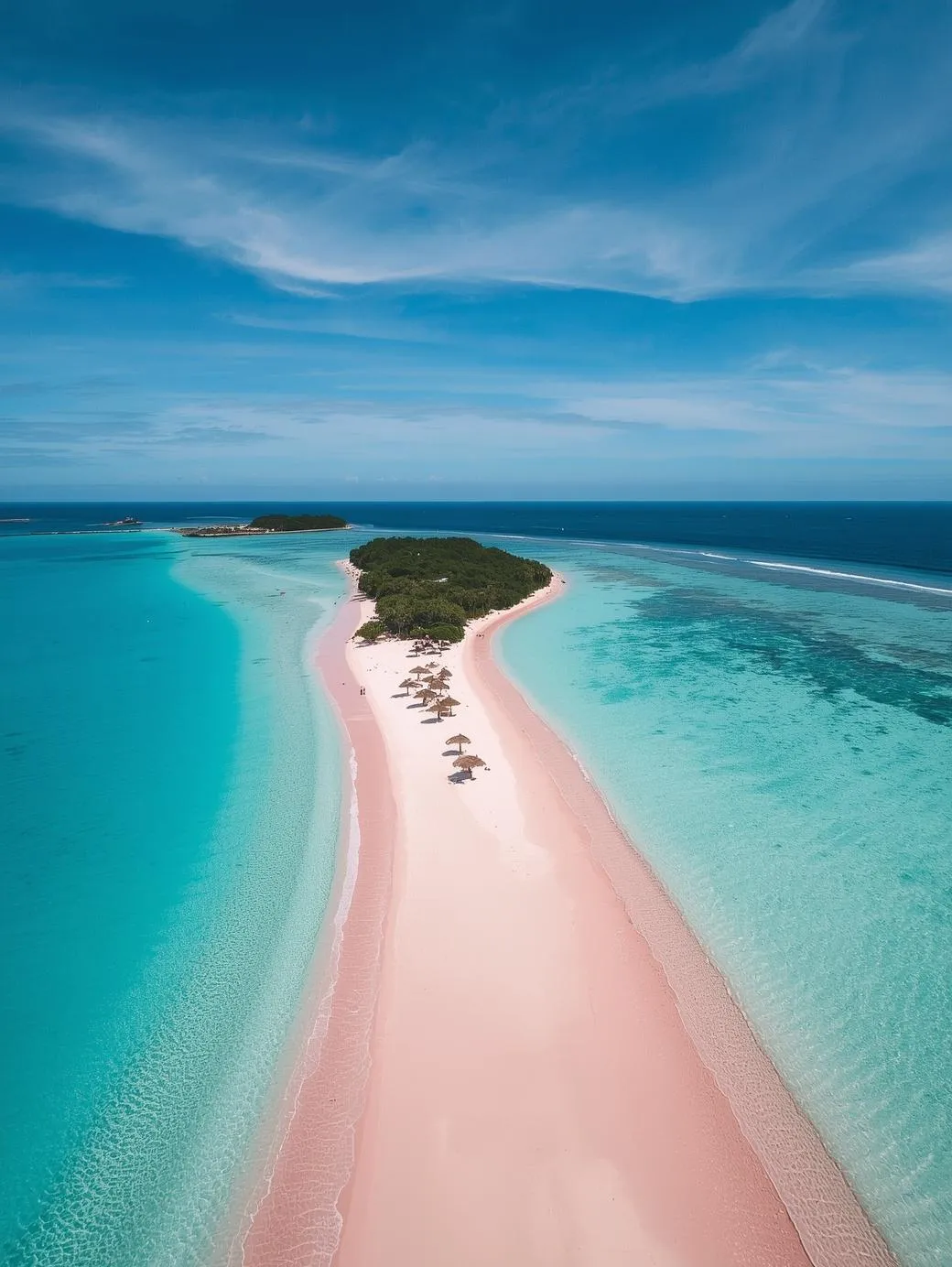
- Best For: Variety, history, food, beaches, hiking—Greece’s largest island has everything
- How Long to Stay: 4-7 days minimum (it’s huge)
- Main Areas:
- Heraklion: Capital, airport, archaeological museum, Knossos palace
- Chania: Venetian harbor, old town, beautiful, my pick for home base
- Rethymnon: Fortress, old town, less crowded
- South Coast: Remote beaches (Preveli, Matala, Elafonisi pink sand)
- What to Do:
- Visit Knossos Palace (Minoan civilization)
- Hike Samaria Gorge (16 km, May-October only)
- Explore Chania’s old town and harbor
- Drive to Balos Lagoon or Elafonisi Beach
- Eat Cretan food (dakos, apaki, fresh cheese, olive oil)
- Getting There: Fly into Heraklion (HER) or Chania (CHQ). Ferries from Athens also run regularly
- Car Rental: Essential to explore properly. Roads are good
- Where to Stay:
- Chania old town: €80-150 for mid-range
- Beach resorts: €100-250 depending on season
“From the Palace of Knossos to the Samaria Gorge, Crete’s wonders deserve more than a quick glance—explore the guided tours that turn ancient history into living memory.”
Naxos
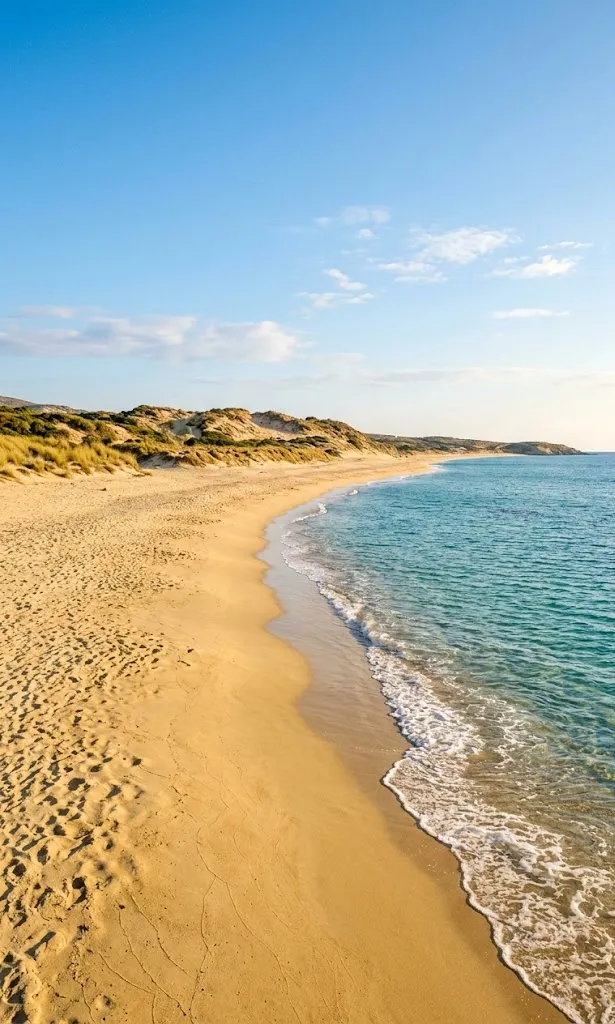
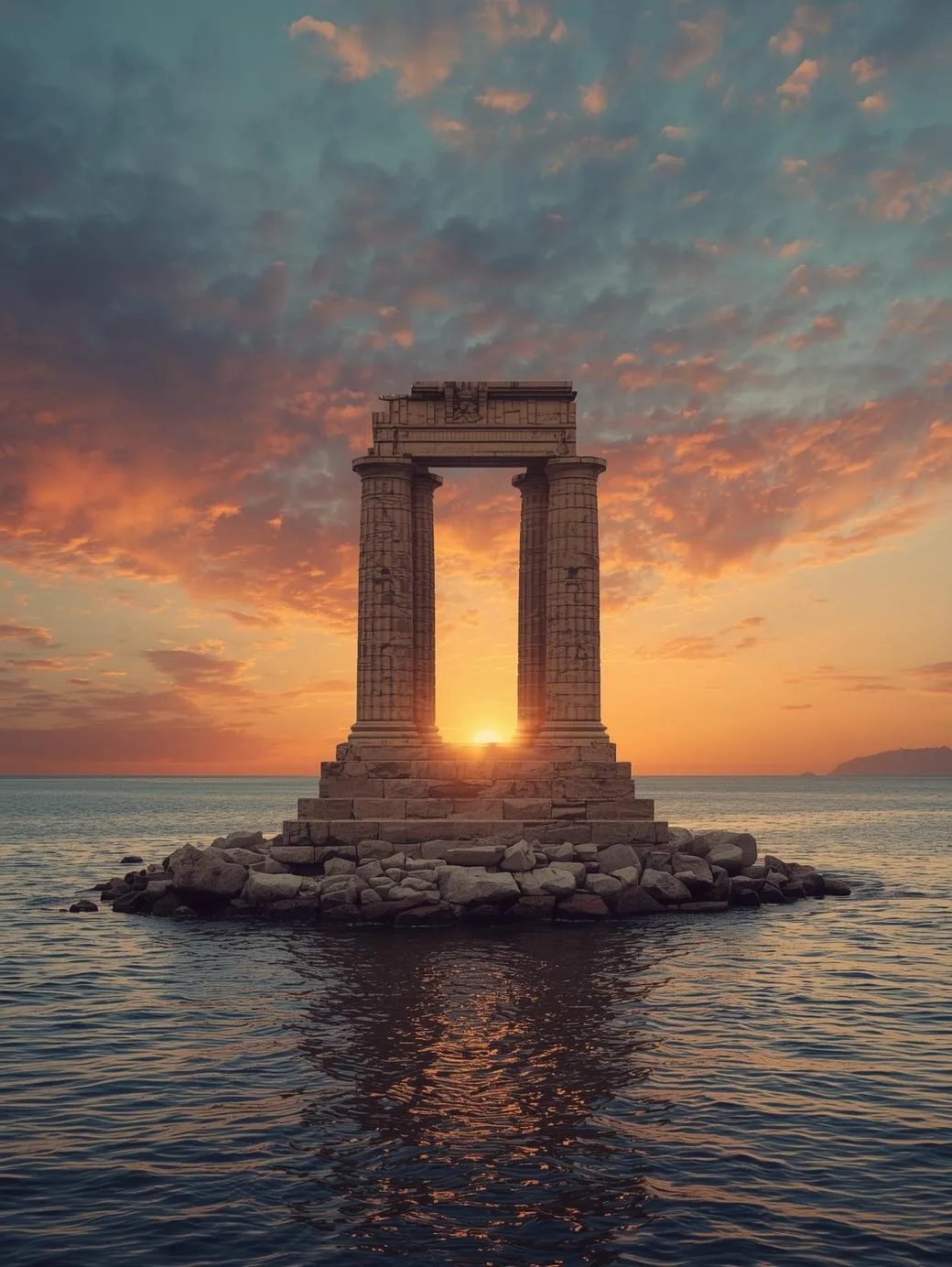
- Best For: Beaches, traditional villages, value for money, families
- How Long to Stay: 3-4 nights
- Main Town: Naxos Town (Chora) with the Portara (massive ancient gate)
- What to Do:
- Walk to Portara at sunset
- Beach days at Agios Prokopios, Agia Anna, Plaka (endless golden sand)
- Visit mountain villages (Apiranthos, Halki, Filoti)
- Temple of Demeter ancient site
- Local food.
- Getting There: Fly into Naxos (JNX) from Athens or ferry from other Cyclades islands
- Why Go Instead of Mykonos/Santorini: Half the price, better beaches, more authentic
“Beyond those golden beaches lies a island of marble villages and mountain tavernas waiting to be discovered—see the Naxos itineraries that take you there.”
Corfu
- Best For: Green landscapes, Italianate architecture, family resorts
- How Long to Stay: 3-4 nights
- Main Town: Corfu Town (UNESCO, Venetian/French/British influence)
- What to Do:
- Explore Corfu Town’s narrow streets and Liston Arcade
- Visit Achilleion Palace (built by Empress Sisi)
- Drive to Paleokastritsa for the beautiful coastline
- Day trip to Paxos and Antipaxos islands
- Getting There: Fly into Corfu (CFU) from Europe or ferry from Igoumenitsa (mainland)
“Corfu’s Venetian charms and Ionian beaches hide best in plain sight—browse the tours that unlock this island’s layered beauty.”
Rhodes
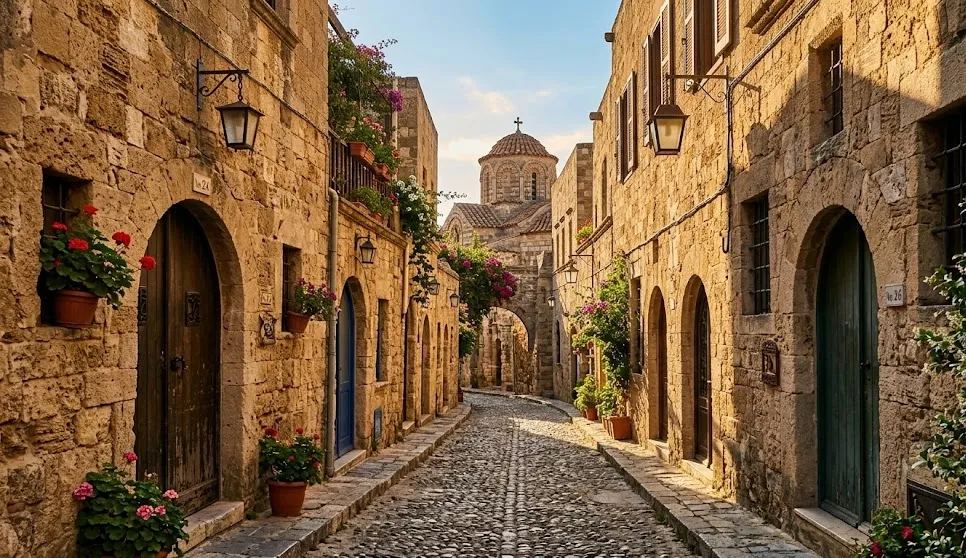
- Best For: Medieval history, diverse beaches, well-rounded island
- How Long to Stay: 3-4 nights
- Main Town: Rhodes Old Town (the largest inhabited medieval town in Europe)
- What to Do:
- Walk through Rhodes Old Town walls and streets
- Visit Lindos acropolis (spectacular hilltop view)
- Beach choices: Tsambika, Anthony Quinn Bay, Prasonisi (windsurfing)
- Valley of the Butterflies (summer only)
- Getting There: Fly into Rhodes (RHO) or ferry from Athens/other islands
“Walk where knights walked and stand where colossi once stood—check the Rhodes experiences that bring 2,400 years of history to life.”
Zakynthos
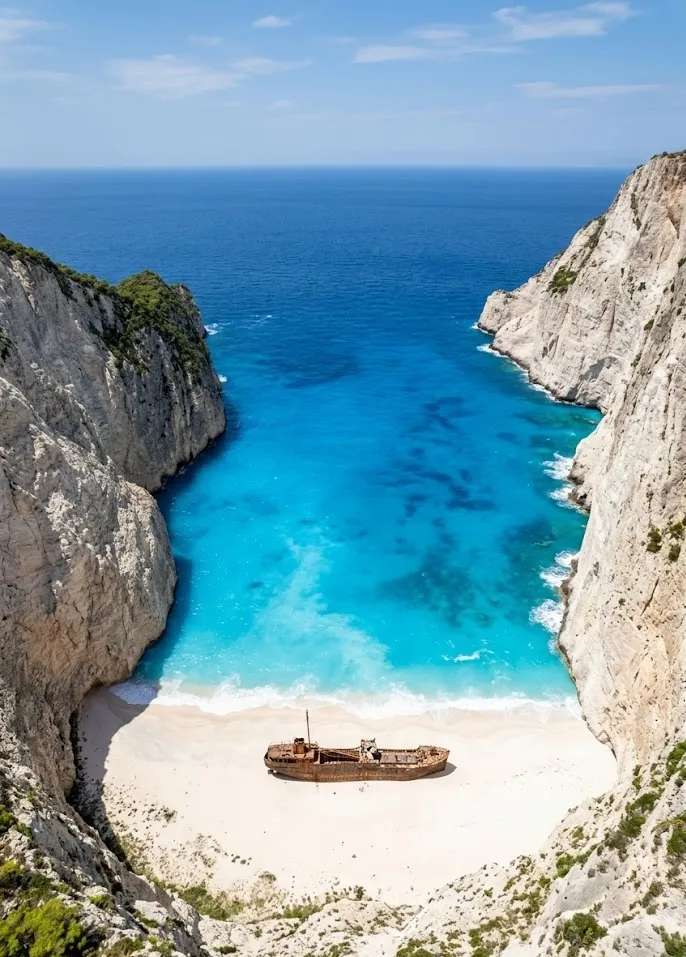
- Best For: Navagio Beach (Shipwreck Cove), stunning coastline
- How Long to Stay: 2-3 nights
- What to Do:
- Boat tour to Navagio Beach and Blue Caves
- View Navagio from above at the cliff viewpoint (best light 3-4 PM)
- See loggerhead sea turtles at Laganas Bay
- Explore Porto Limnionas for swimming
- Getting There: Fly into Zakynthos (ZTH) from Athens or ferry from Kyllini (mainland)
- Note: Gets very crowded in summer. Visit early or late in the day.
“That shipwreck beach you’ve saved on Instagram? Make it yours before the crowds do—explore the Zakynthos boat tours that deliver you right to its shores.”
Paros
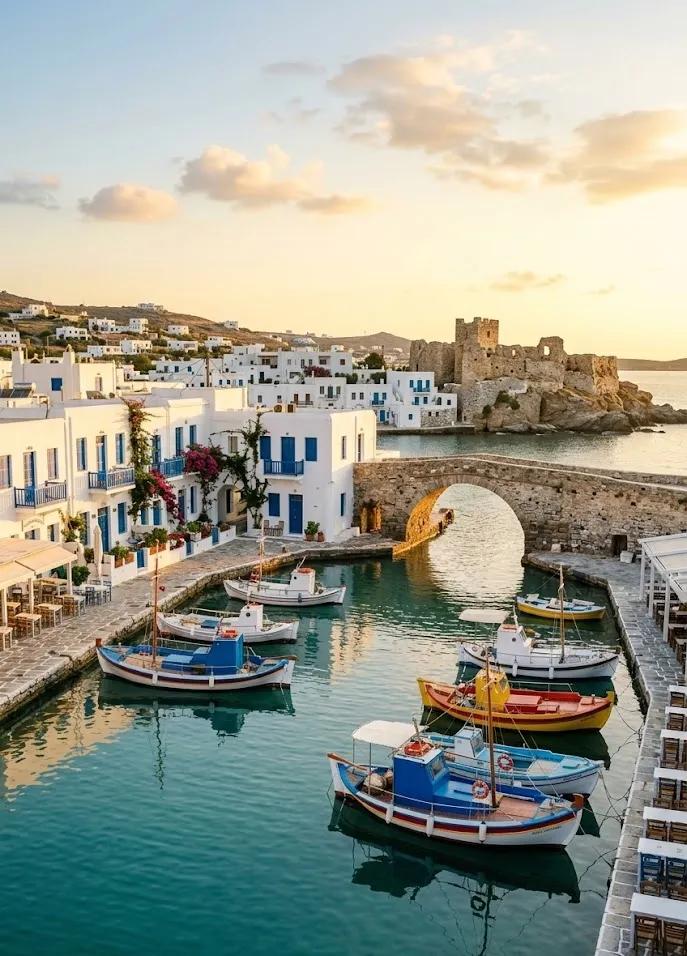
- Best For: Balanced island—pretty towns, good beaches, reasonable prices
- How Long to Stay: 2-3 nights
- Main Towns: Parikia (port), Naoussa (picturesque fishing village)
- What to Do:
- Wander Naoussa harbor and streets
- Beach hop: Kolymbithres (unique rock formations), Golden Beach
- Visit Antiparos (tiny island ferry)
- Venetian Castle in Parikia
- Getting There: Frequent ferries from Athens and other Cyclades islands.
“Paros hides its best beaches behind sea caves and its finest flavors in mountain villages—discover the island tours that leave the beaten path behind.”
Milos
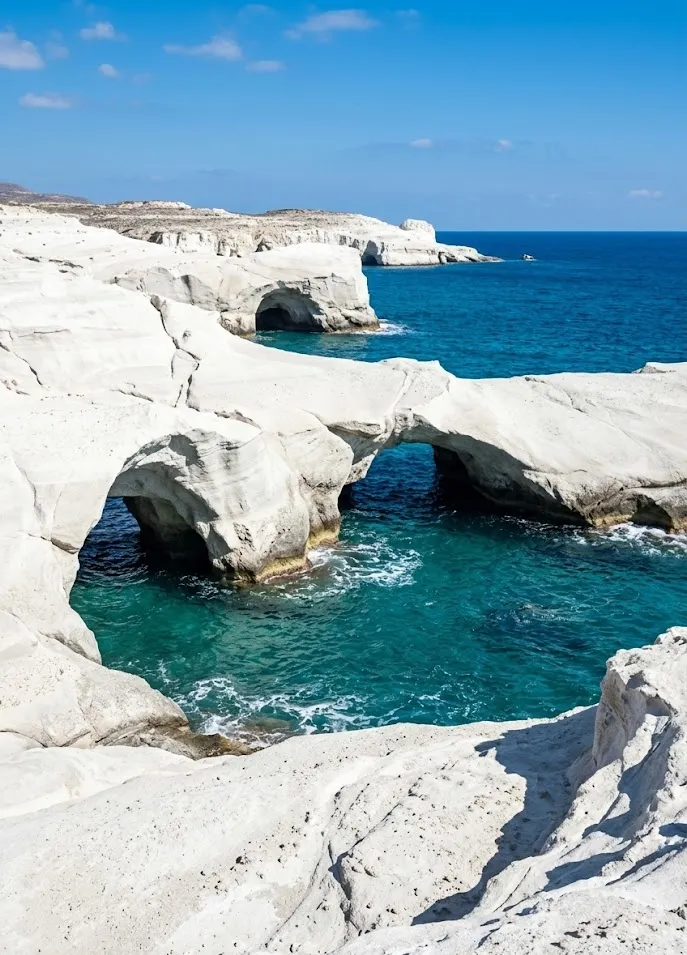
- Best For: Spectacular beaches, unique coastline, romantic vibe
- How Long to Stay: 3 nights
- What to Do:
- Boat tour to see Kleftiko caves
- Sarakiniko Beach (lunar landscape, white rock)
- Visit colorful fishing villages (Klima, Mandrakia)
- Catacombs and ancient theater
- Getting There: Ferry from Athens (Piraeus) or other Cyclades islands.
“Milos doesn’t give up its secrets easily—its best beaches and lunar landscapes are only reachable by boat or 4×4, so book the tour that takes you where rental cars cannot.”
Athens
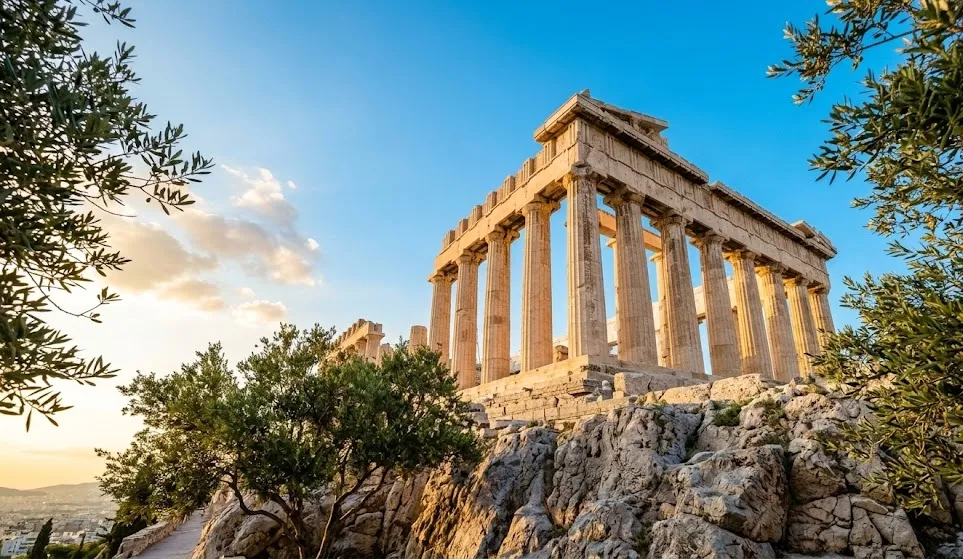
- Best For: History, food, city life, starting/ending point
- How Long to Stay: 2-3 full days
- What to Do:
- Acropolis and Parthenon (go early morning or late afternoon to avoid heat/crowds)
- Acropolis Museum (excellent, air-conditioned)
- Ancient Agora and Temple of Hephaestus
- Plaka neighborhood (touristy but pretty)
- Monastiraki Flea Market (Sunday best)
- National Archaeological Museum
- Lycabettus Hill for city view
- Food tour or cooking class
- Neighborhoods to Stay:
- Plaka: Central, touristy, convenient
- Monastiraki/Psiri: Lively, restaurants, nightlife
- Koukaki: Trendy, near Acropolis, great cafes
- Syntagma: Central, high-end hotels
- Getting Around: Metro is excellent, cheap, and covers the main sites. Buy a reloadable Ath.ENA card.
The Acropolis never disappoints, but experiencing it without the crowds and context does—reserve an Athens guided tour that elevates ancient history above ground level.
Sample Itineraries for Different Trip Lengths
7-Day Classic: Athens + 2 Islands
- Day 1-2: Athens (Acropolis, museum, Plaka)
- Day 3: Ferry to Santorini (sunset in Oia)
- Day 4: Santorini (caldera walk, Akrotiri, wine tasting)
- Day 5: Ferry to Naxos
- Day 6: Naxos (beach day + Portara sunset)
- Day 7: Return to Athens, fly home
10-Day Island Explorer: 3 Islands
- Day 1-2: Athens
- Day 3: Ferry to Paros (explore Naoussa)
- Day 4: Paros (beach day)
- Day 5: Ferry to Naxos
- Day 6-7: Naxos (mountain villages, beaches)
- Day 8: Ferry to Santorini
- Day 9: Santorini
- Day 10: Return to Athens, fly home
14-Day Complete Greece
- Day 1-3: Athens
- Day 4: Fly to Crete (Chania)
- Day 5-7: Crete (rent a car, explore Chania, beaches, Knossos)
- Day 8: Fly to Santorini
- Day 9-10: Santorini
- Day 11: Ferry to Naxos
- Day 12: Naxos
- Day 13: Ferry back to Athens
- Day 14: Fly home
Food and Drink: What to Eat
Must-Try Dishes
Appetizers/Small Plates:
- Greek salad (horiatiki): Tomato, cucumber, onion, feta, olives, oregano—no lettuce
- Tzatziki: Yogurt, cucumber, garlic dip
- Dolmades: Stuffed grape leaves
- Fava: Creamy yellow split pea puree (Santorini specialty)
- Saganaki: Fried cheese
Main Dishes:
- Moussaka: Eggplant, minced meat, béchamel
- Souvlaki/Gyros: Grilled meat in pita with tzatziki, tomato, and onion
- Fresh grilled fish: Ask the price before ordering (by weight, can be expensive)
- Pastitsio: Greek lasagna
- Stifado: Rabbit or beef stew with pearl onions
Desserts:
- Baklava: Phyllo with nuts and honey
- Loukoumades: Honey puffs
- Greek yogurt with honey: Thick, creamy, incredible
Drinks:
- Frappe: Iced instant coffee, Greece’s summer drink
Dining Tips
- Tavernas: Casual, family-run, serve traditional food. Look for places where Greeks eat
- Cover charge: Some restaurants add bread and a table fee (€1-3 per person). You can refuse the bread
- Tipping: Not required but appreciated. Leave €1-2 for small meals, 5-10% for good service
- Water: Always served bottled (still or sparkling). Tap water is safe in cities, but tastes chlorinated
Accommodation: Where to Stay
Types of Accommodation
- Hotels: Standard options from budget to luxury
- Airbnb/VRBO: Widely available, good for longer stays
- Pensions/Family-run guesthouses: Authentic, often best value
- Hostels: Available in Athens and popular islands, dorm beds €15-30
Sample Costs (per night, mid-range)
| Destination | Shoulder Season | Peak Summer | Winter |
| Athens | €70-120 | €100-180 | €50-90 |
| Santorini | €120-200 | €200-500+ | €70-120 |
| Mykonos | €120-200 | €250-600+ | €70-120 |
| Naxos | €60-100 | €100-180 | €40-70 |
| Crete | €60-100 | €100-200 | €50-80 |
Booking Tips
- Book 2-3 months ahead for summer travel
- Book 1-2 weeks ahead for shoulder season
- In winter, you can often book a day or two before
- Check cancellation policies carefully
Money-Saving Tips
- Travel in shoulder season (May-June or September-October) for the best balance of weather and prices
- Eat where Greeks eat—away from main squares and waterfront (5-minute walk inland cuts prices 30%)
- Use public buses instead of taxis
- Self-cater some meals—Greek markets have amazing fresh produce, cheese, and bread
- Book ferries in advance for better prices
- Stay in less famous islands—Naxos, Paros, and Milos offer similar beauty to Santorini/Mykonos at half the price
- Visit museums on free days—the first Sunday of each month, November-March, is free entry
Common Questions Answered
Is the water safe to drink?
Tap water is safe in Athens and most cities, but tastes heavily chlorinated. Most Greeks and visitors drink bottled water. On islands, tap water is often desalinated and not recommended for drinking.
Do I need to speak Greek?
No. English is widely spoken in all tourist areas, hotels, and restaurants. Learning “Yassas” (hello), “Efharisto” (thank you), and “Parakalo” (please/you’re welcome) is appreciated.
Are credit cards widely accepted?
In cities and tourist areas, yes. In small villages, remote islands, and for taxis, carry cash. Always have €50-100 on you.
Is Greece safe?
Yes. Greece is one of the safest countries in Europe for travelers. Petty theft (pickpocketing) happens in crowded tourist areas and on public transport—keep valuables secure. Violent crime against tourists is extremely rare.
What about strikes?
Strikes happen occasionally, usually announced in advance. They can affect ferries, public transport, and flights. Check local news and have flexibility in your plans.
Can I use my US driver’s license?
Yes, for up to 6 months. An International Driver’s Permit is recommended but not strictly required by most rental agencies. Always carry your passport when driving.
What’s the Wi-Fi situation?
Free Wi-Fi is available in most hotels, cafes, and even public spaces in cities. Speed varies. For remote work, consider a portable hotspot or local SIM card.
Packing Checklist by Season
Summer (June-September)
- Lightweight clothing (cotton, linen)
- Swimsuits (2-3)
- Cover-up/sarong
- Hat with brim
- High-SPF sunscreen
- Sunglasses (good quality)
- Comfortable walking sandals
- Light jacket or sweater for evenings/ferries
- Daypack for beach essentials
Shoulder Season (April-May, October)
- T-shirts and long-sleeve shirts
- Light sweater or fleece
- Light jacket or raincoat
- Comfortable walking shoes
- Swimsuit (sea still swimmable)
- Scarf for wind
- Umbrella
Winter (November-March)
- Warm jacket or coat
- Sweaters and long-sleeve layers
- Long pants (jeans, trousers)
- Comfortable closed-toe shoes
- Warm socks
- Scarf, gloves, hat for cold days
- Umbrella and rain jacket
- Swimsuit only if the hotel has heated pool
Final Practical Tips
- Confirm ferry schedules 2-3 days before travel, especially in winter
- Download offline maps (Google Maps or Maps.me) before arriving
- Book key accommodations in advance for summer travel
- Check museum and site hours—many close Mondays or have winter schedules
- Carry toilet paper in your daypack—many public restrooms don’t provide it
- Learn that Greece runs on “island time”—things move slowly, and embrace it
- Ask locals for recommendations—they know the best spots
Your trip to Greece awaits. Whether you’re chasing ancient history, island sunsets, or the best food of your life, this guide gives you the practical foundation to make it happen. The only thing left to do is book your tickets.