COMPLETE MAINE TRAVEL GUIDE (in 2026):
Introduction: Why Maine Should Be on Your Travel List
There are places you visit… and then there are places that quietly stay with you long after you’ve left.
Maine belongs to the second category.
It doesn’t try to overwhelm you with skyscrapers or loud attractions. Instead, it works in a slower rhythm, waves hitting rocky shores, pine forests stretching endlessly, and small towns where life still feels unhurried.
What makes Maine stand out in the USA is exactly that contrast. While many destinations feel built for speed and spectacle, Maine feels built for pause. You start noticing things you normally rush past: the smell of salt in the air, the way fog rolls over the coastline in the morning, or how a simple seafood shack can become the highlight of your day.
This is a destination that fits different kinds of travelers without forcing them into one experience. If you’re someone who loves road trips with open windows and unpredictable stops, Maine makes perfect sense. If you lean toward nature, forests, cliffs, hiking trails that end in ocean views—you’ll feel right at home. And if food is your love language, especially seafood, Maine quietly spoils you for everywhere else.
And that’s really the promise of this guide. Not just a list of places, but a full picture of how Maine feels, how to experience it properly, and how to plan a trip that doesn’t feel rushed or overwhelming.
Recommended Travel Items for Your Trip
Why Maine is Worth Visiting
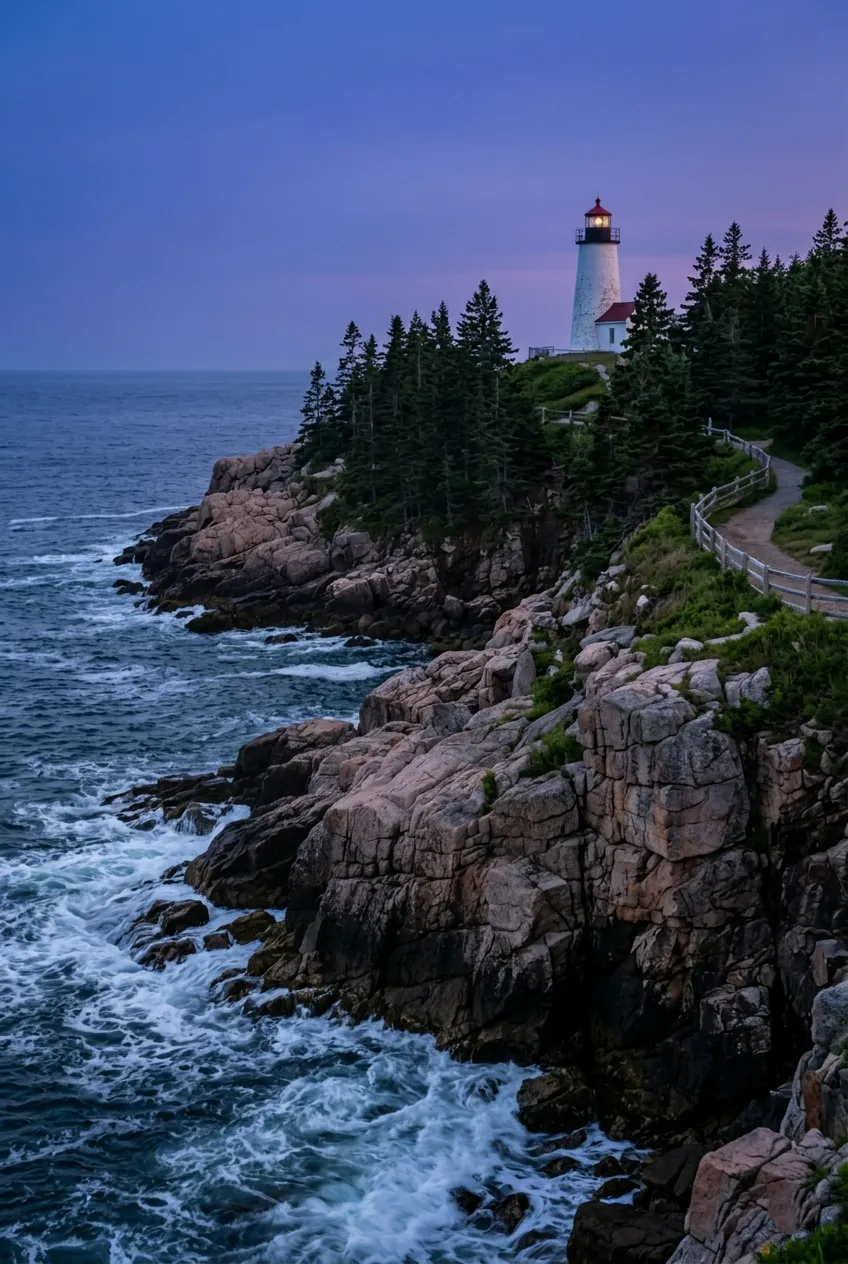
Maine isn’t loud about what it offers. You kind of discover it as you go.
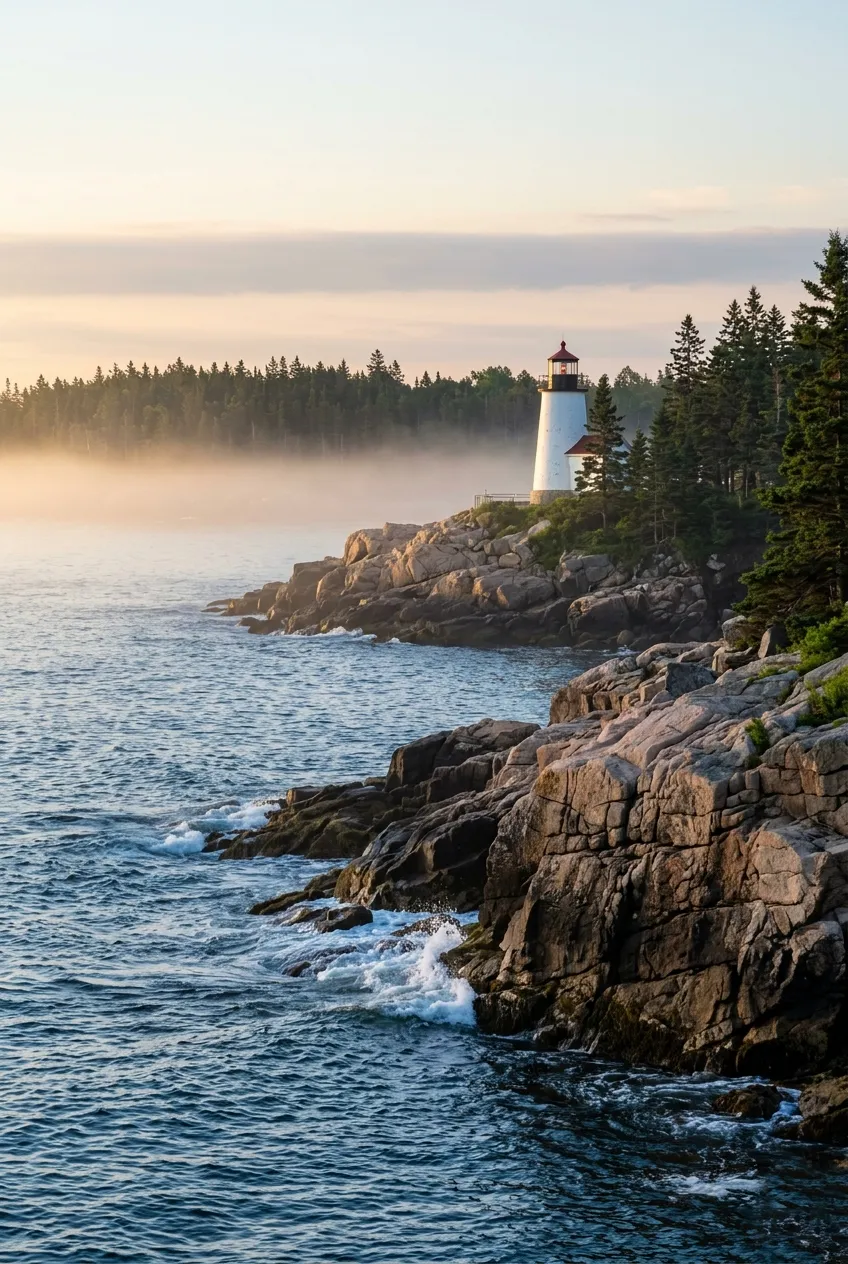
The first thing that usually grabs people is the coastline. It’s not the soft, sandy beach type you see in postcards. It’s dramatic, with rocky edges, crashing Atlantic waves, and lighthouses that look like they’ve been standing there for centuries just watching the ocean change moods.
Then there’s the other side of Maine that surprises most visitors: the forests. You don’t expect so much green when you think of the ocean, but here they exist side by side. One minute you’re driving along cliffs, and the next you’re surrounded by quiet pine woods that feel untouched.
And then, of course, there’s the food culture. Maine’s seafood isn’t just “good.” It’s the kind of good that makes you compare every future lobster roll to this trip. It becomes a standard without you realizing it.
What really makes Maine special is how flexible it is as a destination. You don’t need a luxury budget to enjoy it, but you can absolutely experience it that way if you want. Road trippers, backpackers, families, couples, it all works here.
But above everything else, Maine has a mood. Calm, scenic, and unhurried. You don’t rush Maine. You move with it.
Quick Snapshot of Maine (At a Glance Section)
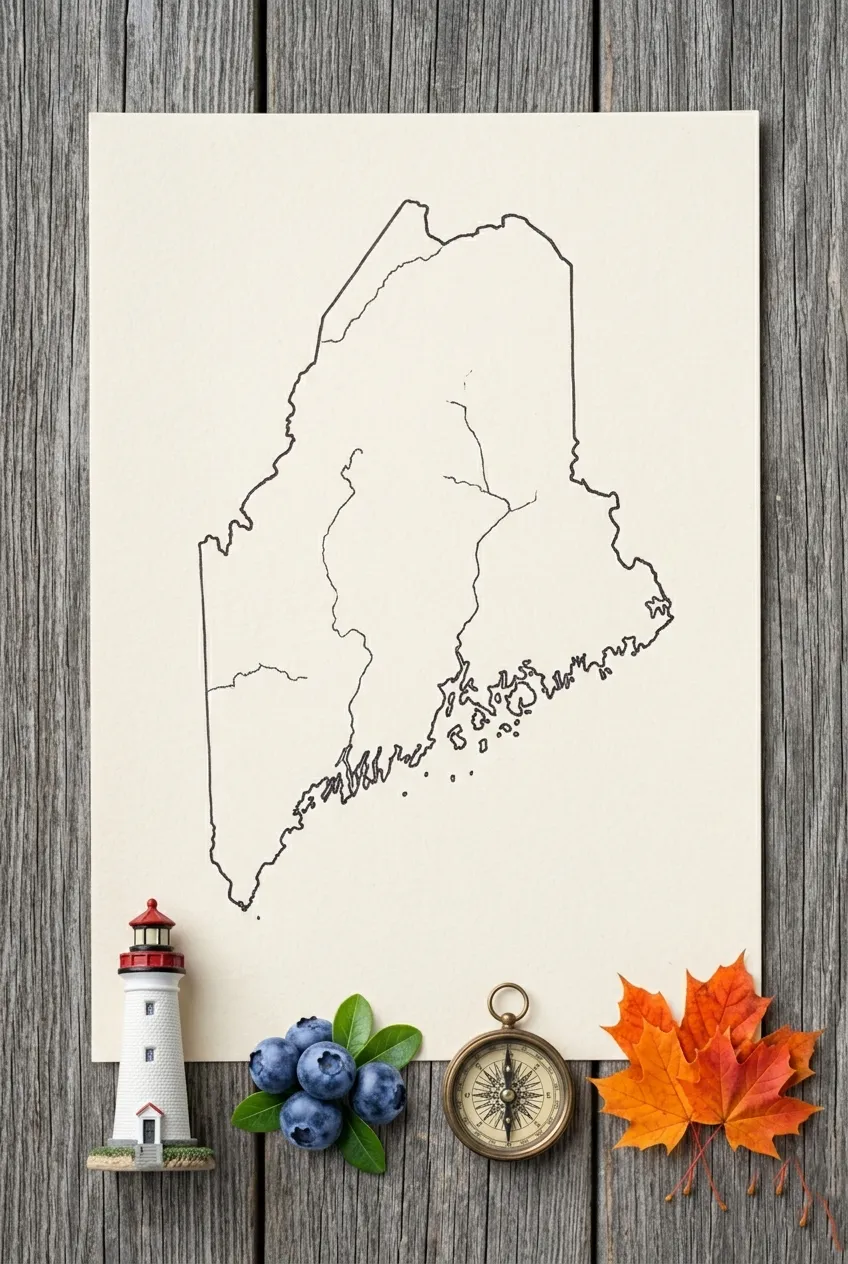
Before diving into details, it helps to understand Maine at a glance, especially if you’re planning your first visit.
The best time to visit really depends on what you want to see. Summer brings full energy—open trails, busy towns, and long daylight hours. Fall, on the other hand, is when Maine turns almost cinematic with its foliage, colors shifting from green to deep orange and red.
Budget-wise, Maine sits in the mid-range for most travelers. You can absolutely do it on a budget if you plan smart, but peak seasons do push prices up, especially near coastal towns.
On average, a daily budget varies quite a bit depending on travel style. Some travelers manage it lean with road trips and simple stays, while others prefer cozy inns or ocean-view hotels.
Transportation is where Maine really defines itself: this is a car-first destination. Public transport exists, but it doesn’t unlock the real experience. Renting a car isn’t just helpful here—it’s almost essential if you want to explore properly.
As for trip length, Maine rewards time. You can do a quick 3-day highlight trip, but the sweet spot is usually 5 to 7 days. If you really want to slow down and explore deeper coastal stretches, even 10 days won’t feel excessive.
And overall, Maine is a road trip state. It’s built for movement, stops, detours, and “let’s just see where this road goes” moments.
How to Reach Maine
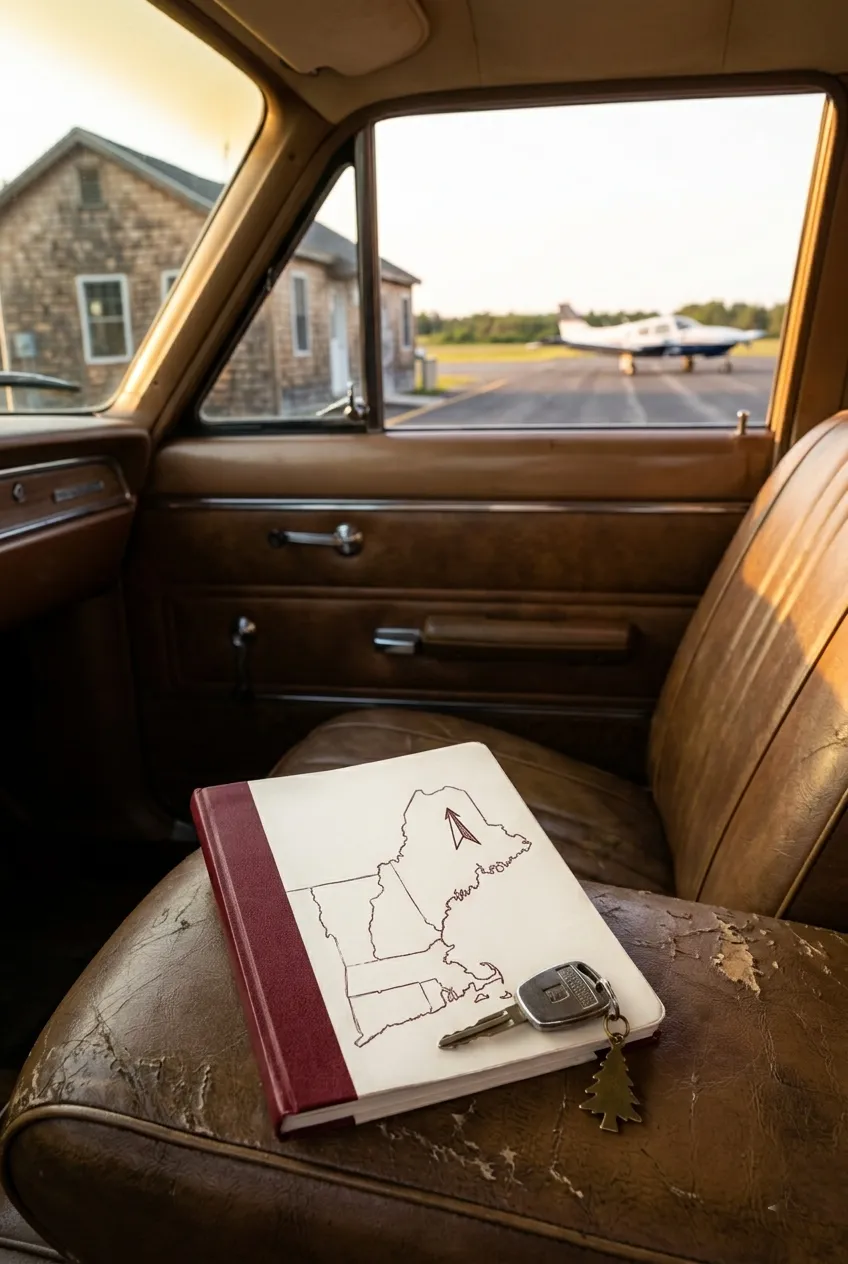
Getting to Maine is actually easier than most people assume, especially if you’re coming from within the United States.
The most straightforward option is flying into Portland International Jetport. It’s small, easy to navigate, and puts you right in the southern part of the state. From there, everything starts opening up.
Another very common route is flying into Boston and then driving up. This is actually what a lot of travelers prefer because Boston flights are often cheaper and more frequent. The drive from Boston to Maine is scenic, and it slowly shifts from urban energy to coastal calm as you move north.
There are also train and bus options, like Amtrak, which connect parts of the Northeast to Maine. They’re comfortable, but they don’t offer the same freedom you get with a car.
And that brings us to the key point: renting a car almost becomes part of the Maine experience. Without it, you’re limited. With it, the entire coastline opens up.
Distances between key cities are manageable but not “walkable or quick transit” friendly. Portland to Bar Harbor, for example, is several hours of driving, but it’s the kind of drive where you actually enjoy the scenery instead of rushing through it.
Getting Around Maine
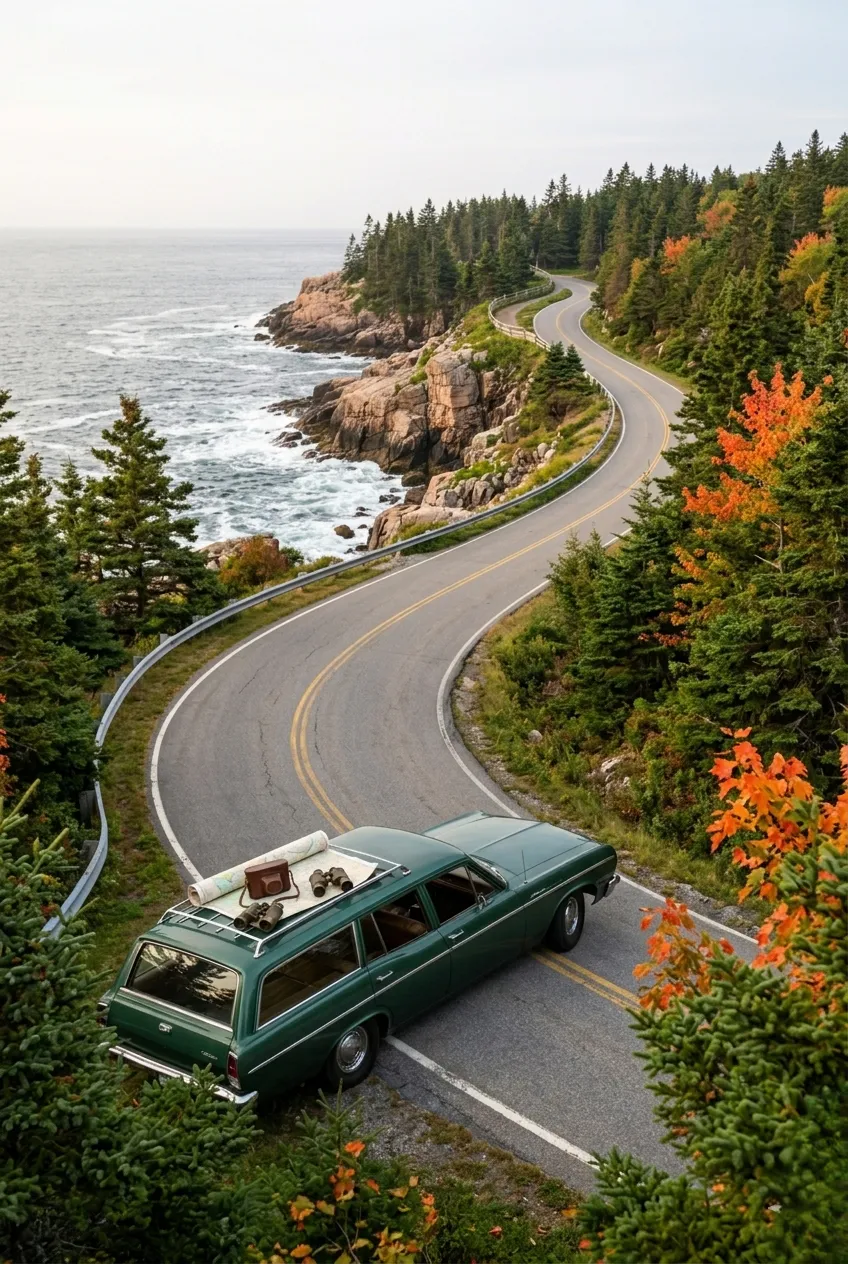
Once you’re in Maine, you quickly realize something: this is a driving state.
Not in a stressful, traffic-heavy way—but in a slow, scenic, windows-down kind of way.
Road trips here aren’t just a transportation method; they’re part of the experience. You’ll find yourself pulling over just because a viewpoint looks better than expected or because a small coastal town appears out of nowhere and feels worth exploring.
Car rentals are simple, but during peak season, they can get expensive and limited. Booking early really helps.
Parking is something worth planning for, especially in popular areas like Acadia National Park. In summer, lots fill early in the day, and late arrivals often end up waiting or rerouting. The trick is simple: start early, move early, and you’ll avoid most of the frustration.
Scenic drives are everywhere, but coastal routes are where Maine really shines. Roads that trace the ocean, forests on one side and open water on the other—it’s the kind of drive that makes you forget you’re technically “traveling between places.”
And then there are ferries. These connect you to Maine’s islands, which feel like separate little worlds. Some are quick day trips, others feel like stepping into a quieter version of the mainland where life slows down even further.
TOP PLACES TO VISIT IN MAINE
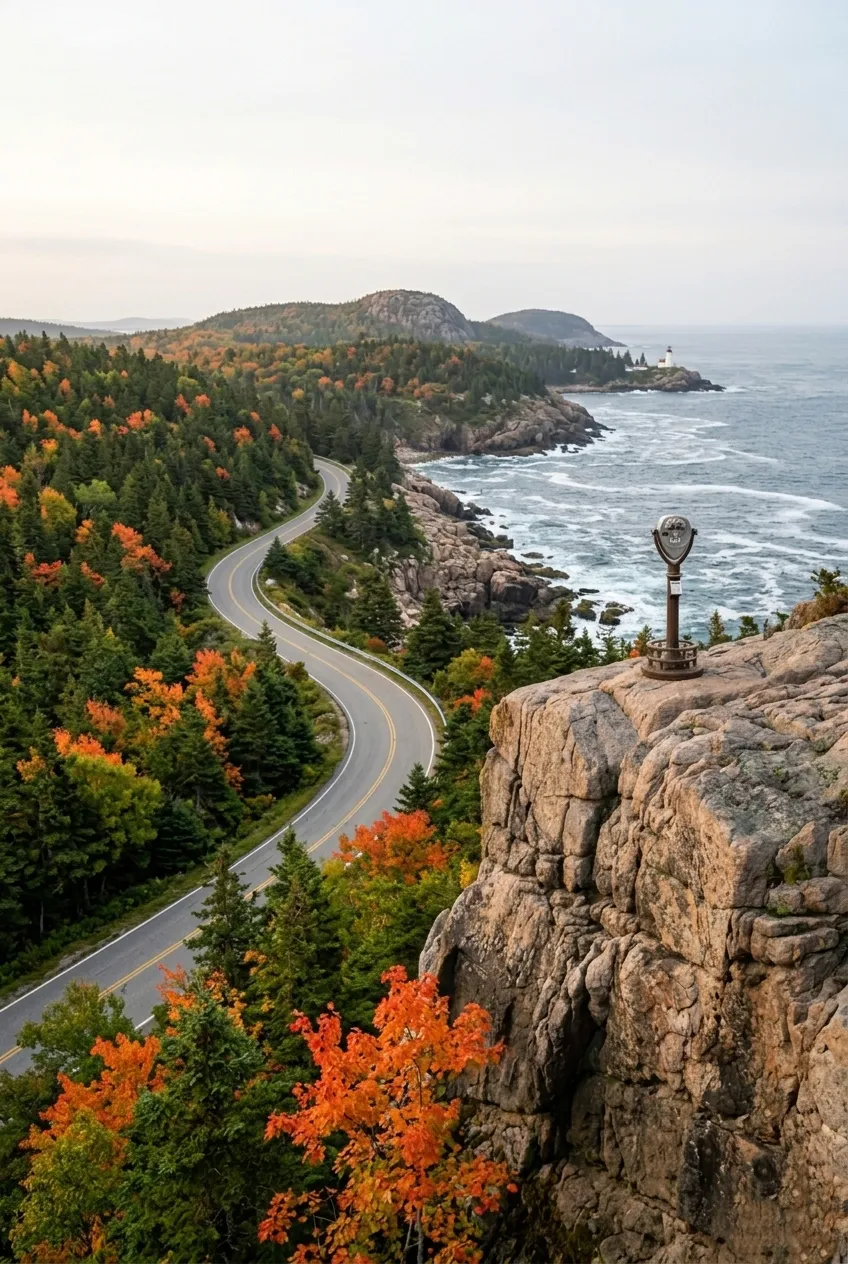
Once you start moving through Maine, you quickly realize something important—this state isn’t about “one big attraction.” It’s more like a collection of smaller worlds stitched together by coastal roads, forests, and quiet towns.
Every stop feels different, almost like flipping chapters in the same story.
Acadia National Park (Crown Jewel)
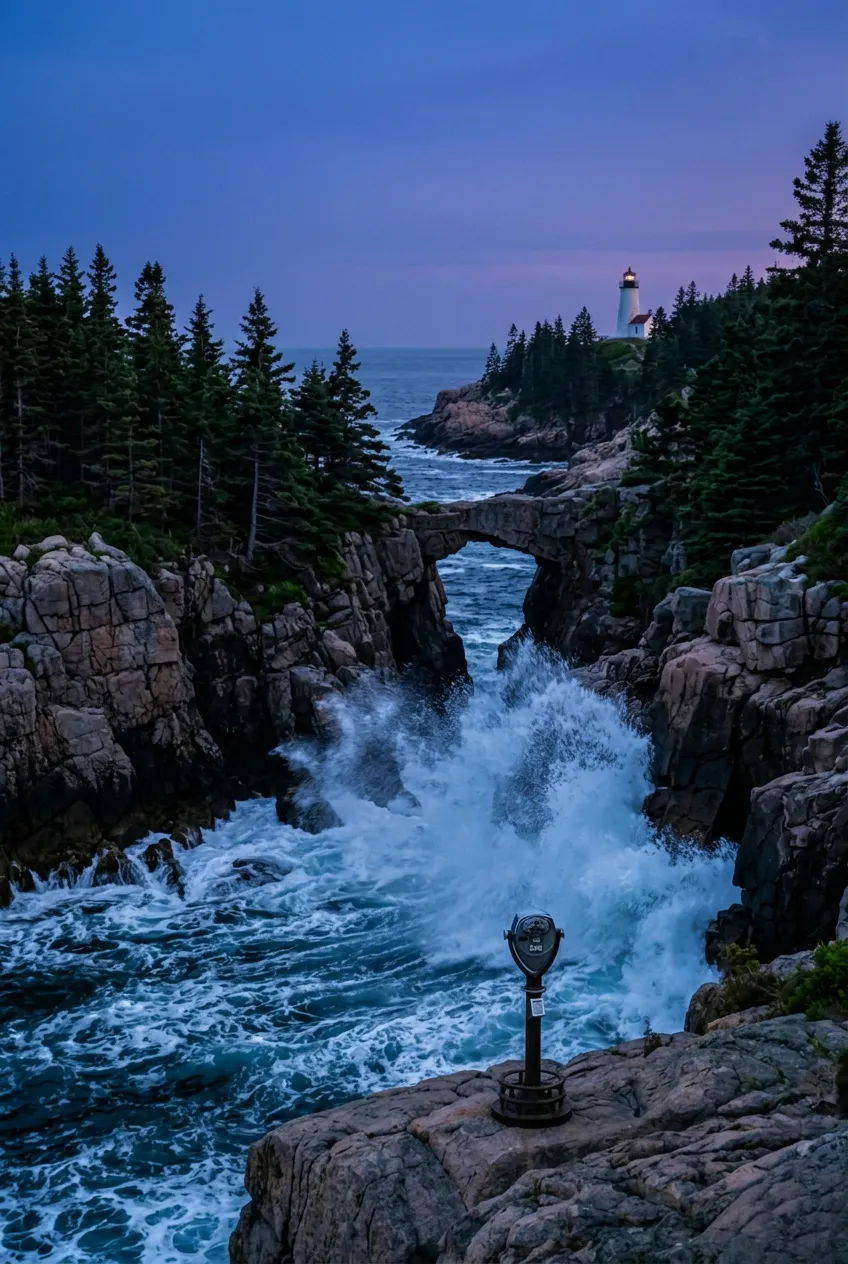
If Maine had a single image that represented it globally, this would be it.
Acadia doesn’t try to impress you—it just does. The coastline here feels raw and powerful, with waves crashing against granite cliffs and pine trees standing right at the edge of the ocean like they’ve been guarding it forever.
The most talked-about moment is sunrise at Cadillac Mountain. And honestly, the hype is justified. You’re standing there in near silence, watching the first light hit the United States before almost anywhere else. It feels less like sightseeing and more like witnessing something small but meaningful.
The Park Loop Road ties everything together. It’s a drive where you’re constantly tempted to stop—viewpoints, hidden pull-offs, sudden ocean views that don’t look real.
Hiking here ranges from easy coastal walks to more demanding climbs. You don’t need to be an expert; you just need time and curiosity.
💡 Tip: Entry is around $35 per vehicle, and timing matters. Early mornings aren’t just better—they’re almost essential if you want space and quiet.
Bar Harbor (Base Town)
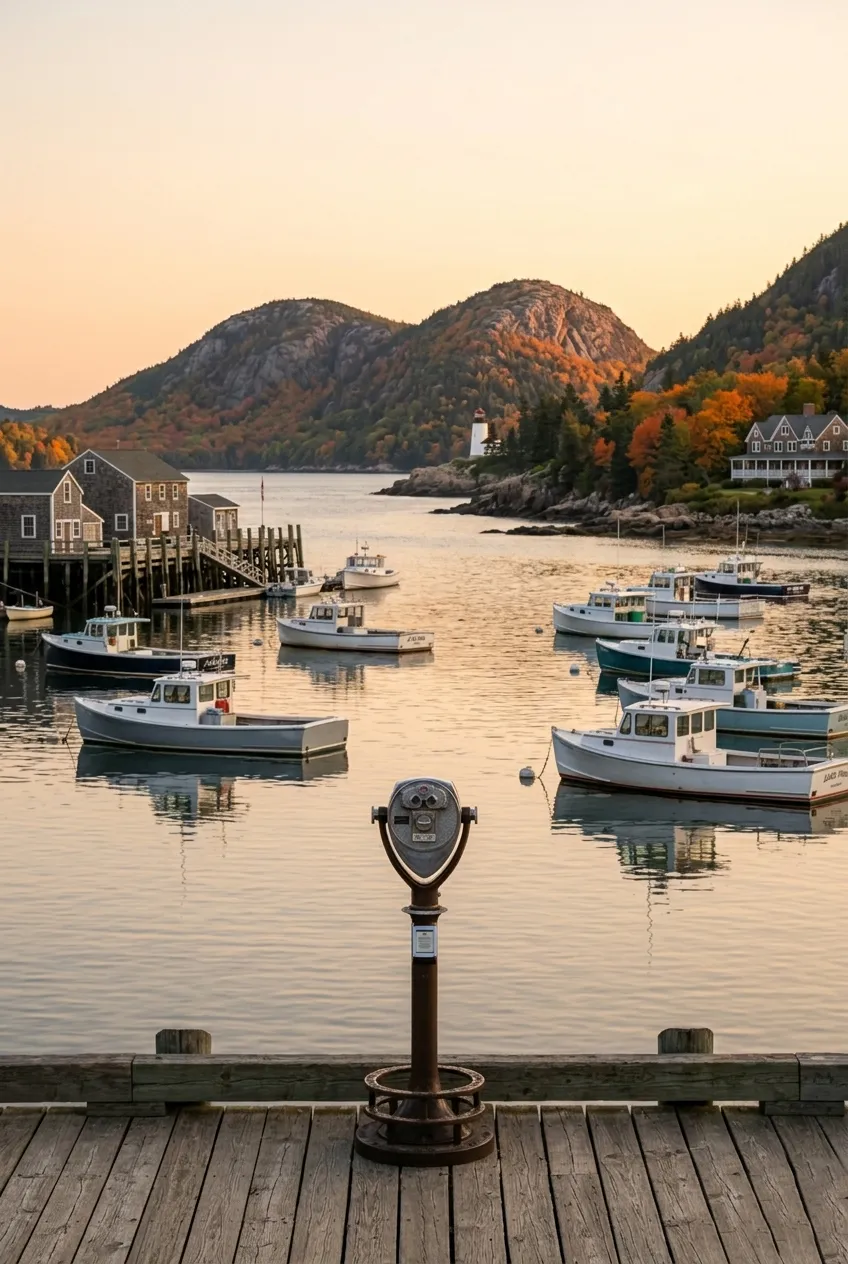
Bar Harbor is where most people sleep, while Acadia steals their daytime attention.
It sits right next to the park, which makes it incredibly convenient, but it also has its own personality. Think small coastal town energy—walkable streets, souvenir shops, and the constant smell of seafood drifting from restaurants.
This is also where you’ll find most accommodations near Acadia, from cozy inns to ocean-view hotels.
Activities here lean toward water:
- Whale watching tours that take you out into deeper Atlantic waters
- Kayaking along calm shorelines
- Boat rides that feel more peaceful than adventurous
Food is a big part of the experience too. You’ll find seafood restaurants everywhere, and most of them feel casual rather than formal.
The tourist vibe is strong here, especially in peak season. But instead of feeling overwhelming, it usually feels lively—like everyone is here for the same reason: Acadia.
Portland (Food + Culture Hub)
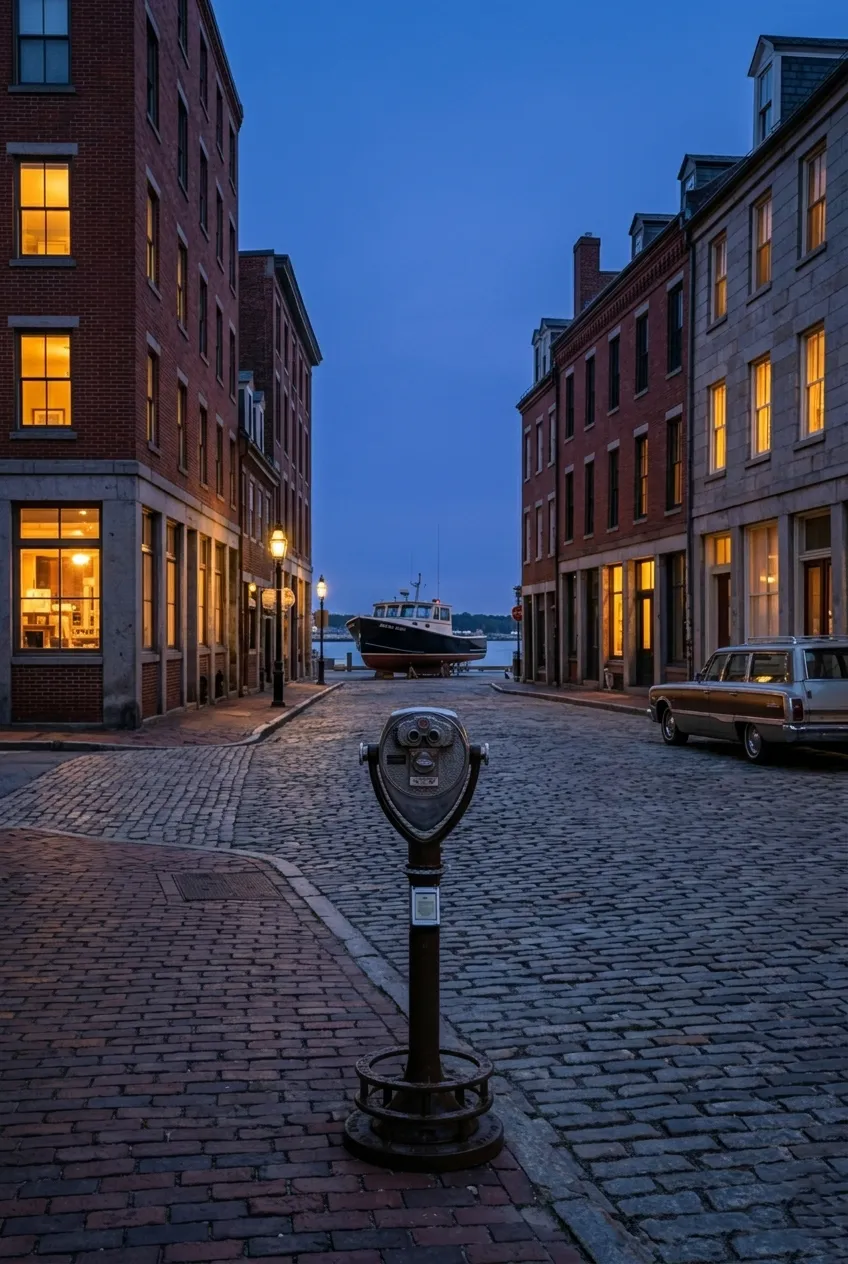
Portland is where Maine switches gears.
After days of cliffs and forests, this city feels a bit more energetic—but still very walkable and relaxed compared to major U.S. cities.
The Old Port district is the heart of it all. Brick streets, converted warehouses, small boutiques, and restaurants that make you pause every few steps because something smells too good to ignore.
Lighthouses nearby add that classic Maine postcard feel. You don’t have to go far to see them—some of the most famous ones are just a short drive away.
Food here is serious business. Lobster rolls are everywhere, clam chowder is almost a default order, and craft breweries give the city a modern edge without losing its coastal identity.
What makes Portland easy to enjoy is how walkable it is. You can spend a whole day just moving slowly from café to waterfront to shop without needing a plan.
Kennebunkport (Relaxed Coastal Luxury)
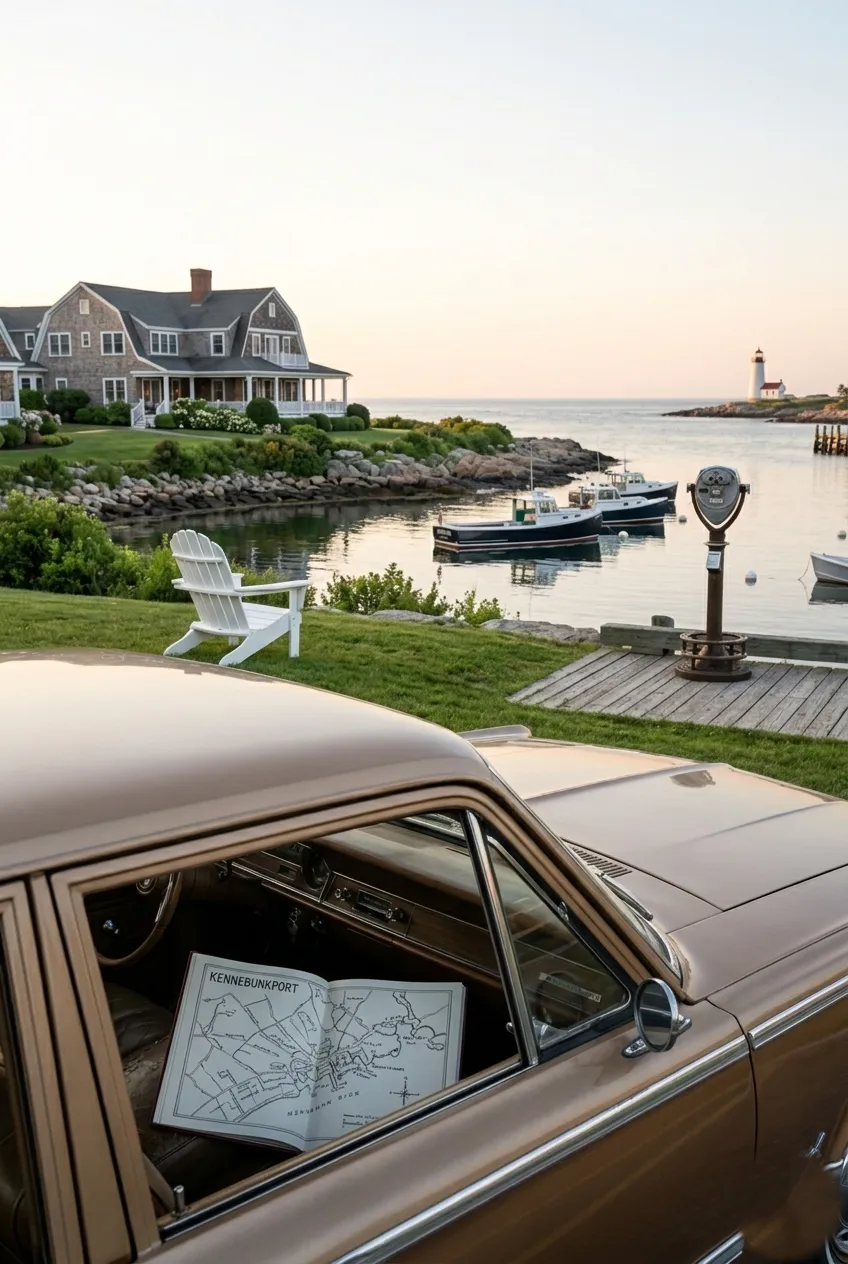
Kennebunkport feels like Maine in “slow mode.”
It’s quieter, more polished, and often attracts travelers looking for a peaceful coastal escape rather than packed sightseeing.
The beaches here aren’t crowded or overly commercial. They’re simple, clean, and perfect for long walks where you don’t feel like checking the time.
You’ll also notice boutique shopping—small stores, local art, and coastal-themed shops that feel more curated than touristy.
Scenic coastal drives around this area are some of the most relaxing in the state. Everything feels open, airy, and slightly more refined.
And yes, this is where you’ll find some of Maine’s nicer resorts. Not loud luxury—more like quiet comfort with ocean views.
Camden Hills State Park
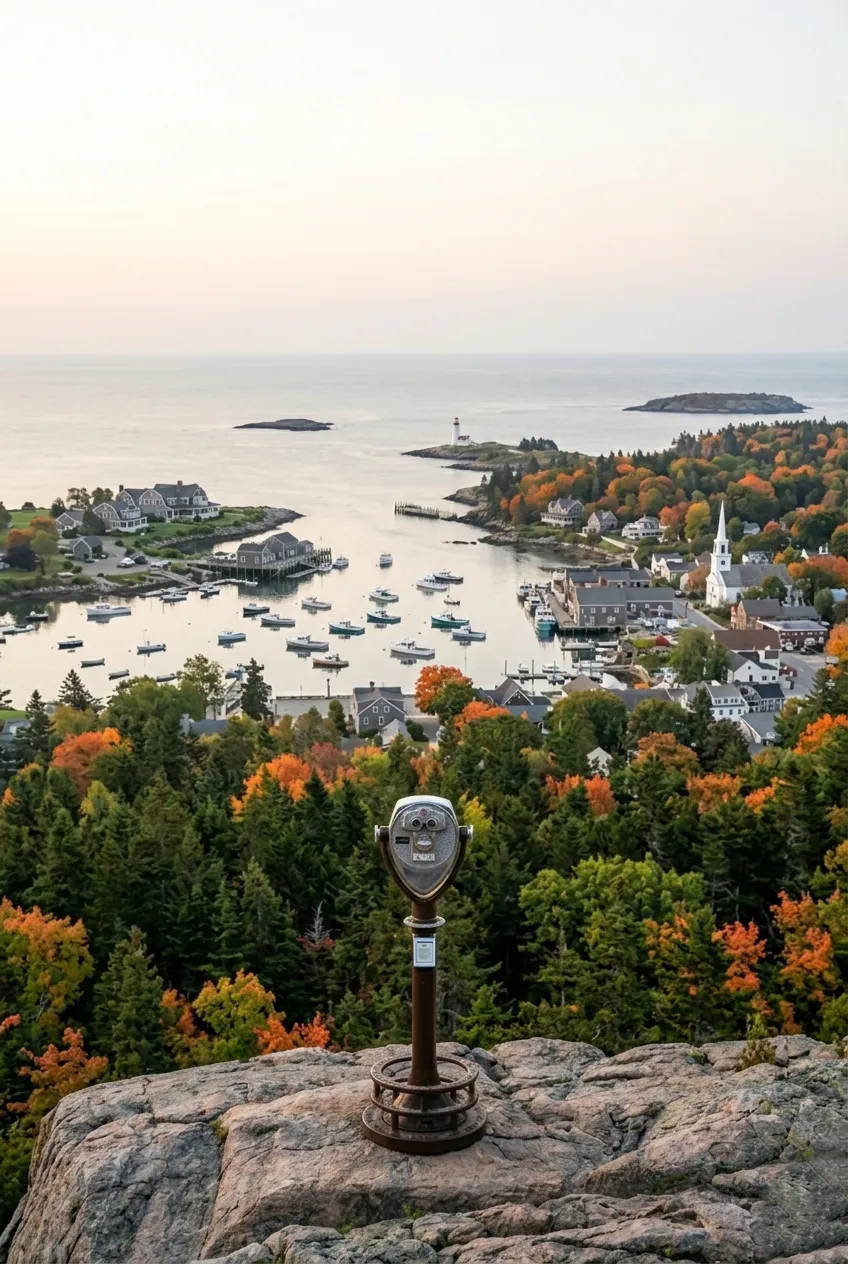
Camden Hills is one of those places that doesn’t scream for attention—and maybe that’s why it surprises people so much.
The highlight here is the mountain-meets-ocean view. You hike up Mount Battie, and suddenly you’re looking at Camden Harbor stretching into the Atlantic. It feels wide, open, and unexpectedly dramatic.
What makes this place special is how peaceful it is compared to Acadia. You still get incredible views, but without the crowds pressing in around you.
It’s also a great spot for photography. Early morning or late afternoon light turns everything soft and cinematic.
If Acadia feels like Maine’s headline act, Camden Hills is the quieter scene that somehow stays in your memory longer than expected.
Maine Islands (Hidden Gems)
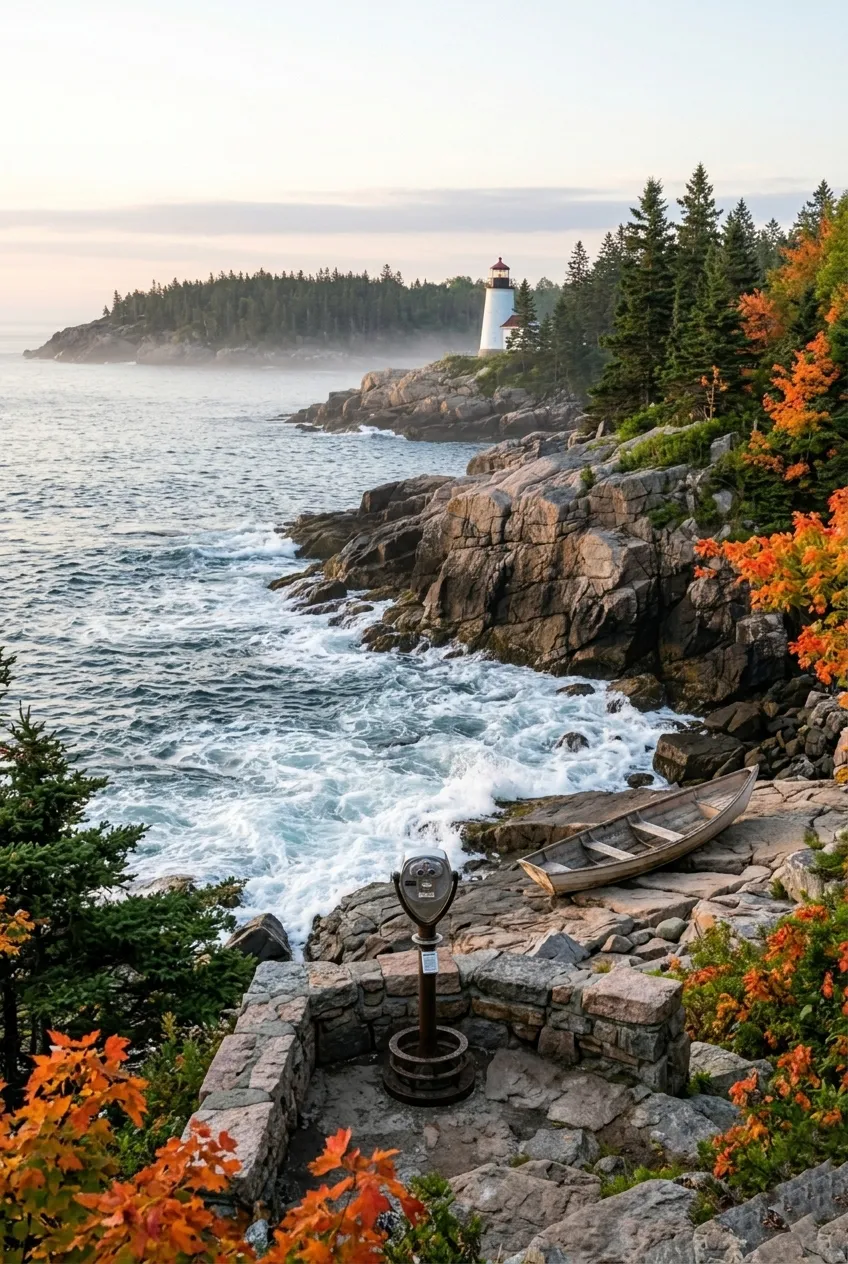
Maine’s islands feel like a different version of the state—slower, simpler, and more removed from the mainland rhythm.
Peaks Island
A short ferry ride takes you here, and suddenly everything changes pace. Bikes replace cars, roads get quieter, and the coastline feels more personal. It’s ideal for a half-day escape where you don’t really “do” much—you just move around and observe.
Monhegan Island
This one feels more rugged and artistic at the same time. There are no cars, just cliffs, walking paths, and a small artist community that’s been inspired by the landscape for years. It’s less polished, more raw, and honestly a bit magical in its simplicity.
Where to Stay in Maine
Where you stay in Maine shapes your entire experience.
- Portland: Best for food, city energy, and convenience
- Bar Harbor: Best base for Acadia and outdoor activities
- Camden: Quiet, scenic, and less crowded
- Kennebunkport: Ideal for luxury and calm coastal stays
In terms of accommodation styles:
- Budget travelers usually go for motels or Airbnbs
- Mid-range travelers find charming inns and boutique hotels
- Luxury travelers get oceanfront resorts and private coastal stays
Airbnb works well for flexibility, but inns often give a more “Maine-like” experience—warmer, smaller, more personal.
What to Eat in Maine (Food Guide)
Food in Maine is simple, but it sticks with you.
The star is always the lobster roll—fresh, buttery, and usually better from small coastal shacks than fancy restaurants.
Then there’s clam chowder, thick and comforting, especially after a cold coastal walk.
Blueberry pie is another classic, especially since wild blueberries grow all over the state.
Fresh oysters are common along the coast, often served raw with just lemon or sauce.
One thing you’ll notice quickly: seafood shacks often compete with restaurants in quality, sometimes even beating them. The less polished the place looks, the better the food sometimes feels.
On average, food costs can vary widely, but many travelers spend a moderate daily amount depending on how often they eat out versus grab casual meals.
Maine Travel Budget Breakdown
Maine is one of those rare destinations where your wallet can breathe, depending on how you travel. You can do it on a backpacker budget, or turn it into a luxury coastal escape with oceanfront views and lobster dinners every night. Let’s break it down as a real travel planner would.
Budget Traveler Cost
If you’re traveling light, Maine is still doable without breaking the bank.
- Accommodation: $80–$140 per night (budget inns, motels, hostels)
- Food: $25–$50 per day (casual diners, seafood shacks)
- Transport: $40–$70 per day (shared car rental split or buses where available)
- Activities: $20–$60 per day (parks, hikes, basic tours)
Daily total: $150–$250
Best for: solo travelers, backpackers, students, road trip beginners
Mid-Range Traveler Cost
This is the sweet spot where Maine truly shines.
- Accommodation: $180–$300 per night (comfortable hotels, boutique inns)
- Food: $60–$120 per day (restaurants, lobster rolls, cafes)
- Transport: $60–$100 per day (car rental + fuel)
- Activities: $50–$150 per day (whale watching, kayaking, guided tours)
Daily total: $350–$600
Best for: couples, families, comfort-focused travelers
Luxury Traveler Cost
This is Maine in full cinematic mode — oceanfront suites, private tours, and sunset dinners.
- Accommodation: $350–$900+ per night (resorts, luxury inns, coastal villas)
- Food: $120–$300 per day (fine dining + seafood tasting menus)
- Transport: $100–$200 per day (private car or premium rentals)
- Activities: $150–$400+ per day (private yacht tours, exclusive experiences)
Daily total: $700–$1,500+
Best for: honeymooners, luxury seekers, slow travel explorers
Estimated Trip Costs (Total)
- 3 Days in Maine
- Budget: $450–$750
- Mid-range: $1,000–$1,800
- Luxury: $2,100–$4,500+
- 5 Days in Maine
- Budget: $750–$1,250
- Mid-range: $1,800–$3,000
- Luxury: $3,500–$7,500+
- 7 Days in Maine
- Budget: $1,100–$2,000
- Mid-range: $2,500–$4,500
- Luxury: $5,000–$10,000+
Best Time to Visit Maine
Maine changes personality with every season — like it can’t decide whether it wants to be a calm painter, a fiery storyteller, or a snowy dreamscape.
Summer (June – August)
This is peak Maine.
- Warm weather (60°F–80°F)
- Everything is open: parks, ferries, tours
- Perfect for Acadia hiking and coastal drives
- Downside: crowds + high prices
Best for: first-time visitors, road trips, families
Fall (September – October)
This is Maine’s superstar season.
- Famous autumn foliage across forests and mountains
- Cooler, crisp air
- Fewer crowds than in the summer
- Golden + red landscapes everywhere
Best for: photographers, nature lovers, romantic trips
Spring (April – May)
Maine slowly wakes up like a sleepy coastal town stretching after winter.
- Lower prices
- Fewer tourists
- Some attractions are still reopening
- Fresh greenery + waterfalls
Best for: budget travelers, peaceful exploration
Winter (November – March)
A quiet, snowy Maine that feels like a hidden world.
- Snow-covered towns and forests
- Limited coastal activities
- Cozy inns + fireplaces
- Very low prices
Best for: solitude seekers, winter lovers, offbeat travelers
Best Overall Time
Fall (late September to mid-October) wins hands down
It’s when Maine becomes a moving painting of gold, red, and deep forest green.
Suggested Itineraries
Maine is best experienced on the road — not rushed, but slowly unfolded like a coastal map.
3-Day Maine Itinerary (Quick Trip)
Day 1: Portland
- Old Port exploration
- Lighthouse visits
- Seafood dinner
Day 2: Drive to Bar Harbor
- Scenic coastal stops
- Check-in + sunset walk
Day 3: Acadia National Park
- Cadillac Mountain sunrise
- Park Loop Road
- Short hikes
Perfect for a quick coastal snapshot of Maine
5-Day Maine Itinerary (Balanced Trip)
Day 1–2: Portland
- Food tours + breweries
- Coastal walks
Day 3–4: Bar Harbor + Acadia
- Whale watching
- Hiking trails
Day 5: Return with scenic stops
- Small towns + viewpoints
Balanced mix of food, nature, and culture
7-Day Maine Itinerary (Full Experience)
- Portland (2 days)
- Bar Harbor + Acadia (3 days)
- Camden (1 day)
- Kennebunkport (1 day)
This is Maine in full color — coast, cliffs, towns, and slow travel rhythm
10-Day Maine Road Trip (Deep Exploration)
- Full coastal drive
- Multiple islands (Peaks, Monhegan)
- Hidden beaches
- Small fishing towns
- Long scenic pauses everywhere
For travelers who don’t just visit Maine… they live inside it for a week+
Common Travel Mistakes in Maine
Maine is peaceful, but travelers often make avoidable mistakes.
- Underestimating driving distances (coastlines stretch far)
- Not booking hotels early (especially in summer/fall)
- Skipping car rental (public transport is limited)
- Overpacking itinerary (you’ll rush and miss the magic)
- Ignoring weather changes (coastal weather shifts fast)
Travel Tips & Insider Hacks
Here’s how locals and smart travelers unlock Maine like a secret door.
- Best sunrise: Cadillac Mountain (first light in the US during parts of the year)
- Best sunset: Portland Head Light
- Parking hack: arrive early at Acadia before 8 AM
- Cheap lobster hack: local shacks away from tourist centers
- Island ferry trick: book morning slots for fewer crowds
- Money saver: stay in nearby towns instead of prime tourist hubs
Instagram & Photography Spots
Maine is basically a natural film set that forgot to stop being beautiful.
- Cadillac Mountain sunrise (golden horizon over clouds)
- Portland Head Light (classic lighthouse drama)
- Bar Harbor waterfront (boats + reflections)
- Camden Hills overlook (mountains meet ocean)
- Coastal drive viewpoints (endless scenic curves)
Packing List for Maine
Packing for Maine is like preparing for a destination that can switch moods without warning — sunny coastline in the morning, misty forest winds by afternoon, and chilly ocean air at night. Think layers, not heavy bulk.
Layered Clothing (Weather Shifts)
Maine’s weather loves surprises. A bright morning can turn into a breezy coastal evening.
- Light base layers (t-shirts, breathable tops)
- Warm mid-layer (hoodies or fleece)
- Light jacket for daytime wind
- Sweater for cool evenings
Layering is your real survival strategy here.
Hiking Shoes
Maine is not a “flip-flop travel” destination.
- Comfortable hiking shoes for Acadia trails
- Good grip for rocky coastal paths
- Waterproof option if possible
You’ll thank yourself when you’re climbing over granite trails with ocean views ahead.
Rain Jacket
Maine weather can whisper “sunshine” and then suddenly pour drama from the sky.
- Lightweight waterproof jacket
- Wind-resistant preferred
- Easy to carry in a backpack
Think of it as your invisible travel shield.
Camera Gear
This is one of those places where your phone camera will feel emotionally overwhelmed.
- DSLR or mirrorless camera (optional but ideal)
- Extra batteries (cold weather drains them fast)
- Wide-angle lens for coastlines
- Phone tripod for sunsets
Every corner of Maine is basically a postcard trying to escape into reality.
Travel Essentials
The small things that quietly save your trip.
- Reusable water bottle
- Sunscreen (yes, even in cool weather)
- Power bank
- Small backpack for day trips
- Sunglasses + cap
- Basic first aid kit
FAQs About Maine Travel
How many days do you need in Maine?
Ideally, 5 to 7 days.
- 3 days = quick highlights
- 5 days = balanced experience
- 7+ days = full coastal exploration
Is Maine expensive?
It depends on the season and style.
- Budget travel is possible ($150–$250/day)
- Mid-range is most common ($350–$600/day)
- Summer and fall can get expensive due to demand
It’s flexible, not fixed.
Do you need a car in Maine?
Yes, almost always.
Maine is a road trip state, and many of its best places:
- are far apart
- have limited public transport
- are best accessed by scenic drives
Without a car, you’ll miss a big part of the experience.
Best city to stay in Maine?
It depends on your vibe:
- Portland → food, culture, nightlife
- Bar Harbor → Acadia + nature base
- Camden → peaceful scenic charm
- Kennebunkport → luxury coastal stay
Is Maine safe for tourists?
Yes, Maine is considered one of the safest states in the USA.
- Low crime rate
- Friendly small-town communities
- Safe outdoor environments
Usual travel awareness is enough.
Is Maine Worth It? (Final Verdict)
Maine is not a destination you rush through. It’s a place you slow down into — like the ocean teaching you how to breathe again.
It doesn’t shout for attention like big cities do. Instead, it whispers through pine forests, rolls gently across rocky shores, and glows quietly at sunset lighthouses.
If you’re someone who enjoys places that feel untouched, scenic, and deeply calming, Maine will feel like a reset button for your mind.
Who Should Visit Maine?
- Nature lovers who enjoy forests, cliffs, and ocean views
- Road trip travelers who love scenic drives
- Food travelers chasing authentic seafood experiences
- Couples looking for peaceful, romantic coastal escapes
- Photographers hunting golden light and dramatic landscapes
Who Might Not Enjoy Maine?
- Travelers who prefer fast-paced nightlife cities
- People who dislike driving long distances
- Those expecting tropical beaches or warm ocean swimming year-round
- Visitors who prefer packed, highly urban itineraries
Final Recommendation
Maine is not about doing everything. It’s about feeling everything slowly.
If your travel style leans toward calm mornings, lighthouse sunsets, and roads that disappear into ocean mist — Maine won’t just be worth it… it’ll quietly stay with you long after you leave.