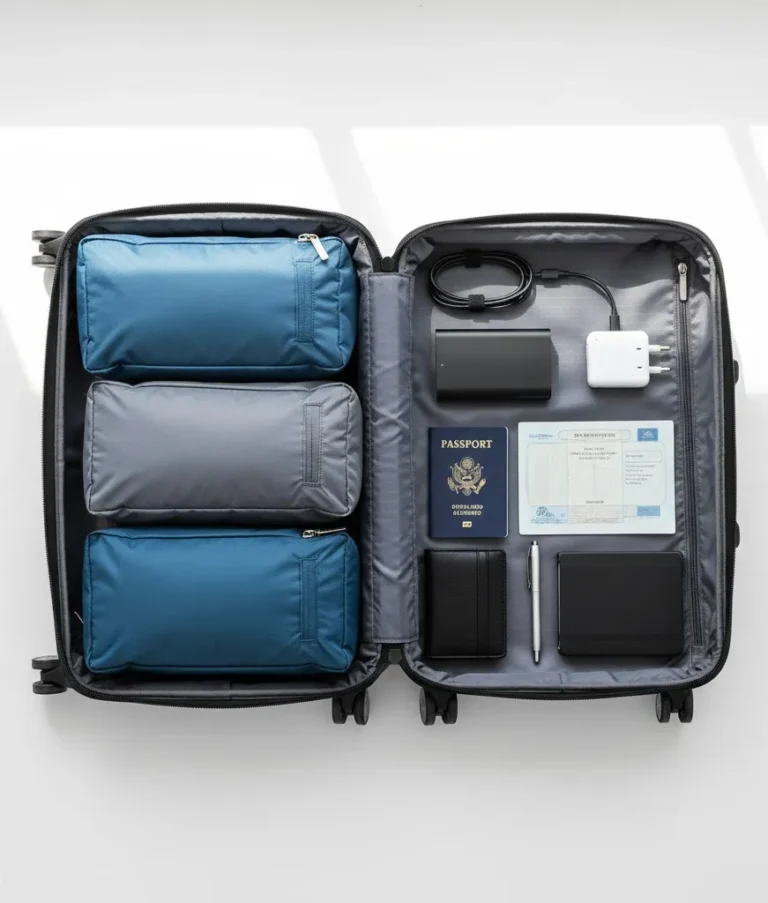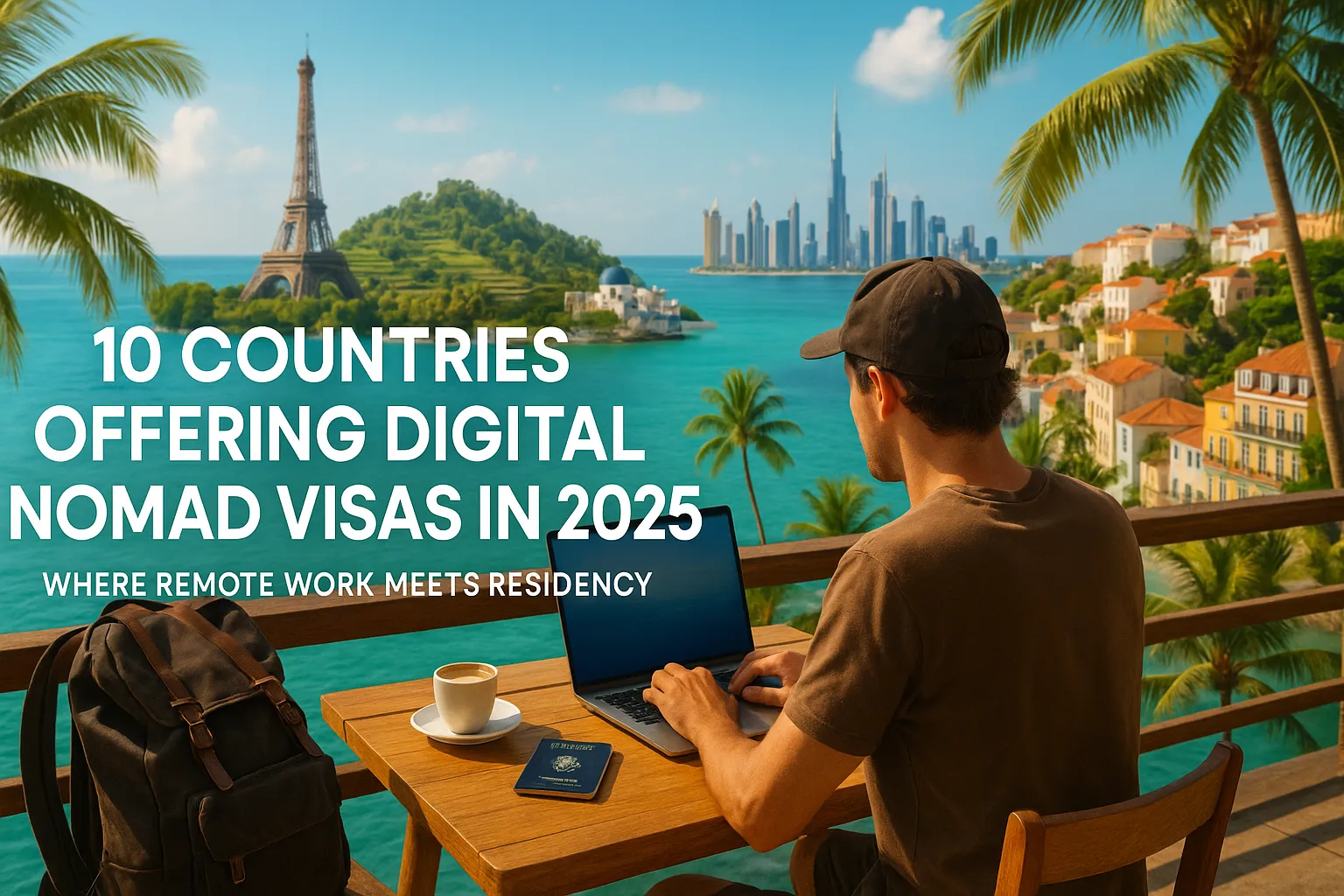
10 Countries Offering Digital Nomad Visas in 2025 (Where Remote Work Meets Residency)
Remote work keeps getting more popular — and so are official pathways that let you live abroad legally while you keep your job. In 2025, dozens of countries offer digital-nomad or remote-work visas, but some destinations stand out for accessibility, perks, and lifestyle. Below are 10 popular countries with digital-nomad programs you can realistically apply for in 2025 — what each visa allows, typical income or document requirements, who it’s best for, and quick application tips.
Catch the best flight fares right now
1) Estonia — The Original European Nomad Visa
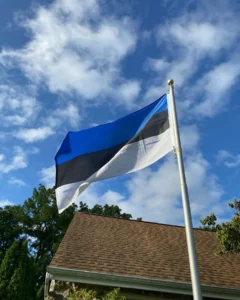
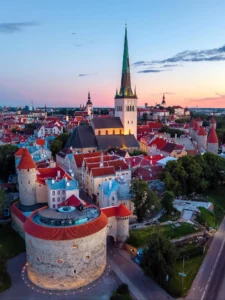
Estonia was one of the first European countries to launch a formal digital-nomad visa, and it remains a favorite for freelancers and founders who value stability and e-services. The Estonia Digital Nomad Visa lets remote workers stay up to one year, working for employers or clients based outside Estonia. Applicants must show remote work status and meet an income threshold (commonly reported around €4,500/month, though exact figures and rules should be checked at application). The process is straightforward and well-documented on Estonia’s official portals. visitestonia.com
Best for: European travel access, reliable e-government services, and people who want a stable Schengen-area base.
Tip: Apply early and carry clear proof of employment/clients and steady income.
2) Portugal — D8 (Digital Nomad) & D7 Options
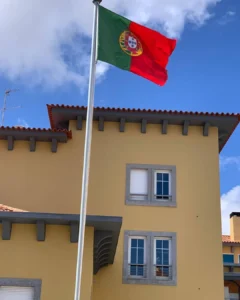

Portugal’s popular routes for remote workers include the newer D8 digital-nomad pathway and the longer-standing D7 (passive income) residence visa, both of which allow non-EU nationals to reside in Portugal while working remotely or living off passive income. The D8 typically requires proof of stable remote income (published guides often cite a monthly baseline around €3,480), and the D7 is attractive for those with passive income or pensions. Portugal also offers the huge perk of Schengen travel and excellent quality of life. Citizen Remote
Best for: Nomads who want a European lifestyle, strong nomad communities (Lisbon, Porto, Madeira), and Schengen access.
Tip: Consider the D7 if you have steady passive income — it can lead to longer residency options.
3) Spain — Startup Act Digital Nomad Visa


Spain’s Digital Nomad Visa, enacted under its Startup Act, allows eligible remote workers to live in Spain with an initial residency that can be extended. It’s targeted at remote employees and company founders working for non-Spanish employers; published guides list example income thresholds (varies by implementation and whether you apply from abroad). Spain is tempting for its cities, culture, and comparative affordability versus some Western European capitals. Citizen Remote
Best for: People who want Spanish lifestyle, great food and culture, and access to EU travel.
Tip: If you plan to stay long term, learn Spanish — it helps with paperwork and integration.
4) Greece — One-Year Remote Work Residence


Greece offers a one-year digital-nomad permit (renewable) for remote workers and freelancers. The permit allows stays beyond the 90-day tourist limit and usually requires proof of remote employment, sufficient income, health insurance, and a clean criminal record. Greece’s low cost of living (relative to many EU countries) and island lifestyle make it a favorite among nomads. Get Golden Visa
Best for: Island life (Cyclades), sun, beaches, and affordable European living.
Tip: Have clear bank statements and health insurance when you apply.
5) Croatia — Clear Rules & Popular Coastline

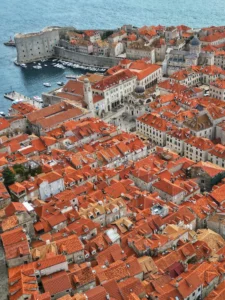
Croatia’s digital-nomad permit is well-established and popular for people who want the Adriatic lifestyle without giving up legal residency. The permit typically allows stays up to one year (renewable under certain circumstances) and requires proof of income (2025 official guidance notes a monthly threshold, recently listed at about €3,295/month), health insurance, and a clean background check. Croatia’s coastline, coworking scene, and proximity to Central Europe are big draws. mup.gov.hr
Best for: Sea lovers who want a Mediterranean base with reliable rules and lower costs than Western Europe.
Tip: Dubrovnik and Split are popular, but smaller coastal towns can be quieter and cheaper.
6) Turkey — Flexible & Often Affordable


Turkey offers options for remote workers through specific permits (often referred to in guides as the Turkey digital-nomad or remote-work permit). Requirements typically include proof of remote work and a minimum monthly income (some sources cite modest figures such as around $1,500/month as a baseline for some categories). Turkey’s low living costs, huge diversity (Istanbul, Cappadocia, coastal towns), and relatively easy entry make it attractive. Always confirm rules at the official consulate or trusted visa providers. Wise
Best for: Digital nomads who want a blend of East/West culture, low costs, and big-city options.
Tip: Watch out for tax residency rules — long stays can trigger local tax obligations.
7) UAE (Dubai) — Virtual Work Program


Dubai’s Virtual Working Programme (often called the Dubai Remote Work Visa) lets professionals live in the emirate for a year while working for employers abroad. The UAE requires proof of employment, a minimum monthly income (commonly around $3,500/month in official guidance), and valid health insurance. Dubai is expensive but offers world-class infrastructure, international communities, and virtually no personal income tax. Invest in Dubai
Best for: Nomads who prioritize infrastructure, safety, and a luxury urban base.
Tip: Budget for higher rents and living costs; the tax benefits can offset some expenses.
8) Costa Rica — Long-Stay Remote Options
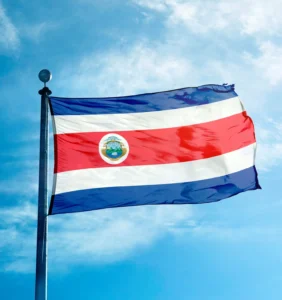

Costa Rica has formalized remote-work pathways and rentista options suited to digital nomads — with requirements such as proof of stable income (official guidance lists roughly $3,000/month for individuals) and health insurance. Costa Rica blends nature, beaches, and a relaxed pace with growing nomad hubs like Tamarindo and Santa Teresa. It’s particularly appealing to nomads who love biodiversity and outdoor living. Visit Costa Rica
Best for: Nature lovers and nomads seeking surf, jungle, and eco-living.
Tip: Plan for slower bureaucracy and bring complete medical and background documents.
9) Barbados — The Welcome Stamp

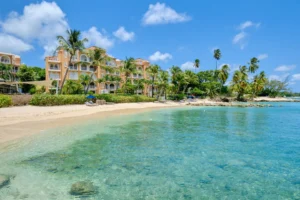
Barbados’ Welcome Stamp was one of the early high-profile island programs that lets remote workers live and work on the island for up to 12 months (renewable). Applicants need proof of employment and finances; Barbados markets the program as easy to apply for and family-friendly. The island’s Caribbean lifestyle, safety, and English language make it convenient for many nomads. visitbarbados.org
Best for: Caribbean sun, English-speaking environment, and straightforward applications.
Tip: Use the year to explore nearby islands — many travelers extend stays seasonally.
10) Antigua & Barbuda — Nomad Digital Residence (Up to 2 Years)
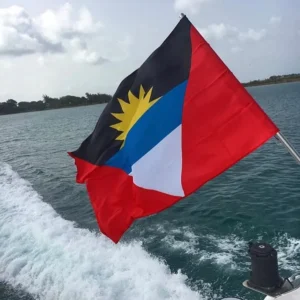

Antigua & Barbuda’s Nomad Digital Residence offers a long-stay option (often up to two years) for remote workers who meet income and insurance criteria (some official guidance mentions annual income thresholds around $50,000). This program emphasizes a blend of long-stay flexibility and Caribbean living. Antigua and Barbuda High Commission
Best for: Nomads seeking longer Caribbean stays and island-lifestyle stability.
Tip: Check family-member provisions if you plan to relocate with dependents.
How to Choose the Right Digital Nomad Visa (Quick Checklist)
- Income requirement: Can you comfortably prove the minimum monthly income or savings? (many countries publish thresholds). VisaGuide World
- Duration & renewals: Do you need 6–12 months or multi-year stays? Some visas are renewable. Citizen Remote
- Tax implications: Will long stays make you a tax resident? Check local tax rules before committing. Wise
- Healthcare & insurance: Most visas require private health insurance covering the full stay. Visit Costa Rica
- Family & dependents: If bringing a partner or children, verify dependent rules and added costs. mup.gov.hr
Practical Application Tips
- Use official sources first. Embassy and government pages are the authoritative source for forms and fees. (Examples above link to official and government-linked resources.) vm.ee
- Prepare documentation: employment contracts, invoices, 3–6 months of bank statements, valid health insurance, and a clean criminal record. Nomads Embassy
- Consider tax residency: staying beyond 183 days in some countries triggers tax residency — get professional advice if you plan long stays. Wise
- Plan for local expenses: visa fees, application processing times, and setup costs (housing deposit, SIM cards, local transport). Citizen Remote
Final Thoughts — Nomad Life, with Legal Peace of Mind
Digital-nomad visas are no longer a niche novelty — they’re a mainstream way to legally combine travel and work. In 2025, destinations across Europe, the Caribbean, Latin America, and the Middle East offer sensible, well-documented routes to live abroad while keeping your remote income. Each program is different — from Estonia’s tech-friendly one-year visa to Antigua & Barbuda’s two-year Caribbean option — but they share the same promise: more stability, fewer immigration headaches, and the freedom to choose a new “work from anywhere” base.Before you move, verify the latest rules on official government sites or consulates (requirements and thresholds change), and consider consulting a tax or visa professional if you’re planning a long-term relocation. Happy nomading — and may your next office view be unforgettable. Business Insider