The Dolomites, Italy — Ultimate 2025 Travel Guide to Europe’s Most Breathtaking Mountains
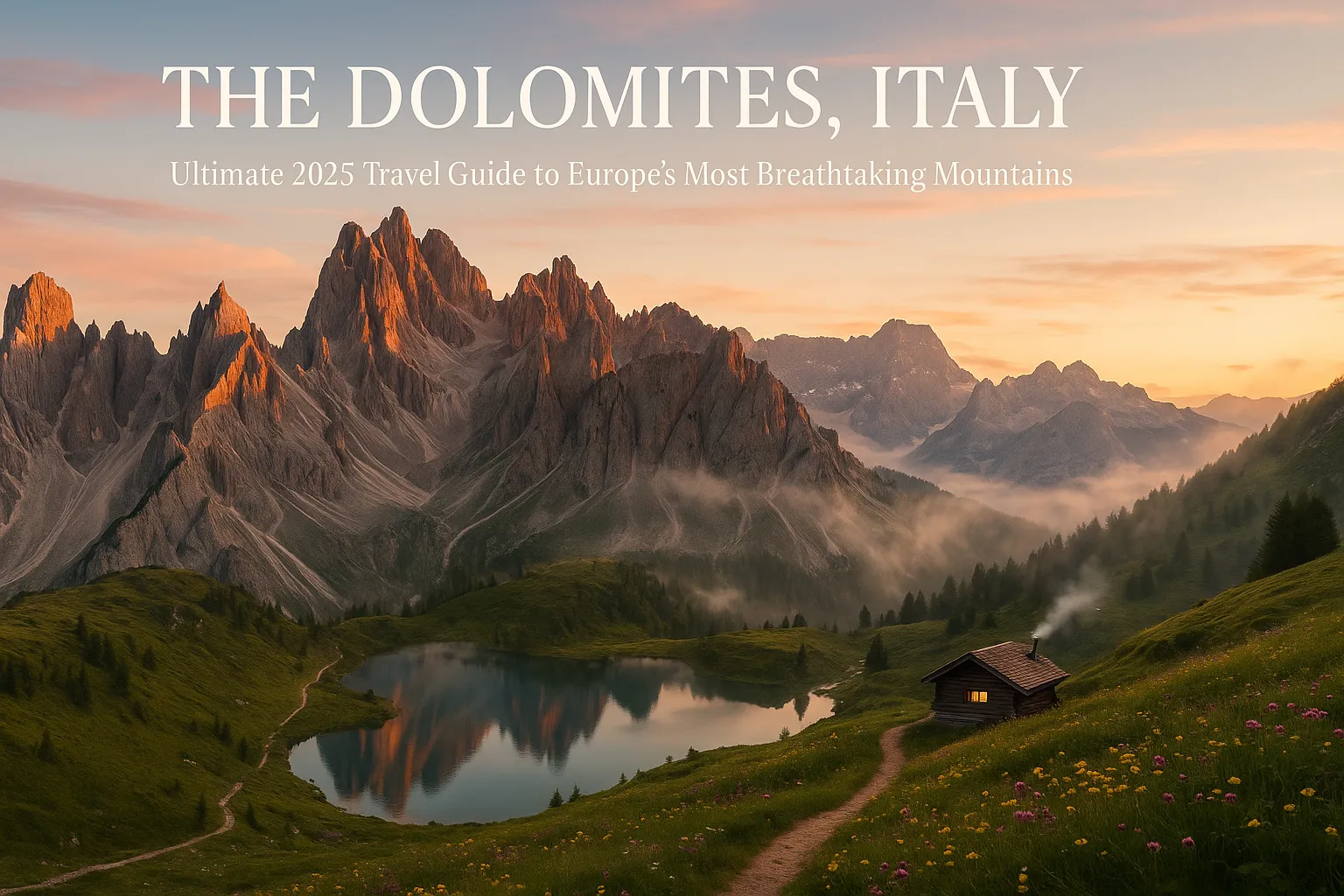
The Dolomites aren’t just mountains — they’re a masterpiece of nature carved in stone. Rising dramatically from the rolling valleys of northern Italy, these jagged peaks are often bathed in soft pink and golden light, a phenomenon called Enrosadira that makes them glow like fire at sunrise and sunset.
Whether you’re a passionate hiker, skier, photographer, or simply a wanderer seeking beauty that stirs the soul, the Dolomites offer one of Europe’s most unforgettable experiences. Let’s dive into everything you need to know about exploring this UNESCO World Heritage wonder in 2025.
1. Where Are the Dolomites, Italy Located?
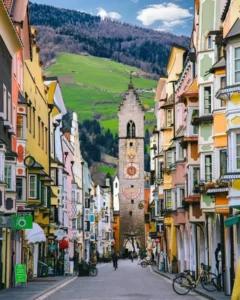
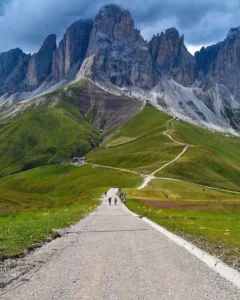
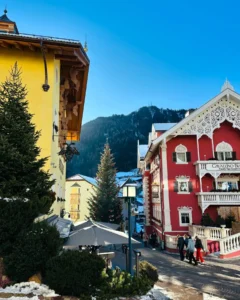
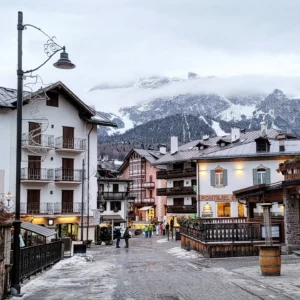
The Dolomites stretch across northeastern Italy, covering parts of the regions of South Tyrol, Trentino, and Veneto. This stunning range is part of the Southern Limestone Alps and consists of 18 peaks that rise above 3,000 meters.
Some of the most famous towns that serve as gateways to the Dolomites include:
- Cortina d’Ampezzo – chic and stylish, known as the “Queen of the Dolomites.”
- Ortisei and Selva di Val Gardena – perfect for hiking and skiing.
- Canazei – a charming mountain village surrounded by stunning trails.
- Bolzano – the cultural capital of South Tyrol with easy access to the mountains.
The Dolomites are accessible from major cities like Venice, Verona, and Innsbruck, each within a 2–4 hour drive.
2. The Best Time to Visit the Dolomites
The Dolomites are a year-round destination, but your experience changes dramatically with the seasons.
- 🌸 Spring (April–June): Valleys bloom with wildflowers, and hiking trails open up as the snow melts.
- ☀️ Summer (July–September): Perfect for trekking, cycling, and climbing, with warm days and cool nights.
- 🍁 Autumn (October–November): Fewer crowds and spectacular golden larch trees — a paradise for photographers.
- ❄️ Winter (December–March): Ski season in full swing! Resorts like Val Gardena and Alta Badia offer world-class slopes and cozy chalets.
For hiking and photography, late June to early September is the prime time to visit. For skiing, plan between December and March.
Find your perfect flight deal today
3. Top Attractions in the Dolomites
The Dolomites are filled with iconic landscapes that look straight out of a fantasy movie. Here are some must-see spots:
Tre Cime di Lavaredo (Three Peaks of Lavaredo)
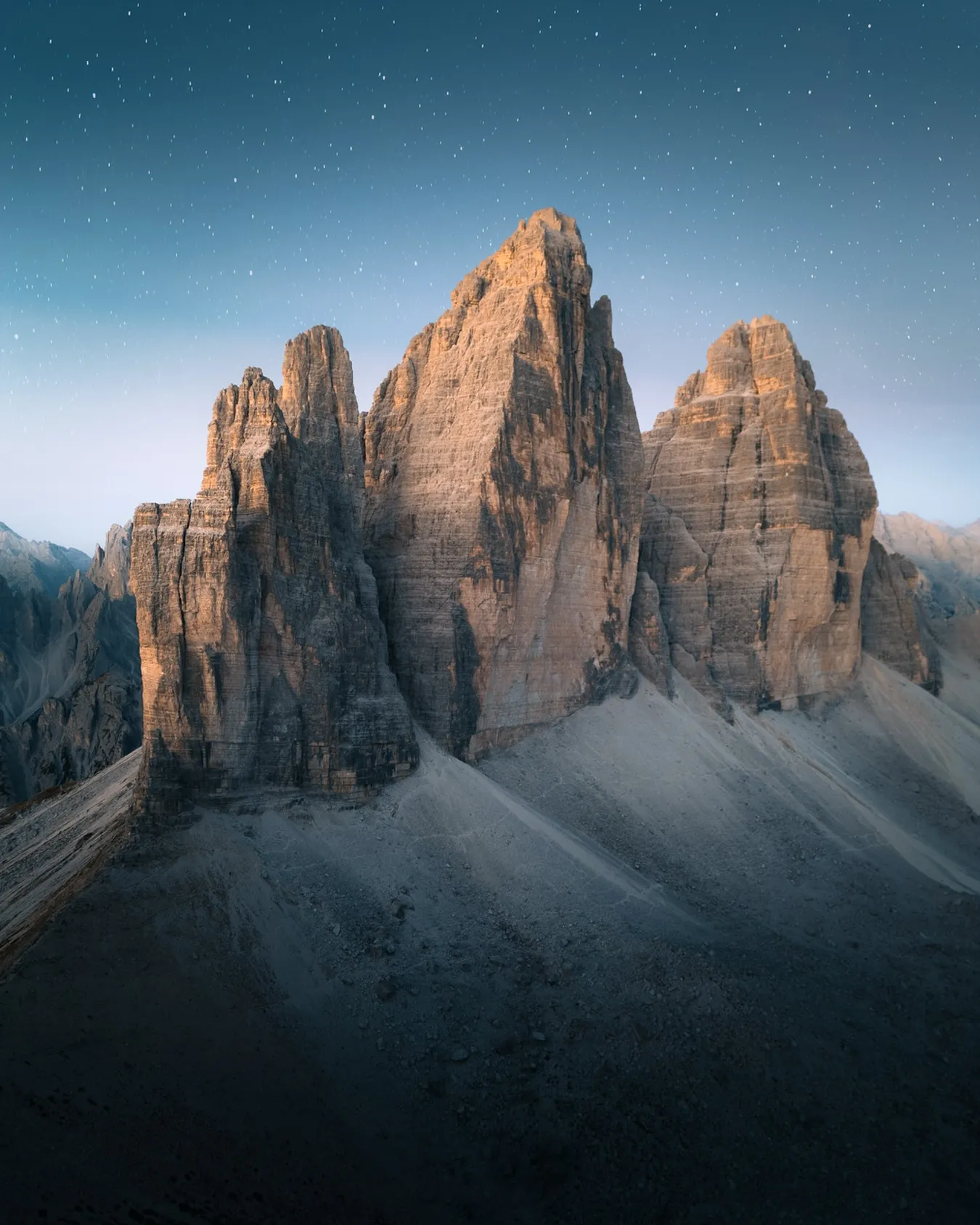
These towering rock spires are the Dolomites’ most famous symbol. A scenic loop trail circles them, offering panoramic views at every turn — ideal for both beginners and experienced hikers.
Lago di Braies (Pragser Wildsee)
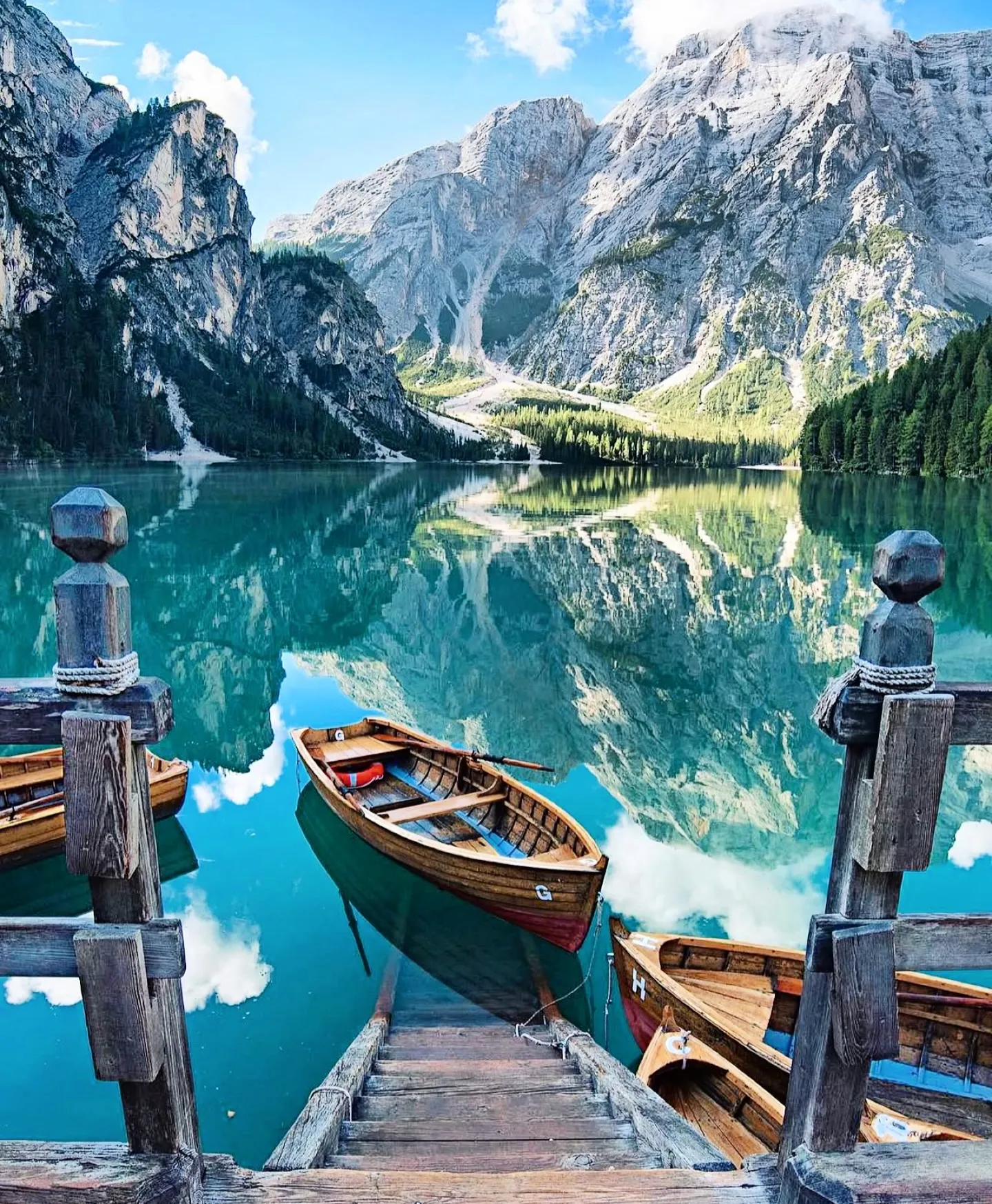
Arguably the most photographed lake in Italy, Lago di Braies is famous for its emerald water and wooden rowboats. Visit early morning for reflections and fewer crowds.
Seceda Ridgeline
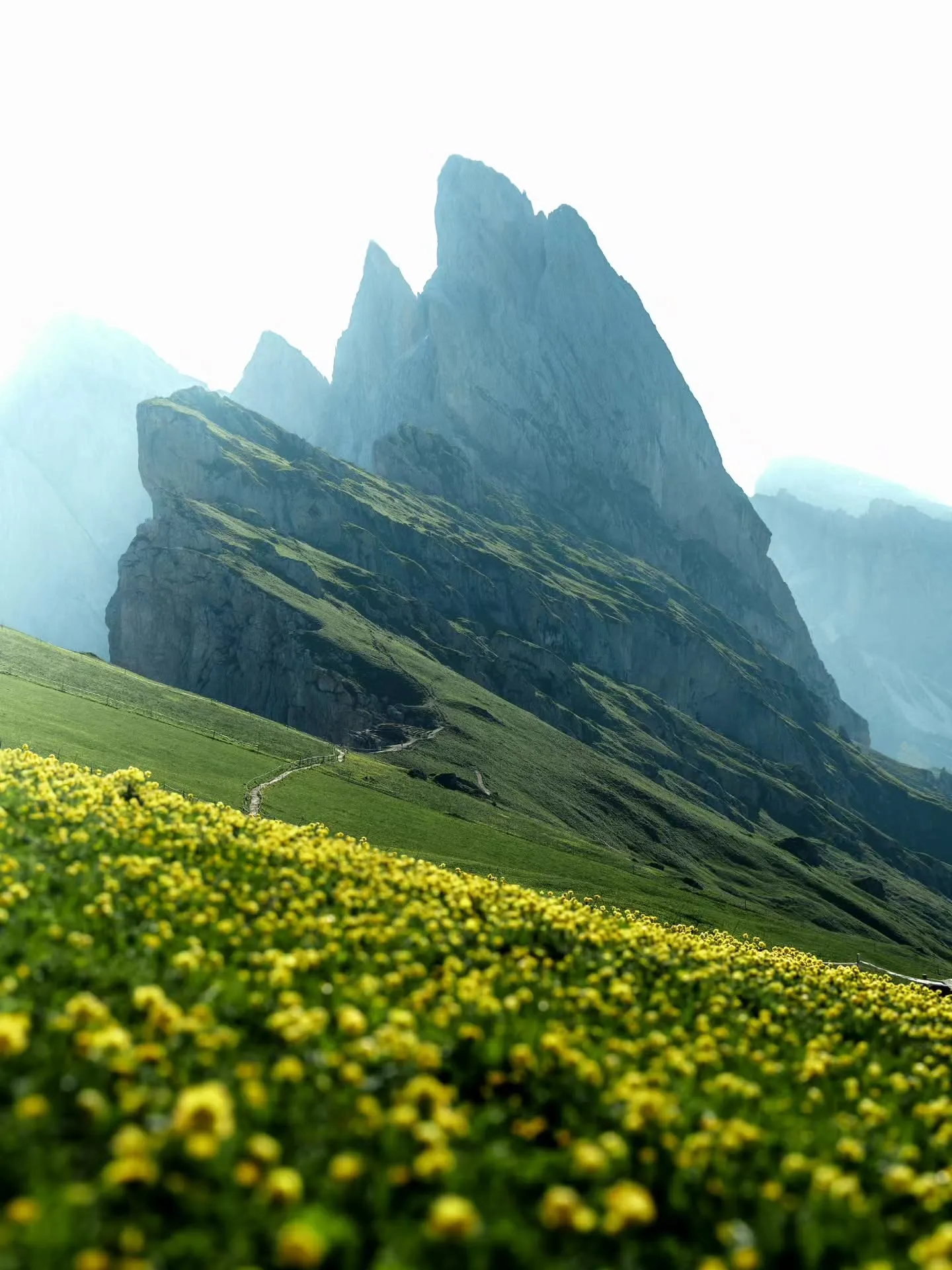
An Instagram favorite — this ridge in Val Gardena delivers breathtaking views of sharp, layered peaks that look otherworldly at sunrise.
Alpe di Siusi (Seiser Alm)
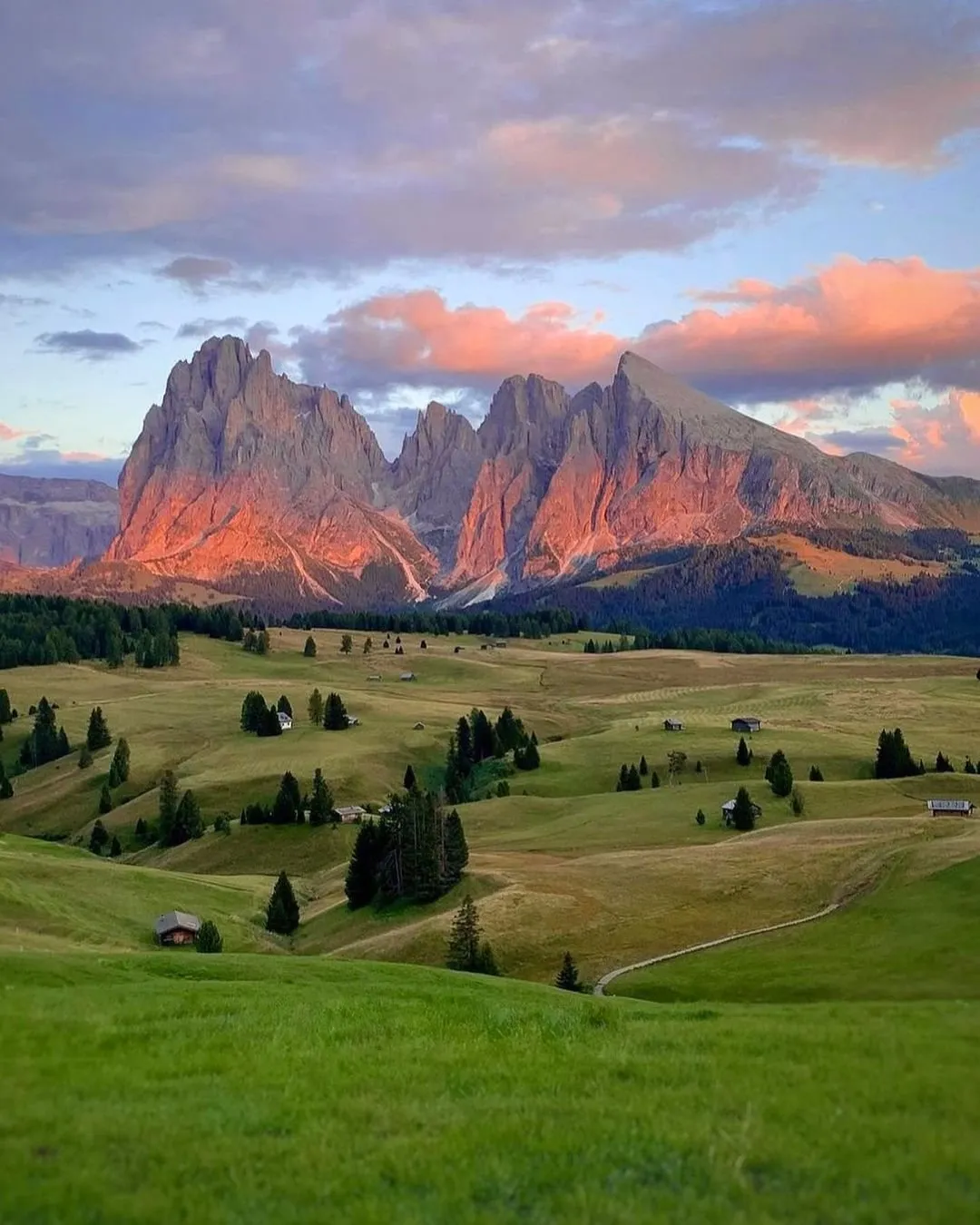
Europe’s largest alpine meadow, this plateau is dotted with wooden huts, wildflowers, and grazing cows. It’s a serene paradise for walking or e-biking.
Sella Pass and Gardena Pass
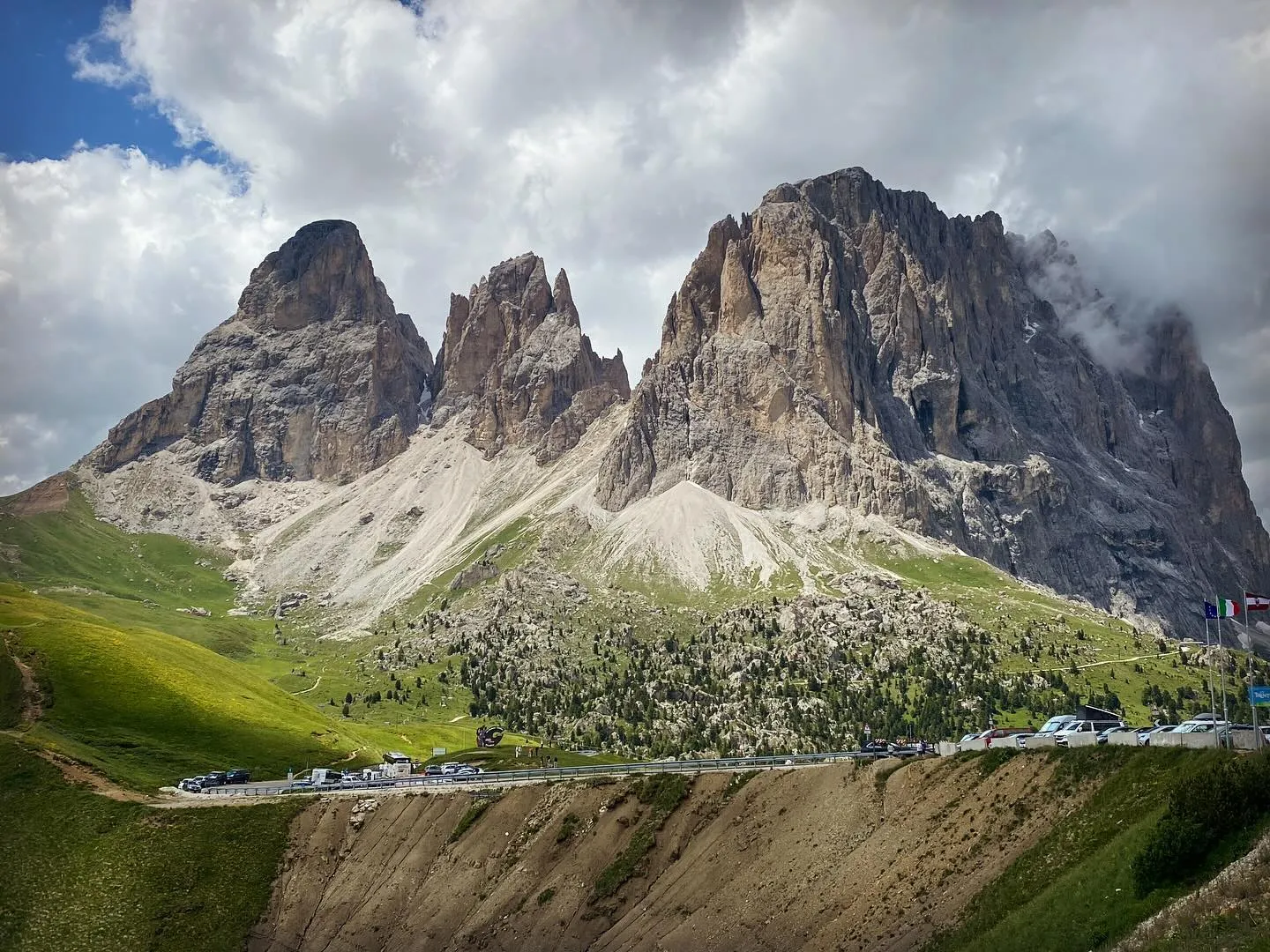
Drive these scenic mountain passes to experience heart-stopping panoramas and winding roads that showcase the best of the Dolomites.
4. Outdoor Adventures in the Dolomites
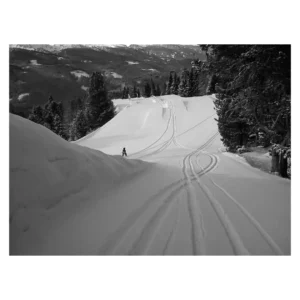
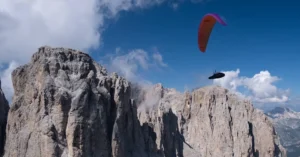
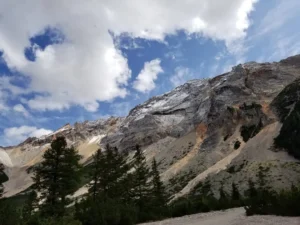
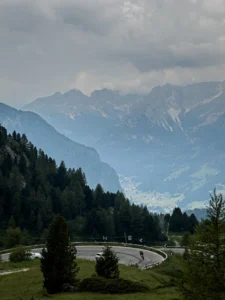
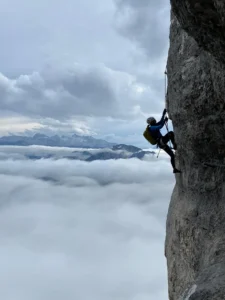
If you love nature, the Dolomites are your ultimate playground. Here’s what you can do:
Hiking and Trekking
From gentle walks to multi-day routes, the Dolomites have over 8,000 kilometers of trails. The famous Alta Via 1 is a long-distance trek that crosses some of the most dramatic sections of the range.
Climbing and Via Ferrata
The Dolomites are the birthplace of via ferrata — iron paths equipped with ladders and cables. Even beginners can experience thrilling climbs safely.
Skiing and Snowboarding
In winter, the Dolomiti Superski area unites 12 ski resorts and over 1,200 kilometers of slopes, all accessible with a single pass.
Cycling
From leisurely e-bike tours to challenging ascents like the Sella Ronda loop, cycling here is both scenic and exhilarating.
Paragliding and Photography
Capture bird’s-eye views of the valleys or simply bring your camera and chase the legendary alpenglow.
5. Food and Culture in the Dolomites




The Dolomites’ cuisine is as rich as its landscapes. Influenced by both Italian and Austrian traditions, local food combines comfort and elegance.
Must-try dishes include:
- Speck: Smoked ham from South Tyrol.
- Canederli: Bread dumplings often served with butter or broth.
- Casuola: A hearty stew with cabbage and pork.
- Apple strudel: The iconic Alpine dessert.
Cultural life here blends Italian passion with Austrian precision. Towns often have bilingual signs (Italian and German), and festivals celebrate both cultures with music, food, and mountain traditions.
6. Best Places to Stay in the Dolomites
You’ll find everything from luxurious spa resorts to cozy mountain refuges (rifugios). Here are top areas to base yourself:
- Cortina d’Ampezzo: Glamorous, upscale, and perfect for both summer and winter adventures.
- Ortisei (Val Gardena): Central, scenic, and full of charm — ideal for hikers and photographers.
- Canazei (Val di Fassa): Surrounded by dramatic peaks, great for trekking routes.
- Alpe di Siusi: Serene, ideal for families or those seeking tranquility.
- Dobbiaco and San Candido: Perfect for exploring Tre Cime and the eastern Dolomites.
Many travelers combine multiple bases to experience different parts of the range.
7. Getting Around the Dolomites
Public transport is efficient, especially in South Tyrol, but renting a car gives you the freedom to explore hidden passes and small villages. Roads are well-maintained but winding, so drive carefully.
In summer, regional bus passes and shuttle systems operate to reduce traffic in popular hiking areas like Lago di Braies and Alpe di Siusi.
8. Costs and Budget Tips
The Dolomites can be enjoyed on various budgets:
- Luxury: €250–€500 per night in resorts like Cortina.
- Mid-range: €100–€200 per night in boutique lodges or family-run hotels.
- Budget: €50–€90 per night in guesthouses or rifugios (mountain huts).
To save money:
- Visit in shoulder seasons (May–June or September–October).
- Use guest cards provided by hotels for free regional transport.
- Stay in smaller towns instead of major resort areas.
9. Sustainability in the Dolomites
The Dolomites are leading Europe’s eco-tourism movement. Many hotels run on renewable energy, public transport reduces car use, and national parks enforce strict conservation rules.
Visitors are encouraged to follow Leave No Trace principles, respect local wildlife, and support small, family-owned businesses to help preserve the region’s authenticity.
10. Fun Facts About the Dolomites
- The Dolomites were named after the French geologist Déodat Gratet de Dolomieu, who first described their unique rock composition.
- The rock glows pink at sunrise and sunset — a phenomenon called Enrosadira.
- The Ladin language, a blend of Latin and ancient Rhaetian, is still spoken in some valleys.
- The Dolomites became a UNESCO World Heritage Site in 2009 for their geological significance and beauty.
Conclusion: The Magic of the Dolomites, Italy
The Dolomites aren’t just another mountain range — they’re an experience that touches every sense. The scent of pine forests, the echo of cowbells across meadows, the sight of jagged peaks painted by the sunset — it’s pure, timeless beauty.
Whether you come for adventure, relaxation, or photography, the Dolomites remind you what wild beauty truly feels like. Every trail, every village, and every sunrise here tells a story — one you’ll carry long after you’ve left these enchanting peaks behind.So pack your hiking boots or skis, charge your camera, and get ready to discover Italy’s most stunning natural wonder — the Dolomites.