Egypt Travel Guide: Everything You Need to Know Before Visiting the Land of Pharaohs
Egypt is not just a destination. It is a time machine with traffic jams, a living museum flavored with cumin and dust, and a country that refuses to be quietly observed. You don’t simply visit Egypt. Egypt happens to you.
From the first call to prayer echoing over Cairo’s rooftops to the stillness of the desert at sunrise, Egypt balances chaos and wonder in a way few places on Earth can. If you are planning a trip, this guide covers everything you should know before going to Egypt, including where to go, what to eat, what to avoid, common scams, cultural norms, and what makes Egypt unlike anywhere else.
Recommended Travel Items for Your Trip
Why Visit Egypt?
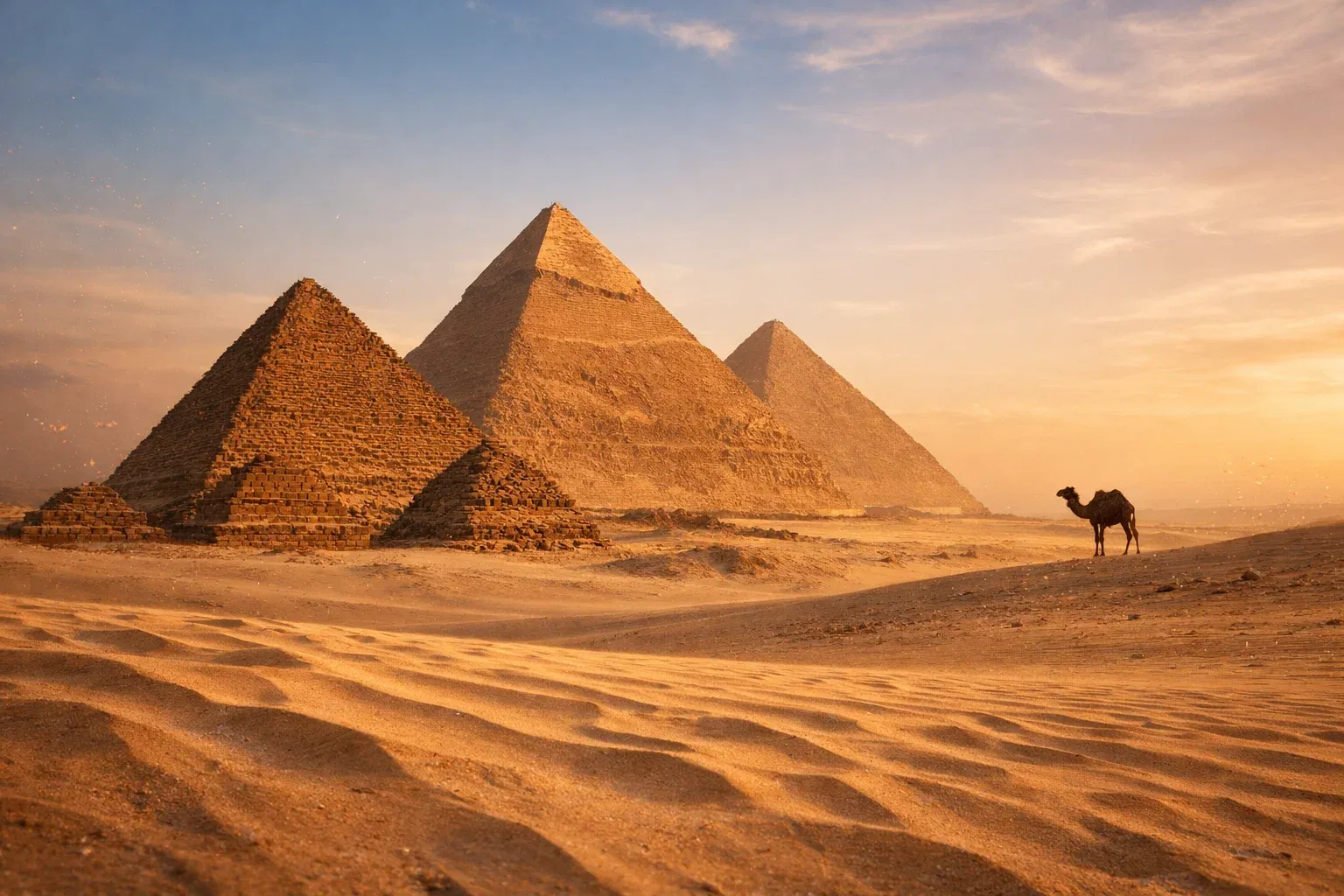
Egypt offers something rare in modern travel: ancient wonders that still dominate daily life. The pyramids are not fenced-off ruins in the middle of nowhere. They rise behind apartment buildings. Temples sit beside markets. History is not preserved here. It is occupied.
Egypt is ideal for travelers who love:
- Ancient history and archaeology
- Vibrant street life and local culture
- Budget-friendly travel with luxury options
- Desert landscapes and the Red Sea
- Food that is simple, filling, and deeply traditional
Top Places to Visit in Egypt
Cairo and Giza
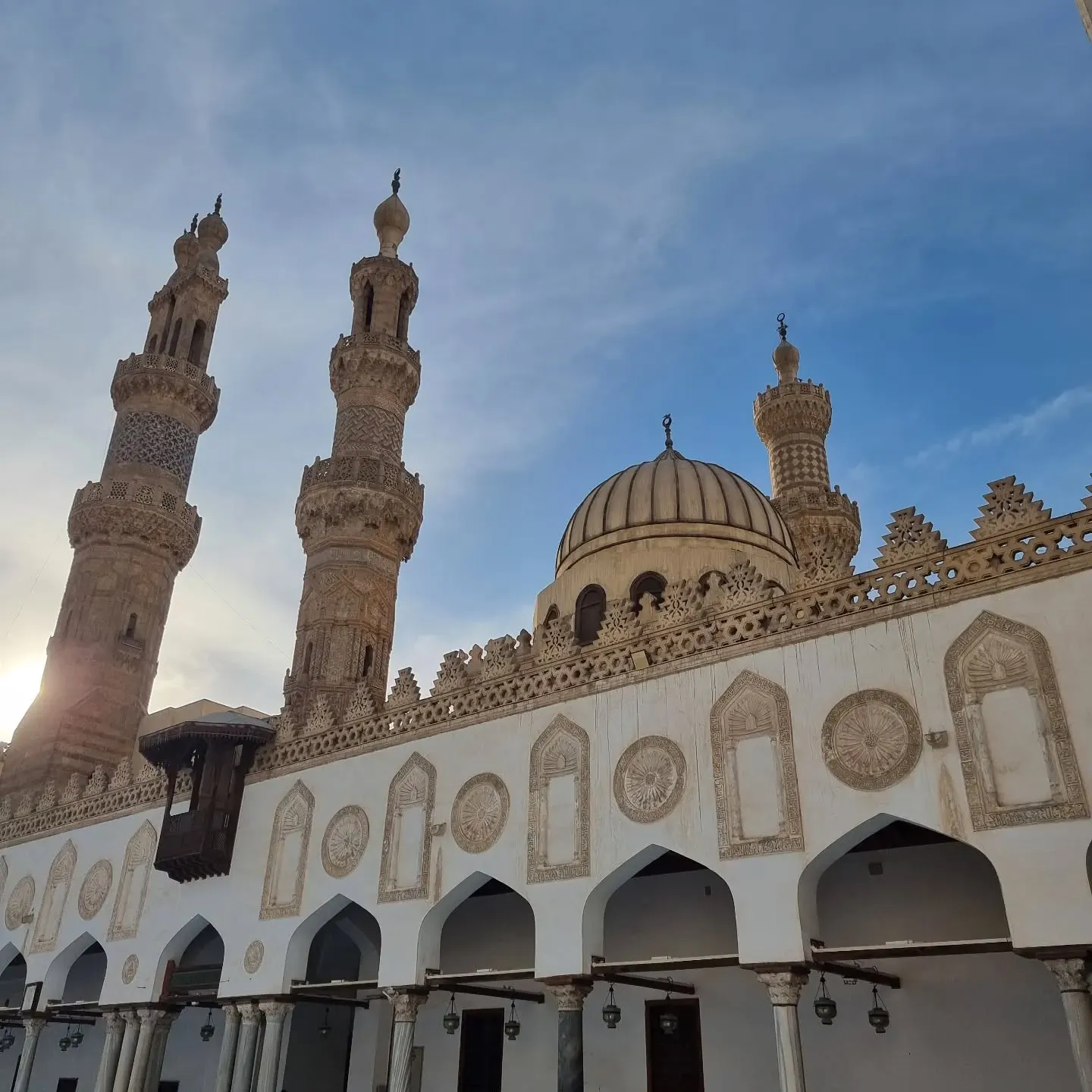
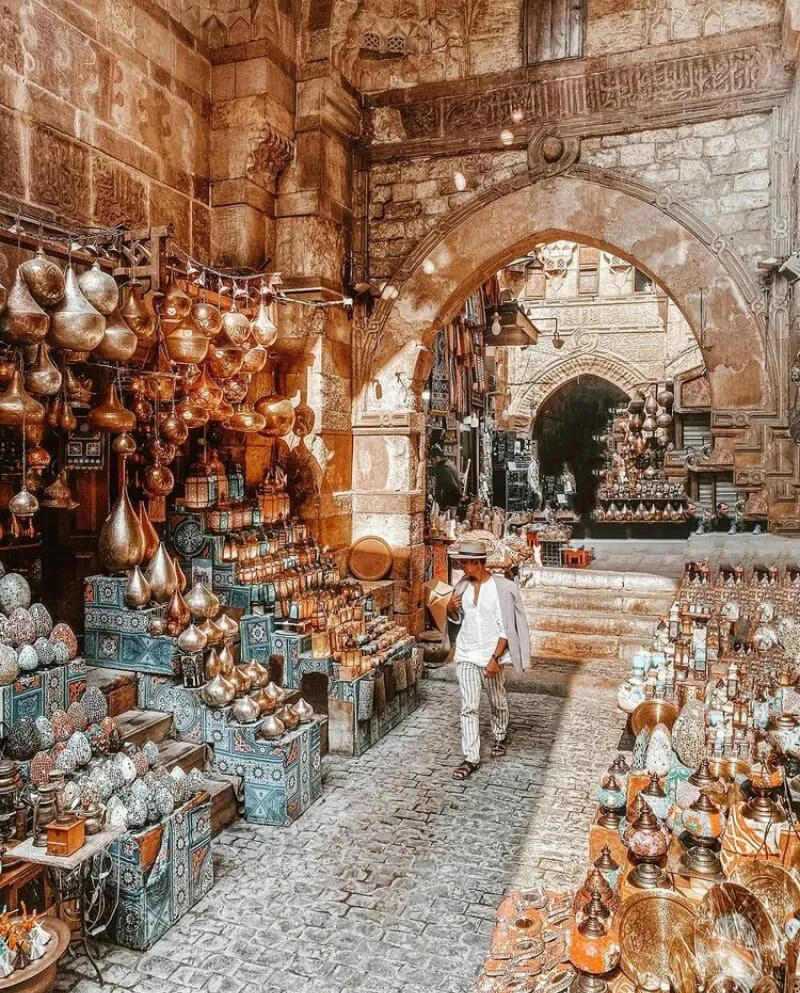
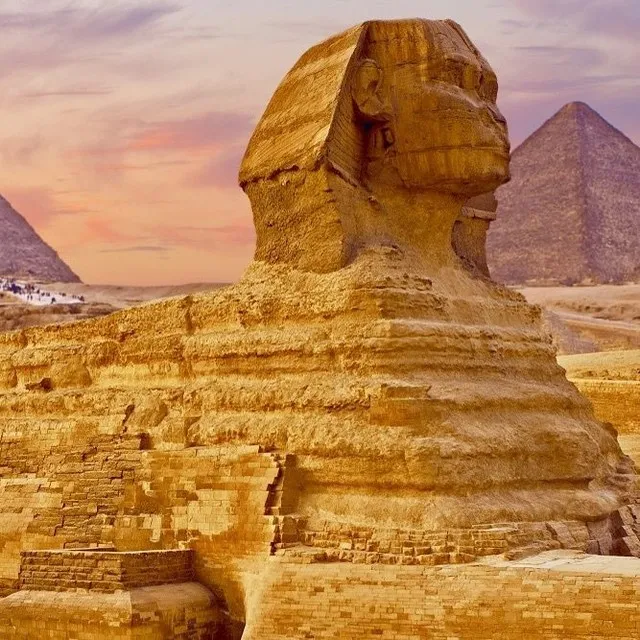
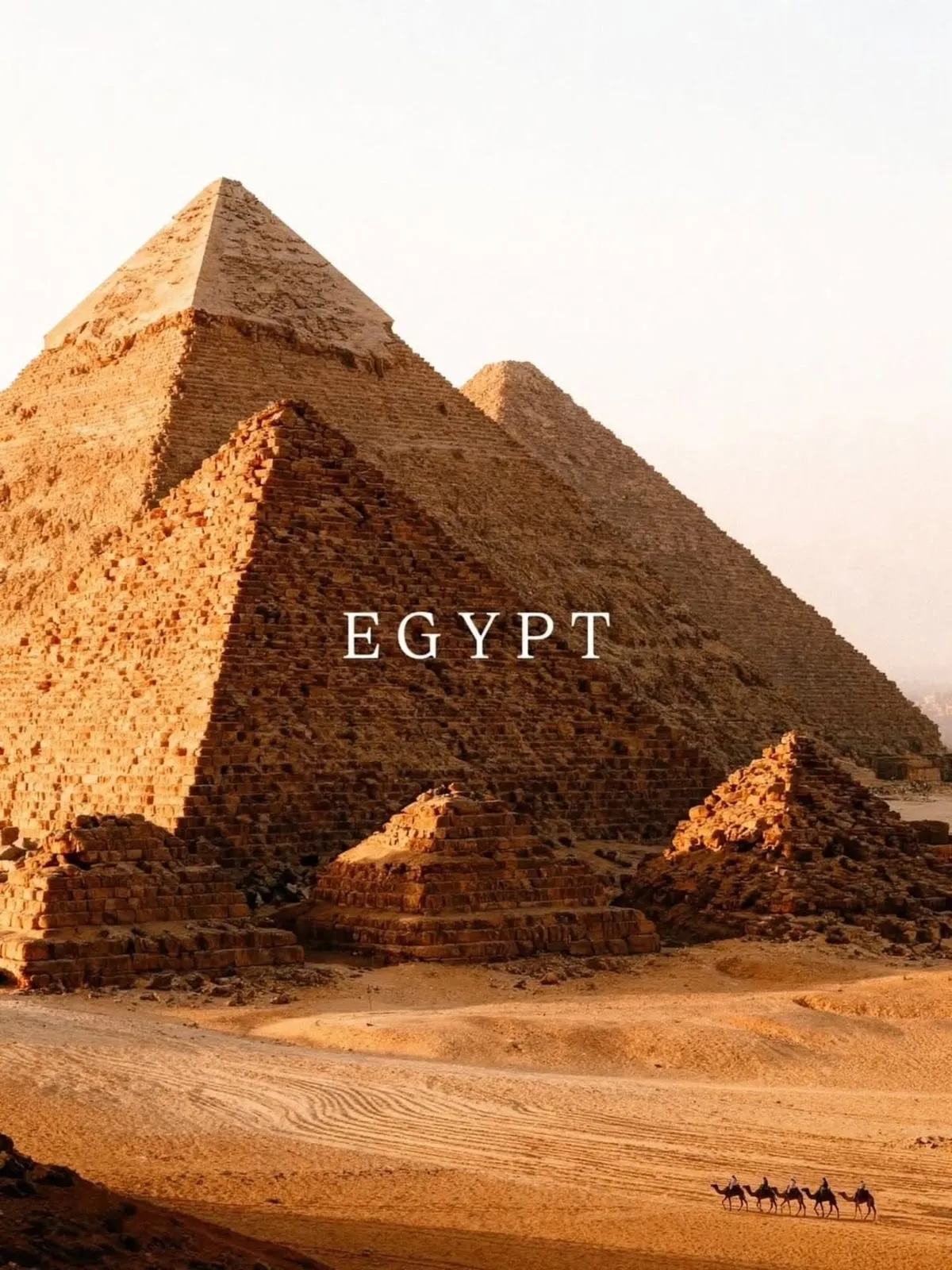
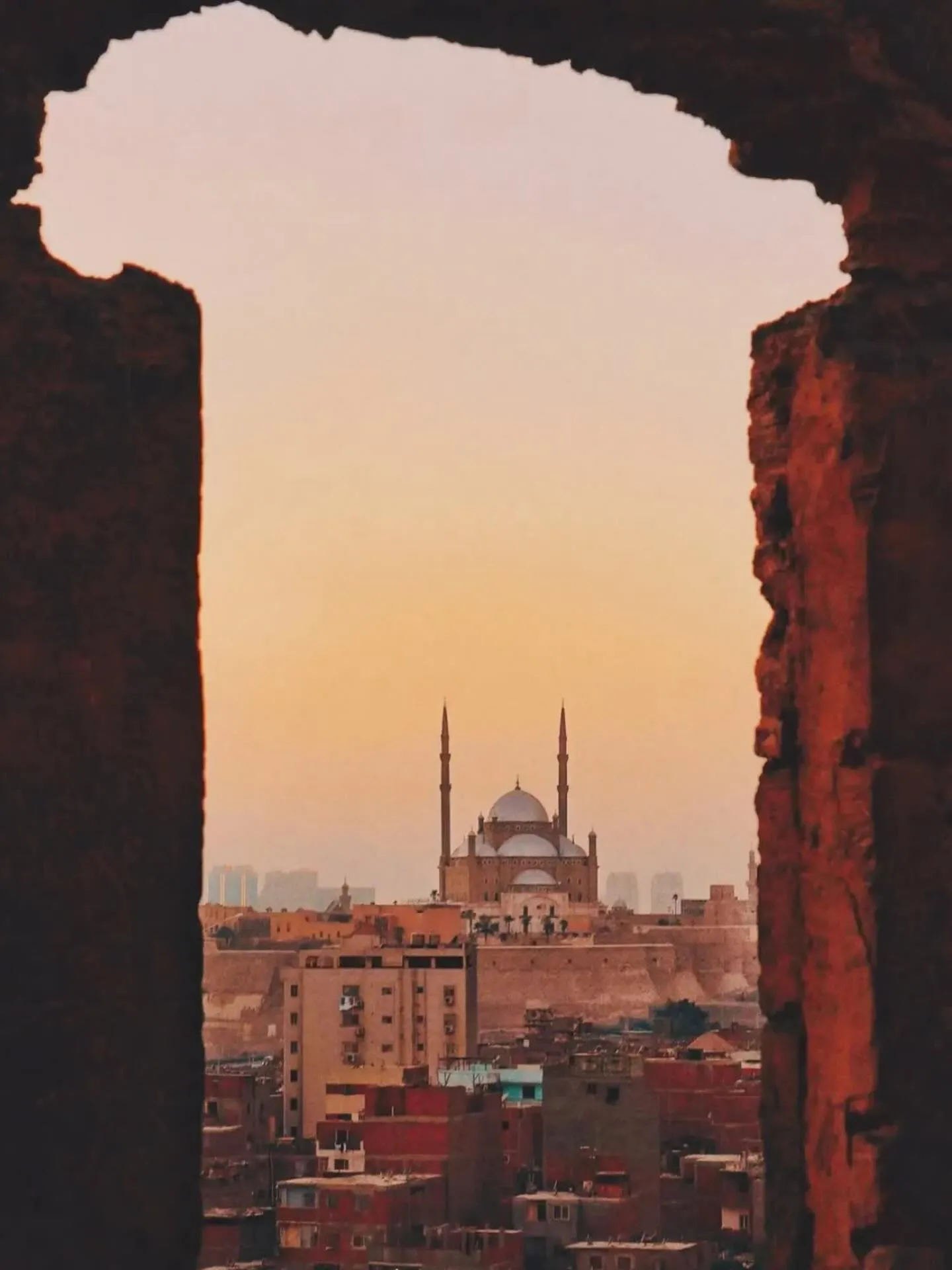
Cairo is loud, crowded, exhausting, and unforgettable. It is home to over 20 million people and moves at its own rhythm.
Must-see highlights:
- The Pyramids of Giza and the Sphinx
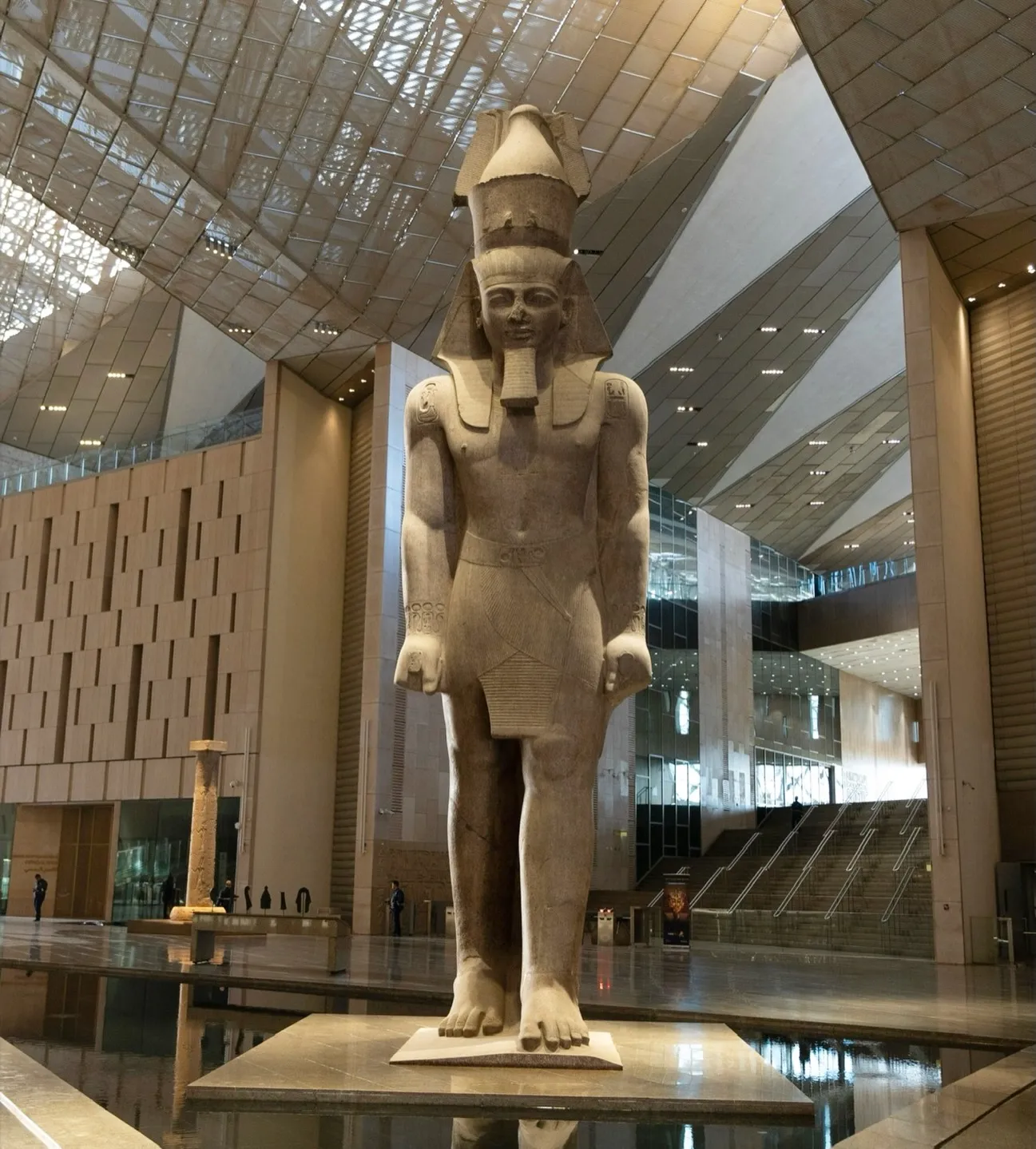
- The Grand Egyptian Museum (GEM)
- Khan el-Khalili Bazaar
- Islamic Cairo and Al-Azhar Mosque
- Coptic Cairo
Cairo rewards patience. It is not polished, but it is authentic to its core.
Luxor
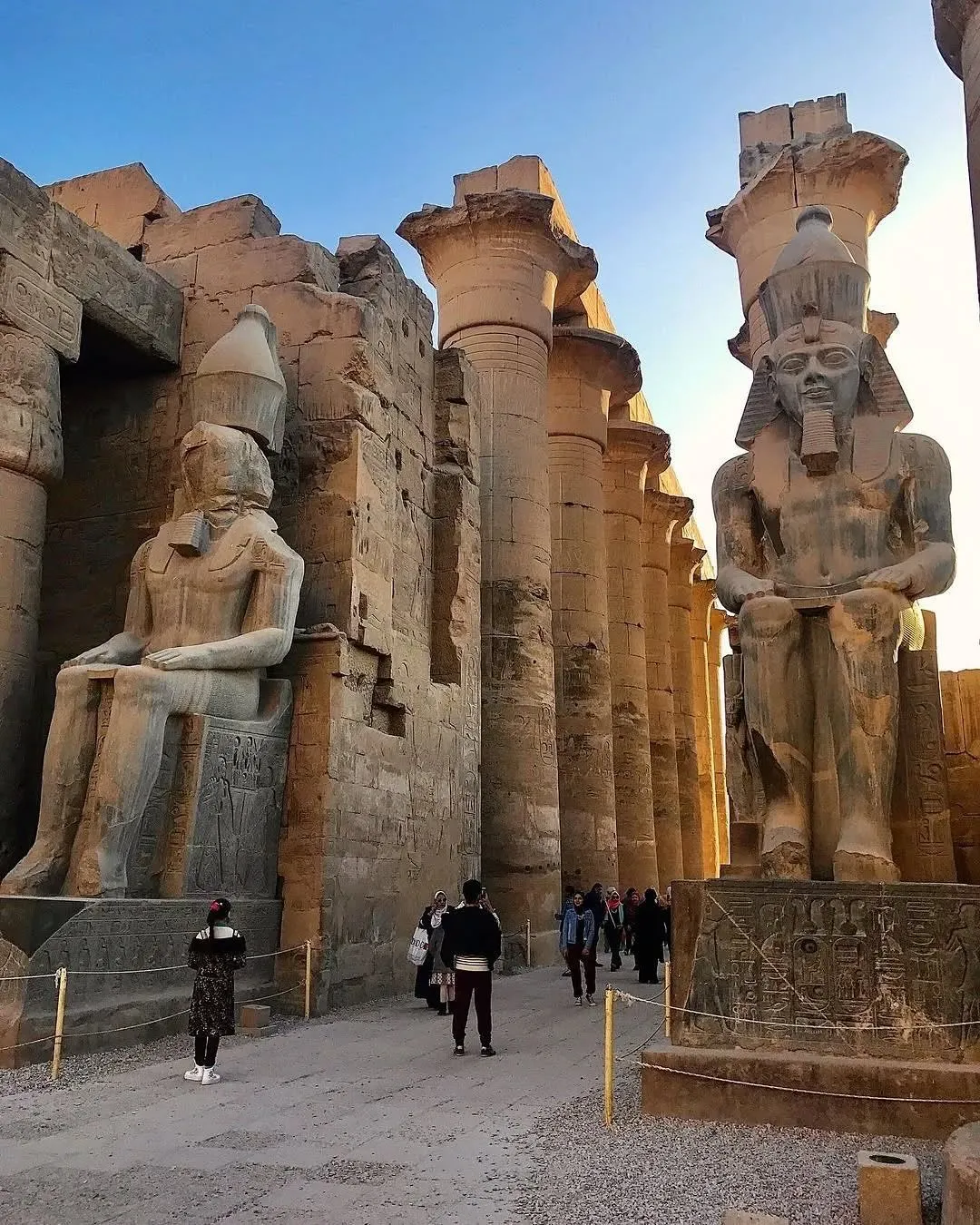
Luxor is often described as the world’s greatest open-air museum. Ancient Thebes once stood here, and its ruins are staggering.
Don’t miss:
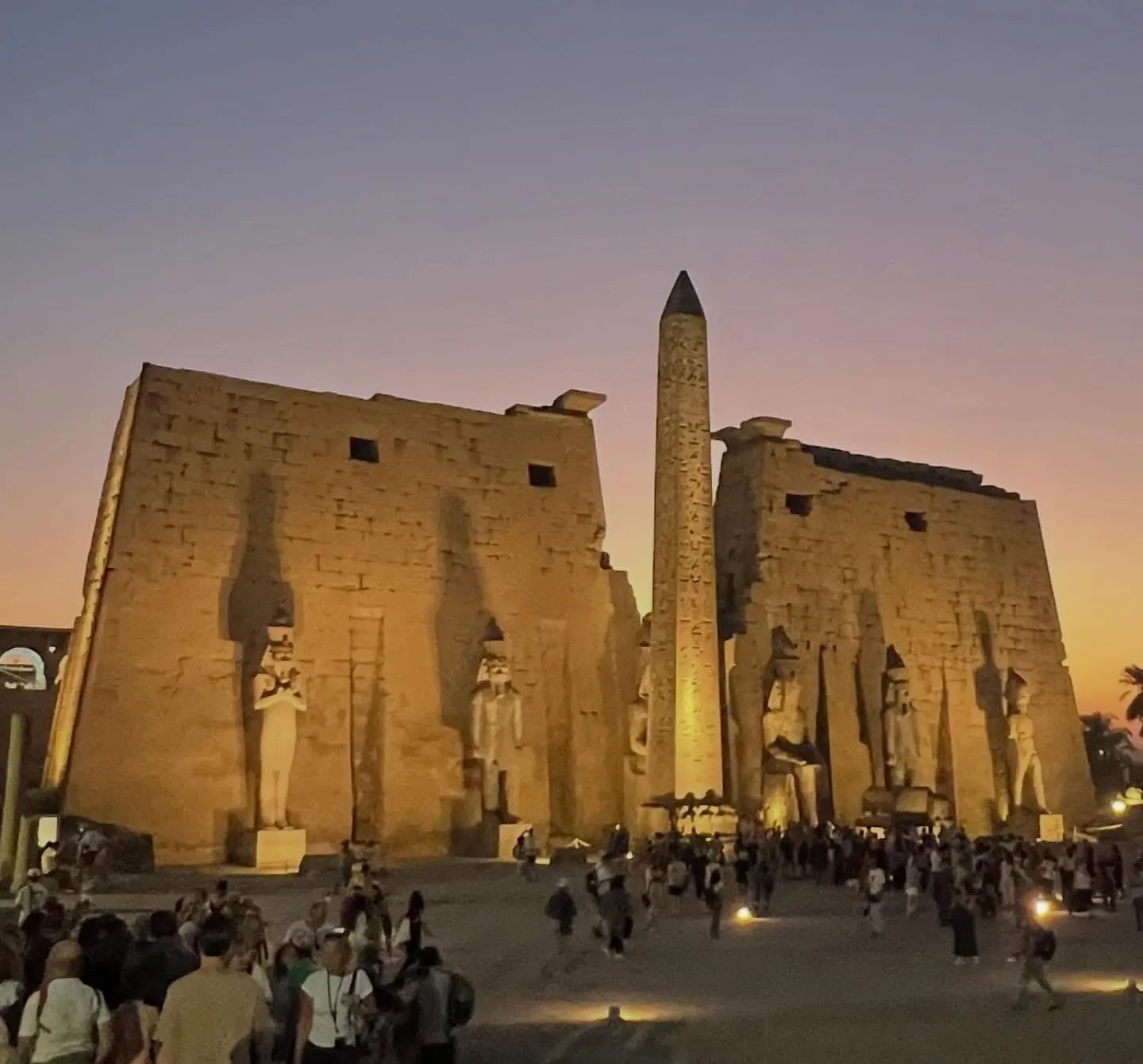 Luxor Temple
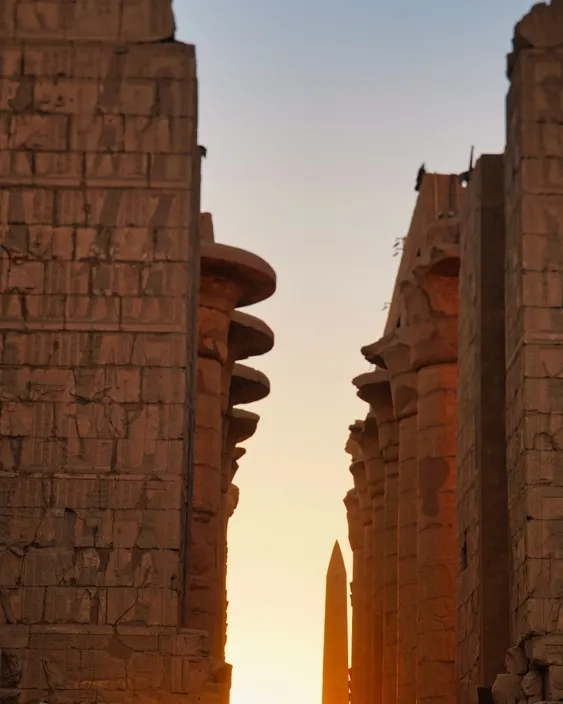 Karnak Temple
- Karnak Temple
- Luxor Temple at night
- Valley of the Kings
- Hatshepsut Temple
If Egypt’s history fascinates you, Luxor will feel overwhelming in the best possible way.
Aswan
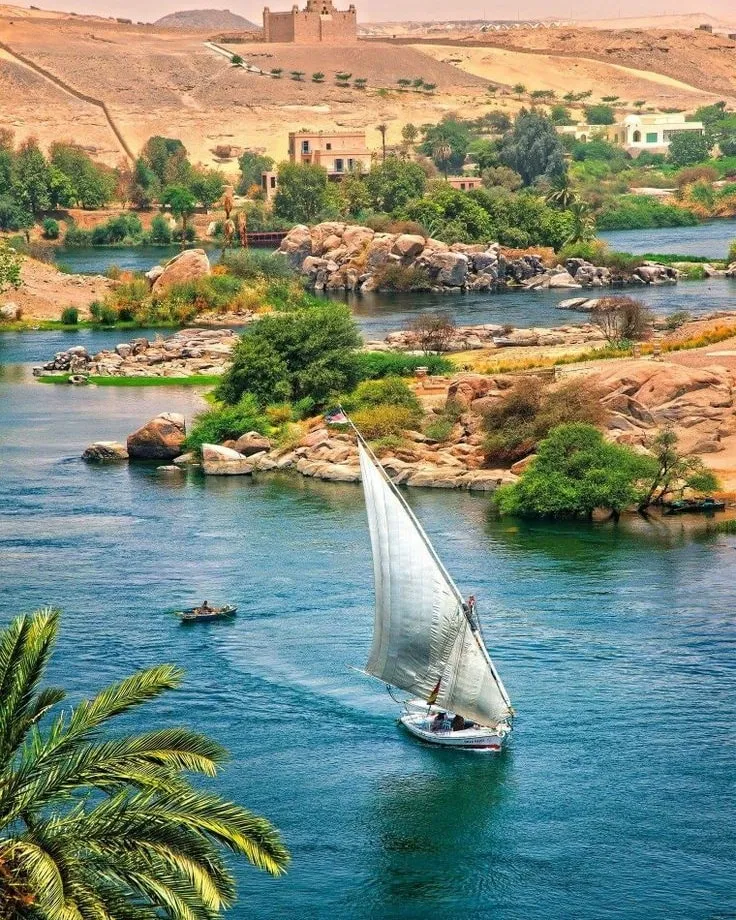
Aswan moves slower. The Nile is calmer, the people are warmer, and Nubian culture shines through.
Highlights include:
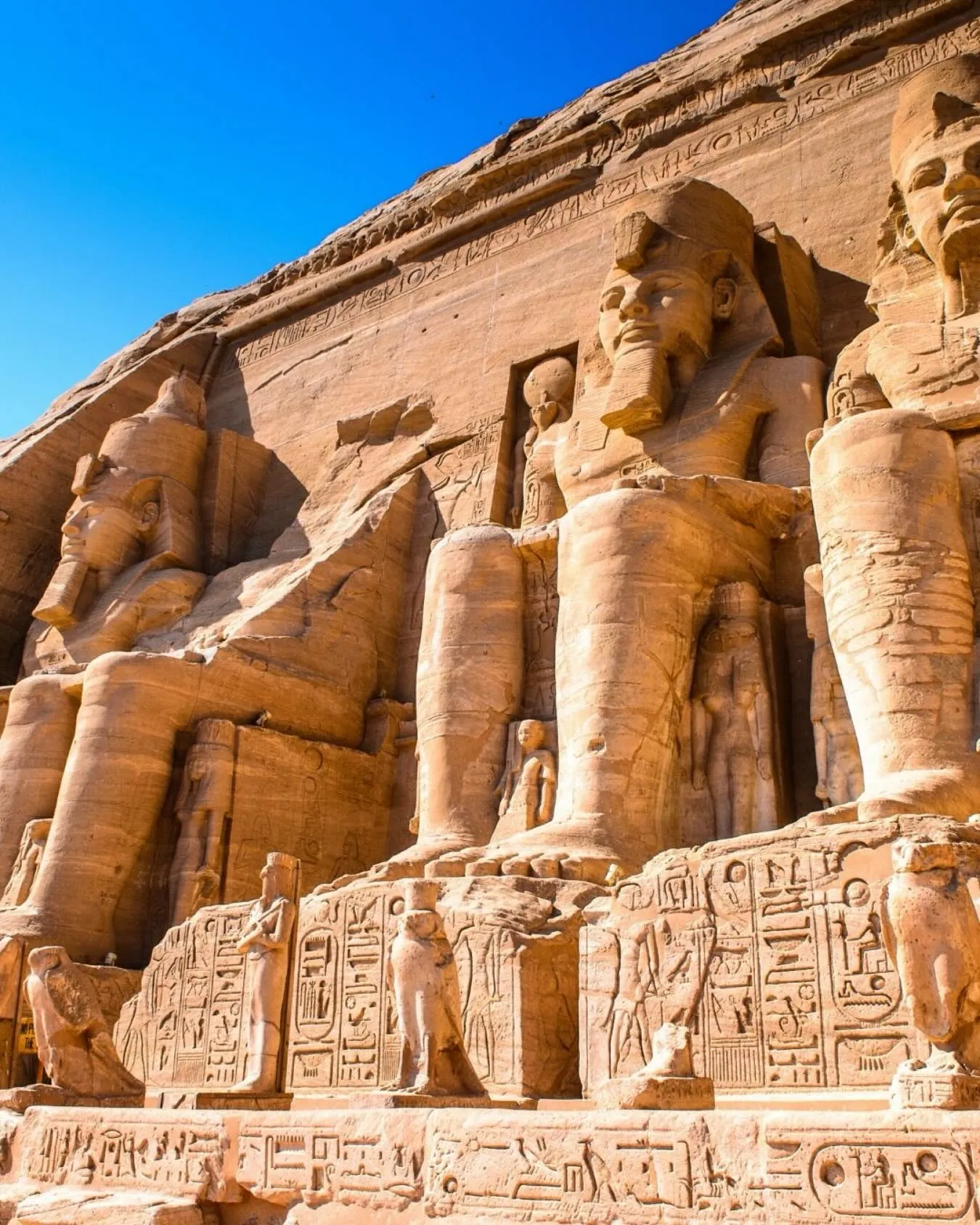 Abu Simbel day trip
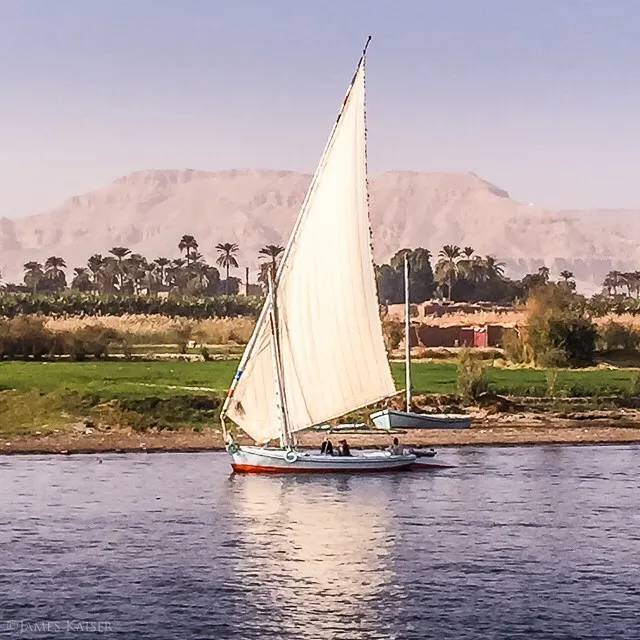 Felucca sailing on the Nile
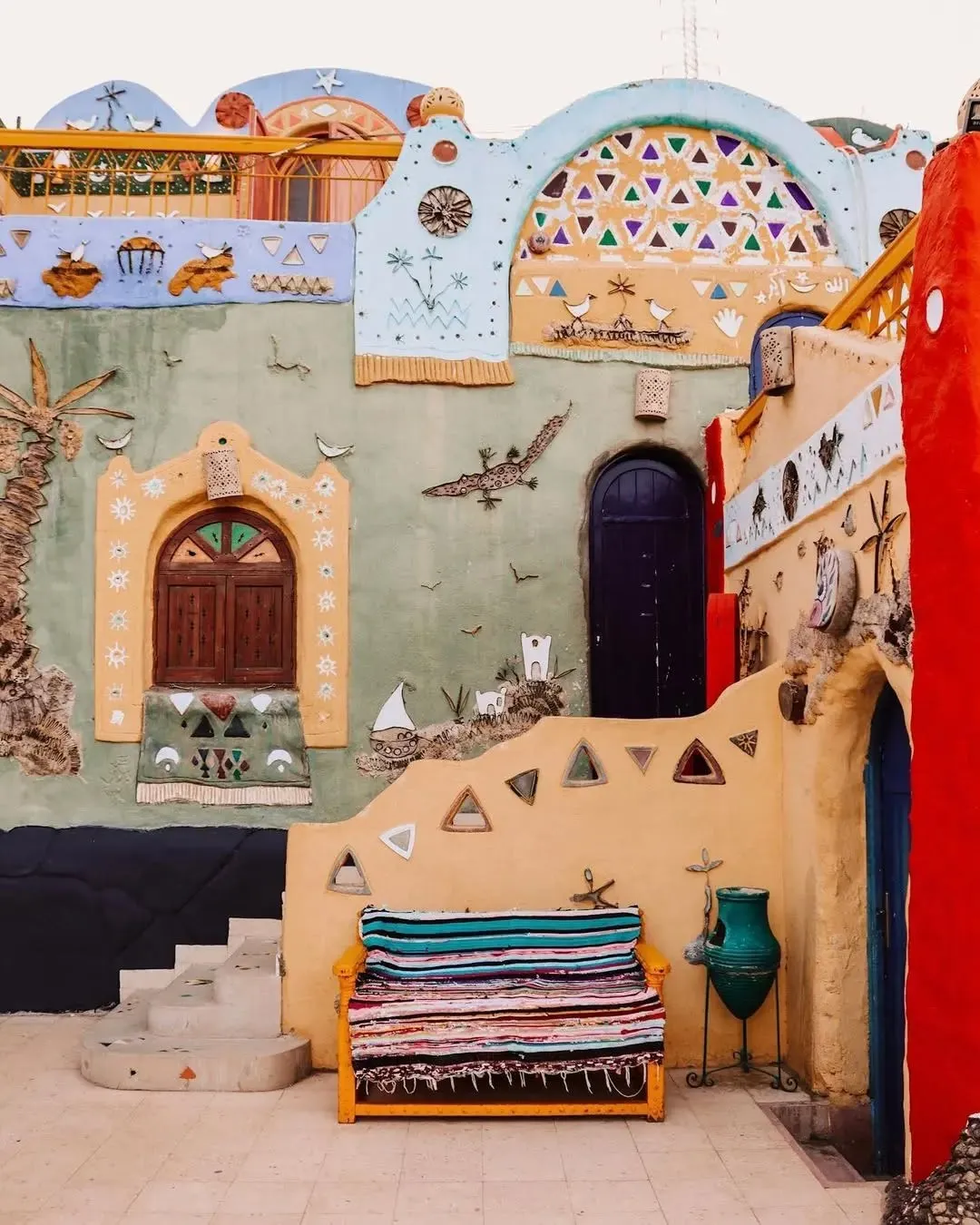 Nubian villages
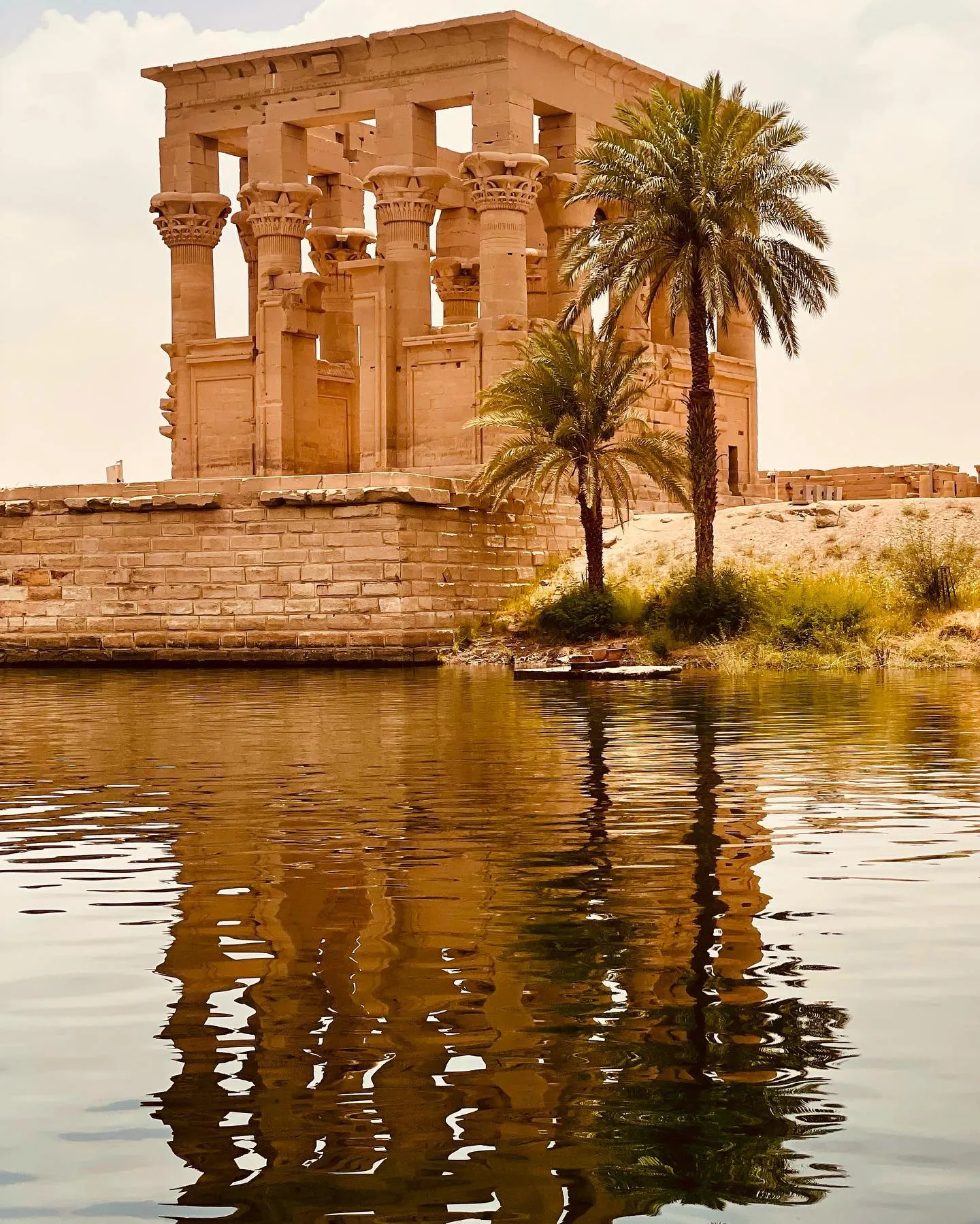 Philae Temple
- Philae Temple
- Nubian villages
- Felucca sailing on the Nile
- Abu Simbel day trip
Aswan is where many travelers finally exhale.
Alexandria
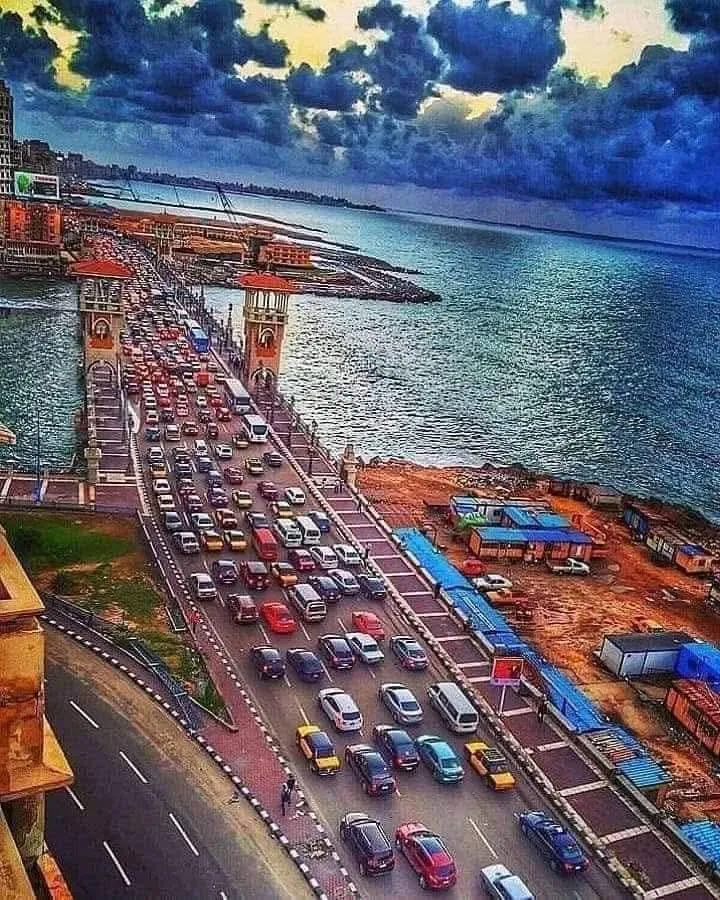
Egypt’s Mediterranean soul. Alexandria feels more European, more relaxed, and cooler than the rest of the country.
Key spots:
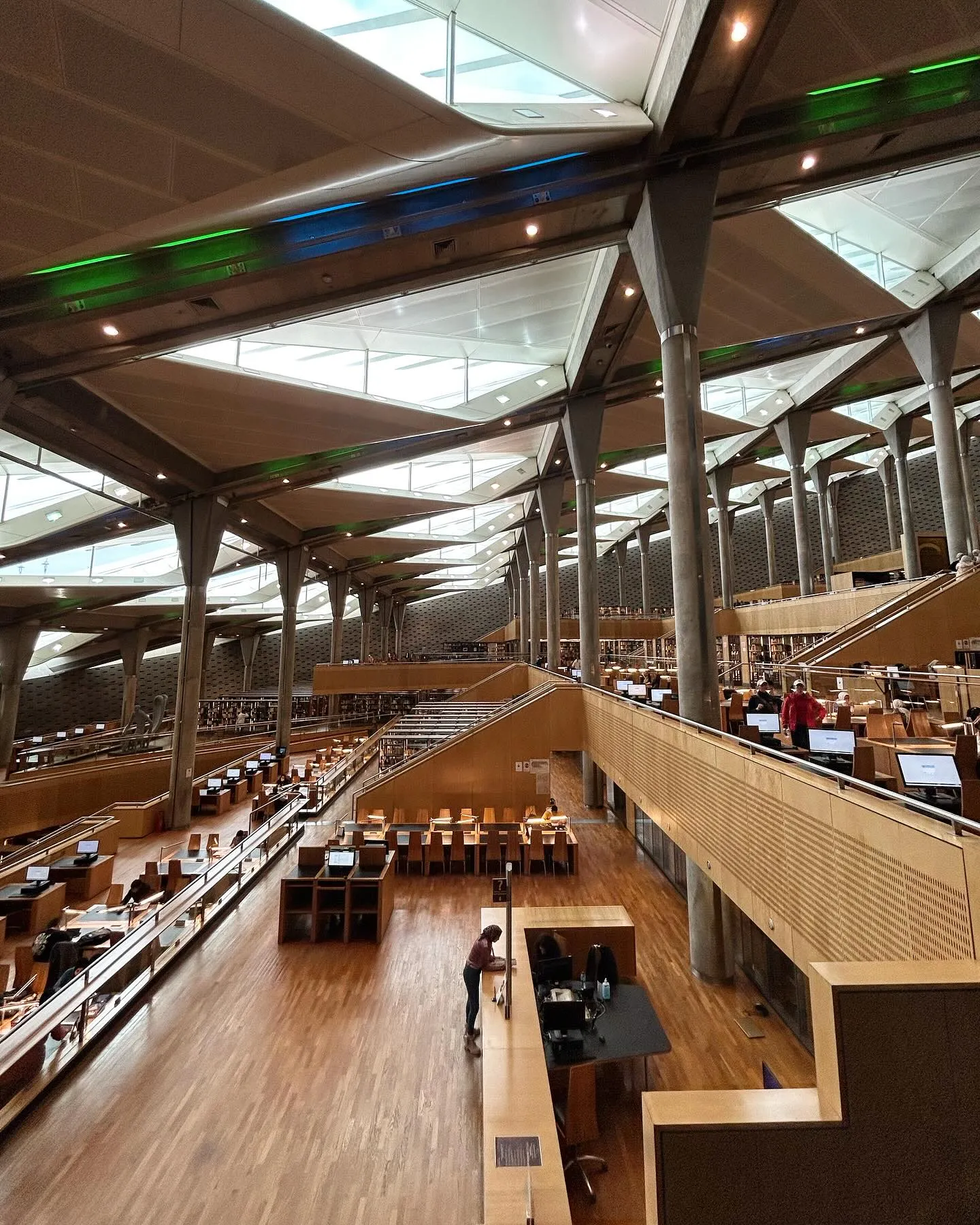
- Bibliotheca Alexandrina
- Citadel of Qaitbay
- Corniche seaside walks
It is less touristy and offers a different perspective on Egypt.
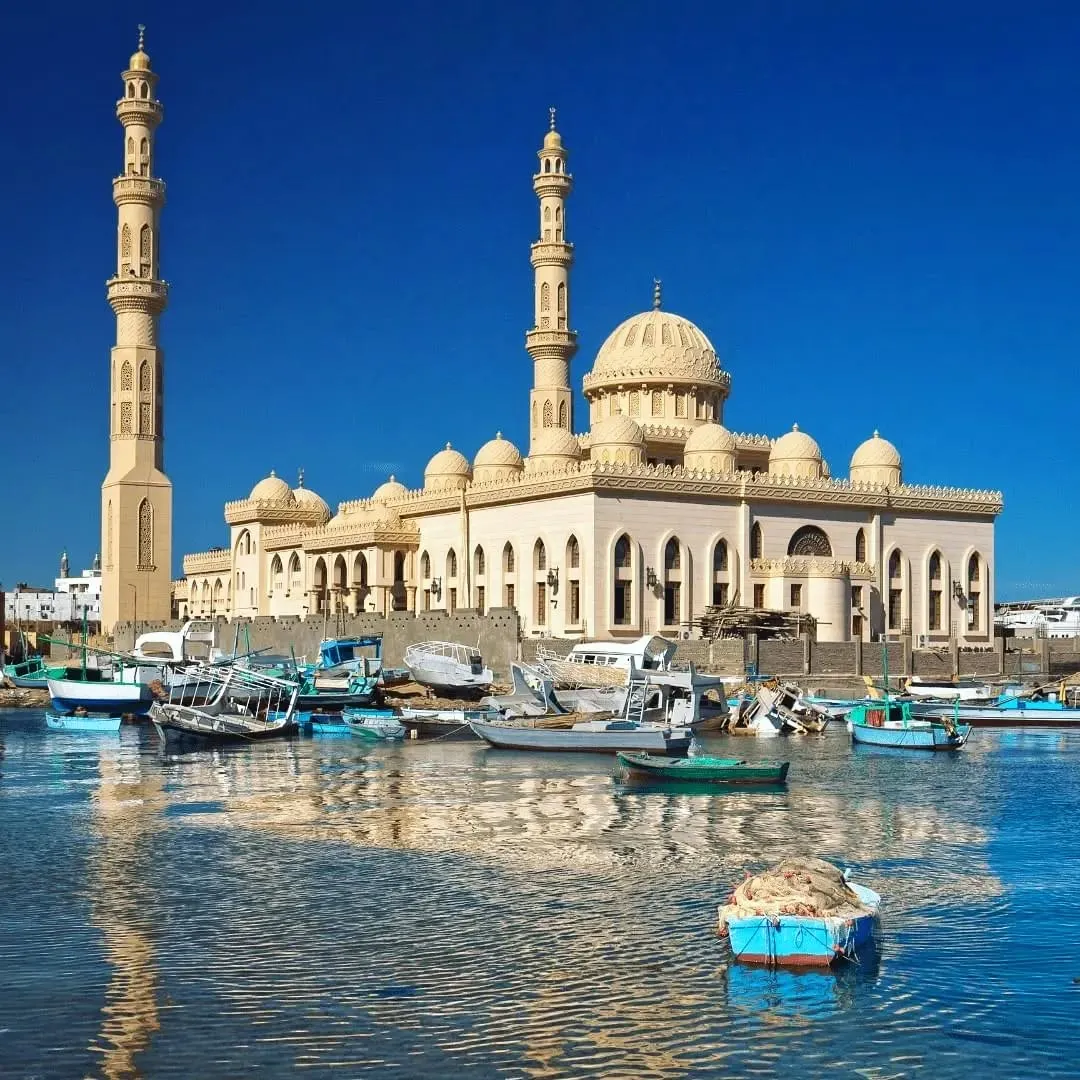
Red Sea Resorts (Hurghada, Sharm El Sheikh, Dahab)
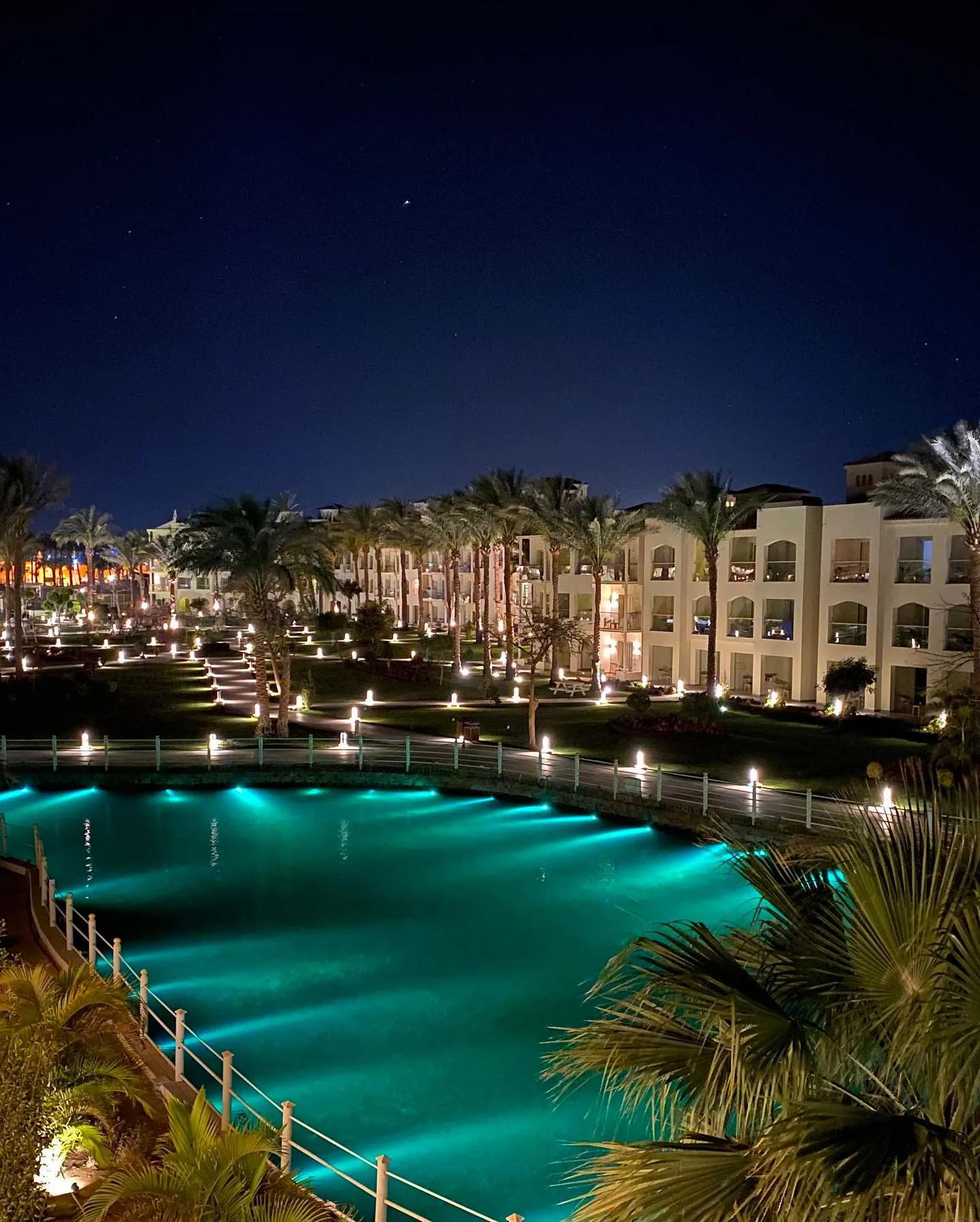
If you want beaches, diving, or a break from history, the Red Sea is perfect.
- World-class snorkeling and scuba diving
- Coral reefs and marine life
- Relaxed resort towns or backpacker-friendly Dahab
Egyptian Food: What to Eat and What to Expect
Egyptian food is humble, affordable, and designed to fuel long days.
Must-Try Egyptian Dishes
- Koshari: Rice, lentils, pasta, chickpeas, fried onions, spicy tomato sauce. Egypt’s national dish.
- Ful Medames: Slow-cooked fava beans eaten for breakfast.
- Taameya: Egyptian falafel made with fava beans, not chickpeas.
- Molokhia: Green soup made from jute leaves, often misunderstood but beloved locally.
- Hawawshi: Spiced minced meat baked inside bread.
Street Food Safety
Street food is everywhere and often delicious. Stick to busy stalls, eat food that is freshly cooked, and avoid raw vegetables if you have a sensitive stomach.
Common Scams in Egypt (And How to Avoid Them)
Egypt is friendly, but tourist scams are common, especially in major sites.
The “Friendly Guide” Scam
Someone offers help, then demands payment later.
Solution: Politely but firmly say “La shukran” (No, thank you).
Fake Officials
Someone claims you need a special ticket or access fee.
Solution: Only deal with uniformed staff and official counters.
Camel and Horse Ride Tricks
Prices suddenly change mid-ride.
Solution: Agree on the full price beforehand, including getting off.
Overpriced Souvenirs
Initial prices are wildly inflated.
Solution: Bargaining is expected. Start at 30–40% of the asking price.
Culture, Dress Code, and Local Etiquette
Egypt is conservative but not extreme.
What to Wear
- Women should cover shoulders and knees in cities and religious sites
- Men should avoid sleeveless shirts in mosques
- Beachwear is fine at resorts
Tipping Culture (Baksheesh)
Tipping is everywhere and expected for small services. Carry small bills.
Is Egypt Safe for Tourists?
Short answer: Yes, for most travelers.
Tourist areas are heavily protected. Millions visit Egypt every year without issues. Petty harassment can happen, but violent crime against tourists is rare.
Basic safety tips:
- Avoid political demonstrations
- Use registered taxis or ride apps
- Keep valuables secure
- Trust your instincts
Costs and Budget Expectations
Egypt is very budget-friendly.
- Meals: $2–6 USD
- Transportation: Cheap and abundant
- Hotels: Wide range from hostels to luxury
- Entry fees: Can add up at historical sites
Luxury travel in Egypt is also affordable compared to Europe or North America.
Transportation in Egypt
- Uber and Careem: Best for cities
- Trains: Comfortable for Cairo–Luxor–Aswan routes
- Domestic flights: Save time for long distances
- Nile cruises: A popular and relaxing option
What Makes Egypt Special
Egypt is not just pyramids and temples. It is:
- Tea shared with strangers
- Shopkeepers arguing loudly then smiling
- The Nile flowing quietly through centuries
- A country both exhausted and enchanting
Egypt challenges expectations. It frustrates, amazes, and humbles you, sometimes all in one afternoon.
Final Thoughts: Should You Visit Egypt?
If you want perfect infrastructure, Egypt may test your patience.
If you want history, culture, warmth, and unforgettable experiences, Egypt delivers in abundance.
Egypt is not a postcard. It is a story, layered and loud, ancient and alive.
And once it gets under your skin, it rarely leaves.