Estonia Travel Guide 2026: Complete Guide to Culture, Cities, Nature & Insider Tips
Estonia is one of Europe’s most intriguing hidden gems. This Baltic nation blends medieval charm, cutting‑edge digital culture, pristine nature, and rich heritage into a travel experience unlike anywhere else on the continent. Whether you’re exploring ancient cobblestone streets or wandering quiet forests, Estonia invites you to slow down, soak in small‑town warmth, and enjoy a pace of travel that feels both refreshing and deeply human.
This extensive travel guide will help you plan your trip with confidence, with sections on what to see, where to go, local culture and food, logistics, safety, seasonal highlights, and authentic local experiences that make Estonia unforgettable.
Recommended Travel Items for Your Trip
Why Estonia Should Be on Your Travel List
Estonia combines medieval history with modern life in a way few countries can. Its capital, Tallinn, has a UNESCO World Heritage‑listed Old Town full of Gothic spires and vibrant cafés, while other parts of the country offer quiet forests, wild islands, and a rich tapestry of cultural traditions.
Estonia also ranks among Europe’s most digitally advanced countries — with a thriving startup culture and one of the most efficient e‑government systems in the world — making it ideal for digital nomads and curious travellers alike.
Quick Estonia Travel Facts
- 🇪🇪 Capital: Tallinn
- 🗺️ Population: Approx. 1.37 million
- 🌍 Language: Estonian (a Finno‑Ugric language)
- 💶 Currency: Euro (€)
- 🧭 Time Zone: Eastern European Time (EET)
- ✈️ Eurozone member and Schengen Area travel applies
Where to Start: Tallinn Old Town
No trip to Estonia is complete without wandering Tallinn’s Old Town. One of the best‑preserved medieval city centres in Europe, it’s a tapestry of winding cobblestone streets, colourful merchant houses, soaring towers, defensive walls, and vibrant squares.
What to See and Do
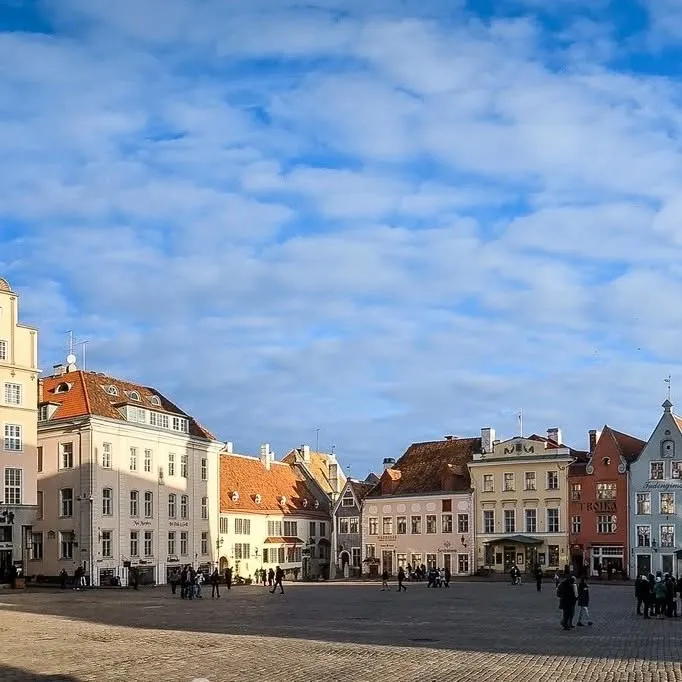
Town Hall Square (Raekoja plats)
This historic square has been the heart of the city for centuries, dominated by Tallinn’s Gothic town hall — Northern Europe’s oldest — and surrounded by restaurants, cafés, and artisans.
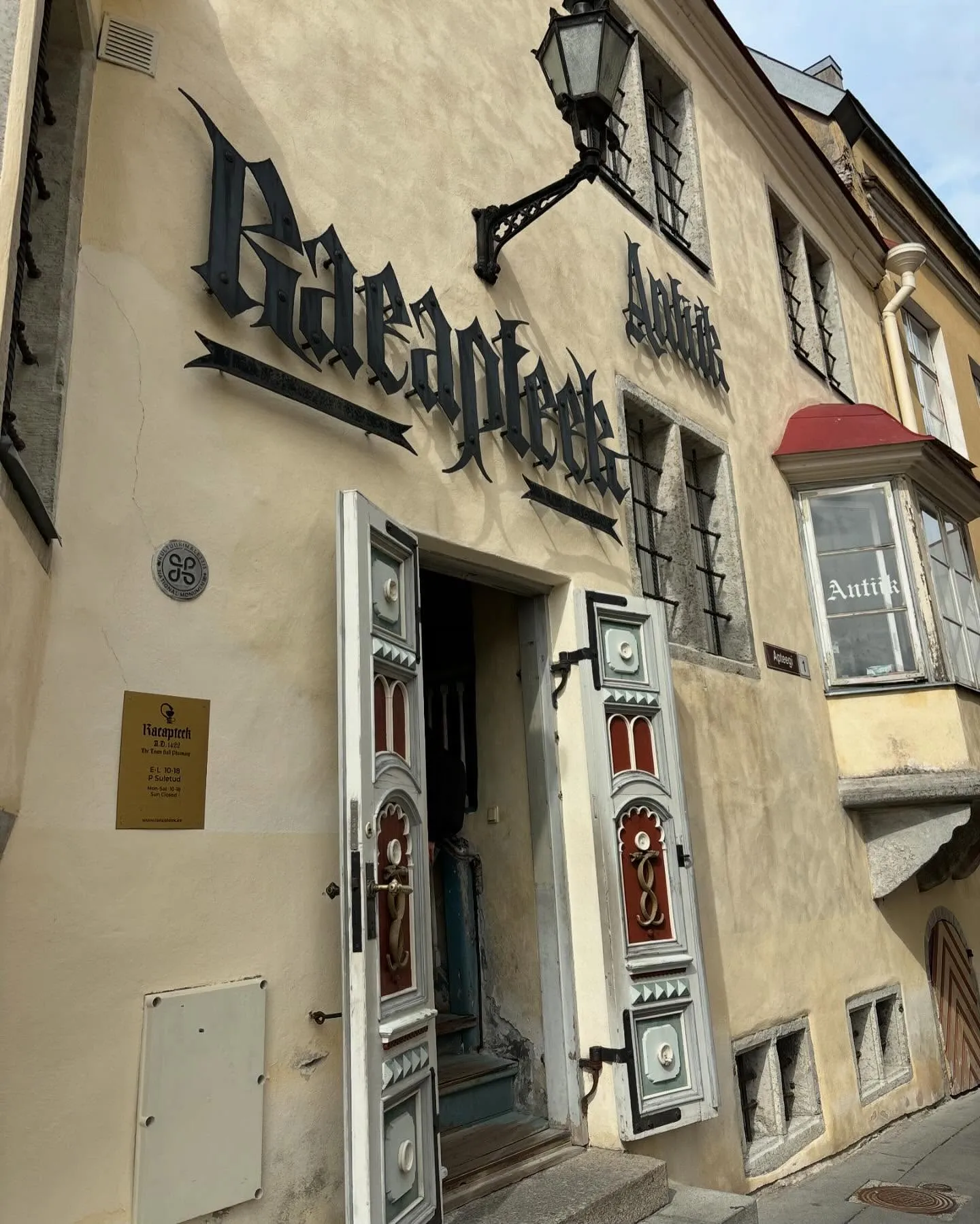
Town Hall Pharmacy
Situated beside the square, this pharmacy has operated continuously for over 600 years, making it one of Europe’s oldest.
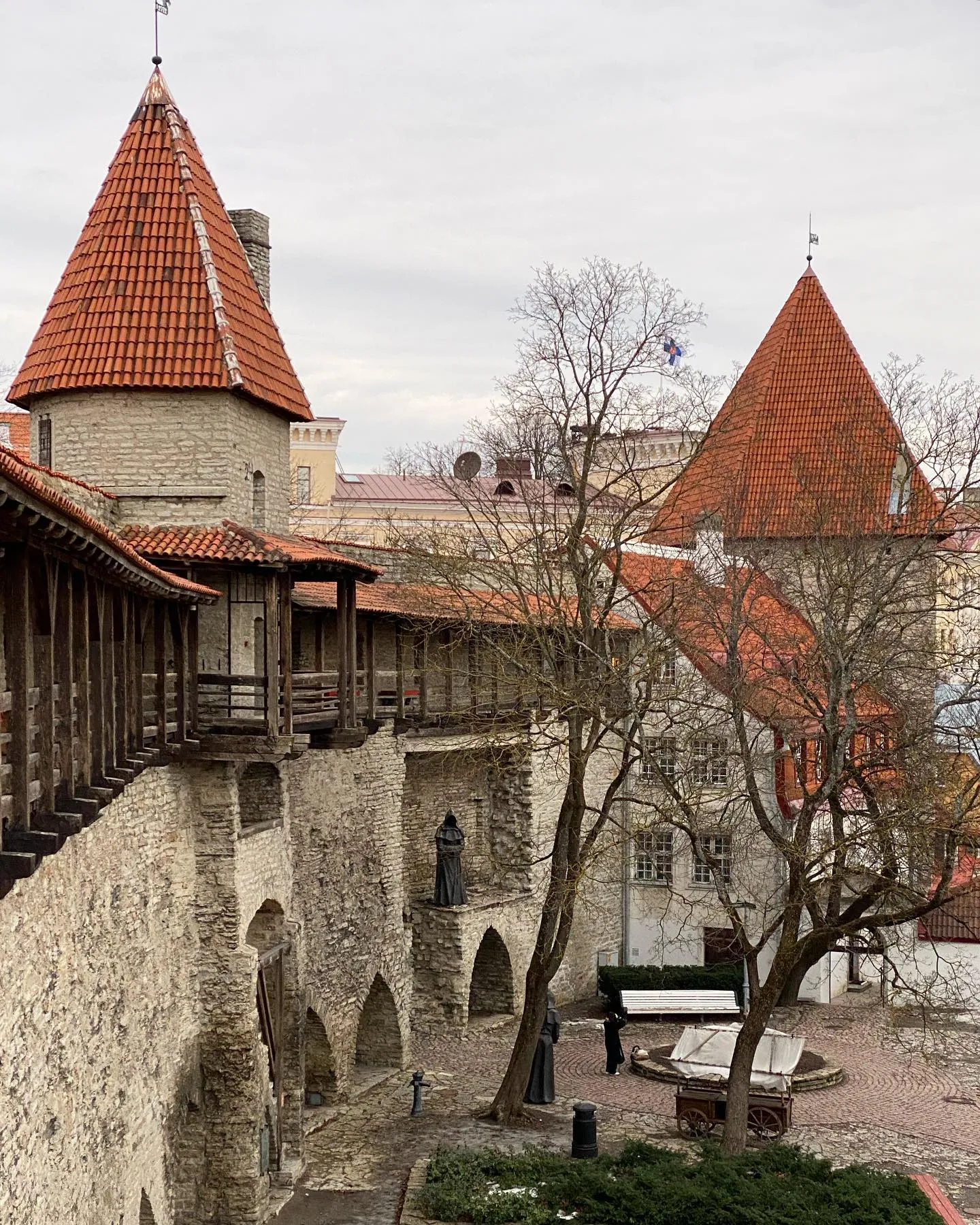
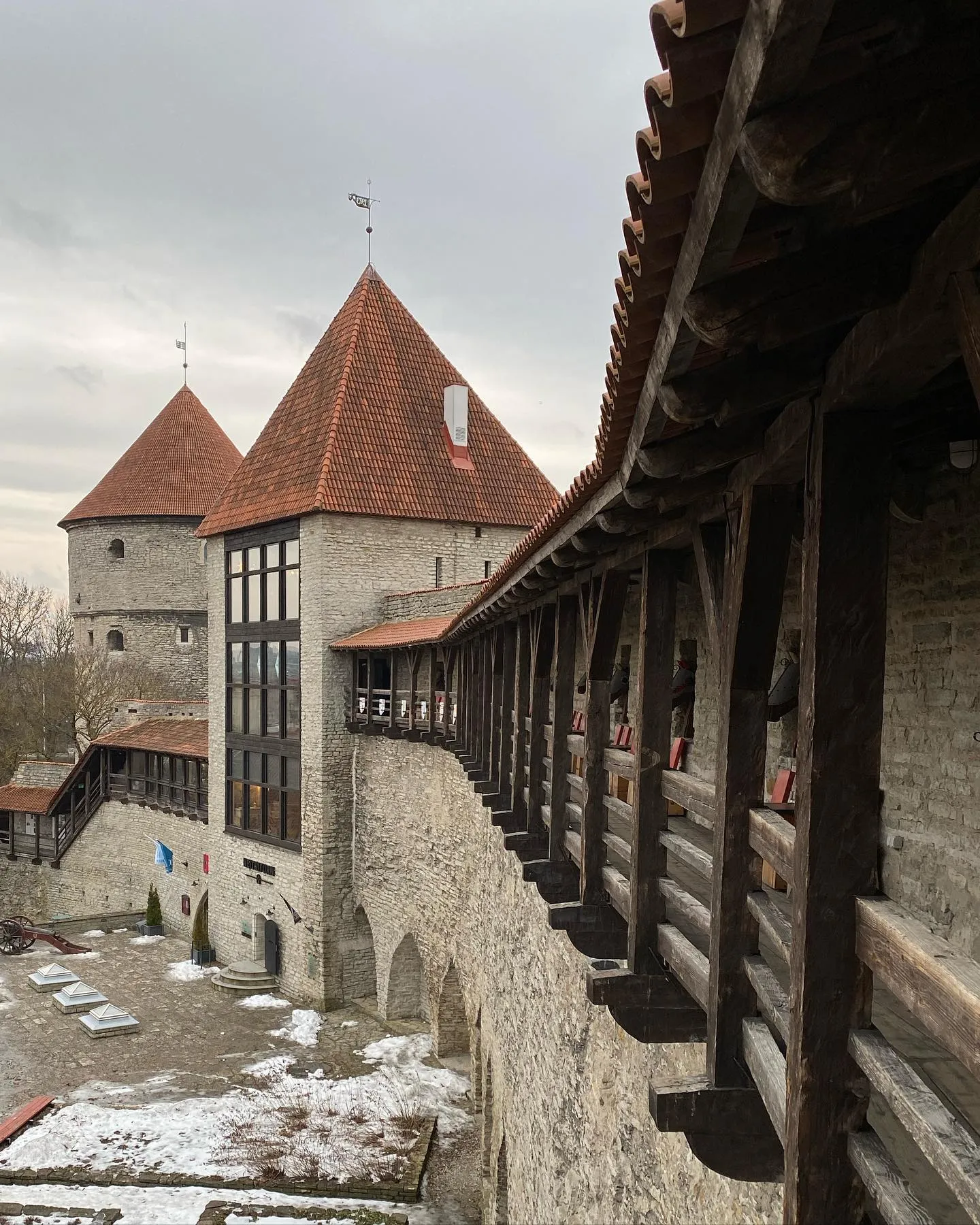
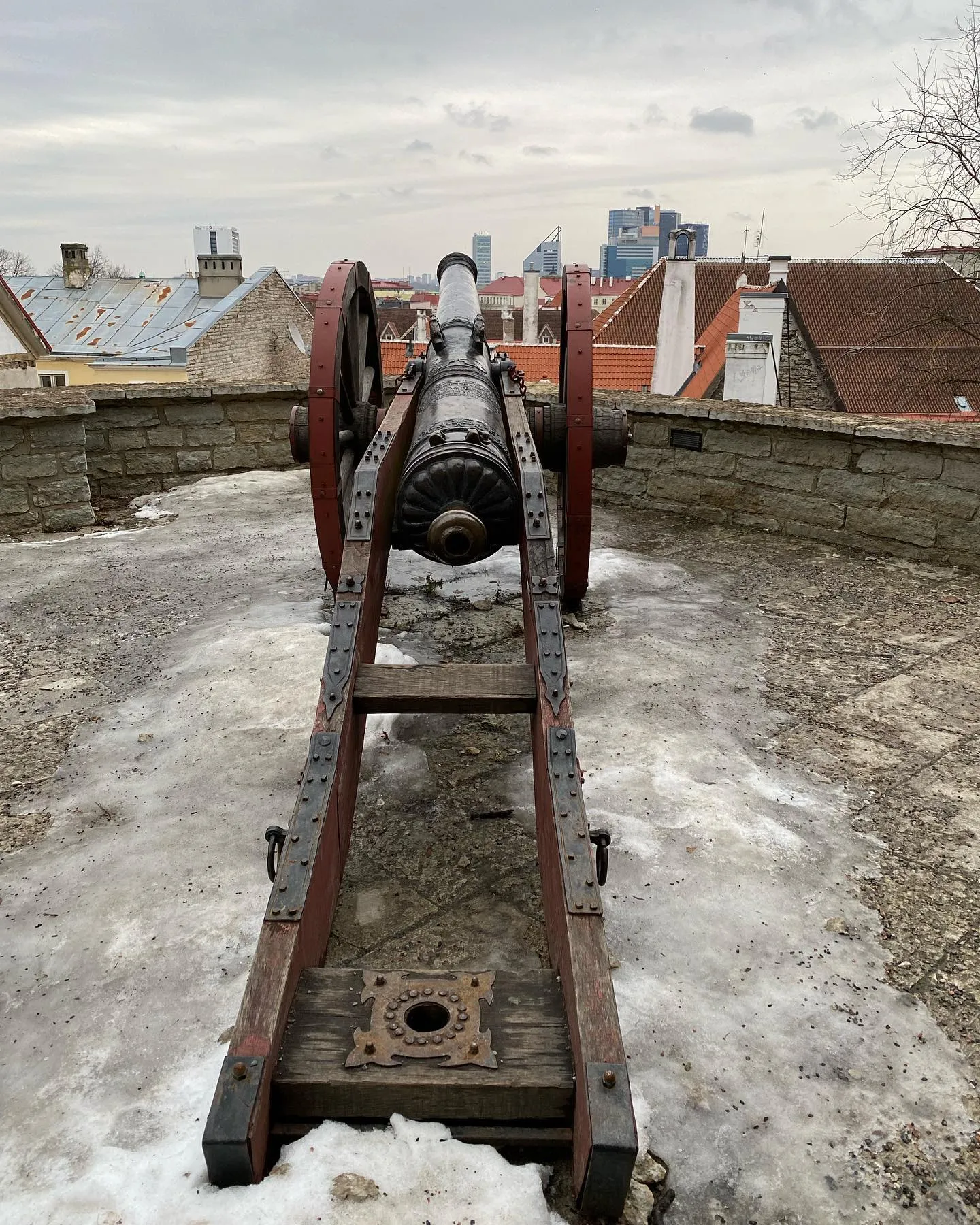
Kiek in de Kök Fortification Museum
Explore Tallinn’s medieval city walls and towers, where you’ll find defensive structures, bastion passages, and remarkably detailed exhibits on urban defence.
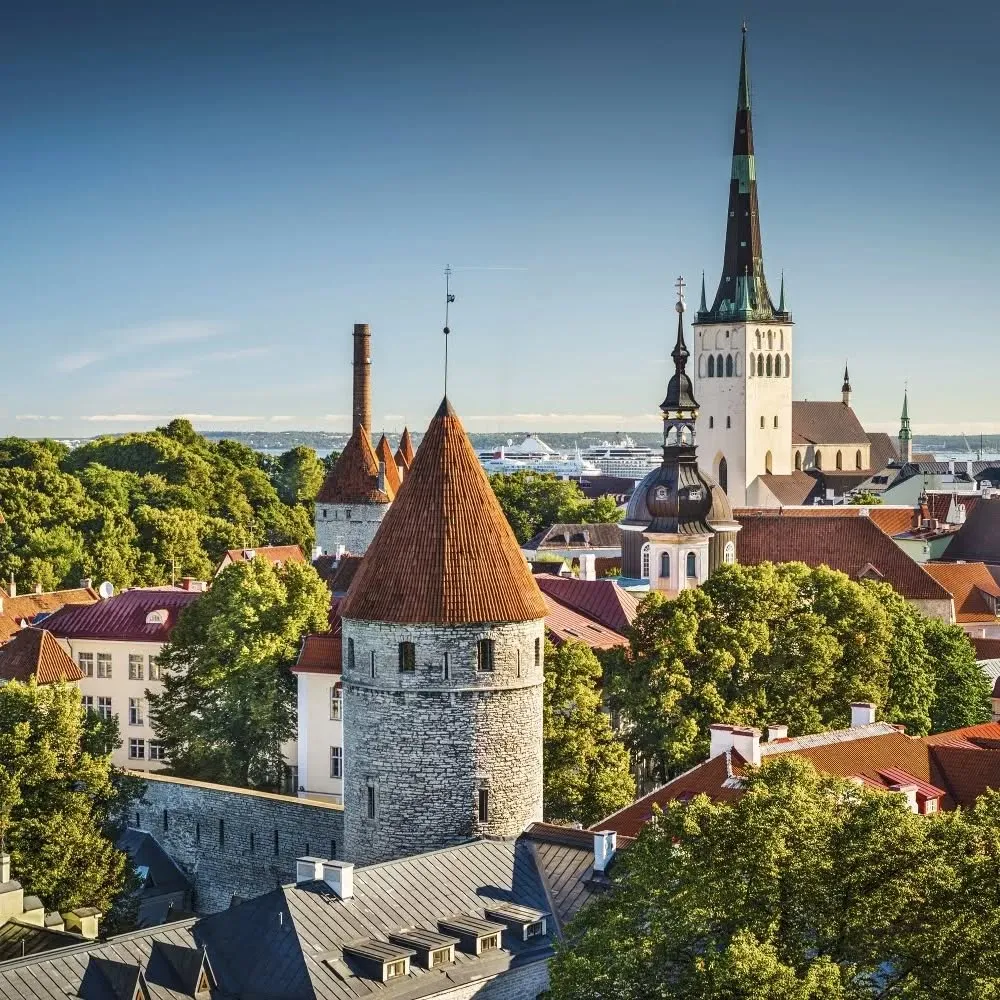
St Olaf’s Church
Once one of the tallest buildings in the world, its tower offers panoramic views over Tallinn’s rooftops and the Baltic Sea — a must‑see for photographers and history lovers.
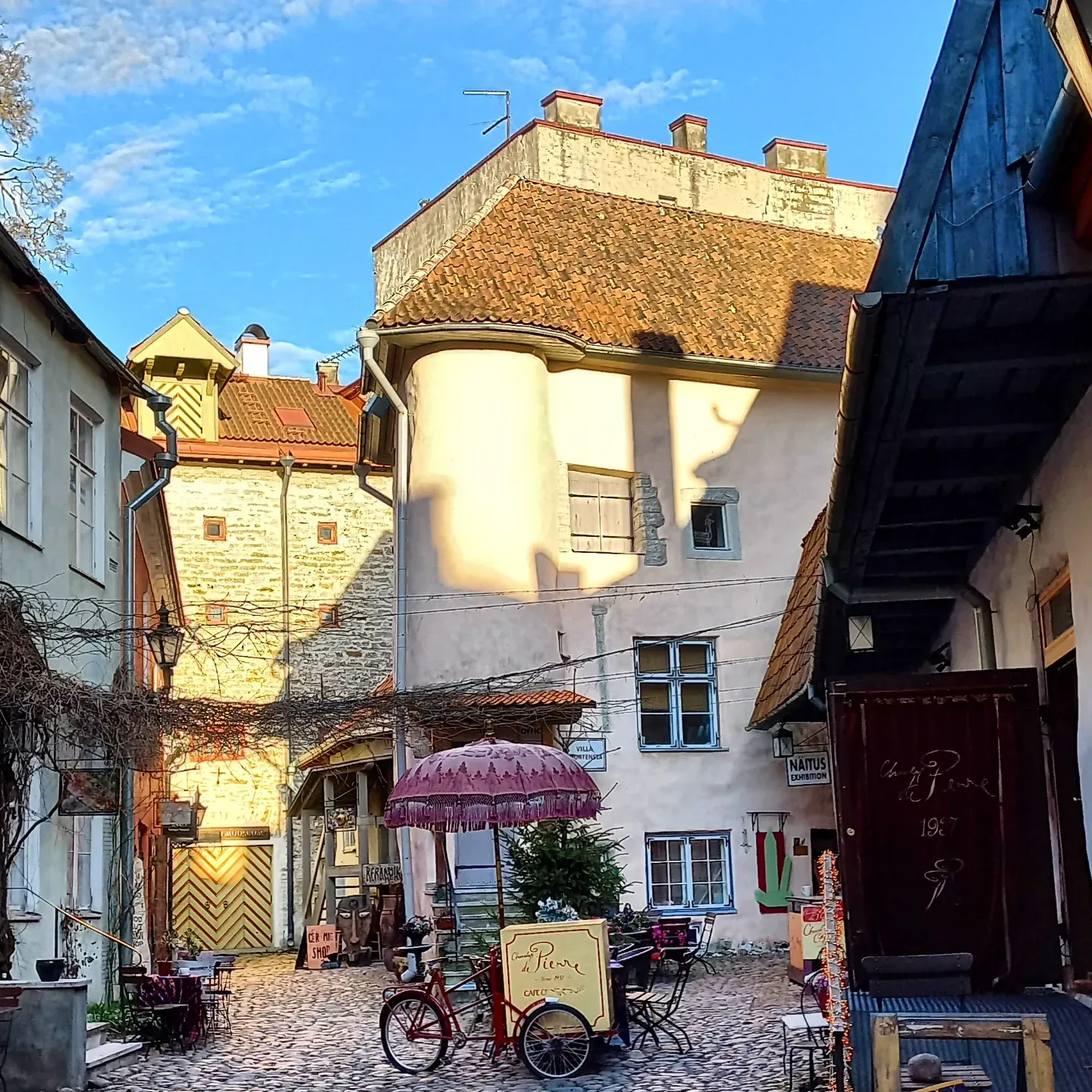
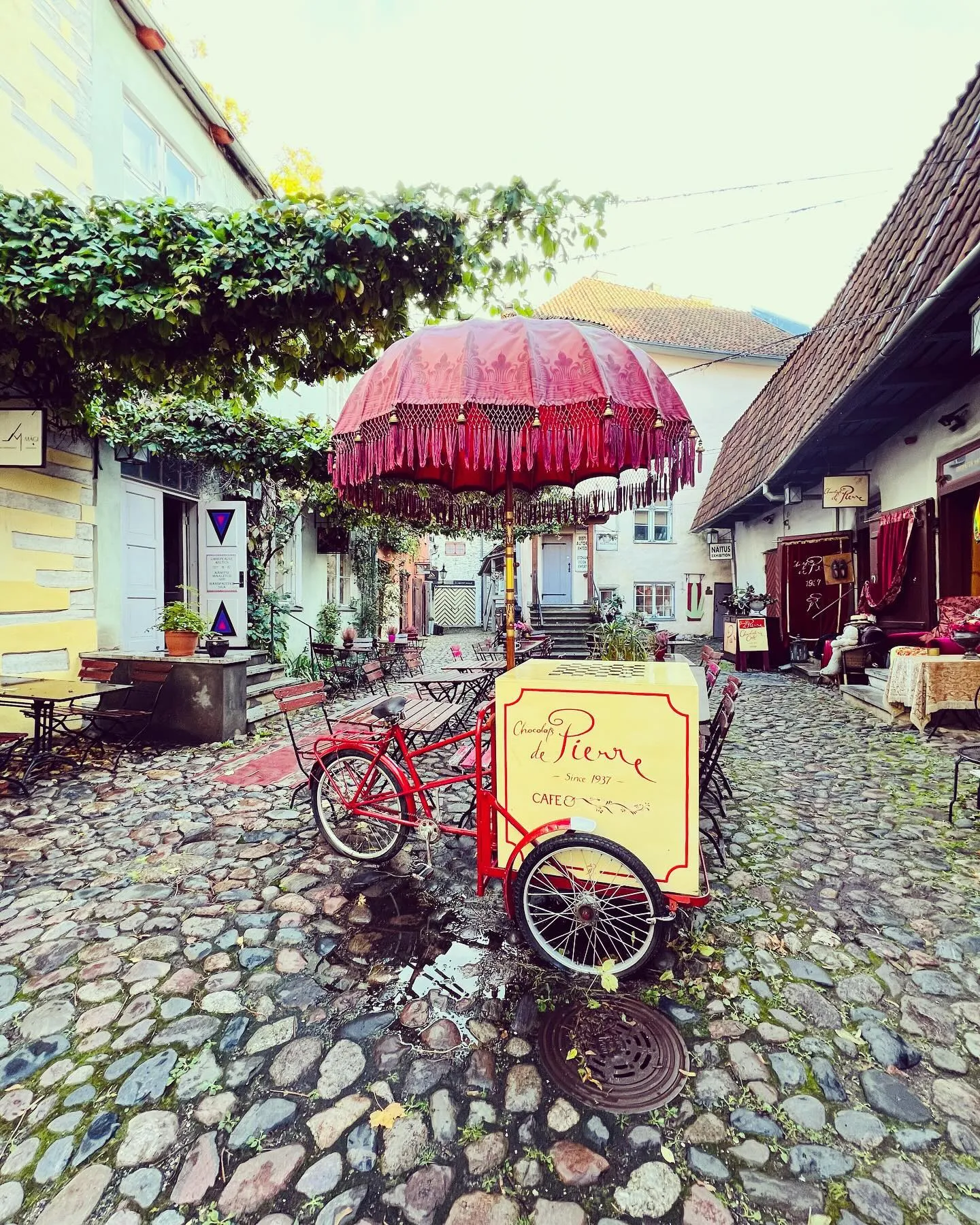
Masters’ Courtyard (Meistrite Hoov)
A charming medieval courtyard filled with artisan workshops, galleries, and chocolate shops — perfect for discovering handcrafted local goods.
A Crash Course in Estonian Culture
Estonia’s culture is a unique blend of Baltic traditions, Nordic influences, and modern innovation. Estonians are known for being thoughtful and slightly reserved, but deeply warm once you connect with them. 🇪🇪
Local Traditions and Festivals
The Song and Dance Celebration, a massive choral tradition dating back over a century, celebrates Estonia’s identity and unity through music and movement. Participants and audiences alike describe it as a deeply emotional, almost spiritual experience.
Sauna Culture
Sauna is a cornerstone of life in Estonia. Locals often see it as not just relaxation but a communal ritual — something that cleanses both body and mind. It’s common in countryside retreats and urban spa centres alike.
Eating Like a Local: Estonian Food Essentials
Estonian cuisine reflects the land and seasons — hearty, simple, and rooted in farm‑to‑table traditions.
Must‑try dishes:
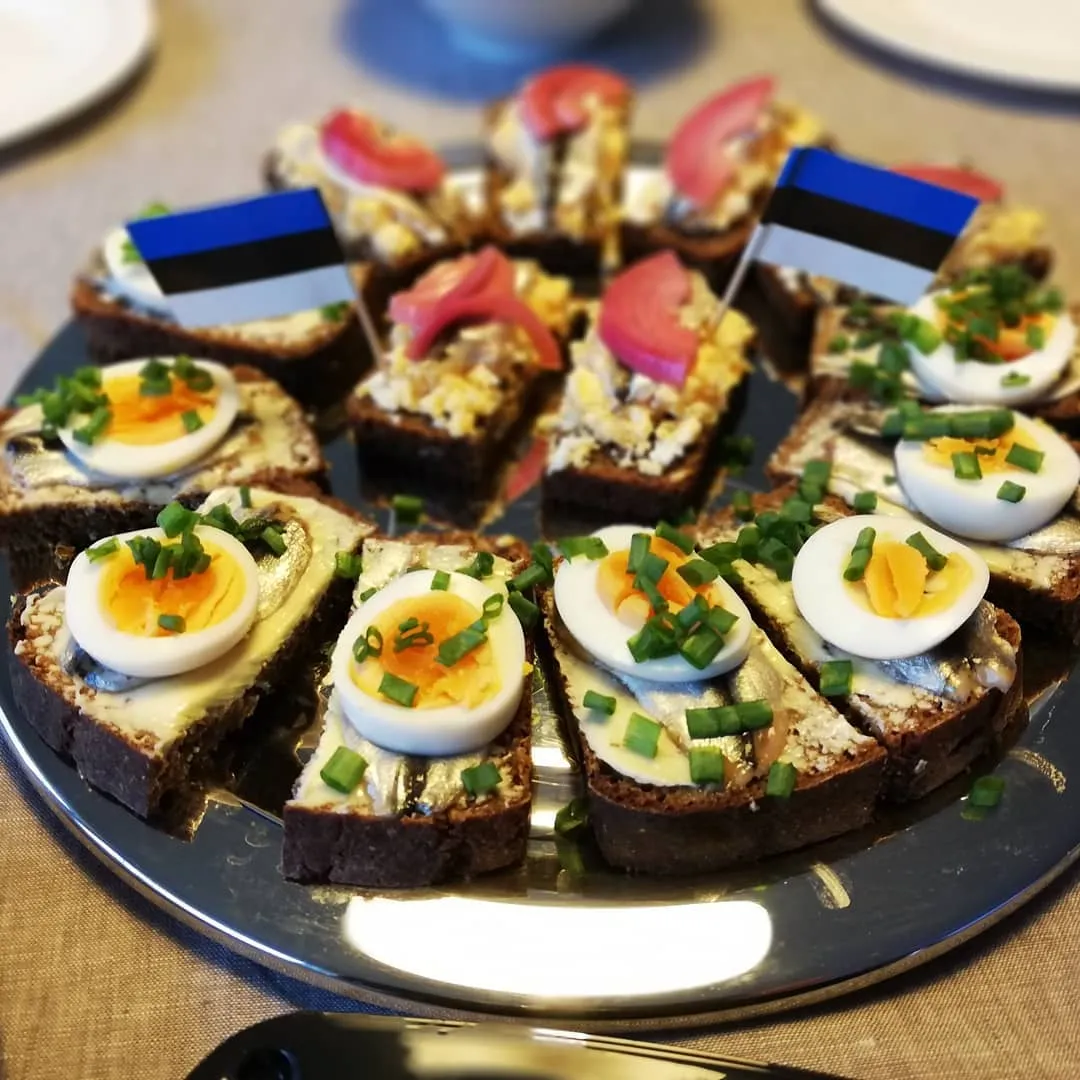 Kiluvõileib
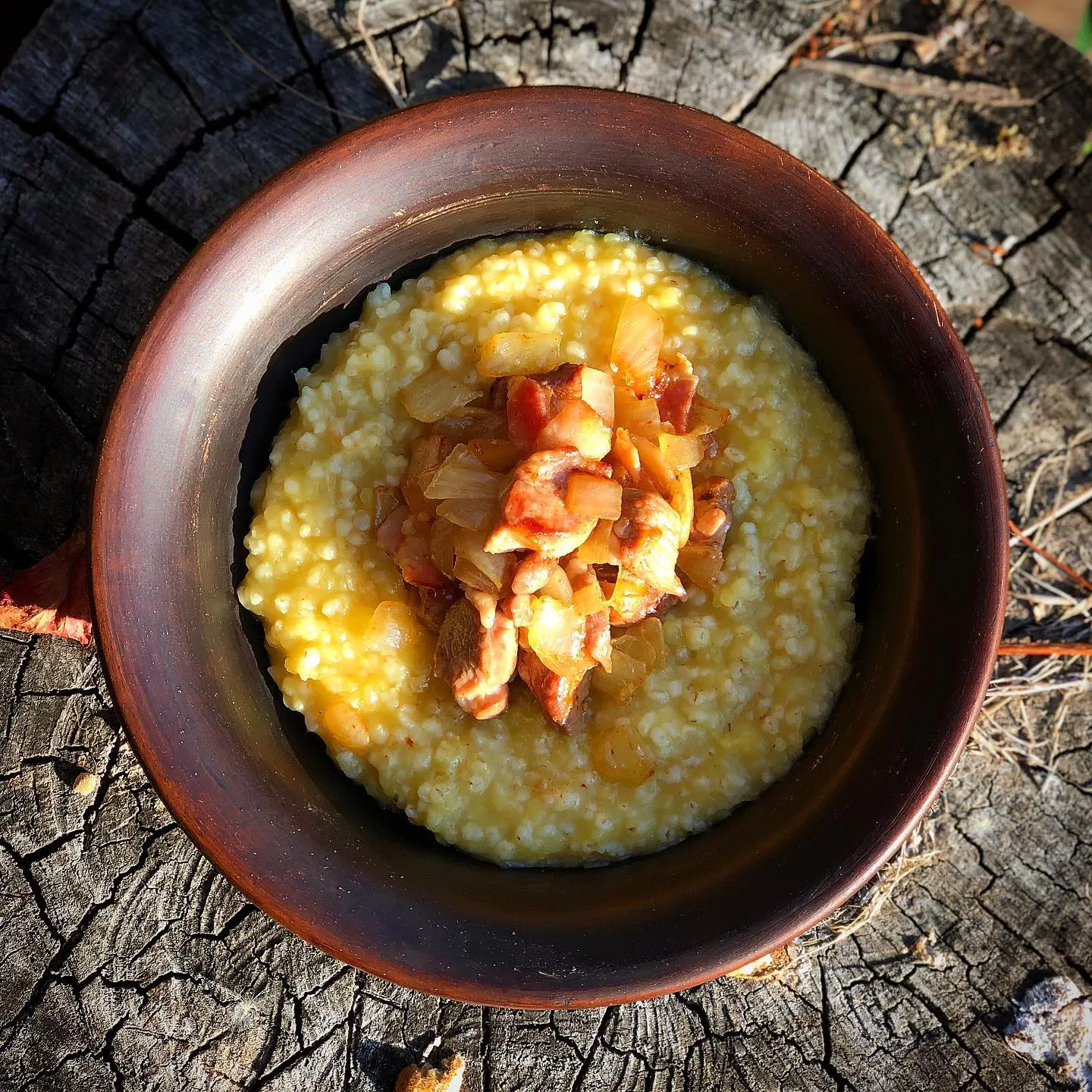 Mulgipuder
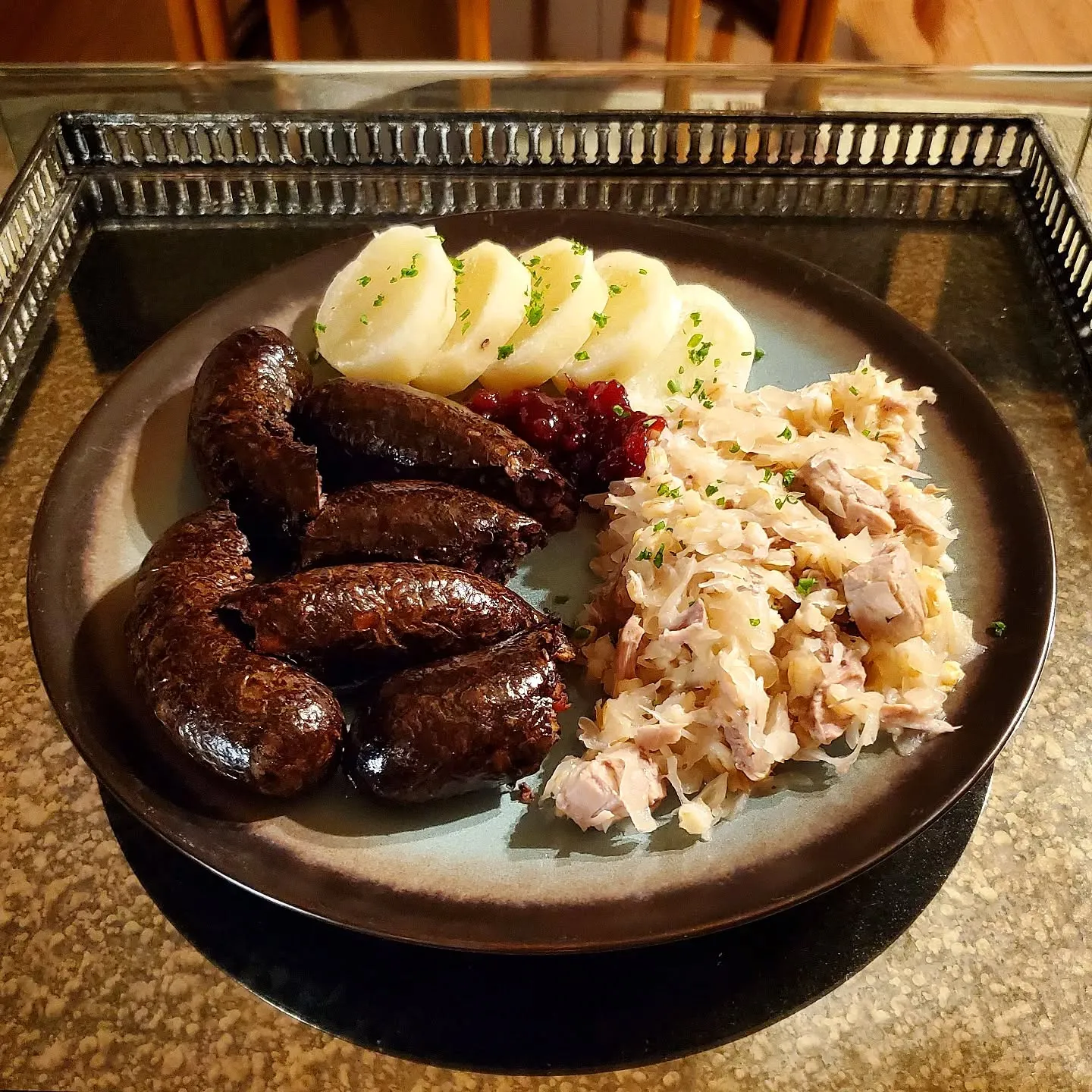 Verivorst
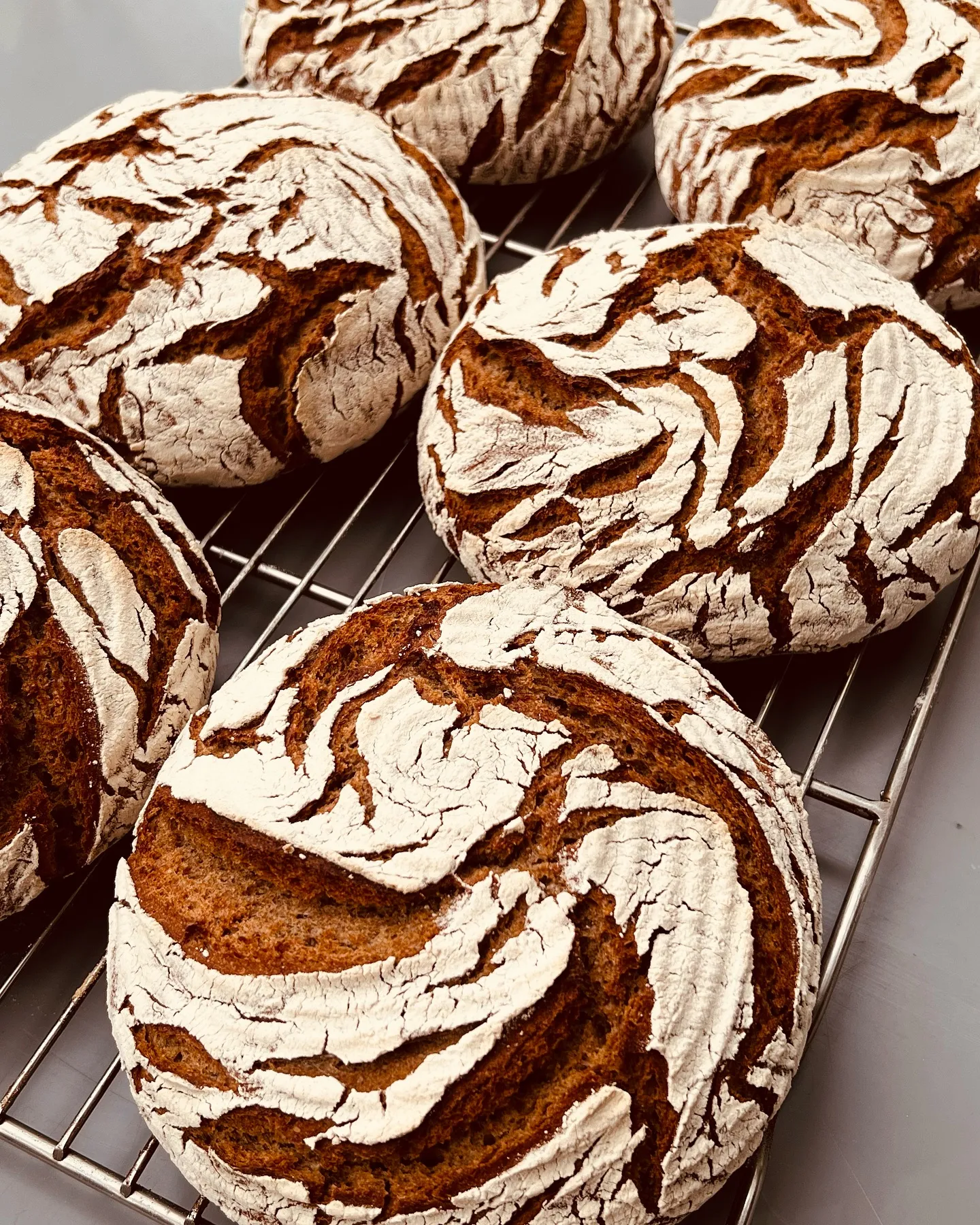 Rye bread (leib)
- Rye bread (leib): Dense, earthy bread present at nearly every meal.
- Verivorst: Traditional blood sausage often served with lingonberry jam in winter.
- Mulgipuder: A comforting barley and potato mash symbolic of rural Estonia.
- Kiluvõileib: Open‑faced sprat sandwich — a local quick bite.
Top Cities and Regions
Tallinn — Medieval Meets Modern
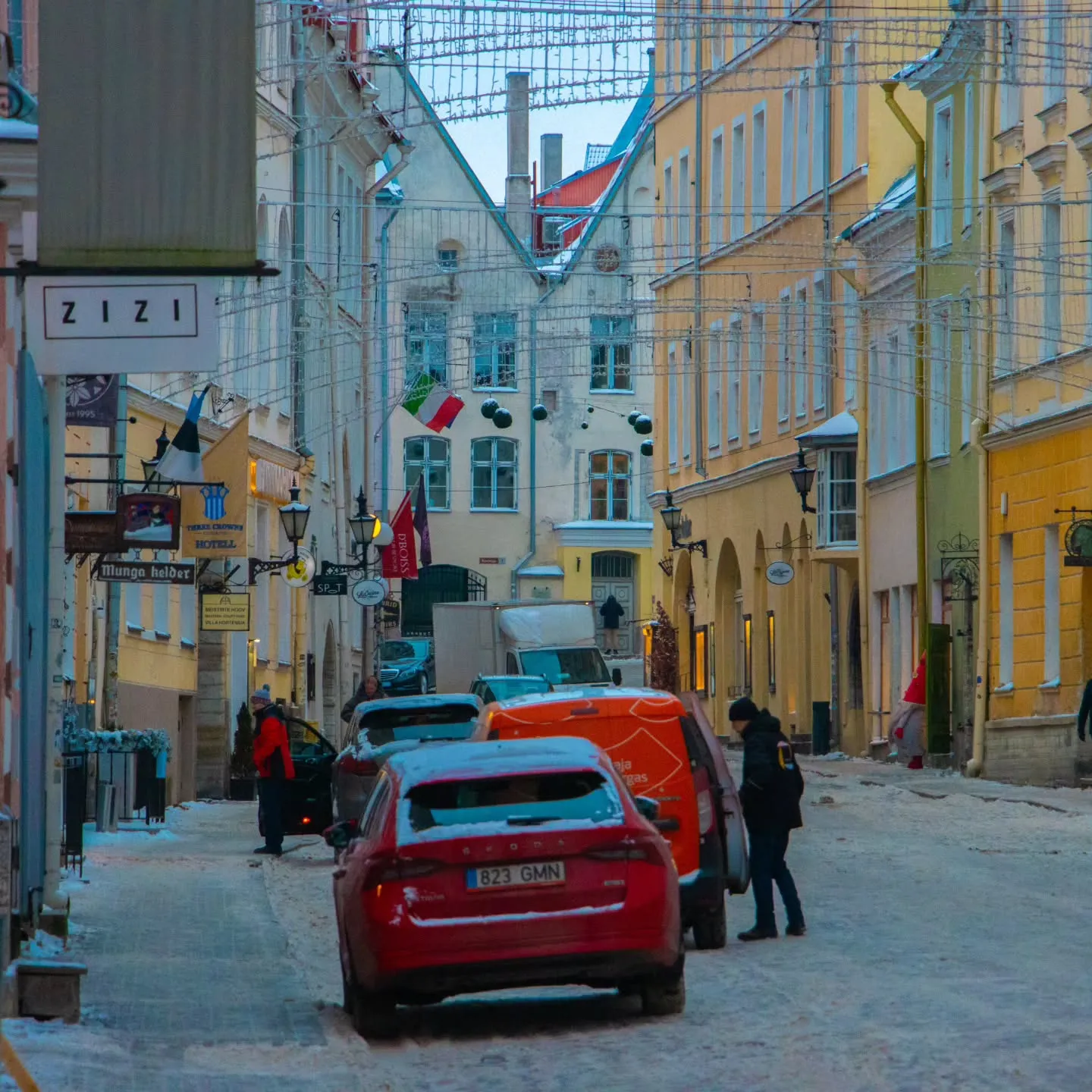
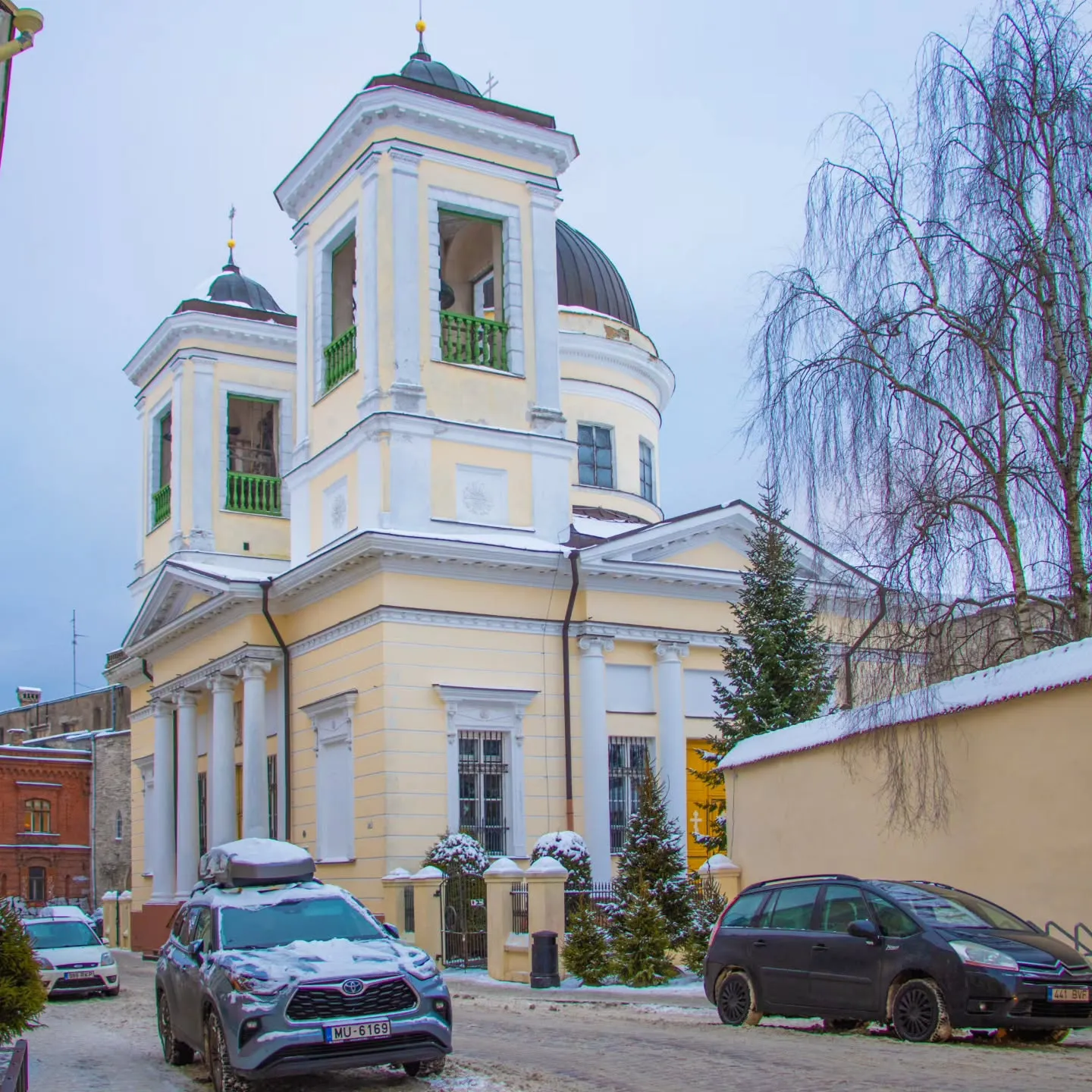
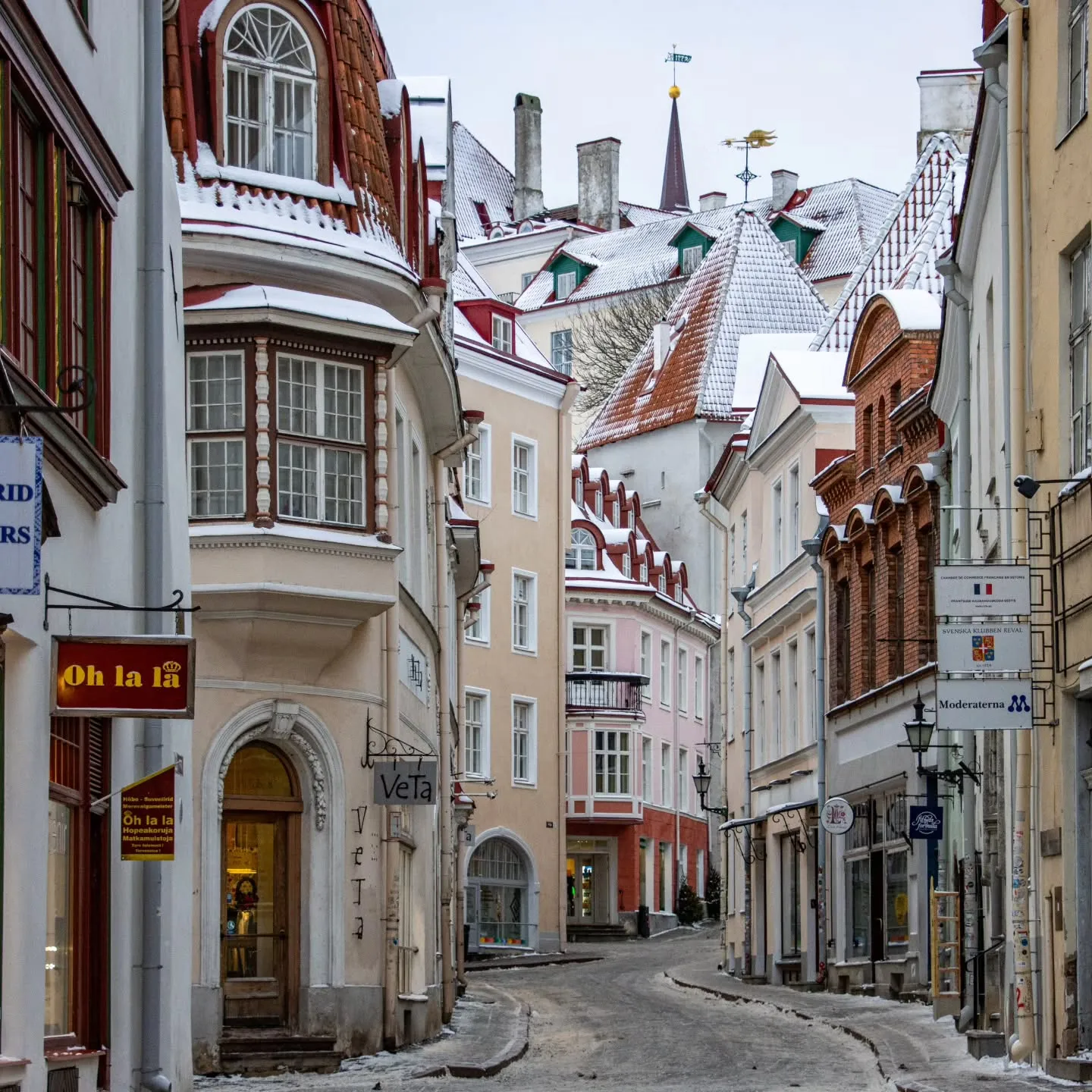
Tallinn is as picturesque as it is practical. Outside Old Town, neighbourhoods like Kalamaja and Telliskivi offer trendy cafés, street art, and creative markets. Its efficient public transport and compact layout make it easy to explore on foot or by bike.
Tartu — Intellectual Heart of Estonia
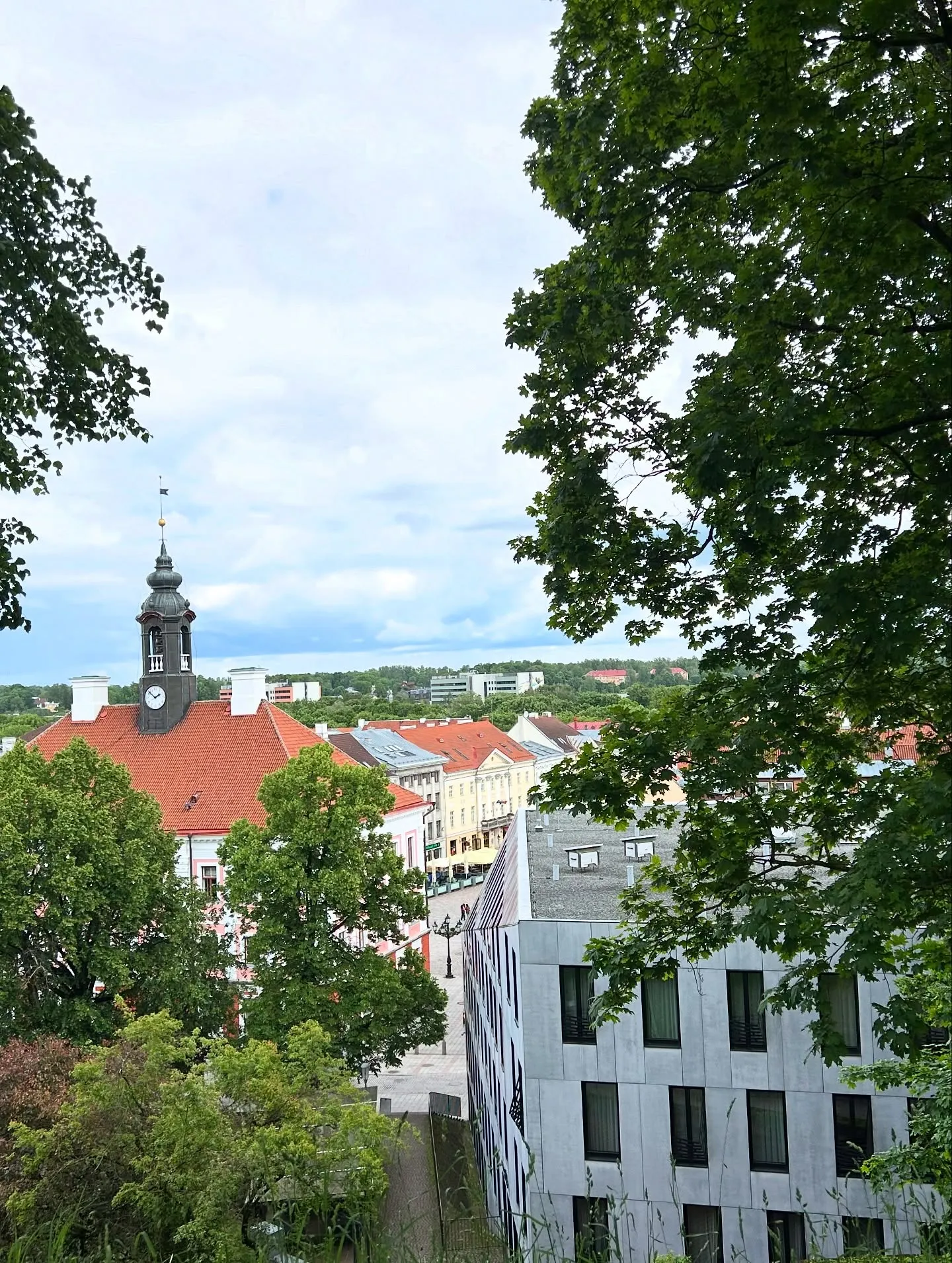
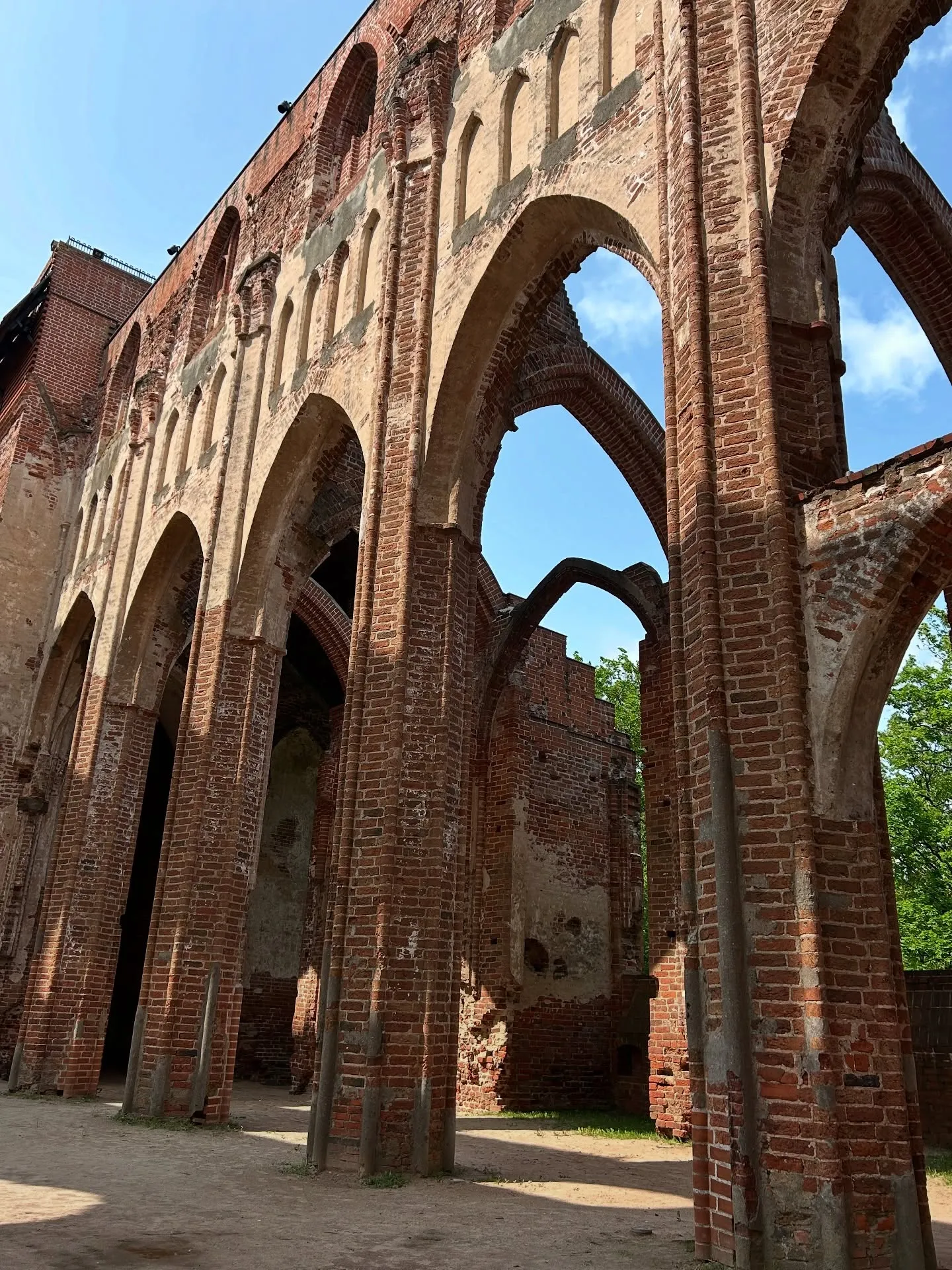
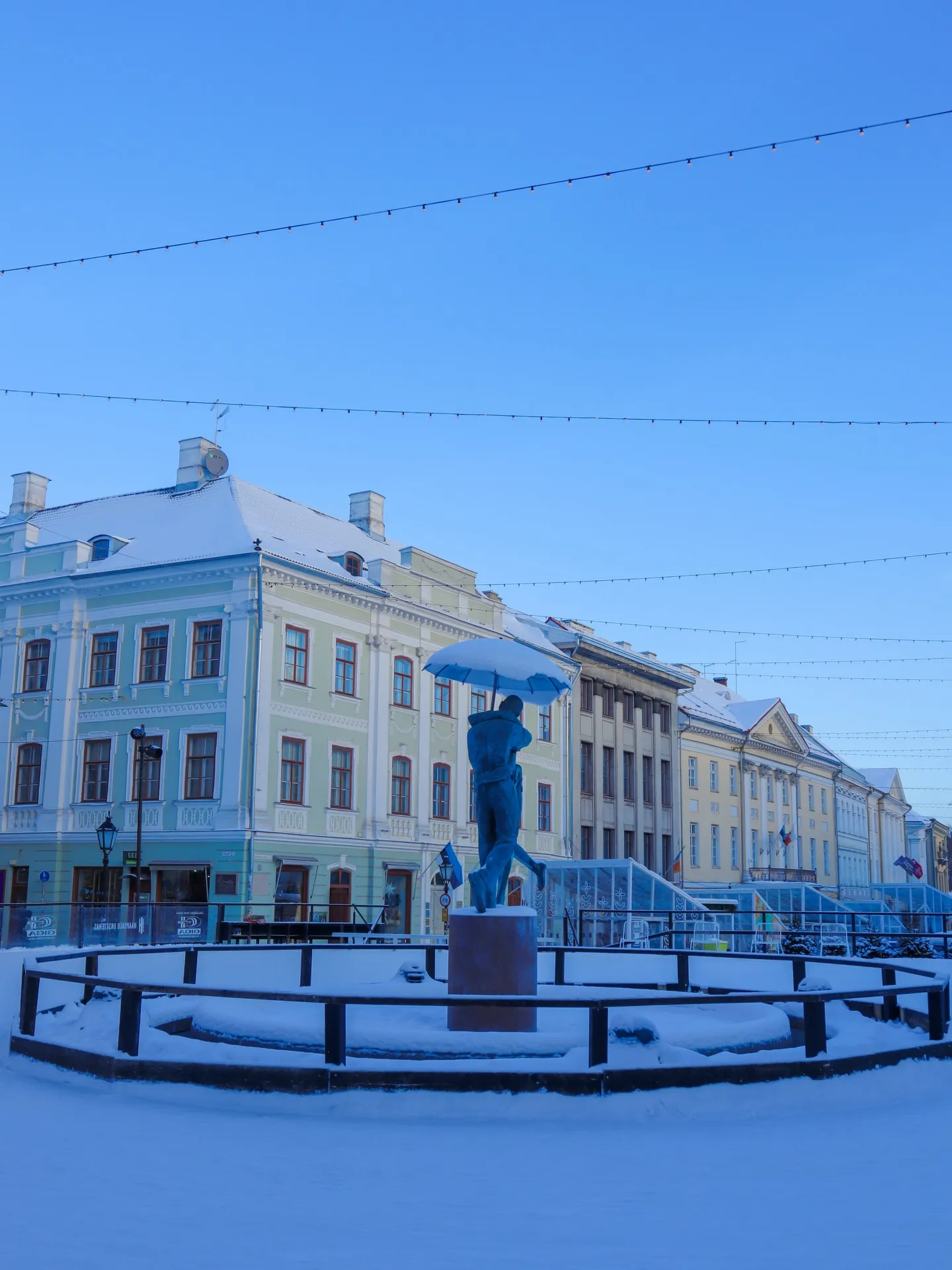
Often overshadowed by the capital, Tartu is Estonia’s second city and a hub of student life and creativity. Its historic university, leafy promenades, Gothic cathedral ruins, and bustling café culture make it ideal for travellers who enjoy art, history, and social scenes.
Pärnu — Estonia’s Summer Capital
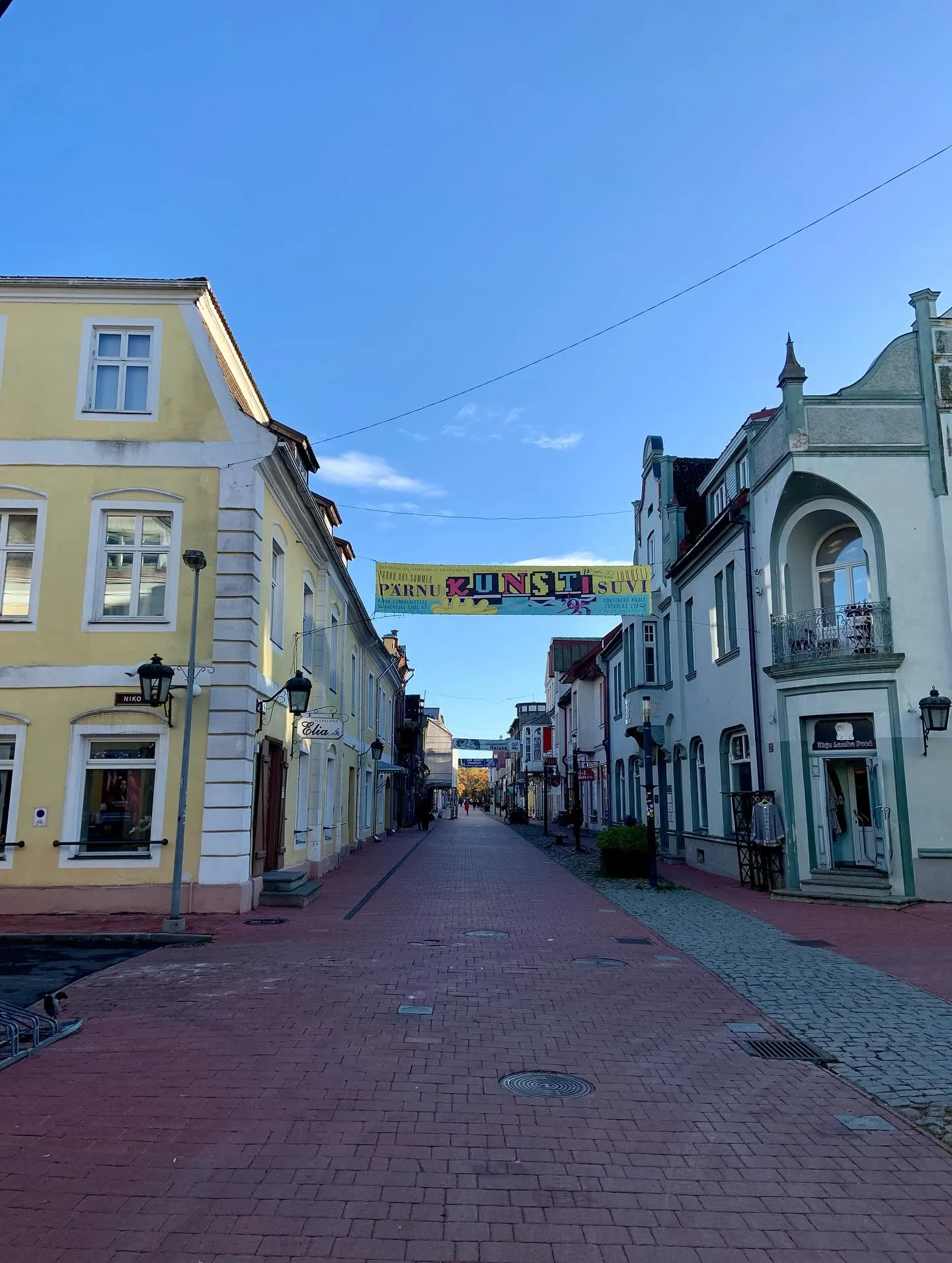
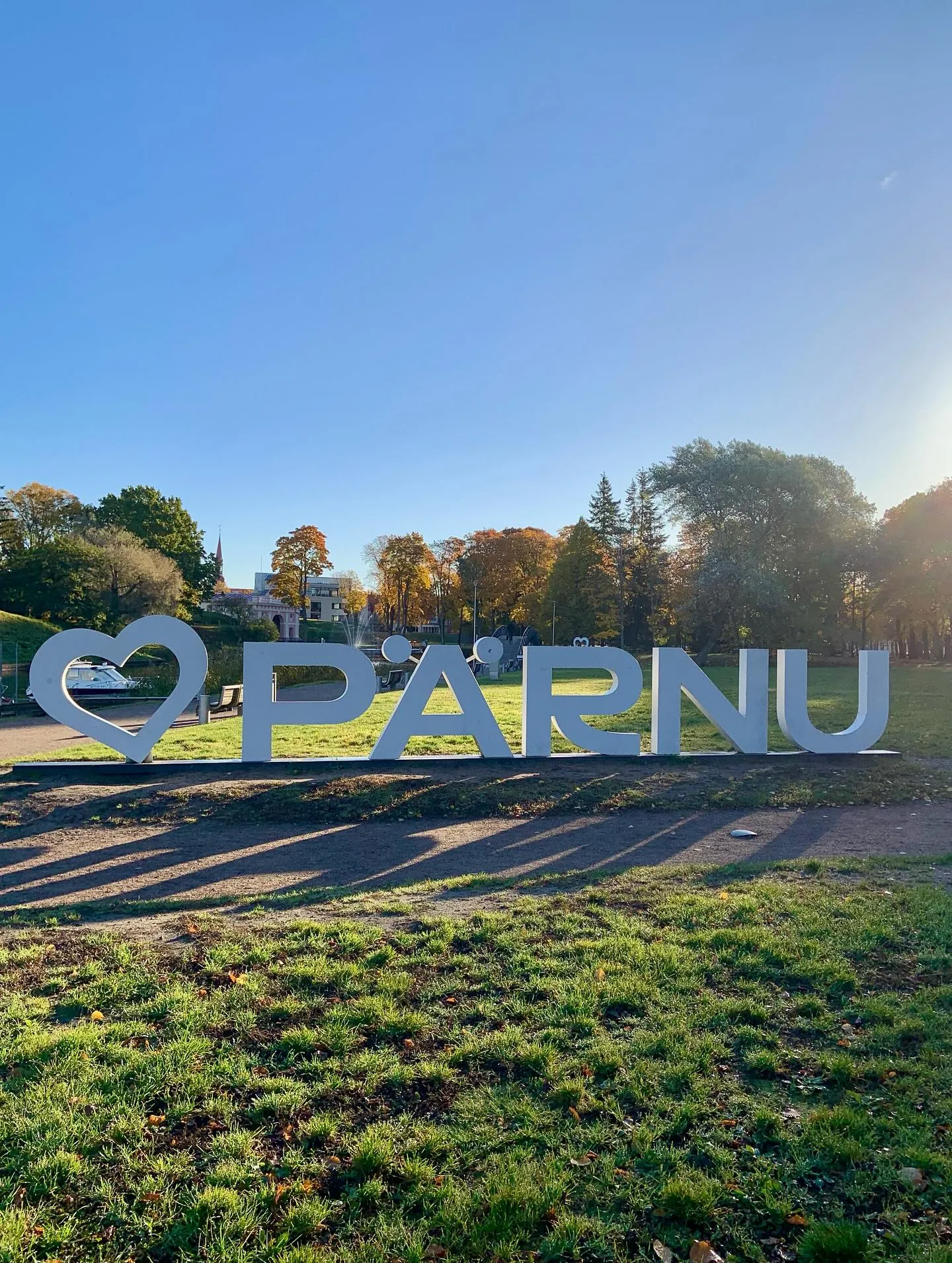
On the southwest coast, Pärnu is Estonia’s beloved summer beach town. With sandy shorelines, shallow Baltic waters, vibrant beach bars, and wellness resorts, it’s perfect for a seaside break.
Saaremaa & Hiiumaa — Island Escapes
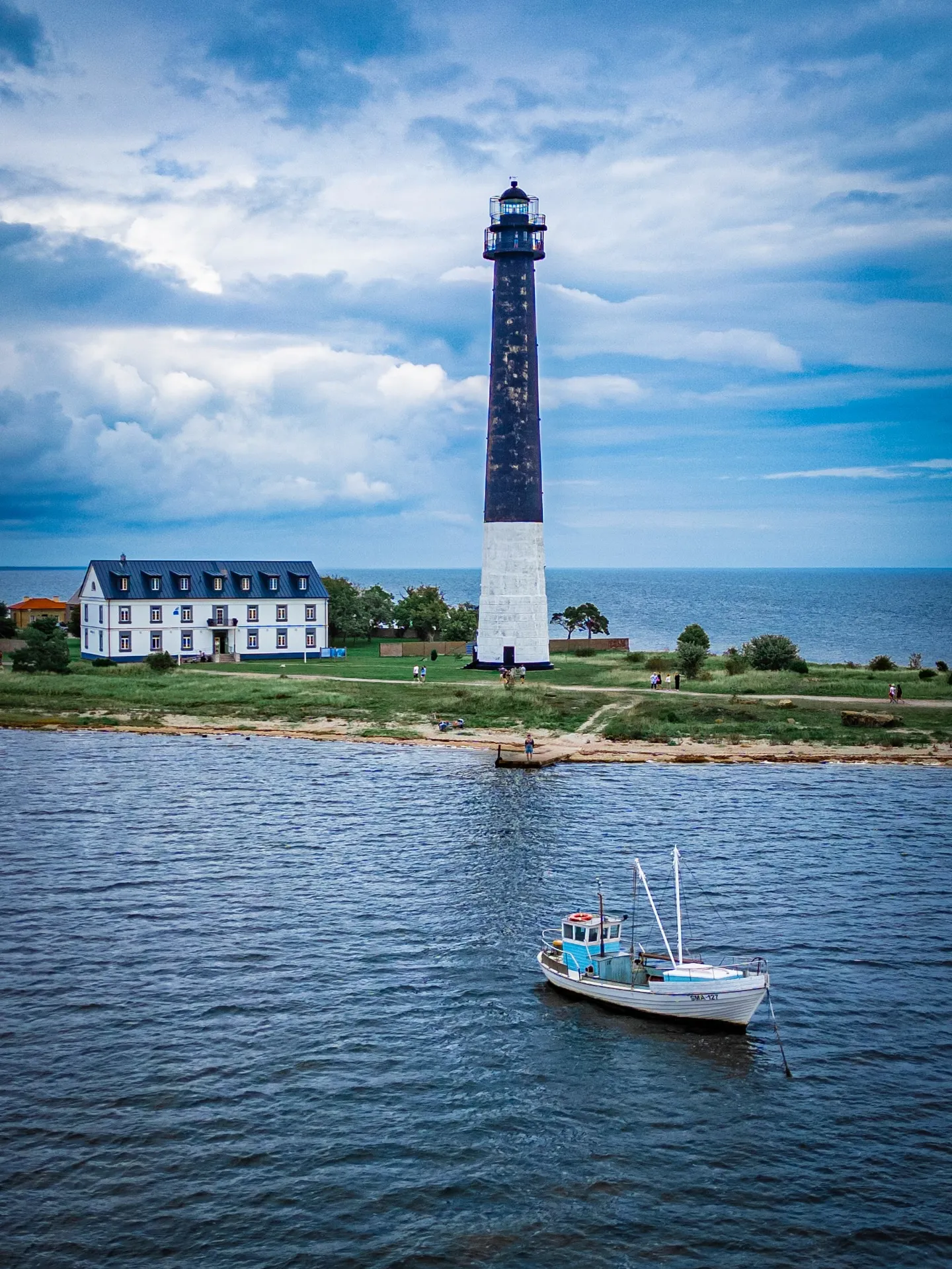
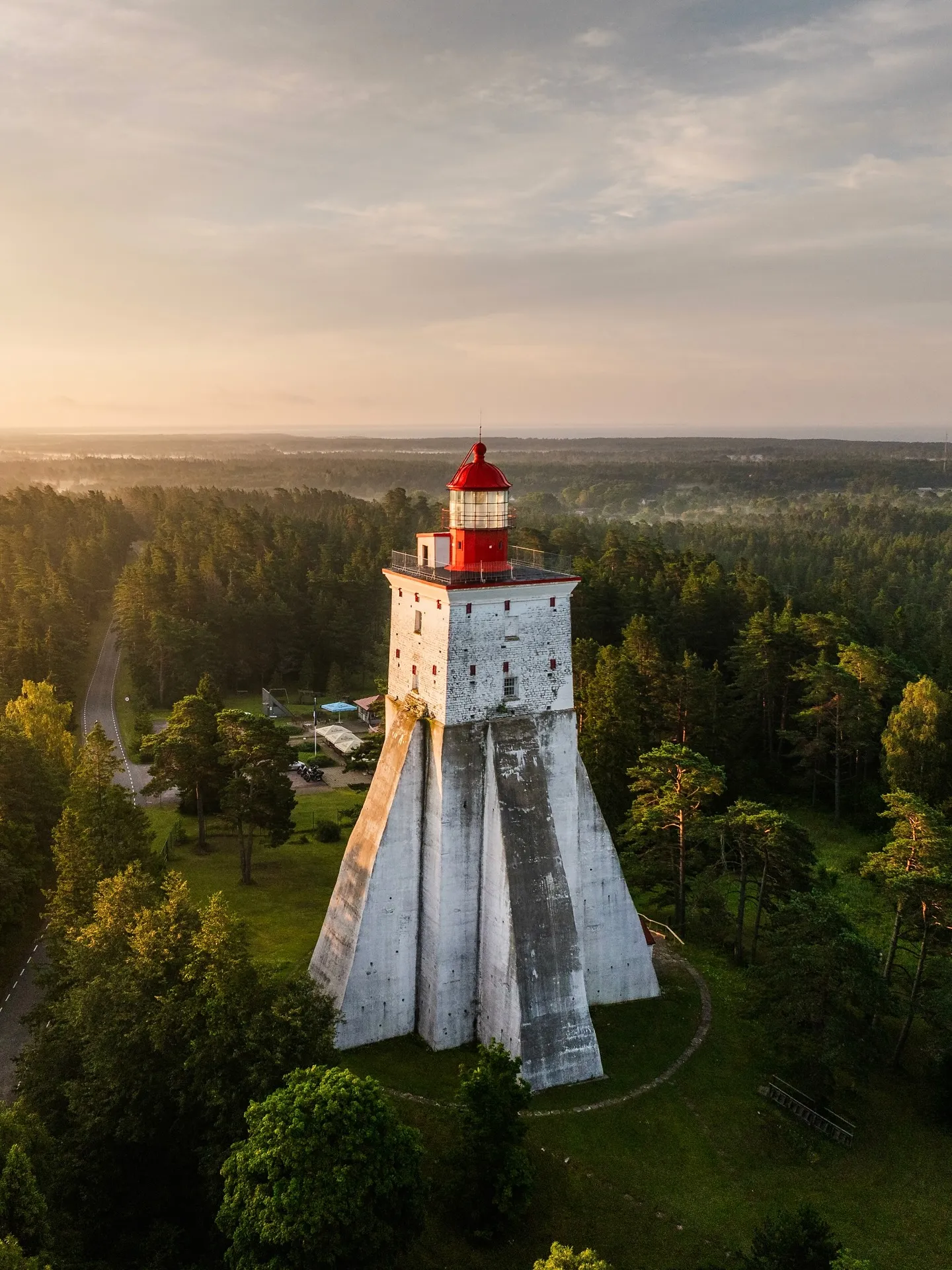
Estonia’s islands combine rural charm, wild nature, and historic landmarks. On Saaremaa, you’ll find medieval castles, limestone cliffs, and charming ports. On Hiiumaa, the historic Kõpu Lighthouse — one of the oldest in the world — offers stunning sea views and a slightly slower pace.
Estonia’s Great Outdoors
Estonia’s landscapes are as varied as they are beautiful.
Lahemaa National Park
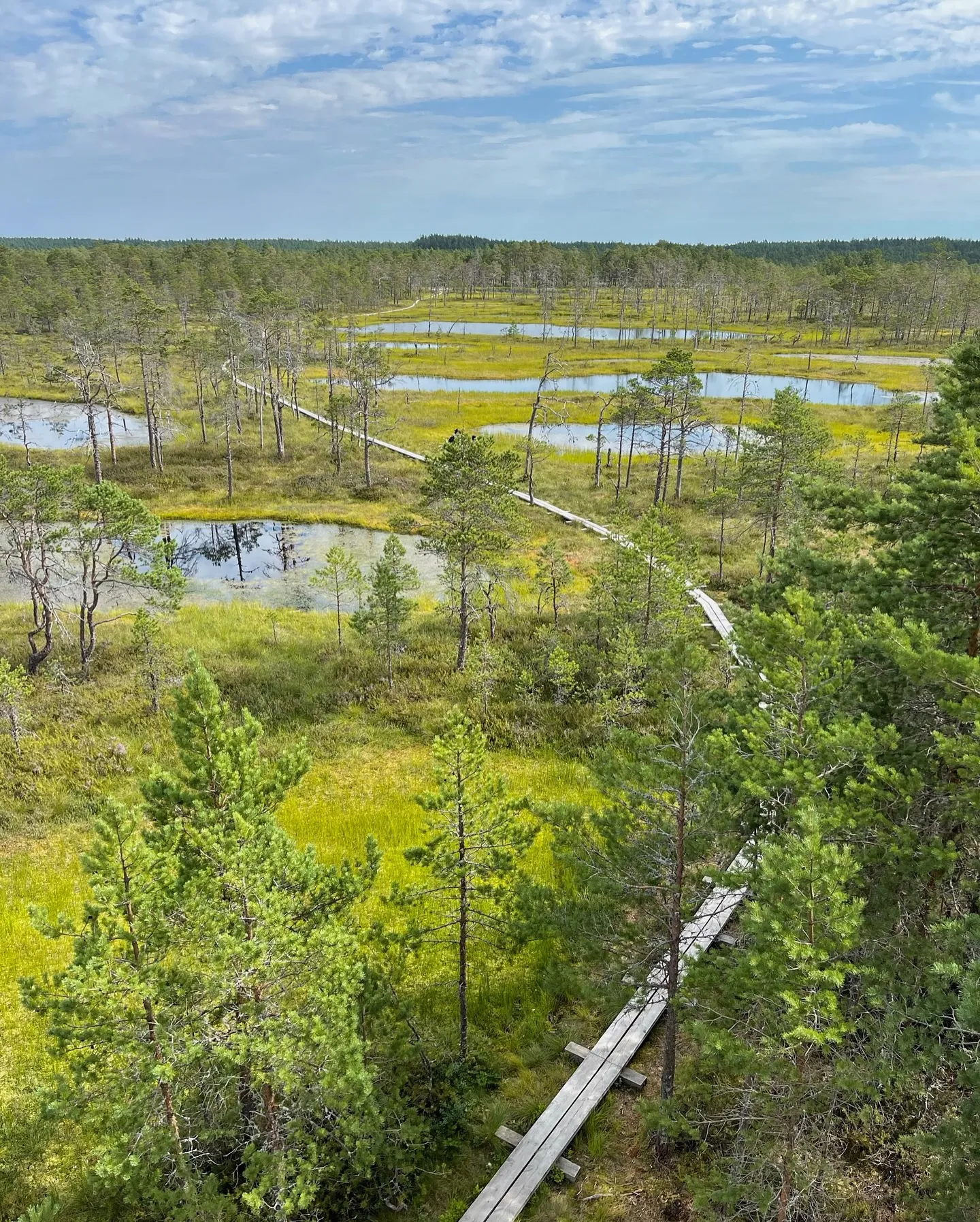
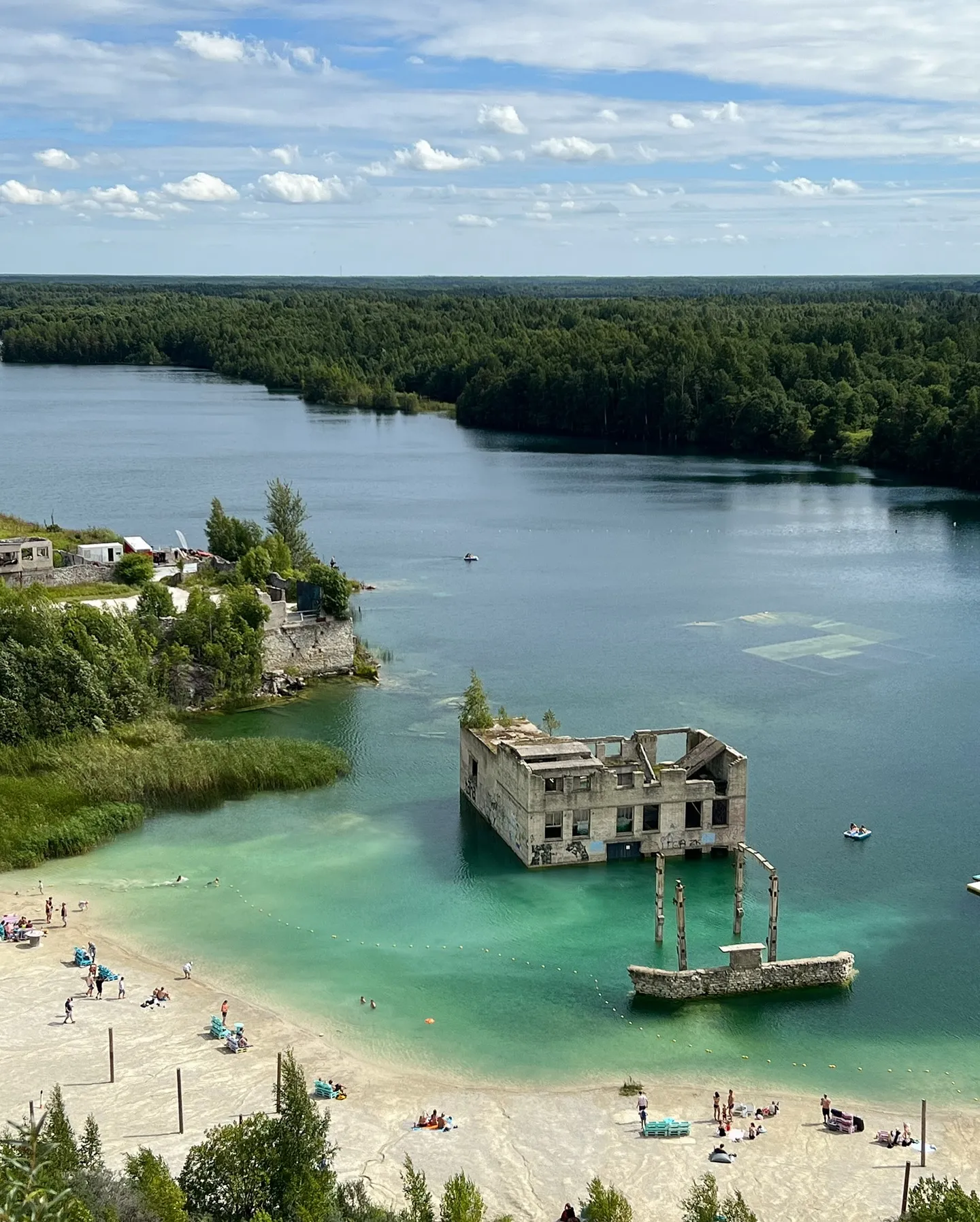
Just a short drive from Tallinn, this national park spans forests, bogs, and coastline. Hiking trails and historic estates like Palmse and Sagadi Manor make it appealing for nature lovers and history buffs alike.
Forests, Lakes, and Wildlife
Estonia protects a large portion of its land as conservation areas, hosting migratory birds, wild mammals, and intricate wetland ecosystems — a haven for birdwatchers and outdoor explorers.
Practical Travel Tips
Getting Around
Estonia’s transport system is efficient: buses, trains, and local ferries connect cities and islands. Tallinn is especially easy to navigate, with frequent buses and optional tourist cards for discounts on transport and attractions. Public transport inside Tallinn includes 24‑hour tickets and hop‑on/hop‑off options.
Best Time to Visit
- Summer (June–August): Warm weather, coastal fun, festivals.
- Autumn: Fewer crowds, crisp landscapes.
- Winter: Snowy charm, Christmas markets, and cultural events.
- Spring: Quiet cities, birdlife returns.
Language & Politeness
While Estonian is the official language, English is widely spoken in urban areas. Learning simple Estonian greetings like “Tere” (hello) or “Aitäh” (thank you) is appreciated by locals.
Money, Costs & Budgeting
Estonia is generally affordable by Western European standards.
- Meals: €10–€25 for casual dining; fine dining higher
- Accommodation: Budget hostels ~€20–€40; mid‑range hotels €60–€120; boutique or historic stays €150+
- Transport: Affordable train and bus options; car rentals are practical for rural explorations
Cultural Etiquette & Safety
Estonia is considered safe for travellers, with low crime rates. Normal precautions apply, especially in crowded tourist zones. Estonians are typically reserved and appreciate personal space, but they are helpful if approached politely.
Sample Itineraries
5‑Day Estonia Highlights
Day 1: Explore Tallinn Old Town, Town Hall Square, and museums
Day 2: Day trip to Lahemaa National Park
Day 3: Visit Tartu’s university district and botanical gardens
Day 4: Ferry to Saaremaa, explore Kuressaare Castle and coastline
Day 5: Relax in Pärnu’s beaches and spa scene
Final Thoughts
Estonia is a destination that rewards curiosity. Its medieval streets, pristine islands, vibrant culture, and nature trails combine to form a travel experience that feels personal, genuine, and refreshingly unhurried. Whether you’re here for history, food, forests, or seaside sunsets, Estonia invites you to discover not just a place but a state of mind.