Fiji Travel Guide: Everything You Need to Know Before Visiting This Pacific Paradise
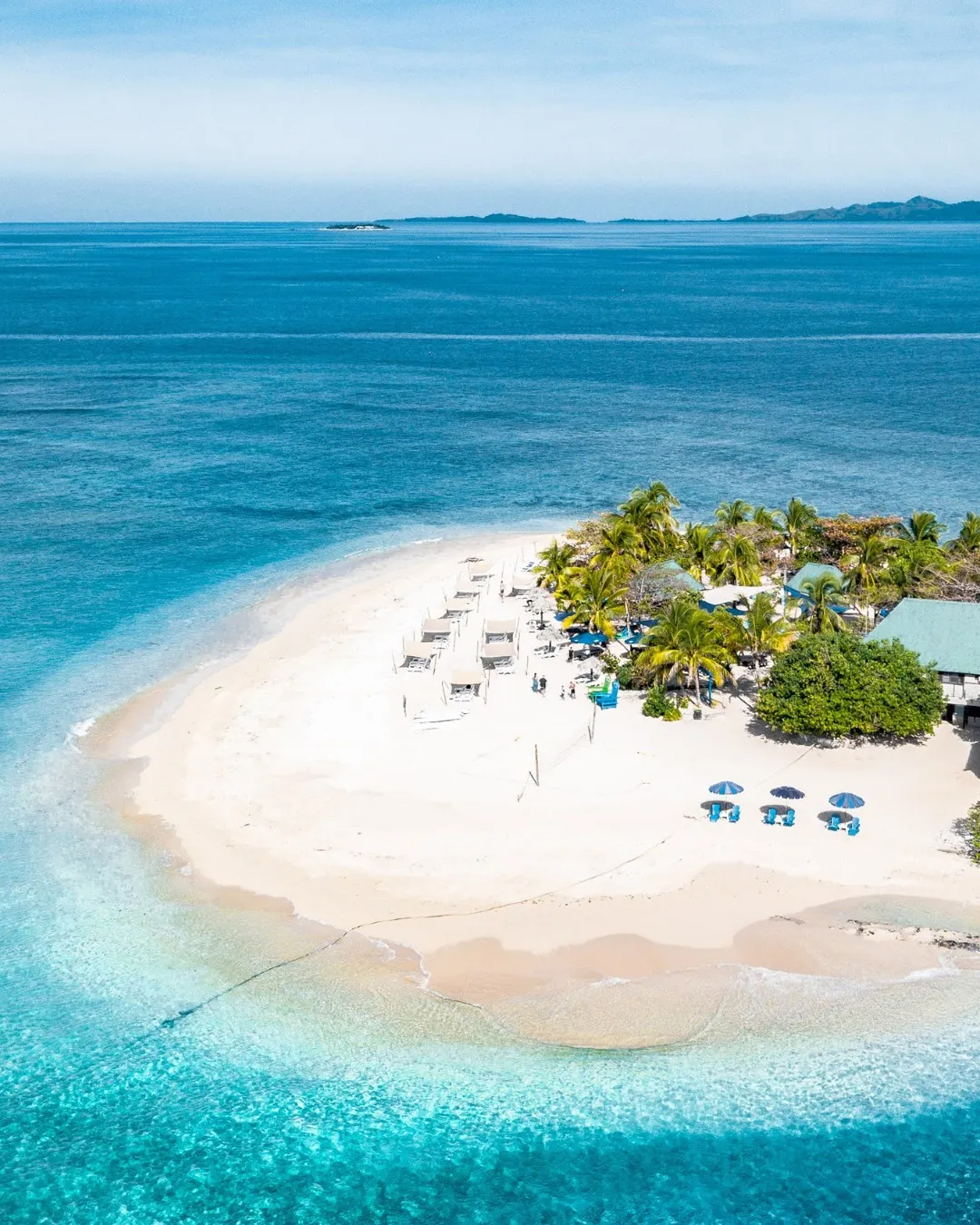
Fiji is often imagined as a postcard come to life: turquoise lagoons, palm-lined beaches, overwater bungalows, and coral reefs glowing beneath crystal-clear water. But Fiji is far more than a luxury island escape. It is a living culture shaped by Melanesian traditions, Indian influences, colonial history, and a deep respect for community and nature. For travelers, Fiji offers warmth in every sense of the word, from its tropical climate to the genuine friendliness of its people.
This guide covers everything a traveler wants to know before deciding to go to Fiji, from where to go and what to eat, to safety, scams, costs, and cultural etiquette.
Recommended Travel Items for Your Trip
Where Is Fiji and Why Visit?
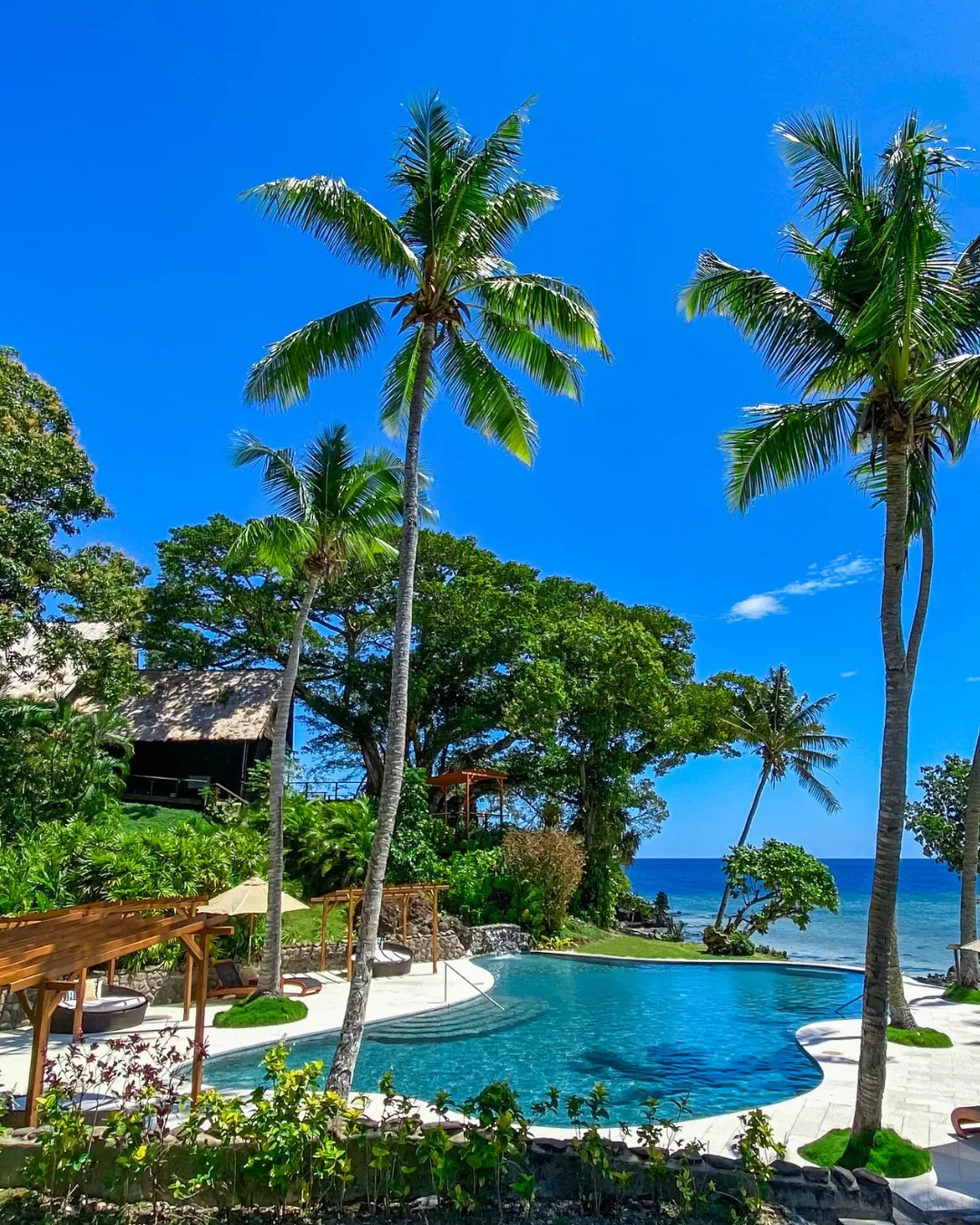
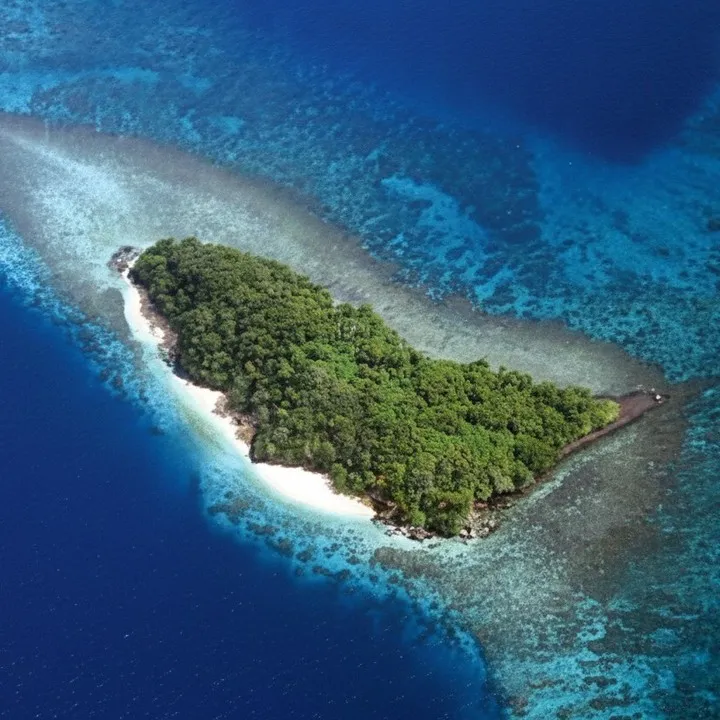
Fiji is an island nation in the South Pacific Ocean, located northeast of New Zealand and east of Australia. It consists of over 330 islands, of which about 110 are inhabited. The two main islands, Viti Levu and Vanua Levu, host most of the population, infrastructure, and international flights.
Travelers choose Fiji for several reasons:
- World-class beaches and coral reefs
- Warm, welcoming culture
- Excellent snorkeling and diving
- A mix of luxury resorts and local villages
- Safe and relaxed travel environment
Fiji works equally well for honeymooners, families, adventure seekers, and travelers looking to disconnect from fast-paced life.
Top Places to Visit in Fiji
Each region of Fiji offers a slightly different experience.
Viti Levu
The largest and most developed island, home to Nadi International Airport.
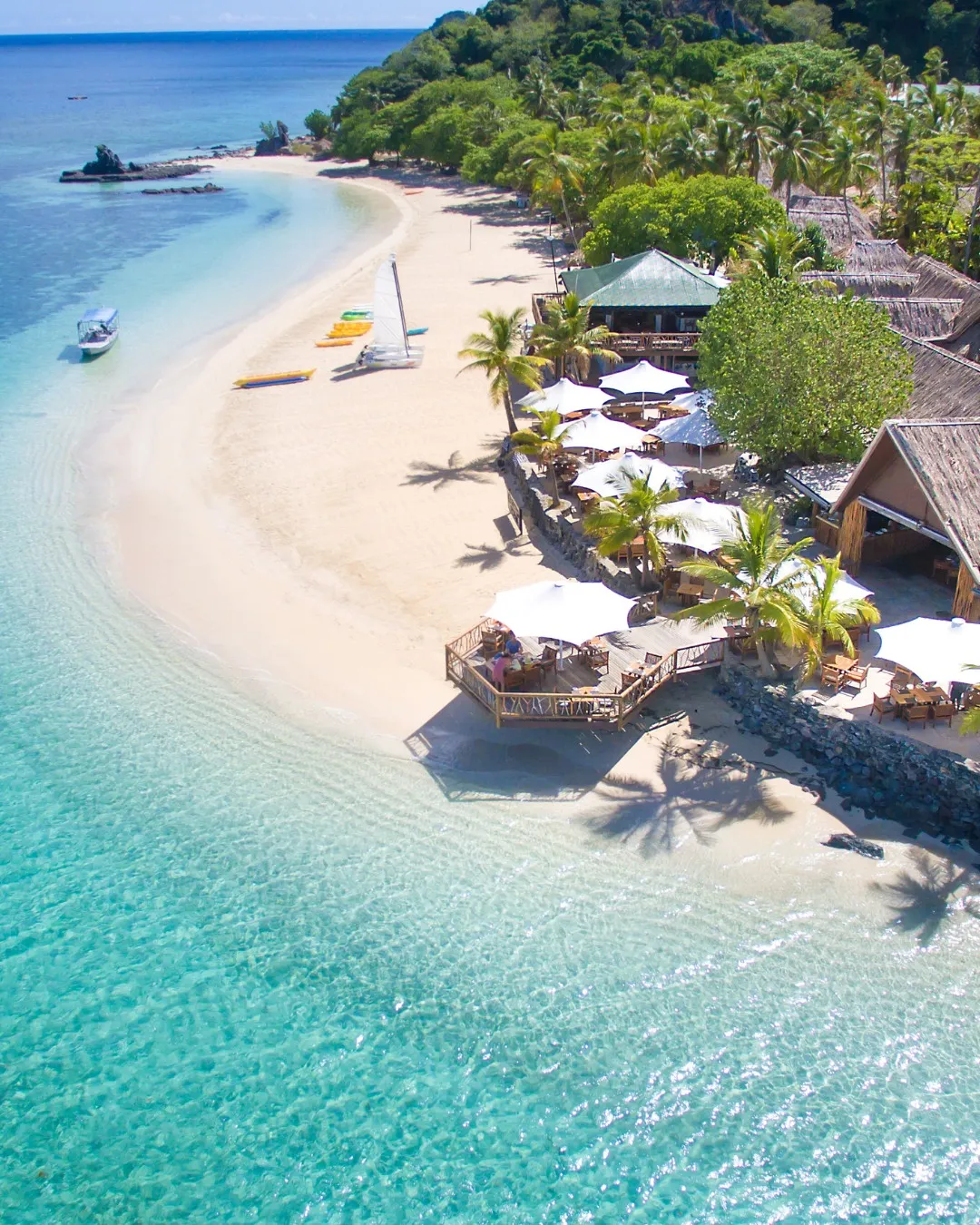 Pacific Harbour
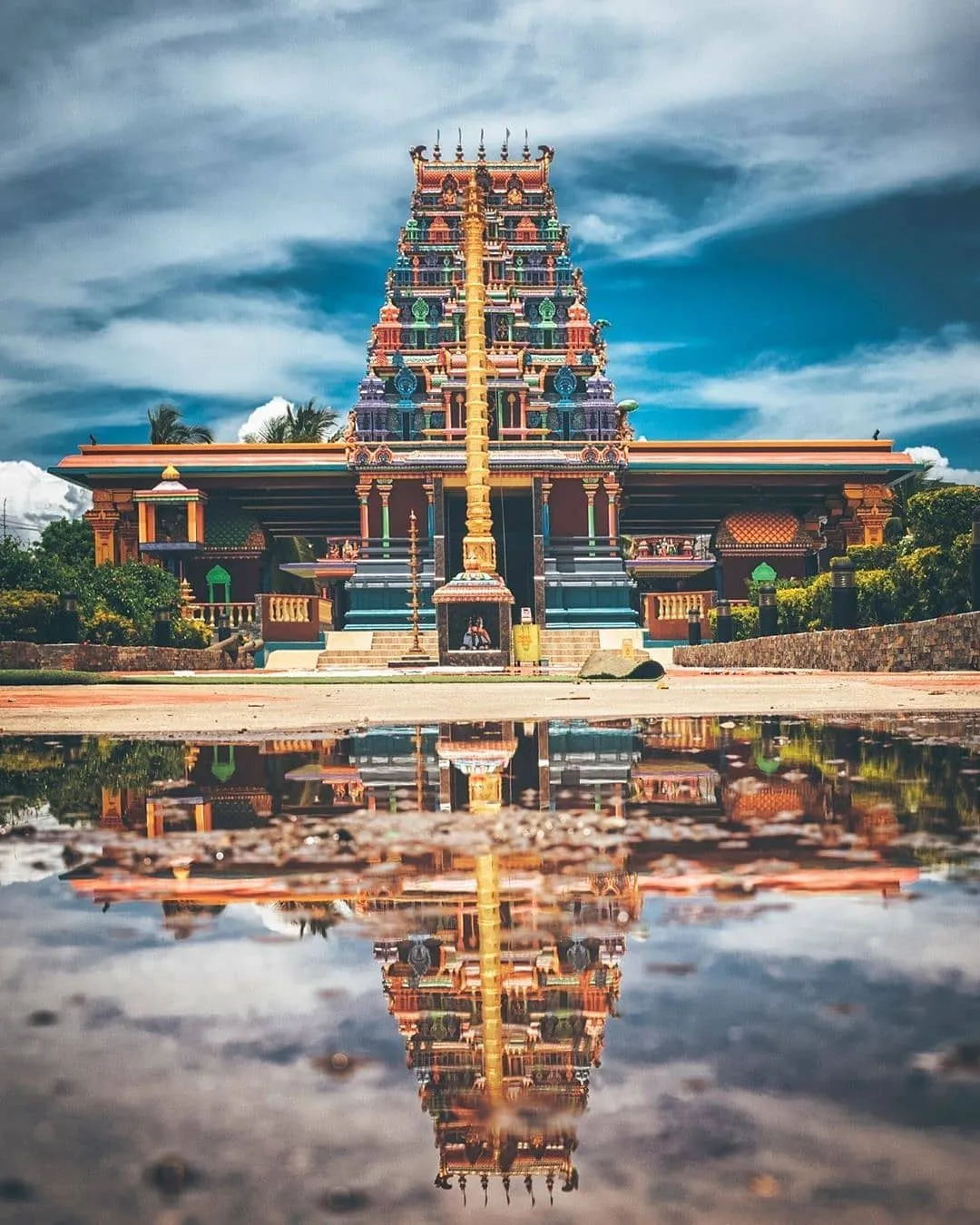 Nadi
Nadi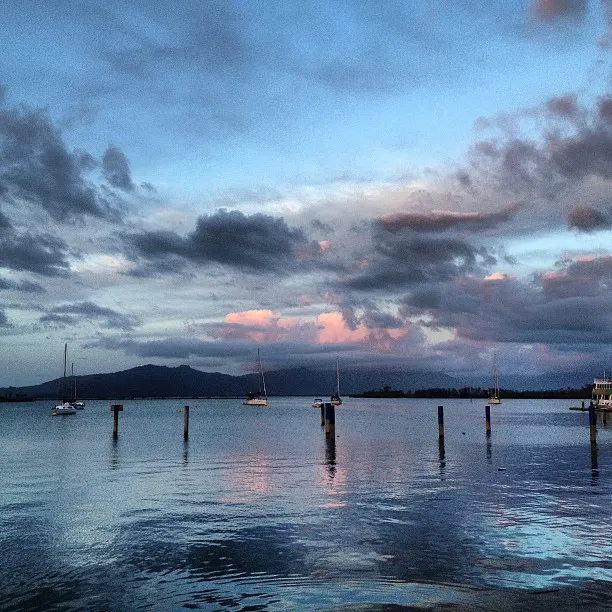 Denarau Island
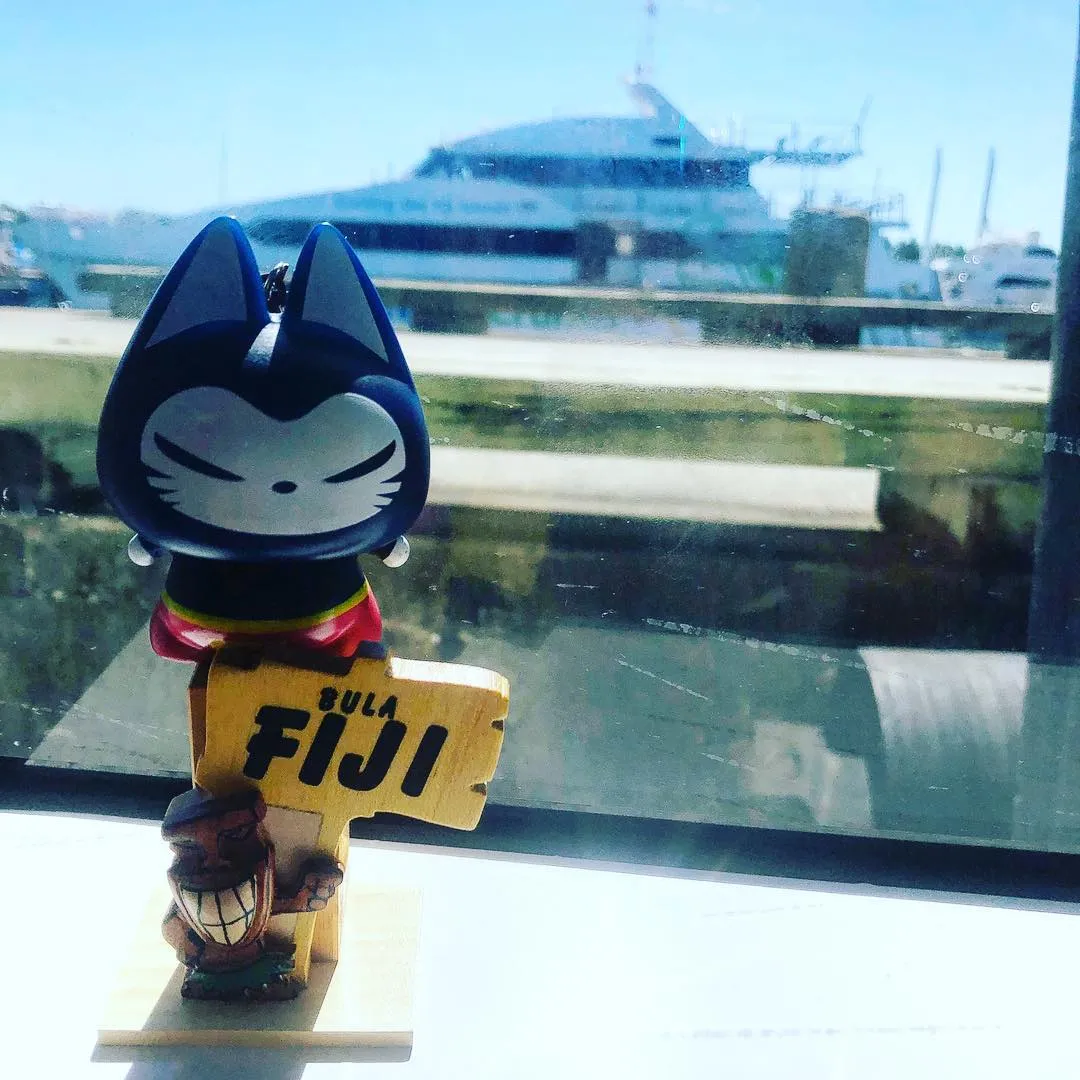 Denarau Island
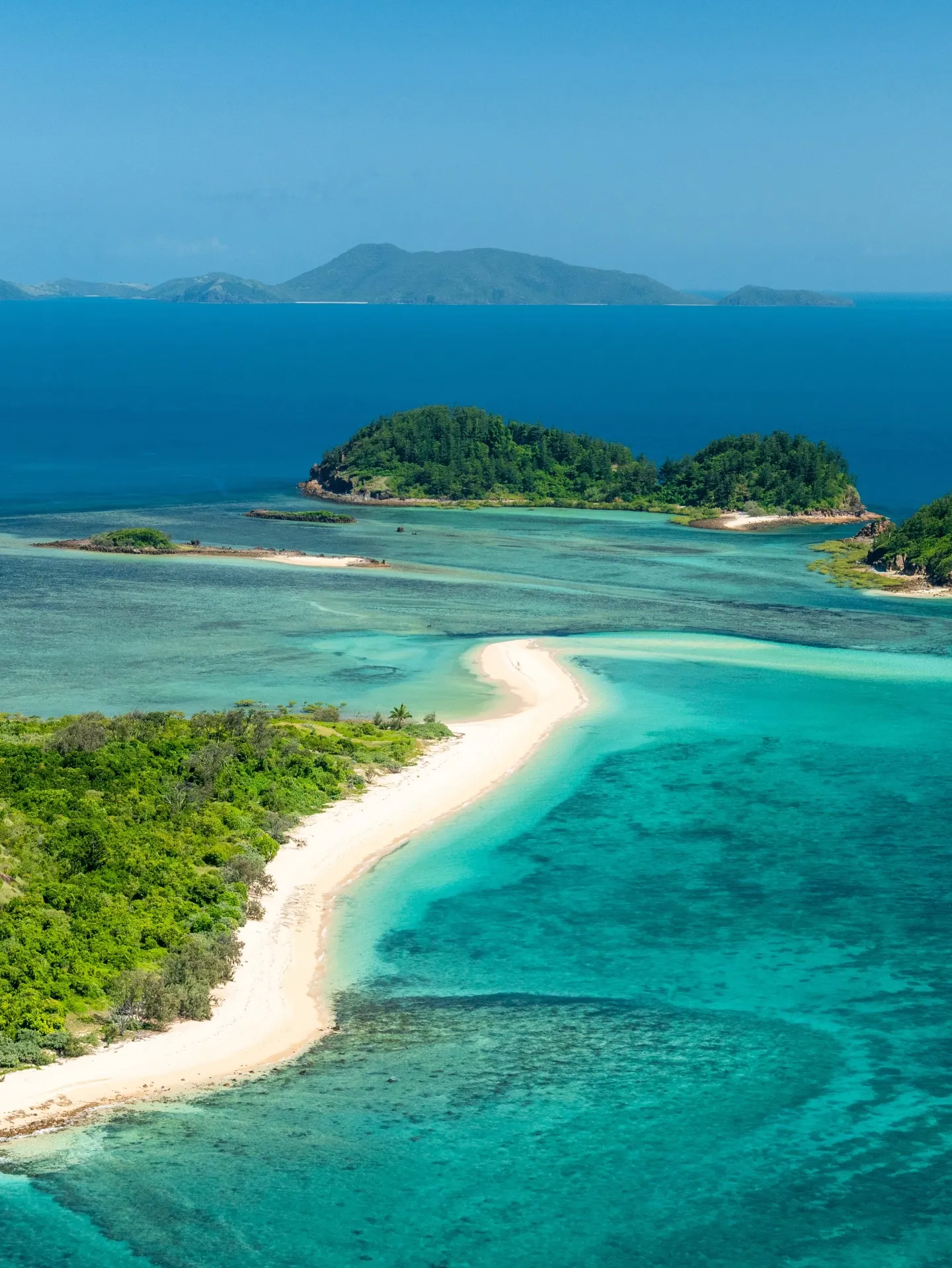 Coral Coast
- Nadi: Gateway town with markets, temples, and cultural attractions
- Denarau Island: Luxury resorts, golf courses, and marina access
- Coral Coast: Beaches, villages, and easy access to reefs
- Pacific Harbour: Adventure capital known for rafting and diving
Mamanuca Islands
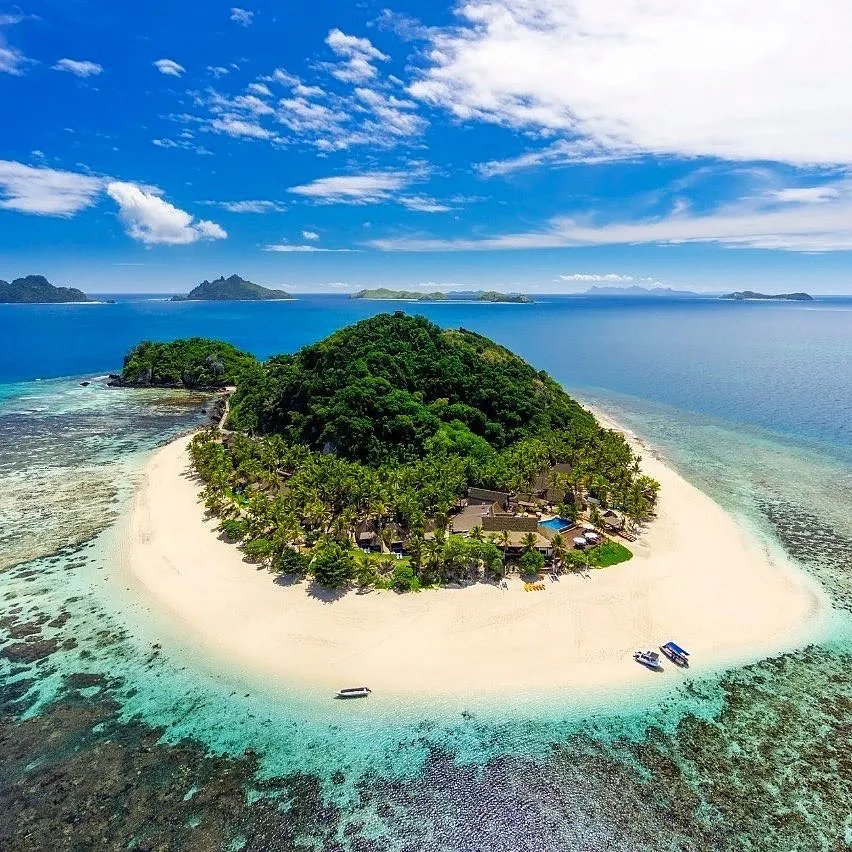
A group of small islands close to Nadi, famous for white-sand beaches and clear lagoons. Ideal for short stays, island hopping, and water sports.
Yasawa Islands
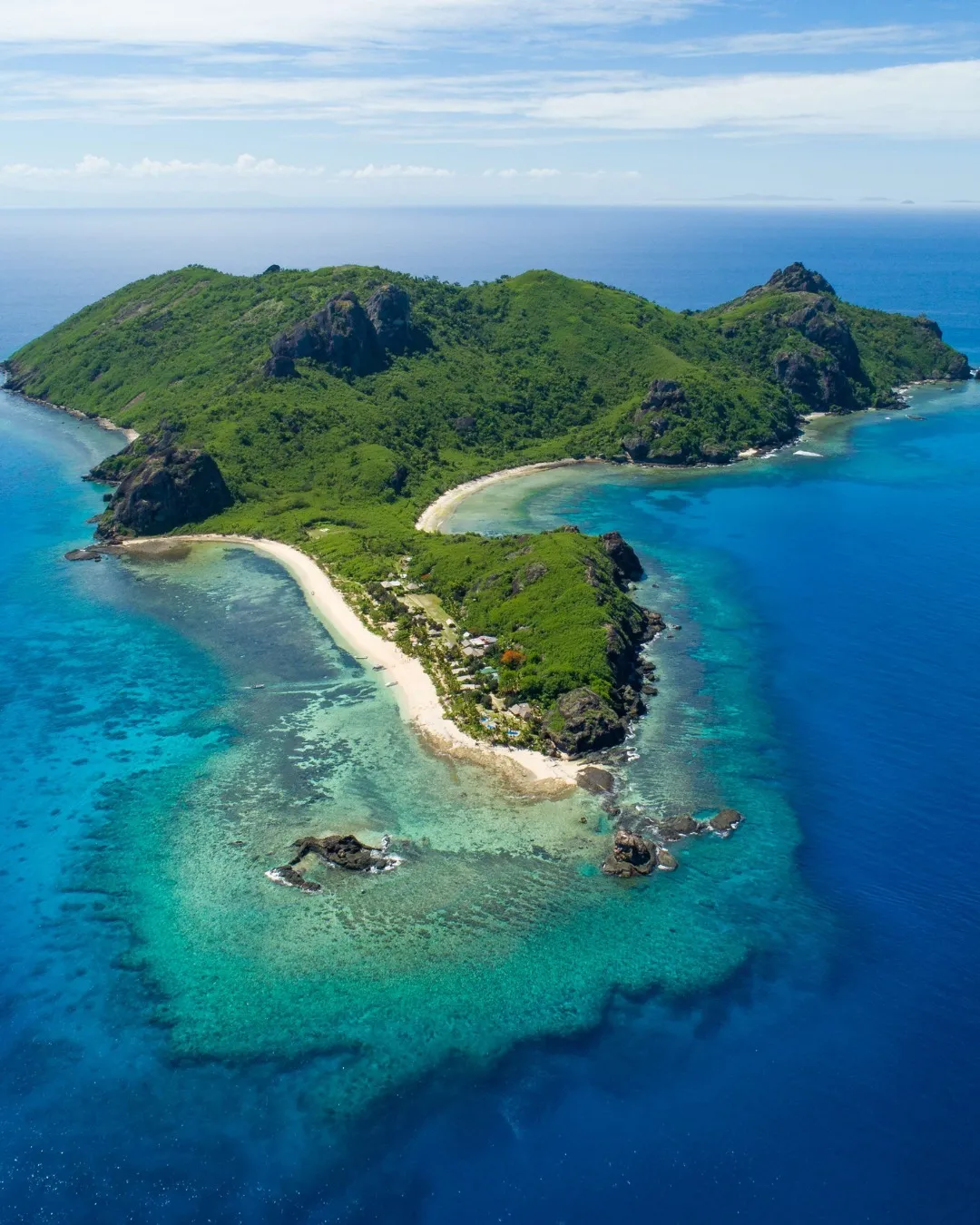
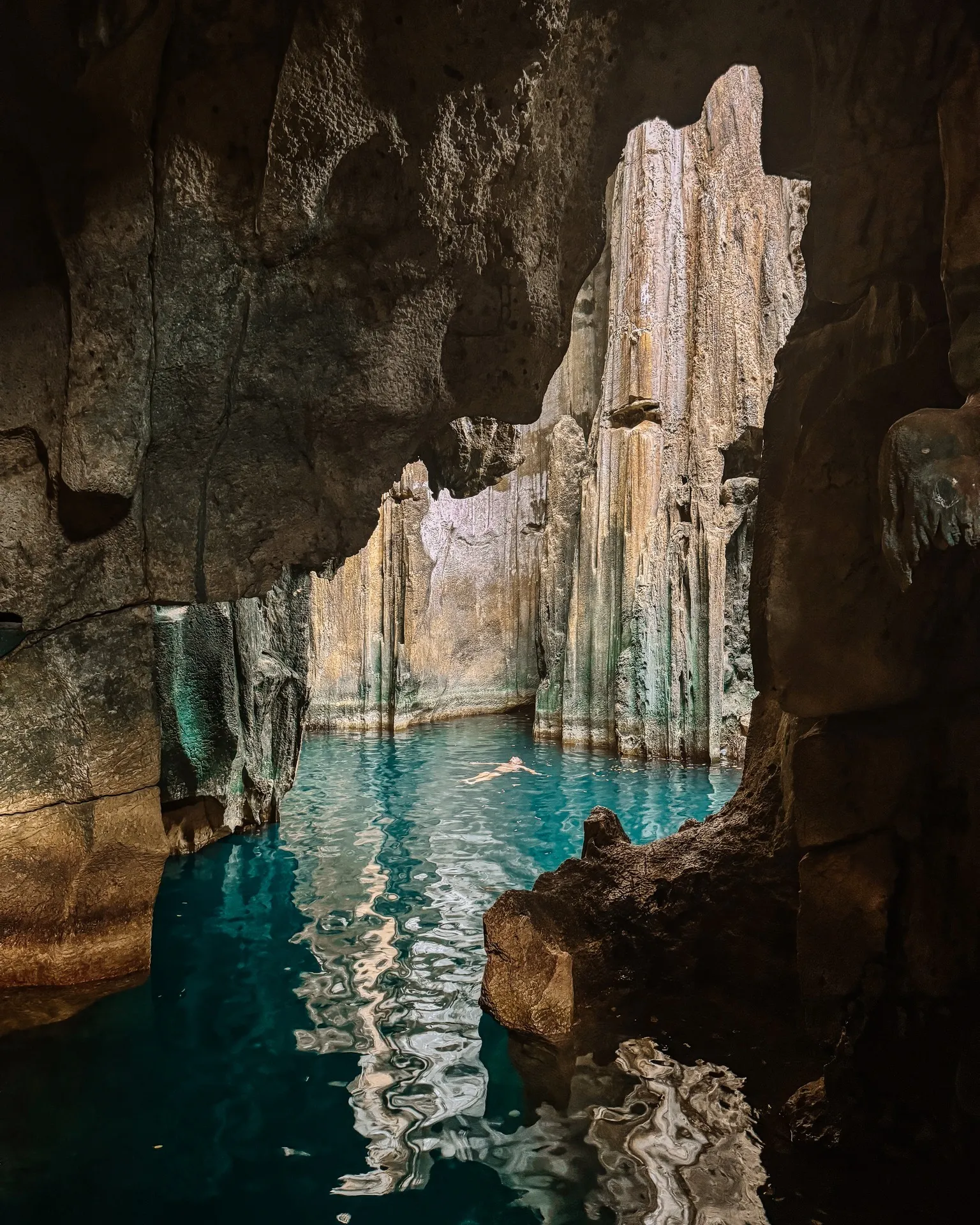
More remote and dramatic, with volcanic landscapes and fewer crowds. Perfect for travelers seeking a quieter, more authentic island experience.
Vanua Levu
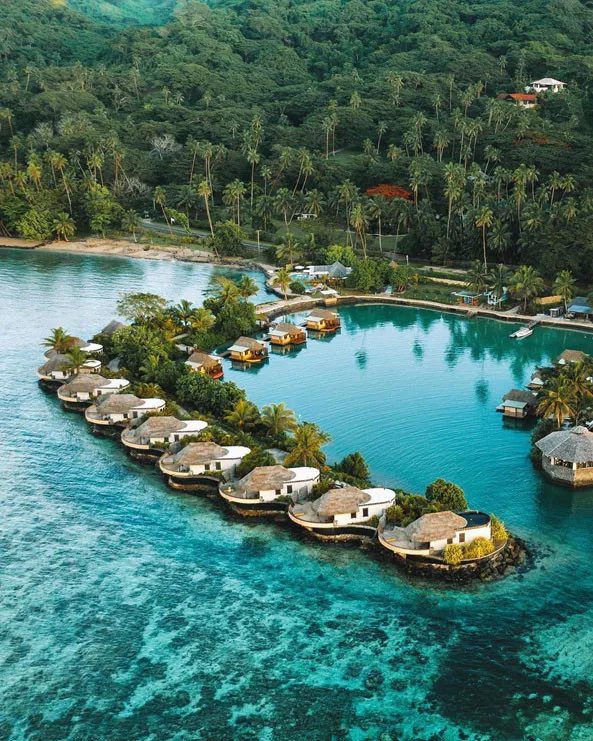
Less visited and more rugged, offering rainforest hikes, waterfalls, and traditional village life.
Beaches, Reefs, and Nature
Fiji’s natural beauty is its biggest draw.
- Calm lagoons perfect for swimming
- Coral reefs teeming with marine life
- Tropical forests and waterfalls inland
- Excellent visibility for snorkeling and diving
Shark dives, manta ray encounters, and reef conservation programs attract marine enthusiasts from around the world.
Fijian Food: What to Eat and Drink
Food in Fiji reflects a blend of indigenous Fijian, Indian, Chinese, and European influences. Meals are simple, fresh, and often cooked with coconut, seafood, and root vegetables.
Traditional Fijian Dishes
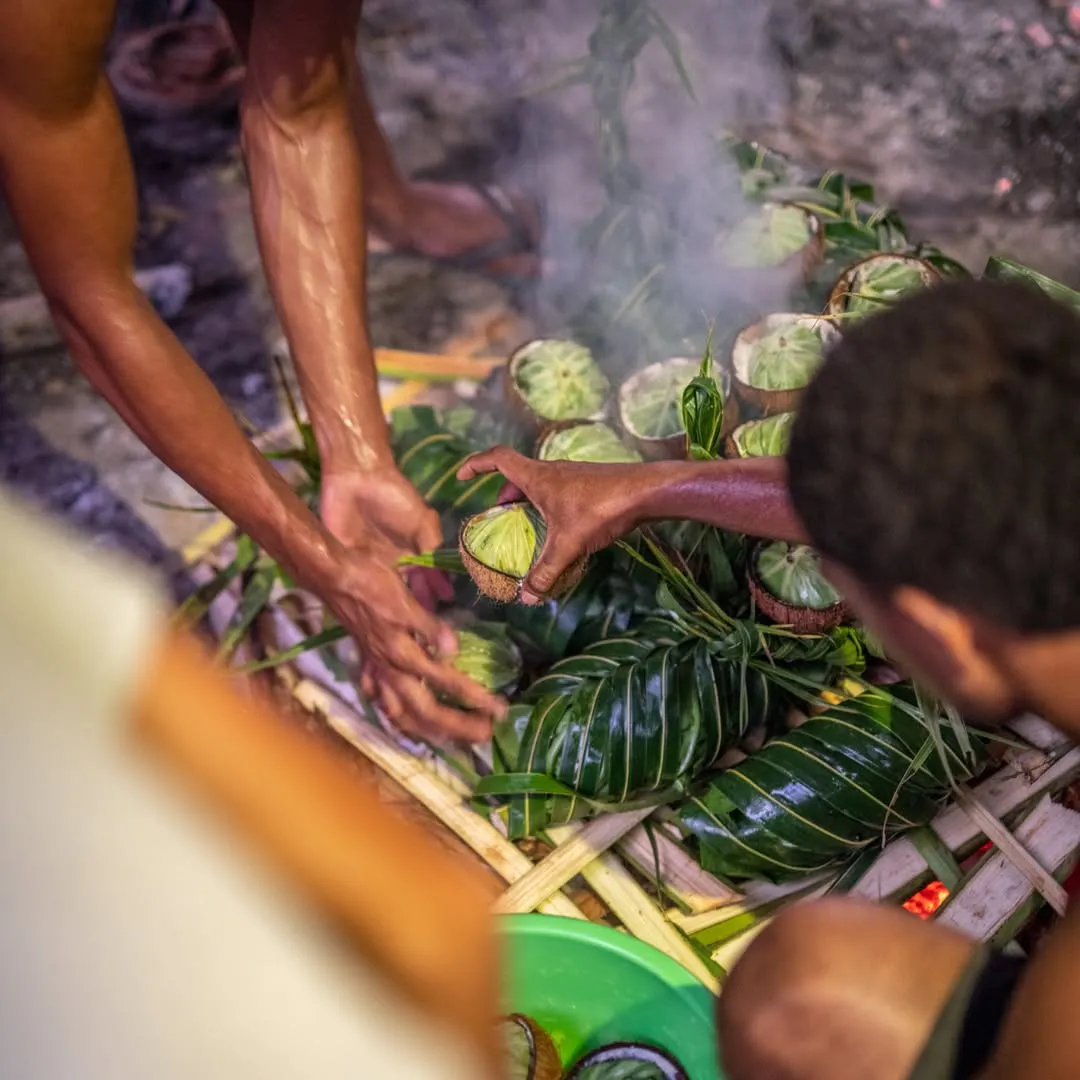 Lovo
Lovo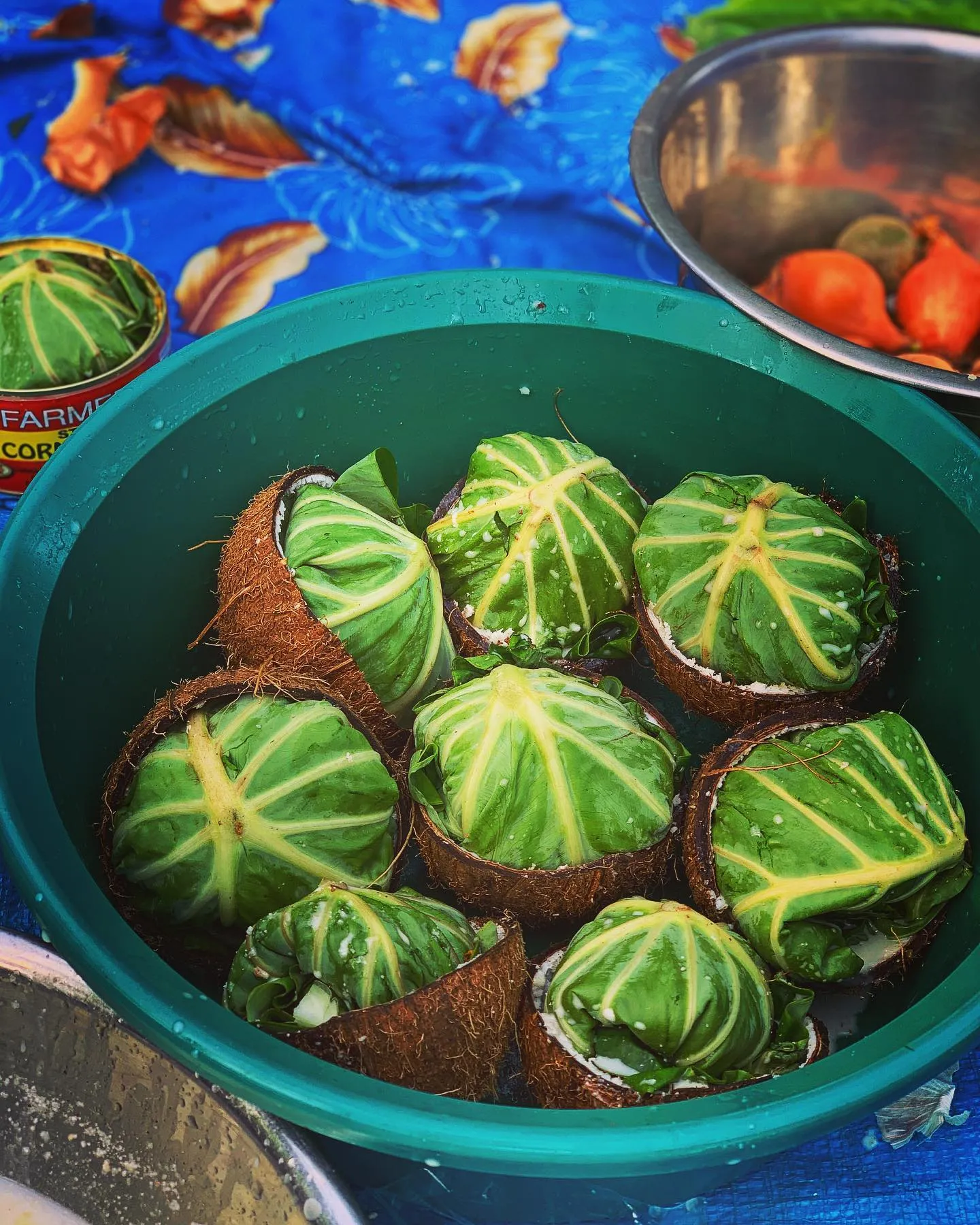 Palusami
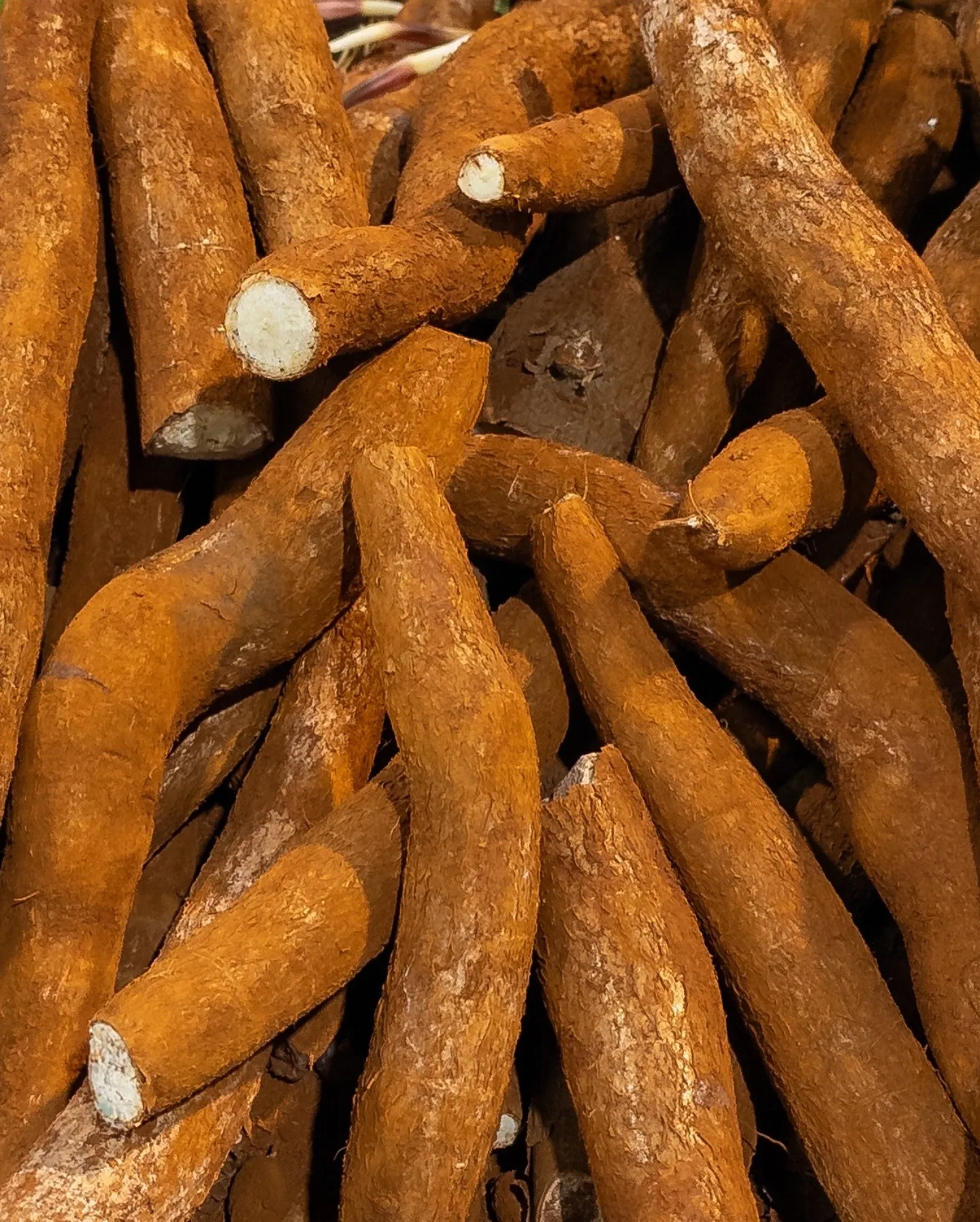 Cassava and dalo
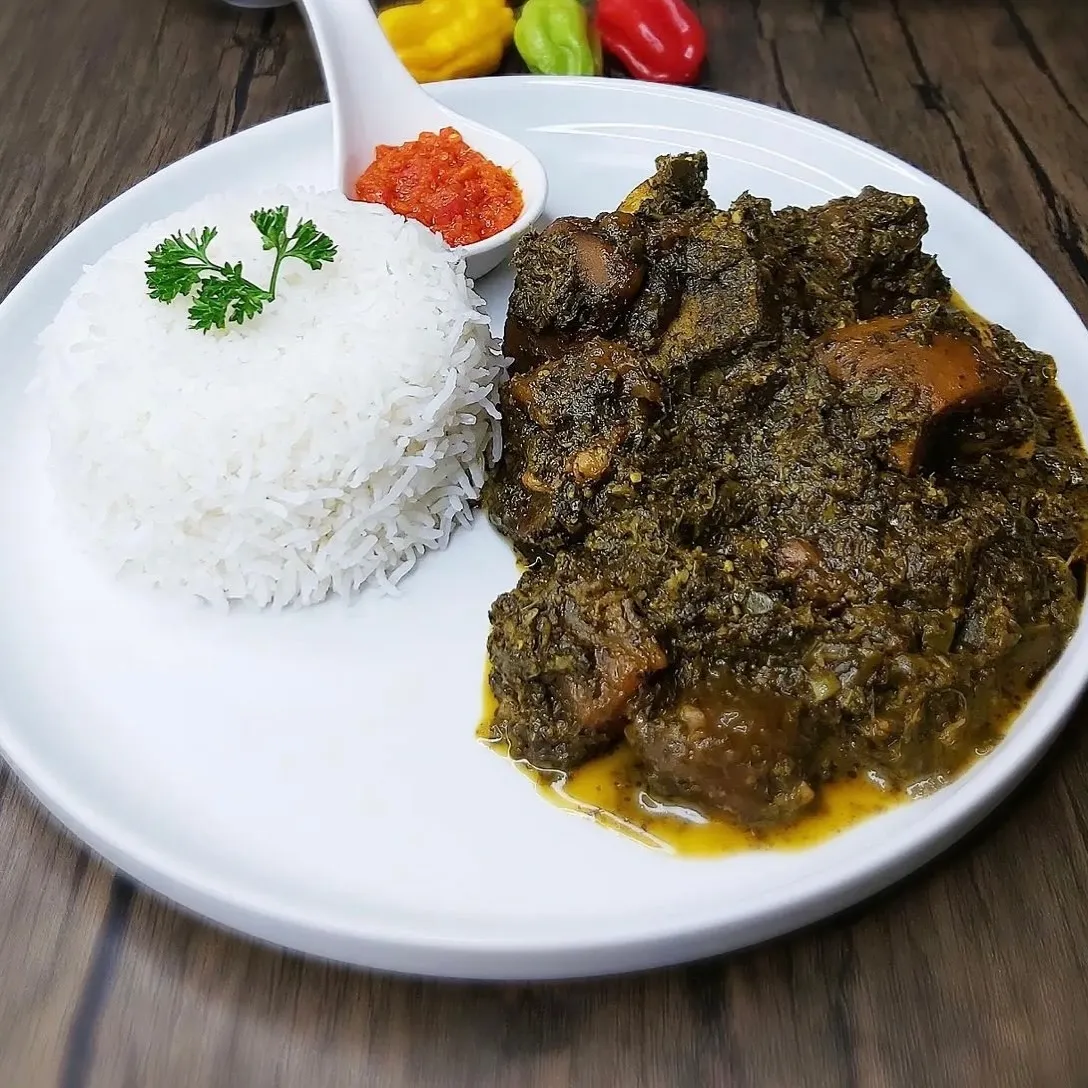 Cassava and dalo
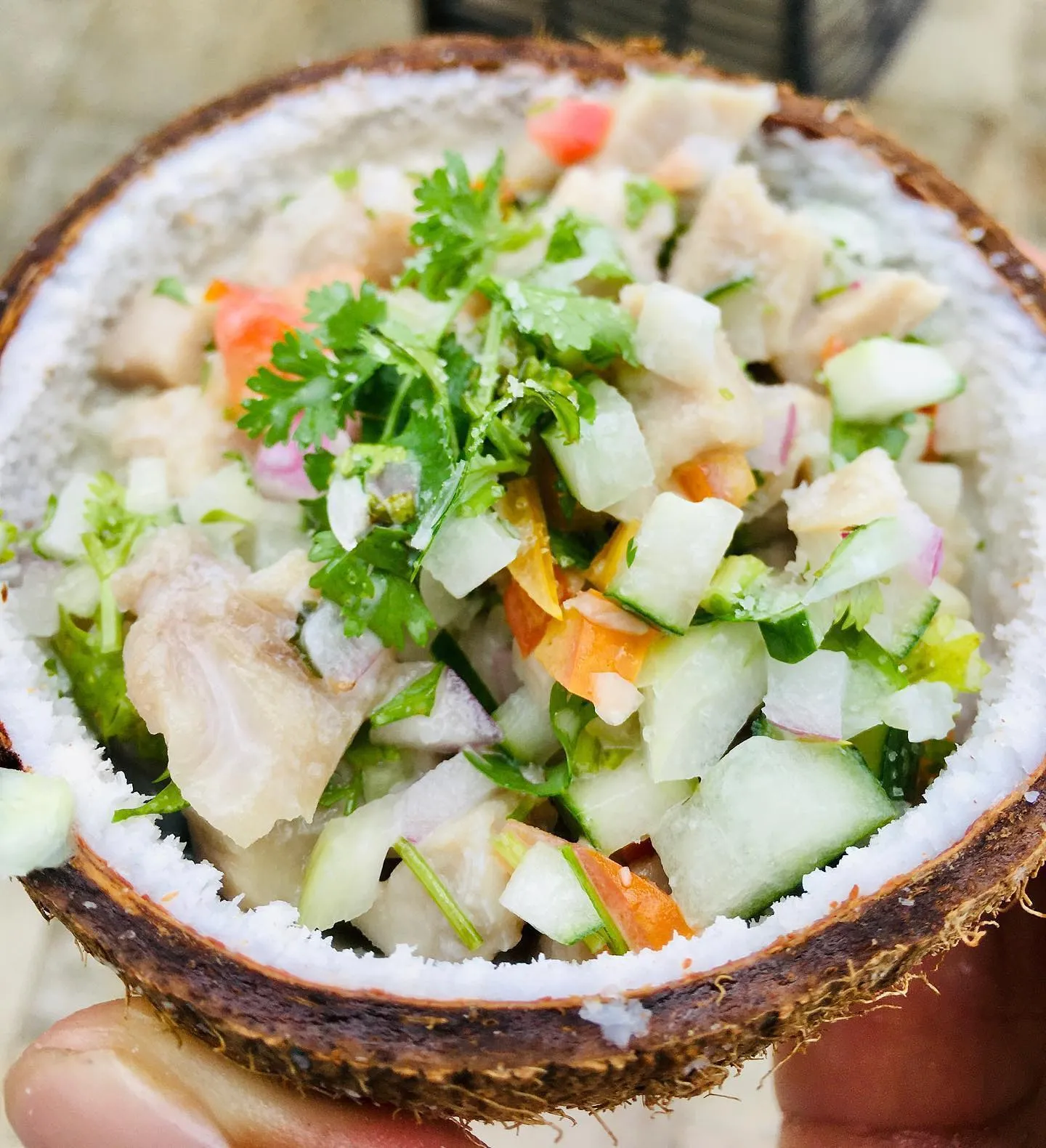 Kokoda
- Kokoda: Raw fish marinated in lime and coconut milk, similar to ceviche
- Lovo: Food cooked underground using hot stones, often served during celebrations
- Palusami: Taro leaves baked with coconut cream
- Cassava and dalo: Staple root vegetables served with meals
Indo-Fijian Cuisine
Indian influence is strong, especially on Viti Levu.
- Curries with fish, chicken, or vegetables
- Roti and dhal
- Spicy street food and snacks
Seafood and Tropical Fruit
Fresh tuna, mahi-mahi, lobster, and reef fish are widely available. Tropical fruits like papaya, pineapple, mango, and banana are eaten daily.
Drinks in Fiji
- Kava: A traditional ceremonial drink with mild sedative effects
- Fresh coconut water
Costs and Budget Expectations
Fiji can be affordable or luxurious depending on travel style.
Budget Travel
- Backpacker hostels and island lodges exist
- Public buses on Viti Levu are cheap
- Local food is affordable
Mid-Range Travel
- Beachfront resorts with meal packages
- Organized tours and activities
- Comfortable island hopping
Luxury Travel
- Overwater bungalows
- Private island resorts
- Personalized experiences
Flights are often the biggest expense, especially from Europe or North America.
Safety in Fiji and Common Scams
Is Fiji Safe?
Fiji is considered one of the safer destinations in the Pacific. Violent crime against tourists is rare, especially in resort areas.
Common Scams and Issues
Petty theft
Pickpocketing can occur in busy areas like Nadi markets. Avoid carrying valuables openly.
Taxi overcharging
Use licensed taxis or confirm fares beforehand.
Unofficial tour sellers
Always book tours through hotels or registered operators.
Village donation pressure
Some villages may request donations. This is often cultural rather than a scam, but ask your guide for advice.
Overall, scams are minimal compared to many global destinations.
Culture, Customs, and Etiquette
Fijian culture is deeply rooted in respect, community, and tradition.
- Greet people warmly
- Dress modestly in villages
- Remove hats and sunglasses when greeting elders
- Ask permission before taking photos in villages
- Participate respectfully in kava ceremonies
Sunday is a day of rest and church for many locals.
Transportation and Getting Around
Getting to Fiji
Most travelers arrive at Nadi International Airport.
Getting Around
- Buses and shared vans on Viti Levu
- Ferries and boats between islands
- Domestic flights for longer distances
Island travel requires planning, as ferry schedules can be limited.
Best Time to Visit Fiji
Dry Season (May to October)
- Cooler temperatures
- Less humidity
- Peak travel season
Wet Season (November to April)
- Hotter and more humid
- Afternoon rain showers
- Cyclone risk is low but possible
The shoulder months offer the best balance of weather and prices.
What Makes Fiji Special
What truly sets Fiji apart is its people. Visitors often describe Fijians as some of the friendliest and happiest people in the world. Smiles are genuine, hospitality is sincere, and community values shape everyday life.
Fiji also excels in:
- Marine conservation
- Sustainable tourism
- Cultural preservation
- Balance between luxury and authenticity
It is easy to feel welcome here, even when visiting for the first time.
What to Pack for Fiji
- Lightweight clothing
- Reef-safe sunscreen
- Insect repellent
- Swimwear and water shoes
- A light jacket for evenings
- Respectful clothing for village visits
Final Thoughts: Is Fiji Worth Visiting?
Fiji is more than a tropical escape. It is a destination that combines natural beauty, cultural depth, and genuine human connection. Whether you are lounging on a private island, snorkeling a coral reef, or sharing kava in a village, Fiji offers moments that feel meaningful and unhurried.
If you want a destination where relaxation comes naturally and kindness feels effortless, Fiji is an excellent choice.