Why Filipino Dishes Deserve a Place on Every Food Lover’s Table
The first time I experienced Filipino food, I realized this wasn’t just eating — it was stepping into a culture. The aroma of sizzling garlic and vinegar, freshly steamed rice waiting on the table, laughter filling the room — that’s the heartbeat of Filipino cuisine. It’s bold yet comforting, simple yet layered with history, and unlike anything else you’ll taste on the global food scene.
From neighborhood carinderias (small local eateries) in Manila to Michelin-level innovation in global kitchens, Filipino dishes are finally earning the recognition they’ve long deserved. In this guide, you’ll discover what makes Filipino food distinct, why it resonates with home cooks and professional chefs alike, how it fits into modern, healthy lifestyles, and how you can bring these flavors to your own table.
Recommended Travel Essentials
The Story Behind Filipino Flavors
Filipino cuisine is more than a set of recipes. It’s a culinary tapestry woven from indigenous Austronesian roots and centuries of cultural interaction — including Malay, Chinese, Spanish, and American influences. Every dish tells a story about place, history, and community.
What sets Filipino food apart is its bold interplay of tastes: salty, sour, sweet, and sometimes a hint of umami or spice. Vinegar is often used not just for tang but as a natural tenderizer; calamansi, a tiny Filipino citrus, brightens seafood and sauces; coconut milk adds depth and creaminess. The result is truly distinctive, balanced food that surprises your palate.
And unlike many cuisines where meals are solitary, Filipino dishes are meant to be shared — over conversations that stretch long into the evening.
What Makes Filipino Cuisine Unique
At its core, Filipino cooking is about balance and contrast. A classic adobo marries salty soy sauce with bright vinegar and garlicky richness, while sinigang — a tamarind-tangy soup — wakes up your senses with sour broth and fresh vegetables. Lechon, the iconic roasted pig, delivers crispy skin and succulent meat that showcases celebration and community.
This interplay of flavors and textures isn’t random. It reflects a centuries-old tradition of resourcefulness, adapting foreign techniques to local ingredients and tastes. Whether you’re eating a humble bowl of lugaw (rice porridge) or enjoying pancit — noodles introduced via Chinese traders — each bite contains centuries of culinary evolution.
Classic Filipino Dishes Every Food Lover Should Try
Here’s where Filipino cuisine shines — in dishes that surprise, comfort, and challenge your expectations:
Adobo: The Quintessential Filipino Dish
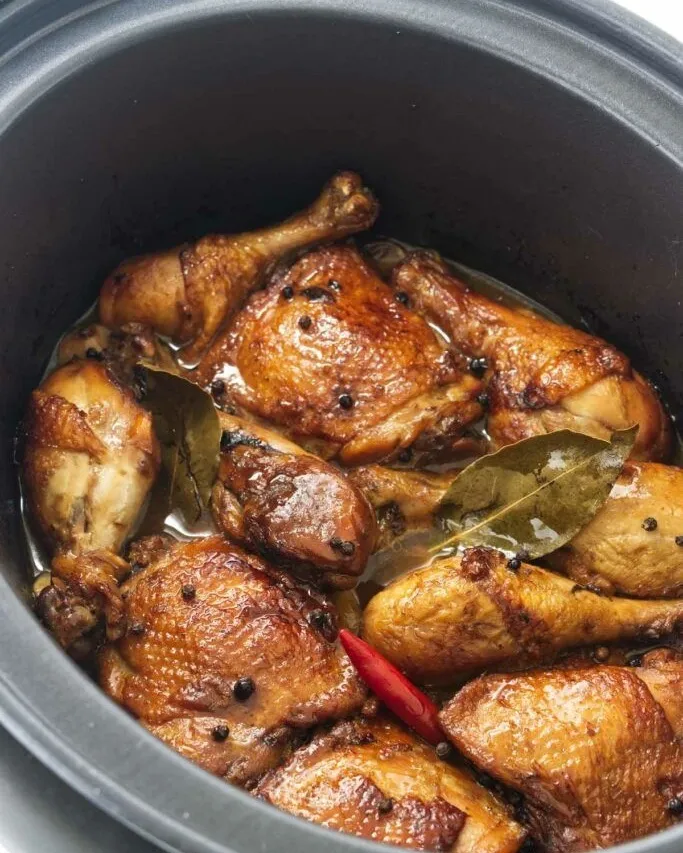
Adobo is arguably the most recognizable Filipino dish outside the Philippines. Slow-braised chicken in vinegar, soy sauce, garlic, and bay leaves results in a deep, savory flavor that’s both bold and comforting. Every family has its own twist, some adding coconut milk for richness or experimenting with different vinegars.
Sinigang: The Sour Soup That Warms the Heart
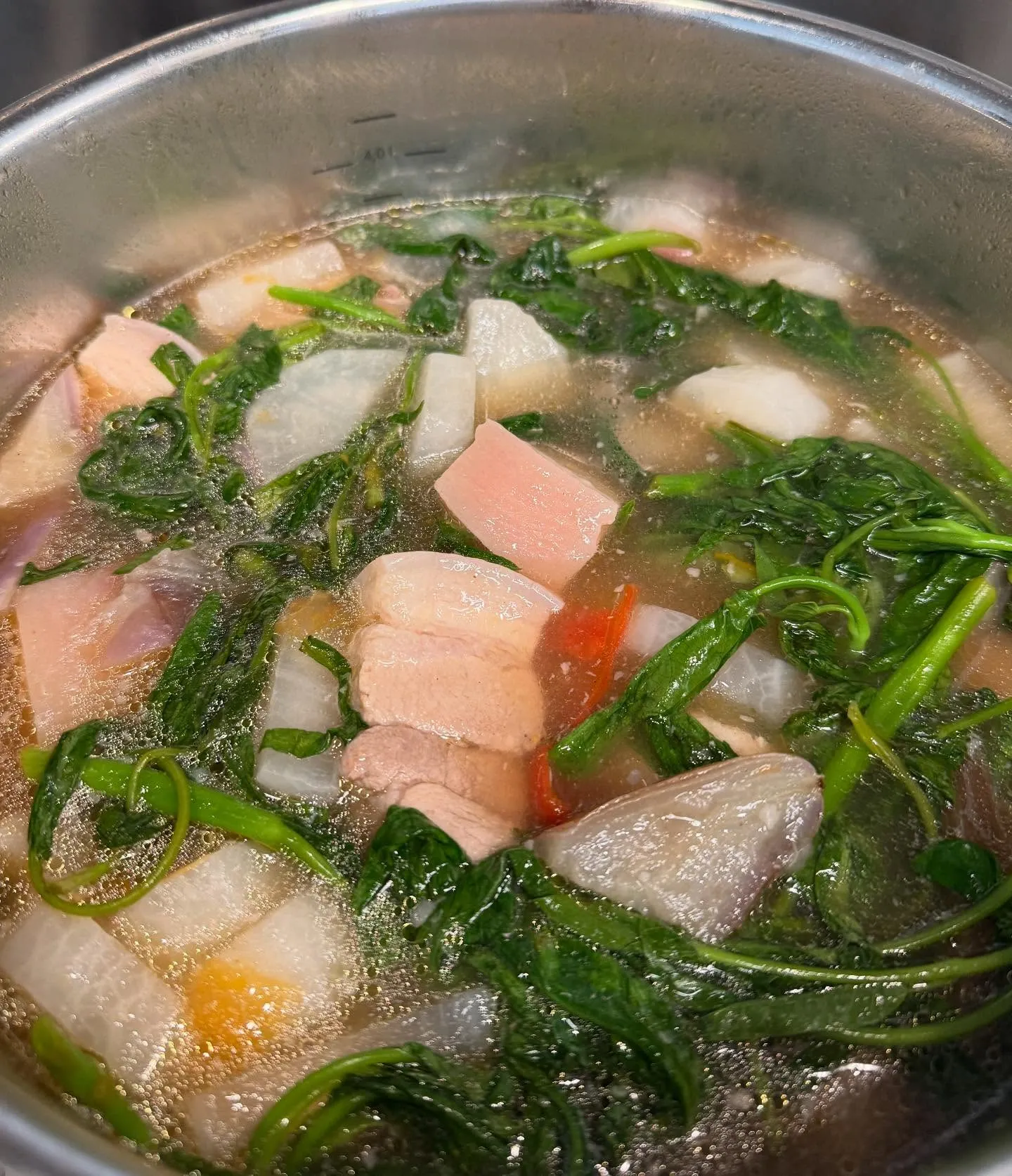
Sinigang’s signature sourness comes from tamarind and local sour fruits, turning everyday ingredients like shrimp and vegetables into a refreshing, savory broth. It’s comfort food with a bright punch and is often cited as one of the most beloved Filipino dishes.
Kare-Kare: Peanut Stew With Soul

A rich peanut-based stew traditionally made with oxtail, tripe, and mixed vegetables, kare-kare is usually served with bagoong (fermented shrimp paste), which cuts through the creaminess with a salty, savory counterpoint. It’s the kind of meal you’ll want to linger over with rice and company.
Lumpia: Filipino Spring Rolls

Crispy on the outside, savory on the inside, lumpia brings a satisfying crunch to any meal or gathering. Whether filled with beef and vegetables or served fresh with dipping sauces, it’s a universal crowd-pleaser.
Halo-Halo: A Dessert Worth the Trip

As much a sensory experience as a dessert, halo-halo layers shaved ice, sweet beans, jellies, evaporated milk, fruit, and sometimes ube (purple yam). It’s colorful, refreshing, and uniquely Filipino — a fitting end to any meal.
Filipino Dishes Beyond the Classics
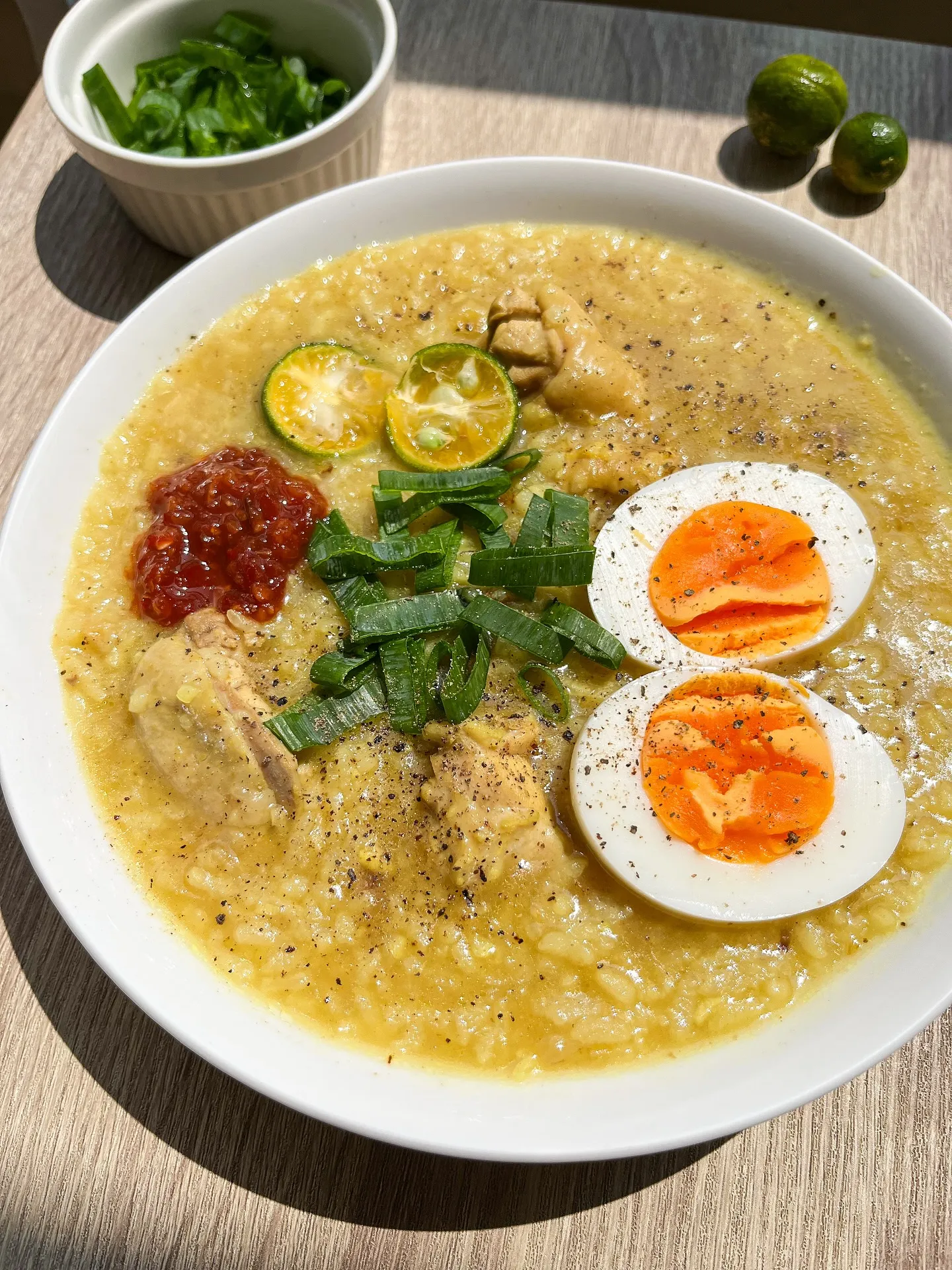 Lugaw
Lugaw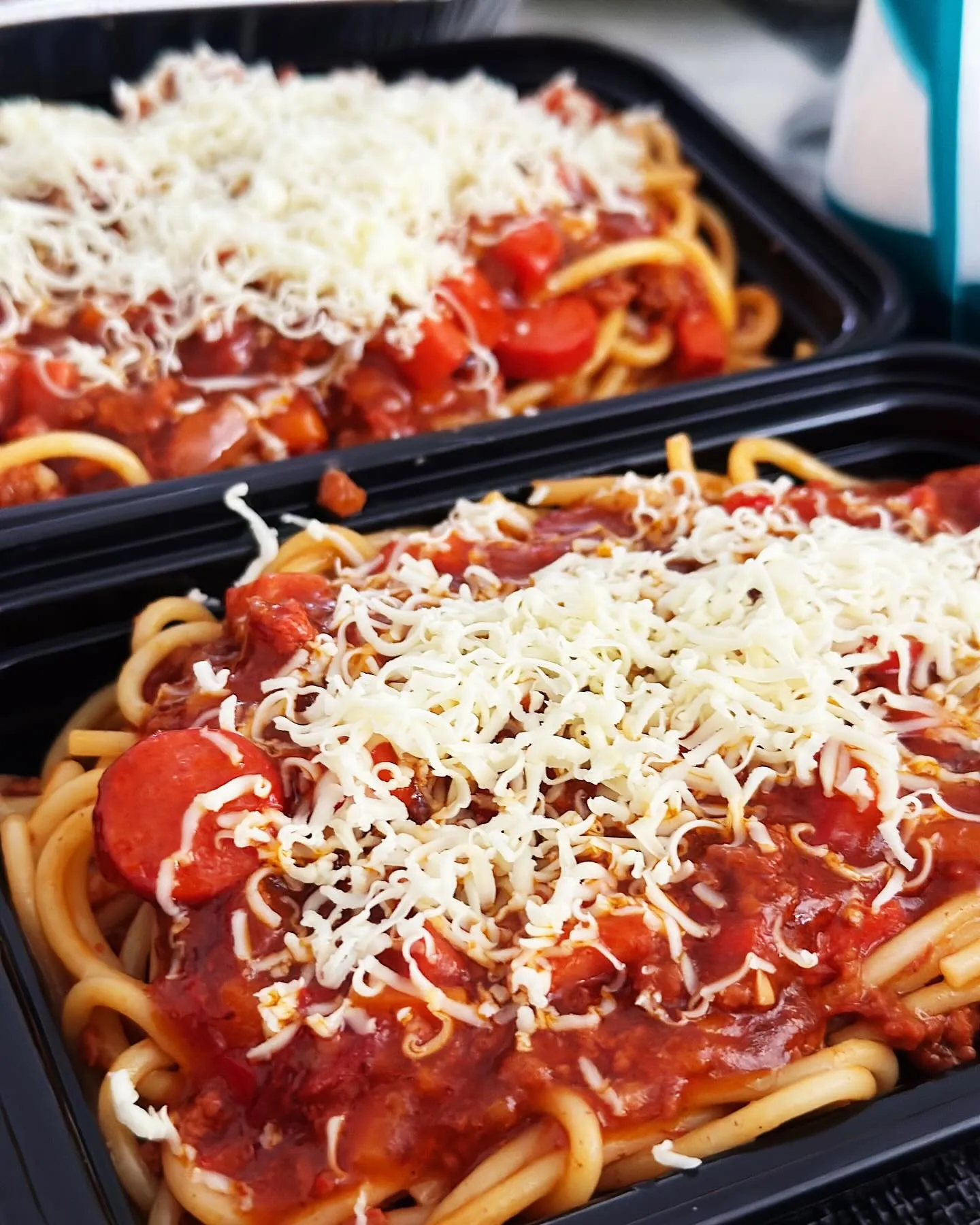 Filipino-Style Spaghetti
 Kilawin
 Pancit Buko
Filipino cuisine is vast, and not every gem gets mainstream attention — but they’re worth seeking out:
- Kilawin — meat or seafood marinated in vinegar and citrus, similar to ceviche.
- Pancit Buko — a noodle dish made with young coconut meat, showcasing inventive use of local ingredients.
- Lugaw / Arroz Caldo — a comforting rice porridge perfect for any time of day.
- Filipino-Style Spaghetti — a sweeter, uniquely Filipino take on spaghetti using banana ketchup and hot dog slices.
These dishes deepen your appreciation of Filipino culture — and most are surprisingly easy to find or recreate at home.
Remember:
Many of these dishes may contain pork or other non-halal ingredients. If you are a Muslim, you must follow your beliefs and ask, learn, and understand the ingredients and recipe before eating any of these dishes.
How Filipino Food Fits Modern Lifestyles

One misconception about Filipino cuisine is that it’s heavy or unhealthy. In reality, many classic dishes fit into balanced eating with simple swaps. Soups like sinigang and tinola are vegetable-rich and light; grilled or steamed seafood is common; and using lean meats or lighter substitutes like vegetable stock can keep calories in check without sacrificing flavor.
Filipino home cooks also innovate, using air fryers for crispier lumpia with less oil, and embracing plant-based versions of favorites like adobong kangkong (water spinach adobo). These adaptations show how Filipino food evolves while staying true to its roots.
Why the World Is Finally Catching On
For years, Filipino cuisine was underrepresented on the global stage. That’s changing fast. Filipino chefs are gaining international recognition for blending tradition with innovation and sustainable practices. Restaurants focused on Filipino cooking are becoming food destinations in cities worldwide.
Part of this global interest comes from cultural pride. Iconic chains like Jollibee — now with over 6,000 locations globally — have introduced Filipino-style comfort foods to new audiences, sparking curiosity and appreciation.
Food writers, travel and culinary publications, and international databases like TasteAtlas have ranked Filipino dishes such as adobo and sisig among the world’s best. These recognitions highlight Filipino cuisine’s unique flavor profiles and broad appeal.
Tips for Exploring Filipino Food as a Traveler or Home Cook

If you’re new to Filipino cuisine, here’s how to make the most of your culinary journey:
- Visit Local Filipino Restaurants and Markets – Cities with diverse food scenes increasingly feature Filipino eateries and Asian markets stocked with ingredients like calamansi juice and native vinegars.
- Host a Filipino Food Night – Start with approachable favorites such as adobo, pancit, and halo-halo. Guests will love the variety and stories behind the dishes.
- Experiment at Home – Many Filipino dishes are one-pot classics. Stock your pantry with staples like coconut milk, vinegar, soy sauce, and calamansi or lime, and let curiosity guide your cooking.
Frequently Asked Questions About Filipino Dishes
Are Filipino dishes spicy?
Most Filipino food focuses more on savory, sour, and sweet notes than heat, though spice can be added to taste.
What’s the best Filipino dish for beginners?
Chicken adobo is a great starting point — simple to prepare and rich in flavor.
Are Filipino dishes healthy?
Many Filipino meals — especially soups and vegetable-forward dishes — can be part of a balanced diet with mindful ingredient choices.
Where can I find Filipino food outside the Philippines?
Major cities worldwide now host Filipino restaurants, and Asian groceries often carry essential ingredients.
Conclusion: Pull Up a Chair
Filipino dishes do more than fill plates — they tell stories. Stories of family gatherings, festive celebrations, local ingenuity, and culinary resilience. Whether you’re wandering the streets of Manila, tasting sisig in Pampanga, slurping sinigang in Cebu, or making pancit in your own kitchen, every dish offers a connection to something larger than flavor alone.
So if you haven’t already, pull up a chair. Discover Filipino food not just as a cuisine but as a culture, one delicious bite at a time.
Which Filipino dish are you most excited to try first? Let me know — I’d love to hear your favorites.