
14 Frequent Flyer Program Secrets That Airlines Don’t Want You to Know
If you fly often, you’ve probably seen miles and points as digital gold — but are you truly maximizing their value? Frequent flyer programs can feel mystifying, loaded with fine print, tiers, expiration dates, blackout periods, and confusing redemption charts. The good news is that many savvy travelers have learned how to unlock serious value from airline loyalty programs — value that most casual flyers miss.
This article reveals 14 frequent flyer program secrets that can instantly boost the value of your miles and points, help you fly smarter, and get more out of every trip. These strategies are practical, often overlooked, and rooted in real experience from seasoned travelers — not airline marketing speak.
Whether you’re a beginner or a mileage pro, this guide will help you earn more, redeem smarter, and avoid costly mistakes.
Recommended Travel Essentials
1. Every Mile Has a Real “Cash Value” — Learn What It Is
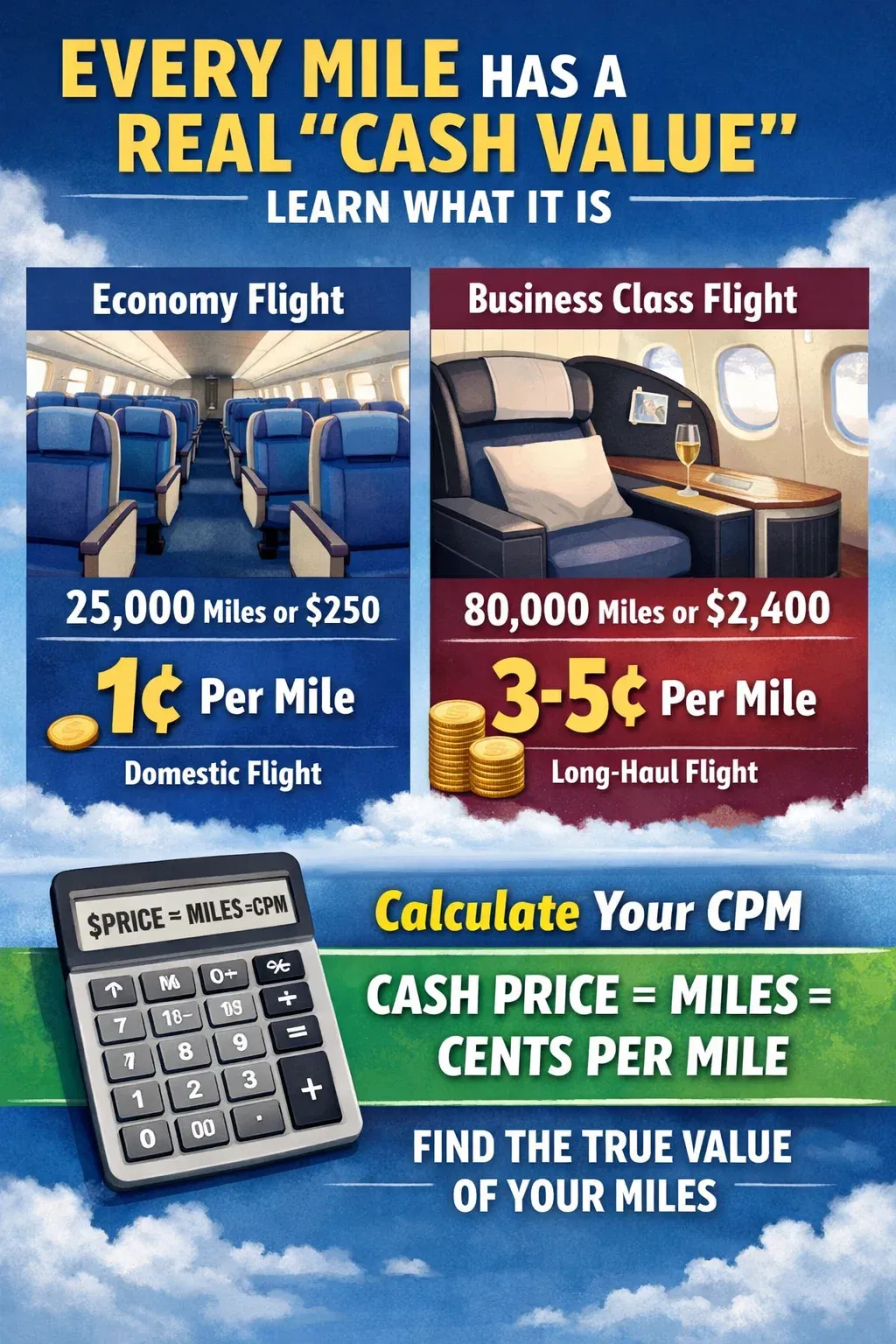
One of the biggest secrets frequent flyers overlook is that miles aren’t all equal. The true value of a mile depends on how you redeem it. Airlines might make miles feel like they’re worth fixed amounts, but in reality, their cash value fluctuates based on the redemption you choose.
For example:
- A domestic economy seat redemption might be worth 1 cent per mile.
- A long-haul business class award could be worth 3 to 5 cents per mile or more.
The key is to calculate the cent-per-mile (CPM) value before redeeming. Divide the cash price of the ticket by the number of miles required to see the true value you’re getting.
2. Airline Programs Aren’t All About Flights
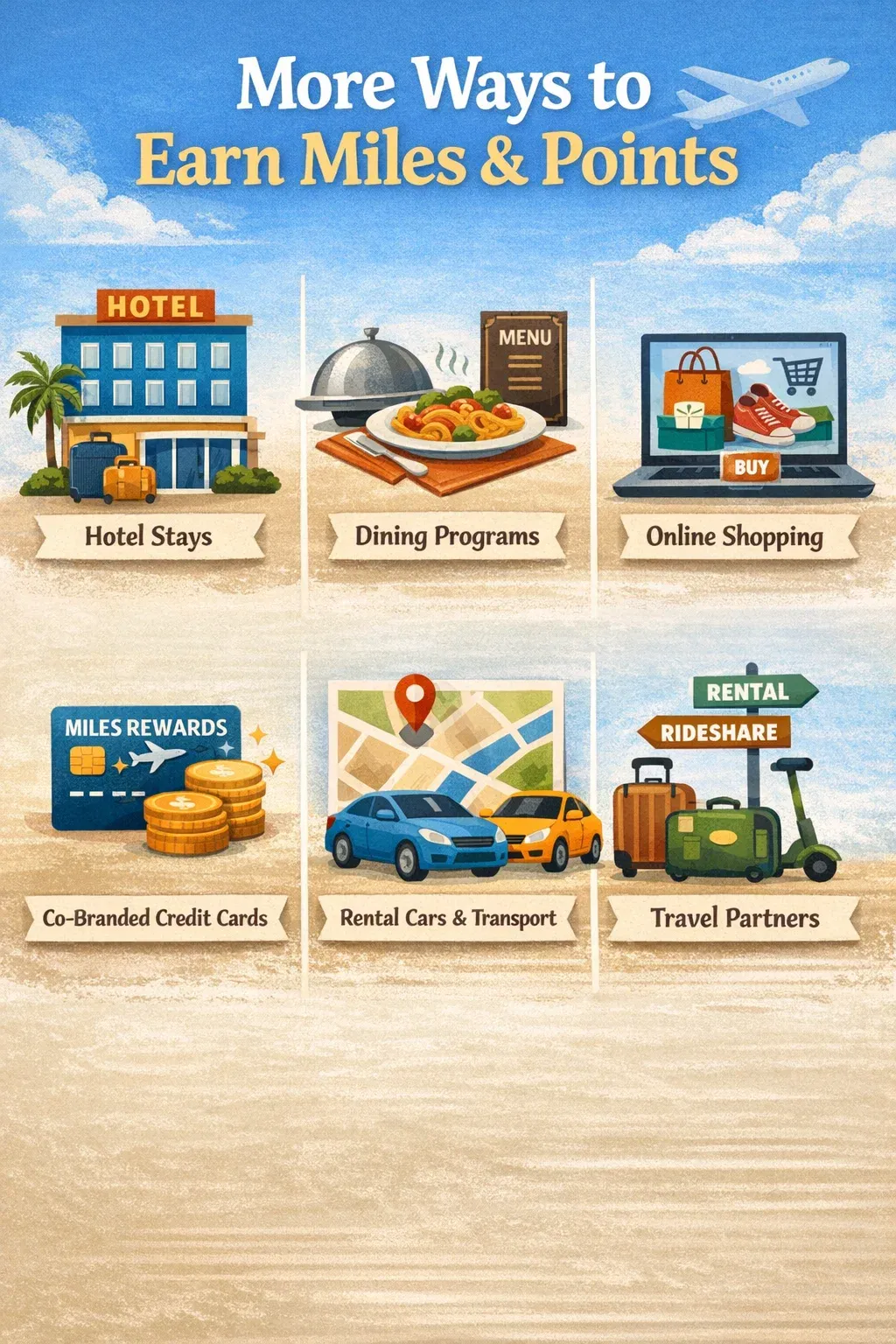
Many frequent flyer programs have partners beyond airlines — including hotels, car rental companies, credit cards, ride-sharing apps, and even retail brands.
You can earn miles or points through:
- Hotel stays
- Dining programs
- Online shopping portals
- Co-branded credit cards
- Rental cars and transport partners
Understanding where you can earn makes your miles accumulate faster without having to sit in a plane seat.
3. Points Transfer Bonuses Are Your Secret Weapon
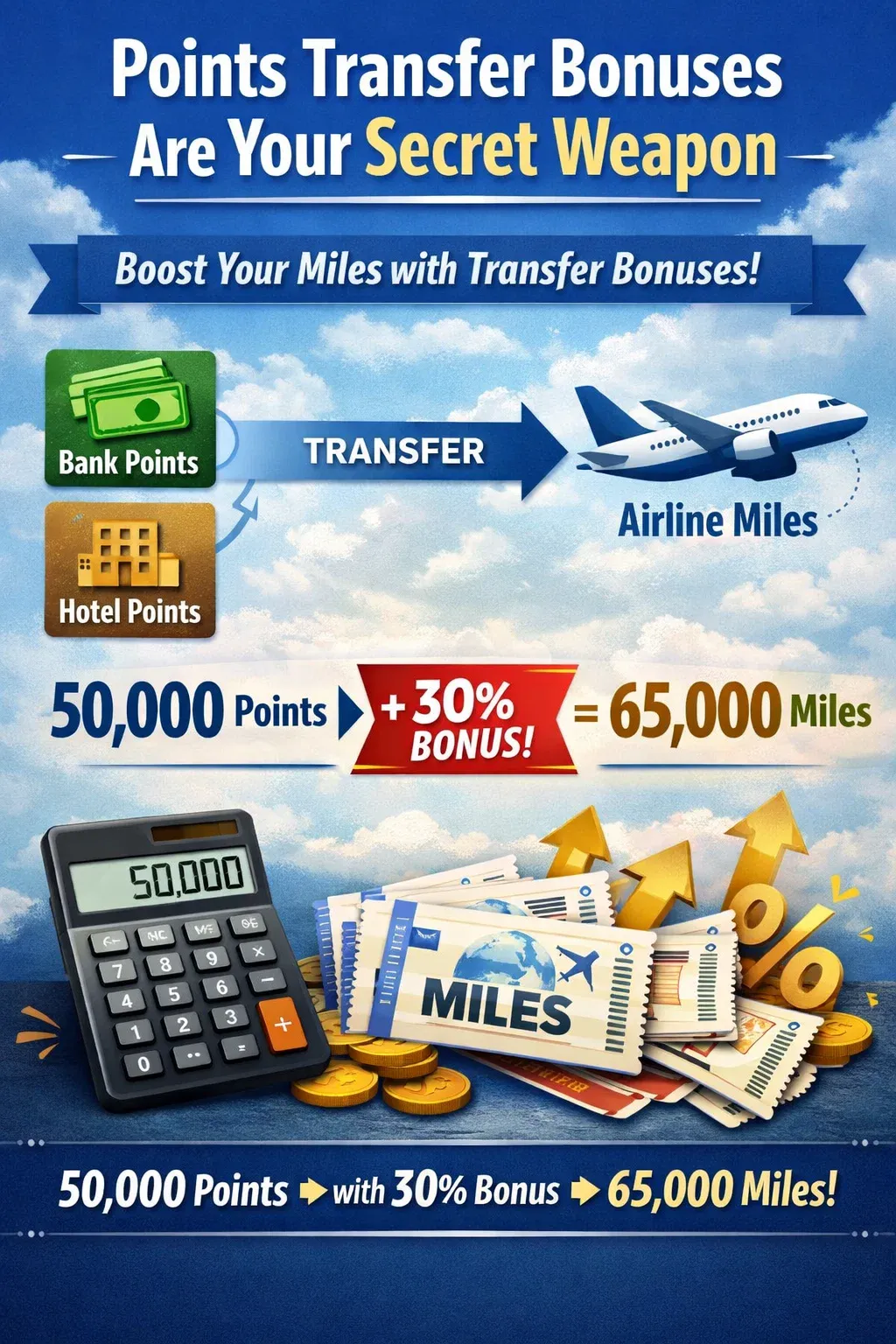
If your frequent flyer program allows point transfers from flexible loyalty programs (like hotel points or bank rewards), you should always monitor for transfer bonuses. These limited-time offers can boost your miles by 20%, 30%, or even more — instantly increasing value.
For example, transferring 50,000 points with a 30% bonus gives you 65,000 airline miles. That’s essentially free value if you plan conversions strategically.
4. Mileage Expiration Isn’t Always Set in Stone
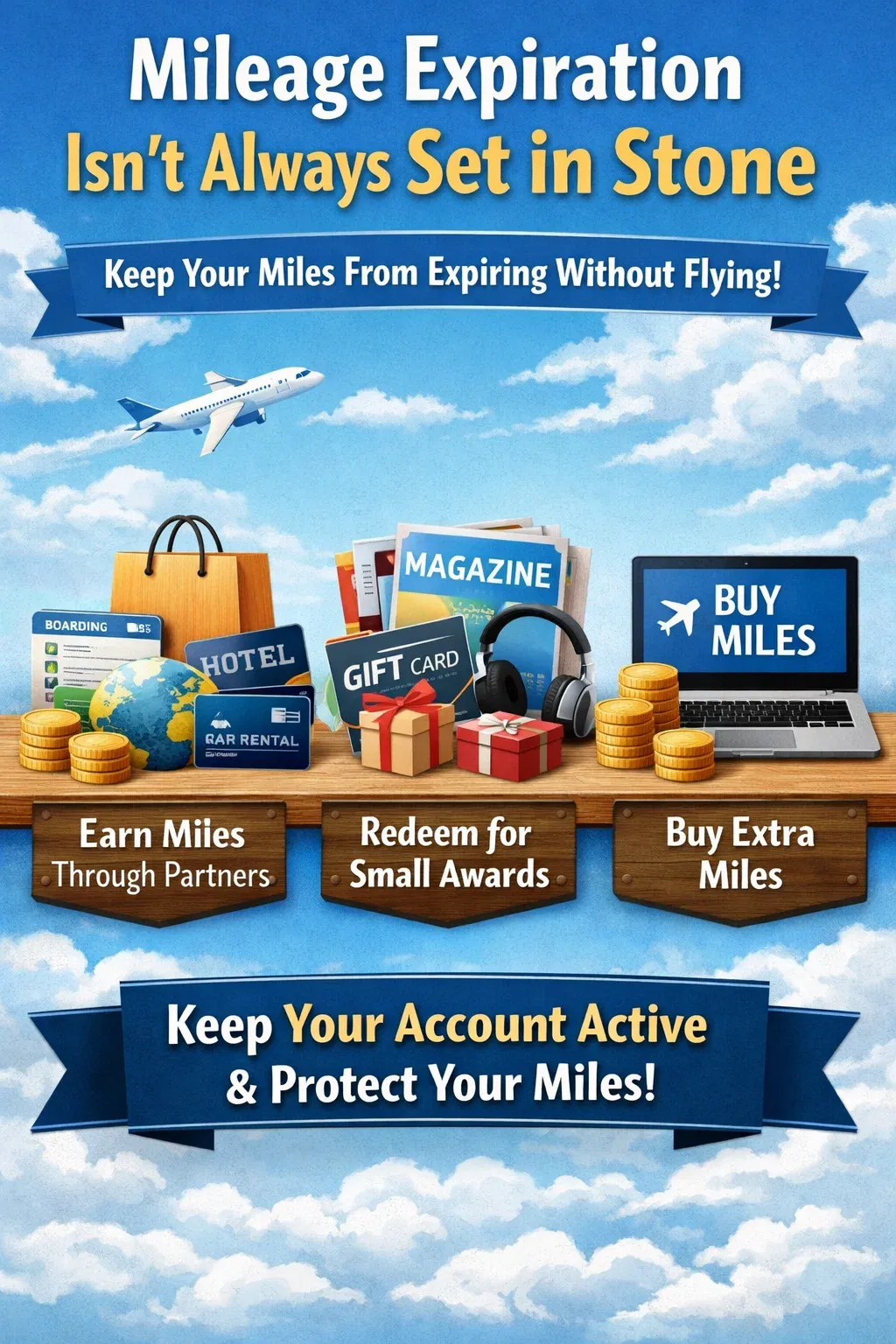
Most frequent flyer programs impose expiration dates on miles if there’s no account activity, but there are ways to reset the clock without flying:
- Earning miles through partners
- Redeeming for low-cost award redemptions (like magazines or small retail items)
- Buying a few extra miles
This tactic keeps your account alive and prevents miles from vanishing while you plan your next big trip.
5. Elite Status Comes With Hidden Perks — But It’s Not Just About Upgrades
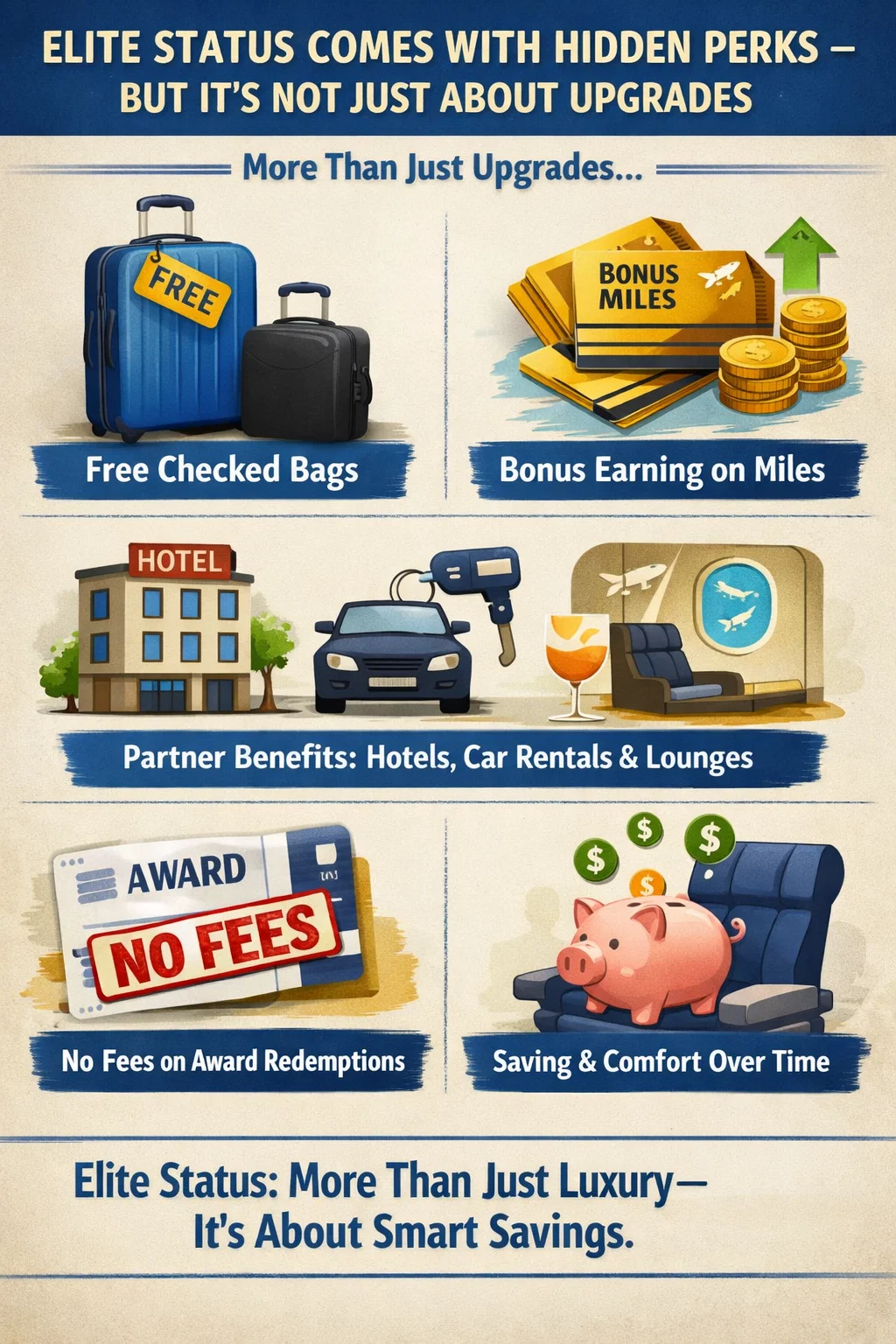
Most travelers recognize elite status as a way to get upgrades and priority boarding, but there are often less obvious benefits too:
- Free checked bags
- Bonus earning rates on miles
- Access to partner benefits (hotels, car rentals, airport lounges)
- Waived fees on award redemptions
Achieving status isn’t just about luxury — it’s about real savings and comfort over time.
6. Some Frequent Flyer Programs Offer Better Award Availability
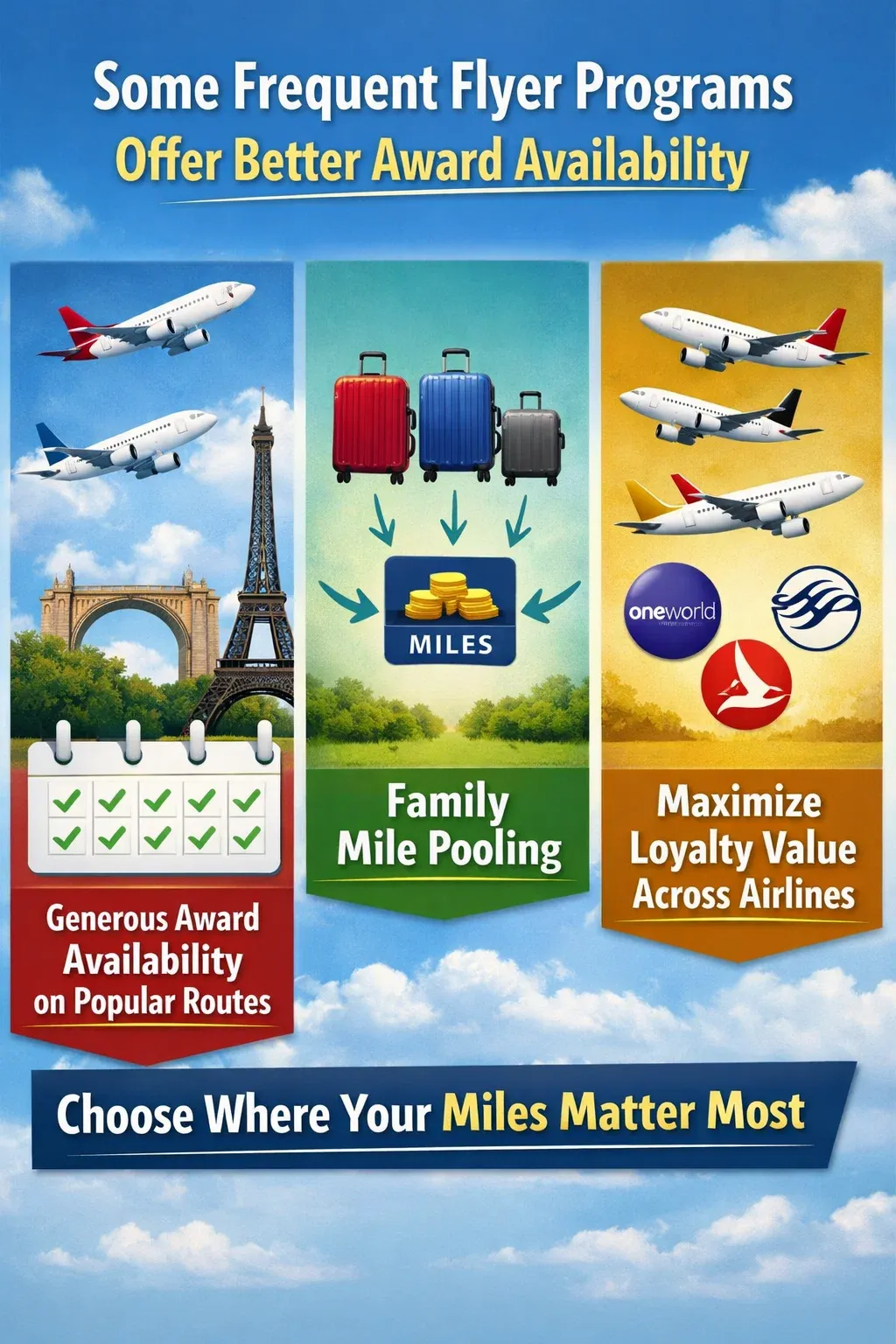
Not all airline loyalty programs are created equal. Some programs release more award seats, more advance availability, or better redemption pricing than others. For example:
- Some alliances have generous award availability even on popular routes.
- Some airlines allow family pooling, which makes it easier to consolidate miles between travelers.
If your miles are with one airline but you fly multiple carriers, consider where loyalty actually pays off most.
7. Use Alliances to Expand Your Redemption Options

Airlines in alliances (such as Star Alliance, Oneworld, or SkyTeam) allow you to book flights on partner airlines with your miles. This dramatically expands your options — especially for long-haul or complicated itineraries.
For example:
- You redeem miles from one carrier but end up flying on a partner airline with better service or schedules.
- Some alliance programs charge fewer miles for the same flight.
Always explore alliance award redemptions first before defaulting to a single carrier.
8. Booking Awards Early — Or Sometimes Very Late — Pays Off

The conventional wisdom is to book as early as possible, but there’s a second secret: sometimes last-minute award seats open up when airlines release seats close to departure. If your plans are flexible, checking availability within a few days of travel can uncover great deals.
However, if you spot a great award rate far in advance, book immediately. Good award seats don’t stay open long.
9. Don’t Ignore Off-Peak Award Pricing
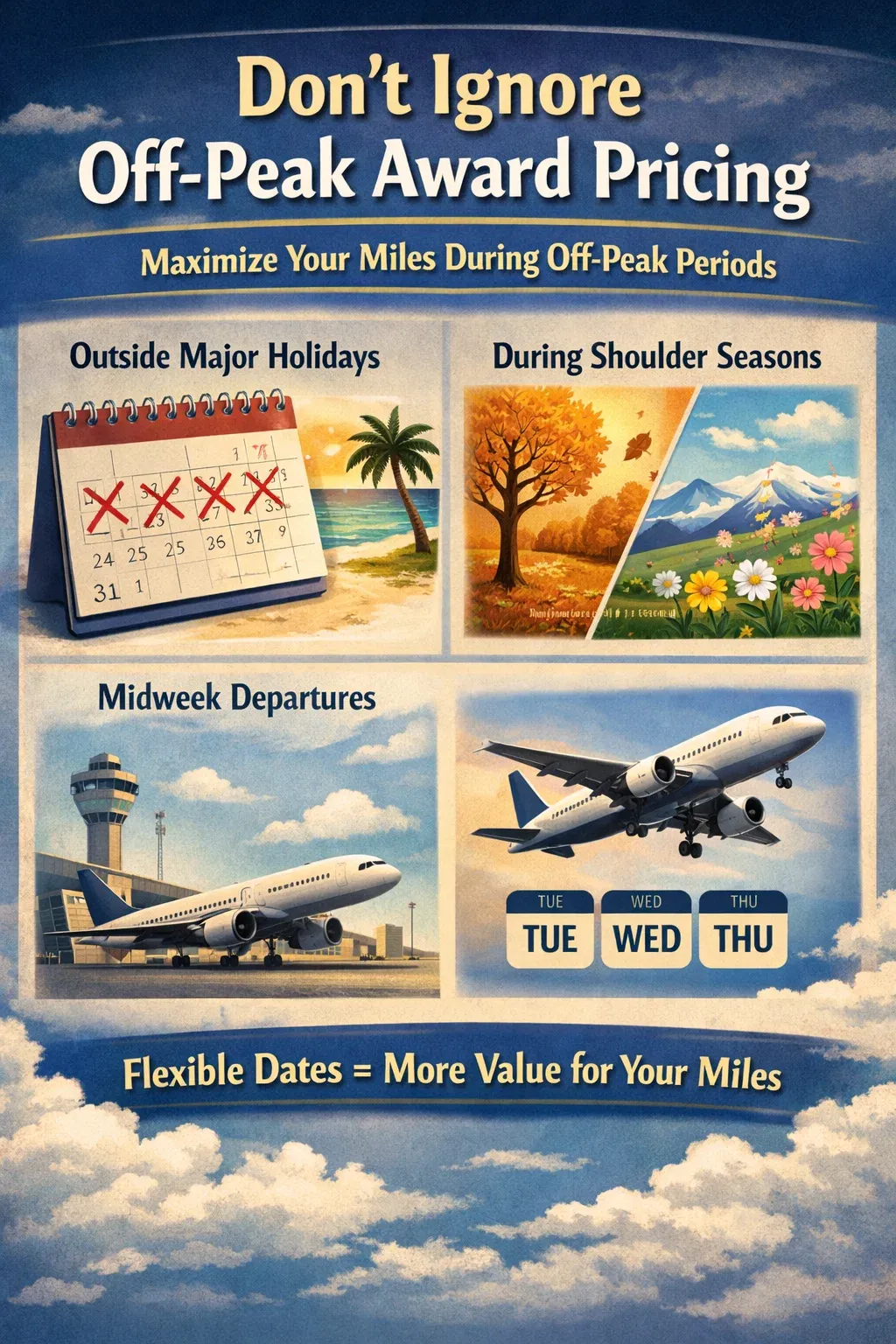
Some airlines offer off-peak award pricing — reduced mileage costs during quieter travel seasons. This is one of the easiest ways to get more value from your miles with minimal sacrifice.
Typical off-peak deals occur:
- Outside major holidays
- During shoulder seasons
- Midweek departures
If your travel dates are flexible, off-peak windows are where miles stretch the farthest.
10. Stop Ignoring Family and Household Accounts
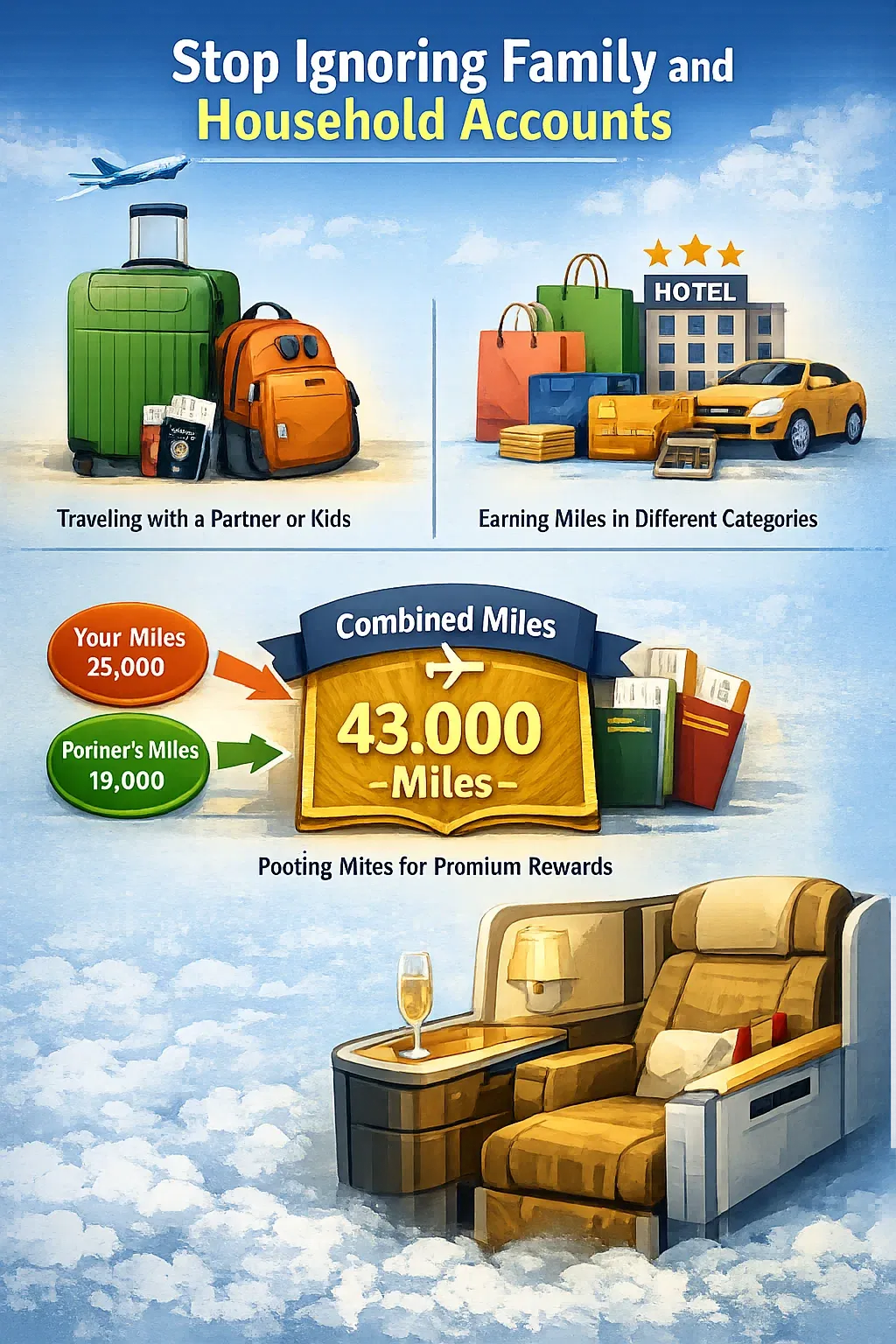
Many frequent flyer programs allow family or household accounts, which let multiple travelers pool miles. This is especially useful if:
- You travel with a partner or kids.
- One member earns more miles in certain categories.
Pooling miles accelerates redemption power, especially for premium cabin awards.
11. Hidden Fees Can Eat Your Miles
Some award bookings come with high taxes and carrier fees, especially on international or premium cabin tickets. Always check the total cost — miles + taxes + fees — before confirming.
Sometimes:
- An airline charges a hefty “fuel surcharge” on award flights.
- Changing or canceling an award ticket incurs fees that outweigh its value.
An informed frequent flyer pays attention to total cost metrics, not just miles.
12. Award Seats Don’t Always Show Online — Know What to Do
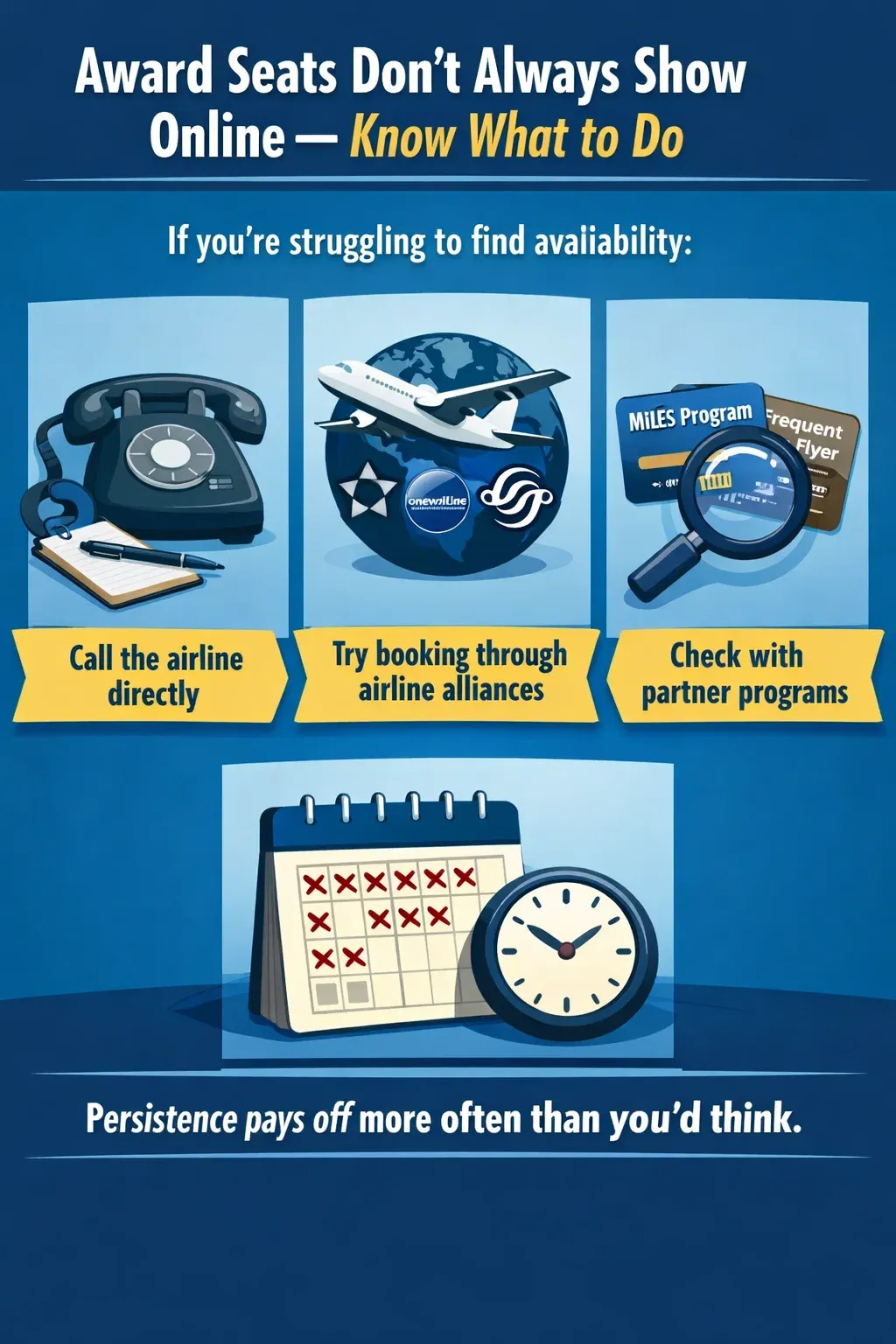
Have you ever searched for an award seat online only to find none available? That doesn’t always mean there aren’t any. Many airlines will hold award seats and only release them to phone agents or certain booking partners.
If you’re struggling to find availability:
- Call the airline directly
- Try booking through airline alliances
- Check with partner programs
Persistence pays off more often than you’d think.
13. Credit Card Sign-Ups Can Turbocharge Your Balance
Frequent flyers often forget that credit cards paired with airline loyalty programs are among the fastest ways to earn miles:
- Large signup bonuses
- Category bonuses (travel, dining, groceries)
- Companion certificates or annual perks
Just be smart about fees and spending habits. Earning miles without unplanned purchases keeps your points portfolio healthy.
14. Always Compare Cash vs. Points Value Before Booking
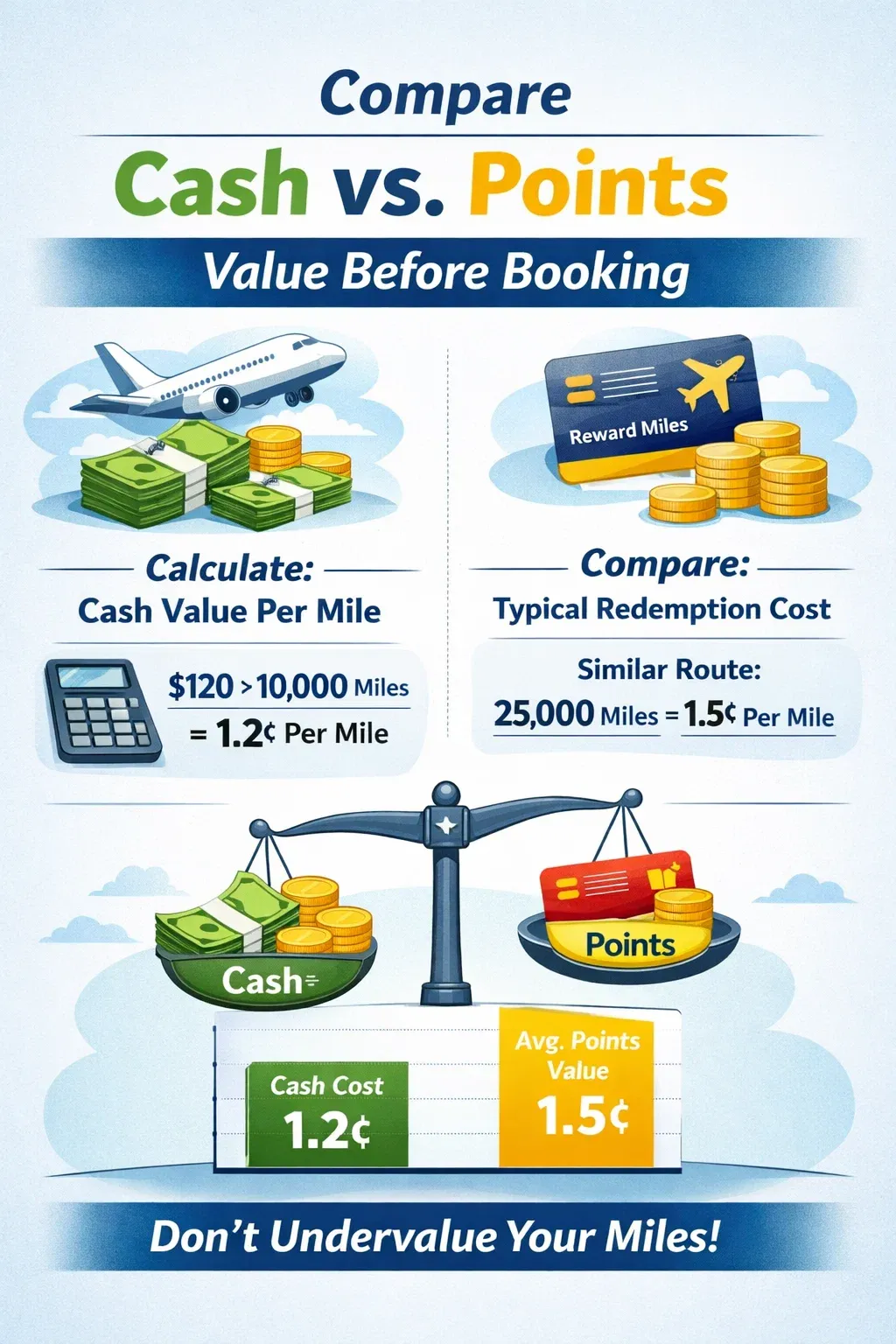
Sometimes paying cash and saving miles is smarter. If the cash price of a ticket is exceptionally low, you might get more value by paying for the flight and saving your miles for a more expensive redemption later.
To evaluate:
- Calculate the cash-value per mile you’d save.
- Compare that to the average redemption cost for similar routes.
This simple habit prevents under-valuing your hard-earned miles.
Bonus Tips Frequent Flyers Shouldn’t Miss
Track Your Accounts in One Place
Use a loyalty management tool (or spreadsheet) to see all your programs, expiration dates, and balances at a glance. This prevents forgotten miles and helps you plan smarter.
Understand Award Routing Rules
Some programs allow stopovers or open jaws (flying into one city and out of another) at little to no extra cost. These can turn a simple award into two trips in one.
Stay Informed
Programs change often. Follow airline loyalty blogs or forums to catch devaluations, bonus offers, and redemption sweet spots before everyone else.
A Word on Frequent Flyer Myths
There are a lot of misconceptions about loyalty programs — and clearing them up will save you time and frustration.
Myth 1: You Need to Fly Often to Earn Miles
False. You can earn miles through many non-flight sources as outlined above.
Myth 2: All Miles Expire After a Set Time
Not always. Activity resets expiration clocks in many programs.
Myth 3: Premium Cabins Always Cost More Miles
Not necessarily — smart routing, alliances, and award charts can unlock premium seats at competitive rates.
Knowing what’s myth vs. reality is part of becoming a smart traveler.
Practical Mileage Hacks for 2026
As travel evolves, so do frequent flyer strategies. Here are some up-to-date mileage hacks:
- Monitor transfer bonuses from bank points programs — these often outperform direct airline earning.
- Join airline shopping portals for everyday purchases.
- Book partner airline awards through alliance programs for better route flexibility.
- Keep an eye out for family pooling offers and mileage sharing promotions.
Staying flexible and strategic gives you an edge most travelers overlook.
Final Thoughts: Make Your Miles Work for You
Frequent flyer programs are more than a loyalty gimmick. When you understand the rules, leverage partnerships, and apply smart redemption tactics, miles become a powerful travel currency.
The airlines may not want you to know all of these secrets, but you do now. Use them responsibly, track your balances carefully, and keep your travel goals front and center. Whether you’re chasing business-class upgrades, award flights to bucket-list destinations, or free domestic trips, these strategies help you get more out of every mile.
Fly smarter. Fly intentionally. And watch your miles take you farther than you ever expected.