Discover the Hidden Wildlife Gems of Khao Yai National Park: An Eco-Travel Guide
Thailand is famous for its islands and street food, but if you’re craving real wilderness, lush forests, and wildlife encounters that feel genuinely wild, Khao Yai National Park deserves your full attention. Just a few hours from Bangkok, this UNESCO-listed park is one of Southeast Asia’s most accessible yet rewarding nature escapes.
This guide goes beyond the basics. You’ll find practical wildlife tips, best seasons to visit, ethical travel advice, and lesser-known spots inside the park that most tourists miss. Whether you’re a first-time visitor or a returning nature lover, this eco-travel guide helps you experience Khao Yai the right way.
Recommended Travel Items for Your Trip
Why Khao Yai National Park Is a Wildlife Lover’s Dream
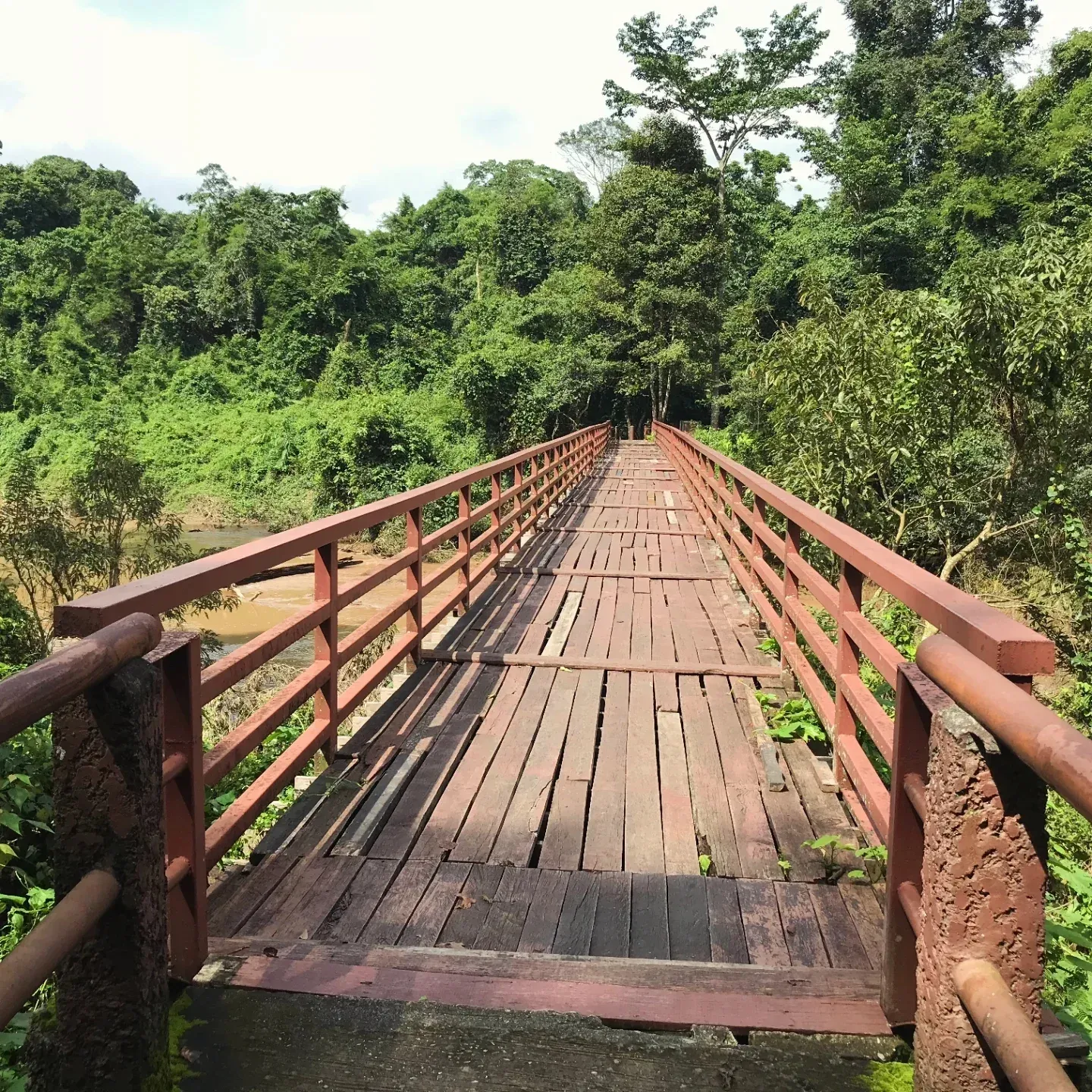
Khao Yai National Park is Thailand’s oldest national park and one of its most biologically diverse. Covering dense rainforest, rolling grasslands, waterfalls, and mountainous terrain, it protects hundreds of animal and bird species within its borders.
What makes Khao Yai special is accessibility without over-commercialization. You don’t need to fly deep into the jungle or book expensive safaris. Wildlife sightings happen right along park roads, hiking trails, and observation points, making it ideal for eco-travelers who want authenticity without extreme logistics.
The Hidden Wildlife You Can Actually See Here
Asian Elephants in the Wild
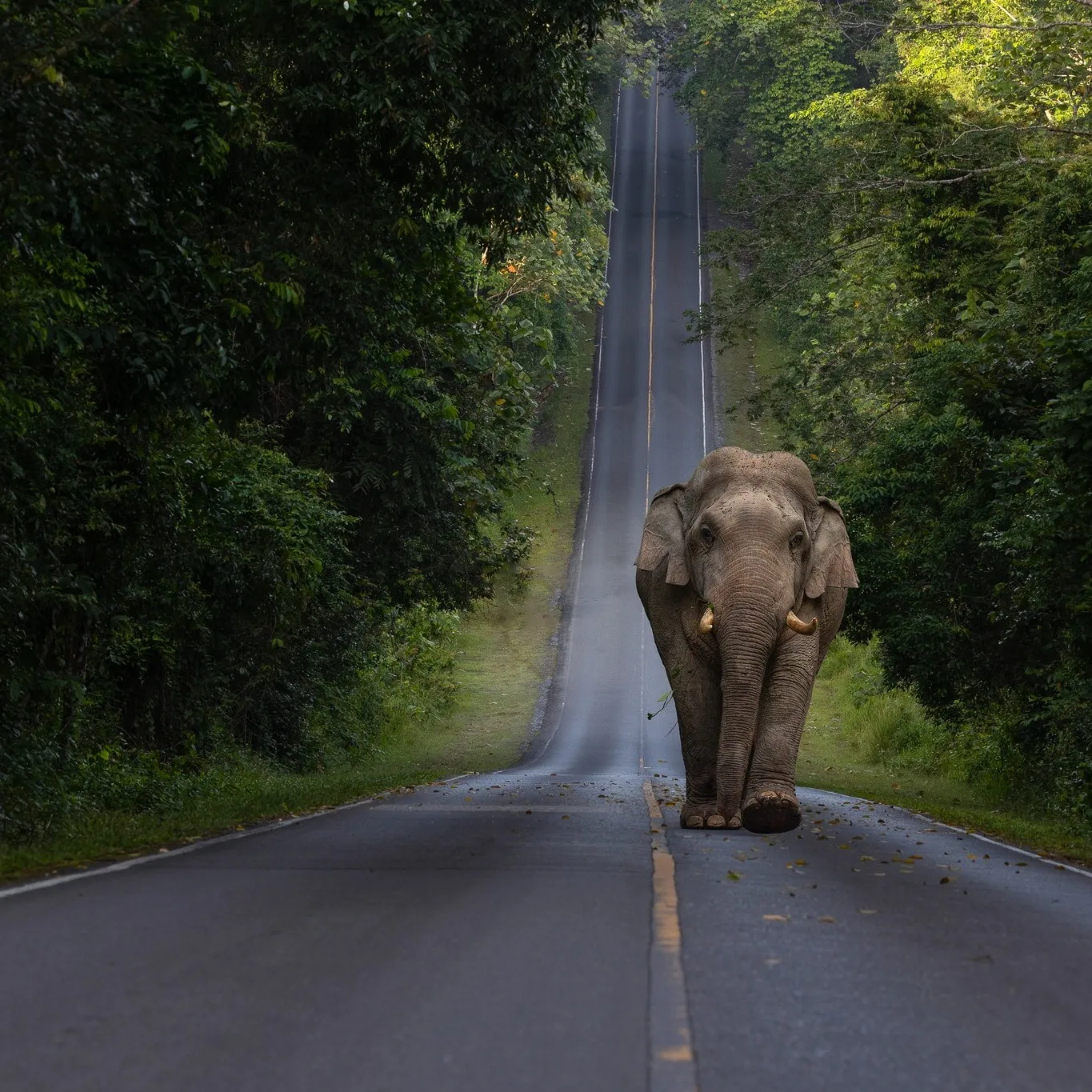
Khao Yai is one of the best places in Thailand to see wild Asian elephants. Unlike sanctuaries or tourist camps, these elephants roam freely. Early mornings and evenings near grasslands and water sources offer the best chance of sightings.
Important safety note: never approach elephants or block roads for photos. Keep a safe distance and let park rangers manage encounters.
Gibbons That Sing Through the Forest
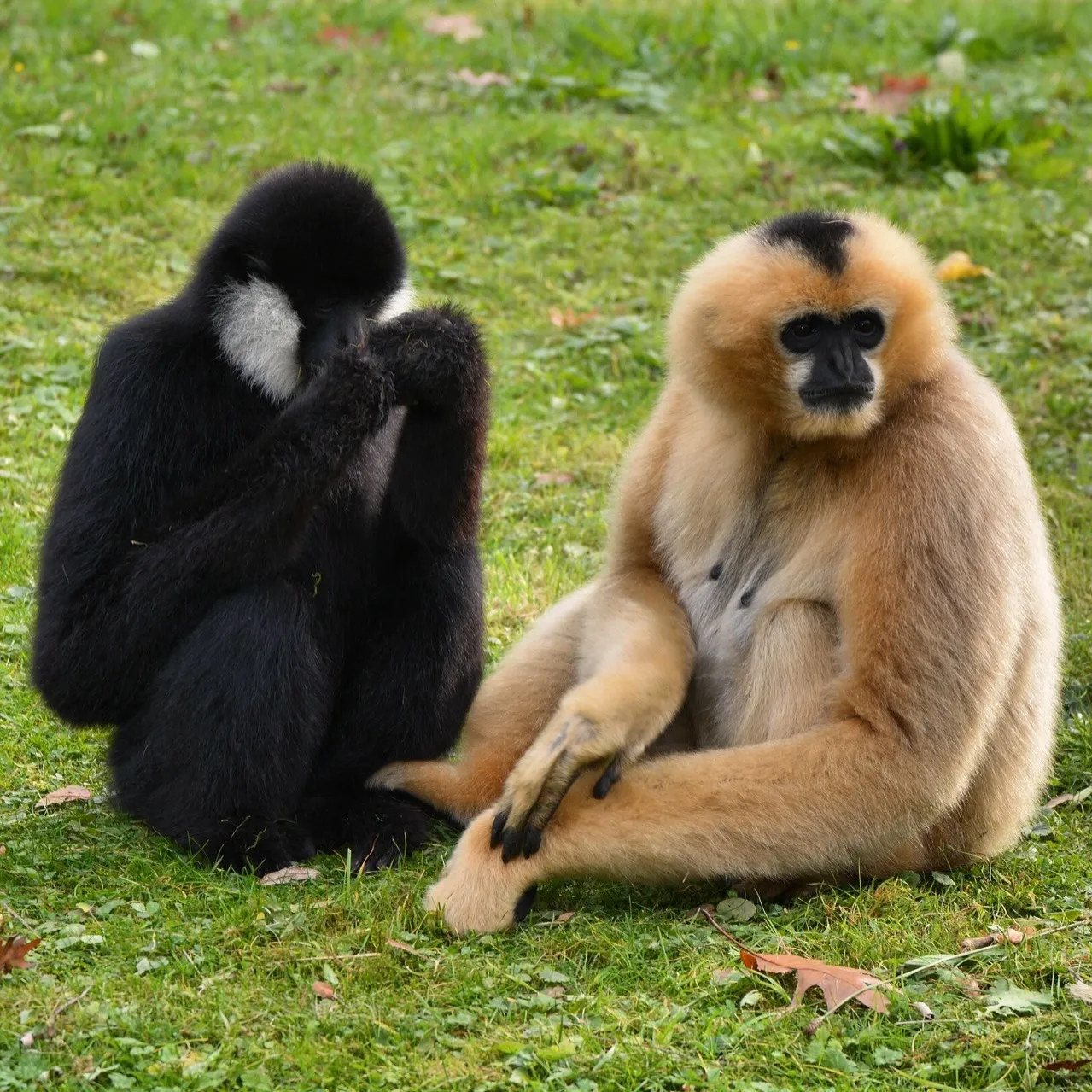
If you wake up early in Khao Yai, you’ll likely hear gibbons before you see them. Their haunting calls echo through the forest canopy at sunrise. With patience and binoculars, you may spot them swinging effortlessly between trees.
Hornbills and Rare Birdlife
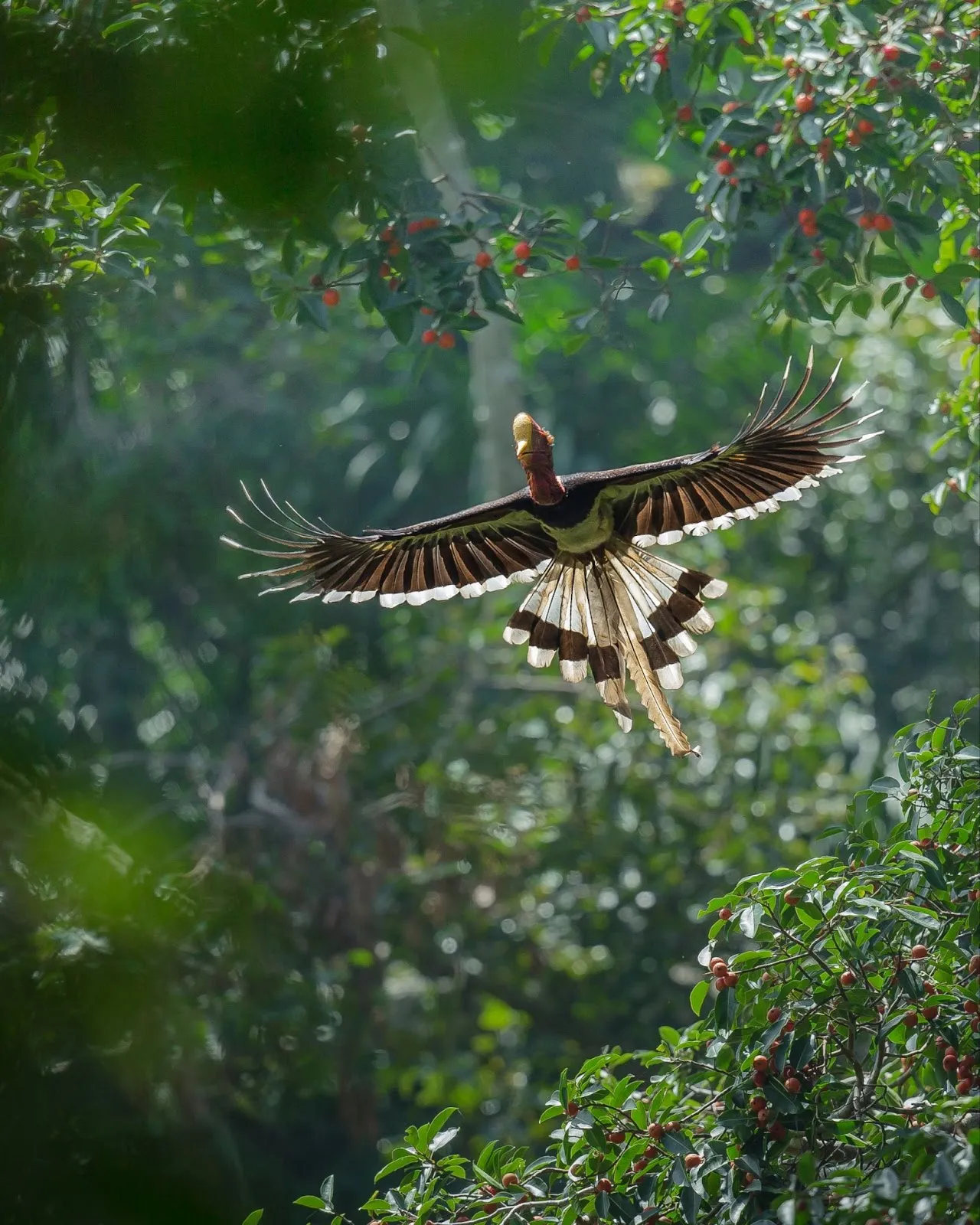
Birdwatchers consider Khao Yai a goldmine. The park is home to great hornbills, oriental pied hornbills, woodpeckers, kingfishers, and hundreds of migratory birds. Even casual hikers spot impressive species without trying too hard.
Elusive Mammals and Reptiles
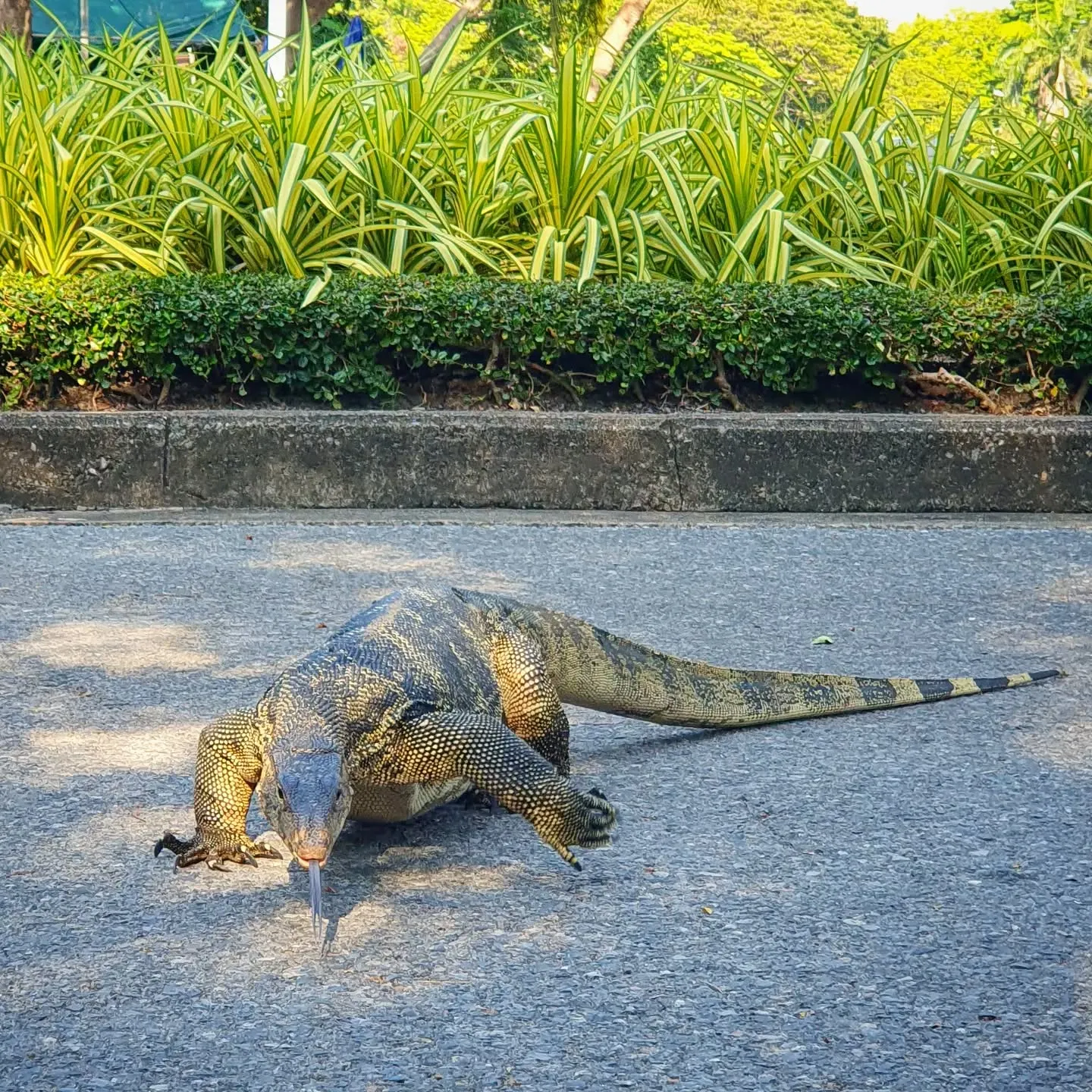
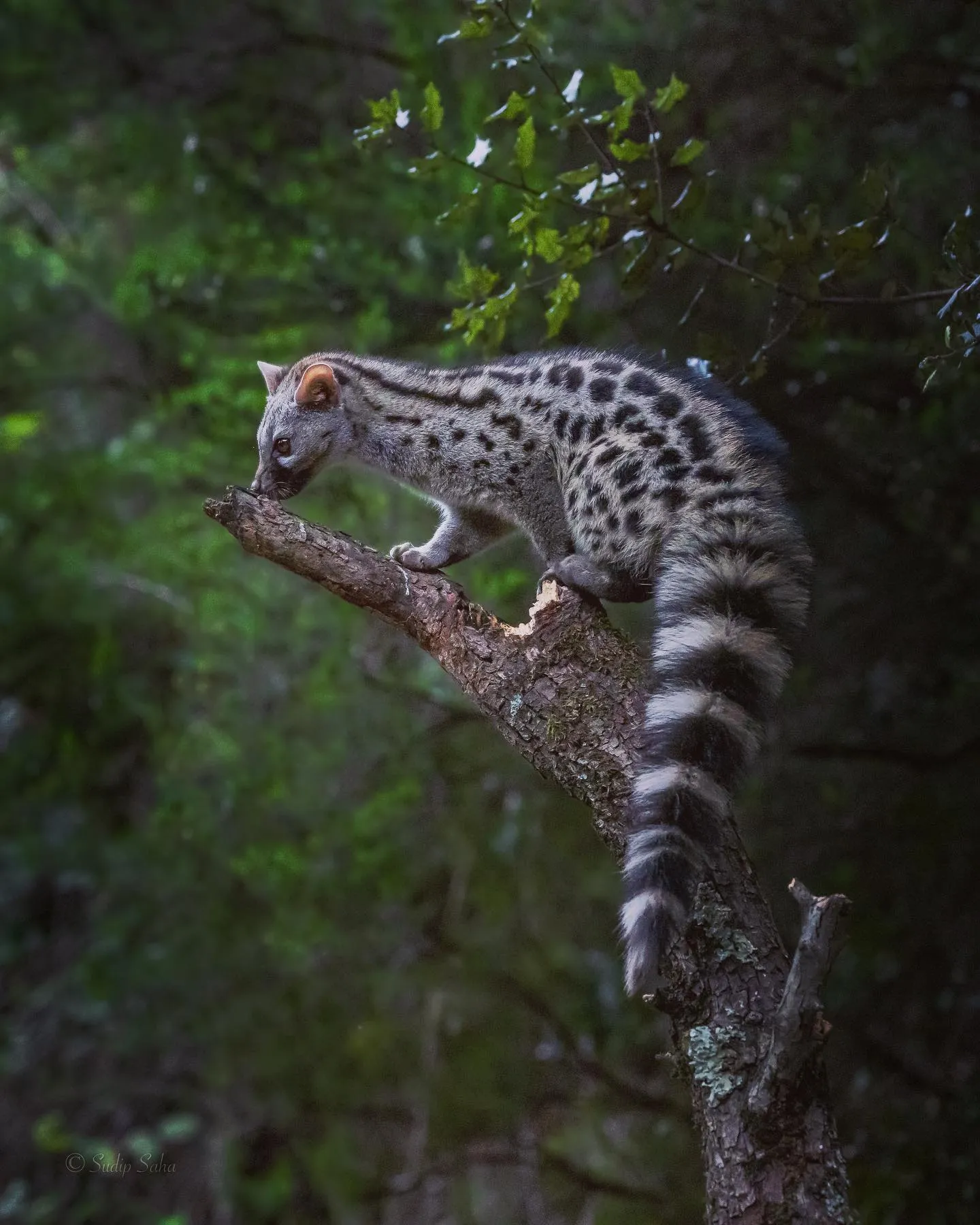
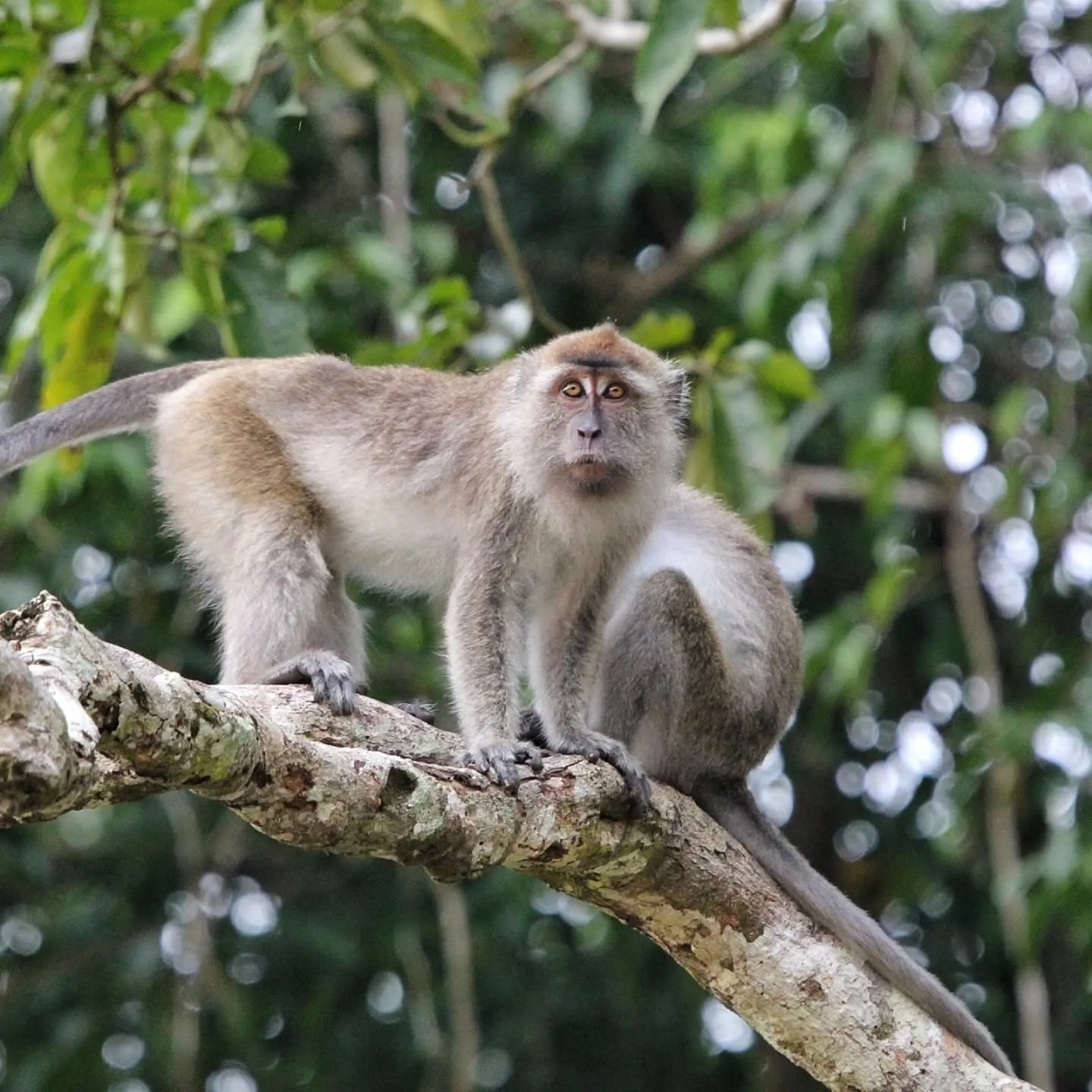
While harder to see, the park also shelters porcupines, deer, civets, macaques, monitor lizards, and even wild cats. Night safaris increase your chances of spotting nocturnal species without disturbing the ecosystem.
Best Time to Visit Khao Yai National Park
Choosing the right season dramatically affects your experience.
Cool Season (November to February)
This is the best time for most travelers. Cooler temperatures, lush landscapes, and active wildlife make hiking and safaris more comfortable. It’s also peak season, so expect more visitors on weekends.
Hot Season (March to May)
Wildlife gathers near water sources, increasing sightings, but temperatures can be intense. Early mornings are essential if you visit during this period.
Rainy Season (June to October)
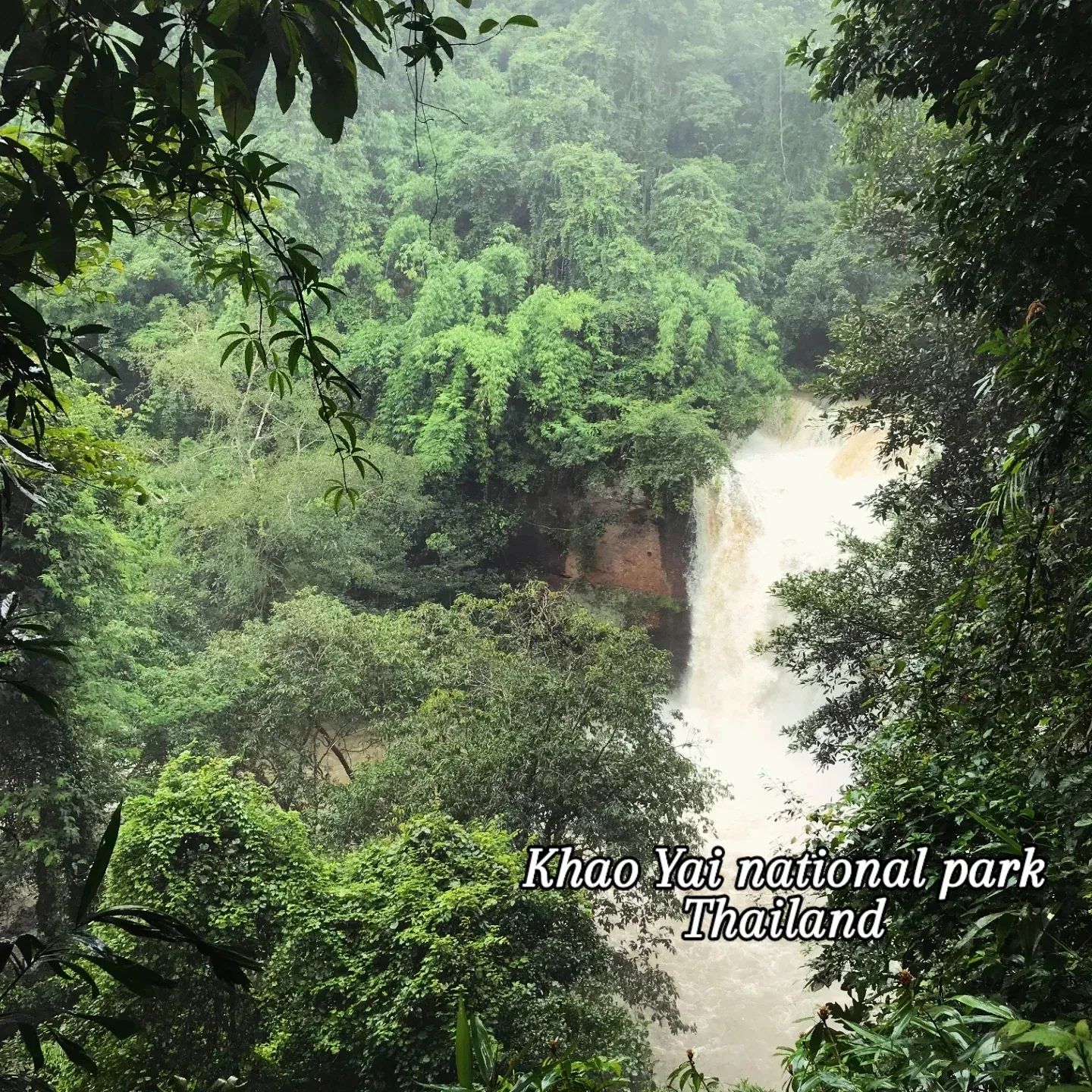
Rain transforms the park into a deep green paradise. Waterfalls are at their most powerful, and crowds thin out. Trails can be slippery, but birdlife thrives during this time.
How to Explore Khao Yai Without Harming the Environment
Eco-travel is not just a label here, it’s a responsibility.
Stick to Designated Trails
Wandering off-trail damages fragile ecosystems and increases risk of dangerous wildlife encounters. Official trails are well-maintained and designed to minimize environmental impact.
Choose Ethical Wildlife Experiences
Avoid tours that promise close animal interaction or feeding opportunities. Ethical tours focus on observation, education, and conservation.
Reduce Waste Inside the Park
Plastic waste is a growing issue in natural areas. Bring reusable water bottles, pack out all trash, and avoid single-use plastics whenever possible.
Must-Visit Spots Inside the Park That Many Travelers Miss
Nong Phak Chi Wildlife Watching Tower
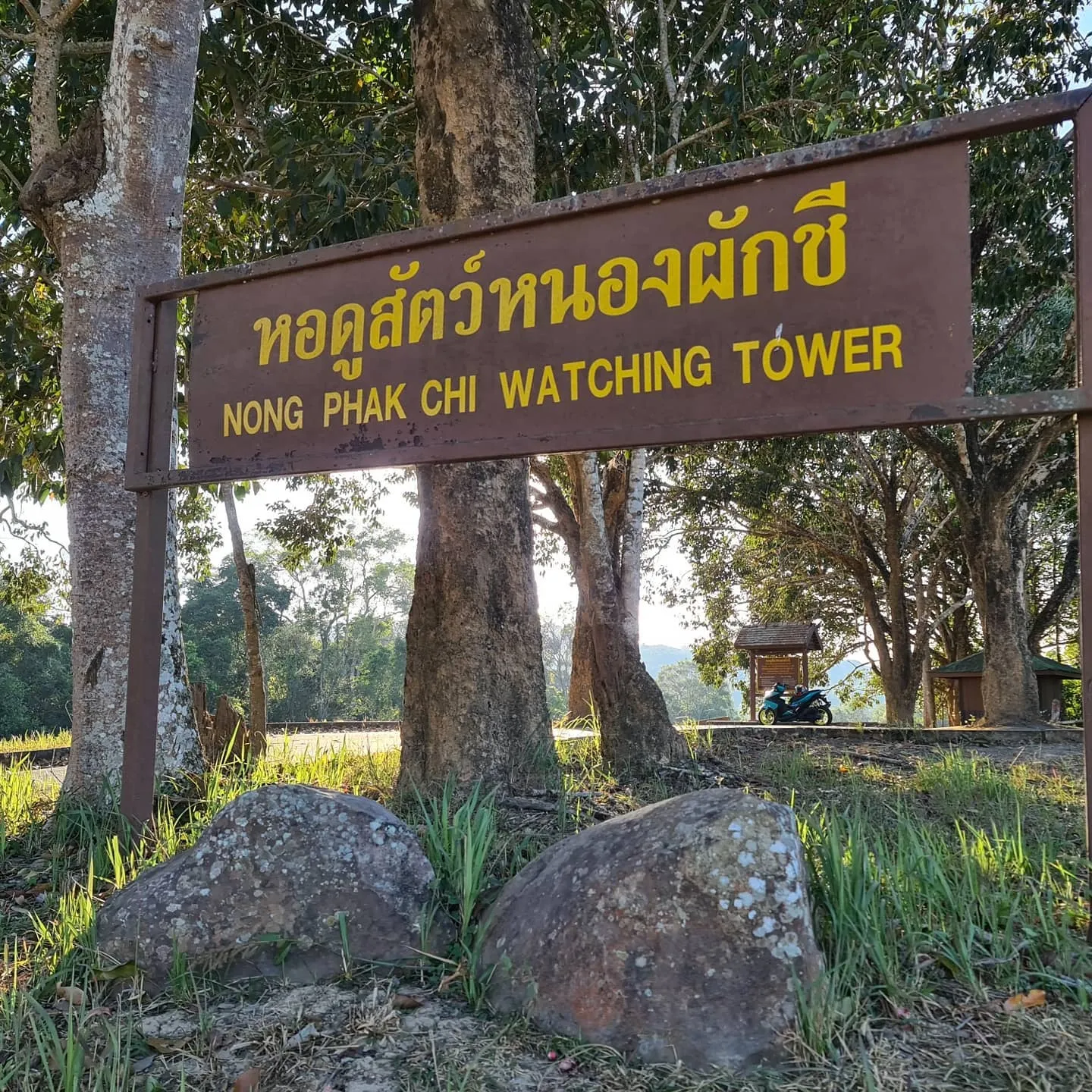
This elevated observation point overlooks open grassland where animals gather, especially in the early morning and evening. It’s one of the best low-effort wildlife viewing spots in the park.
Haew Narok Waterfall
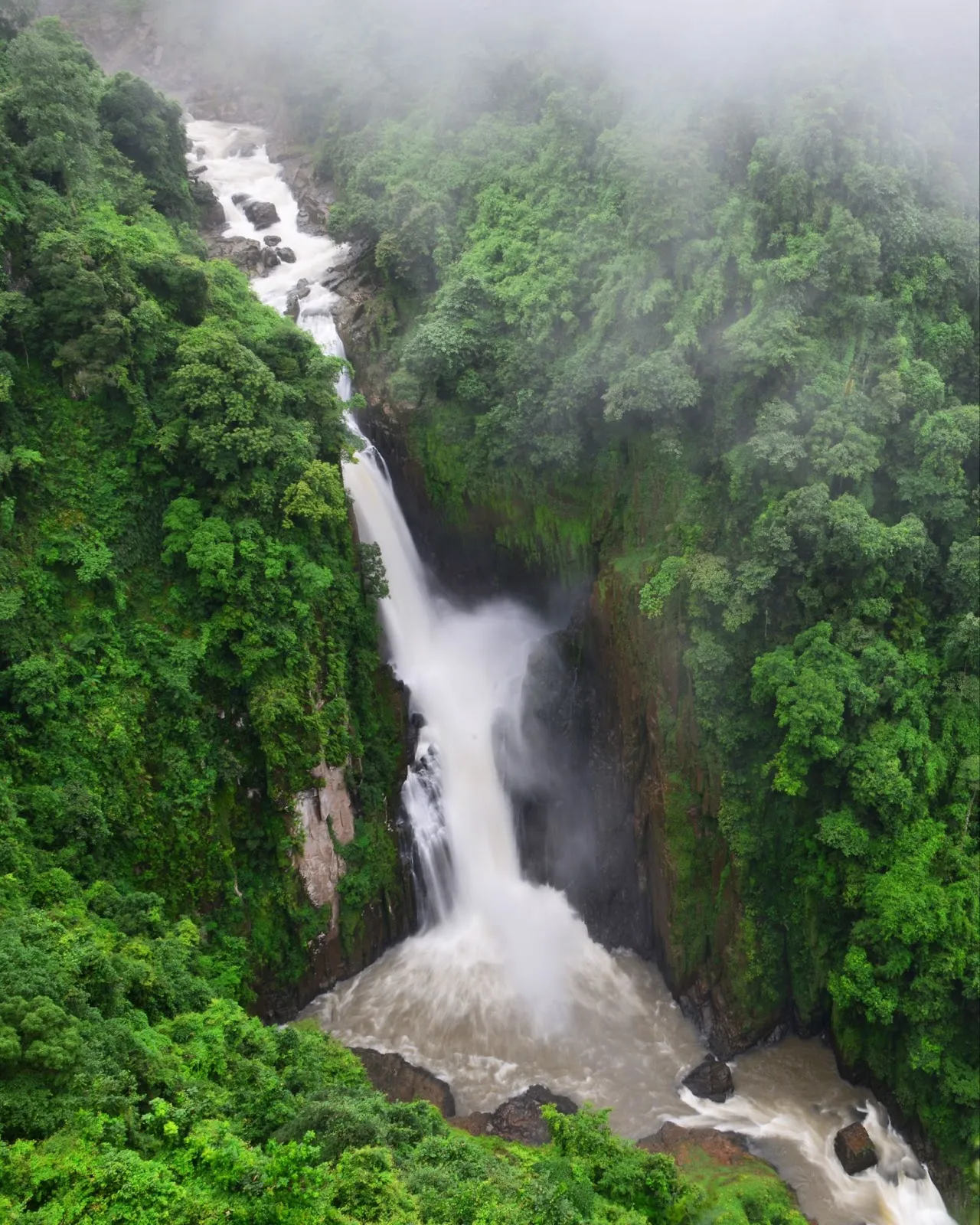
Larger and more dramatic than the famous Haew Suwat waterfall, Haew Narok is especially impressive during the rainy season. The short hike offers forest immersion with fewer crowds.
Pha Diao Dai Cliff Walk
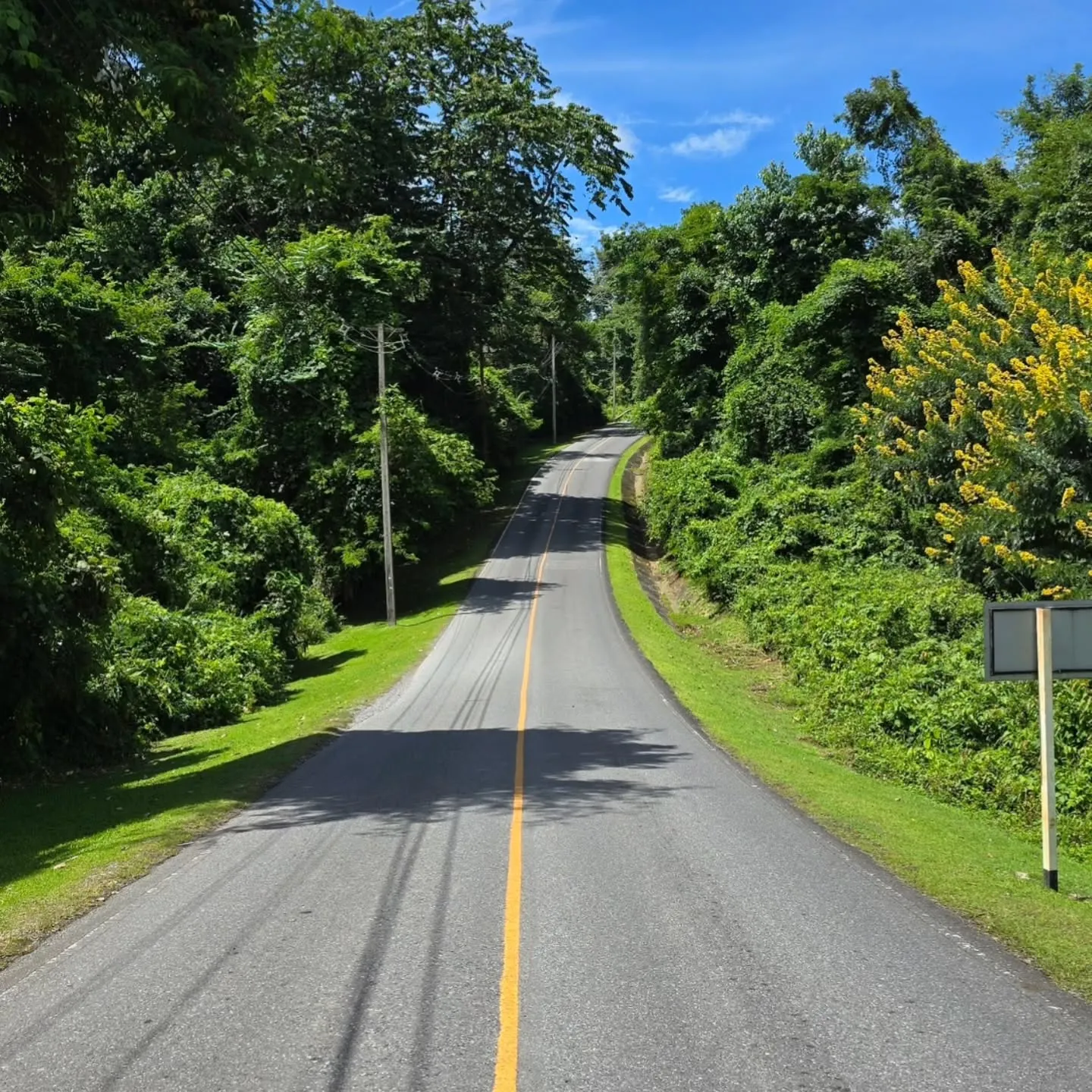
This accessible boardwalk trail delivers sweeping views over forested valleys. It’s ideal for travelers who want scenery without long hikes.
Hiking Trails for Every Fitness Level
Khao Yai offers trails ranging from easy nature walks to challenging jungle treks.
Beginner-friendly trails feature clear paths and interpretive signs explaining flora and fauna. More advanced trails require a registered guide and take you deep into dense rainforest where wildlife encounters feel raw and immersive.
Always check trail conditions at the visitor center before setting out.
Night Safaris: A Different Side of Khao Yai
Night safaris reveal an entirely different ecosystem. With a park ranger or licensed guide, you’ll explore quiet roads where nocturnal animals emerge after dark.
You may spot civets, deer, porcupines, owls, and reptiles. These tours are strictly regulated to protect animals and minimize stress, making them one of the most responsible ways to experience nighttime wildlife.
Where to Stay Near Khao Yai National Park
Accommodation options range from eco-lodges to comfortable resorts.
Eco-lodges and small guesthouses often focus on sustainability, offering locally sourced food and nature-based activities. Resorts outside the park provide comfort but may require driving into the park each day.
Staying nearby allows early morning entry, which significantly increases wildlife sightings.
What to Pack for a Wildlife-Focused Visit
Packing correctly makes a huge difference.
Bring lightweight long sleeves for sun and insect protection, sturdy walking shoes, rain gear during wet season, binoculars for wildlife viewing, and insect repellent. A reusable water bottle and sunscreen are essentials year-round.
Avoid bright clothing. Neutral colors help you blend into the environment and avoid disturbing animals.
Getting to Khao Yai National Park
Khao Yai is about three hours from Bangkok.
You can rent a car for flexibility or join a guided eco-tour from Bangkok. Public transportation reaches nearby towns, but a car or tour is best for exploring the park efficiently.
Entrance fees are affordable and help fund conservation efforts.
Responsible Photography Tips
Wildlife photography is rewarding here, but ethics matter.
Never use flash on animals, especially at night. Avoid loud noises, drones, or chasing wildlife for a better shot. Patience almost always leads to better photos and better experiences.
Why Khao Yai Is Perfect for First-Time Eco-Travelers
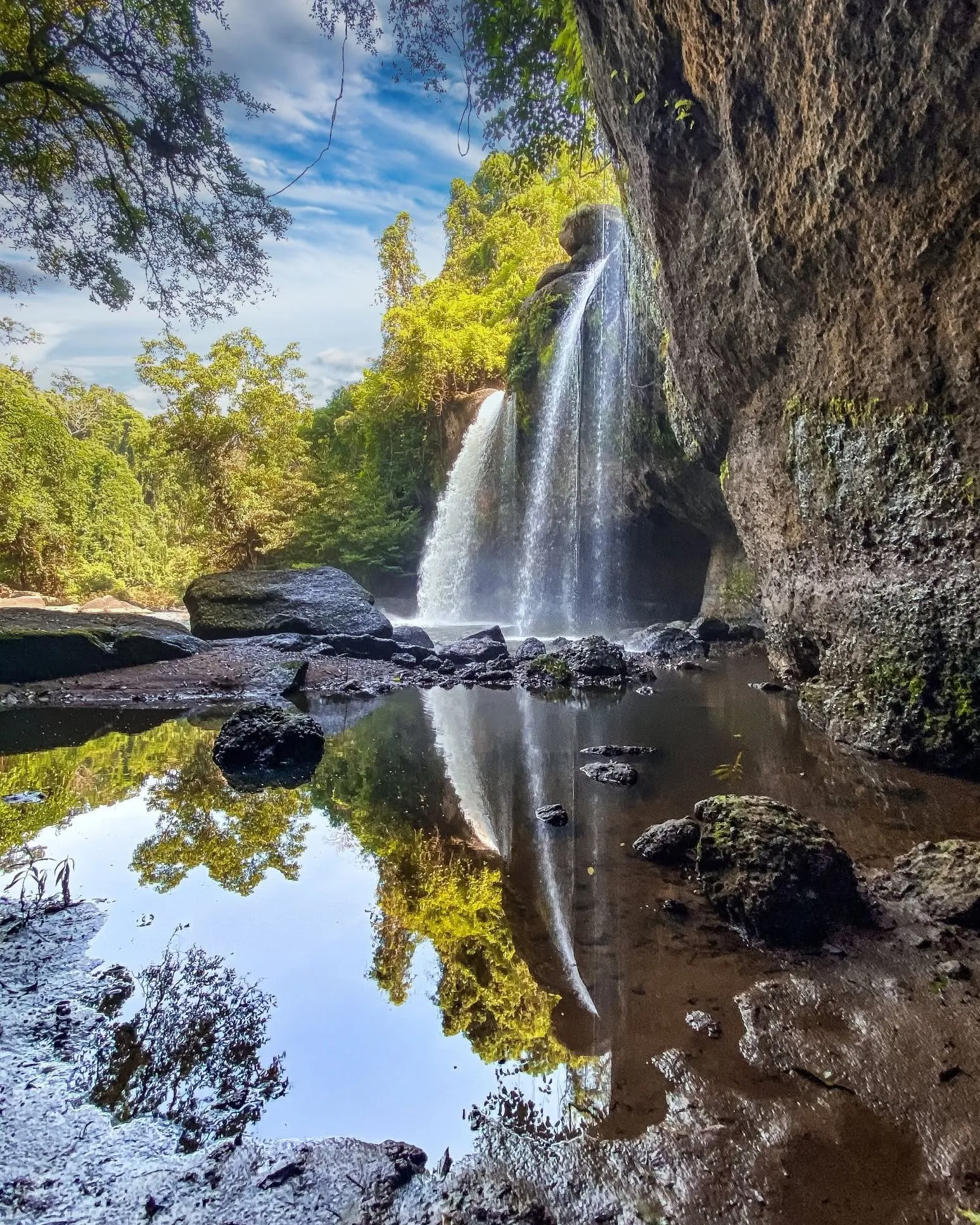
Unlike remote jungle destinations, Khao Yai balances comfort, accessibility, and true wilderness. You can experience elephants, gibbons, waterfalls, and rainforest without sacrificing safety or convenience.
It’s an ideal introduction to eco-travel in Thailand and a refreshing alternative to overcrowded beaches.
Final Thoughts: Why Khao Yai Belongs on Your Thailand Itinerary
Khao Yai National Park proves that Thailand’s natural beauty extends far beyond its islands. It’s a place where forests still feel alive, wildlife still roams freely, and travelers can connect with nature in a meaningful way.
If you want a Thailand experience rooted in conservation, wildlife, and authentic adventure, Khao Yai isn’t just worth visiting. It’s essential.
Slow down, travel responsibly, and let the forest set the pace.