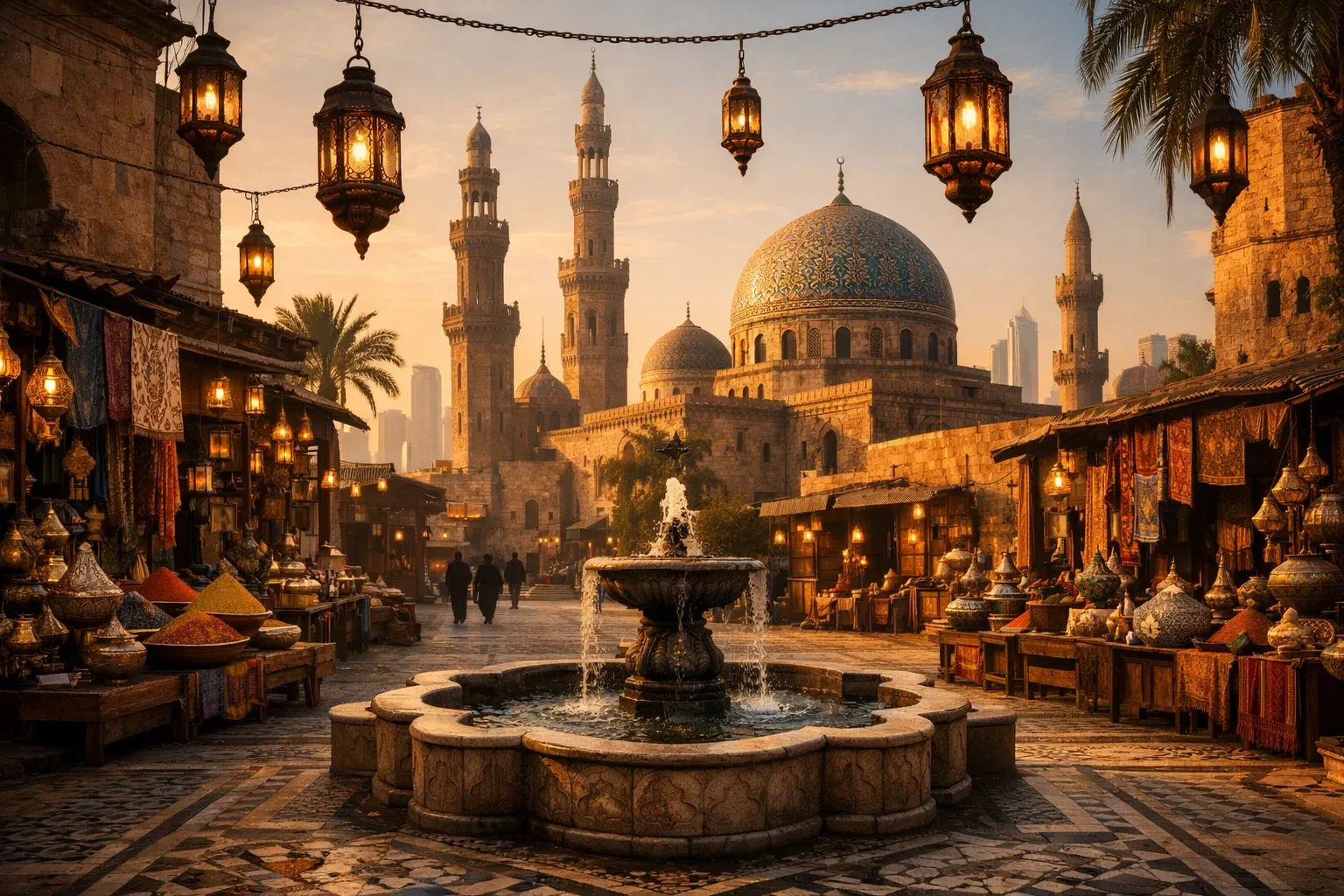
How to Experience the Most Cultural Cities in the Middle East
The Middle East is not just a region you visit. It is a region you feel. Its cities hum with ancient prayers, echo with the footsteps of empires, and glow with the rhythm of modern life layered gently on top of centuries of tradition. To walk through the Middle East’s most cultural cities is to step into living museums where history breathes, cuisine tells stories, and hospitality is woven into everyday life.
From sacred capitals to bustling bazaars and poetic old quarters, this guide explores how to truly experience the most cultural cities in the Middle East, not as a rushed tourist, but as a curious traveler eager to understand the soul of the region.
Recommended Travel Items for Your Trip
What Makes a Middle Eastern City Truly Cultural?
Culture in the Middle East is not confined to monuments or museums. It lives in daily rituals, shared meals, call to prayer echoing at sunset, and centuries-old crafts still practiced by hand. The most cultural cities share a few defining traits:
- Deep historical roots tied to ancient civilizations
- Preserved old towns, souks, and religious landmarks
- Strong culinary traditions passed through generations
- A living connection between past and present
To experience these cities properly, you must slow down, listen, taste, and observe.
If you think island travel is only about overwater villas, this guide on travel to the Maldives beyond luxury resorts reveals how local islands, culture, and slow living redefine the experience.
Jerusalem: The Spiritual Crossroads of the World
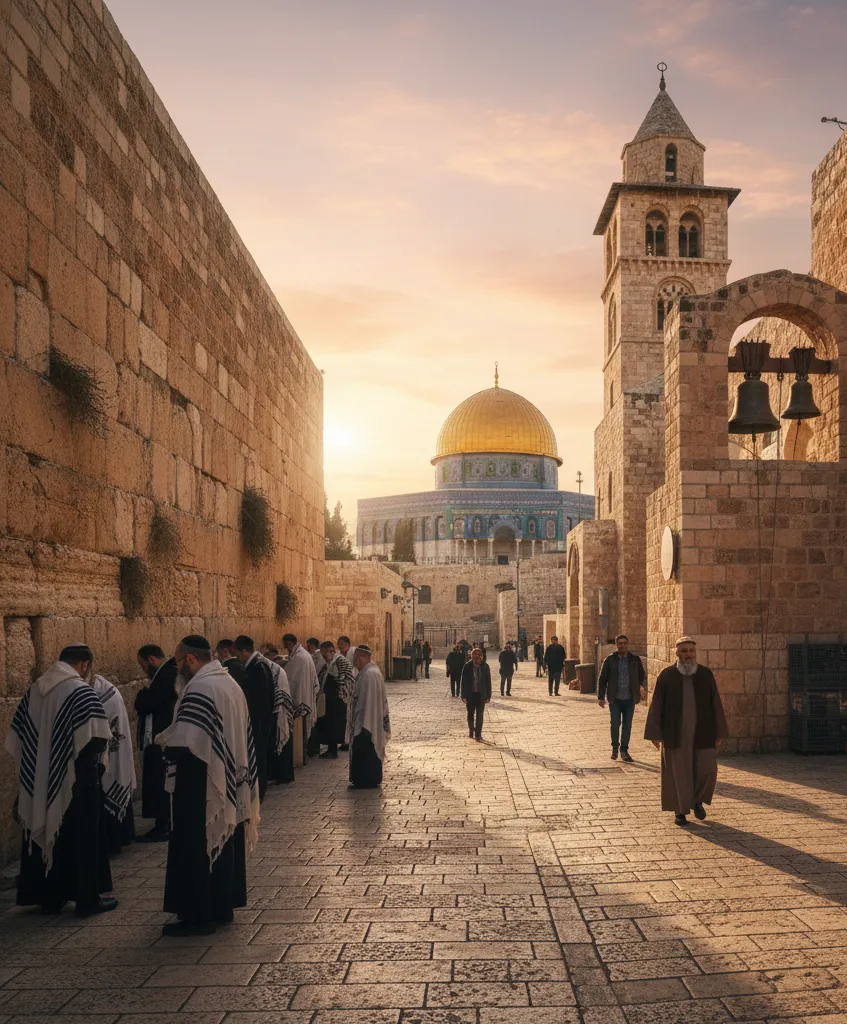
Few cities on Earth carry the spiritual weight of Jerusalem. Sacred to Judaism, Christianity, and Islam, this city is a profound starting point for cultural exploration in the Middle East.
How to Experience Jerusalem’s Culture
Walk through the Old City, where narrow stone streets divide four quarters, each carrying its own identity. Visit the Western Wall at dawn, hear church bells ring in the Christian Quarter, and feel the reverence surrounding the Dome of the Rock. These experiences are not performances. They are daily life.
To truly understand Jerusalem, speak with locals, sit quietly during prayer times, and allow the city’s layered history to unfold without rushing.
Cultural Tip: Dress modestly and be respectful. Jerusalem’s culture is deeply tied to faith and tradition.
Cairo: Where Ancient History Meets Living Tradition
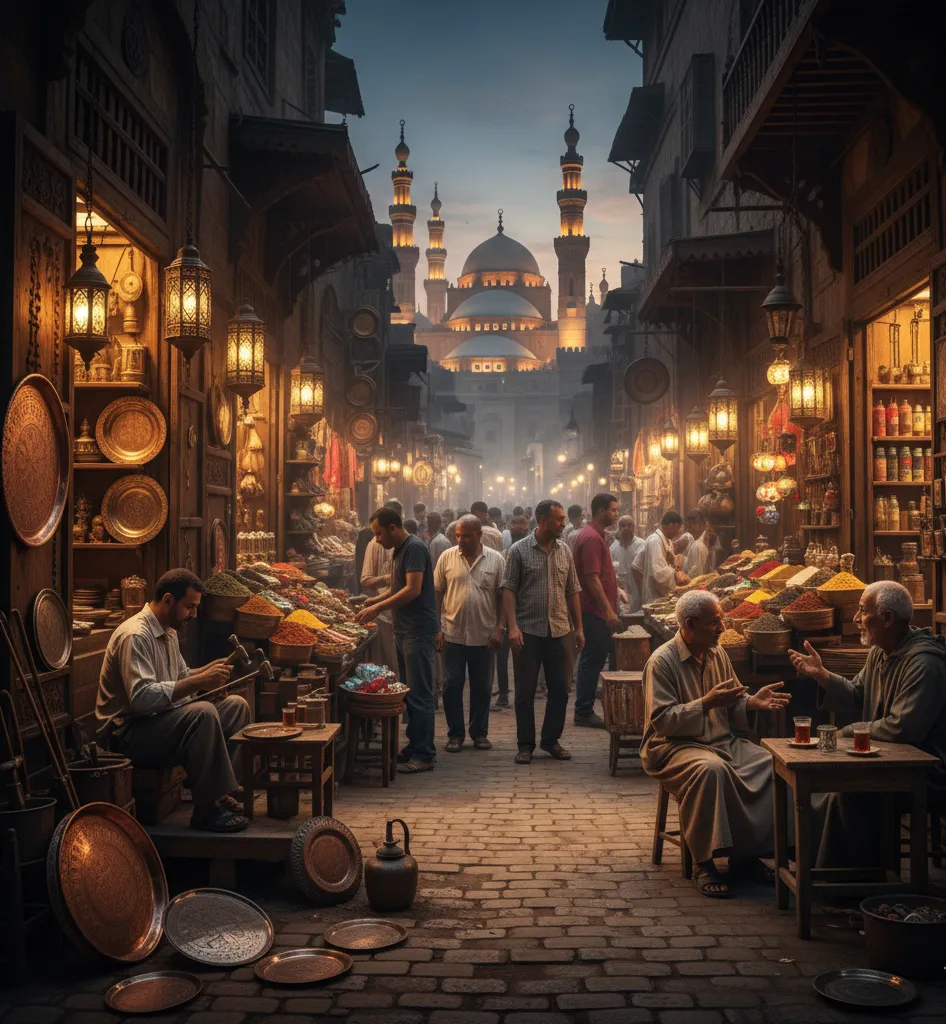
Cairo is loud, chaotic, overwhelming, and unforgettable. It is the cultural heartbeat of Egypt and one of the most historically rich cities in the Middle East.
How to Experience Cairo’s Culture
Beyond the pyramids, dive into Islamic Cairo, where medieval mosques, madrasas, and markets fill the air with incense and prayer. Wander through Khan el-Khalili bazaar, sip mint tea, and observe craftsmen shaping metal and glass exactly as they have for centuries.
Cairo’s culture thrives in its streets. From storytelling cafés to evening walks along the Nile, this city reveals its soul when you stop trying to control it.
Cultural Tip: Engage in conversation. Egyptians are proud storytellers and generous hosts.
To see how ancient heritage and futuristic architecture coexist, explore this deep dive that helps travelers discover Qatar’s blend of tradition and modernity.
Istanbul: A City Between Continents and Civilizations
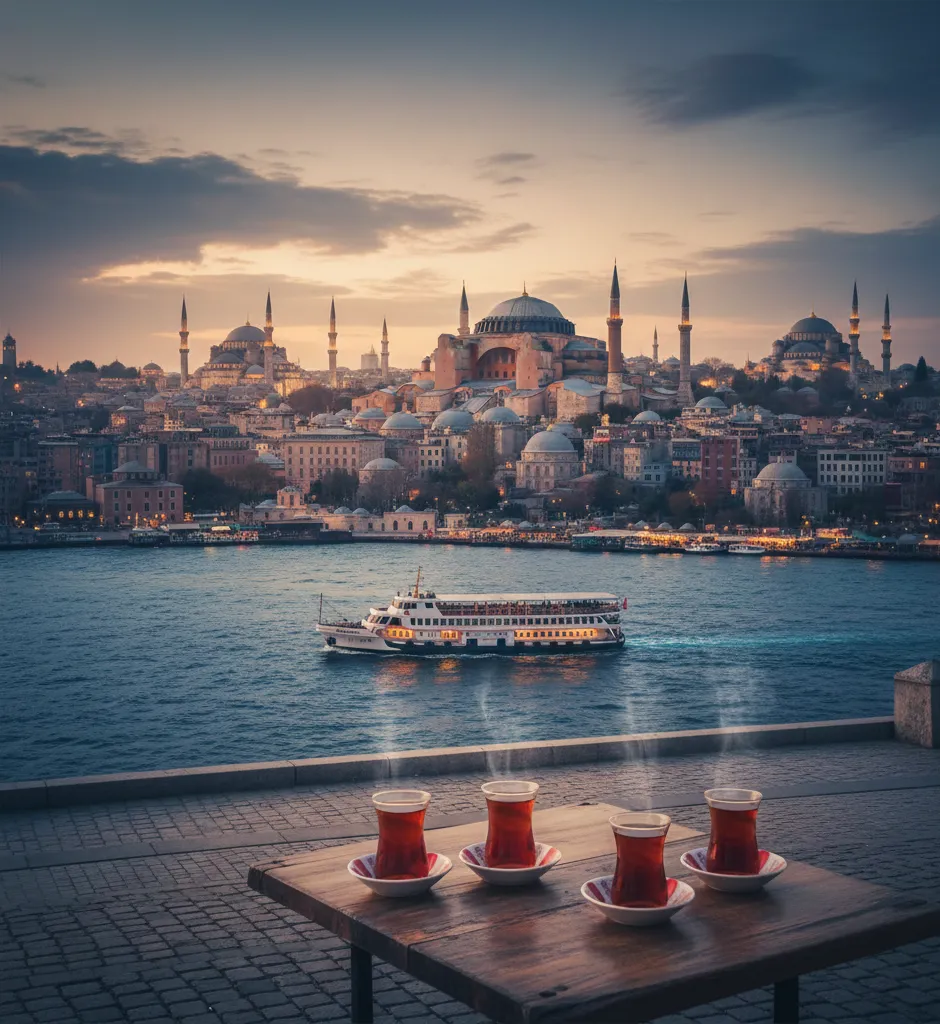
Straddling Europe and Asia, Istanbul is the Middle East’s cultural bridge. Empires rose and fell here, leaving behind a skyline stitched with domes, minarets, and palaces.
How to Experience Istanbul’s Culture
Begin in Sultanahmet, where the Hagia Sophia and Blue Mosque stand as symbols of shifting faiths and power. Cross the Bosphorus by ferry, not for transportation, but for perspective. The water tells stories no guidebook can.
Explore local neighborhoods like Balat and Kadıköy, where daily life unfolds away from tourist crowds. Eat slowly. Drink tea often. Let Istanbul reveal itself in layers.
Cultural Tip: Respect prayer times and embrace the ritual of tea. It is an invitation, not a formality.
Fez: The Beating Heart of Traditional Morocco
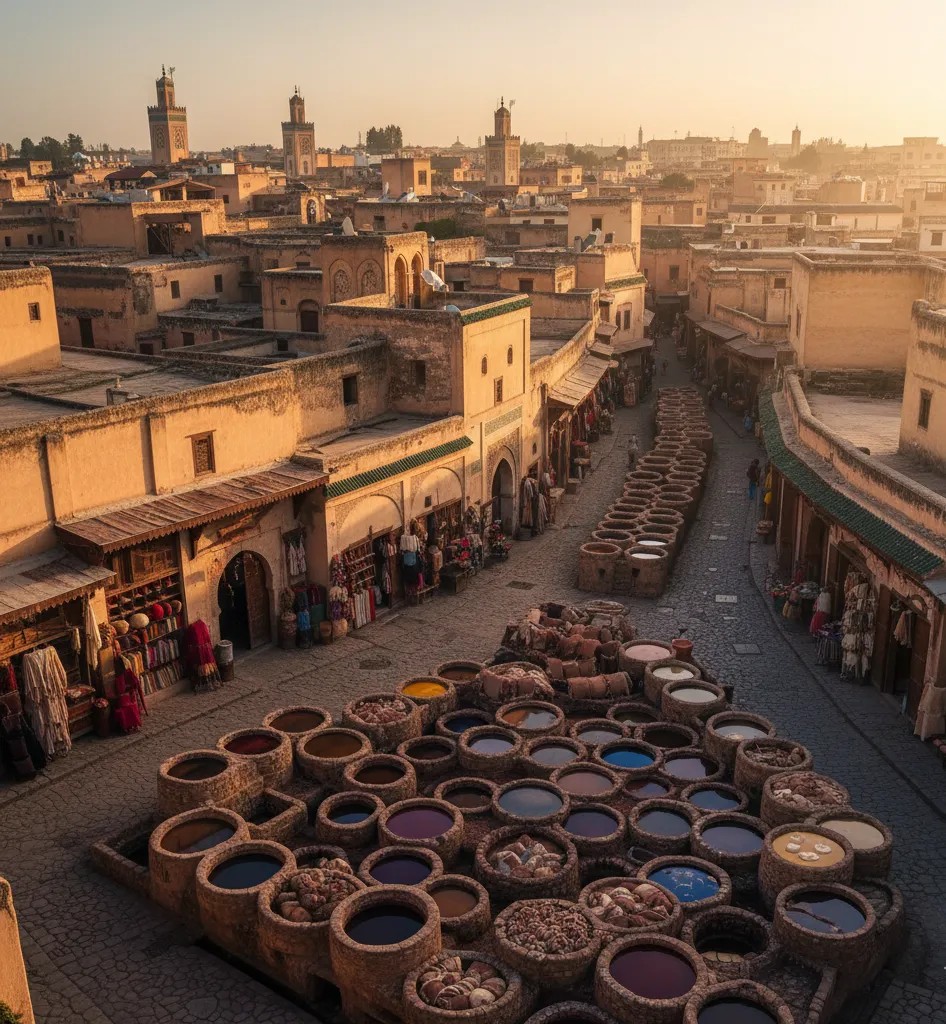
Fez is not polished, and that is its beauty. It is raw, historic, and fiercely traditional. Its medina is one of the largest car-free urban zones in the world.
How to Experience Fez’s Culture
Lose yourself in the Fez el-Bali medina. Yes, literally. The maze of alleyways forces you to surrender control, and in doing so, you discover artisans tanning leather, carving wood, and weaving textiles as they have for generations.
Visit traditional madrasas, hear the call to prayer echo through the medina, and sit down for a slow tagine meal with locals.
Cultural Tip: Hire a local guide for your first walk. The medina is a world of its own.
For those seeking stories beyond headlines, this article on exploring Saudi Arabia as a cultural traveler uncovers historic cities, hospitality, and newly opened destinations.
Amman: Subtle, Ancient, and Deeply Human
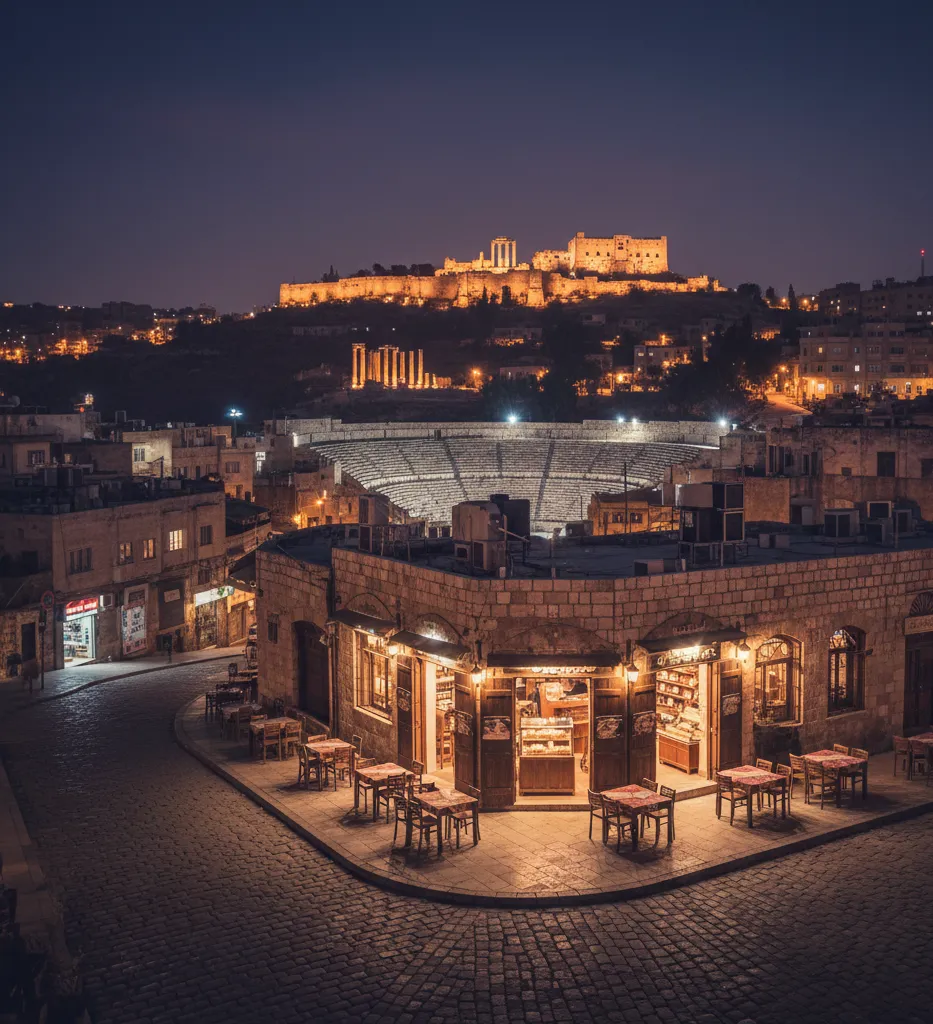
Amman does not shout for attention. It reveals its culture quietly, through hospitality, conversation, and shared meals.
How to Experience Amman’s Culture
Explore the Citadel and Roman Theatre to understand the city’s ancient foundations. Then head into residential neighborhoods where bakeries, cafés, and family-run restaurants define daily life.
Jordanian culture is built on warmth and generosity. Accept invitations. Share coffee. Listen.
Cultural Tip: Food is central to connection. A shared meal is a shared story.
Muscat: Where Tradition Is Gracefully Preserved
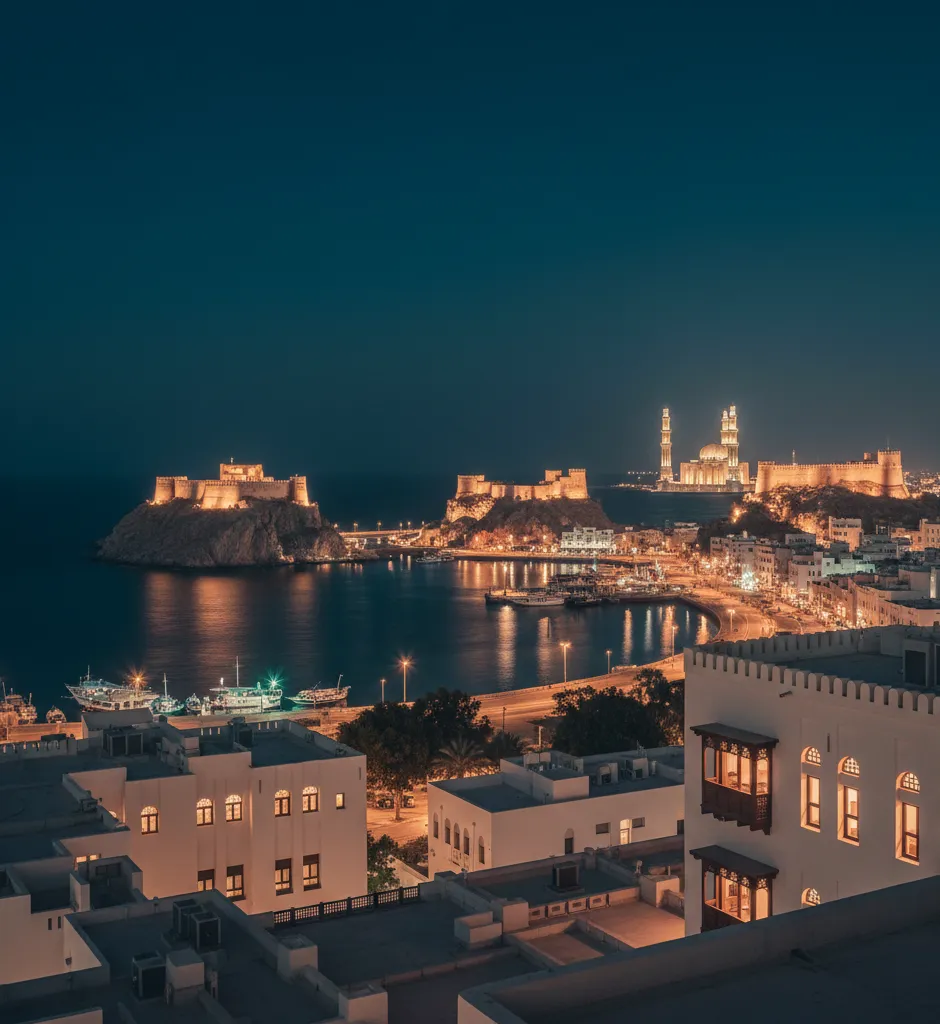
Muscat feels different from many Middle Eastern capitals. It is calm, dignified, and deeply respectful of its heritage.
How to Experience Muscat’s Culture
Visit the Sultan Qaboos Grand Mosque to understand Omani values of openness and beauty. Wander Muttrah Souk at sunset, when the scent of frankincense fills the air and the Corniche glows softly.
Oman’s culture values humility, tradition, and balance. Muscat reflects this in its architecture, lifestyle, and pace.
Cultural Tip: Modesty and politeness go a long way. Omanis deeply value respectful behavior.
Baghdad: The Literary Soul of the Arab World
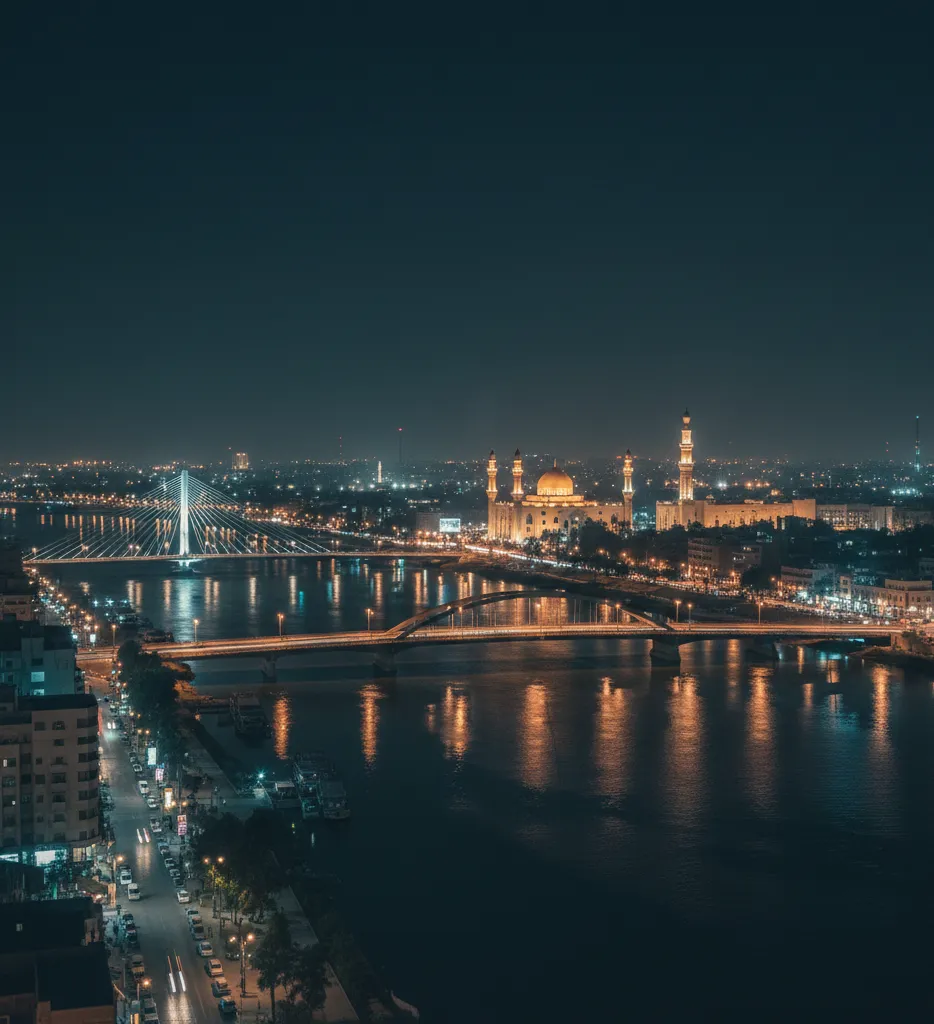
Despite its complex modern history, Baghdad remains one of the most culturally significant cities in the Middle East.
How to Experience Baghdad’s Culture
Baghdad was once the center of knowledge, poetry, and philosophy during the Islamic Golden Age. Today, its cafés, book markets, and riverside walks still echo that intellectual spirit.
Engage with local artists, writers, and historians. Baghdad’s culture lives in conversation and memory.
Cultural Tip: Show genuine curiosity. Iraqis take pride in their cultural heritage.
Few places blend past and present so vividly, and this guide to Egypt’s ancient wonders and living culture shows how history continues to shape daily life.
Damascus: One of the Oldest Continuously Inhabited Cities
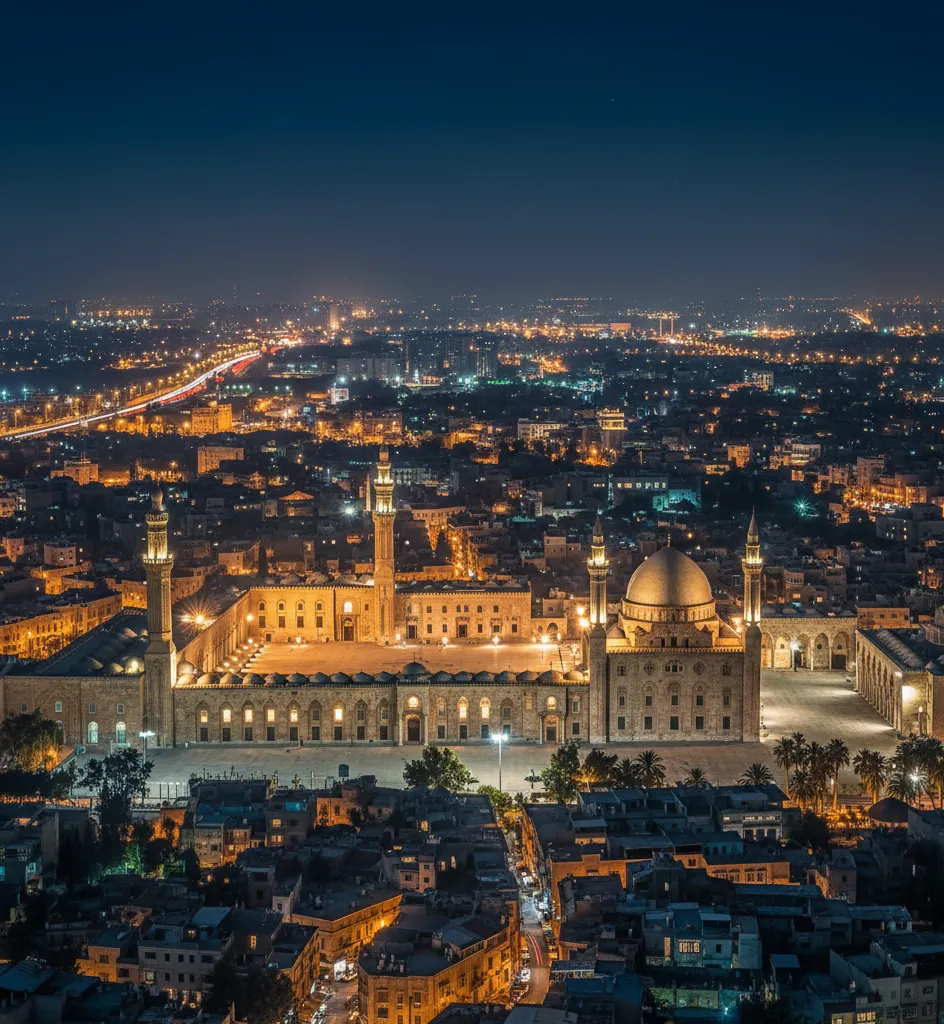
Damascus is history itself. Though scarred by conflict, its cultural essence remains deeply intact.
How to Experience Damascus’ Culture
Walk through the Old City, where stone houses hide lush courtyards. Visit Umayyad Mosque, one of the most significant Islamic sites in the world. Taste traditional dishes that have survived centuries.
Damascus teaches patience. It asks you to look beyond headlines and see humanity.
Cultural Tip: Approach with sensitivity and respect. Culture here is deeply personal.
Food as Culture: Eat to Understand the Middle East

To understand Middle Eastern culture, you must eat. Food is memory, hospitality, and identity.
From Egyptian koshari and Turkish meze to Moroccan couscous and Levantine mansaf, each dish reflects geography, history, and family tradition. Eat where locals eat. Ask about ingredients. Accept second servings.
Straddling continents and centuries, this piece on experiencing Turkey through food, history, and cities highlights why it remains one of the world’s most layered destinations.
Cultural Etiquette Every Traveler Should Know
- Dress modestly, especially in religious areas
- Learn basic greetings in Arabic or Turkish
- Always accept tea or coffee when offered
- Ask permission before photographing people
- Respect prayer times and religious customs
These small gestures unlock deeper cultural experiences.
When Is the Best Time to Visit Cultural Cities in the Middle East?
- Spring (March–May): Ideal weather and cultural festivals
- Autumn (September–November): Comfortable temperatures and fewer crowds
- Avoid peak summer: Extreme heat can limit exploration
Timing matters when culture lives outdoors.
Final Thoughts: Experiencing Culture, Not Just Seeing It
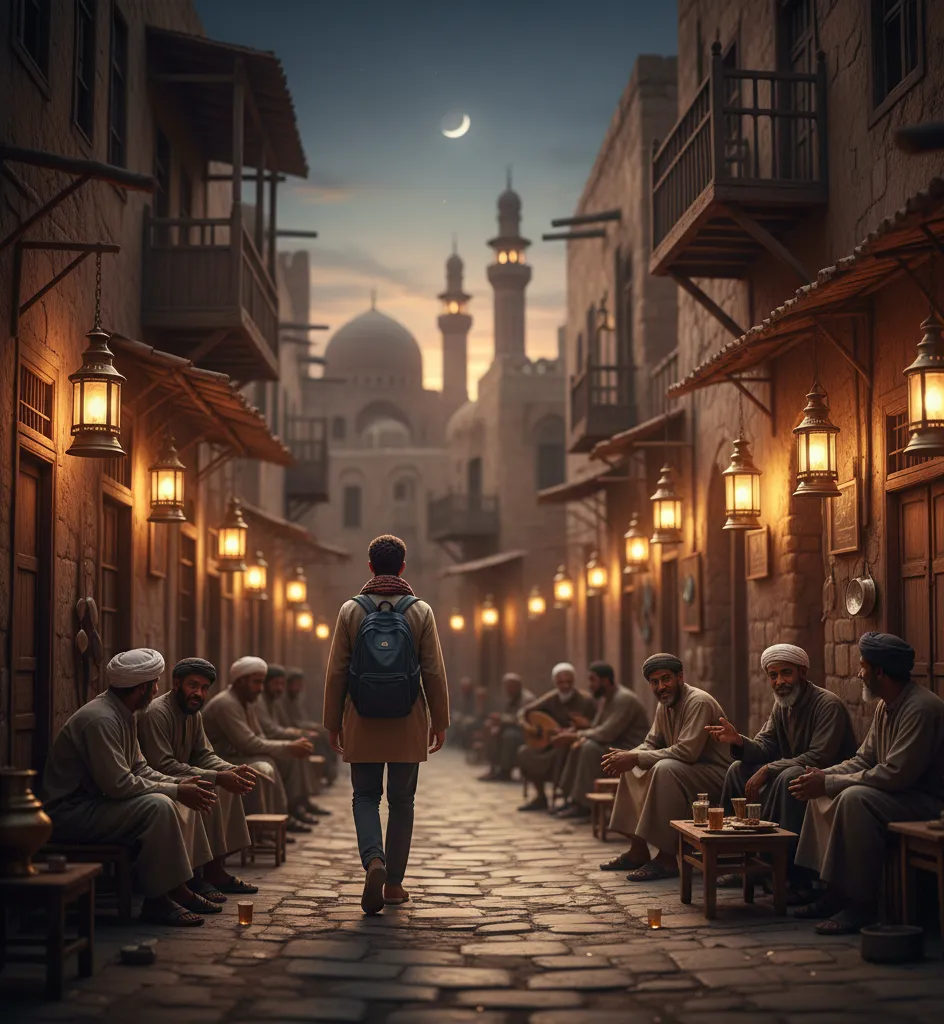
The Middle East is not a checklist destination. Its most cultural cities reward those who slow down, ask questions, and approach with humility. These cities are not frozen in the past. They are alive, evolving, and deeply proud of their heritage.
To experience the Middle East’s culture is to listen to its stories, share its meals, walk its ancient streets, and leave with a deeper understanding of humanity itself.🌍 Travel not just to see, but to understand. The Middle East is waiting.