

How to Legally Work From Anywhere in the World (Without Getting Screwed on Taxes)
(100% genuine information — no loopholes, no fake hacks, no illegal shortcuts)
If you’ve ever sat on a beach in Portugal or a café in Mexico and thought, “I wish I could just work from here forever,” you’re not alone. The dream of being a digital nomad or location-independent professional is more popular than ever.
But here’s the part people don’t talk about on Instagram:
Working from anywhere is easy.
Working legally (and without getting destroyed by taxes) is the tricky part.
After years of traveling while working — and learning way too many lessons the hard way — I’m here to break down the real, legal, no-nonsense way to work around the world without waking up one morning to an email from your accountant saying, “We need to talk.”
Let’s break it down step-by-step.
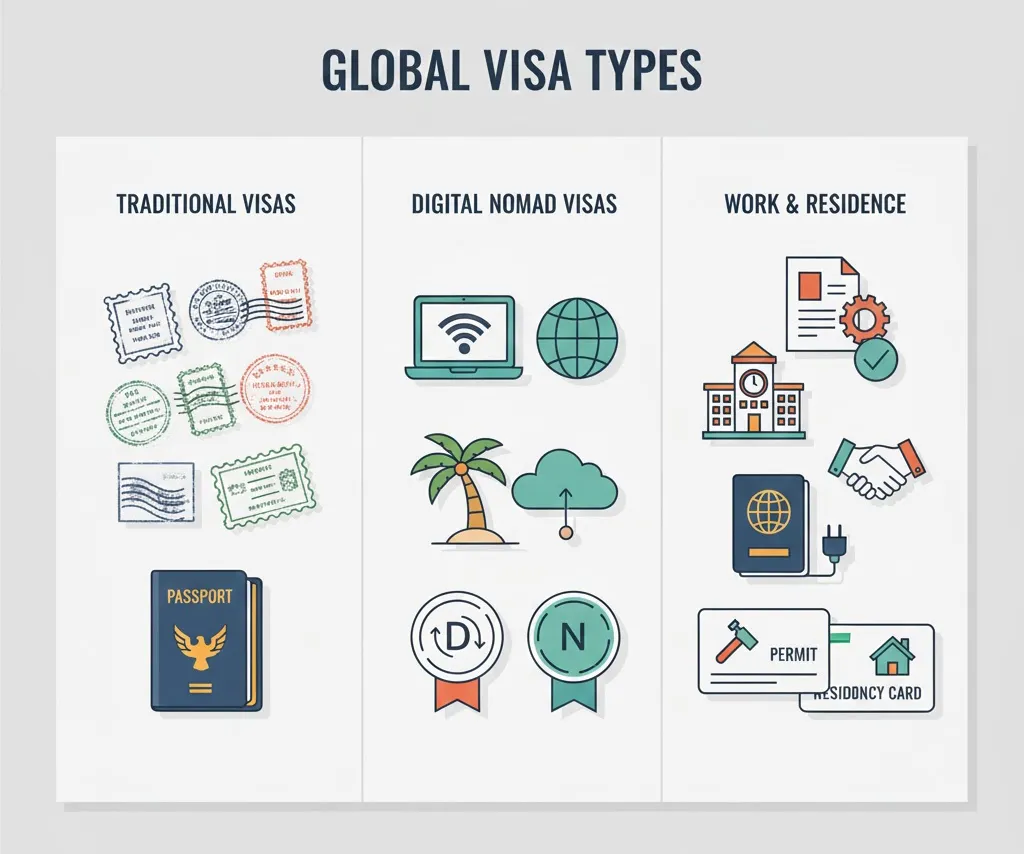
1. Understand the Big Truth: “Working” = “You Need the Right Visa”
Most people assume:
“Tourists can stay 30–90 days. So I can work online on a tourist visa, right?”
No. Not legally.
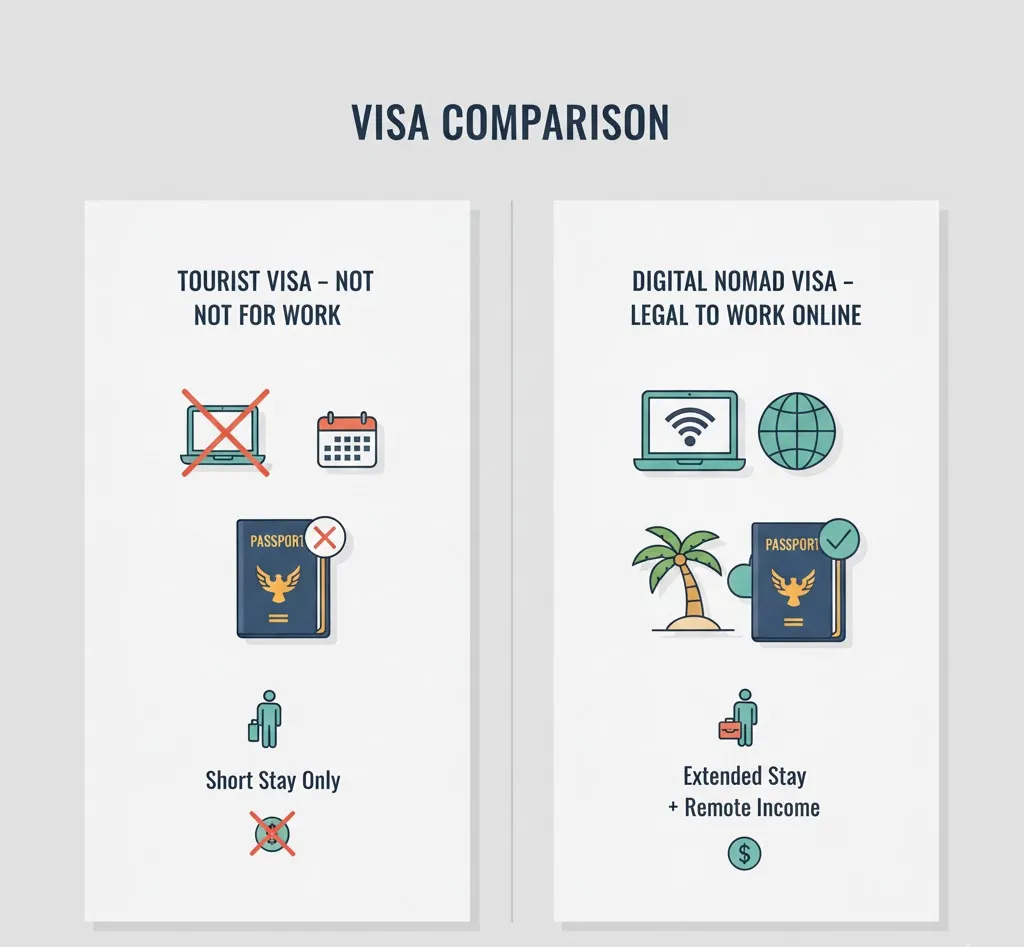
A tourist visa allows you to visit, not work.
Even if:
- you work for a U.S. (or other foreign) employer
- you get paid outside the country
- you don’t earn local income
If you perform work inside a country, that can technically require a work-authorized visa.
Now… do countries enforce this for remote workers? Rarely.
But the legal rule is still the legal rule.
So what’s the legal solution?
Many countries now offer digital nomad visas, which allow you to legally live and work online without needing a local employer.
Examples include:
- Portugal D8 Visa
- Spain Digital Nomad Visa
- Croatia Digital Nomad Residence
- Estonia Digital Nomad Visa
- Italy Digital Nomad Visa
- Greece Digital Nomad Visa
- Costa Rica Remote Worker Visa
- Barbados Welcome Stamp
- Malaysia DE Rantau Nomad Pass
- UAE Remote Work Visa
Every program has different income requirements and stay durations, but the core idea is the same:
👉 You can legally work online in the country without violating visa rules.
Search flights at unbeatable prices
2. Understand the Other Big Truth: “Where You Live” Affects Your Taxes
Here’s where most remote workers get blindsided.
Your taxes depend on tax residency, not your passport.
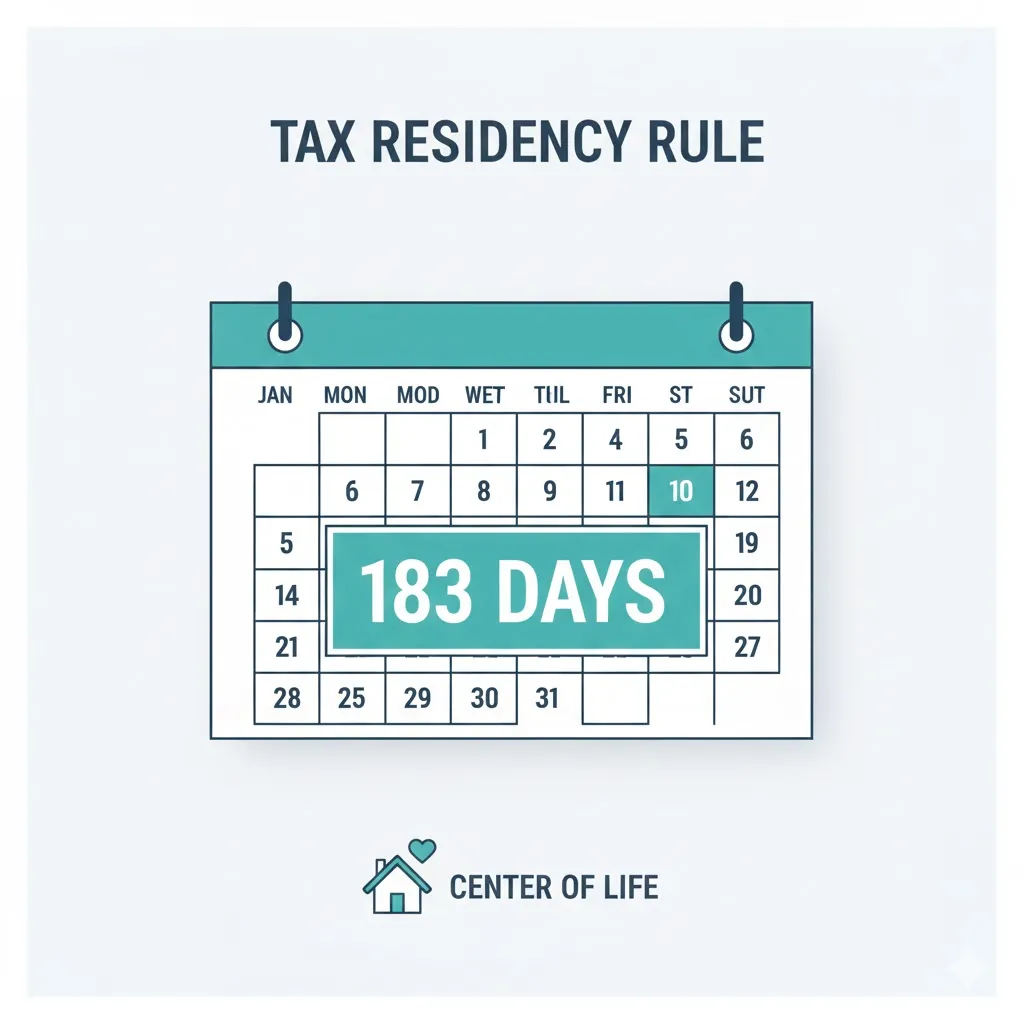
Tax residency is usually triggered by:
- Staying 183 days or more in a country
- Having your “center of life” in that country (home, family, economic ties)
- Earning local income
- Staying long-term using a residency visa
This varies by country, but 183 days is the common benchmark.
What this means:
You can be a U.S. citizen, but if you live in Spain for over 183 days, Spain may tax you as a resident.
You can be a Canadian freelancer, but if you spend 8 months in Portugal, Portugal may want a slice.
And — here’s the kicker — you may become a tax resident in two countries at once.
How do you avoid this?
That’s where tax treaties and planning come in.
3. The U.S. Has Special Rules (If You’re American, Read This Twice)
Unlike most countries, the U.S. taxes its citizens no matter where they live.
But there are legal ways to reduce or eliminate tax on foreign-earned income.
✔️ FEIE – Foreign Earned Income Exclusion
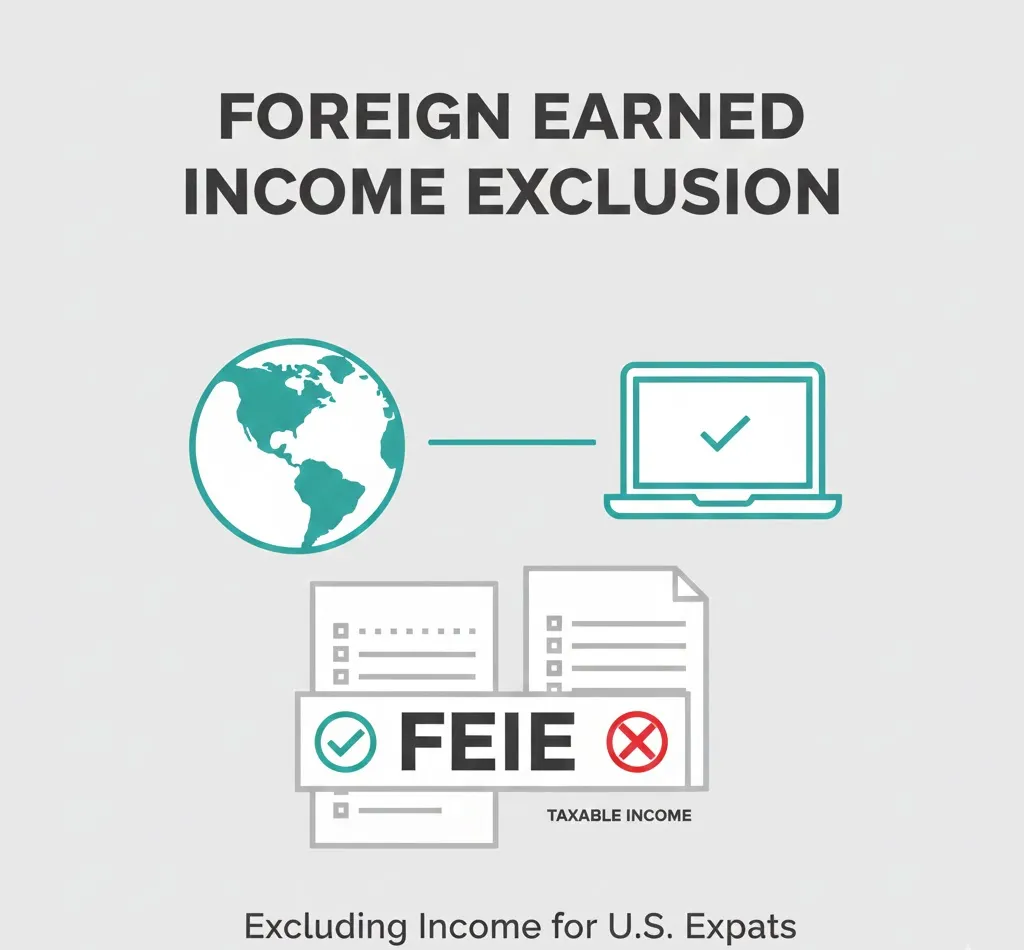
You can exclude up to around $126,500 (2024 number; adjusted yearly) of income if you:
- Live abroad at least 330 full days per year OR
- Become a resident of another country
This applies to earned income (freelancing, salary, etc.).
✔️ FTC – Foreign Tax Credit
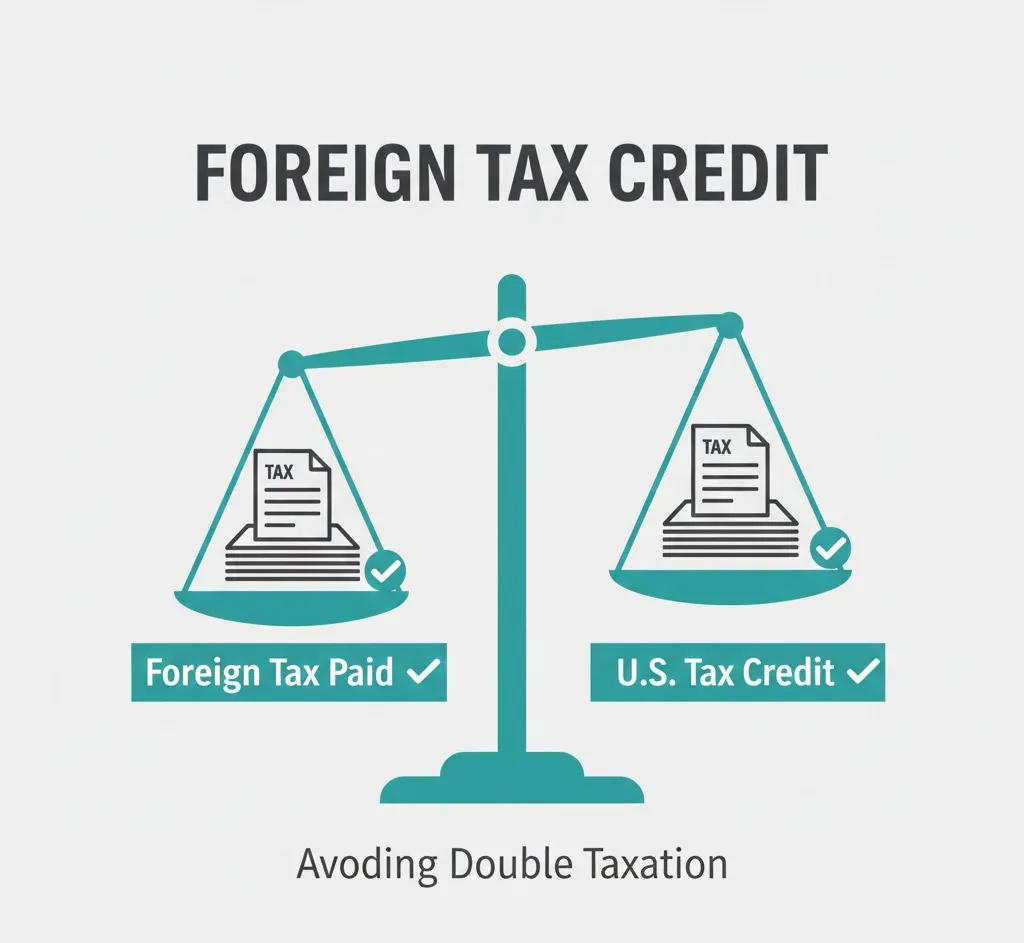
If you pay taxes in another country, you can deduct (or credit) them against your U.S. taxes.
This prevents double taxation.
✔️ Foreign Housing Exclusion
If you pay high rent abroad, part of it can be deducted.
What FEIE does not do:
- It doesn’t exempt you from self-employment tax (Social Security & Medicare) unless you’re hired by a foreign employer.
- It doesn’t apply to income from investments or businesses.
If you’re American and want to work abroad legally and minimize taxes, you must understand these rules.
4. For Non-Americans: Tax Residency Rules Are Usually Simpler
Most countries do NOT tax you if:
- You live outside the country for most of the year
- You do not have a permanent home there
- You do not earn local income
This is why many Europeans, Canadians, Australians, and Asians simply become tax residents elsewhere if they move abroad long-term.
But every country is different.
For example:
- Canadians: You must sever residential ties or CRA will consider you still taxable.
- UK: Statutory Residence Test decides if you remain UK-resident.
- Germany: You’re taxed until you deregister.
- India: Residency is based on number of days in-country.
- Philippines: Tax residency is based on residency status category.
No shortcuts here — you must research your home country’s rules.
5. Use Countries With Digital Nomad-Friendly Tax Systems
Some countries specifically design their digital nomad visas so you won’t become a tax resident.
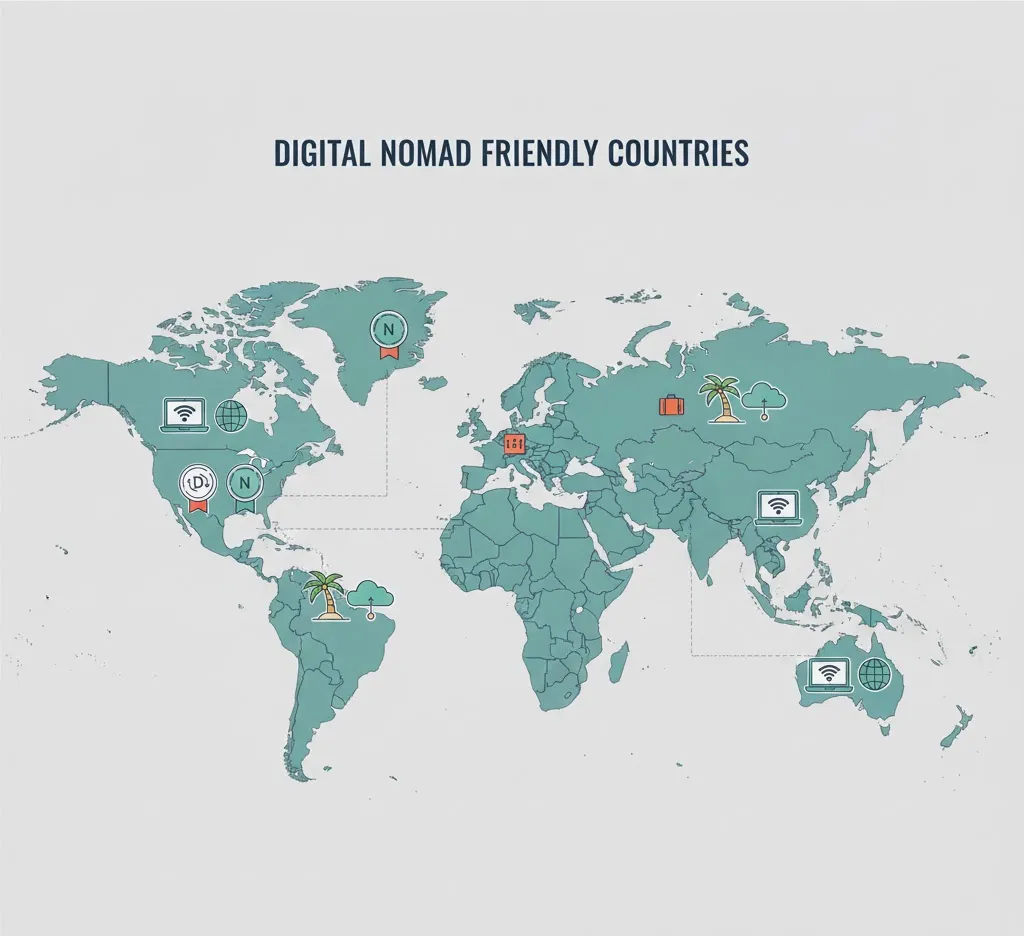
Examples:
✔️ Barbados Welcome Stamp
No local taxes for remote workers.
✔️ Cayman Islands
No income tax at all.
✔️ Bahamas BEATS Permit
No personal income tax.
✔️ Malta Nomad Residence Permit
Not automatically taxed unless you domicile there.
✔️ Portugal D8
You can choose between:
- NHR regime (flat tax on some income)
- Becoming a full tax resident
- Or remaining non-resident if you don’t stay over 183 days
✔️ Greece
Flat 7% tax for foreign retirees + special regimes for remote workers.
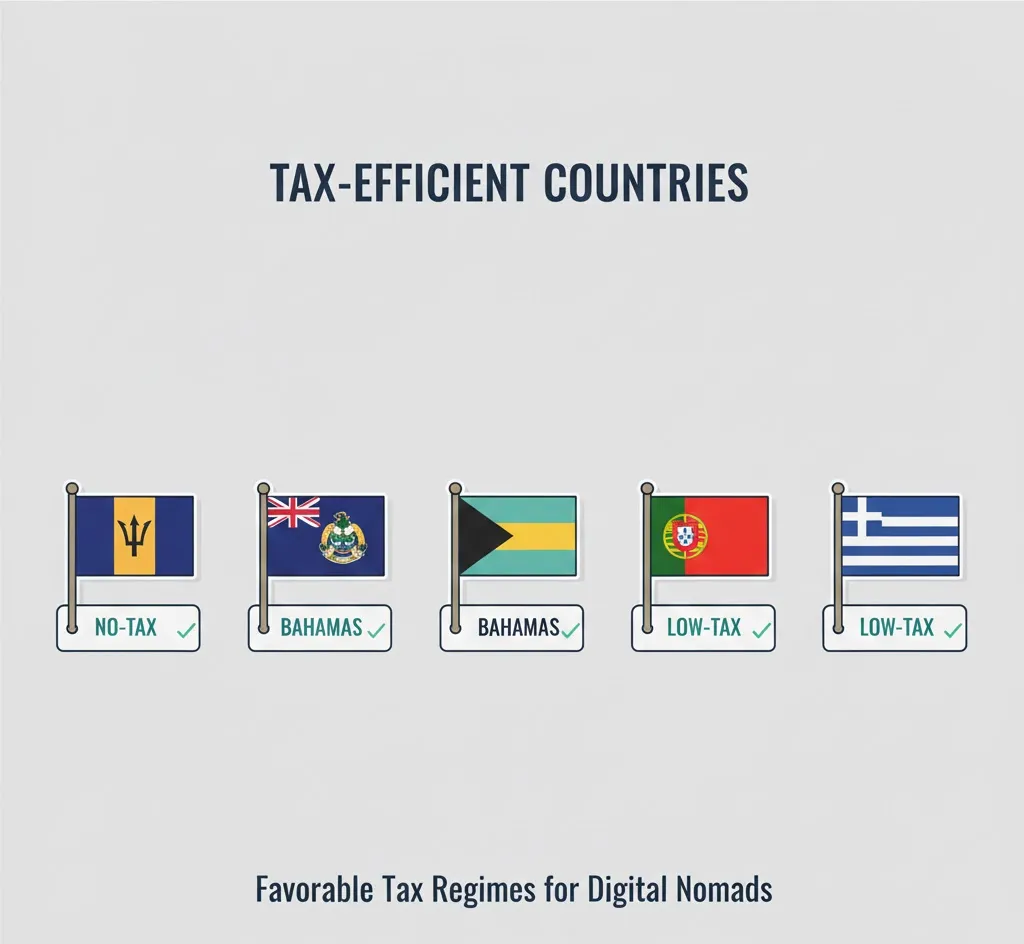
If your main goal is simplicity, these places make life easier.
6. Never Stay in the “Gray Area” (It Will Catch Up to You)
Here’s the mistake I see travelers make:
“I’ll just work on a tourist visa and stay in each country for 60–90 days.”
That works… at first.
But long-term problems include:
- Visa officers are noticing frequent entries
- Being denied entry
- Accidentally triggering tax residency rules
- Banks questioning your income
- Immigration is flagging you for suspicious activity
The legal solution is simple:
👉 Use digital nomad visas for medium-term stays
👉 Use residency visas for long-term stays
👉 Avoid spending 180+ days in any one country unless you’re ready to pay taxes there
7. Understand Double Taxation Agreements (DTAs)
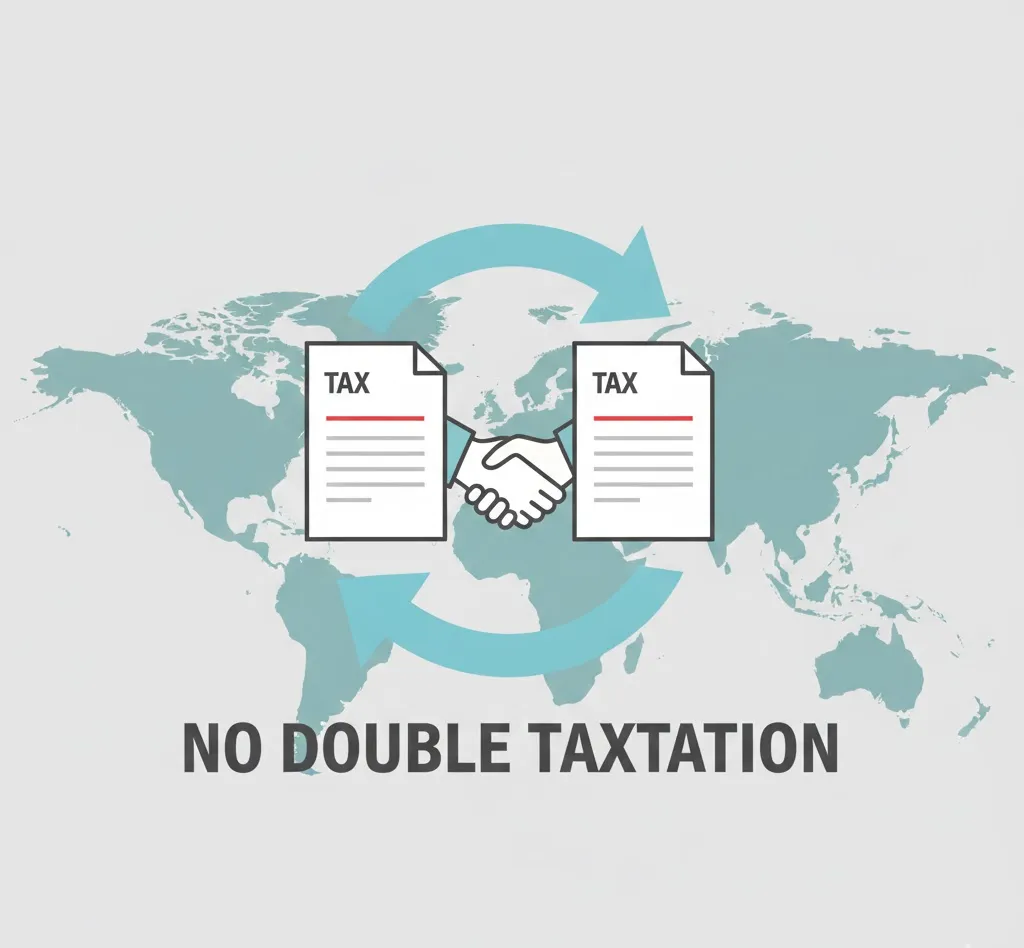
Tax treaties between countries prevent you from paying tax twice on the same income.
These treaties decide:
- Which country gets priority to tax you
- How to credit taxes you paid abroad
- Whether you become tax resident in one or both
- How self-employment income is treated
- How business income is treated
Example:
If you’re a UK citizen working in Portugal, the UK–Portugal tax treaty prevents double taxation.
These treaties are your friend.
8. Use This Simple Flowchart: “Will I Owe Taxes There?”
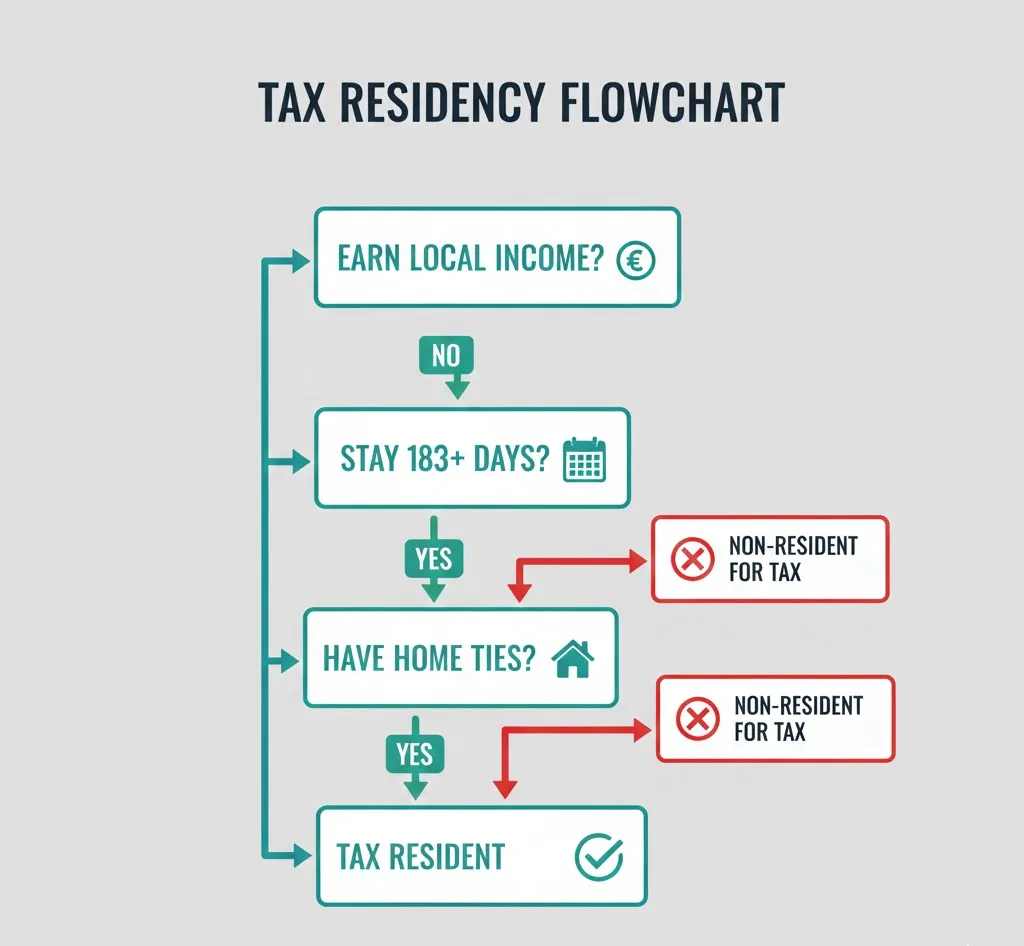
If you want clarity, follow this rule-of-thumb flow:
Did you earn income from the country?
→ Yes = You owe taxes
→ No = Next question
Did you stay more than 183 days?
→ Yes = You’re a tax resident
→ No = Next question
Do you have a home or strong ties in that country?
→ Yes = Possible tax residency
→ No = Likely no local taxes owed
(Not a substitute for professional advice — just a guide.)
9. Working From Anywhere Requires the Right Financial Setup
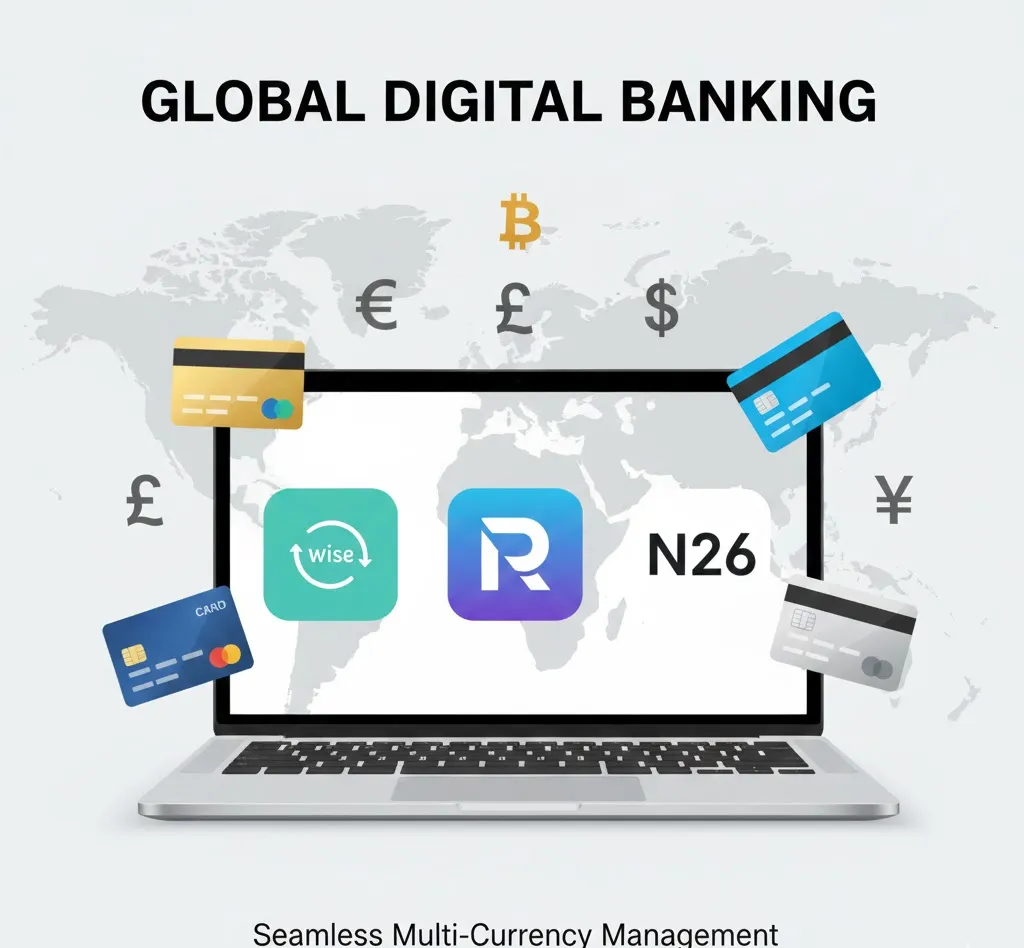
Banks and payment platforms care about:
- Your tax residency
- Your legal residency
- Your source of income
- Money laundering rules
To avoid account freezes or flags:
✔️ Maintain a permanent address (in your home country or new residency country)
✔️ Keep your tax filings clean
✔️ Keep proof of your remote job/freelancing
✔️ Avoid routing money through multiple countries unnecessarily
✔️ Use international-friendly banking
Like:
- Wise
- Revolut
- N26
- HSBC Global
- Charles Schwab (US travelers love it)
10. The Three Legal Ways to Work From Anywhere (Choose One)
There are 3 frameworks digital nomads use legally:
Method 1: The “Slow Travel” Model (Long-Term Stays)
Live 6-12 months in one country on a digital nomad or residency visa.
Become a tax resident there if required.
File taxes there + your home country (if applicable).
Great for:
- Stability
- Lower cost of living
- Simpler taxes
Method 2: The “Fast Nomad” Model (Short Stays Everywhere)
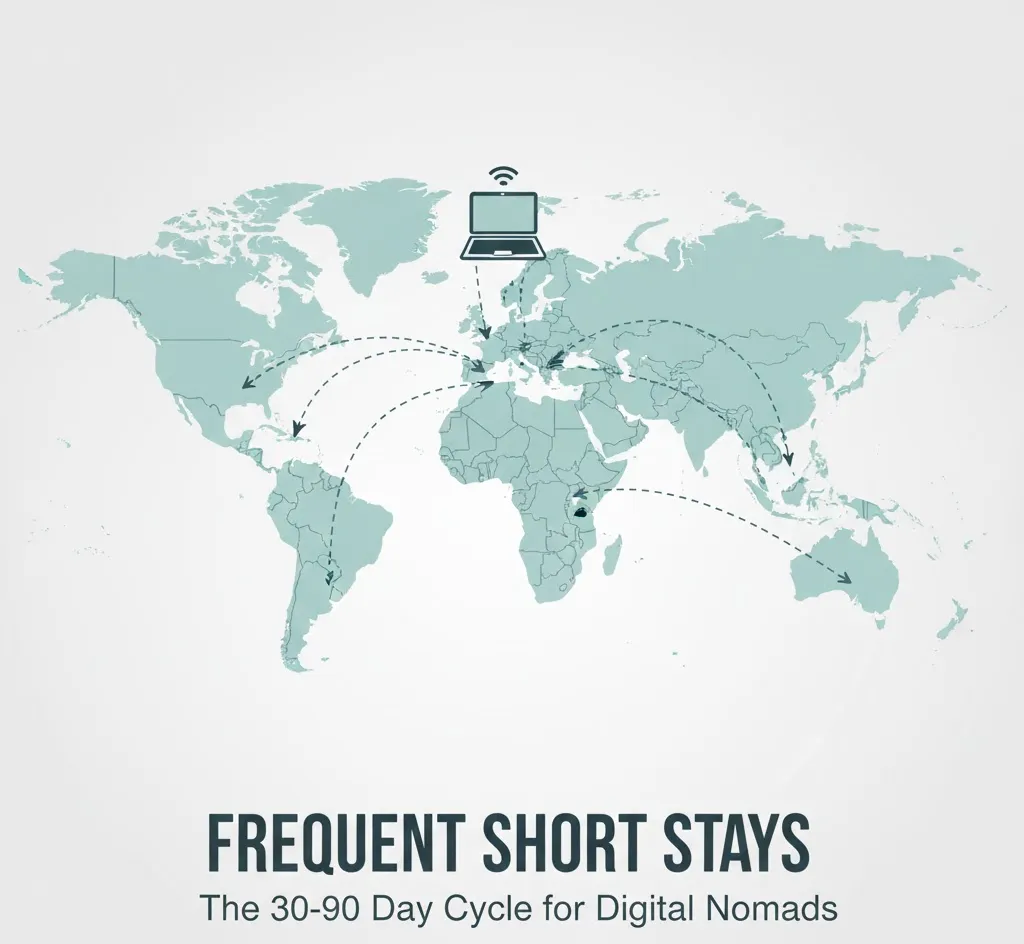
Travel to many countries, staying 30–90 days each.
Never cross 183 days anywhere.
Pay taxes only in your home country.
Great for:
- Explorers
- People who love variety
Method 3: The “New Home Base” Model
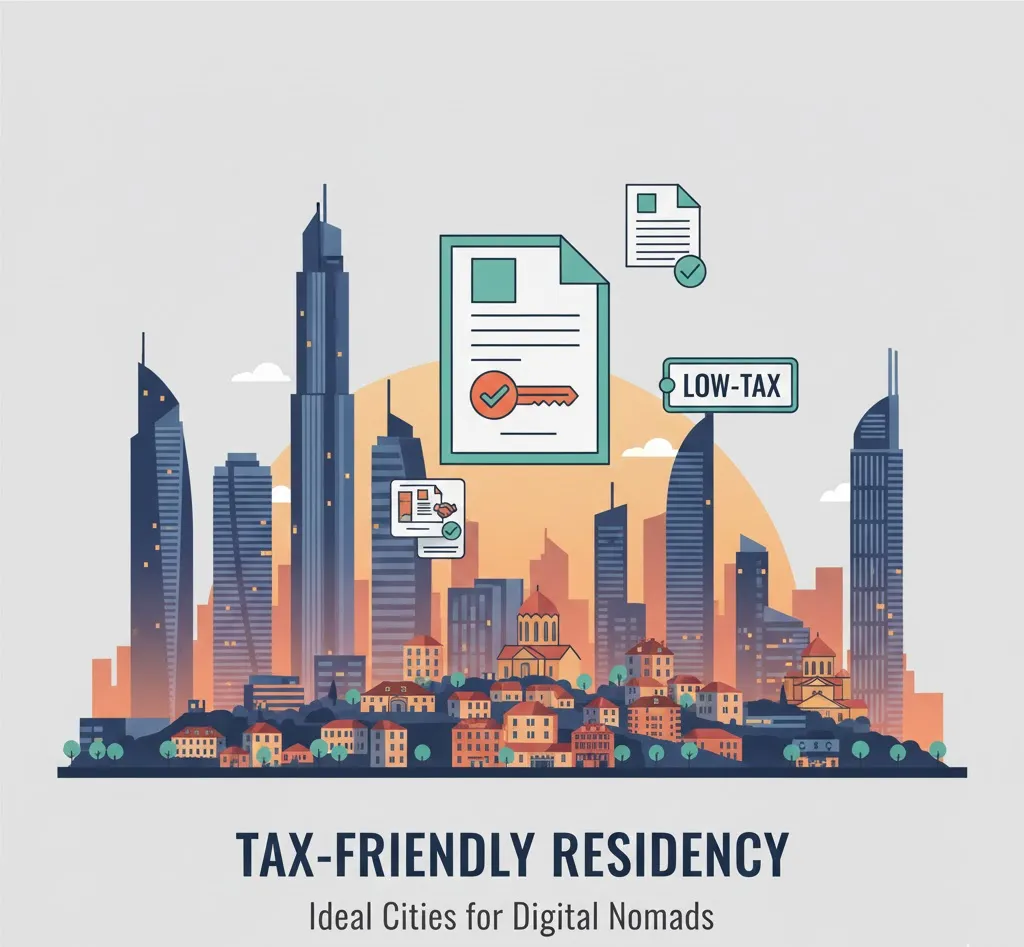
Choose a country with favorable tax rules.
Become a legal resident.
Live or travel from there while paying lower taxes.
Popular home bases for expats:
- Portugal
- Mexico
- Panama
- Thailand
- UAE (Dubai)
- Malaysia
- Georgia
11. Don’t Open a Company Abroad Unless You Understand the Consequences
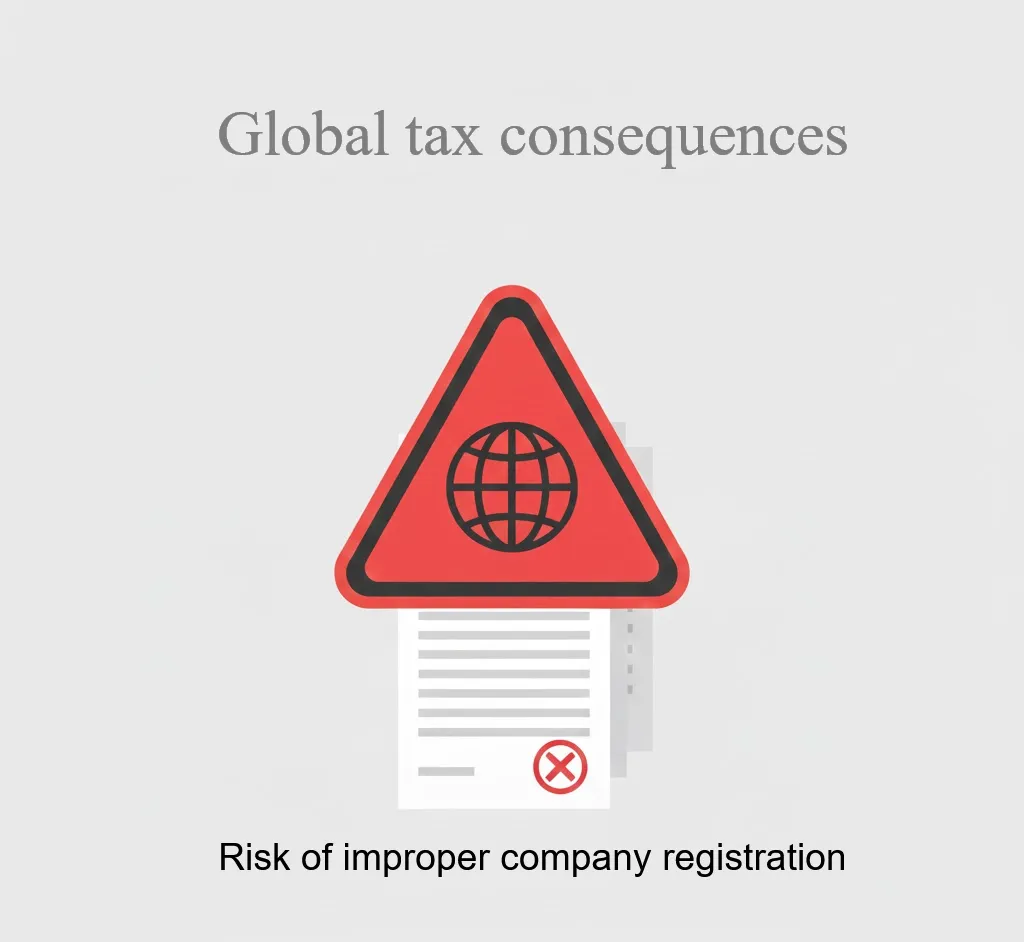
A common online myth says:
“Open a company in Estonia / Delaware / Dubai and pay 0% tax.”
Reality:
Your personal tax residency determines where you owe taxes — not where the company is registered.
If you operate a foreign company while living in Spain, Australia, the UK, Canada, etc., you may still owe taxes in your country of tax residency.
Don’t open foreign companies without real legal advice.
12. Hire a Tax Professional When:
- You earn more than $80,000 a year
- You stay 4-6 months in another country
- You apply for a digital nomad visa
- You operate a business, not just freelance
- You work in multiple countries a year
- You’re unsure if you triggered tax residency
The cost is small compared to the peace of mind.
13. The Golden Rule: Keep Documentation for EVERYTHING
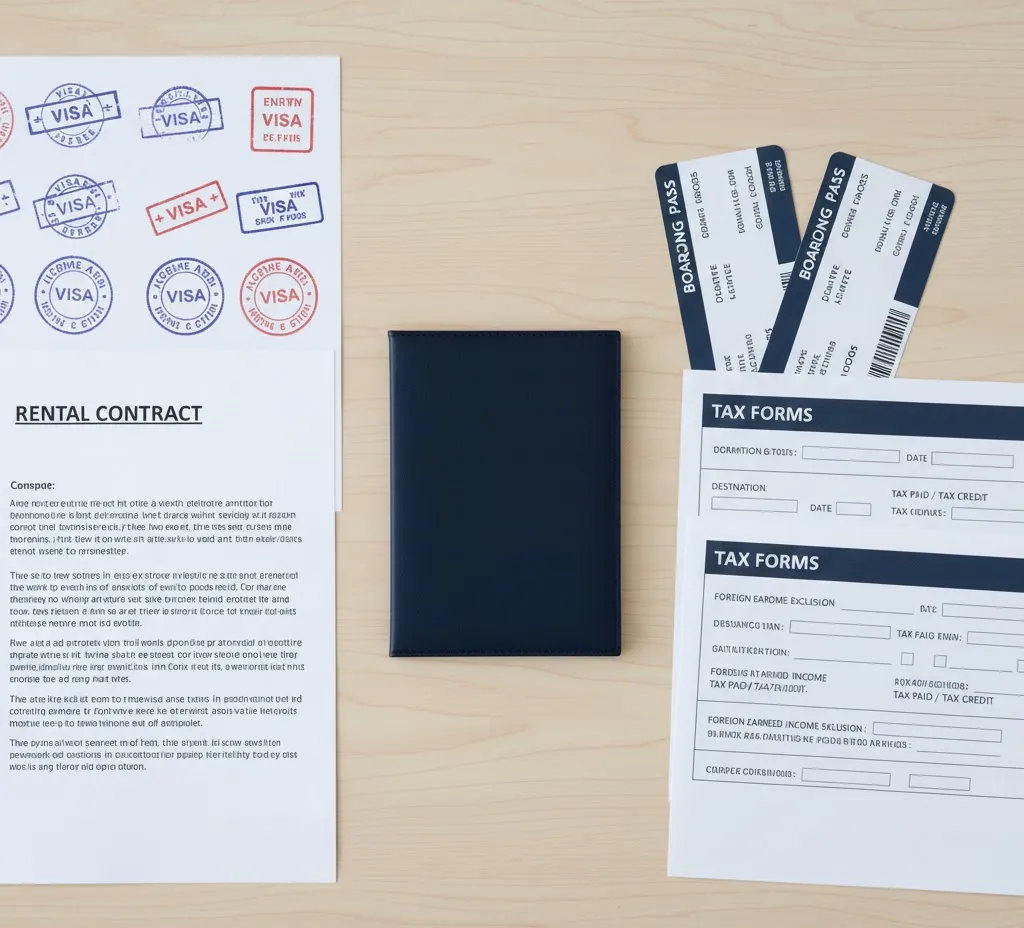
Countries are cracking down on tax evasion.
But if you’re doing everything legally, you’re safe — as long as you have proof.
Keep:
- Boarding passes
- Entry/exit stamps
- Rental agreements
- Bank statements
- Employer/freelancing contracts
- Proof of income source
- Insurance documents
It saves you from audits, visa issues, and banking problems.
Final Thoughts: Working From Anywhere Is Completely Possible — Just Do It Right

Living and working abroad is one of the most rewarding experiences you can have.
You gain perspective, freedom, creativity, and those random stories that only happen when you’re in a place far from home.
But doing it legally — with the right visa, the right tax plan, and the right documentation — is the difference between:
✨ A dream lifestyle
and
🔥 An expensive disaster
Follow the rules. Understand your tax residency. Use the right visa.
And you can genuinely, legally, safely work from anywhere in the world.