Japan Travel Tips: The Ultimate Complete Guide for First-Time and Repeat Travelers
Japan is not just a destination; it’s a carefully choreographed experience. One moment you’re standing beneath a thousand vermilion torii gates, the next you’re sipping canned coffee from a vending machine that seems smarter than your phone. Ancient rituals and futuristic efficiency coexist without friction, creating a travel experience unlike anywhere else on Earth.
This complete Japan travel guide is designed to give you everything you need before packing your bags. From essential travel information and the best cities to visit, to seasons, transportation, payments, language tips, apps, and frequently asked questions, this guide will help you travel Japan with confidence, curiosity, and ease.
Recommended Travel Items for Your Trip
Essential Travel Information for Japan
Understanding Japan’s basic travel logistics before arrival saves time, money, and confusion. Japan is famously organized, but preparation makes the experience smoother.
Basic Facts You Should Know
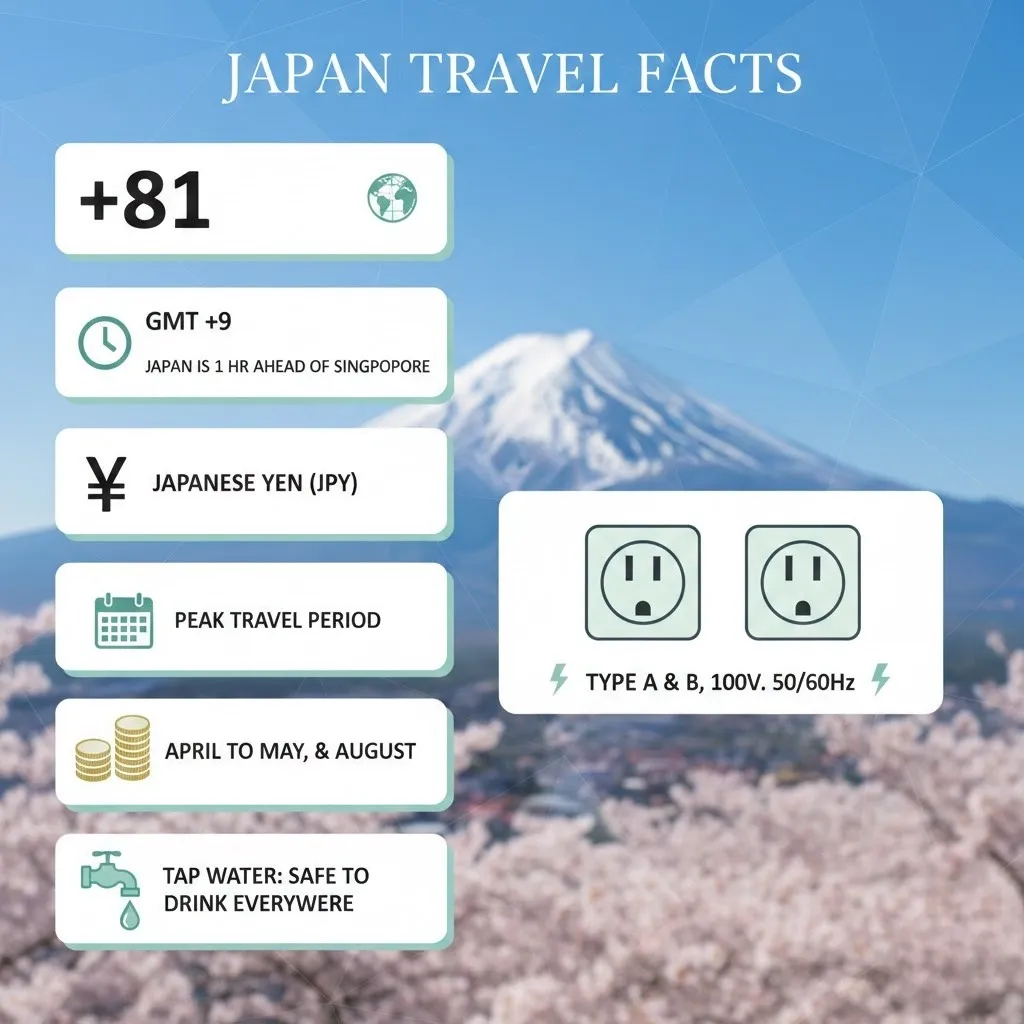
- Country Code: +81
- Time Zone: GMT +9 (Japan is 1 hour ahead of Singapore)
- Currency: Japanese Yen (JPY ¥)
- Peak Travel Period: April to May, and August
- Tap Water: Safe to drink everywhere
- AC Power Socket: Type A & B, 100V, 50/60Hz
Japan does not use the same plug types as many other countries, so bringing a universal adapter is highly recommended.
Japan is also one of the safest countries in the world. Violent crime is extremely rare, public transport is reliable, and lost items are often returned intact.
Why Japan Is Such a Popular Travel Destination
Japan attracts travelers for many reasons, and not just sushi or anime. It offers something for nearly every travel style.
- Cultural travelers enjoy temples, tea ceremonies, and festivals
- Food lovers explore ramen shops, sushi counters, and street snacks
- Nature lovers hike mountains, soak in hot springs, and admire cherry blossoms
- City explorers experience neon skylines, shopping districts, and nightlife
- Families appreciate safety, cleanliness, and unique attractions
Japan’s infrastructure makes independent travel easy, even for those who don’t speak Japanese.
Popular Cities to Visit in Japan
Japan’s cities are incredibly diverse. Each region has its own food, dialect, traditions, and atmosphere.
Tokyo
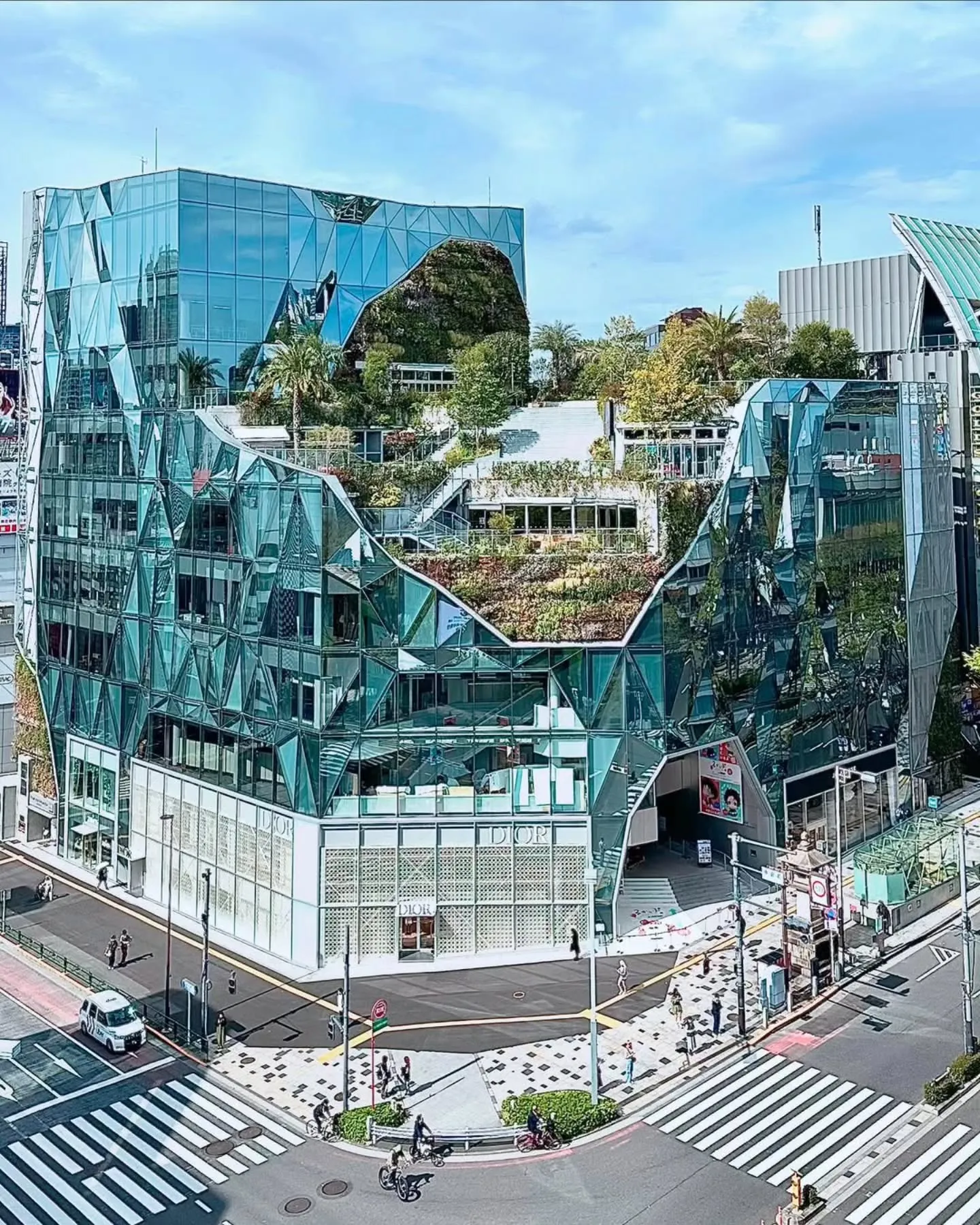
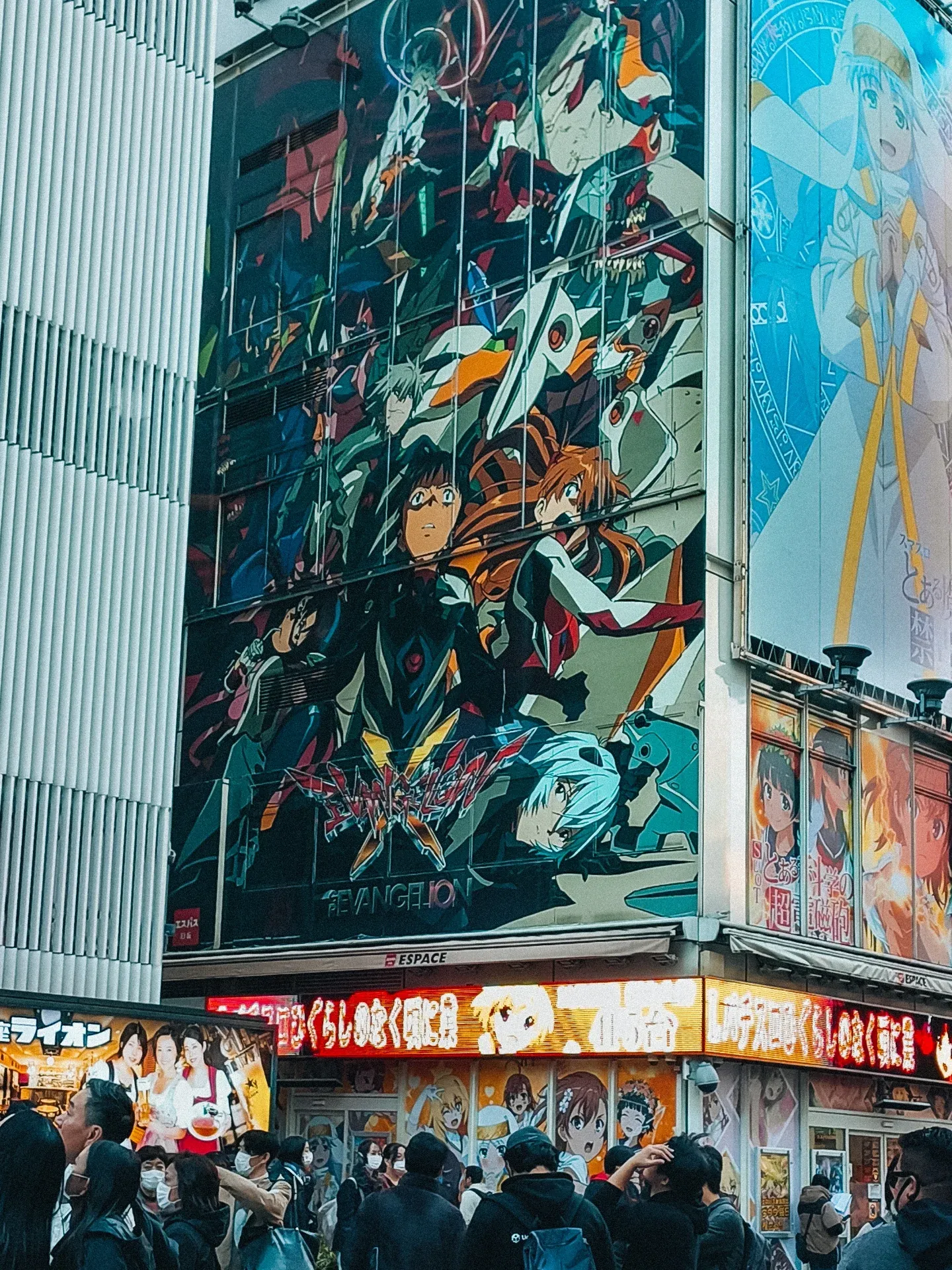
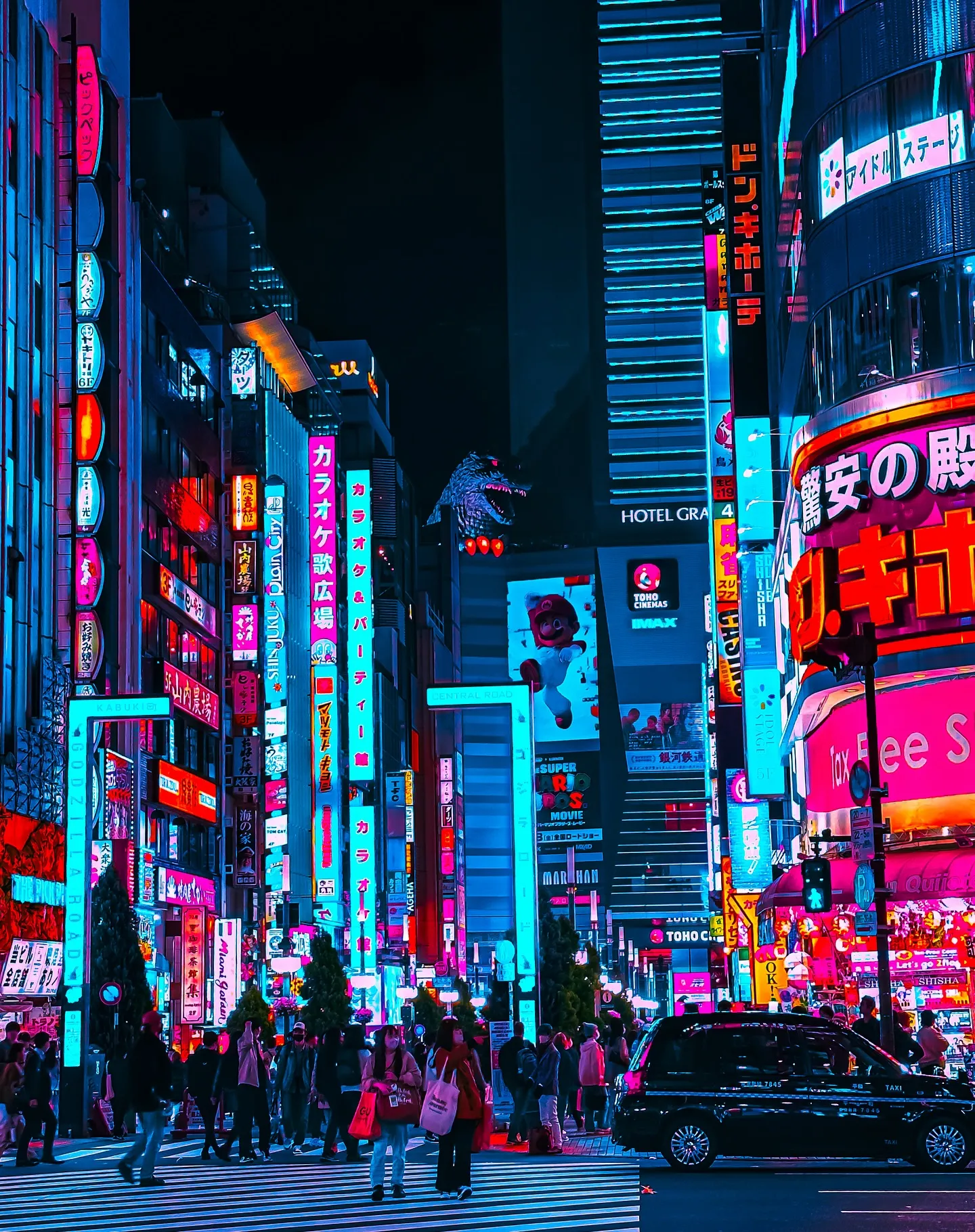
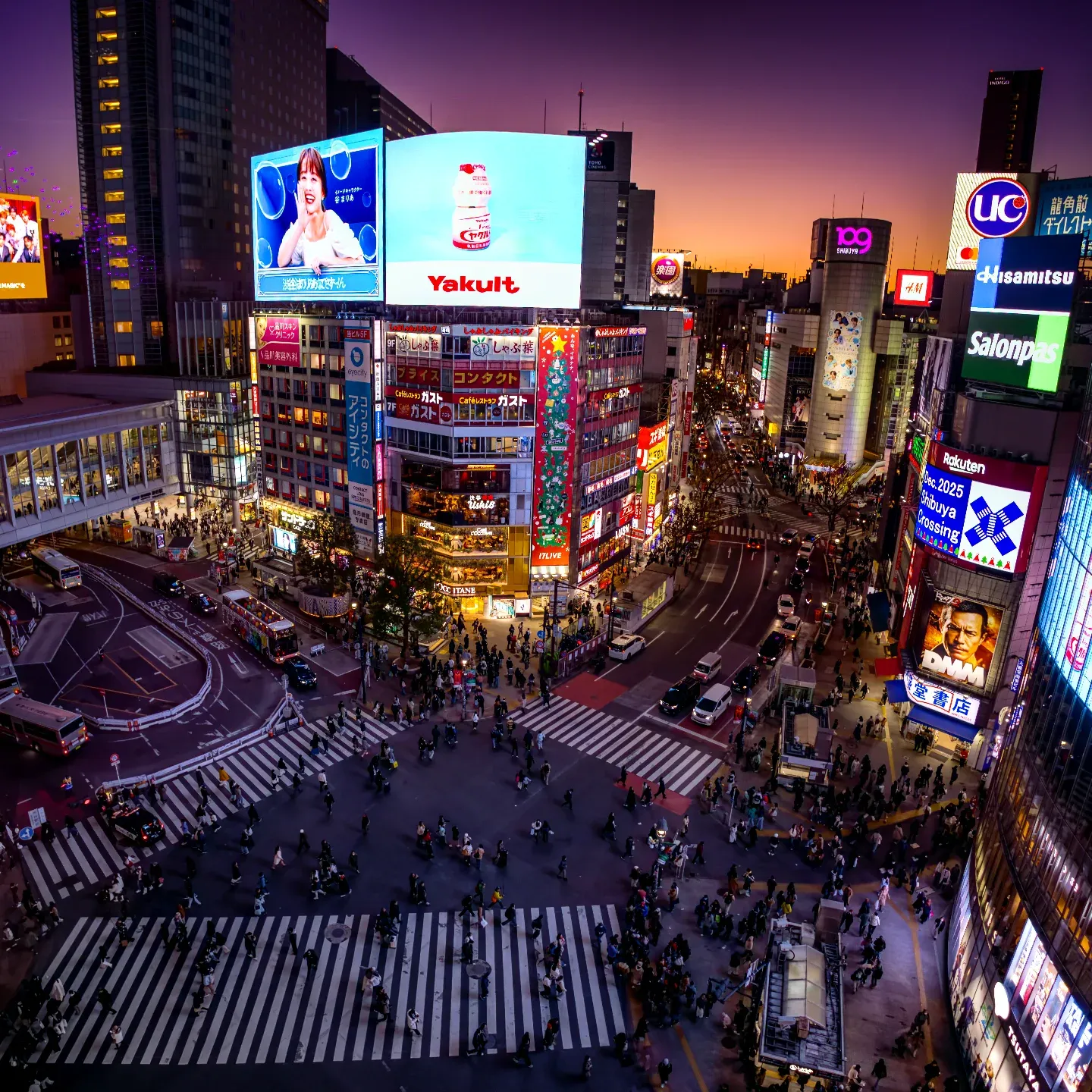
Tokyo is Japan’s capital and one of the world’s largest cities. It’s a place of contrasts: serene shrines tucked between skyscrapers, quiet residential streets minutes away from busy crossings.
Highlights include:
- Shibuya Crossing
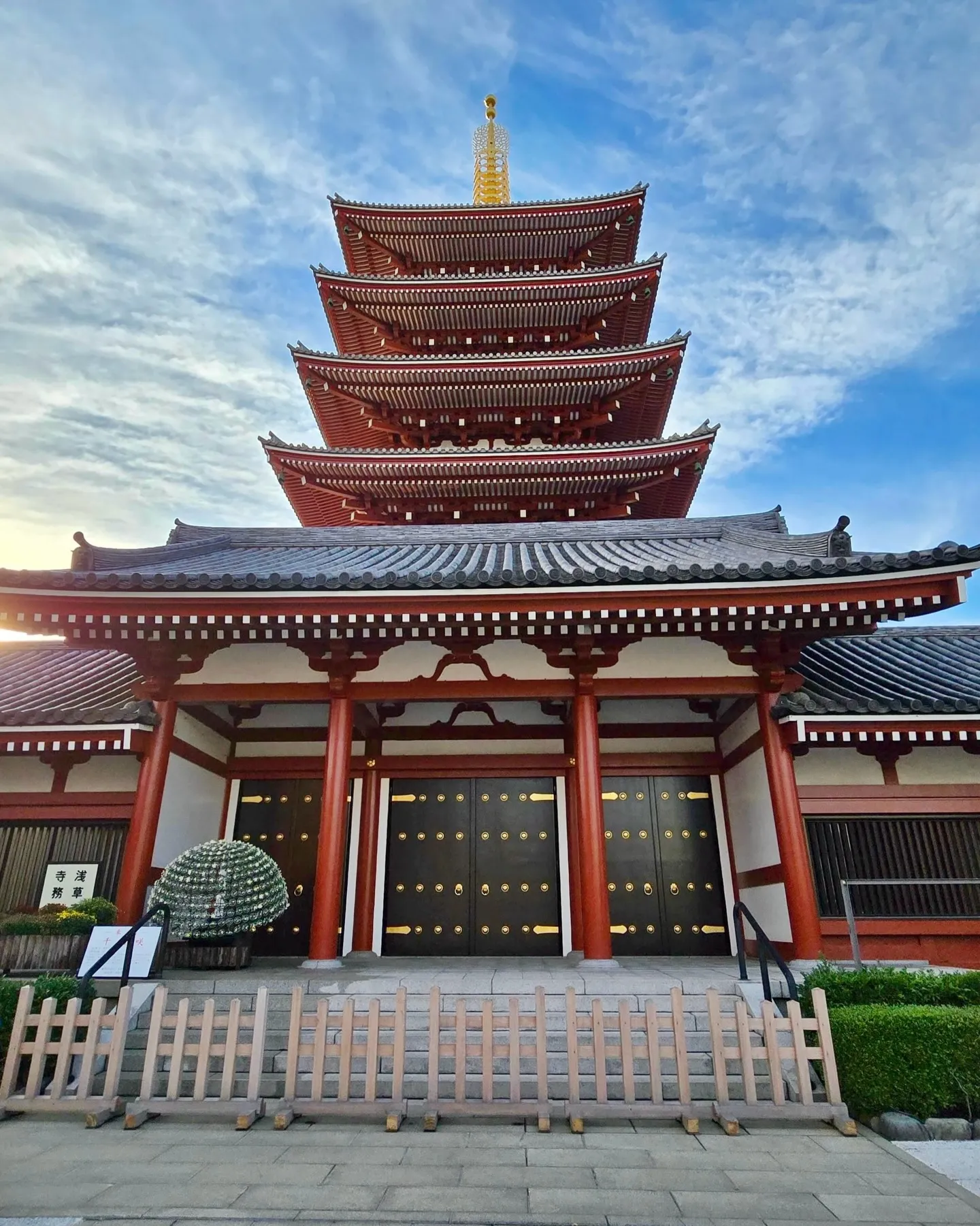
- Asakusa and Senso-ji Temple
- Shinjuku nightlife
- Akihabara for anime and electronics
- Harajuku for fashion and youth culture
Tokyo is fast-paced but surprisingly orderly, and public transport makes it easy to explore.
Kyoto
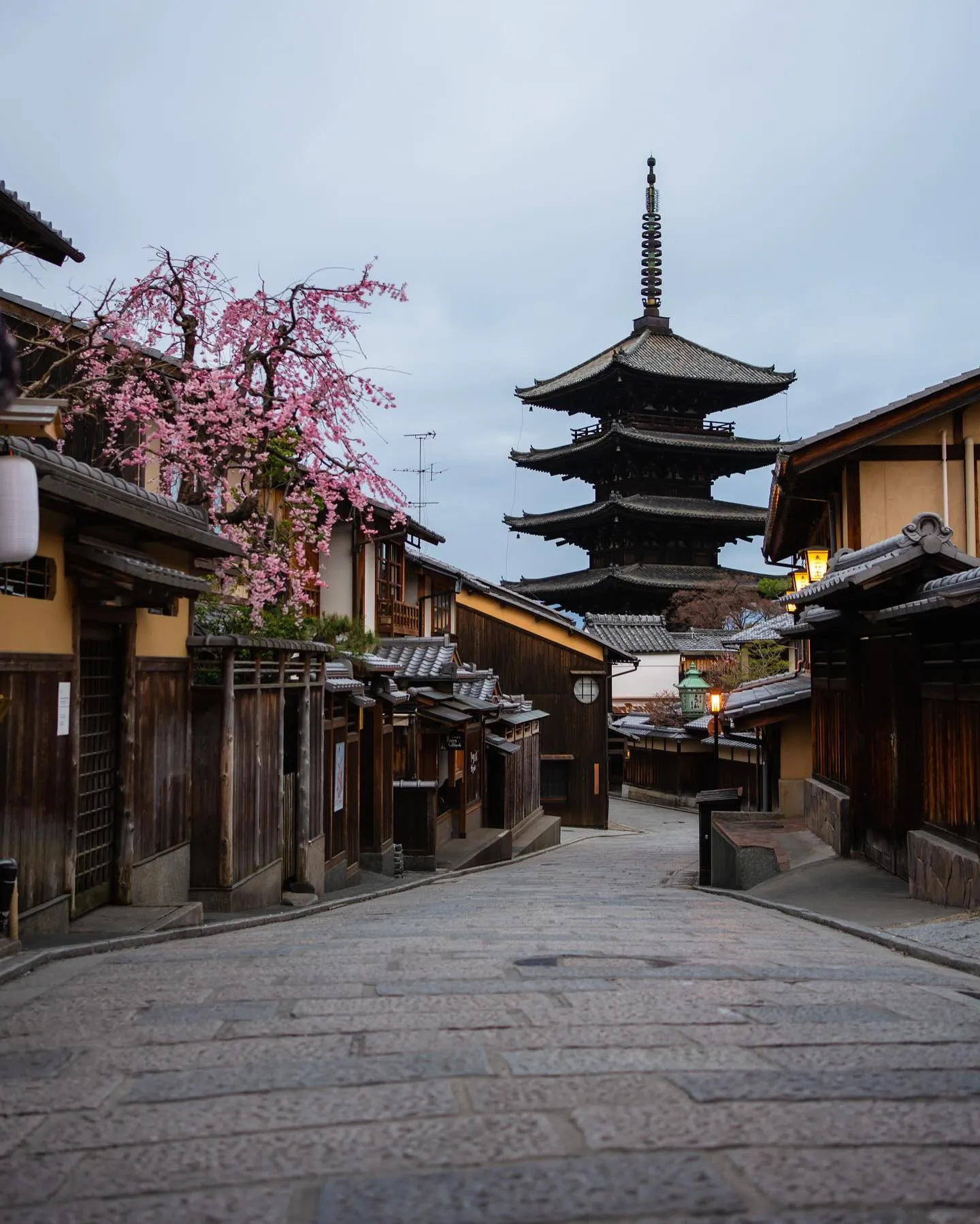
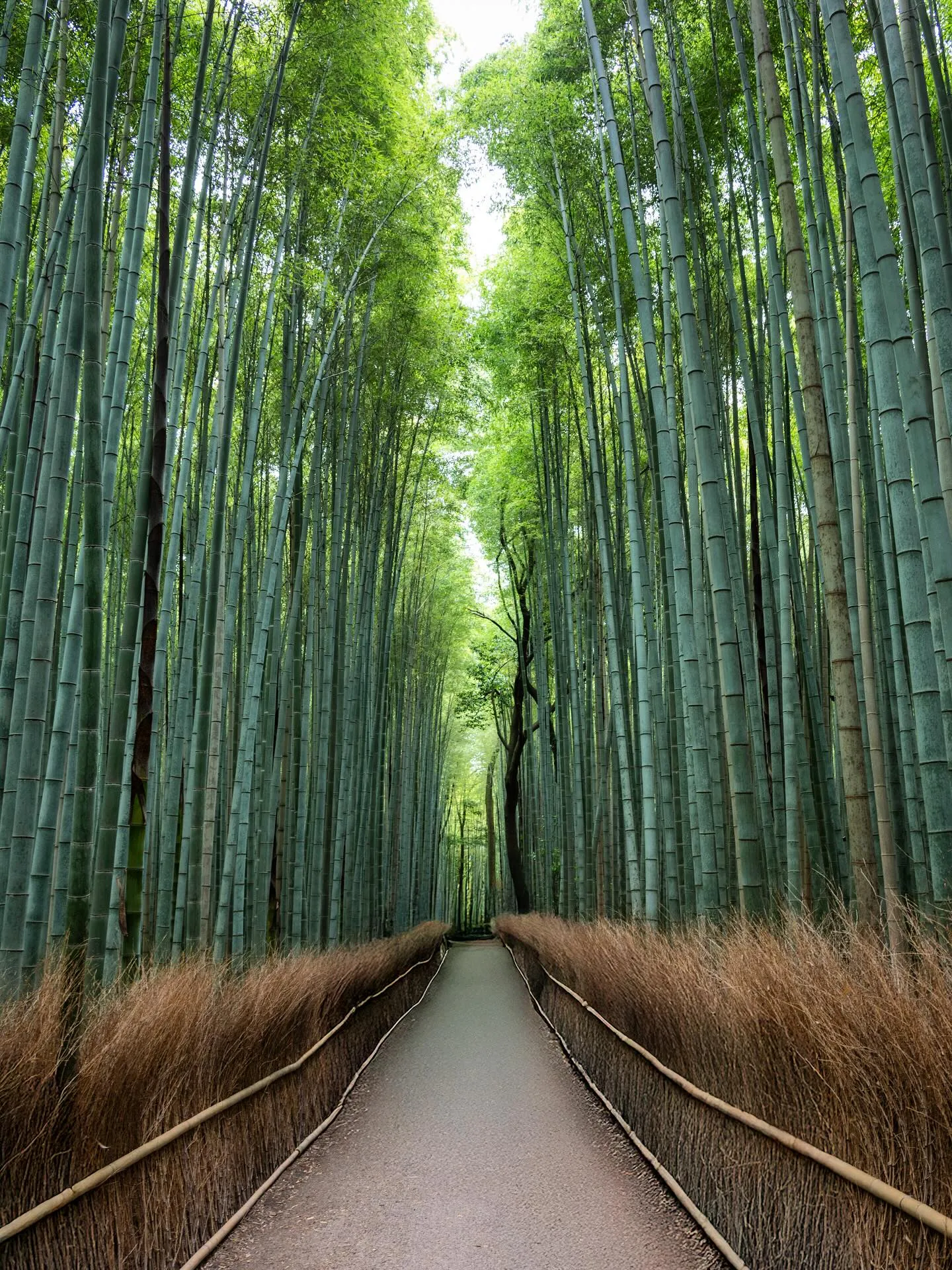
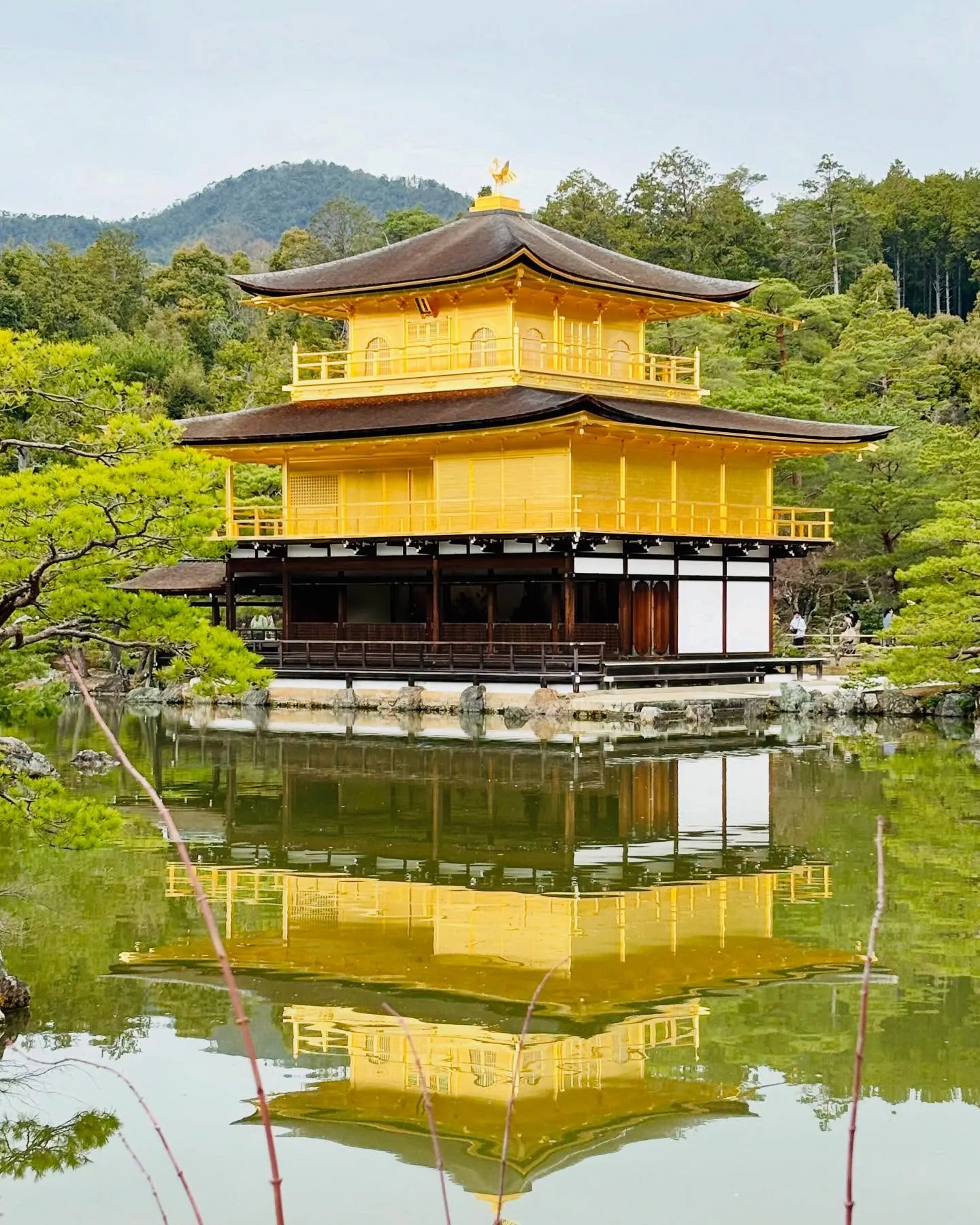
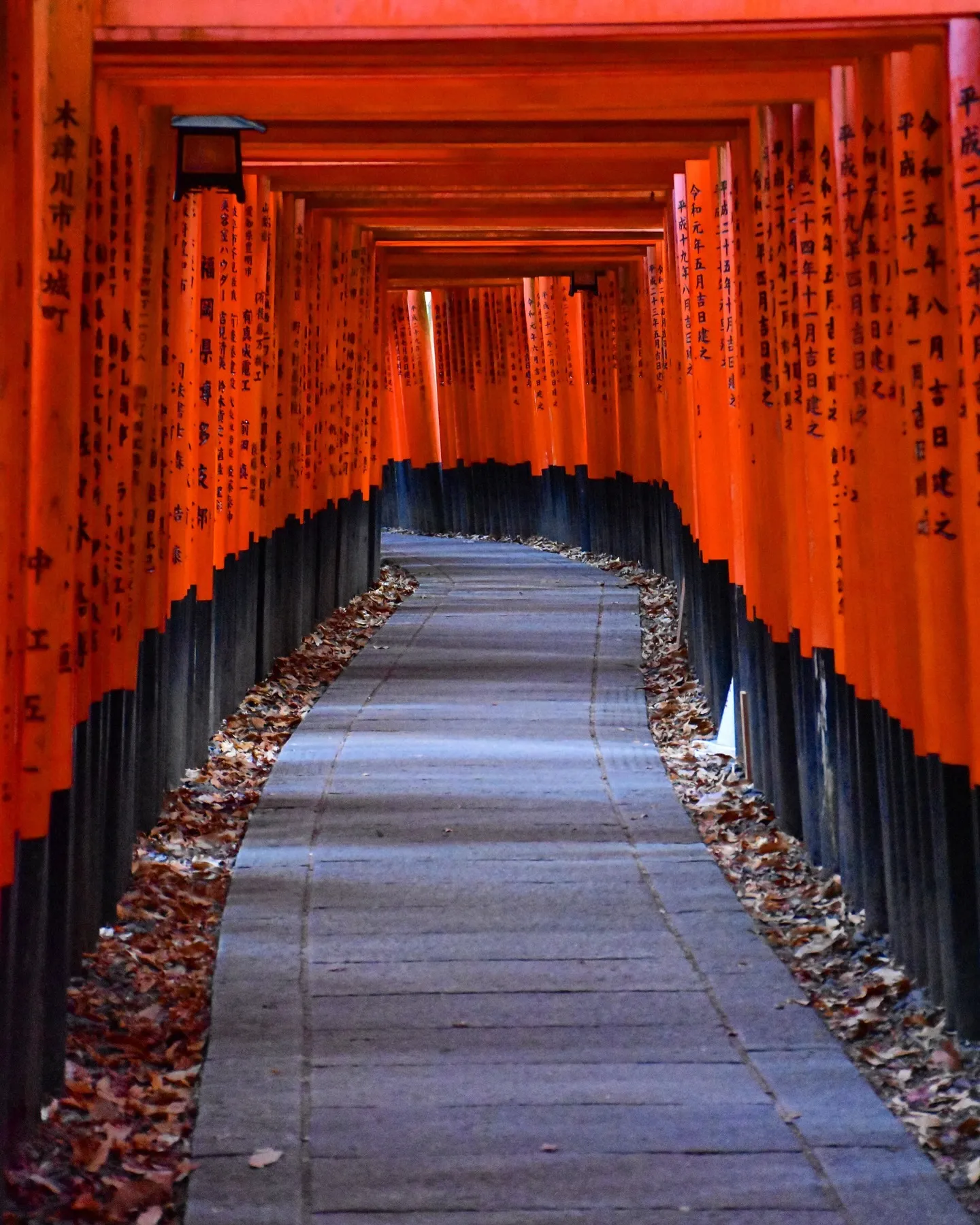
Kyoto is the heart of traditional Japan. Once the imperial capital, it’s home to thousands of temples and shrines.
Key attractions:
- Fushimi Inari Shrine
- Kinkaku-ji (Golden Pavilion)
- Arashiyama Bamboo Grove
- Gion district
Kyoto is especially stunning during cherry blossom season and autumn foliage.
Osaka
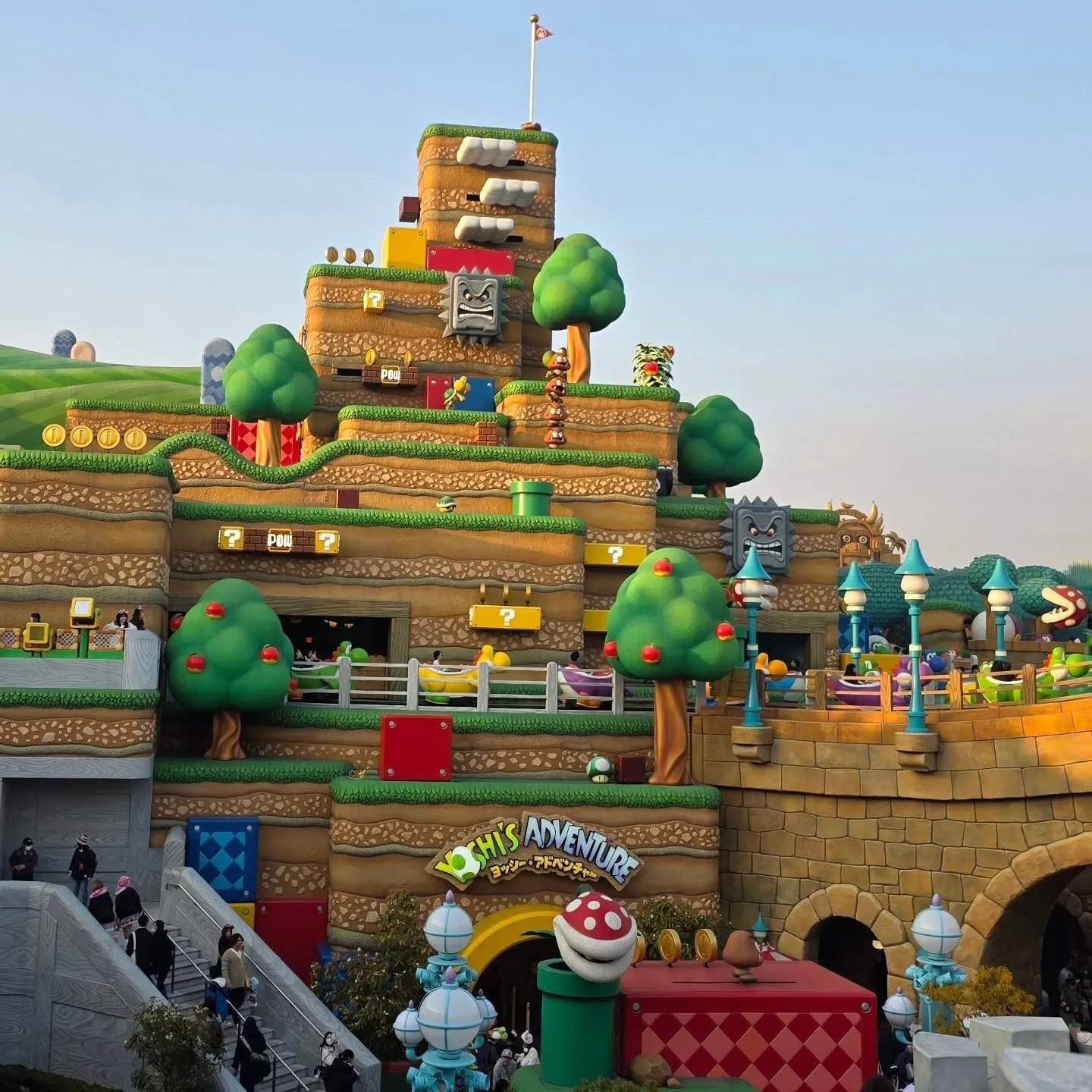
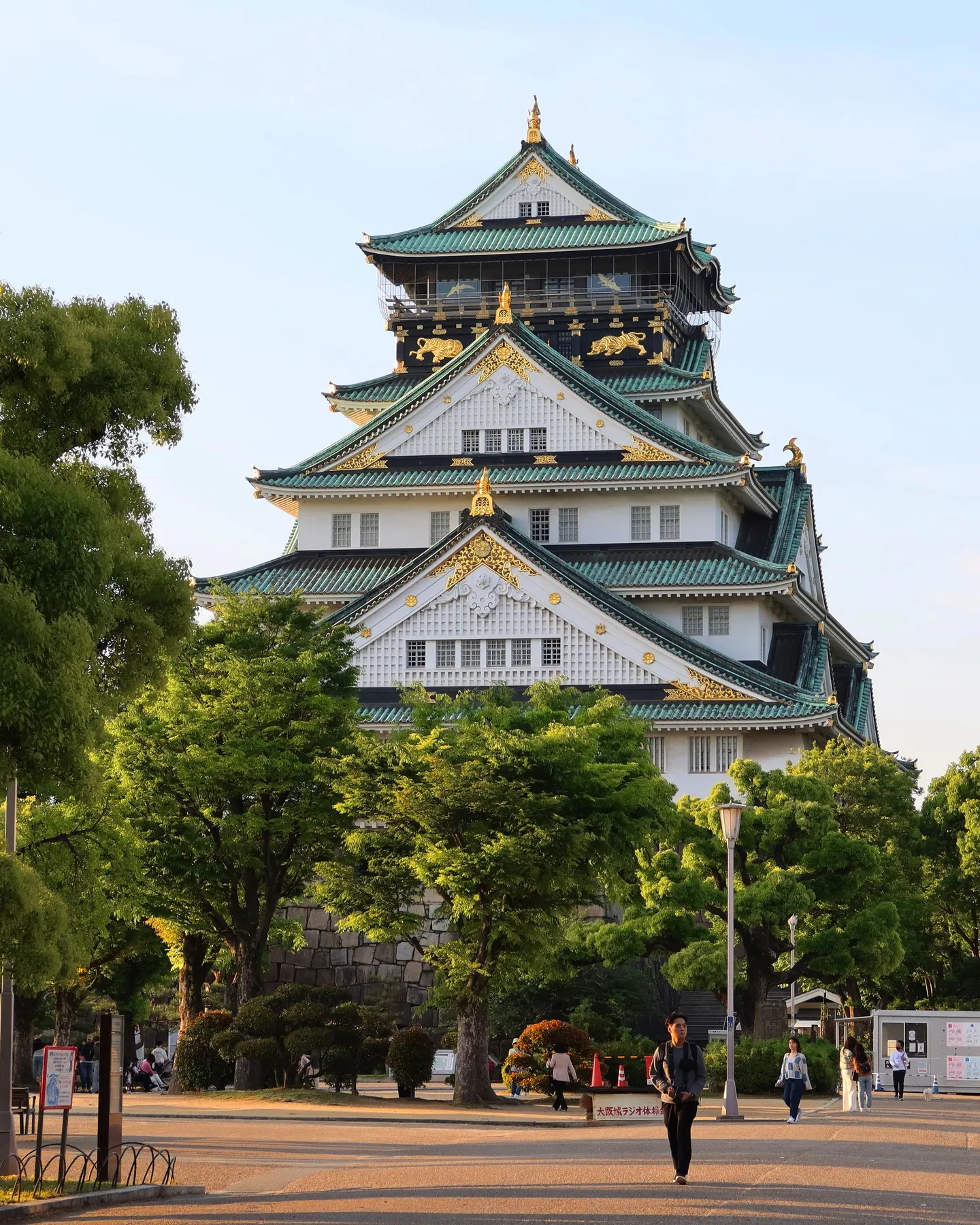
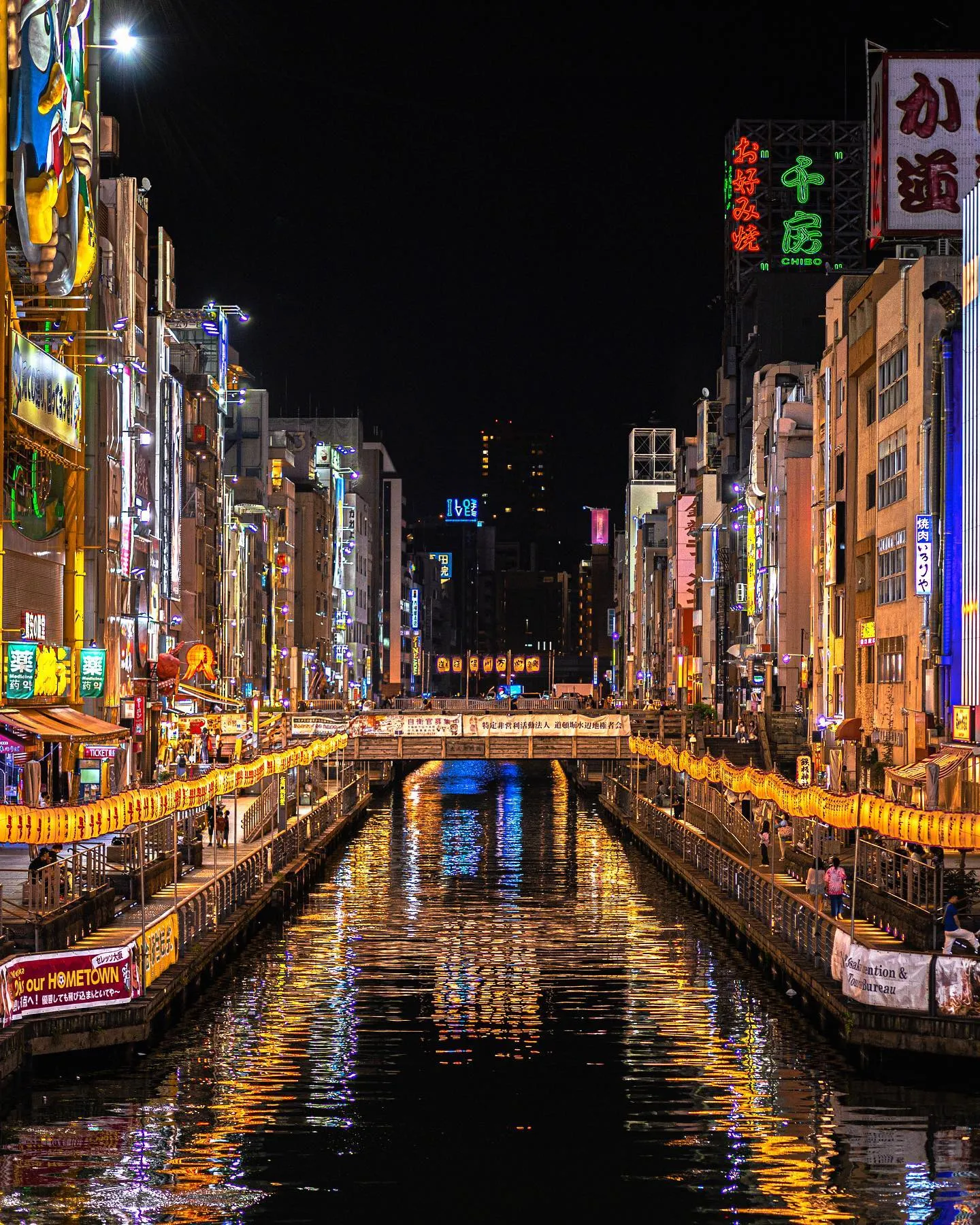
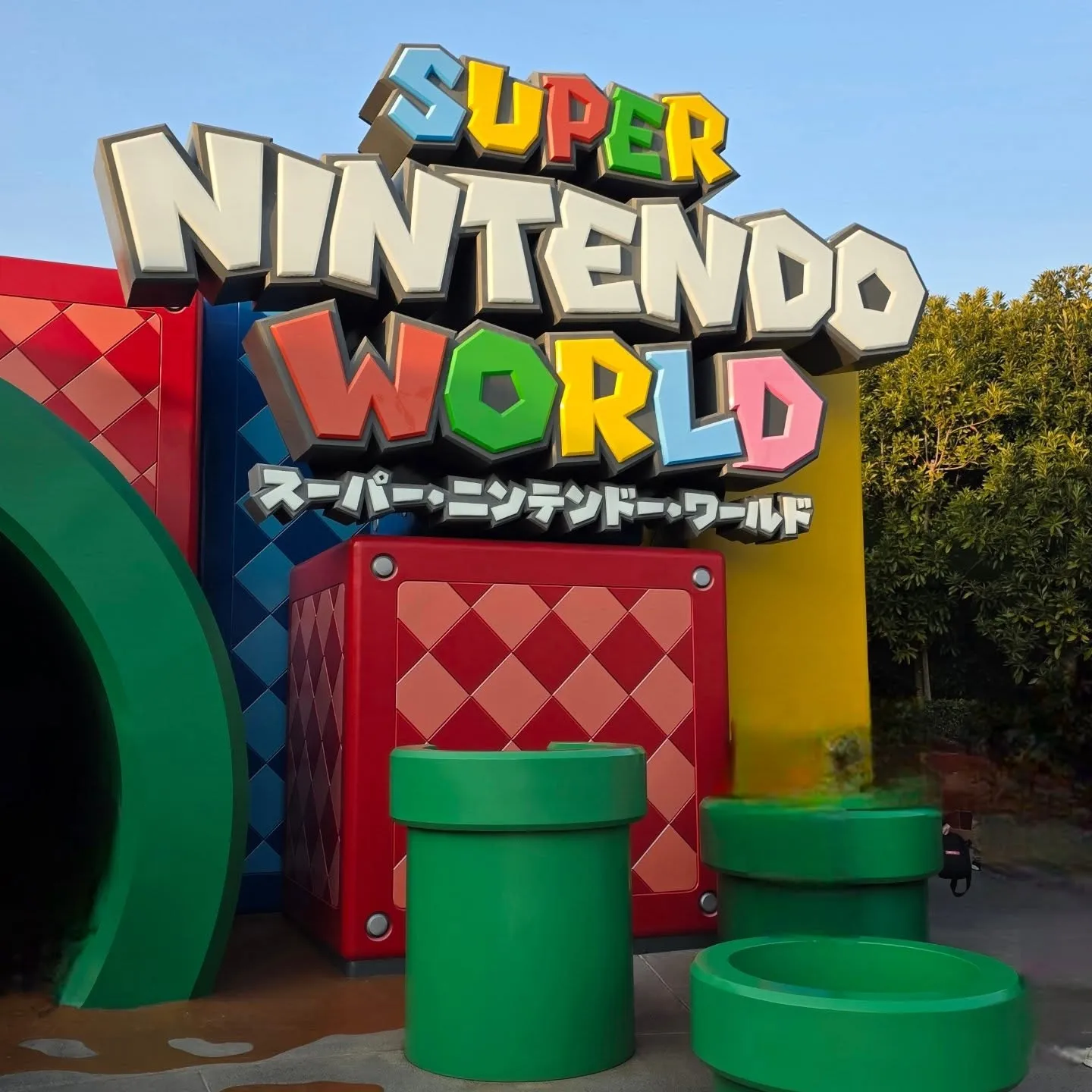
Osaka is known for its friendly locals and obsession with food. The city’s motto loosely translates to “eat until you drop.”
Must-see spots:
- Dotonbori street food area
- Osaka Castle
- Universal Studios Japan
Osaka is lively, casual, and perfect for first-time visitors who want a relaxed vibe.
Hiroshima
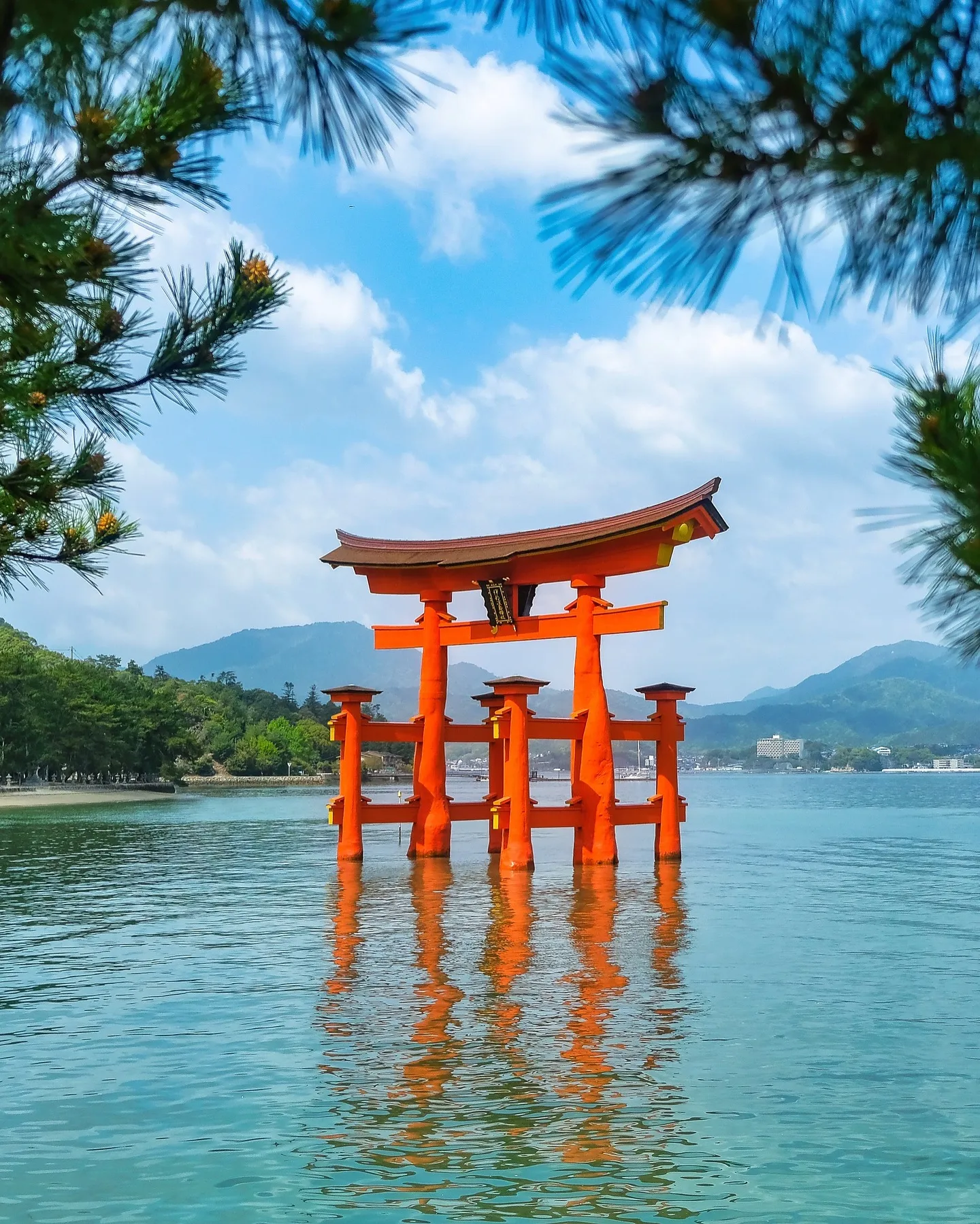
Hiroshima is a city of remembrance and peace. The Hiroshima Peace Memorial Park and Museum offer a powerful experience.
Nearby attractions:
- Miyajima Island and Itsukushima Shrine
- Historic downtown Hiroshima
It’s a deeply moving destination that also offers excellent food, especially okonomiyaki.
Kobe
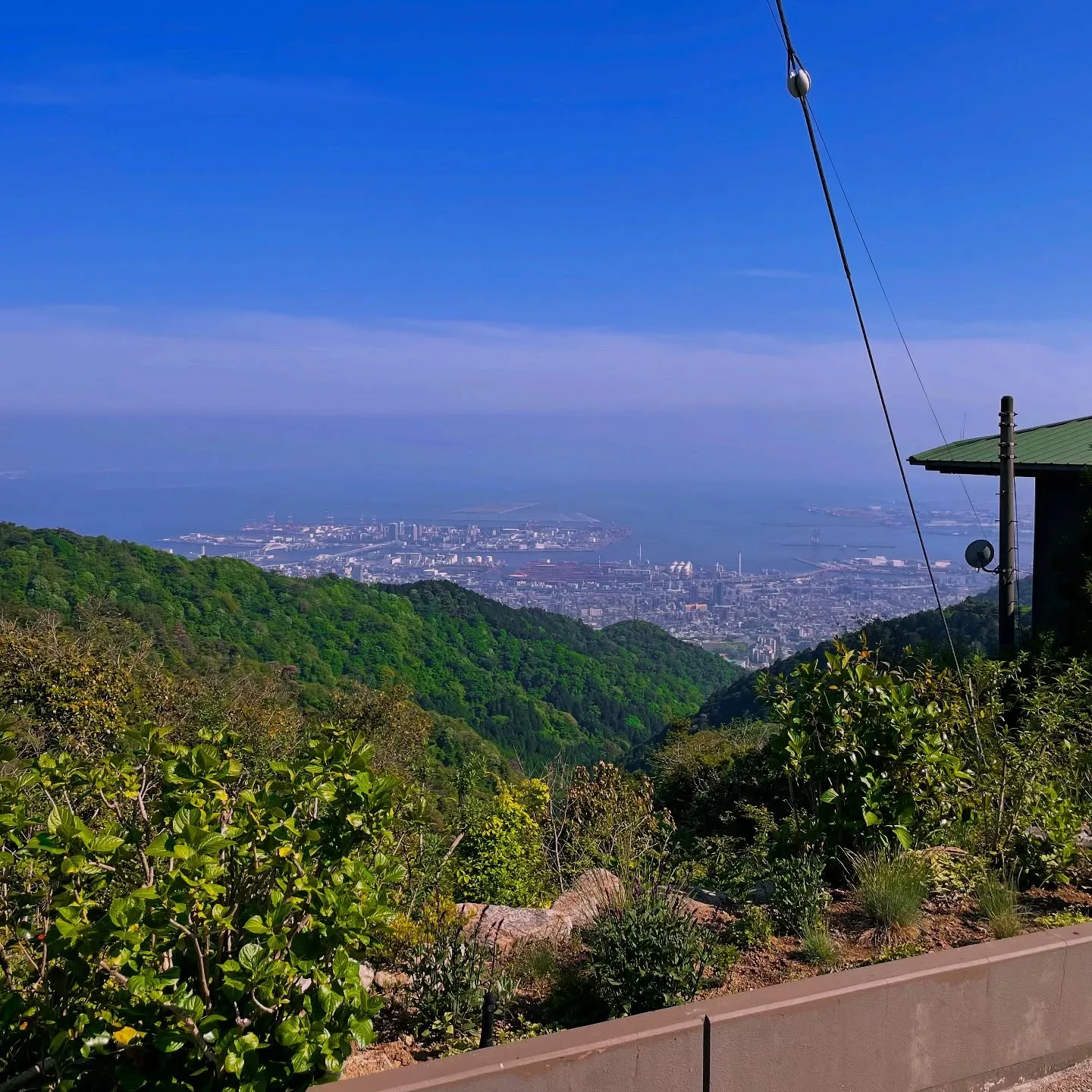
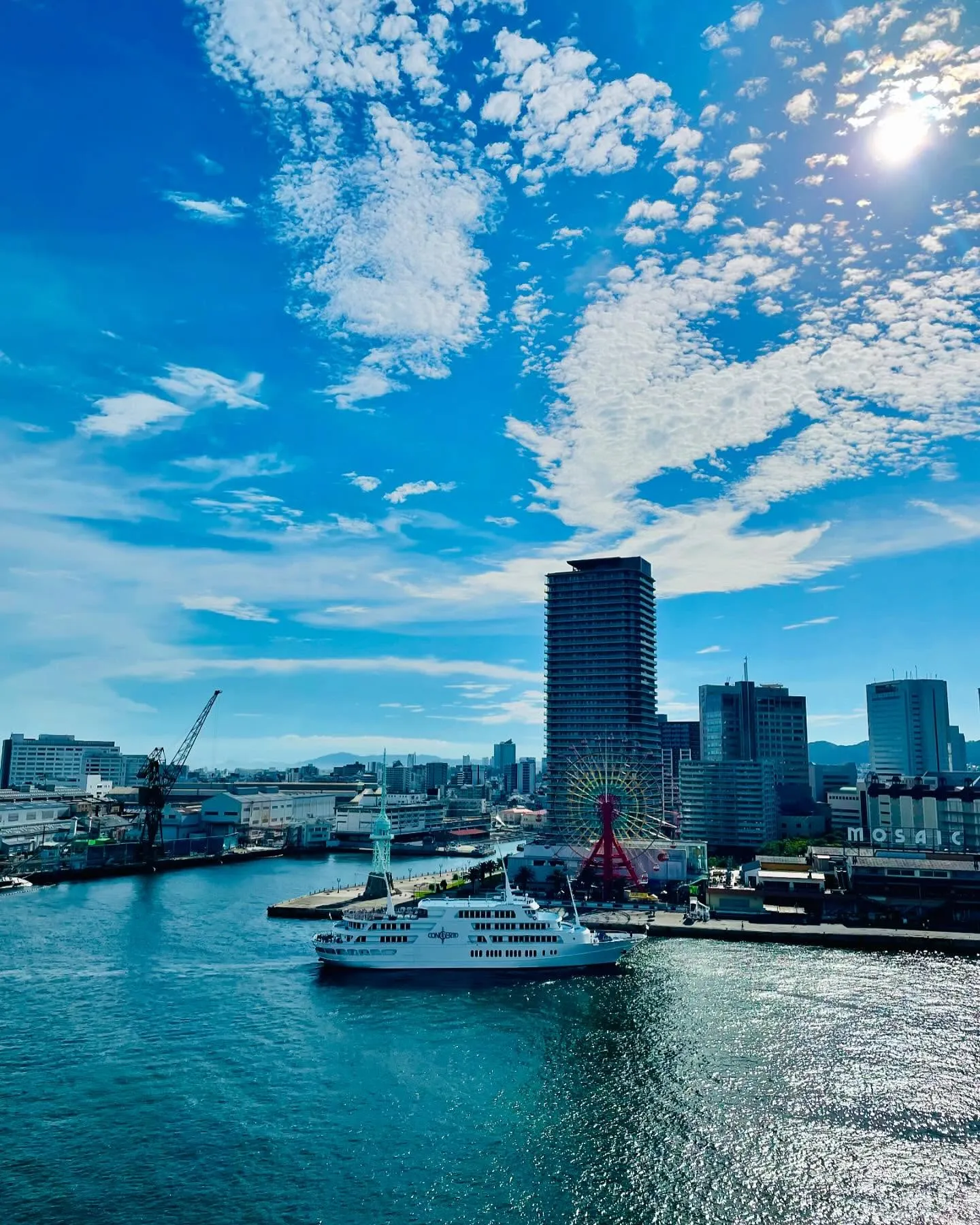
Kobe is internationally known for Kobe beef, but the city offers more than luxury dining.
Highlights:
- Scenic harbor views
- Mount Rokko
- Western-influenced architecture
Kobe combines urban elegance with natural beauty.
Fukuoka
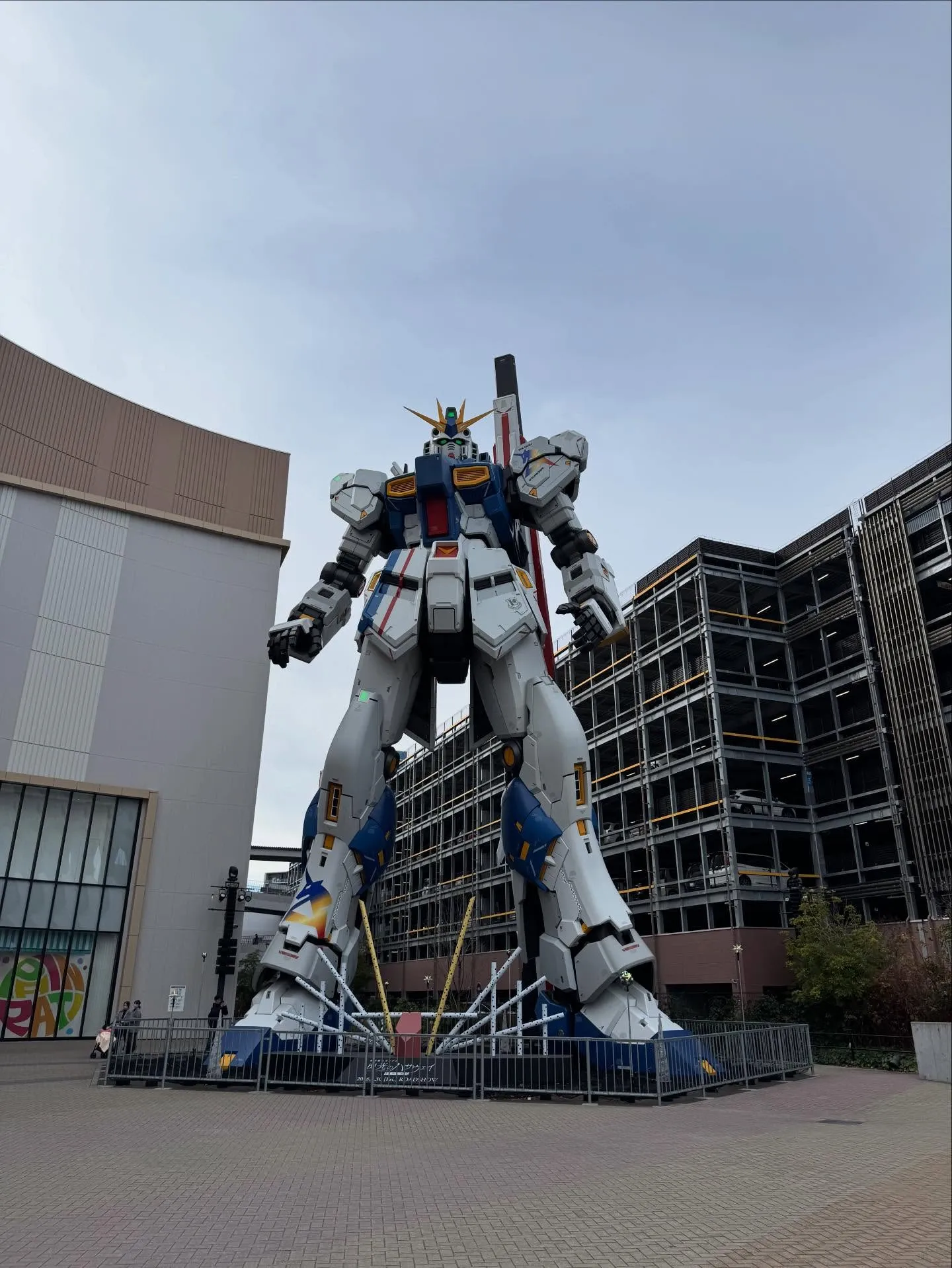
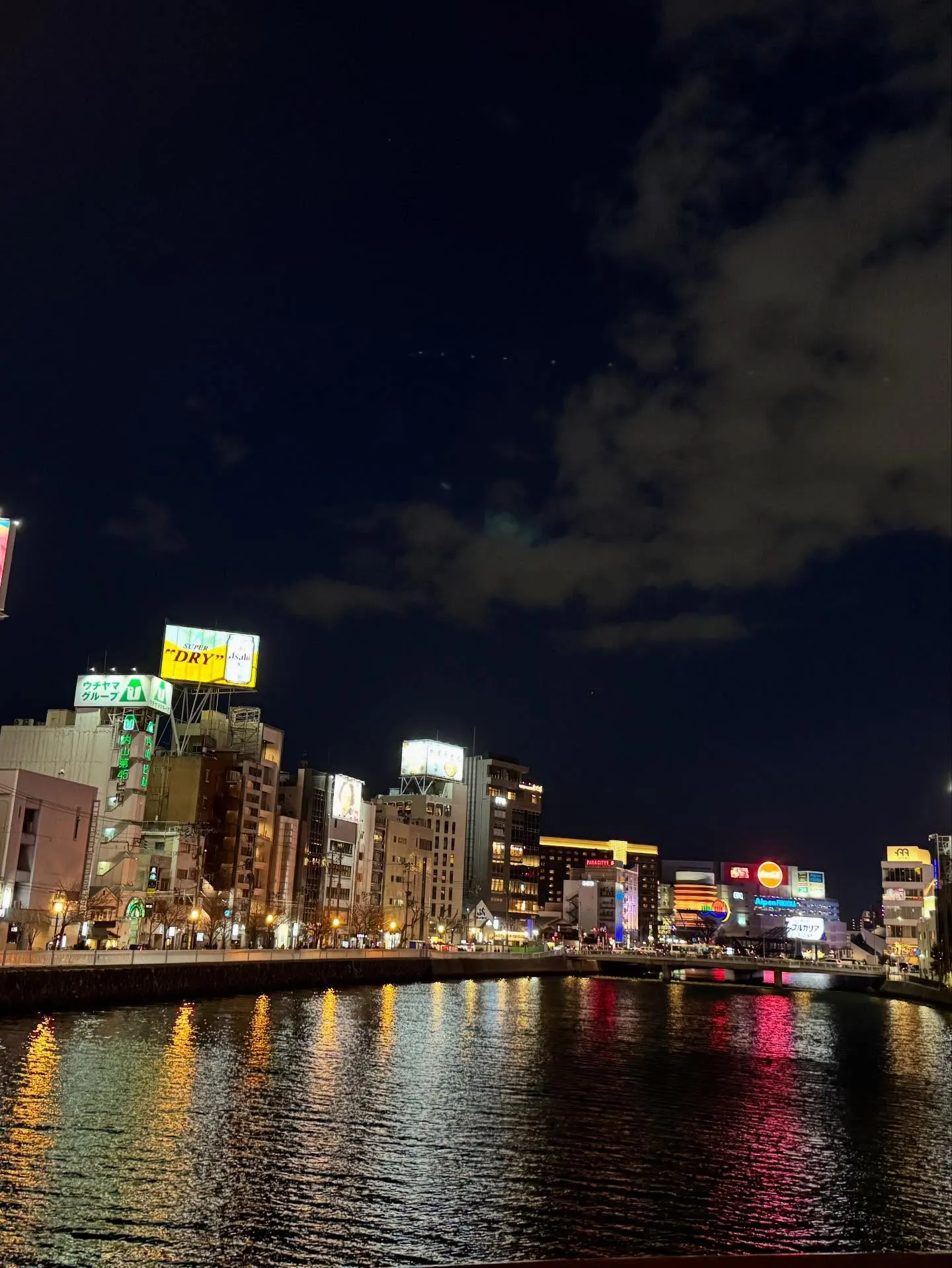
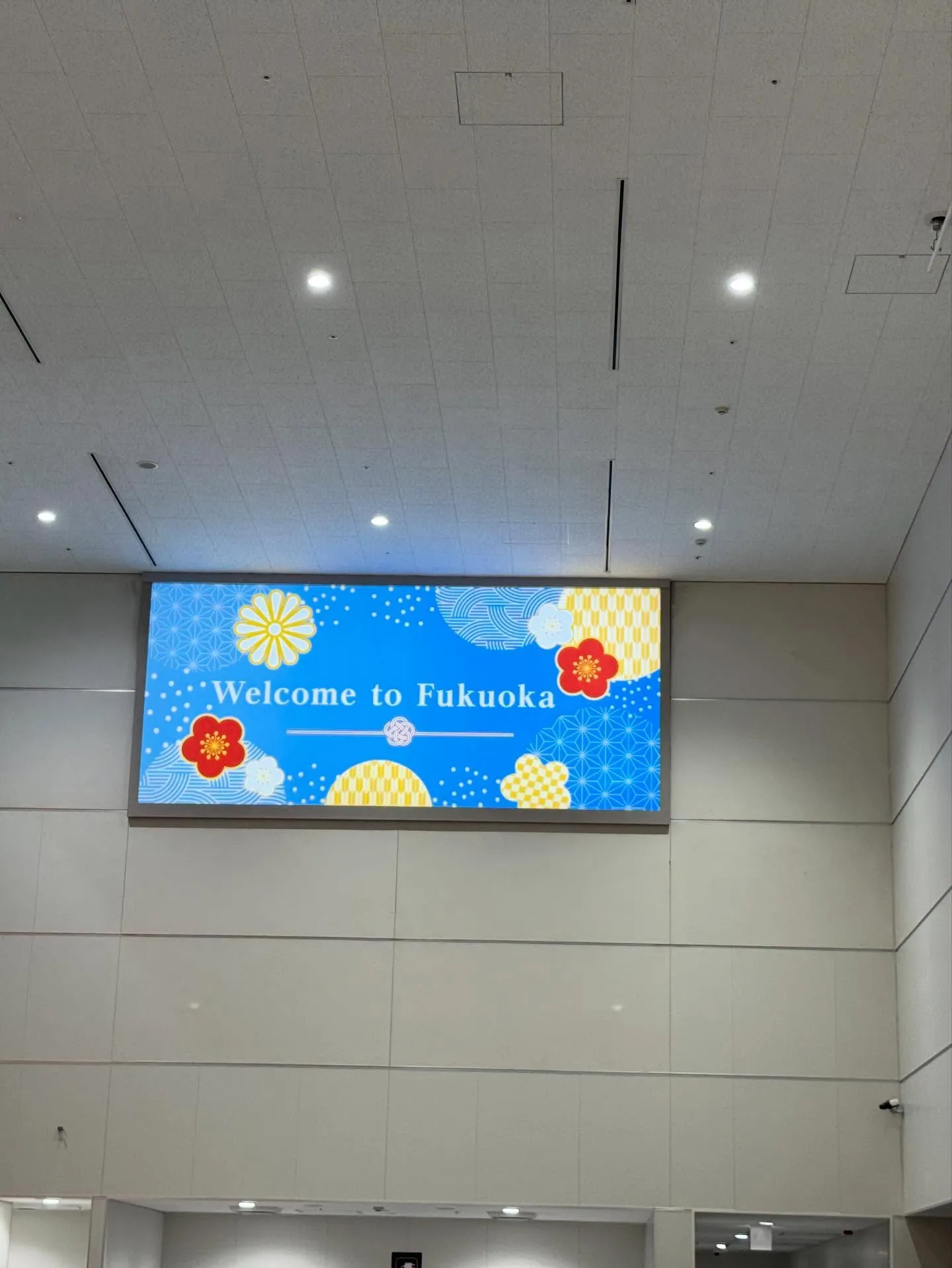
Located on Kyushu island, Fukuoka is famous for its food stalls and laid-back atmosphere.
Why visit:
- Hakata ramen
- Beach access
- Friendly locals
It’s a great gateway to southern Japan.
Sapporo (Hokkaido)
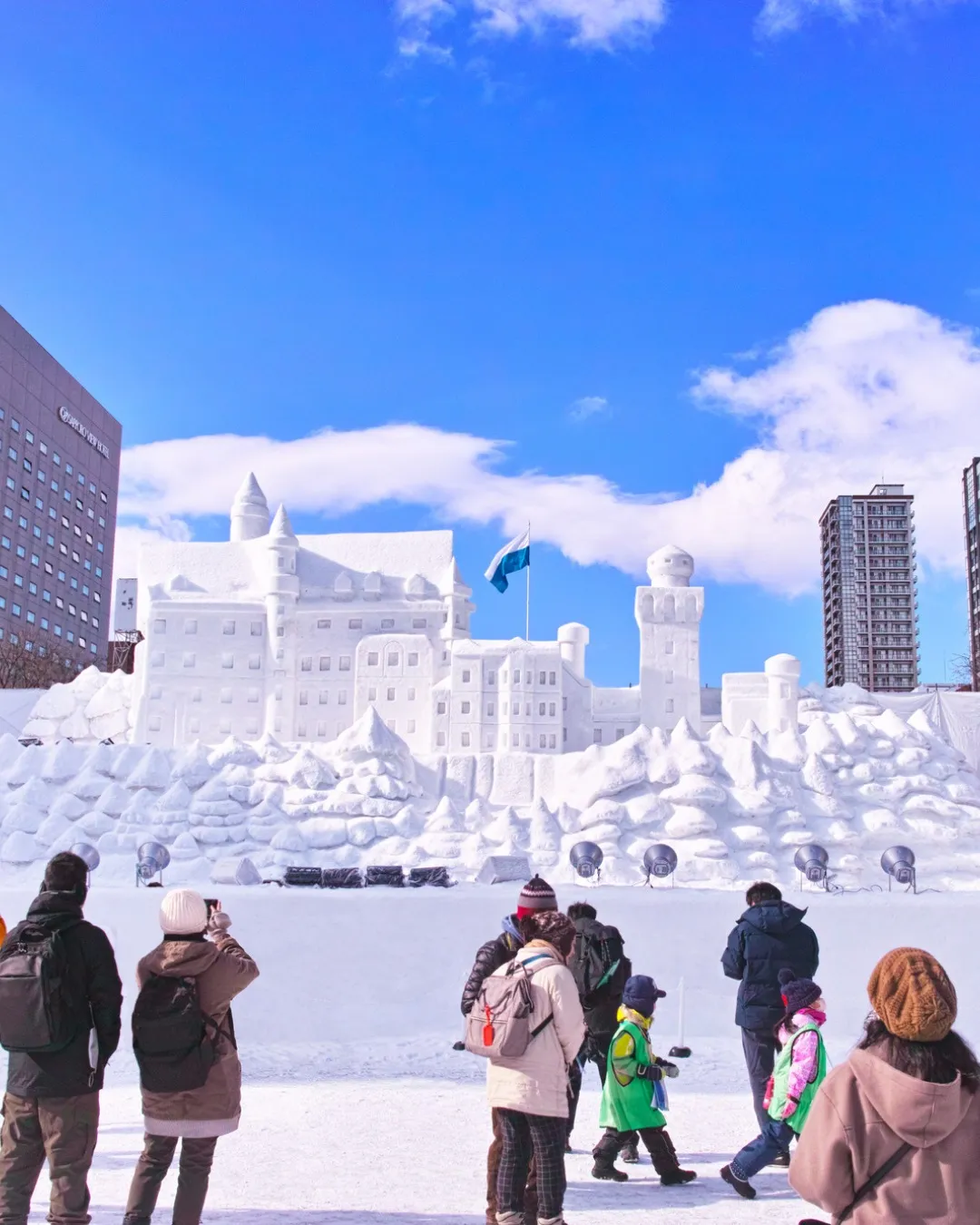
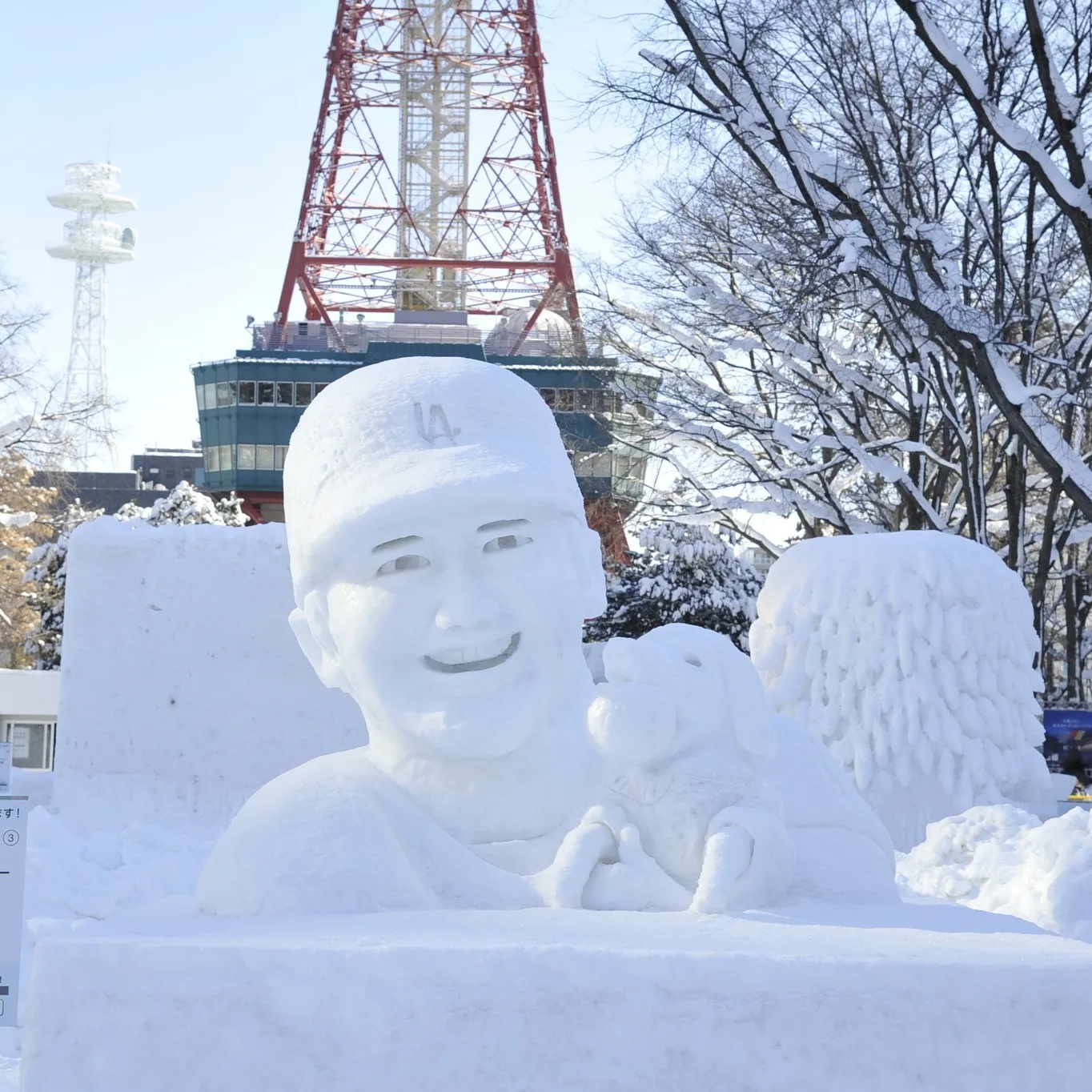
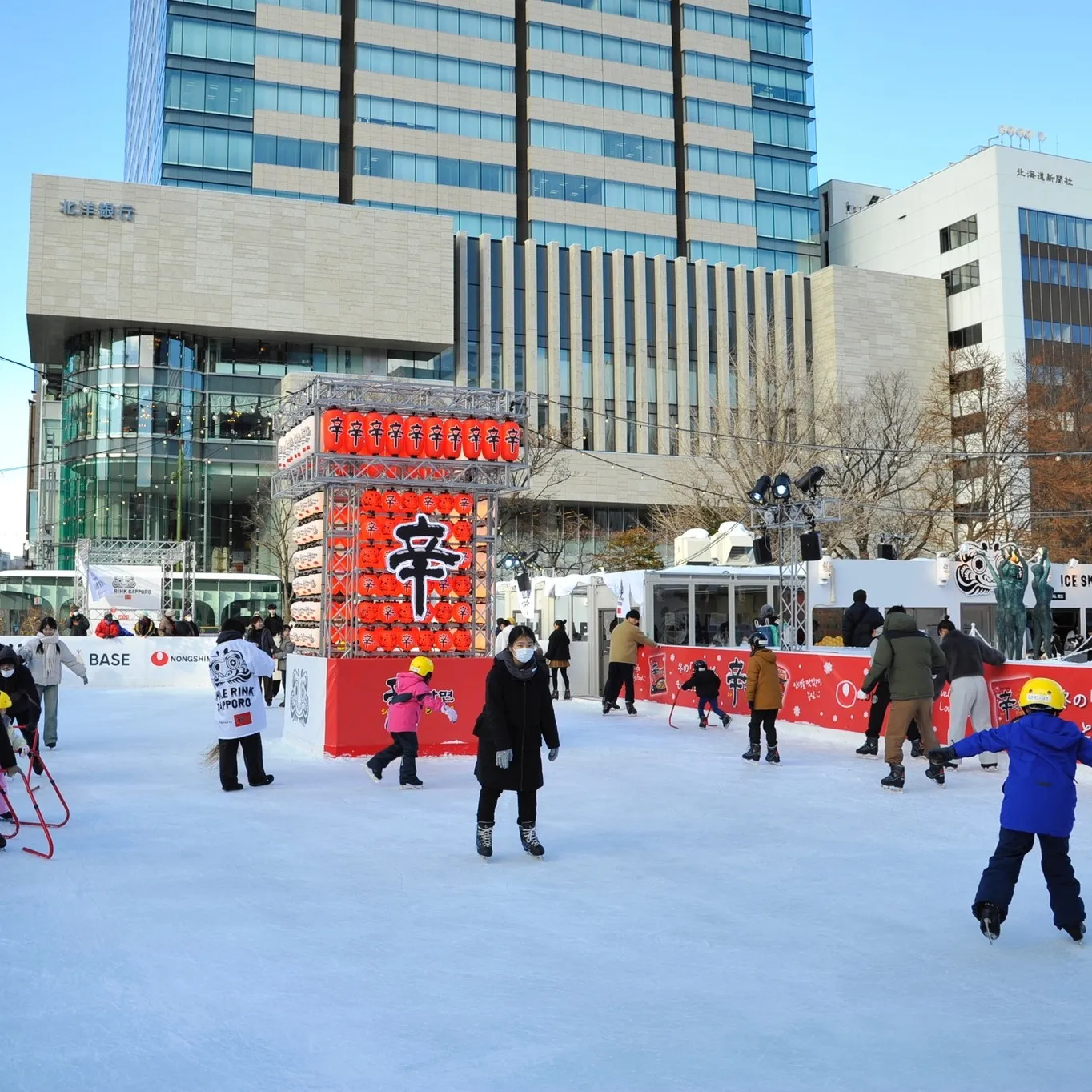
Sapporo is ideal for winter lovers and those who prefer cooler summers.
Famous for:
- Sapporo Snow Festival
- Ski resorts
- Fresh seafood and dairy
Hokkaido feels spacious and less crowded than central Japan.
Other Notable Cities
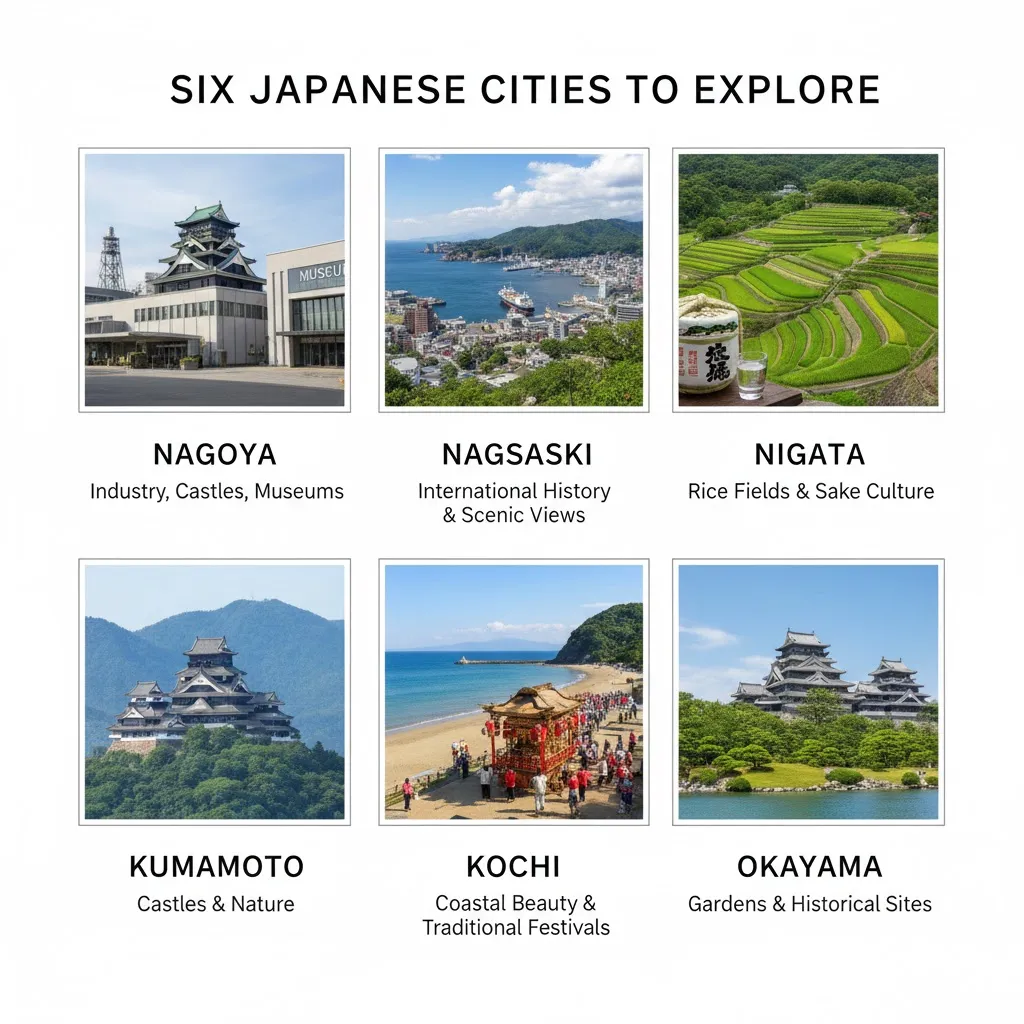
- Nagoya: Industry, castles, and museums
- Nagasaki: International history and scenic views
- Niigata: Rice fields and sake culture
- Kumamoto: Castles and nature
- Kochi: Coastal beauty and traditional festivals
- Okayama: Gardens and historical sites
Best Seasons to Visit Japan
Japan’s four seasons dramatically change the landscape, food, and activities.
Spring (March to June)
- Temperature: 2°C to 24°C
- Famous for cherry blossoms
- Extremely popular with tourists
Spring is visually stunning but also crowded and more expensive.
Summer (June to September)
- Temperature: 16°C to 30°C
- Hot and humid in most regions
- Festival season
Summer is great for mountain hikes, fireworks festivals, and northern Japan.
Autumn (September to December)
- Temperature: 7°C to 27°C
- Red and golden autumn leaves
- Comfortable weather
Autumn is one of the best times to visit Japan.
Winter (December to March)
- Temperature: -6°C to 20°C
- Snowy landscapes and hot springs
- Ski season
Winter is ideal for Hokkaido, onsen towns, and snow festivals.
Transportation in Japan
Japan’s transportation system is efficient, clean, and punctual.
Transport Cards
The most useful travel tool is a prepaid IC card:
- Suica
- Pasmo
- ICOCA
These cards can be used for:
- Trains and subways
- Buses
- Vending machines
- Convenience stores
They save time and eliminate the need to buy individual tickets.
Trains and Shinkansen
Japan’s railway network connects almost every part of the country. The Shinkansen (bullet train) allows you to travel long distances quickly and comfortably.
Train etiquette is important:
- No loud phone calls
- Line up properly
- Keep backpacks off seats
Payments and Money in Japan
Japan is technologically advanced, yet cash remains important.
Payment Methods
- Credit and Debit Cards: Widely accepted in cities
- IC Cards: Used for transport and small purchases
- Cash: Needed for small shops, temples, rural areas
ATMs in convenience stores usually accept international cards.
Food and Dining Tips in Japan
Japanese food is diverse and regional.
Things to know:
- Slurping noodles is acceptable
- Tipping is not customary
- Plastic food displays show real portion sizes
You don’t need to speak Japanese to order food; many restaurants use pictures or vending machines.
Useful Japanese Words for Travelers
Learning basic phrases improves interactions and shows respect.
- Hello: Konnichiwa (こんにちは)
- Thank You: Arigatou gozaimasu (ありがとうございます)
- Excuse Me: Sumimasen (すみません)
- Delicious: Oishii (おいしい)
- Cheers: Kanpai (乾杯)
- I Don’t Understand Japanese: Nihongo ga wakarimasen
- Thank You for the Meal: Gochisou sama deshita
Even small efforts are appreciated.
Must-Have Apps for Japan Travel
Smartphone apps make navigating Japan simple.
Transport & Navigation
- Japan Travel by NAVITIME
- Google Maps
Ride-Hailing
- Uber (limited but useful in cities)
Planning
- Google Maps for directions, transit times, and reviews
Download maps offline before arrival.
Cultural Etiquette Tips
Understanding basic etiquette enhances your experience.
- Remove shoes indoors
- Stand on the correct side of escalators
- Be punctual
- Keep public spaces quiet
Respect for others is central to Japanese culture.
Frequently Asked Questions (FAQs)
Is Japan safe for tourists?
Yes. Japan is one of the safest countries in the world for travelers, including solo travelers and families.
Do I need to speak Japanese to travel in Japan?
No. While Japanese is the main language, signs, menus, and transport information are often available in English.
Is tap water safe to drink in Japan?
Yes, tap water is clean and safe throughout the country.
What is the best time to visit Japan?
Spring and autumn are the most popular due to pleasant weather and beautiful scenery.
Do I need cash in Japan?
Yes. While cards are accepted in many places, small businesses and rural areas often require cash.
Can I use my phone and internet in Japan?
Yes. SIM cards, eSIMs, and portable Wi-Fi devices are widely available.
Is Japan expensive to visit?
Japan can be affordable or expensive depending on your travel style. Budget accommodation, convenience store food, and public transport help keep costs manageable.
Are tattoos allowed in Japan?
Some hot springs and gyms restrict tattoos, but many places are becoming more flexible.
Is tipping expected in Japan?
No. Tipping is not customary and can sometimes cause confusion.
Final Thoughts
Japan rewards curiosity, respect, and preparation. Whether you’re chasing cherry blossoms, riding bullet trains, exploring neon cities, or finding peace in quiet temples, Japan offers a travel experience that feels both effortless and deeply meaningful.
With the right planning, a transport card, helpful apps, and a few Japanese phrases, your journey through Japan will feel smooth, exciting, and unforgettable.