Japan You Never See on Postcards: A Complete Guide to Hidden Towns, Trails, Traditions and Local Life
When most people think of Japan, they picture bullet trains, neon Tokyo streets, Kyoto’s golden temples, and picture-perfect Mount Fuji. But Japan’s soul isn’t found on postcards or in travel checklists. Its magic lives in quiet mountain paths, everyday routines, coastal villages untouched by selfie sticks, and meals that tell stories you’ll carry long after your trip ends. This comprehensive guide reveals Japan’s most rewarding hidden experiences for travelers who want depth over checklist ticking, meaning over momentary photos, and connection over crowds.
Why Look Beyond the Golden Triangle
Millions visit Tokyo, Kyoto, and Osaka every year, which is a testament to how amazing these places are. But travel is more than box-ticking. When you slow down and explore Japan’s lesser-known corners, you begin to see life unfold in ways that feel authentic, unfiltered, and deeply human. In smaller towns and rural regions, you’ll hear birdsong instead of camera shutters, experience centuries-old traditions still practiced today, and meet locals whose stories are more vivid than any brochure. This isn’t “tourism”; it’s communion.
Recommended Travel Items for Your Trip
Embracing Silence and Ritual in Mount Koya
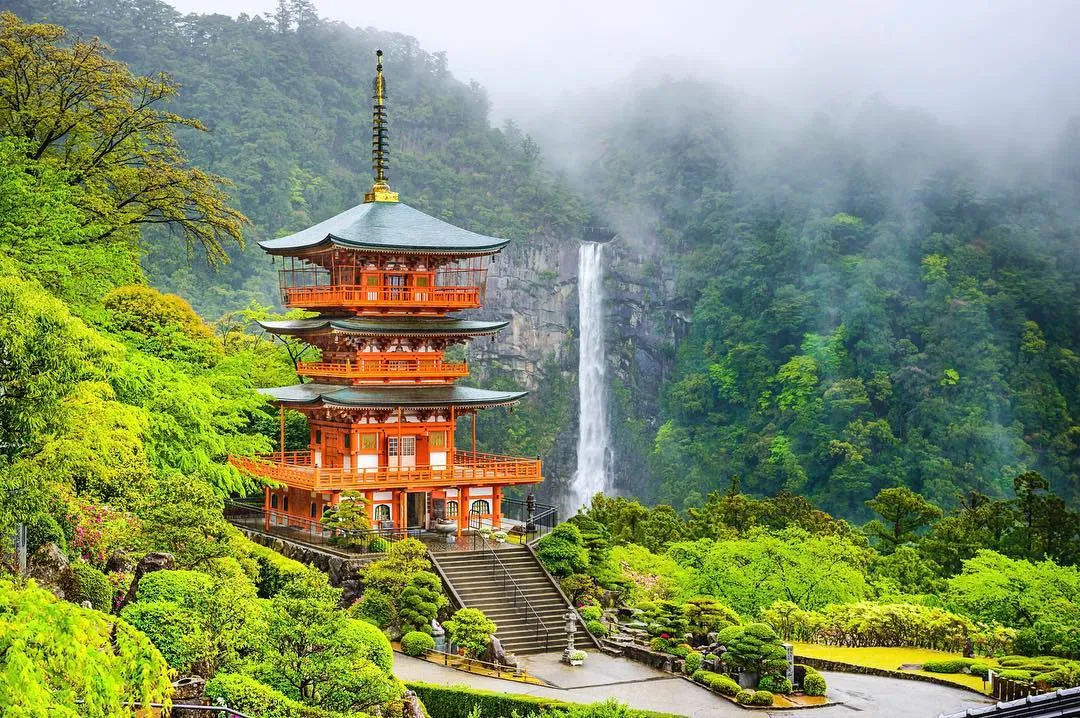
Mount Koya (Kōyasan) is not just another destination. It’s a living spiritual retreat nestled deep in cedar forests on the Kii Peninsula. Here, you’ll find over 100 temples that welcome travelers with shukubo stays — traditional overnight lodgings amid monks’ daily rhythms.
Unlike hotel stays, temple lodgings invite you into a daily cadence rooted in centuries-old Buddhist practice: early-morning meditation, shared vegetarian meals, incense smoke dancing in shafts of light, and quiet moments in cemeteries that feel like portals into history. Okunoin Cemetery, Japan’s largest cemetery with towering stone lanterns and mossy paths, is especially magical before dawn — the stillness feels like a heartbeat in the earth itself.
Travel Tips
- Book temple stays months in advance, especially during spring and autumn.
- Bring cash; many temples don’t accept cards.
- Dress in layers — mountain mornings are cool.
This is the kind of experience that doesn’t just change trips — it changes how you travel.
Small Towns Where Life Still Breathes
Japan’s countryside isn’t remote for the sake of being remote; it’s real. Places like Kurashiki and Hida-Furukawa are alive with daily rhythms that don’t revolve around tourism. Kids cycle to school, shopkeepers sweep doorsteps at sunrise, and elderly neighbors chat over tea in morning markets — moments that feel like stepping into an unwritten chapter of everyday life.
There’s even an official initiative called the Japan 100 Hidden Towns Project, backed by all 47 prefectures, highlighting overlooked communities rich in tradition, craftsmanship, and local flavor.
Standout Hidden Towns:
 Hida-Furukawa
 Kurashiki
- Kurashiki, with its charming canal district and artisan workshops, feels like stepping directly into an old mural.
- Hida-Furukawa pulses with local life and correspondingly fewer tourists than nearby Takayama.
In many of these towns, two nights barely scratch the surface. By the third morning, shopkeepers know your name and locals treat you like an old friend.
Trails That Unfold Centuries of Story
 Tsumago
 Magome
 Nakasendō Trail
 Kumano Kodo
Japan’s classic trails aren’t just paths — they’re living history books. Take the Kumano Kodo, a network of pilgrimage routes winding through mountains and forests, used for over a thousand years by emperors, samurai, and pilgrims alike. It’s now a UNESCO World Heritage site that marries spirituality with natural beauty.
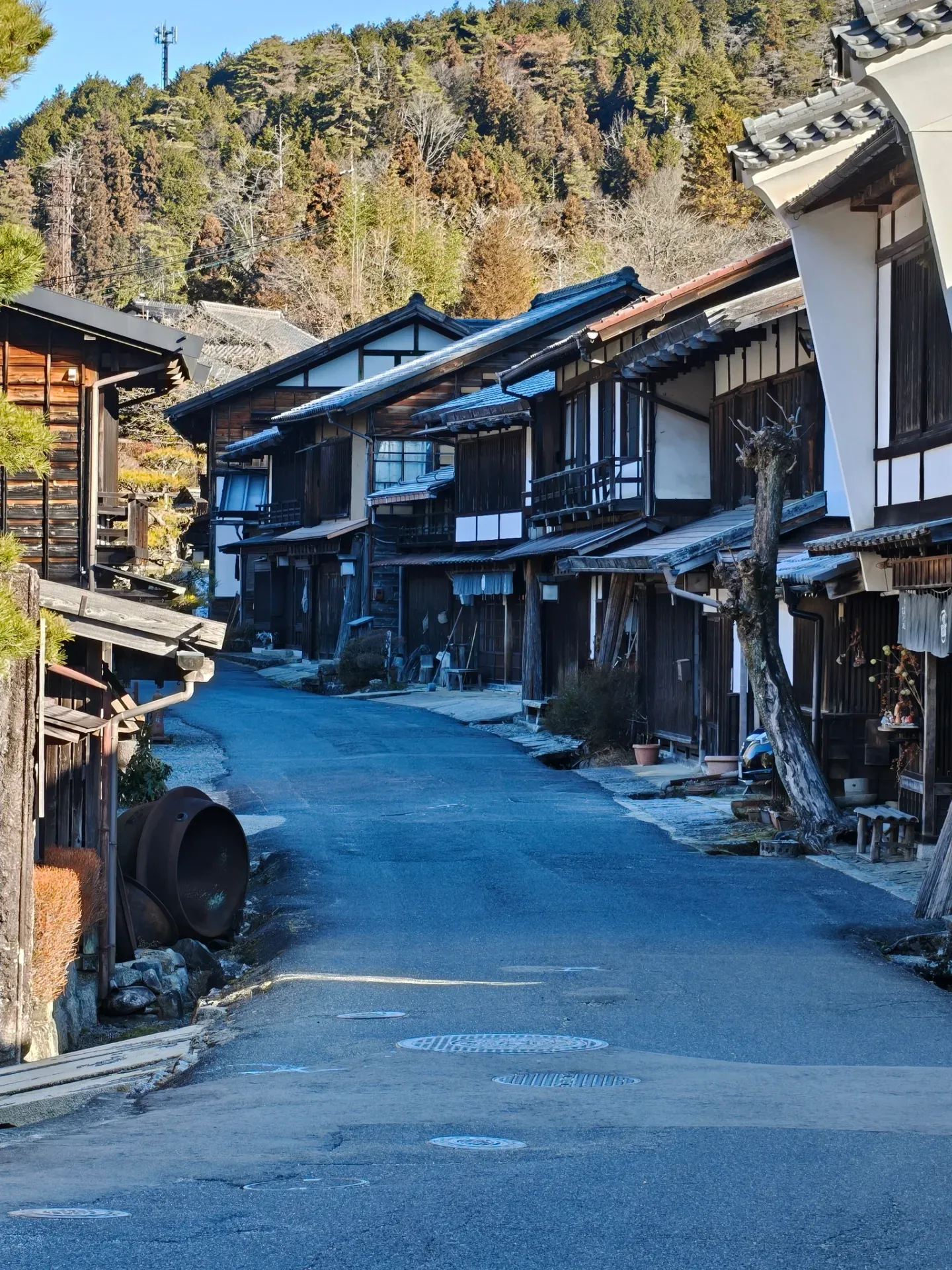
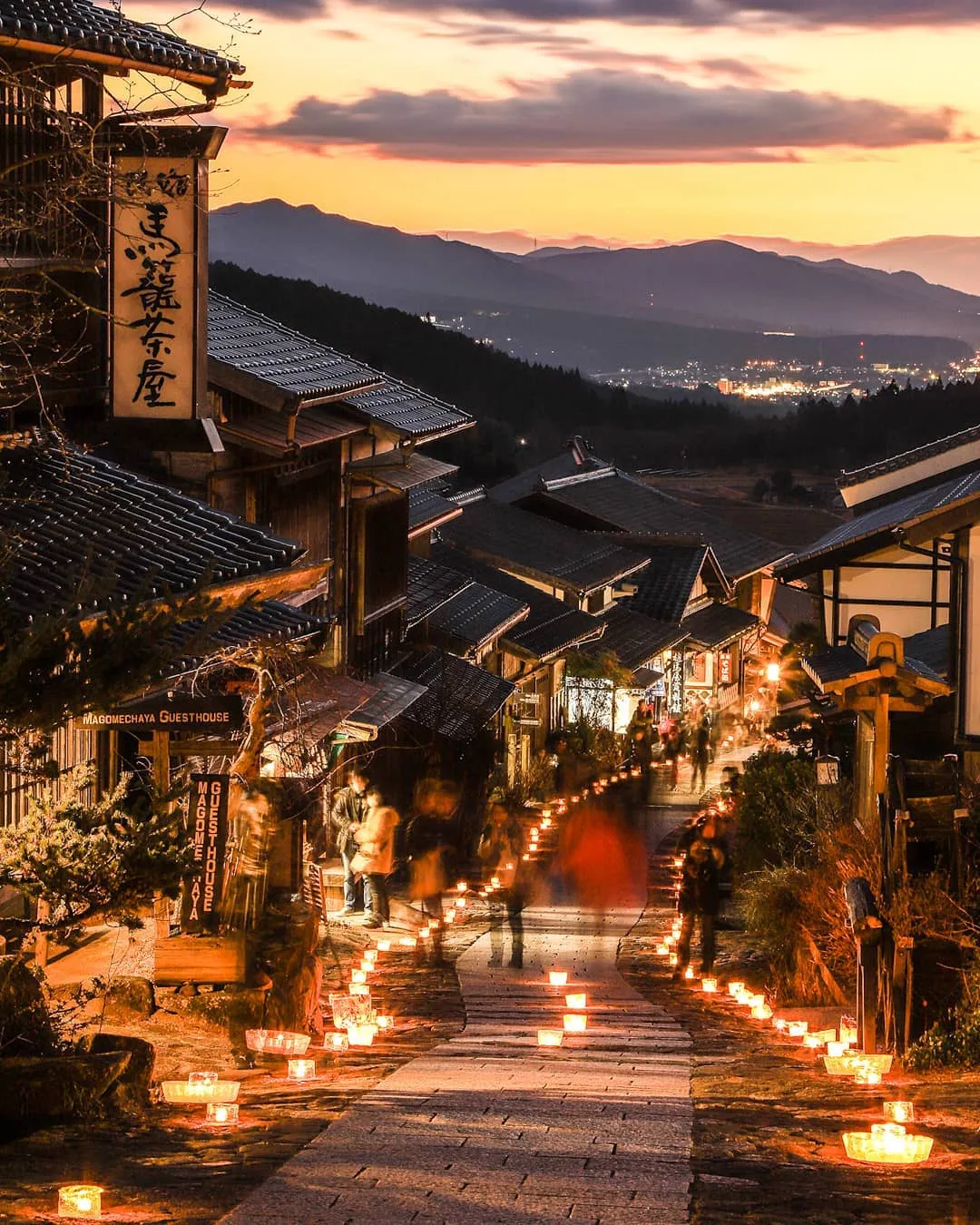
Another legendary route is the Nakasendō Trail that once linked Edo (now Tokyo) with Kyoto, passing through charming post towns like Magome and Tsumago, where preserved Edo-period buildings and cobblestone paths transport you back in time.
Day hikes on these trails are perfect if you don’t want a multi-day trek — even a short section lets you feel the calm rhythm of Japan’s mountains and the deep stillness that hides behind everyday life.
Trail Tips:
- Check weather advisories, especially in rain and typhoon seasons.
- Local buses connect many trailheads; you don’t need a tour.
These trails remind you that travel isn’t about moving from point A to B — it’s about the spaces between.
Coastal Villages Where Time Floats
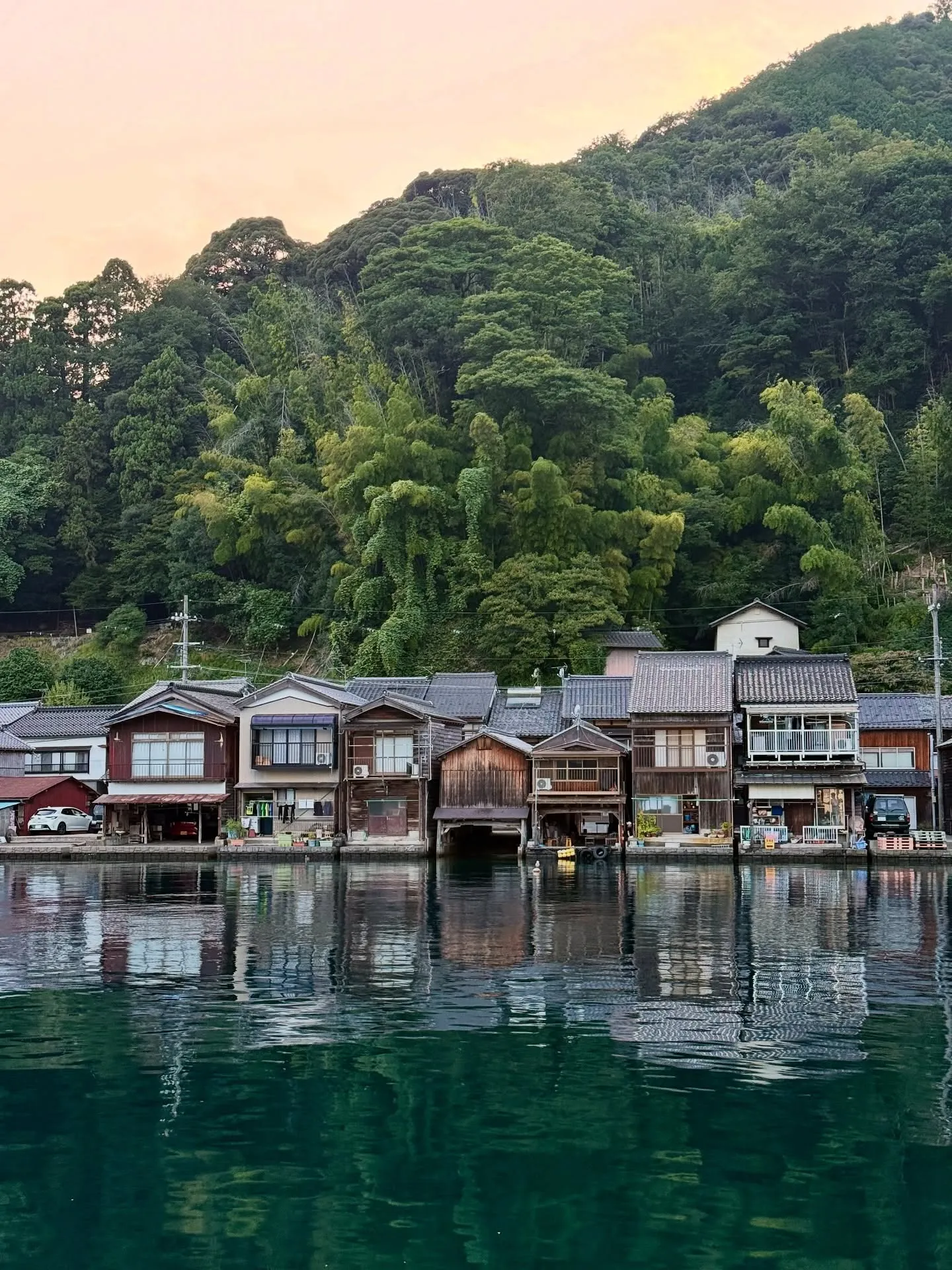
Japan’s coastline stretches far beyond postcard islands. Some of the most memorable escapes are in places that still feel local rather than touristed.
Ine Fishing Village on the Tango Peninsula delights with centuries-old funaya — boat houses built on stilts over the water, where fishermen push off into the tide at sunrise. No tour buses, no crowded markets — just the cadence of waves and wind.
Regions like the Noto Peninsula bring rice terrace views that drop into the sea, ancient lacquerware traditions, and markets that have been operating for centuries.
Hidden Coastal Tips:
- Rent a bike from a michinoeki (roadside rest station) to explore quiet seaside roads and meet locals selling bento box lunches.
- End your days in seaside onsen (hot springs), watching sunsets fade over silent waters.
These moments define slow travel: days measured by tides and tides of the heart.
Experiences Everyday Travelers Miss
 minshuku
 sento
sento
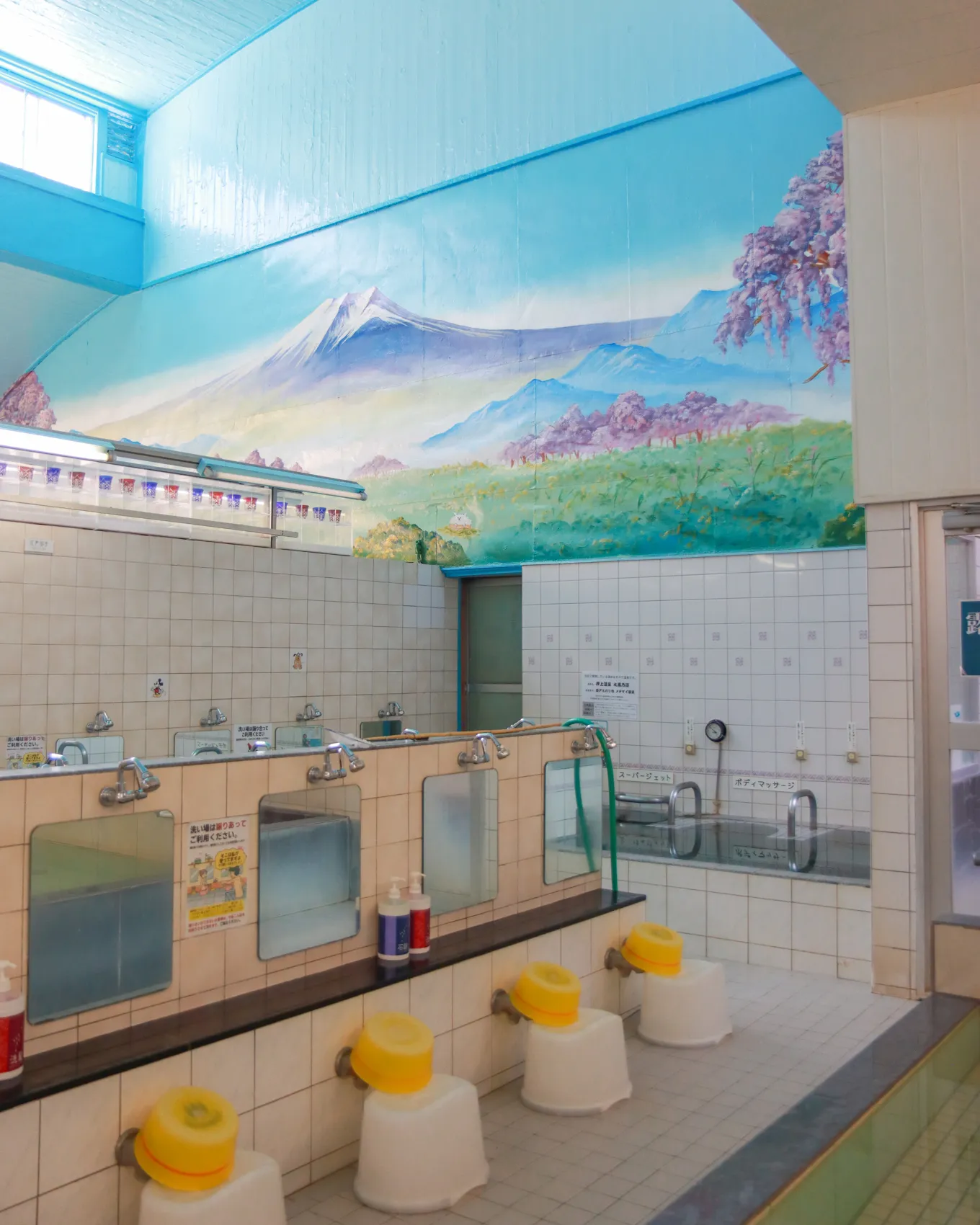
Japan’s culture is layered in rituals that only show up when you step off the major routes. A quintessential example? Public baths (sento) — not spa attractions, but neighborhood hubs where locals wash off the day and talk quietly with old friends. These communal baths erode social barriers and reveal how connection and routine shape quiet happiness.
Then there are farm stays and minshuku in rural communities — family-run inns where dinner is cooked together and stories are swapped over sake. These stays are less about luxury and more about belonging.
Local Culture Tips:
- Learn simple Japanese phrases — “arigatō” and “sumimasen” go a long way.
- Many rural places are cash-only, so plan ahead.
These aren’t just experiences — they’re invitations to feel Japan from the inside out.
Meals That Speak of Place
Japan’s hidden food scene is far more layered than omakase counters. In the mountains near Shiga, you can find narezushi, Japan’s ancient fermented sushi that reveals flavors shaped by time and patience.
In Nagano, soba noodles taste distinctly different because of mountain spring water. On Hokkaido’s northern coast, sea urchin rice bowls taste like salt, sea foam, and horizon.
Local platforms like TABICA and airKitchen connect you with home cooks offering traditional lessons and communal meals, turning every bite into cultural immersion.
Sharing food with locals shifts your trip from an itinerary item to a personal memory.
Even More Hidden Gems Worth Exploring
To truly broaden your Japan experience, here are bonus recommendations travelers often overlook:
Shirakawa-go and Gokayama
 Gokayama
 Shirakawa-go
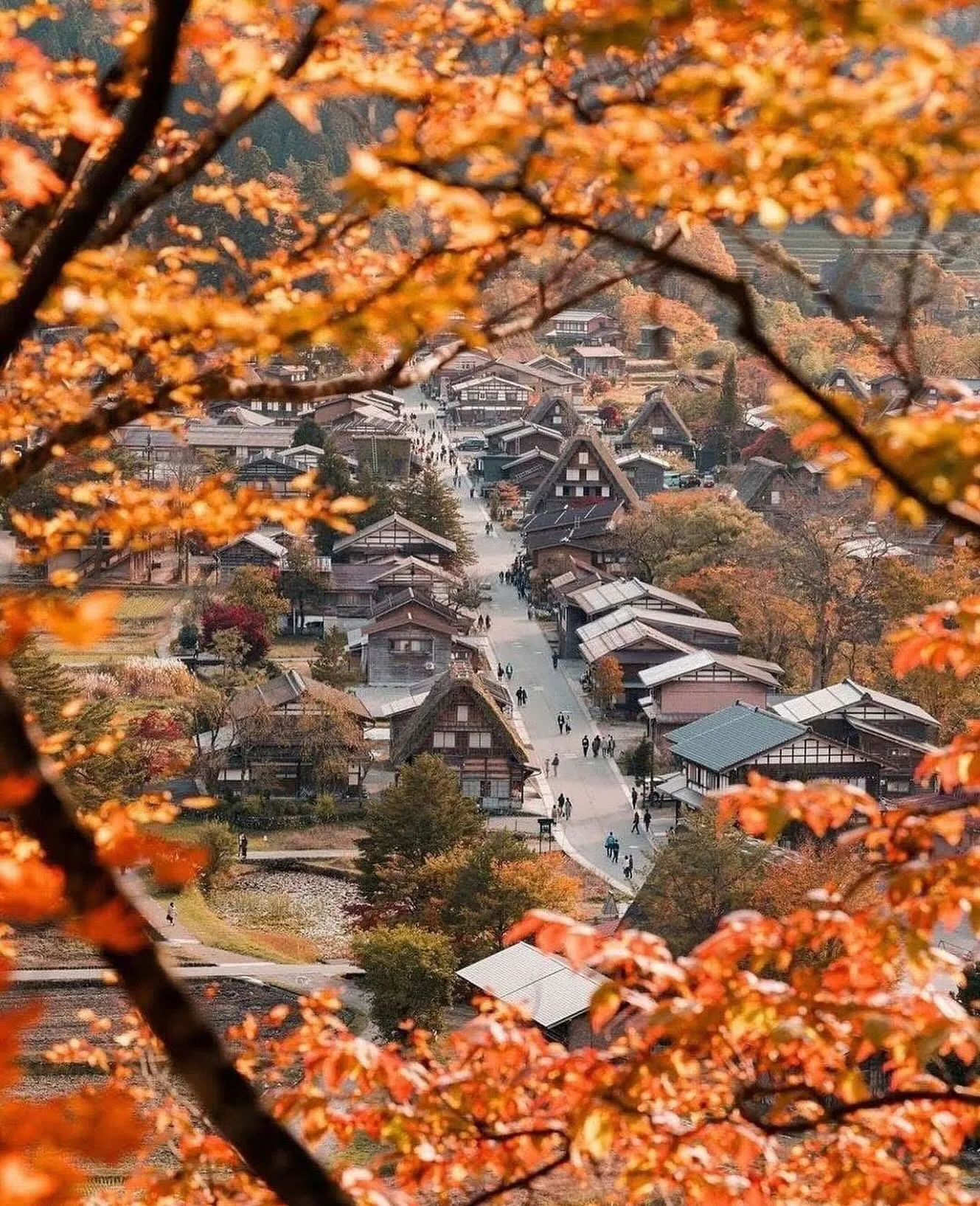
This UNESCO World Heritage village in Gifu and Toyama features stunning gasshō-zukuri thatched farmhouses and ongoing craft traditions.
Ena Valley and Gujo Hachiman

Less crowded than major city routes, these regions offer working waterways, mountain castle towns, and living craft traditions.
Naoshima Art Island
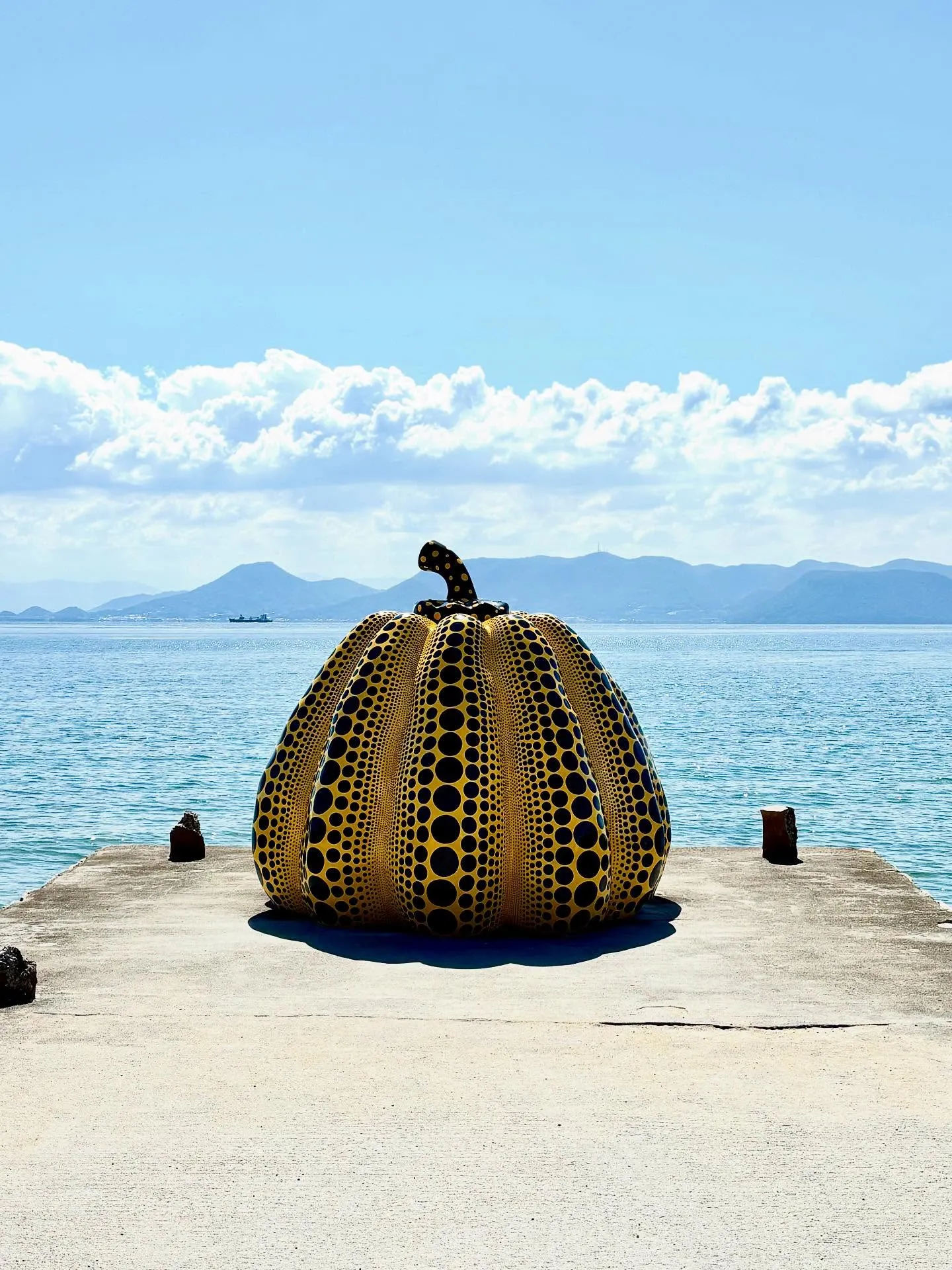
A creative haven sculpted by world-class museums and open-air installations.
Nikko’s Forested Shrines
Cedar forests and UNESCO sites merge spirituality with nature.
Each of these locations proves that Japan’s heart exists beyond its flashy facades.
Practical Travel Tips for Off-Grid Japan
Traveling beyond major cities in Japan opens doors to rare experiences, but it also requires a bit more planning:
Transport:
- Use the Japan Rail Pass for shinkansen and major routes, supplemented by local trains and buses for rural access.
- IC cards (Suica, Pasmo) make hopping on local lines effortless.
Seasonality:
- Spring blossoms and autumn colors are spectacular but bring crowds. Rural trails and villages feel most peaceful just before sunrise or in shoulder seasons.
Etiquette:
- Remove shoes in ryokans and temples, bow respectfully, and always ask before photographing people.
Language:
- English signage tapers off outside big cities, so offline maps and simple Japanese phrases help immensely.
These small preparations make deep travel not just possible, but profoundly rewarding.
Final Thought: Travel That Changes You
Japan’s hidden corners aren’t hidden because they lack beauty. They’re hidden because they require something deeper from travelers: patience, curiosity, presence, and willingness to listen. Step away from the bus routes and crowded temples, and you’ll discover a Japan that doesn’t just impress — it transforms.
Whether it’s watching sunrise through misty temple forests, sharing noodles with a family in a mountain village, or tracing ancient footsteps along pilgrim trails, these experiences don’t fit on postcards — but they fit perfectly into your travel story.