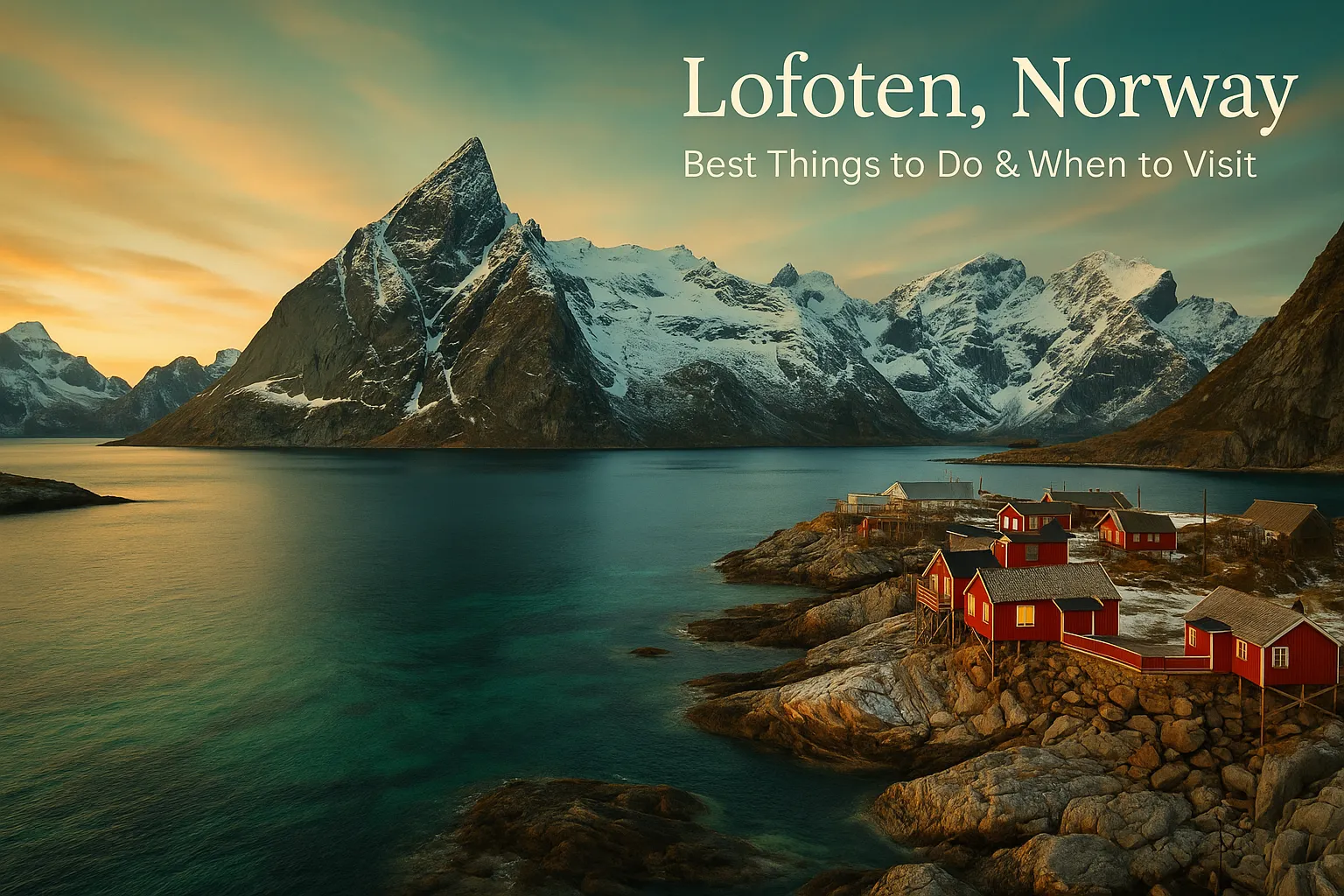
Lofoten, Norway: Best Things to Do & When to Visit
If you’ve ever dreamt of a place where jagged mountains rise straight out of emerald fjords, red fishing huts line icy-blue shores, and the Northern Lights swirl across winter skies, then Lofoten, Norway is your dream come true. Often called “the world’s most beautiful archipelago,” Lofoten offers the kind of cinematic landscapes that look Photoshopped—but they’re completely real.
This 2025 travel guide explores everything you need to know about visiting Lofoten: how to get there, when to go, where to stay, the best things to do, prices, and insider tips for making the most of this Arctic wonderland.
Where Is Lofoten, Norway?
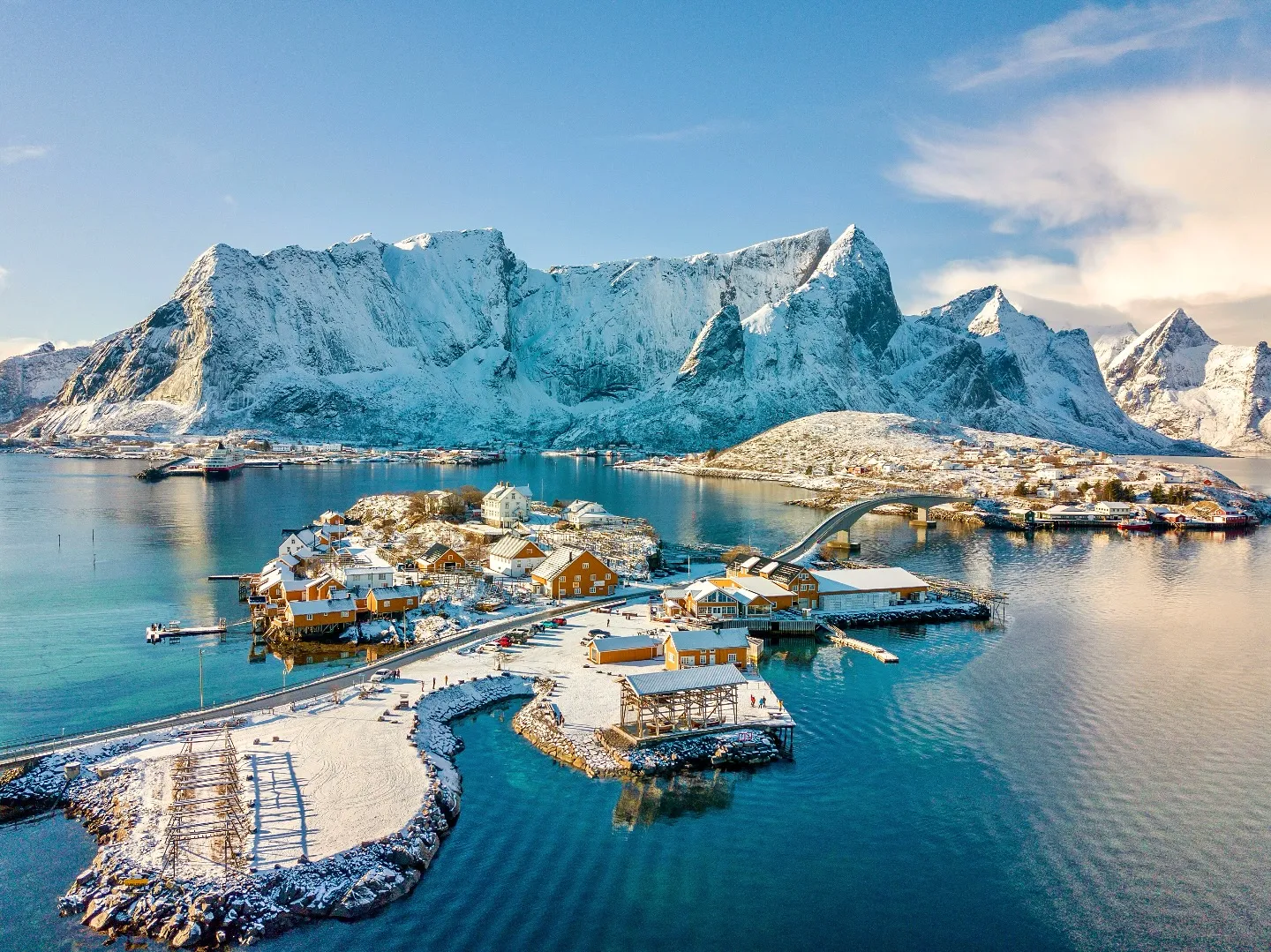
The Lofoten Islands sit far above the Arctic Circle, off Norway’s northwest coast in the Nordland region. Despite its latitude, the area enjoys surprisingly mild weather due to the Gulf Stream, creating a unique mix of dramatic Arctic scenery and relatively comfortable conditions.
The archipelago consists of several main islands — Austvågøya, Vestvågøya, Flakstadøya, and Moskenesøya — all connected by scenic bridges and tunnels. Each island offers postcard-perfect fishing villages, rugged peaks, and endless photo opportunities.
Why Lofoten Is So Special
Lofoten is not just a pretty place; it’s a destination that feels alive — a blend of raw nature, Norse heritage, and small-town Nordic charm. Here’s what makes it stand out:
- 🌄 Unreal scenery: Think sheer granite cliffs diving into turquoise bays.
- 🎣 Historic fishing culture: Centuries-old cod fishing villages still thrive.
- 🌅 Midnight sun and polar night: In summer, the sun never sets; in winter, darkness brings glowing auroras.
- 🧘 Peace and quiet: No traffic, no crowds — just nature’s hum.
- 📸 Endless photo ops: Every corner looks like a National Geographic cover.
Best Time to Visit Lofoten
Because Lofoten’s character changes dramatically with the seasons, the best time to visit depends on what kind of experience you want.
| Season | Highlights | What to Expect |
| Summer (June–August) | Midnight sun, hiking, kayaking | 24-hour daylight, festivals, higher prices |
| Autumn (September–October) | Fewer tourists, moody skies | Northern Lights begin, cooler weather |
| Winter (November–March) | Aurora Borealis, skiing | Long nights, snow-covered scenery |
| Spring (April–May) | Fresh greenery, returning wildlife | Fewer crowds, milder temperatures |
Pro Tip: For the perfect balance of daylight, price, and fewer tourists, visit in May or early September.
How to Get to Lofoten
Reaching Lofoten feels like an adventure in itself, but it’s easier than you think.
✈️ By Air
- Fly to Leknes (LKN) or Svolvær (SVJ) from Bodø or Oslo.
- Oslo to Lofoten (via Bodø) typically takes around 3–4 hours with connections.
Find your perfect flight deal today
⛴️ By Ferry
- Bodø to Moskenes ferry — the most scenic option, perfect for travelers bringing cars.
- Ferries also run from Skutvik and Bognes.
🚗 By Car
- You can drive from mainland Norway via the E10 highway, known as one of Europe’s most beautiful drives.
Top 10 Things to Do in Lofoten
1. Explore Reine — Norway’s Most Photographed Village
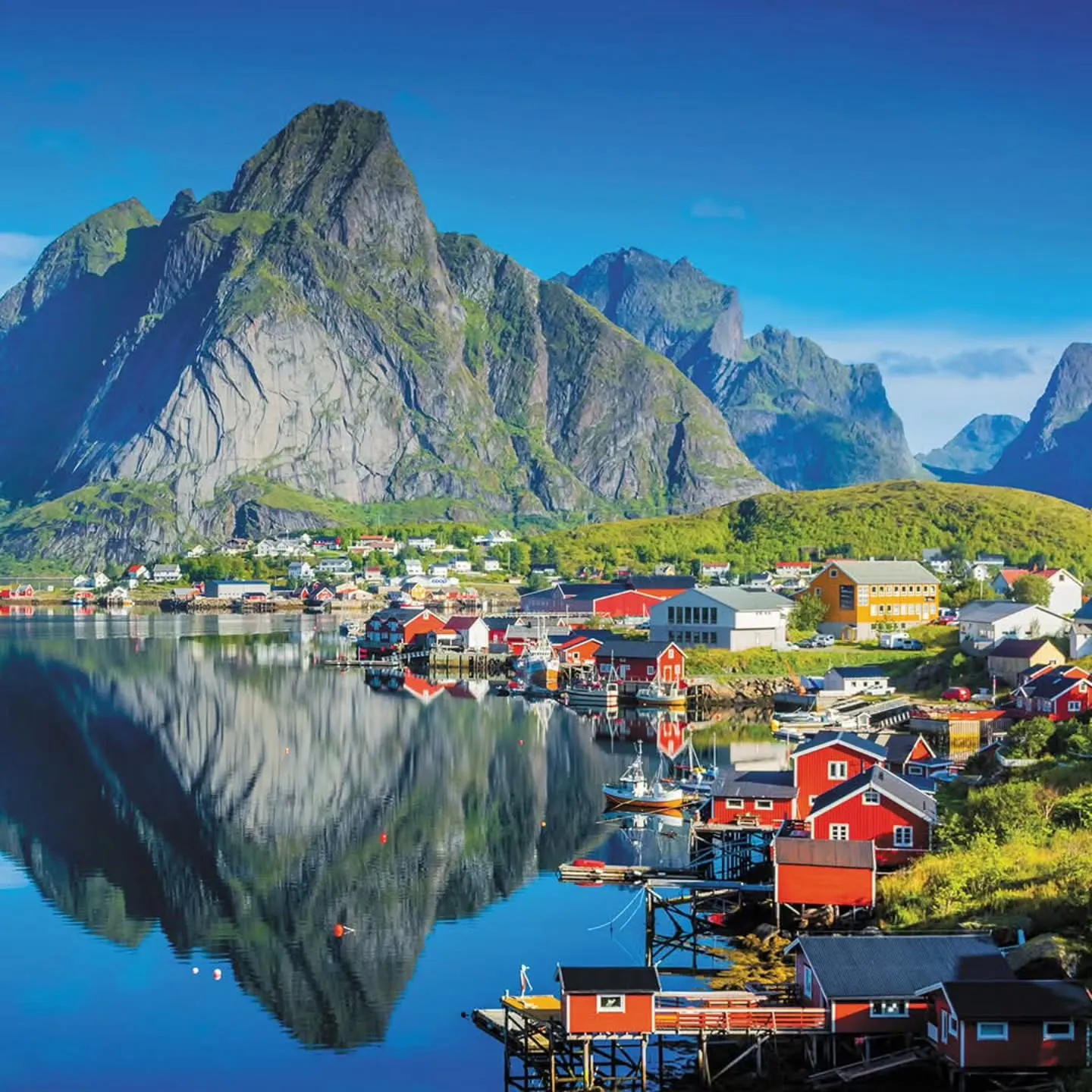
Reine is the face of Lofoten — red “rorbuer” cabins set against towering granite peaks. Take the Reinebringen hike for an epic panoramic view (around 2 hours round trip) that defines why Lofoten is so loved.
2. Witness the Northern Lights
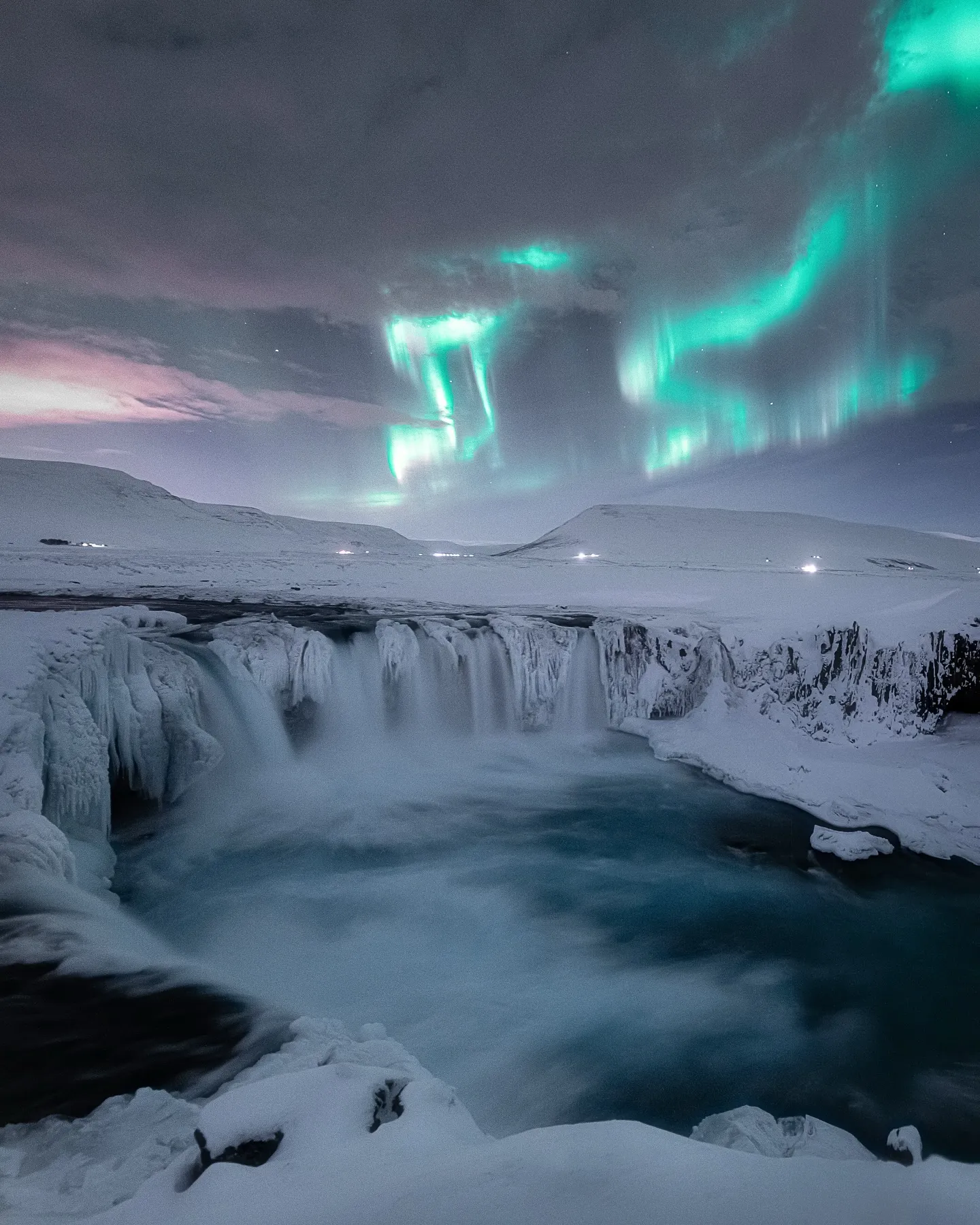
From September to March, Lofoten becomes an Arctic light show. Best viewing spots include Unstad Beach, Haukland Beach, and the villages around Svolvær and Reine.
💡 Tip: Choose clear nights away from light pollution, and check aurora forecasts before heading out.
3. Experience the Midnight Sun
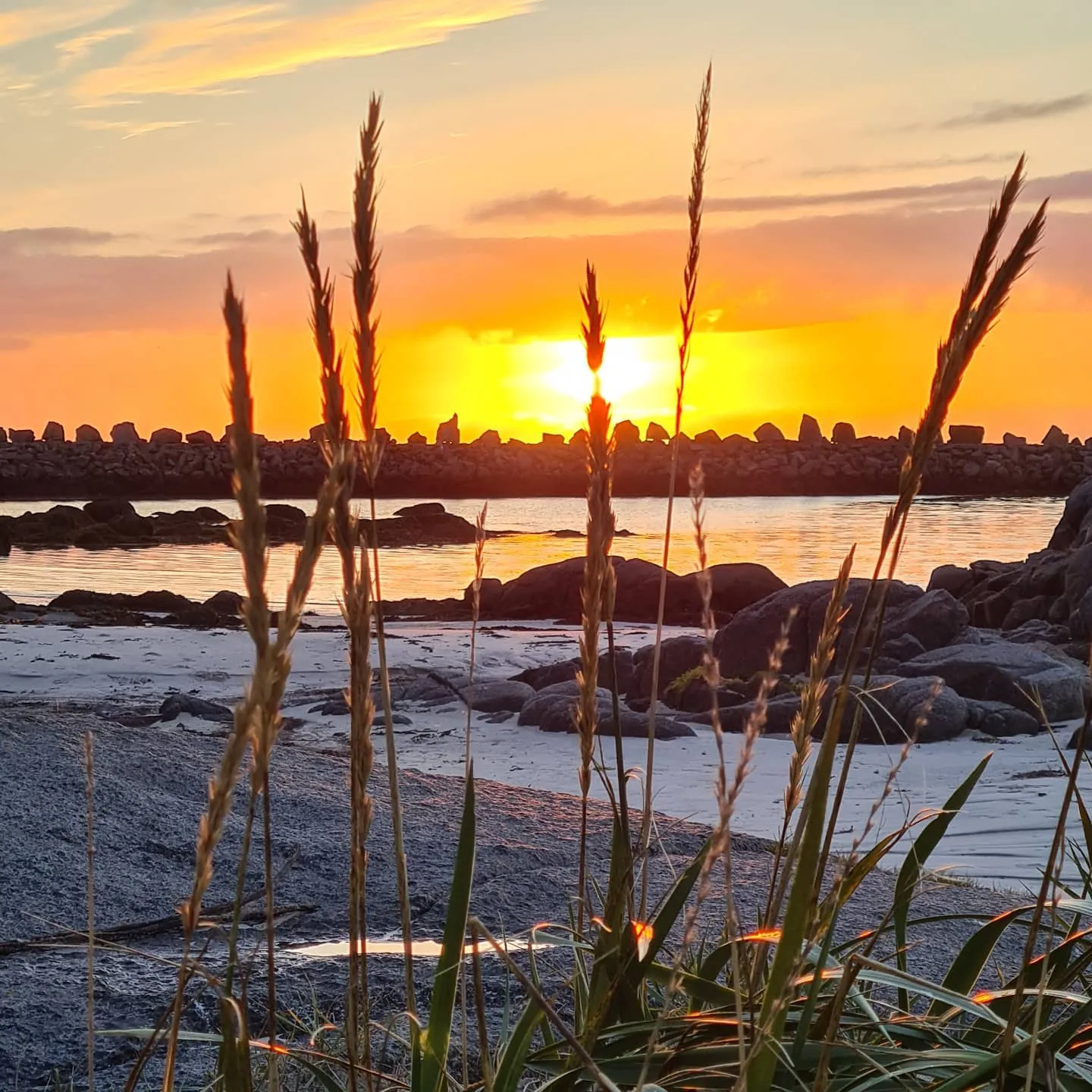
Between late May and mid-July, the sun never sets. Imagine kayaking under golden light at midnight — it’s pure magic. Eggum and Uttakleiv Beach are perfect for watching the endless sunset.
4. Go Hiking in Lofoten’s Mountains
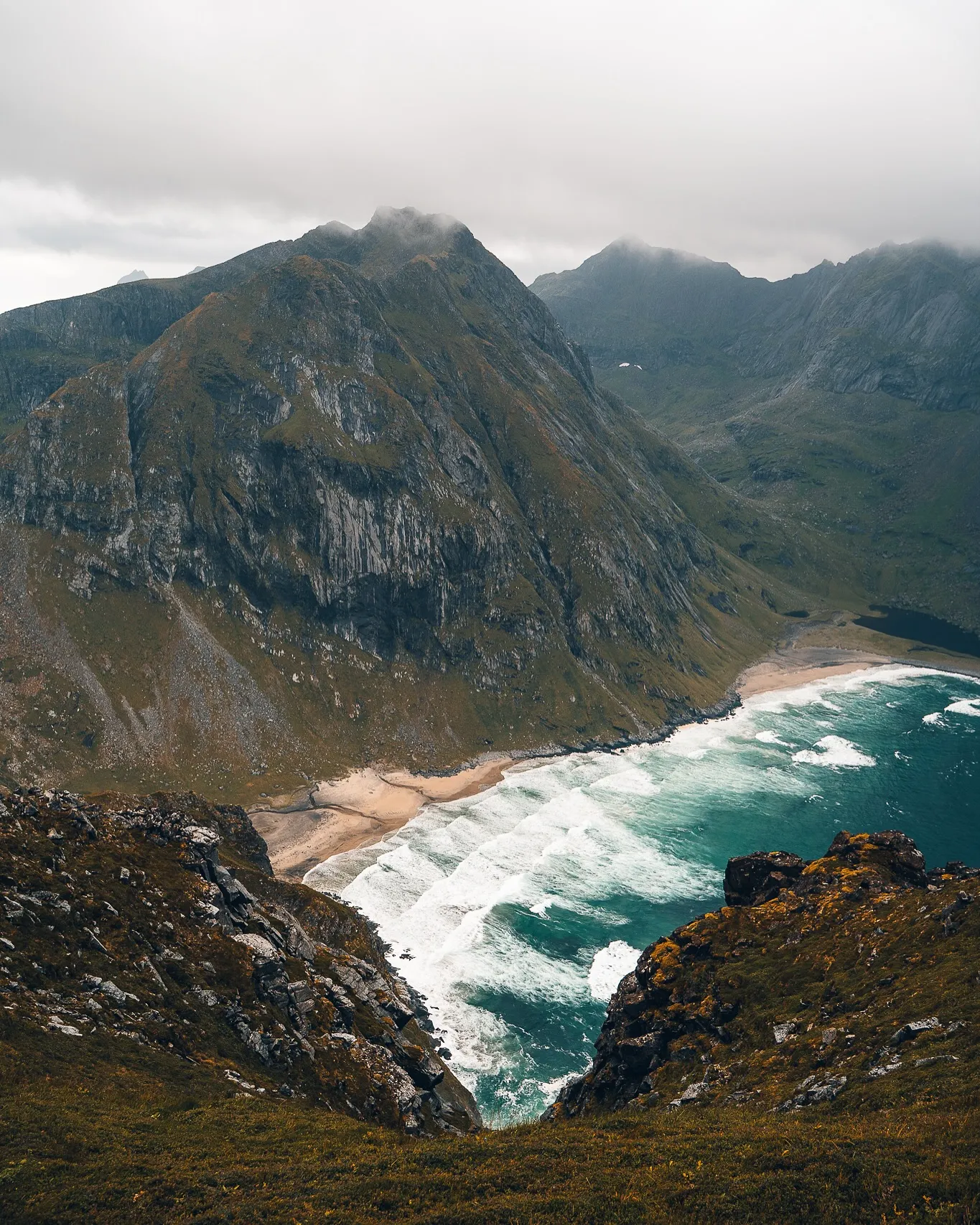
Lofoten is a hiker’s paradise, with trails ranging from short coastal strolls to challenging climbs:
- Reinebringen (Iconic Viewpoint)
- Ryten (overlooking Kvalvika Beach)
- Offersøykammen (sunset favorite)
- Mannen (accessible yet breathtaking)
Pack sturdy boots and layers — the weather changes fast!
5. Kayak Through the Fjords
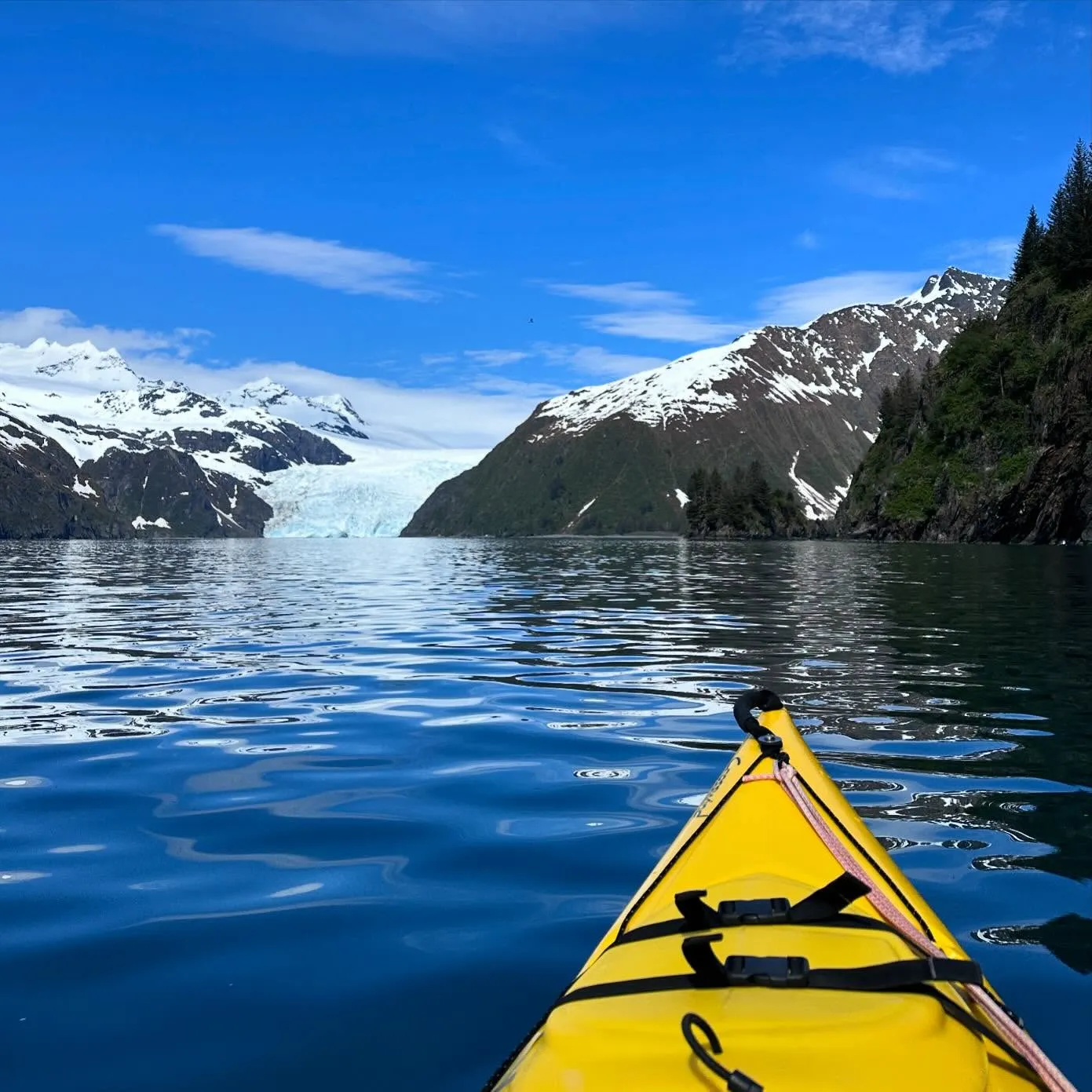
Rent a kayak or take a guided tour around Reinefjorden or Nusfjord. The calm, mirror-like waters offer unbeatable reflections of the cliffs and fishing huts.
6. Stay in a Traditional Rorbu Cabin
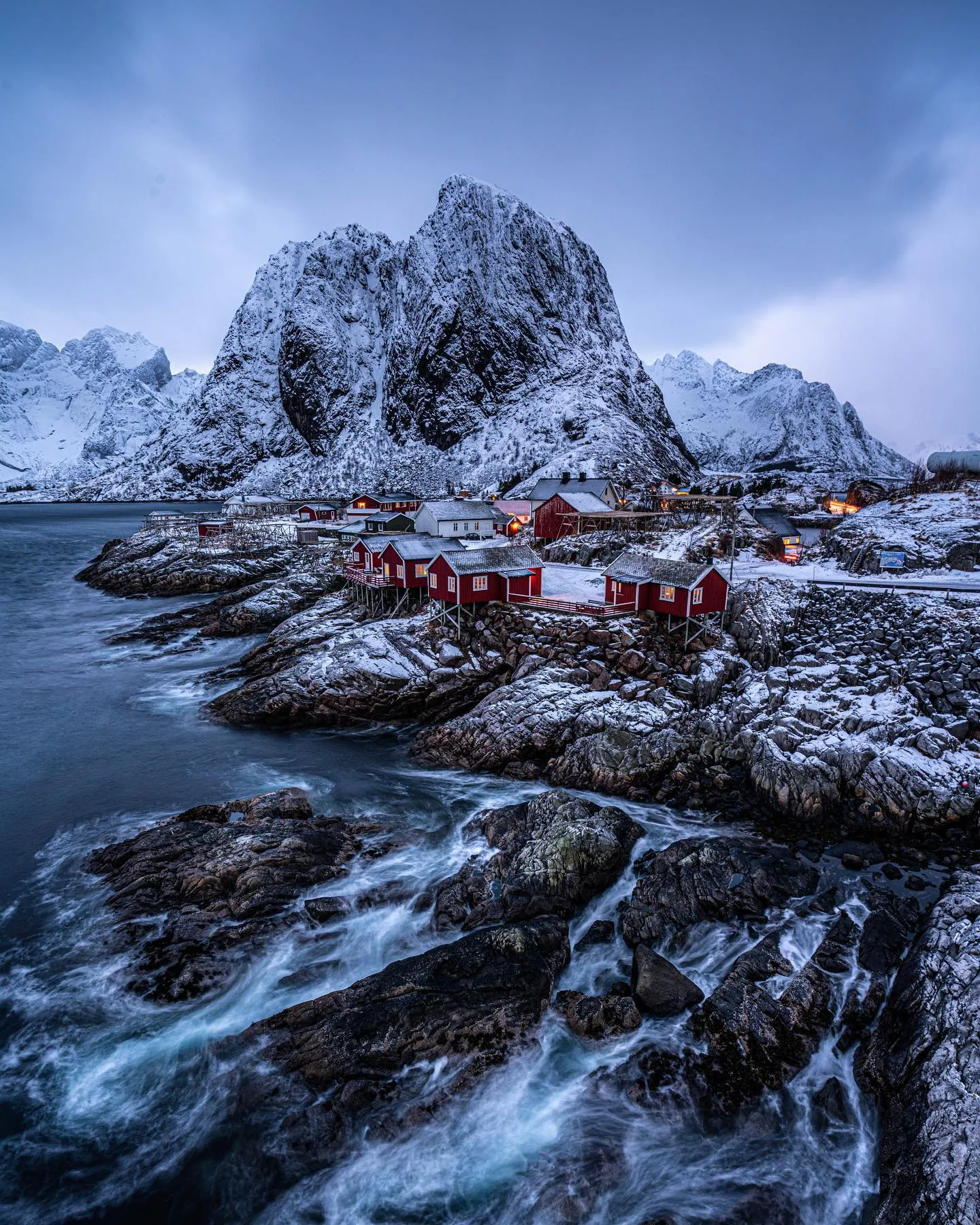
Sleeping in a converted fisherman’s hut — known as a rorbu — is an absolute must. Most have cozy interiors, oceanfront balconies, and direct dock access. Popular stays: Eliassen Rorbuer (Reine) and Sakrisøy Rorbuer.
7. Visit Henningsvær – The Venice of the North
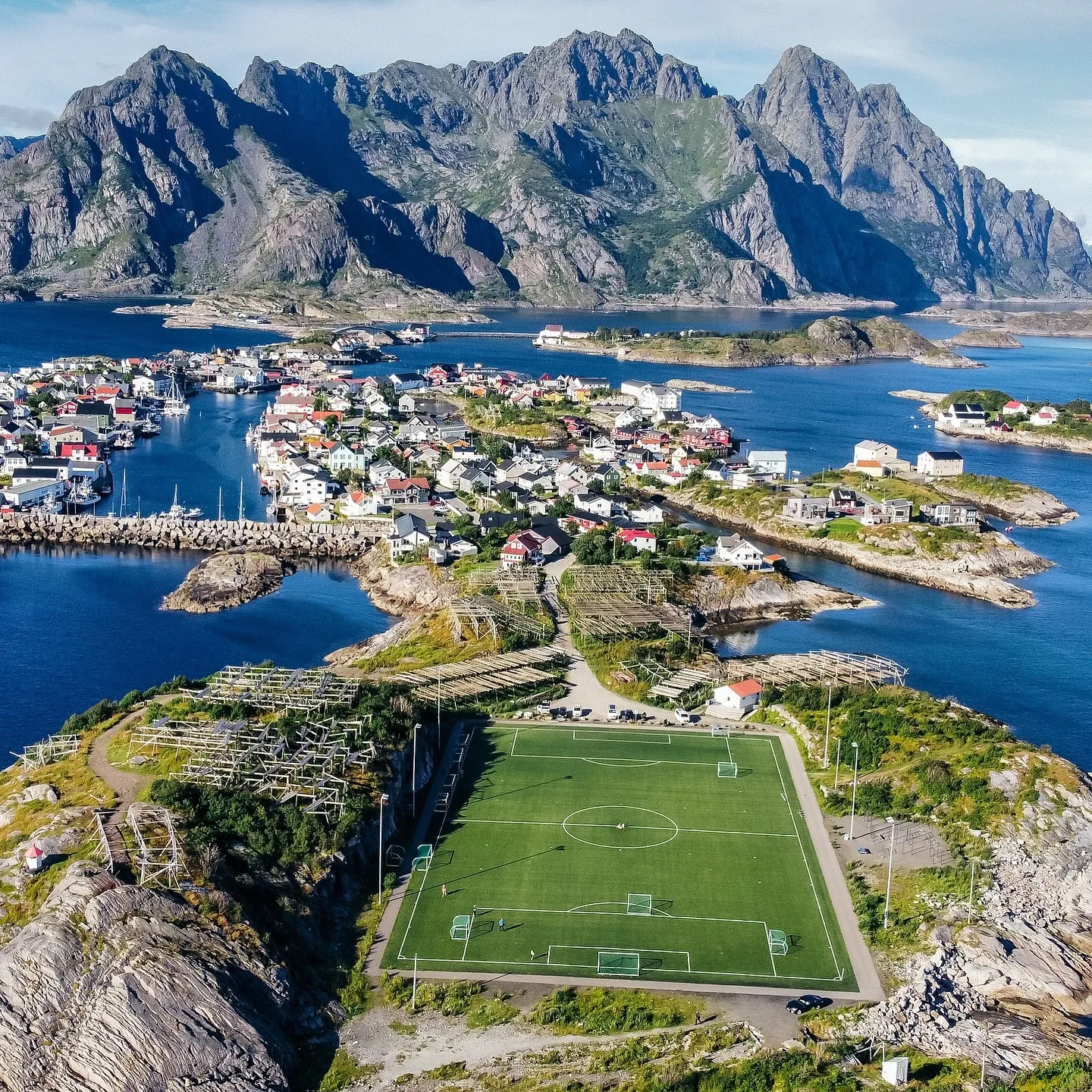
Henningsvær is a charming fishing village spread across several small islands connected by bridges. It’s also home to one of the world’s most photogenic football fields. Explore art galleries, cafés, and the Henningsvær Bryggehotell harbor view.
8. Surf Arctic Waves at Unstad Beach
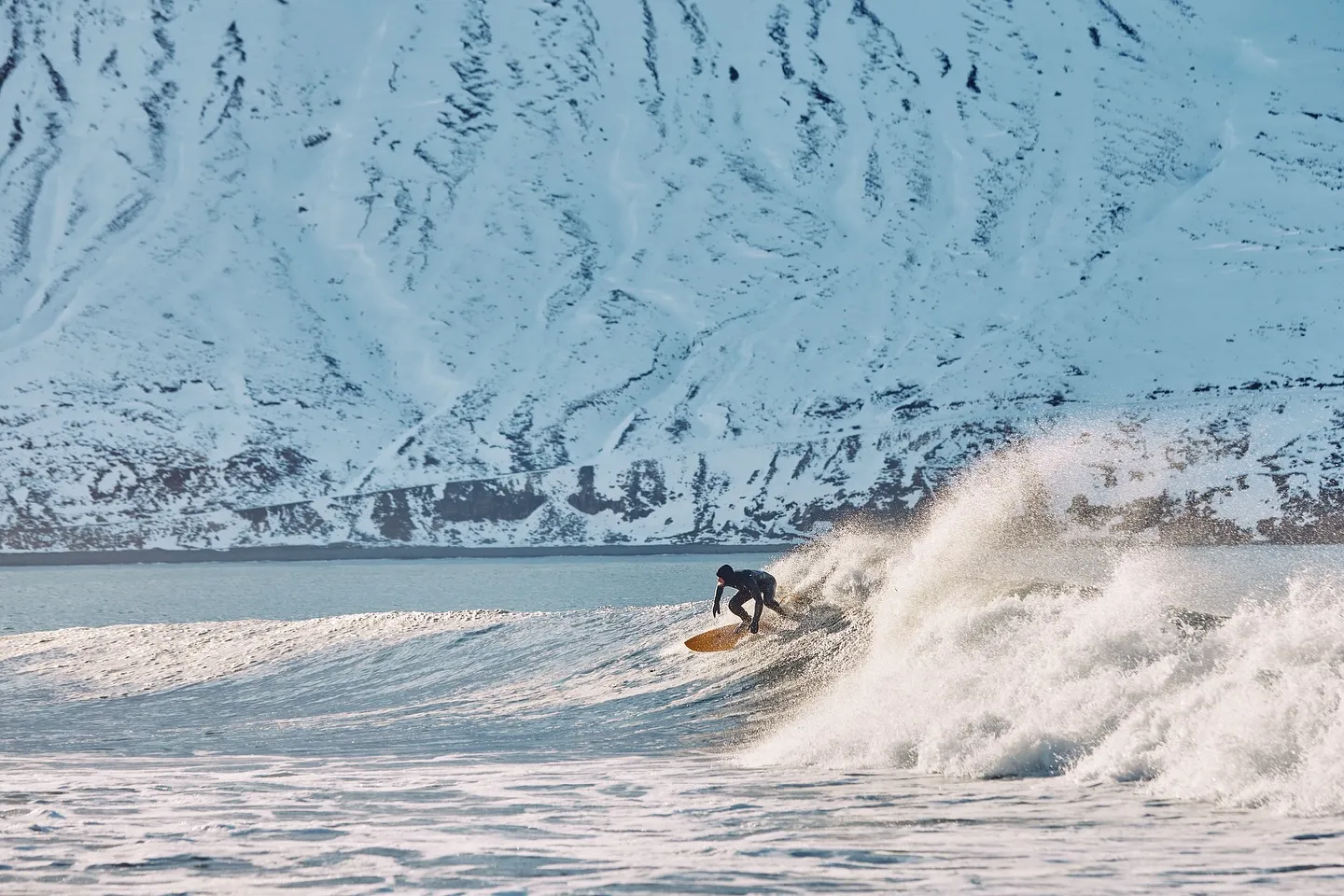
Yes, surfing in the Arctic is real! Unstad Beach attracts surfers year-round, with wetsuits thicker than your mattress. Even if you don’t surf, it’s a mesmerizing place to watch the waves crash beneath snowy mountains.
9. Sample Local Cuisine
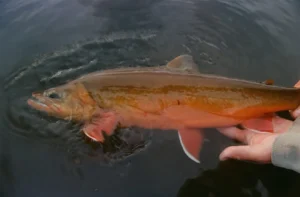


Try stockfish (dried cod) — a centuries-old Lofoten specialty. Other local favorites include:
- Arctic char and salmon
- Reindeer stew
- Norwegian waffles with brown cheese
Pair your meal with local craft beer from Lofotpils Brewery in Svolvær.
10. Take a Scenic Drive on the E10
The E10 Highway, also called the King Olav V’s Road, runs through the entire archipelago and offers nonstop views of fjords, peaks, and fishing hamlets. Stop frequently — the roadside vistas are incredible.
Cost of Traveling and Living in Lofoten (2025 Estimates)
Lofoten is not cheap — but you can manage costs with planning. Here’s a realistic breakdown:
| Expense | Budget Traveler | Mid-Range | Luxury |
| Accommodation (per night) | $50–$90 (hostel, basic rorbu) | $120–$220 (standard hotel) | $300+ (luxury cabin or resort) |
| Meals | $20–$40/day (self-catering) | $60–$100/day | $150+/day |
| Car rental | $80–$120/day | $150+/SUV | Chauffeured or private tour |
| Ferry tickets | $15–$25 per passenger | same | same |
| Tours/Activities | Free–$50 (self-guided) | $100–$200/day | $300+ private tours |
💡 Budget Tip: Visit in shoulder months (May or September) for lower accommodation rates and fewer tourists.
Where to Stay in Lofoten
- Reine / Hamnøy: Best for photographers and romantic views.
- Svolvær: Central base with shops, tours, and nightlife.
- Nusfjord: UNESCO-protected village with historic charm.
- Henningsvær: Perfect mix of local life, cafés, and art.
- Ballstad: Quieter stay near beautiful hiking spots.
Top picks:
- Eliassen Rorbuer (Reine) – iconic red huts on water.
- Thon Hotel Lofoten (Svolvær) – modern comfort and buffet breakfast.
- Nusfjord Arctic Resort – luxury meets history.
Lofoten Travel Tips
- Weather is unpredictable. Always pack waterproof gear and layers.
- Daylight varies wildly. In June, you’ll have 24-hour daylight; in January, only a few hours of twilight.
- Book early. Summer accommodations sell out months in advance.
- Rent a car. It’s the best way to explore freely.
- Respect nature. Don’t fly drones near nesting birds or private homes.
- Download offline maps. Mobile coverage can be spotty in remote areas.
- Bring snacks. Grocery stores may close early or be far apart.
The Magic of Lofoten in Every Season
| Season | Unique Experience | Best Spot |
| Winter | Aurora Borealis & snow hikes | Reine, Unstad Beach |
| Spring | Quiet roads & sea eagles | Henningsvær, Gimsøy |
| Summer | Midnight sun adventures | Uttakleiv Beach, Ryten trail |
| Autumn | Soft light & local festivals | Svolvær, Ballstad |
Why Visit Lofoten in 2025
In 2025, Lofoten continues to balance tourism with sustainability. Local communities are emphasizing:
- Eco-friendly lodgings
- Electric car charging networks
- Waste-free tours
- Community-run events celebrating Arctic traditions
Travelers are rewarded with a cleaner, more conscious version of the same raw natural beauty — without the over-tourism that affects many European destinations.
Final Thoughts — Lofoten: Norway’s Crown Jewel
Lofoten isn’t just another scenic stop — it’s an experience that changes how you see nature. From the glow of the midnight sun to the ghostly dance of the Northern Lights, every moment feels alive. It’s wild but welcoming, remote yet deeply human.Whether you’re hiking to mountain peaks, sipping coffee in a red rorbu, or watching auroras ripple across the fjord, Lofoten reminds you of something simple: the world is still full of wonder — you just have to go find it.