Madagascar Travel Guide: Everything You Need to Know Before You Go
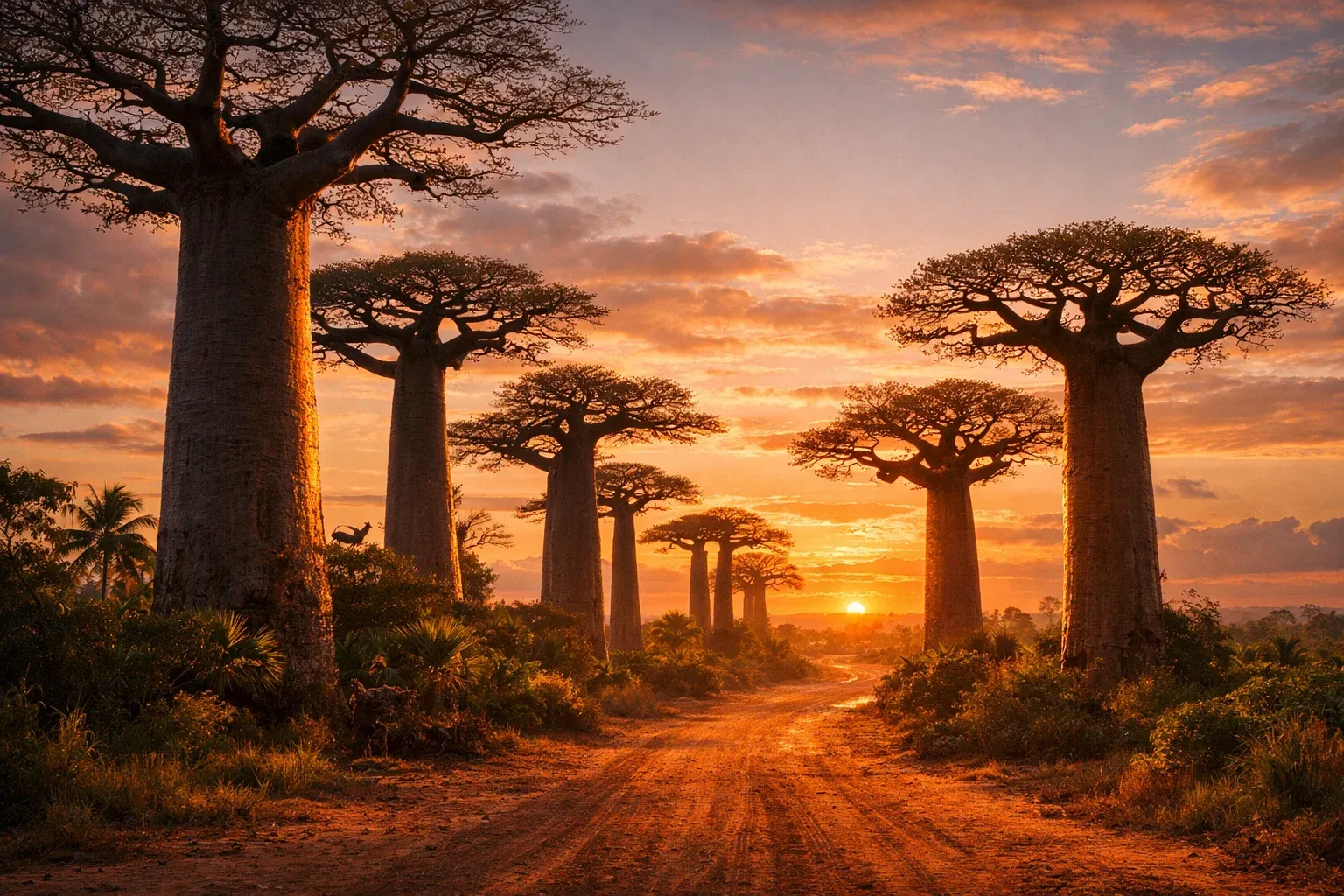
Madagascar does not feel like a typical travel destination. It feels like a planet that drifted away and evolved on its own terms. Lemurs leap through forests found nowhere else on Earth, baobab trees rise like living monuments, and villages move to rhythms untouched by mass tourism.
This is not a polished destination. Roads can be rough, plans change, and patience is essential. But for travelers who crave nature, authenticity, and rare experiences, Madagascar offers something extraordinary. If you are considering a trip, this guide covers everything a traveler wants to know before going to Madagascar, from where to go and what to eat to safety, scams, costs, and cultural norms.
Recommended Travel Items for Your Trip
Why Visit Madagascar?
Madagascar is one of the world’s most unique destinations.
It is ideal for travelers who love:
- Wildlife and biodiversity
- Off-the-beaten-path experiences
- Nature over nightlife
- Cultural authenticity
- Adventure and exploration
Over 90 percent of Madagascar’s wildlife exists nowhere else.
Top Places to Visit in Madagascar
Antananarivo (Tana)
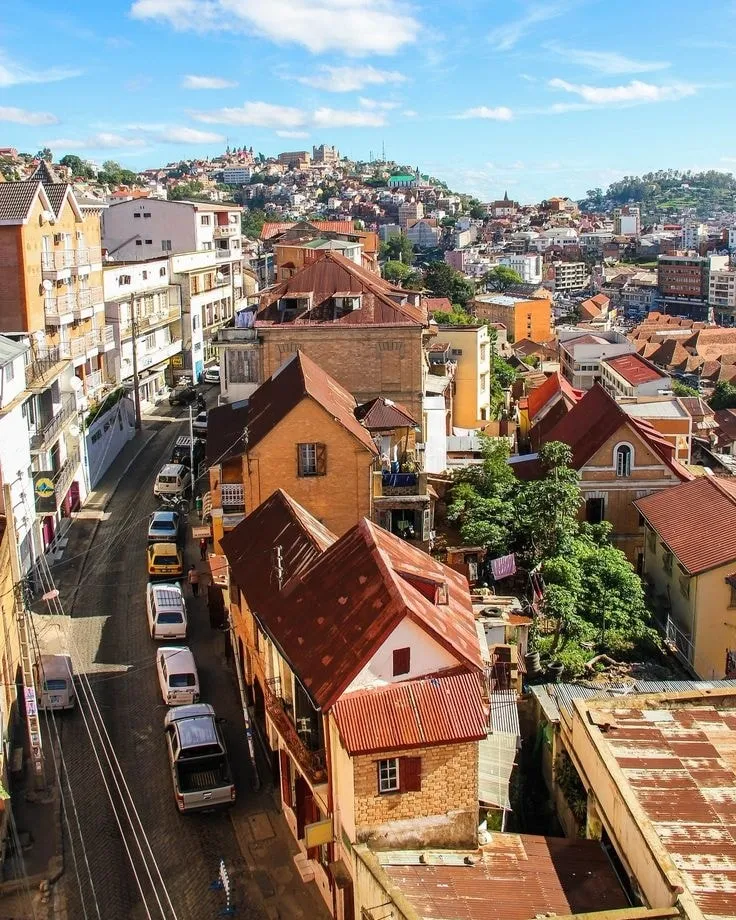
Madagascar’s capital is usually the entry point. It is chaotic but offers insight into local life.
Things to see:
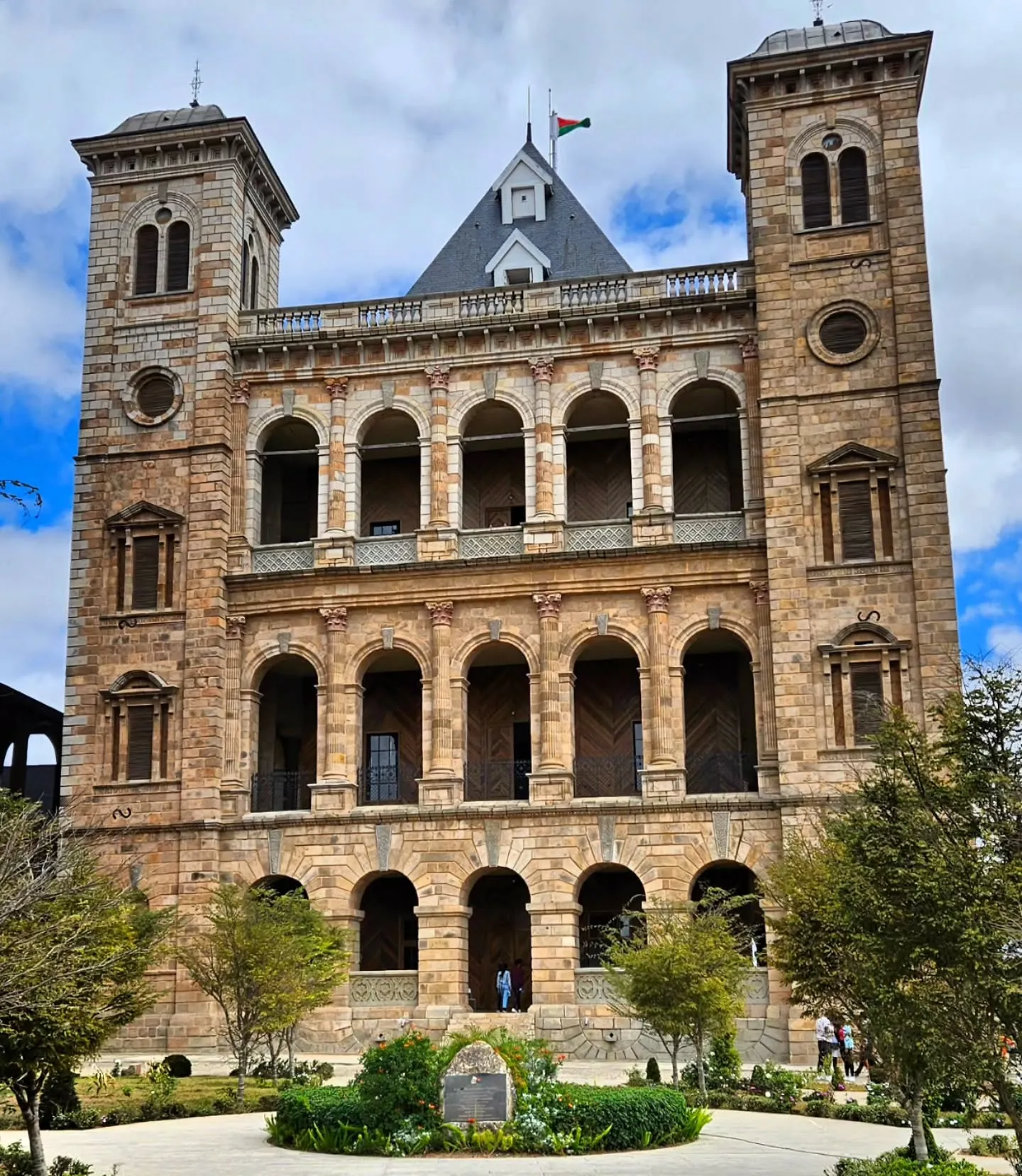
- Rova of Antananarivo (Queen’s Palace)
- Local markets and street life
- Lemur Park nearby
Most travelers pass through quickly, using Tana as a gateway.
Avenue of the Baobabs
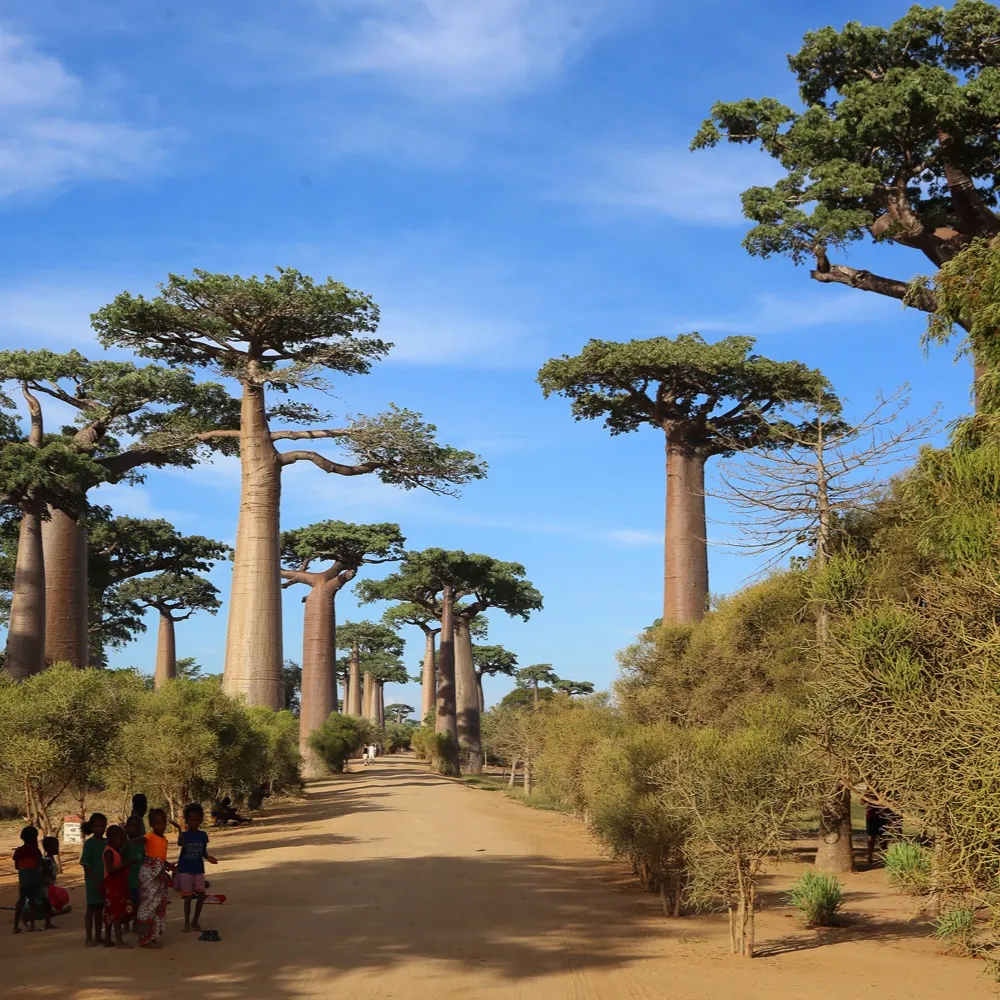
One of Madagascar’s most iconic sights, located near Morondava.
What to expect:
- Massive baobab trees lining a dirt road
- Stunning sunsets
- Photogenic landscapes
It is one of the country’s most photographed locations.
Andasibe-Mantadia National Park
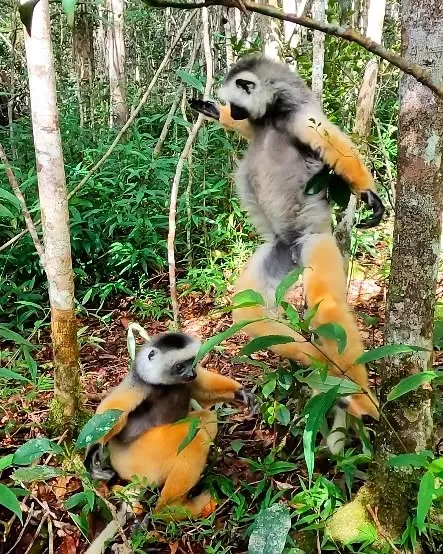
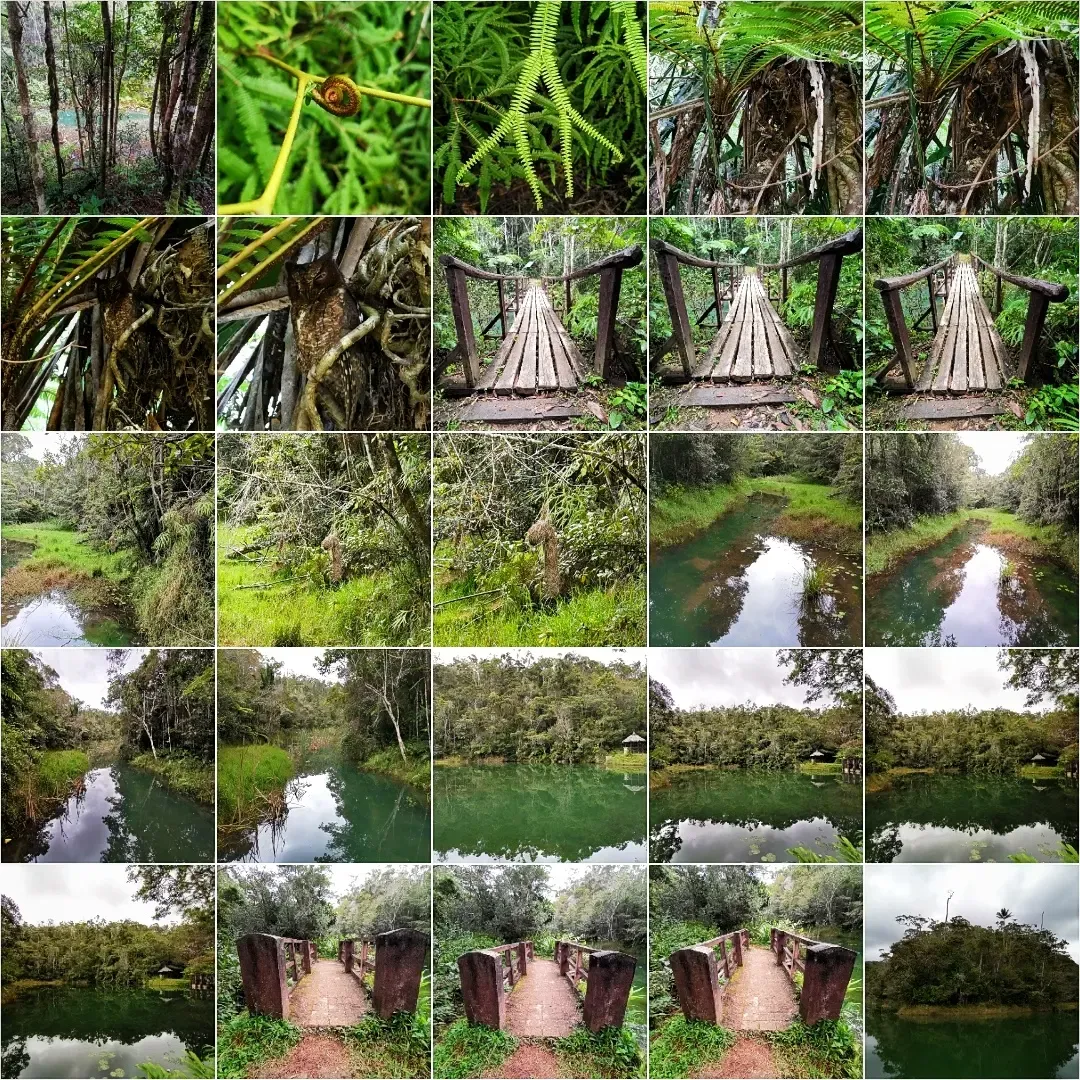
This rainforest reserve is famous for the indri, the largest living lemur.
Highlights include:
- Guided forest walks
- Lemur sightings
- Night walks for reptiles and insects
It is easily accessible from the capital and perfect for first-time visitors.
Nosy Be
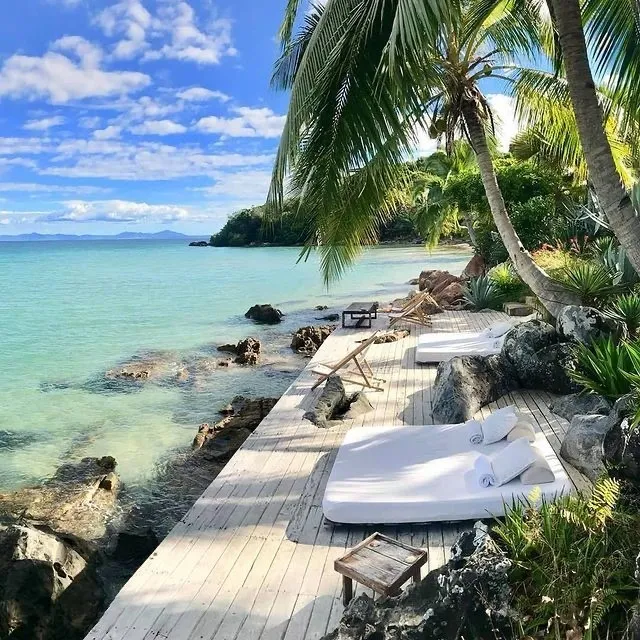
Nosy Be is Madagascar’s most popular beach destination.
Why visit Nosy Be:
- White-sand beaches
- Snorkeling and diving
- Relaxed island atmosphere
- Island hopping to nearby islets
It is the most developed tourist area in the country.
Isalo National Park
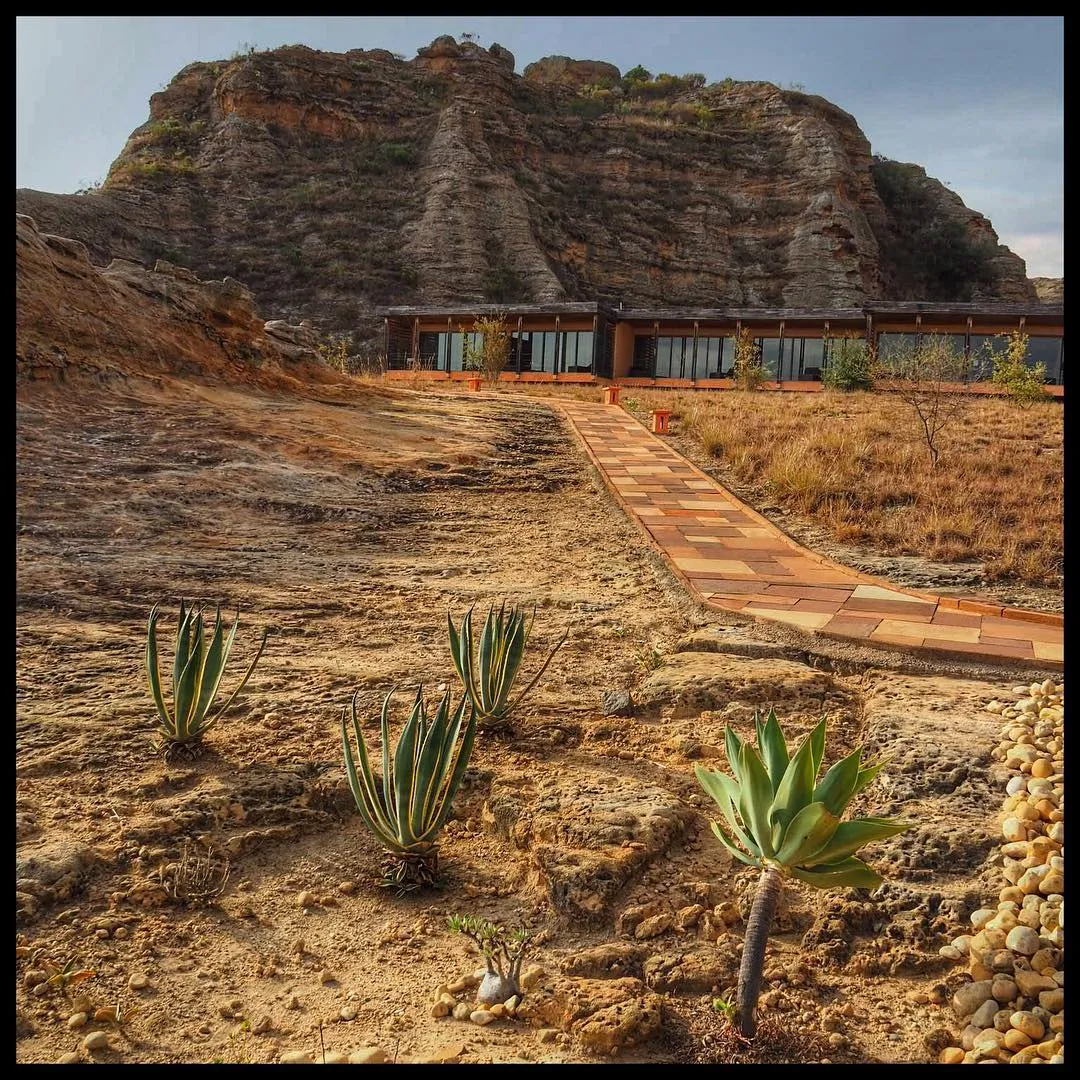
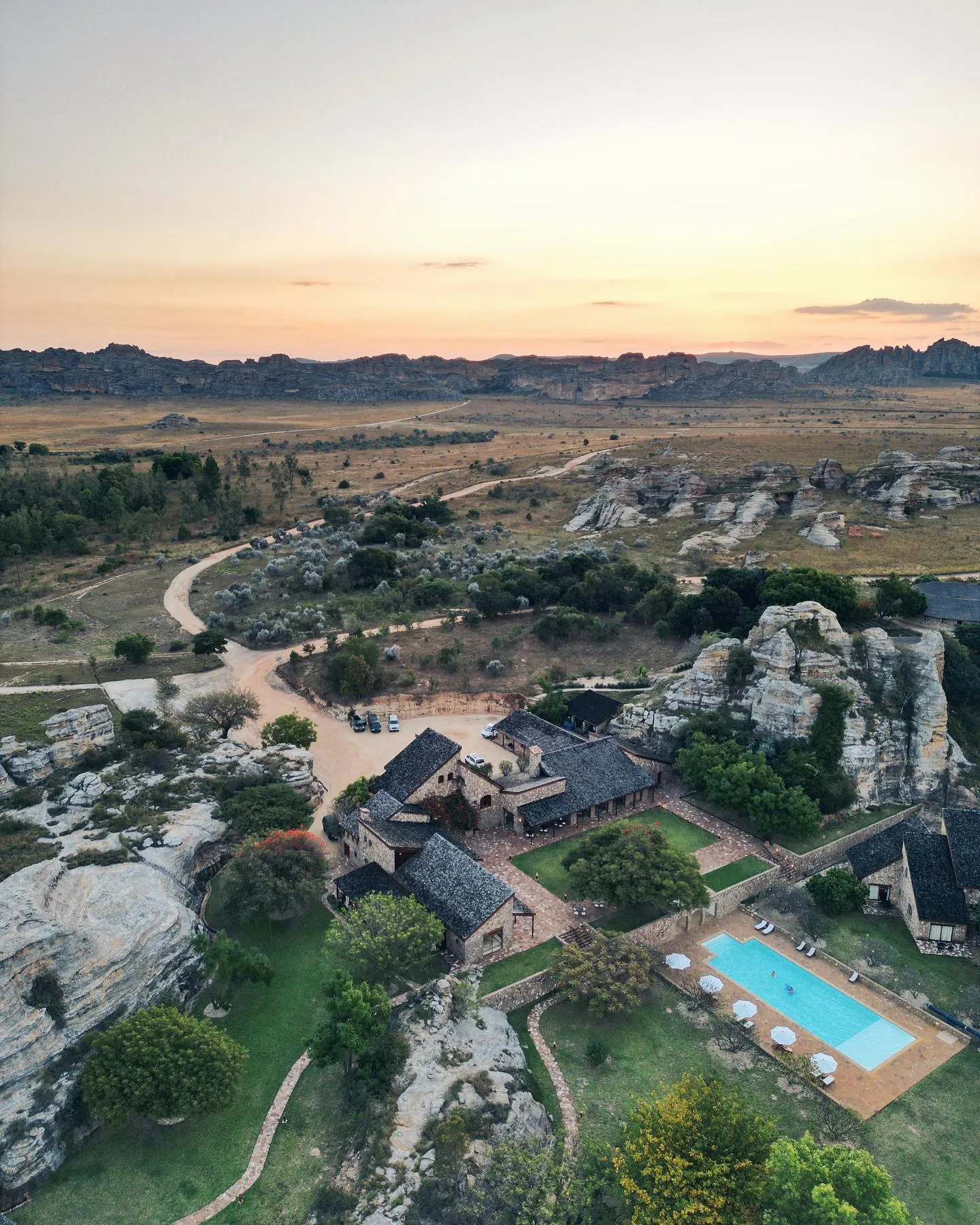
Isalo offers dramatic sandstone formations and desert landscapes.
Experiences include:
- Canyon hikes
- Natural swimming pools
- Sunset viewpoints
The scenery feels cinematic and otherworldly.
Tsingy de Bemaraha
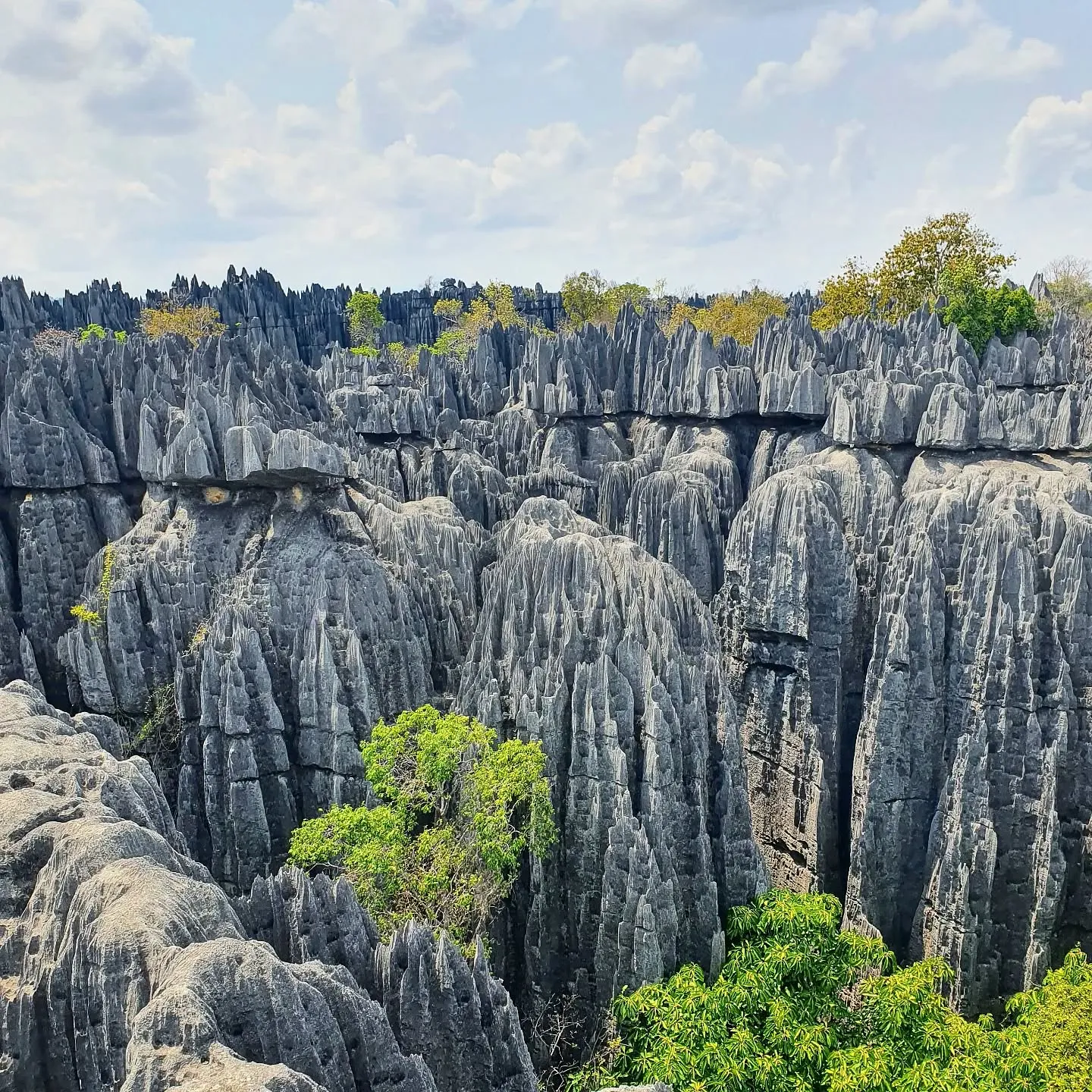
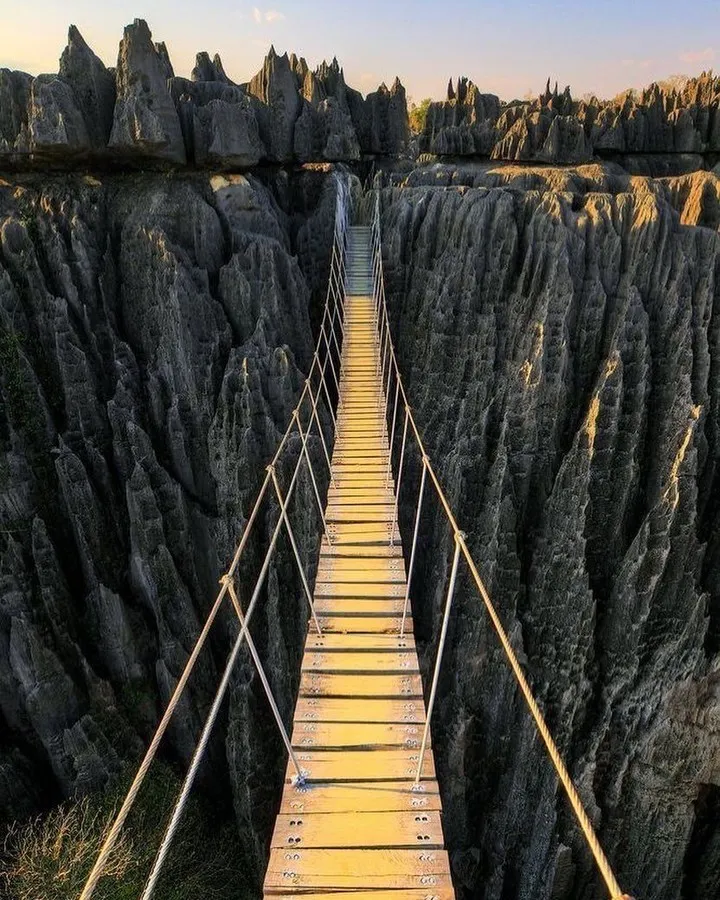
A UNESCO World Heritage Site, Tsingy is one of Madagascar’s most surreal landscapes.
What makes it special:
- Razor-sharp limestone pinnacles
- Suspension bridges
- Challenging terrain
It requires effort to reach, but the reward is unforgettable.
Wildlife and Natural Specialties
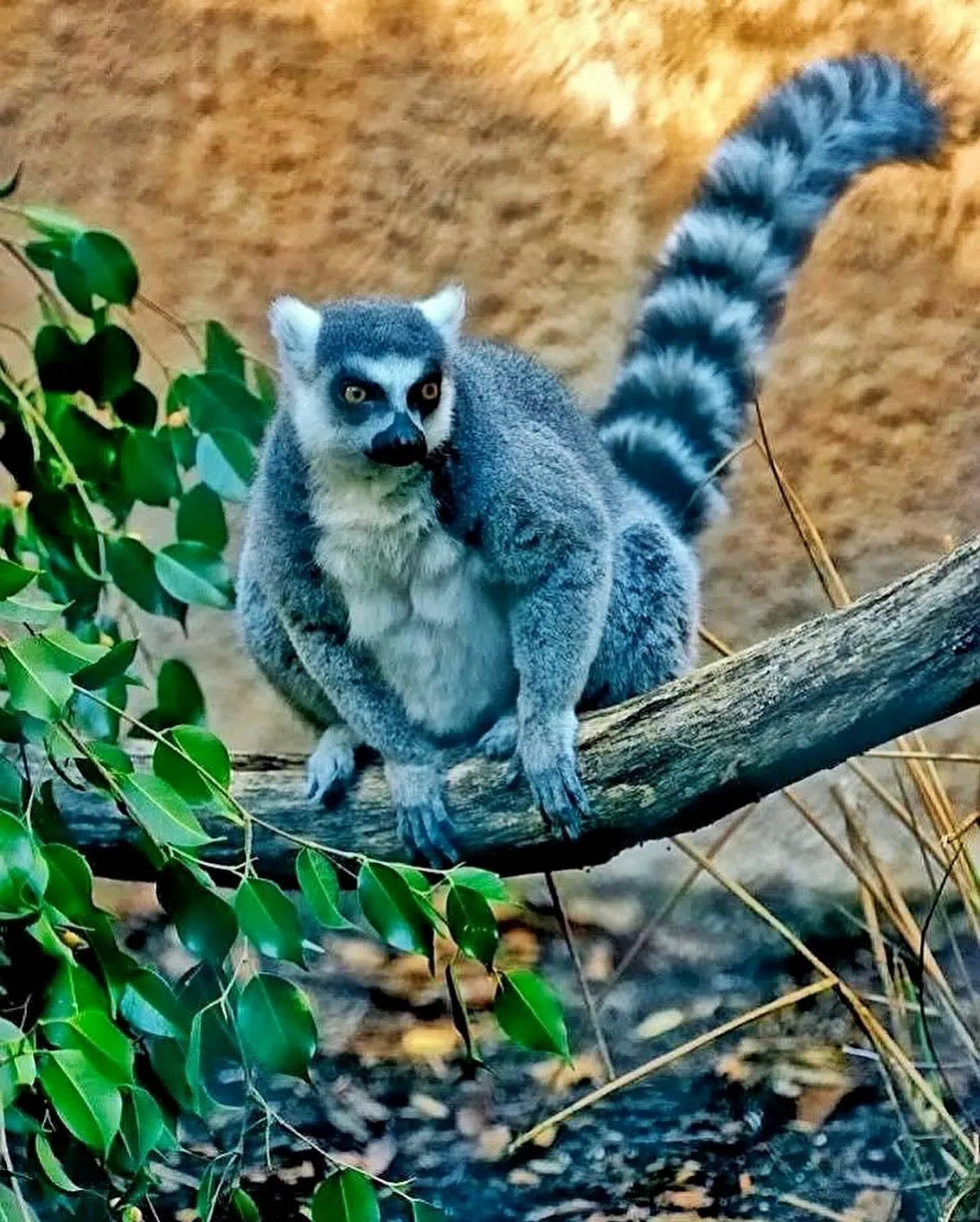
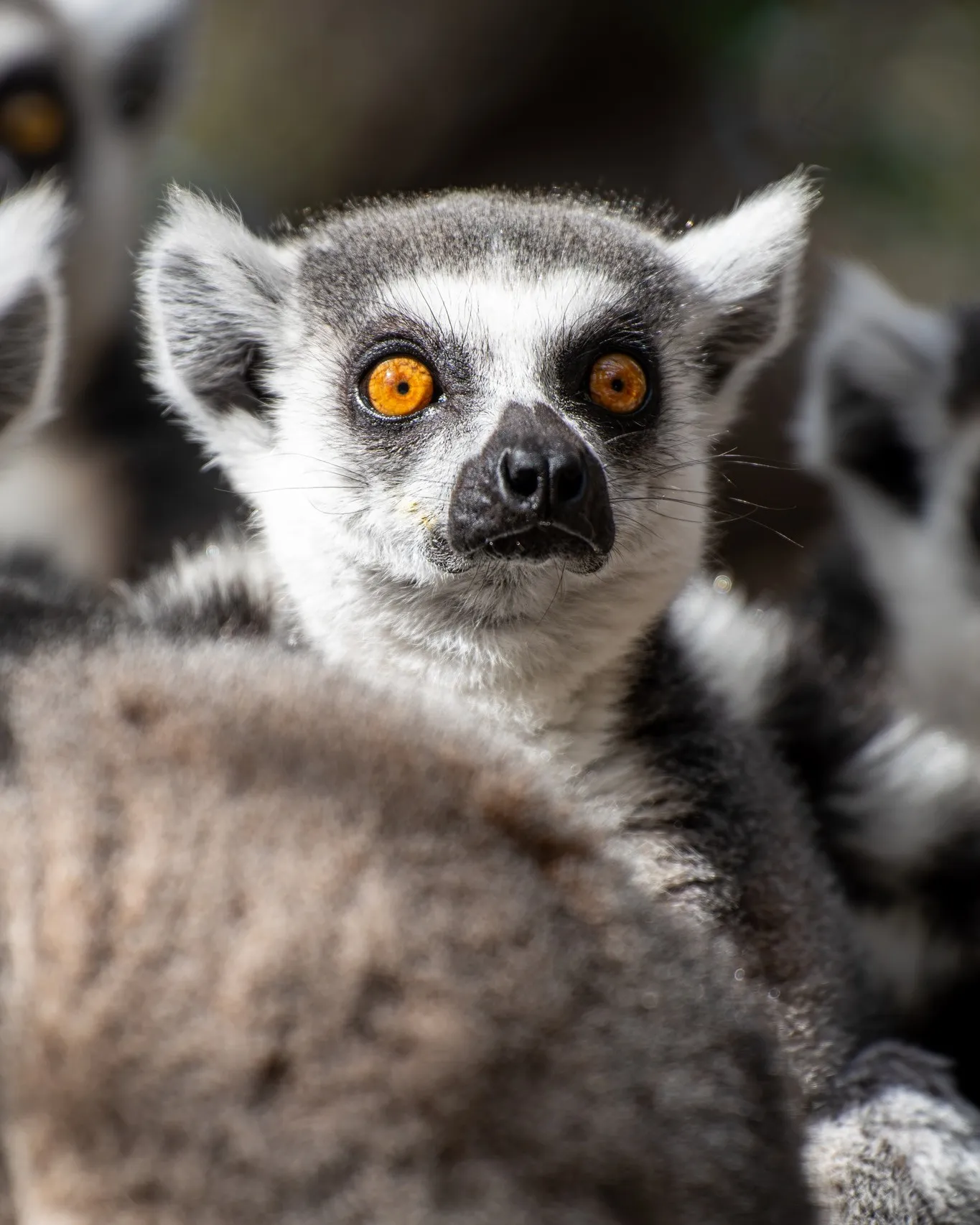
Madagascar is a biodiversity hotspot.
Unique wildlife includes:
- Lemurs (over 100 species)
- Chameleons of all sizes
- Rare birds and frogs
- Baobab trees
Nature lovers will find Madagascar unmatched.
Malagasy Food: What to Eat
Malagasy cuisine is simple, fresh, and influenced by African, Asian, and French traditions.
Must-Try Malagasy Dishes
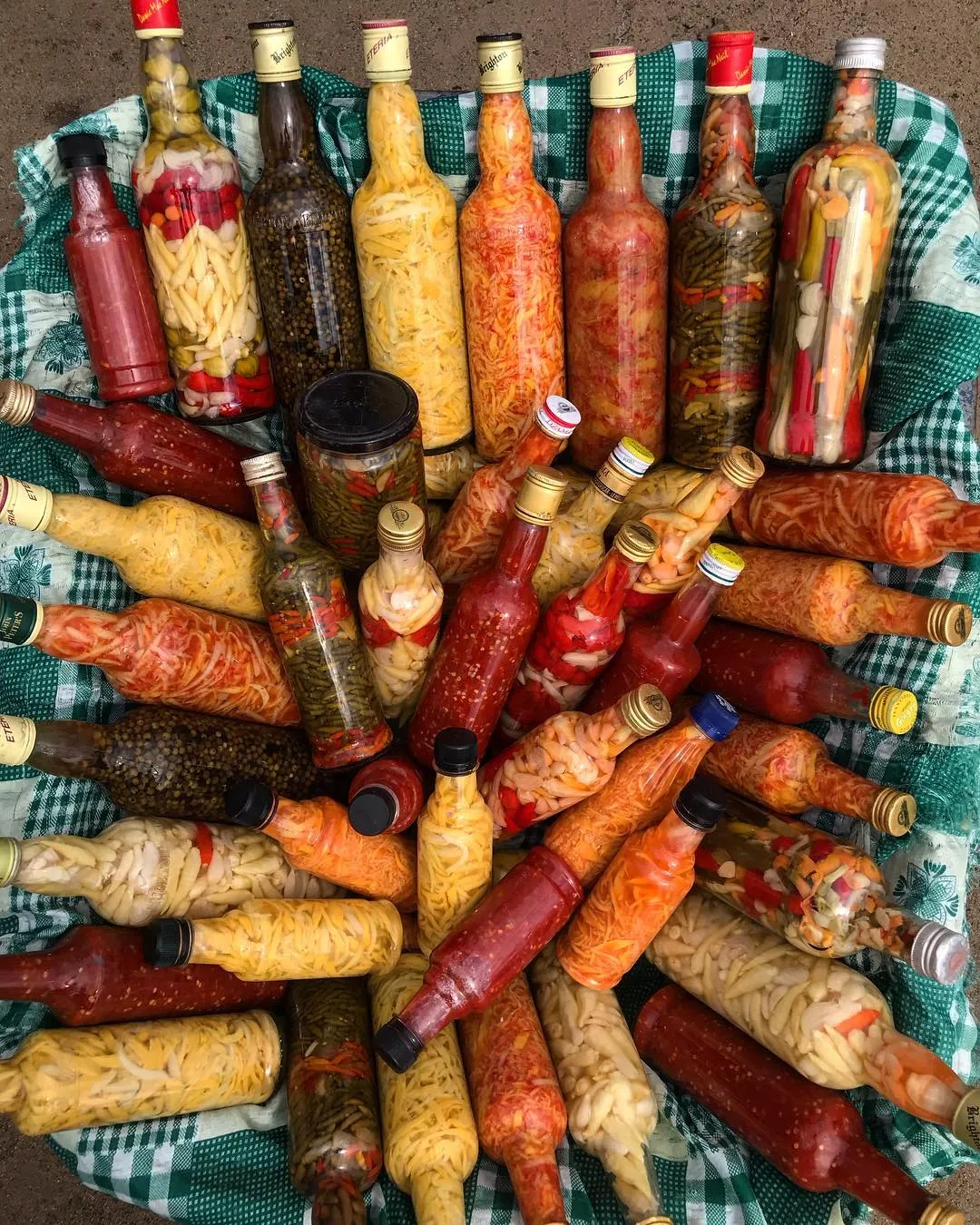 Lasary
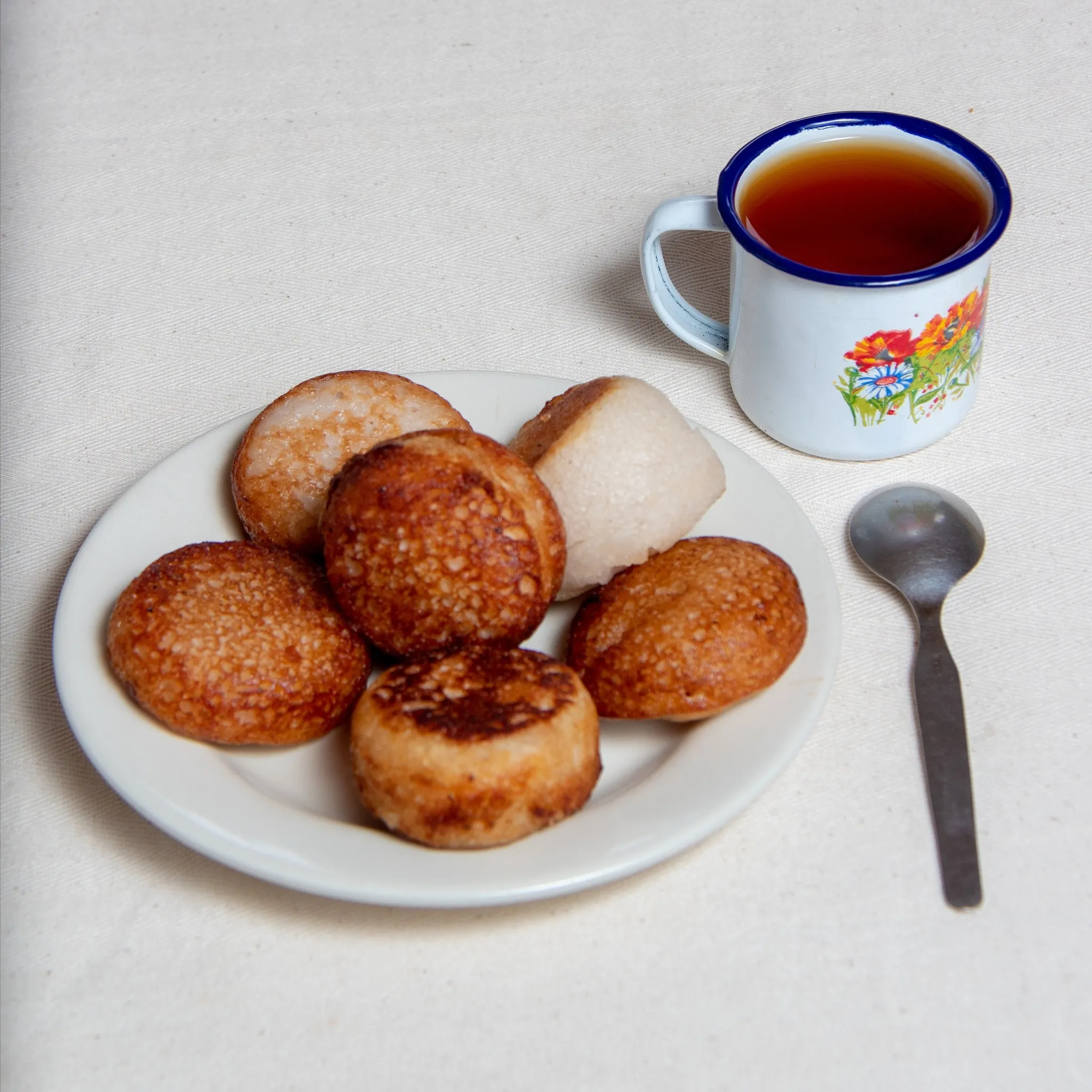 Mofo Gasy
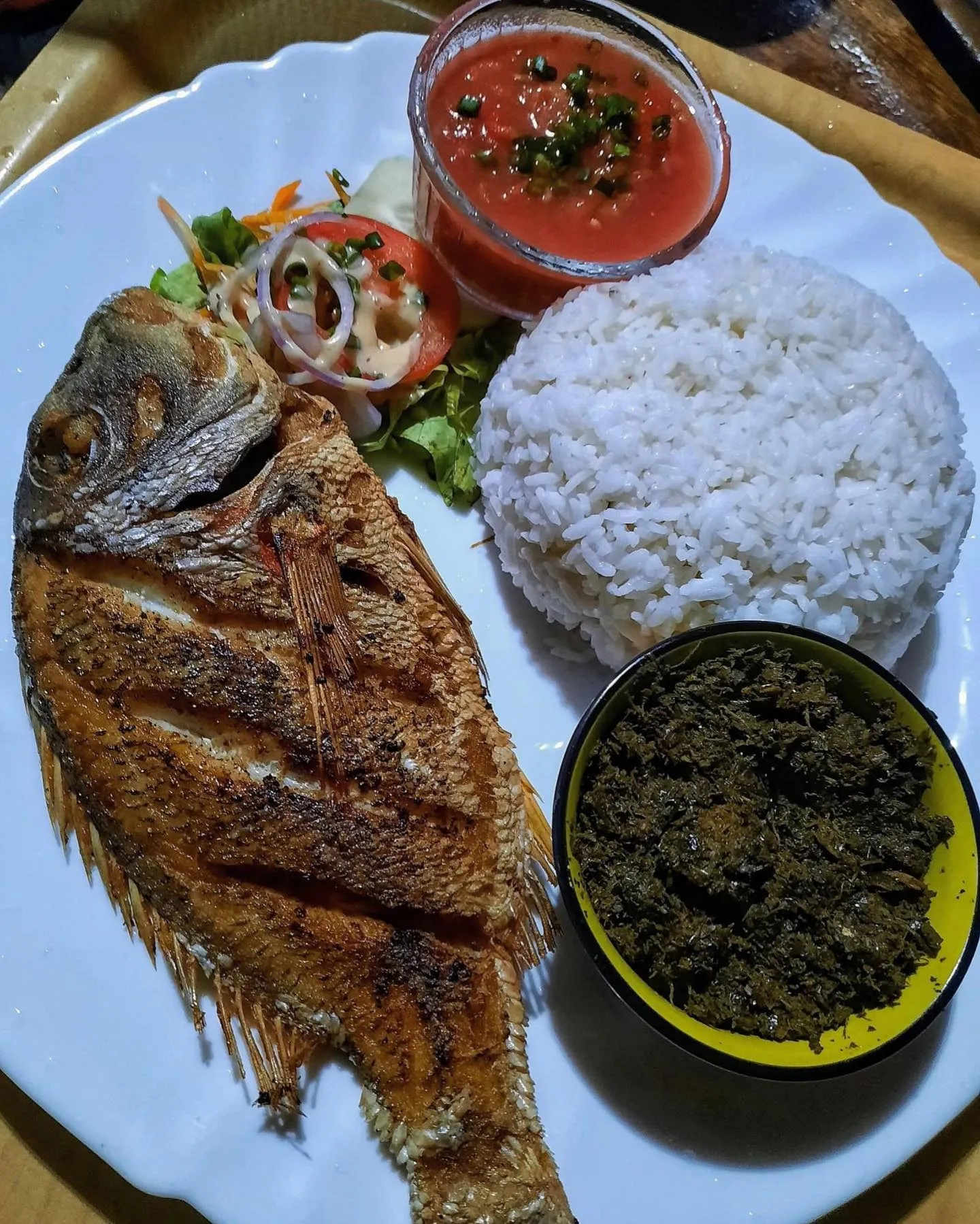 Ravitoto
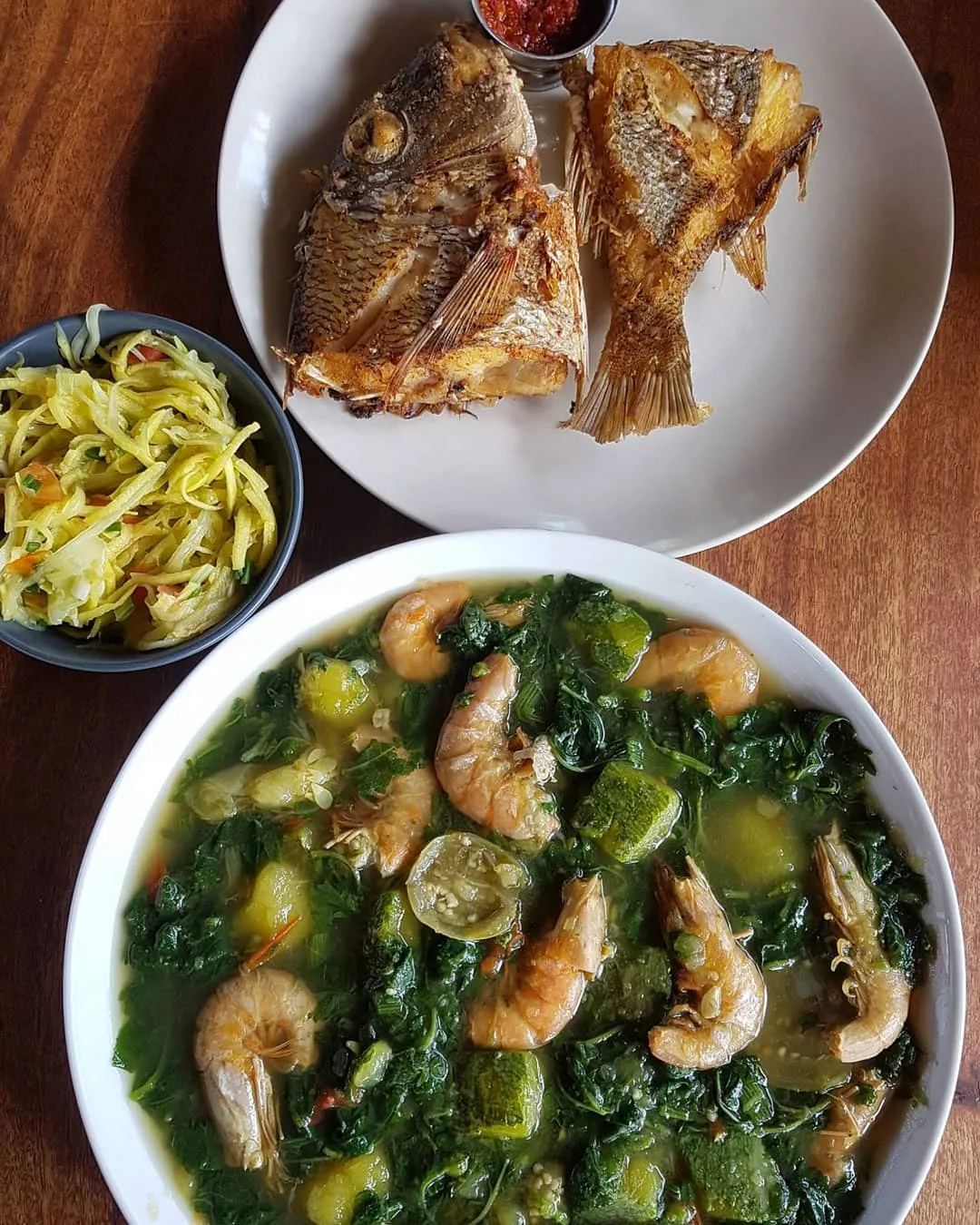 Romazava
- Romazava: National dish made with meat, leafy greens, and broth
- Ravitoto: Crushed cassava leaves cooked with fish
- Zebu: Local beef, often grilled or stewed
- Mofo Gasy: Traditional rice flour cakes, popular for breakfast
- Lasary: Fresh vegetable salads served as sides
Rice is served with almost every meal.
Drinks and Desserts


- Ranovola: Toasted rice water, a local staple
- Fresh tropical fruits: Mangoes, lychees, bananas
- Coffee: Strong and locally grown
Food is usually mild, flavorful, and filling.
Is Madagascar Safe for Tourists?
Madagascar is generally safe, especially outside major cities.
Safety Tips
- Avoid walking alone at night in cities
- Keep valuables secure
- Use local guides in rural areas
- Ask hotel staff for advice
Petty theft exists, but violent crime against tourists is rare.
Common Scams in Madagascar (And How to Avoid Them)
Scams in Madagascar are relatively mild compared to more tourist-heavy destinations.
Guide Pressure
Some locals insist you need a guide even in public areas.
Avoidance: Politely decline or agree on a clear price beforehand.
Taxi Overcharging
Prices may inflate for tourists.
Avoidance: Negotiate fares before entering the vehicle.
Fake Park Officials
Occasionally people pose as park guides.
Avoidance: Use official park entrances and licensed guides.
Transportation in Madagascar
Travel in Madagascar is slow and unpredictable.
- Domestic flights: Save time but are limited
- Taxis-brousse: Shared minibuses, cheap but slow
- Private drivers: Best option for comfort and flexibility
- Road conditions: Often poor outside cities
Planning extra time is essential.
Costs and Budget Expectations
Madagascar can be affordable, but logistics add costs.
- Food: Inexpensive
- Accommodation: Budget to mid-range options available
- Transportation: Can be costly due to distances
- Guides and park fees: Reasonable and worthwhile
Luxury tourism is limited but growing.
Culture, Etiquette, and Local Customs
Language
Malagasy and French are widely spoken. English is less common outside tourist areas.
Fady (Taboos)
Local taboos vary by region and are taken seriously.
Always ask your guide before visiting villages or sacred sites.
Dress Code
Dress modestly in rural areas. Beachwear is acceptable in resort areas.
Best Time to Visit Madagascar
- April to November: Best weather for travel
- June to September: Cooler and ideal for hiking
- January to March: Cyclone season, best avoided
Wildlife viewing varies by season.
Practical Tips Before You Go
- Expect limited internet access
- Carry cash, as ATMs are rare
- Be flexible with schedules
- Hire local guides to enhance experiences
Madagascar rewards patience and curiosity.
What Makes Madagascar Special
Madagascar stands apart because it remains largely untouched.
It offers:
- Wildlife found nowhere else
- Deep cultural traditions
- Raw, unfiltered landscapes
- Genuine human connections
It is not a destination for rushed travelers.
Final Thoughts: Should You Visit Madagascar?
Madagascar is not easy. And that is exactly why it is worth it.
For travelers who value authenticity, nature, and rare experiences over comfort and speed, Madagascar is unforgettable.
It challenges you, slows you down, and reminds you how diverse our planet truly is.