10 Magical Irish Villages You Must Visit | Ireland Travel Bucket List
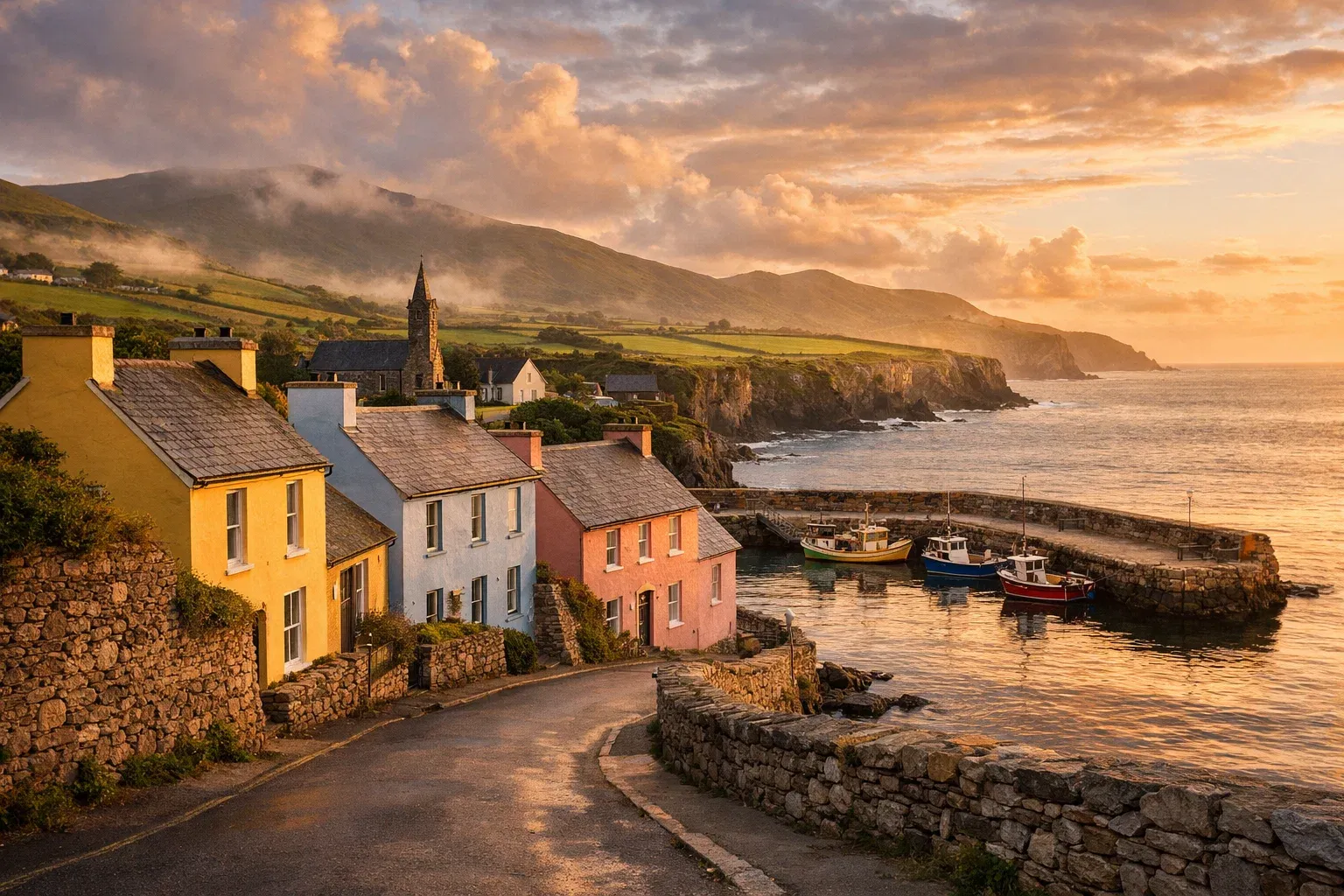
Ireland has a quiet kind of magic. Not the loud, overproduced type, but the kind you feel when fog rolls over green hills, when stone cottages lean into the wind, and when locals greet you like you belong there. While cities like Dublin and Galway get plenty of love, the real soul of Ireland lives in its villages.
If you want authentic experiences, dramatic landscapes, and places that feel untouched by time, this list is for you. These magical Irish villages are rich in history, culture, and scenery, making them perfect for travelers building a true Ireland travel bucket list.
Recommended Travel Items for Your Trip
1. Adare, County Limerick
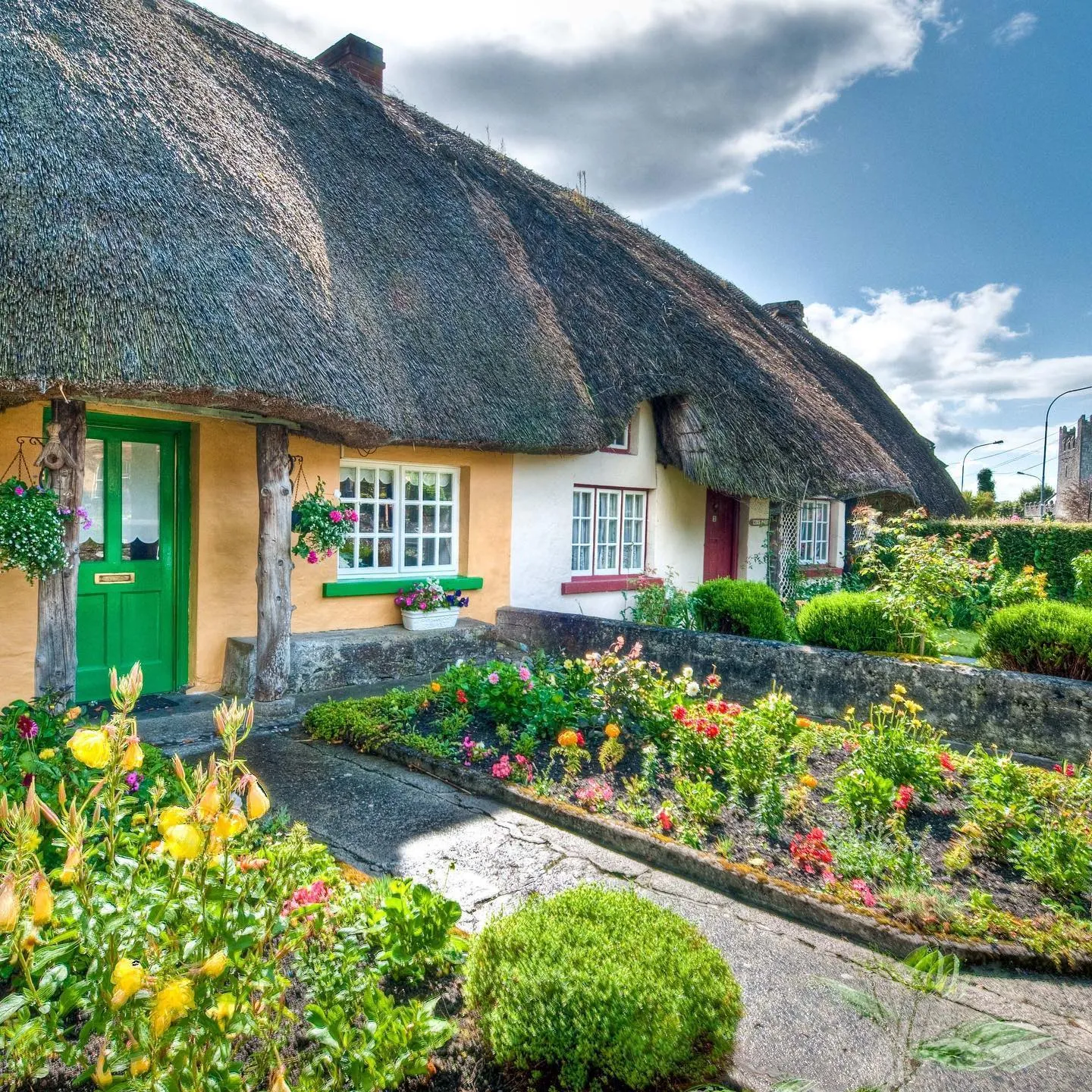
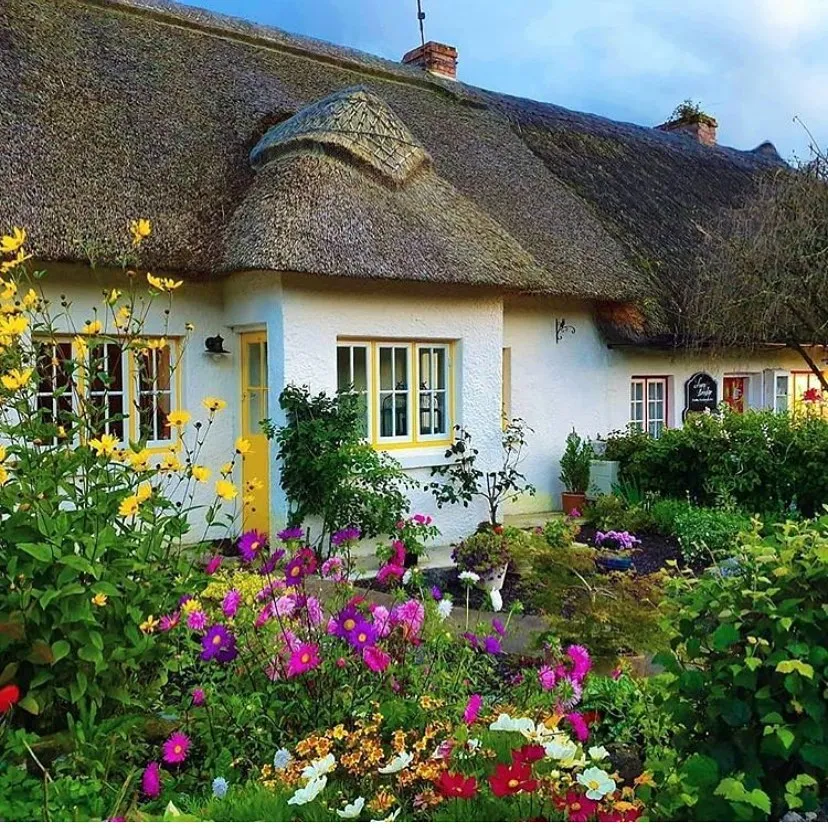
Often called Ireland’s prettiest village, Adare feels like it was carefully arranged for a storybook. That charm comes from its perfectly preserved thatched cottages, medieval ruins, and peaceful streets.
The village has deep Norman roots, and landmarks like Adare Manor and Desmond Castle add historical weight to its visual appeal. Despite its polished look, Adare feels lived-in and welcoming, not staged.
Adare is easy to explore on foot, with cozy cafes, craft shops, and scenic riverside walks. It is especially beautiful in spring and summer when flowers frame the cottages.
Why visit Adare: Classic Irish village aesthetics combined with rich history and comfort.
2. Doolin, County Clare
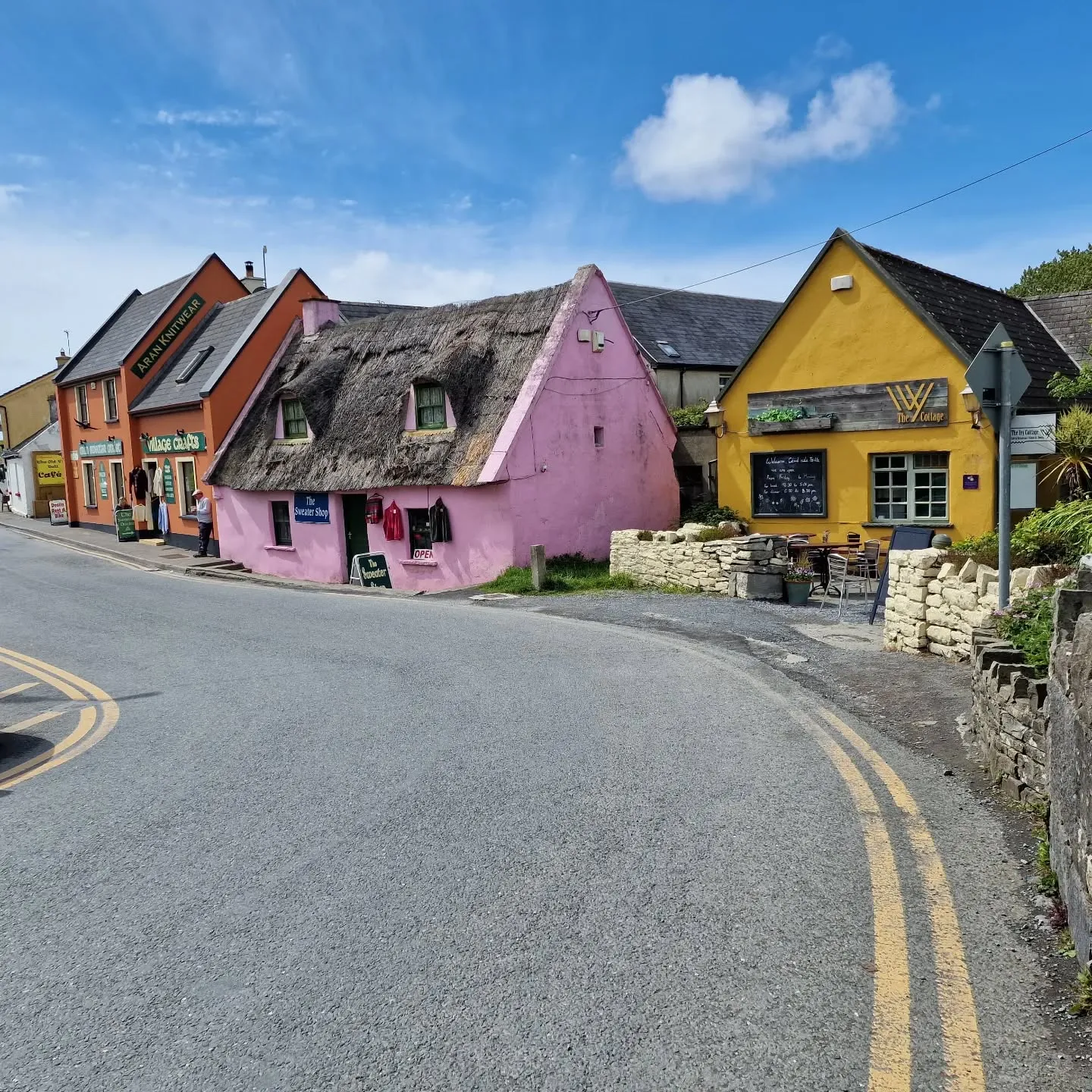
If Irish music had a physical home, Doolin would be it. This small village on the west coast is famous for traditional music sessions that spill out of pubs and into the night.
Doolin also serves as a gateway to the Cliffs of Moher, but the village itself is the real reward. Colorful houses, Atlantic views, and a strong sense of community make it unforgettable.
Travelers come for the music but stay for the atmosphere. You can hike coastal trails by day and listen to live fiddle sessions by night.
Why visit Doolin: Authentic Irish culture, live music, and wild Atlantic scenery.
3. Kinsale, County Cork
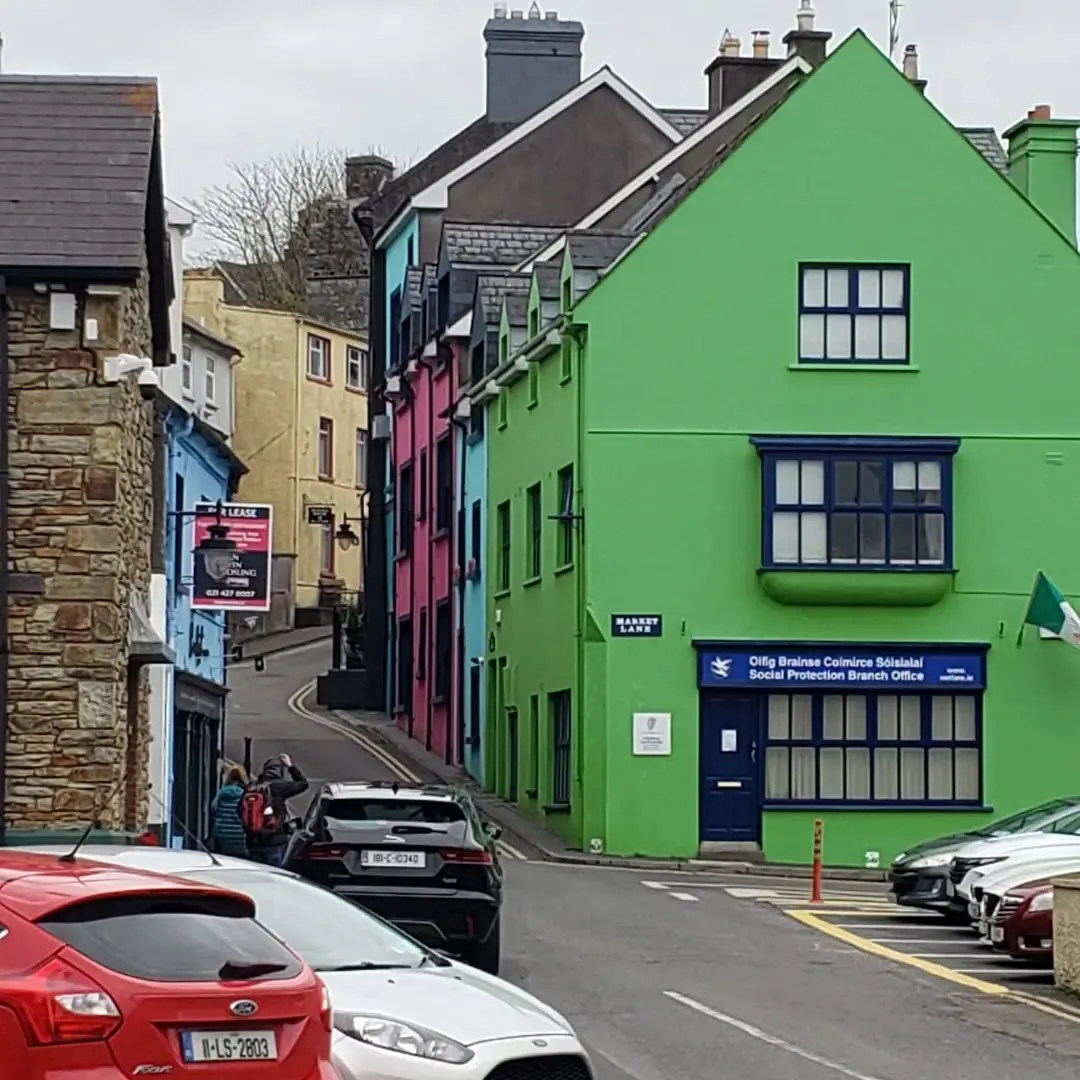
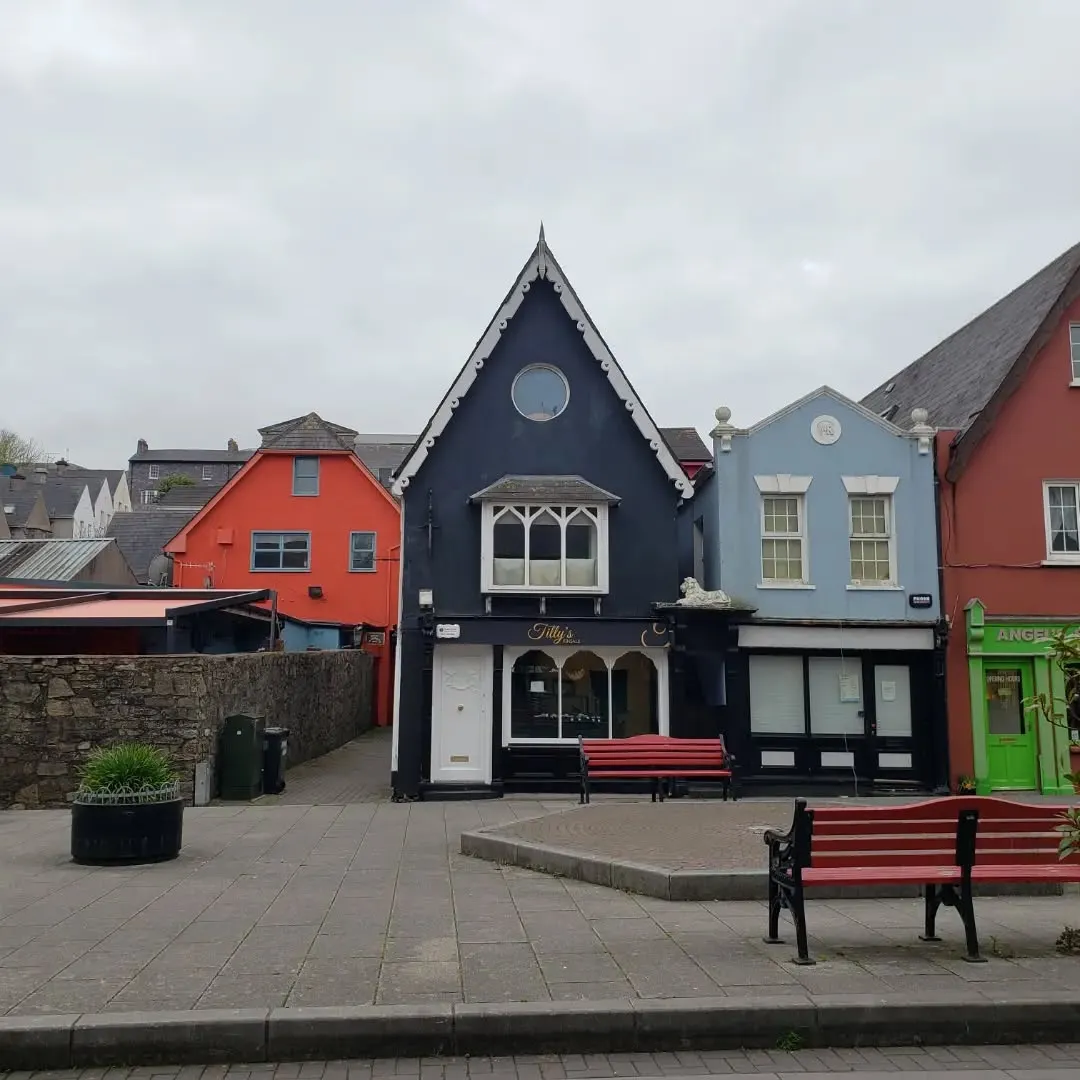
Bright, bold, and bursting with flavor, Kinsale is one of Ireland’s most charming coastal villages. Known as the gourmet capital of Ireland, it blends food culture with maritime history.
Its colorful streets are lined with galleries, cafes, and award-winning restaurants. Kinsale’s harbor views and nearby coastal walks add to its appeal.
Beyond food, Kinsale has a fascinating past as a strategic port town. Charles Fort offers panoramic views and a deeper look into Irish history.
Why visit Kinsale: Food lovers, coastal beauty, and vibrant village life.
4. Cong, County Mayo
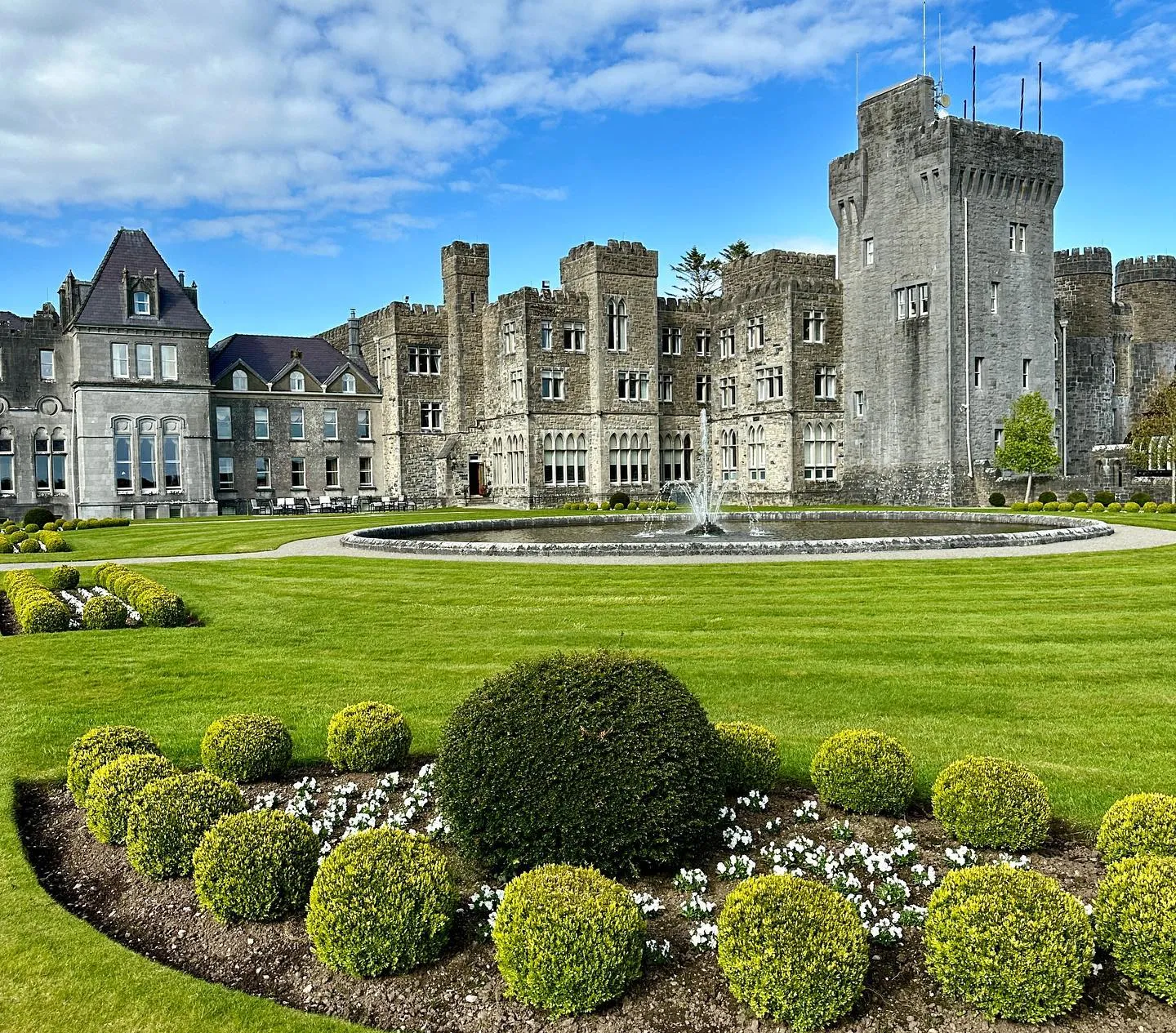
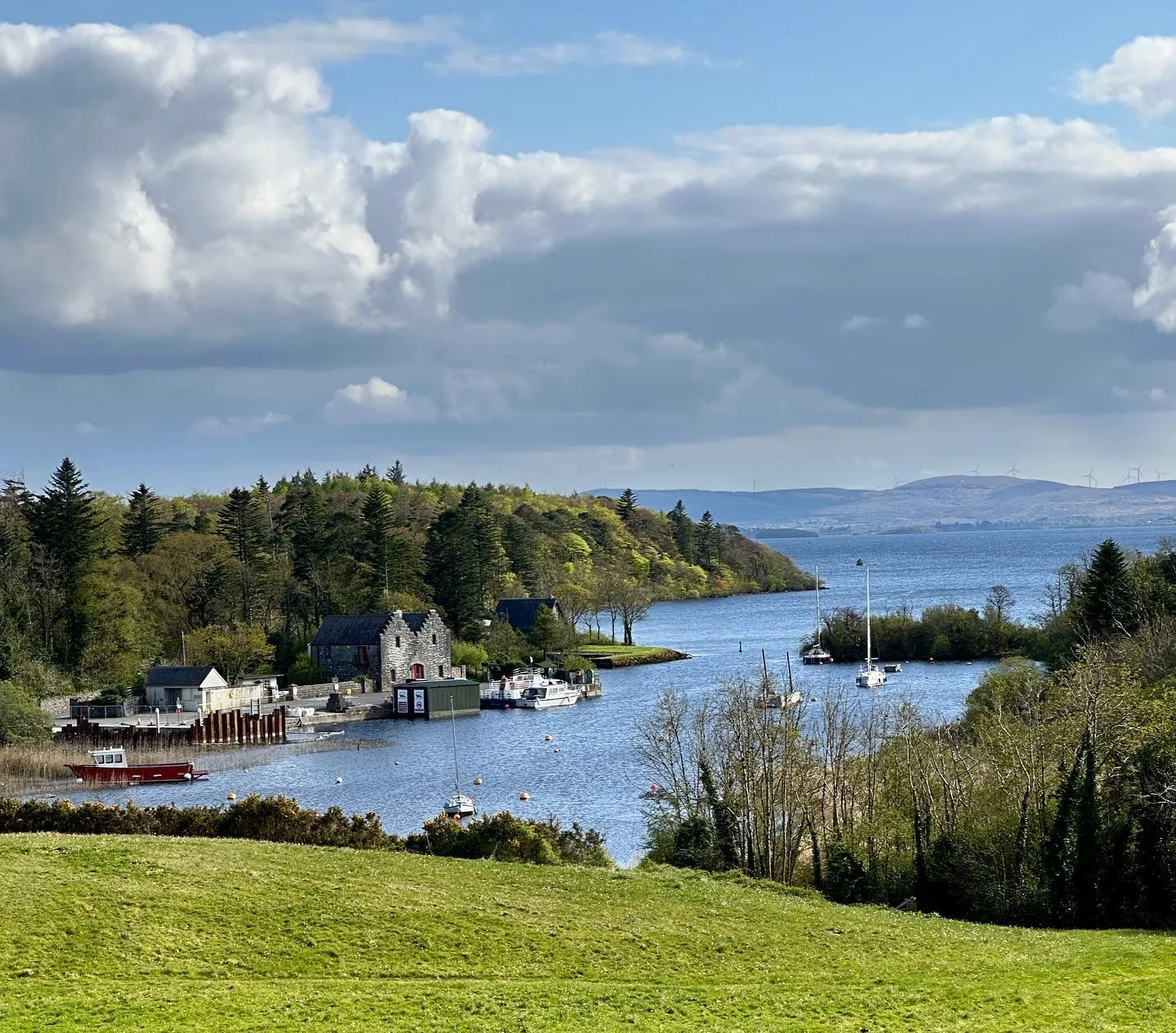
Nestled between Lough Corrib and Lough Mask, Cong is a village surrounded by water, woods, and quiet beauty. It feels calm in a way that is increasingly rare.
Cong gained international attention as the filming location for The Quiet Man, but it has retained its peaceful character. Stone bridges, river walks, and monastic ruins define the landscape.
Ashford Castle nearby adds a fairytale backdrop, but you do not need luxury to enjoy Cong. Nature and history are free here.
Why visit Cong: Tranquility, natural beauty, and cinematic charm.
5. Kinvara, County Galway
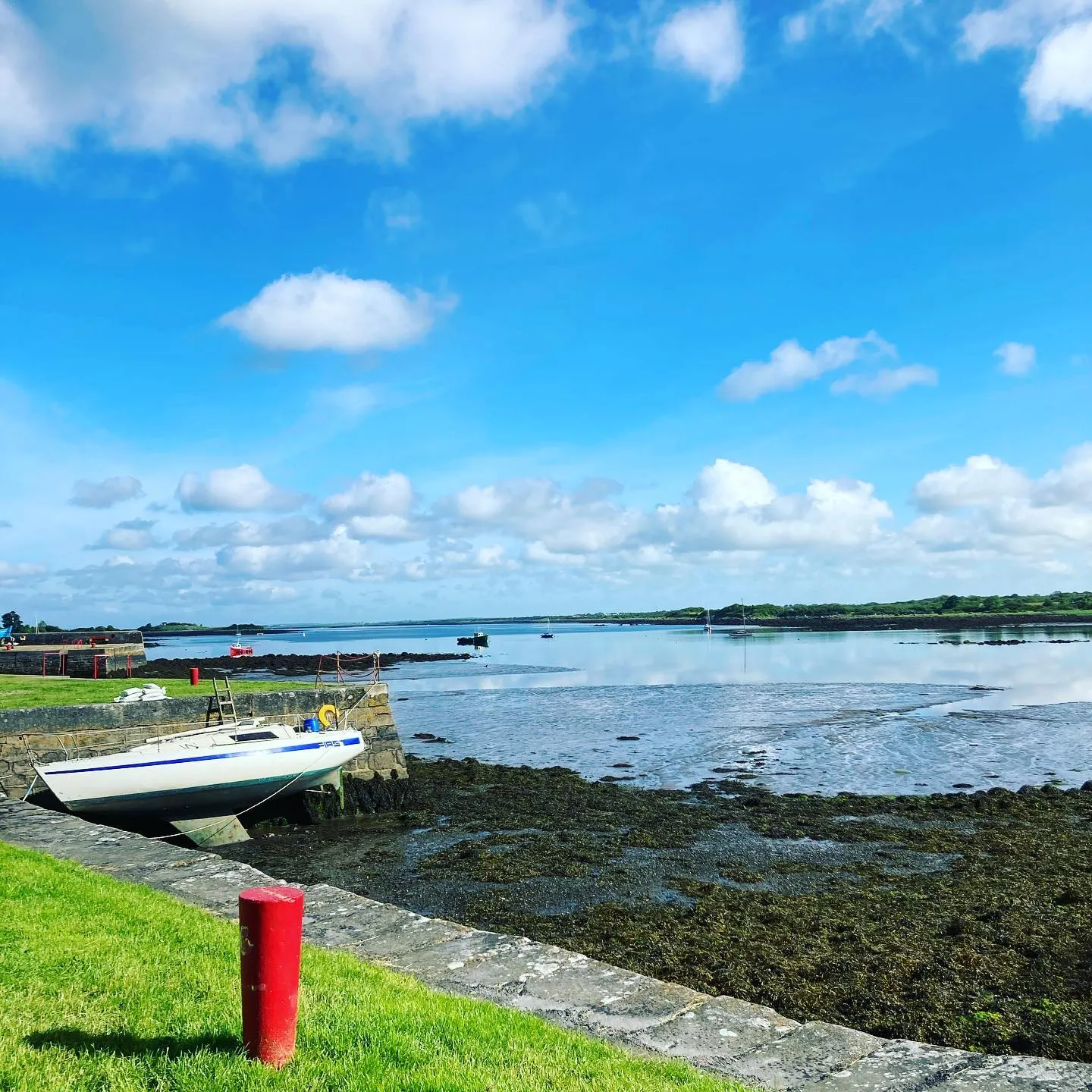
Sitting along Galway Bay, Kinvara blends traditional Irish village life with creative energy. It is home to Dunguaire Castle, one of the most photographed castles in Ireland.
Kinvara feels artistic and slightly bohemian, with local crafts, music, and community festivals shaping its personality. The surrounding Burren landscape adds a dramatic contrast to the calm village streets.
This village is a great base for exploring western Ireland while still feeling connected to local life.
Why visit Kinvara: Castle views, creative culture, and access to the Burren.
6. Roundstone, County Galway
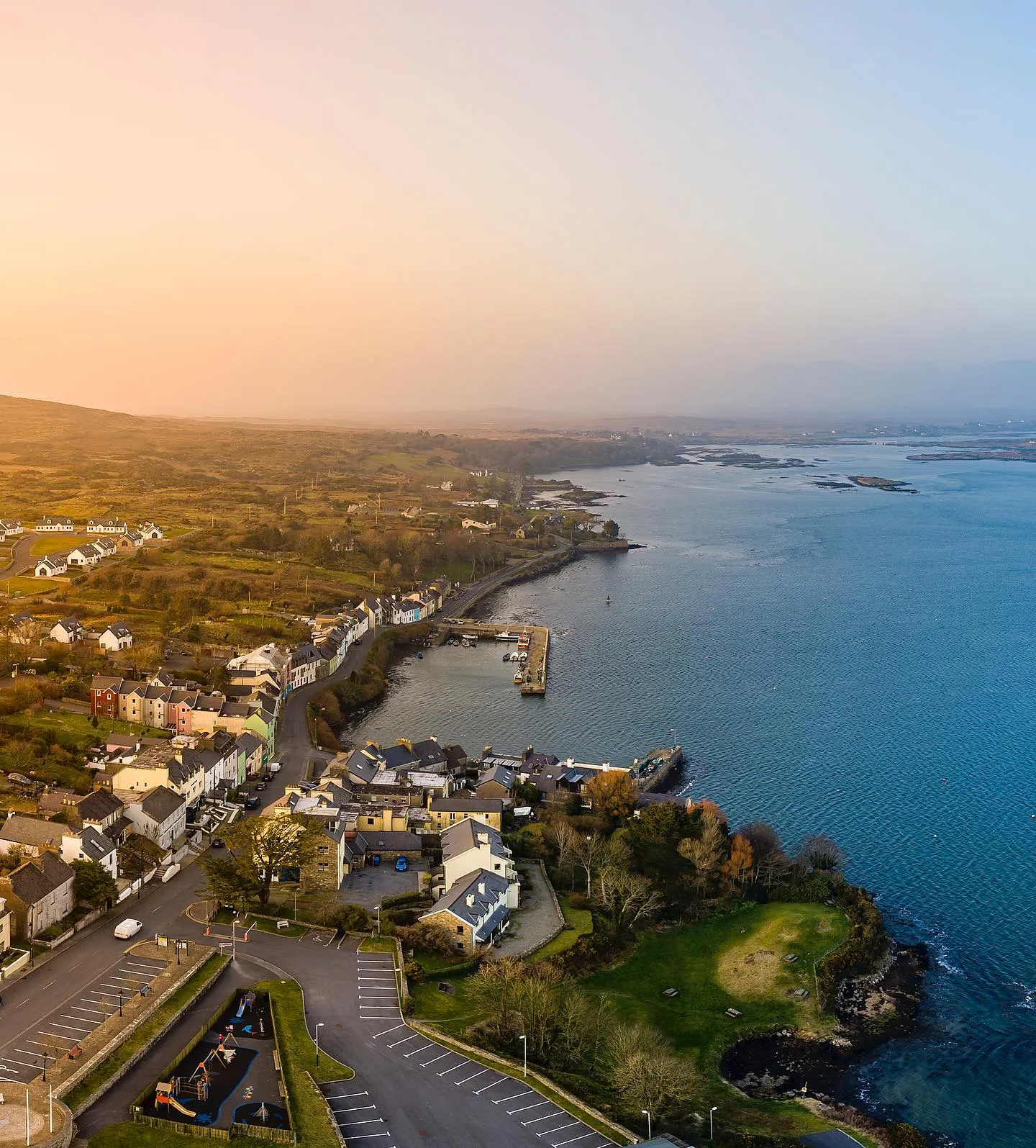
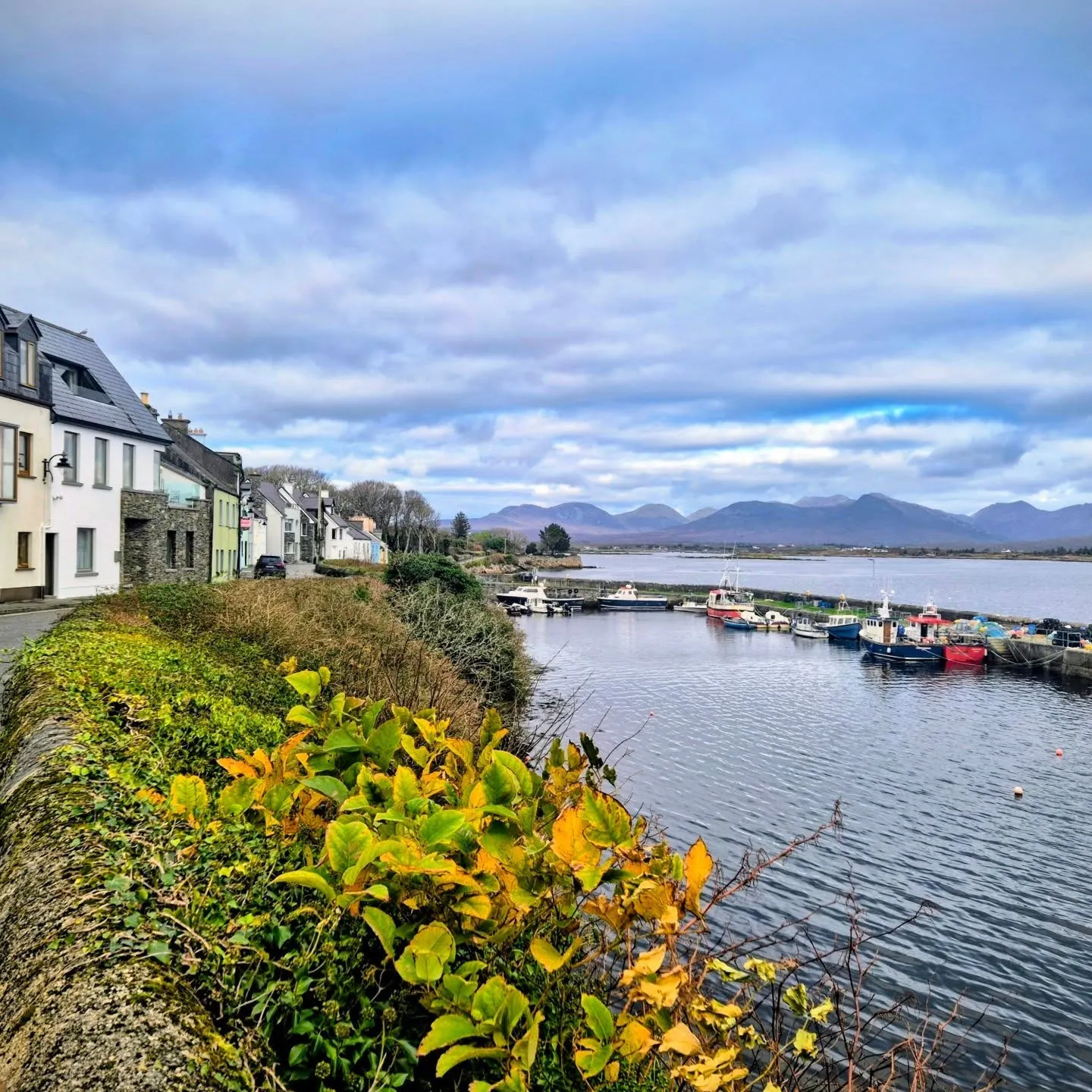
Roundstone is a Connemara village where mountains meet the sea. It is small, quiet, and deeply atmospheric.
The village overlooks Roundstone Bay and is surrounded by white sand beaches and rugged hills. The light here changes constantly, which is why artists and photographers love it.
There is not much to “do” in Roundstone, and that is the point. It is ideal for slow travel, scenic walks, and reflection.
Why visit Roundstone: Untamed landscapes and peaceful coastal living.
7. Carlingford, County Louth
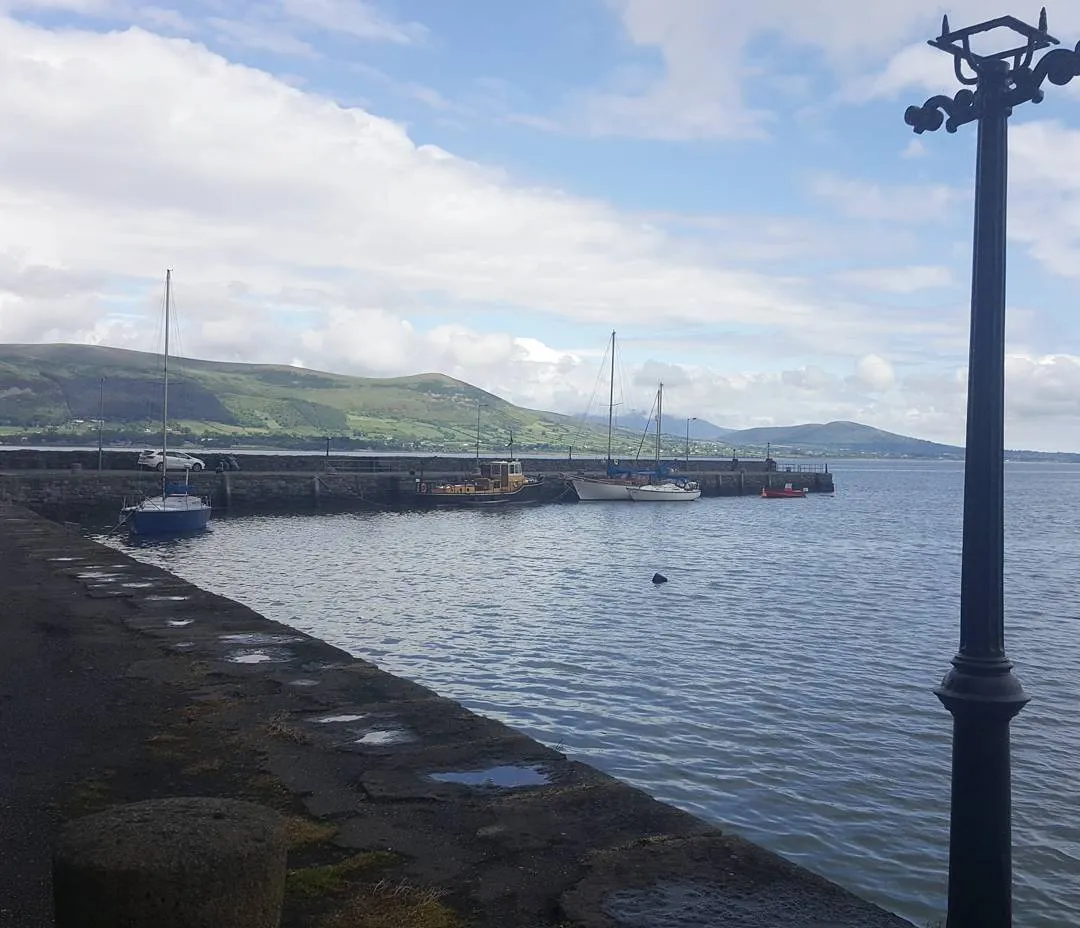
Carlingford sits between the Mourne Mountains and Carlingford Lough, creating one of the most dramatic village settings in Ireland.
Medieval streets, narrow lanes, and historic buildings give Carlingford a strong sense of character. It also offers outdoor activities like hiking, kayaking, and cycling.
Despite its history, Carlingford feels lively rather than sleepy. Pubs, cafes, and local events keep the village buzzing year-round.
Why visit Carlingford: History, adventure, and scenic beauty in one place.
8. Ballycastle, County Antrim
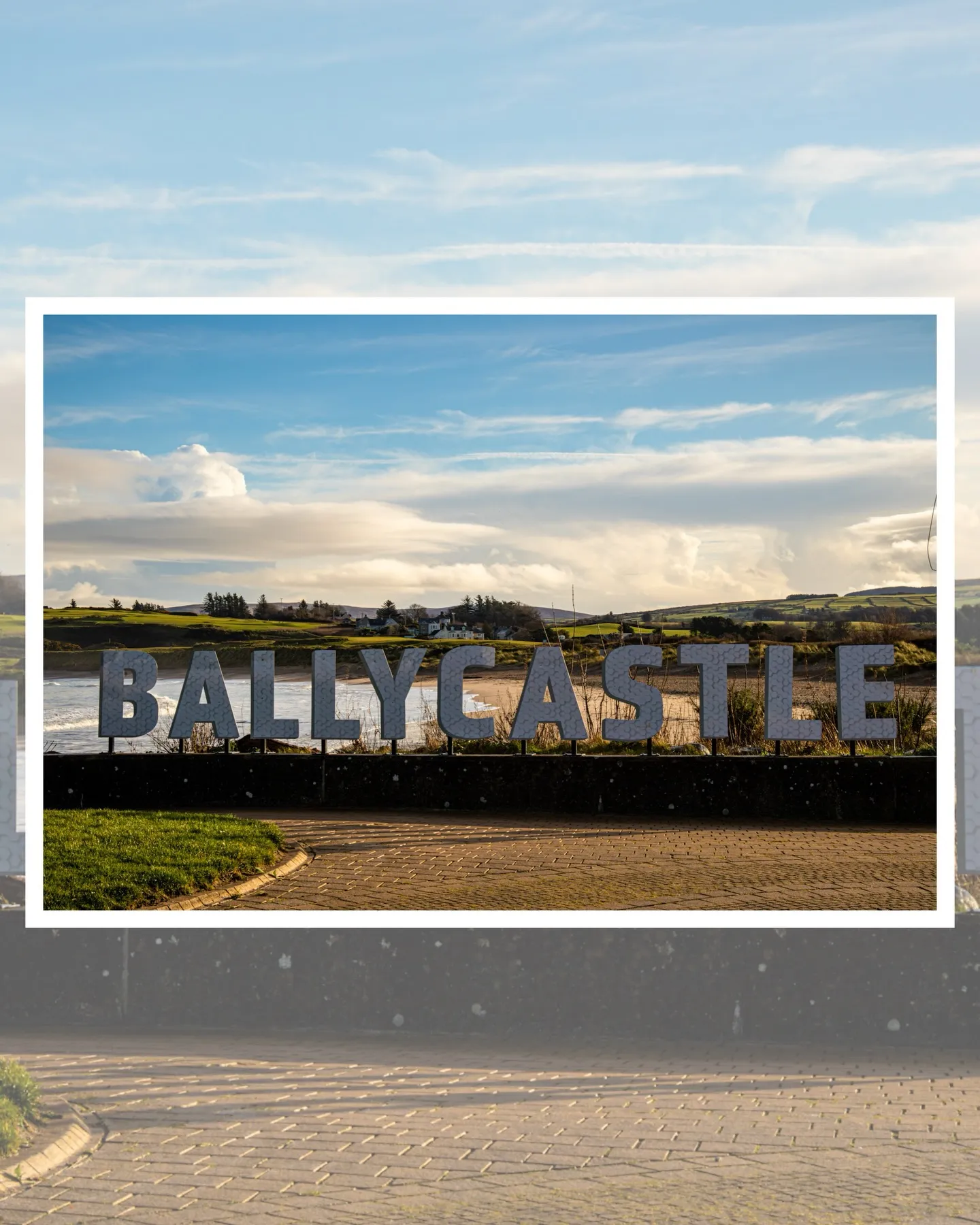
Located on Northern Ireland’s Causeway Coast, Ballycastle often gets overlooked, which makes it even better.
The village offers access to Rathlin Island, Fair Head cliffs, and coastal trails with jaw-dropping views. Ballycastle also feels grounded, with a strong local community and relaxed pace.
It is an excellent base for exploring Northern Ireland’s natural wonders without staying in crowded tourist hubs.
Why visit Ballycastle: Coastal adventures and local authenticity.
9. Inistioge, County Kilkenny
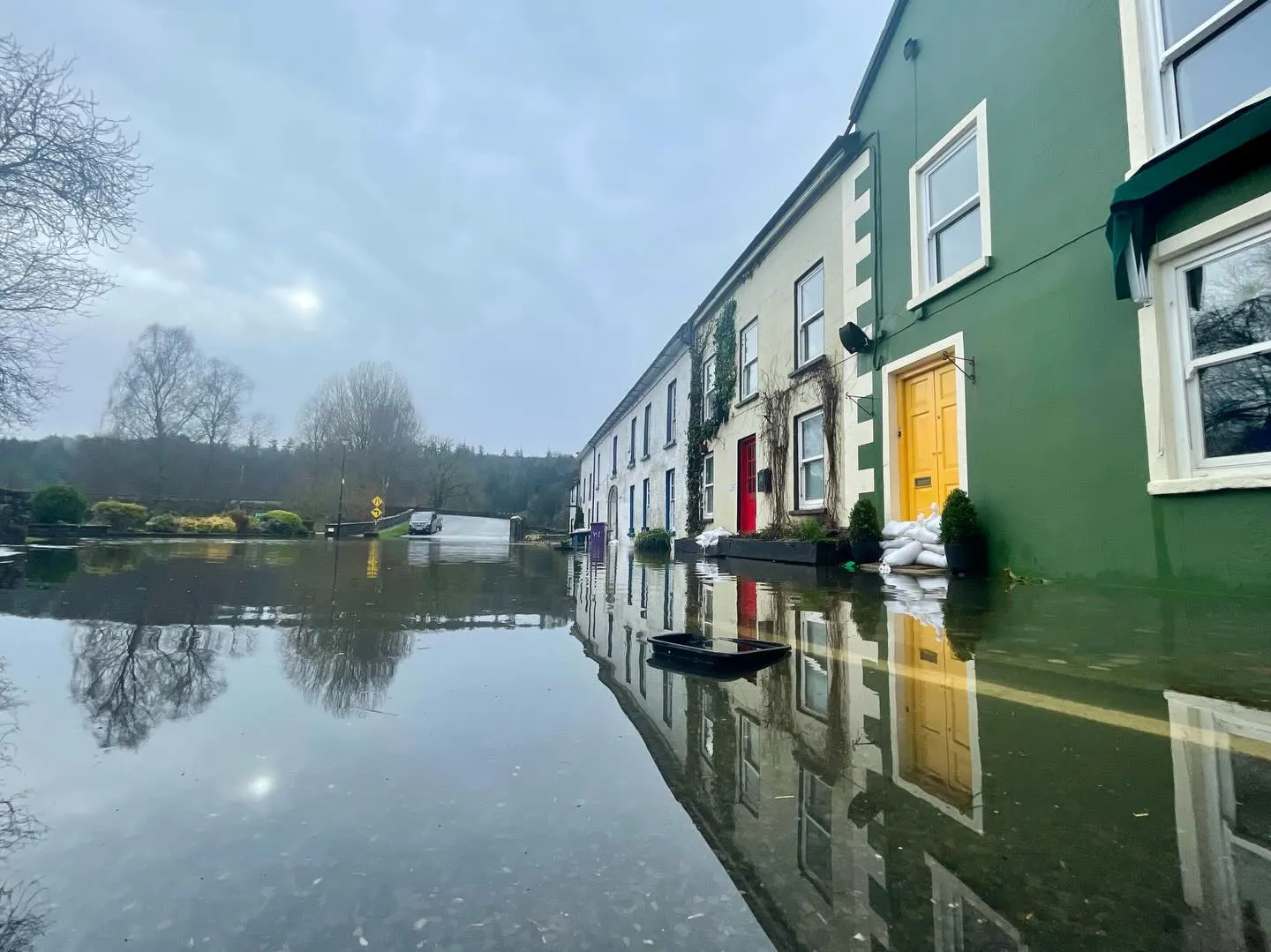
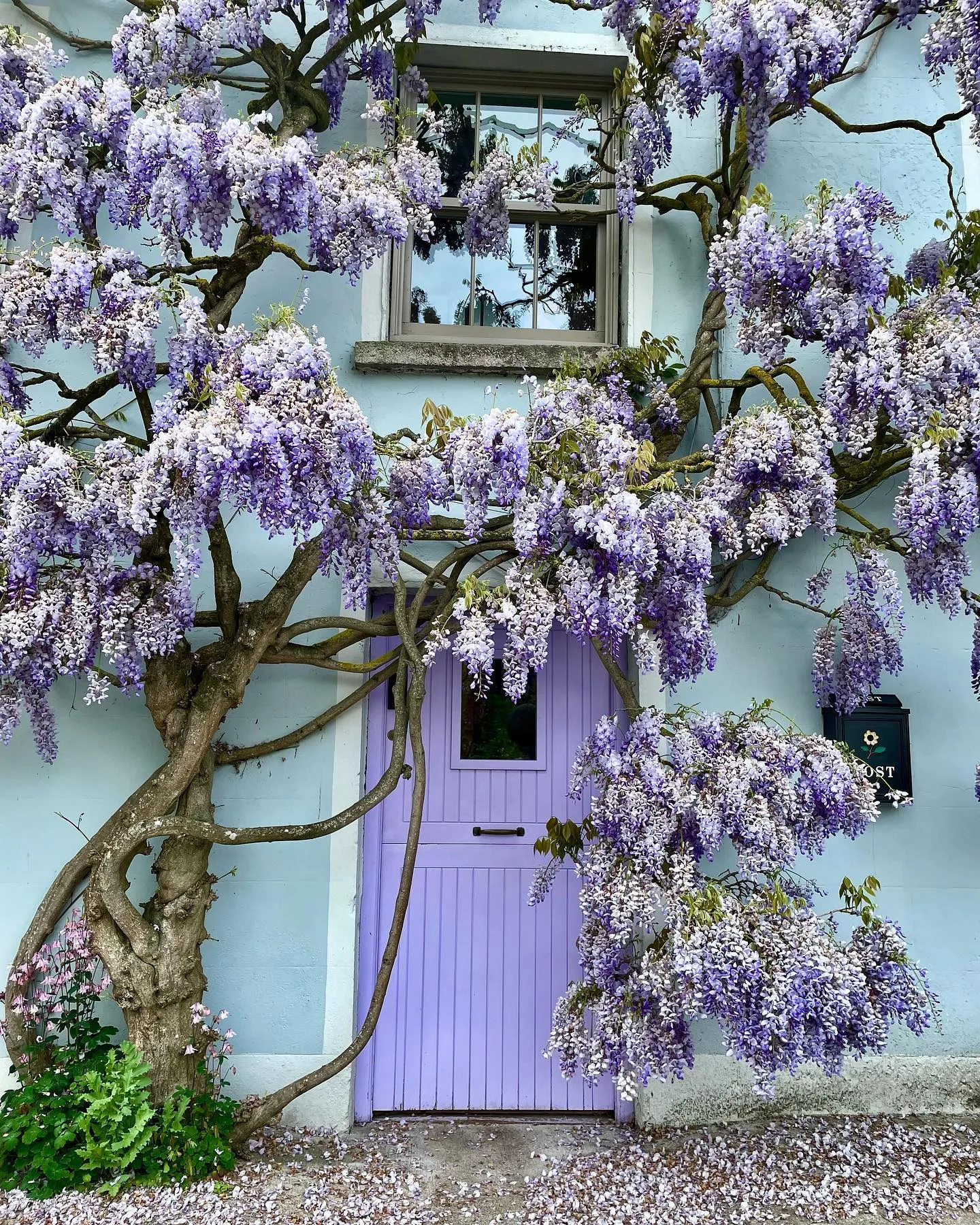
Tucked along the River Nore, Inistioge feels hidden, even to many Irish travelers. That sense of discovery is part of its magic.
The village is small and elegant, with Georgian houses, quiet lanes, and nearby woodland walks. It has also appeared in films, thanks to its timeless appearance.
Inistioge is perfect for travelers who want a peaceful stop between bigger destinations.
Why visit Inistioge: Secluded charm and riverside beauty.
10. Sneem, County Kerry
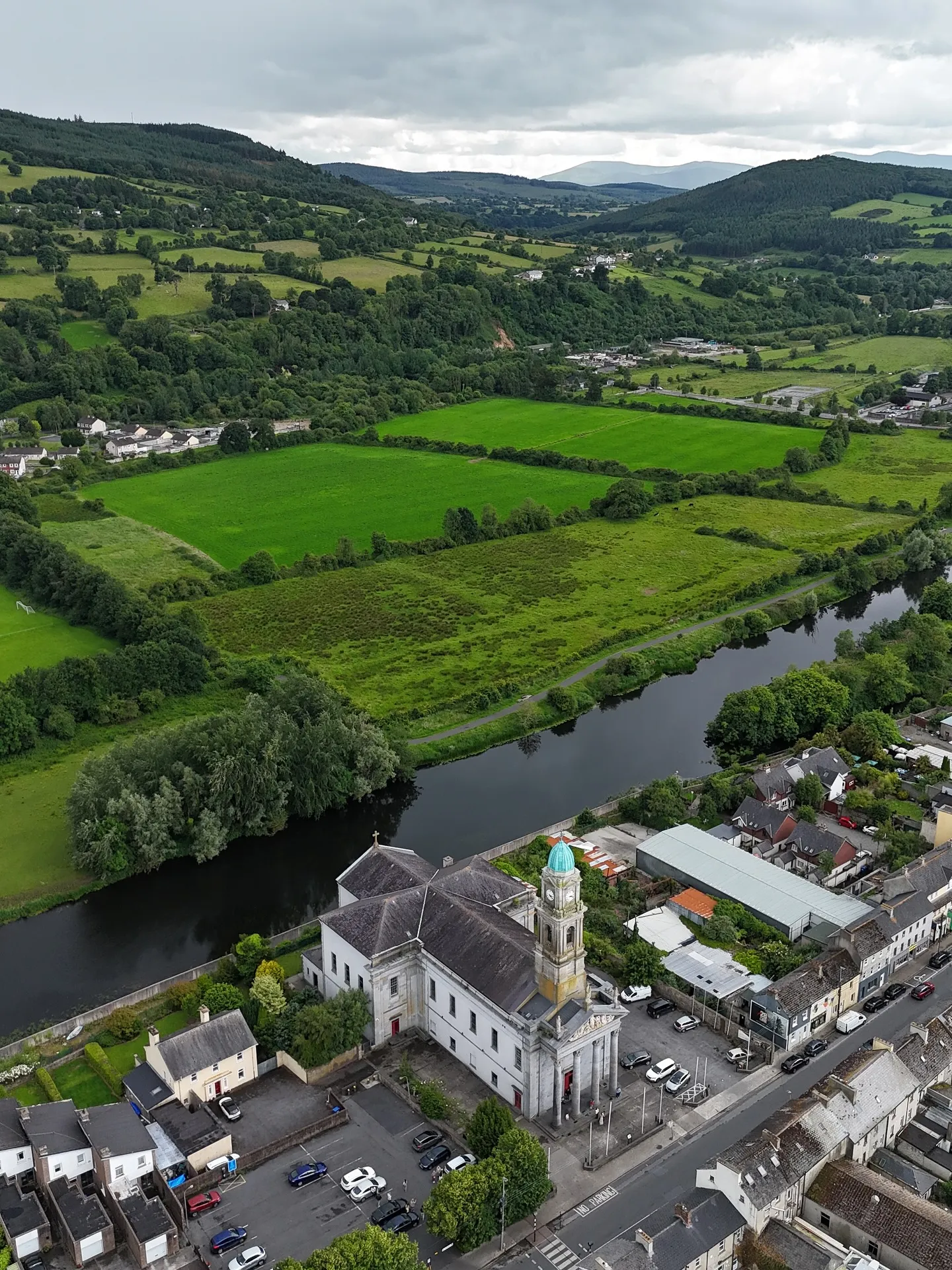
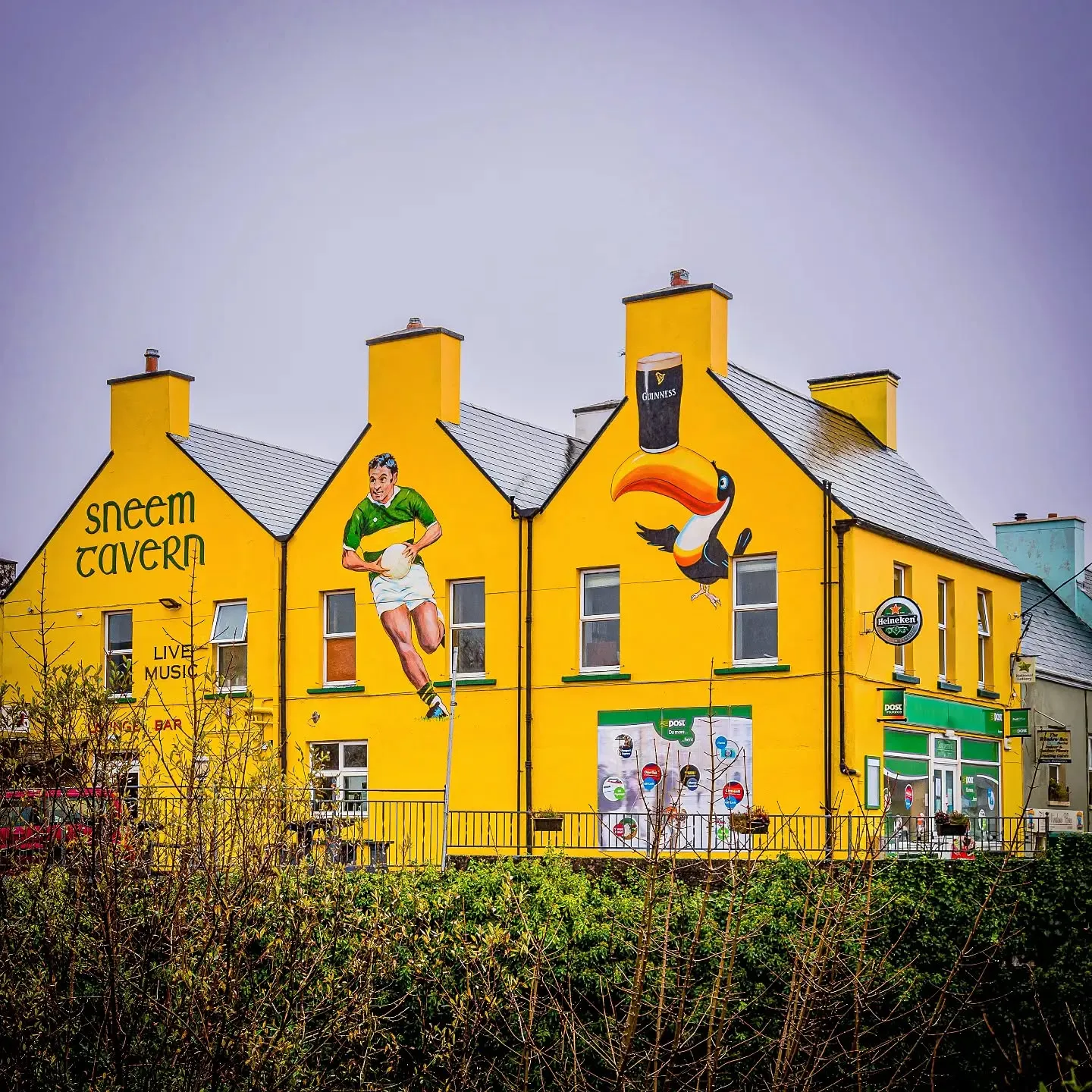
Colorful, creative, and surrounded by dramatic landscapes, Sneem sits along the Ring of Kerry but manages to feel independent from heavy tourism.
Its painted houses, sculpture garden, and artistic energy give Sneem a distinct personality. Mountains and sea frame the village, making it visually striking from every angle.
Sneem is an ideal base for exploring Kerry while still enjoying village life.
Why visit Sneem: Art, scenery, and a strong sense of place.
Best Time to Visit Irish Villages
Late spring through early autumn offers the best balance of weather and daylight. May, June, and September are especially good for village travel in Ireland, with fewer crowds and comfortable temperatures.
Winter brings moodier landscapes and fewer tourists but limited daylight and weather challenges. Still, villages feel deeply atmospheric during this time.
Travel Tips for Exploring Irish Villages
Renting a car is often the best way to explore Irish villages, especially in rural areas. Public transport is limited outside major routes.
Stay overnight whenever possible. Villages change completely after day-trippers leave, and evenings are often the most magical time.
Respect local life. These are real communities, not open-air museums. Supporting local businesses goes a long way.
Why Irish Villages Belong on Your Travel Bucket List
Irish villages offer something modern travel often lacks: authenticity. Life moves slower, conversations feel genuine, and landscapes shape daily routines.
They are not built for tourists, yet they welcome travelers warmly. That balance is what makes them unforgettable.
Final Thoughts
If you want to understand Ireland beyond postcards and clichés, villages are where the country truly reveals itself. These 10 magical Irish villages combine history, scenery, and culture in ways cities simply cannot.
Whether you are planning a road trip, a slow travel itinerary, or a once-in-a-lifetime visit, adding these villages to your Ireland travel bucket list will transform your experience.
Travel slowly. Listen closely. Ireland’s magic is quiet, but it stays with you long after you leave.