Maldives Travel Guide: Everything You Need to Know Before Visiting This Island Paradise
The Maldives is often described as the ultimate tropical dream. A necklace of coral islands scattered across the Indian Ocean, it is famous for overwater villas, glowing blue lagoons, and sunsets that feel unreal. But beyond the Instagram perfection lies a country with a distinct culture, evolving tourism scene, and travel realities every visitor should understand before booking a trip.
This guide covers everything a traveler wants to know before deciding to go to the Maldives, from where to stay and what to eat, to costs, safety, scams, and cultural etiquette.
Recommended Travel Items for Your Trip
Where Is the Maldives and Why Visit?
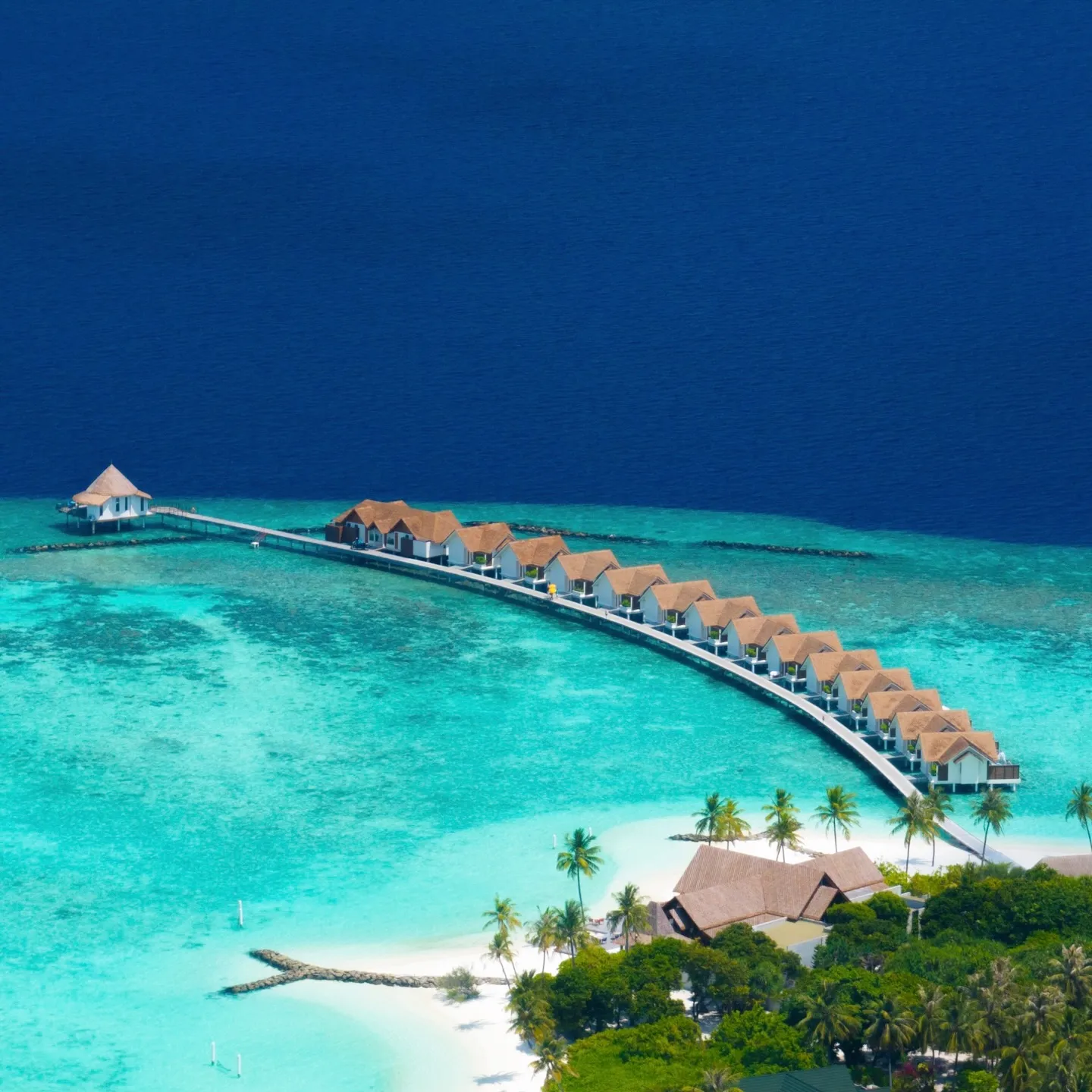
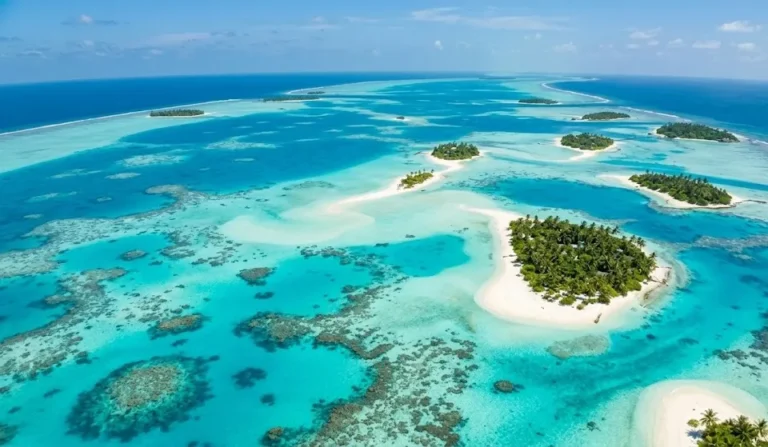
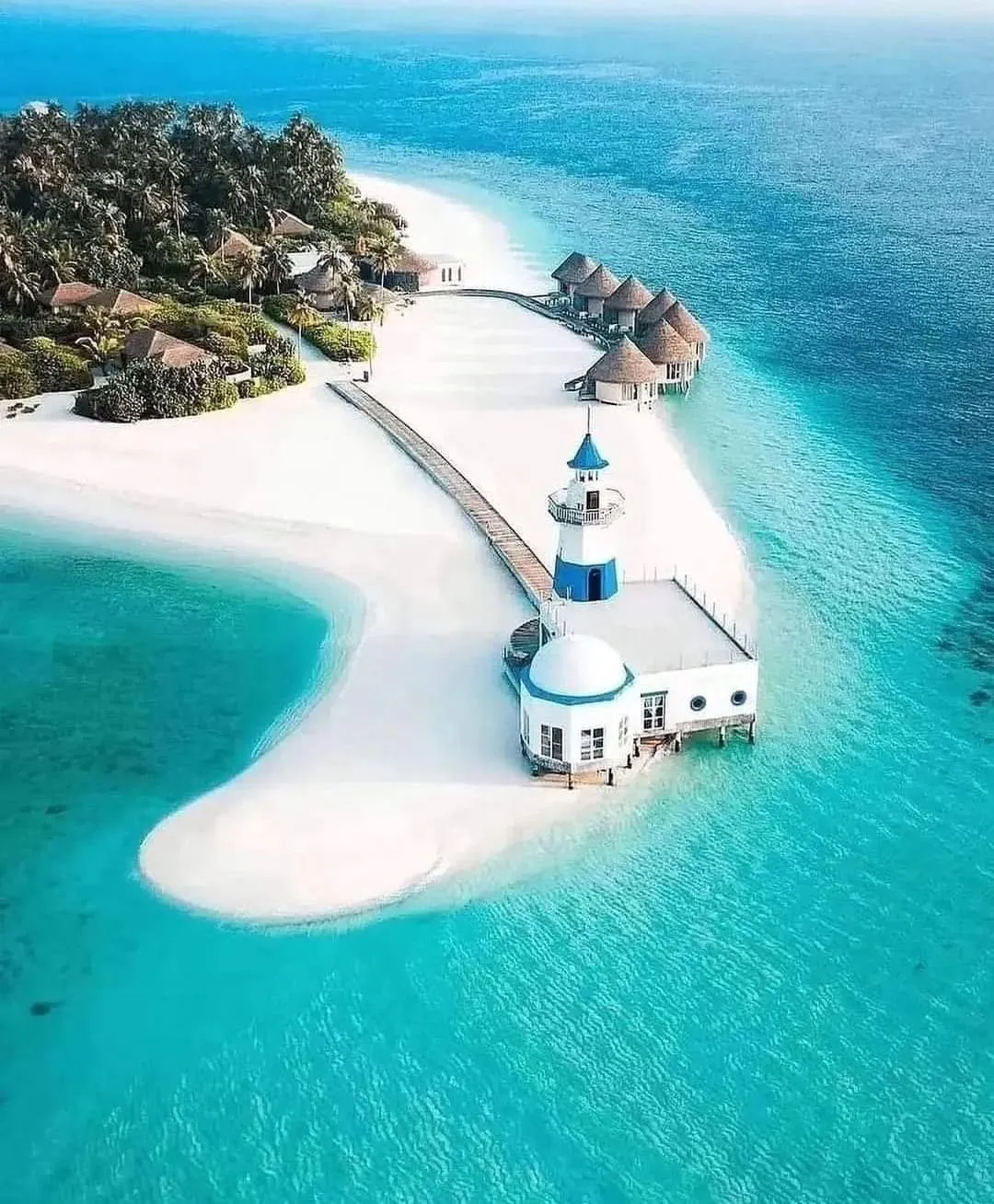
The Maldives is an island nation located southwest of Sri Lanka and India, stretching across the equator in the Indian Ocean. It consists of around 1,200 coral islands, grouped into 26 natural atolls. Only about 200 islands are inhabited, while many others are dedicated entirely to resorts.
Travelers choose the Maldives for:
- Pristine white-sand beaches
- Crystal-clear lagoons and coral reefs
- World-class snorkeling and diving
- Luxury resorts and privacy
- Romantic escapes and honeymoons
It is one of the few places in the world where relaxation is the primary activity, and that is exactly the point.
Understanding the Maldives: Resort Islands vs Local Islands
One of the most important things to know before visiting the Maldives is how tourism works.
Resort Islands
Each resort occupies its own private island. These islands offer:
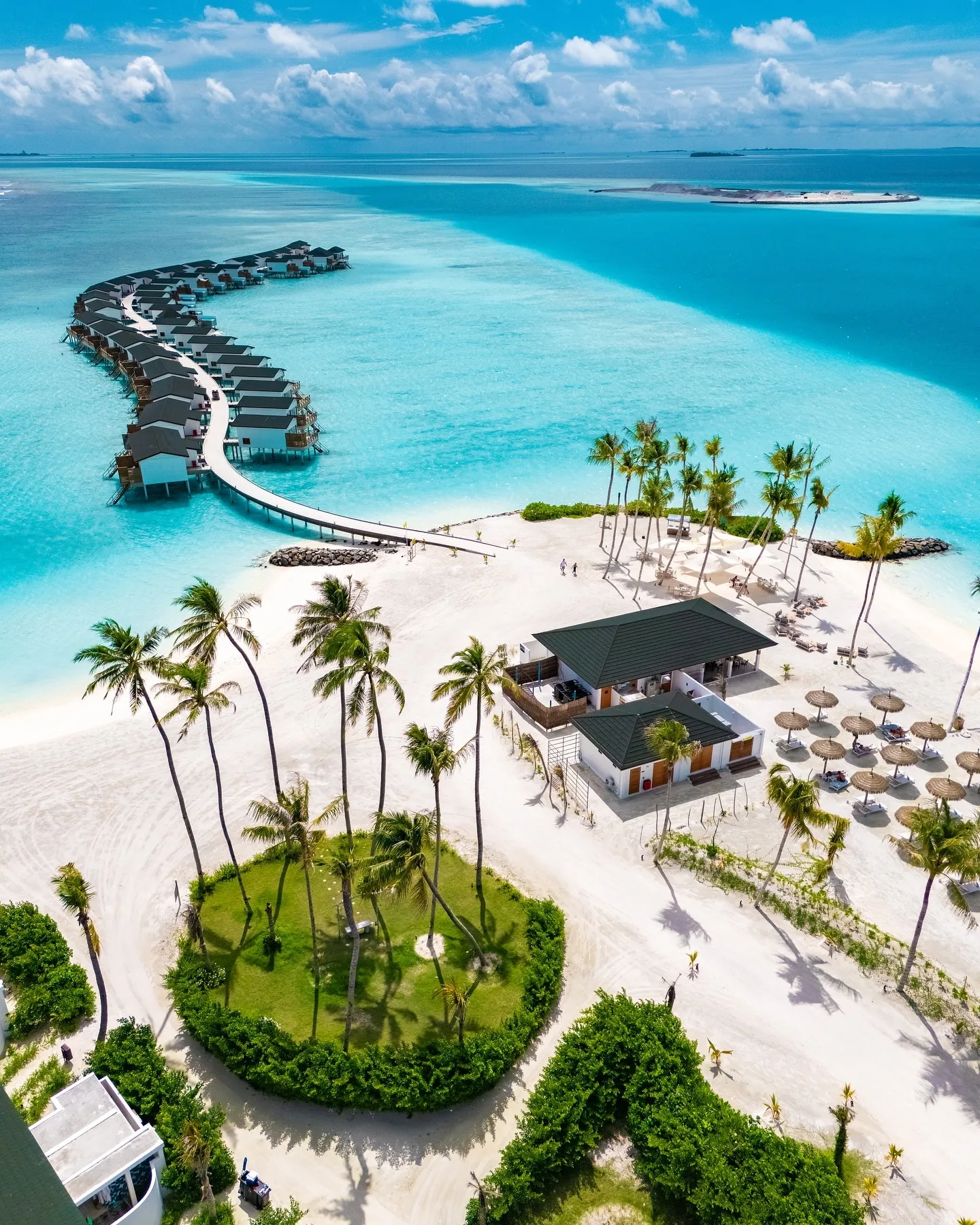
- Overwater and beach villas
- All-inclusive meal plans
- Alcohol availability
- High levels of privacy and service
Resort islands operate independently from local communities and are designed for comfort, romance, and seclusion.
Local Islands
In recent years, the Maldives has opened more local islands to tourism. These islands:
- Are home to Maldivian communities
- Offer guesthouses and boutique hotels
- Are significantly more affordable
- Follow local laws and customs
Alcohol is not allowed on local islands, and modest dress is required outside designated “bikini beaches.”
Top Places to Visit in the Maldives
Malé
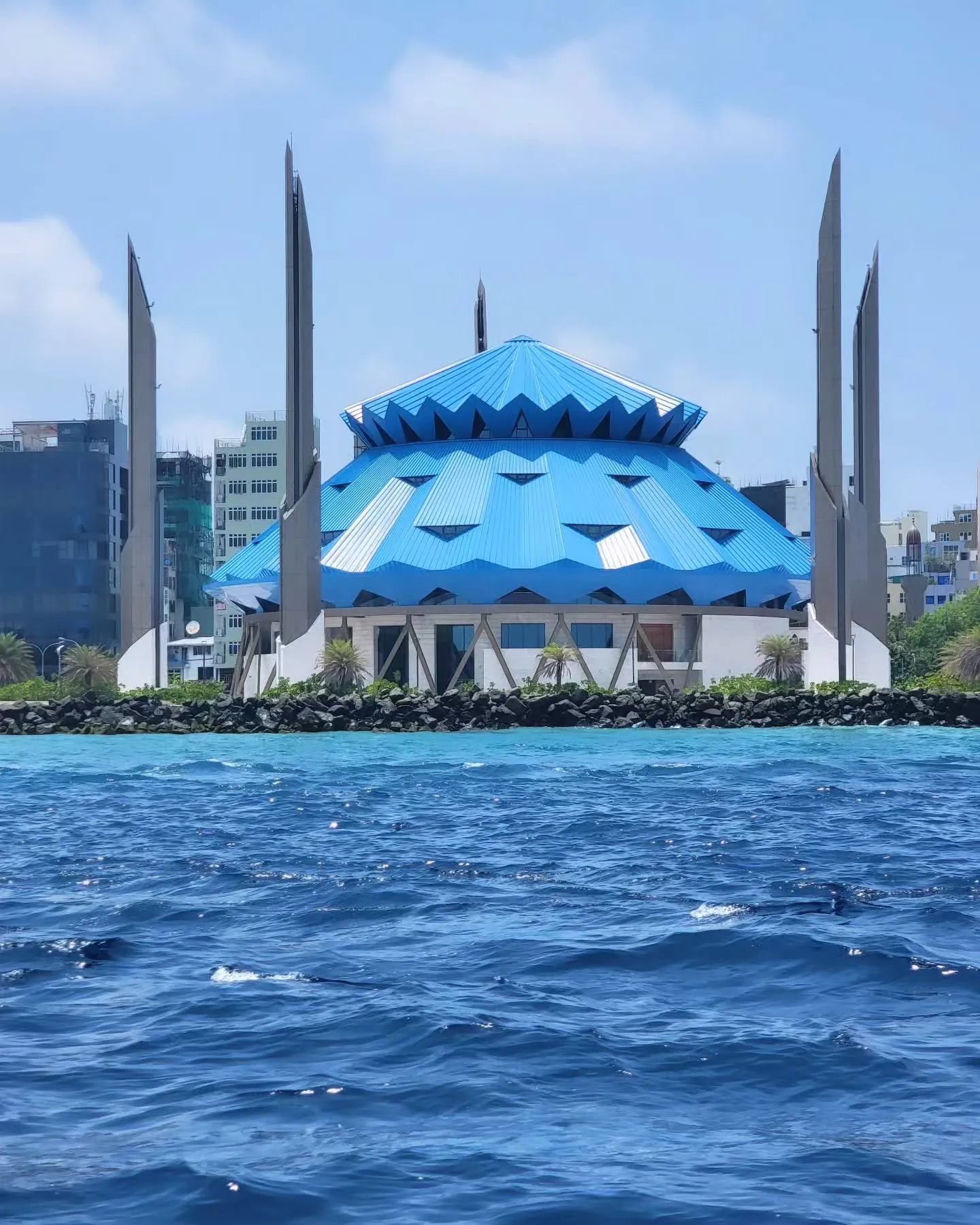
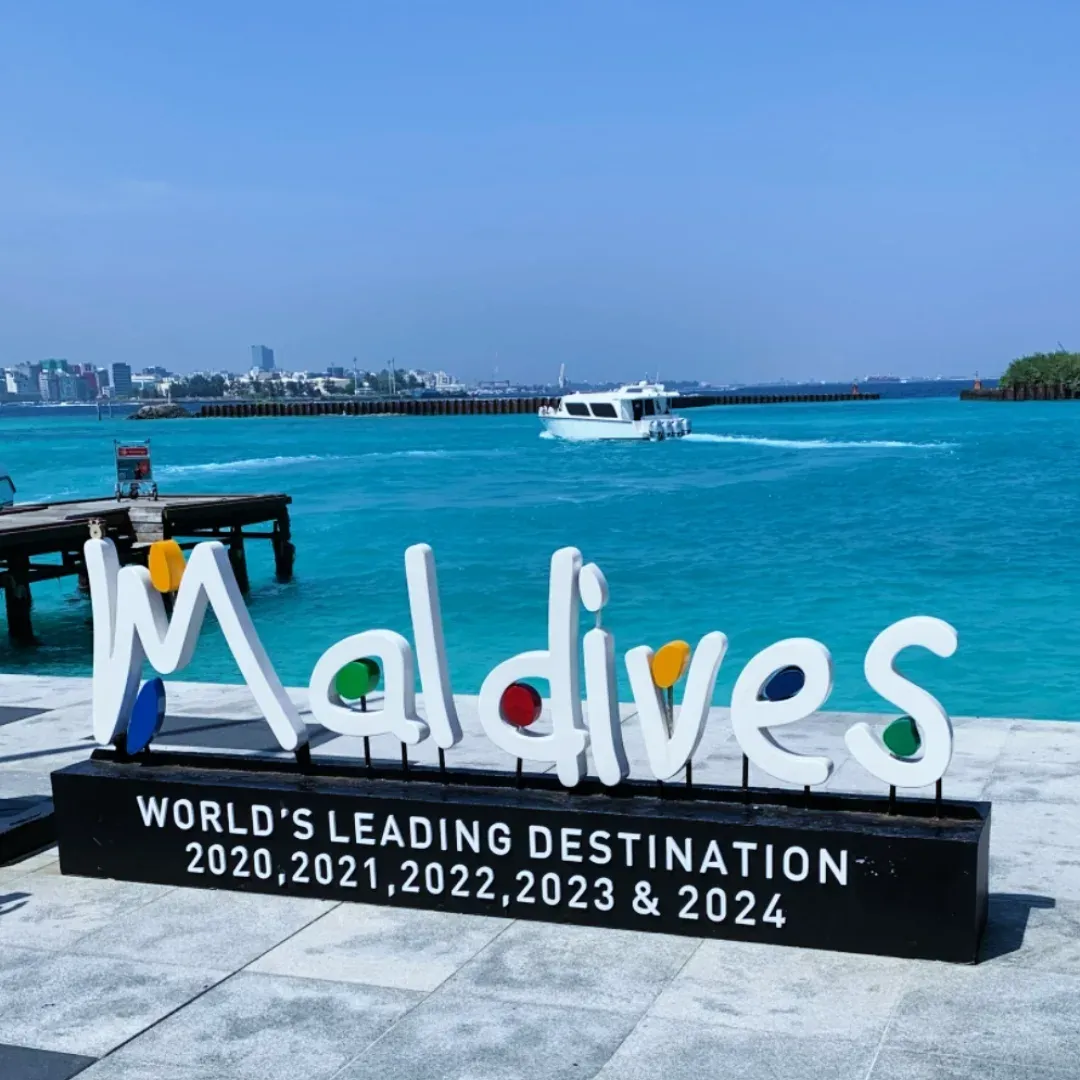
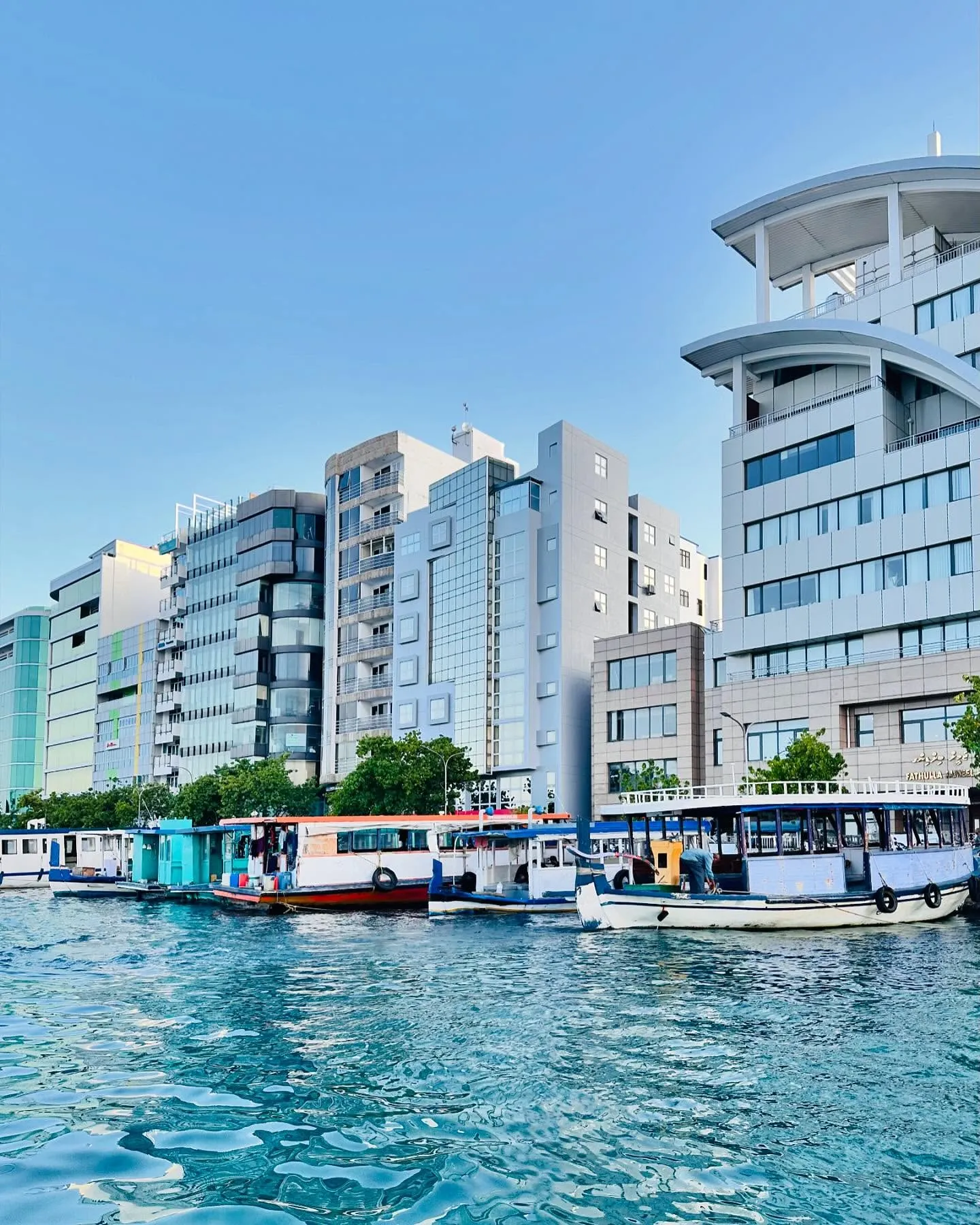
The capital city is compact, crowded, and energetic. Most travelers only pass through, but it offers insight into local life, markets, mosques, and Maldivian culture.
North and South Malé Atolls
Close to the airport and home to many luxury resorts, making them ideal for short stays.
Ari Atoll
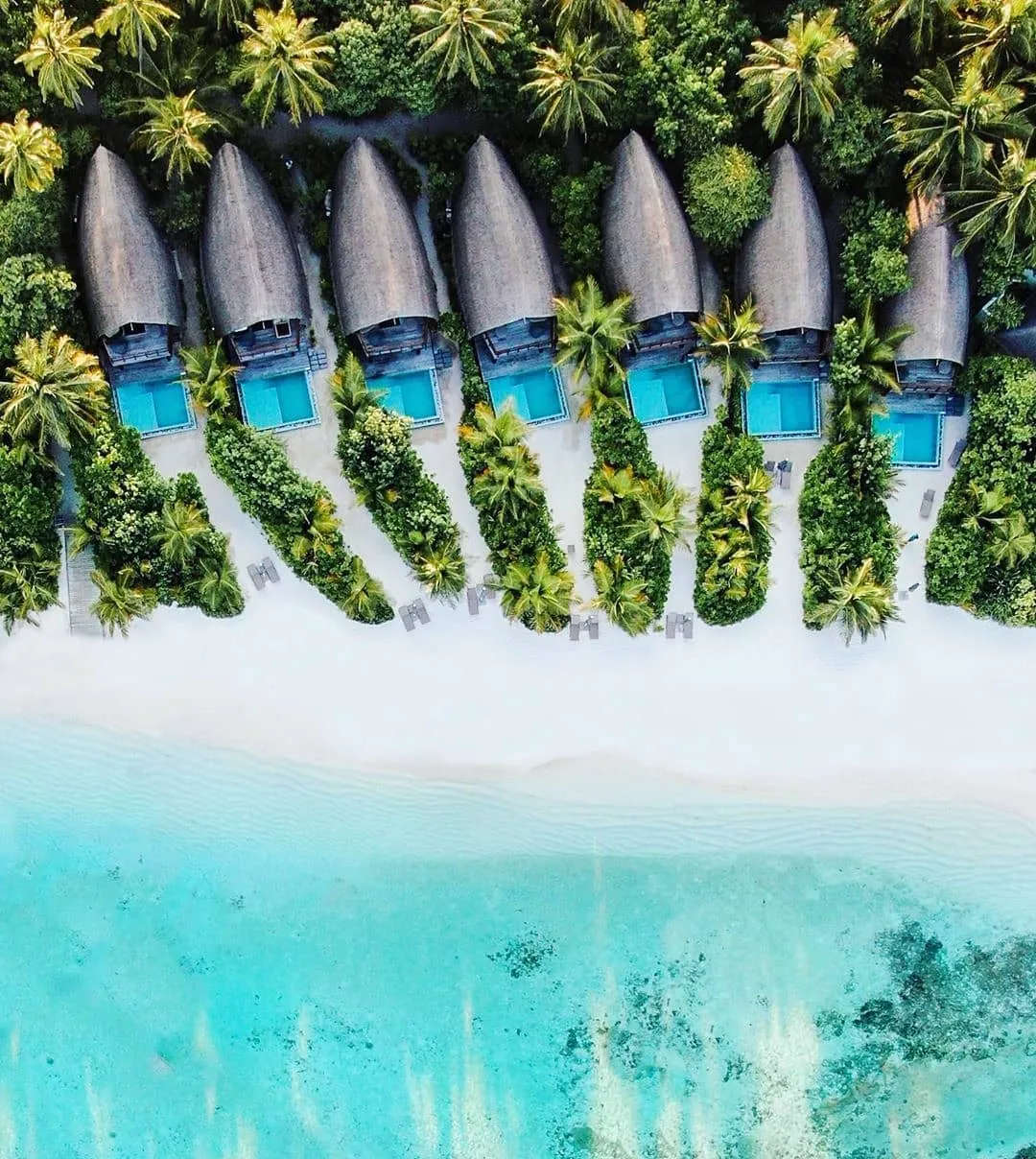
Famous for whale sharks, manta rays, and top-tier diving and snorkeling.
Baa Atoll
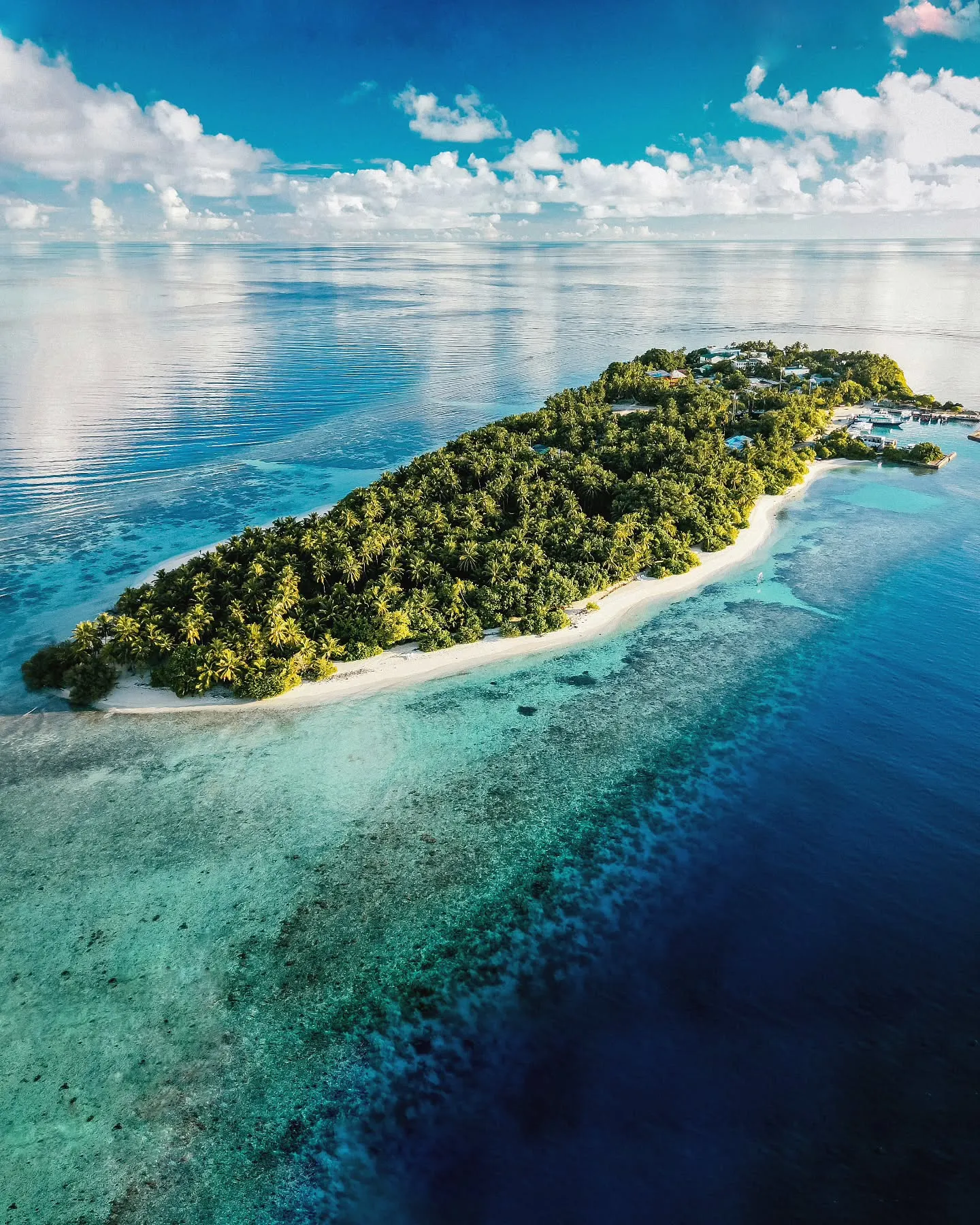
A UNESCO Biosphere Reserve known for seasonal plankton blooms and manta ray gatherings.
Maafushi
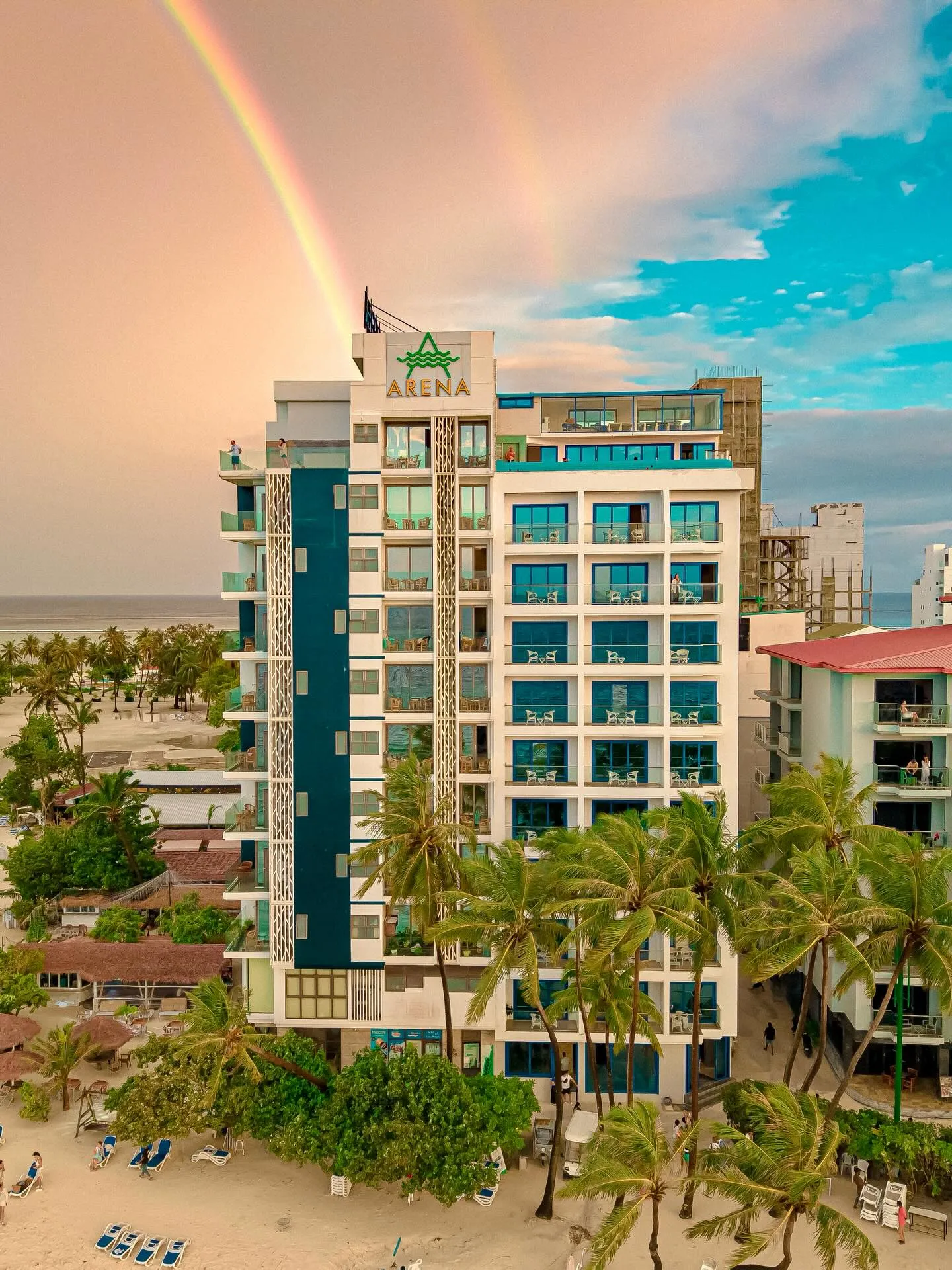
One of the most popular local islands, offering budget accommodations, tours, and easy access to excursions.
Beaches, Lagoons, and Marine Life
The Maldives has some of the clearest water on Earth. Visibility often exceeds 30 meters, making it ideal for underwater exploration.
Expect:
- Soft white sand beaches
- Calm lagoons for swimming
- Coral reefs accessible directly from shore
- Sea turtles, reef sharks, rays, and tropical fish
Snorkeling is excellent even for beginners, while diving attracts experienced travelers from around the world.
Maldivian Food: What to Eat and Drink
Maldivian cuisine is simple, flavorful, and heavily influenced by the ocean.
Traditional Maldivian Dishes
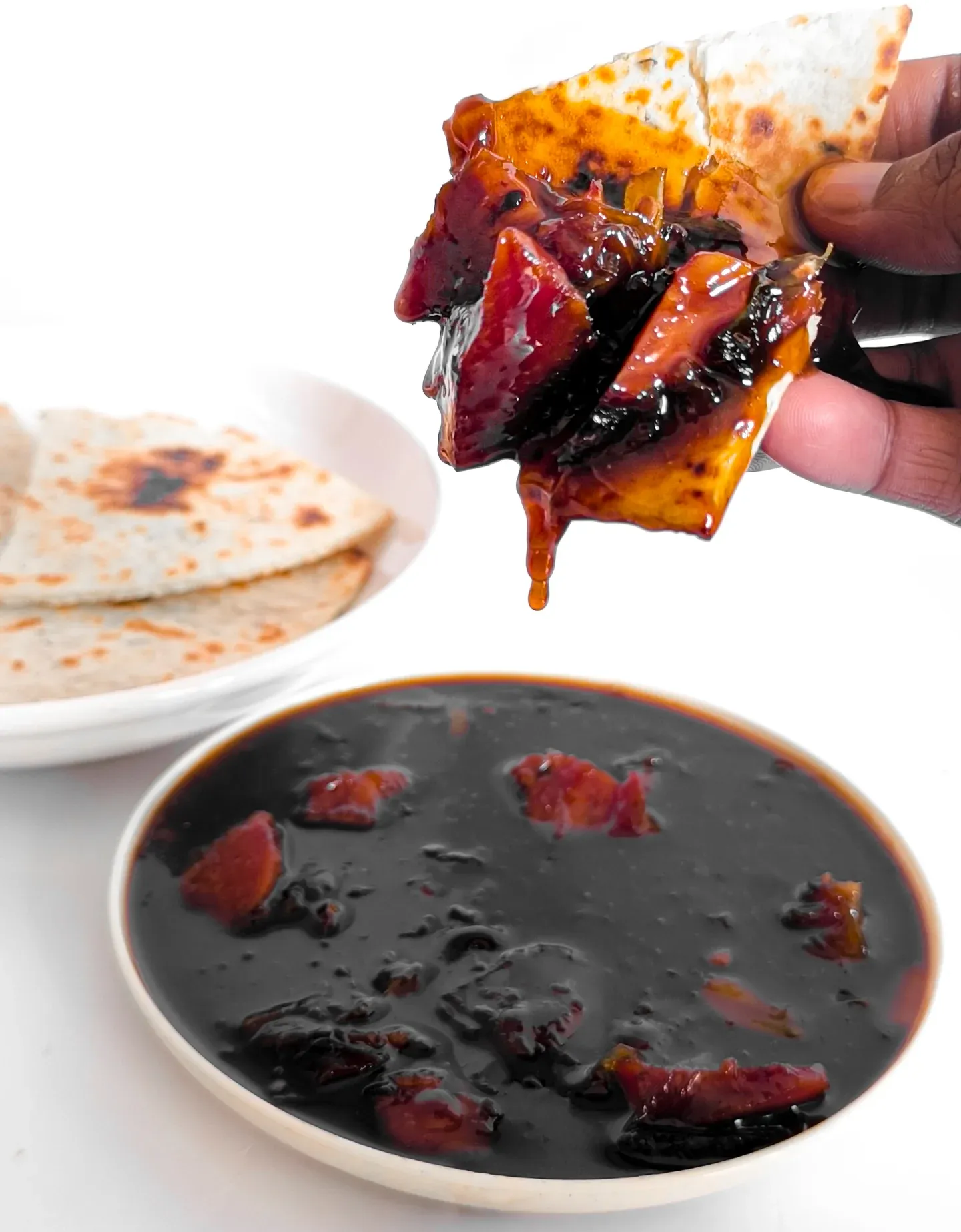 Rihaakuru
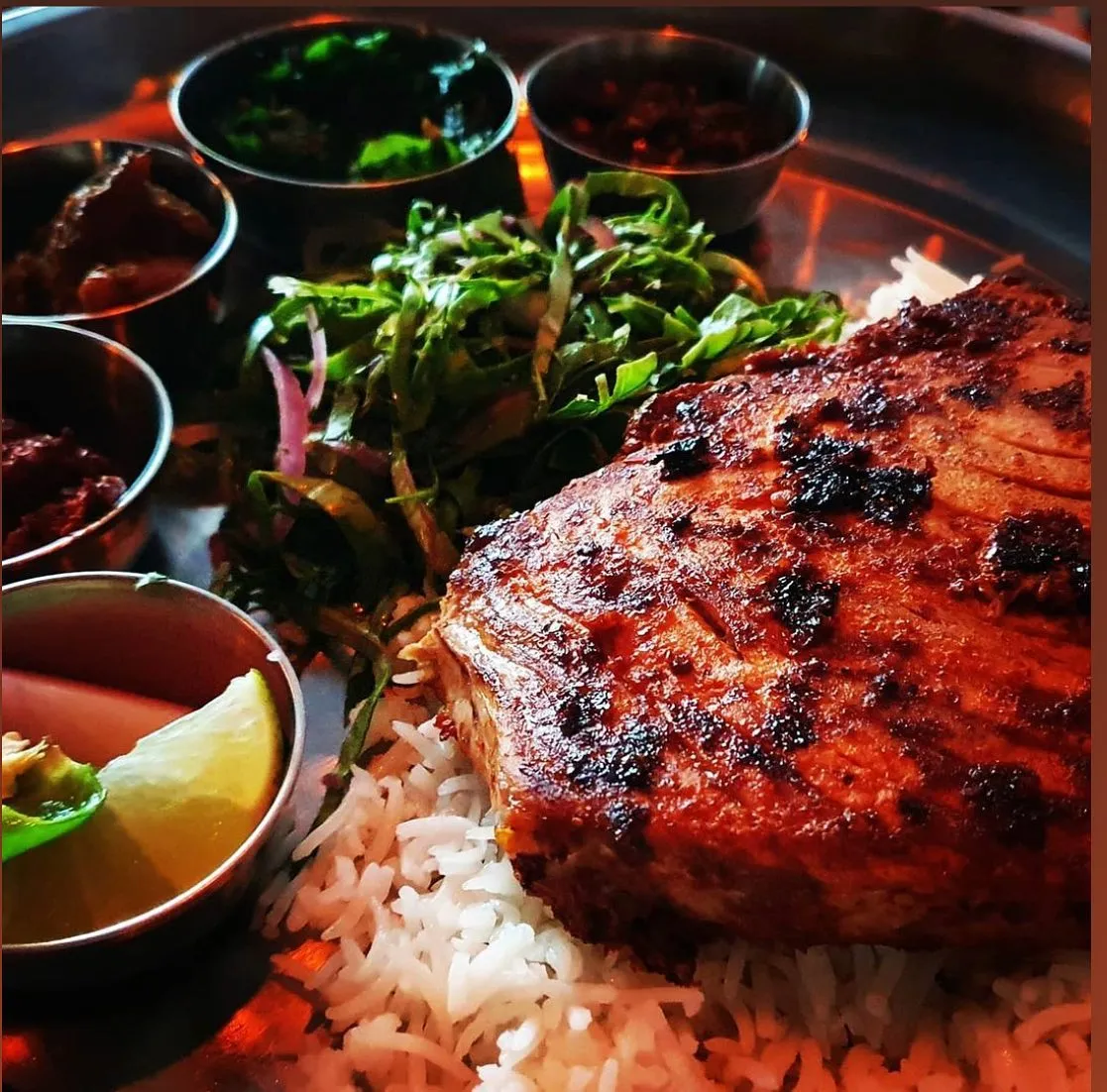
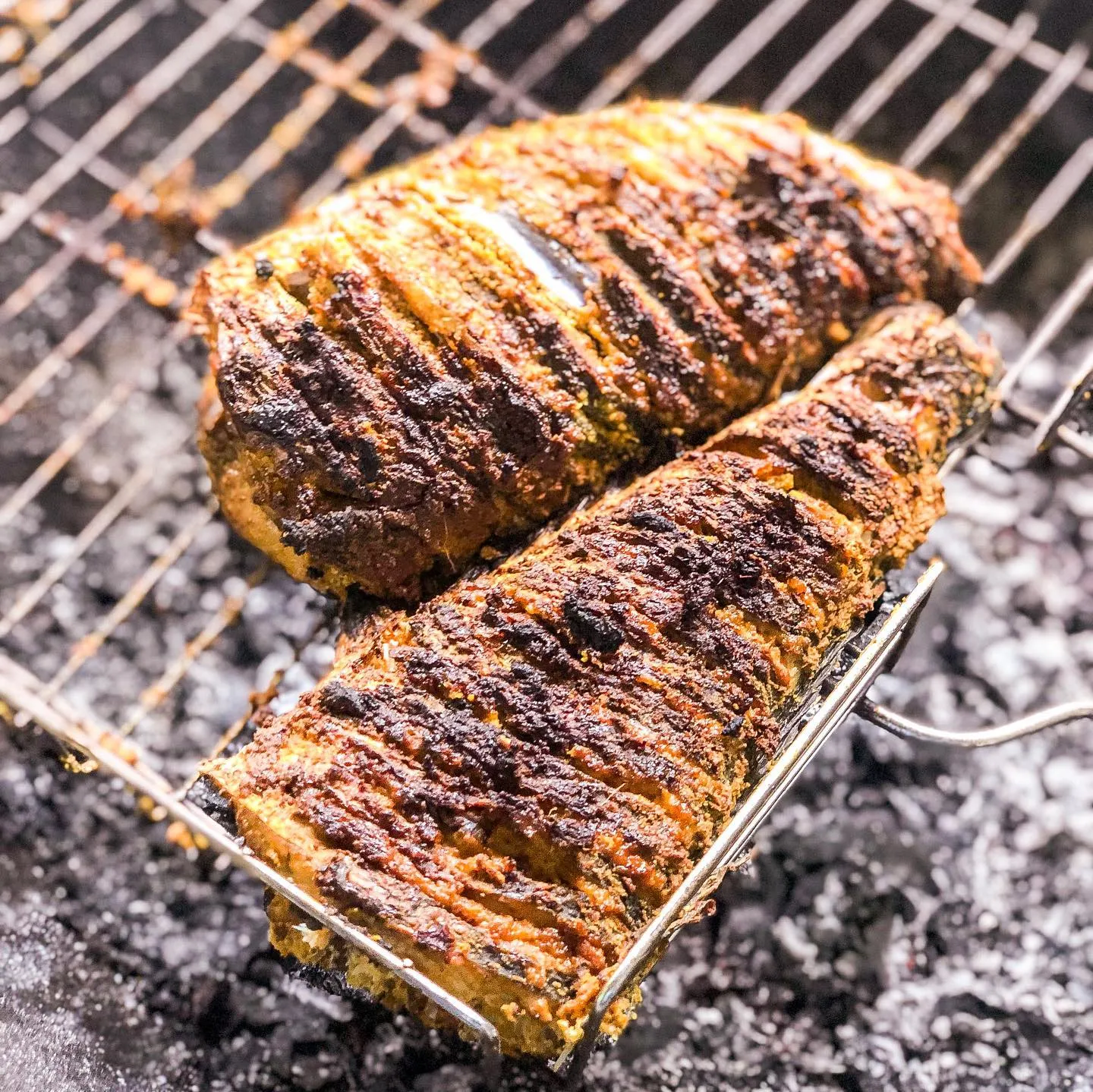 Fihunu mas
 Garudhiya
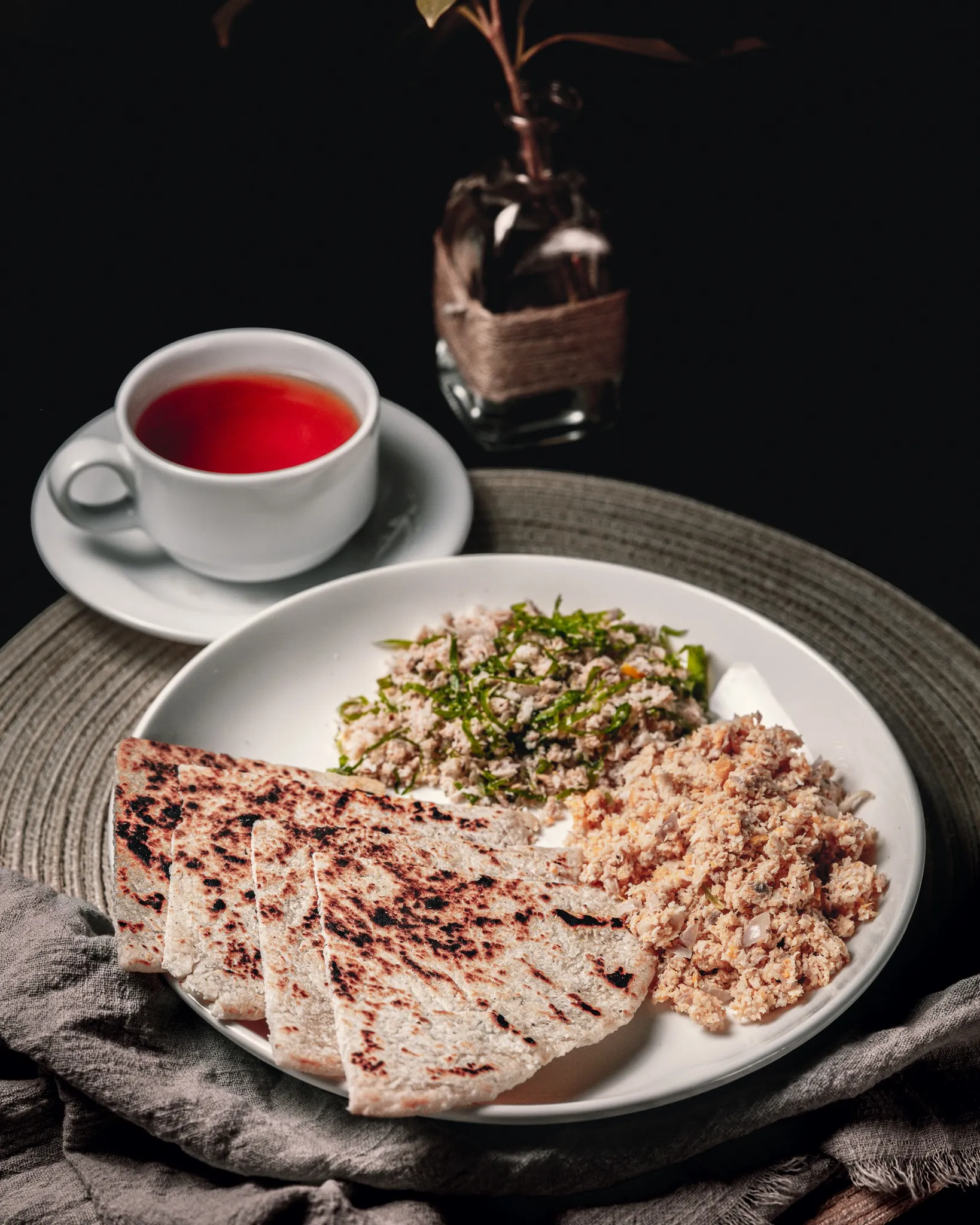 Mas huni
- Mas huni: Shredded tuna mixed with coconut, onion, and chili, usually eaten for breakfast
- Garudhiya: A clear fish broth served with rice, lime, and chili
- Fihunu mas: Grilled fish marinated with spices
- Rihaakuru: Thick fish paste used as a condiment
Coconut and Tuna Staples
Tuna is the backbone of Maldivian cooking, combined with coconut in many forms. Rice and flatbreads are common accompaniments.
Resort Dining
Resorts offer international cuisine, including:
- Asian fusion
- Italian and Mediterranean dishes
- Seafood grills
- Fine dining experiences
Alcohol is available only on resort islands and safari boats.
Costs and Budget Expectations
The Maldives has a reputation for being expensive, but costs vary greatly depending on travel style.
Budget Travel
- Stay on local islands
- Guesthouses and budget hotels
- Local ferries instead of speedboats
- Affordable meals
Mid-Range Travel
- Boutique hotels on local islands
- Shared speedboat transfers
- Organized snorkeling tours
Luxury Travel
- Overwater villas
- Seaplane transfers
- Private dining and spa experiences
Transportation between islands is often the biggest hidden cost.
Safety and Common Scams in the Maldives
Is the Maldives Safe?
The Maldives is considered very safe for tourists. Violent crime is rare, especially on resort islands.
Common Scams and Issues
Overpriced transfers
Some accommodations may not clearly explain transfer costs. Always confirm transport prices before booking.
Unlicensed tour operators
On local islands, ensure excursion providers are registered and reputable.
Currency confusion
Some vendors may accept only U.S. dollars or give poor exchange rates. Carry small bills.
Tour upselling
Some resorts aggressively promote premium experiences. Be clear about what is included in your package.
Scams are minimal compared to many destinations, but clarity and planning are essential.
Culture, Religion, and Etiquette
The Maldives is a Muslim country, and cultural respect is important.
- Modest dress on local islands
- No alcohol or pork on local islands
- Public displays of affection should be minimal
- Respect prayer times and religious customs
Resort islands are exempt from many of these rules, but understanding local culture enhances the travel experience.
Transportation and Getting Around
Getting to the Maldives
All international flights arrive at Velana International Airport (Malé).
Inter-Island Transport
- Public ferries (slow but cheap)
- Speedboats (faster, more expensive)
- Seaplanes (scenic but costly)
Weather can affect schedules, so flexibility is important.
Best Time to Visit the Maldives
Dry Season (November to April)
- Best weather
- Calmer seas
- Peak travel season
Wet Season (May to October)
- More rain and wind
- Lower prices
- Better surf conditions
Marine life is present year-round, but conditions vary by atoll.
What Makes the Maldives Special
What truly sets the Maldives apart is its sense of isolation and tranquility. The ocean dominates the landscape, and modern distractions fade quickly. There are no skyscrapers, no highways, and very few crowds.
The Maldives excels in:
- Underwater beauty
- Romantic travel
- Sustainable tourism initiatives
- Privacy and serenity
Few places in the world feel as removed from everyday life.
What to Pack for the Maldives
- Lightweight clothing
- Swimwear
- Reef-safe sunscreen
- Insect repellent
- Motion sickness medication for boat transfers
- Modest clothing for local islands
Final Thoughts: Is the Maldives Worth Visiting?
The Maldives is not a destination for rushing or checking off attractions. It is a place to slow down, breathe, and immerse yourself in nature. Whether you choose a luxury resort or a local island, the Maldives offers a rare balance of beauty, calm, and clarity.
If you want turquoise water, vibrant marine life, and a sense of peaceful escape unlike anywhere else, the Maldives delivers.