Discover Molokai: Ultimate Travel Guide to Experiencing the Real Hawaii Like a Local
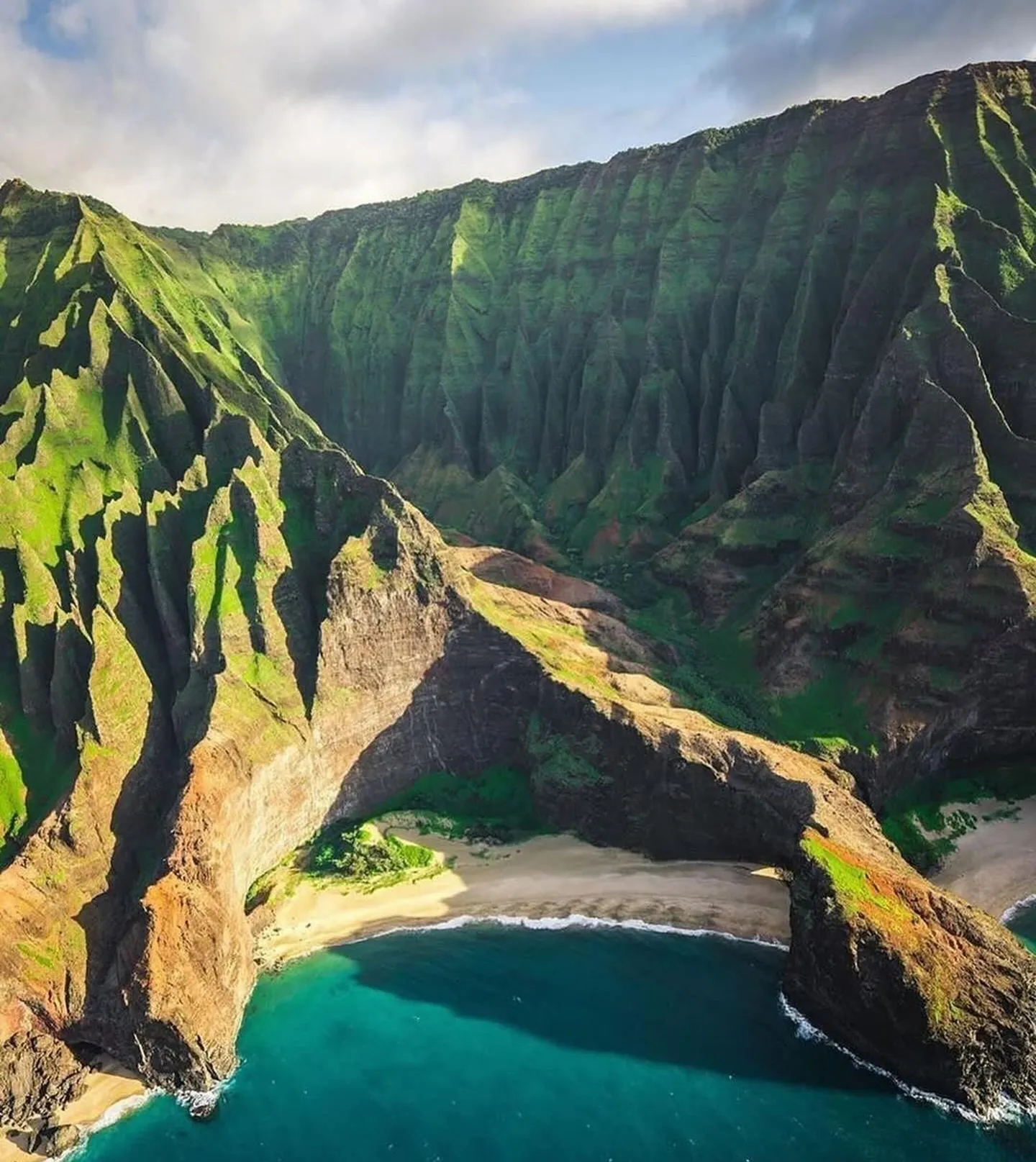
When most people think of Hawaii, they picture bustling beaches, luxury resorts, and crowded tourist spots. But there’s another side to the Aloha State — one that is more tranquil, authentic, and deeply connected to nature and culture. Welcome to Molokai, often referred to as “The Most Hawaiian Island.” This hidden gem offers an escape from the mainstream and invites you to experience Hawaii as the locals do. If you’re looking for a place where time slows down, and the natural beauty of the island remains untouched, Molokai is the ultimate destination.
Why Molokai?
Molokai is the fifth-largest of Hawaii’s islands and is often overshadowed by its more famous neighbors, like Oahu and Maui. But it’s precisely this lack of commercialization and large-scale tourism that makes Molokai so special. The island maintains a rich cultural heritage, with traditional Hawaiian values still at the core of its daily life. Here, you won’t find massive resorts or overcrowded beaches. Instead, you’ll find a quiet, peaceful haven where locals greet you with a warm smile and where you can explore some of the most stunning and unspoiled natural landscapes in Hawaii.
How to Get to Molokai

Getting to Molokai requires a bit of effort but is well worth it for the reward of experiencing an authentic Hawaiian atmosphere. The island is served by Molokai Airport (MKK), which is accessible from Honolulu (HNL) on Oahu and Kahului (OGG) on Maui. Hawaiian Airlines operates daily flights between Molokai and Honolulu, making it easy to combine a visit to Molokai with a stay on other islands.
Catch the best flight fares right now
Top Things to Do in Molokai
While Molokai might not have the bustling tourist activities of other Hawaiian islands, it’s home to plenty of things to see and do that will help you experience the real Hawaii. Here’s a list of must-do activities for your Molokai itinerary:
1. Visit Kalaupapa National Historical Park
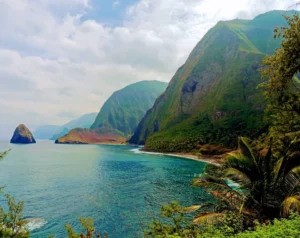

Molokai is home to one of Hawaii’s most unique and poignant historical sites — Kalaupapa National Historical Park. This remote settlement was once a leper colony, where individuals diagnosed with leprosy (Hansen’s disease) were exiled to live in isolation. Today, Kalaupapa remains a place of deep cultural and historical significance, and visitors can learn about its history through guided tours led by former residents or knowledgeable park rangers.
While at Kalaupapa, you’ll also enjoy breathtaking views of towering sea cliffs and pristine beaches, making it both a somber and awe-inspiring place to visit.
2. Explore Molokai’s Beaches


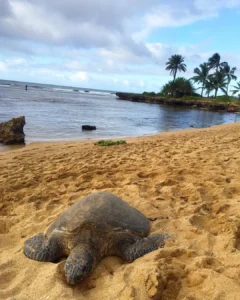
Molokai is home to some of the most beautiful and secluded beaches in Hawaii. Whether you’re looking to relax, snorkel, or explore, Molokai’s beaches have something for everyone.
- Papohaku Beach is one of the largest white-sand beaches in Hawaii, offering plenty of space to unwind and enjoy the Pacific Ocean in peace.
- Kepuhi Beach is a great spot for watching surfers and enjoying the serene environment.
- Ali’i Beach Park is perfect for swimming and picnicking with stunning views of the neighboring islands of Lanai and Maui.
These beaches remain relatively quiet, so you can soak in the beauty without the typical tourist crowds.
3. Hike the Halawa Valley

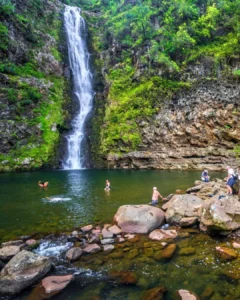
One of the best ways to experience Molokai’s natural beauty is by hiking through Halawa Valley. Located on the eastern tip of the island, this lush valley offers waterfalls, streams, and tropical rainforests that feel untouched by time. A guided hike will take you to the stunning Halawa Falls, where you can swim in the cool waters and take in the surrounding beauty.
The valley also holds significant cultural importance to the Hawaiian people. Local guides can share the stories of how their ancestors lived in the valley, helping you connect with the island’s rich heritage.
4. Cultural and Agricultural Tours
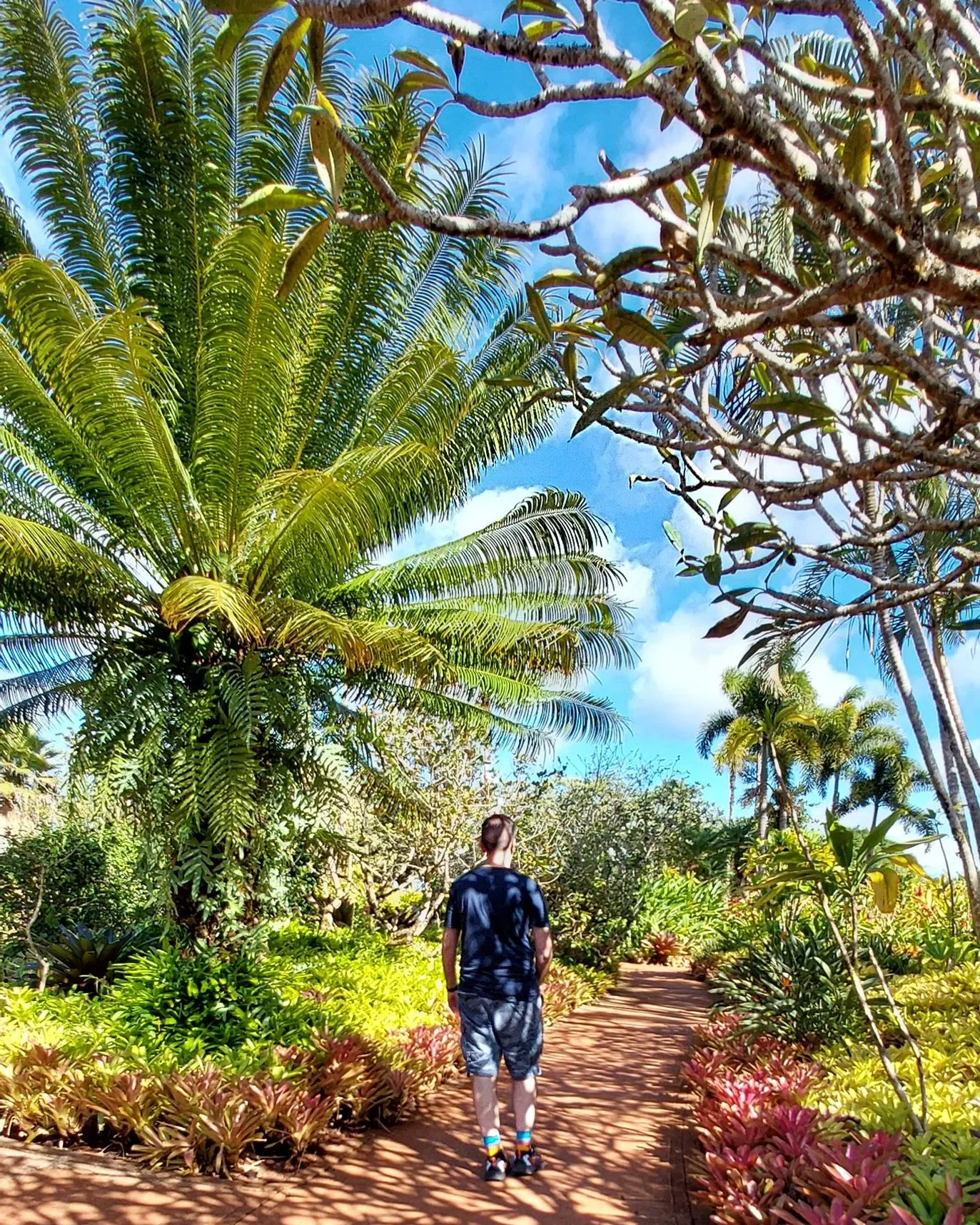
Molokai offers visitors a chance to learn about traditional Hawaiian agriculture and culture. You can visit farms where the island’s residents grow taro, pineapple, and other crops that have been staples in Hawaiian diets for centuries. Molokai’s Taro Farmers Association offers farm tours where you can learn about the ancient art of taro cultivation and the importance of this plant in Hawaiian culture.
For a deeper cultural experience, consider taking part in a traditional Hawaiian fishing trip or lei-making workshop, where local artisans share their skills passed down through generations.
5. Visit the Molokai Plumeria Farm
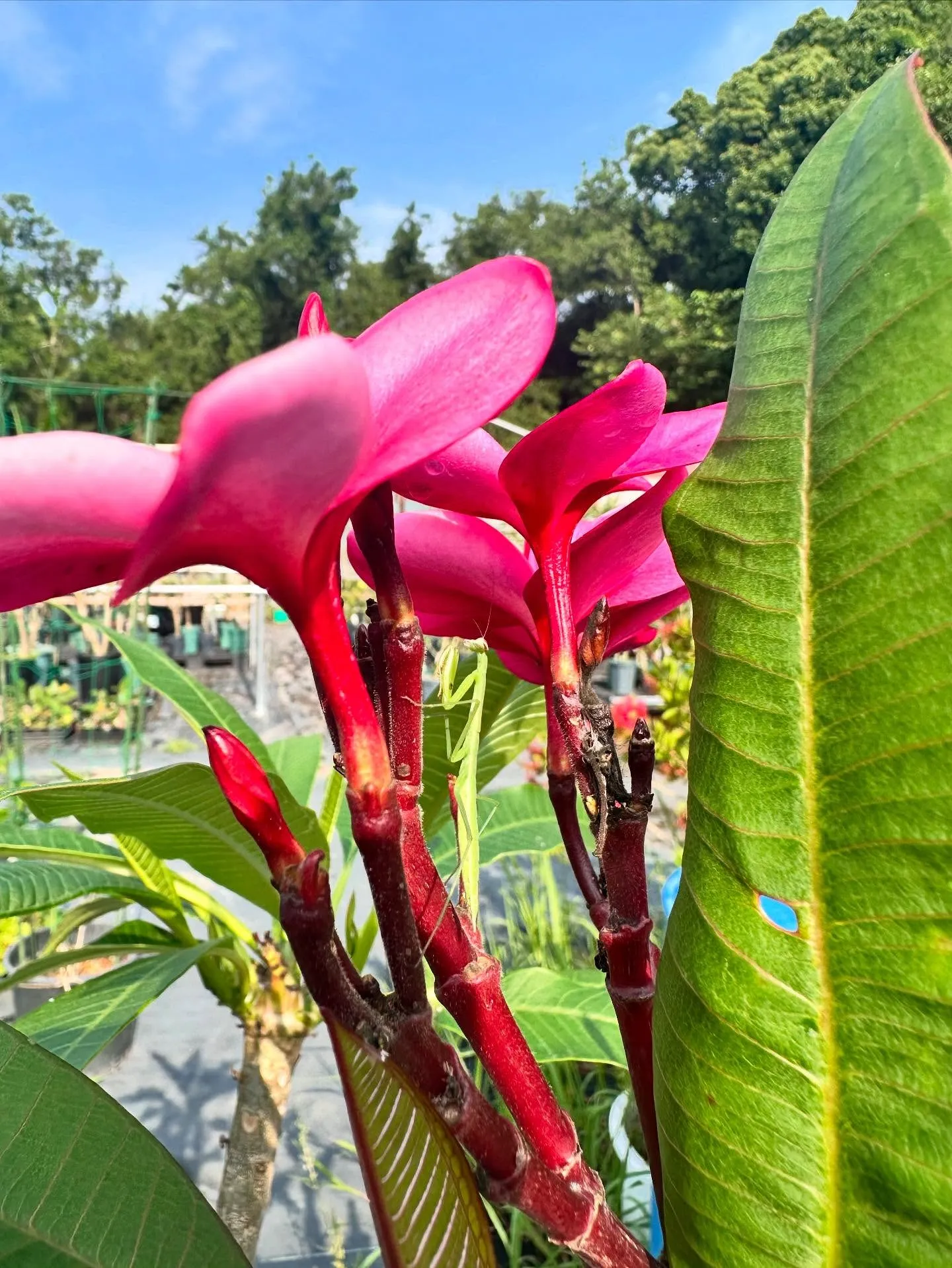
Plumeria trees are an iconic symbol of Hawaii, and Molokai’s Plumeria Farm is a peaceful spot to see these fragrant flowers in full bloom. The farm grows over 40 varieties of plumeria, and you can take a guided tour to learn about the different species, the history of plumeria cultivation, and its significance to Hawaiian culture. You can even buy plumeria products like oils and lotions to take a piece of Molokai with you.
Experience the Local Lifestyle



The beauty of Molokai lies not only in its natural landscapes but also in the simplicity and warmth of its local lifestyle. Here, you can enjoy the slower pace of life and interact with the friendly locals who still practice many traditional Hawaiian customs.
- Visit the Molokai Museum & Cultural Center to learn about the island’s history and the Hawaiian way of life.
- Attend a local hula performance to witness the beauty of traditional Hawaiian dance and music.
- Stop by Molokai’s Saturday Farmers Market for fresh produce, local crafts, and a taste of the island’s agricultural bounty.
Molokai’s local shops and restaurants also serve up authentic Hawaiian flavors, from fresh fish and poke to traditional Hawaiian plate lunches.
Where to Stay on Molokai
Accommodations on Molokai are relatively simple, in keeping with the island’s laid-back vibe. There are no massive resorts, but there are plenty of cozy places to stay, including small inns, bed-and-breakfasts, and vacation rentals. Many accommodations offer beautiful views of the coastline or mountains, providing a peaceful retreat after a day of exploring.
For those looking for a more immersive experience, you can also book a stay at a local farm or eco-lodge, where you’ll wake up to the sounds of nature and enjoy fresh, locally sourced food.
Best Time to Visit Molokai
Molokai’s mild climate makes it an excellent destination year-round. However, the best time to visit is from April to October, when the weather is warm, and the island is less likely to experience rain. The winter months can bring cooler temperatures and rain showers, especially in the higher elevations.
Final Thoughts: The Authentic Hawaiian Experience
Molokai offers an opportunity to experience the real Hawaii, away from the crowds and tourist traps. From breathtaking landscapes and ancient cultural sites to its vibrant local lifestyle and authentic Hawaiian food, Molokai provides a unique and genuine Hawaiian experience that you won’t find anywhere else.
Whether you’re looking to connect with nature, learn about the island’s history, or simply relax on pristine beaches, Molokai invites you to discover the true spirit of Hawaii. So, if you want to experience Hawaii as it once was, and still is, Molokai is calling your name.