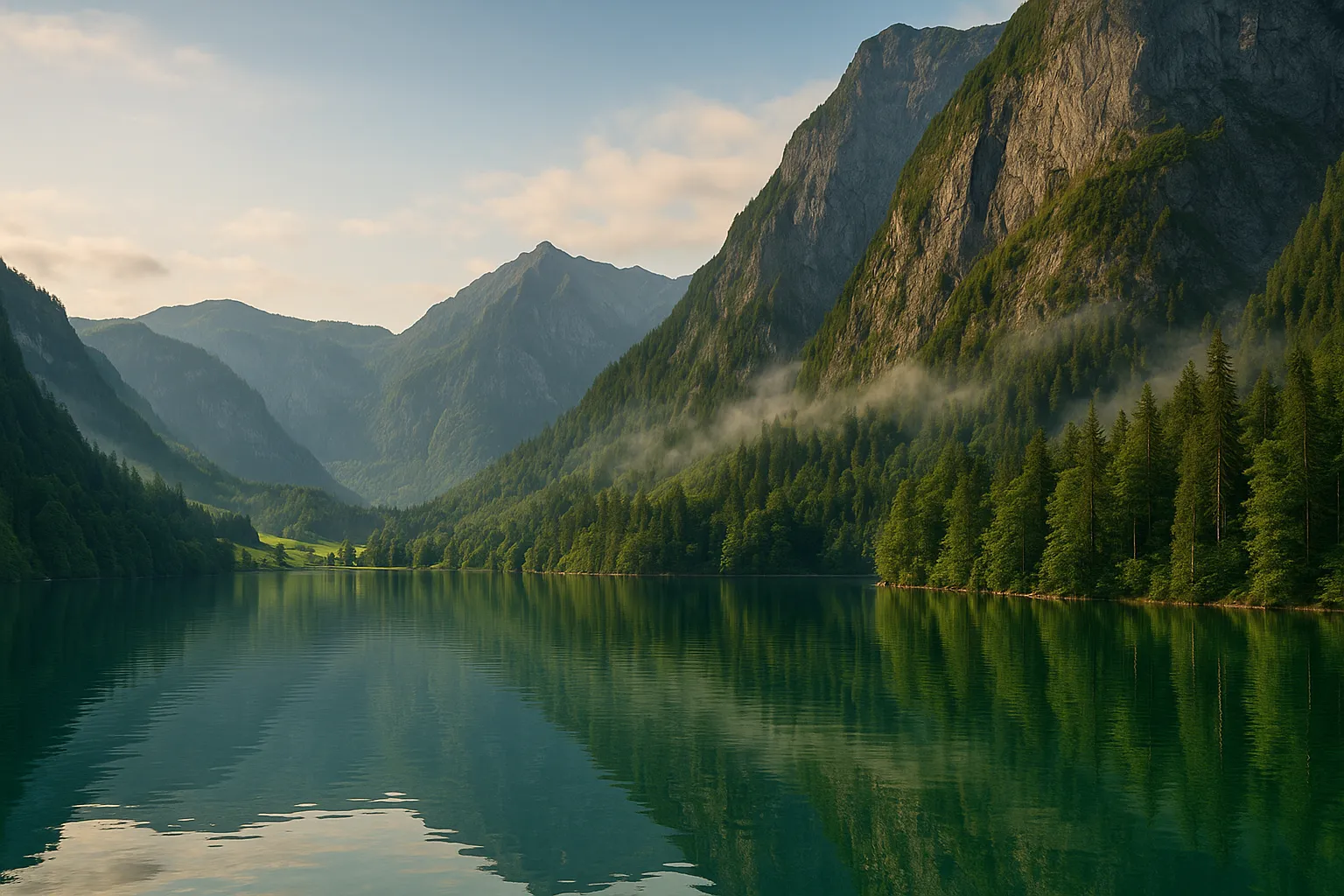
The Most Beautiful Nature in Germany? Start with These 13 Spots
If you think Germany is all beer gardens, castles, and half-timbered towns, you’re in for a surprise. Because once you leave the big cities, Germany becomes a completely different world — one filled with wild coasts, ancient forests, mirror-like lakes, volcanic landscapes, and mountains that look like they’ve been borrowed from a postcard in Switzerland.
The best part? Germany’s natural beauty is incredibly accessible. Trails are marked, transportation is reliable, and even the most remote valleys feel safe and welcoming. Whether you love hiking, photography, peaceful lakes, or dramatic scenery, this is one of the easiest countries in Europe to fall in love with nature.
After exploring Germany for years — from the North Sea all the way down to the Austrian border — here are 13 breathtaking natural spots that show off the country at its best.
Find your perfect flight deal today
1. Berchtesgaden National Park – Bavaria’s Crown Jewel

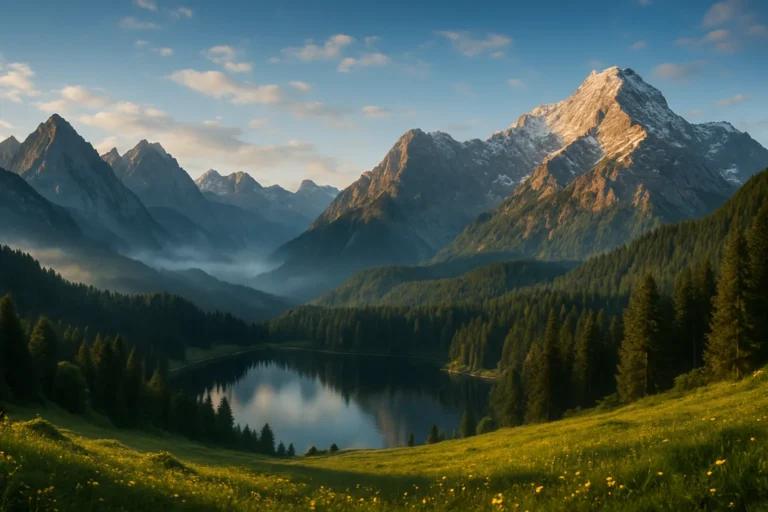
If Germany had a “most beautiful place” competition, Berchtesgaden would win without even trying. Standing here feels like stepping into a painting — towering peaks, emerald lakes, crisp mountain air, and the kind of silence that recharges your soul.
Don’t miss:
- Königssee, a deep green lake surrounded by steep cliffs
- The boat ride to St. Bartholomä
- The hike to Watzmann, Germany’s second-highest mountain
- The sweeping viewpoints around Jenner Mountain
Berchtesgaden is honestly as close as you can get to the Alps without crossing into Switzerland.
Recommended Travel Items for Your Trip
2. Saxon Switzerland National Park – Sandstone Wonderland
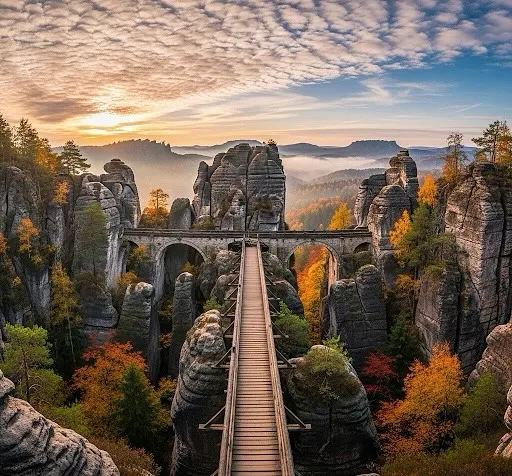
Despite the name, it’s 100% in Germany — and 100% magical.
Saxon Switzerland is a dramatic landscape of cliffs, stone towers, canyons, and forested valleys. If you’ve ever seen photos of the famous Bastei Bridge, that’s the heart of this region.
Why it’s irresistible:
- Fairytale hiking trails
- Rock formations straight out of a fantasy movie
- Sunrise views that photographers dream about
This is one of Europe’s most unique landscapes.
3. Black Forest – Deep Woods, Waterfalls & Storybook Villages

The Black Forest is Germany’s nature superstar — the place most people picture even if they’ve never been. And yes, it’s exactly what you imagine: dark pine woods, winding roads, peaceful lakes, and old villages.
Must-see spots:
- Triberg Waterfalls, the highest in Germany
- Titisee and Schluchsee, two stunning lakes
- Cuckoo-clock villages (they’re real!)
- Long-distance hiking trails like the Westweg
If you like slow, relaxing travel, the Black Forest is your place.
4. Lake Eibsee – The Maldives of Bavaria

Eibsee is one of the most photographable lakes in Europe — and one of my personal favorites. The water shifts between turquoise, emerald, and sapphire depending on the season.
It sits at the base of Zugspitze, Germany’s highest peak, making the scenery almost too perfect.
Experience it:
- Walk the 7 km loop around the lake
- Rent a boat or SUP
- Visit early to beat the crowds
If heaven were a lake, it would look like Eibsee.
5. The Moselle Valley – Vineyards, River Bends & Fairytale Castles

The Moselle River feels like a postcard glued to reality — gentle hills covered in vineyards, villages full of half-timbered houses, and castles perched above winding river loops.
Iconic highlights:
- Cochem Castle
- The dramatic Bremm Moselle Loop (Calmont viewpoint is incredible)
- Peaceful riverside walks
It’s one of the most romantic regions in Germany — and very easy to explore slowly.
6. Zugspitze – Germany’s “Top of the World”

Want dramatic, snow-covered mountain peaks without hardcore mountaineering? Zugspitze makes it happen.
You can hike, cable-car, or even train your way to the top — where Germany, Austria, and panoramic Alpine views meet in one breathtaking place.
At the summit:
- Standing above the clouds
- 360° mountain views
- Year-round snow
It’s one of Germany’s most iconic natural experiences.
7. Rügen Island – Chalk Cliffs & Baltic Breezes

Germany actually has islands, and Rügen is the largest — and arguably the most beautiful.
It’s known for its white chalk cliffs, seaside forests, sandy beaches, and peaceful national park trails.
Don’t miss:
- Königsstuhl (King’s Chair) viewpoint
- Jasmund National Park
- Seaside towns like Binz
- Quiet beaches and hiking along the cliffs
Rügen feels like Germany’s version of the English coast — but calmer.
8. Lake Königssee – Germany’s Most Iconic Alpine Lake

Yes, Berchtesgaden already made the list, but Königssee deserves its own spotlight. This lake is almost glass-clear, wedged between sheer glacier-carved cliffs so tall they create echo walls.
When the boatman blows a trumpet and the sound bounces across the cliffs? Goosebumps.
Top experiences:
- Boat ride to St. Bartholomä
- Hike to Obersee, an even more gorgeous lake
- Picnic beside the water
This is one of Germany’s most photographed natural spots, and for good reason.
9. Allgäu – Rolling Meadows, Waterfalls & Alpine Charm
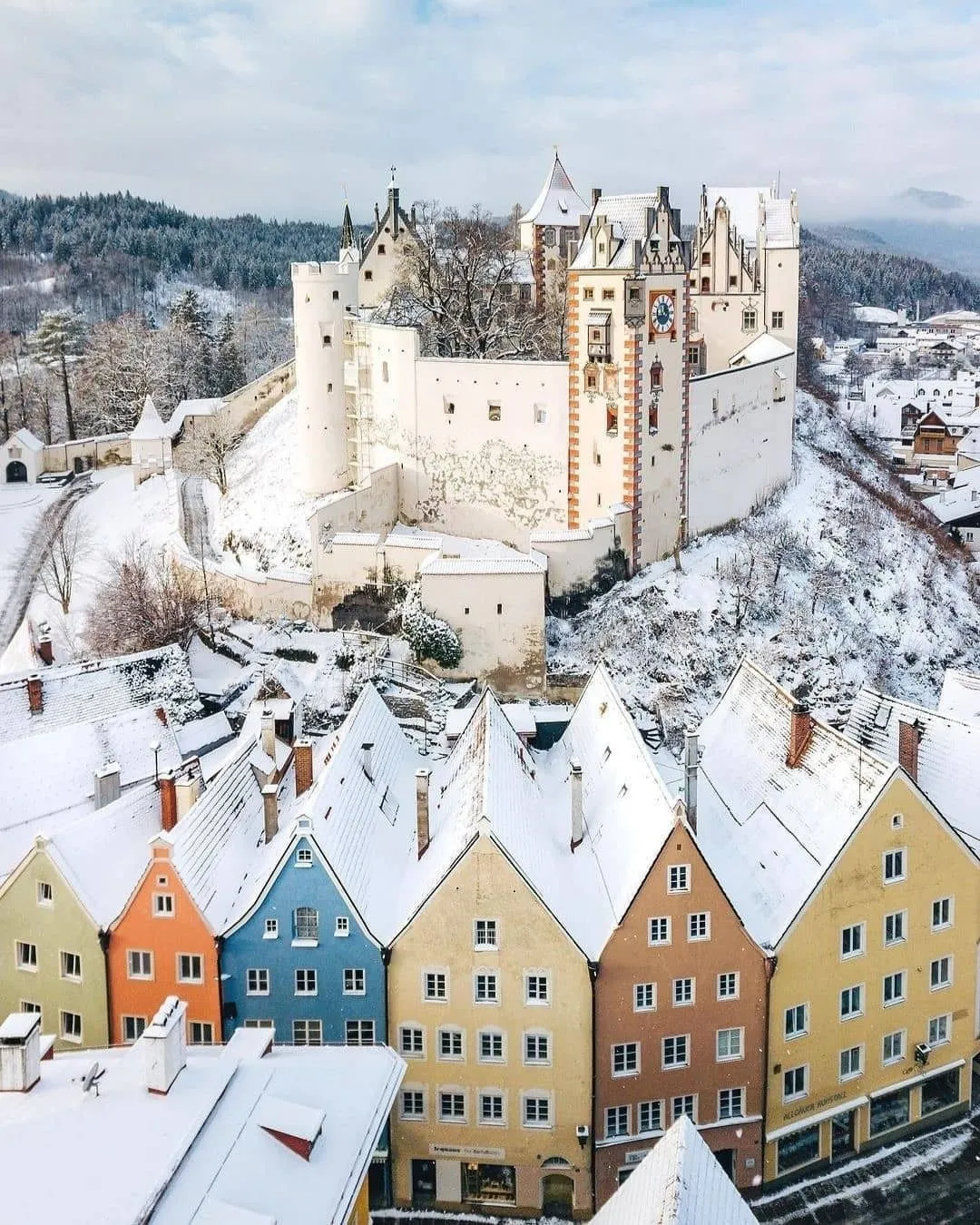
If you want classic Alpine countryside without extreme hiking, Allgäu is perfect. Imagine green hills dotted with cows, wooden barns, waterfalls, and views of jagged peaks in the distance.
Highlights:
- The Breitachklamm gorge
- The gorgeous Hopfensee lake
- Castles like Neuschwanstein nearby
- Endless walking and biking paths
Allgäu is peaceful, idyllic, and a dream for nature lovers.
10. Müritz National Park – Lakes, Forests & Wildlife
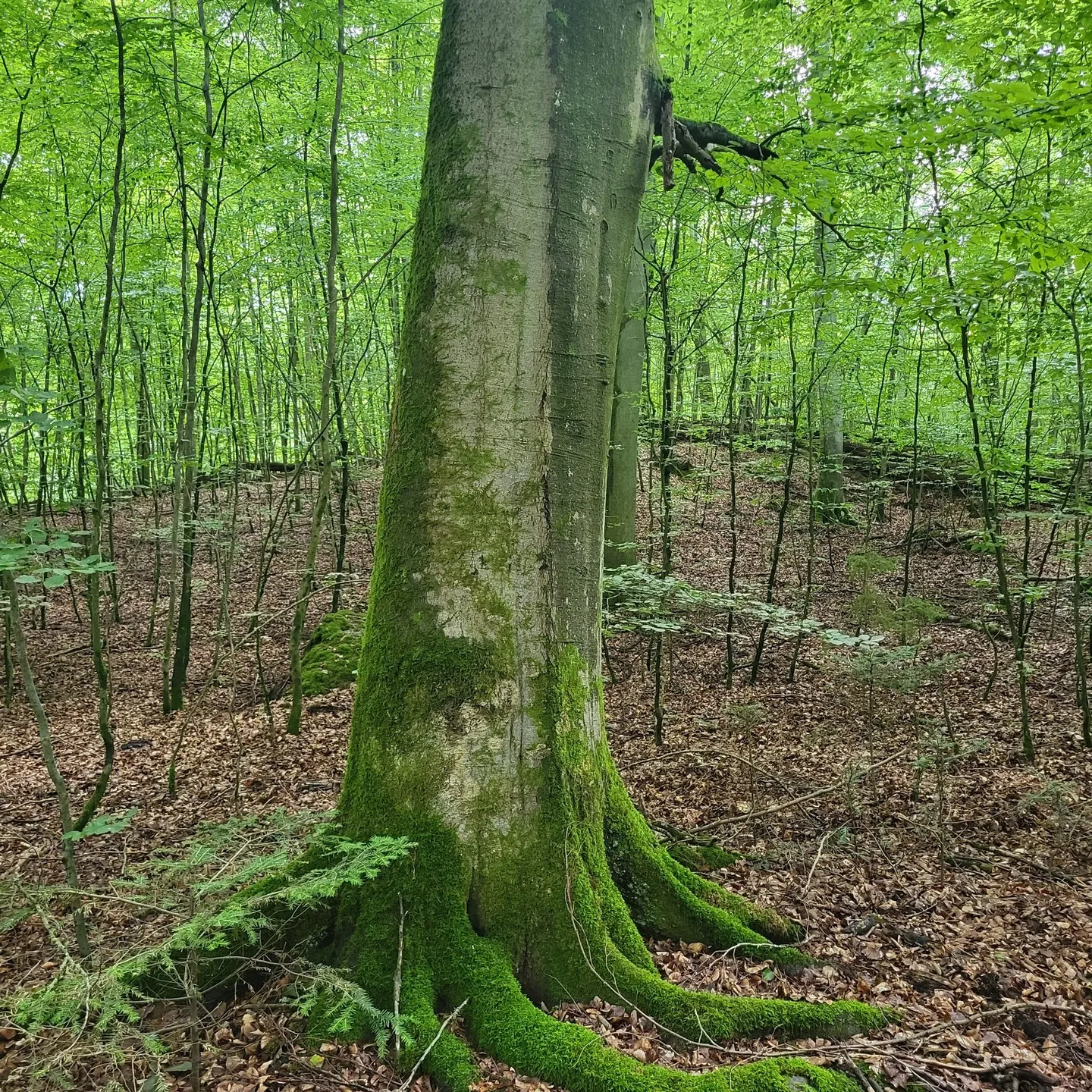
In northern Germany lies one of Europe’s largest lake districts — a paradise of quiet forests, shimmering water, and protected wildlife.
This is where you go if you love kayaking, birdwatching, camping, and peaceful nature.
Great for:
- Canoeing across multiple lakes
- Hiking through ancient beech forests
- Spotting rare birds like sea eagles
- Cycling quiet trails
It feels untouched — the kind of place to breathe deeply and slow down.
11. The Harz Mountains – Ancient Forests & Mythical Peaks

The Harz region is full of misty woods, steep valleys, babbling streams, and legends about witches (thanks to Goethe). It’s dramatic without being overwhelming.
Top experiences:
- Ride the steam train up Brocken Mountain
- Explore deep forests
- Visit cliffs and rock formations like the Hexentanzplatz
- Wander medieval towns like Quedlinburg
This is one of Germany’s most atmospheric regions.
12. The Rhine Gorge – Castles, Vineyards & River Views

The Upper Middle Rhine Valley is a UNESCO site for a reason. It’s a dramatic stretch of river lined with hillside castles, cliffs, forests, charming villages, and — of course — vineyards.
Highlights:
- Walk the Rheinsteig trail
- Boat cruises between Koblenz and Bingen
- Famous castles like Marksburg and Rheinfels
- Pfalzgrafenstein — a castle in the MIDDLE of the river
Nature + history + river views = perfection.
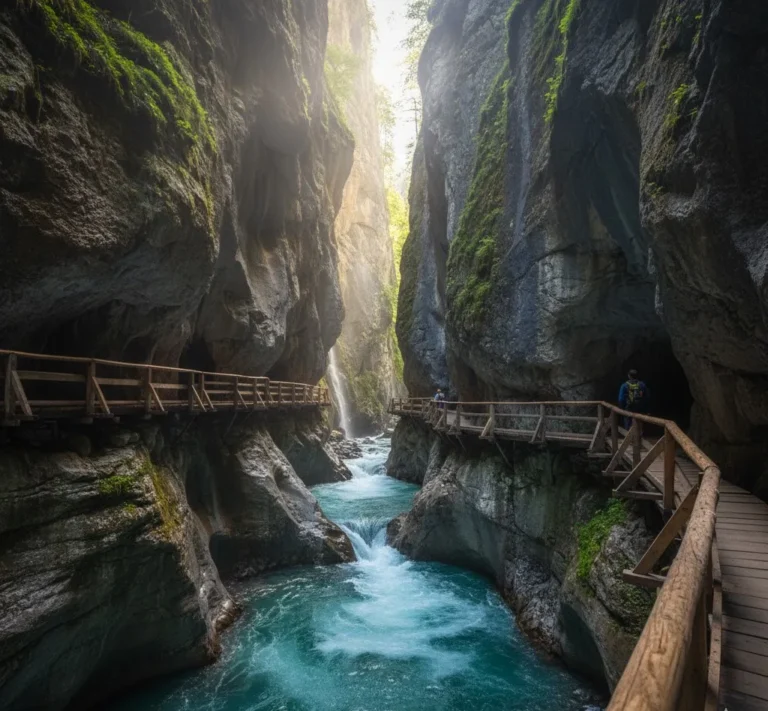
13. Partnach Gorge – A Nature Walk You’ll Never Forget
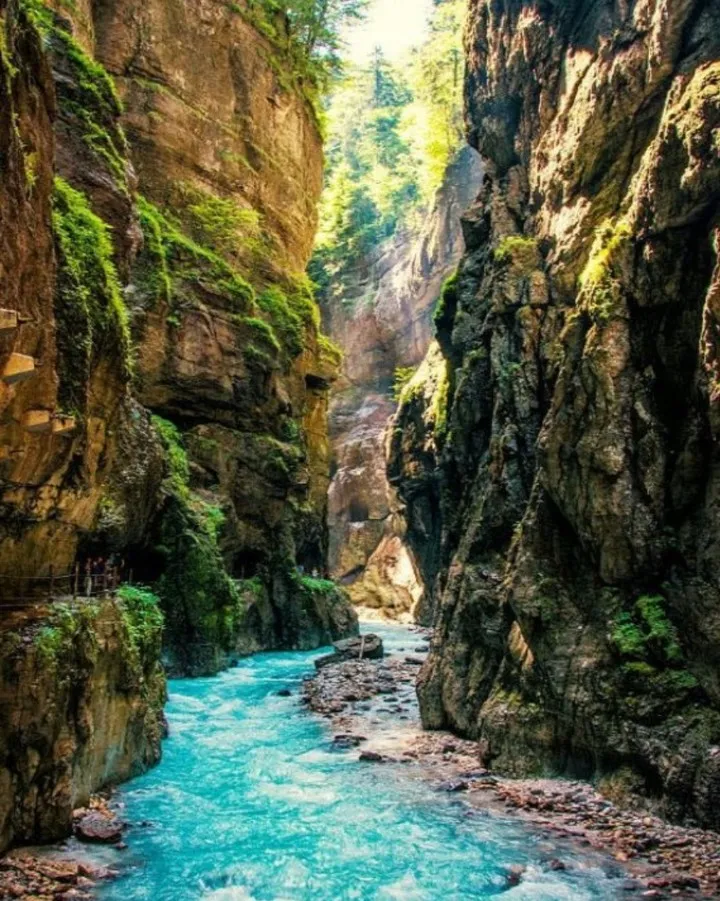
This is one of Germany’s most exciting natural experiences. Partnach Gorge is narrow, dramatic, carved by rushing water, and lit by shafts of sunlight that make the rock walls glow.
Walking through it feels like entering another world.
Why it’s unforgettable:
- Waterfalls spilling down the canyon walls
- Cool misty air
- Dramatic tunnels and walkways
- Easy for beginners
It’s a must-do if you’re anywhere near Garmisch-Partenkirchen.
Tips for Exploring Nature in Germany (From Someone Who’s Learned the Hard Way)
1. Bring cash — many small huts don’t take cards.
Especially in Bavaria and rural regions.
2. Go early for the best photos and fewer crowds.
Nature in Germany is extremely accessible — which means popular spots get busy.
3. Trains go everywhere.
Germany’s public transportation might be slow sometimes, but it’s thorough. You can reach almost every place on this list without a car.
4. If you want solitude, head north.
The lakes and forests above Berlin are empty compared to the Alps.
5. Sundays are quiet — plan outdoor days for them.
Cities shut down, nature stays open.
Final Thoughts: Germany’s Nature Is Seriously Underrated
People fly to Iceland for landscapes, Switzerland for mountains, Croatia for coastline — but Germany has a little piece of all of that, often quieter and more accessible.
From the Alpine wonder of Berchtesgaden to the mystical cliffs of Saxon Switzerland, the mirror lakes of Bavaria, and the tranquil forests in the north, this country offers some of Europe’s most beautiful nature — without extreme travel planning or crowds.