North Pole Ultimate Travel Guide This Winter: Your Magical Journey to the Top of the World
If you’ve ever dreamed of stepping into a real-life snow globe—one filled with endless ice fields, streaks of dancing auroras, and the quietest silence you’ve ever heard—then the North Pole in winter is the adventure of a lifetime.
This isn’t your typical winter getaway.
This is the edge of the world.
The place where compasses spin, the nights last forever, and every direction is south.
Ready to visit the planet’s most mysterious and magical destination?
Here’s your North Pole Ultimate Travel Guide this winter, complete with everything you need to know before taking the journey to Earth’s northern crown.
Recommended Travel Items for Your Trip
1. What It Really Means to Travel to the North Pole in Winter
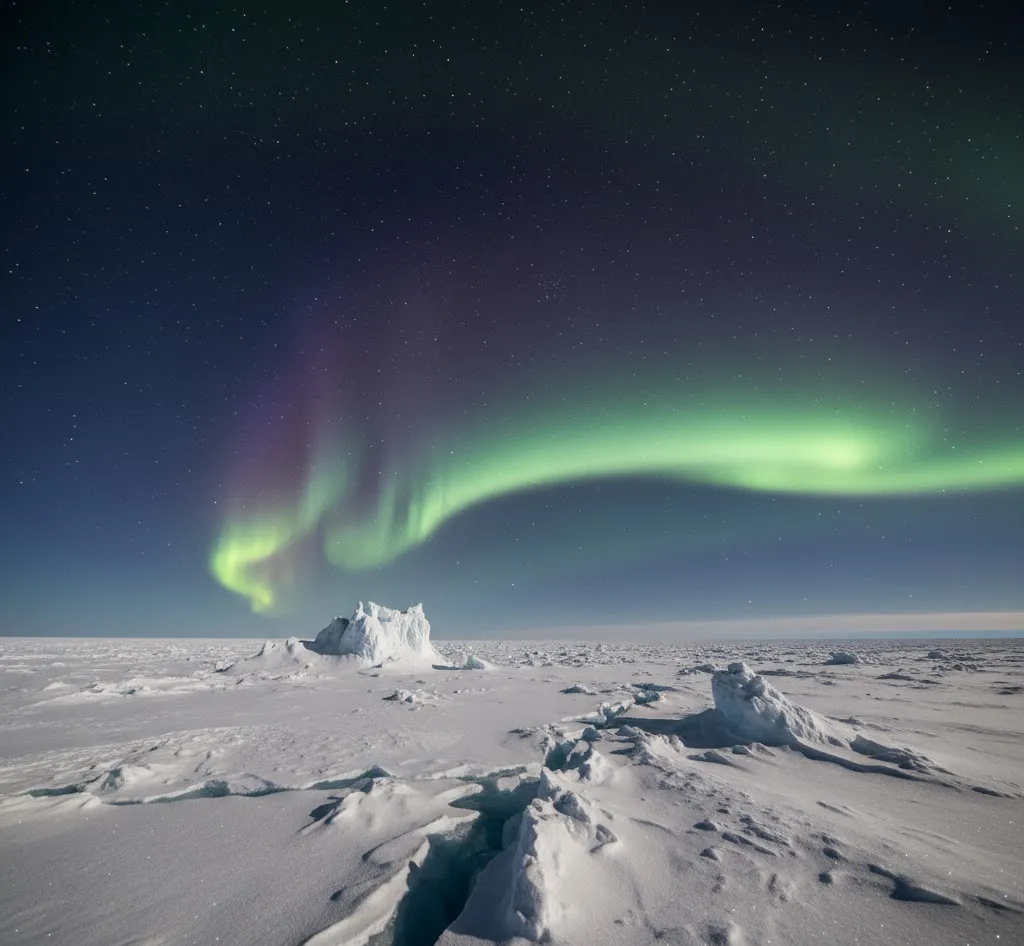
Visiting the North Pole isn’t like traveling to Iceland or Alaska—it’s far more remote, wild, and extreme. There is no permanent settlement, no hotels, no cafes, and no classic tourist infrastructure.
You’re literally going to a floating sheet of sea ice, surrounded by Arctic Ocean as far as the eye can see.
Winter here means:
- 24 hours of darkness
- Temperatures below –40°C
- Blizzards that can erase visibility in seconds
- Landscapes that look untouched since the beginning of time
But that’s exactly what makes it extraordinary.
Winter travel to the North Pole is for true explorers, photographers, adventurers, and dreamers who want a once-in-a-lifetime experience.
2. How to Get to the North Pole (Yes, It’s Possible!)
There are only two realistic ways to reach the North Pole, and each feels like something straight out of a survival documentary.
Catch the best flight fares right now
Option 1: Expedition Icebreaker Cruise (June–July only)
Although the winter North Pole has no open water, some travelers reach the Pole by sailing during the brief summer.
But winter travel?
That’s different.
Option 2: Fly via Longyearbyen → Barneo Ice Camp → Helicopter to the Pole (Winter/Spring)
This is the classic winter route.
Here’s how it works:
- Fly to Longyearbyen, Svalbard (Norway) — the northernmost town on Earth.
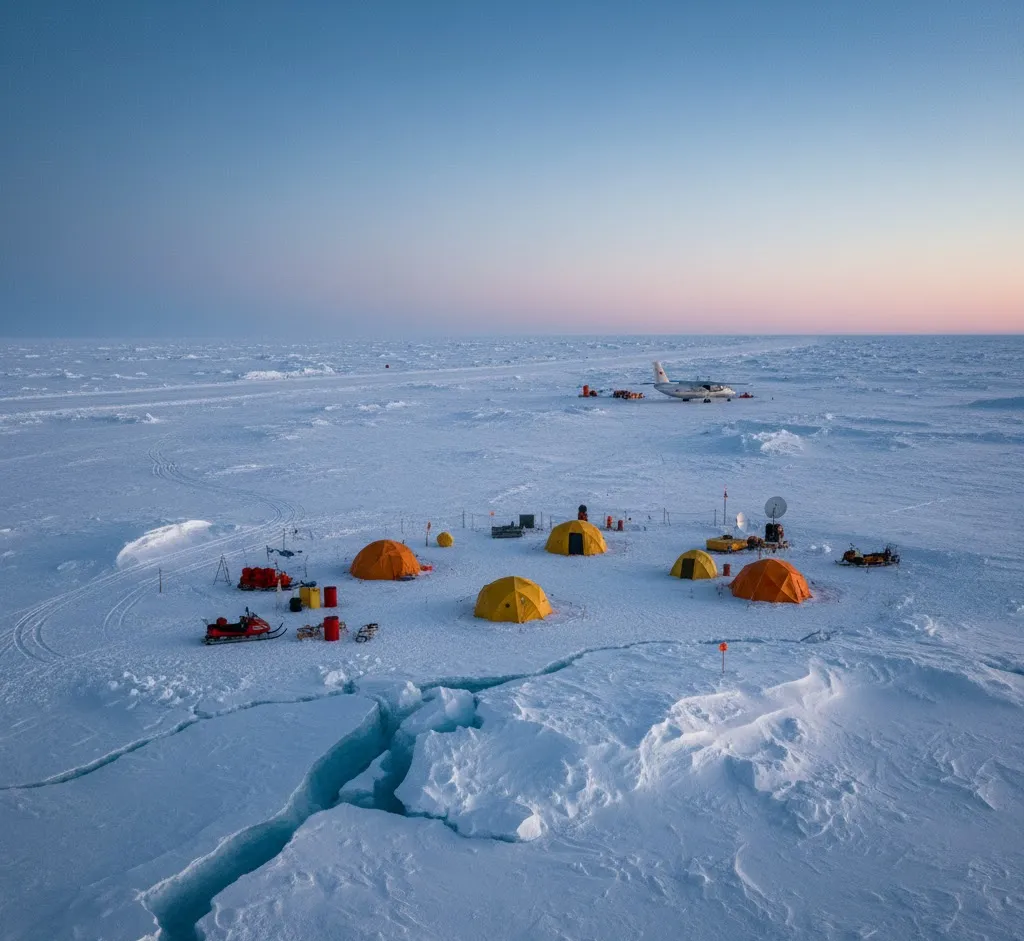
- From here, expedition companies arrange charter flights to Barneo Ice Camp, a temporary base built on drifting sea ice.
- Finally, helicopters take explorers from Barneo to 90° North — the exact geographic North Pole.
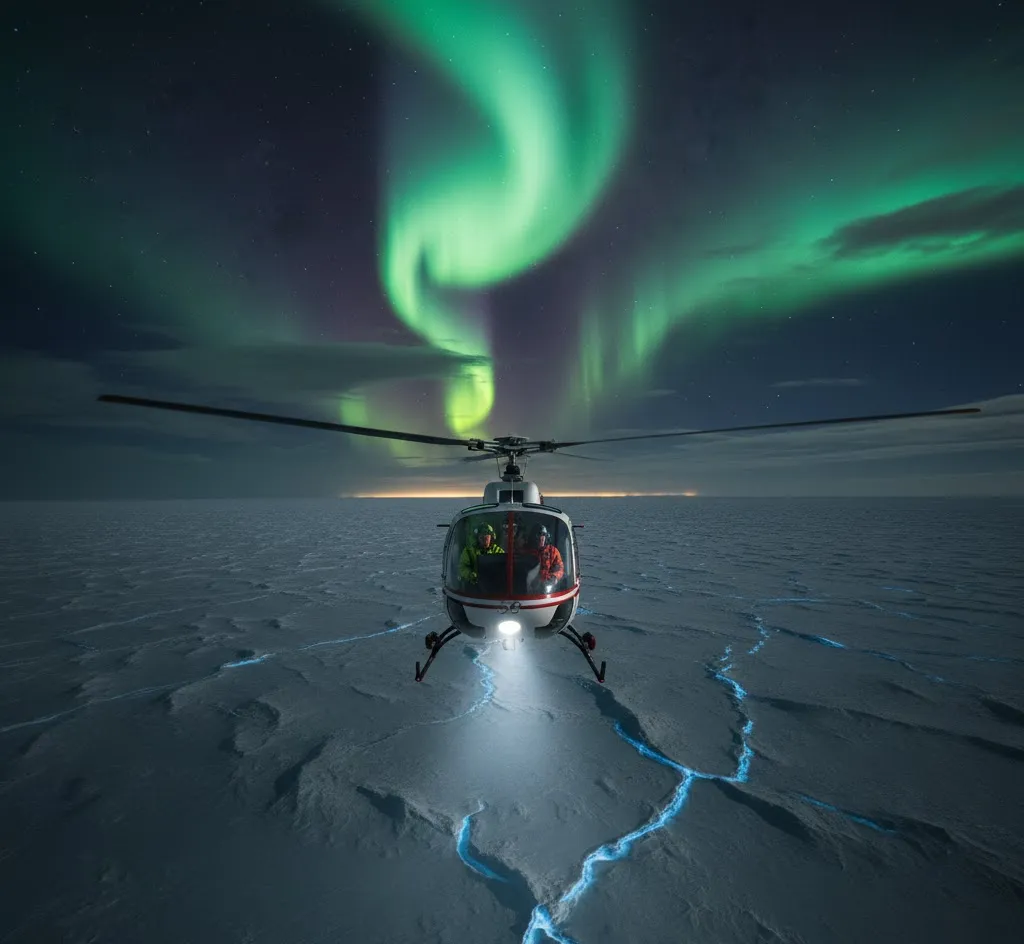
You’ll stand at the very top of the world.
Travel tip: Book at least 6–12 months in advance. Expedition spots are extremely limited.
3. When Is the Best Time to Visit the North Pole?
The North Pole is accessible only during specific seasonal windows.
Winter & Early Spring (January–April)
This is your window for a true winter experience.
Expect:
- Pure darkness
- Aurora borealis
- Extreme cold
- Deep Arctic silence
It’s surreal, beautiful, and harsh all at once.
Summer (June–July)
This is cruising season.
Expect:
- 24 hours of sunlight
- Breaks in sea ice
- Easier access
- No auroras
If you want Northern Lights and the full winter mood, go between February and April.
4. What to See & Do at the North Pole This Winter
Even though this is one of the most remote places on Earth, there are spectacular things to experience.
❄️ 1. Stand at 90° North – The Northernmost Point on Earth
This is the moment every traveler comes for.
Your GPS reads:
90°00’00”N
Every direction around you is South.
Nothing but ice and sky.
It’s surreal and emotional—like standing at the top of the world because… you literally are.
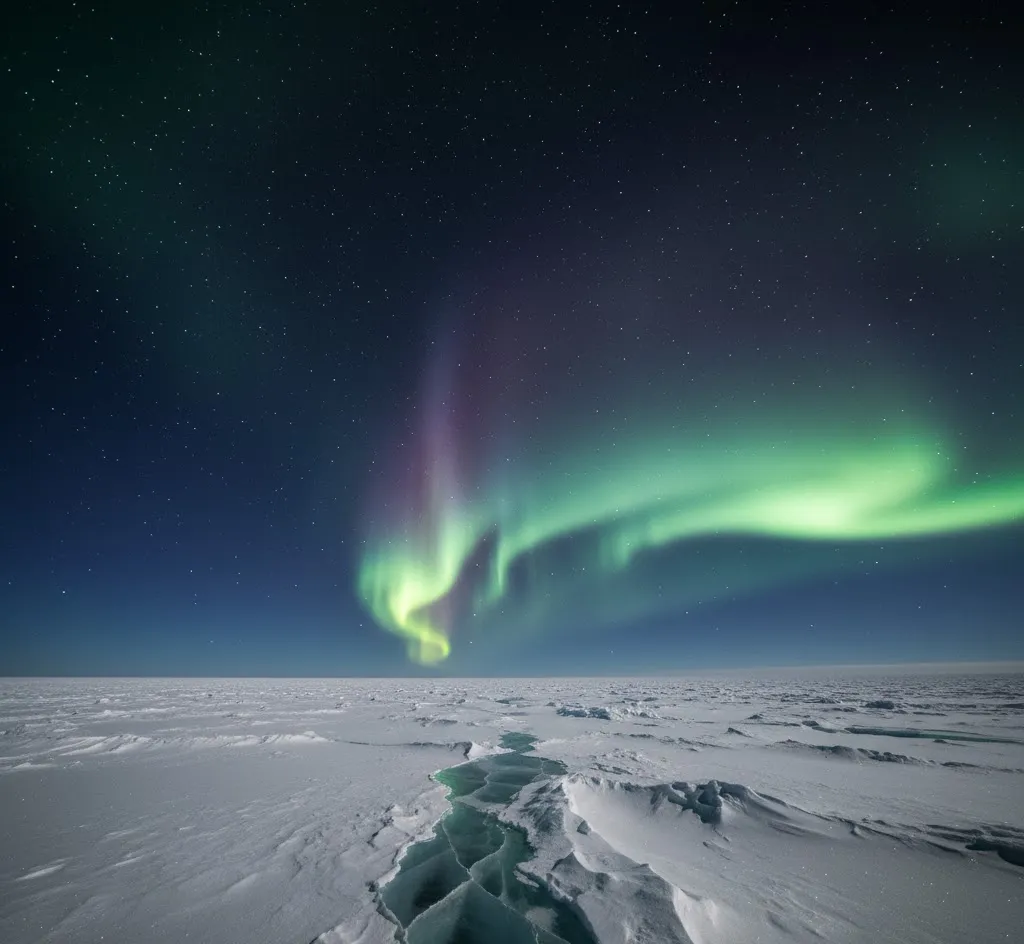
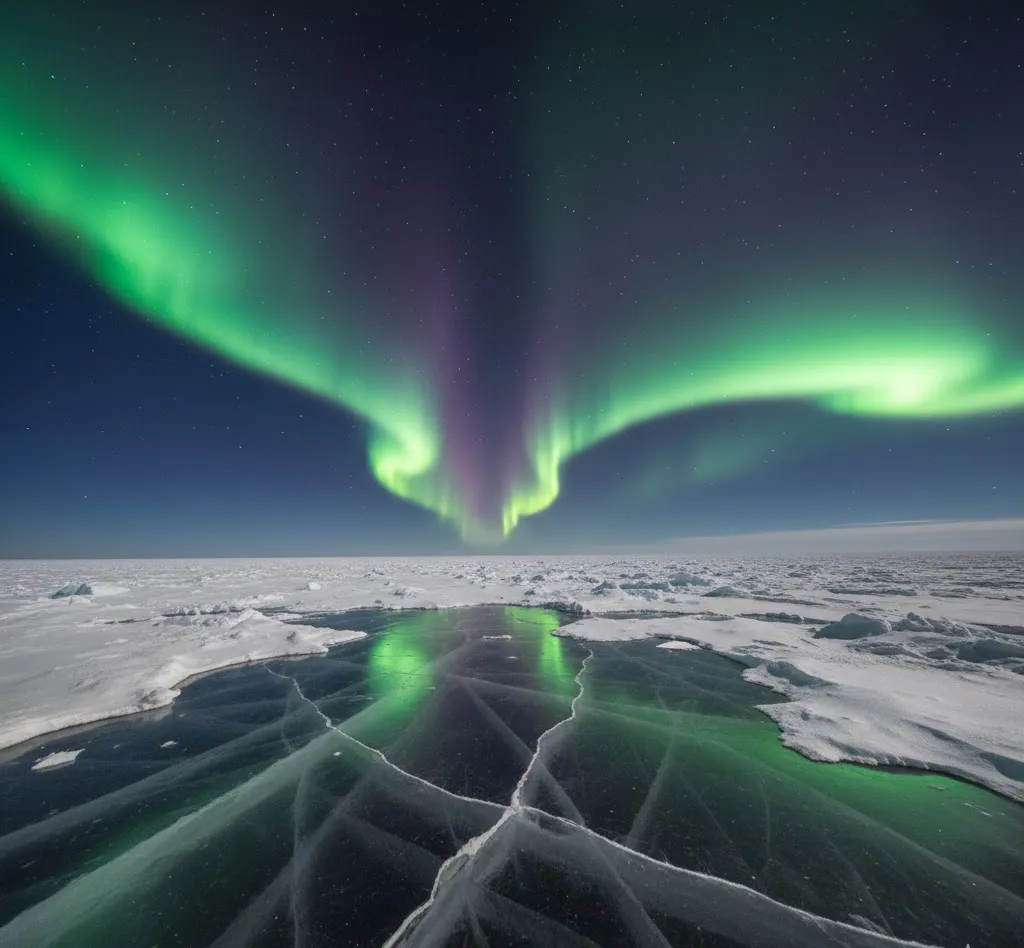
❄️ 2. Witness the Northern Lights
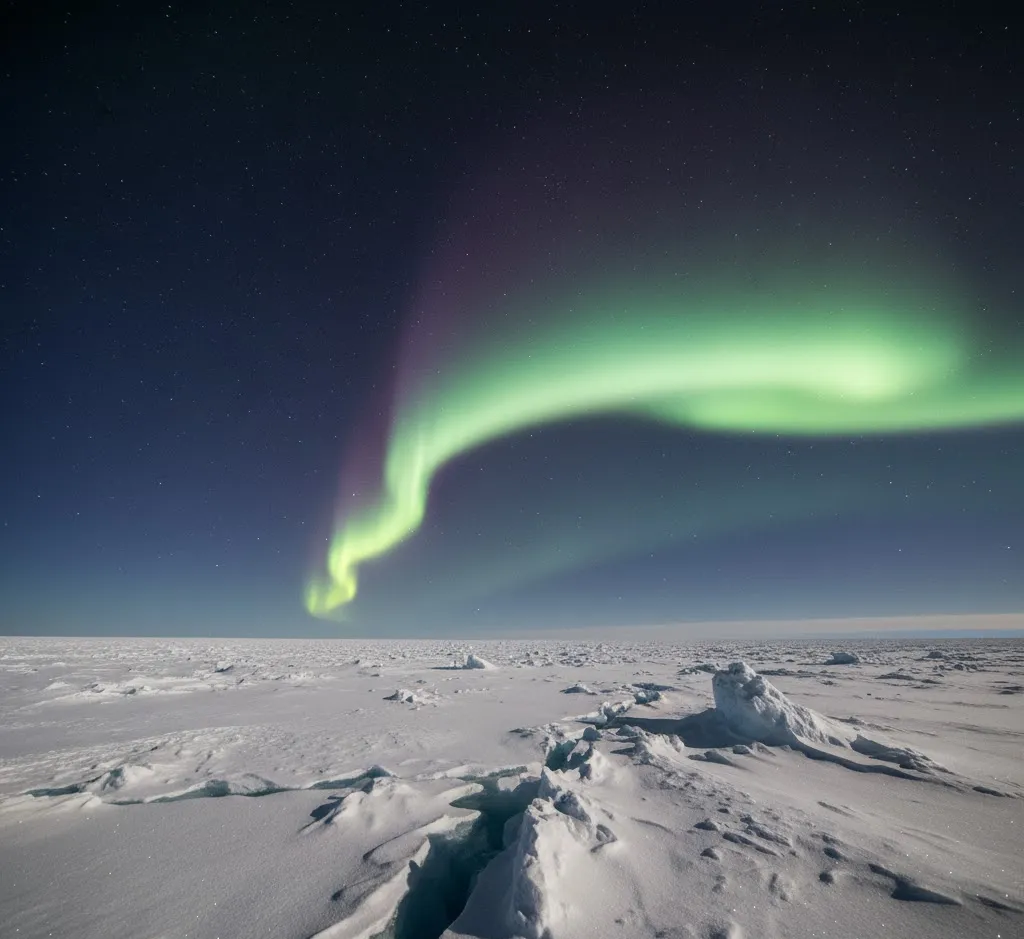
Winter in the Arctic is a permanent midnight, making it perfect for auroras.
If the sky is clear, you may see:
- green ribbons
- purple streaks
- swirling light storms
- glowing arches across the horizon
The silence here makes the auroras even more magical.
❄️ 3. Ride a Helicopter Over the Arctic Ice Fields
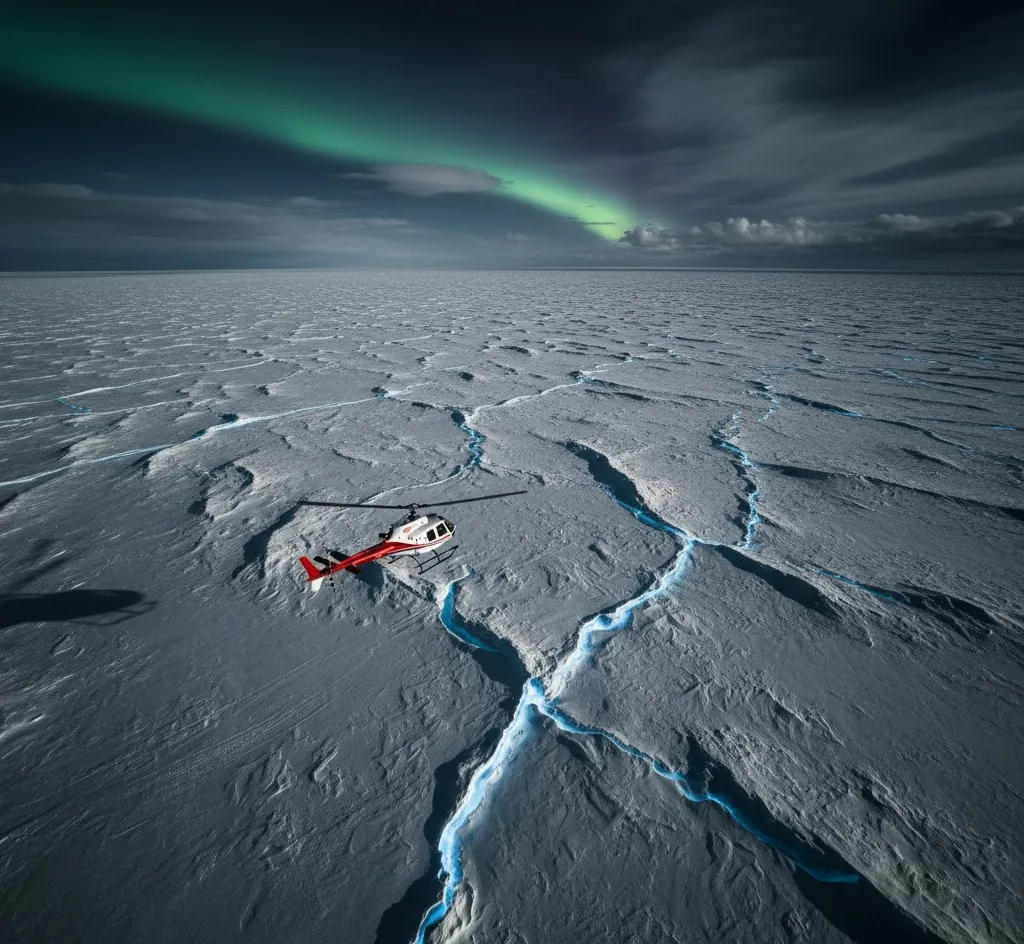
The helicopter journey from Barneo to the Pole is one of the world’s most stunning flights.
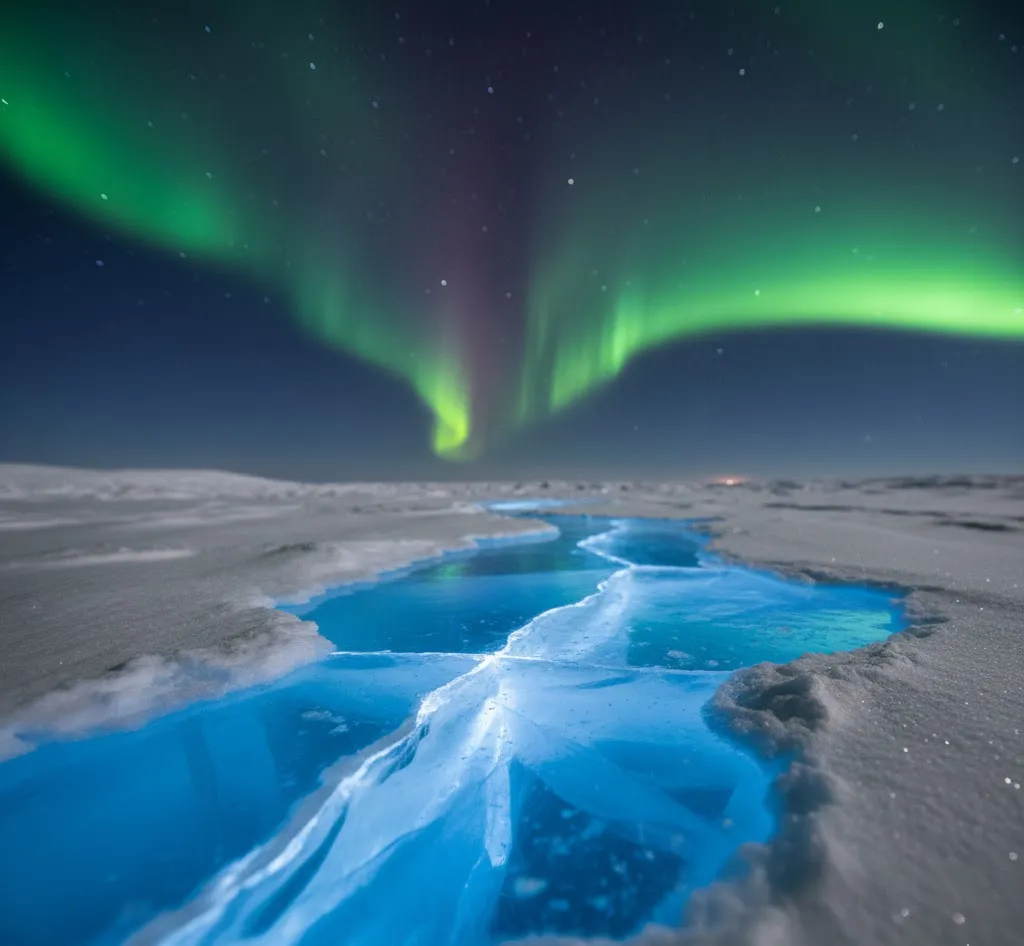
Endless white. Floating ice sheets. Cracks that look like blue lightning across the frozen ocean.
❄️ 4. Arctic Safari: Spot Polar Bears (From a Safe Distance!)
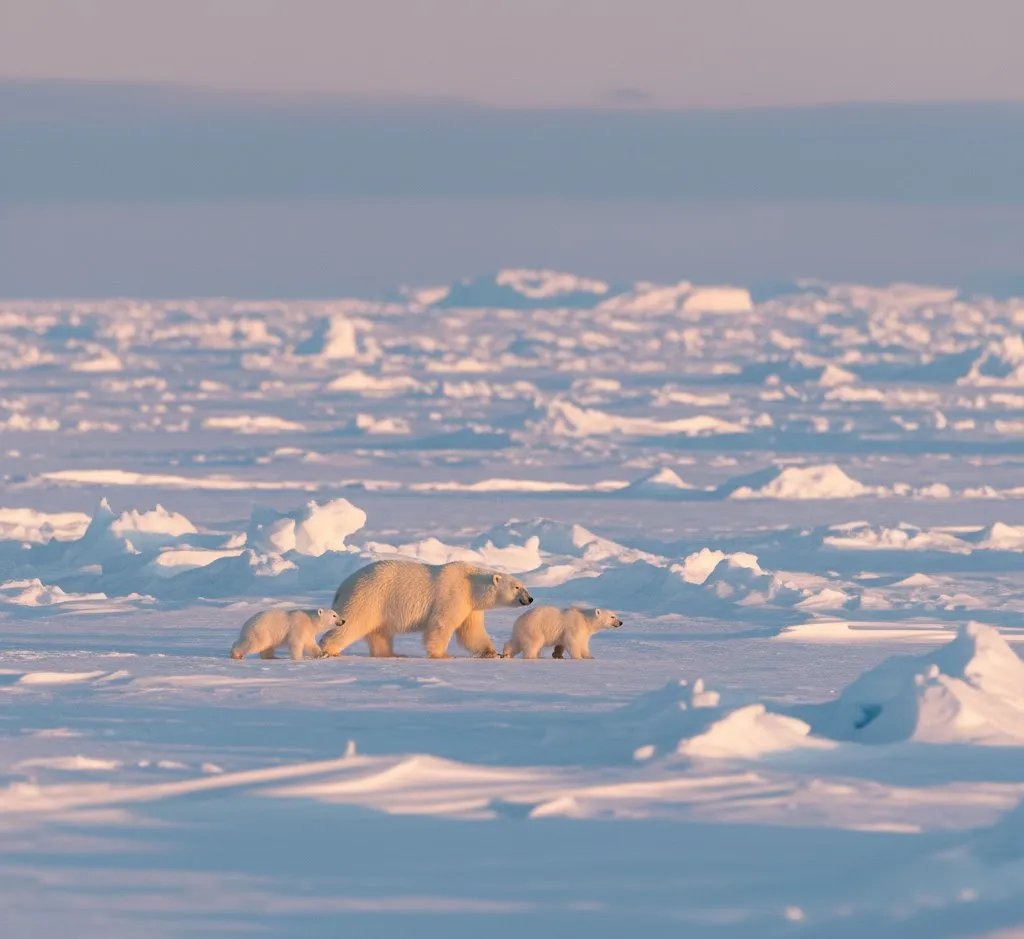
Polar bears roam the area around Svalbard and sometimes near Barneo Ice Camp. Guides carry rifles for safety, but sightings are unforgettable.
❄️ 5. Take the Iconic “North Pole Celebration Photo”
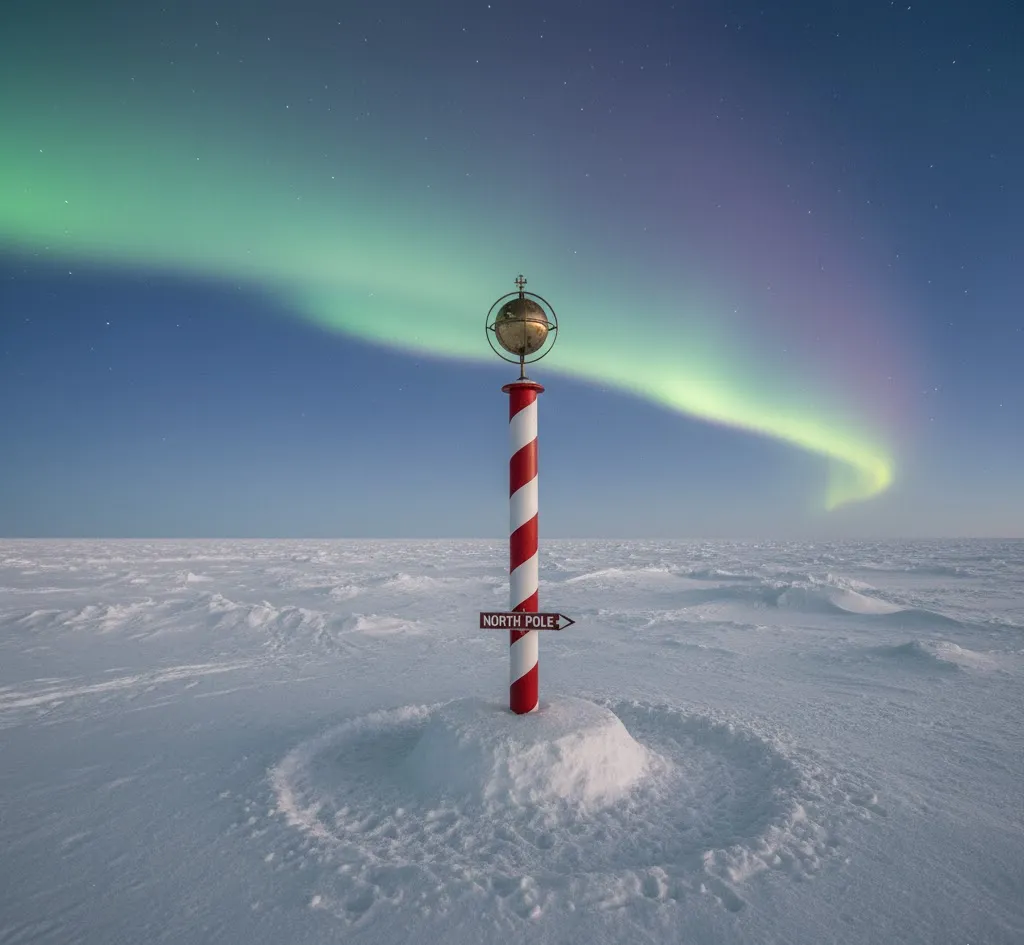
A symbolic red-and-white pole is placed at the site for photos.
This is the classic “I made it!” shot every traveler treasures.
❄️ 6. Optional: Skiing the Last Degree
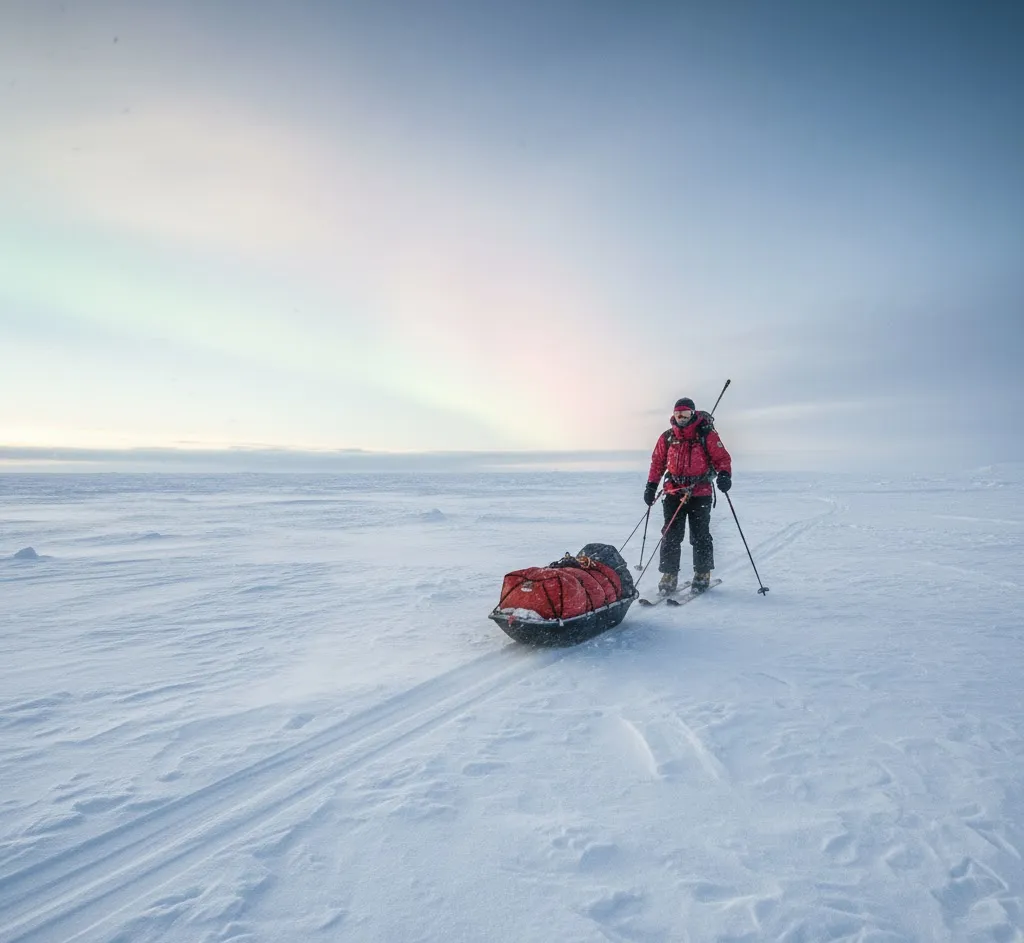
For extreme adventurers, you can ski the last degree—the final 111 km from 89°N to 90°N.
This is not a casual journey.
It requires fitness, training, and mental toughness.
But it’s one of the world’s most prestigious expedition achievements.
5. What to Pack for the North Pole – Winter Survival Edition
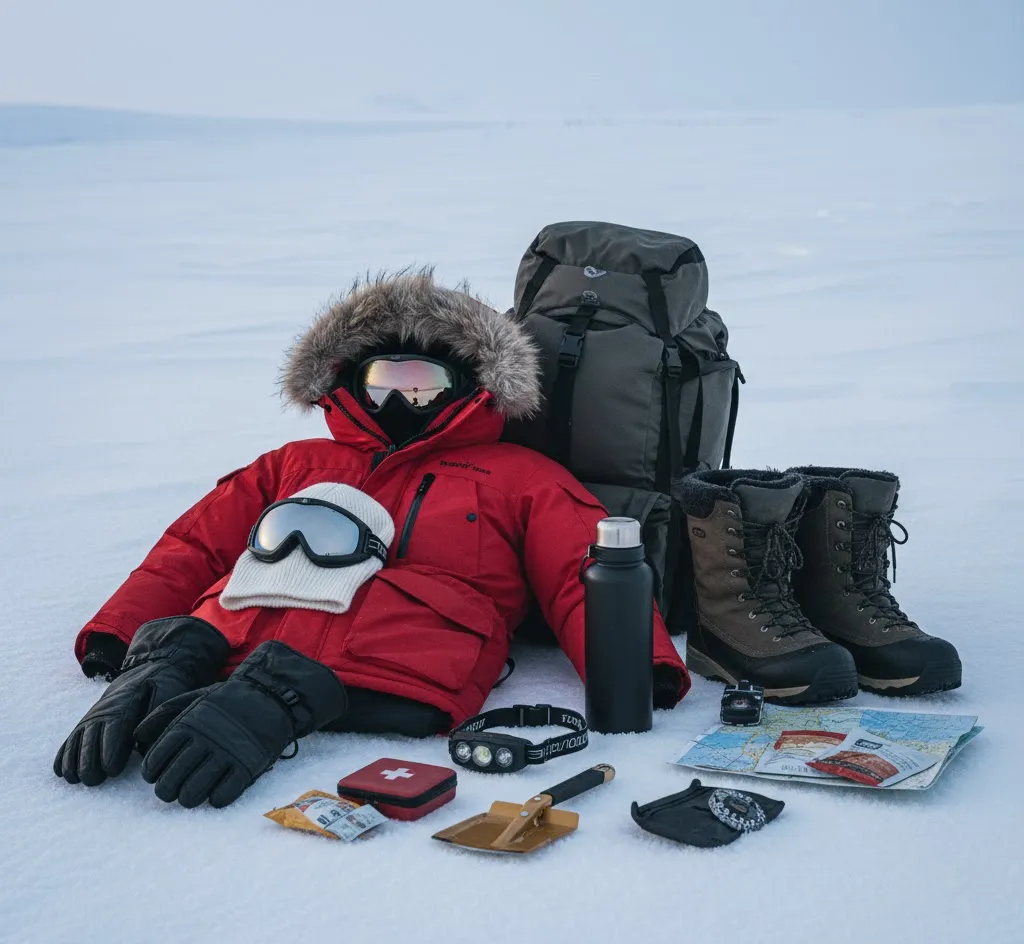
This is not the place for cute winter outfits.
This is arctic survival level packing.
Here’s what you absolutely need:
Essential Clothing Layers
- Base layers (merino wool recommended)
- Thermal mid-layers
- Double insulated parka
- Waterproof windproof shell
- Arctic-grade down jacket
- Fleece neck gaiter
- Face mask
- Balaclava
- Snow goggles
- Arctic mittens + inner gloves
- Waterproof insulated boots
- Ice cleats or crampons
Gear
- Hand warmers
- Headlamp (24-hour darkness!)
- Spare batteries (cold kills battery life)
- Camera with weather protection
- Vacuum bottle (for hot liquids)
Documents & Survival Items
- Expedition insurance
- Passport + extra ID
- Emergency contacts
- Medication kit
- Energy bars, protein snacks
Pro Tip: Your expedition company will provide heavier survival gear like sleds, tents, ropes, or emergency kits.
6. What It Feels Like: The Emotional Side of Visiting the North Pole
People expect the cold.
They expect the darkness.
They expect the isolation.
What surprises them most?
The silence.
It’s unlike anything on Earth—no animals, no wind at times, no human noise, no cities.
Just a stillness so deep you can hear your own heart.
The realization that nothing lives here permanently.
No trees. No towns. No warmth.
It’s a place untouched, raw, and humbling.
The feeling of standing somewhere incredibly rare.
Only a few hundred people reach the North Pole each year.
The sense of being part of the planet’s history.
Explorers fought ice, darkness, and death trying to reach this place.
And now—you’re here.
Visitors often describe the experience as:
- spiritual
- emotional
- overwhelming
- otherworldly
It’s not just a trip.
It’s a transformation.
7. Safety Tips for Visiting the North Pole in Winter
The Arctic is beautiful but unforgiving.
Here are must-follow safety principles:
- Never travel without an expedition guide.
- Do not wander alone—whiteout conditions are deadly.
- Keep your skin covered at all times (frostbite occurs in minutes).
- Follow polar bear safety instructions.
- Drink warm fluids regularly.
- Keep cameras, electronics, and batteries insulated.
- Listen to your guide—always.
Your safety depends on preparation.
8. How Much Does a North Pole Winter Trip Cost?
This is one of the most expensive travel experiences in the world.
Approximate costs:
❄️ Fly + Helicopter Expedition to the Pole:
$20,000 – $35,000 per person
❄️ Ski the Last Degree Expedition:
$35,000 – $60,000 per person
❄️ Summer Icebreaker Cruise (not winter):
$25,000 – $45,000 per person
Prices include guides, logistics, flights, gear, and safety support.
Is it worth it?
If you love adventure, rare destinations, and experiences few people on Earth will ever have—yes.
This is bucket list territory.
9. Who Should Visit the North Pole This Winter?
This winter expedition is ideal for:
- Arctic explorers
- Nature photographers
- Adventure travelers
- Northern Lights seekers
- Survival experience lovers
- Documentarians
- Those seeking “world’s end” destinations
- Bucket-list collectors
- Travelers who want a life-changing story
It’s NOT ideal for:
- Casual tourists
- Families with small children
- Anyone with heart or respiratory issues
- People who dislike extreme cold
10. Final Thoughts – The North Pole Isn’t a Vacation, It’s an Awakening
Traveling to the North Pole this winter will change you.
Not because of the cold or the darkness—but because of the perspective it gives you.
You stand at a place so remote, so silent, and so empty that it reminds you how small you are…
and how big the world really is.
You feel respect for early explorers.
Gratitude for warmth and comfort.
Connection to the planet.
A deep sense of awe.
Most journeys take you to a destination.
This one takes you into yourself.
If you’re ready for a winter adventure unlike anything else—pure, wild, untouched—the North Pole is waiting at the top of the world.