Peru Travel Guide: Everything You Need to Know Before You Go
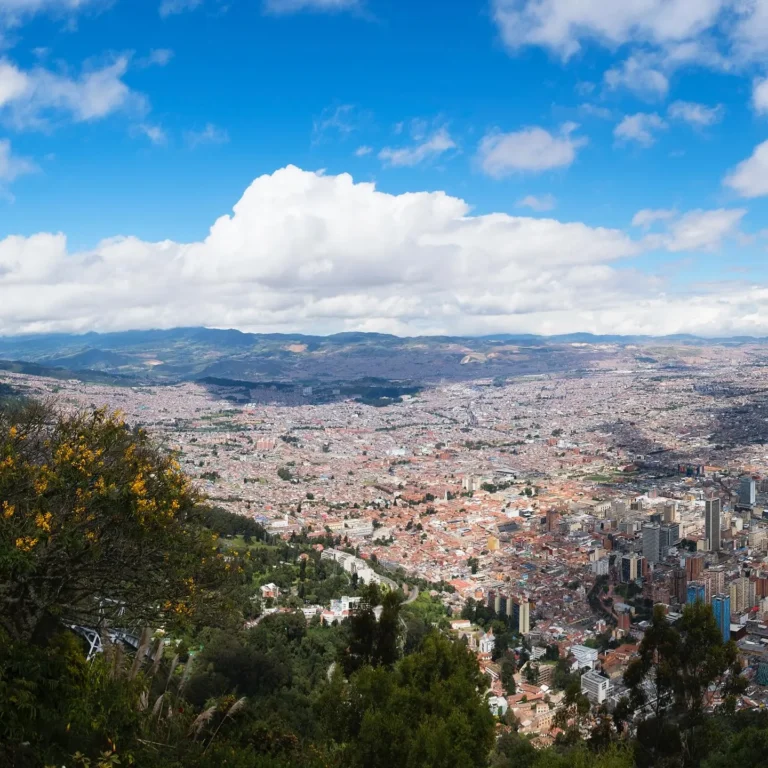
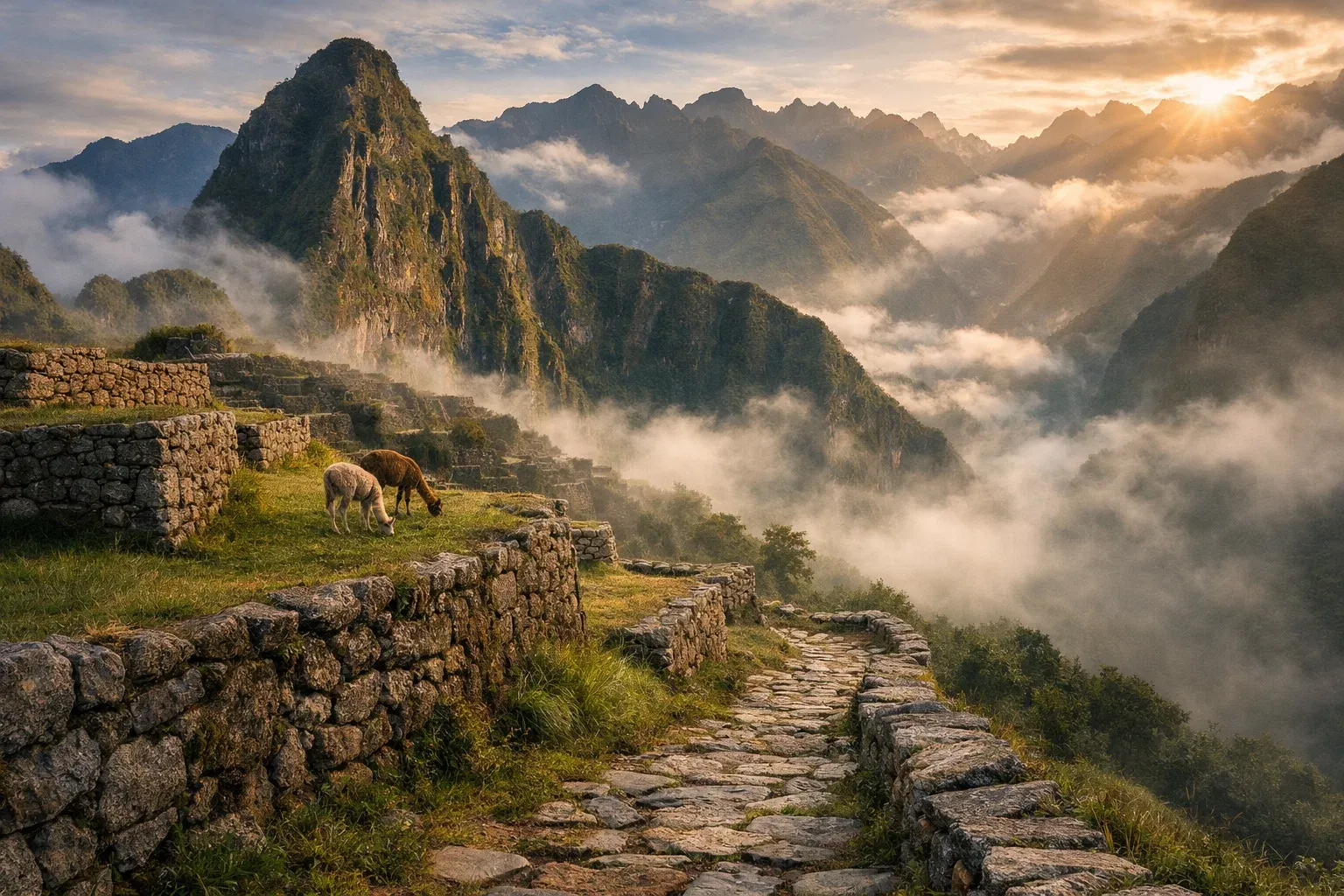
Peru feels like several countries stitched into one. Ancient civilizations whisper from stone walls, jungles breathe with life, deserts stretch silently toward the ocean, and food alone could justify the flight. One moment you are standing among Inca ruins in the clouds, and the next you are eating world-class cuisine in a modern city.
Peru is not just about Machu Picchu. It is about history that never vanished, landscapes that refuse to be tamed, and traditions that still shape daily life. If you are considering Peru as your next destination, this guide covers everything a traveler wants to know before going to Peru, from where to go and what to eat to common scams, safety tips, and cultural insights.
Recommended Travel Items for Your Trip
Why Visit Peru?
Peru attracts travelers who want more than a beach holiday.
It is ideal for those who love:
- Ancient history and archaeology
- Dramatic landscapes and outdoor adventure
- Food and culinary culture
- Indigenous traditions and living history
- Affordable travel with high-value experiences
Few destinations offer this much depth in one trip.
Top Places to Visit in Peru
Cusco

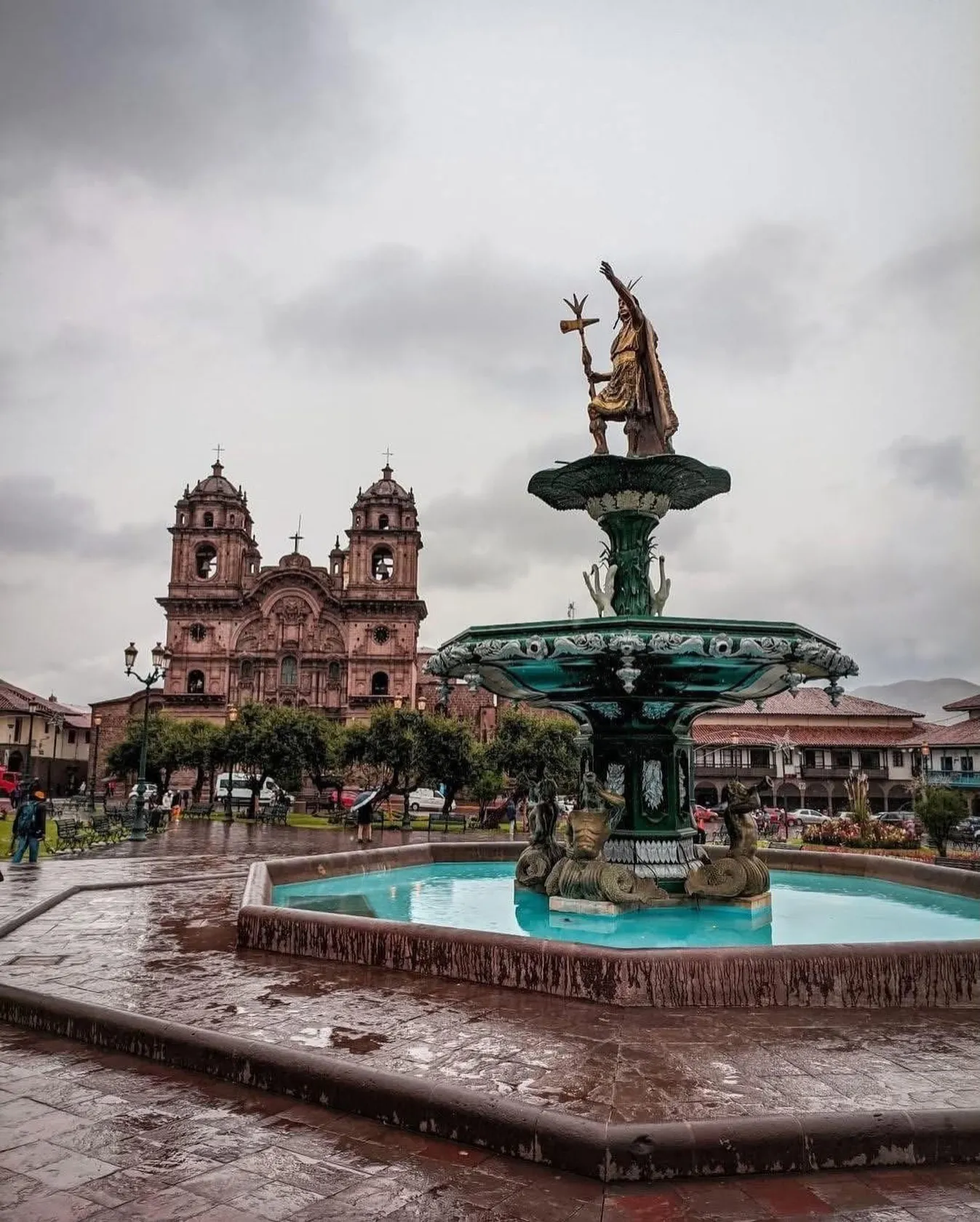
Cusco was once the capital of the Inca Empire and remains the spiritual heart of Peru.
Highlights include:
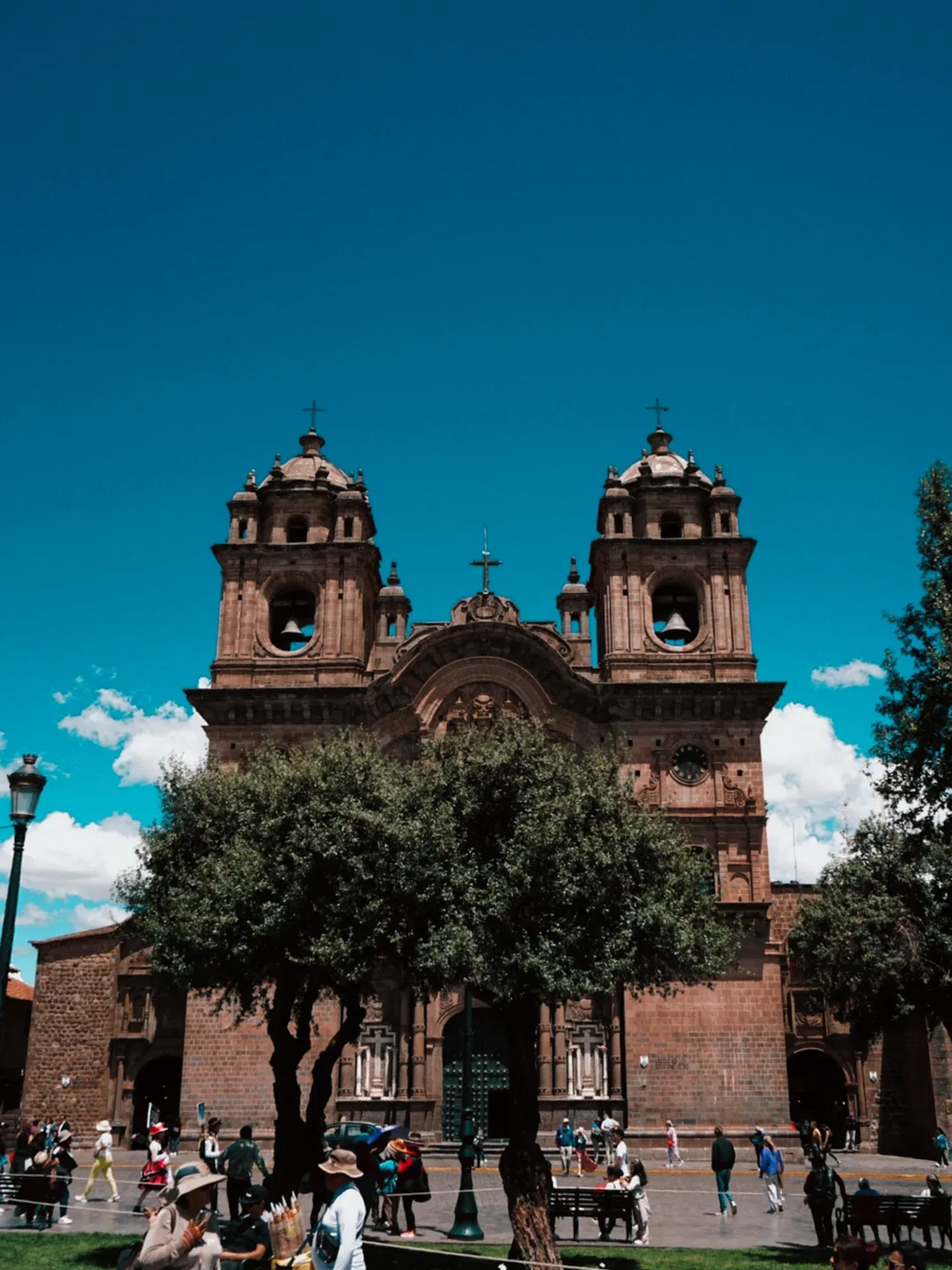
- Historic Plaza de Armas
- Sacsayhuamán ruins
- Cobblestone streets and colonial architecture
- Acclimatization base for Machu Picchu
Cusco sits at high altitude, so taking time to adjust is essential.
Machu Picchu
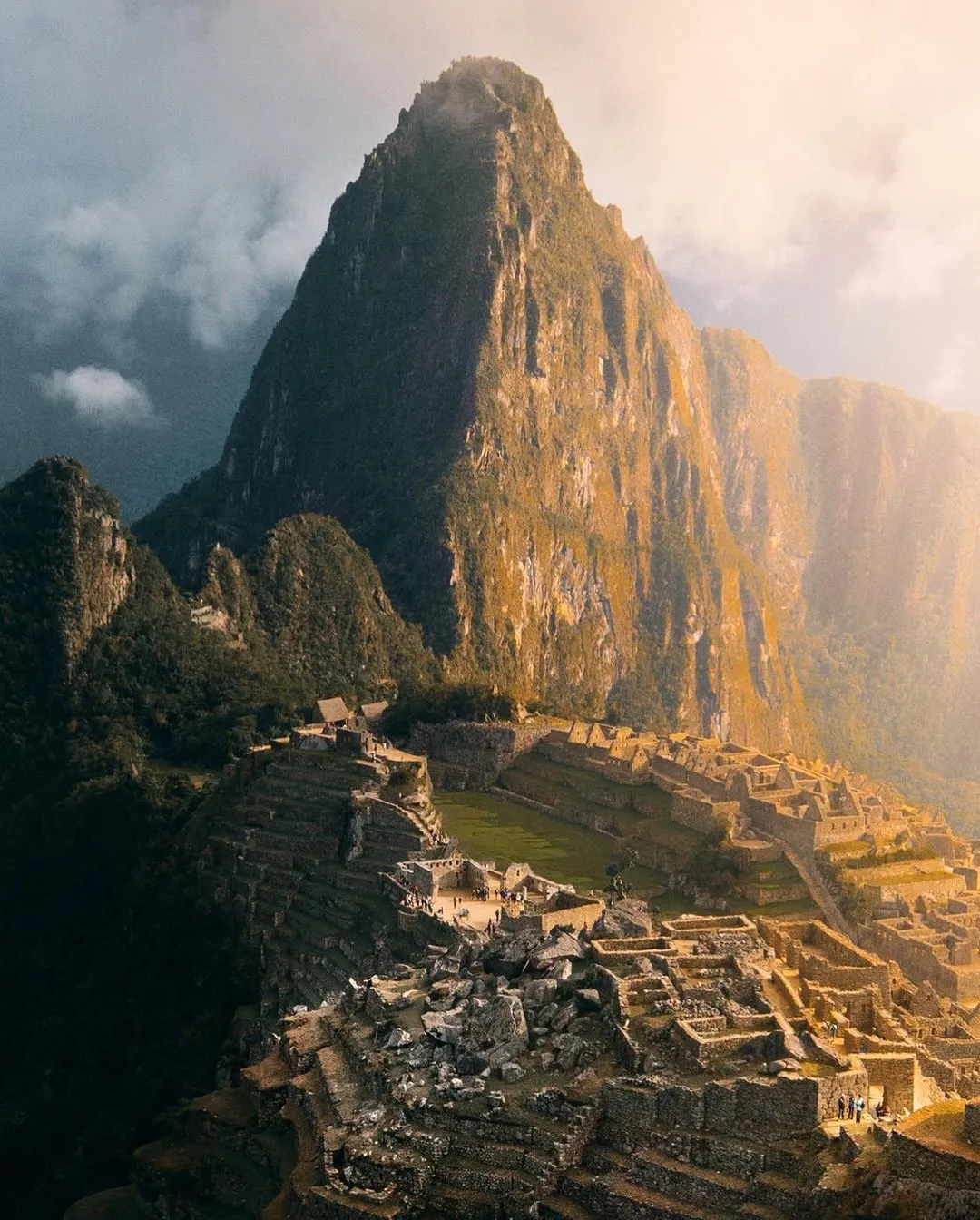
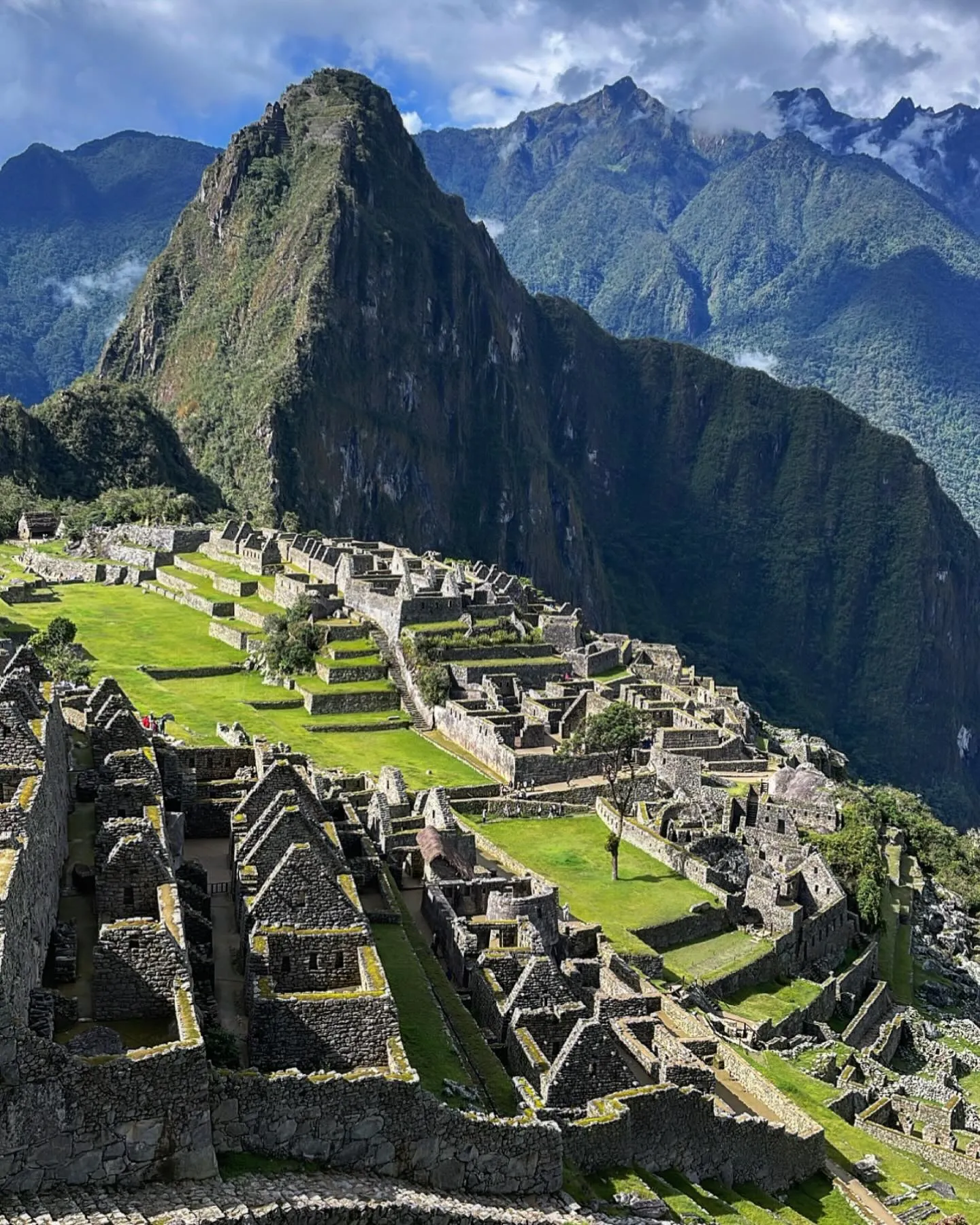
Machu Picchu needs no introduction, yet it still exceeds expectations.
What to know:
- Advance tickets are required
- Entry times are regulated
- The site is best visited early morning
- Hiking options include the Inca Trail and Salkantay Trek
It is one of the few places that feels as powerful in person as it does in photos.
Lima
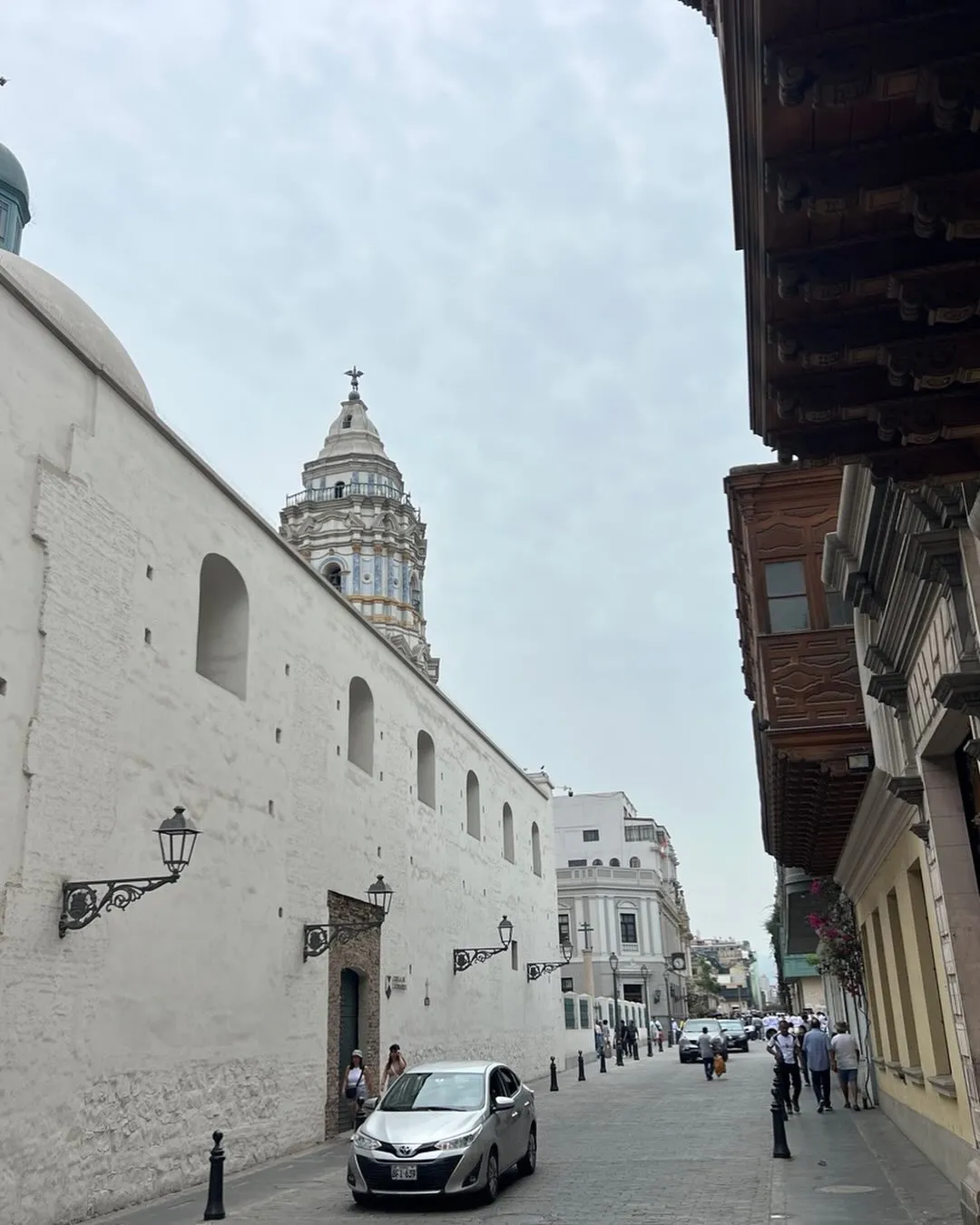
Often underestimated, Lima is South America’s culinary capital.
Why visit Lima:
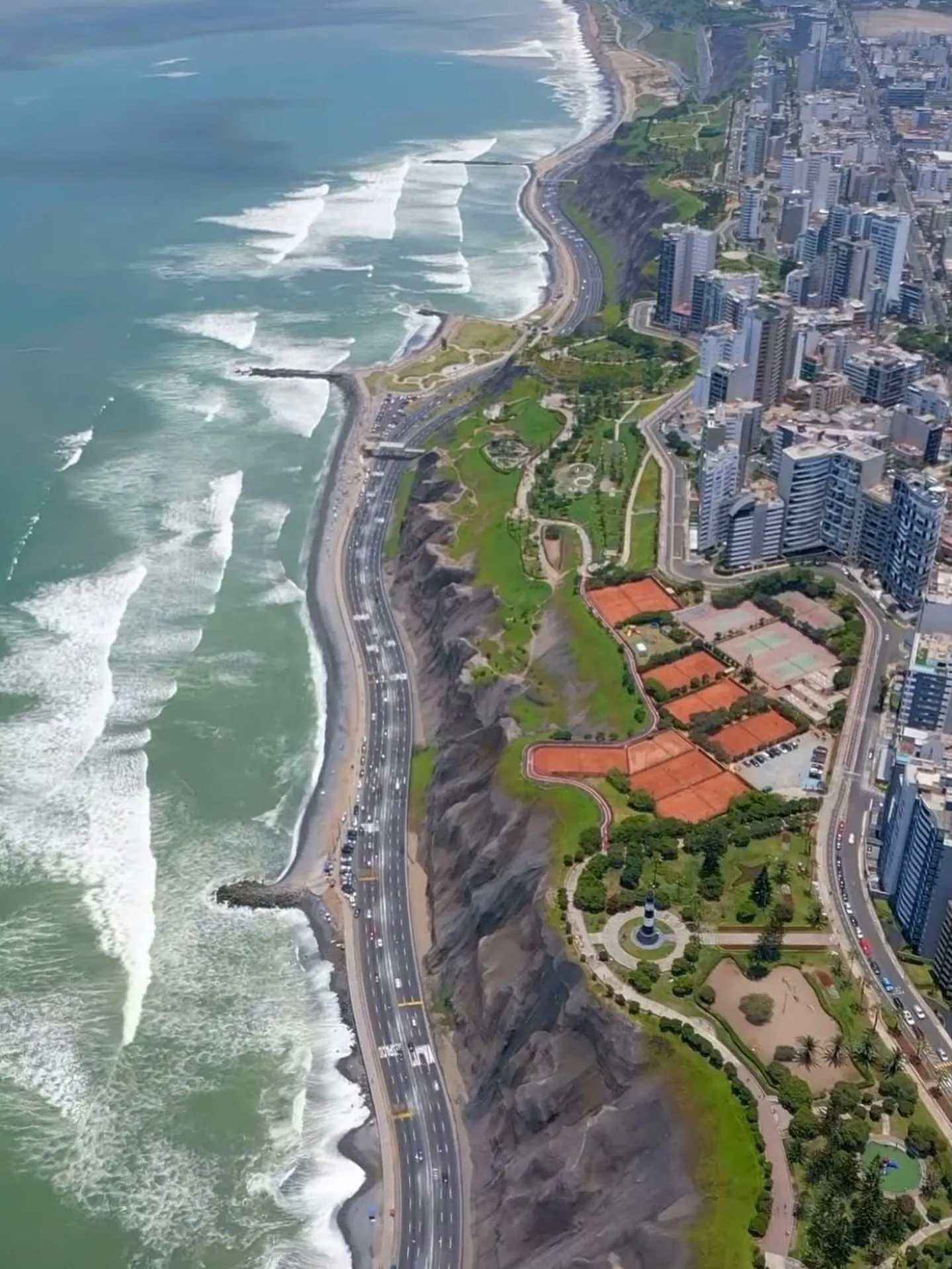
- World-renowned restaurants
- Coastal cliffs in Miraflores
- Historic center and museums
- Surf culture and ocean views
Lima offers a blend of modern energy and colonial history.
Sacred Valley

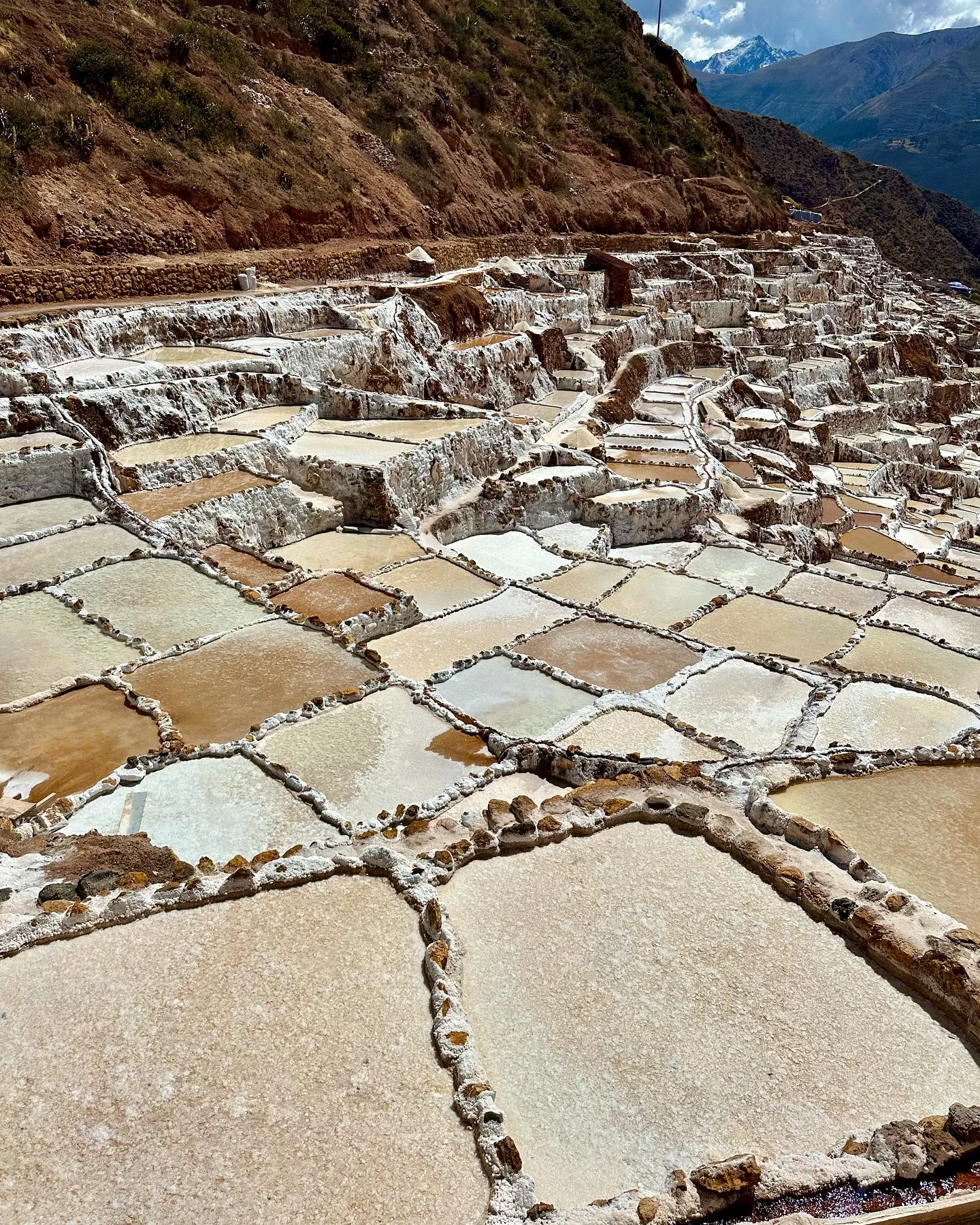
The Sacred Valley is calmer than Cusco and rich in archaeological sites.
Must-see spots:
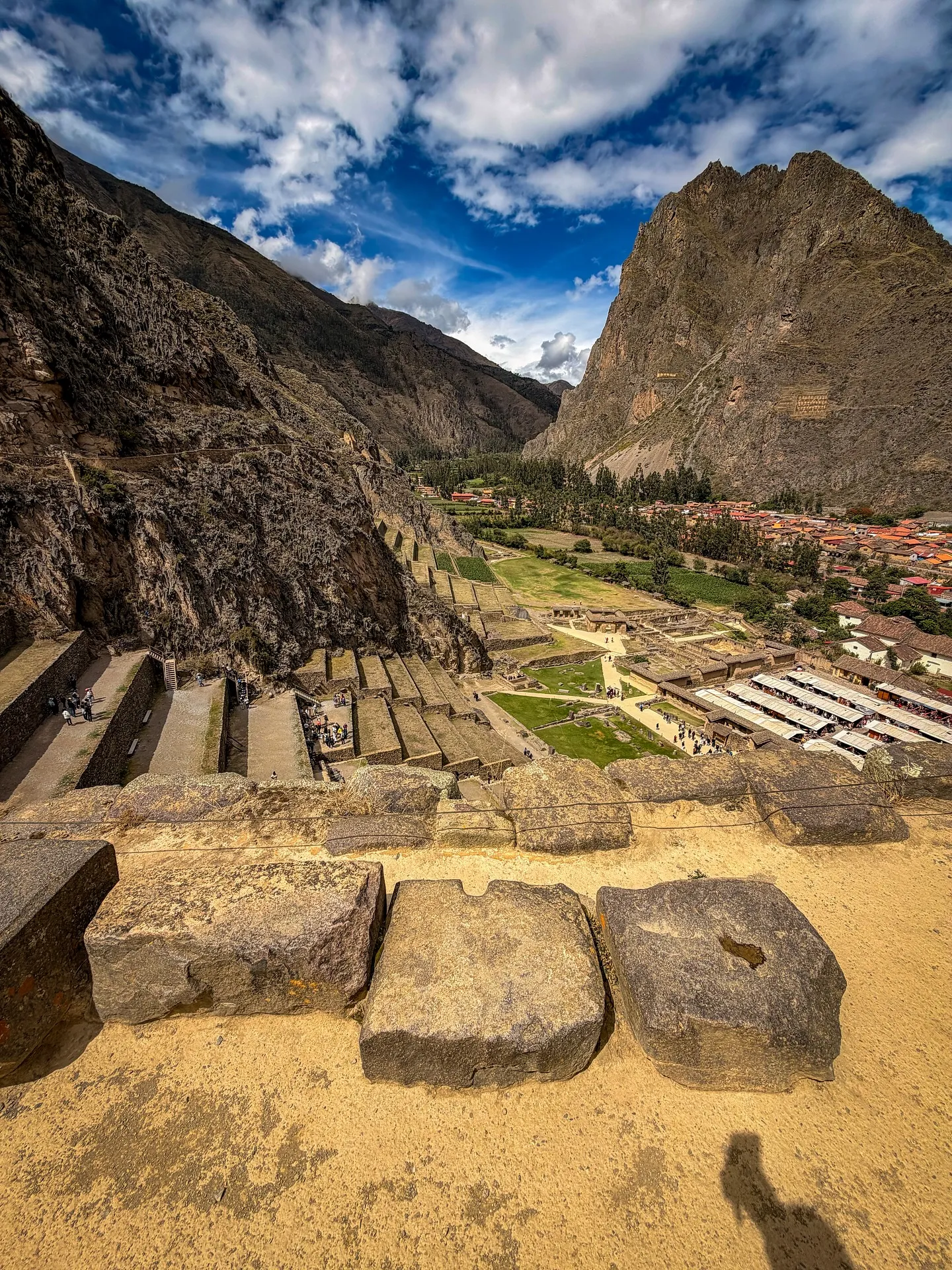
- Ollantaytambo
- Pisac ruins and market
- Moray and Maras salt mines
Many travelers prefer staying here before or after Machu Picchu.
Lake Titicaca
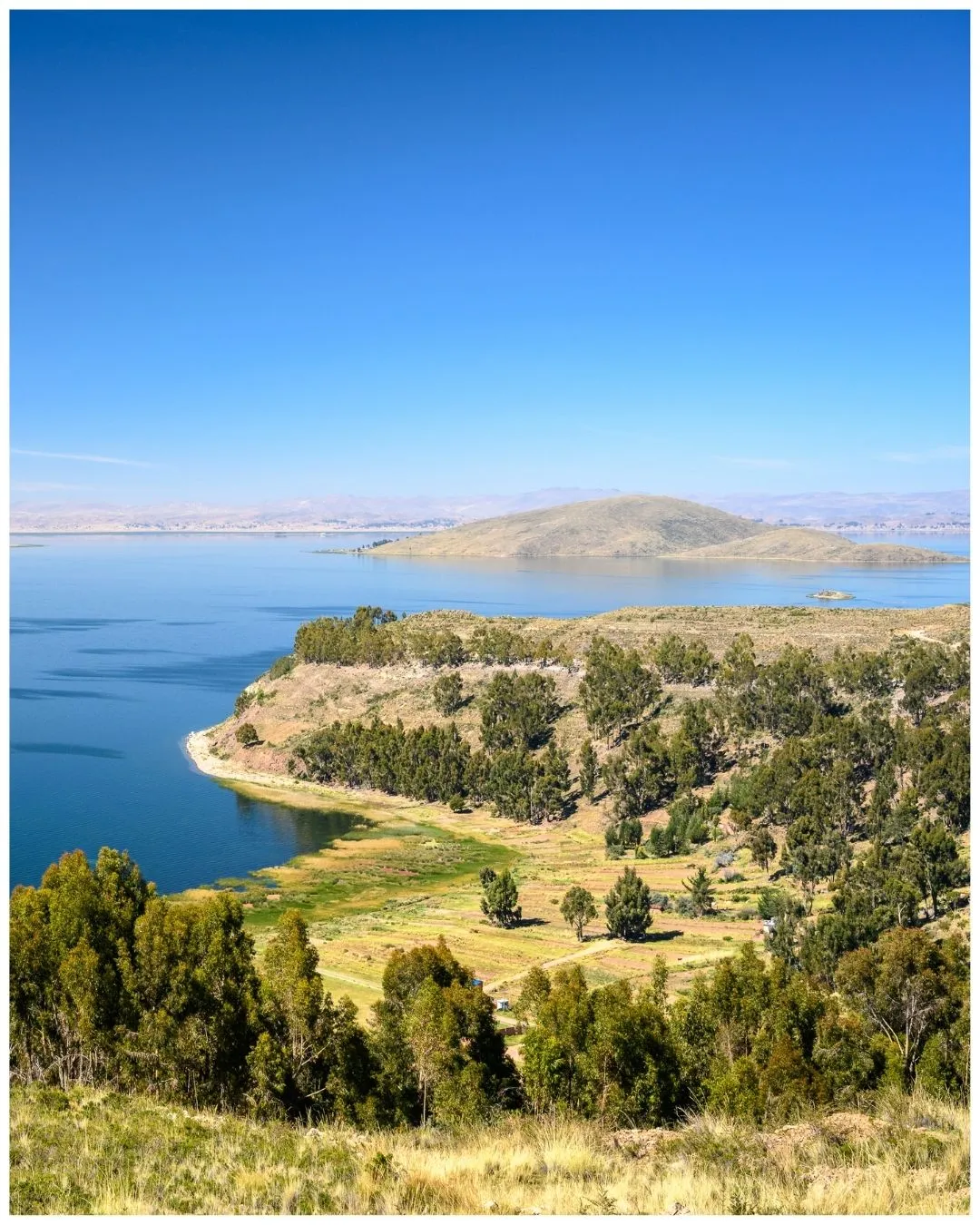

Shared with Bolivia, Lake Titicaca is the highest navigable lake in the world.
Experiences include:
- Uros floating islands
- Taquile Island traditions
- Stunning mountain-lake scenery
It offers a slower pace and deep cultural immersion.
Arequipa
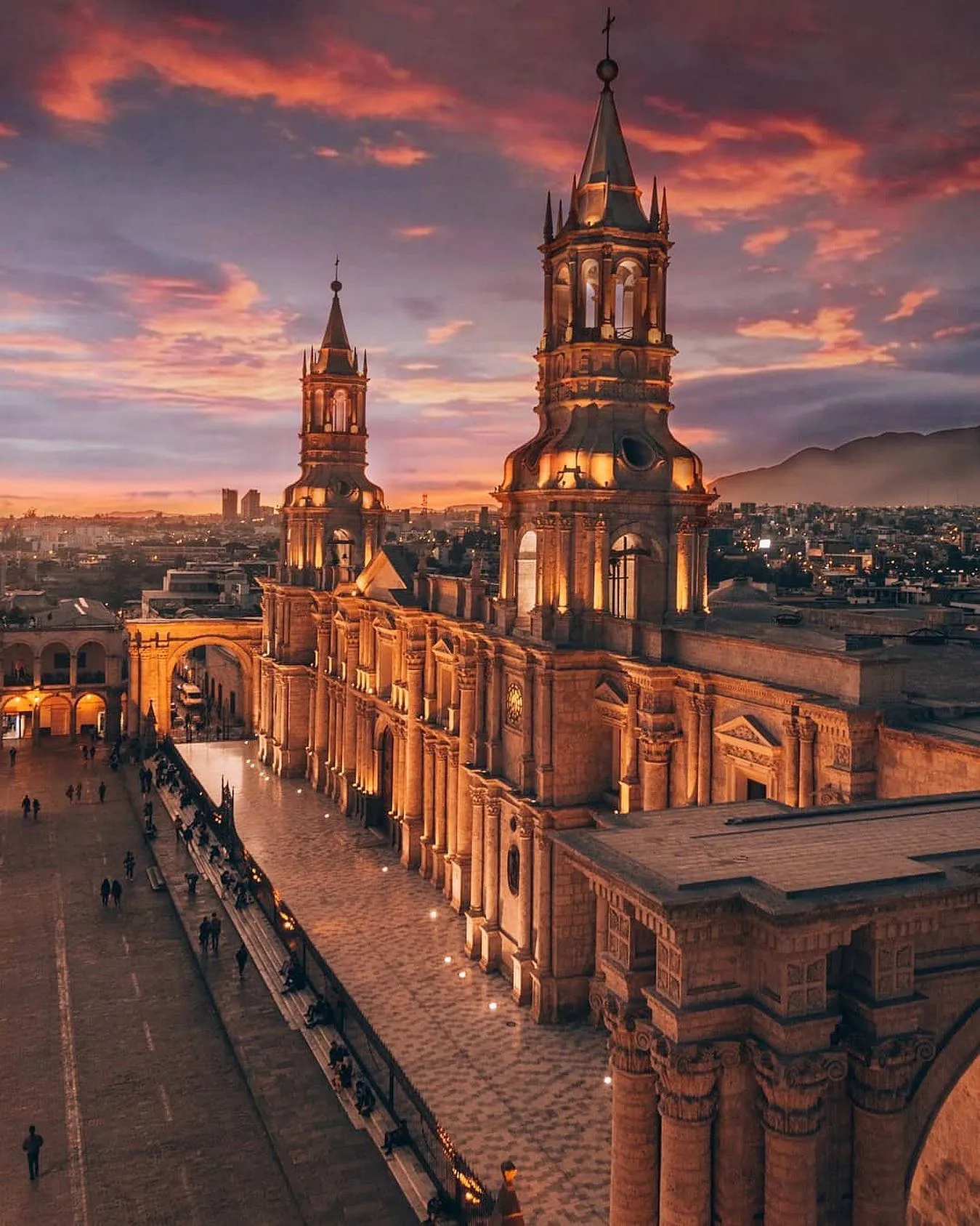
Arequipa is known as the “White City” because of its volcanic stone buildings.
Highlights:
- Santa Catalina Monastery
- Colca Canyon (condor sightings)
- Colonial architecture
Arequipa is elegant, scenic, and often less crowded.
Peruvian Food: What to Eat
Peru is one of the world’s most exciting food destinations, blending indigenous, Spanish, African, and Asian influences.
Must-Try Peruvian Dishes
 Causa
Causa Anticuchos
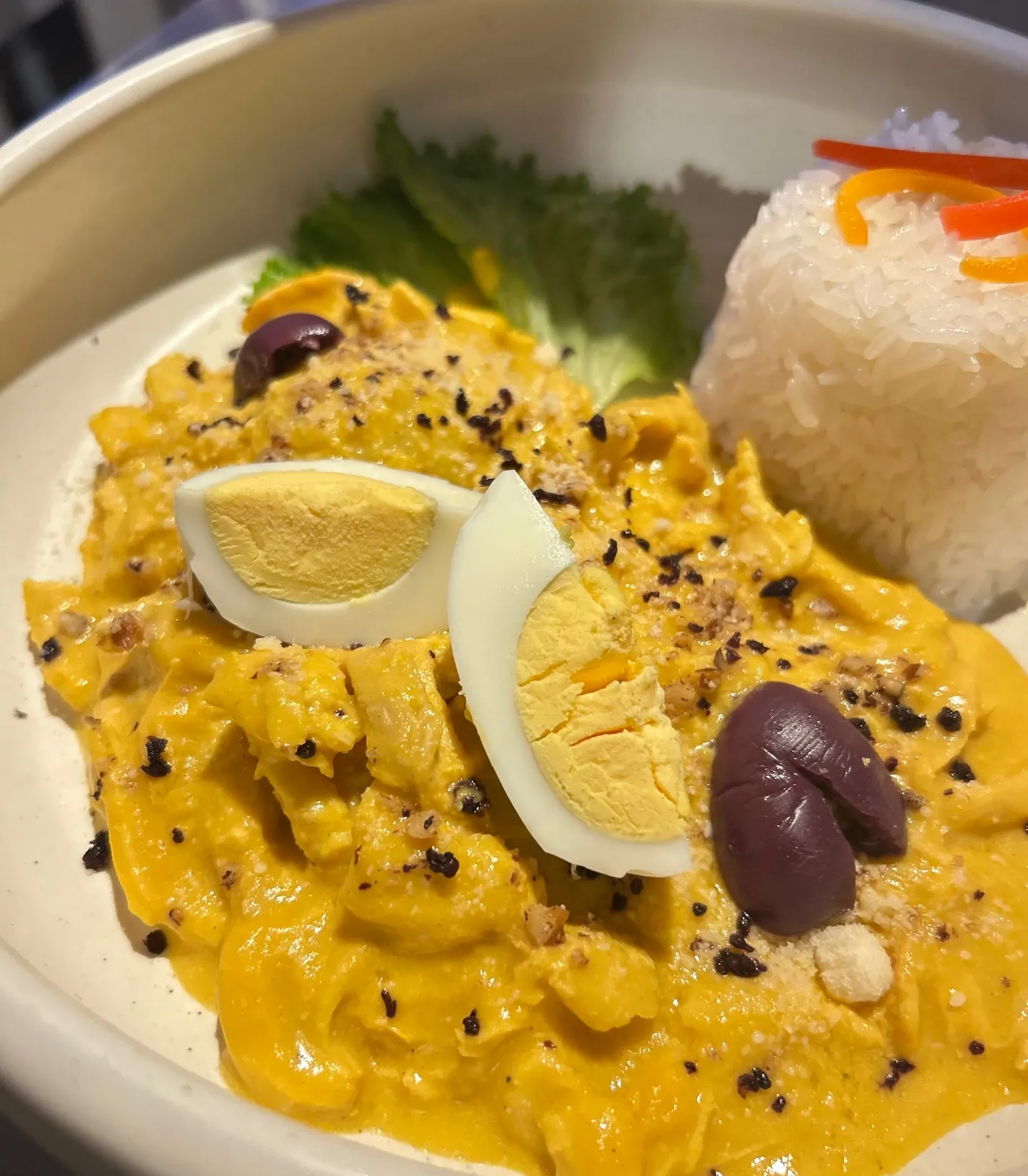 Aji de Gallina
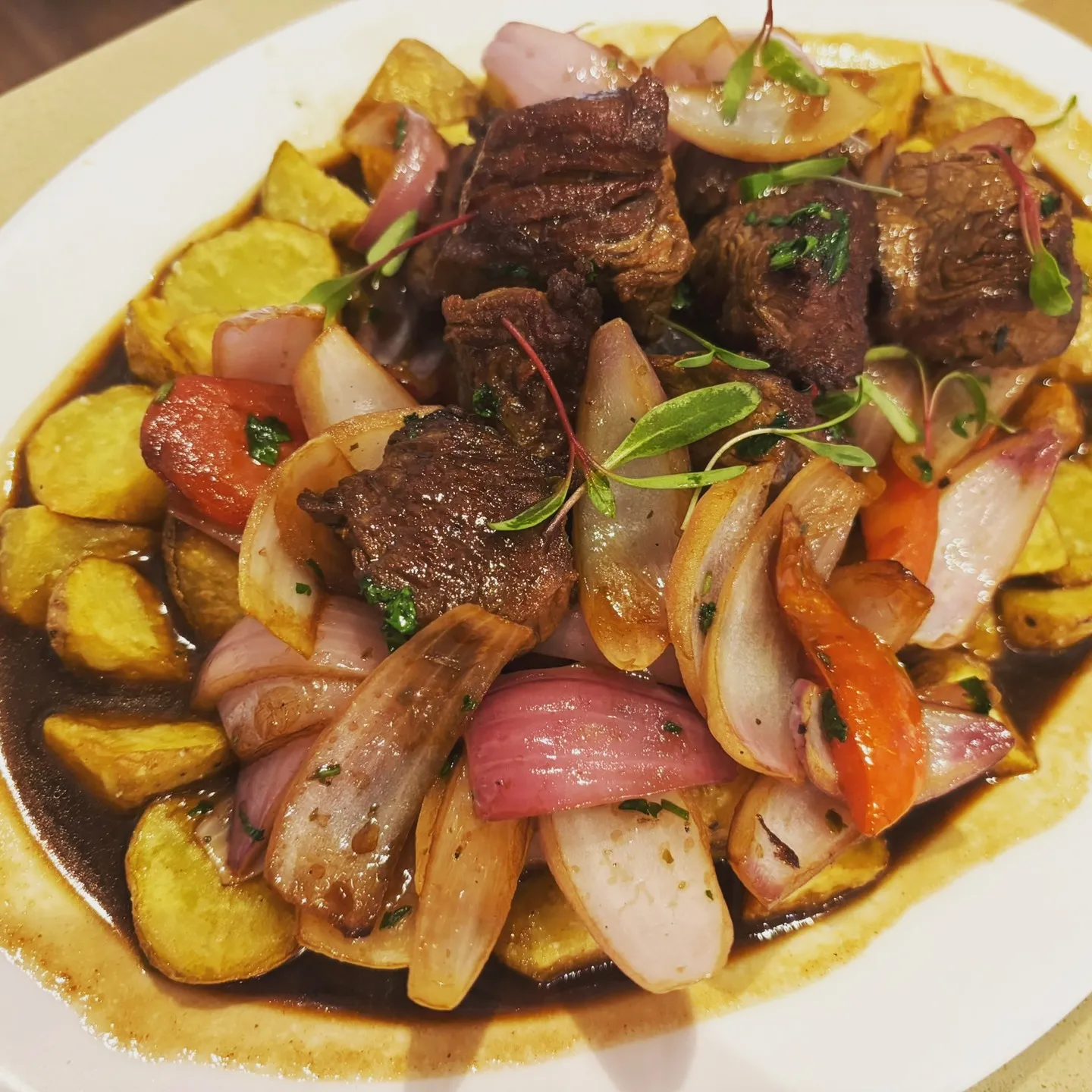 Lomo Saltado
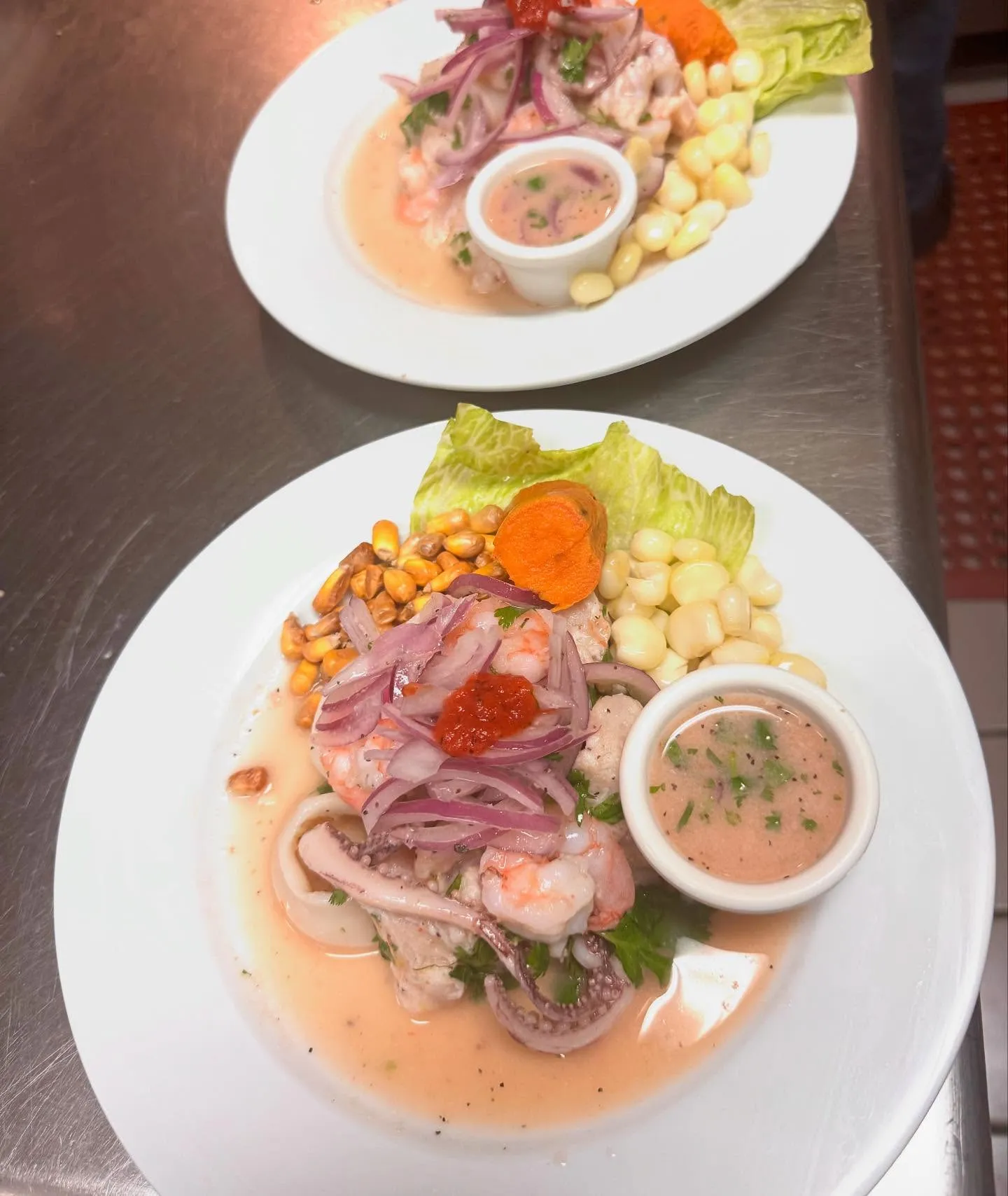 Ceviche
- Ceviche: Fresh raw fish cured in citrus, Peru’s national dish
- Lomo Saltado: Stir-fried beef with onions, tomatoes, and fries
- Aji de Gallina: Creamy chicken dish with chili peppers
- Anticuchos: Grilled skewers, traditionally made from beef heart
- Causa: Layered potato dish filled with chicken, tuna, or avocado
Drinks and Desserts
 Pisco Sour
 Chicha Morada
 Alfajores
- Pisco Sour: Peru’s signature cocktail
- Chicha Morada: Sweet drink made from purple corn
- Alfajores: Cookies filled with dulce de leche
Peruvian food ranges from street stalls to fine dining, and both are worth trying.
Altitude Sickness: What You Must Know
Altitude affects many travelers, especially in Cusco and the Andes.
Tips to cope:
- Rest for the first 24 hours
- Drink plenty of water
- Avoid alcohol initially
- Try coca tea (widely available)
Rushing ruins trips. Slow travel works best in Peru.
Common Scams in Peru (And How to Avoid Them)
Taxi Overcharging
Unofficial taxis may overcharge or take longer routes.
Avoidance: Use ride apps or arrange taxis through hotels.
Fake Tour Agencies
Some agencies sell low-quality or nonexistent tours.
Avoidance: Book through reputable companies or accommodations.
Pickpocketing
Common in crowded markets and buses.
Avoidance: Keep bags zipped and valuables hidden.
Money Exchange Tricks
Poor exchange rates or counterfeit bills can appear.
Avoidance: Exchange money at official offices or banks.
Is Peru Safe for Tourists?
Peru is generally safe for travelers, especially in tourist regions.
Safety Tips
- Stay aware in busy areas
- Avoid walking alone late at night
- Don’t display valuables
- Use hotel safes
Violent crime against tourists is rare, but petty theft exists.
Transportation in Peru
Getting around Peru requires planning due to geography.
- Domestic flights: Best for long distances
- Buses: Affordable and reliable for most routes
- Taxis: Negotiate prices beforehand if not using apps
- Trains: Used mainly for Machu Picchu routes
Road travel can be slow, so allow buffer time.
Costs and Budget Expectations
Peru offers excellent value for money.
- Meals: Very affordable, even at good restaurants
- Accommodation: Hostels to boutique hotels available
- Transportation: Reasonably priced
- Attractions: Entrance fees are moderate
Luxury experiences cost far less than in Europe or North America.
Culture, Etiquette, and Local Customs
Language
Spanish is the main language. English is spoken in tourist areas, but learning basic Spanish is helpful.
Dress Code
Casual dress is fine, but modest clothing is expected in rural areas and churches.
Tipping
- Restaurants: 5–10% if service is good
- Guides and drivers: Appreciated but not mandatory
Respect for Tradition
Indigenous culture is deeply respected. Always ask before photographing people.
Best Time to Visit Peru
- May to September: Dry season, best for hiking
- October to April: Rainy season, greener landscapes
- June to August: Peak tourist season
The best months balance weather and crowd levels.
What Makes Peru Special
Peru is not a destination you simply observe.
It is:
- Ancient yet alive
- Traditional yet evolving
- Humbling and energizing
- Deeply connected to land and history
Few places blend past and present so seamlessly.
Practical Tips Before You Go
- Carry small bills for markets
- Expect delays in rural areas
- Pack layers for changing climates
- Be patient and flexible
Peru rewards travelers who slow down.
Final Thoughts: Should You Visit Peru?
If you are drawn to ancient civilizations, breathtaking landscapes, rich culture, and unforgettable food, Peru is absolutely worth the journey.
It challenges your senses, expands your perspective, and leaves stories that stay long after the flight home.
Peru is not just a destination. It is an experience that lingers.