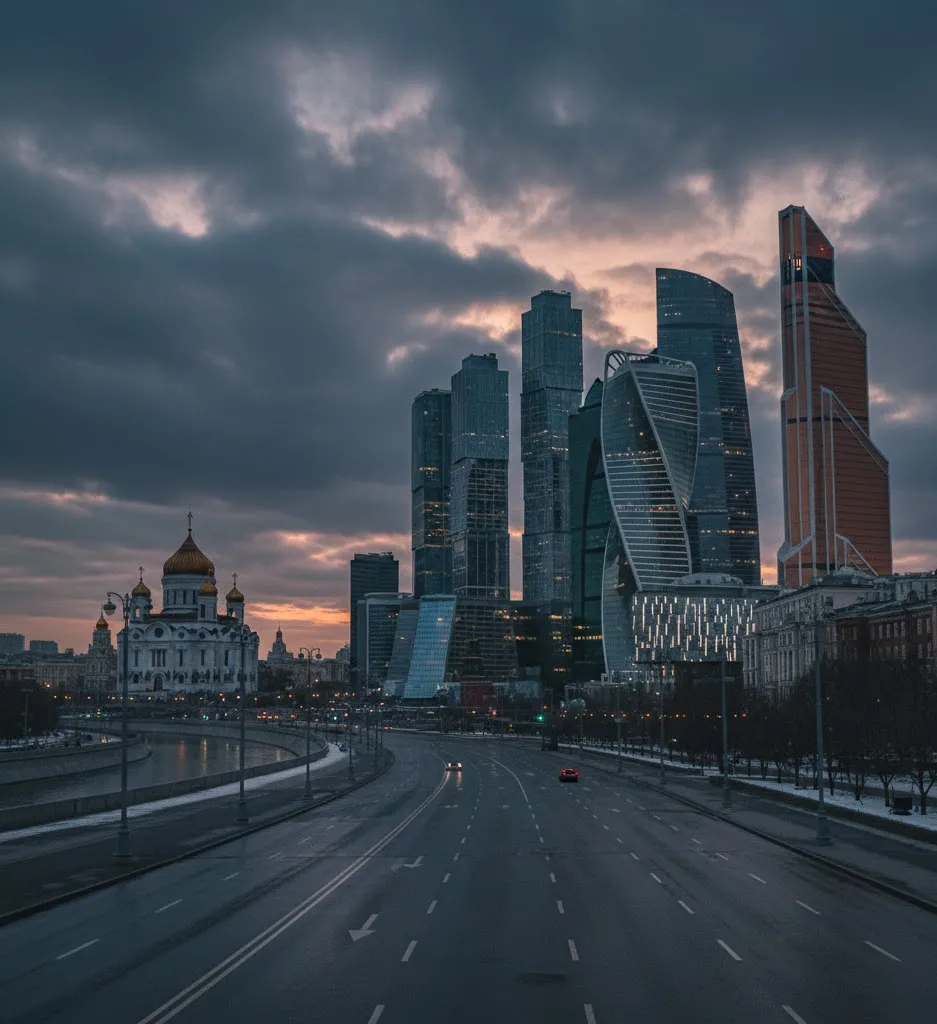
Step-by-Step Guide: Is It Safe to Travel to Russia? Essential Tips You Must Know!
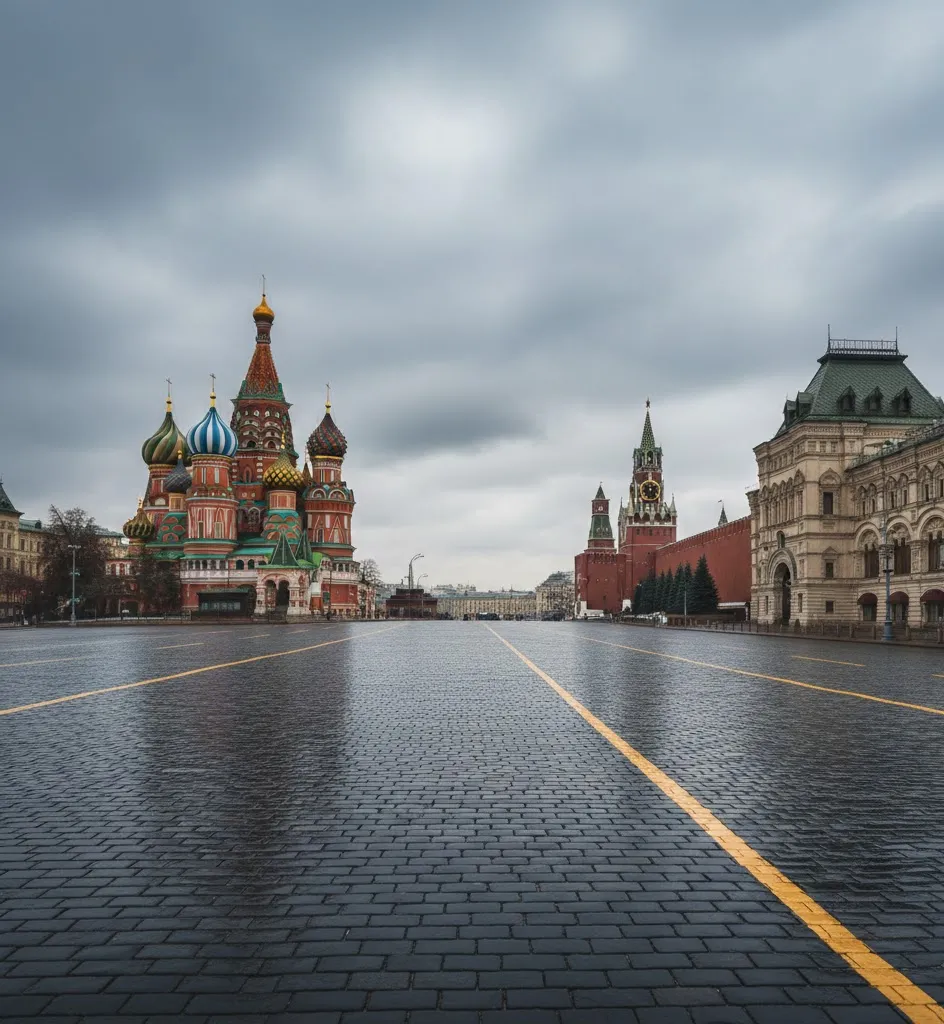
Planning a trip to Russia sparks images of grand palaces, sweeping boulevards, world-class museums, the poetic canals of St. Petersburg, and snowy Siberian landscapes unlike anywhere else on Earth. But in 2026, safety considerations for travel to Russia are more complex than they used to be, and the question “Is it safe to travel to Russia?” demands a thorough, up-to-date answer. This guide will walk you through the risks, realities, safety measures, and essential traveler tips before you even think about packing your bags.
Recommended Travel Essentials
1. Current Safety Assessment: What Governments Are Advising
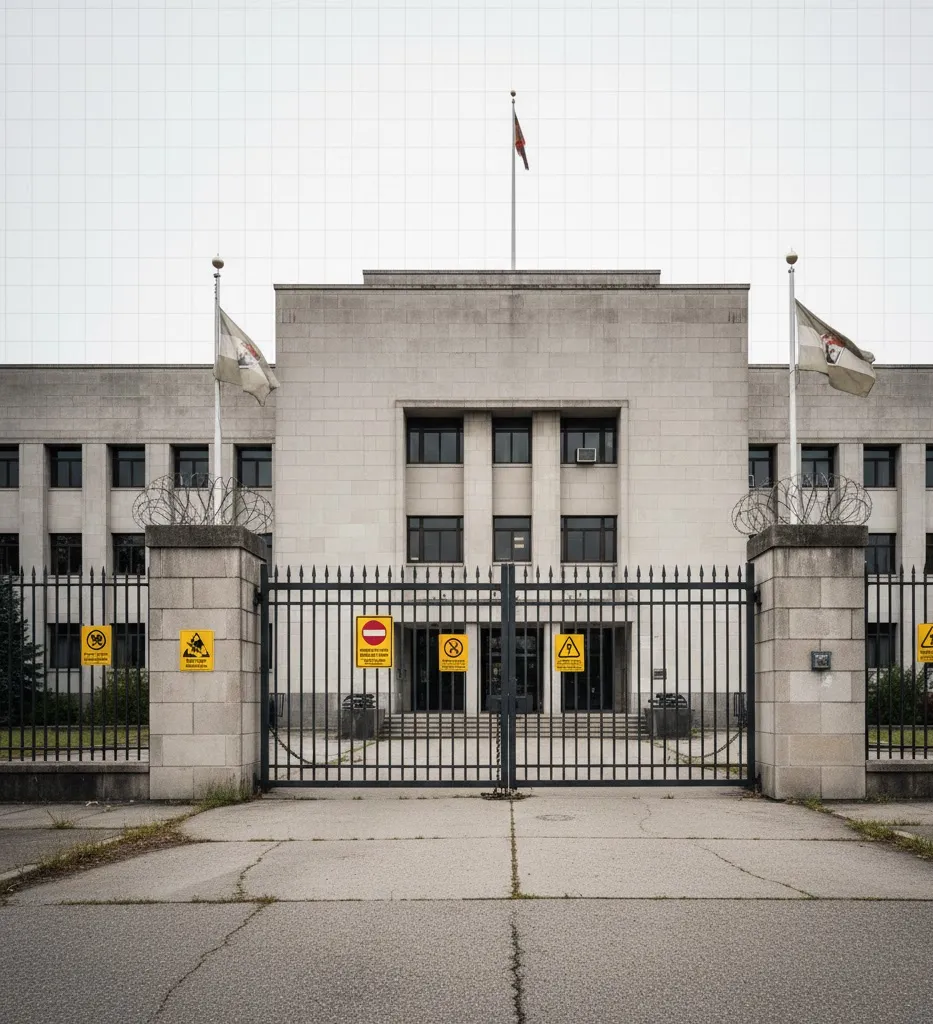
Before booking flights or hotels, check official travel advisories from reliable government sources.
🌍 Most Western Governments Advise Against Travel
The U.S. Department of State currently lists Russia as Level 4: Do Not Travel due to terrorism, unrest, risk of wrongful detention, and other threats. American citizens are urged to leave immediately and avoid travel altogether.
Similarly, the UK Foreign Office (FCDO) and other Western governments strongly advise against all travel to Russia because of ongoing security risks linked to the war in Ukraine, limited consular support, and threats from military activities and drone attacks.
Key takeaway: Official advisories from major governments generally do not recommend travel to Russia at this time. This is exceptionally rare for a country that has traditionally been a popular destination for history, art, and culture.
“If Central Asia still fascinates you but current risks make Russia less appealing, Kyrgyzstan offers dramatic mountain landscapes, nomadic culture, and a far more accessible travel experience for curious explorers.”
2. Major Risks Every Traveler Should Understand
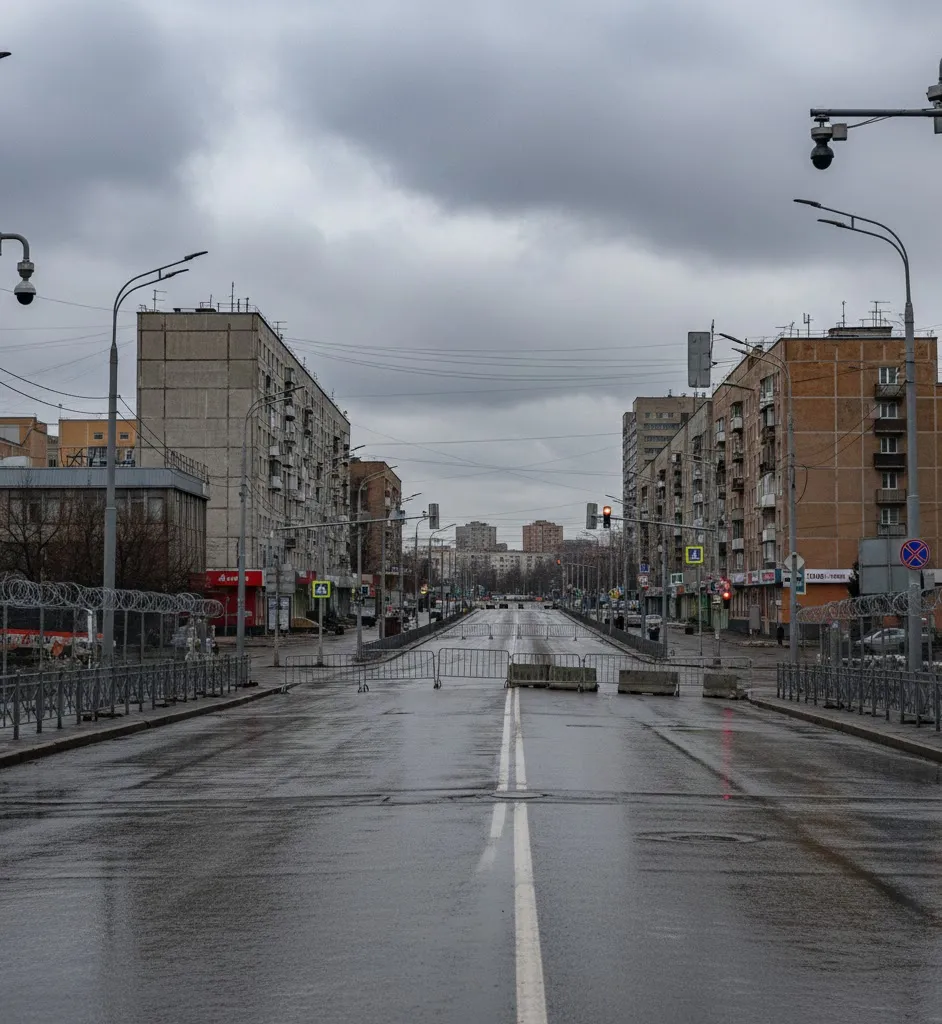
🚨 Risk of Wrongful Detention
One of the most serious risks underscored by official sources is the possibility of wrongful detention — especially for citizens of the U.S. and other Western countries. Individuals have been detained or questioned for actions that might seem innocuous abroad, including political statements or social media posts perceived as “anti-Russian.”
Russian authorities can also exercise wide discretion in questioning or detaining foreign visitors without prior warning.
🔥 Geopolitical & Military Risks
Parts of Russia, especially areas near the Ukraine border and annexed regions (like Crimea), are affected by ongoing conflict. Military action, drone strikes, and air defenses have occurred near major cities, creating unpredictable risks for foreigners.
Even outside conflict zones, domestic security measures may feel heightened, and demonstrations or political activity can escalate rapidly.
💳 Sanctions and Financial Barriers
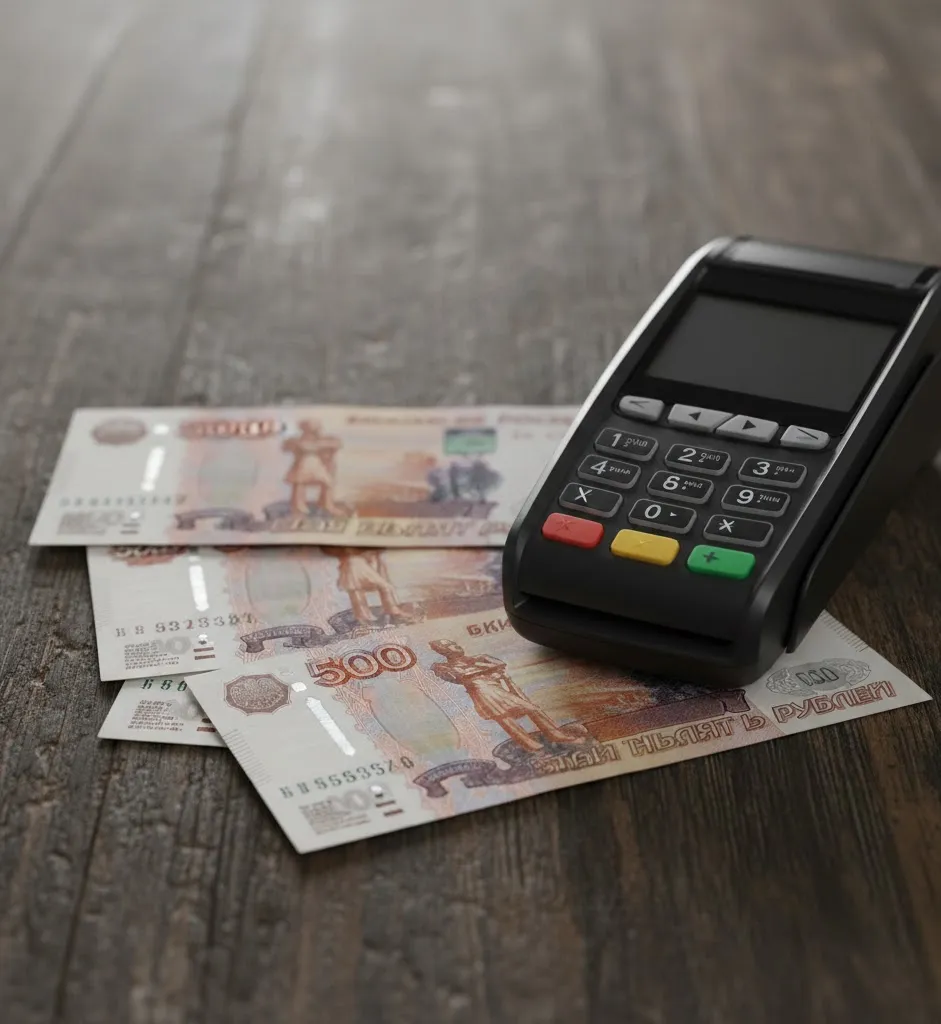
Due to international sanctions, many Western credit and debit cards do not work in Russia. Travelers may need to use cash or local payment systems. Consular assistance (especially for U.S. citizens) is limited because embassies and consulates have reduced services or closed some offices.
🛂 Visa and Entry Challenges
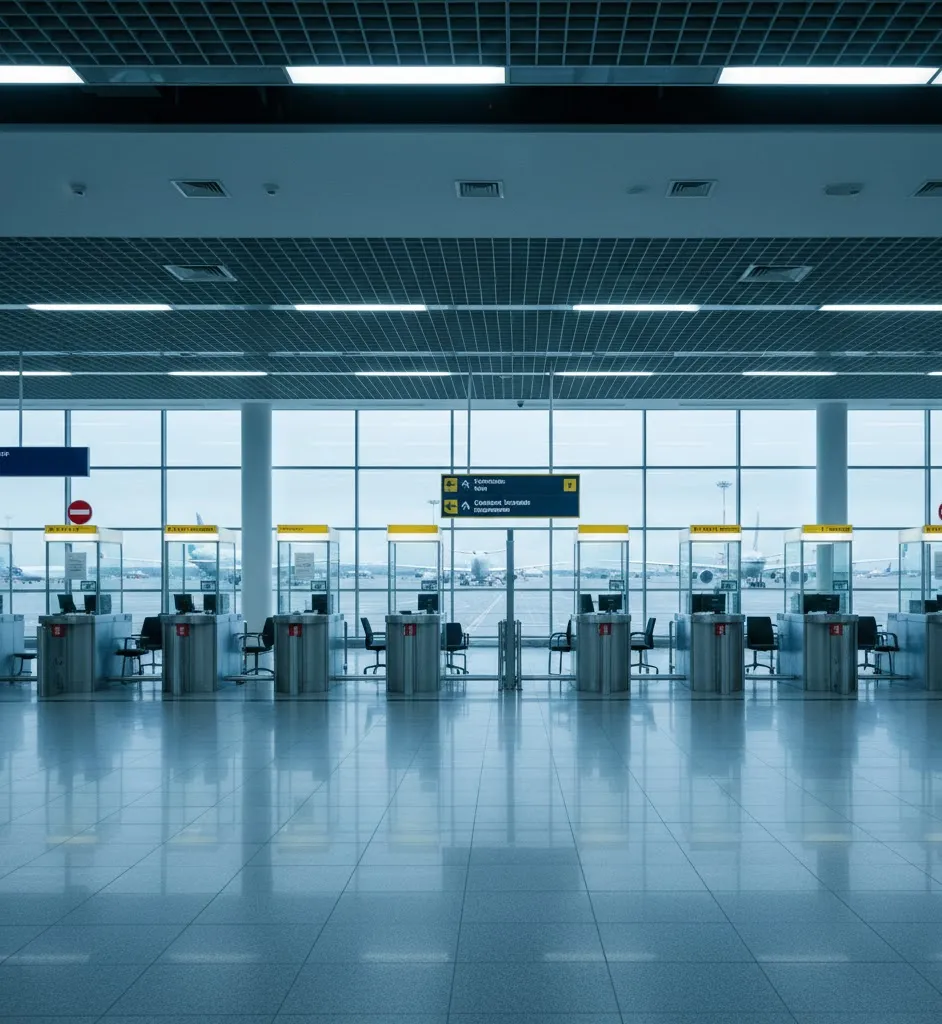
Russia’s visa process is strict and involves background checks, biometric requirements, and sometimes additional questioning at the border. Some travelers report long detentions or even denial of entry despite valid e-visas, which can become a stressful travel disruption.
“For travelers who love slow, scenic exploration without geopolitical complications, iconic train journeys around the world offer unforgettable views, comfort, and cultural immersion without the same safety concerns.”
3. Is Russia Entirely Unsafe? Context Matters
The answer isn’t simply “yes” or “no.” There’s nuance.
🇷🇺 Major Cities vs. Conflict Zones
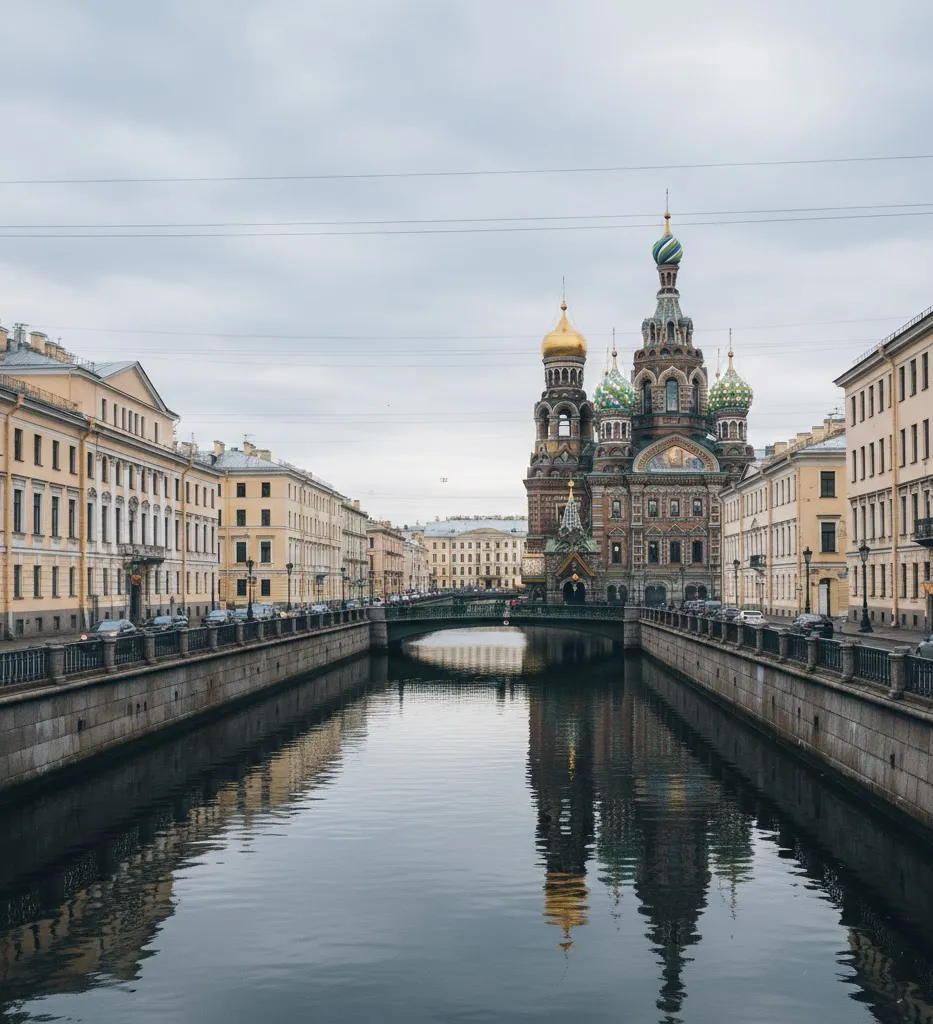
Cities like Moscow, St. Petersburg, and Kazan — major tourist hubs — generally have good infrastructure, visible policing, and everyday life that feels no more dangerous than other big global cities in terms of common street crime.
Many visitors walk city streets, take metro rides, dine out, and enjoy museums without serious incidents — but this day-to-day sense of “safety” exists alongside broader national security concerns that do affect travel advisories.
🤝 Local Perspectives
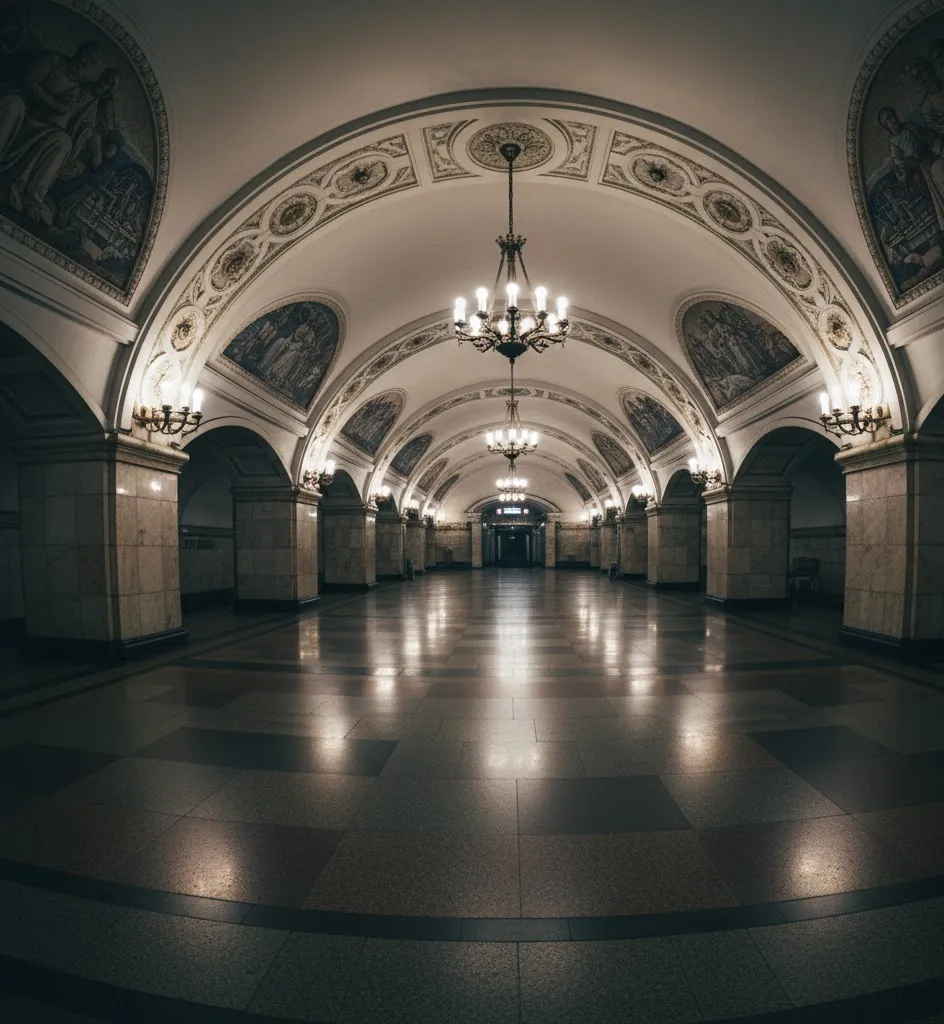
On travel forums, some long-time visitors to Russia emphasize that police generally don’t target ordinary tourists and that, with common-sense behavior and valid documents, people can have trouble-free experiences in central urban areas.
However, remember that individual anecdotes don’t change official travel risk assessments. They do show that experiences vary widely depending on region, situation, and personal behavior.
4. Step-by-Step Safety Tips Before You Go
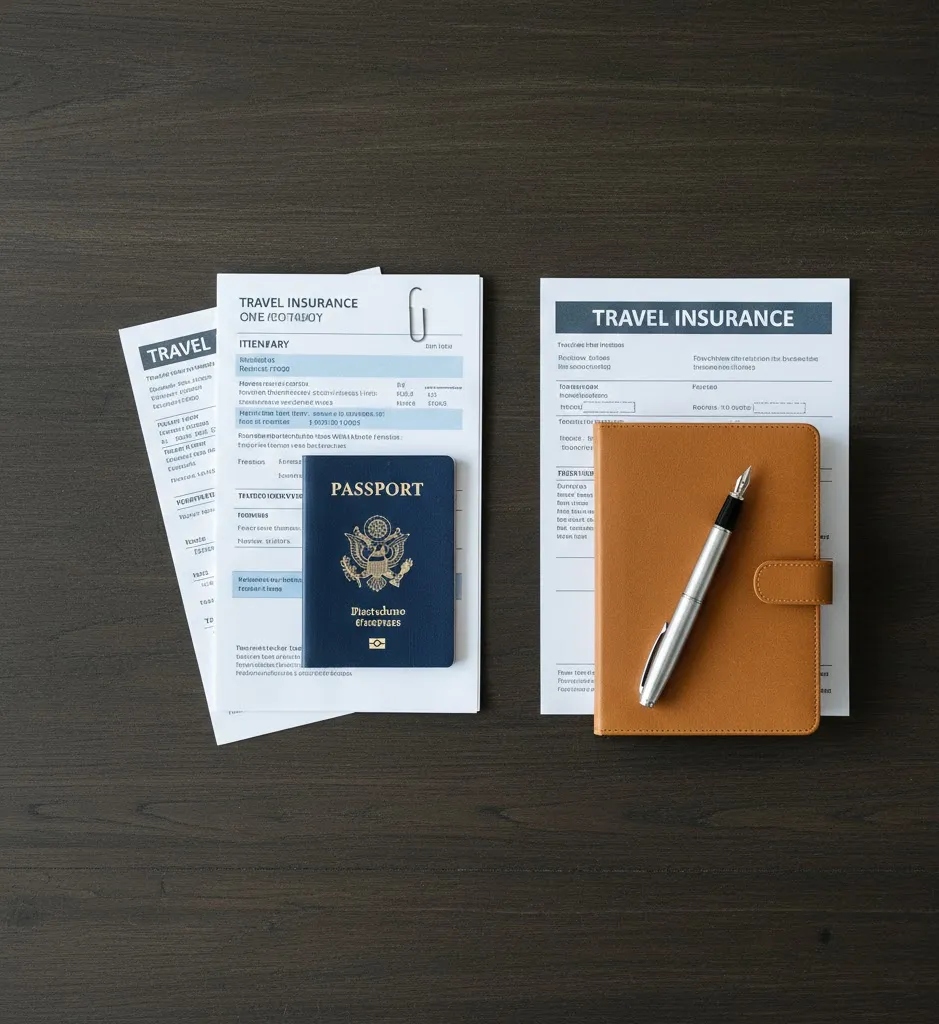
If, after serious consideration, you still choose to travel to Russia, follow these proactive steps.
🧾 1. Check Latest Official Advisories
Do not rely on outdated travel blogs. Government advisories change quickly, so consult your country’s travel advisory page close to your departure date.
✈️ 2. Secure Comprehensive Travel Insurance
Your policy must include medical evacuation, trip cancellation, and coverage for unexpected delays or detentions.
🛂 3. Prepare for Visa and Entry Requirements
Russia’s visa process is detailed. Ensure your passport has at least six months validity and meets Russia’s guidelines. Always carry copies of your visa, passport ID pages, and hotel reservations.
5. Practical Safety Tips While In Russia
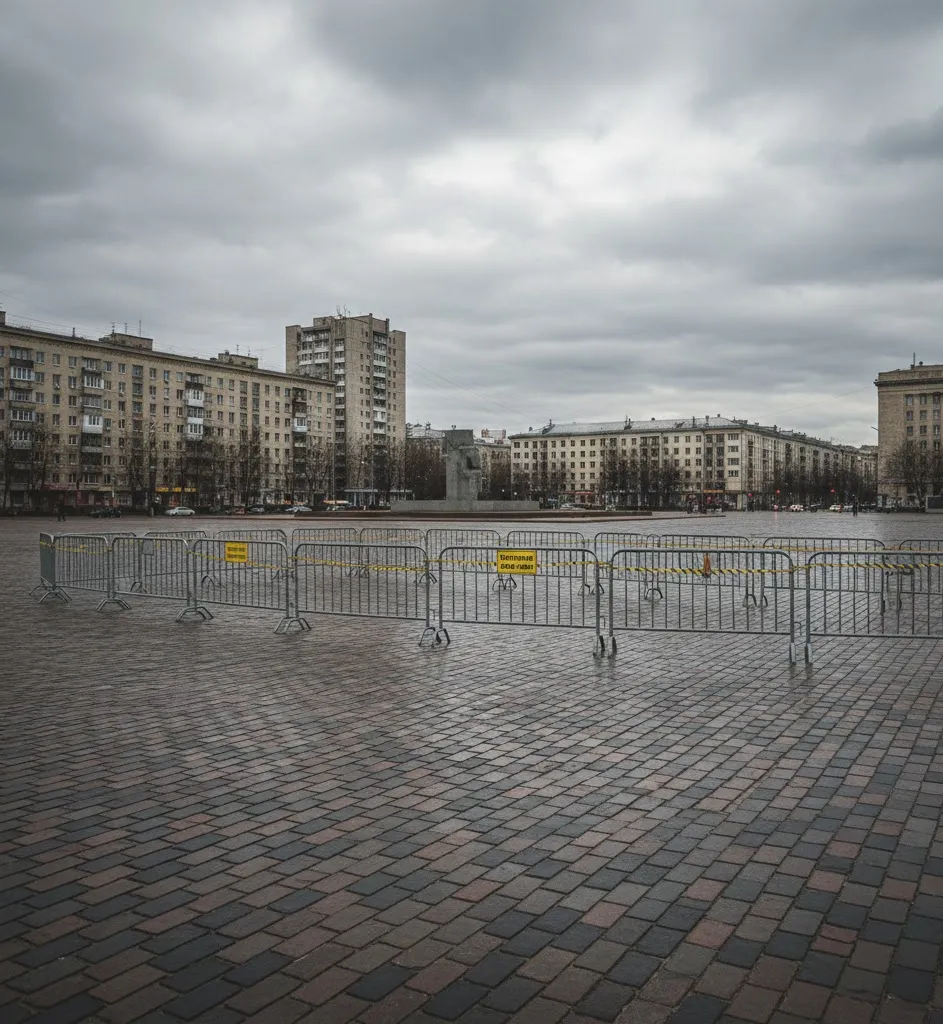
Safety abroad often comes down to situational awareness and respect for local rules.
🚨 A. Avoid Protests and Public Demonstrations
Public gatherings, even peaceful ones, can be unpredictable and have led to detentions in the past. Stay away from them entirely.
📱 B. Be Careful With Phones and Social Media
Russian authorities reserve the right to search electronic devices at borders or checkpoints. Anything perceived as politically sensitive could trigger additional scrutiny. Avoid storing or displaying political content.
💳 C. Understand Payment Limitations
As sanctions impact banking, have enough cash in rubles (₽) for your trip and confirm how you’ll pay for major expenses. Cards from many Western banks may not work.
🗺️ D. Choose Reliable Transport
Use reputable taxi apps (like Uber Russia and Yandex) or arrange for trusted drivers. Public transit in big cities is generally safe, but always remain alert in crowded places.
💧 E. Water and Food Precautions
Tap water in many areas is not safe to drink directly — stick to bottled water and ensure ice in drinks is made from safe water.
“If nature and solitude are what you’re after, destinations like Khao Yai National Park deliver lush landscapes, wildlife encounters, and eco-travel experiences in a far more relaxed environment.”
6. Women and Solo Travelers: Special Considerations
Travel forums show mixed views, but urban centers like Moscow and St. Petersburg are generally considered safe during the day. However:
- Avoid poorly lit or isolated areas at night.
- Solo women travelers may encounter local attitudes that differ from what they’re used to; remain observant and confident.
- Be aware that cultural norms and behaviors vary widely across cities and regions.
Overall, everyday safety — separate from geopolitical risk — is comparable to many other major world cities.
7. Regional Differences: Where Not to Go
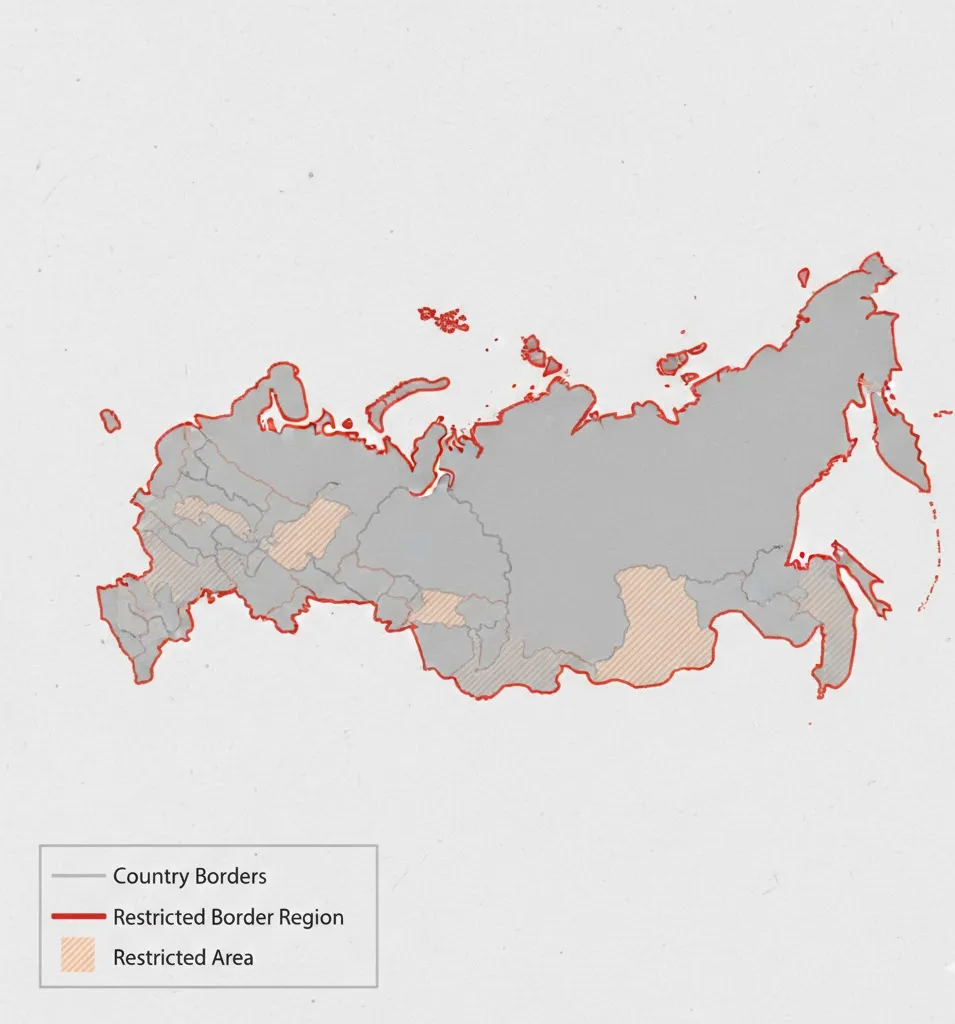
While official advisories apply nationwide, some areas are especially sensitive or risky:
⚠️ North Caucasus and Border Areas
Regions near Ukraine (e.g., Belgorod, Kursk), and parts of the North Caucasus, have active military concerns and are strongly discouraged for travel.
🛑 Annexed Territories
Places like Crimea and the eastern Ukraine border regions are legally and militarily sensitive, with international travel restrictions and heightened security.
If you’re planning a route that includes any of these areas, reconsider — or avoid them entirely.
“For travelers who want rich culture, excellent infrastructure, and fewer entry complications, Thailand remains one of the most beginner-friendly destinations for first-time international trips in 2026.”
8. Emergency Preparedness: What You Must Have
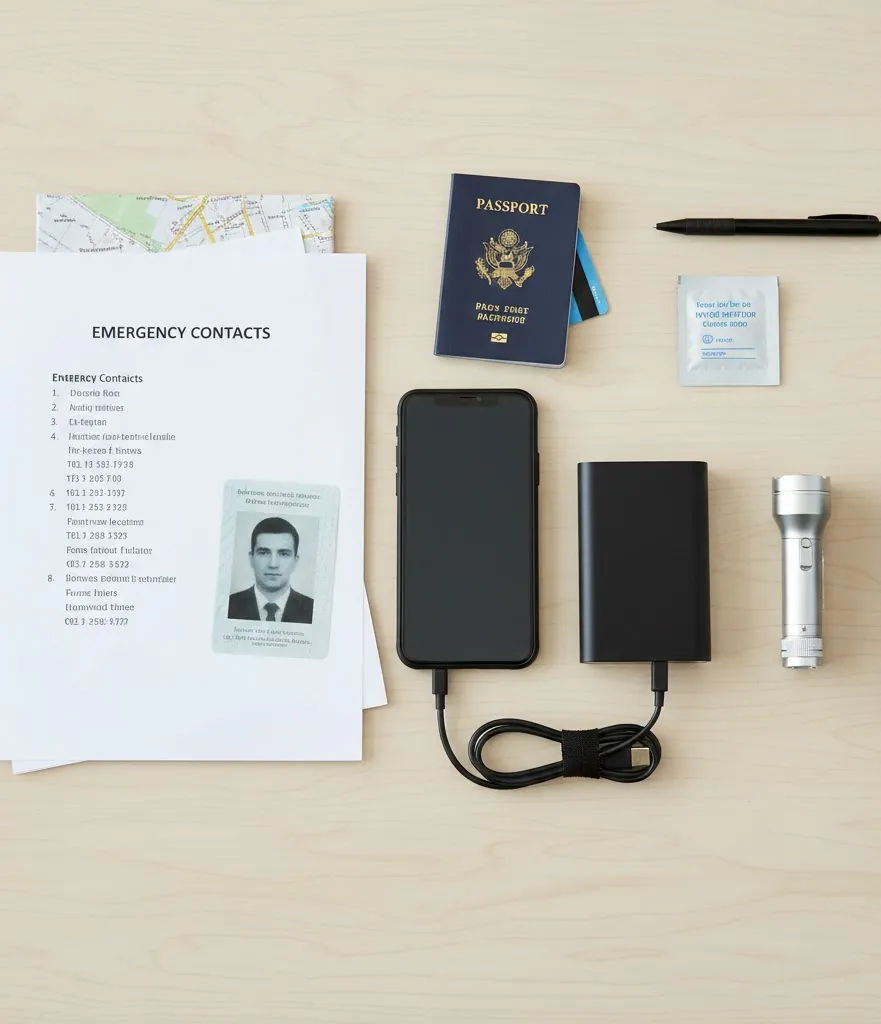
Before departure, make sure you have:
- Copies of your passport and visa stored securely
- Contact info for your embassy or consulate
- Local emergency numbers (112 universal in Russia)
- A plan for what you’d do if flights are disrupted
Remember: consular help may be limited or unavailable, so you may need self-sufficiency in emergencies.
9. Cultural Tips: Respect Local Norms and Laws
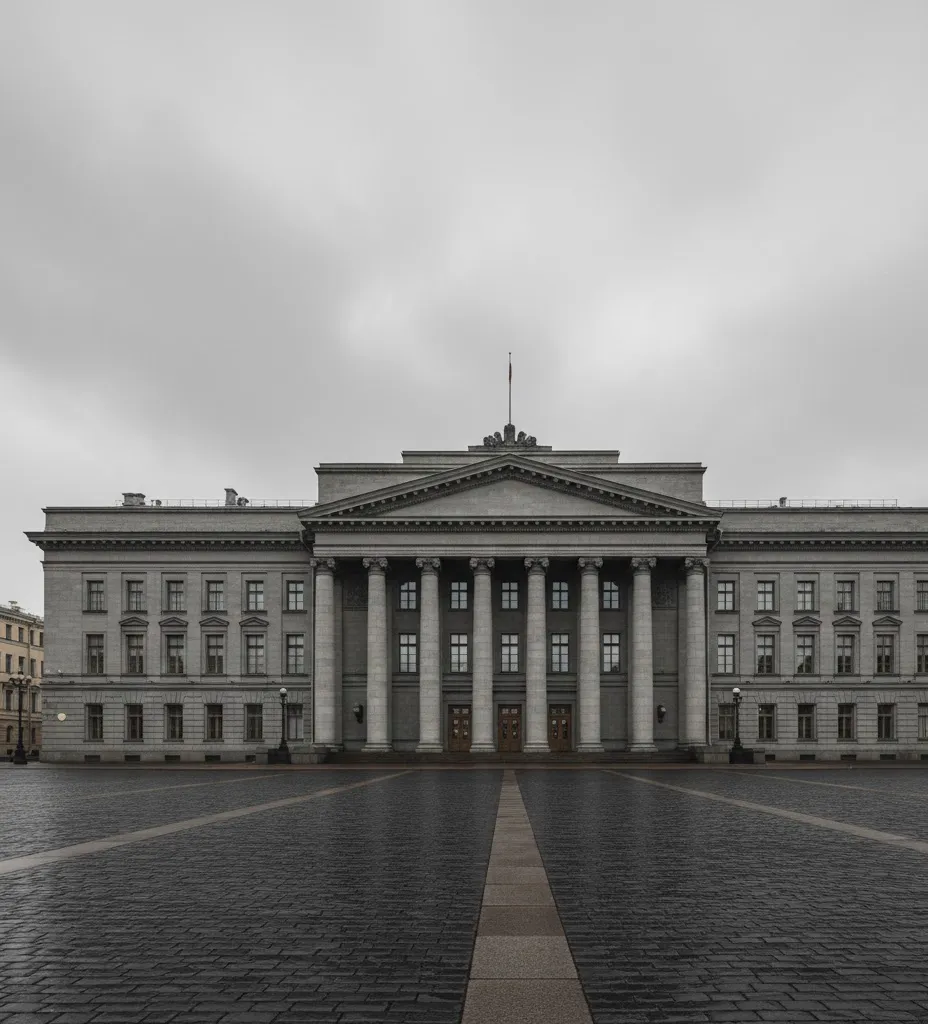
Being respectful and law-abiding is essential anywhere — but in Russia, the consequences can be more severe:
📜 Follow Local Laws
Russia has strict laws around political speech, protests, and even expressions about government policies. Violations can lead to fines, detention, or deportation.
🤫 Avoid Sensitive Topics
Political discussions in public or online may be perceived differently than in your home country. Err on the side of caution.
10. Should You Still Travel? A Balanced Decision
Whether it’s safe to travel to Russia is not a binary judgment — it depends on your risk tolerance, travel purpose, and preparedness.
❗ Governments Say: “Do Not Travel”
Your government likely strongly discourages travel due to political instability, security concerns, and limited support.
🧭 On the Ground Experiences Are Mixed
Some visitors to major cities report uneventful trips focused on culture, museums, and everyday life, while others caution about border experiences or isolation.
🧠 The Bottom Line:
If your travel is not essential, postponing or choosing alternative destinations may be wise. If you must travel, do extensive preparation, stay informed, and respect all local laws.
“If your interest lies in history, architecture, and deep-rooted traditions with a strong sense of safety, Japan offers a highly organized and traveler-friendly experience for both first-time and repeat visitors.”
11. Alternatives: If You Love Russian Culture but Not the Risks
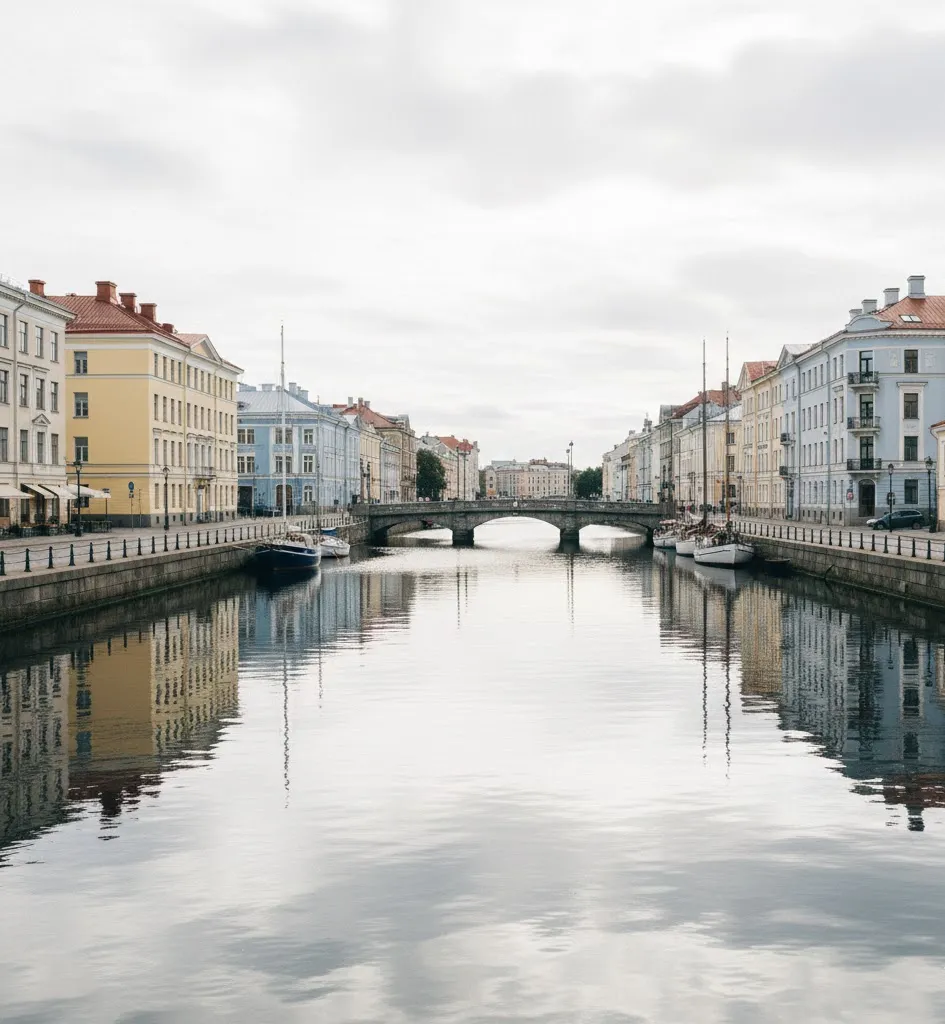
If the arts, history, and architecture of Russia draw you — but the current risk landscape makes you hesitant — consider nearby alternatives that share cultural elements:
- Finland: Finnish-Russian cultural influences in art and music
- Baltic States (Estonia, Latvia, Lithuania): Russian-influenced areas with safer travel advisories
- Georgia: Rich history and architecture with generally safer advisories
These still offer glimpses into the heritage and influences you might seek.
12. Final Words: Travel Wisely and Stay Informed
Travel brings joy, discovery, and growth — but when a destination sits in a complex geopolitical and security situation, informed travel decisions matter more than ever.
✔️ Always check your government’s official travel advisories
✔️ Get robust travel insurance
✔️ Respect local laws and cultural norms
✔️ Prepare for financial, medical, and logistical challenges
By combining caution with curiosity and planning, you can make the best decision for your personal circumstances.🧳 Travel responsibly — and wherever you go next, may it be safe, enriching, and unforgettable. 🇷🇺✈️