The Ultimate Guide to Experiencing India’s Rich Culture: Must-Visit Places and Traditions
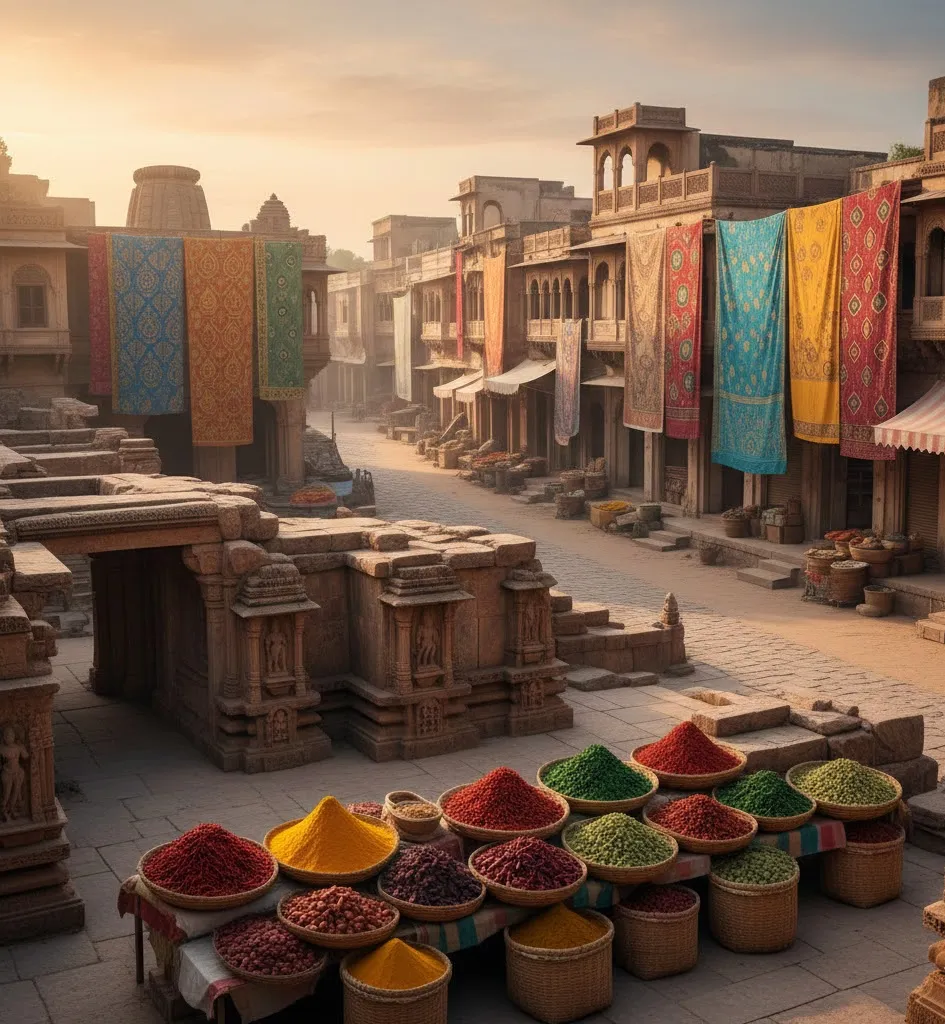
India is not a country you simply tour. It is a living, breathing mosaic of languages, rituals, colors, flavors, and philosophies that shift every few hundred kilometers. One moment you are standing before ancient temples echoing with chants, the next you are navigating spice-scented lanes or watching centuries-old traditions unfold in daily life.
To truly experience India’s rich culture, travelers must go beyond famous landmarks and step into its cities, villages, festivals, food, and human stories. This guide walks you through must-visit cultural destinations, time-honored traditions, and practical ways to connect deeply with India, whether it is your first visit or your fifth.
Recommended Travel Items for Your Trip
Why India Is One of the World’s Greatest Cultural Destinations
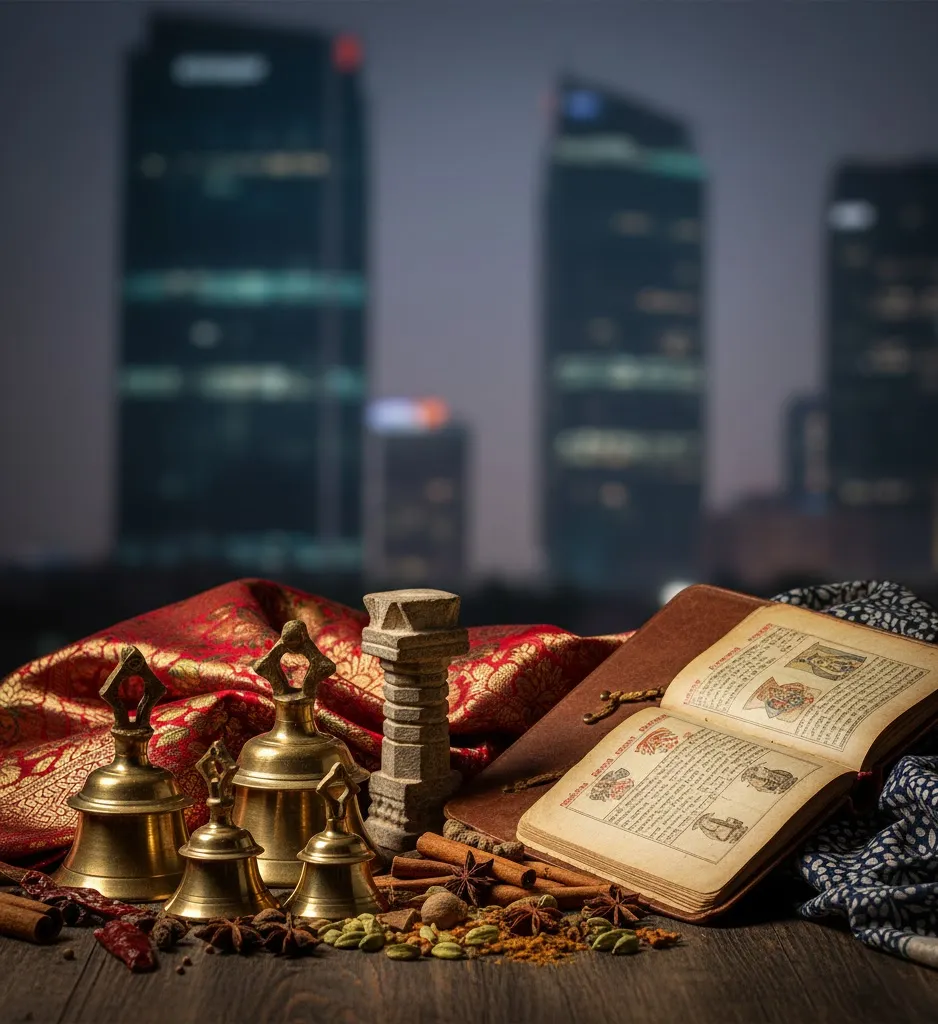
India’s culture stretches back over 5,000 years, shaped by Hinduism, Buddhism, Jainism, Sikhism, Islam, Christianity, and countless regional beliefs. Each state feels like a country of its own, with distinct clothing, cuisine, architecture, music, and customs.
What makes India extraordinary is not just its heritage, but how ancient traditions coexist with modern life. Smartphones sit beside temple bells. High-speed trains pass Mughal forts. Spiritual rituals happen next to bustling markets. This contrast is the essence of India’s cultural heartbeat.
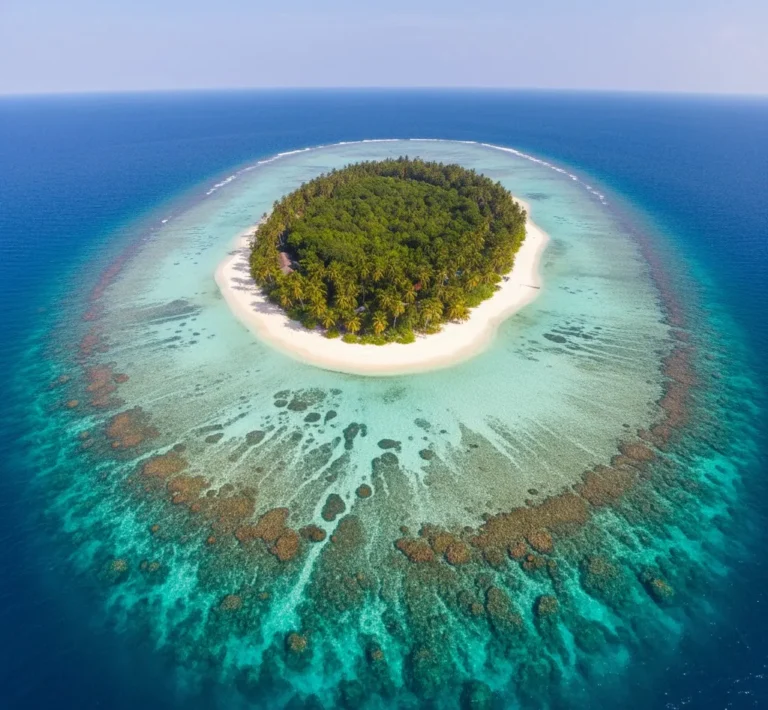
If dramatic landscapes speak to you, you might also enjoy the serene contrast of tropical scenery in our Maldives Travel Guide: Everything You Need to Know Before Visiting This Island Paradise, where turquoise waters replace misty mountains.
Golden Triangle: The Cultural Gateway to India
Delhi: Where Empires and Everyday Life Collide
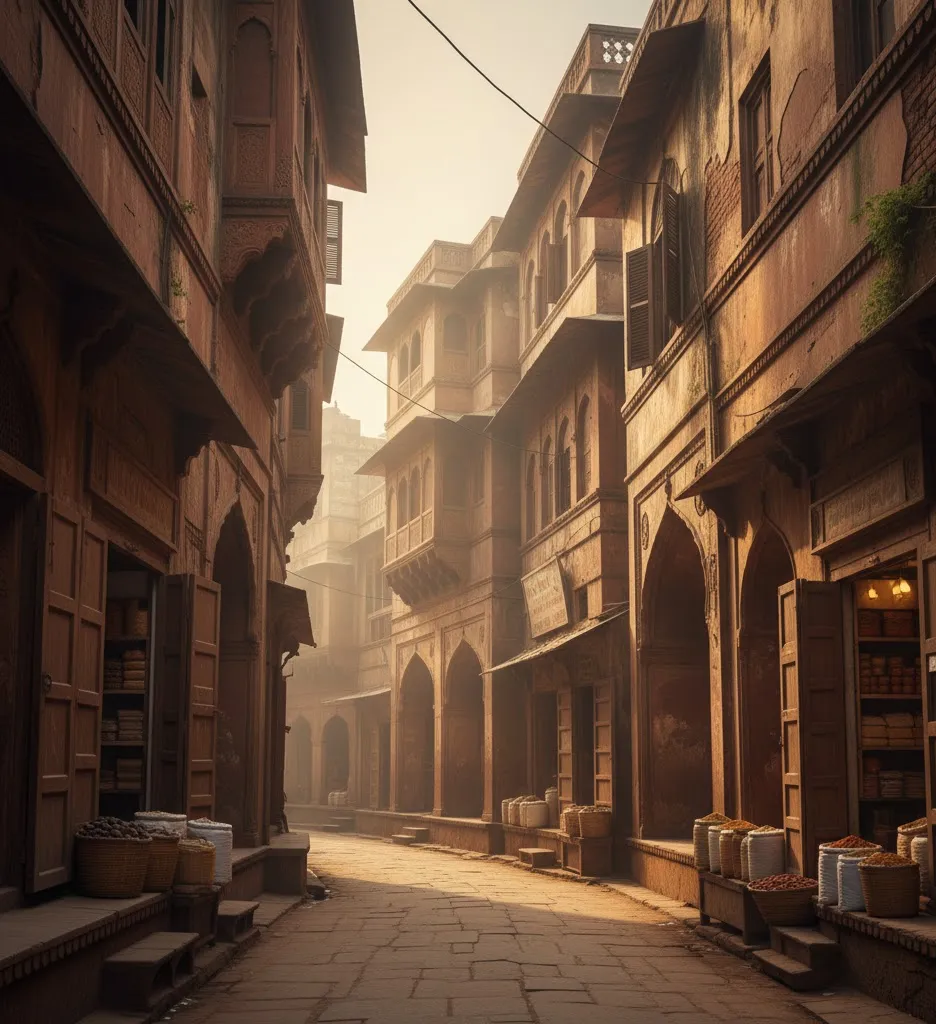
India’s capital is a powerful introduction to its layered history. Delhi blends Mughal grandeur, colonial architecture, and modern energy into one unforgettable experience.
In Old Delhi, narrow lanes lead to historic mosques, spice markets, and street food stalls unchanged for generations. In contrast, New Delhi showcases wide boulevards, museums, and government buildings from the British era.
Cultural highlights include:
- Ancient forts and UNESCO-listed monuments
- Bustling bazaars like Chandni Chowk
- Traditional street food that defines North Indian cuisine
- Diverse religious sites existing side by side
Delhi teaches visitors how India holds multiple centuries in a single frame.
Agra: Love, Craft, and Mughal Legacy
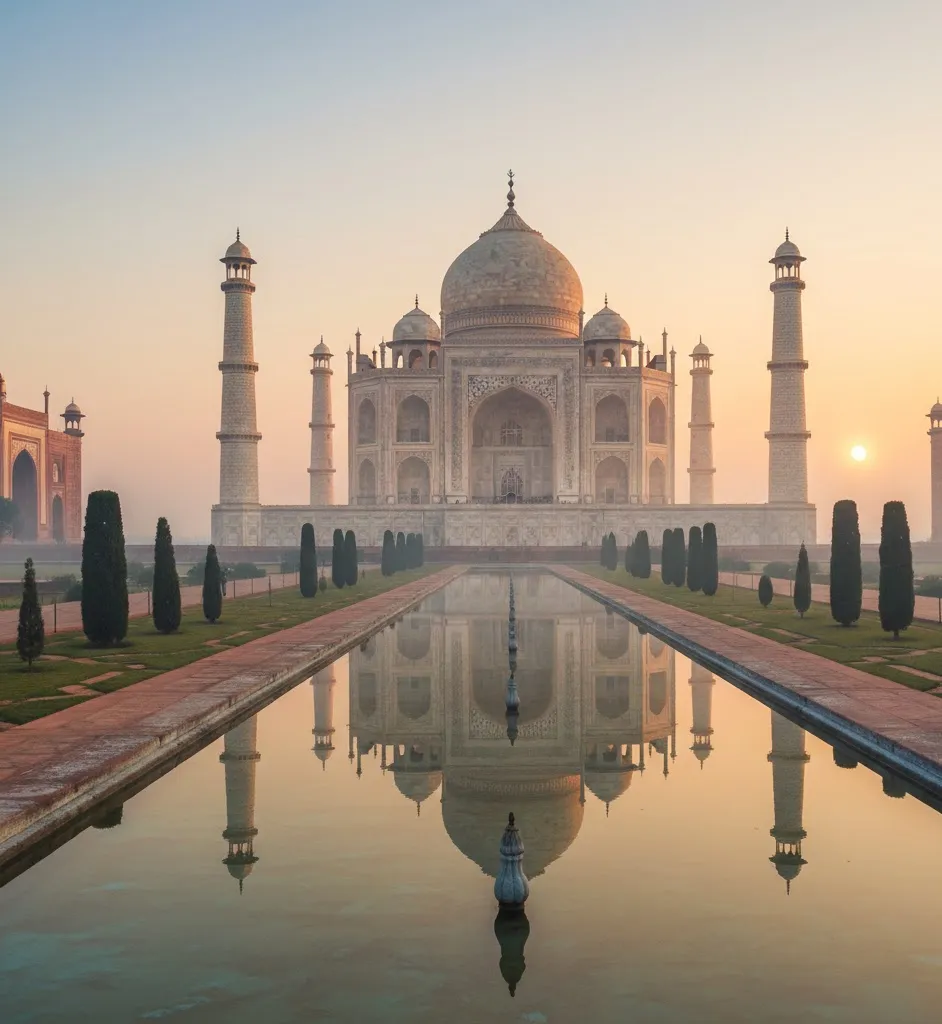
Agra is synonymous with the Taj Mahal, but its cultural depth extends far beyond one monument. Agra reveals the artistic excellence of the Mughal Empire.
Beyond marble domes and grand forts, travelers can explore:
- Local marble inlay workshops
- Mughal-era gardens and tombs
- Traditional handicrafts passed down through families
Agra offers a glimpse into how art, architecture, and emotion merged to shape Indian heritage.
Jaipur: Royal Rajasthan in Living Color
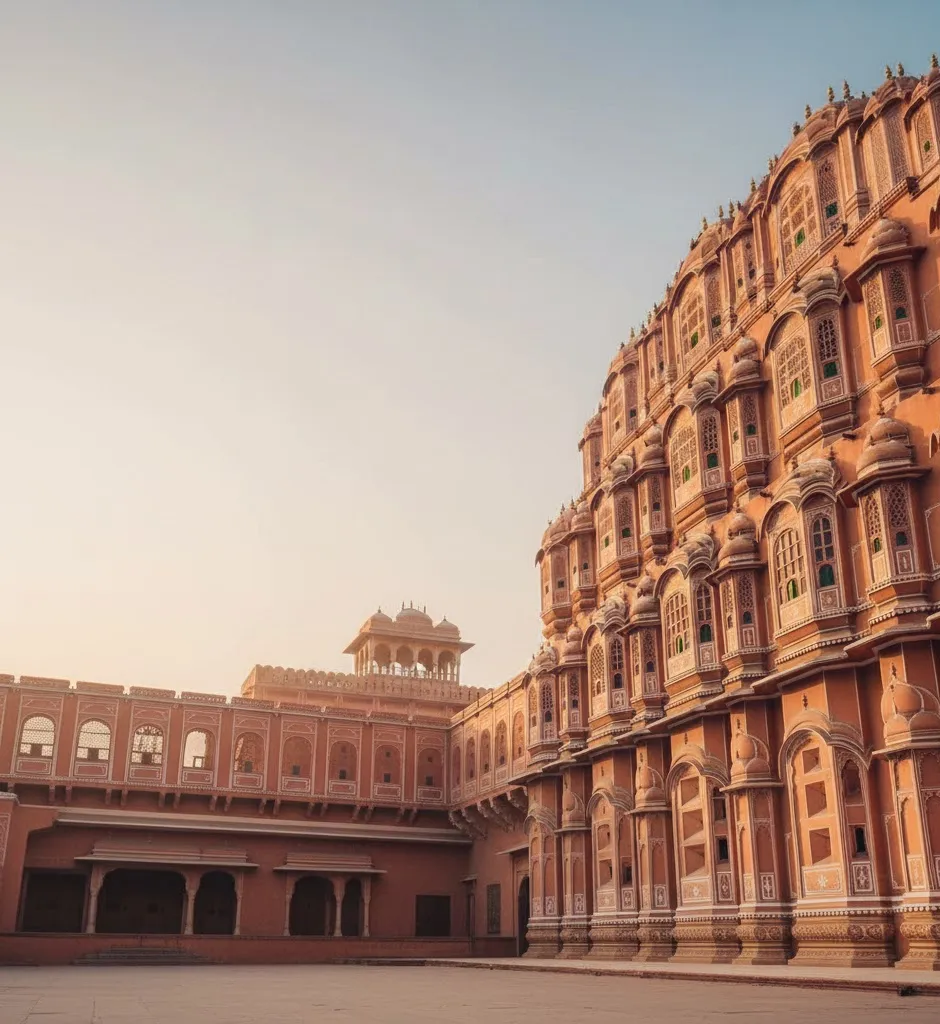
Known as the Pink City, Jaipur captures the royal soul of Rajasthan. Fortresses crown hills, palaces glow at sunset, and artisans fill old markets with handcrafted jewelry and textiles.
Cultural experiences here include:
- Exploring royal palaces and stepwells
- Witnessing traditional Rajasthani folk music and dance
- Shopping for block-printed fabrics and gemstones
- Learning about desert-influenced cuisine and customs
Jaipur feels theatrical, regal, and deeply rooted in tradition.
Travelers who love capturing unforgettable scenery should also explore our Ultimate Guide to Instagrammable Places in Asia, featuring locations that are just as visually striking as viewpoints of the world.
Spiritual Heartlands of India
Varanasi: The Eternal City on the Ganges
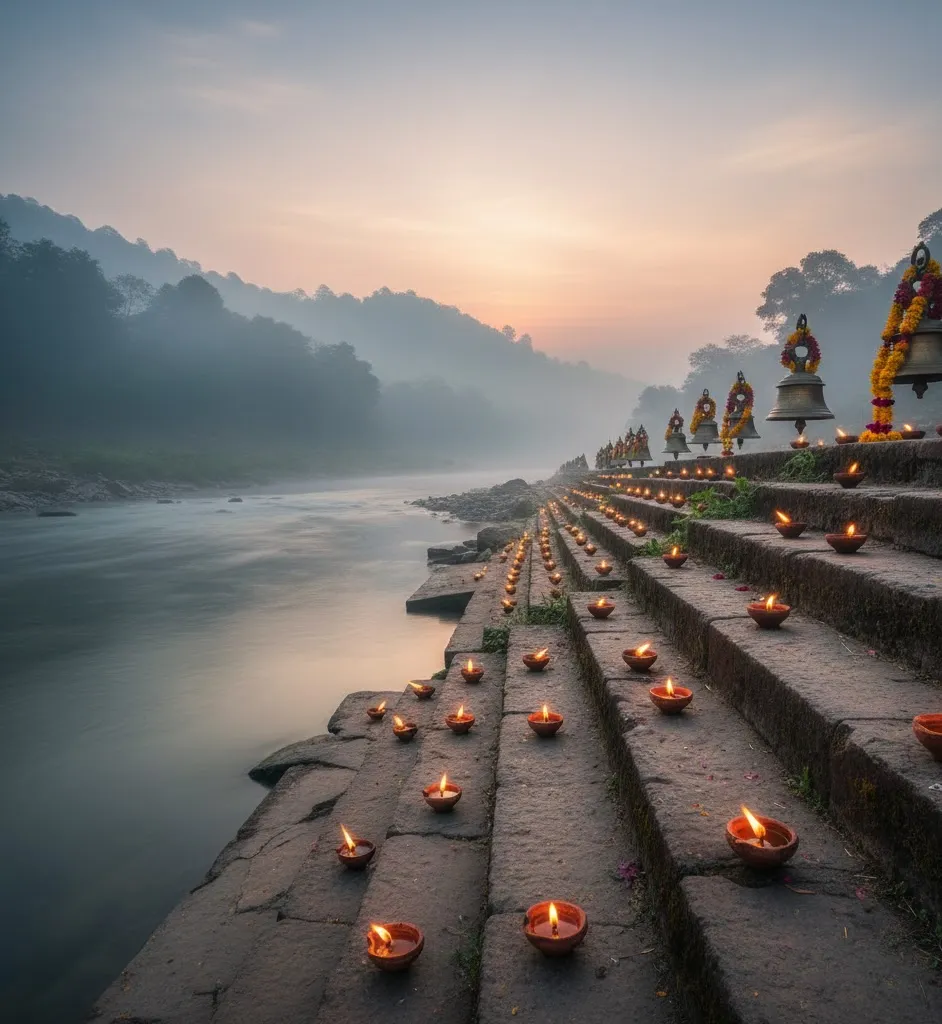
Few places on Earth feel as spiritually intense as Varanasi. Considered one of the world’s oldest continuously inhabited cities, it is Hinduism’s spiritual epicenter.
Daily life unfolds along the ghats of the Ganges River where pilgrims bathe, pray, and perform rituals at sunrise and sunset. Evening aarti ceremonies fill the air with fire, bells, and chants.
Varanasi is not polished or quiet. It is raw, emotional, and profoundly human. Visitors leave changed, carrying an understanding of India’s relationship with life, death, and faith.
Rishikesh: Yoga, Meditation, and the Himalayas
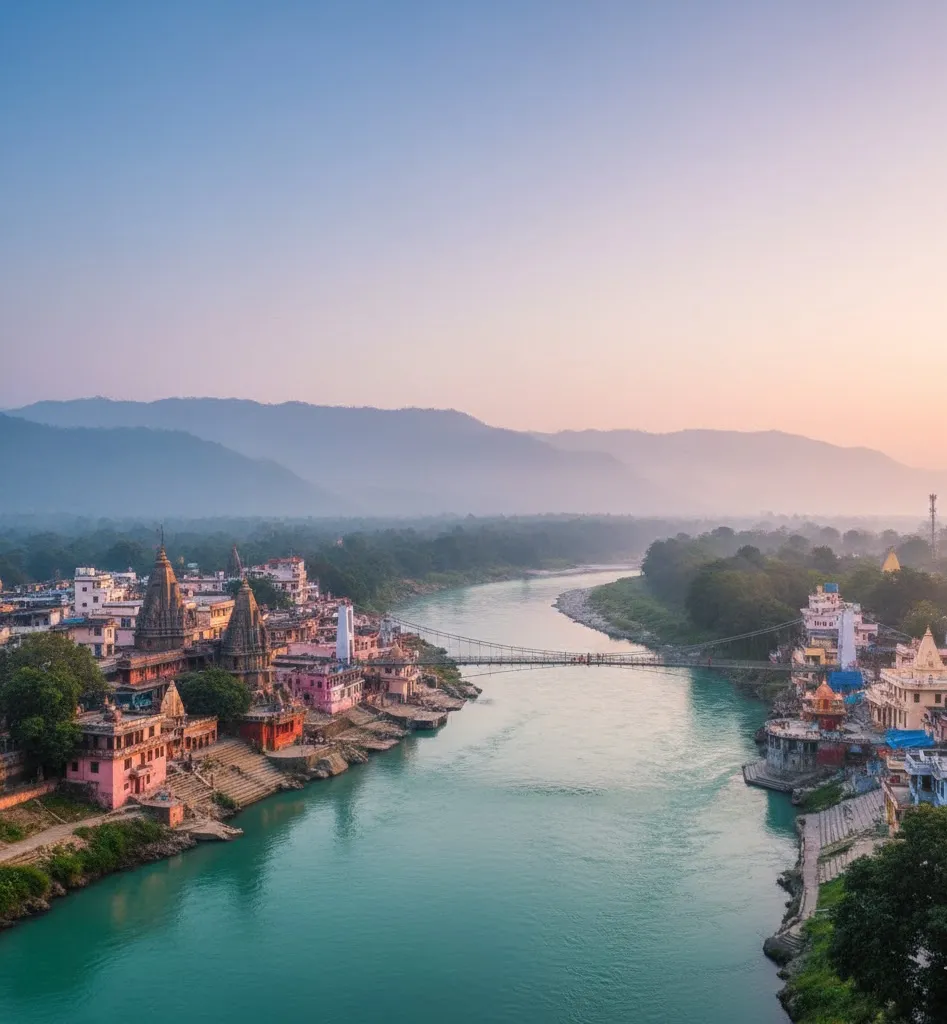
Nestled in the foothills of the Himalayas, Rishikesh is a sanctuary for spiritual seekers. Ashrams line the river, offering yoga, meditation, and philosophical teachings rooted in ancient traditions.
Rishikesh allows travelers to:
- Learn yoga from traditional masters
- Practice meditation by the Ganges
- Experience spiritual life without rigid rituals
- Balance inner exploration with nature and adventure
It is where India’s spirituality feels accessible, reflective, and personal.
If moody landscapes feel like stepping into a legend, you’ll enjoy discovering similar magic in 10 Enchanting Places to Live in Southeast Asia That Feel Like a Fairytale, where everyday life feels beautifully unreal.
South India: Temples, Traditions, and Timeless Rituals
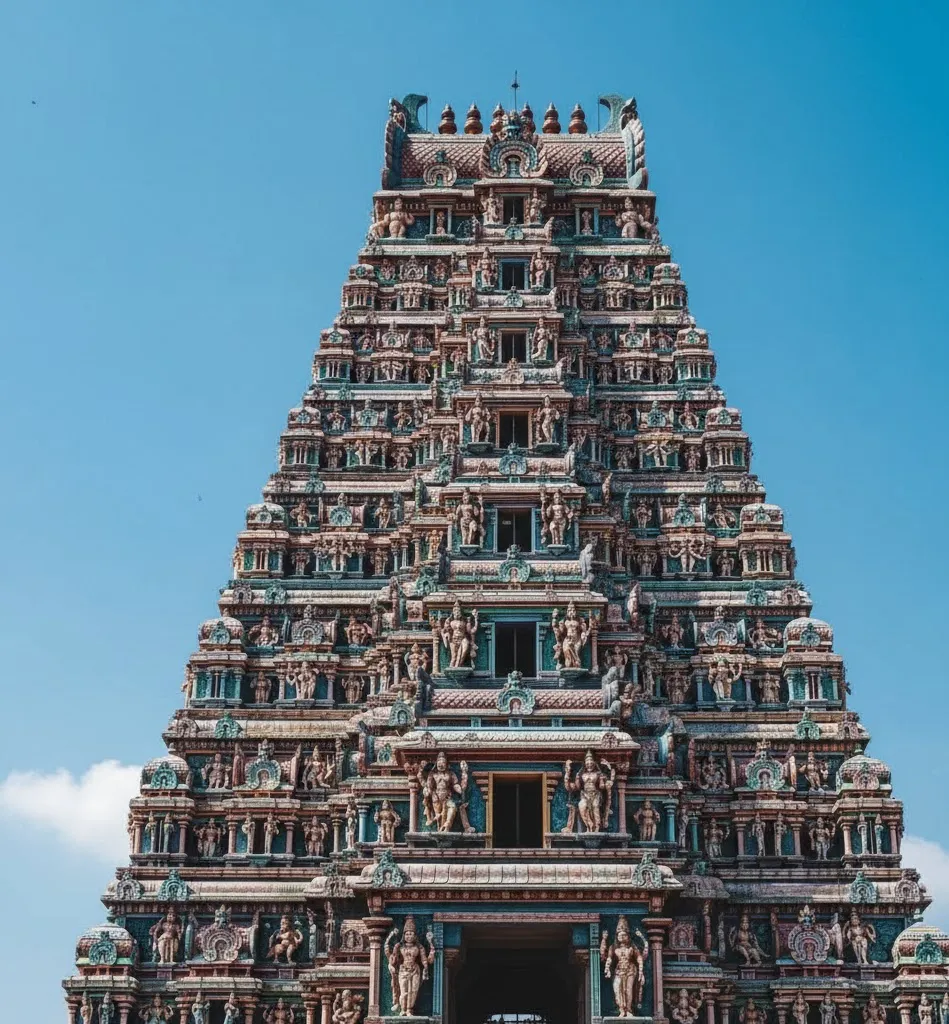
Madurai: Living Temple Culture
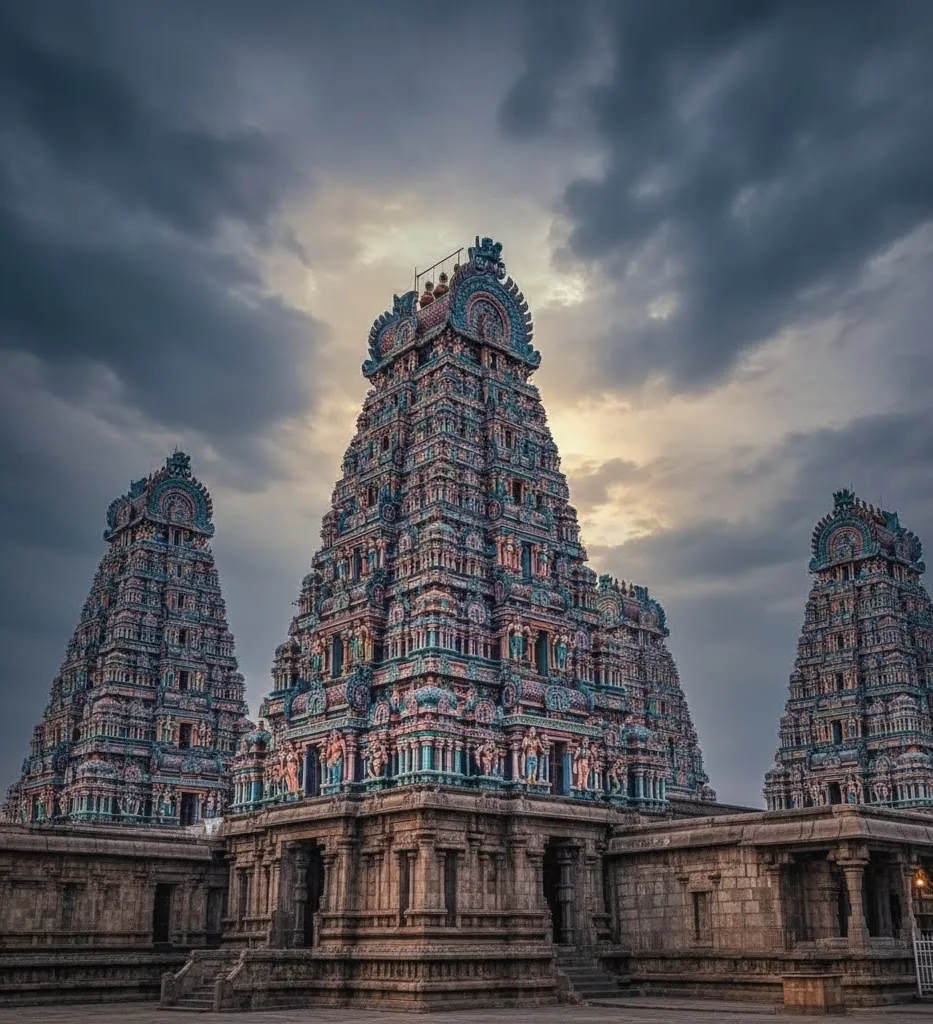
In Tamil Nadu, Madurai revolves around one of India’s most active temple complexes. Unlike monuments frozen in time, this temple pulses with daily rituals, music, and community life.
South Indian culture here is visible in:
- Classical Bharatanatyam dance
- Carnatic music traditions
- Temple festivals lasting days
- Ancient Dravidian architecture
Madurai proves that Indian culture is not preserved behind glass. It is practiced daily.
Kerala: Where Nature and Culture Flow Together
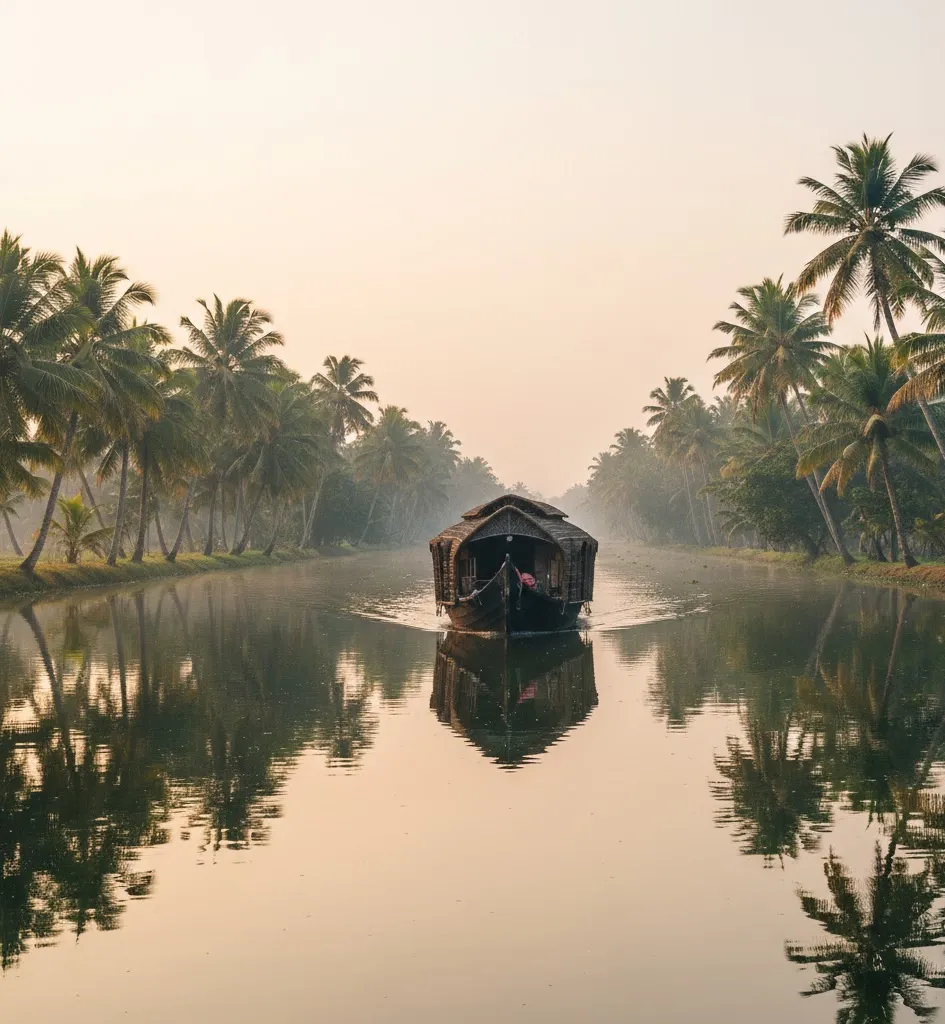
Often called “God’s Own Country,” Kerala blends culture with serene landscapes. Life here moves gently through backwaters, tea plantations, and coastal villages.
Cultural experiences include:
- Kathakali and Mohiniyattam dance performances
- Ayurvedic wellness traditions
- Traditional houseboat living
- Temple festivals with rhythmic drum ensembles
Kerala offers a slower, more reflective way to experience India’s cultural richness.
If scenery inspires you to slow down and connect with nature, consider a gentler escape through backwaters and forests in our Kerala Travel Guide: Everything You Need to Know.*
Festivals That Reveal India’s Soul
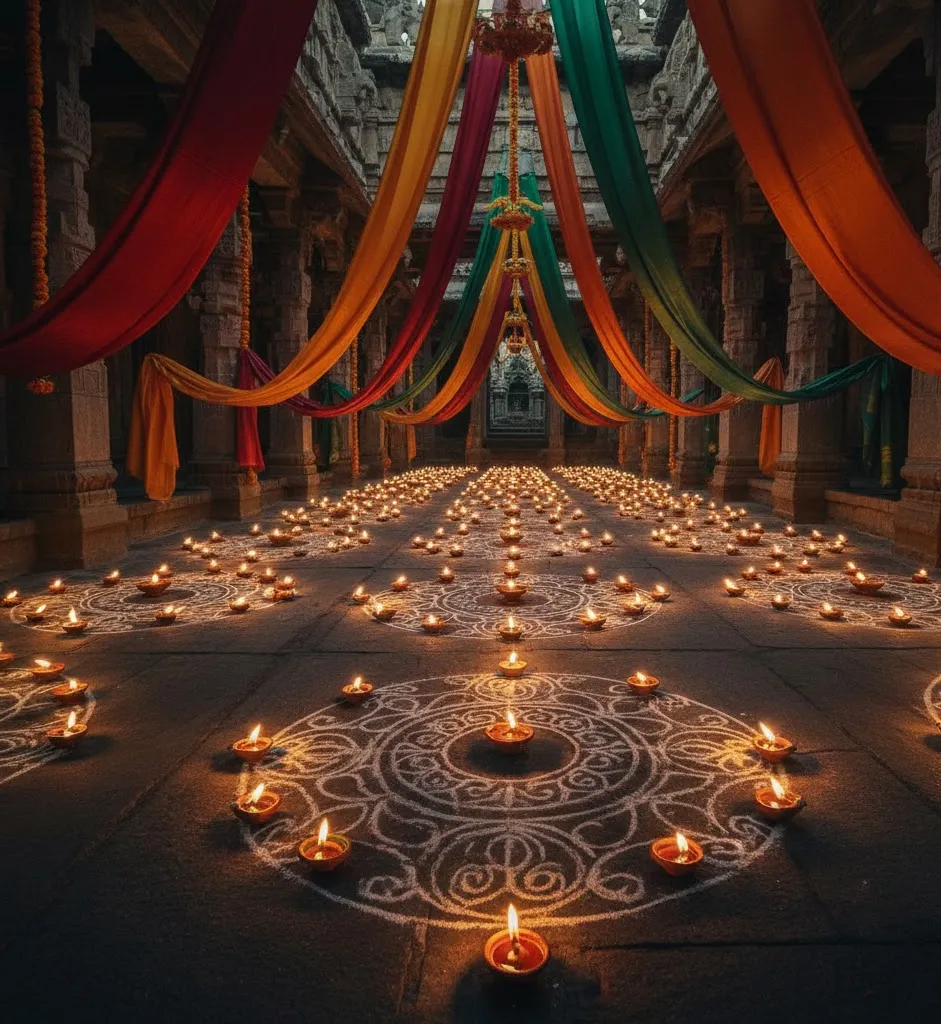
India’s festivals are immersive cultural expressions rather than spectator events.
Diwali: Festival of Lights
Celebrated nationwide, Diwali symbolizes light over darkness. Homes glow with lamps, families exchange sweets, and cities shimmer with celebration.
Holi: Festival of Colors
Holi turns streets into rainbows as people celebrate unity, joy, and renewal through vibrant colors and music.
Navratri and Durga Puja
These festivals honor feminine energy through dance, music, and grand artistic displays, especially in western and eastern India.
Experiencing festivals allows travelers to connect emotionally with Indian culture rather than simply observe it.
Indian Food as Cultural Identity
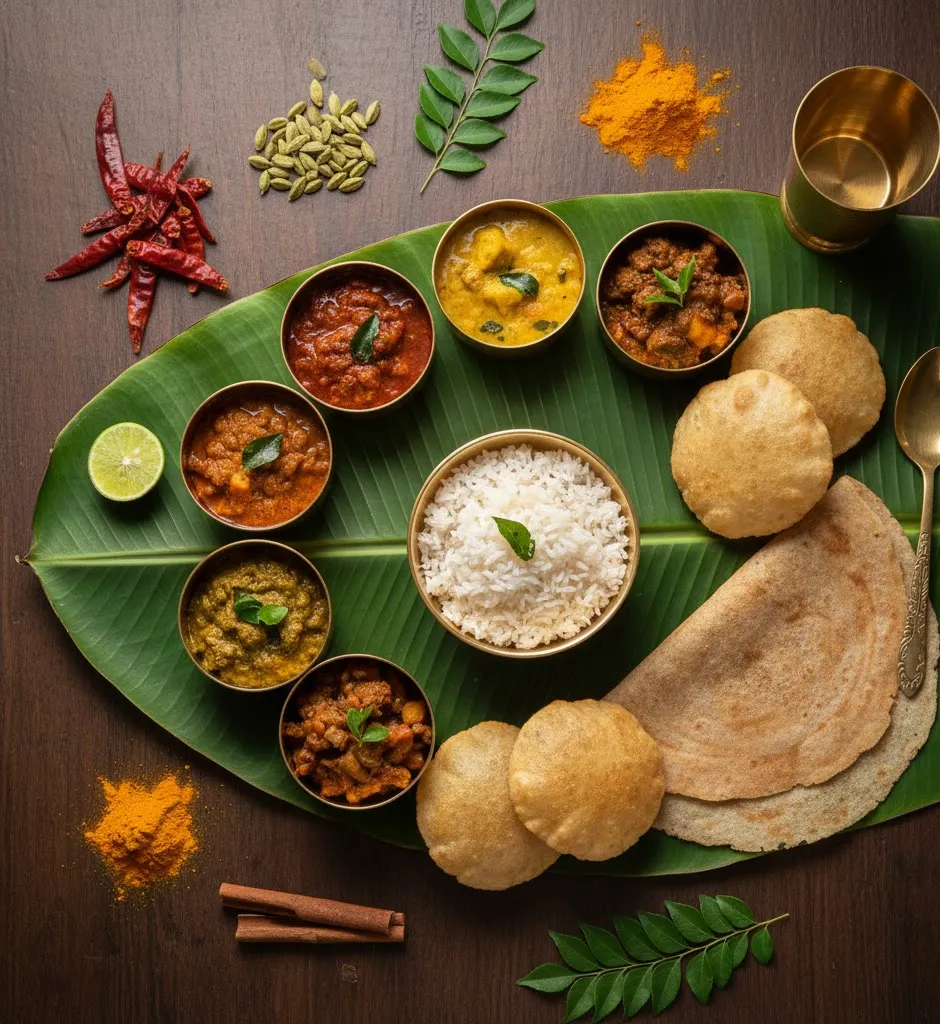
Indian cuisine changes dramatically from region to region. Food is not just nourishment. It is history, climate, religion, and tradition on a plate.
- North India favors wheat, dairy, and slow-cooked gravies
- South India highlights rice, coconut, and fermented dishes
- Western India balances sweet and spicy flavors
- Eastern India celebrates fish, rice, and subtle spices
Sharing meals, eating with hands, and understanding spice traditions opens a powerful window into everyday Indian life.
Art, Music, and Dance Traditions
India’s classical arts remain deeply respected and widely practiced.
- Classical dances like Bharatanatyam, Kathakali, Odissi, and Kathak
- Musical traditions rooted in ragas and improvisation
- Handicrafts such as weaving, pottery, metalwork, and painting
Attending a live performance or visiting artisan villages adds depth to cultural exploration.
For travelers drawn to raw mountains, epic valleys, and powerful viewpoints, our guide on Travel to Pakistan: A Complete Guide with a 15-Day Itinerary, Safety Tips, and Must-See Attractions offers another unforgettable landscape-driven journey.
How to Respect and Engage with Indian Culture
Meaningful travel in India requires awareness and sensitivity.
Helpful tips:
- Dress modestly, especially at religious sites
- Remove shoes before entering temples and homes
- Ask before photographing people
- Be patient with crowds and delays
- Embrace curiosity over judgment
Respect transforms travel into connection.
Practical Tips for Cultural Travelers
- Travel slowly and spend time in fewer places
- Hire local guides for deeper insights
- Use trains to observe daily life across regions
- Learn a few local words or greetings
- Balance popular cities with lesser-known towns
India rewards travelers who listen more than they rush.
Those who appreciate peaceful viewpoints and misty moods may also love the calm hills and tea landscapes featured in Discover the Serene Beauty of Ella, Sri Lanka: Your Ultimate Travel Guide.
Final Thoughts: Experiencing India Beyond Tourism
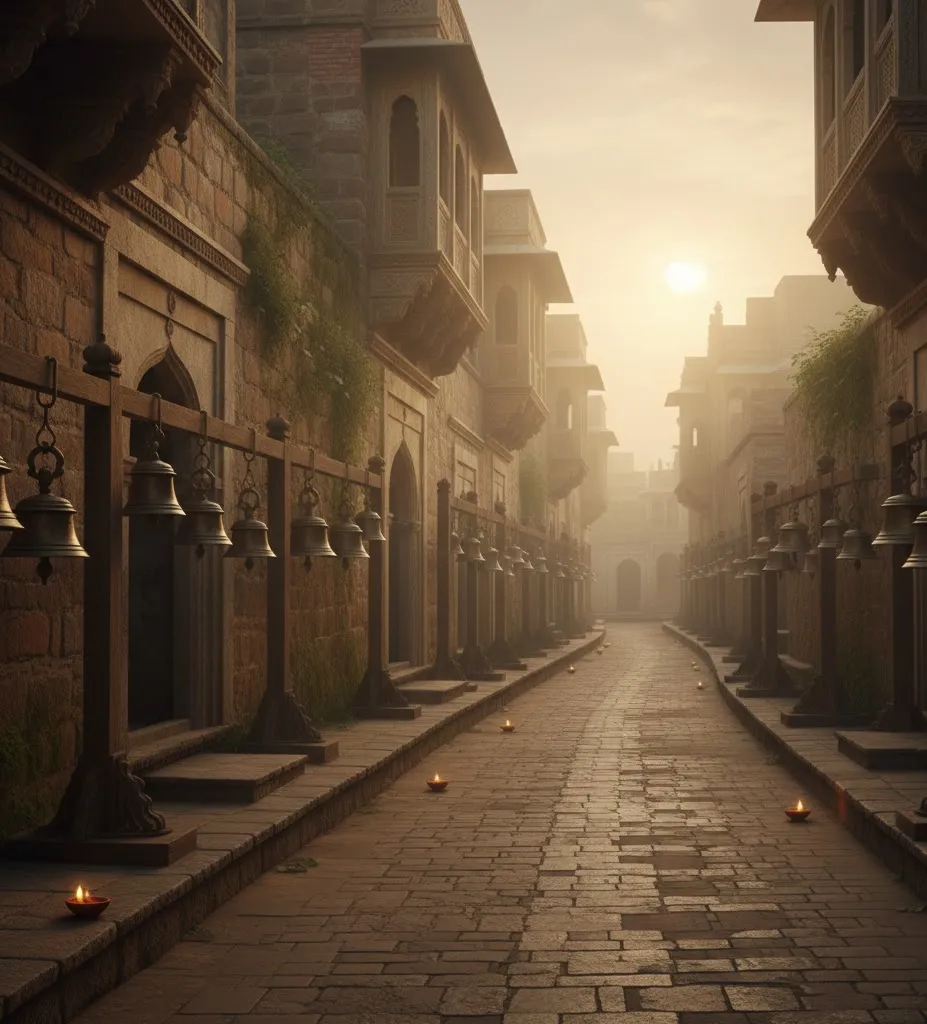
India is not about checking destinations off a list. It is about moments. A shared smile in a market. A chant echoing at dawn. A meal that tells a story older than history.
To experience India’s rich culture is to allow yourself to be surprised, challenged, and welcomed all at once. Those who travel with openness leave with more than photos. They leave with perspective, humility, and a deeper understanding of humanity itself.
India does not simply show you its culture. It invites you to live within it. 🌏✨