The Ultimate Oman Travel Guide (2025) — What to See, Do & Know Before You Go
Oman in 2025 feels like a travel secret that finally learned to glow. It’s a place of impossibly blue seas, jagged mountains, whispering deserts and warm, welcoming towns where centuries of culture sit comfortably beside sensible modern conveniences. If you want an Arabian Peninsula trip that’s authentic, quiet, and endlessly scenic—Oman should be top of your list.
Below is a friendly, practical guide that covers what to see, when to go, how to move around, smart itinerary ideas, what to pack, and a few local tips to help you travel like someone who’s been doing this a while.
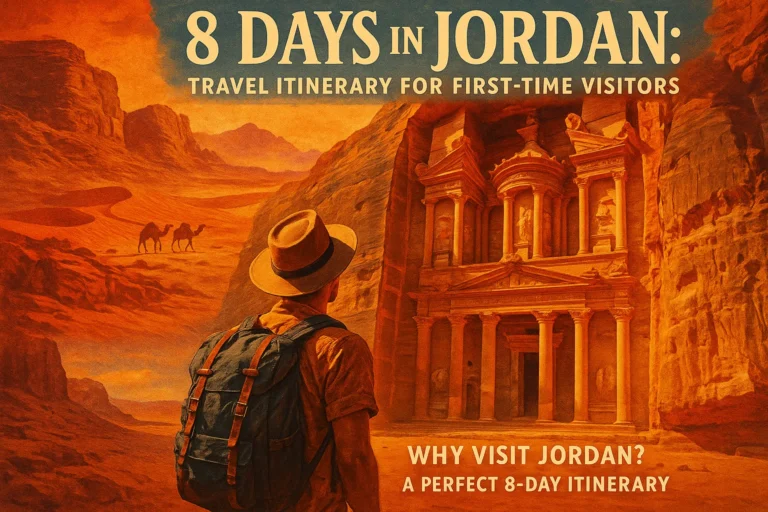
Many travelers exploring the Middle East also plan immersive regional journeys, and this Jordan trip is a perfect companion trip filled with history and adventure.
Quick essentials (visa, passport, safety)
- Visa / eVisa: Most visitors use Oman’s eVisa system to apply for tourist visas before arrival. The Royal Oman Police eVisa portal is the official place to apply. If you plan to stay, make sure your visa type matches the length and purpose of your trip. evisa.rop.gov.om
- Passport: Many countries require 6 months’ passport validity on arrival—double-check for your nationality (the US State Dept. and other consular pages keep this up to date). Travel.state.gov
- Safety: Oman is widely considered one of the safest countries in the region; normal travel precautions apply (watch your belongings in busy markets, avoid any restricted border areas). Always check your government’s travel advice before departure.
Unlock cheap flights for your trip
Best time to visit (short version)
October–April is the sweet spot—days are pleasantly warm, nights are cool, and outdoor adventures are comfortable. If you want to experience Salalah’s unique monsoon-green season (Khareef), go in late June through early September, when the Dhofar region turns lush and misty—book ahead as local tourism heats up then.
If ancient civilizations and vibrant traditions fascinate you, this guide to Cambodia’s must-see experiences offers a completely different but equally enriching journey.
Why Oman? The short pitch
- Diversity of landscapes: turquoise bays and island snorkeling, deep wadis with swimming holes, the dramatic Hajjar Mountains, and rolling red-gold dunes in the Sharqiya (Wahiba) Sands.
- Culture & hospitality: Omani people are famously welcoming, with a relaxed, low-key hospitality that feels genuine.
- Ease of exploring: Roads are good, the main cities are compact, and the hospitality infrastructure (guesthouses, boutique hotels, desert camps) is strong—perfect for independent road-trippers and small-group tours alike.
Top things to see & do (must-sees)
Here are the highlights you’ll want to include on your Oman map. These are tried-and-true favorites that give you Oman’s best contrasts—sea, sand, and mountains.
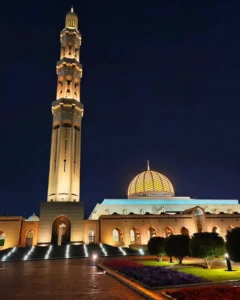
Muscat’s Grand Mosque & Corniche — The Sultan Qaboos Grand Mosque is stunningly calm and beautifully proportioned; the Corniche along the harbor offers postcard views of the Muttrah souq and the sea. Tripadvisor
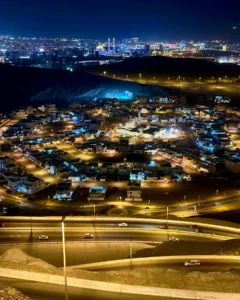
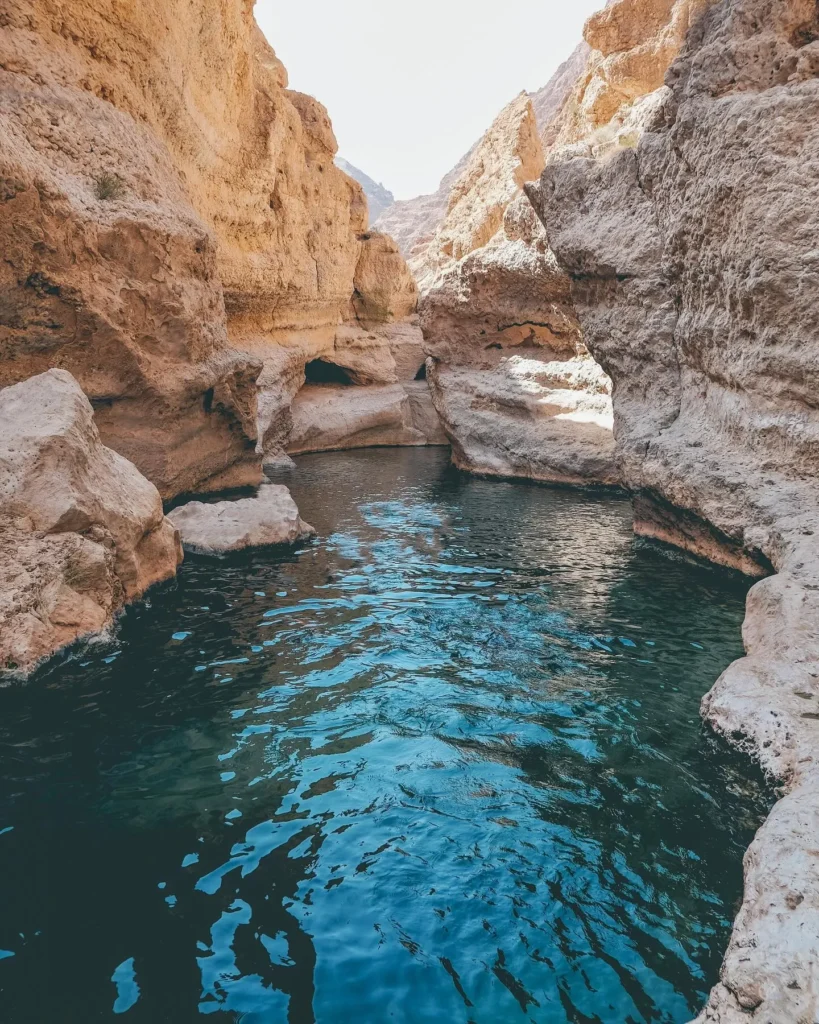
Wadi Shab — A classic Oman hike-and-swim: canyons, turquoise pools, and cliffside trails leading to hidden caves and waterfalls—one of the country’s top outdoor experiences. Viator
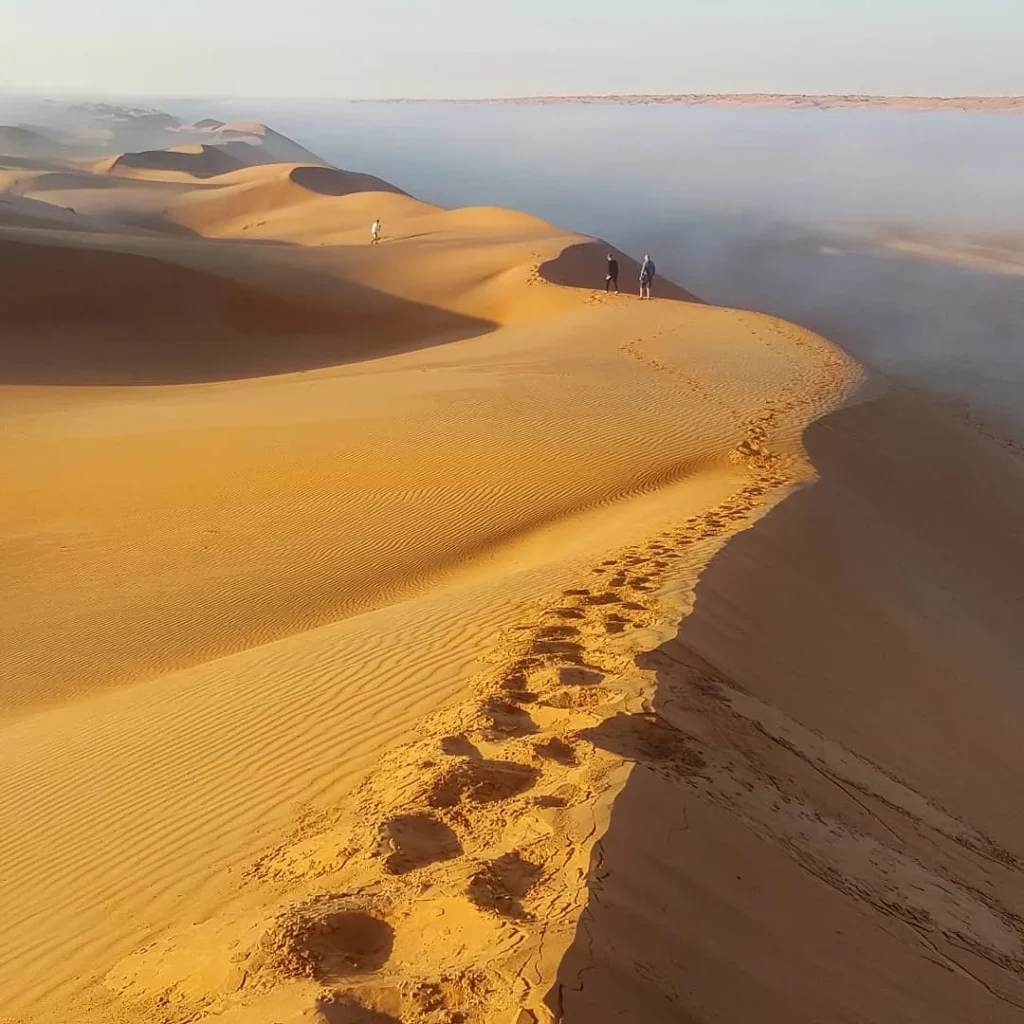
Wahiba / Sharqiya Sands — Red-orange dunes stretching for miles; stay overnight in a Bedouin-style desert camp for sunrise and stars. Wander-Lush
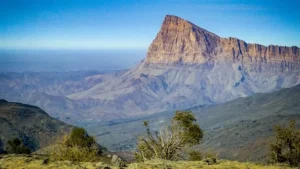
Jebel Akhdar & Jebel Shams — The “Green Mountain” (Jebel Akhdar) offers cooler terraces and hikes; Jebel Shams is Oman’s Grand Canyon—an epic viewpoint for sunrise and hiking. joussourtooman.com
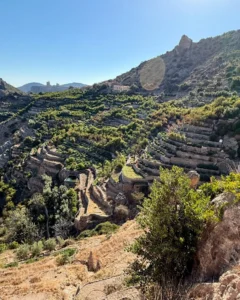
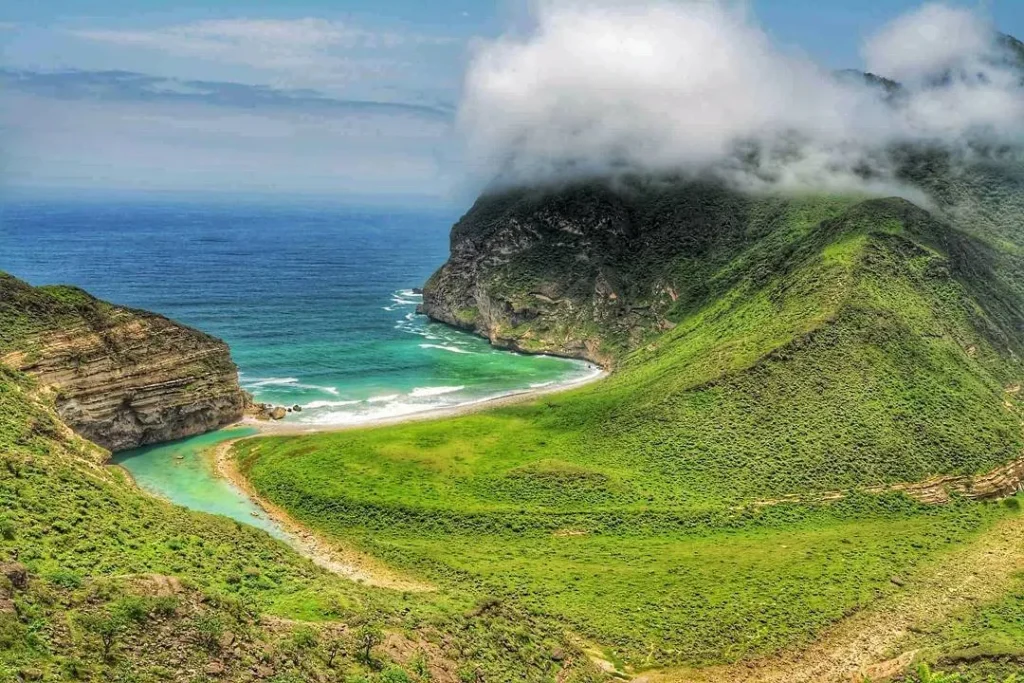
Salalah & the Khareef Season — In summer, Salalah turns unbelievably green during the Khareef monsoon; waterfalls, cooler weather, and cultural festivals make it unique in the Arabian world. giggulf.om
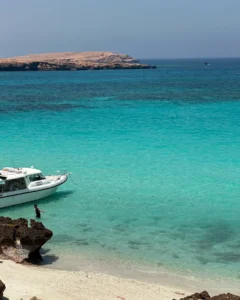
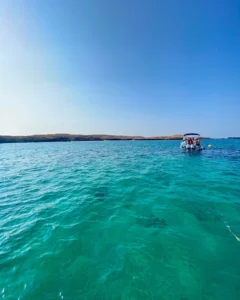
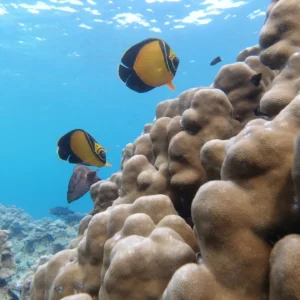
Daymaniyat Islands — A marine reserve ideal for snorkeling and sea-life viewing (check seasonal protections and boat options). joussourtooman.com

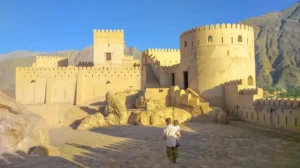
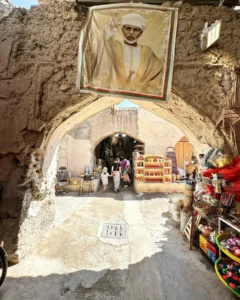
Traditional souqs & forts — Muttrah Souq in Muscat, Nizwa Fort and its ancient market—perfect for silverware, frankincense, handicrafts, and local delicacies.
Some travelers fall in love with a destination and explore long-term options, like the best places to live in India for affordability and cultural richness.
Suggested itineraries
A relaxed 7-day loop (best for first-timers)
- Day 1 (Muscat):
Arrive, slow stroll on the Corniche, Muttrah Souq, early visit to the Grand Mosque.
- Day 2 (Muscat):
Royal Opera House or coastal drive to Qantab / Al Bustan, seafood dinner.
- Day 3 (Wadi Shab & Bimmah Sinkhole):
Swim, picnic, and an evening in Sur.
- Day 4 (Wahiba Sands):
Drive into the desert, dune activities, overnight in a camp.
- Day 5 (Nizwa):
Explore Nizwa Fort, souq, local goat market (if market day), then head up toward Jebel Akhdar.
- Day 6 (Jebel Akhdar / Jebel Shams):
Hiking and mountain scenery; descend and head back to Muscat region.
- Day 7:
Return to Muscat, last-minute shopping, fly home.
For Khareef lovers (Salalah-focused 5–7 days)Fly Muscat → Salalah, spend 3–4 days exploring Salalah’s green hills, waterfalls and beaches, take a day trip to Mughsail Beach and blowholes, try local frankincense trails and cultural sites.
Getting around
- By car: Renting a car is the most flexible way to see Oman—the roads between tourist hubs are generally well maintained. A 4×4 is recommended for rough desert tracks and mountain excursions.
- By guided tour: For desert camps, central mountain treks, or boat trips to islands, local guided tours are convenient and informative.
- Domestic flights: Useful for long hops (Muscat–Salalah) if you have limited time.
Where to stay (quick picks)
- Muscat: boutique hotels along the Corniche, modern city hotels near the Muttrah area, plus a couple of high-end resorts with great sea access.
- Desert: eco-luxury camps and traditional tent experiences—book in advance for peak season.
- Mountains: mountain guesthouses and renovated farmhouses in Jebel Akhdar.
- Salalah: seaside resorts and family-run hotels; Khareef season fills up fast—reserve early.
Food & drink
Omani cuisine is soulful and simple: grilled fish, rice dishes, lamb stews, and fragrant breads. Don’t miss trying mishkak (grilled meat skewers), shuwa (slow-roasted lamb in earth pits—if you can find it on a festival day), and of course local frankincense-based souvenirs. Seafood is excellent—Muscat’s harbor restaurants are a great place to try fresh catch. Tea with dates is the local warm welcome.
Practical tips & packing
- Dress respectfully: Oman is conservative; lightweight long sleeves and long trousers/skirts are good for daytime, especially at religious sites (women often need a headscarf for mosque visits).
- Sun & hydration: Bring a strong SPF, hat, and a refillable water bottle—the sun is intense in summer.
- Shoes: Good walking shoes for wadis and mountains; sandals for town and beaches.
- Currency & payments: Omani rial (OMR). Credit cards are widely accepted, but carry cash for remote markets and tips.
- Connectivity: SIM cards are affordable and easy to buy at the airport if you want data on the road.
- Responsible travel: Stick to marked trails, don’t disturb turtle nesting sites (Ras al Jinz), and respect local customs.
If Oman is part of a bigger Asia adventure, this Vietnam travel guide is ideal for planning your next unforgettable leg.
Insider tips
- Wadi Shab timing: Go early—heat and crowds rise midday. Wear water shoes for rocky riverbeds.
- Desert etiquette: If visiting a Bedouin camp, ask before photographing people. Tipping for excellent desert hosts is appreciated.
- Market bargaining: Haggle gently in souqs; it’s expected but keep it friendly.
- Turtles: Ras al Jinz turtle reserve is an unforgettable night experience—book with an accredited operator to minimize disturbance.
After Oman’s deserts and mountains, many travelers dream of slowing down on tropical shores like Shimizu Island in El Nido, a hidden paradise in Palawan.
Final thoughts
Oman is a slow-burner: it doesn’t dazzle with high rises or party scenes, but it rewards travelers who come curious and patient. From swimming in a cool wadi to watching the sun sink behind the rolling Wahiba dunes, the country’s greatest gift is a feeling of being somewhere elemental and genuine.
If you want to experience a Middle Eastern destination that’s scenic, calm, and rich in culture—Oman in 2025 should be on your radar. Pack layers, book a desert night, and leave space in your itinerary for unplanned moments—they’re where the best Oman memories are made.
Sources & where to check before you go
- Oman eVisa and entry information (official): Royal Oman Police eVisa portal. evisa.rop.gov.om
- Passport and entry advice (consular guidance): U.S. Department of State / embassy pages. Travel.state.gov
- Best time to visit & climate: travel specialists and guides (seasonal planning). Audley Travel
- Salalah Khareef (monsoon) season details and tips. giggulf.om
- Top attractions and traveler reviews (for inspiration): TripAdvisor & Viator lists. Tripadvisor