How Tokyo’s Nail Art Scene Changed the Way I Travel and See Beauty
When I first set foot in a nail salon in Tokyo, I thought I knew what to expect: quick polish, maybe a few cute stickers, then back out into the city to explore. What I found was something completely different — a world where manicure meets mindfulness, tradition, innovation, and storytelling on a tiny canvas. This isn’t just about pretty nails. It’s about how Tokyo’s beauty culture reflects a larger philosophy of intentional living, and how that perspective changed the way I think about travel, beauty, and self-expression.
In this guide, I’ll walk you through Tokyo’s iconic nail art culture, current trends you’re likely to encounter in 2026, why it matters to travelers, how to experience it yourself, and tips to bring some of that Tokyo magic home. This is for travelers who want more than a photo — they want meaning.
Tokyo’s Nail Culture: More Than a Service, It’s a Ritual
Strolling through the streets of Tokyo, creativity doesn’t hide. It shows up in bento boxes, storefront aesthetics, street fashion, and — yes — even in the way nails are designed. Nail art in Tokyo isn’t treated as a quick beauty stop; it’s approached like an art form.
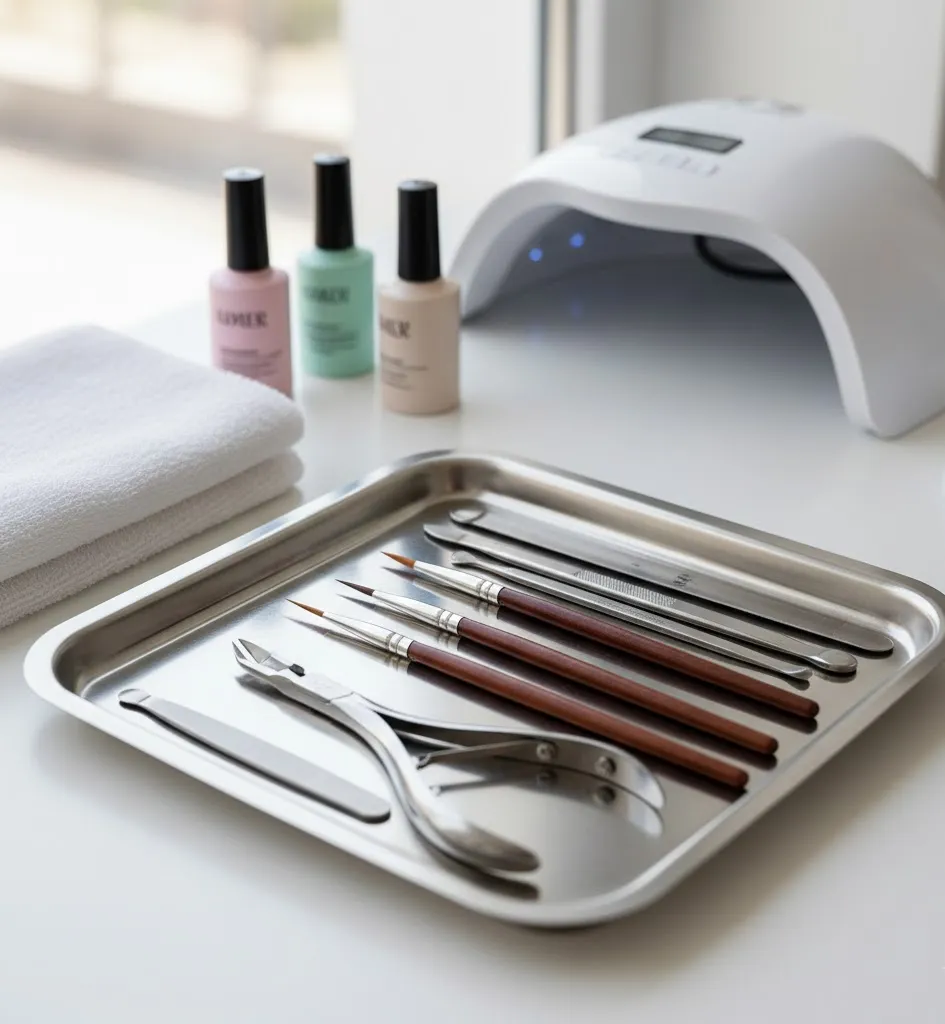
Local salons operate with precision and care. According to the Japan Nailist Association (JNA), nail technicians must complete rigorous certification covering technique, hygiene, and safety before even touching a client’s nails. This creates a culture where nail care is professional, disciplined, and deeply respected.
When you sit down for a manicure in Tokyo, you’ll notice the quiet focus. There’s no rush. Every brush stroke feels intentional, every detail considered. It’s a stark contrast to the noise and speed that dominate so much of modern life — and that’s the point. In Tokyo, beauty isn’t rushed. It’s felt.
Travel Tip: If you’re visiting Japan and want a truly local experience, book a salon appointment in neighborhoods like Omotesando, Ginza, Harajuku, or Shibuya. These areas blend traditional techniques and modern trends, making your experience both culturally rich and visually exciting.
Recommended Travel Essentials
What Tokyo Trendsetters Love: 2026 Nail Art Styles
Tokyo’s nail trends evolve fast, and 2026 is shaping up to be one of the most exciting years yet. From futuristic holographics to minimalist designs rooted in traditional aesthetics, you’ll find a spectrum of styles that reflect both the city’s energy and Japan’s artistic heritage.
Magnetic & Cat-Eye Designs
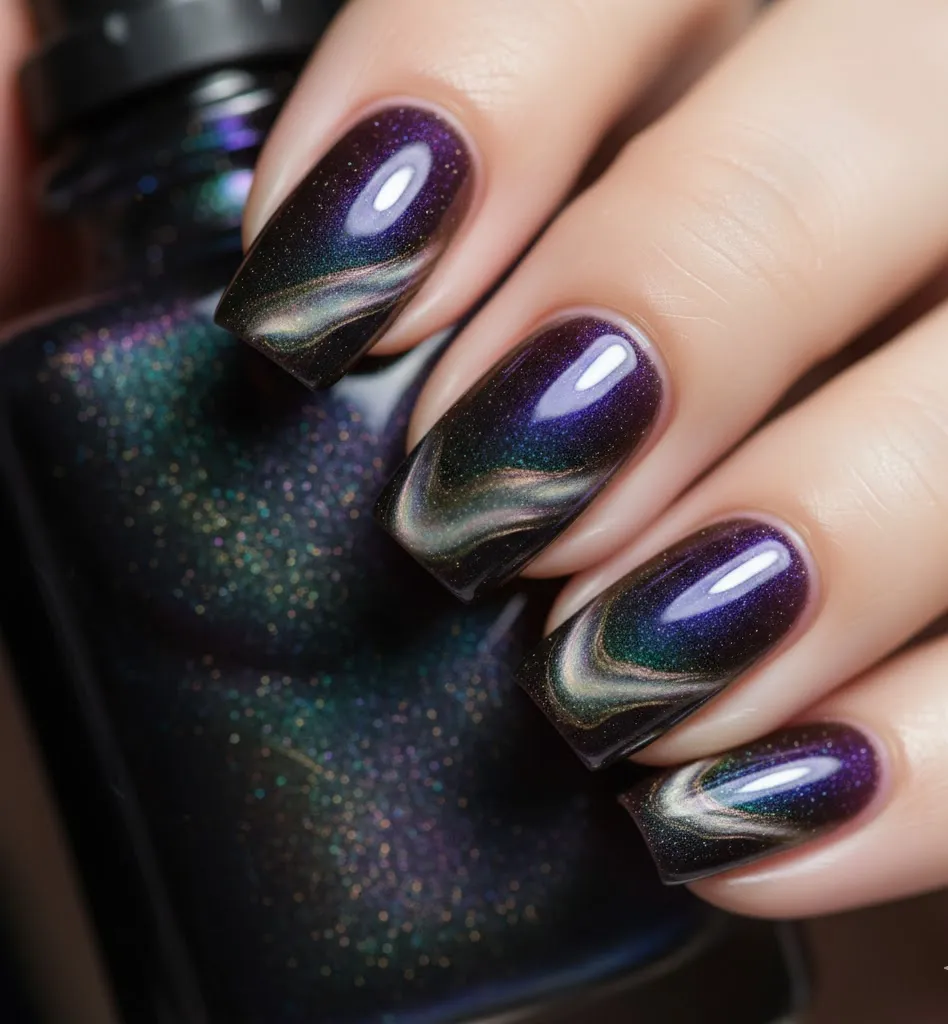
Magnetic cat-eye nails are one of the hottest trends in Tokyo salons right now. These designs use magnetic polish that shifts color depending on light and angle, creating a multidimensional, almost cosmic effect. They’re subtle from afar but mesmerizing up close — perfect for travelers who want something unique yet wearable.
Minimalist & Seasonal Inspirations
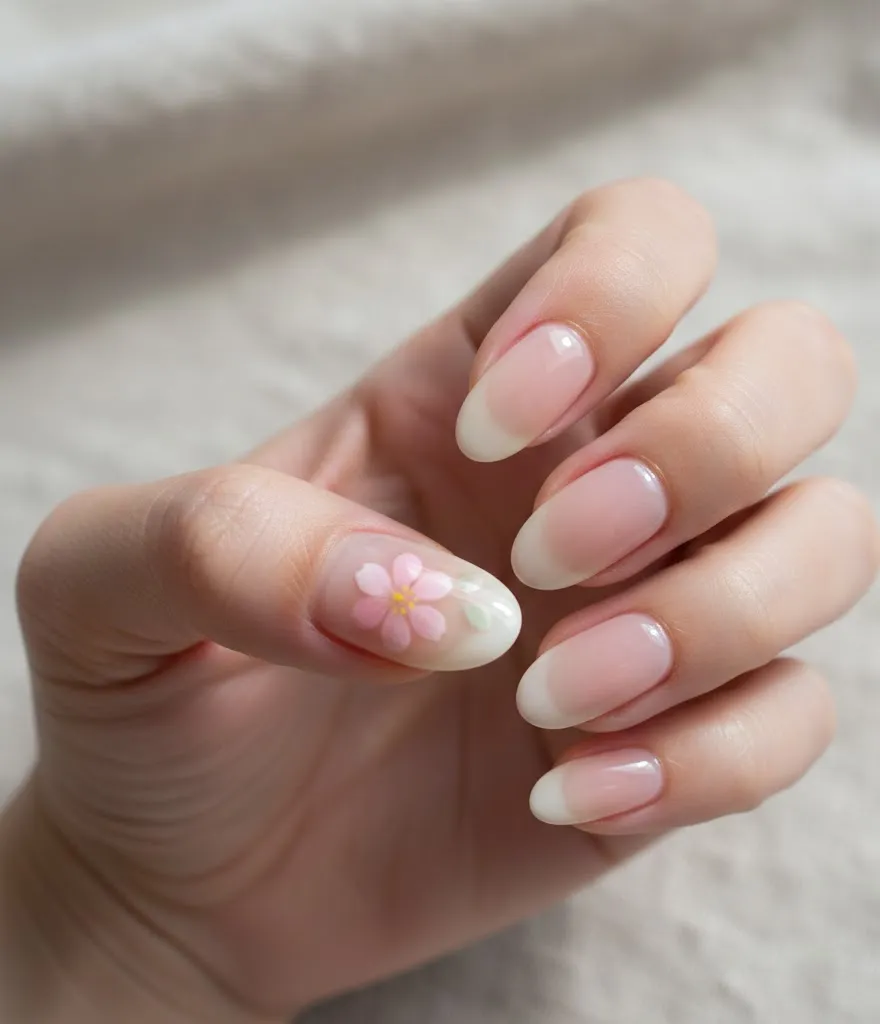
Clean, understated designs — think nude bases with tiny, carefully placed accents — reflect the Japanese philosophy of wabi-sabi, where beauty hides in simplicity. Pastel tones, sheer sections, and delicate lines often draw inspiration from seasonal elements like cherry blossoms or autumn foliage.
Kawaii and Playful Art

“Kawaii,” or “cute,” isn’t just a style — it’s a cultural language in Japan. Tokyo nail artists embrace playful elements like tiny characters, pastel gradients, and miniature 3D charms. Think adorable figures or soft colours that feel light-hearted and fun.
Futuristic Holographics & Iridescent Finishes
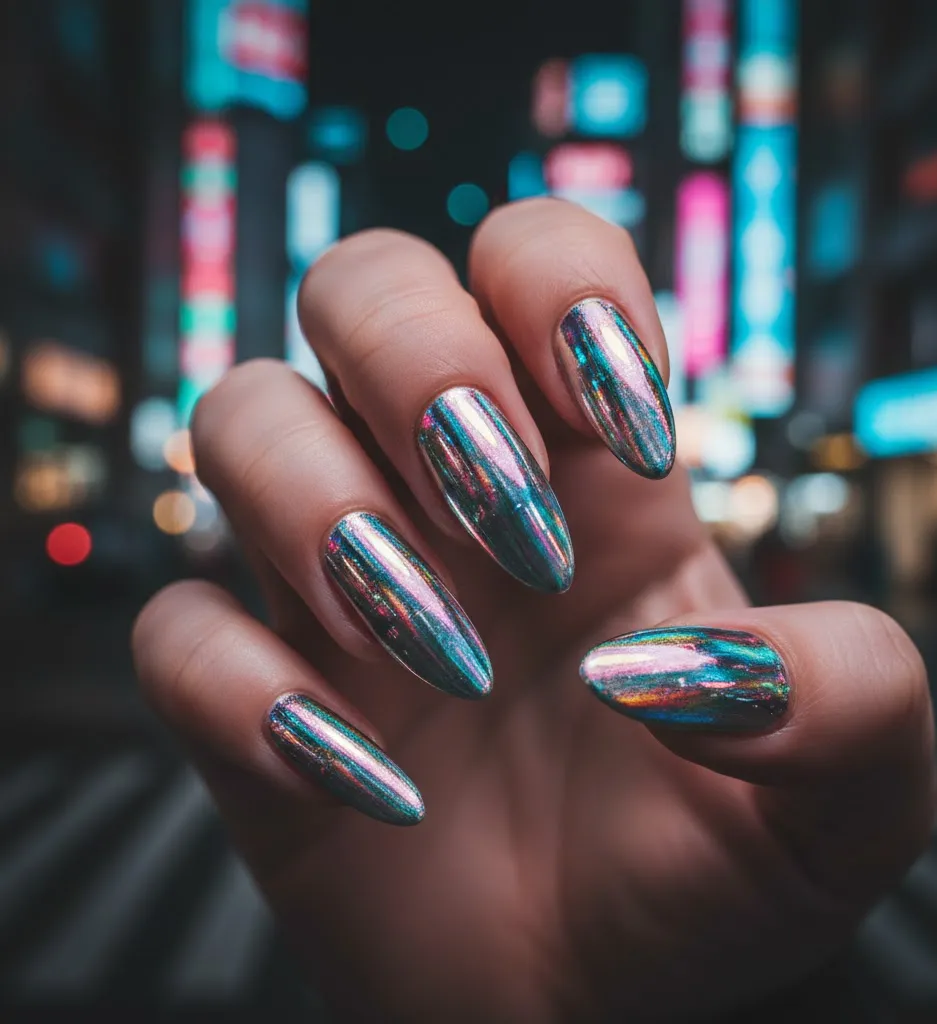
Reflective chrome, holographic powders, and iridescent coatings bring Tokyo’s neon skyline to your fingertips. These dynamic finishes catch the light and are especially popular among fashion-forward locals and visitors alike.
Mismatched and Personalized Art
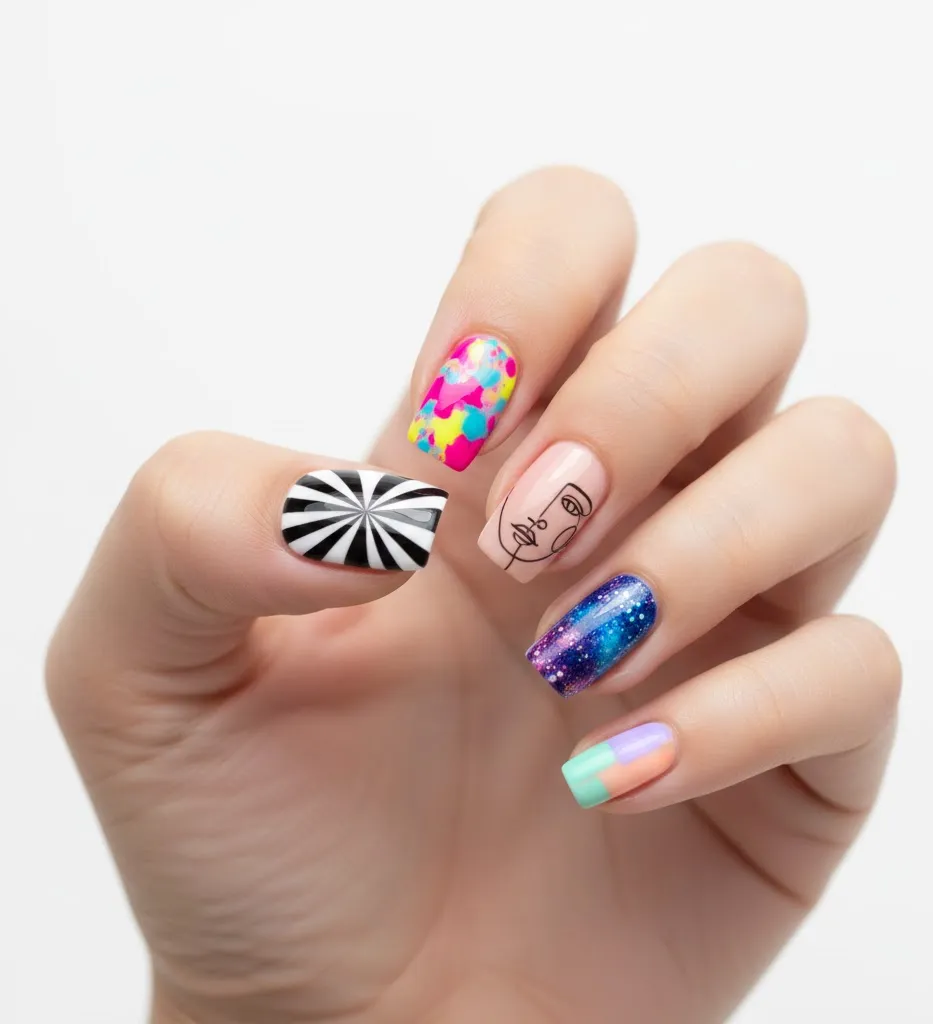
One of the most exciting trends is “mismatched” nail art — where each nail tells its own visual story. Different colors, patterns, or even textures on each finger turn your manicure into a mini art gallery. This trend celebrates individuality and creative freedom.
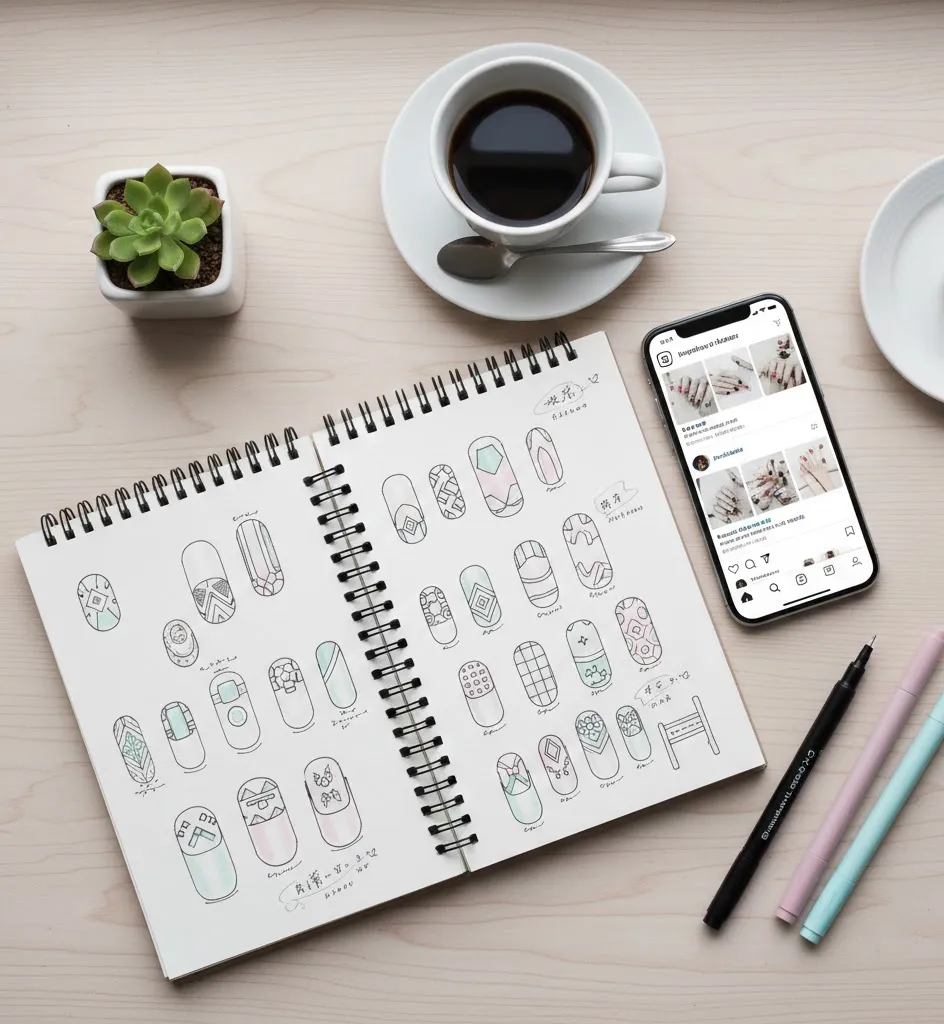
Pro Tip: Save Instagram screenshots of designs you love and show them to your nail artist. Many Tokyo salons are adept at interpreting visual references and can offer custom twists that match your style.
Insider Salon Tips for Travelers
Tokyo salon culture is welcoming, but a few local nuances will help you make the most of your visit.
Booking Ahead
Tokyo salons — especially the high-quality ones — book up quickly. If you want an English-friendly appointment or a specific design, plan at least a few weeks in advance. Some popular places even require a month’s notice.
Language & Communication
While many salons don’t speak fluent English, saved photos and visual references often bridge the gap. Apps like Google Translate can also help with basic communication.
Service Details
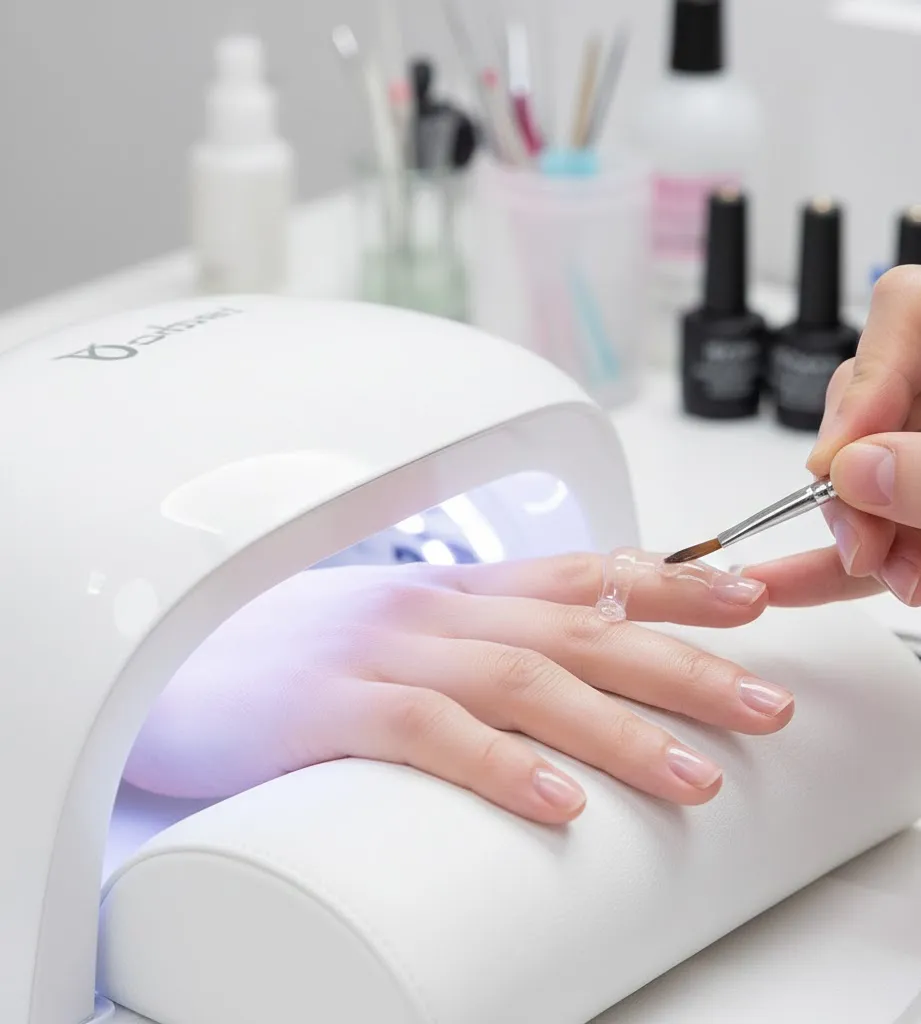
Most Tokyo salons specialize in gel nails rather than acrylics, and many build nail shapes with forms rather than glued tips. This means stronger, longer-lasting results that still feel natural.
Pricing
Expect to pay more for intricate art than in many Western cities. Complex 3D designs or multiple colours require time and expertise, and prices generally reflect that. But for many travelers, the result is worth every yen.
How Tokyo Changed the Way I Paint My Nails
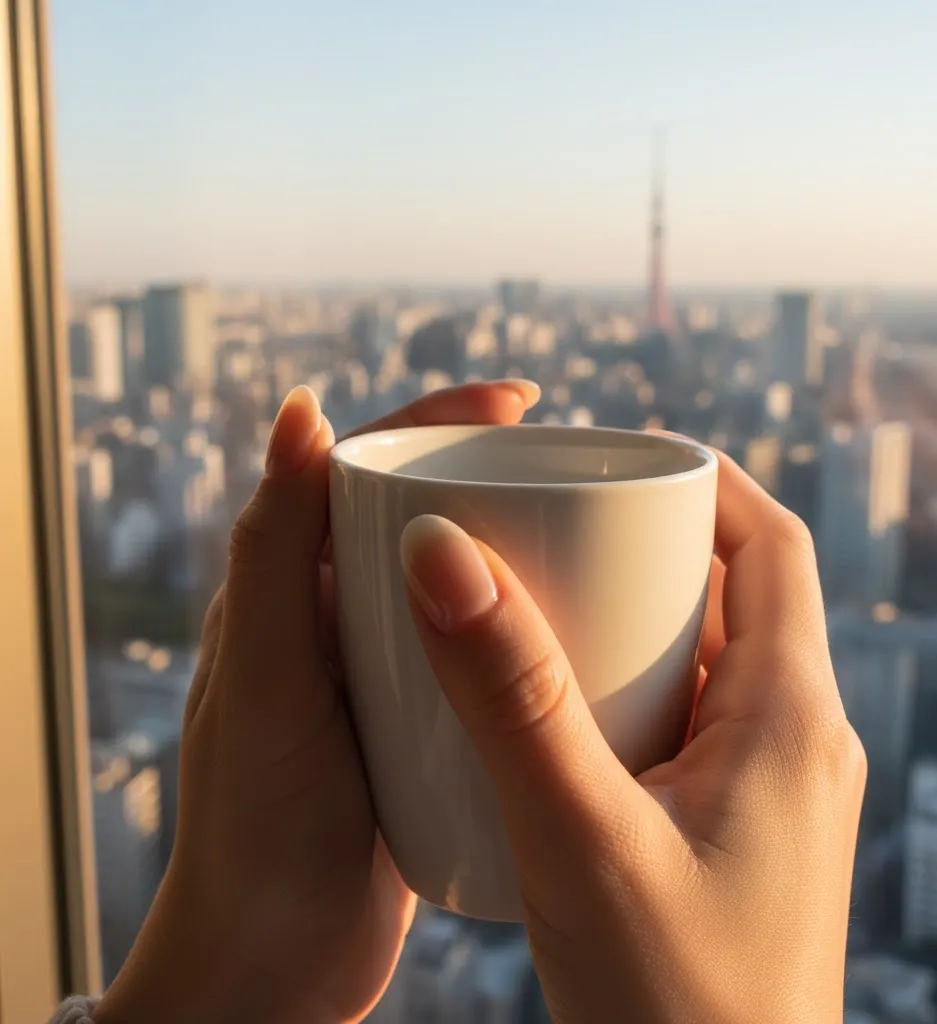
After my first salon experience in Tokyo, something shifted in how I think about manicures. In many parts of the world, nail art can feel like decoration — a quick beauty fix. In Tokyo, it felt like storytelling.
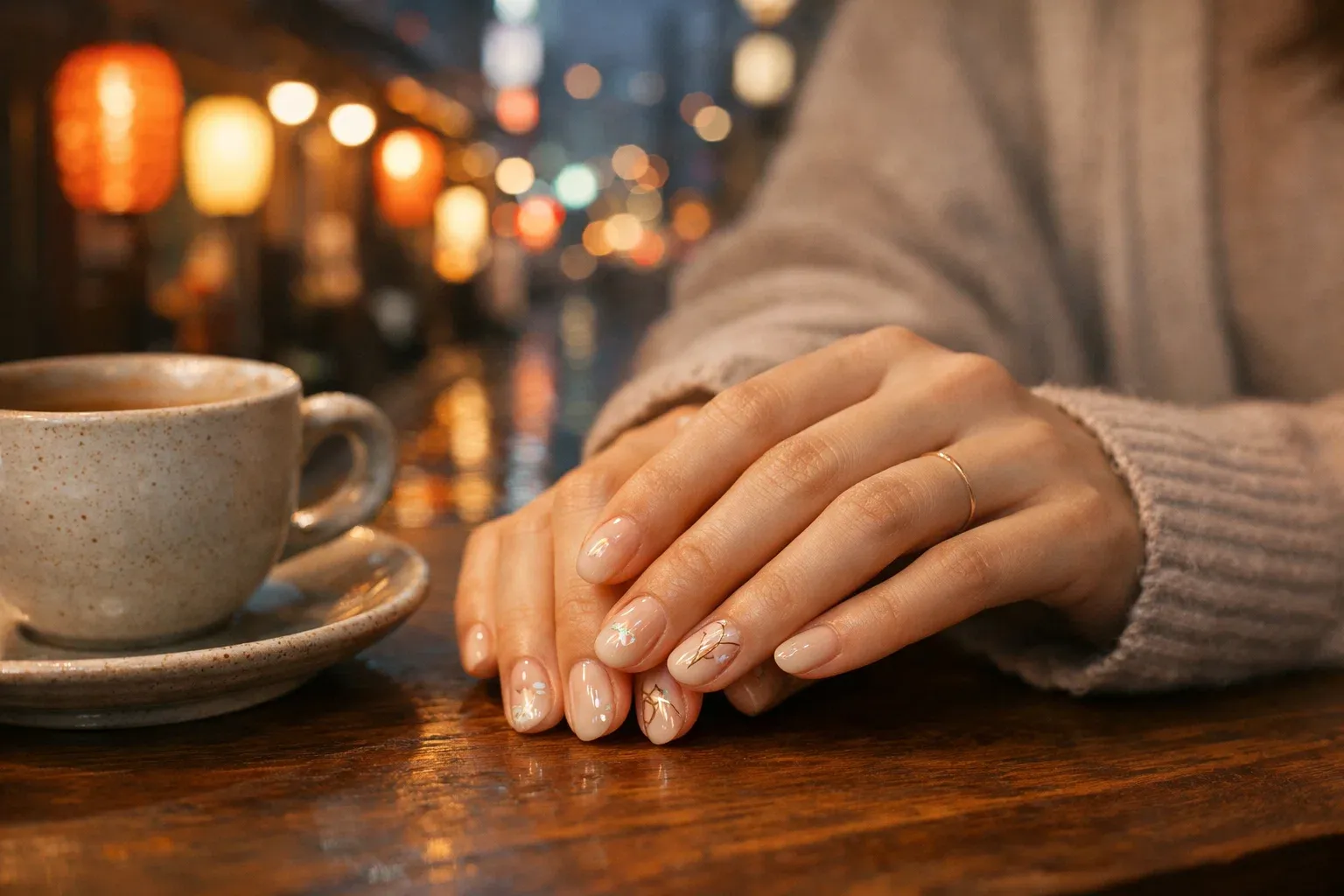
A translucent design with a tiny sakura petal near the cuticle taught me how much meaning can live in a small detail. A blend of soft neutral tones reminded me that restraint doesn’t mean dullness — it means intentional beauty.
This perspective shapes how I travel now. I look for experiences where intention beats speed, depth outweighs surface allure, and craft is more meaningful than convenience. Tokyo’s nail art scene embodies all of this.
DIY Tokyo-Inspired Nail Art at Home
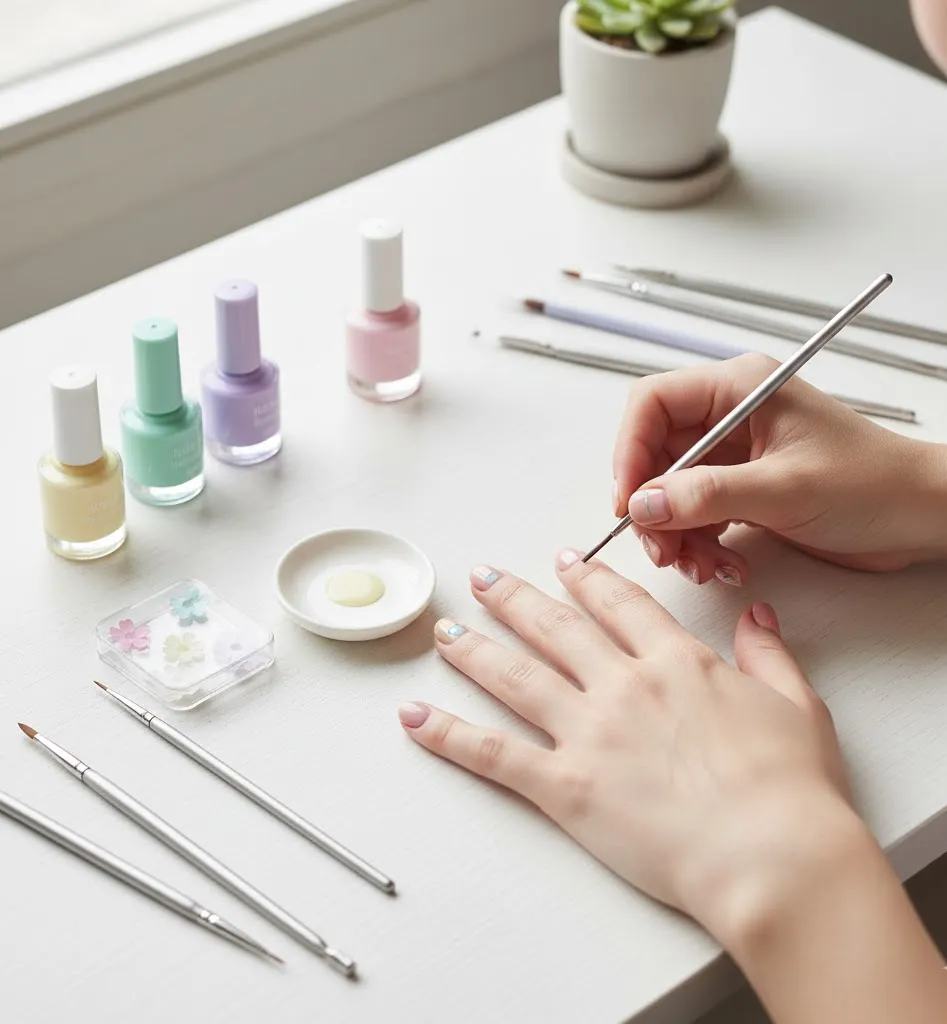
You don’t need a flight to Tokyo to bring some of its creativity home.
Start Small
Choose a minimalist base like milky whites, soft beige, or pastel pinks. These colors provide a clean foundation that makes any accent stand out.
One Accent at a Time
Pick one nail per hand to feature a unique design — perhaps a tiny flower, a metallic dot, or a geometric line. In Tokyo, less often becomes more.
Use Gloss and Sheer Layers
Thin, sheer layers create depth without clutter. Always finish with a clear glossy top coat to enhance shine and durability.
Explore Digital Tools
Apps like YouCam Nails or other virtual design tools let you try dozens of styles before painting, helping you find what truly resonates with you.
FAQs: Everything Travelers Ask About Tokyo Nail Art
How is a Japanese nail salon experience different?
Tokyo salons emphasize precision, patience, and craftsmanship. Technicians often work slowly and deliberately, focusing on detail and finish in ways that turn a manicure into an experience rather than a quick service.
Can I recreate Tokyo nail styles at home?
Yes. Use thin coats, clean lines, and pick small accent elements. Focus on intent and simplicity rather than complexity.
Are there English-friendly salons in Tokyo?
Some salons do cater to international clients. It’s wise to book early and have visual references ready.
Why Tokyo Nail Culture Matters to Travelers
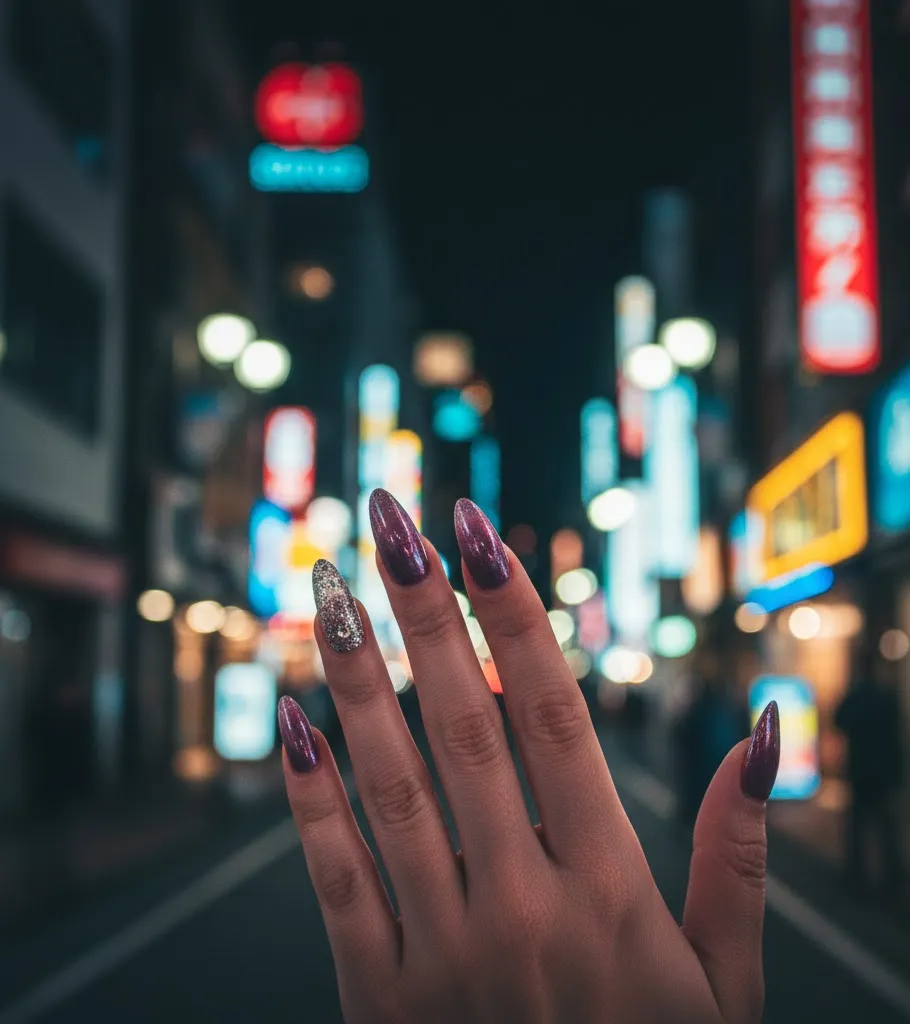
Tokyo’s nail art scene isn’t just a beauty trend. It’s a lens into a culture that values craft, patience, personal expression, and intentional living. Whether you walk into a neon-lit salon in Shinjuku or a quiet space in Omotesando, you’ll feel the difference.
This city taught me that beauty doesn’t need noise to be noticed, and that sometimes the smallest canvas — a fingernail — carries the biggest story.