
Travel Mistakes & Scams – Complete Guide
Travel should be about wonder, culture, and memory-making—not costly mistakes or scams that turn your dream vacation into a nightmare. Unfortunately, even seasoned travelers can fall victim to common pitfalls that lead to financial loss, stress, or safety issues. From booking traps to street scams and digital dangers, being aware and prepared can mean the difference between frustration and a seamless journey.
This guide dives into the most common travel mistakes and scams you need to know in 2026 and beyond, how they work, and actionable tips to avoid them.
Recommended Travel Essentials
Why Travelers Fall for Scams and Make Mistakes
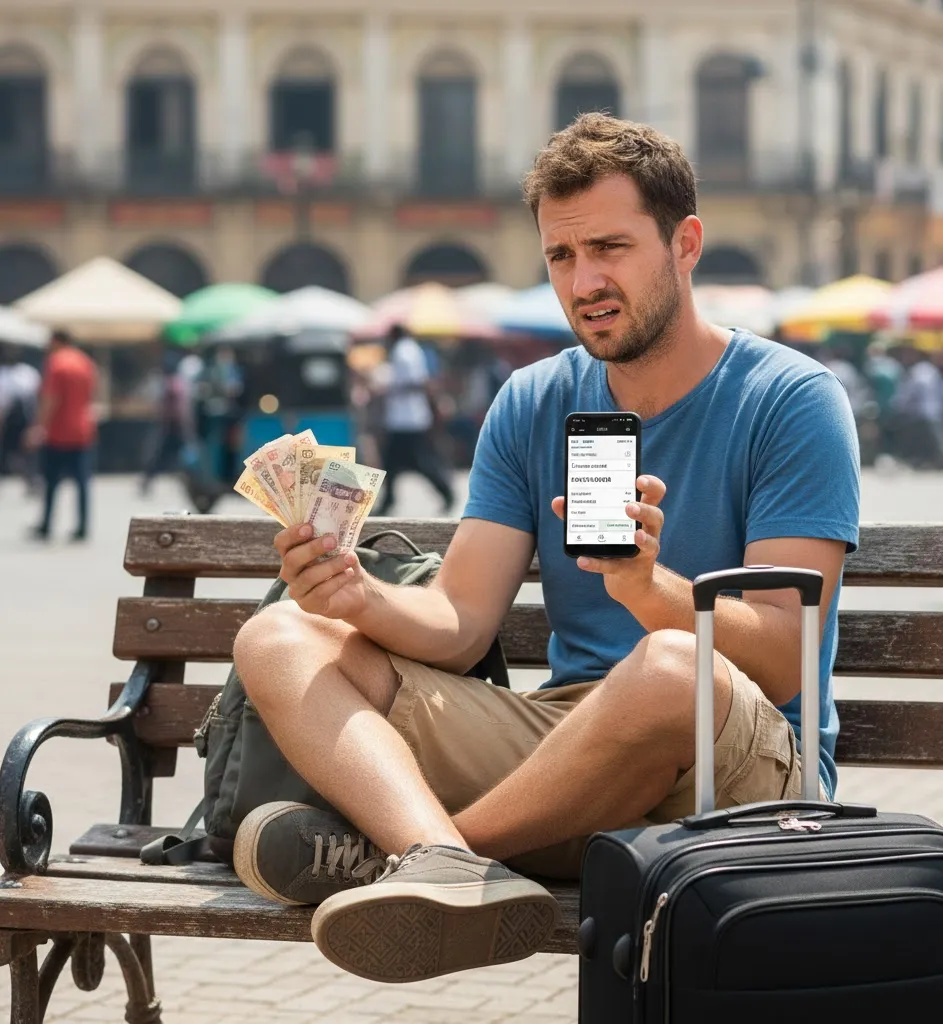
Scammers exploit trust, unfamiliarity, and a desire for convenience. Mistakes often come from good intentions—like trying to save money or trusting a “local helper.” Whether it’s a phony tour ticket or overpriced souvenir inflated because you didn’t know the local currency value, these errors cost travelers thousands each year.
A survey of travel experiences revealed that confusion over foreign currency alone can lead to massive overspending, with some travelers paying €30 for a drink or €80 for a t-shirt because they never calculated conversion properly.
Planning blindly is one of the biggest travel mistakes, especially in popular destinations, which is why researching places like Hallstatt in advance can save you from overpriced tours and tourist traps.
1. Booking Scams: When Reservations Turn Risky

Fake Booking Websites and Phishing Sites
One of the fastest ways to lose money before you even depart is through fake booking sites. These mimic legitimate hotel, flight, or attraction booking platforms, often stealing your payment details or delivering nonexistent reservations.

Red flags to watch for:
- URLs that are misspelled or unfamiliar
- Websites without “https://” (no secure padlock)
- Too-good-to-be-true deals, especially on social media ads
- Payment pages that don’t look like the main brand site
How to protect yourself:
- Always book travel through official sites or trusted third-party aggregators (e.g., Booking.com, Skyscanner, airline sites).
- If something feels suspicious, search the company name + “reviews.”
- Use credit cards instead of debit cards for fraud protections.
Pro tip: Bookmark your booking and airline portals ahead of time. Then never click a link from an unfamiliar email or ad—type the address yourself.
Accommodation Traps and Phantom Listings
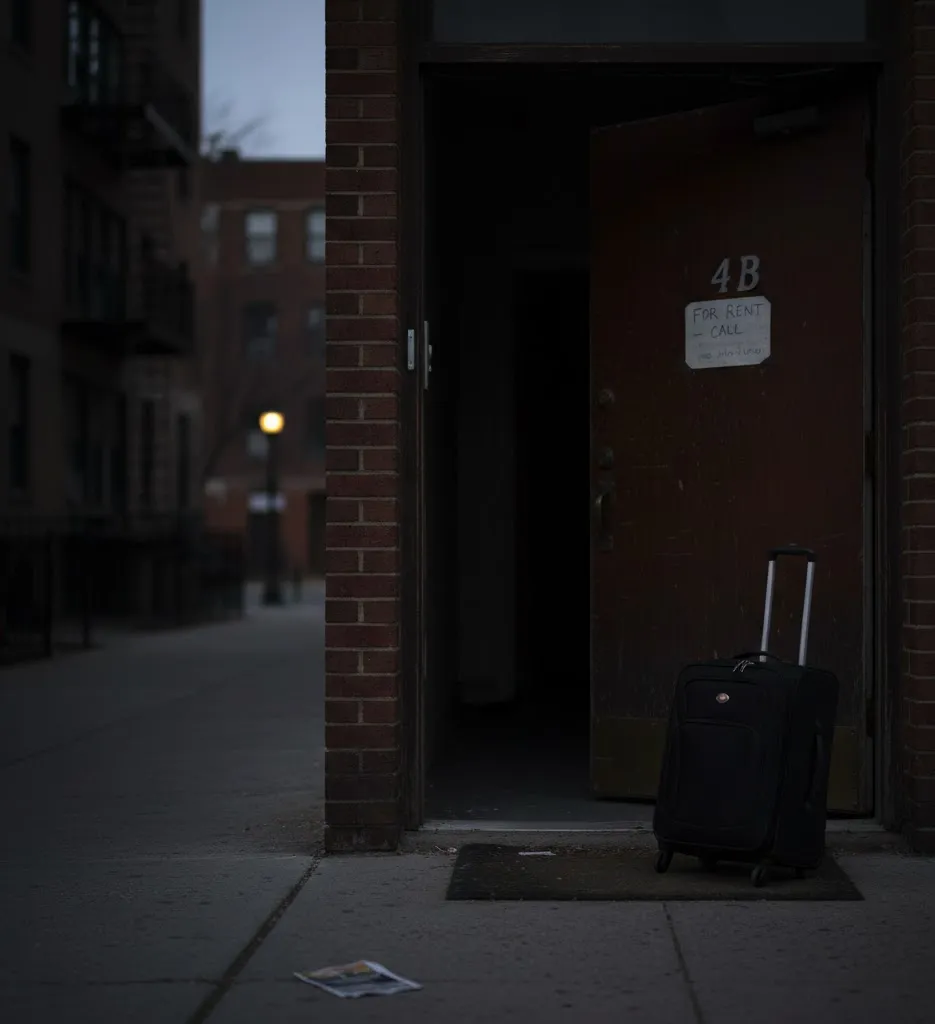
Fake listings for apartments or hotels have become a rampant scam. These properties look real, complete with photos and glowing reviews, but when you arrive, there’s nobody to check you in.
Avoiding the trap:
- Only pay through verified platforms (Airbnb, VRBO, etc.).
- Check that the property address exists on Google Street View.
- Read recent guest reviews; one honest negative report can be a huge red flag.
- Never pay deposits by direct bank transfer.
Booking sites themselves are safe when used correctly—but scam sites have gotten shockingly convincing. Always double-check contact details and if possible, video call the host before arrival.
2. Scam Tactics Around Town
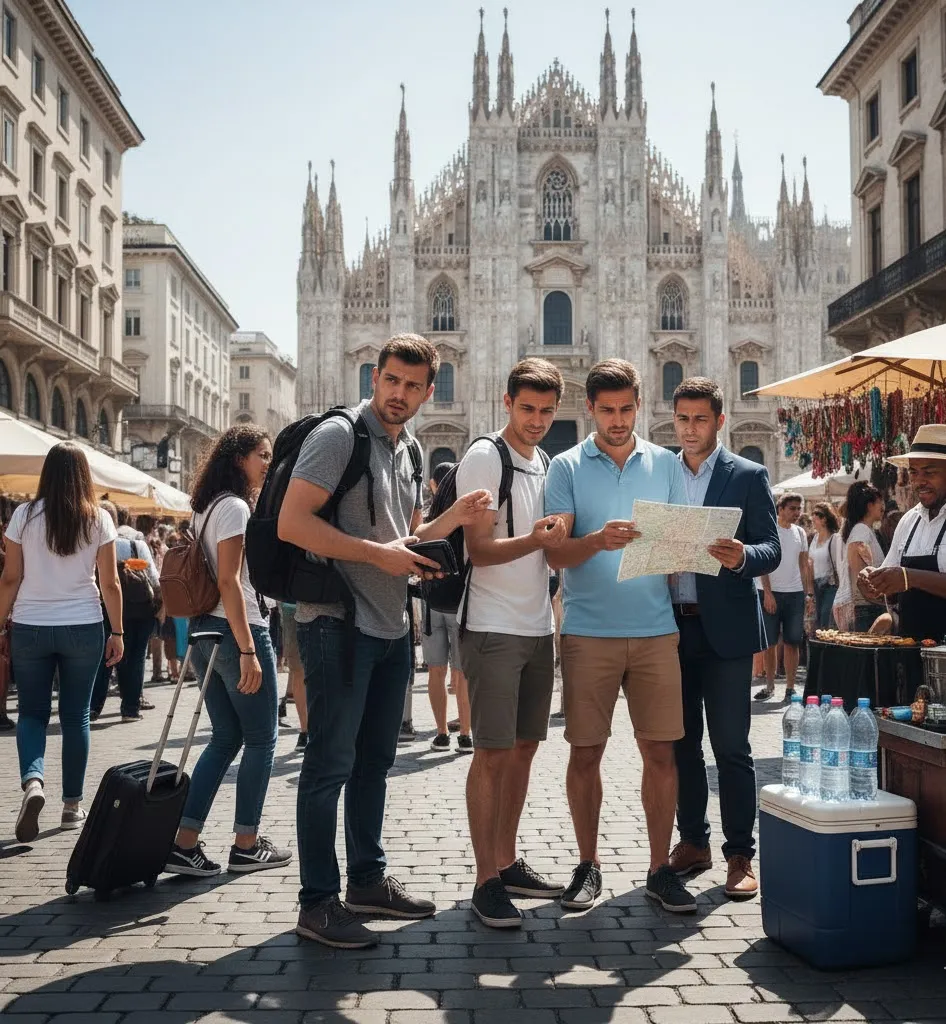
Once you land, a whole new set of scams might appear—some subtle, others brazen.
Friendly Local / Helpful Stranger Scams
It sounds nice: a local offers advice, points you to “the best deals,” or even suggests a restaurant. But this often comes with a hidden agenda: commissions from tourist traps or overpriced vendors.
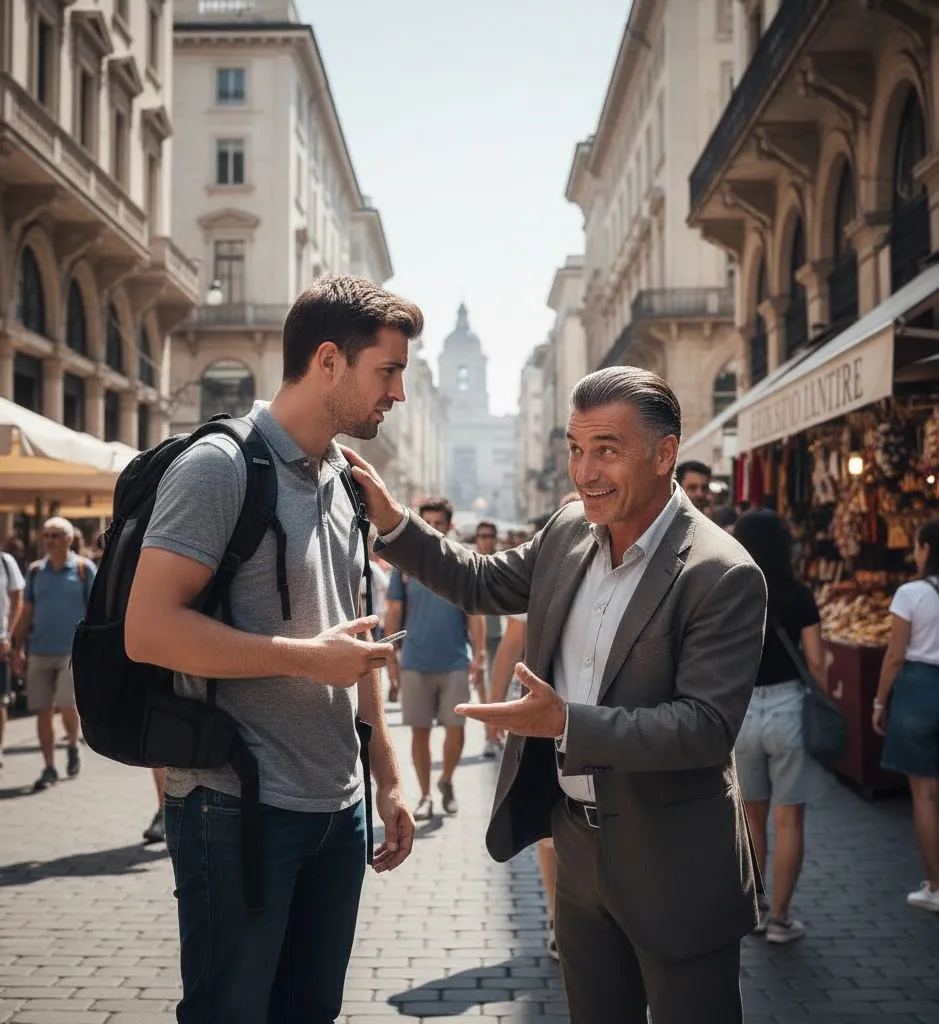
Red flags:
- Someone who seems too helpful within minutes of meeting you
- Pushy recommendations with phrases like “I know a better place”
- Suggested shops that only tourists visit
Avoidance Tips:
- Check reviews before going anywhere.
- Use official tourism info centers or local apps for recommendations.
Fake Tickets and Unauthorized Tours
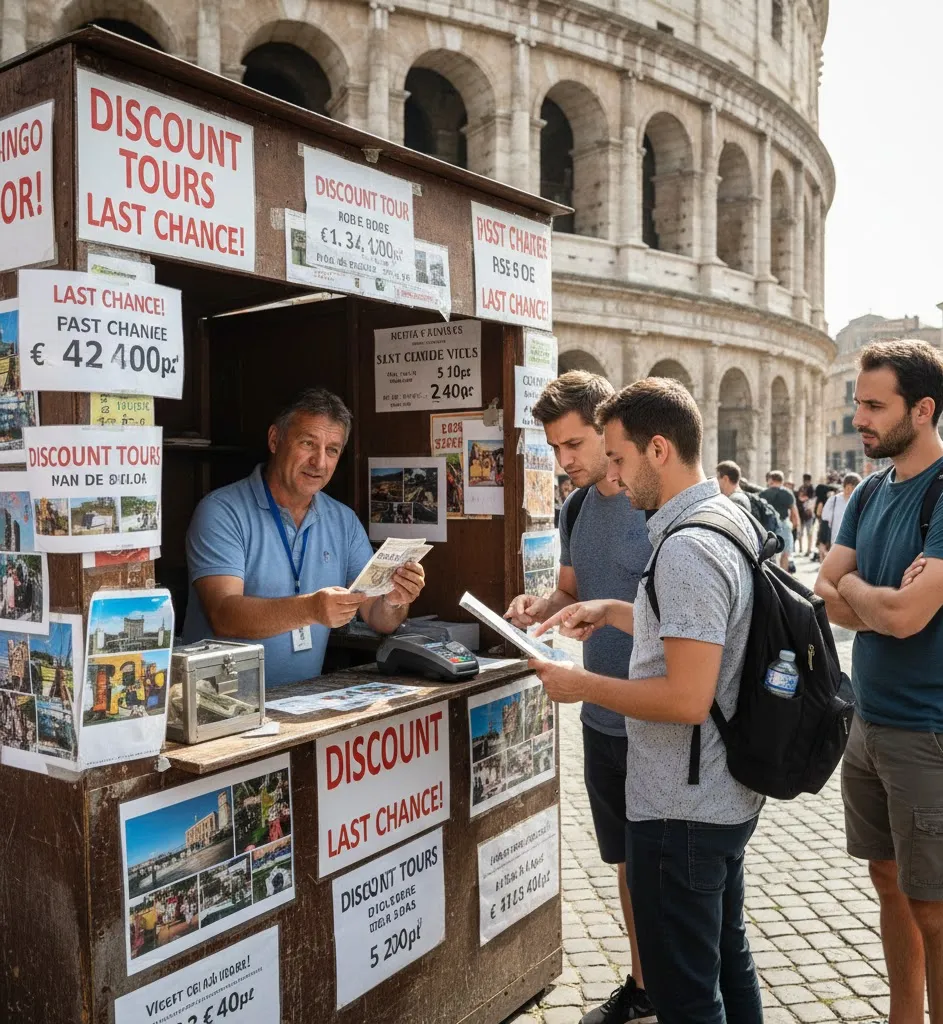
Scam artists often set up stands near popular attractions offering “exclusive discounts” on skip-the-line passes, but the tickets turn out to be fake or already used.
Tips to avoid:
- Buy directly from official attraction websites.
- Use verified ticketing platforms.
- If an offer seems too cheap, it probably is.
Overcharging and Taxi Tricks
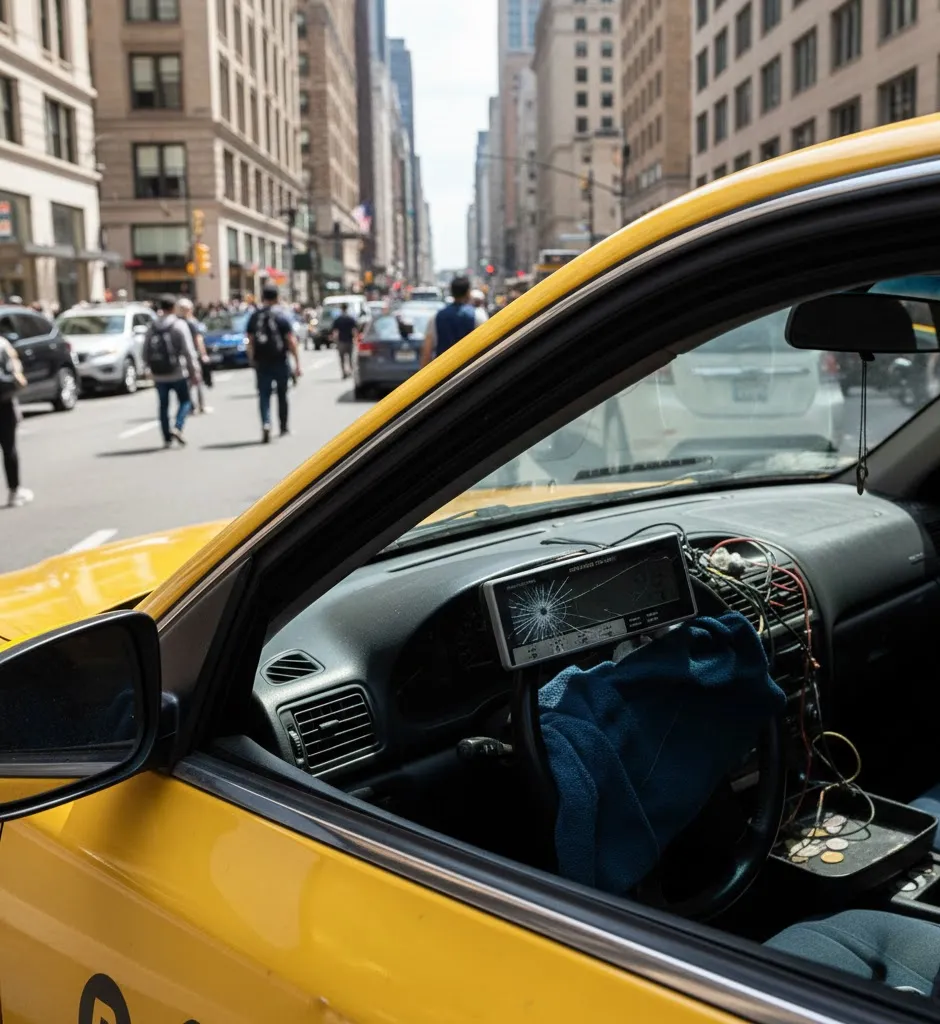
Taxi scams are among the most common travel pitfalls worldwide. Drivers might take unnecessarily long routes, refuse to use meters, or add hidden charges at the end.
Seconds Signs of Trouble:
- No meter visible
- Strange detours
- Requests to pay more before starting the ride
Safer alternatives:
- Use official taxi ranks
- Book ride-hailing services (Uber, Grab, Bolt)
- Ask hotel staff for fare estimates before heading out.
Many travelers fall into cultural faux pas simply because they skip destination research, something you can easily avoid by understanding local traditions in artistic towns like Dozza.
3. Currency Scams and Money Mistakes
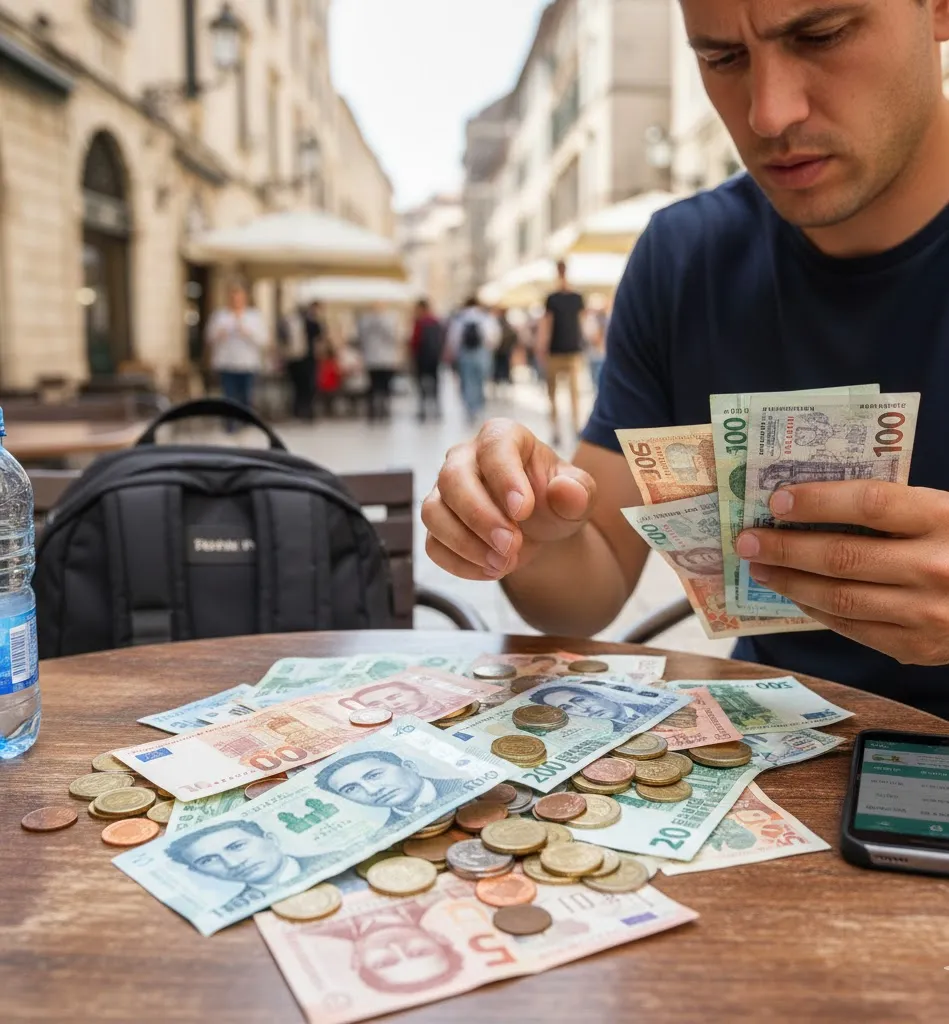
Money can be one of the trickiest parts of travel—and one of the easiest ways to lose it.
Bad Exchange Rates & Hidden Fees
Airport exchange kiosks or street vendors may advertise “no commission” but give you terrible conversion rates or hidden charges.
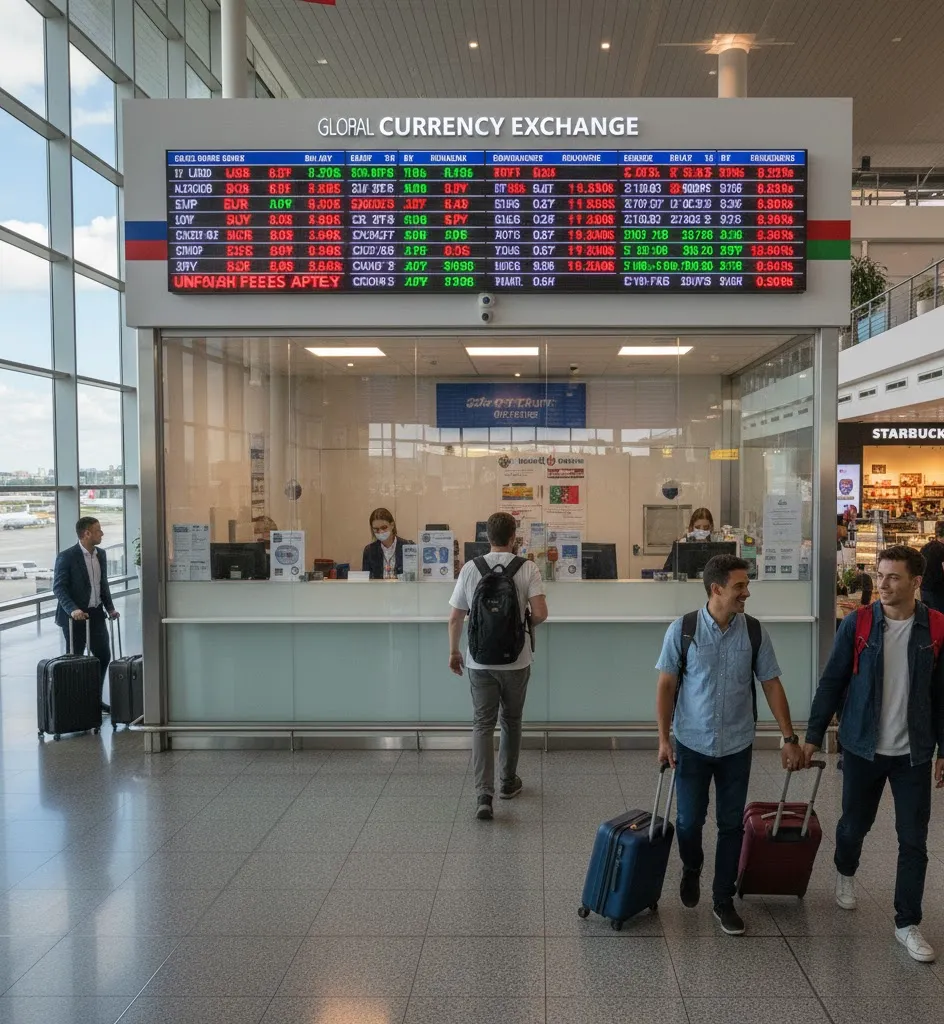
Smarter money moves:
- Use ATMs at banks rather than street ATMs.
- Avoid exchanging money at airports unless necessary.
- Check live exchange rates on apps like XE before you convert.
ATM Skimming & Card Fraud
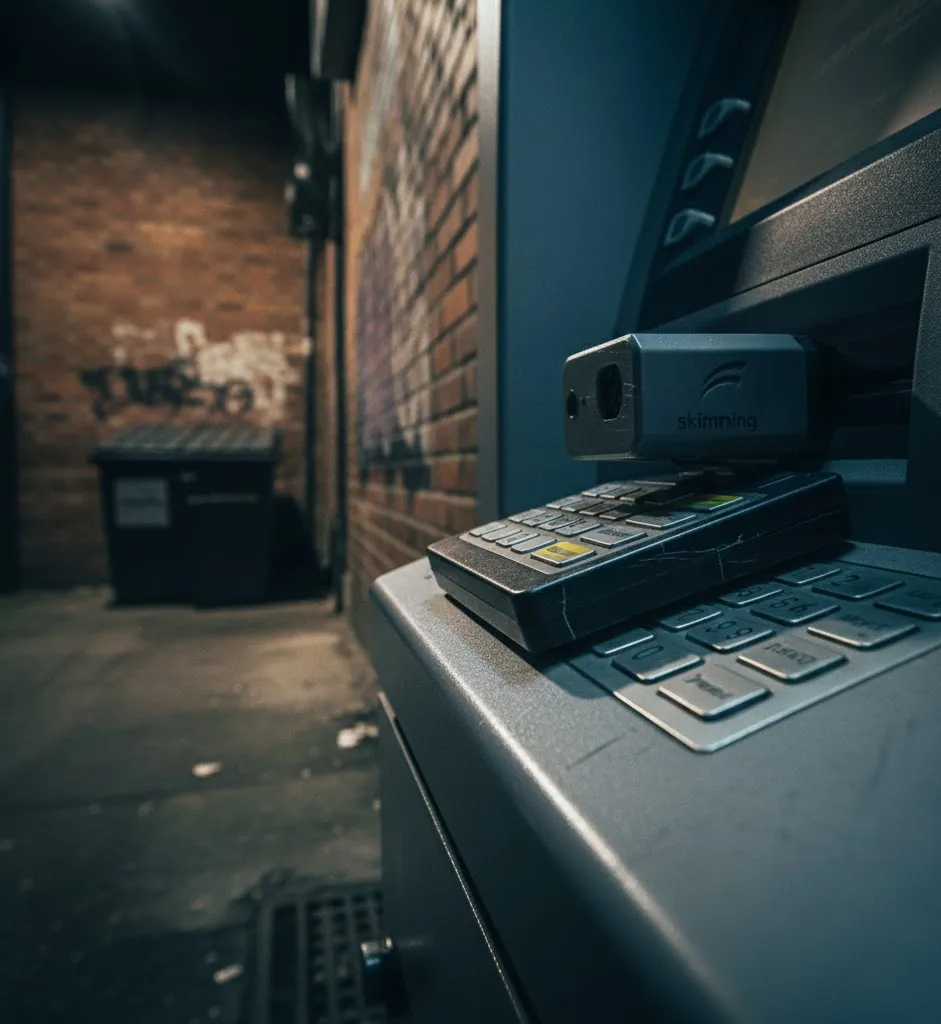
Scammers sometimes install fake card readers or cameras at card machines to capture your details, leading to stolen information and drained accounts.
Protect yourself:
- Use ATMs inside banks or well-lit areas.
- Cover the keypad when entering your PIN.
- Monitor bank activity closely while abroad.
- Remove cash in smaller amounts so you visit ATMs less often.
4. Digital Threats: Wi-Fi and Online Safety
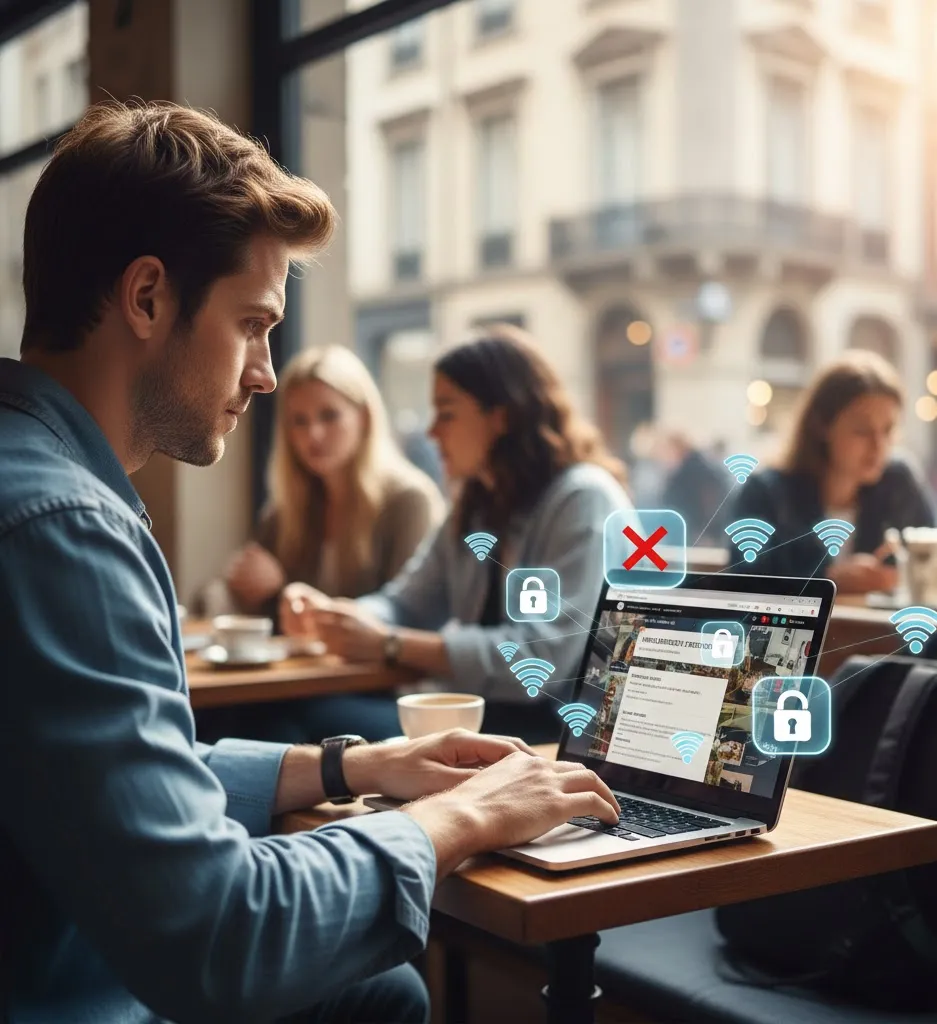
Travel isn’t just a physical activity anymore—it’s digital too. And that opens the door to cyber risks.
Fake Public Wi-Fi & Data Theft
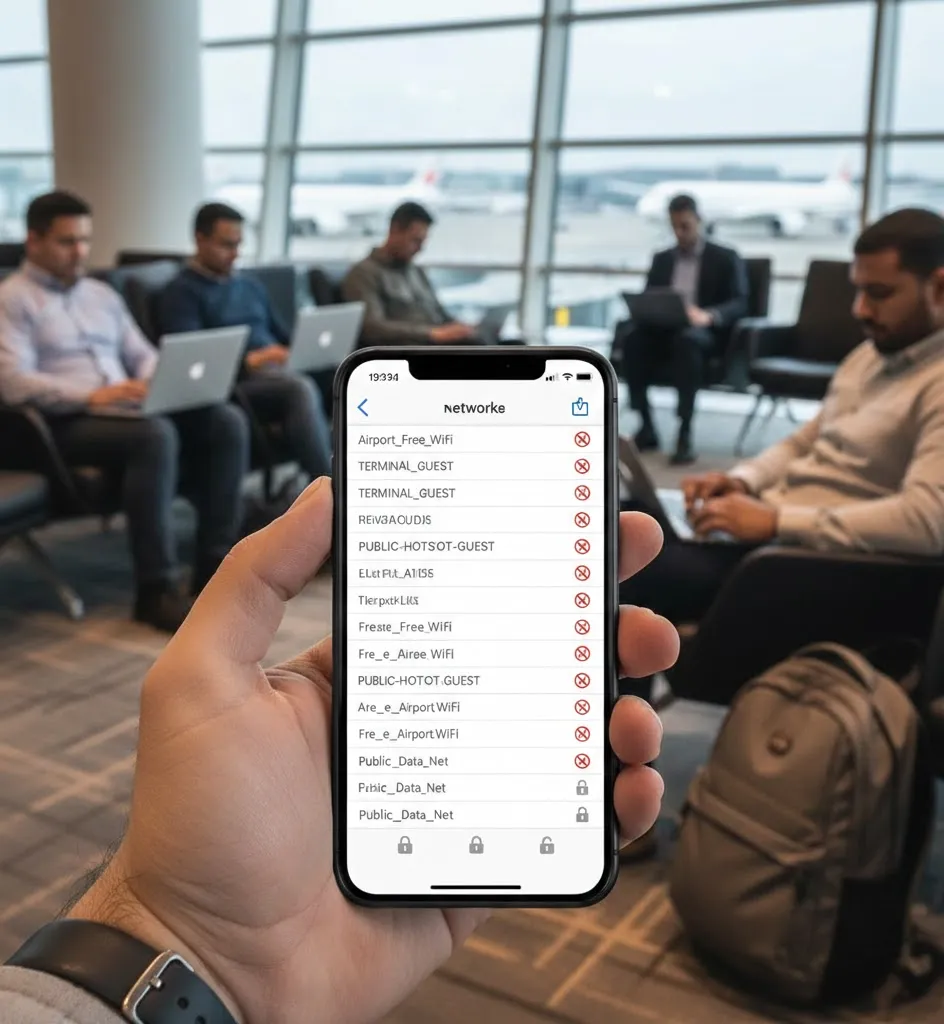
Scammers set up bogus “free Wi-Fi” in airports or cafés. Once you connect, they can capture passwords, emails, or financial info.
How to stay safe:
- Avoid public Wi-Fi for sensitive activities.
- Use your own mobile data instead.
- Activate a reputable VPN to encrypt your internet traffic.
Phishing and Email Scams
AI-generated phishing emails mimic official airline or hotel booking messages, pressuring you to click urgent links or update payment info—often leading to data theft.
Quick defenses:
- Hover before clicking any links to see the real URL.
- Bookmarks are your friend—go to the site yourself.
- Never enter personal info into a site you accessed through email.
Overcrowded destinations often breed scams, so choosing culturally rich yet authentic places such as Appenzell can help you experience Europe without falling for inflated prices or fake attractions.
5. Safety Mistakes Travelers Commonly Make
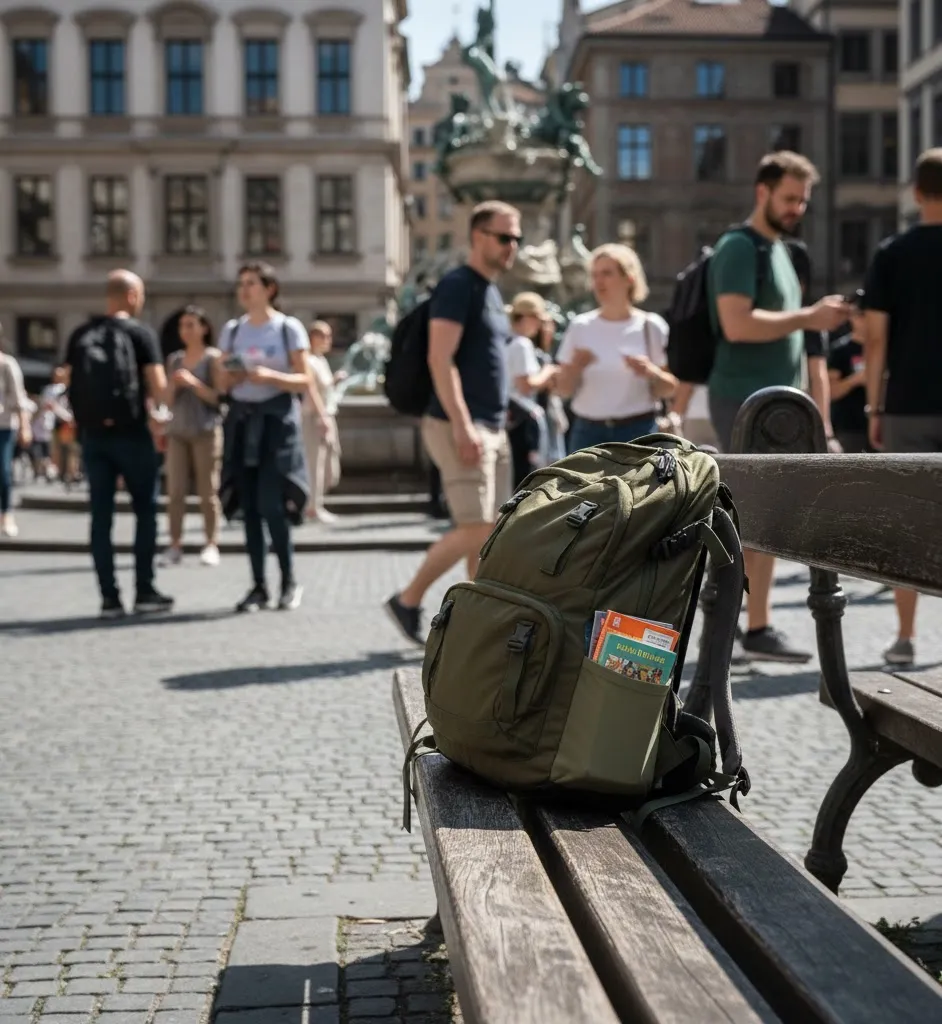
Not all travel problems are scams—some are simple mistakes that increase your vulnerability:
Failure to Research Local Scam Tactics
Every destination has its own common scams. Ignoring local patterns can cost you dearly, especially in popular tourist areas.
Solution: Research scams specifically for your destination before you travel.
Carrying Too Much Cash
Walking around with a large sum makes you a magnet for pickpockets.
Keep only what you need for the day, use cards where possible, and split money in multiple places.
Ignoring Belongings and Security
Leaving valuables out in the open at cafés, hostels, or shared rooms invites theft.
Tip: Use hotel safes, money belts, or anti-theft bags.
Not Keeping Copies of Important Documents
Losing your passport, insurance papers, or tickets can escalate a minor mishap to a crisis.
Always have digital and physical copies stored separately from originals.
6. What to Do If You Suspect a Scam
Even the best-prepared travelers can face questionable situations. If you think you might be scammed:
- Stay calm and assess the situation
- Gather as much information as possible
- Report incidents to local authorities
- Contact your embassy or consulate if needed
- Alert your bank immediately if financial info is compromised
Sharing experiences with local tourist info centers or foreign embassies not only helps you—but can protect future travelers too.
One common travel mistake is following social media hype without context, which is why discovering quieter alternatives like Nesso can help you avoid crowds, rushed tours, and unnecessary expenses.
7. Smart Travel Habits That Prevent Mistakes
Most travel mistakes are avoidable with awareness and preparation. Here’s a cheat sheet of best practices:
🧠 Before You Go
- Research common scams at your destination
- Use reputable booking platforms
- Download offline maps and translation apps
- Notify your bank about travel dates
💳 Money Tips
- Use ATMs inside banks
- Decline on-the-spot currency conversion fees
- Carry multiple payment methods
🚶♂️ On the Ground
- Trust your instincts—if it feels off, it probably is
- Keep valuables secure and close
- Use licensed taxis and official vendors
- Beware of free Wi-Fi networks
Digital nomads are especially vulnerable to long-stay travel scams, making it essential to research safe and reliable destinations before settling in places like those highlighted in Greece.
Final Thoughts: Travel Smart, Travel Safe

Travel mistakes and scams are not rare exceptions—they’re part of modern travel realities. But with awareness, preparation, and healthy skepticism, you can minimize risk and focus on what matters: enjoying your adventure. Whether you’re exploring a new city, booking your next flight, or just grabbing a snack in a bustling plaza, a little caution goes a long way.
Remember: scammers thrive on urgency and distraction. Slow down. Think twice. Ask questions. And above all—trust your experience and instincts.
Safe travels!