Travel to Pakistan: A Complete Guide with a 15-Day Itinerary, Safety Tips, and Must-See Attractions
Pakistan is one of the most underrated travel destinations in the world. Snow-capped mountains, ancient cities, desert forts, turquoise lakes, bustling bazaars, and some of the warmest hospitality you will ever experience. If you’ve been curious about visiting Pakistan but unsure where to start, this guide covers everything you need to know.
From a ready-to-follow 15-day travel plan to food, culture, safety, and local behavior, this is your complete travel companion to Pakistan.
Is Pakistan Safe for Tourists? Especially the Northern Areas
One of the most common questions travelers ask is about safety. The reality is simple: Pakistan is safe for tourists, especially in the northern regions, which are the country’s main tourism hub.
Popular destinations such as Hunza Valley, Skardu, Gilgit, Fairy Meadows, Swat, and Naran Kaghan are peaceful, well-developed for tourism, and regularly visited by international travelers. Local authorities actively support tourism, roads have improved significantly, and hotels and guides are widely available.
As with any destination, normal travel precautions apply:
- Respect local customs
- Avoid political gatherings
- Use registered transport services
- Follow weather and road updates in mountain regions
For most visitors, the biggest surprise is not safety concerns but how welcoming and helpful locals are.
The Hospitality of Pakistani People
Hospitality is part of Pakistan’s cultural identity. Guests are treated with genuine respect, generosity, and warmth. Do not be surprised if strangers offer tea, help with directions, or insist on sharing food. In smaller towns and mountain villages, visitors are often welcomed like family.
English is commonly understood in tourist areas, especially among younger people, hotel staff, and guides, making communication easy for international travelers.
Recommended Travel Items for Your Trip
A Taste of Pakistan: Food You Must Try

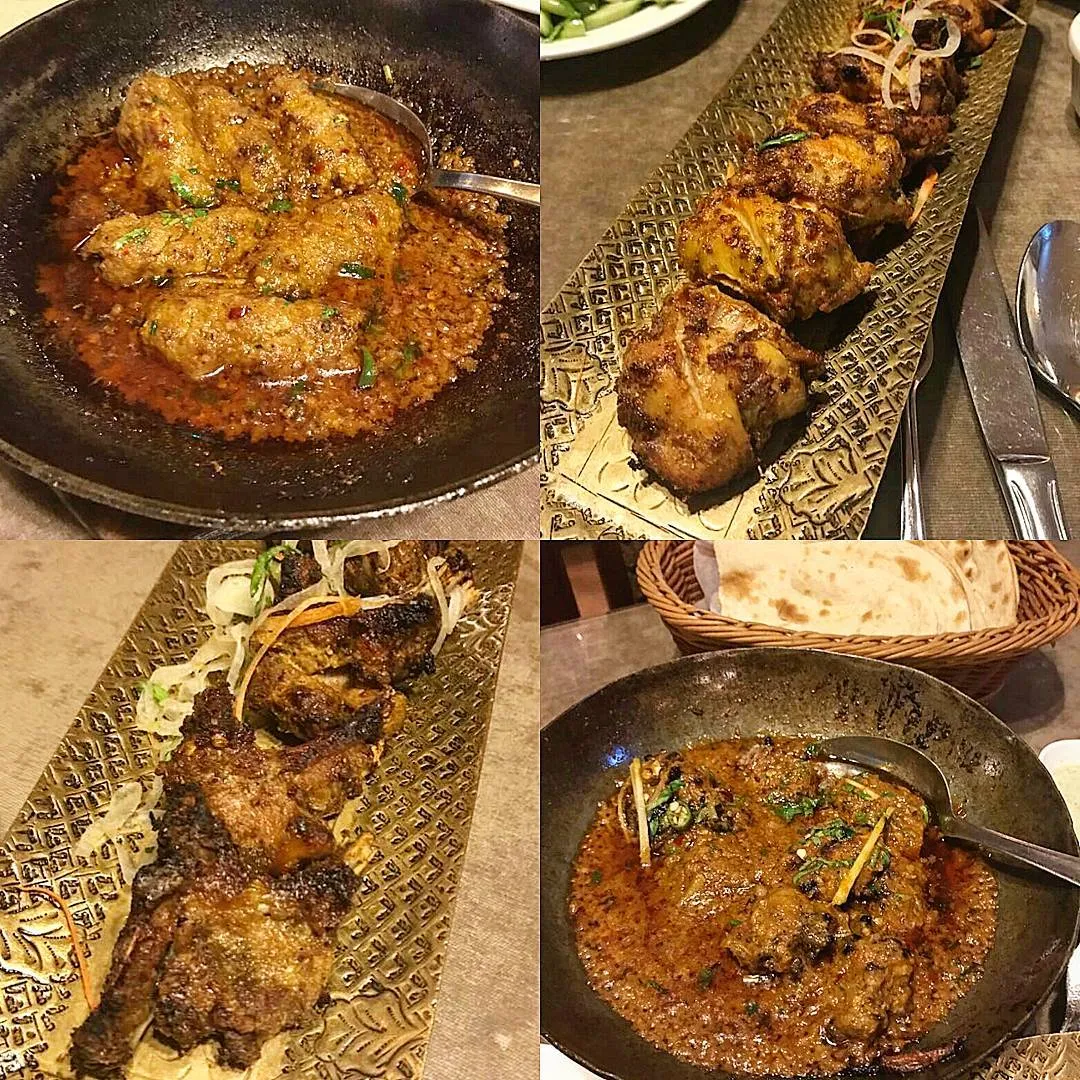

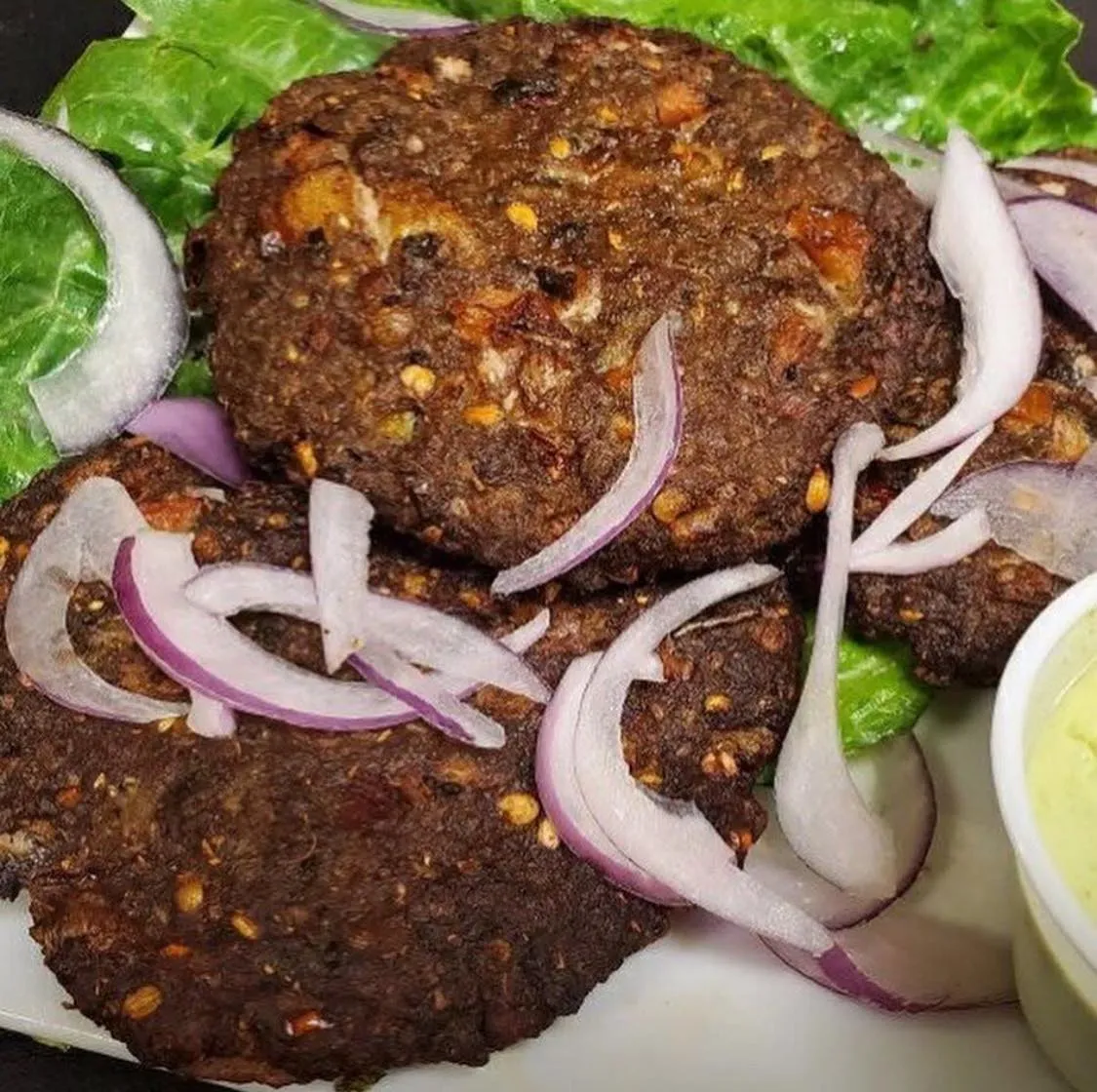
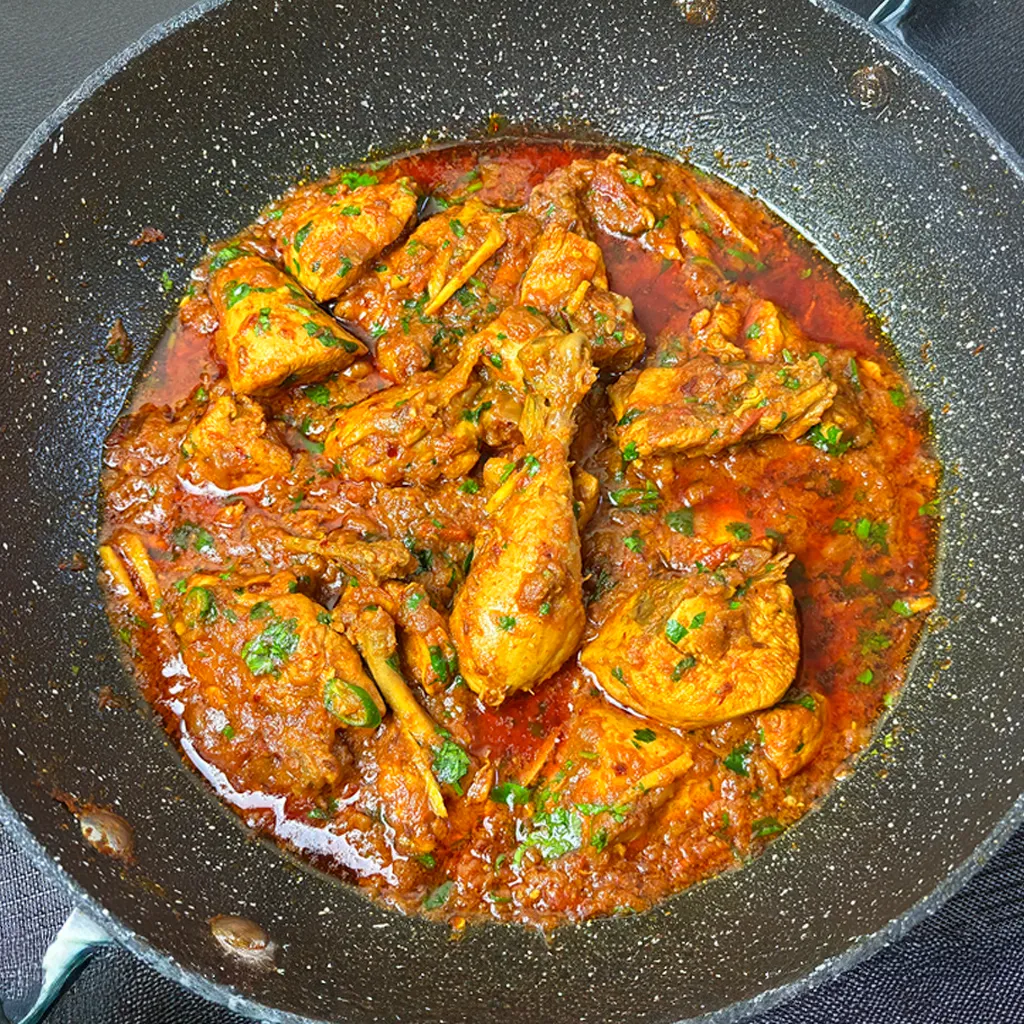

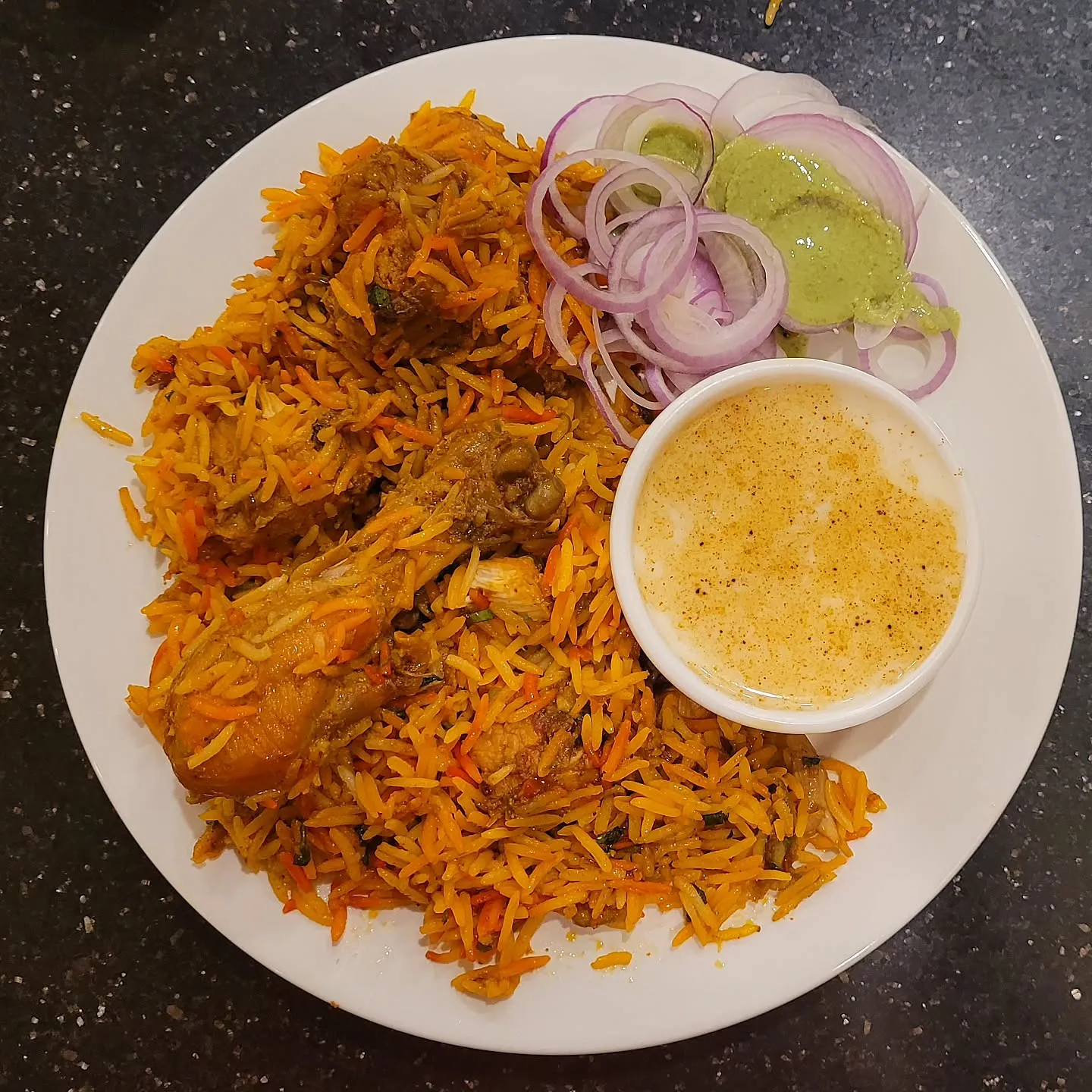
Pakistani cuisine is rich, flavorful, and deeply comforting. Whether you love spicy food or mild flavors, there is something for everyone.
Must-try dishes:
- Chicken and mutton biryani
- Karahi curries
- Chapli kebabs
- Seekh kebabs
- Nihari (slow-cooked meat stew)
- Daal and roti for everyday meals
In the north, expect:
- Fresh apricots
- Walnut bread
- Herbal teas
- Simple but hearty mountain dishes
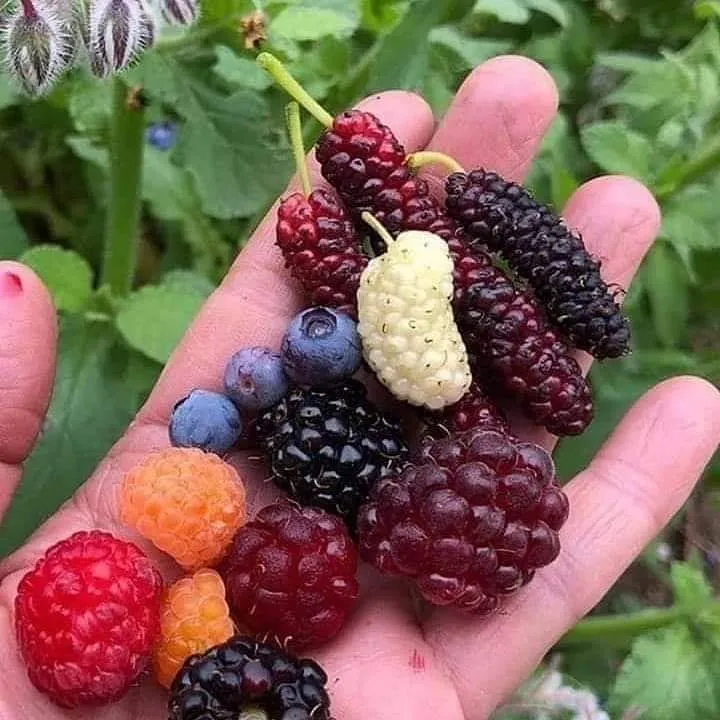
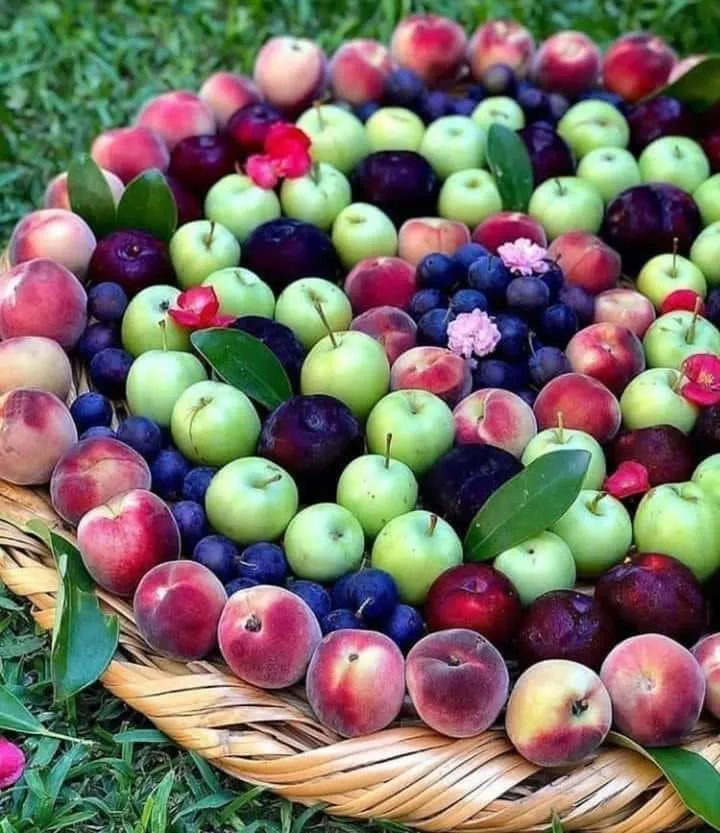
Street food is part of the experience, especially in Lahore and Karachi. Hygiene standards in popular areas are good, but choosing busy stalls is always safer.
Vegetarian options are available, though meat dishes dominate traditional menus.
Best Time to Visit Pakistan
- Spring (March to May): Ideal for cities, valleys, and moderate weather
- Summer (June to September): Perfect for northern mountains
- Autumn (October to November): Clear skies and golden landscapes
- Winter (December to February): Snow tourism in northern regions
For first-time travelers, April to October is the best window.
15-Day Complete Travel Itinerary for Pakistan
This itinerary balances culture, history, nature, and adventure. It is designed for first-time visitors who want a full experience.
Day 1–3: Lahore – The Cultural Heart


Lahore is the perfect introduction to Pakistan.
Top attractions:
- Badshahi Mosque
- Lahore Fort
- Shalimar Gardens
- Food Street in the old city
- Wagah Border flag ceremony
Do not miss:
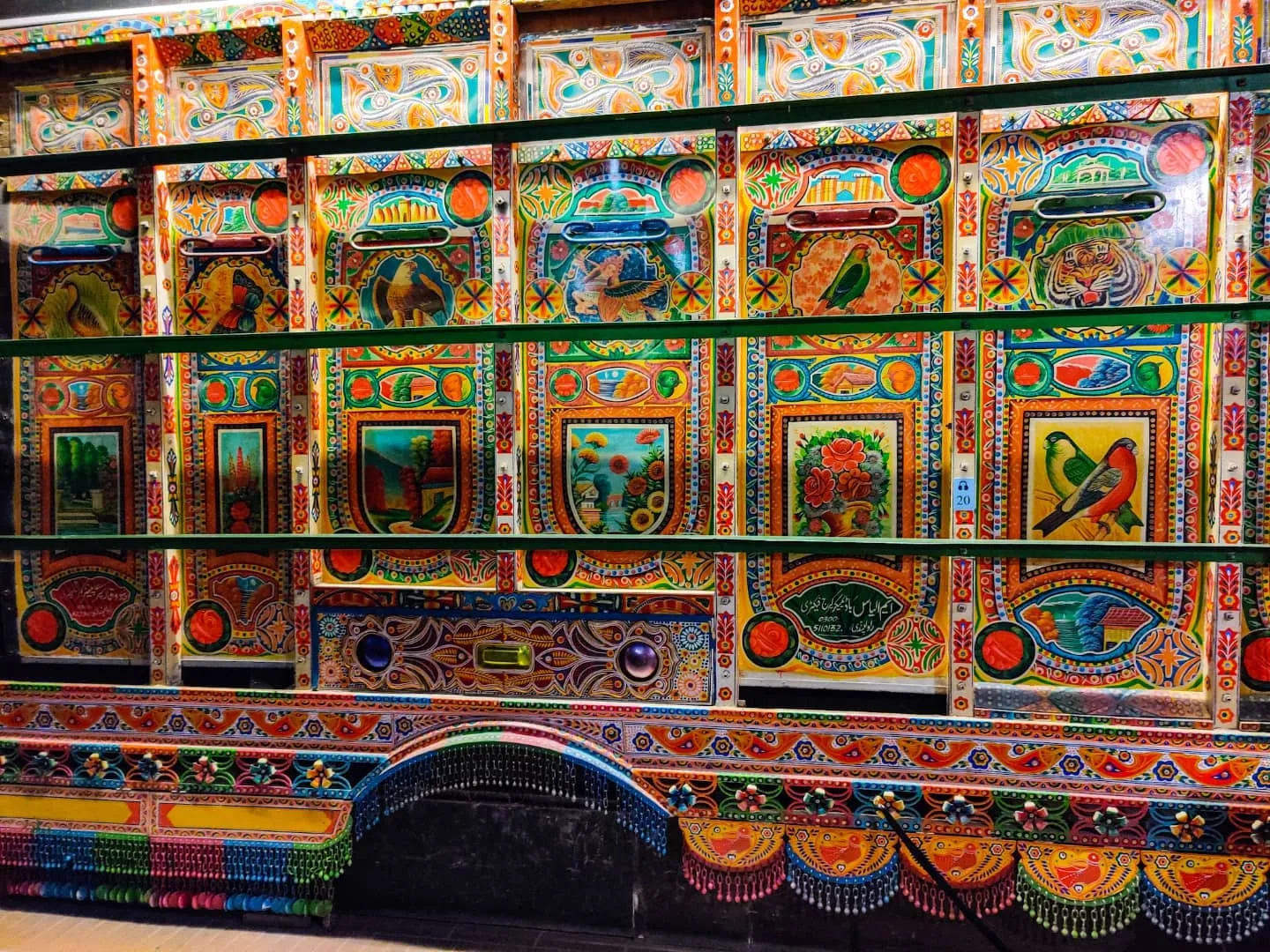
- Traditional truck art workshops
- Lahori street food experience
Lahore blends Mughal history, lively bazaars, and unforgettable cuisine.
Day 4: Islamabad – The Modern Capital


A calm and green city with wide roads and clean spaces.
Visit:
- Faisal Mosque
- Pakistan Monument
- Daman-e-Koh viewpoint
- Lok Virsa Museum
Islamabad is relaxed, safe, and easy to explore.
Day 5–6: Peshawar – Ancient Crossroads of Asia


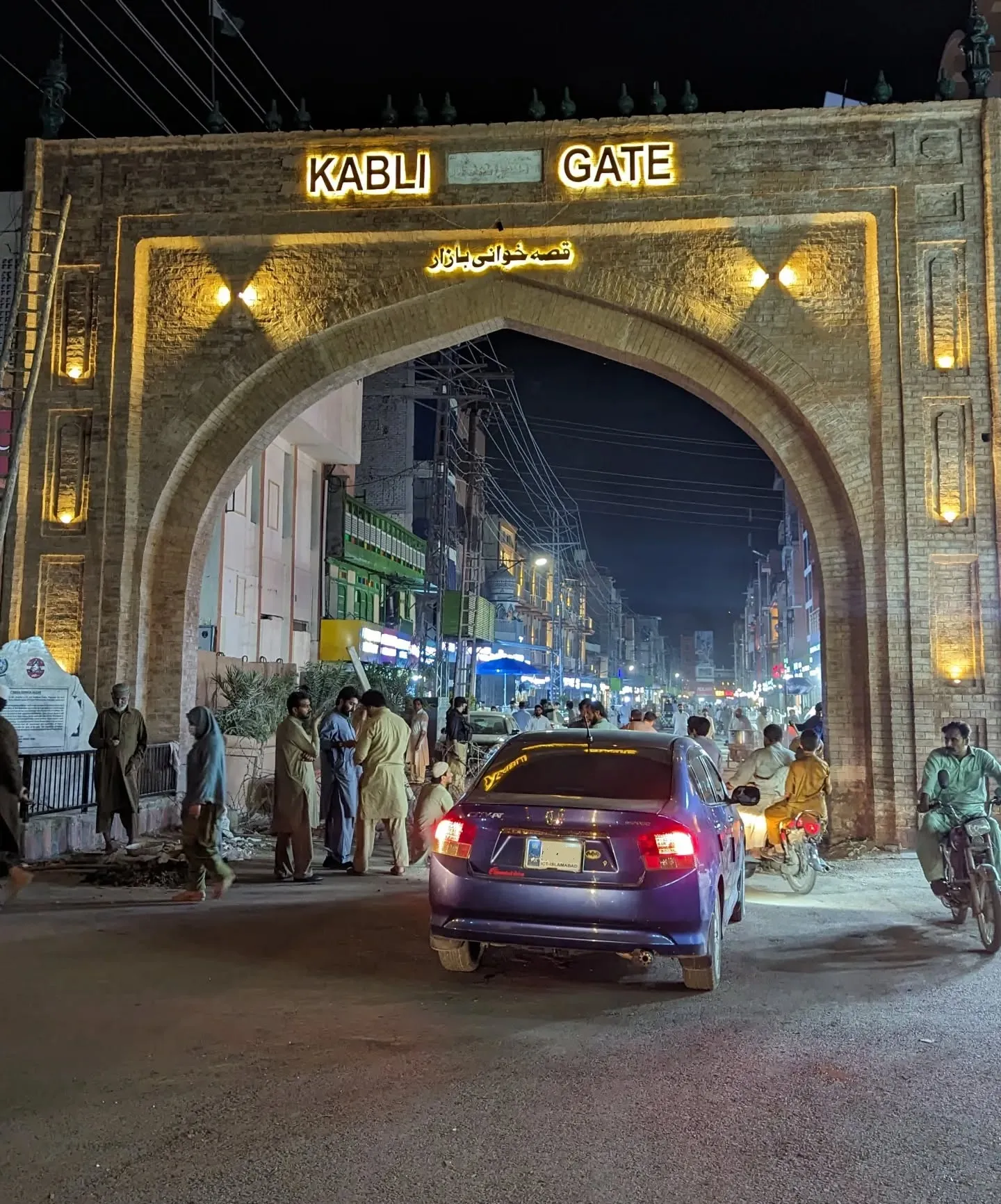
One of South Asia’s oldest living cities.
Explore:
- Qissa Khwani Bazaar
- Peshawar Museum
- Bala Hisar Fort
- Traditional tea houses
The city offers deep history and a glimpse into Pakistan’s Pashtun culture.
Day 7: Swat Valley – The Green Paradise
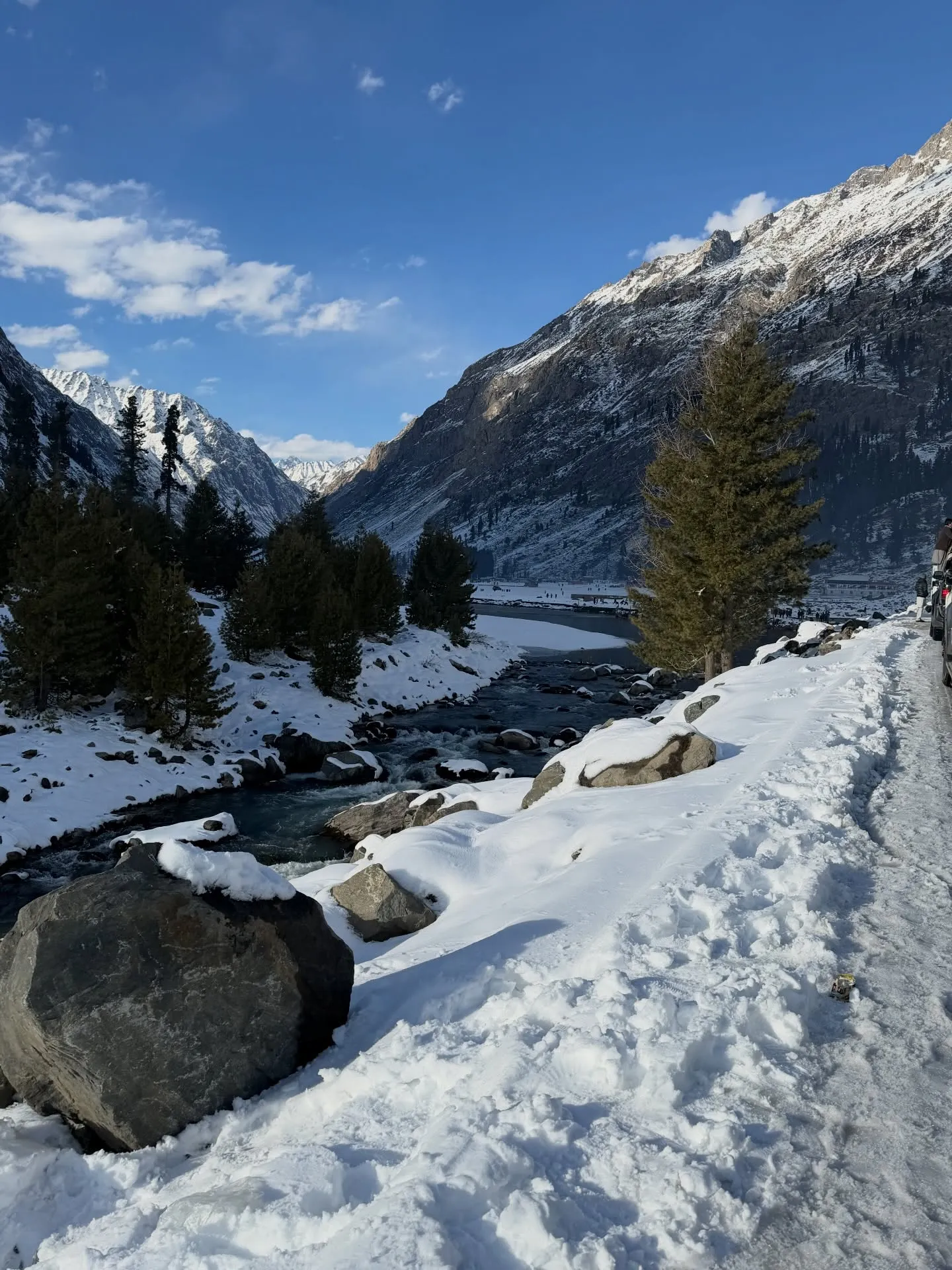


Drive into Swat Valley, known for:
- River valleys
- Pine forests
- Scenic villages
Stay in Mingora or Malam Jabba.
Day 8–9: Hunza Valley – Crown Jewel of Pakistan
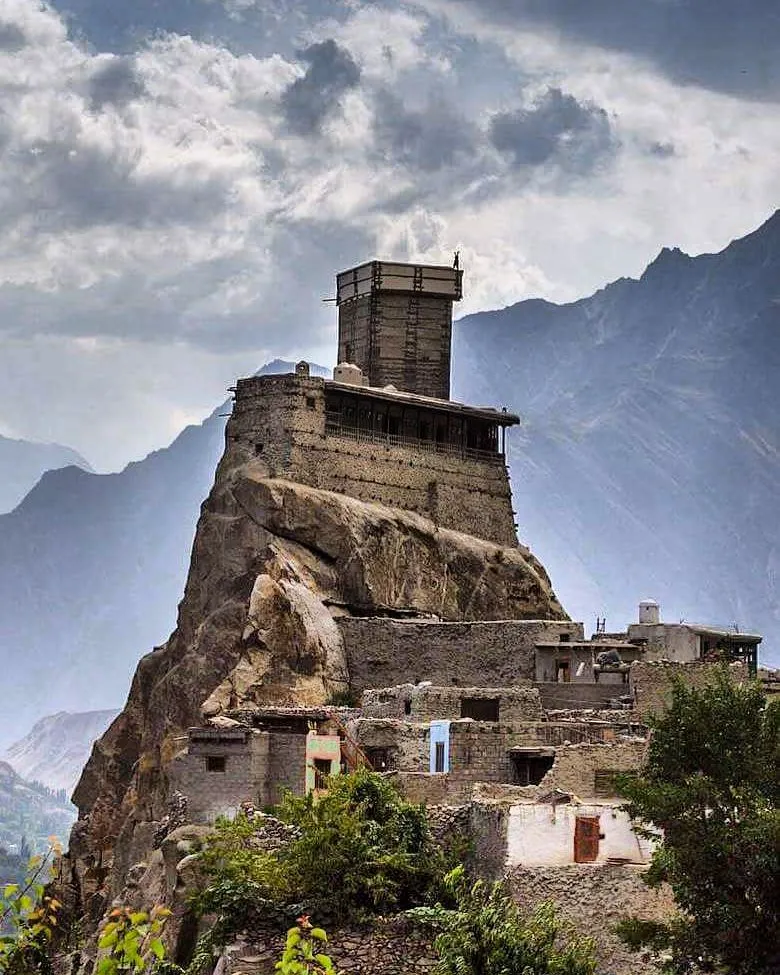
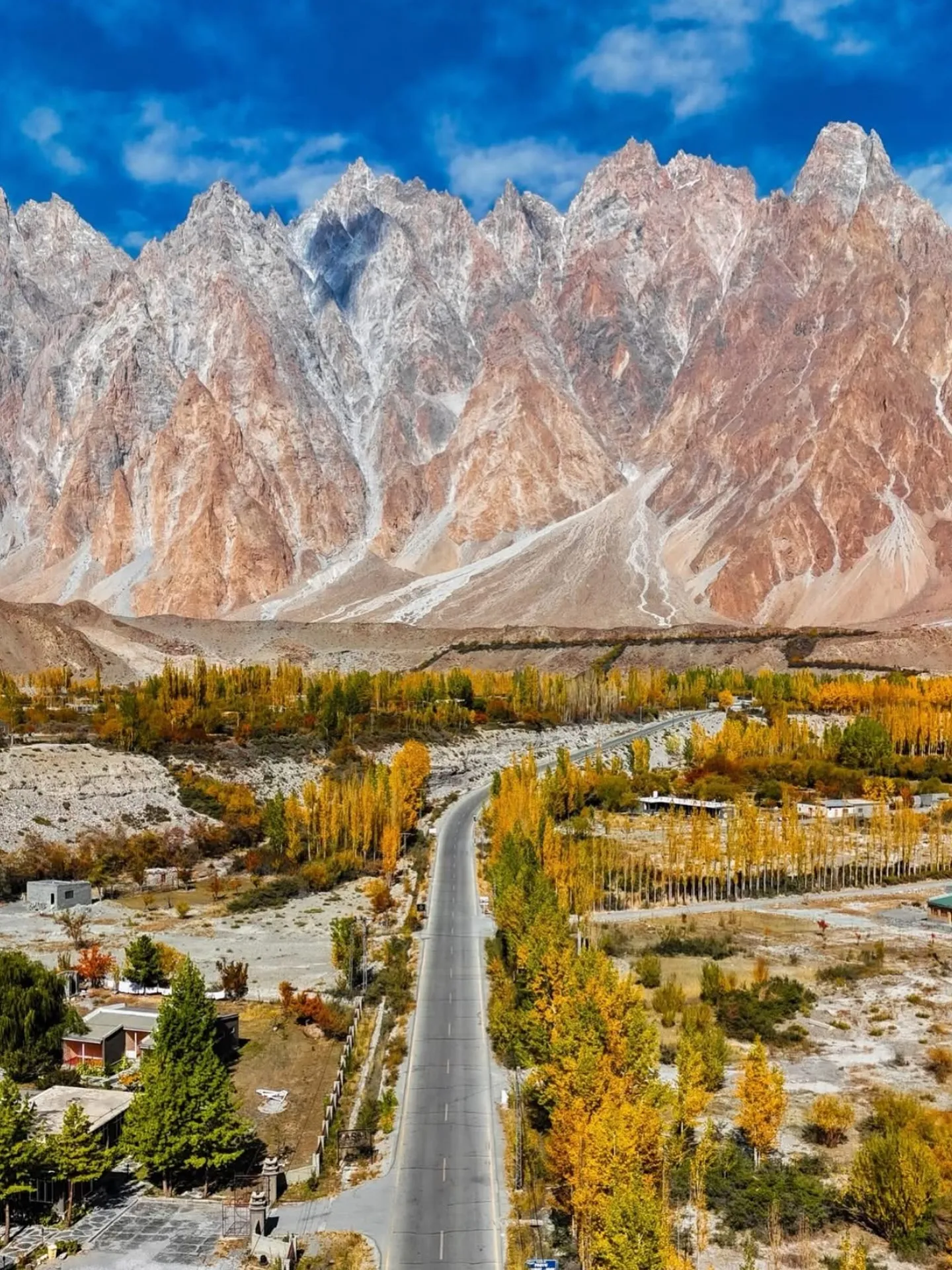
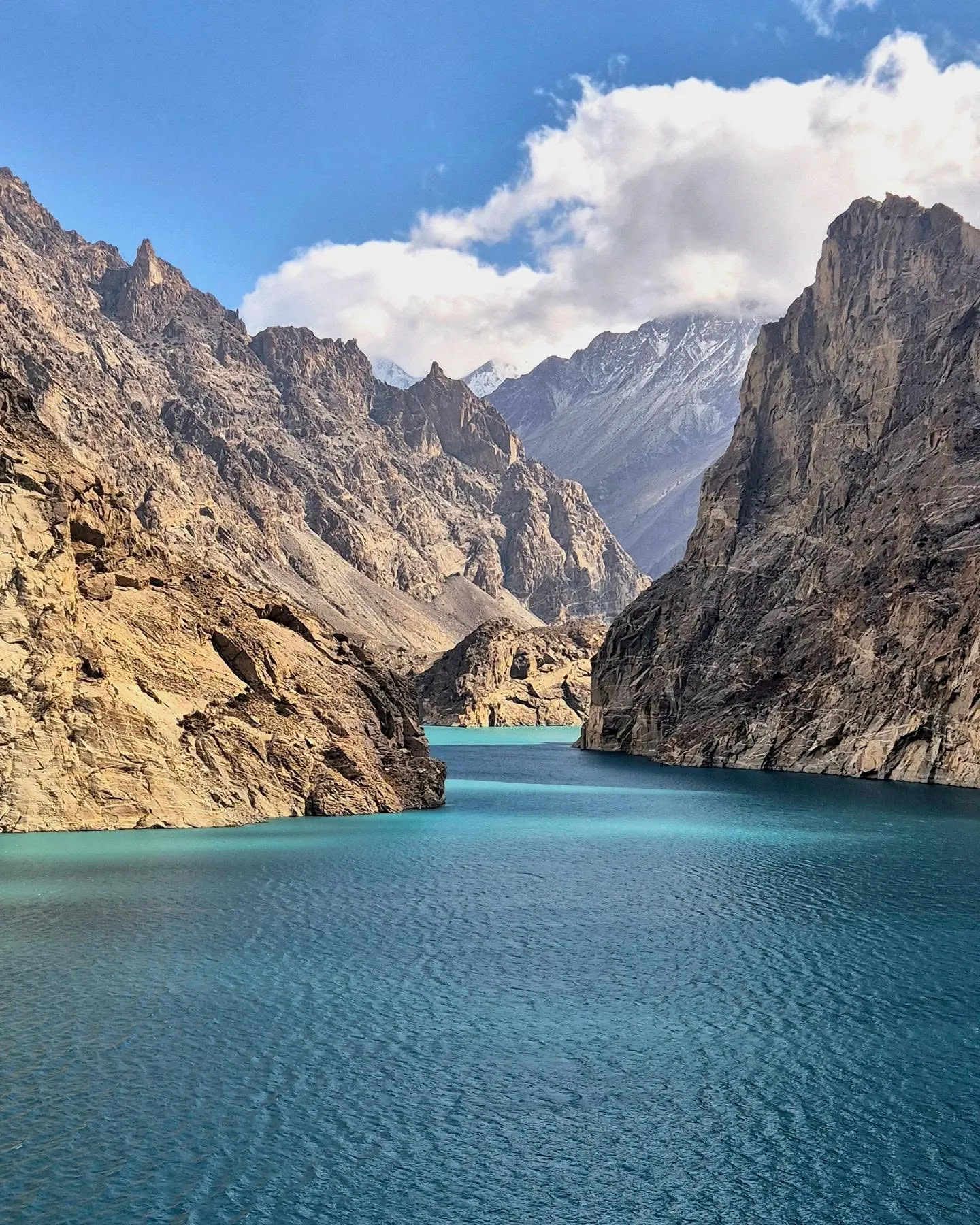
Hunza is often the highlight of any trip.
Visit:
- Attabad Lake
- Passu Cones
- Baltit Fort
- Karimabad village
Hunza is extremely safe, friendly, and unbelievably scenic.
Day 10: Khunjerab Pass – Border with China

Drive on the Karakoram Highway to:
- Khunjerab National Park
- World’s highest paved border crossing
Snow peaks, yaks, and dramatic landscapes define this day.
Day 11–12: Skardu – Gateway to Giant Mountains


Fly or drive to Skardu.
Explore:
- Shangrila Resort
- Upper Kachura Lake
- Shigar Fort
- Cold desert landscapes
Skardu is peaceful, photogenic, and deeply impressive.
Day 13: Fairy Meadows – View of Nanga Parbat

For adventure lovers.
Experience:
- Jeep ride to base village
- Short hike to Fairy Meadows
- Close views of Nanga Parbat
One of the most breathtaking mountain views in the world.
Day 14: Naran Kaghan Valley
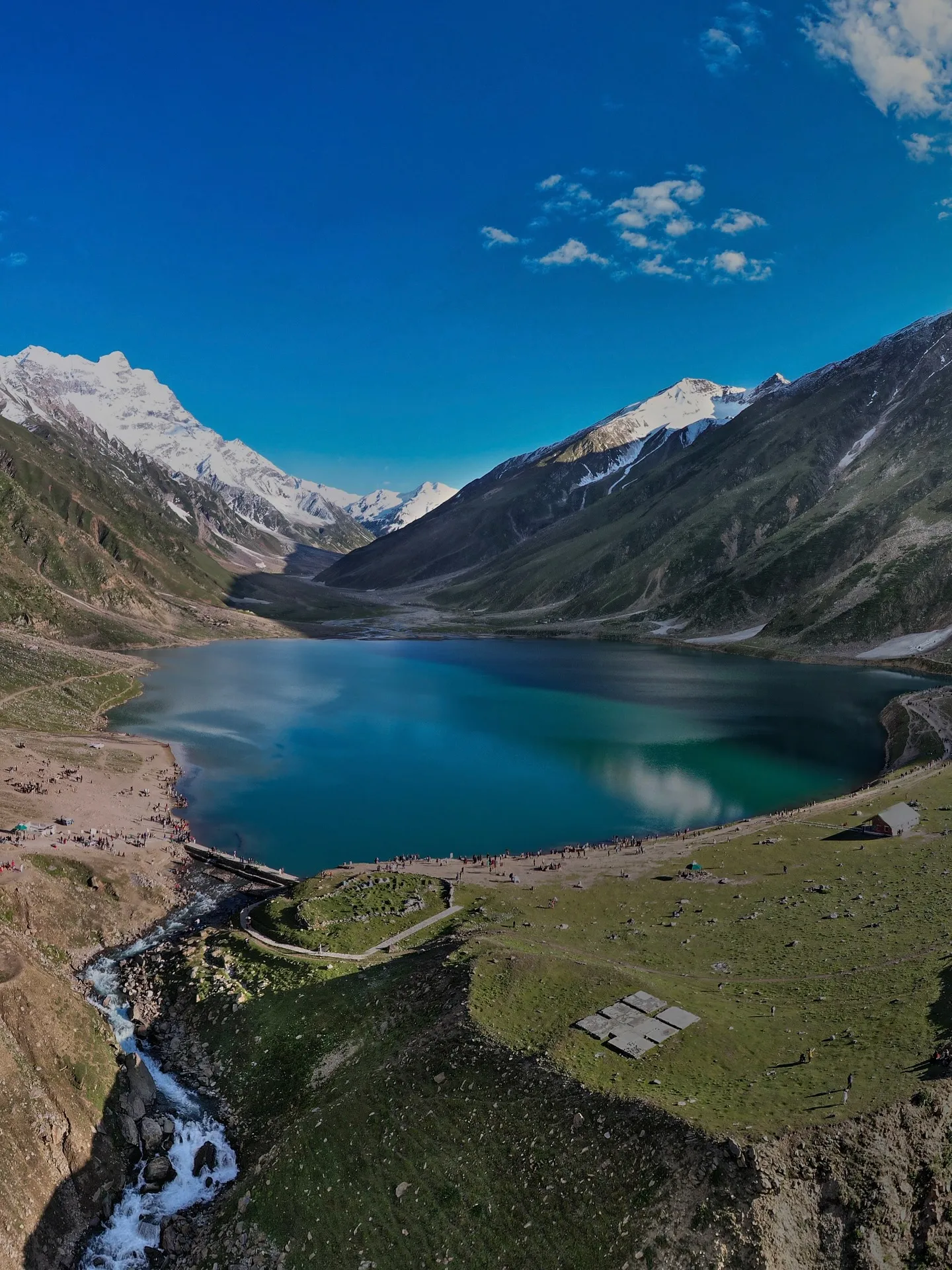

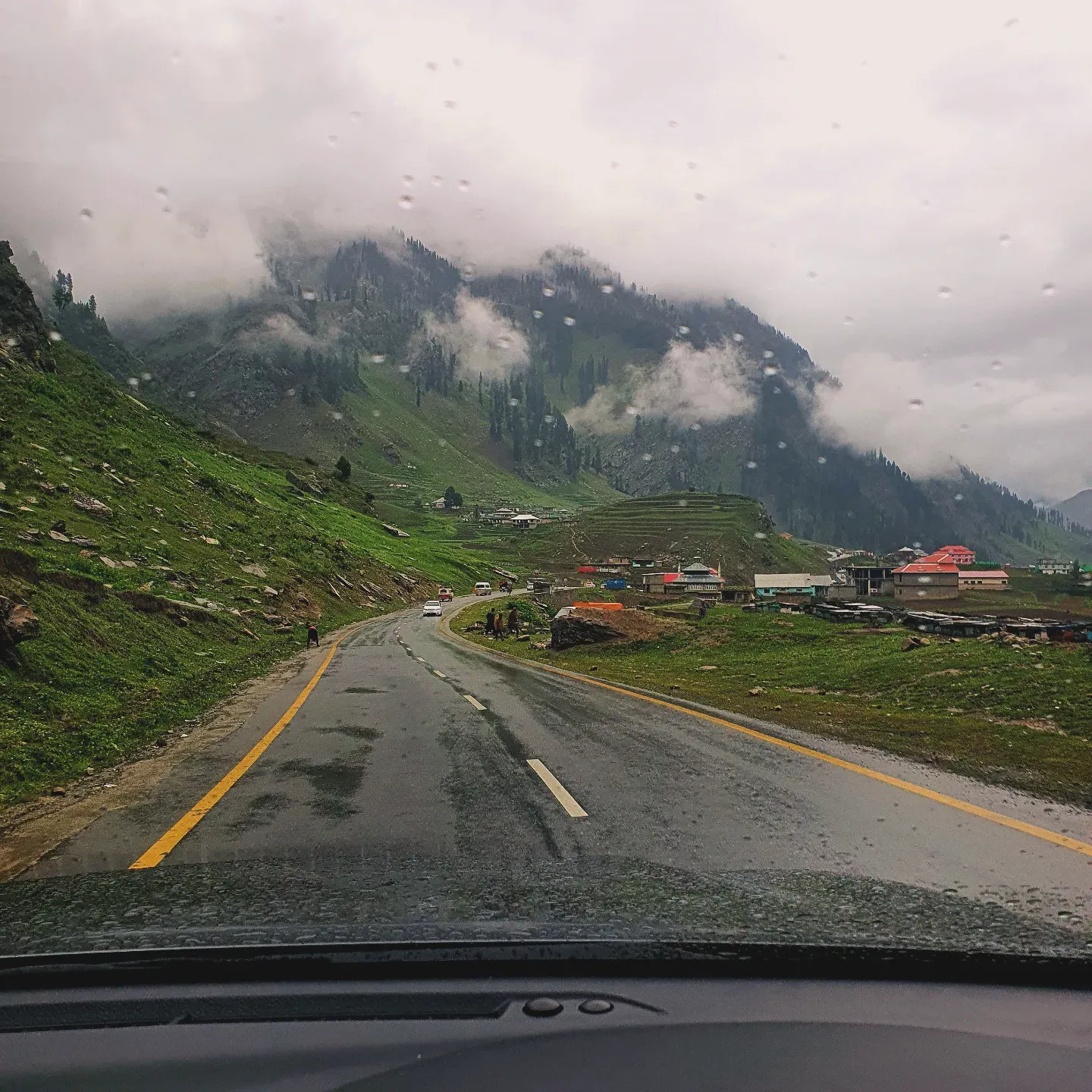
Drive through:
- Lush meadows
- Waterfalls
- Mountain lakes
If open, visit Saif-ul-Malook Lake.
Day 15: Return to Islamabad and Departure
Relax, shop for souvenirs, and fly home with unforgettable memories.
Transport and Getting Around
Domestic flights connect major cities and Skardu. For northern travel, road journeys are scenic but long. Hiring a private driver or using tour services is common and safe.
Ride-hailing apps work in major cities. Intercity buses are comfortable and budget-friendly.
Accommodation
Pakistan offers:
- Luxury hotels in major cities
- Boutique guesthouses in mountain areas
- Budget hostels for backpackers
In northern areas, guesthouses are cozy, family-run, and welcoming.
Visa and Entry Requirements
Most nationalities can apply online for an e-visa. The process is simple and quick. A printed copy of your visa and hotel booking details is usually sufficient at entry.
Cultural Etiquette
- Dress modestly in public spaces
- Remove shoes when entering homes or mosques
- Always ask before photographing locals
- Use your right hand for eating and giving items
Small cultural awareness goes a long way in Pakistan.
Internet and Connectivity
Mobile networks cover most cities and tourist regions. Local SIM cards are easy to purchase. Wi-Fi is available in hotels and cafes.
Budget Expectations
Pakistan is affordable for travelers.
Average daily costs:
- Budget traveler: Low daily expense
- Mid-range traveler: Comfortable hotels and private transport
- Luxury traveler: High-end resorts and guided tours
Food, accommodation, and transport are significantly cheaper than most travel destinations.
Why Pakistan Should Be Your Next Destination
Pakistan offers:
- Towering mountains
- Ancient civilizations
- Colorful bazaars
- Unique food culture
- Legendary hospitality
- Safe and welcoming northern tourism regions
Few places in the world offer such diversity in one journey.
Final Thoughts
Traveling to Pakistan is not just a vacation. It is a cultural experience, a landscape adventure, and a personal connection with some of the most hospitable people you will ever meet.
From the busy streets of Lahore to the silent peaks of the Karakoram, Pakistan leaves a lasting impression on every traveler who visits.
If you are looking for a destination that is beautiful, affordable, safe for tourists, rich in history, and full of genuine human warmth, Pakistan belongs at the top of your travel list.