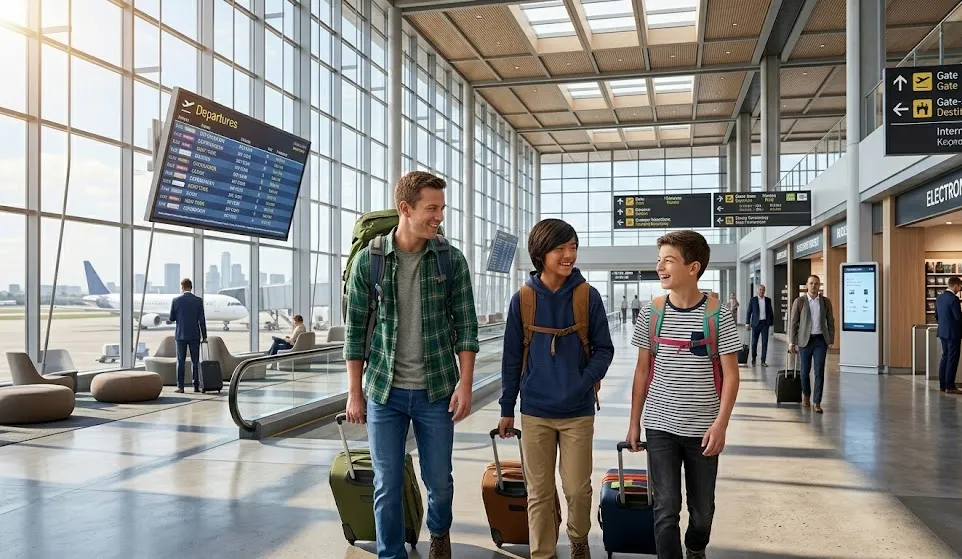
Travelling With Teens (13–18) in 2026: The Ultimate Guide for Stress-Free, Adventure-Filled Family Trips
Travelling with teens is not the same as travelling with toddlers or younger kids. It is deeper, louder, occasionally unpredictable, and often far more rewarding. Between ages 13 and 18, young people are forming identities, craving independence, questioning everything, and quietly collecting memories that will shape how they see the world.
Family travel in 2026 offers more flexibility, immersive experiences, and teen-friendly destinations than ever before. The key is not controlling the journey. It is collaborating on it.
This guide covers everything parents need to know about travelling with teenagers: planning, destinations, safety, budgeting, tech balance, independence, sibling dynamics, and real-world challenges.
Recommended Travel Items for Your Trip
Why Travelling With Teens Is Worth It
Teenagers may roll their eyes at the idea of a “family holiday,” but travel can unlock powerful benefits:
- Builds independence and decision-making skills
- Expands global awareness and cultural empathy
- Strengthens family relationships in shared challenges
- Encourages real-world learning beyond school textbooks
- Creates lasting core memories
Unlike younger children, teens can understand history, politics, environmental issues, and cultural nuances. They can debate ideas while standing inside ancient ruins or hiking across dramatic landscapes. Travel becomes dialogue.
The Biggest Pain Points of Travelling With Teens

Let’s address reality. Family travel with teenagers comes with friction. Understanding the common challenges makes it easier to navigate them.
1. Screen Attachment
Phones are lifelines for teens. Removing them entirely often causes resistance. Instead of banning devices, integrate them:
- Encourage photography challenges
- Assign social media storytelling roles
- Use navigation apps together
- Set balanced tech windows
2. Desire for Independence
Teens want autonomy. Micromanaging every minute creates tension.
Solution: give structured independence. Let them choose one activity per day, manage part of the budget, or navigate public transport under supervision.
3. “I’m Bored” Syndrome
Teen boredom often comes from passive sightseeing. Long museum days without interaction rarely work.
Solution: prioritise immersive, active, hands-on experiences.
4. Sleep Patterns
Teen circadian rhythms shift naturally. Early 7 AM tours may lead to conflict.
Plan later starts when possible and schedule high-energy activities in the afternoon.
How to Involve Teens in Travel Planning
Teen buy-in determines trip success.
Instead of announcing a destination, involve them in the process:
- Offer 2–3 destination options
- Let them research attractions
- Assign them budgeting research tasks
- Create a shared digital itinerary
- Vote on key experiences
When teens feel ownership, they engage more deeply.
Ask questions like:
- What kind of trip excites you most?
- Adventure, culture, city, nature, sports?
- What is one thing you absolutely want to do?
This collaborative planning reduces resistance and builds anticipation.
Best Types of Destinations for Teens in 2026
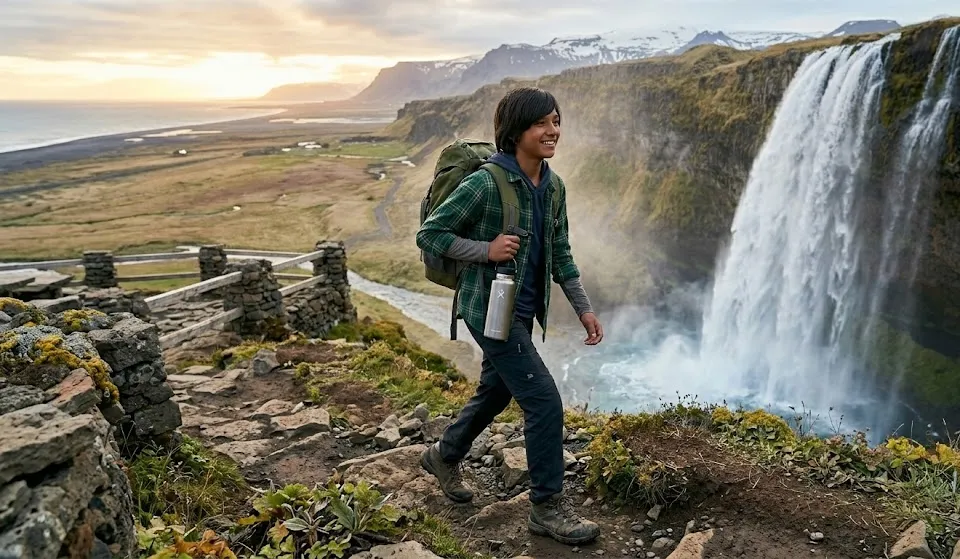
Teen-friendly destinations share three traits:
- Active experiences
- Cultural depth
- Freedom-friendly infrastructure
Adventure-Focused Destinations
Iceland, New Zealand, Costa Rica, and parts of Canada offer hiking, waterfalls, ziplining, glacier walks, and wildlife tours. These environments naturally reduce screen time because the landscape commands attention.
Urban Exploration Cities

Cities like Tokyo, Barcelona, London, Seoul, and New York offer street culture, food markets, music scenes, sports arenas, and interactive museums.
Teens often enjoy:
- Street art tours
- Food tastings
- Bike tours
- Sports stadium visits
- Tech museums
Skill-Based Travel
Trips centered on learning a skill resonate strongly:
- Surf camps
- Photography workshops
- Cooking classes
- Language immersion programs
- Coding or robotics camps abroad
Skill-based travel gives teens purpose beyond sightseeing.
Structuring the Perfect Teen-Friendly Day
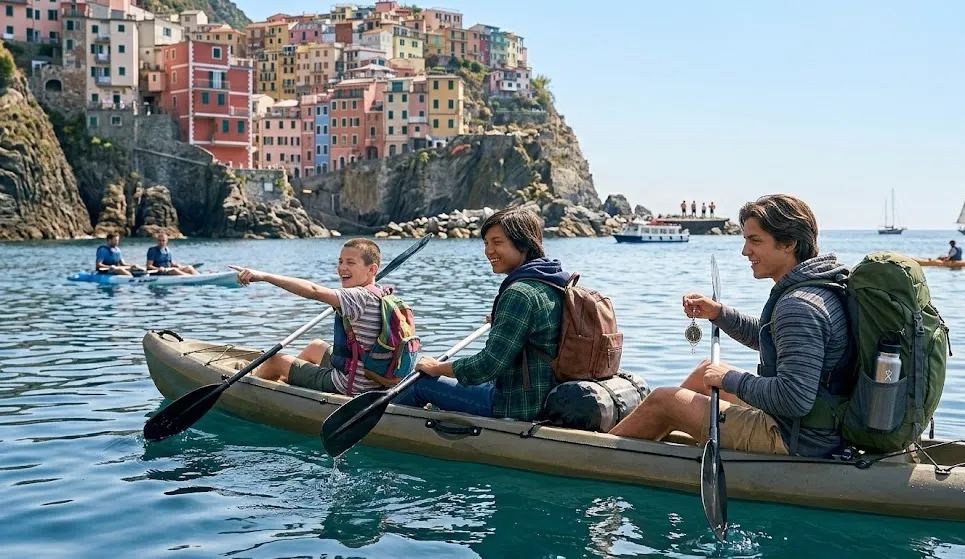
The ideal daily rhythm for teens balances structure with freedom:
Morning
Late breakfast and one main activity
Midday
Free exploration time, café stop, or independent wandering within set boundaries
Afternoon
Active experience such as biking, kayaking, hiking, sports, or workshops
Evening
Local dining experience and relaxed downtime
Avoid overloading itineraries. Two strong experiences per day is usually enough.
Accommodation Tips That Actually Matter
Teens value privacy and personal space more than younger children.
Look for:
- Family suites with separate sleeping areas
- Apartment-style stays
- Reliable Wi-Fi
- Proximity to public transport
- Access to gyms or pools
Allowing teens downtime in their own space prevents overstimulation and arguments.
Budgeting With Teens
Teenagers are capable of understanding money management.
Try:
- Giving each teen a daily allowance
- Assigning them responsibility for tracking expenses
- Letting them compare local prices
- Discussing currency exchange rates
Financial awareness becomes part of the travel education.
Travel Safety for Teens

Teens can handle more independence, but safety remains essential.
Establish:
- Clear check-in times
- Meeting points
- Location-sharing apps
- Emergency contact information
- Cultural norms briefing
Teach them how to:
- Navigate public transportation
- Recognise safe adults or authorities
- Respect local customs
Building independence with boundaries builds confidence.
Managing Sibling Dynamics
Travelling with multiple teens can amplify competition.
Helpful strategies:
- Rotate decision-making days
- Separate them for certain activities
- Give each teen a personal project
- Celebrate individual interests
Example:
One teen explores street photography while another attends a sports event.
Individual time reduces rivalry.
Keeping Teens Engaged Without Forcing It

Teen engagement increases when experiences feel authentic rather than staged.
They respond well to:
- Historical walking tours with storytelling
- Volunteer opportunities
- Cultural exchange meetups
- Outdoor challenges
- Local sports matches
Teens appreciate being treated like adults in learning environments.
Technology and Travel Balance
Instead of battling phones, integrate technology productively:
- Create a shared travel vlog
- Assign a daily photo challenge
- Use translation apps
- Track steps during city walks
- Use fitness apps during hikes
Technology becomes a tool rather than a distraction.
Common Travel Mistakes With Teens
Avoid these frequent errors:
- Overscheduling every hour
- Ignoring their interests
- Treating them like younger children
- Not allowing autonomy
- Underestimating their ability to handle responsibility
Teens thrive when trusted.
Mental Health and Emotional Awareness

Teen years can be emotionally complex. Travel sometimes amplifies feelings due to new environments and fatigue.
Support emotional balance by:
- Allowing quiet downtime
- Checking in privately
- Encouraging journaling
- Respecting social boundaries
- Being flexible with plans
Travel should feel expansive, not overwhelming.
Educational Benefits of Teen Travel
Travel in adolescence supports:
- Cultural intelligence
- Language development
- Environmental awareness
- Historical context understanding
- Critical thinking
Standing in front of real-world landmarks often makes classroom lessons meaningful.
Adventure Activities Teens Love

Consider integrating:
- Ziplining
- Rock climbing
- Mountain biking
- Snorkelling
- Surfing
- Skiing
- Street photography
- Music festivals (family-appropriate)
- Esports events
- Sports tournaments
These experiences create strong emotional memory anchors.
Food and Teen Travelers
Teens often have evolving tastes. Travel can expand their culinary comfort zone.
Strategies:
- Try one new dish per day
- Visit local markets
- Take cooking classes
- Allow familiar comfort food occasionally
Food becomes a cultural exploration rather than a source of stress.
Preparing Teens Before Departure

Pre-trip preparation helps reduce resistance:
- Discuss expectations openly
- Set shared goals
- Review cultural etiquette
- Clarify safety rules
- Pack collaboratively
Preparation builds anticipation instead of anxiety.
Creating Meaningful Memories
Encourage teens to:
- Keep a travel journal
- Capture short video clips
- Collect small souvenirs
- Reflect on highlights each evening
Ask at dinner:
What surprised you today?
What challenged you?
What would you explore more?
These conversations transform trips into growth experiences.
Final Thoughts
Travelling with teens in 2026 is less about controlling the schedule and more about co-creating the journey. When families collaborate, trust, and respect independence, travel becomes one of the most powerful bonding experiences available.
Teenagers are not obstacles to travel. They are emerging adults standing at the edge of discovery. With the right balance of adventure, autonomy, and structure, your family trips can shift from stressful to transformative.
The world feels different at 15 than it does at 5. Give them space to see it, question it, challenge it, and remember it.