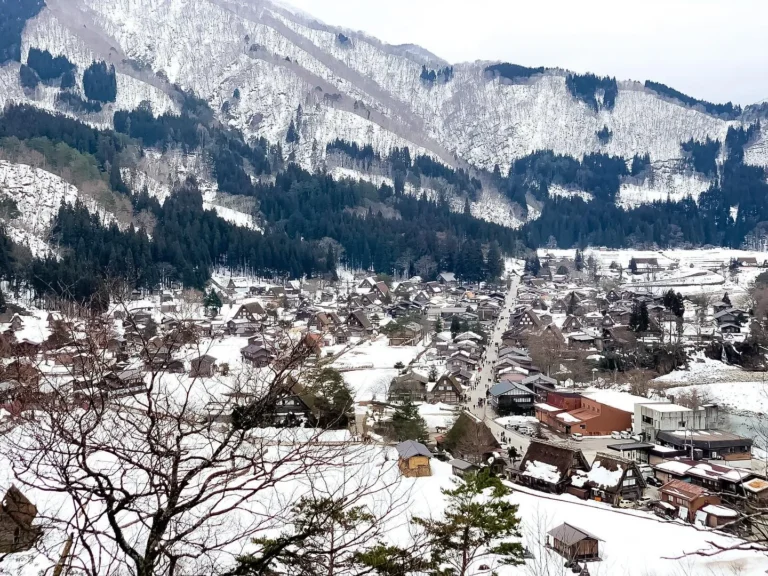
The Ultimate Guide to Japan Souvenirs: Meaningful Gifts, Local Finds, and What to Buy Like a Traveler
If your first trip to Japan ended with a suitcase full of tchotchkes that now gather dust somewhere in a closet, you’re not alone. Many visitors return home with keychains, lucky cats, and cheap trinkets from gift shops — pretty, but forgettable. I used to do the same until a local friend in Kyoto helped me see Japanese souvenirs in a completely different way. In Japan, the best souvenirs aren’t just “things” — they’re gestures, memories, and cultural connections captured in objects you bring home for the people you care about.
This guide breaks down what to buy in Japan the local way — meaningful souvenirs that carry stories, reflect regional identity, and make every cupcake box or handcrafted bowl feel like its own little travel tale.
Why Japan Souvenirs Are Different (and Better)
In Japan, souvenir culture is deeply rooted in tradition and social etiquette. People don’t just buy souvenirs for themselves — they buy omiyage, gifts to bring back to family, friends, or coworkers as a token of appreciation and gratitude. It’s less about where you’ve been and more about who you’re thinking of while you’re there.
That mindset changes how you shop. Instead of airport gift shops, you’ll find the best souvenirs in department store food halls (depachika), local craft markets, shrine stalls, artisan studios, and quaint boutiques tucked down side streets.
Food Souvenirs: Flavorful Gifts With Local Identity
One of the most joyful ways to learn about Japanese culture is through its regional snacks and sweets. Edible souvenirs in Japan often reflect several traditions at once: regional pride, seasonality, careful packaging, and thoughtfulness.
Classic Regional Treats
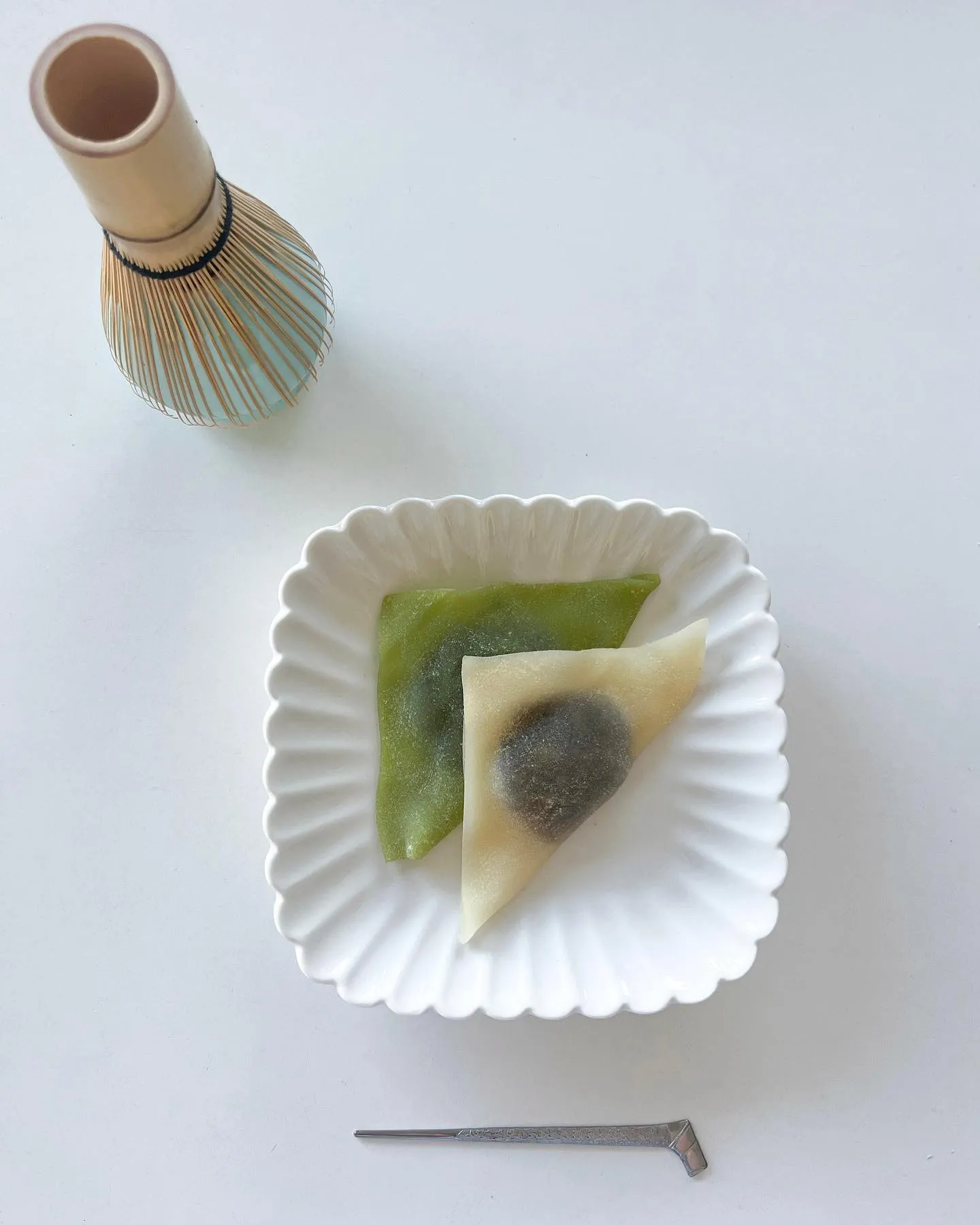 Yatsuhashi
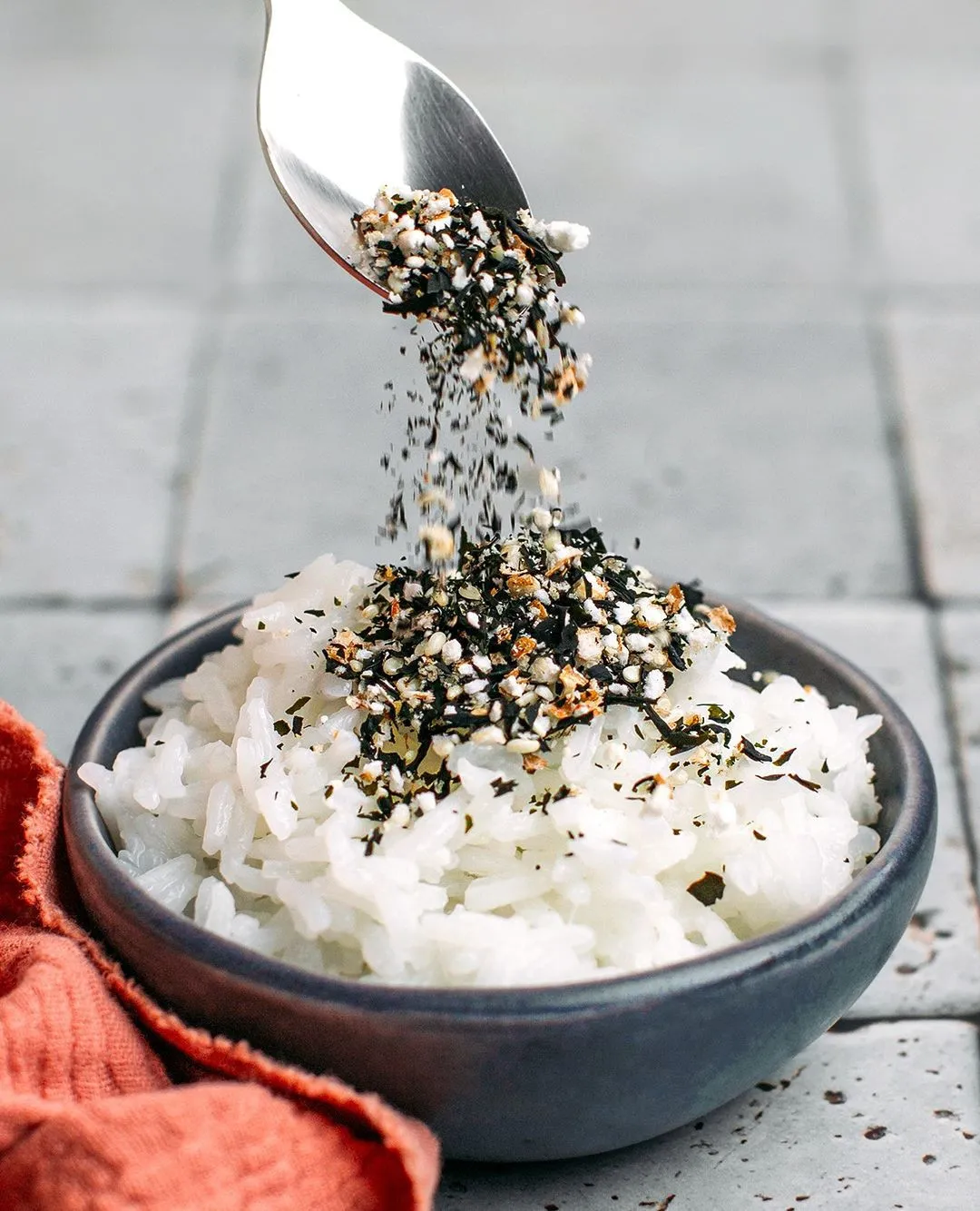 Furikake Seasonings
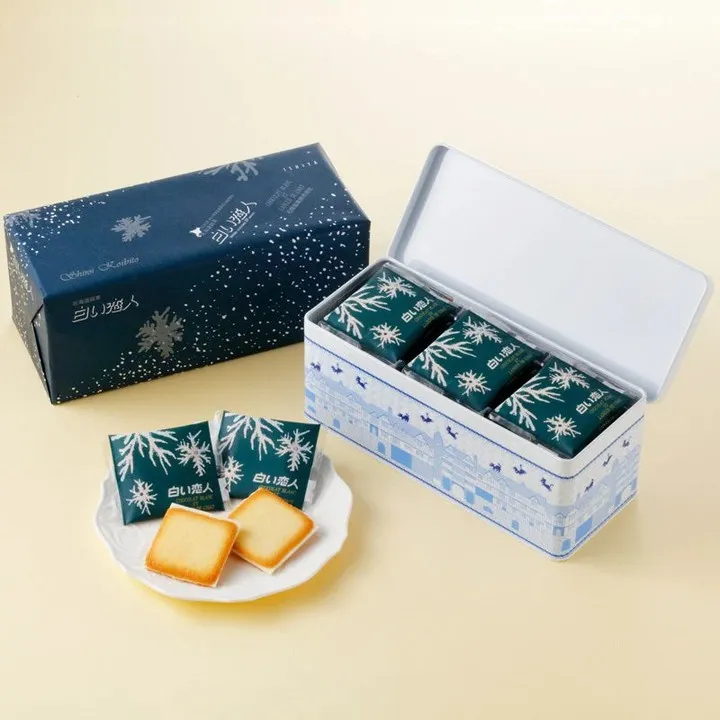 Shiroi Koibito
 Momiji Manjū
 Tokyo Banana
- Tokyo Banana – A soft sponge cake with creamy banana custard that’s become an iconic gift from Tokyo.
- Yatsuhashi – Cinnamon-flavored mochi or senbei from Kyoto, often with sweet red bean inside, that makes a delicious and culturally meaningful gift.
- Shiroi Koibito – Elegant Hokkaido white chocolate cookies, perfect for coworkers or family.
- Momiji Manjū – Maple-leaf shaped sweet buns from Miyajima, another classic edible souvenir.
- Furikake Seasonings – While traditionally everyday table food, its variety of regional styles and fun packaging have made it a trending souvenir choice.
Why Food Matters
These treats aren’t just edible — they’re tokusanhin (regional specialties) and microcosms of Japanese food culture. They showcase local ingredients, historical culinary techniques, and even seasonal moods — matcha sweets in spring, roasted chestnut snacks in autumn. Packing them also tends to be easy, and most sealed snacks pass customs without issue.
Traditional Crafts: Bring Home Japan’s Artistry
Japan is a country where craftsmanship isn’t lost to time. Traditional crafts reflect centuries of skill and regional identity, and they make some of the most meaningful souvenirs you can bring home.
Handcrafted Classics


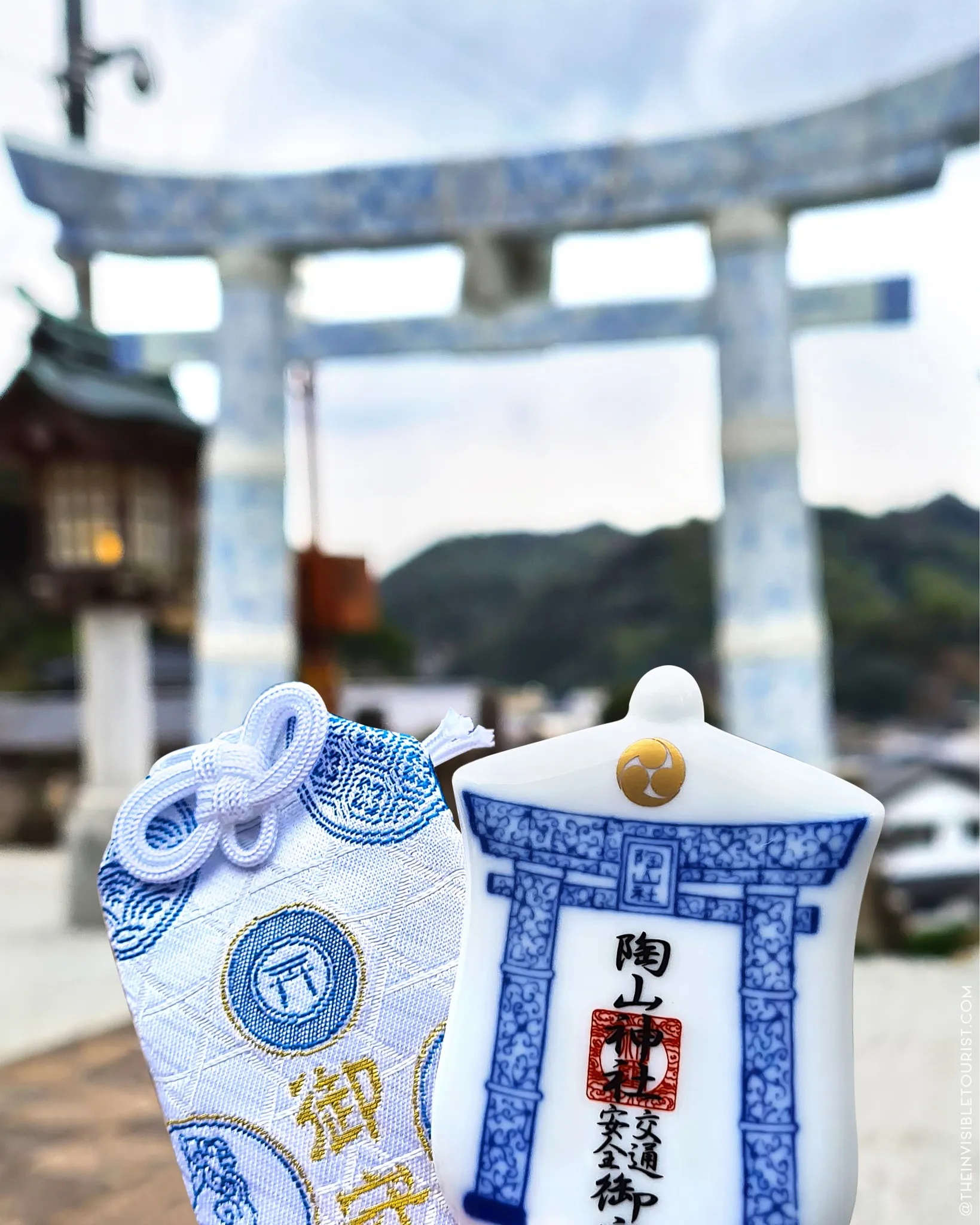
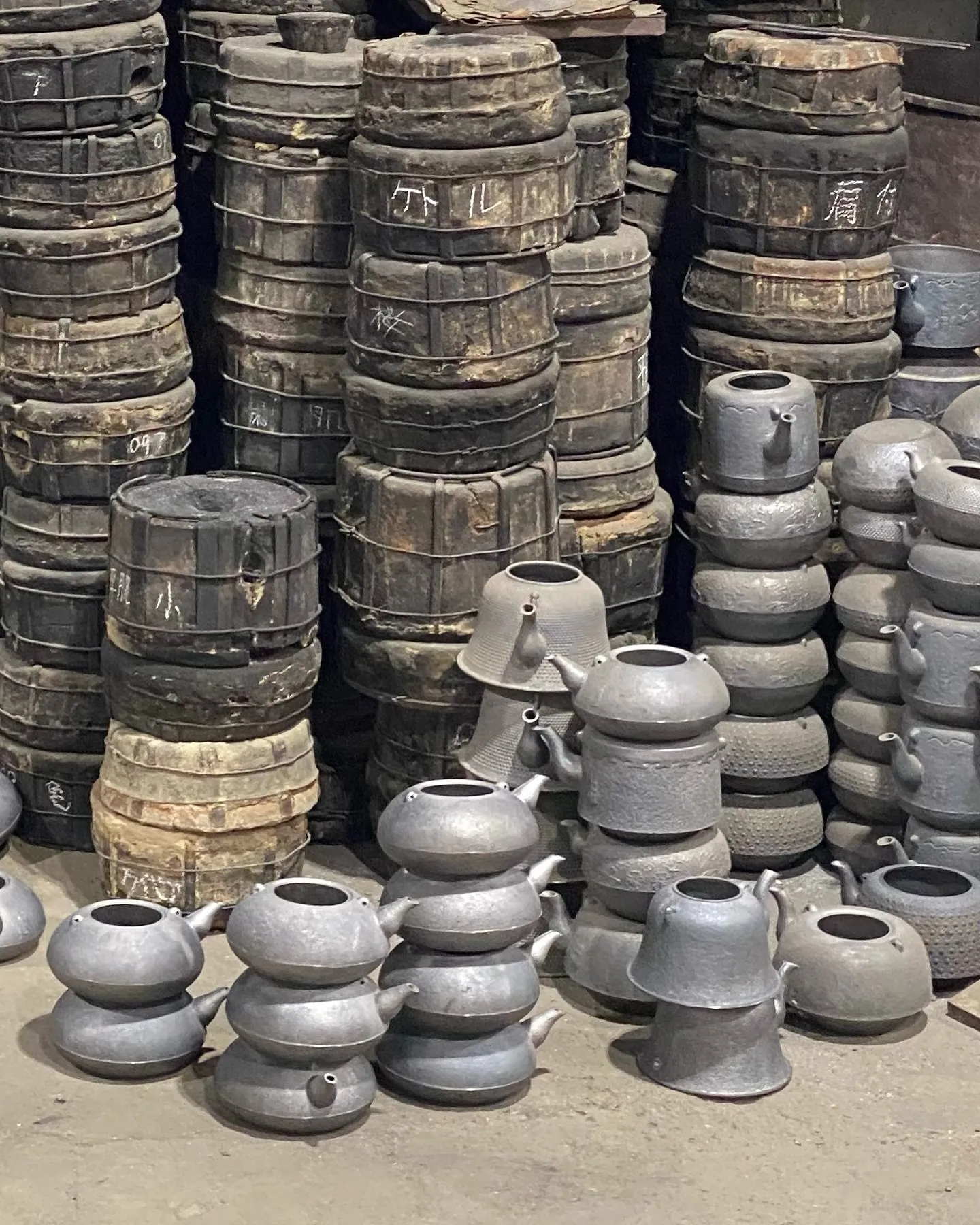


Here are some timeless Japanese crafts worth seeking out:
- Kokeshi Dolls – Simple wooden folk dolls from the Tohoku region, each hand-painted with floral or symbolic motifs.
- Arita Porcelain / Kutani Ware – Elegant ceramics with delicate designs from Kyushu and Ishikawa, respectively.
- Tsugaru Vidro Glass – Vibrant, handblown glassware inspired by seasonal landscapes.
- Tsugaru Vidro Glass – Vibrant, handblown glassware inspired by seasonal landscapes.
- Nambu Ironware – Cast iron teapots and cookware prized for strength and heat retention.
- Gifu Fans and Umbrellas – Beautiful, all-handmade bamboo and washi paper fans and umbrellas with deep craftsmanship roots.
- Nishijin Textiles – Fine silk fabrics from Kyoto woven with centuries-old techniques, often made into scarves, pouches, and accessories.
- Hakata Dolls – Clay dolls from Fukuoka with a history stretching back to the Edo period and beyond.
These items aren’t cheap souvenirs — they’re heirlooms. Whether you display them at home or give them as gifts, they carry history, technique, and a connection to place that mass-produced trinkets never can.
Everyday Souvenirs Locals Actually Use
Some of the most meaningful souvenirs aren’t decorative pieces but everyday items that reflect Japanese aesthetics and practicality.
Practical, Beautiful Items
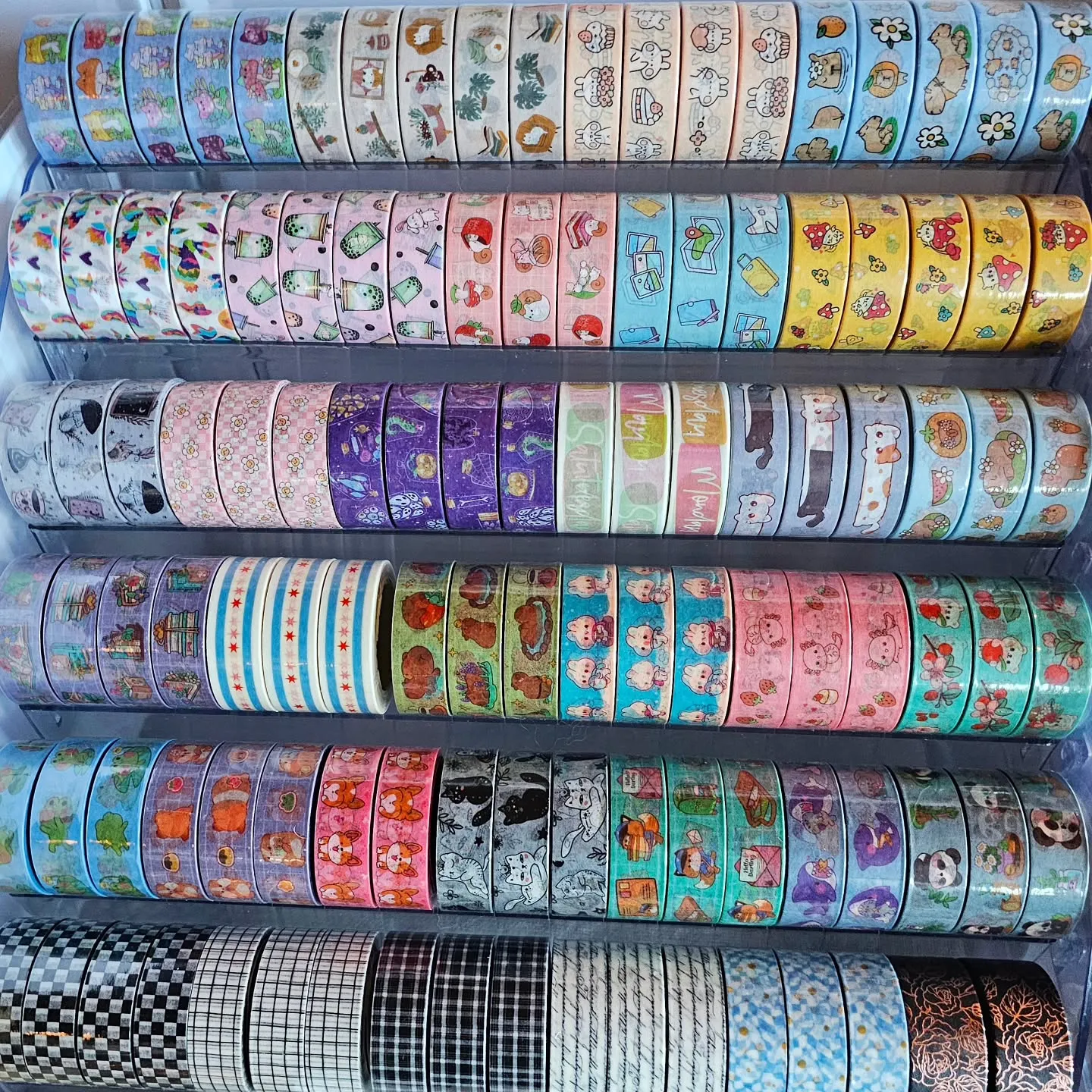

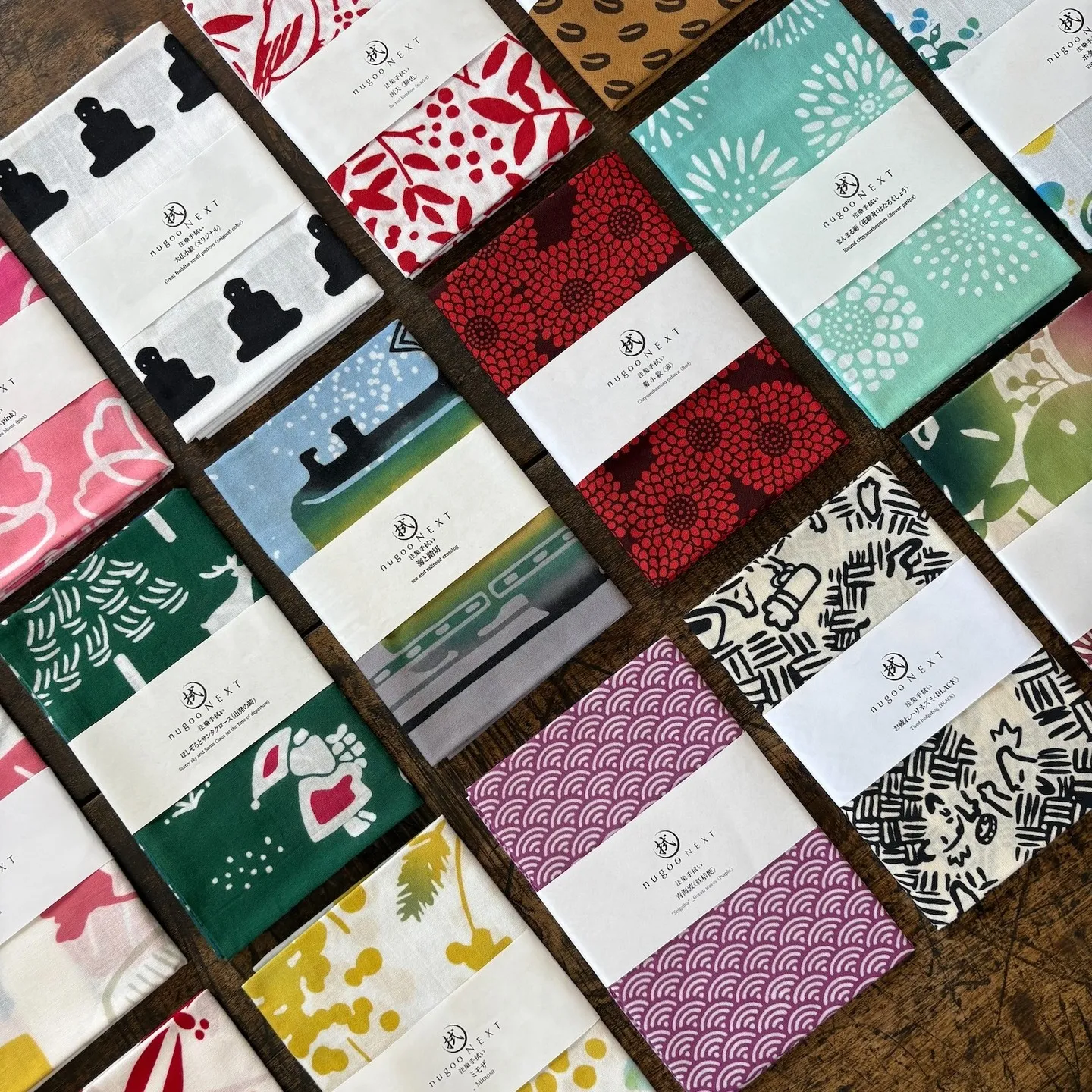

- Furoshiki – Versatile cloth wraps that can be used for gifts, bags, or decor.
- Tenugui – Lightweight cotton cloth towels with beautiful patterns (perfect as kitchen towels, scarves, or wall art).
- High-Quality Chopsticks – Often engraved or hand-finished, these make thoughtful gifts that friends and family actually use.
- Stationery & Washi Tape – Japan’s stationery culture is world-renowned; unique notebooks, pens, and decorative tape make lovely, low-cost souvenirs.
These items embody shibui — an understated, subtle beauty rooted in Japanese design that’s both functional and elegant.
Modern and Pop Culture Finds Worth Hunting


Japan elegantly bridges tradition and modern creativity, and souvenir shopping reflects that fusion.
In urban hubs like Tokyo and Osaka, you’ll find:
- Regional KitKat Flavors – Innovative local flavors that are fun to share.
- Studio Ghibli Collectibles – Thoughtful gifts for animation lovers that celebrate Japanese storytelling.
- Studio Ghibli Collectibles – Thoughtful gifts for animation lovers that celebrate Japanese storytelling.
- Skincare and Beauty Items – Japan-exclusive or regional lines that make excellent beauty gifts.
- Anime, Manga & Character Goods – From Pokémon Center shops to unique street boutiques, these reflect contemporary creativity with local twists.
Even in modern souvenirs, look for items that are Made in Japan or locally designed — it’s the difference between kitschy keepsakes and meaningful mementos.
Where to Shop Like a Local
The best Japan souvenirs rarely live in crowded tourist stores near landmarks. Instead, venture into the kinds of places locals love:
- Depachika (Department Store Food Halls) – Premium sweet shops and regional snack counters.
- Shotengai (Traditional Shopping Streets) – Lined with family-run shops and craft boutiques where stories live behind every shelf.
- Artisan Studios and Craft Markets – Places where creators talk about their work and share insights you won’t find online.
- Temple & Shrine Stalls – For omamori, ema, and other spiritual souvenirs.
- Neighborhood Markets and Flea Markets – Often overlooked by guidebooks but full of local character and unique treasures.
Ask shopkeepers about an item’s origin — they’ll often be happy to tell you the story behind it, turning a simple purchase into a memory.
Practical Tips for Packing and Shipping
Bringing your souvenirs home safely matters:
- Wrap fragile items like ceramics and glass in clothes or bubble wrap inside your suitcase.
- Ship heavier or delicate items via Japan Post’s affordable international parcel service, widely used by locals.
- Keep food sealed and declare it at customs if required.
- Know your destination country’s rules for alcohol, liquids, and perishables before you fly.
Final Thought: Souvenirs That Speak
Japan teaches you that souvenirs aren’t trophies — they’re touchstones of time and human connection. A beautifully wrapped package isn’t just pretty; it carries the weight of history, care, and intention. Whether it’s a handcrafted tea bowl, a regional sweet, or a little charm from a shrine, the best souvenirs remind you of how you traveled — slowly, thoughtfully, and with a heart open to stories.
So next time you’re in Japan, forget the cheap keychains and plastic gadgets. Step inside a small shop, ask about the meaning behind what you see, choose items with intention, and bring home gifts that truly tell a story.
Your suitcase won’t just be fuller — it’ll be richer.