Ultimate Tunisia Travel Guide: Top Tips and Must-Do Experiences
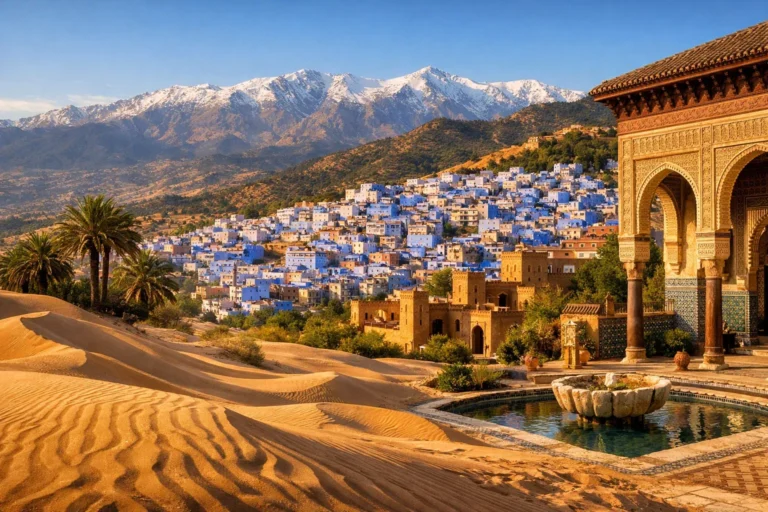
Tunisia, a captivating North African gem, offers a rich tapestry of history, culture, and natural beauty. From ancient ruins to pristine beaches, bustling medinas to serene deserts, Tunisia promises an unforgettable adventure. This comprehensive guide will help you navigate the best experiences, practical tips, and essential information to make the most of your Tunisian journey.
Why Visit Tunisia?
Tunisia is a land of contrasts. Its Mediterranean coastline boasts some of the most beautiful beaches in Africa, while its interior is dotted with ancient ruins, vast deserts, and charming towns. Whether you’re a history enthusiast, a beach lover, or an adventure seeker, Tunisia caters to all.
Tunisia is also incredibly accessible. Flight connections from Europe, the Middle East, and Africa are frequent, making it an excellent option for short breaks or longer exploratory trips. Beyond the convenience, Tunisia offers a welcoming atmosphere; locals are known for their hospitality, and travelers often find themselves invited for mint tea or guided through bustling souks by friendly shopkeepers.
When to Visit
The ideal time to visit Tunisia is during the spring (March to May) and autumn (September to November). During these months, the weather is pleasant, and major tourist sites are less crowded. Summer (June to August) can be quite hot, especially inland and in the south, with temperatures soaring above 40°C (104°F). Winter (December to February) is mild along the coast but can be chilly in the desert and northern hills.
For beach lovers, summer is perfect, while history enthusiasts and desert explorers may prefer the cooler shoulder seasons. Planning your trip according to your main interests ensures a more enjoyable experience.
Travel Essentials
- Visa Requirements: Most travelers can enter Tunisia without a visa for stays up to 90 days. However, it’s essential to check the specific requirements based on your nationality. Carry your passport with at least six months validity.
- Currency: The local currency is the Tunisian Dinar (TND). Credit cards are widely accepted in major cities, but it’s advisable to carry cash, especially when traveling to rural areas or local markets. ATMs are available in most towns.
- Language: Arabic is the official language, but French is widely spoken, especially in urban areas. English is less commonly understood, so learning a few basic phrases in Arabic or French can be helpful.
- Safety: Tunisia is generally safe for travelers. However, exercise caution in certain areas, particularly near the Libyan and Algerian borders. Pickpocketing can occur in crowded tourist spots, so remain vigilant. Always stay updated with local news and follow travel advisories.
Unlock cheap flights for your trip
Getting Around
- Public Transport: Tunisia has a well-developed public transportation system, including buses, trains, and shared taxis (louages). They are affordable and connect most major towns and cities.
- Private Transport: For more flexibility, consider renting a car. Major international car rental agencies operate in Tunisia. This is ideal for exploring the countryside, desert, or remote beaches.
- Domestic Flights: For long distances, especially to the south, domestic flights can save time. Tunisair operates flights connecting Tunis, Djerba, Tozeur, and other key destinations.
- Tips: Roads are generally in good condition, but driving in cities can be chaotic. Defensive driving is recommended, and always keep small bills for tolls and parking.
Recommended Travel Items for Your Trip
Top Destinations and Experiences
1. Tunis and Carthage


- Medina of Tunis: A UNESCO World Heritage site, the Medina is a maze of narrow alleys, bustling souks, and historic mosques. Don’t miss the Zitouna Mosque and the surrounding spice and handicraft markets.
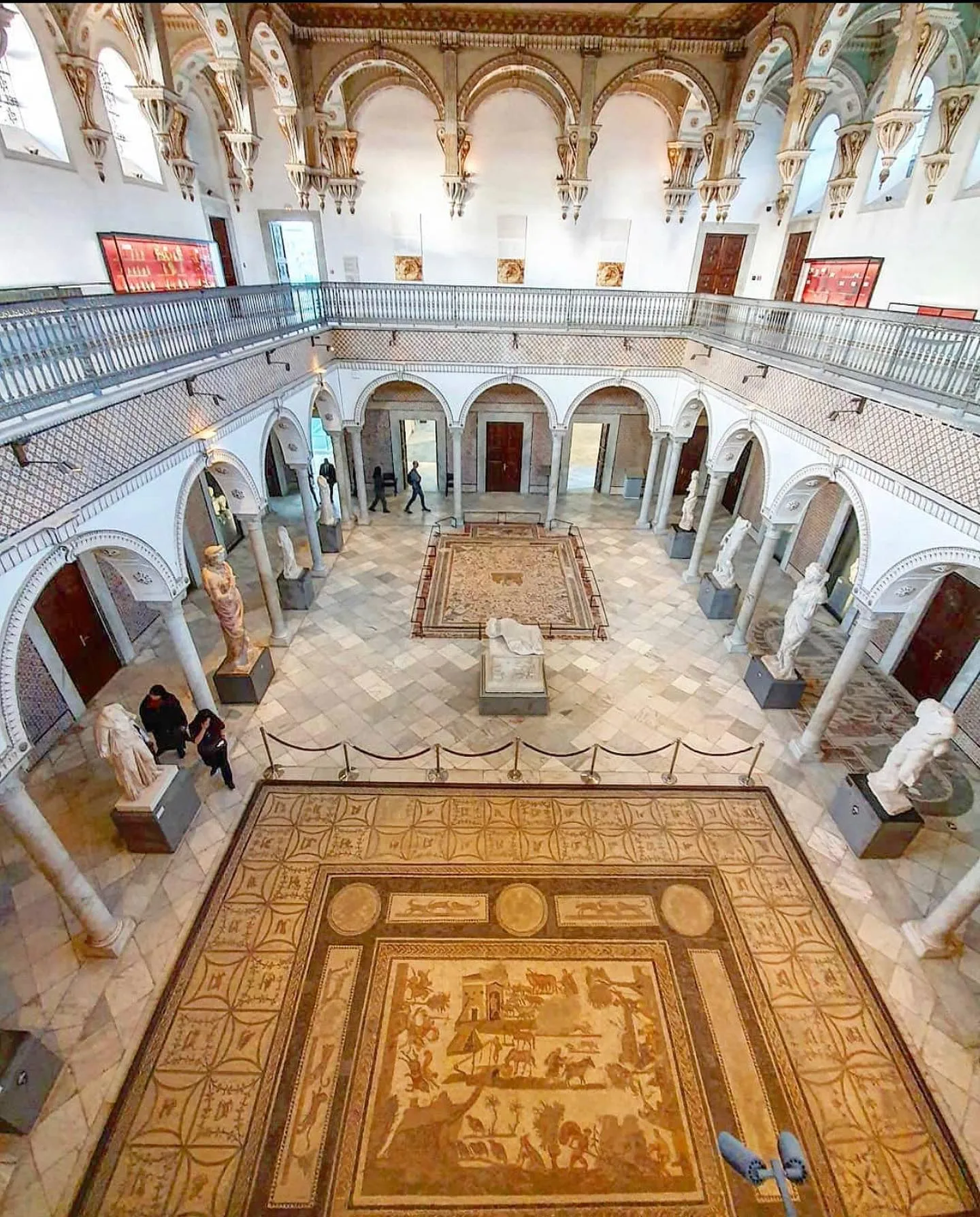
- Bardo Museum: Home to one of the world’s most extensive collections of Roman mosaics, the Bardo Museum is a treasure trove of history. Even casual visitors can marvel at the artistry of ancient civilizations.
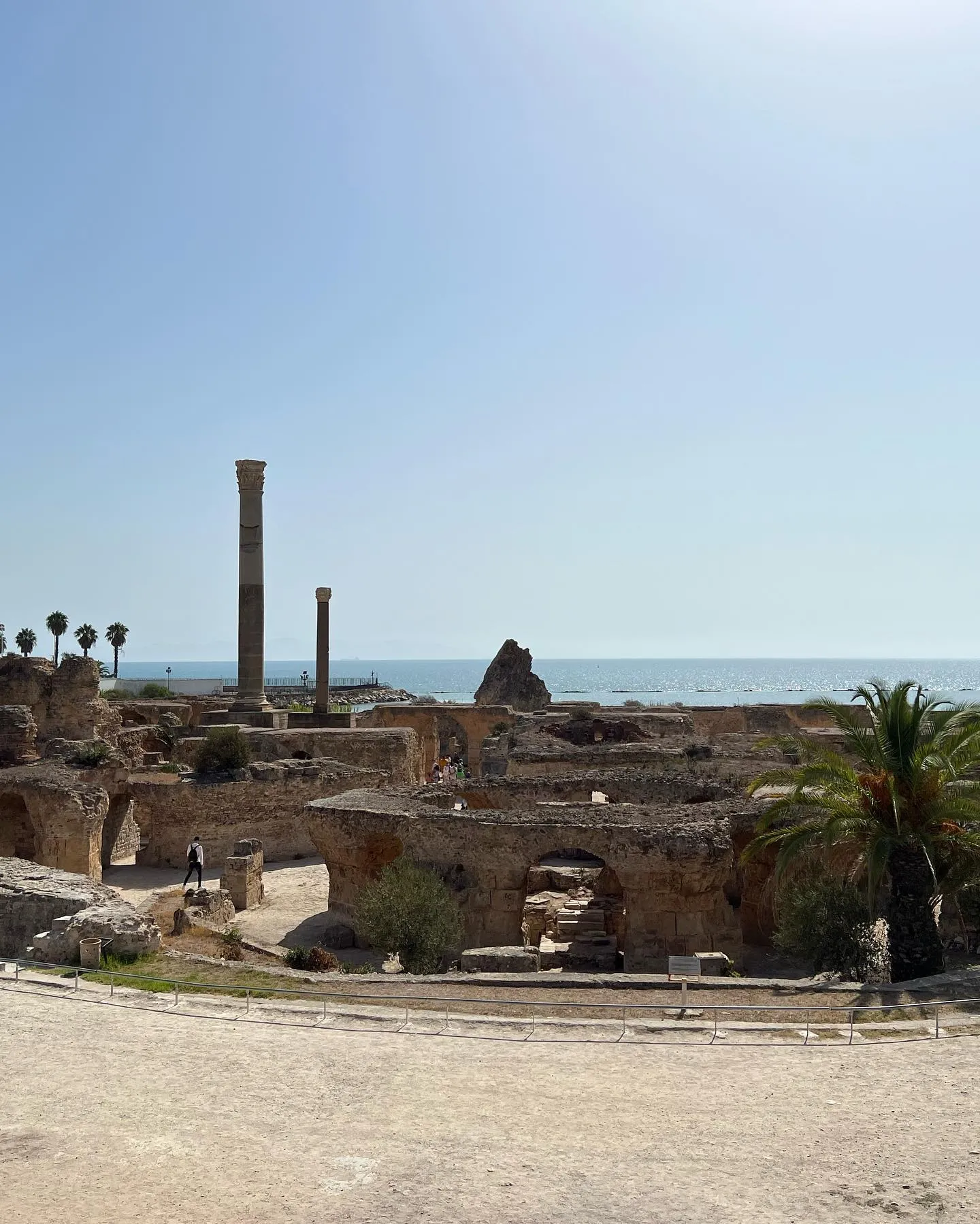
- Carthage Ruins: Explore the ancient city of Carthage, once a powerful empire rivaling Rome. Key sites include the Antonine Baths, Punic ports, and Carthage Museum.
- Sidi Bou Said: A picturesque town known for its white and blue architecture and stunning Mediterranean views. Stroll along cobbled streets lined with cafés and art galleries.
2. Sousse and Monastir


- Sousse Medina: Another UNESCO World Heritage site, Sousse Medina is famous for its well-preserved Islamic architecture and lively markets.
- Ribat of Monastir: A fortified monastery offering panoramic views of the coastline. It’s one of the most iconic examples of Islamic military architecture in North Africa.
- Beaches: Both cities boast beautiful sandy beaches perfect for relaxation, sunbathing, and water sports.
3. Kairouan

- Great Mosque of Kairouan: One of the holiest sites in Islam, dating back to the 9th century. Even non-Muslim visitors can admire its architectural grandeur.
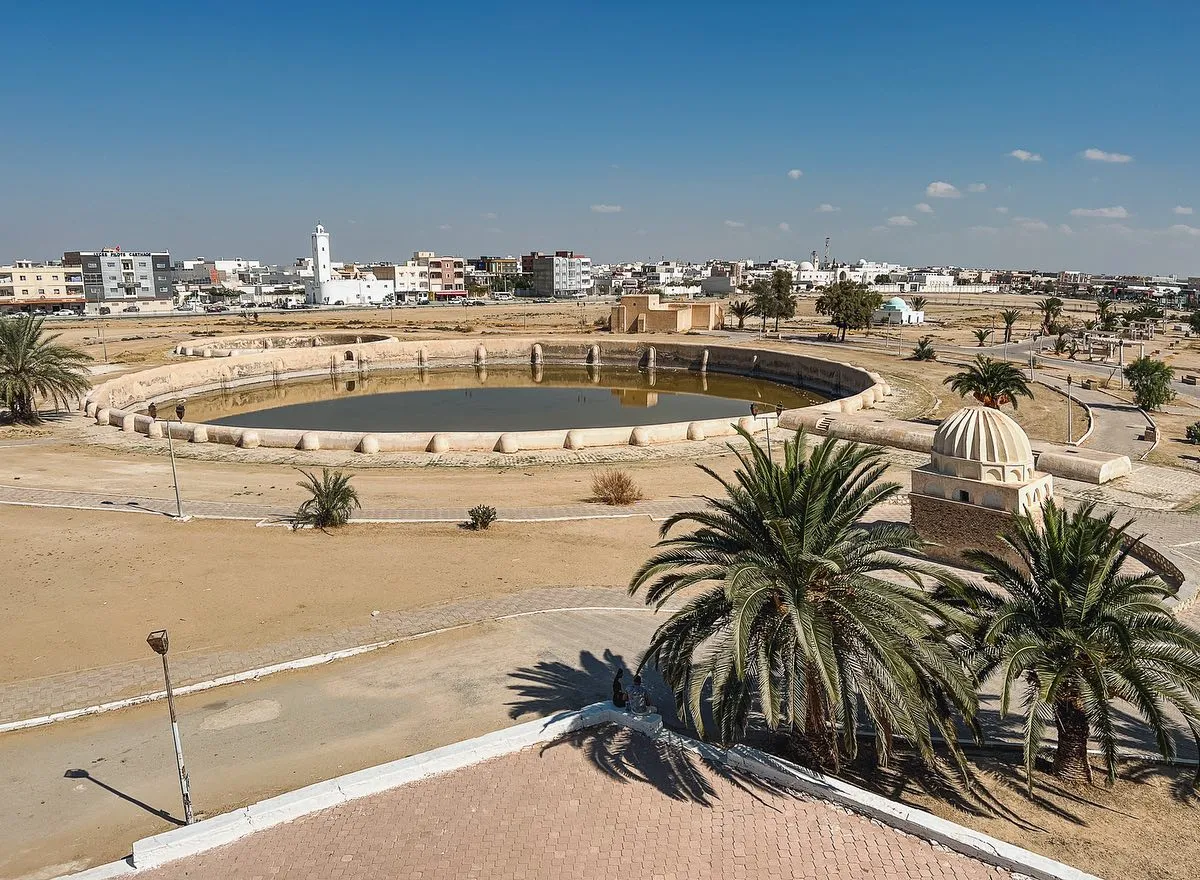
- Aghlabid Basins: Ancient water reservoirs showcasing advanced engineering, reflecting the ingenuity of early Islamic civilizations.
- Local Crafts: Kairouan is famous for its carpets and textiles, ideal souvenirs for travelers seeking authentic craftsmanship.
4. El Jem


- El Jem Amphitheater: A remarkably well-preserved Roman coliseum, often compared to Rome’s Colosseum. It’s an awe-inspiring site that transports visitors to the era of gladiators.
- Museum of El Jem: Displays Roman mosaics and artifacts found in the region, providing context to the city’s history.
5. Sahara Desert Adventures


- Douz: Known as the “Gateway to the Sahara,” it’s the starting point for desert excursions and camel treks.
- Camel Trekking: Experience the vast dunes on camelback, particularly magical during sunrise or sunset.
- Star Wars Filming Locations: Visit Matmata and Tataouine to see troglodyte dwellings and landscapes featured in Star Wars.
- Camping: Spend a night under the stars in traditional desert camps. The silence and sky full of stars create an unforgettable experience.
6. Djerba


- El Ghriba Synagogue: Africa’s oldest synagogue, located in Houmt Souk, reflects Tunisia’s religious diversity.
- Djerba Explore Park: A cultural complex with museums, a crocodile farm, and artisan workshops.
- Beaches and Resorts: Djerba’s coastline offers serene beaches, ideal for a mix of relaxation and water sports.
Culinary Delights


Tunisian cuisine blends Mediterranean and Arab flavors with North African spices. Must-try dishes include:
- Couscous: Steamed semolina served with vegetables and meat, often lamb or chicken.
- Brik: Deep-fried pastry filled with egg, tuna, and capers. A popular street food.
- Harissa: A spicy chili paste used in many dishes. Great for adding heat to stews and grilled meats.
- Makroud: Semolina cake filled with dates or nuts, often fried and soaked in syrup.
- Mint Tea: Sweet green tea infused with mint, commonly served as a gesture of hospitality.
Street food is abundant and affordable, but try to eat from well-reviewed stalls or restaurants to avoid any stomach issues. Seafood is fresh along the coast, especially in towns like Sfax and Hammamet.
Shopping Tips
- Souks: Traditional markets are ideal for spices, textiles, pottery, jewelry, and carpets. Haggling is expected, so approach it politely.
- Local Products: Handmade items like carpets, leather goods, and ceramics make excellent souvenirs.
- Currency & Payment: Avoid exchanging money in souks. Use official exchange offices or ATMs, and carry some cash in small denominations.
- Shopping Etiquette: Always greet shopkeepers, smile, and show interest. A friendly approach goes a long way in negotiations.
Packing Essentials
- Clothing: Lightweight, breathable fabrics for the day; layers for cooler evenings. Respect modesty in rural areas and religious sites.
- Footwear: Comfortable walking shoes for exploring cities and ruins; sandals for the beach.
- Sun Protection: Sunscreen, sunglasses, and a hat are crucial, especially in the desert.
- Health Kit: Basic medications, hand sanitizer, and any personal prescriptions. Include oral rehydration salts for hot days.
Travel Tips
- Stay Hydrated: The climate can be hot, particularly in summer and the desert. Carry water at all times.
- Respect Local Customs: Dress modestly, particularly in religious or rural areas. Avoid public displays of affection.
- Bargain Politely: Haggling is a common practice in markets. Approach it with humor and respect.
- Stay Informed: Monitor local news and travel advisories, particularly if venturing to remote areas.
Responsible Travel
Tunisia is facing environmental challenges, including water scarcity due to prolonged droughts. In March 2024, the government increased drinking water prices by up to 16% to address the issue (Reuters). As travelers, it’s crucial to:
- Minimize water usage in hotels and camps.
- Support eco-friendly businesses and local artisans.
- Respect wildlife and natural landscapes, particularly in desert and coastal regions.
- Avoid littering and participate in beach or park cleanups if possible.
Cultural Experiences
- Festivals: Tunisia hosts several annual festivals, including the Carthage International Festival (music and arts), the Sahara Festival in Douz (traditional music and camel racing), and local religious celebrations.
- Music and Dance: Experience traditional music such as Malouf, or witness Berber folk performances in southern villages.
- Workshops: Participate in pottery, carpet weaving, or cooking workshops for an immersive cultural experience.
Further Reading and Resources
- Guidebooks: Pick up a comprehensive guidebook like Tunisia Travel Guide 2023 for detailed itineraries.
- Online Resources: Websites like Lonely Planet, TripAdvisor, and local tourism boards provide updated information and traveler reviews.
- Local Tours: Engage with local operators for authentic experiences and to support the local economy. Consider small-group desert tours, city walking tours, or cooking classes.
Sample 10-Day Tunisia Itinerary
- Day 1-2: Tunis – Explore Medina, Bardo Museum, and Sidi Bou Said.
- Day 3: Carthage – Visit ancient ruins and museum.
- Day 4-5: Sousse & Monastir – Beach relaxation, Medina, and Ribat.
- Day 6: Kairouan – Visit Great Mosque and Aghlabid Basins.
- Day 7: El Jem – Explore Roman Amphitheater and museum.
- Day 8-9: Sahara Desert (Douz) – Camel trek, desert camp, and stargazing.
- Day 10: Djerba – Visit El Ghriba Synagogue, explore beaches, and local markets.
This itinerary balances cultural immersion, relaxation, and adventure while showcasing Tunisia’s diversity.
Final Thoughts
Tunisia is a destination that offers a rich blend of history, culture, and natural beauty. Its unique combination of ancient ruins, vibrant medinas, pristine beaches, and the magical Sahara Desert makes it perfect for travelers seeking both adventure and relaxation. By planning carefully, respecting local customs, and staying mindful of sustainable practices, you can enjoy an unforgettable journey through this North African jewel.
Whether you’re exploring ancient Roman mosaics, savoring spicy Tunisian cuisine, bargaining in bustling souks, or watching the sunset over desert dunes, Tunisia leaves a lasting impression. It’s not just a trip—it’s an experience that awakens the senses, inspires curiosity, and creates memories to cherish for a lifetime. Pack your bags, embrace the adventure, and let Tunisia’s magic unfold before your eyes.