Vietnam Travel Guide: Everything You Need to Know for an Unforgettable Journey
Vietnam is a country that truly has it all — dramatic mountains, vibrant cities, emerald-green rice fields, and beaches that look straight out of a dream. It’s where ancient traditions blend seamlessly with youthful energy, where every street corner offers an explosion of flavor, and where travelers can find both adventure and peace.
Whether you’re backpacking across Southeast Asia, planning a romantic getaway, or looking for a culturally rich family holiday, Vietnam never disappoints. This ultimate Vietnam travel guide covers everything you need to know — from the best places to visit and what to eat, to cultural tips, budgeting, and travel routes — so you can experience Vietnam like a pro.
If Vietnam’s energy and affordability appeal to you, you might also enjoy comparing it with Thailand’s most livable cities, which offer a similar balance of culture, comfort, and cost.
Why Visit Vietnam
Vietnam is one of Asia’s most versatile destinations. It offers:
- Rich history — from ancient dynasties to French colonial charm.
- Incredible landscapes — limestone cliffs, terraced rice fields, and tropical islands.
- World-famous cuisine — fresh, flavorful, and shockingly affordable.
- Warm hospitality — locals are friendly, welcoming, and curious about travelers.
- Budget-friendly travel — perfect for both luxury seekers and backpackers.
Vietnam stretches over 1,000 miles from north to south, so every region feels like a different country — each with its own culture, food, and scenery.
Travelers who love Vietnam’s scenic landscapes often find the misty hills of Ella in Sri Lanka equally captivating.
Recommended Travel Items for Your Trip
Best Time to Visit Vietnam
Vietnam’s weather varies dramatically depending on where you are.
North Vietnam (Hanoi, Ha Long Bay, Sapa)
 Sapa
Sapa Hanoi
Hanoi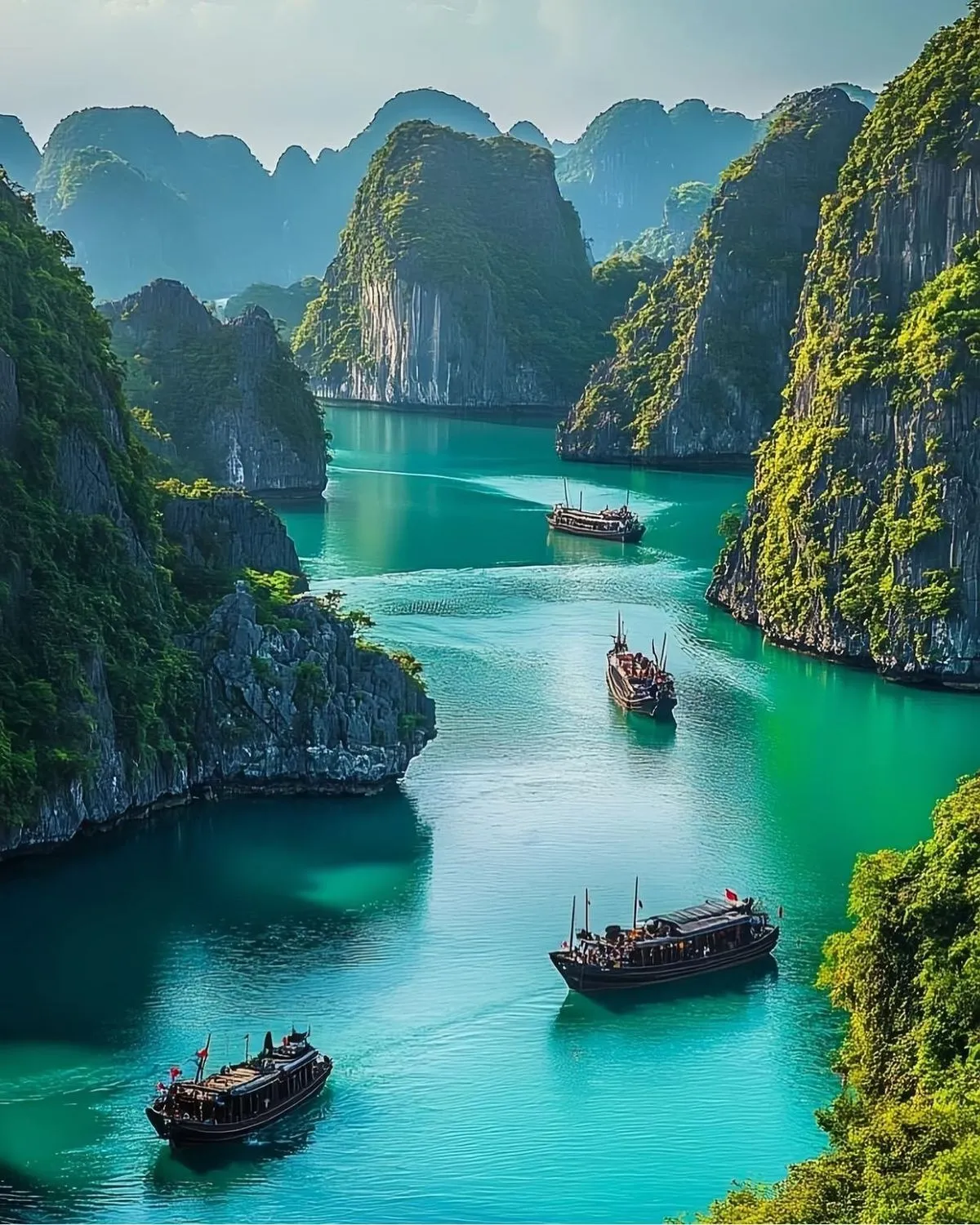 Ha Long Bay
- Best time: October to April (cool and dry).
- Avoid: July–September (rainy season).
Central Vietnam (Hue, Da Nang, Hoi An)
 Da Nang
 Hoi An
 Hue
Hue
- Best time: February to August (sunny and warm).
- Avoid: October–December (typhoons possible).
South Vietnam (Ho Chi Minh City, Mekong Delta, Phu Quoc)
 Phu Quoc
 Mekong Delta
 Ho Chi Minh City
- Best time: November to April (dry season).
- Avoid: May–October (rainy, but still warm).
In short: If you visit between December and April, you’ll enjoy great weather across most of the country.
Getting to Vietnam
Most travelers arrive via international airports in:
- Hanoi (Noi Bai International Airport) – ideal for exploring the north.
- Ho Chi Minh City (Tan Son Nhat International Airport) – best for southern adventures.
- Da Nang International Airport – great for central Vietnam and beach holidays.
For a sharper contrast, modern Asian cities like Shanghai showcase how fast-paced and futuristic the region can feel.
Visa requirements vary by nationality. Many countries can now apply for an e-visa online, valid for 90 days. Always check the latest visa regulations before traveling.
Have you booked your flight? Catch the best fares right now
Getting Around Vietnam
Vietnam’s long, narrow shape makes it perfect for overland travel.
Trains
The Reunification Express runs from Hanoi to Ho Chi Minh City, offering scenic coastal views. It’s slower than flying but a cultural experience in itself.
Domestic Flights
Quick and affordable — ideal if you’re short on time. Airlines like VietJet Air and Bamboo Airways often have cheap deals.
Buses
Long-distance sleeper buses connect all major destinations. They’re inexpensive but can be bumpy.
Scooter Rentals
In cities and small towns, scooters are the easiest way to explore. Just drive carefully — traffic can be chaotic!
Top Places to Visit in Vietnam
Let’s break down Vietnam’s must-see destinations from north to south — the perfect travel route for a 2-3 week trip.
1. Hanoi — The Timeless Capital

Hanoi blends old-world charm with youthful buzz. You’ll find ancient temples, French colonial architecture, and endless street food stalls.
Top things to do:
- Explore the Old Quarter, where every street is named after a trade.
- Visit the Ho Chi Minh Mausoleum and One Pillar Pagoda.
- Stroll around Hoan Kiem Lake at sunrise.
- Try egg coffee, a creamy Hanoi specialty.
Don’t miss: A traditional water puppet show, an art form unique to northern Vietnam.
2. Ha Long Bay — Vietnam’s Natural Wonder

A UNESCO World Heritage site, Ha Long Bay is famous for its emerald waters and limestone karsts rising dramatically from the sea.
How to experience it:
- Take a cruise (1–2 nights) through the bay.
- Kayak into hidden lagoons and caves.
- Visit Cat Ba Island for a less touristy base.
Budget tip: Book cruises online in advance — prices range from budget ($70) to luxury ($300+).
3. Ninh Binh — The “Ha Long Bay on Land”
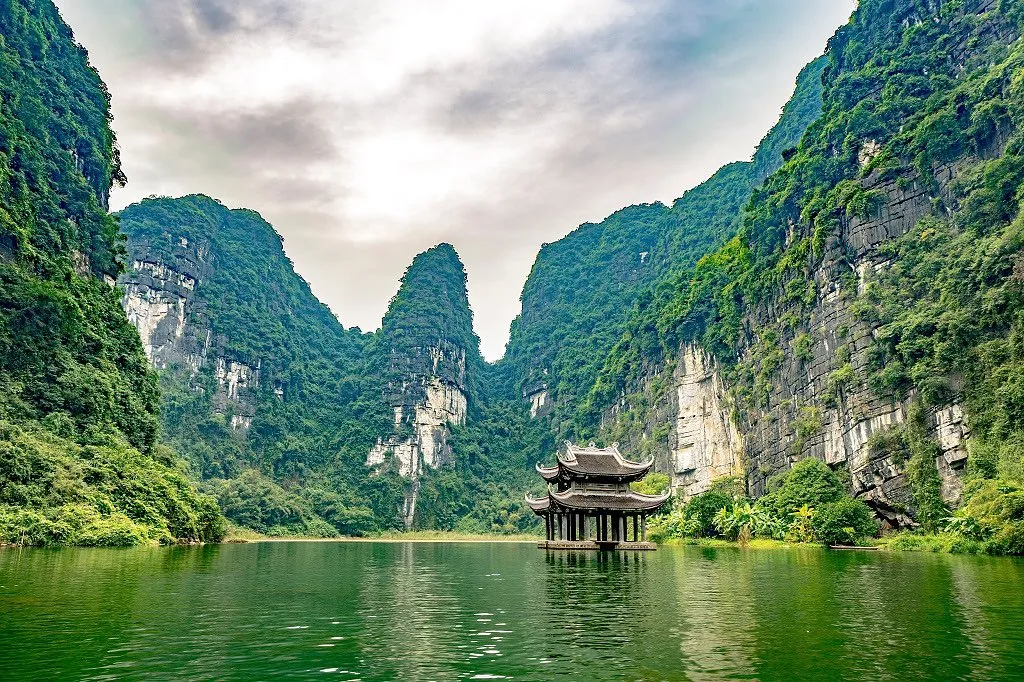
Just 2 hours south of Hanoi, Ninh Binh is often overlooked but equally spectacular. Imagine limestone cliffs surrounded by rice paddies and peaceful rivers.
Highlights:
- Boat ride in Tam Coc or Trang An.
- Hike up Mua Cave Viewpoint for panoramic views.
- Visit Bai Dinh Pagoda, Vietnam’s largest temple complex.
Insider tip: Stay in a countryside homestay — it’s quiet, affordable, and incredibly scenic.
4. Phong Nha — Cave Exploration Capital

If you love adventure, Phong Nha-Ke Bang National Park is unmissable. It’s home to Son Doong, the world’s largest cave.
Things to do:
- Explore Paradise Cave and Phong Nha Cave by boat.
- Go zip-lining and swimming in Dark Cave.
- Cycle through rice fields and tiny villages.
Budget travelers: Entrance fees are affordable, and homestays start around $15 a night.
5. Hue — The Imperial Heart of Vietnam

Hue was Vietnam’s capital during the Nguyen Dynasty, and its historic sites are beautifully preserved.
What to see:
- Imperial Citadel, a UNESCO site filled with ancient palaces and temples.
- Thien Mu Pagoda, overlooking the Perfume River.
- Tomb of Khai Dinh, showcasing intricate architecture.
Food to try:
- Bun Bo Hue, a spicy beef noodle soup unique to the region.
Travel tip: Rent a bicycle or motorbike to explore freely.
6. Hoi An — The Lantern-Lit Town

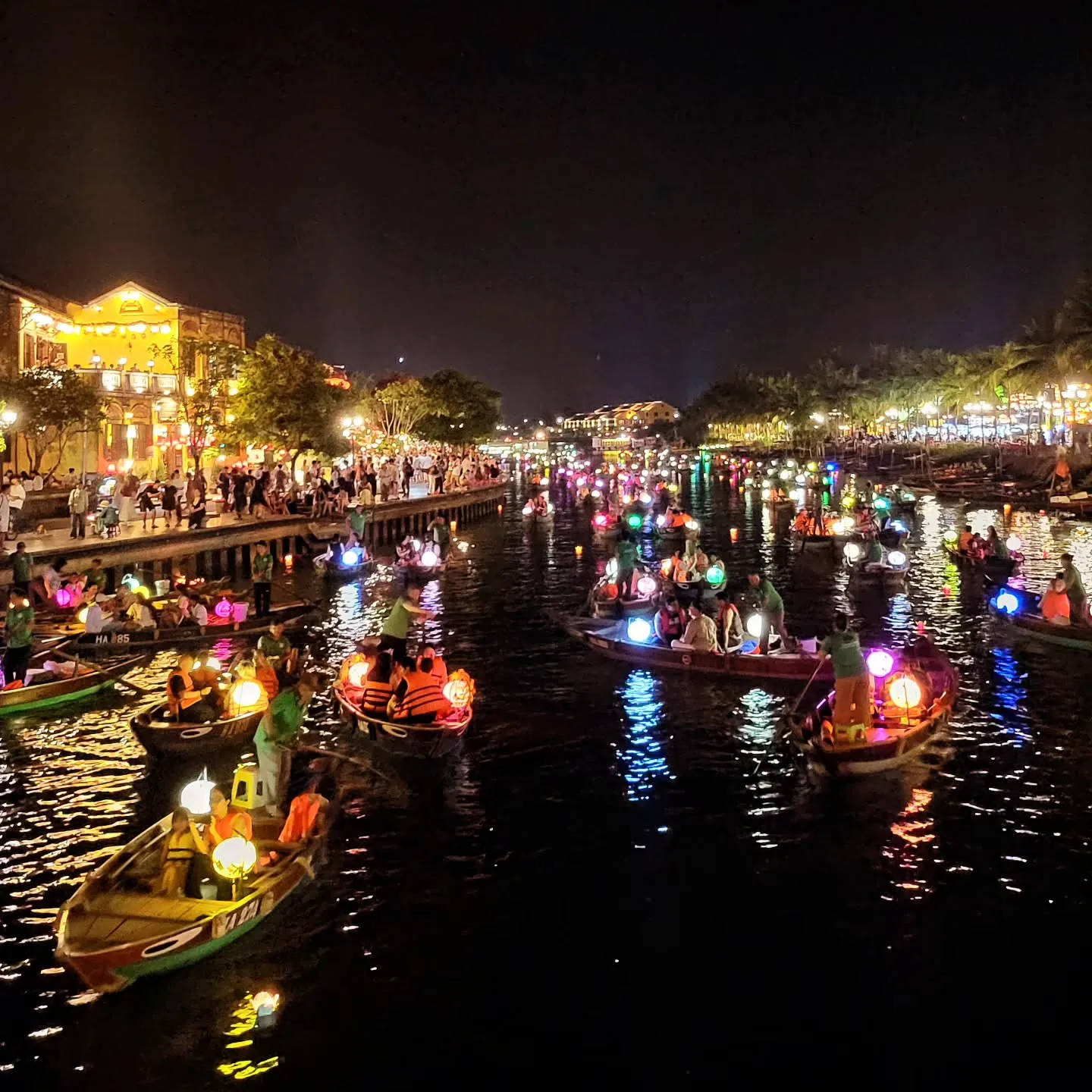
Hoi An is Vietnam’s most charming destination — a preserved trading port with a magical atmosphere, especially at night.
What to do:
- Wander through the Ancient Town, full of yellow-painted buildings and colorful lanterns.
- Take a cooking class or get custom clothes tailored.
- Ride a bike to An Bang Beach.
- Visit during the Full Moon Lantern Festival for glowing streets and river candles.
Insider tip: Hoi An is small — 2–3 days is enough to soak it in, but many travelers end up staying longer!
7. Da Nang — The Modern Coastal City
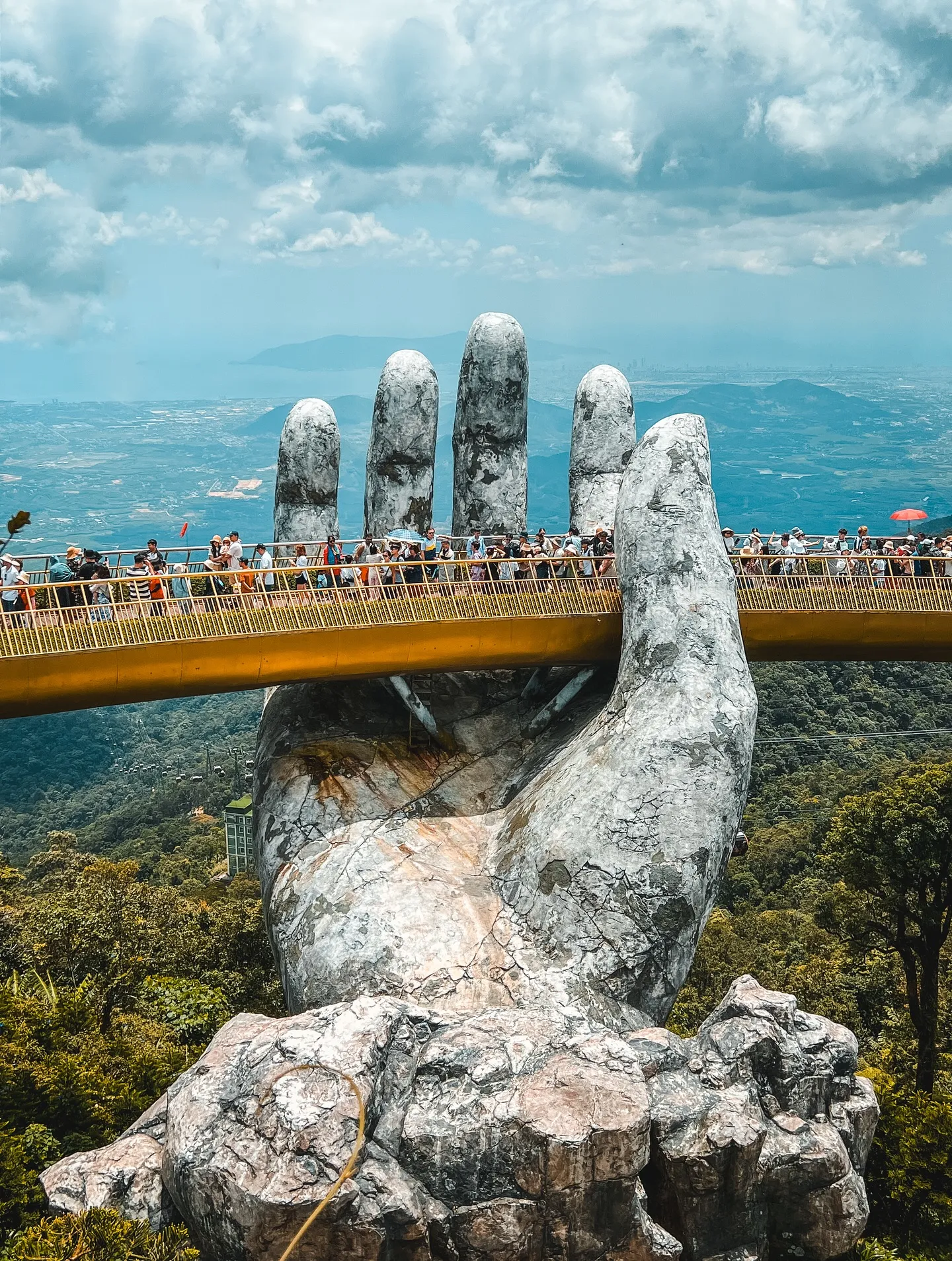
Just 30 minutes from Hoi An, Da Nang offers a mix of beach relaxation and modern city life.
Don’t miss:
- Marble Mountains – caves, temples, and panoramic views.
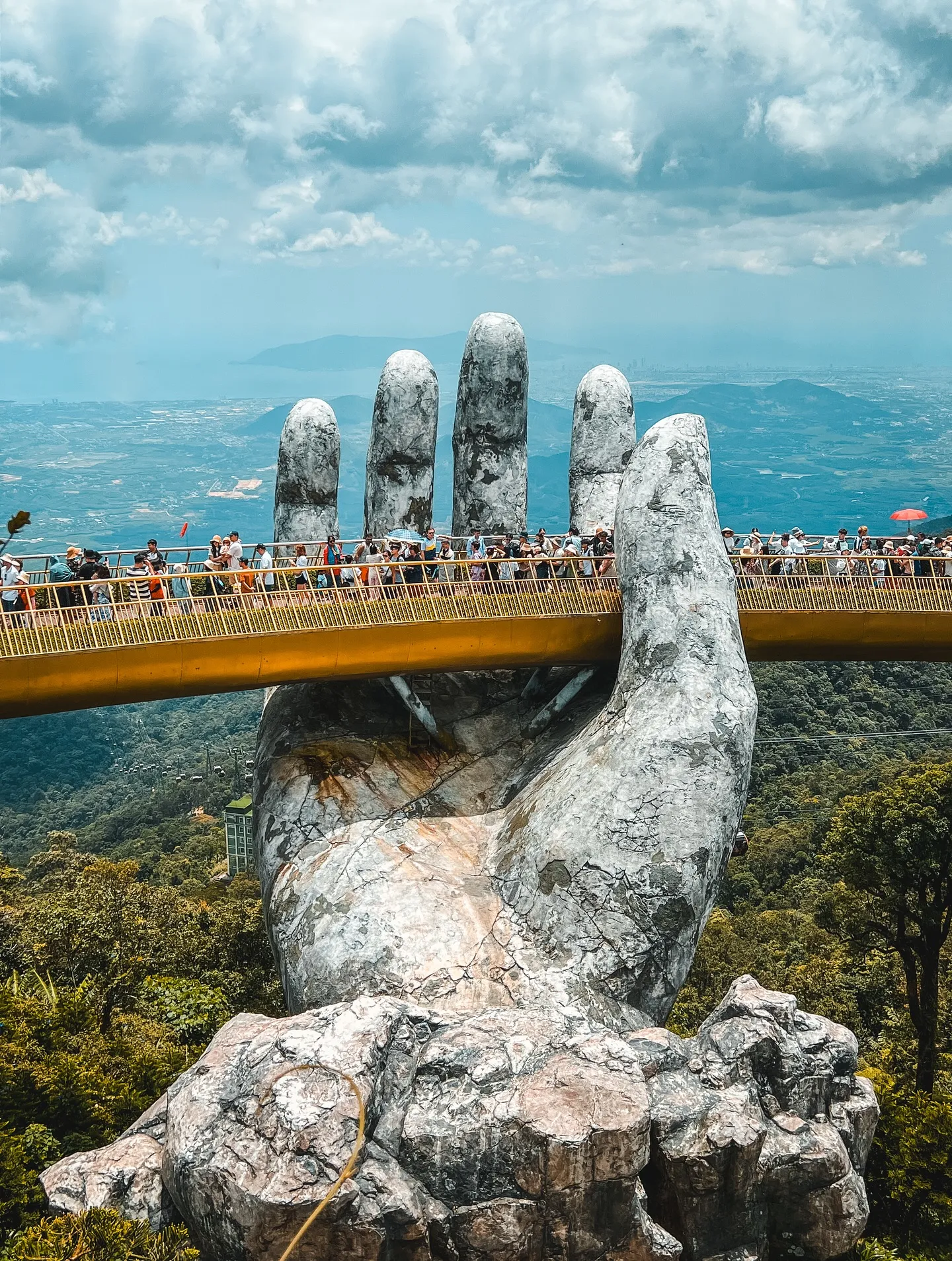
- Golden Bridge – the famous hand-held bridge in Ba Na Hills.
- My Khe Beach – perfect for surfing and sunbathing.
Why visit: It’s a great base to relax before heading south.
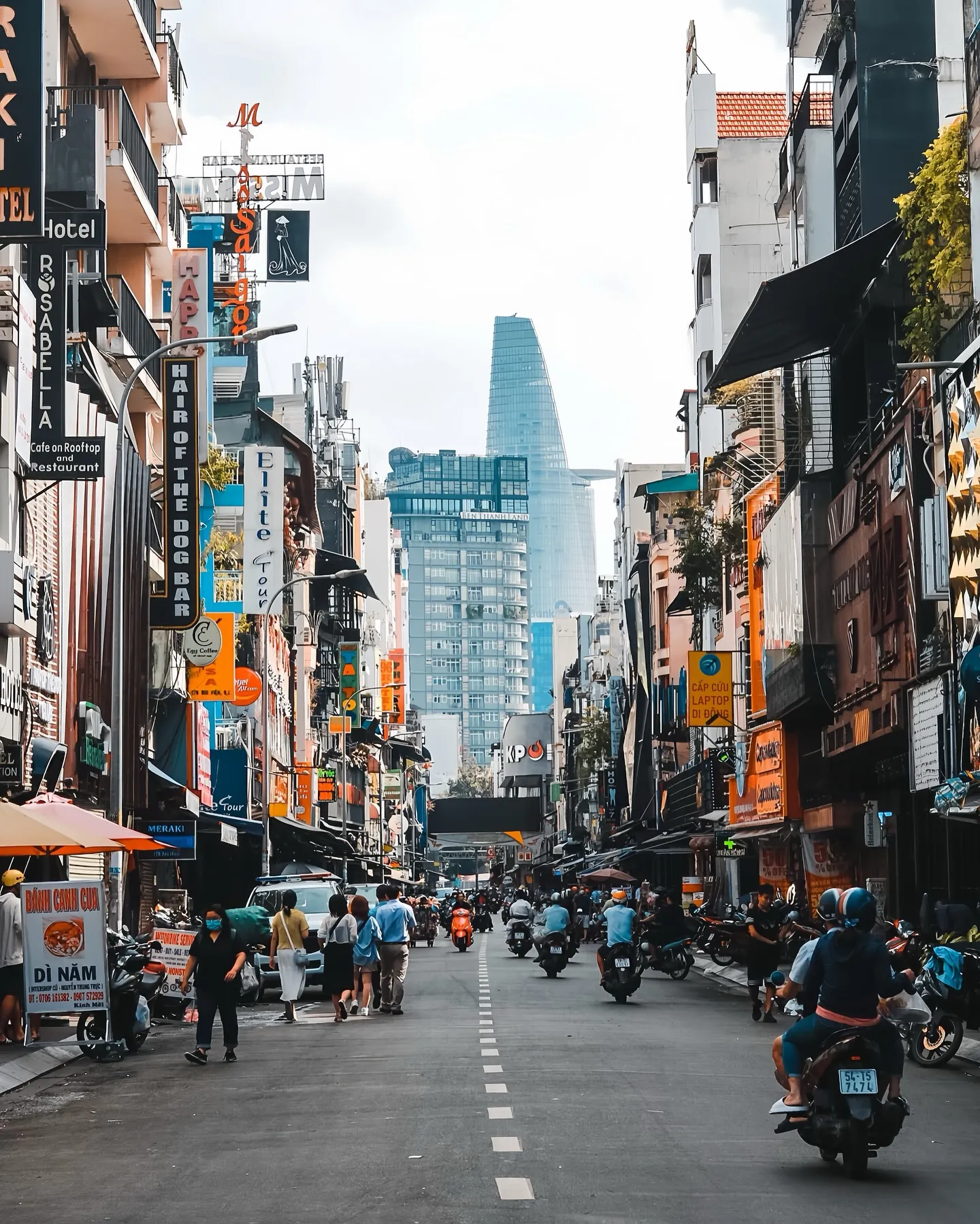
8. Ho Chi Minh City (Saigon) — The City That Never Sleeps

Vietnam’s largest city is fast-paced, energetic, and full of contrasts.
Top sights:
- War Remnants Museum – a sobering look at Vietnam’s history.
- Notre-Dame Cathedral and Saigon Central Post Office – French colonial landmarks.
- Ben Thanh Market – a chaotic but fun shopping experience.
- Bitexco Tower Sky Deck – for skyline views.
Food to try:
- Banh mi – the iconic Vietnamese sandwich.
- Com tam – broken rice with grilled pork.
- Ca phe sua da – iced coffee with condensed milk.
Nightlife: Check out rooftop bars and Bui Vien Street for affordable fun.
9. Mekong Delta — Life on the Water

South of Ho Chi Minh City lies the Mekong Delta, where life flows with the rivers.
Things to do:
- Visit floating markets in Cai Rang or Can Tho.
- Cruise along palm-fringed canals.
- Taste tropical fruits straight from the orchards.
Best for: A peaceful end to your journey — authentic, local, and photogenic.
10. Phu Quoc Island — Paradise at the Finish Line

If you want to end your trip with sun and sand, Phu Quoc Island is your spot. Think palm-fringed beaches, turquoise waters, and endless seafood.
What to do:
- Relax at Sao Beach or Long Beach.
- Visit Phu Quoc National Park for jungle hikes.
- Watch the sunset at Dinh Cau Temple.
Budget tip: Phu Quoc has accommodation for all budgets — from beach bungalows to luxury resorts.
Vietnamese Food You Can’t Miss
Food is a highlight of any Vietnam trip. Here’s what to try in each region:
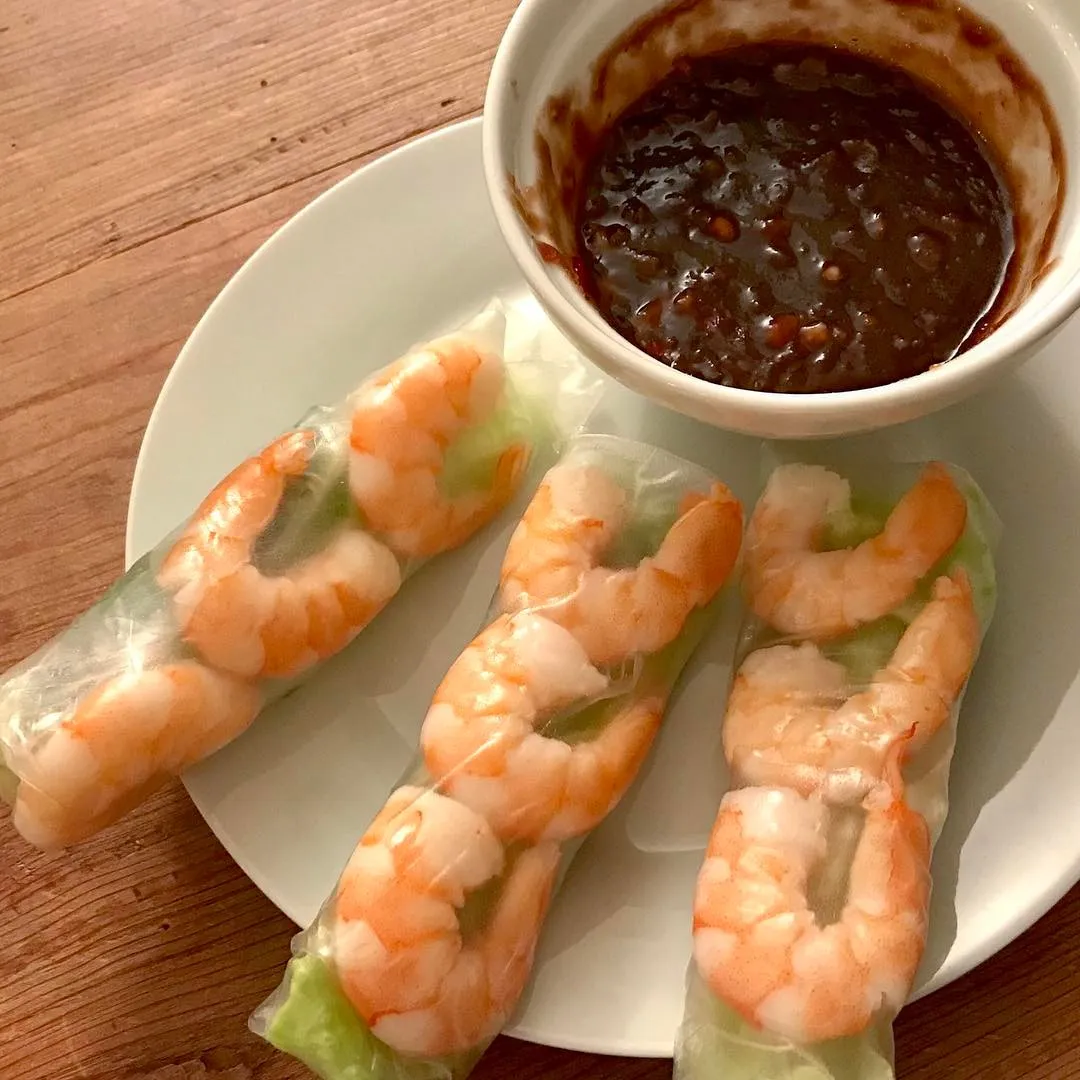 Goi Cuon
 Pho
Pho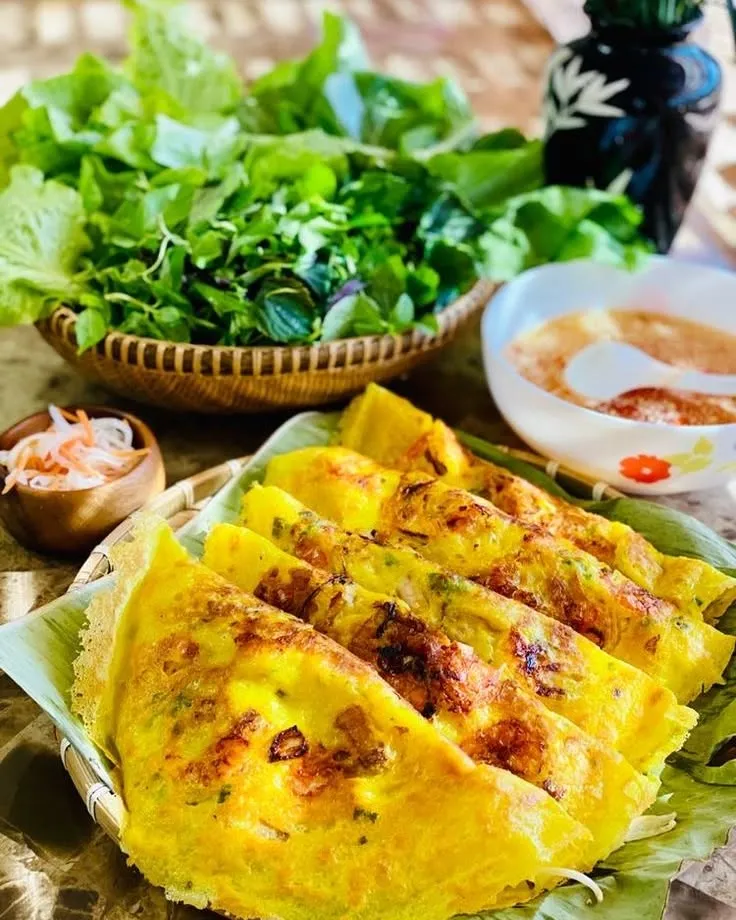 Banh Xeo
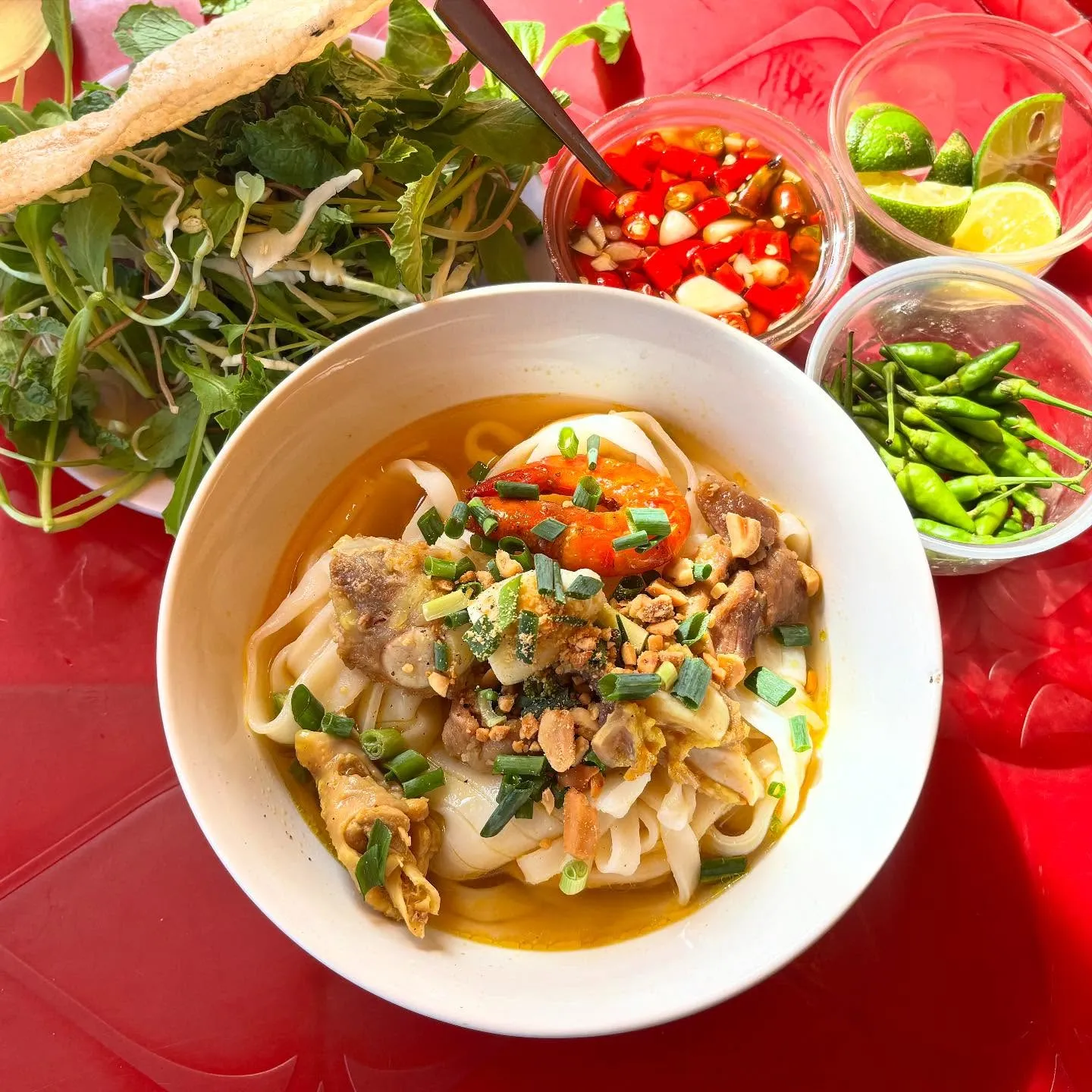 Mi Quang
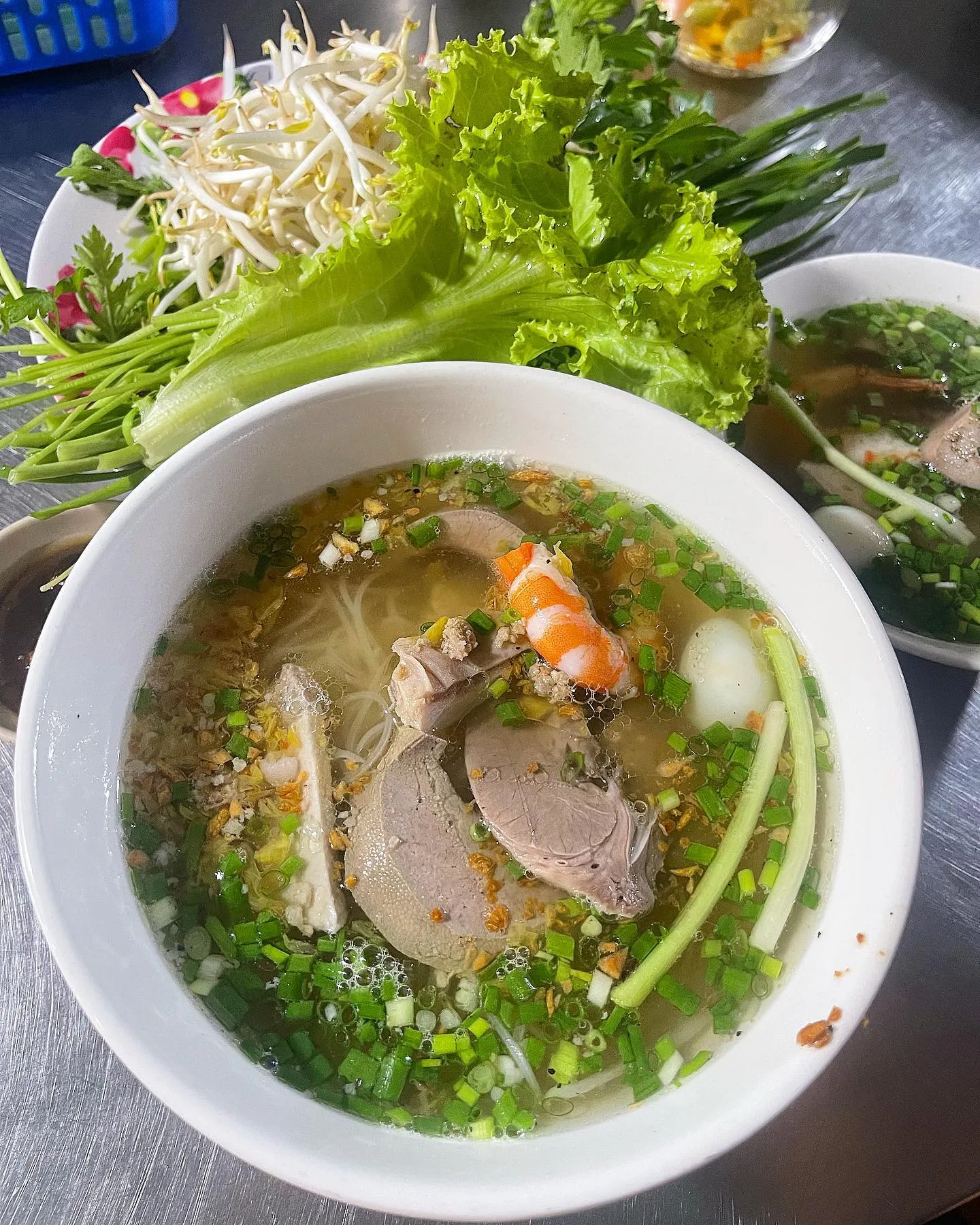 Hu Tieu
- North: Pho (noodle soup).
- Central: Mi Quang (turmeric noodles), Banh Xeo (crispy pancakes).
- South: Goi Cuon (fresh spring rolls), Hu Tieu (southern noodle soup).
Pro tip: Eat where locals eat. Street food in Vietnam is not only cheap but also incredibly fresh and flavorful.
Budget and Costs
Vietnam is one of the best-value destinations in the world.
| Category | Budget Traveler | Mid-Range | Luxury |
| Accommodation | $10–$25/night | $40–$100/night | $150+/night |
| Meals | $2–$5 | $10–$25 | $50+ |
| Transportation | $5–$20/day | $30–$60/day | $100+ |
| Total per day | $30–$50 | $70–$150 | $200+ |
Pro tip: Use Grab (like Uber) for cheap local rides.
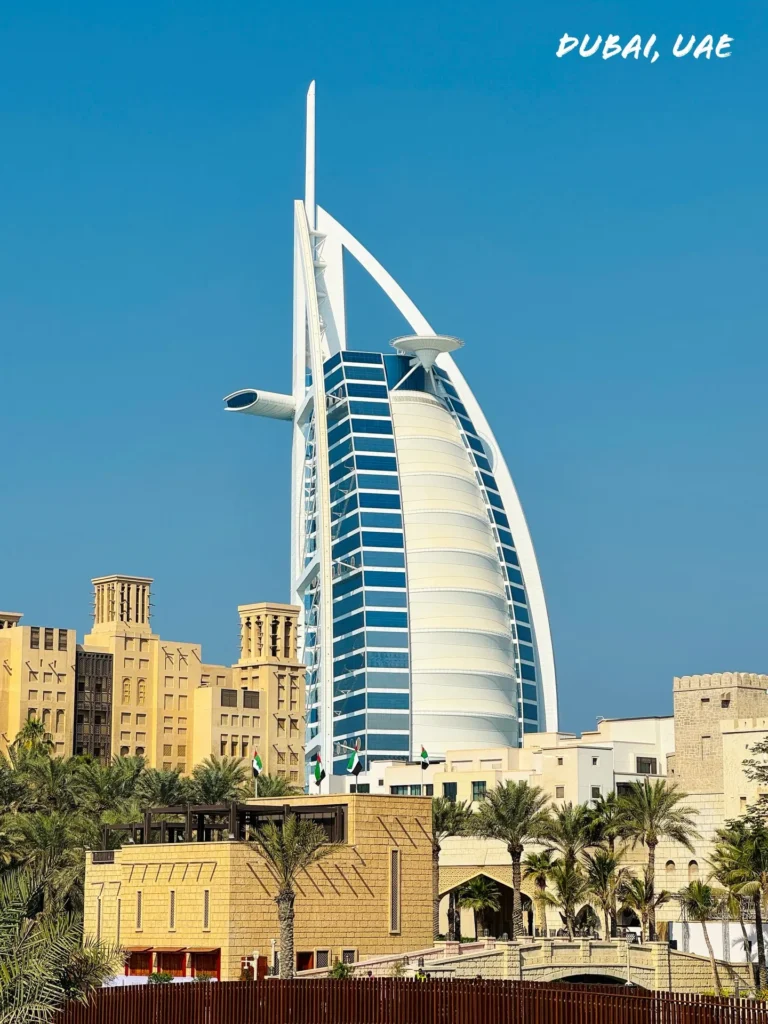
Many travelers fall in love with Vietnam and start thinking long term, similar to those exploring expat life in Dubai for career opportunities and global access.
Essential Travel Tips for Vietnam
- Learn a few Vietnamese phrases — locals appreciate the effort.
- Stay hydrated — it’s hot and humid, especially in the south.
- Always carry small cash — many shops don’t accept cards.
- Bargain politely — especially in markets.
- Respect local customs — dress modestly in temples, remove shoes where required.
- Try everything — from street food stalls to countryside homestays.
- Get a local SIM card — cheap and essential for maps and translation.
Sample 2-Week Vietnam Itinerary
| Day | Destination | Highlights |
| 1–2 | Hanoi | Explore Old Quarter, temples, street food |
| 3–4 | Ha Long Bay | Overnight cruise, kayaking |
| 5–6 | Ninh Binh | Boat rides, rice paddies |
| 7–8 | Hoi An | Lanterns, beaches, cooking class |
| 9–10 | Hue | Imperial City, tombs |
| 11–12 | Ho Chi Minh City | Markets, museums, nightlife |
| 13–14 | Mekong Delta or Phu Quoc | Floating markets or beaches |
Vietnam is just one stop on a much larger adventure, and you can discover more destinations in our Asia travel guides collection.
Final Thoughts: Why You’ll Fall in Love with Vietnam
Vietnam is one of those rare places that stays with you long after you leave. It’s not just the landscapes or food — it’s the feeling. The rhythm of scooter horns, the laughter of locals over coffee, the breathtaking mix of old and new — everything pulses with life.
No matter how you travel — fast or slow, on a budget or in style — you’ll discover that Vietnam is more than a destination. It’s an experience, a story, and a connection to something beautifully human.So pack light, come hungry, and get ready to fall in love with Vietnam — one bowl of pho and one breathtaking sunrise at a time.