Winter in Japan: Magical Snow Festivals, Hot Springs, and Hidden Villages
There’s something almost storybook-like about winter in Japan. Snowflakes fall quietly over temple rooftops, steaming hot springs bubble beneath mountain backdrops, and entire towns transform into glowing wonderlands. Whether you’re chasing the Japan snow festivals, gliding through Hokkaido’s powdery slopes, or soaking in an open-air onsen while snow drifts down around you, Japan in winter feels like a completely different world — calm, cozy, and utterly magical.
If you’ve only seen Japan in spring for the cherry blossoms, it’s time to experience the country’s colder, quieter side. From Hokkaido’s snow adventures to hidden traditional villages, here’s your ultimate guide to discovering Japan’s enchanting winter charm.
If you’re drawn to Japan’s quieter side, places like Kinomotocho in Nagahama capture the same timeless charm outside the peak tourist routes.
1. Why Winter in Japan Feels So Magical
There are few places where winter blends so beautifully with culture, cuisine, and natural beauty. Japan’s geography gives you everything: rugged alpine regions, coastal snow towns, volcanic hot springs, and vibrant winter festivals.
Imagine this: you’re walking through the streets of Otaru, lanterns flickering against snow-covered cobblestones, the scent of grilled squid in the air, and distant music from the snow festival echoing around you. It’s like stepping into a Studio Ghibli film.
Winter in Japan is not just about sightseeing — it’s about slowing down, savoring the small details, and letting yourself be embraced by a sense of warmth and nostalgia.
Catch the best flight fares right now
2. Hokkaido: Japan’s Winter Wonderland

If Japan had a “winter capital,” it would be Hokkaido. This northernmost island is world-famous for its perfect powder snow, delicious seafood, and relaxing hot springs.
Sapporo Snow Festival: A Sculpted City of Ice
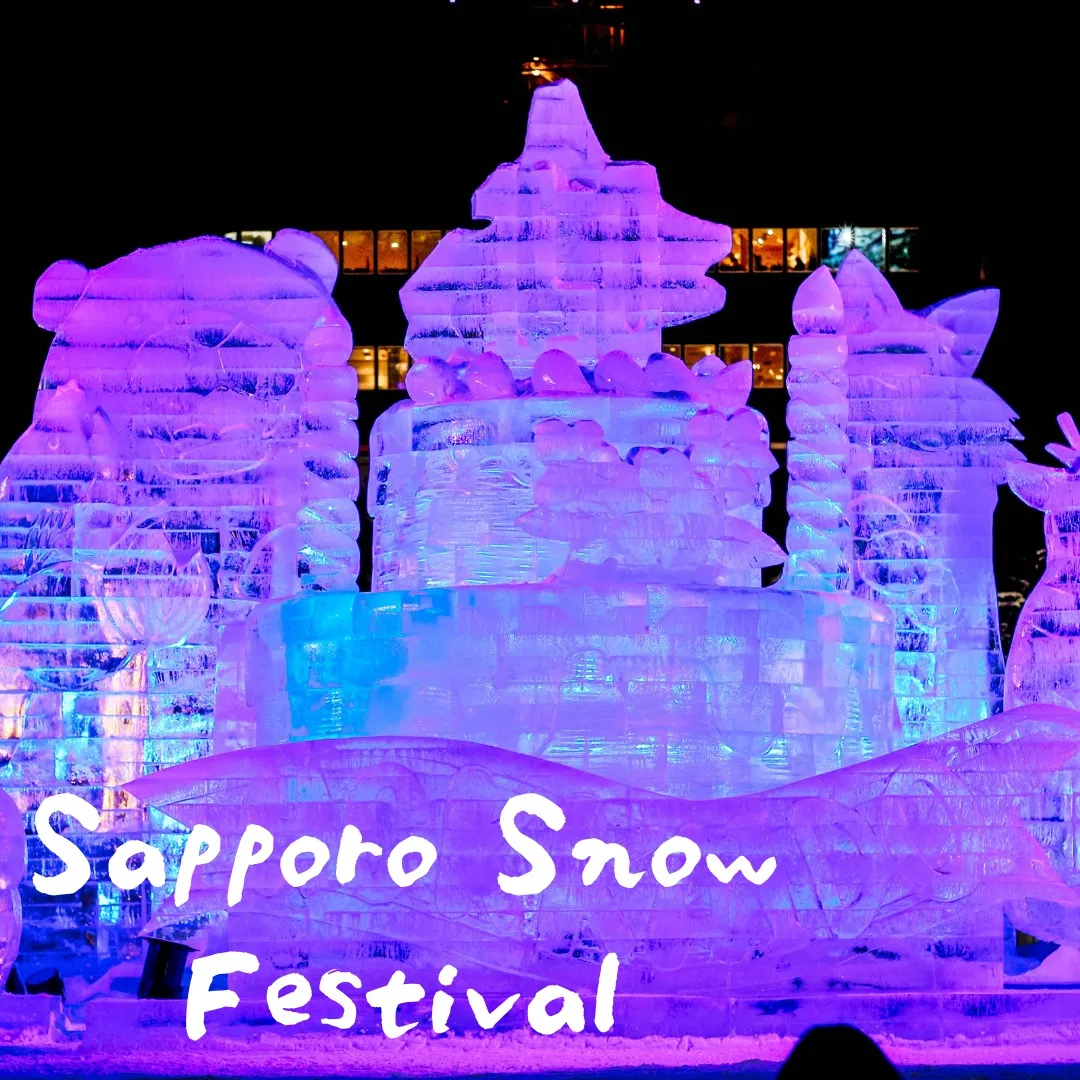
The Sapporo Snow Festival (Yuki Matsuri) is one of Japan’s most iconic winter events, held every February. Streets and parks transform into open-air galleries filled with enormous ice and snow sculptures — from towering castles to intricate anime characters carved in ice.
Nighttime brings a fairytale glow as lights shimmer off the sculptures, and food stalls offer local favorites like miso ramen and grilled crab legs. It’s one of those once-in-a-lifetime experiences that combine art, culture, and pure winter joy.
Travel tip: Book accommodation early — Sapporo gets packed during festival week. If you want fewer crowds, visit a few days before the official opening; the sculptors are still working, and you can watch the magic take shape.
For travelers curious about how different Asia can feel beyond winter landscapes, this Shanghai travel guide highlights a fast-paced, modern side of the region.
3. Powder Paradise: Skiing and Snowboarding in Hokkaido


For snow lovers, Hokkaido is paradise. The island receives some of the driest, fluffiest snow on Earth, thanks to Siberian winds crossing the Sea of Japan.
Niseko is the most famous resort — a blend of world-class skiing, international energy, and luxurious comfort. You’ll find slopes for all levels, cozy lodges, and après-ski hot springs that melt away any trace of chill.
If you prefer something quieter, Furano and Rusutsu offer equally beautiful slopes but fewer crowds. The landscapes are breathtaking — white fields stretching to the horizon, with Mount Yōtei rising like a perfect snow-capped cone in the distance.
Pro tip: Even if you’re not a skier, go for the experience. Ride the gondola just for the views, sip hot cocoa at a mountain café, or book a snowshoe trek through the birch forests.
4. The Magic of Japanese Onsen (Hot Springs)
There’s no better feeling than soaking in a steaming onsen while surrounded by snow. Onsen culture runs deep in Japan, but it feels especially profound in winter.
Noboribetsu Onsen – Hokkaido’s Hot Spring Capital
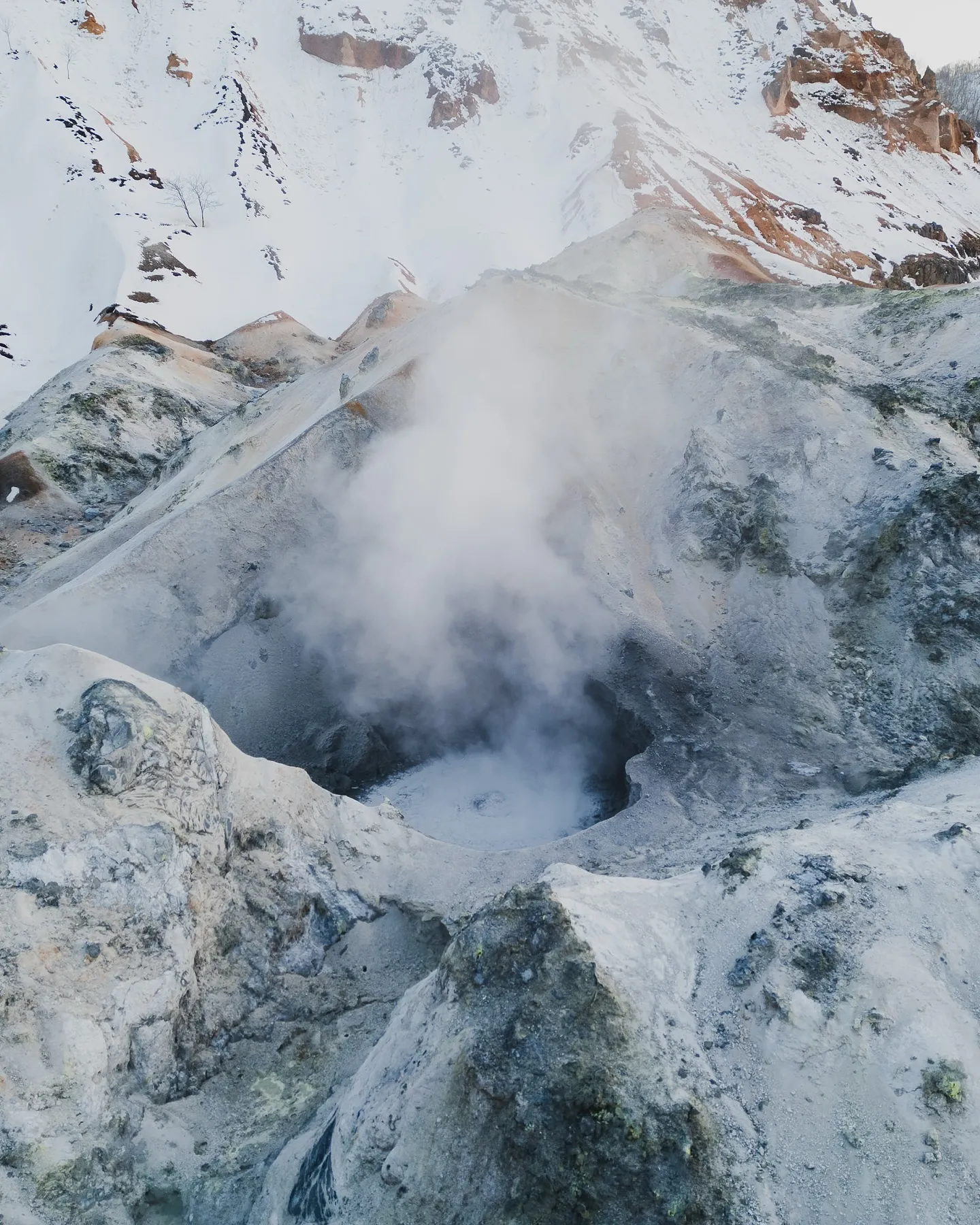
Located in southwestern Hokkaido, Noboribetsu is famous for its “Hell Valley” (Jigokudani) — a dramatic volcanic area with steaming vents and sulfurous pools. After exploring the landscape, dip into one of the town’s many mineral-rich baths that promise to heal both body and soul.
If the idea of slowing down resonates, destinations like Ella in Sri Lanka offer a similar sense of calm in a completely different climate.
Hakone – Relax with a View of Mount Fuji

Closer to Tokyo, Hakone offers the best of both worlds: scenic lake views, open-air hot springs, and on clear days, a jaw-dropping sight of Mount Fuji. Pair that with a stay at a traditional ryokan (inn) — think tatami mats, yukata robes, and kaiseki dinners — and you’ve got the perfect winter retreat.
Yudanaka and the Snow Monkeys

If you’ve seen the iconic photos of snow monkeys soaking in hot springs, that’s Yudanaka. The Jigokudani Monkey Park is where wild macaques warm up in natural hot pools, completely unbothered by curious humans. It’s both heartwarming and hilarious to watch.
5. Hidden Villages That Come Alive in Winter
Beyond the big cities and ski resorts, Japan hides a network of small, storybook villages that feel frozen in time — especially under a blanket of snow.
Shirakawa-go: A Living Snow Globe

Tucked in the mountains of central Japan, Shirakawa-go is a UNESCO World Heritage site famous for its gasshō-zukuri houses — steep thatched-roof homes designed to withstand heavy snowfall.
In winter, these houses glow with soft yellow light against the white snow, creating one of Japan’s most iconic winter scenes. During January and February, the village holds evening illumination events, where the entire valley lights up like a Christmas card.
Ouchi-juku: Edo-Era Snow Charm

Another hidden gem is Ouchi-juku, a beautifully preserved Edo-era post town in Fukushima Prefecture. The old thatched-roof buildings line a snowy main street where you can try soba noodles, warm sake, or grilled river fish over charcoal. It’s a nostalgic escape from the modern world.
6. Japan’s Snow Festivals Beyond Sapporo
While Sapporo’s event steals the spotlight, many other regions in Japan hold their own winter festivals — smaller, local, and equally enchanting.


- Otaru Snow Light Path Festival (Hokkaido): The canals of Otaru are lined with thousands of glowing lanterns and tiny snow sculptures. It’s intimate, romantic, and pure magic at night.
- Yokote Kamakura Festival (Akita): Locals build hundreds of small snow huts (kamakura), each lit from within by a candle. Children play inside, and visitors are invited to enjoy rice cakes and warm drinks.
- Lake Shikotsu Ice Festival (Hokkaido): Features enormous ice sculptures illuminated in neon colors, set against a backdrop of a frozen lake.
These festivals offer something deeper than just sightseeing — they show the heart of Japanese hospitality and the joy of community in wintertime.
7. Winter Food Adventures: Warm Up the Japanese Way
Winter in Japan isn’t just about what you see — it’s about what you eat. Cold weather brings comfort food to the forefront, and trust me, your taste buds will thank you.
Try These Must-Eat Winter Dishes:


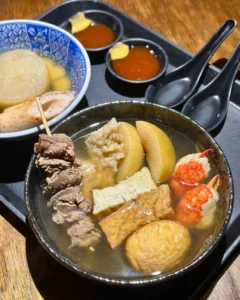

- Nabe (Hot Pot): A communal dish cooked right at your table — vegetables, tofu, and meat simmering in a flavorful broth. Perfect for warming up after a long day in the snow.
- Oden: A street-food favorite — a mix of fish cakes, daikon radish, and eggs simmered in soy-flavored broth.
- Ramen: Every region has its own take, but Sapporo’s miso ramen with sweet corn and butter is unbeatable in winter.
- Crab and Seafood: Hokkaido’s snow crab is legendary. Try it grilled, in sushi, or even as crab hotpot (kani nabe).
Some travelers fall so deeply for Japan that they start thinking long term, much like those comparing expat life in Dubai for work, stability, and global access.
Pair these dishes with a cup of hot sake or amazake (a sweet rice drink), and you’ll feel the chill melt away instantly.
8. Winter Travel Tips for Japan
To make your winter journey smooth and unforgettable, keep these tips in mind:
- Pack Smart: Bring insulated boots, thermal layers, gloves, and waterproof outerwear — Japan’s winters are cold but manageable with the right gear.
- Use the JR Pass: Trains are punctual and scenic — the Shinkansen bullet train through snowy landscapes is an experience in itself.
- Stay in a Ryokan: It’s not just accommodation; it’s an immersion into Japanese hospitality, especially comforting in winter.
- Plan for Onsen Etiquette: Tattoos are still taboo in some hot springs, though many now accept foreign visitors — check ahead or use private baths.
- Timing Matters: Late January to mid-February is peak snow festival season; December offers lighter crowds and festive holiday vibes.
Winter in Japan is just one seasonal experience across the region, and you can explore more destinations in our Asia travel guides collection.
9. Why You’ll Fall in Love with Winter in Japan
Winter in Japan is more than just a season — it’s a mood. It’s the hush of snow over temple roofs in Kyoto, the laughter echoing through ski villages in Niseko, and the soothing warmth of an onsen after a day in the cold.
Every part of Japan reveals a different kind of winter magic. The north dazzles with adventure, the countryside offers peace and nostalgia, and the cities glow with modern celebration. It’s a place where every traveler — from thrill-seekers to soul-searchers — can find their version of winter bliss.So pack your warmest coat, grab your camera, and head east. Because once you’ve experienced the quiet magic of a Japanese winter, you’ll find yourself wanting to return — not for the cherry blossoms, but for the snowflakes.