How to Plan a Thrilling Safari in Africa: From Luxury Lodges to Budget Trips
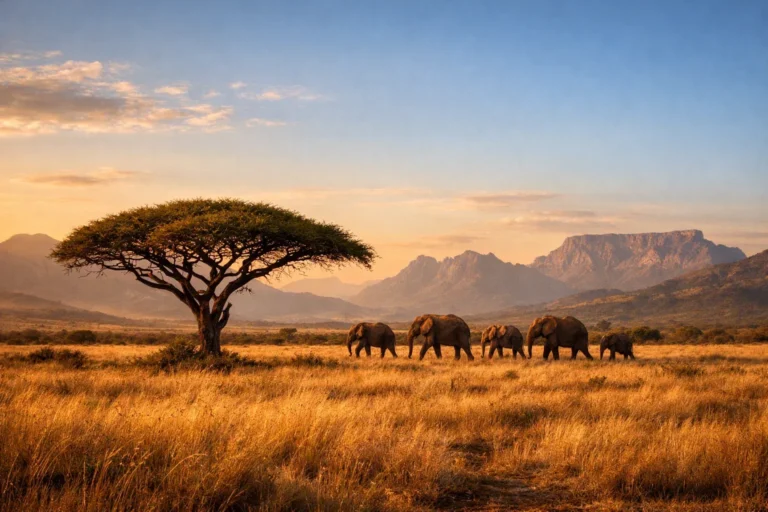
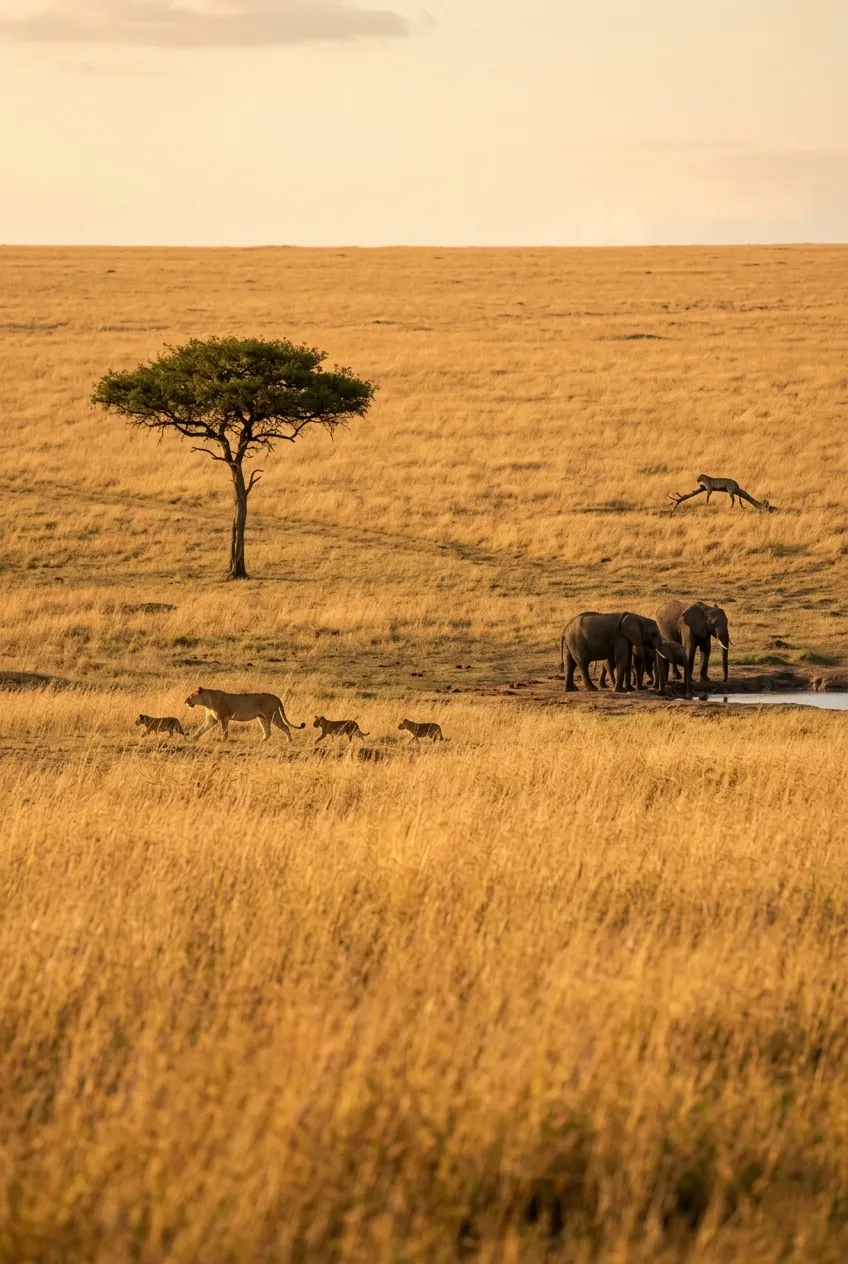
The African savanna stretches endlessly before you, golden grasses rippling in the breeze. A lioness emerges from the acacia shade, her cubs tumbling behind her. An elephant herd moves silently across your path, and in the distance, a leopard drapes itself across a branch. This isn’t a dream—it’s the reality of an African safari, an experience that remains on countless bucket lists worldwide.
Planning a safari in Africa might seem daunting at first. With 54 countries across the continent, numerous national parks, varying seasons, and options ranging from barebones camping to opulent five-star lodges, where do you even begin? The good news is that whether you have $2,000 or $20,000 to spend, an unforgettable safari adventure awaits. Here’s your comprehensive guide to planning the African safari of your dreams.
If you’re focusing on one destination, this South Africa travel guide is packed with tips for an unforgettable safari experience.
Recommended Travel Items for Your Trip
Choosing Your Destination
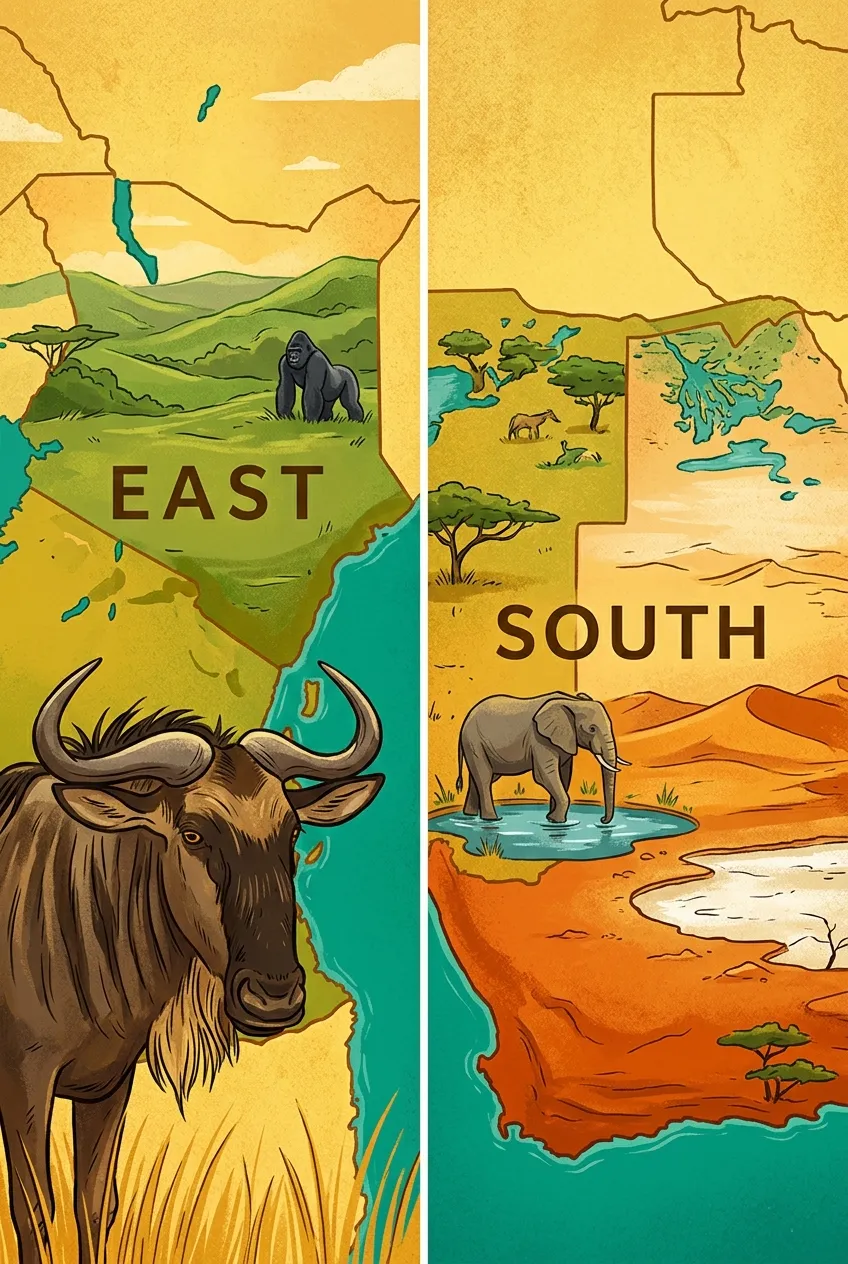
Africa offers incredible wildlife experiences across multiple countries, each with distinct ecosystems and animal populations. Your choice depends on what you want to see, when you can travel, and your budget.
East Africa:
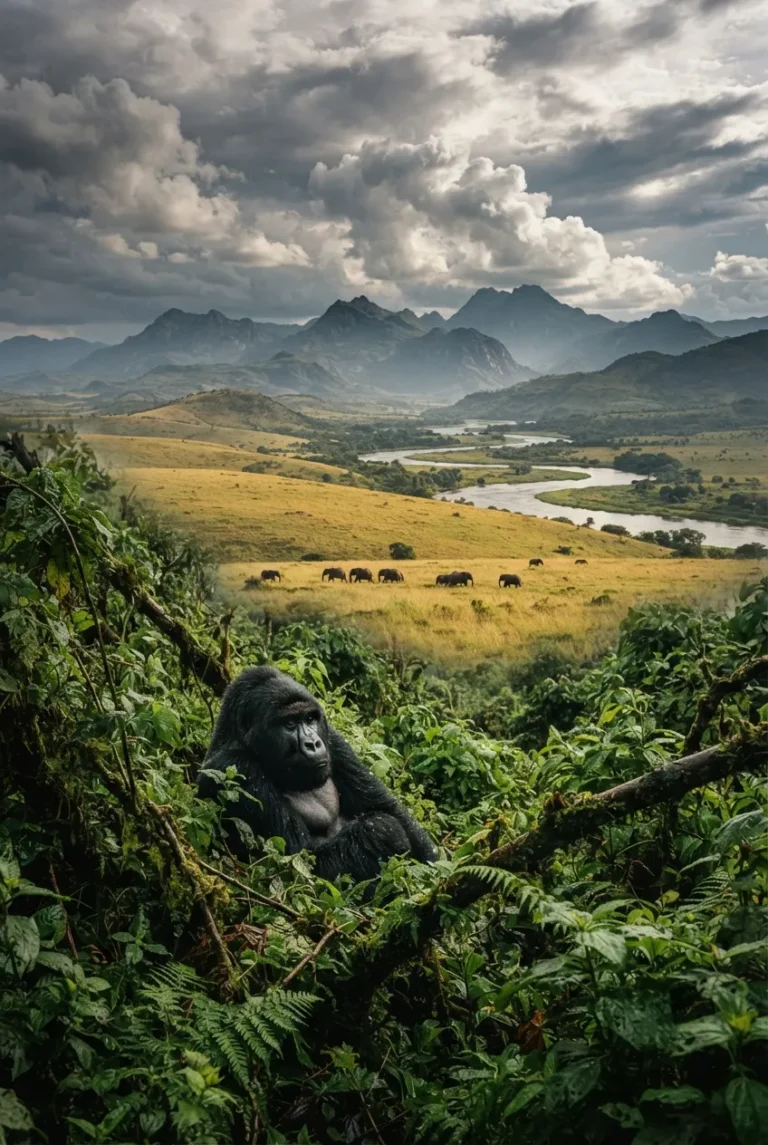
It provides classic safari experiences. Kenya’s Masai Mara and Tanzania’s Serengeti are world-renowned for the Great Migration, where millions of wildebeest, zebras, and gazelles traverse the plains between July and October. Tanzania also boasts the Ngorongoro Crater, a collapsed volcano teeming with wildlife in a relatively small area. Uganda and Rwanda offer mountain gorilla trekking, an intimate and moving experience that comes with a premium price tag but remains unmatched in emotional impact.
Southern Africa:
It excels in infrastructure and variety. Botswana’s Okavango Delta combines water-based safaris with traditional game drives, while South Africa’s Kruger National Park offers excellent self-drive options for budget travelers. Namibia provides dramatic desert landscapes with adapted wildlife, and Zimbabwe’s Hwange National Park delivers exceptional elephant encounters.
Price differences between destinations are significant. A week-long safari in South Africa’s Kruger can cost $1,500 per person when self-driving and camping, while a similar timeframe in Botswana’s private concessions easily exceeds $10,000 due to limited camps and exclusive experiences.
Understanding Safari Seasons
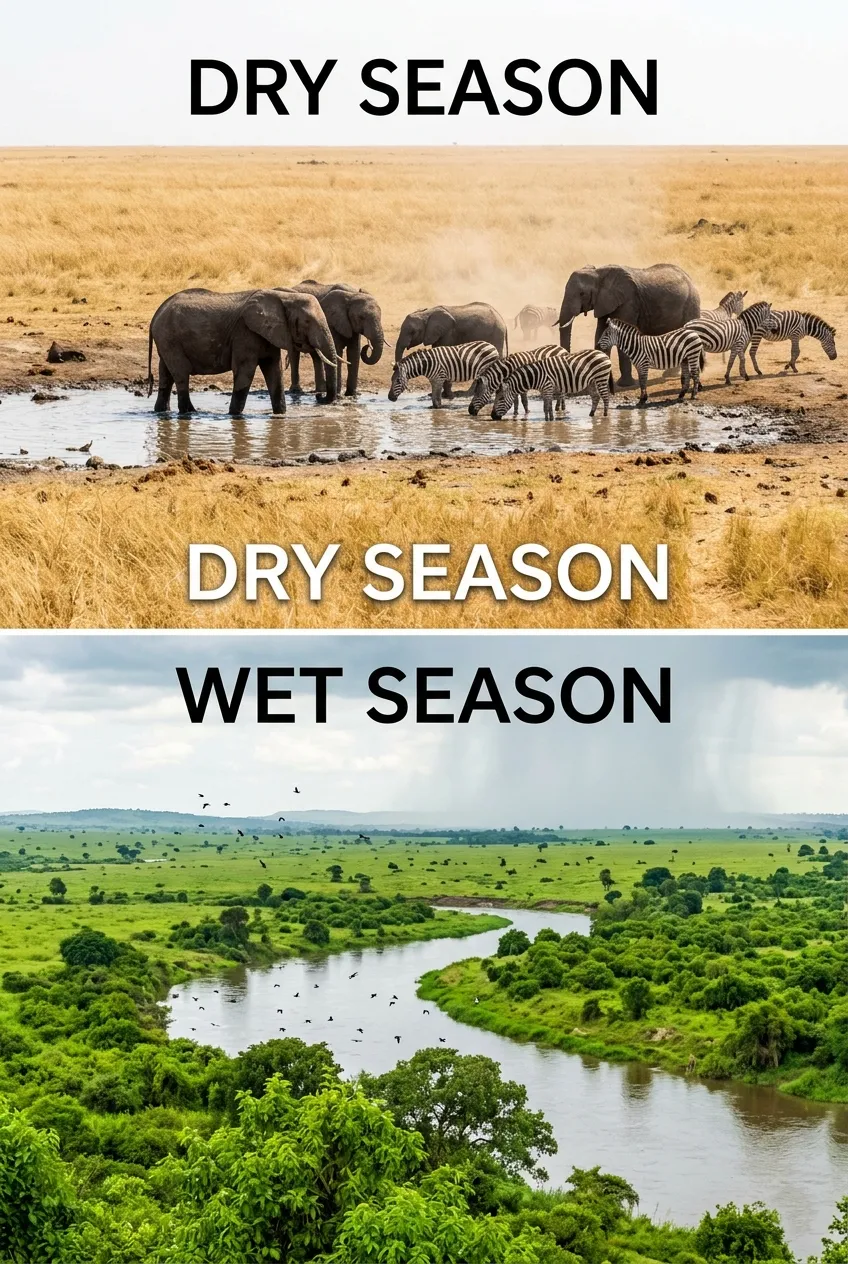
Timing dramatically affects both your experience and your costs. African safari destinations generally have dry and wet seasons, each offering distinct advantages.
The dry season (typically June to October in East Africa, May to September in Southern Africa) is peak safari time. Animals congregate around remaining water sources, making them easier to spot. Vegetation thins out, improving visibility. However, these months command premium prices, and popular parks can feel crowded.
The wet season (November to May in East Africa, November to April in Southern Africa) brings lower prices and fewer tourists. The landscape transforms into lush greenery, birds arrive in spectacular numbers, and many animals give birth, attracting predators. The trade-off involves occasional heavy rains, more challenging wildlife spotting due to dispersed water sources, and some roads becoming impassable.
Shoulder seasons—the periods just before and after peak times—often provide the best value. You’ll encounter reasonable prices, decent weather, and fewer crowds. Late August and September in Tanzania, or April and May in Botswana, can be sweet spots for budget-conscious travelers seeking quality experiences.
Want insider advice before you go? Learn from a pro in this travel expert interview with valuable insights.
Luxury Safari Options
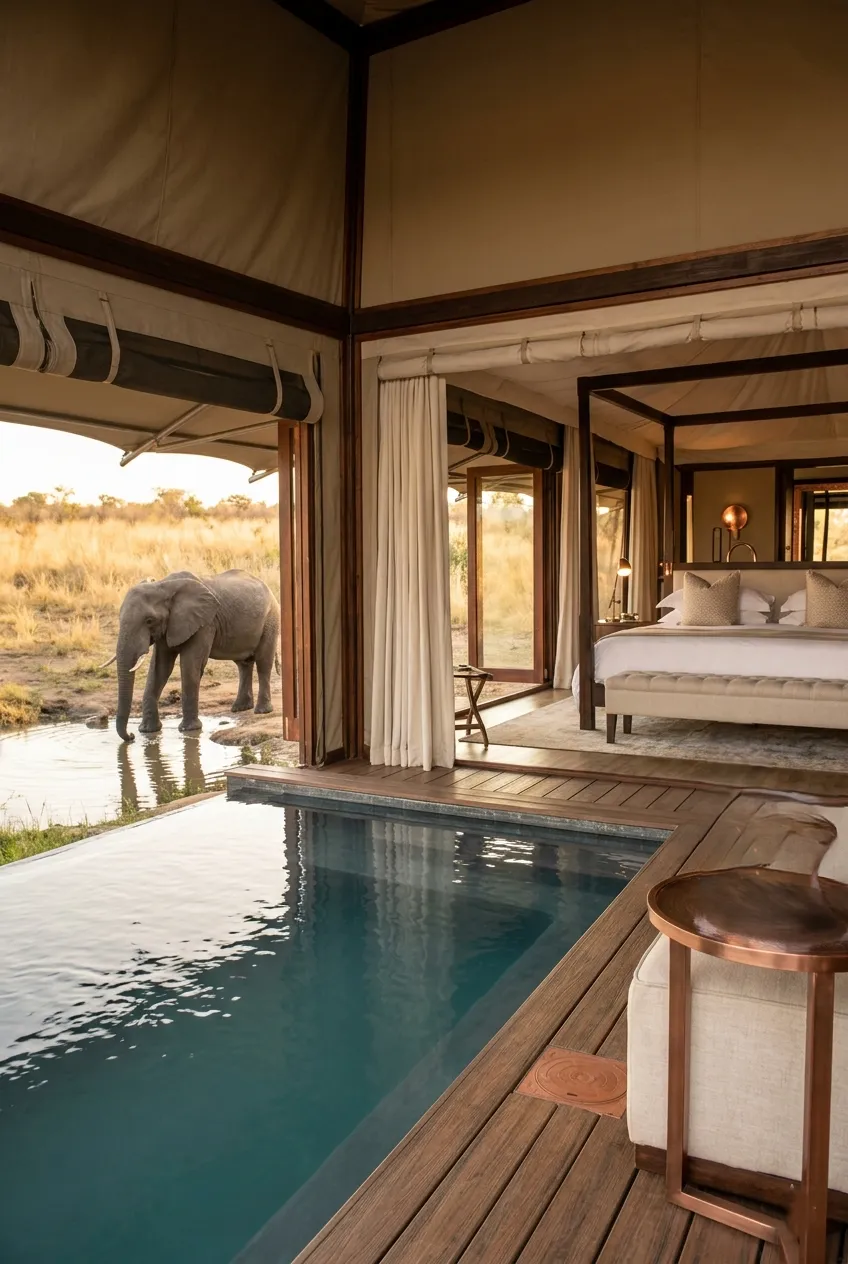
For travelers seeking indulgence alongside adventure, Africa’s luxury safari lodges deliver experiences that justify their premium prices.
Exclusive private concessions offer limited tourist numbers and special privileges. In Kenya’s Masai Mara or Tanzania’s Serengeti, private conservancies allow off-road driving, night drives, and walking safaris—activities prohibited in public parks. Lodges like Singita, andBeyond, and Sanctuary Retreats provide all-inclusive packages where gourmet meals, premium drinks, guided activities, and even laundry services are included.
Luxury amenities can reach extraordinary levels. Expect plunge pools overlooking waterholes, private butlers, spa treatments between game drives, and suites larger than many apartments. Some lodges offer sleep-outs under the stars on elevated platforms, champagne sundowners in the bush, and private helicopters for aerial views of the landscape.
Costs for luxury safaris typically range from $800 to $2,500 per person per night, with ultra-exclusive options exceeding $3,000. These prices usually include accommodation, all meals, drinks (often including premium wines and spirits), twice-daily game drives, and park fees. A week-long luxury safari commonly costs $7,000 to $15,000 per person.
The value proposition lies beyond the thread count of your sheets. Expert guides with decades of experience and deep ecological knowledge transform game drives into educational journeys. Small group sizes (often 4-6 guests per vehicle) ensure everyone gets window seats and unobstructed photography. Private concessions mean you can stay with a leopard for hours rather than adhering to strict park timings.
Mid-Range Safari Experiences
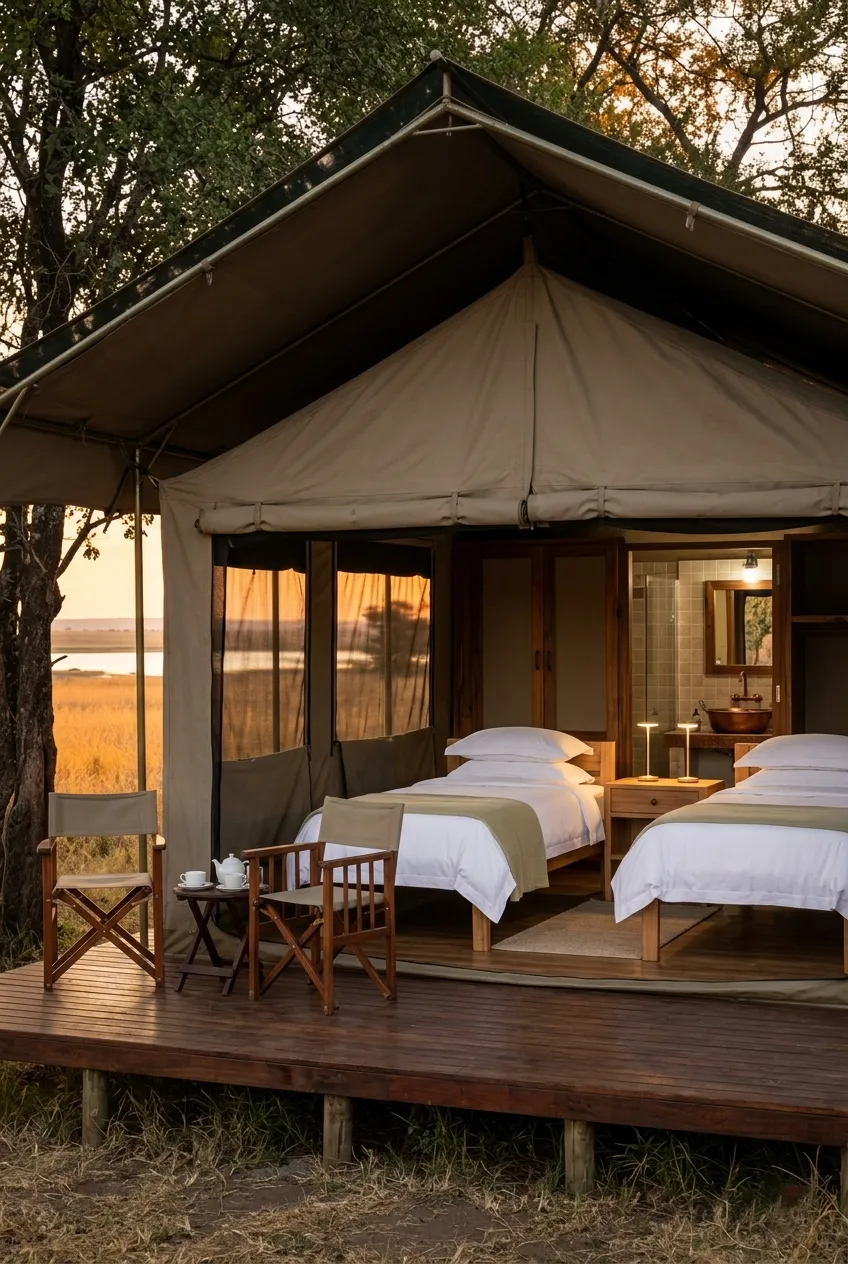
Mid-range safaris offer excellent value, balancing comfort with affordability. This sweet spot attracts travelers who want proper beds and good food without paying for champagne and caviar.
Permanent tented camps provide an authentic safari atmosphere with comfortable amenities. Canvas walls let you hear lions roaring at night, while proper beds, en-suite bathrooms with hot water, and electricity handle the basics. Camps like those in Tanzania’s Tarangire or Kenya’s Samburu often cost $300-600 per person per night, all-inclusive.
Lodge-based safaris in national parks offer solid accommodation without frills. These typically feature standard hotel rooms, dining halls with buffet meals, and shared game drives. Expect to pay $150-400 per person per night with meals and activities included.
Group joining safaris significantly reduce costs by sharing vehicles and guides with other travelers. Tour operators offer scheduled departures where 4-6 people share a safari vehicle. A week-long joining safari in Tanzania or Kenya typically costs $2,000-4,000 per person, including accommodation, meals, park fees, and game drives.
The trade-offs are reasonable: slightly larger group sizes (6-8 people per vehicle instead of 4), less flexibility in timing, and standard rather than gourmet meals. However, guides remain knowledgeable professionals, wildlife viewing is equally spectacular, and you’ll still wake to the sounds of the bush.
Planning to unwind after your safari? Use this Mauritius travel guide to time your perfect island escape.
Budget Safari Adventures
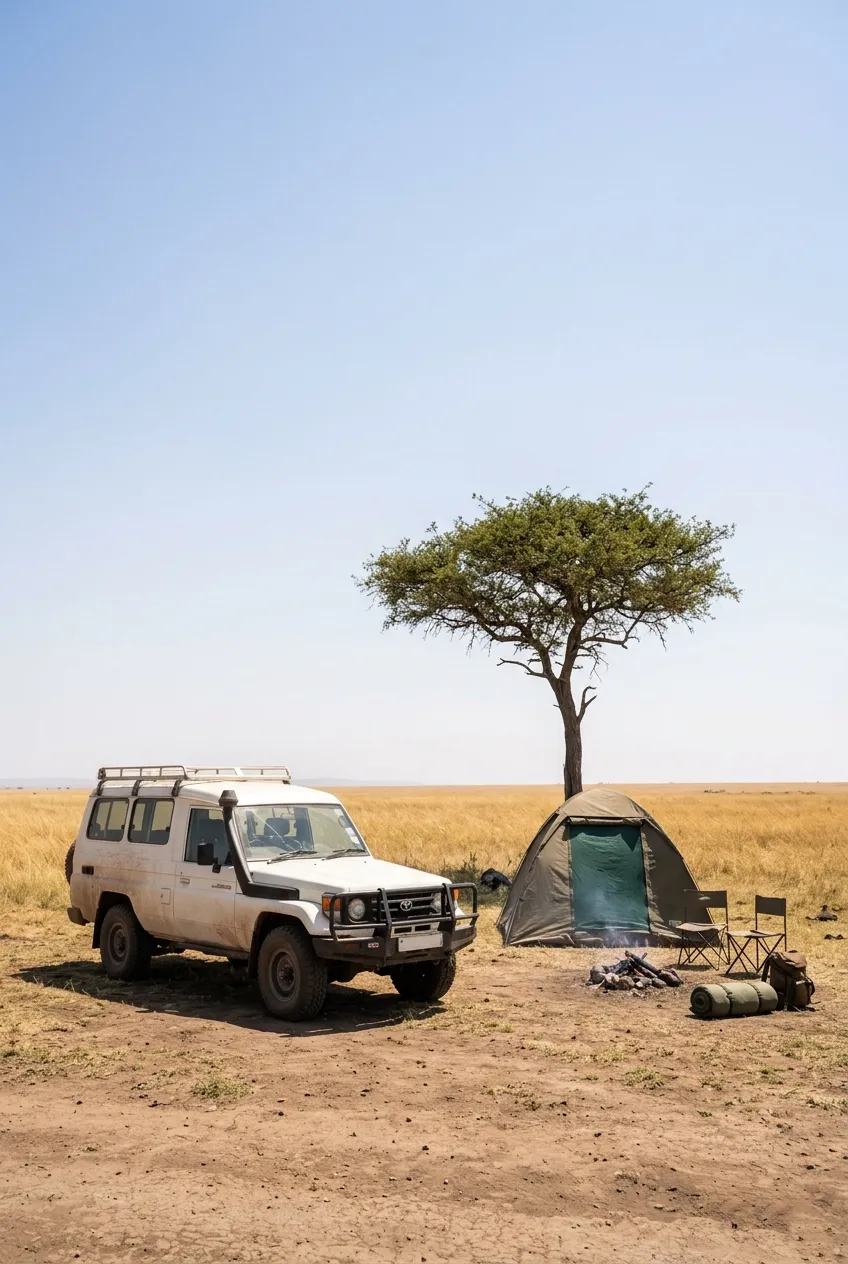
Adventure travelers and backpackers can absolutely experience African safaris without breaking the bank. With creativity and flexibility, remarkable experiences await.
Self-drive safaris in South Africa’s Kruger National Park offer the ultimate budget option. Rent a vehicle ($30-60 per day), book rest camp accommodation ($20-80 per person per night), and drive yourself through the park. Daily park fees run about $25 per person. A week-long self-drive safari can cost as little as $500-800 per person total.
Camping safaris in East Africa provide guided experiences at fraction of luxury prices. Operators set up camps each night, provide basic meals, and guide game drives. These overland camping safaris through Tanzania or Kenya cost approximately $100-200 per person per day, covering camping fees, meals, transport, and guides.
Backpacker group tours join like-minded budget travelers for affordable adventures. Companies like Acacia Africa and Intrepid Travel offer multi-week overland trips visiting multiple countries. While not exclusively focused on wildlife, these trips incorporate safari experiences alongside cultural visits and adventure activities, averaging $80-150 per day.
Budget tips include visiting less famous parks where fees are lower, traveling during low season, staying in towns outside national parks and driving in for day visits, and booking directly with local operators rather than international agencies. Self-catering in accommodations with kitchens saves substantially on meals.
The budget experience requires accepting basic facilities, larger group sizes (sometimes 12+ people), longer travel times on rough roads, and less flexibility. However, the wildlife remains identical—lions don’t care whether you paid $5,000 or $500 for your trip.
Practical Planning Essentials
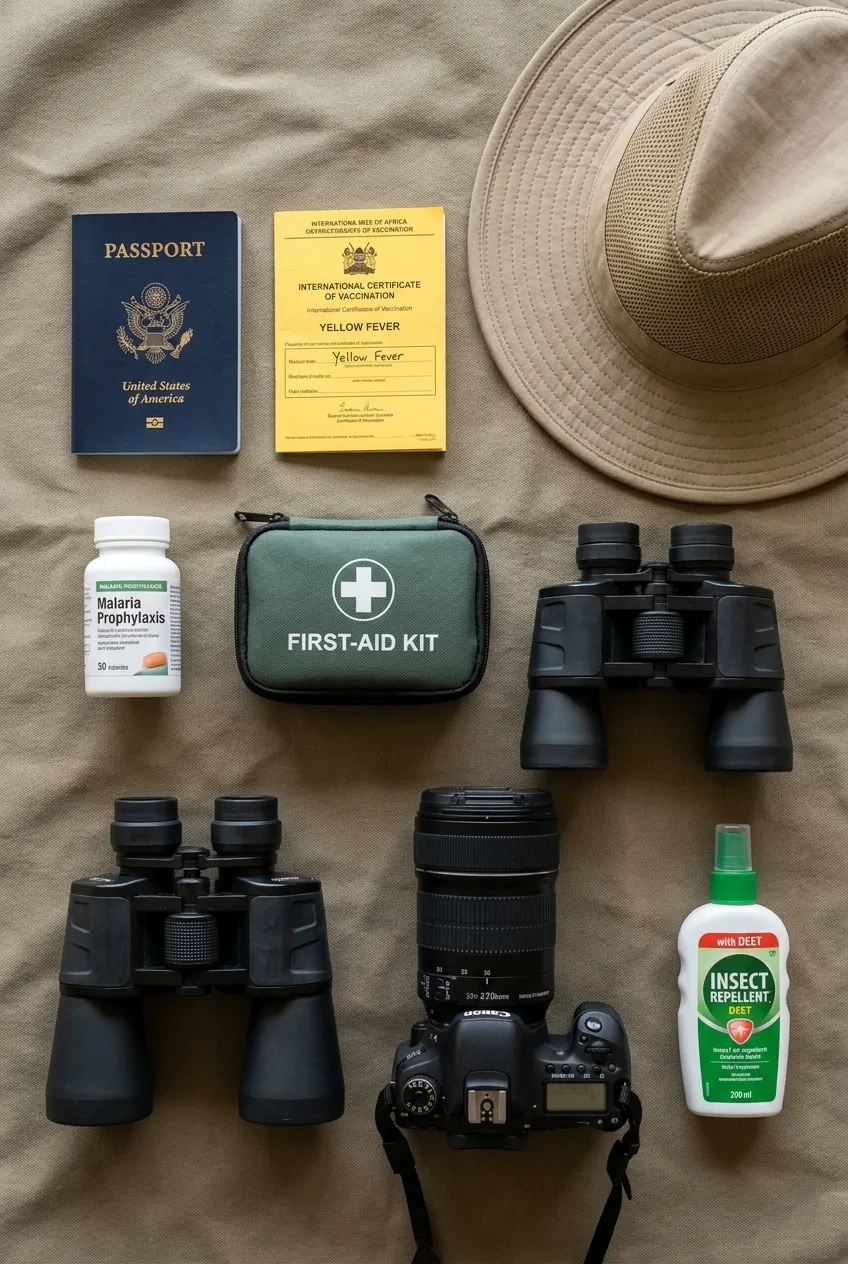
Regardless of your budget, certain planning steps ensure a smooth safari experience.
Health preparations should begin months ahead. Yellow fever vaccination is mandatory for many African countries. Malaria prophylaxis is recommended for most safari regions—consult a travel medicine specialist. Comprehensive travel insurance covering medical evacuation is non-negotiable, as quality healthcare may be hours away from remote safari areas.
Packing strategically means neutral-colored clothing (khaki, olive, brown) that doesn’t attract insects or alarm wildlife. Layers handle dramatic temperature swings between dawn drives and midday heat. Essential items include quality binoculars, camera with telephoto lens, sun protection, insect repellent with DEET, and a headlamp for camp navigation after dark.
Booking timeline varies by budget level. Luxury lodges in exclusive concessions should be booked 9-12 months ahead, especially for peak season. Mid-range options need 4-6 months advance booking. Budget camping safaris can often be arranged 1-3 months out, and self-drive options offer the most flexibility with week-of bookings possible.
Visa requirements differ by country. Kenya and Tanzania offer visas on arrival or e-visas. South Africa allows visa-free entry for many nationalities. Rwanda requires advance e-visa applications. Research requirements early, as processing can take weeks.
For wildlife and landscapes that feel untouched, explore this Madagascar travel guide for a truly unique adventure.
Making the Most of Your Safari
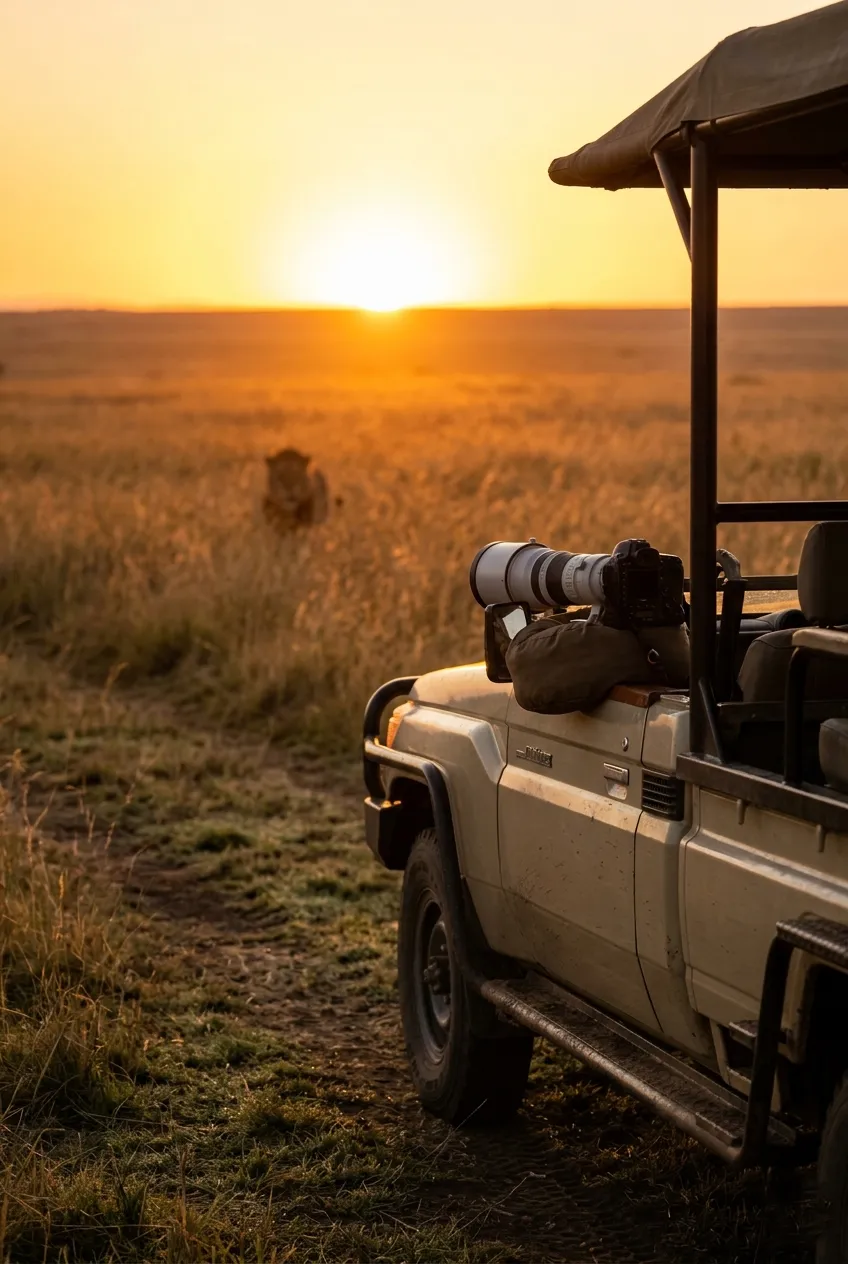
Maximizing your safari experience transcends the size of your budget.
Early mornings matter most. Animals are most active during the golden hours after dawn and before dusk. Skipping the 5:30 AM wake-up call means missing prime wildlife viewing. The best sightings—predator kills, dramatic hunts, playful young animals—happen in these cooler hours.
Listen to your guide. Whether you paid $100 or $1,000 per day, your guide possesses invaluable knowledge. Ask questions, express your interests (birds, photography, specific animals), and trust their judgment on where to drive and when to wait.
Patience rewards richly. Safari isn’t a zoo. Animals appear on their schedule, not yours. Spending an hour watching a pride of lions might feel static, but observing their social interactions, watching cubs play, and witnessing their behavior provides deeper understanding than quickly ticking species off a checklist.
Photography tips: Shoot in early morning and late afternoon when light is best. Use fast shutter speeds (at least 1/500s) for moving animals. Continuous shooting mode captures action sequences. But occasionally put the camera down and simply observe—some moments are best experienced rather than photographed.
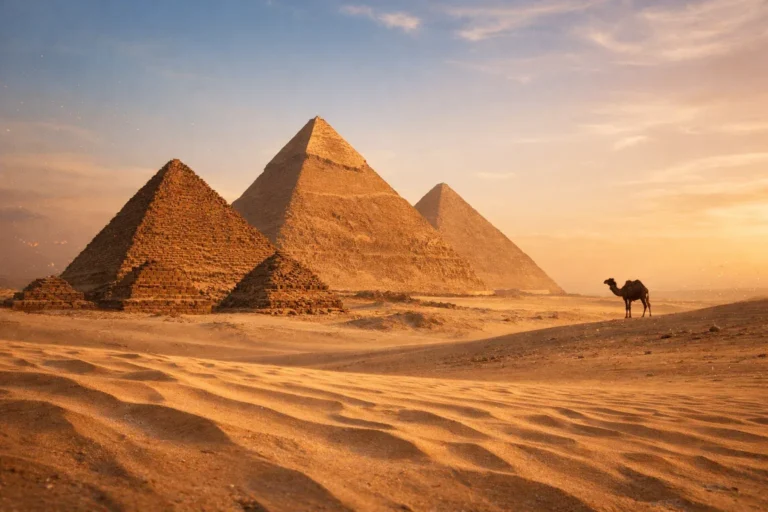
Extend your African journey with history and culture using this Egypt travel guide before your trip.
The Bottom Line
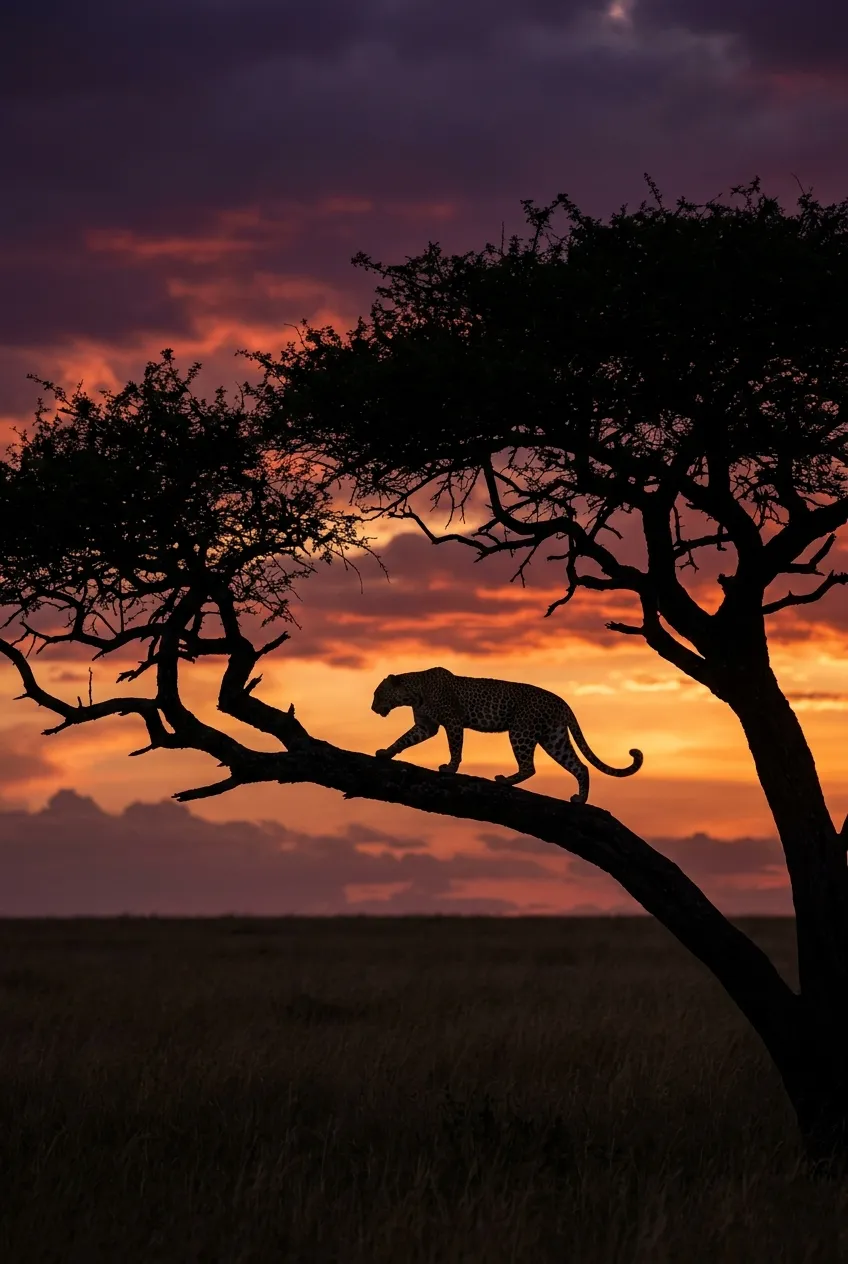
An African safari ranks among life’s most extraordinary experiences, accessible to travelers across all budget ranges. Luxury safaris deliver unparalleled comfort and exclusive experiences. Mid-range options provide excellent balance between cost and quality. Budget safaris prove that thrilling wildlife encounters don’t require deep pockets.
The magic of watching a leopard descend from its tree at sunset, hearing lions roar in the darkness, or witnessing thousands of wildebeest thunder across the plains affects everyone equally, regardless of how much they spent to get there. Start planning, choose your budget level, pick your destination, and prepare for an adventure that will fundamentally shift how you see the natural world.
Your African safari awaits—wild, beautiful, and utterly unforgettable.