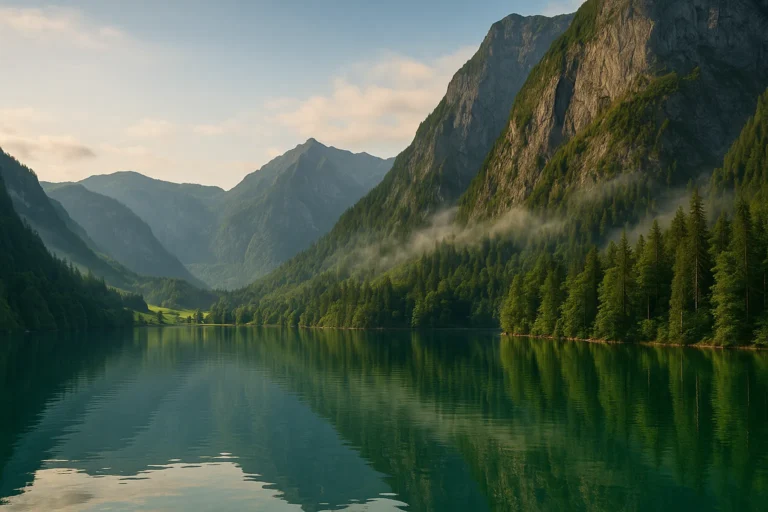
Spain Travel Guide 2026
Best Time to Visit, Where to Go, Costs, Hidden Gems & Practical Tips
Spain remains one of Europe’s most versatile and rewarding destinations. Few countries offer such a seamless mix of historic cities, vibrant street life, golden beaches, island escapes, and a culture that encourages you to slow down and enjoy daily life. Whether you’re planning a short city break, a winter sun escape, a solo adventure, or a longer European journey, Spain adapts effortlessly to different travel styles.
This complete Spain travel guide helps you plan confidently. You’ll find when to visit, where to go, how much to budget, what to pack, and how to experience Spain in a way that feels relaxed, authentic, and enjoyable rather than rushed.
Recommended Travel Items for Your Trip
Why Visit Spain?
Spain consistently ranks among the most visited countries in Europe, and that popularity is rooted in genuine variety rather than hype. It’s a destination that works equally well for first-time visitors and seasoned travellers.
Spain stands out because it offers:
- Warm, pleasant weather across much of the country, even during winter
- World-class cities filled with art, architecture, and history
- A long coastline with beaches ranging from lively resorts to untouched coves
- Island destinations that feel completely different from the mainland
- Outstanding food at reasonable prices
- A social, outdoor-focused lifestyle that feels welcoming and easy to join
Spain is particularly well suited for:
- First-time trips to Europe
- Solo travellers looking for safety and social interaction
- Couples and slow travellers
- Budget-conscious travellers
- Winter escapes without long-haul flights
It’s the kind of country people return to again and again, each time discovering a new region or a different pace of travel.
Best Time to Visit Spain
Spain is genuinely a year-round destination, but the best time to visit depends on where you’re going and what kind of experience you want.
Spring (March to May)
Spring is one of the best seasons to visit Spain. Temperatures are mild, cities feel lively without being crowded, and the countryside begins to bloom.
Spring is ideal for sightseeing, cultural trips, and walking-heavy itineraries. Cities like Seville, Madrid, and Barcelona are particularly enjoyable before summer heat arrives.
Best for:
- City breaks
- Andalusia and southern Spain
- First-time visitors
Summer (June to August)
Summer is peak season, especially along the coast and on the islands. Expect hot temperatures inland and a lively atmosphere everywhere.
While inland cities can become uncomfortably hot during heatwaves, coastal areas and northern Spain remain more manageable. Festivals, beach days, and long evenings define summer travel here.
Best for:
- Beach holidays
- The Balearic Islands
- Northern Spain
Tip: Avoid inland sightseeing during mid-day and plan activities early morning or evening.
Autumn (September to October)
Autumn rivals spring as an excellent time to visit Spain. The weather stays warm but comfortable, crowds thin out, and food regions come alive with harvest season.
This is a great time for food-focused travel, relaxed city breaks, and countryside exploration.
Best for:
- Food travel
- Cultural cities
Winter (November to February)
Spain truly shines in winter, especially compared to much of Europe. While northern regions cool down, southern Spain and the islands enjoy mild temperatures and plenty of sunshine.
Cities feel calmer, accommodation prices drop, and sightseeing becomes far more pleasant.
Best for:
- Canary Islands
- Andalusia
- Winter city breaks
Best Places to Visit in Spain
One of Spain’s greatest strengths is how different each region feels. Travelling from one area to another can feel like visiting a new country.
Barcelona



Barcelona blends architecture, beach life, and creative energy. From Gaudí landmarks to lively neighbourhoods and Mediterranean beaches, it offers variety within a compact city.
Highlights include:
- Iconic architecture
- Walkable districts
- A vibrant food scene
- Easy beach access
Madrid




Spain’s capital offers grand museums, elegant boulevards, and neighbourhoods full of local life. It’s also one of the best transport hubs in the country, making it ideal for multi-city itineraries.
Madrid works especially well for:
- Art and culture lovers
- Food markets and nightlife
- Day trips to historic towns
Seville

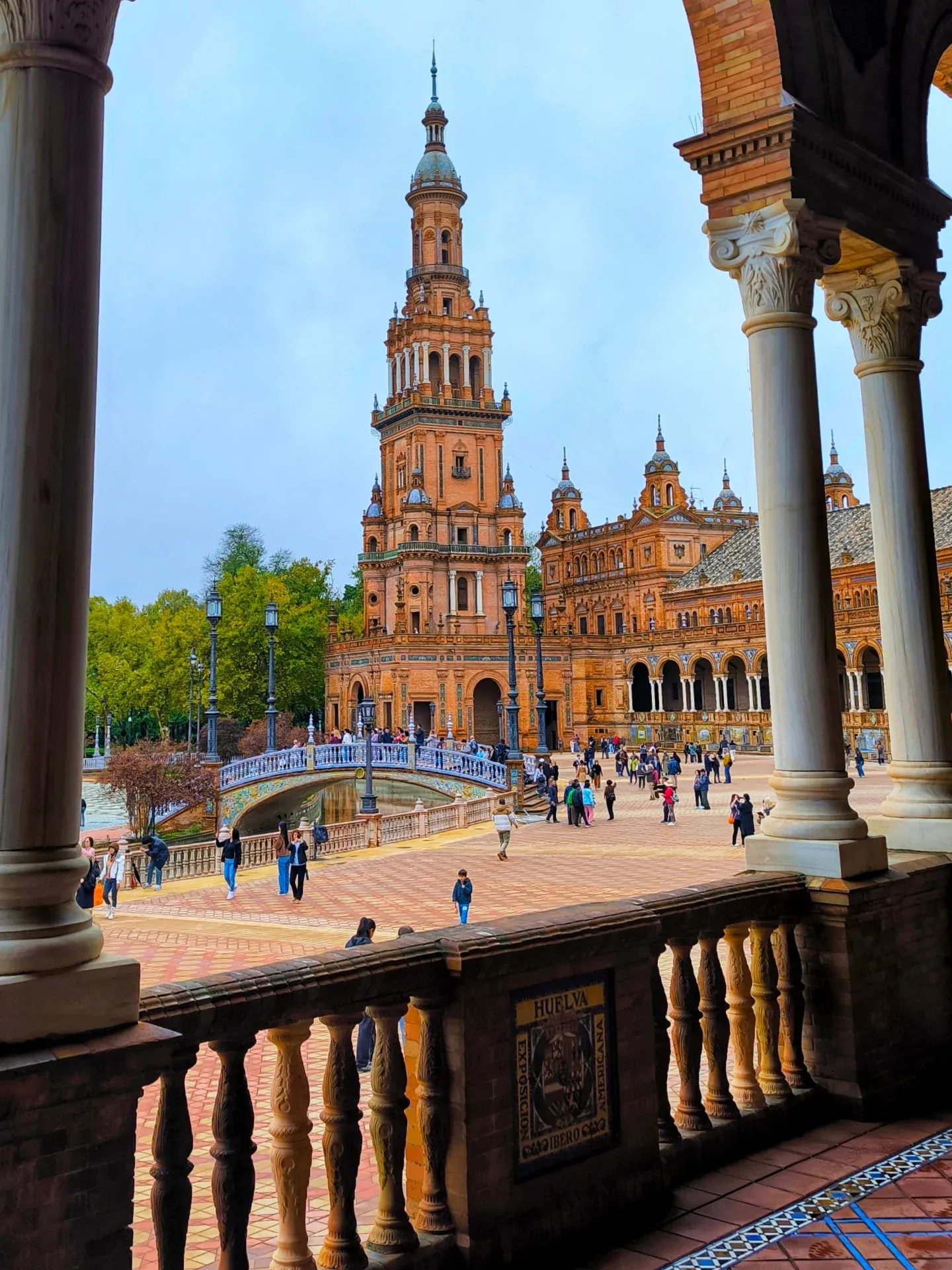
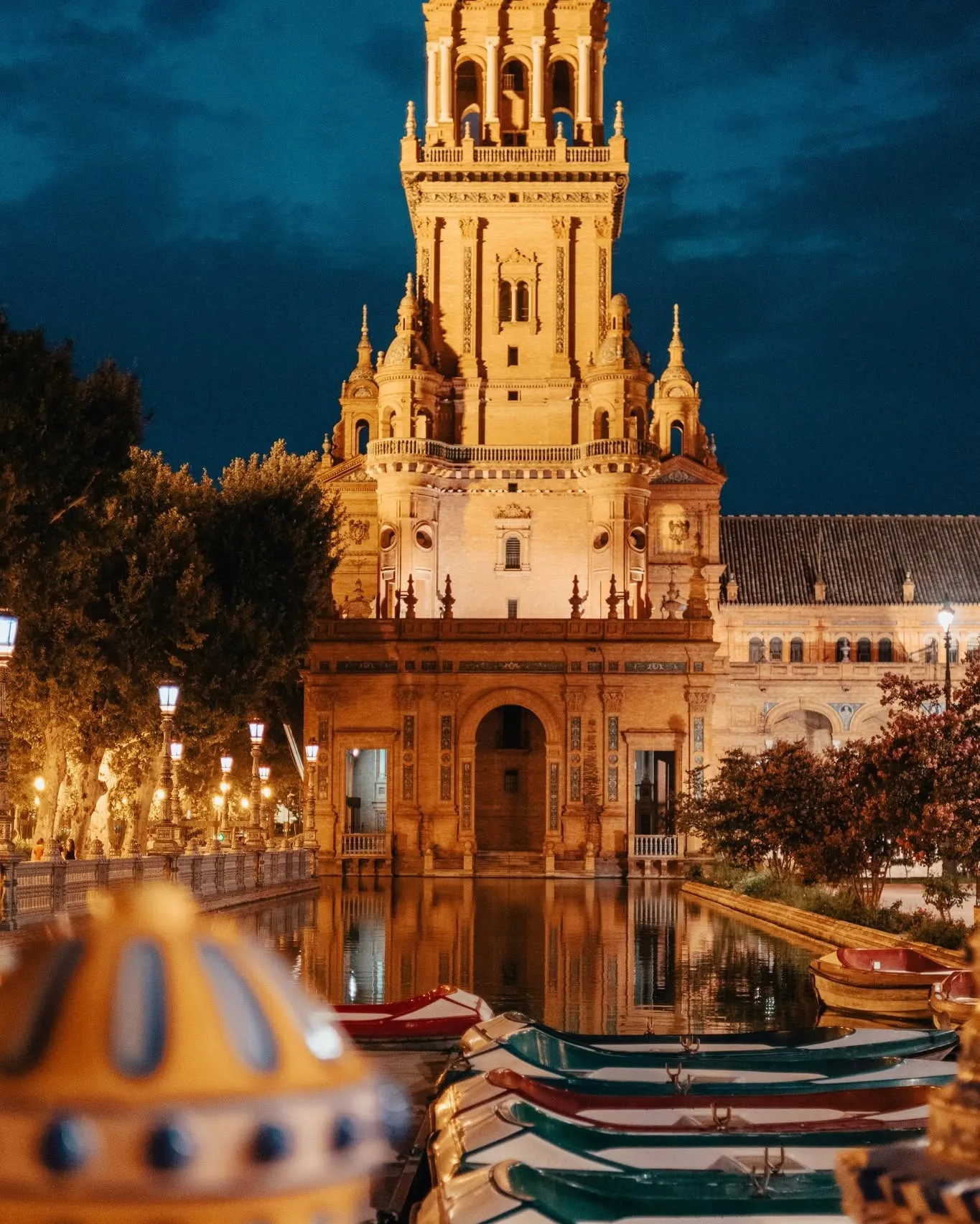
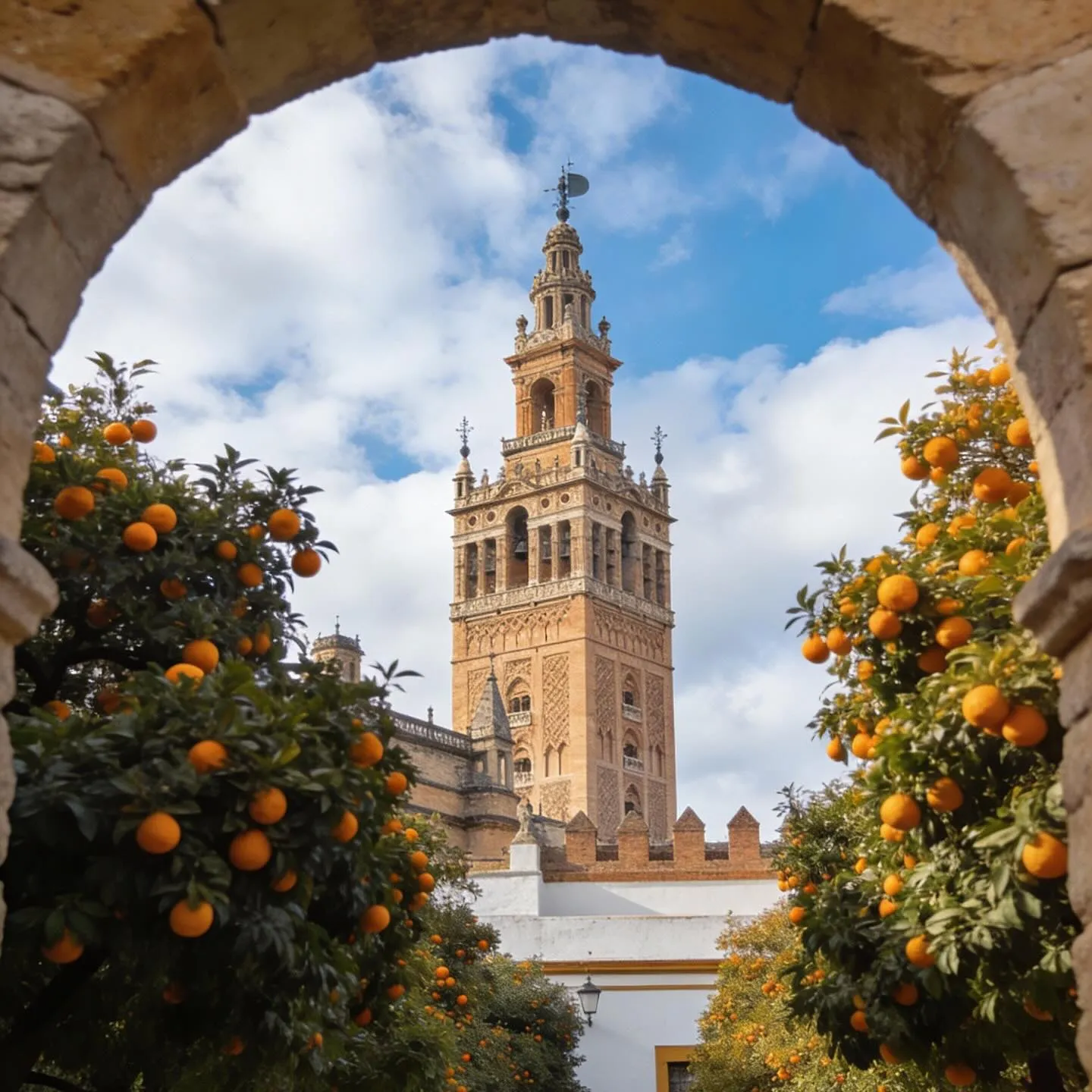
Seville represents southern Spain at its most atmospheric. Flamenco culture, Moorish architecture, and warm winter temperatures make it a standout destination.
It’s best explored slowly, with time for shaded plazas, evening strolls, and traditional tapas.
Valencia
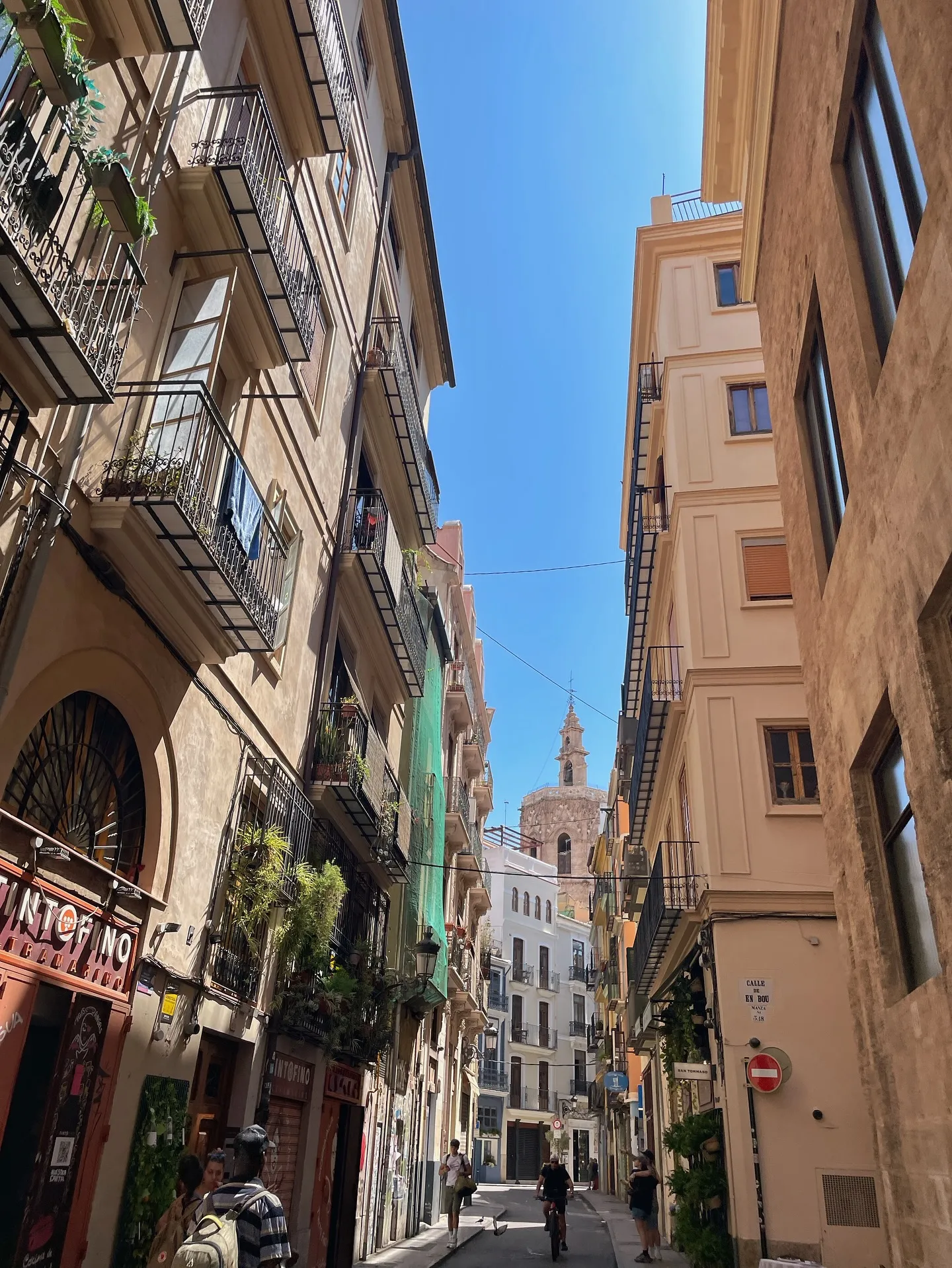
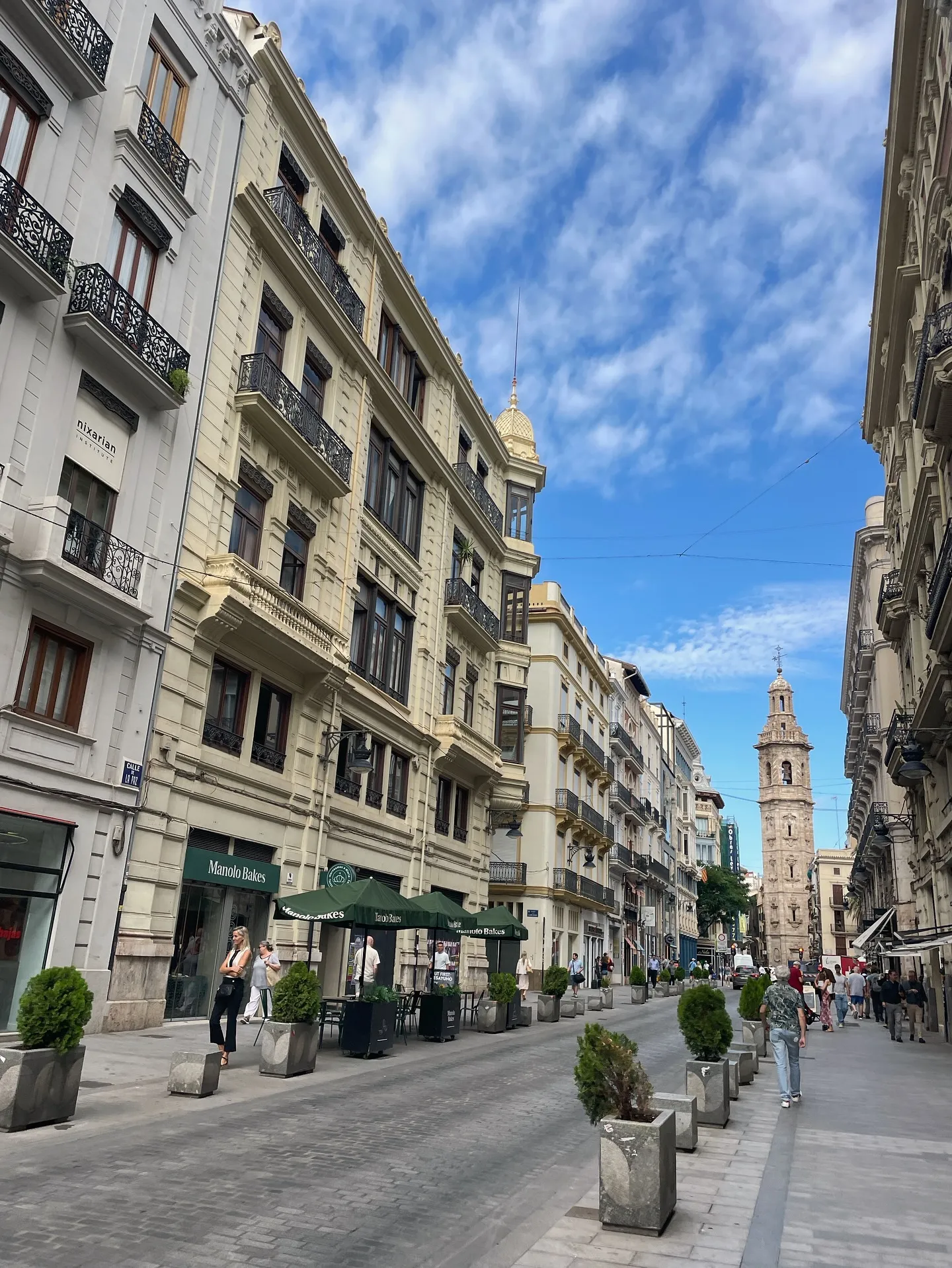
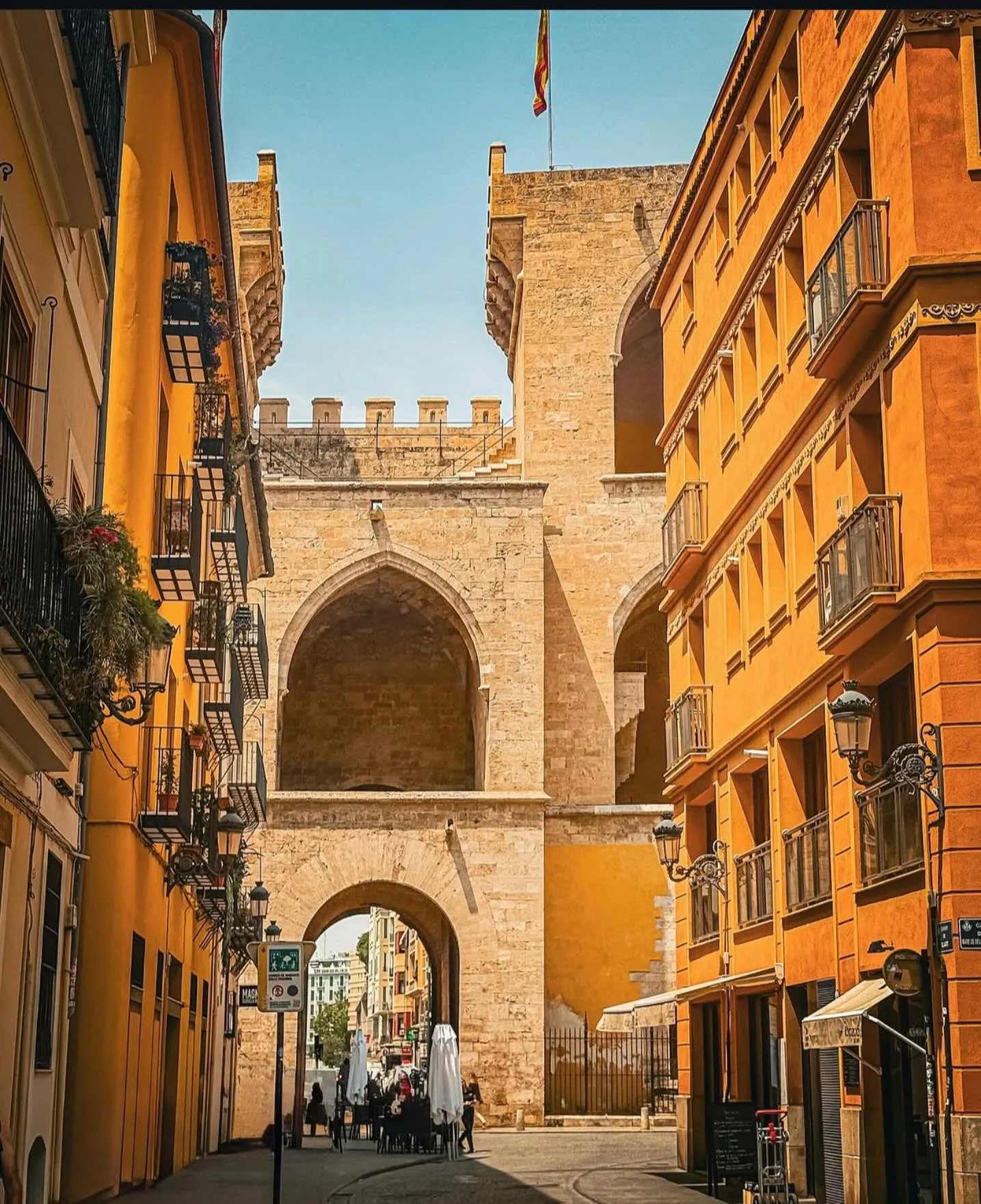
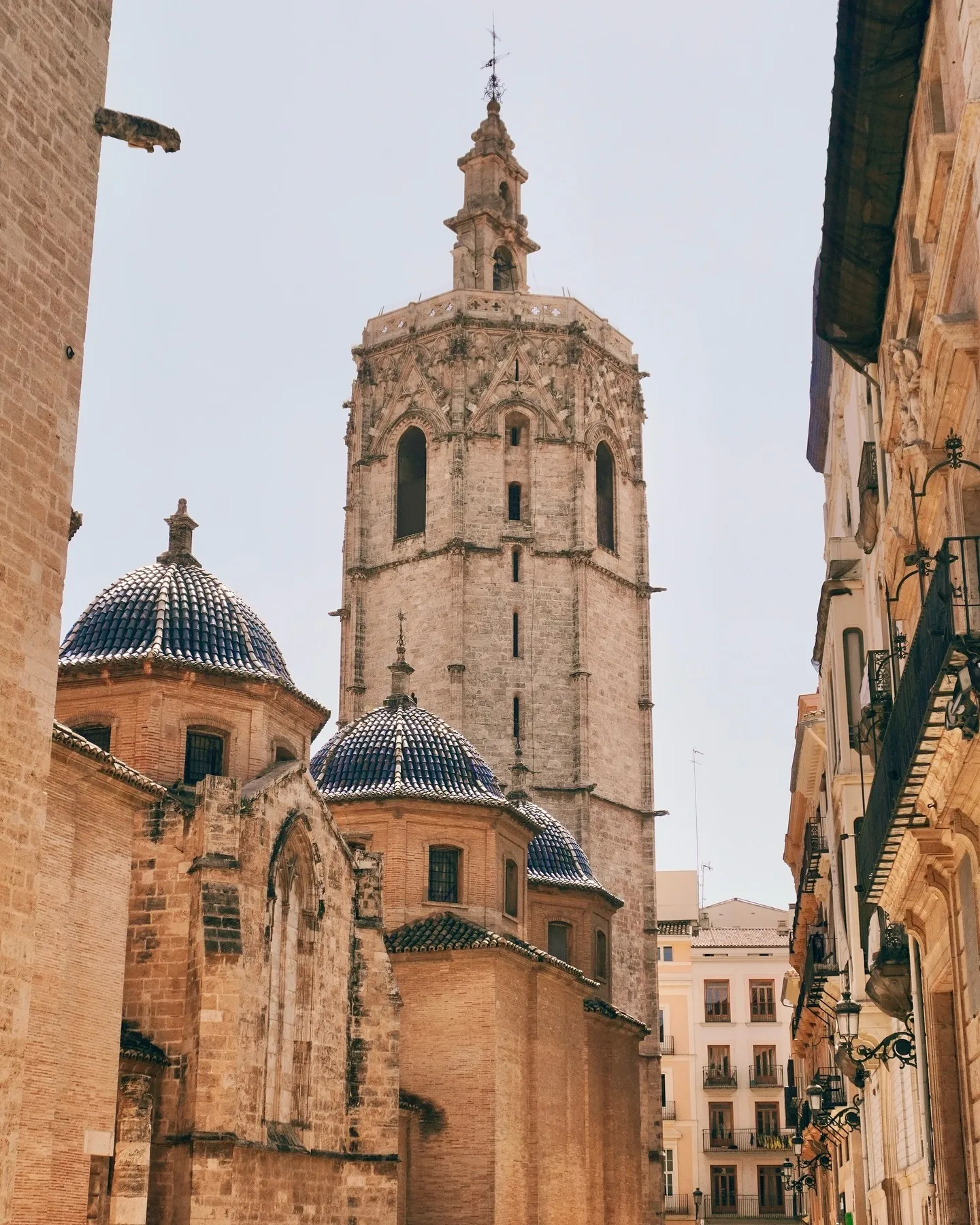
Valencia offers a balance of modern architecture, historic streets, and relaxed coastal living. It’s less crowded than Barcelona but still vibrant, making it a favourite for travellers seeking value.
It’s also the birthplace of paella, best enjoyed in its traditional form near the coast.
Andalusia
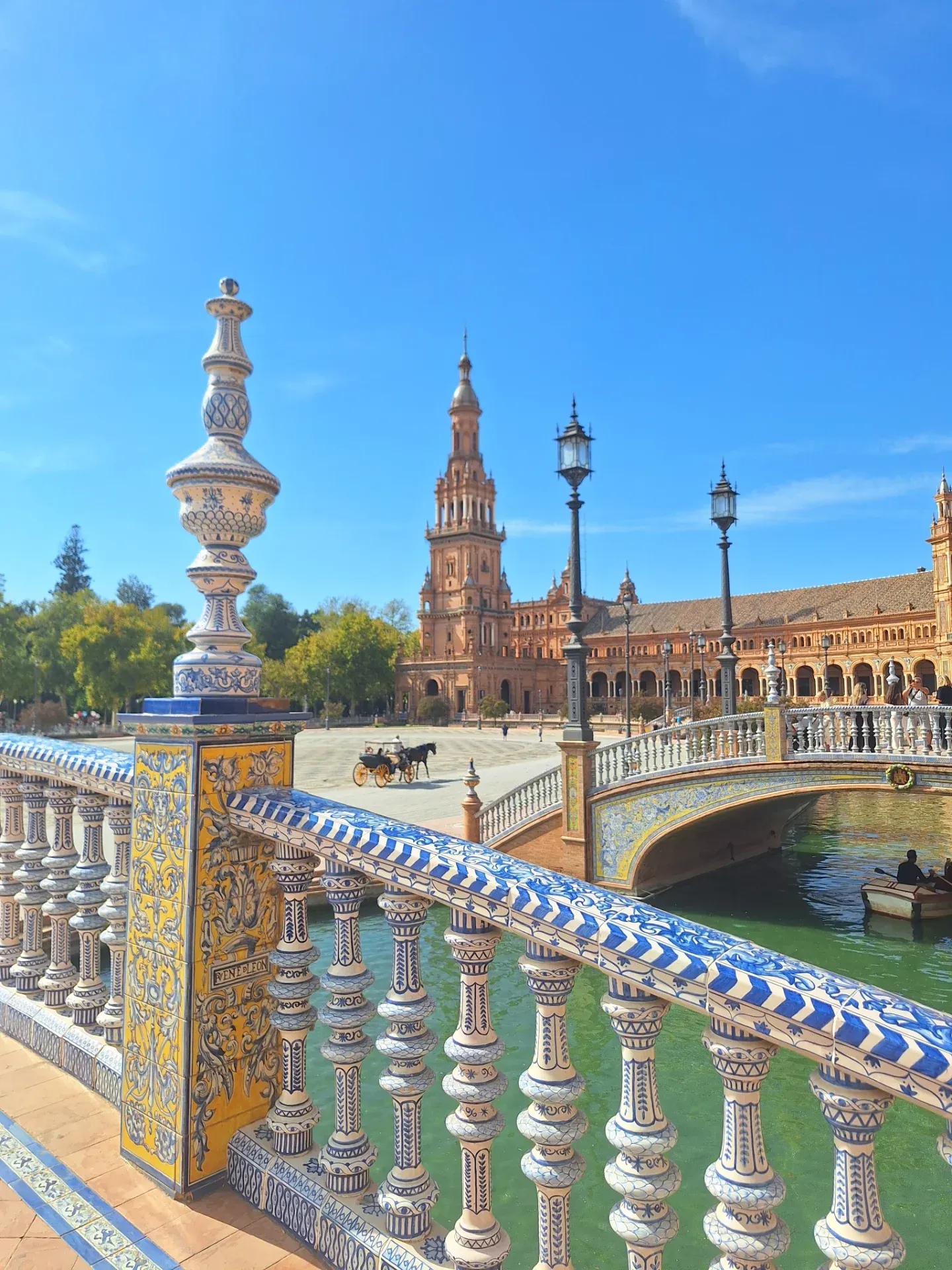
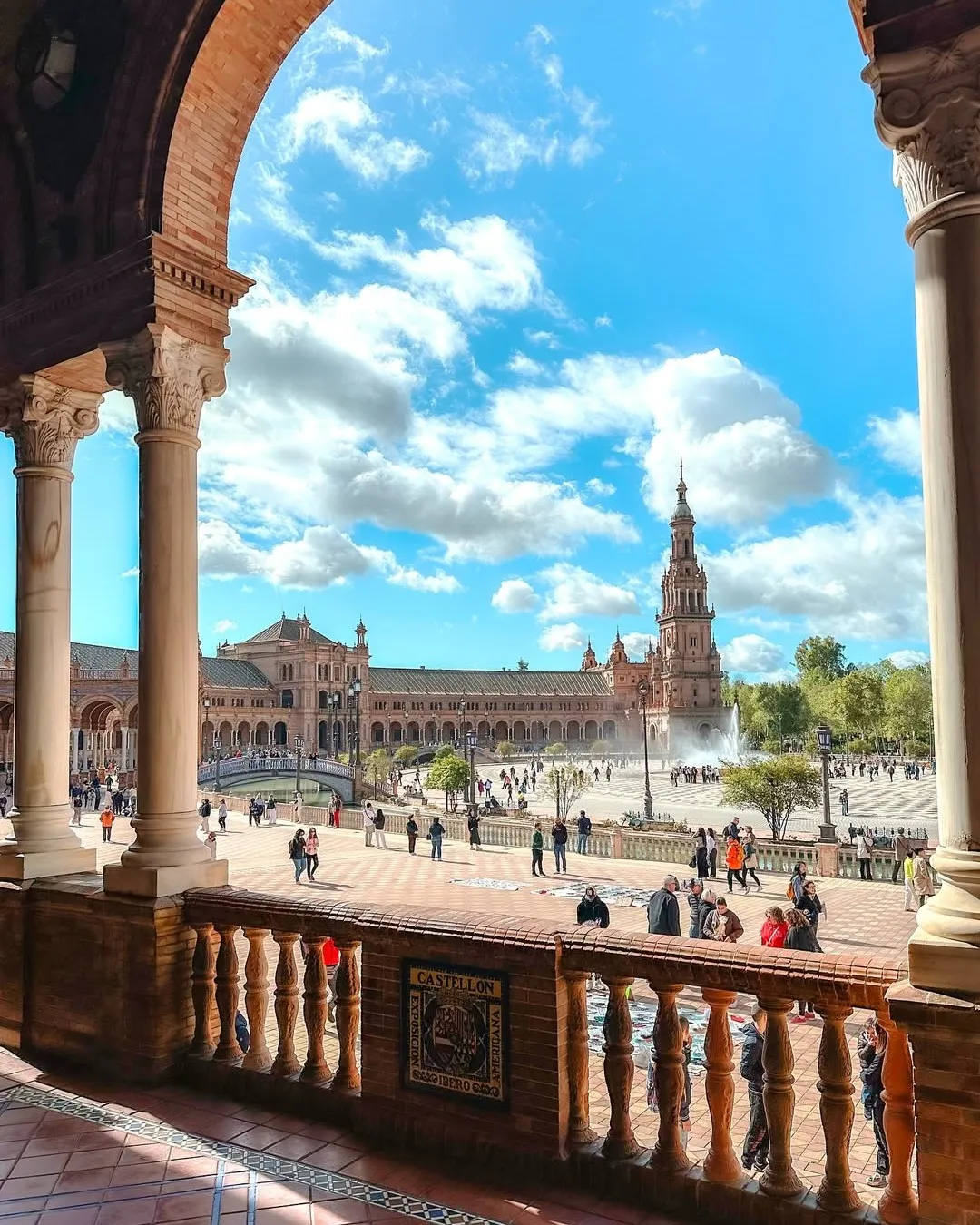
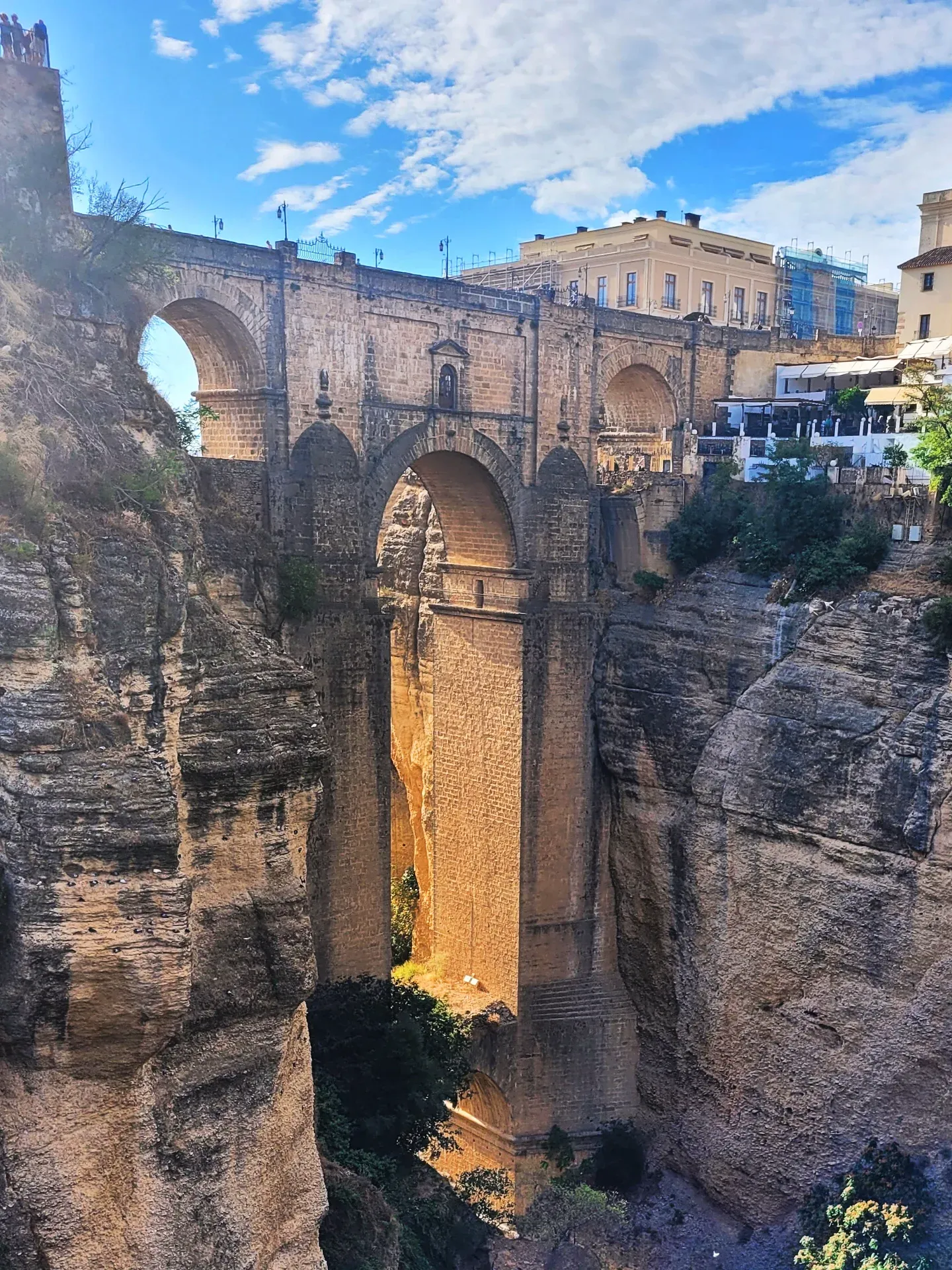
Andalusia delivers white villages, dramatic landscapes, and deep historical layers. From hilltop towns to olive groves and sun-washed cities, the region rewards road trips and longer stays.
Canary Islands
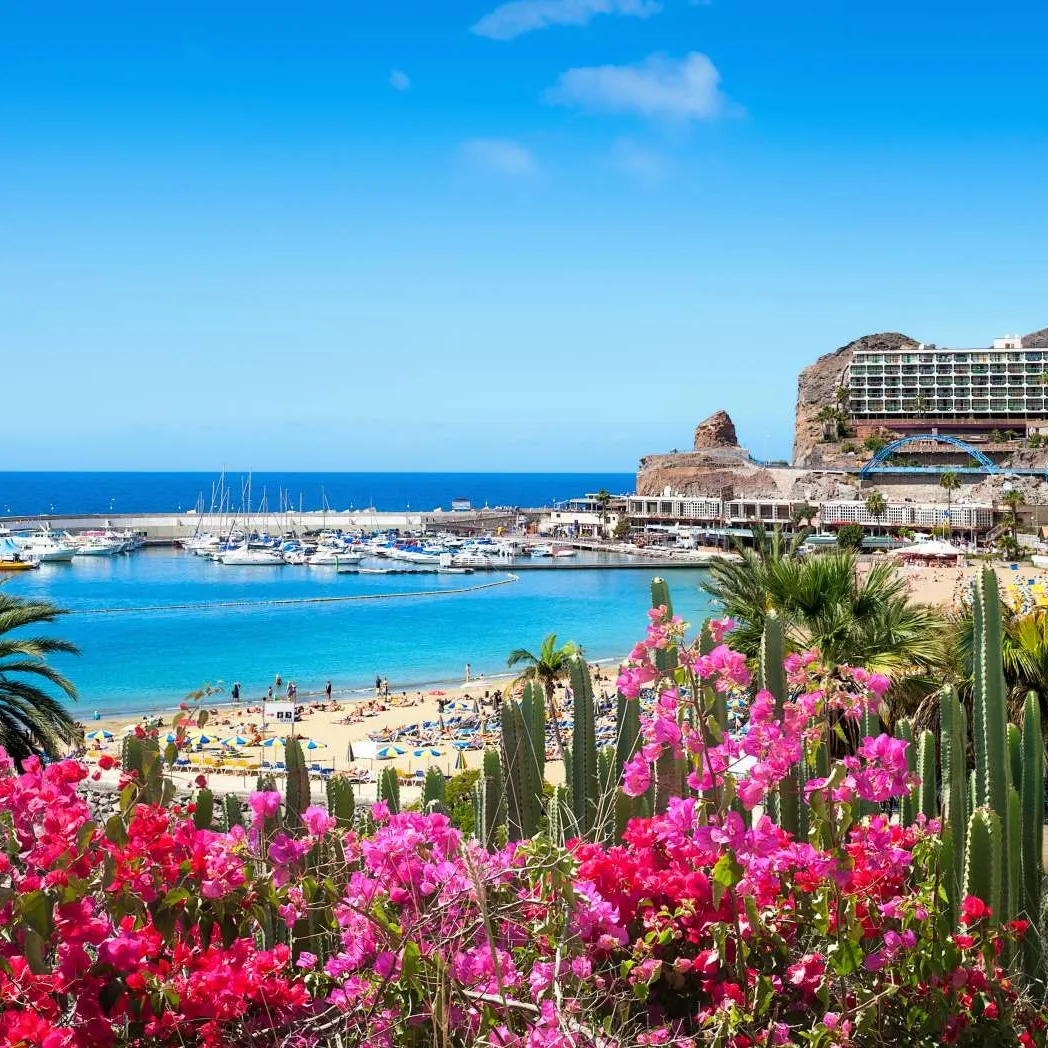
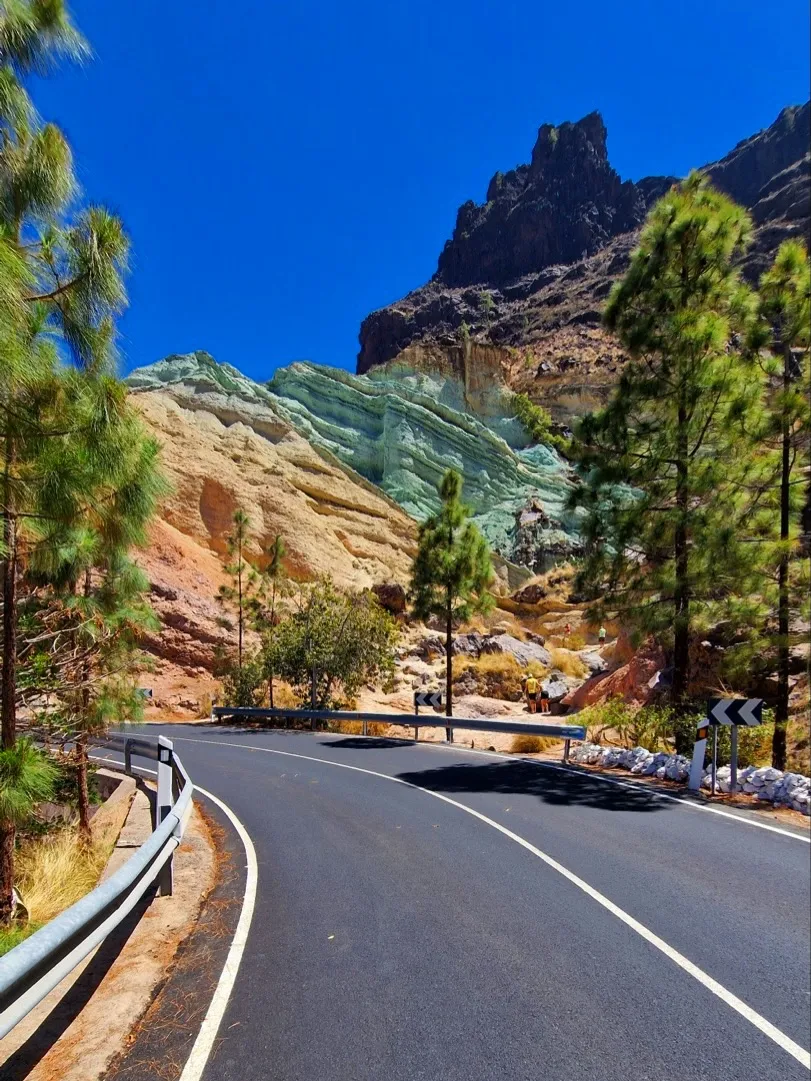
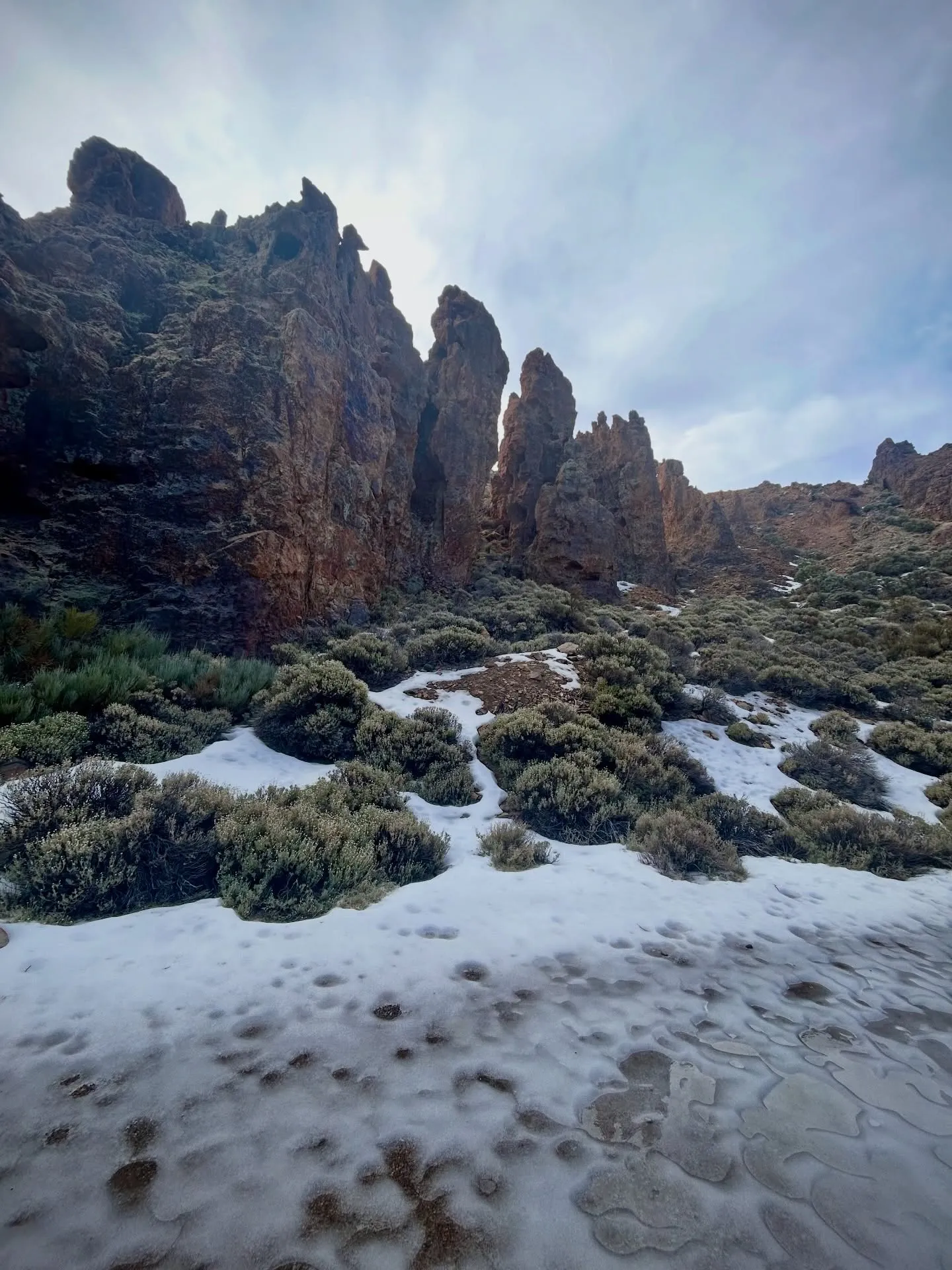

The Canary Islands are Spain’s top winter sun destination. With volcanic landscapes, warm weather year-round, and a slower pace of life, they’re ideal for relaxation and nature-focused travel.
Balearic Islands
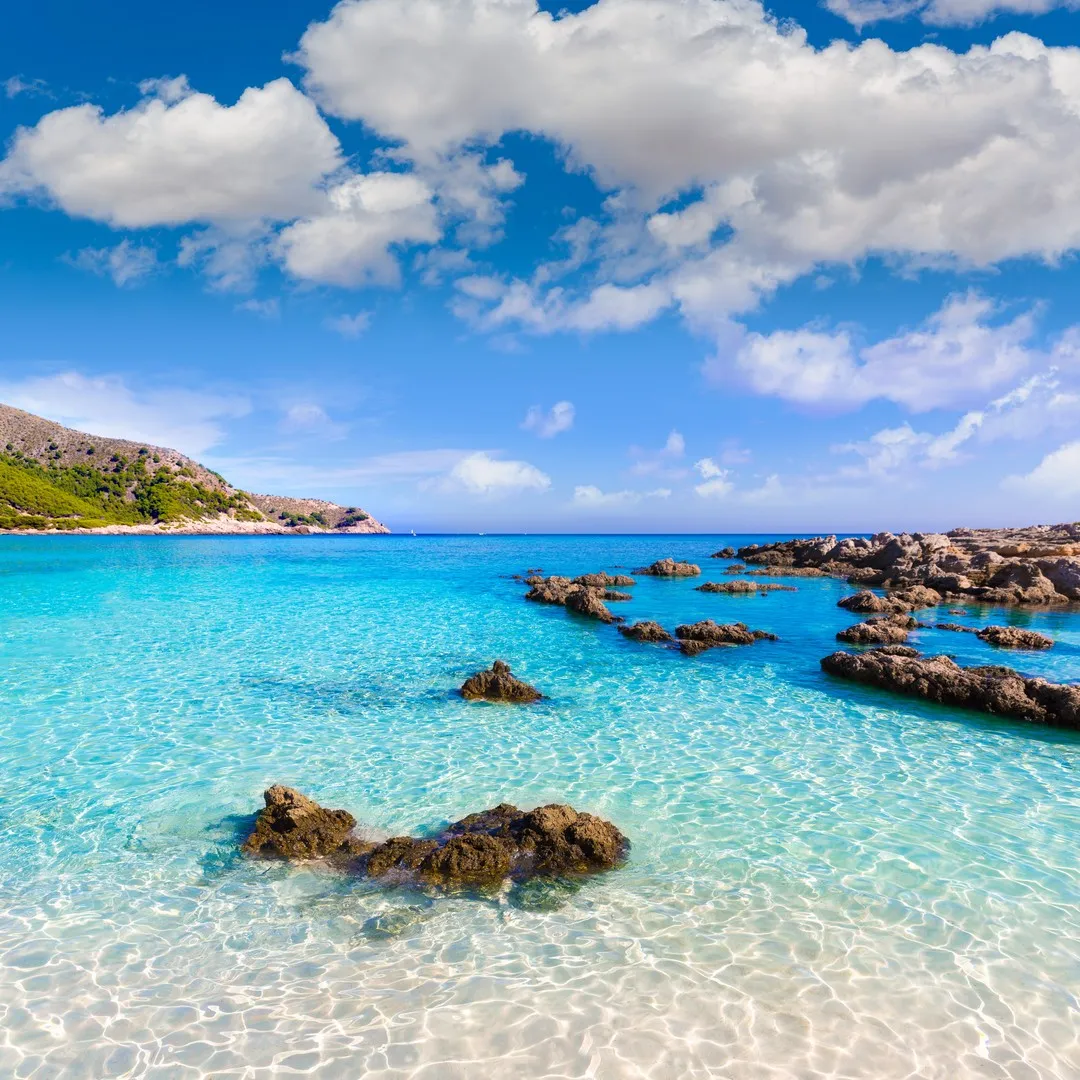
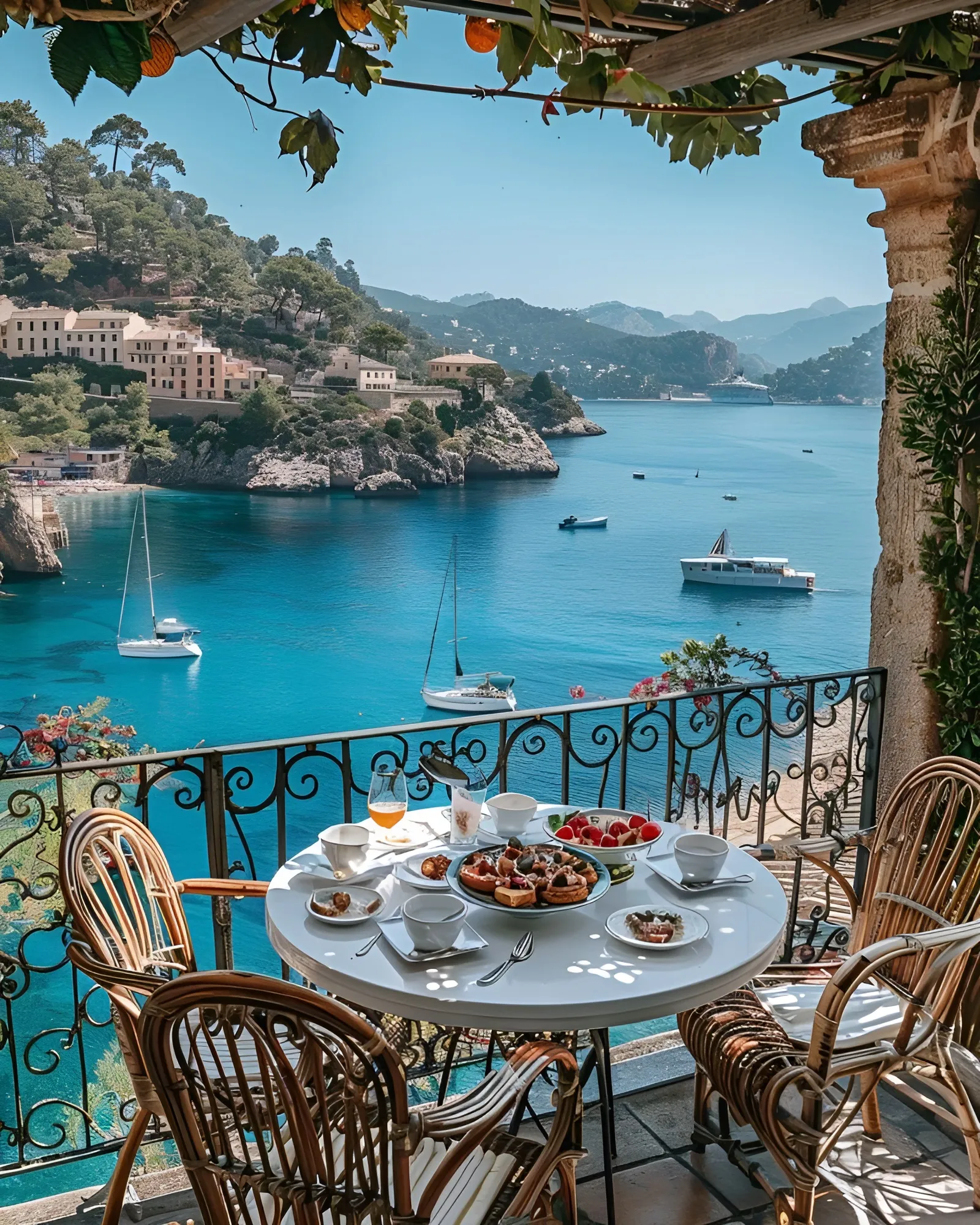
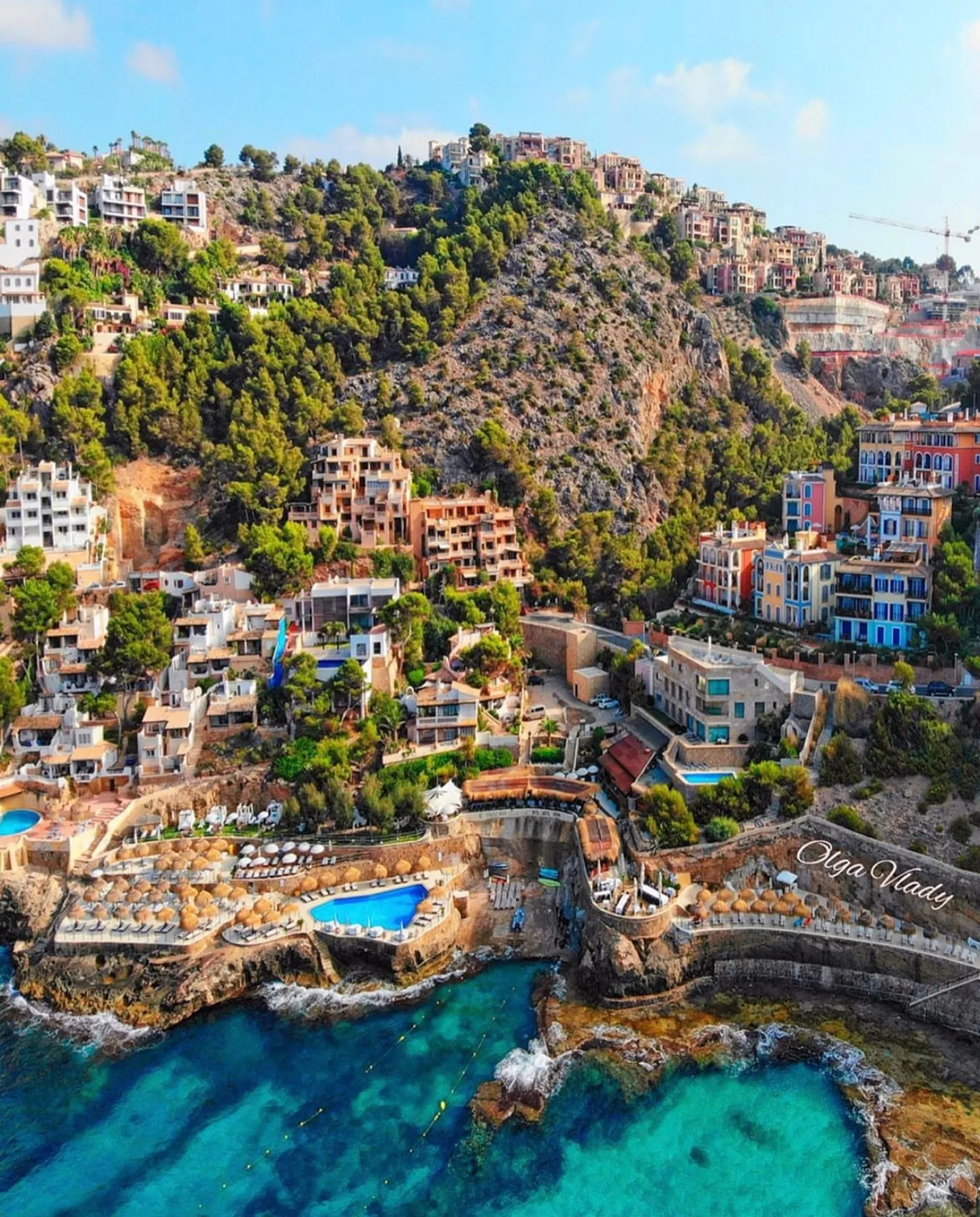
Mallorca, Menorca, and Ibiza offer far more than nightlife. Outside peak summer, these islands are excellent for hiking, coastal walks, and peaceful beach days.
Northern Spain
Northern Spain surprises many travellers with its green landscapes, cooler climate, and strong food culture. Regions like the Basque Country and Galicia are especially rewarding for culinary travel.
Hidden Gems in Spain: Beaches, Towns & Local Experiences
Some of Spain’s most memorable experiences lie just beyond the busiest tourist areas. Choosing quieter bases often leads to better value, calmer days, and a more authentic feel.
Quiet & Scenic Beaches

Playa de Bolonia
Located near Tarifa, this wide sandy beach remains surprisingly peaceful. Natural dunes, shallow water, and nearby Roman ruins create a relaxed atmosphere.
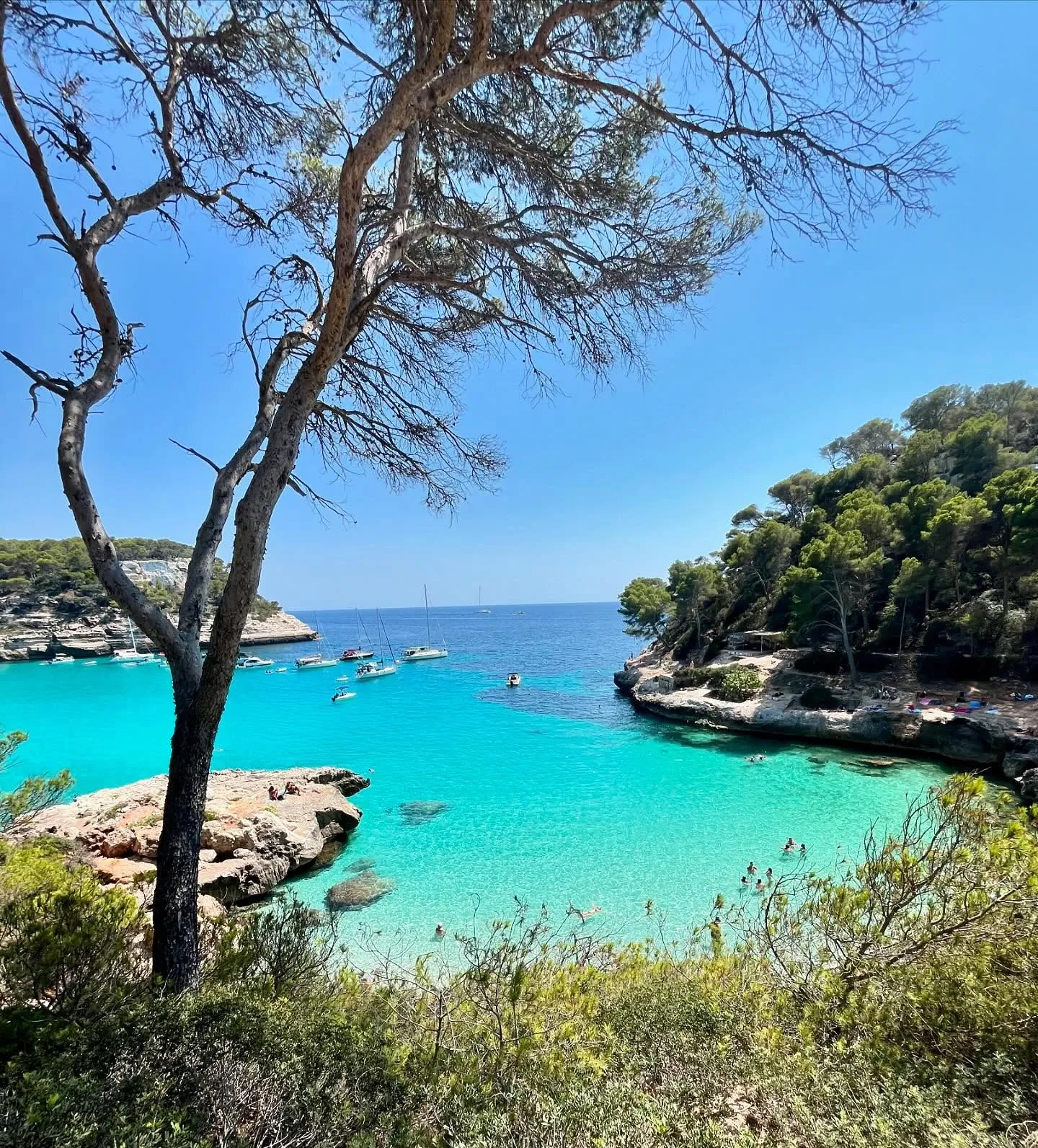
Cala Mitjana
A turquoise cove framed by pine trees, ideal for swimming and snorkelling. A short walk keeps crowds manageable.
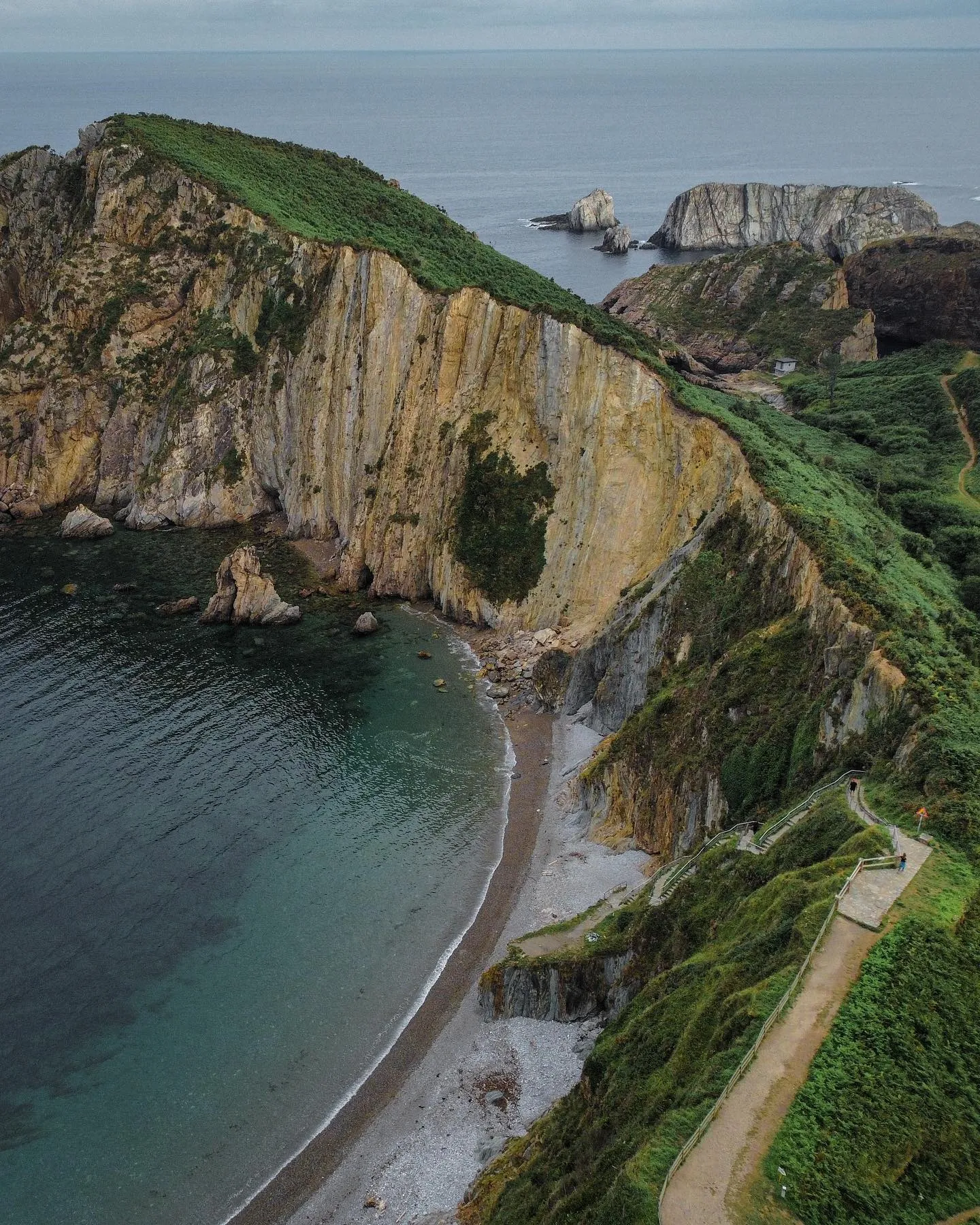
Playa del Silencio
A dramatic northern beach surrounded by cliffs and greenery, perfect for travellers seeking scenery over sunbeds.
Underrated Towns to Stay In
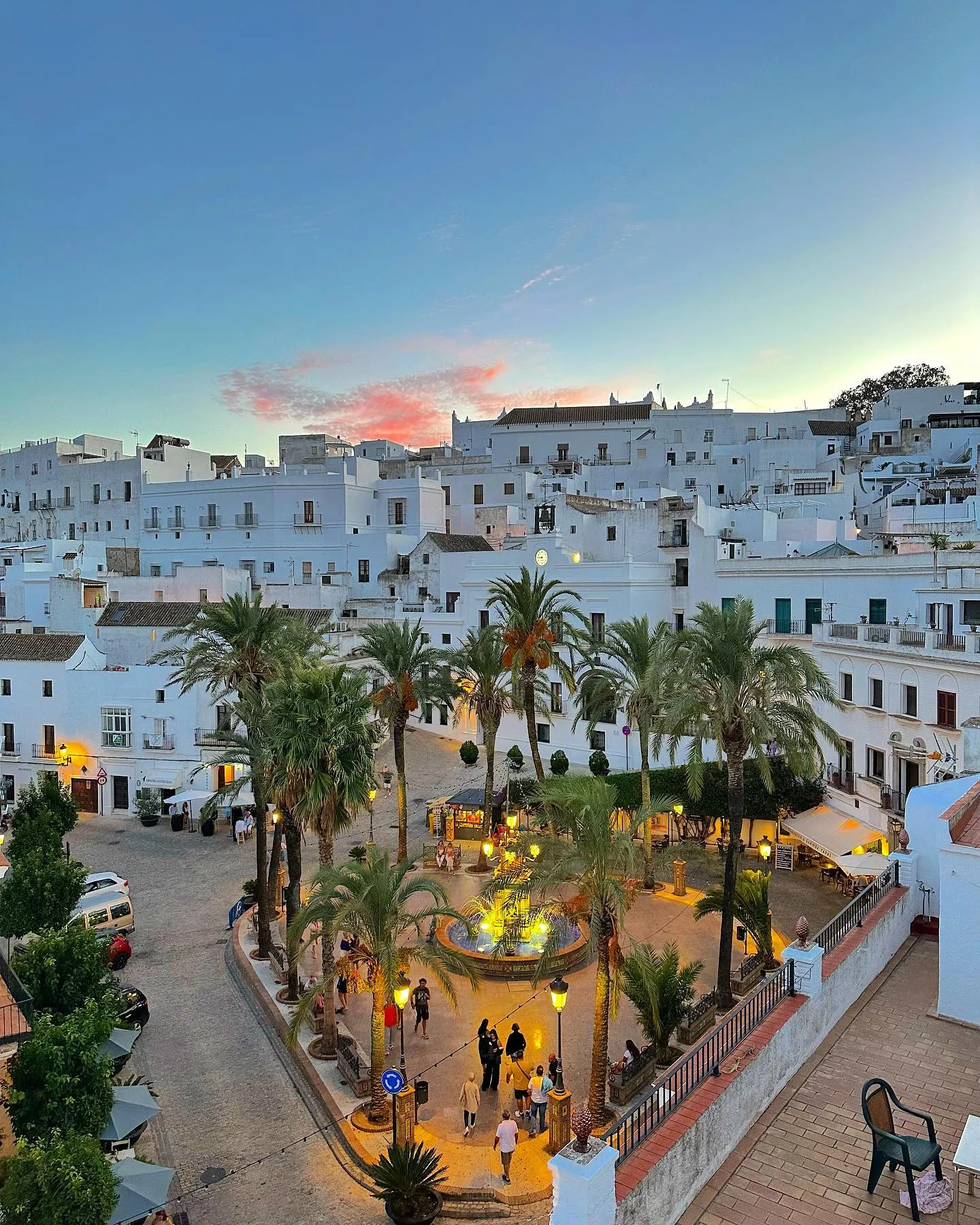
Vejer de la Frontera
A hilltop town near beautiful beaches, offering calm surroundings and better accommodation value than coastal resorts.
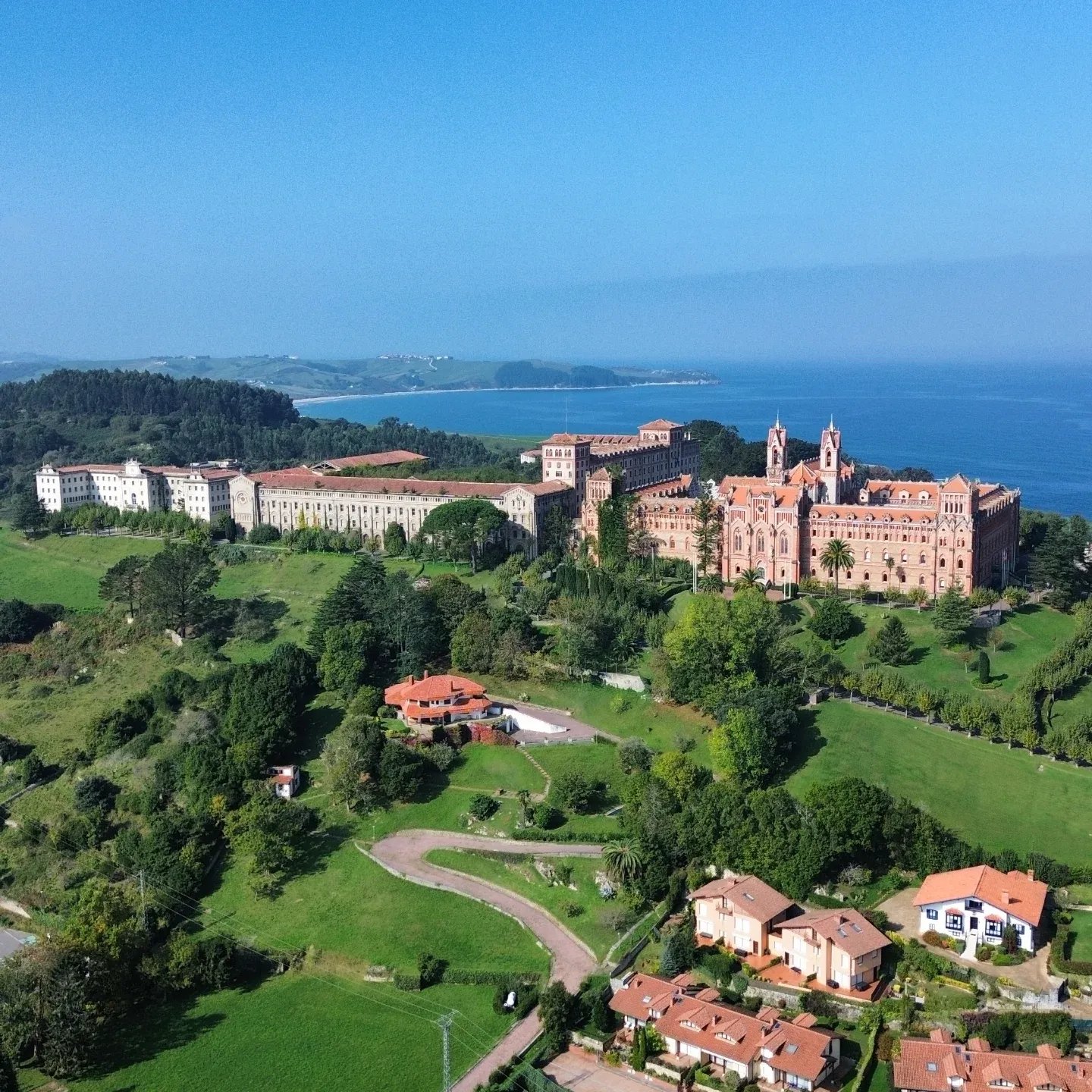
Comillas
A small northern town with beaches, architecture, and a strong local feel, especially pleasant in summer.
Sitges
Close to Barcelona but far calmer, Sitges offers beaches, good dining, and fast train connections to the city.
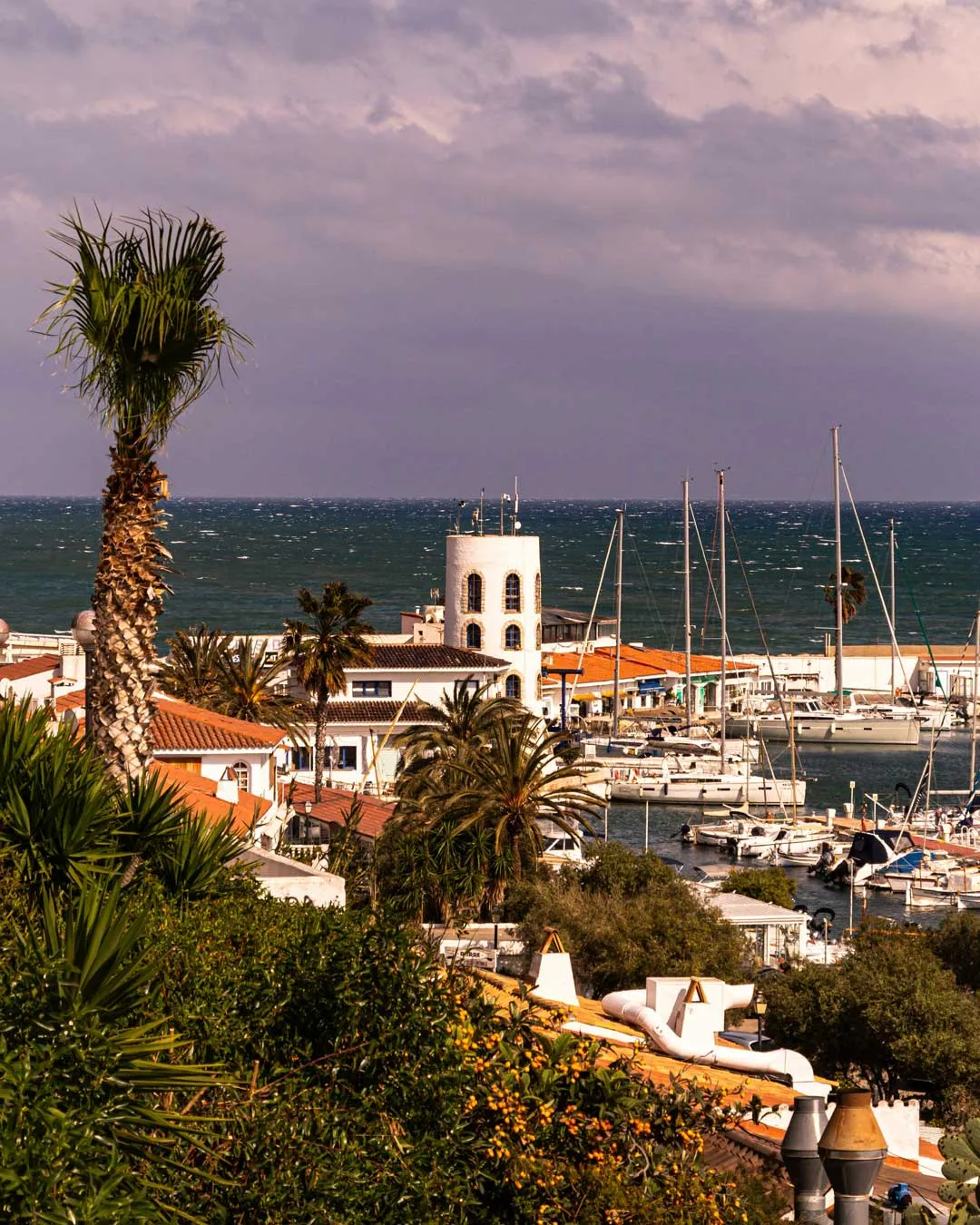
Everyday Food Experiences Locals Love
Some of Spain’s best food experiences are simple and affordable.
- Menu del día lunches offer excellent value and insight into local eating habits
- Family-run tapas bars in smaller towns often focus on a few dishes done exceptionally well
- Local bakeries are ideal for breakfasts, snacks, and travel days
Eating like locals not only saves money but also makes travel feel more grounded and enjoyable.
Things to Do & Travel Experiences in Spain
Spain is built around lifestyle and shared experiences rather than ticking off attractions.
Popular activities include:
- Tapas crawls and food tours
- Flamenco performances
- Historic walking tours
- Island hopping
- Scenic train journeys
- Local markets and festivals
Travellers who slow down and embrace daily rhythms often enjoy Spain the most.
Solo Travel in Spain
Spain is one of Europe’s easiest and safest countries for solo travellers.
Why solo travellers love Spain:
- Strong public transport
- Social dining culture
- Affordable accommodation options
- Walkable cities
- Safe, relaxed atmosphere
Basic precautions in busy tourist areas are enough for most travellers.
Costs & Budget Tips
Spain offers excellent value compared to many Western European destinations.
Average Daily Costs
- Budget travel: €50–80
- Mid-range travel: €100–160
- Higher-end travel: €200+
Ways to Save Money
- Travel in spring or autumn
- Eat where locals eat
- Use trains and buses instead of taxis
- Stay just outside city centres
- Book popular attractions in advance
What to Pack for Spain
Packing depends on season and region, but flexibility is key.
Essentials include:
- Comfortable walking shoes
- Lightweight, breathable clothing
- Layers for evenings
- A small daypack or crossbody bag
- Reusable water bottle
A lightweight jacket is useful year-round, especially in spring, autumn, and evenings.
Getting Around Spain
Spain has one of Europe’s best transport networks.
- High-speed trains connect major cities efficiently
- Buses offer excellent coverage for smaller towns
- Car rental is useful for rural regions but unnecessary in cities
Most travellers can comfortably explore Spain without driving.
Practical Travel Tips
- Language: Spanish is the main language; English is widely spoken in tourist areas
- Tipping: Not expected, but appreciated
- Meal times: Dinner usually starts late
- Shops: Some close mid-afternoon
- Water: Tap water is safe to drink
Spain Travel FAQ
Is Spain safe to visit?
Yes. Spain is one of Europe’s safest travel destinations.
Is Spain good for winter travel?
Absolutely. Southern Spain and the Canary Islands are ideal for winter sun.
Is Spain good for solo travellers?
Yes. It’s social, affordable, and easy to navigate alone.
How long should I stay?
7–10 days for a first trip, longer for regional exploration.
Is Spain expensive?
Spain is generally affordable compared to many European countries.
Final Thoughts
Spain offers a rare balance of culture, climate, affordability, and lifestyle. Whether you’re wandering historic streets, enjoying long lunches, or watching the sunset from a quiet beach, Spain delivers memorable experiences without feeling complicated or overwhelming.
As a cornerstone destination, Spain strengthens your site’s authority, offers year-round relevance, and meets multiple search intents in a single, well-structured guide.