Ireland Travel Guide: Everything You Need for Your Dream Trip
Ireland is one of the most beautiful and varied countries in Europe. It’s a place that feels like stepping into a storybook, with colorful cities, remote coastal cliffs, emerald-green landscapes, and castles that have been around for hundreds of years. This guide has everything you need to plan your trip to Ireland, whether it’s your first time or you’re going back for the second time. It includes information on destinations, travel tips, food, itineraries, and hidden gems.
Why Visit Ireland Beyond the Usual Spots?
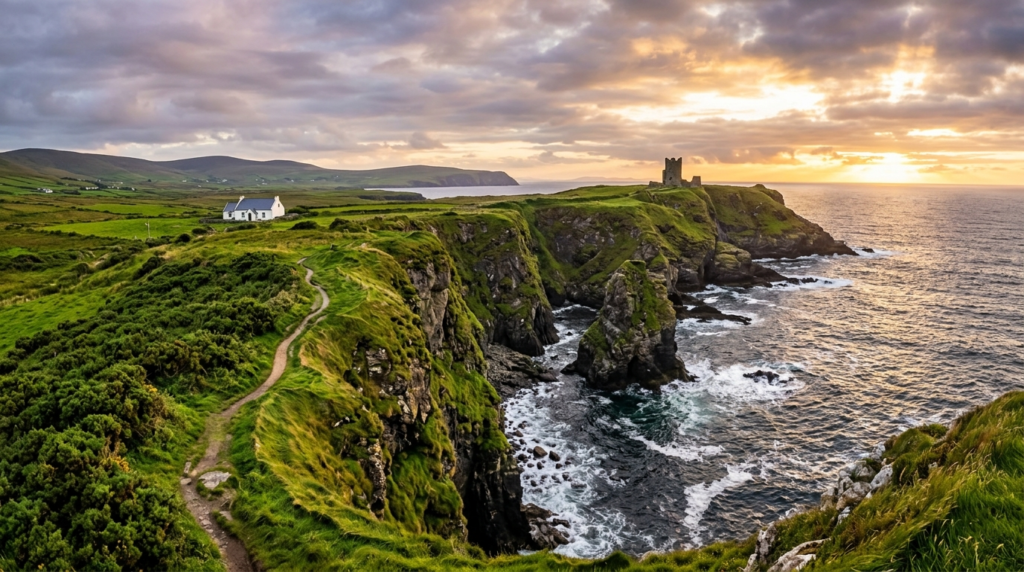
Dublin and the Cliffs of Moher are not the only things to see in Ireland. You can learn more about a place’s culture, landscapes, and people by visiting hidden towns, taking scenic drives, and doing things that are unique to that place. There are fewer people, more real experiences, and beautiful nature just off the main tourist paths.
For postcard-perfect charm, explore these magical Irish villages where time slows and every corner feels enchanted.
Recommended Travel Items for Your Trip
Top Destinations in Ireland
1. Dublin – The Vibrant Capital
Dublin has a rich history, a vibrant culture, and a lively city scene. Don’t forget:
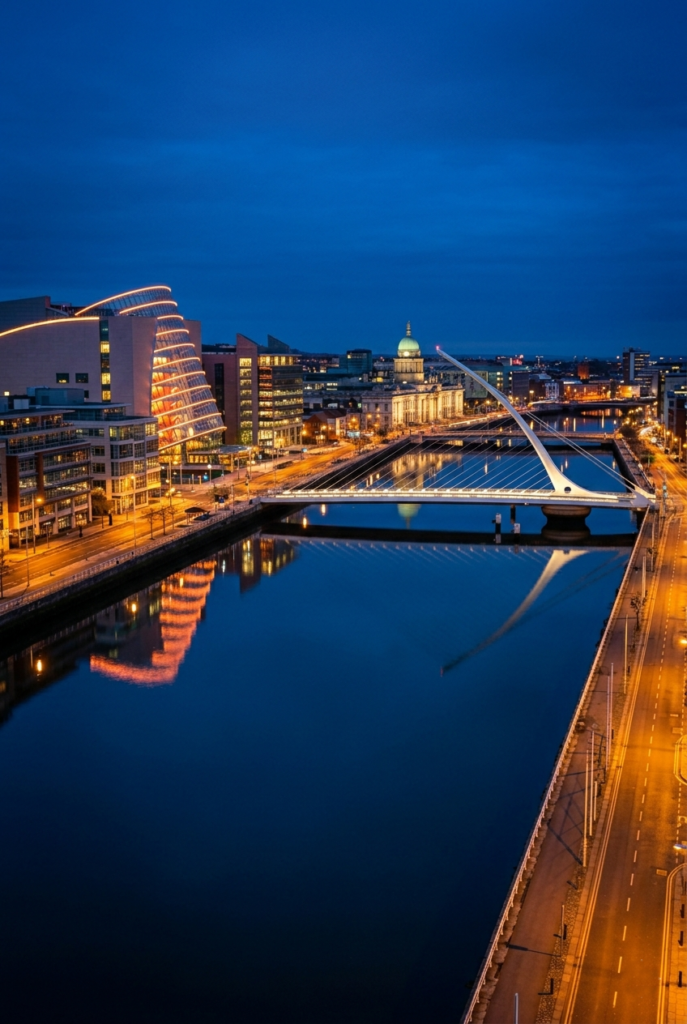
- The Book of Kells and Trinity College
- Phoenix Park is a green getaway.
Travel tips: If you’re in central Dublin, the best way to get around is on foot or by bike. Use public transportation to get to the outer neighborhoods. The best time to visit is from spring to fall.
2. Galway – Coastal Culture
People know Galway for its artsy atmosphere, bright streets, and busy markets.
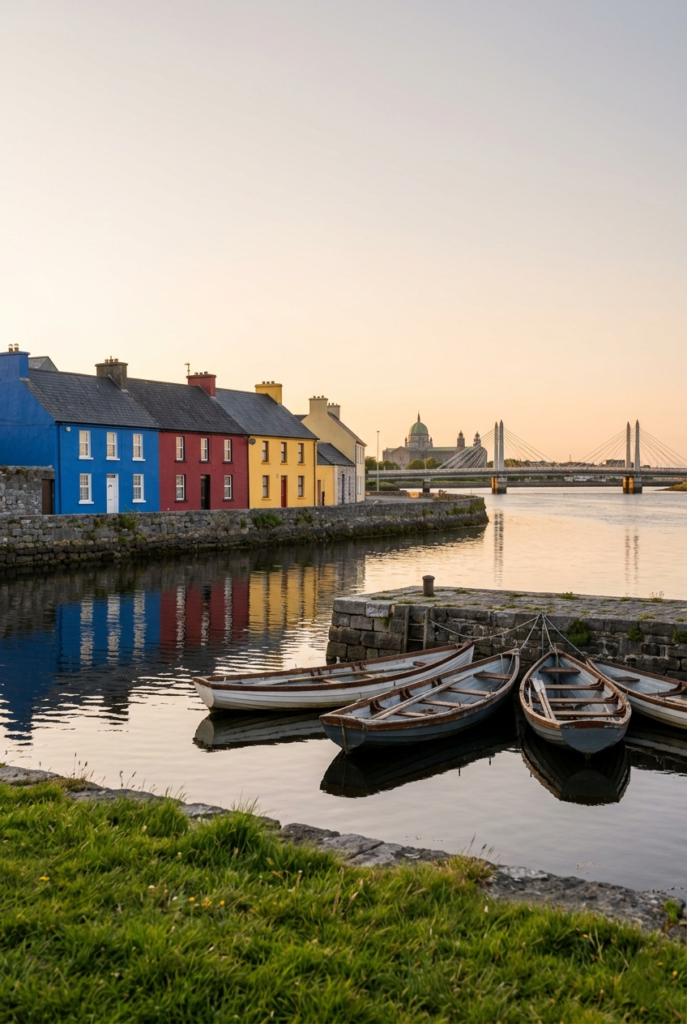
- Visit the Latin Quarter
- Walk along the Salthill Promenade
Travel tip: You can get to Galway from Dublin by train (about 2.5–3 hours) or by car. Festivals and street performances are best in the summer.
3. Wild Atlantic Way – Scenic Coastal Route
This road trip along the coast of Ireland is the best one. It goes more than 2,500 km.
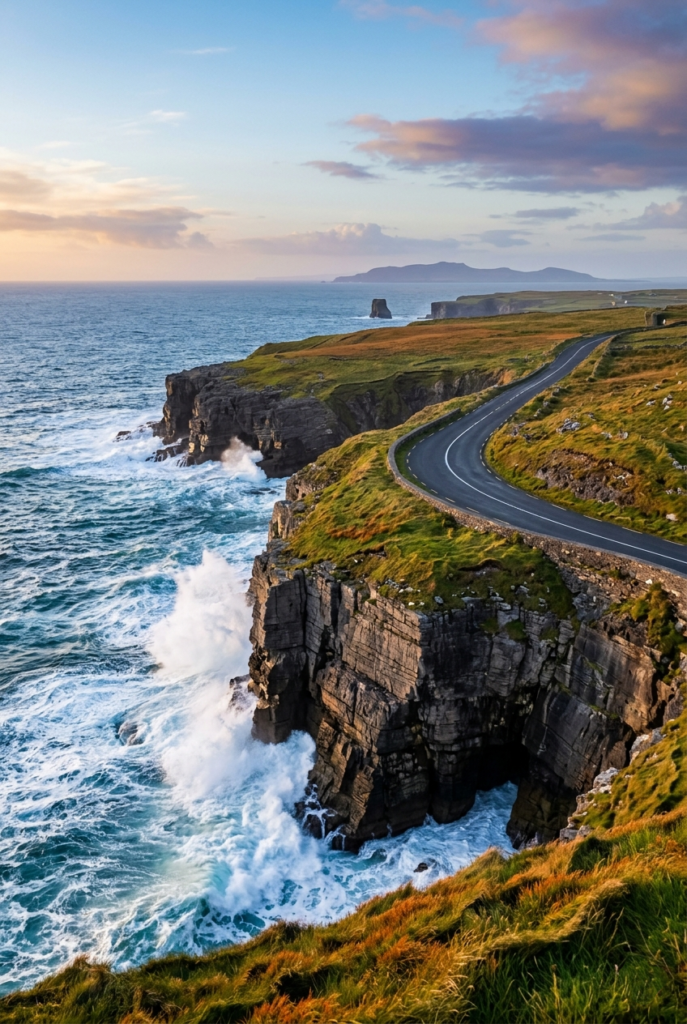
- Cliffs of Moher: famous cliffs with paths for walking
- Dingle Peninsula: beautiful towns and a rough coastline
- Achill Island: beaches and hiking trails that are hard to get to
Travel tip: Rent a car so you can be flexible. The weather is best from spring to early fall.
If rugged coastlines call your name, this west Ireland travel guide will lead you through windswept cliffs and wild Atlantic beauty.
4. Killarney National Park – Nature and Adventure
Killarney has a lot of green space, lakes, and castles. Some of the best parts are:
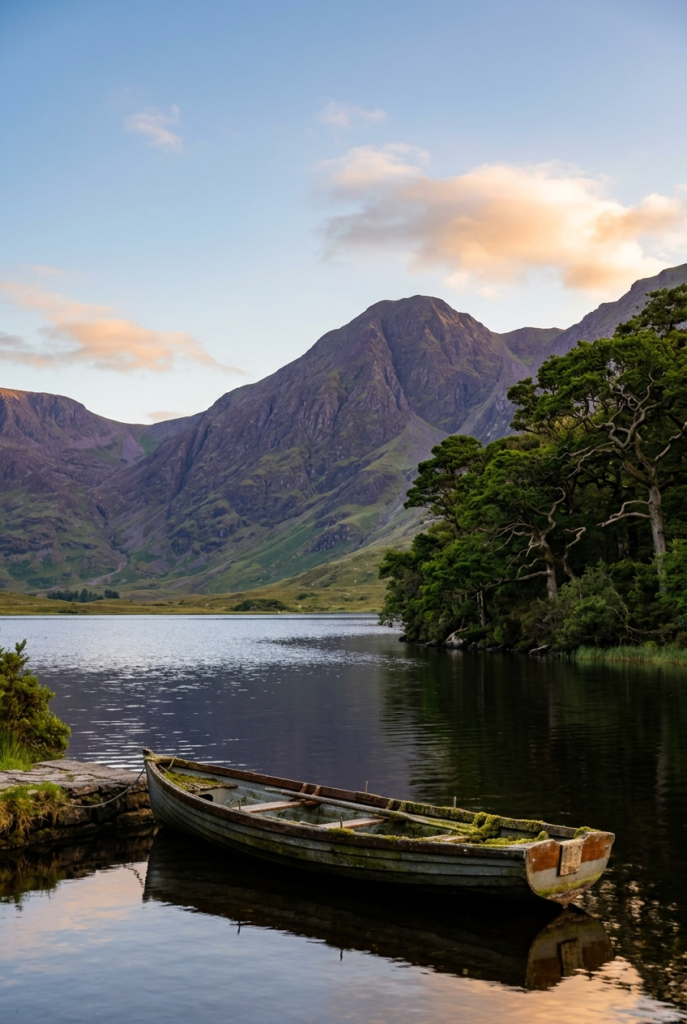
- Muckross House and Gardens
- The Torc Waterfall
- Paths for hiking and biking
Travel tip: It’s easiest to get around by car, and there are guided tours. The weather is great for outdoor activities in the summer.
5. Belfast & Northern Ireland
Belfast has a mix of history, murals, and modern attractions.
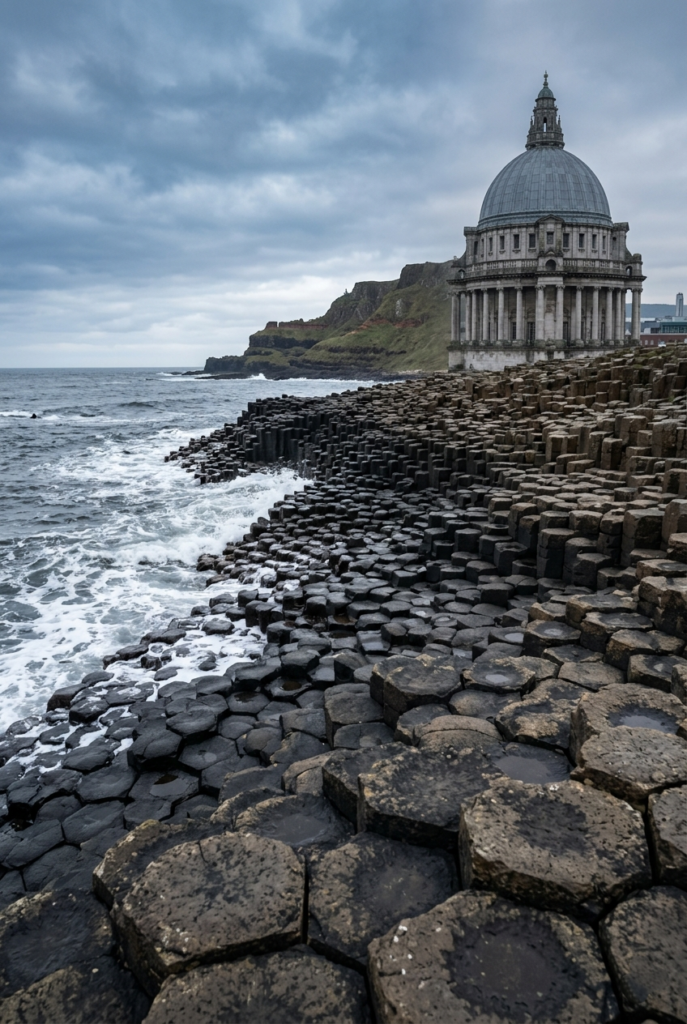
- Museum of the Titanic in Belfast
- Murals and peace walls
- Nearby is the Causeway Coast, which has the Giant’s Causeway and the Carrick-a-Rede Rope Bridge.
Travel tip: If you’re going to Belfast, you can get there by train from Dublin in about two hours. The weather is better for exploring the northern coast in the spring and summer.
Want a stress-free adventure? Discover why travelers love Ireland tours Globus for a seamless and immersive journey.
6. Hidden Gems
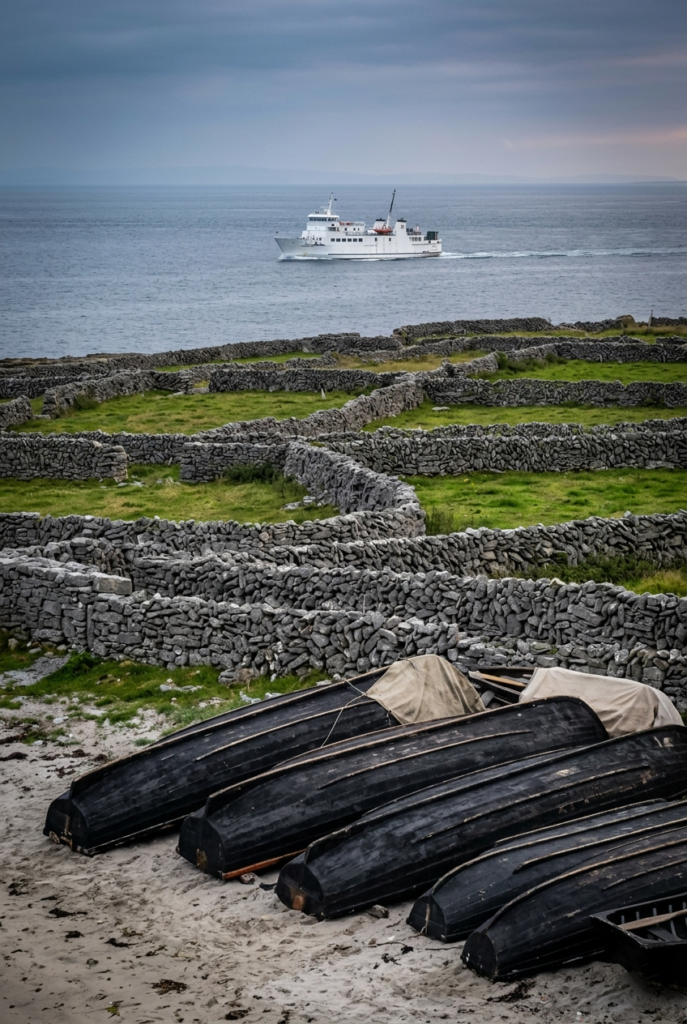
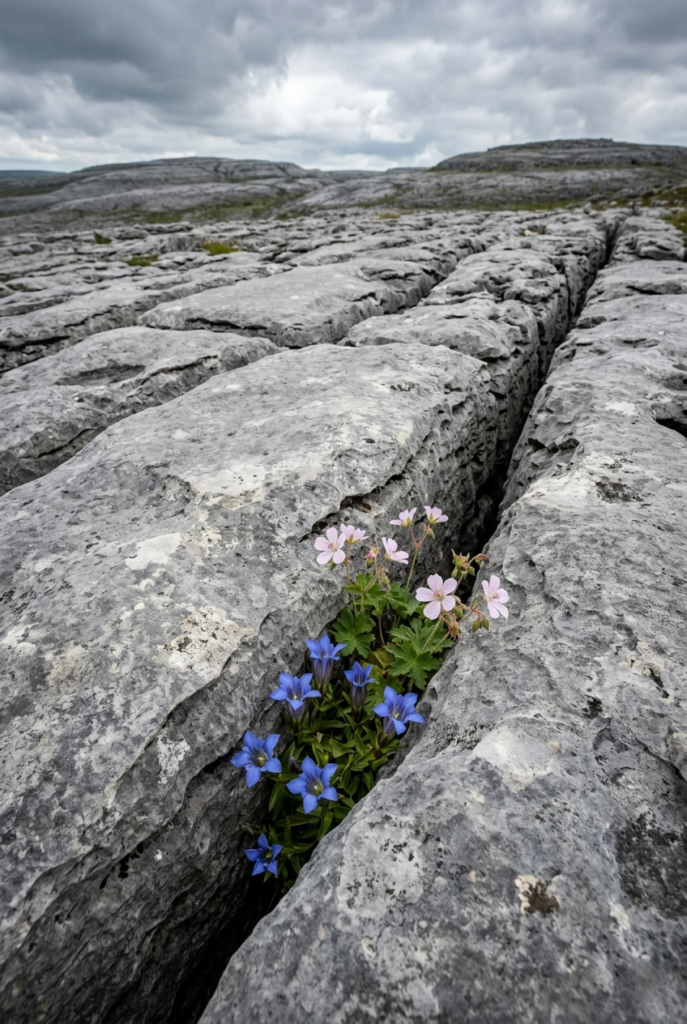
- Burren, County Clare: Unique limestone landscapes with plants that are hard to find anywhere else
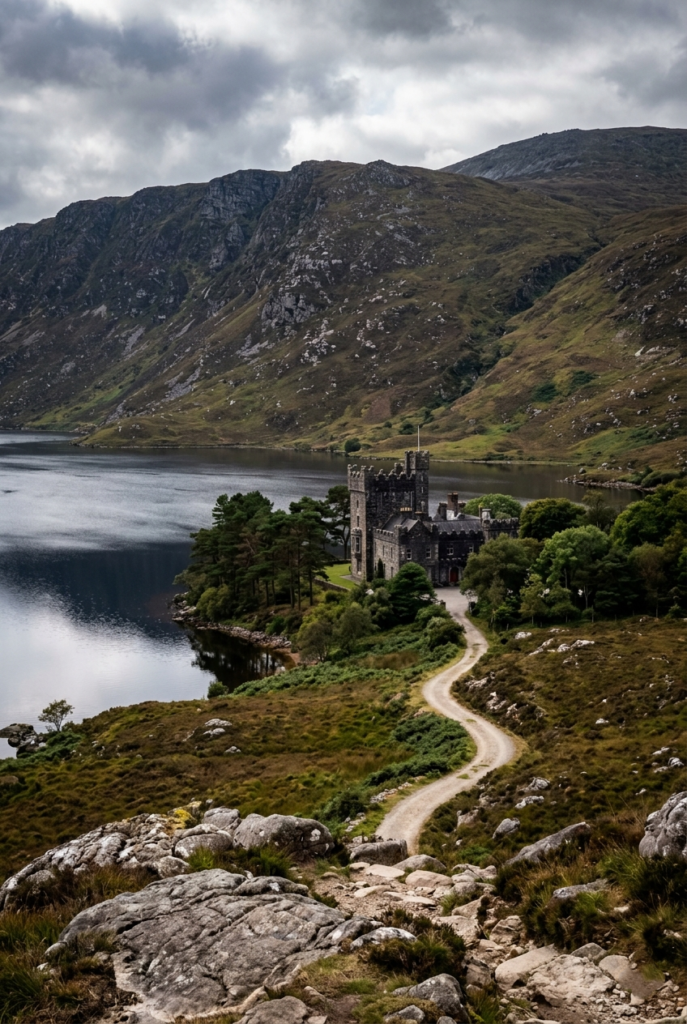
- Glenveagh National Park in Donegal: hiking and visiting castles in a remote area
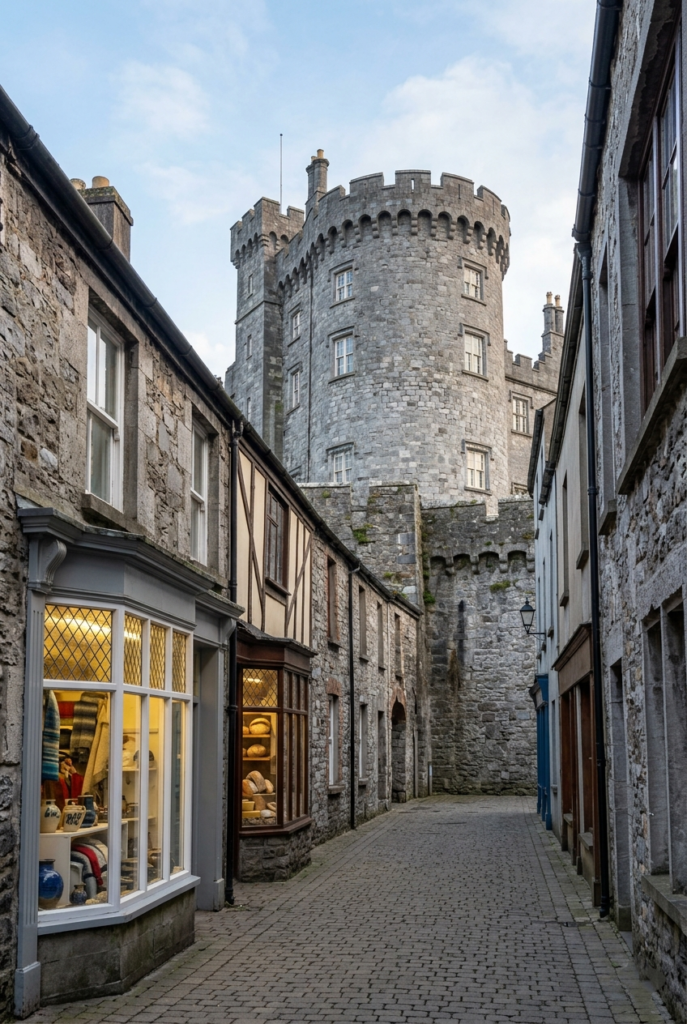
- Kilkenny is a medieval town with castles, craft shops, and local food.
- Take a ferry from Galway to the Aran Islands for a taste of island life.
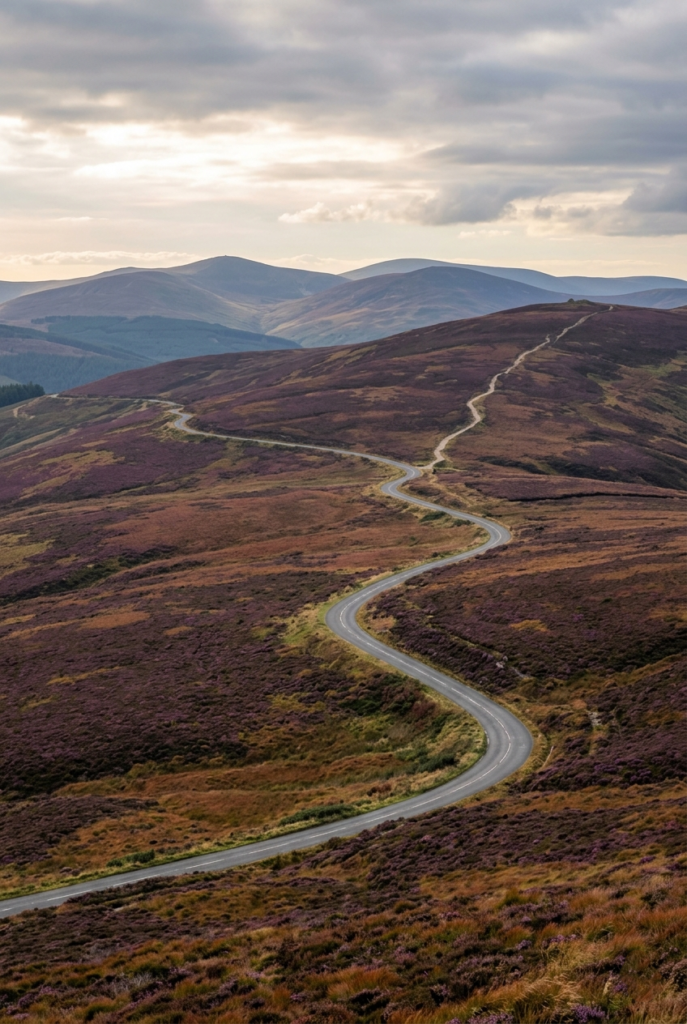
- Wicklow Mountains: Great for scenic drives and walking paths
Food and Local Experiences
Irish food is filling and comforting:
- Irish stew, soda bread, and seafood chowder are some of the foods that are common.
- Live music and local beers are part of pub culture.
- Galway Market and Dublin Temple Bar Food Market are two markets
Trying local food adds authenticity to your Ireland experience. Make sure you choose the food as per your beliefs. Muslims must avoid beer, pork, or alcohol, which is not halal and should not be consumed.
Seasonal Travel Tips
- Spring (March to May): Flowers bloom, the weather is mild, and there are fewer tourists.
- Summer (June to August) is the best time to see things because there are more festivals and longer days.
- Autumn (September to November): towns are quieter and landscapes are golden.
- December to February: Fewer people, warm pubs, and winter festivals
The best way to enjoy landscapes, weather, and events is to plan your visit ahead of time.
If you’re craving more misty landscapes, pair your trip with this Scottish Highlands guide for a truly legendary experience.
How to Get Around Ireland
- By car: Best for flexibility, especially in remote areas and along the Wild Atlantic Way
- Train/Bus: Good for getting from Dublin to Galway to Belfast
- Ferry: For day trips to the Aran Islands or the coast
- Walking and biking are great in cities and parks.
Suggested 7-Day Itinerary for Ireland
Day 1–2: Dublin—Visit the capital, museums, and bars.
Day 3–4: Galway and the Aran Islands—markets, walks along the coast, and a ferry ride
Day 5: Cliffs of Moher and the Dingle Peninsula on the Wild Atlantic Way
Day 6: Killarney National Park—hiking, lakes, and visiting castles
Day 7: Belfast and the Giant’s Causeway—murals, the Titanic, and the northern coast
This schedule has a good mix of cities, natural settings, and hidden gems.
Looking to go beyond the usual маршруты, these unique travel destinations might just spark your next unforgettable escape.
Practical Travel Tips
- Most museums and historical sites let you book tickets online.
- Dress for the weather, which can change quickly in Ireland.
- Make reservations for your stay ahead of time, especially in the summer.
- Irish people are friendly and welcoming, so follow their customs and rules.
- The daily budget changes: budget travelers can spend between €50 and €100, while mid-range travelers can spend more than €120.
Final Thoughts
Ireland is a land of stories, both real and made up. Every place you go, from the streets of Dublin to the wild Atlantic coast, has its own charm. Going off the beaten path reveals hidden villages, beautiful scenery, and local customs that make the trip unforgettable.
Ireland rewards people who are curious, want to explore, and take their time, no matter how many times they’ve been there. If you plan ahead and follow this guide, you’ll see the real magic of the Emerald Isle.