Exploring the Fog-Draped Mountains of the Appalachian Trail: Your Complete Adventure Guide
The Appalachian Trail is one of the longest hiking trails in the world, stretching over 2,190 miles through 14 states in the eastern United States. Recently, I had the incredible opportunity to explore some of the most beautiful sections of this legendary trail, and today I’ll be sharing everything you need to know before embarking on your own Appalachian adventure.
The trail runs from Springer Mountain in Georgia all the way up to Mount Katahdin in Maine, passing through some of the most breathtaking fog-draped mountains you’ll ever witness. Whether you’re planning a day hike, a weekend trip, or attempting the full thru-hike, this complete guide will help you prepare for an unforgettable journey.
Recommended Travel Items for Your Trip
Understanding the Appalachian Trail
Before we dive into the specifics, let me tell you what makes this trail so special. The Appalachian Trail, often called the AT by hikers, was completed in 1937 and has been attracting adventurers ever since. Every year, around 3 million people visit some portion of the trail, though only about 3,000 attempt to hike the entire thing.
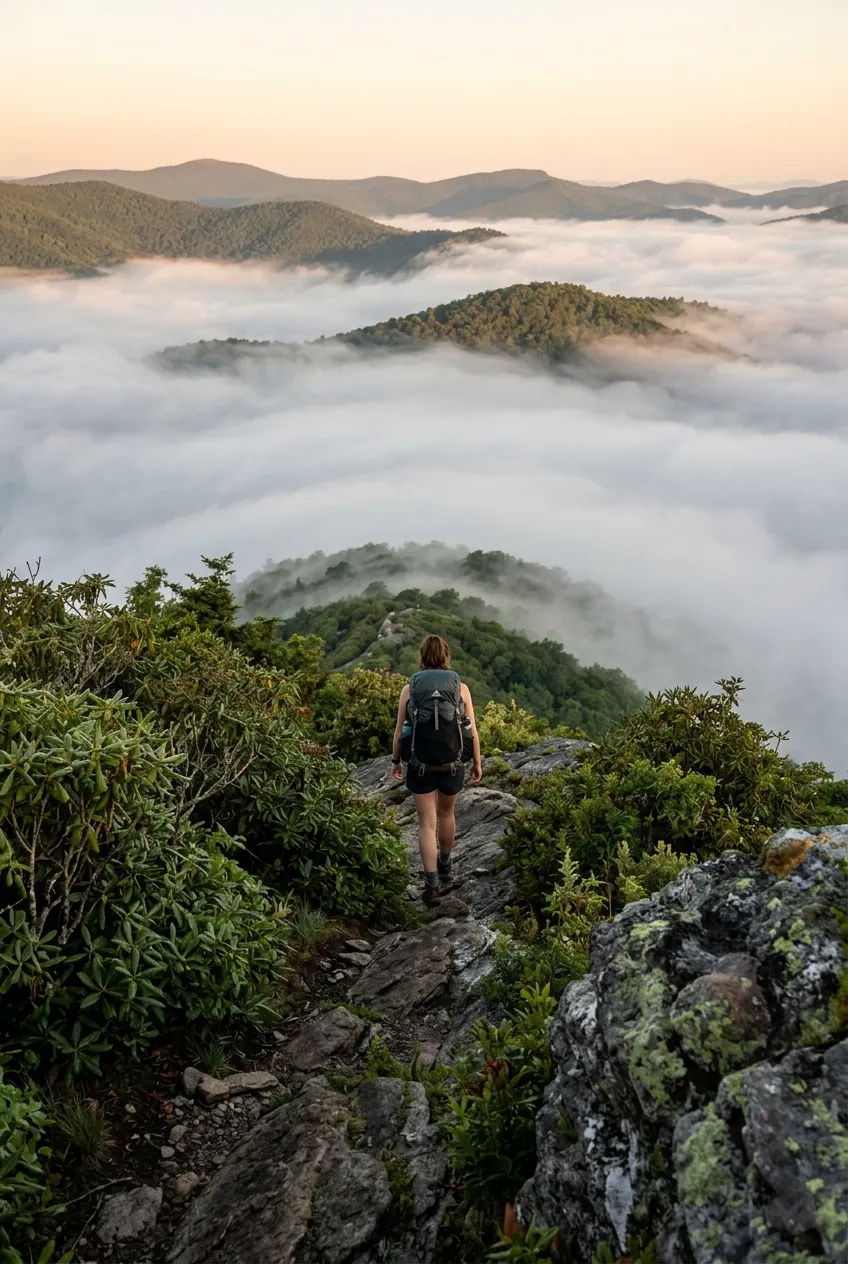
Walking through these ancient mountains feels like stepping back in time. The morning fog rolls over the peaks in a way that’s difficult to explain with words. You’ll find yourself surrounded by dense forests, crossing crystal-clear streams, and climbing to viewpoints that take your breath away.
The trail passes through the Appalachian mountain range, which is actually one of the oldest mountain ranges in the world. Some of these peaks have been standing here for nearly 480 million years, which is pretty mind-blowing when you think about it.
Best Times to Visit the Appalachian Trail
Timing your visit is super important for having the best experience. From my own journey and talking to countless hikers along the way, here’s what you need to know about each season.
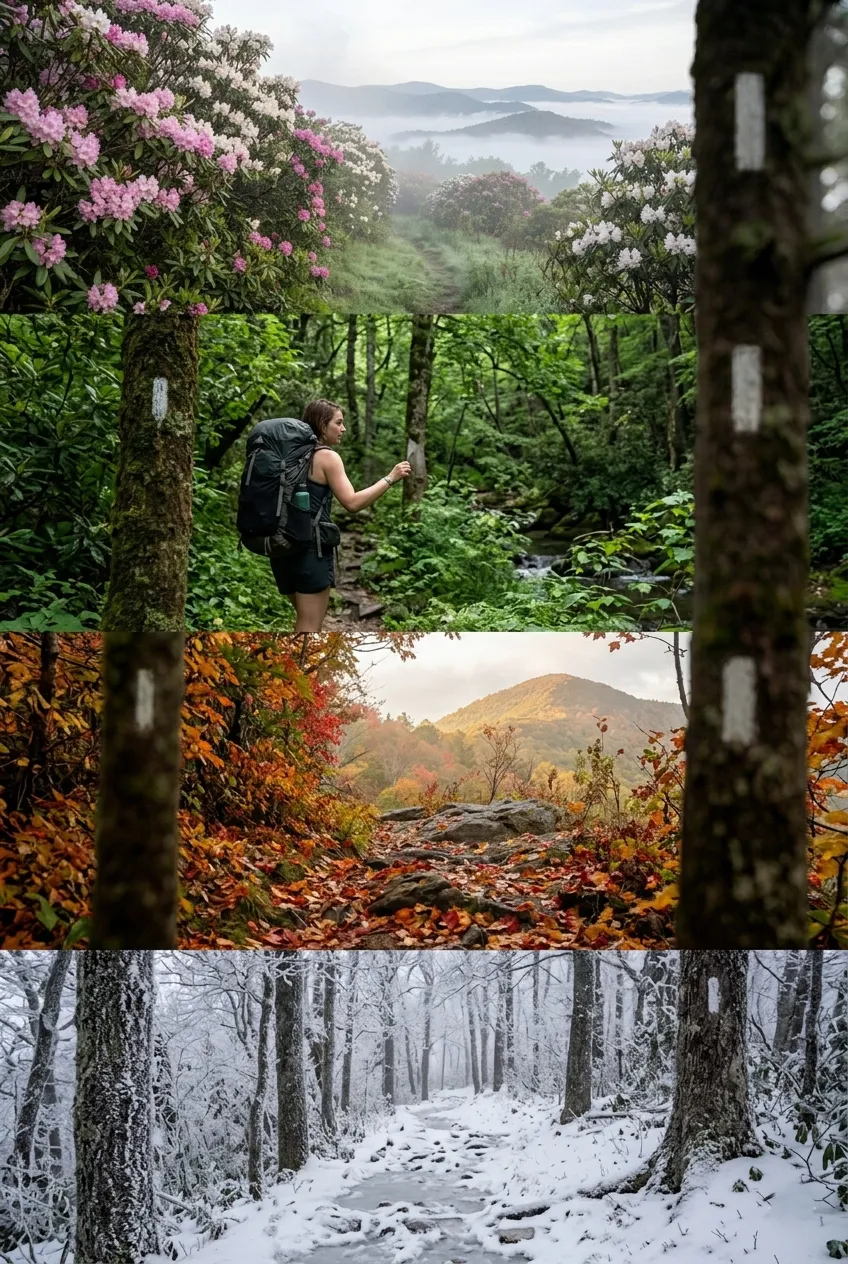
Spring (April-May) is when most thru-hikers start their journey from Georgia heading north. The weather is getting warmer, and wildflowers are blooming everywhere. However, you’ll still encounter some cold nights, especially at higher elevations. We started one of our sections in late April, and I must admit that waking up to frost on our tent was quite a surprise.
Summer (June-August) brings the warmest weather but also the most crowds. The popular sections near road crossings can get pretty busy on weekends. The good news is that all the facilities along the trail are fully operational. The downside? Bugs. Oh boy, the bugs. Mosquitoes and black flies can be relentless in some areas, so pack your bug spray.
Fall (September-October) is absolutely my favorite time on the trail. The leaf colors are insane – vibrant reds, oranges, and yellows covering the mountainsides as far as you can see. The weather is cool but comfortable for hiking, and the summer crowds have thinned out. We hiked a section in Vermont during early October, and witnessing the sunrise with all those autumn colors was something we will never forget.
Winter (November-March) is for experienced hikers only. The trail becomes incredibly challenging with snow, ice, and freezing temperatures. Most shelters are still accessible, but you’ll need proper winter gear. That said, if you’re prepared, the snow-covered landscapes offer a totally different kind of beauty.
Planning Your Hike: Section by Section
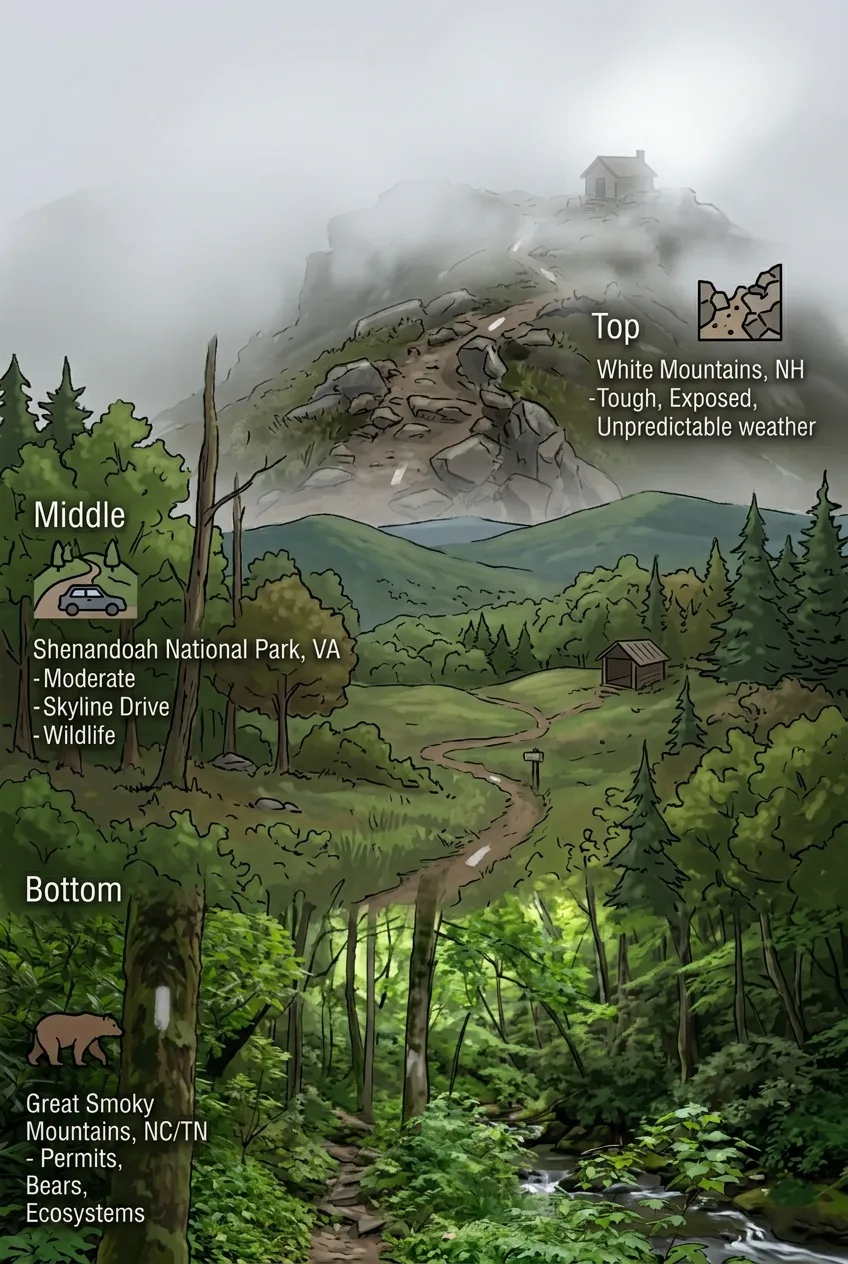
You don’t have to hike the entire trail to experience its magic. Here are some of the best sections we explored, perfect for different skill levels.
Great Smoky Mountains National Park (Tennessee/North Carolina)
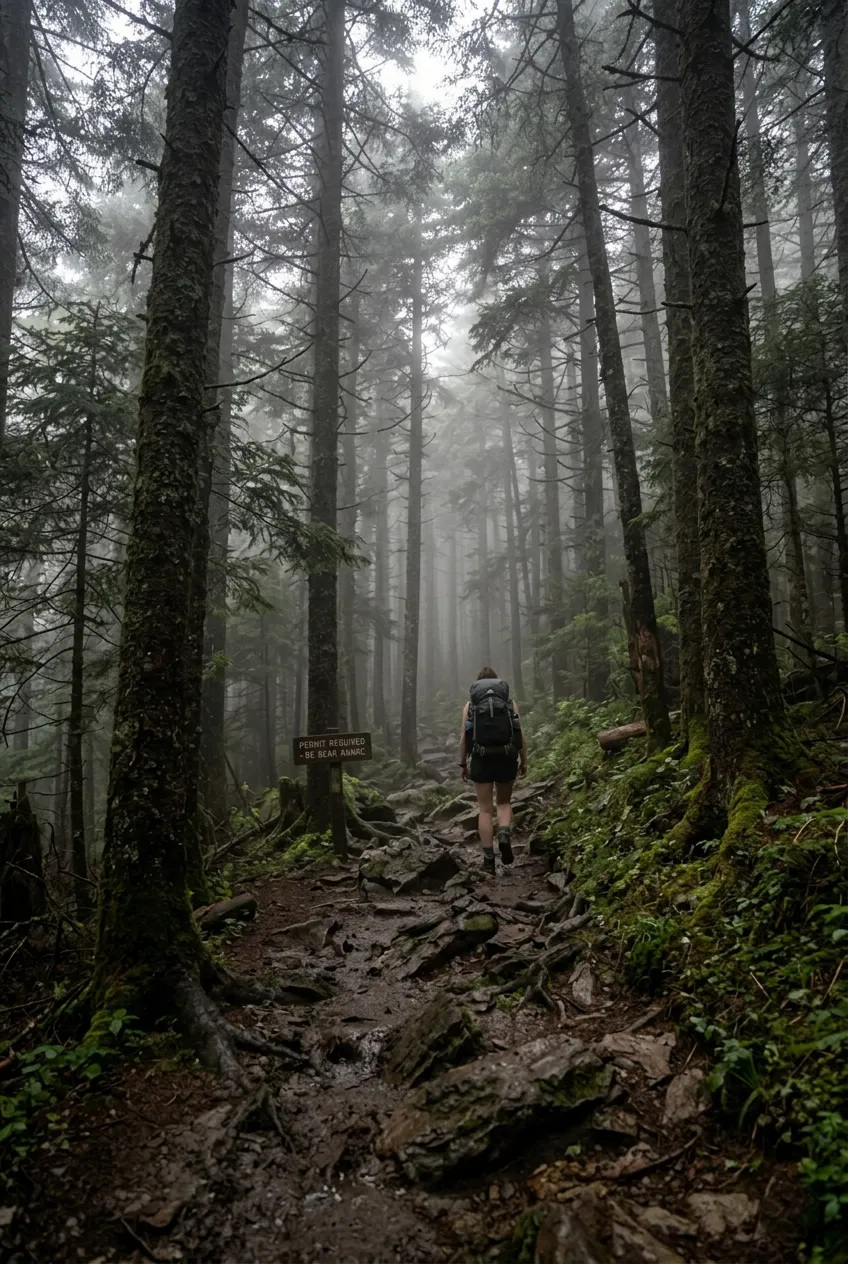
This section is probably the most visited part of the entire trail, and for good reason. The Smokies are called that because of the fog that constantly hangs over the mountains like smoke. It’s absolutely beautiful but also quite challenging.
We spent five days hiking through this section, and the views were worth every uphill struggle. The trail here climbs over 6,000 feet, taking you through different ecosystems. You’ll start in hardwood forests and end up in spruce-fir forests that feel almost magical.
One thing to know – you need permits to camp here, and the shelters fill up fast. We booked our spots three months in advance. The wildlife is incredible, too. We saw black bears (from a safe distance!), deer, and wild turkeys. Just remember to properly store your food.
White Mountains (New Hampshire)
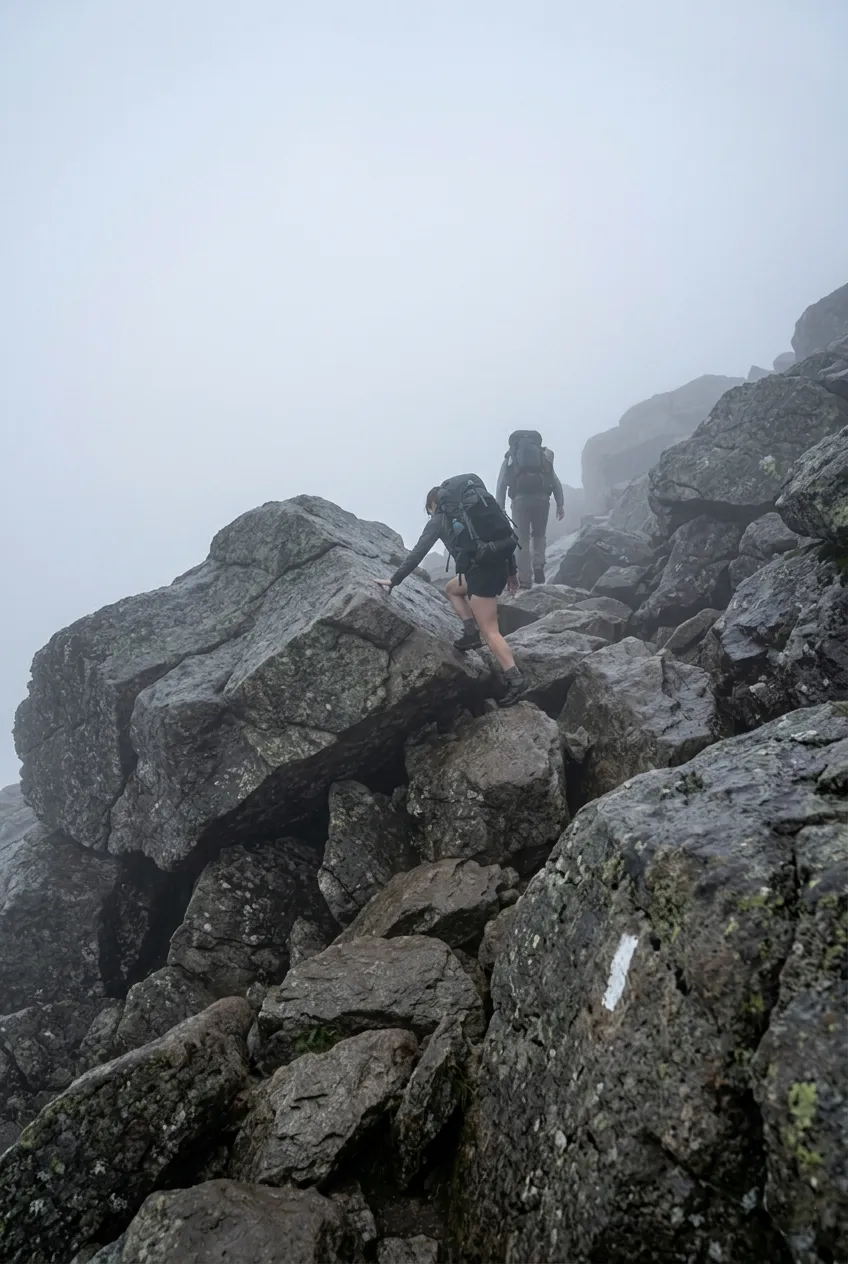
If you want a real challenge, the White Mountains will test you. This section is known for having some of the toughest terrain on the entire trail. The weather up here can change super quickly – we started one day in sunshine and ended up hiking through fog so thick we could barely see 10 feet ahead.
But wow, when that fog cleared, and we reached the summit of Mount Washington, the views were absolutely insane. You can see for miles in every direction. Just be prepared for steep climbs, rocky terrain, and unpredictable weather. We had to use our hands to scramble over rocks in several sections.
The huts in the White Mountains are amazing. They’re not like the basic shelters you’ll find elsewhere. These are actual buildings where you can get hot meals and sleep on bunks. They’re pricey but totally worth it for a night of comfort after a hard day of hiking.
Shenandoah National Park (Virginia)
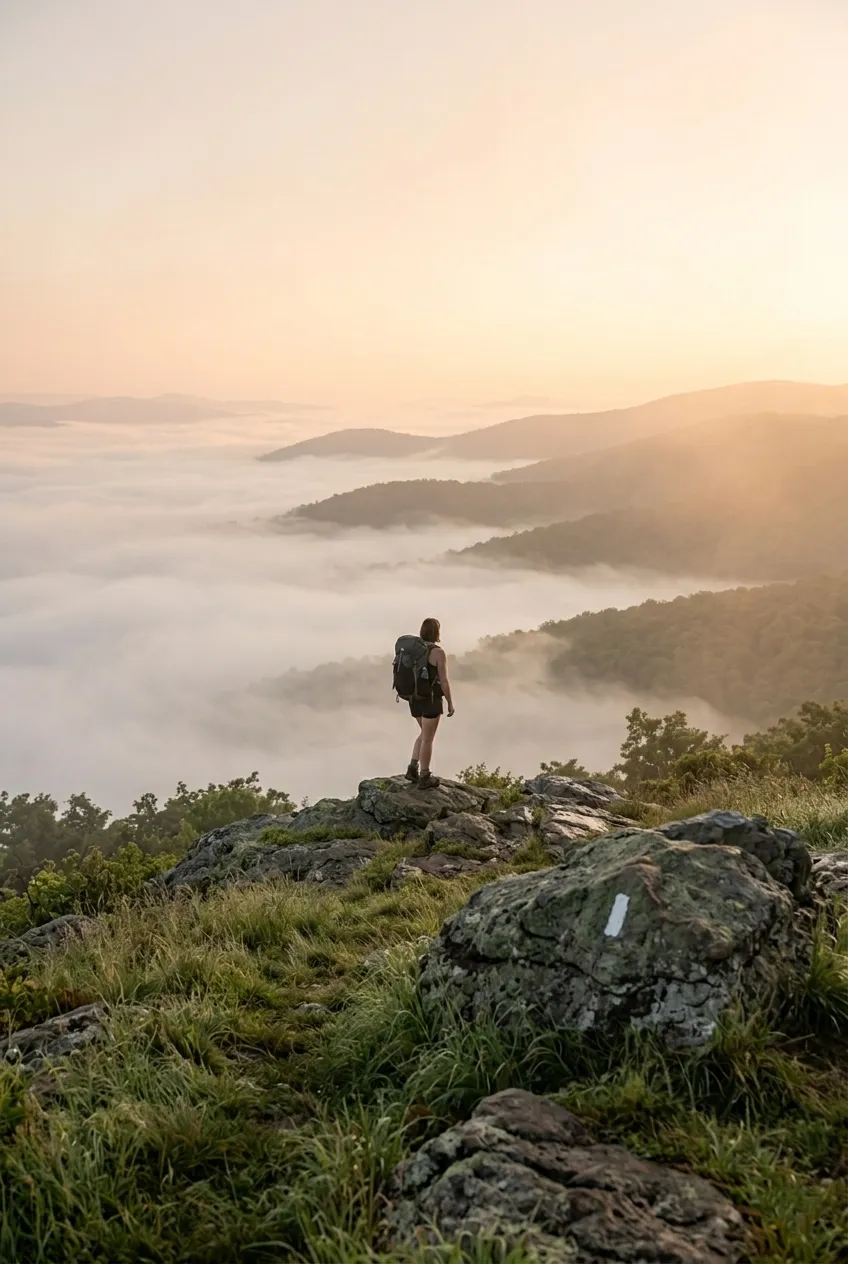
This section is perfect for beginners or families. The trail here runs alongside Skyline Drive, which means you have multiple access points and the option to bail out if needed. We chose this section for our first Appalachian Trail experience years ago, and it was the perfect introduction.
The hiking is moderate – not too easy, not too difficult. You’ll climb up to around 4,000 feet and enjoy some fantastic viewpoints. The morning fog in Shenandoah creates these dreamy landscapes that look like paintings. We woke up early one morning to catch the sunrise at Hawksbill Summit, and the fog was slowly lifting from the valleys below. Pure magic.
Wildlife is abundant here, too. We saw deer almost every day, and other hikers told us about bear sightings. The shelters are well-maintained, and there are several spots where you can resupply if needed.
Roan Highlands (Tennessee/North Carolina)
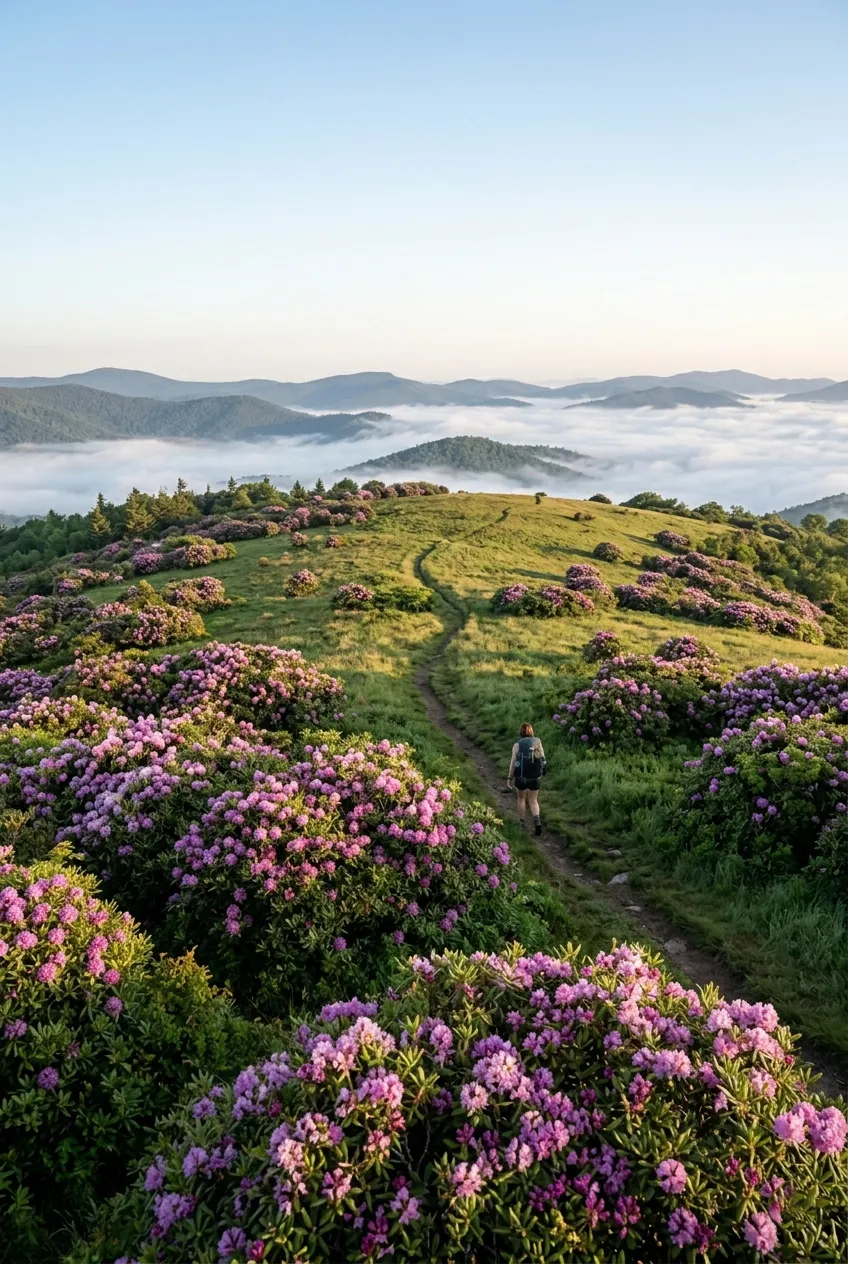
This was one of my absolute favorite sections. The Roan Highlands offer something different – you’ll hike through grassy balds (treeless mountaintops) that give you 360-degree views. When we were there in June, the rhododendrons were in full bloom, covering the mountainsides in purple and pink.
The terrain here is challenging but incredibly rewarding. You’ll climb up and down several peaks, but the views just keep getting better. We stayed at one of the shelters and met some amazing fellow hikers who shared their trail stories around a campfire.
Essential Gear for Your Appalachian Trail Adventure
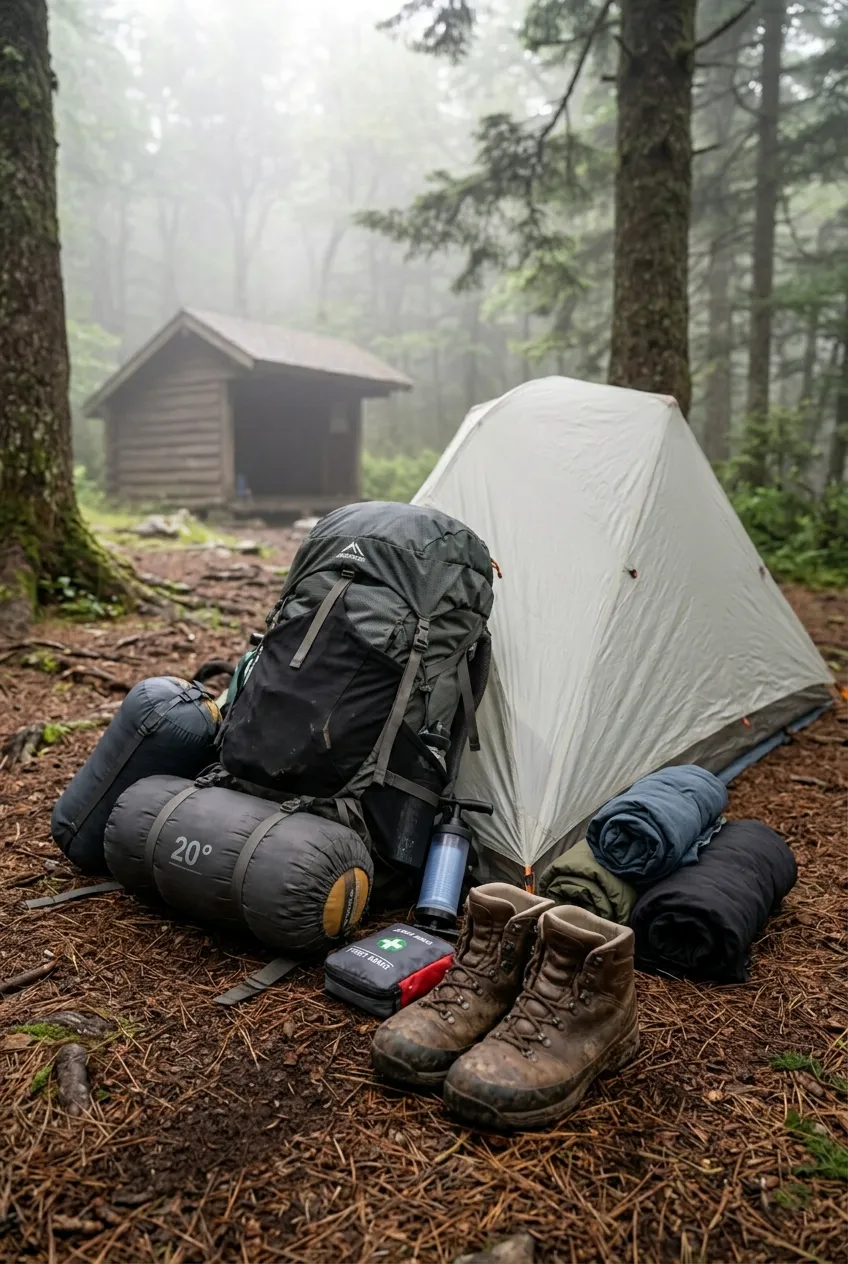
Let me share what worked for us and what we wish we had known before starting our hikes.
The Basics You Absolutely Need
Your backpack is your home on the trail, so choose wisely. We started with packs that were way too heavy and learned our lesson quickly. For a multi-day hike, aim for a pack that’s around 50-65 liters. Mine was 60 liters, and it was perfect for a week-long trip.
A good tent is crucial. We opted for a lightweight two-person tent that weighed just under 3 pounds. It kept us dry through several rainstorms and was easy to set up after long days of hiking. Some hikers use hammocks instead, which work great in the forested sections.
Your sleeping bag should match the season. For summer hikes, a 30-degree bag is usually fine. But if you’re hiking in spring or fall, go for a 20-degree or even 15-degree bag. We learned this the hard way during a cold night in the Smokies when my husband was shivering in his summer bag.
Don’t cheap out on your hiking boots. Seriously. We met hikers who had to leave the trail because of foot problems from poorly fitting boots. Break in your boots before your hike – wear them around town, on short hikes, everywhere. Your feet will thank you.
Clothing That Actually Works
Layering is the key to staying comfortable on the trail. The weather in the mountains changes constantly, and you need to be prepared. Here’s what worked for us:
A moisture-wicking base layer is essential. Cotton is your enemy on the trail – once it gets wet, it stays wet and will make you cold. We wore synthetic or merino wool base layers that dried quickly and didn’t smell too bad even after days of hiking.
For your middle layer, a lightweight fleece or down jacket works great. I had both and would switch depending on the weather. The fleece was better when it was damp, while the down was perfect for cold, dry evenings.
A waterproof rain jacket is non-negotiable. We got caught in several downpours, and having a good rain jacket made all the difference. Some hikers also carry rain pants, which we didn’t have on our first trip, but definitely got for later hikes.
Food and Water Essentials
Water is heavy, so you don’t want to carry more than necessary. We used a water filter that worked amazingly well. You can fill up from streams along the trail and filter as needed. Some hikers use chemical treatments instead, which are lighter but take longer to purify the water.
For food, think lightweight and calorie-dense. We packed a lot of nuts, dried fruits, energy bars, and instant oatmeal. For dinners, dehydrated camping meals were our go-to. They’re not gourmet, but after a long day of hiking, they taste pretty good.
One thing we learned – bring way more snacks than you think you’ll need. Hiking burns tons of calories, and you’ll be hungry all the time. Trail mix became my best friend. We also carried some chocolate for morale boosts on tough days.
Navigating the Trail
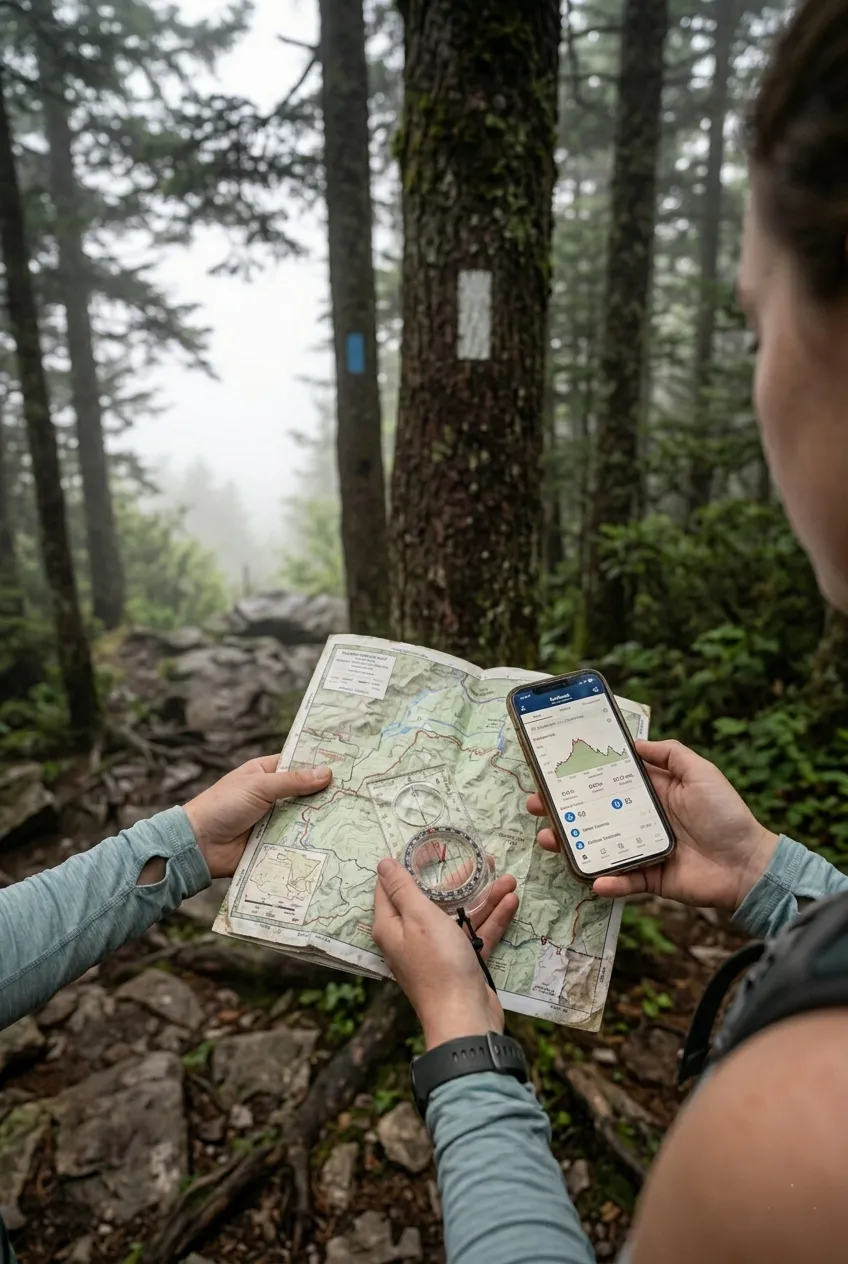
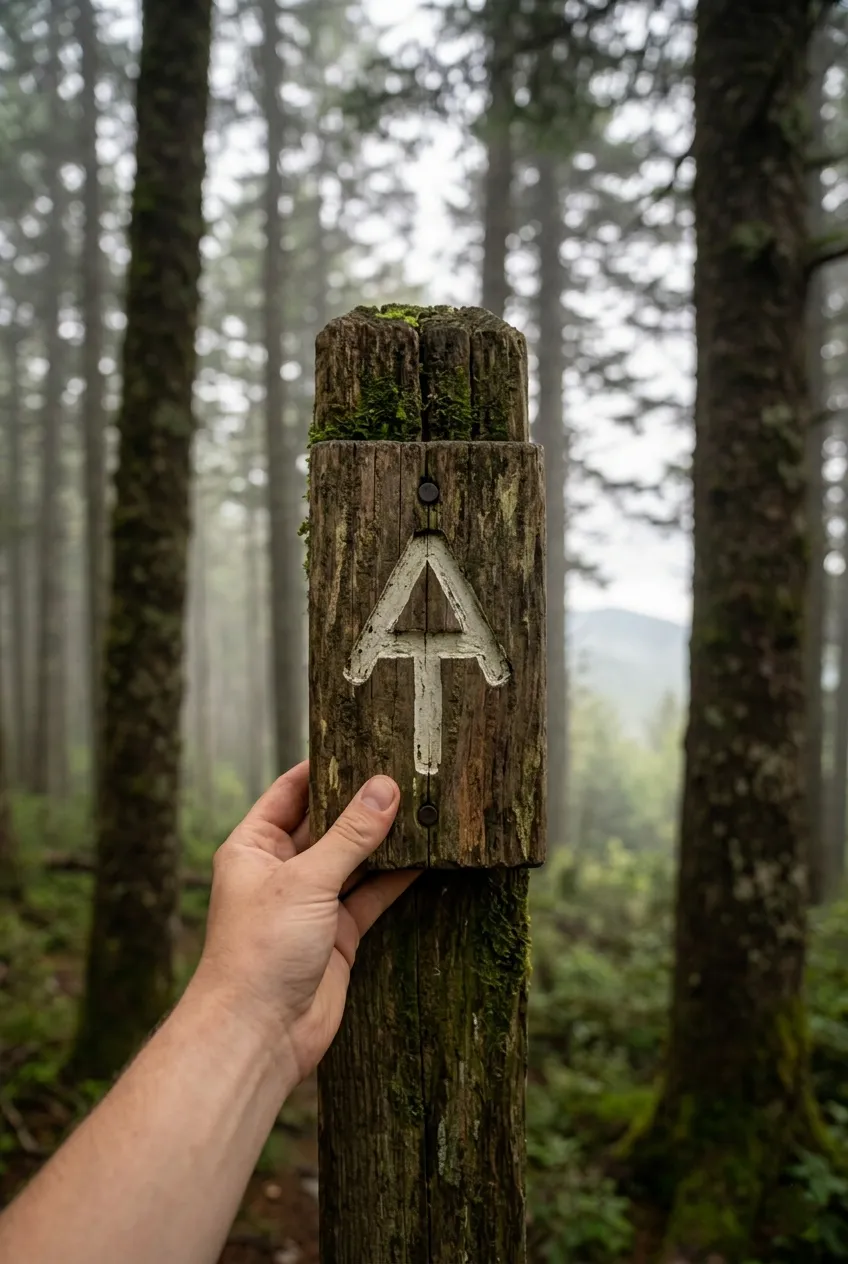
The Appalachian Trail is well-marked with white blazes painted on trees and rocks. These 2-by-6-inch white rectangles are everywhere, so staying on track is usually pretty easy. When you see two blazes, with the top one offset to the right or left, it means a turn is coming up.
We used a combination of paper maps and a GPS app on our phones. The paper maps never run out of battery, which is important. But the GPS app (we used Guthook) was super helpful for finding water sources, shelters, and knowing exactly how far we’d hiked.
Trail markers also indicate side trails to viewpoints, water sources, and shelters. Blue blazes mark these side trails. Don’t skip the blue-blazed trails to viewpoints – they’re usually worth the extra effort.
Shelter and Camping Options
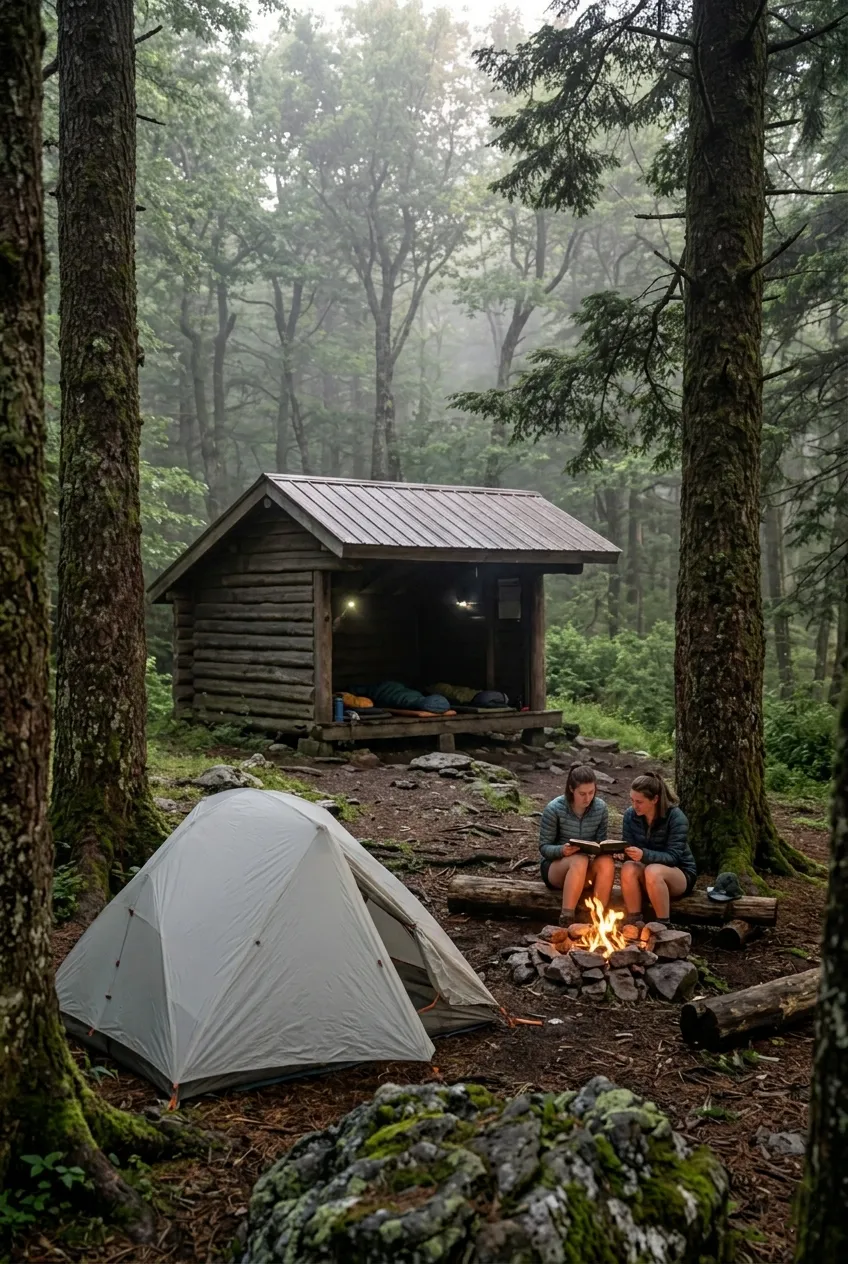
One of the coolest things about the Appalachian Trail is the shelter system. Every 8-10 miles or so, you’ll find three-sided wooden shelters that are free to use on a first-come, first-served basis. These shelters typically have a roof, a wooden sleeping platform, and sometimes a picnic table.
We stayed in probably a dozen different shelters during our various trips. Each one has its own character and usually a logbook where hikers write entries. Reading these logbooks at night became one of our favorite trail traditions. The stories, jokes, and advice from other hikers made us feel part of a bigger community.
However, shelters can fill up, especially during peak season. That’s why you should always carry a tent. We actually preferred camping in our tent most nights – it gave us more privacy and we could choose better locations sometimes.
There are also designated camping areas along the trail where you can set up your tent. These are usually near water sources and have established tent sites to minimize environmental impact. Always use these designated areas rather than camping randomly.
Trail Etiquette and Leave No Trace
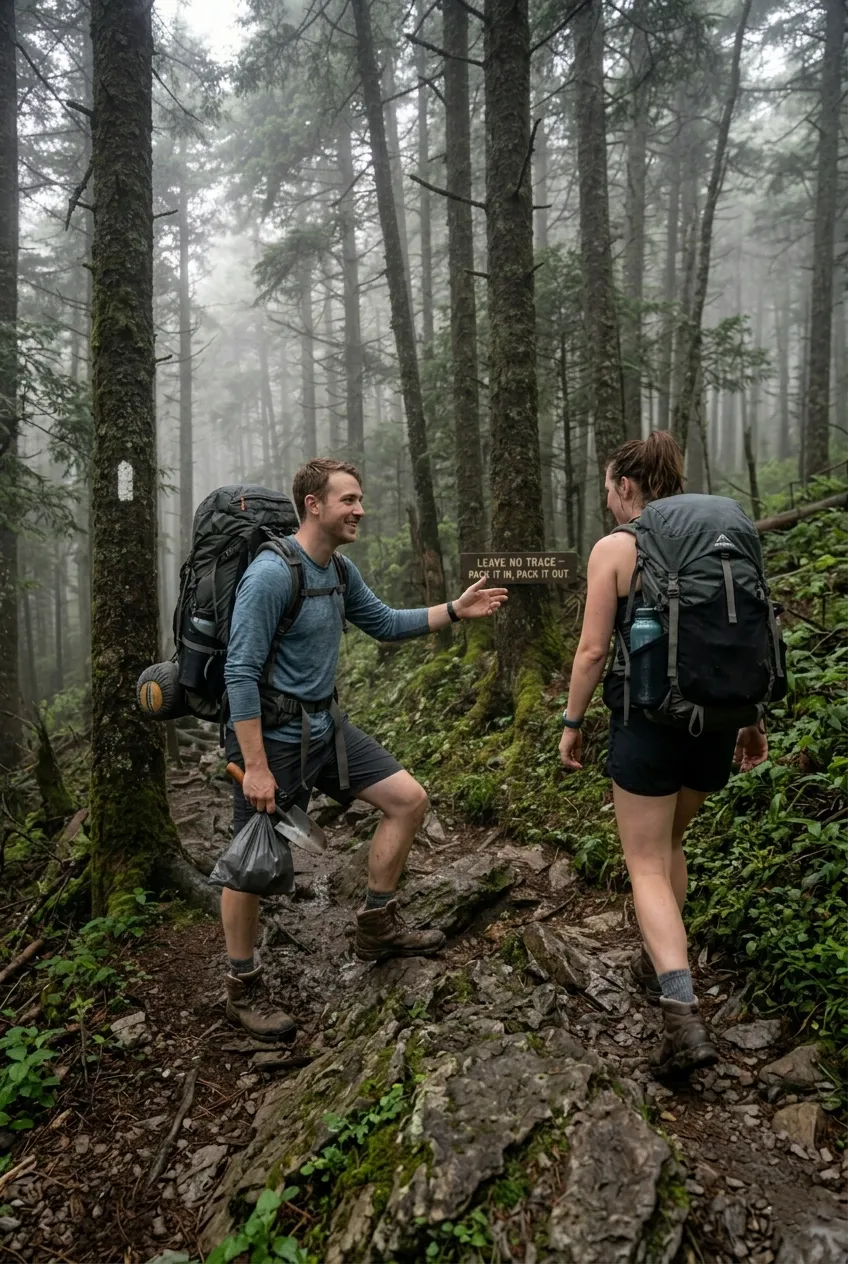
The Appalachian Trail community has some unwritten rules that everyone should follow. We learned most of these from other hikers we met along the way.
First, uphill hikers have the right of way. When we were going downhill and met someone climbing up, we’d step aside and let them pass. They’re working harder, so it’s only fair.
Second, if you’re faster than the hiker in front of you, it’s okay to ask if you can pass. Just be polite about it. We’d usually say something like “Hey, mind if we scoot past you?” Most hikers are super friendly and will step aside.
Leave No Trace principles are huge on the trail. Pack out everything you pack in – yes, even toilet paper. We carried a small trash bag that we’d fill up and carry until we reached a trailhead with proper disposal. It’s not glamorous, but it’s necessary to keep the trail beautiful.
When nature calls, dig a cat hole at least 200 feet from water sources and the trail. Bury it properly. We carried a small trowel just for this purpose. And please, pack out your toilet paper or use natural materials that decompose quickly.
Respect the wildlife. We saw so many amazing animals, but we always kept our distance. Never feed wildlife – it’s dangerous for both you and the animals. When we encountered that black bear in the Smokies, we made noise, backed away slowly, and gave it plenty of space.
Water Sources and Purification
Knowing where to find water is crucial for planning your daily mileage. Most trail guides and apps will show you where springs, streams, and piped water sources are located. We usually planned our days around water availability.
Never drink untreated water from streams, no matter how clean it looks. Even in remote areas, there’s a risk of Giardia and other nasties that will ruin your hike. We used a pump filter that removed bacteria and protozoa. It took a few minutes to filter enough water for the next section, but it was worth it to avoid getting sick.
Some water sources are more reliable than others. Springs are usually your best bet – the water is cold and flows consistently. Streams can dry up during summer, so check recent trail reports before relying on them.
Meeting Other Hikers: The Trail Community
One of the best parts of hiking the Appalachian Trail is the people you meet. The trail has this amazing community feel that’s hard to find anywhere else. At the beginning, I was a little bit nervous about meeting strangers in the woods, but after a few days, I started to feel a connection with this community of adventurers.
Most thru-hikers adopt “trail names” – nicknames given to them by other hikers based on something that happened or a personality trait. We met people called “Sunshine,” “Blister,” “Wrong Way,” and “Hungry Hippo.” Each name had a story behind it, and hearing these stories around shelters at night was always entertaining.
Hikers are incredibly helpful. When we got a little lost in the White Mountains, another hiker spent 20 minutes showing us exactly where we were on the map. When my boots started falling apart in Virginia, a fellow hiker shared some duct tape to hold them together until we reached town.
Trail angels are another amazing part of the community. These are people who aren’t hiking but help hikers in various ways. We encountered trail angels who left coolers of cold drinks at road crossings, gave us rides into town for resupply, and even invited hikers to their homes for showers and meals. Their kindness made our journey even more special.
Town Stops and Resupply
Unless you’re doing a short section hike, you’ll need to resupply along the way. The trail crosses roads and passes near towns regularly, making it easy to stock up on food and other necessities.
We typically planned to resupply every 4-5 days. This meant our packs weren’t too heavy with food at the start of each section. Some towns are right on the trail, while others require a hitch or shuttle.
Hitching into town is part of the trail culture. It felt weird at first, but it’s completely normal on the AT. Locals near the trail are used to picking up hikers. We never had to wait more than 20 minutes for a ride.
Many trail towns have outfitters where you can replace gear, grocery stores for food, and laundromats. Trust me, doing laundry after days on the trail feels amazing. We’d also treat ourselves to a real restaurant meal – nothing tastes better than a burger and fries after eating trail food for days.
Safety Considerations
The Appalachian Trail is generally safe, but you need to be prepared for potential hazards.
The weather can change incredibly fast in the mountains. We experienced this firsthand in the White Mountains when a sunny morning turned into a thunderstorm by noon. Always check the weather forecast before starting, and be ready to adjust your plans.
Getting lost is possible, even with all the trail markers. We took a wrong turn once in fog so thick we couldn’t see the next blaze. That’s why carrying a map, compass, and knowing how to use them is important. Your phone’s GPS is great, but batteries die.
Wildlife encounters are usually harmless if you know what to do. Bears are the main concern in some sections. We carried bear canisters for food storage in areas where they were required. Making noise while hiking helps avoid surprising animals. We’d talk, sing, or clap occasionally, especially in areas with limited visibility.
Injuries happen, so carry a first aid kit and know basic first aid. Blisters are the most common issue. We learned to treat hot spots immediately before they turned into full blisters. A little moleskin or athletic tape early on can save you days of pain.
Hypothermia is a real risk, especially if you get wet in cold weather. This is why having proper rain gear and dry clothes is so important. We always kept a dry set of clothes sealed in a plastic bag, no matter what.
Physical Preparation
I won’t sugarcoat it – the Appalachian Trail is physically demanding. We spent months preparing before our first multi-day hike, and we’re glad we did.
Start training at least 2-3 months before your trip. We did a lot of stair climbing, hiking with weighted packs on local trails, and general cardio. The goal is to build endurance and strengthen your legs, core, and back.
If you’re planning a thru-hike or a long section, consider starting with shorter trips. We did several weekend hikes before attempting a week-long section. This helped us figure out what gear worked, how much food we needed, and what our comfortable daily mileage was.
Don’t underestimate the mental challenge. There were moments when we were tired, cold, or questioning why we thought this was a good idea. Having a positive attitude and realistic expectations helps a lot.
Environmental Challenges and Weather
The Appalachian Mountains create their own weather patterns, and it can be unpredictable. Fog is common, especially in the mornings. Sometimes the fog is so thick you can barely see the trail markers. We learned to start hiking slowly in heavy fog until our eyes adjusted.
Afternoon thunderstorms are frequent in summer. Lightning is dangerous on exposed ridges. If you hear thunder, get off the ridge and away from tall trees if possible. We got caught in one intense thunderstorm and had to hunker down under a rock overhang for an hour. It was scary but also kind of exciting.
Temperature swings can be extreme. We’ve experienced 80-degree afternoons followed by 40-degree nights. Layering your clothing is the only way to stay comfortable through these changes.
Rain is inevitable. Accept it. You will get wet. The question is how miserable you’ll be while wet. Good rain gear, waterproof stuff sacks for your clothes and sleeping bag, and a positive attitude make all the difference. After our third day of rain in the Smokies, we just embraced it and actually started enjoying the experience.
The Magic of Fog-Draped Mornings
Let me take a moment to talk about why I specifically mention the fog-draped mountains in the title. There’s something absolutely magical about waking up in the Appalachian mountains when fog hangs over everything.
We’d wake up before sunrise, unzip our tent, and see nothing but white. The fog would be so thick it felt like we were inside a cloud. As the sun started to rise, the fog would begin to glow with this soft golden light. Then slowly, very slowly, it would start to lift.
First, you’d see the tops of the nearest trees emerging from the fog. Then the ridgeline across the valley would appear. By the time the sun was fully up, the fog would be in the valleys below, looking like rivers of white flowing between the mountains.
These mornings made every difficult moment worth it. Standing on a ridge, watching the fog slowly reveal the ancient mountains around us – these are the moments we will never forget.
Special Sections Worth Mentioning
Beyond the major sections I detailed earlier, there are some specific spots that deserve special attention.
Max Patch in North Carolina is a bald mountain with 360-degree views. When we were there, wildflowers covered the entire mountaintop. The sunset from here was one of the most beautiful things I’ve ever seen. It’s easily accessible, making it perfect for day hikers too.
McAfee Knob in Virginia is probably the most photographed spot on the entire trail. There’s an overhanging rock ledge where hikers stand for photos with the valley thousands of feet below. The hike up is moderate, and the reward is totally worth it.
Franconia Ridge in New Hampshire offers above-treeline hiking with incredible views. It’s challenging but absolutely stunning. We hiked this section on a clear day, and you could see for what felt like a hundred miles.
The Roller Coaster in Virginia is a 13.5-mile section known for its constant ups and downs. It’s frustrating but also fun in a weird way. Every time you think you’re done climbing, another hill appears. But the trail community loves to joke about it, which makes it part of the AT experience.
Trail Towns Worth Visiting
Some towns along the trail deserve more than just a quick resupply stop.
Damascus, Virginia, calls itself “Trail Town USA” and totally lives up to the name. The trail runs right through the center of town. There are great restaurants, outfitters, and hostels specifically for hikers. We spent a rest day here and loved the hiker-friendly atmosphere.
Hot Springs, North Carolina, is another favorite. The trail literally runs down the main street. The town has natural hot springs where you can soak your tired muscles. After days of hiking, that hot spring bath felt like heaven.
Harpers Ferry, West Virginia, is home to the Appalachian Trail Conservancy headquarters. It’s considered the psychological halfway point of the trail. The town is historic and beautiful, sitting at the confluence of two rivers. We spent an afternoon at the ATC headquarters, looking at photos of thru-hikers and signing the register.
Budgeting for Your Hike
Let’s talk money because everyone wants to know how much this adventure costs.
For a weekend section hike, you can get by pretty cheaply. Gas to get to the trailhead, food for a few days, maybe a permit if required. We spent around $100-150 for a weekend trip, not counting gear we already owned.
A week-long section hike costs more. Factor in transportation, food, possibly a hostel or hotel night before and after, resupply stops, and maybe some restaurant meals. We typically spent $300-500 for a week, depending on how much we splurged in towns.
For thru-hikers, the average cost is around $5,000-7,000 for the entire trail. This includes food, gear replacement, hostels, occasional hotel stays, and other expenses. Some people do it cheaper, others spend more.
Initial gear investment is the biggest expense. A good backpack, tent, sleeping bag, and boots can easily cost $1,000 or more. But this gear lasts for years, so we considered it a long-term investment in our outdoor adventures.
Photography Tips for the Trail
Capturing the beauty of the Appalachian Trail is something many hikers want to do, and I have some advice based on our experiences.
Early mornings offer the best light and those magical fog scenes. I know it’s hard to wake up early when you’re exhausted from hiking, but the photos are worth it. Some of our best shots came from waking up at 5:30 am.
Keep your camera accessible. We missed some amazing wildlife shots because our camera was buried in the bottom of our pack. Now we keep it in a side pocket or attached to our shoulder strap.
A lightweight tripod can be great for sunrise/sunset shots and getting photos of both of you together. We carried a small, flexible tripod that weighed almost nothing but made a big difference.
Protect your gear from rain and moisture. We learned this the hard way when our camera got wet in a surprise rainstorm. Now everything electronic goes in waterproof bags or cases.
Long-Distance Hiking Culture
If you spend enough time on the trail, you’ll notice that long-distance hikers have their own culture and vocabulary.
“Hiker hunger” is real. After a few days on the trail, you’ll be hungry all the time. We’ve seen thru-hikers eat entire pizzas by themselves. Your body is burning thousands of calories daily, and it wants more fuel.
“Hiker midnight” means going to bed super early, usually right after dark. When you’re waking up at sunrise and hiking all day, 8 pm feels like midnight. We totally adapted to this schedule and actually started sleeping better than we do at home.
“Zero days” are rest days where you hike zero miles, usually spent in town. These are crucial for recovery and morale. Even though we were excited to keep hiking, taking a zero day to rest, shower, do laundry, and eat real food made the next section much more enjoyable.
Dealing with Common Challenges
Every hiker faces challenges on the trail. Here’s how we dealt with some common ones.
Blisters were our biggest problem early on. We learned to put athletic tape or moleskin on hot spots immediately. Once you have a full blister, the damage is done. Prevention is everything.
Chafing happens when hiking long distances. We used anti-chafing balm on areas prone to rubbing. It’s not something people like to talk about, but trust me, it’s important.
Homesickness hit us a few times, especially on tough days. Calling family from town always helped. Some hikers keep a small journal to write down their feelings, which can be therapeutic.
Bad weather can really test your mental strength. We had to remind ourselves that it’s temporary. Sometimes we’d just set up our tent early, get dry, and wait out the storm. There’s no shame in taking shelter when conditions are bad.
Family-Friendly Sections
Not every part of the trail is suitable for kids, but some sections are great for families.
The Virginia sections near Shenandoah are perfect for introducing kids to the trail. The terrain is moderate, there are plenty of access points, and wildlife viewing is excellent. We saw families with kids as young as 8 hiking here.
Max Patch is another family favorite. It’s a relatively short hike to the summit, and kids love running around on the grassy bald. The views keep them motivated too.
Blood Mountain in Georgia is challenging but doable for older kids. The stone shelter at the top is really cool, and it makes a great destination for a family overnight trip.
Solo Hiking vs. Group Hiking
We’ve hiked both solo and together, and each has its benefits.
Hiking with a partner or group means shared gear (tent, stove, first aid kit), which lightens individual pack weight. It’s also safer and more fun to share the experience. When one of us was struggling, the other provided motivation.
Solo hiking offers more flexibility. You set your own pace, make your own schedule, and have time for deep reflection. Some of our solo hikes were incredibly peaceful and meditative.
For first-timers, I’d recommend hiking with at least one other person. The trail can be intimidating when you’re new, and having someone to share the experience with makes it less daunting.
Preparing for Wildlife Encounters
Let’s talk more specifically about wildlife because it’s something many people worry about.
Black bears are the main concern. They’re generally afraid of humans and will run away if they hear you coming. We saw probably 15 bears during our various trips, and every single one ran off when it noticed us. Make noise while hiking, especially in areas with limited visibility.
Hanging your food at night is required in some areas and smart everywhere. We used bear bags in sections where bear canisters weren’t required. It takes practice to get the hang of it, but it’s essential for keeping both you and the bears safe.
Snakes are common but rarely aggressive. We saw several, including copperheads and rattlesnakes. Just watch where you step and where you put your hands when climbing over rocks. They’ll leave you alone if you leave them alone.
Mice are honestly more annoying than bears. These little guys will chew through your pack to get food. We learned to hang everything scented – food, toothpaste, even our cook pot. One night, we forgot, and mice chewed holes in our pack. Lesson learned.
The Thru-Hiker Experience
While we haven’t completed a full thru-hike ourselves, we’ve met countless thru-hikers and learned about their experiences.
Most thru-hikers take 5-7 months to complete the trail. They typically start in Georgia in March or April and finish in Maine in September or October. This schedule allows them to “follow spring north” and avoid the worst weather at either end.
The physical transformation is incredible. Thru-hikers often lose weight at first, then their bodies adapt and they become incredibly fit. We met a thru-hiker in Pennsylvania who said she’d never been in better shape in her life.
The mental journey is even more profound. Many thru-hikers talk about gaining clarity on life, relationships, and future goals. The simplicity of trail life – walk, eat, sleep, repeat – creates space for deep thinking.
Technological Considerations
Even though the AT is a wilderness experience, technology plays a role.
Cell phone coverage is spotty but better than you might think. We could usually get service at peaks and road crossings. We’d use these opportunities to check weather forecasts, update family, and check trail conditions ahead.
Portable battery packs are essential if you’re using your phone for GPS, photos, or communication. We carried a 20,000 mAh battery pack that could recharge our phones several times.
GPS apps like Guthook (now called FarOut) are incredibly helpful. They show your exact location, upcoming water sources, shelters, and even recent comments from other hikers. The comments were particularly useful – hikers would note if water sources were dry or if shelters were full.
Some hikers go completely unplugged, which is totally valid too. There’s something to be said for disconnecting from the digital world and fully immersing yourself in nature.
Seasonal Highlights
Each season offers unique experiences on the trail.
Spring brings wildflowers, especially in the southern sections. The forest floor comes alive with trilliums, lady slippers, and countless other blooms. The waterfalls are flowing strong from snowmelt too.
Summer offers the warmest weather and longest days. You can hike late into the evening if needed. The blueberries are ripe in some sections, providing delicious trail snacks. We picked handfuls of wild blueberries in Maine and Pennsylvania.
Fall is spectacular with the changing leaves. The temperature is perfect for hiking – cool enough to stay comfortable but not cold. The bugs are mostly gone too. We hiked a section in Vermont during peak foliage, and it felt like walking through a painting.
Winter transforms the trail into a snowy wonderland. It’s challenging and only for experienced hikers, but the solitude is incredible. The shelters that are crowded in summer might be completely empty. The frozen waterfalls are beautiful too.
Frequently Asked Questions (FAQs)
Q: Do I need to be super fit to hike the Appalachian Trail?
A: Not necessarily. For shorter sections, moderate fitness is fine. Your body adapts quickly to the demands of hiking. Start with easier sections and build up. We weren’t in great shape when we started, but we improved rapidly.
Q: How much does it cost to hike the Appalachian Trail?
A: It depends on the length. A weekend trip might cost $100-150. A week-long section hike runs $300-500. A full thru-hike averages $5,000-7,000, not including initial gear costs.
Q: Is it safe to hike alone?
A: Generally yes, but there are risks. Tell someone your plans, carry a communication device, and stay aware. Many solo hikers complete the trail safely each year. However, hiking with at least one partner is safer, especially for beginners.
Q: What’s the hardest part of the Appalachian Trail?
A: Physically, most people say the White Mountains in New Hampshire or the Mahoosuc Notch in Maine. Mentally, the challenge varies by person. For us, continuous rain for several days was harder than any single difficult section.
Q: Can I hike with my dog?
A: Dogs are allowed on most of the trail, but not in Great Smoky Mountains National Park and Baxter State Park (where Mount Katahdin is). Many people successfully thru-hike with their dogs. Just be prepared to carry extra food and plan around park regulations.
Q: How do I deal with bathroom situations on the trail?
A: Dig a cat hole 6-8 inches deep, at least 200 feet from water and the trail. Pack out your toilet paper. It’s awkward at first but becomes normal quickly. Many shelters have privies (outhouses) which are nicer than cat holes.
Q: What if I get injured or need to leave the trail?
A: The trail crosses roads regularly, usually every 5-15 miles. You can hike to the nearest road crossing and get help. Cell service at peaks allows you to call for assistance if needed. We always carried a basic first aid kit and knew the nearest exit points.
Q: How heavy should my pack be?
A: For multi-day trips, aim for 20-25% of your body weight including food and water. Lighter is better. Thru-hikers often get their base weight (pack without food and water) down to 10-15 pounds.
Q: Do I need special permits?
A: Most of the trail doesn’t require permits. Exceptions include Great Smoky Mountains National Park and some other specific areas. Day hiking rarely requires permits. Check current regulations for the sections you plan to hike.
Q: What’s the best section for a first-timer?
A: Shenandoah National Park in Virginia is perfect for beginners. The terrain is moderate, there are many access points, and facilities are nearby. The scenery is beautiful too. We started here and it gave us confidence for harder sections.
Conclusion
Exploring the fog-draped mountains of the Appalachian Trail has been one of the most rewarding experiences of our lives. From watching the sunrise above the clouds in the White Mountains to walking through fog so thick we could barely see in the Smokies, every moment taught us something new.
The trail offers something for everyone – whether you’re planning a day hike to McAfee Knob, a weekend trip in Shenandoah, or dreaming of a full thru-hike from Georgia to Maine. The physical challenge pushes you to discover strength you didn’t know you had. The natural beauty reminds you of how incredible our planet is. The people you meet along the way restore your faith in human kindness.
We started our Appalachian Trail adventures years ago with minimal experience and probably too much gear. Each trip taught us lessons – some through mistakes, others through the wisdom of fellow hikers. We learned to pack lighter, plan better, and embrace whatever challenges the trail threw at us.
The morning fog lifting from the valleys, the afternoon thunderstorms rolling over the peaks, the quiet evenings in shelters sharing stories with other hikers – these moments create memories that last forever. Even when we were tired, cold, or questioning our decisions, we knew we were experiencing something special.
There is still so much of the trail we want to explore. The Appalachian Trail has a way of calling you back, season after season. Each section reveals new wonders, each season offers different beauty, and each trip deepens your connection to these ancient mountains.
Whether you tackle 5 miles or 500 miles, the Appalachian Trail will challenge you, inspire you, and probably change you in ways you don’t expect. So grab your pack, lace up your boots, and get ready for an adventure. The fog-draped mountains are waiting, and trust me, they’re even more beautiful than you can imagine.
Until next time, keep exploring rain or shine!