How To Hike To The Tiger’s Nest Monastery In Bhutan
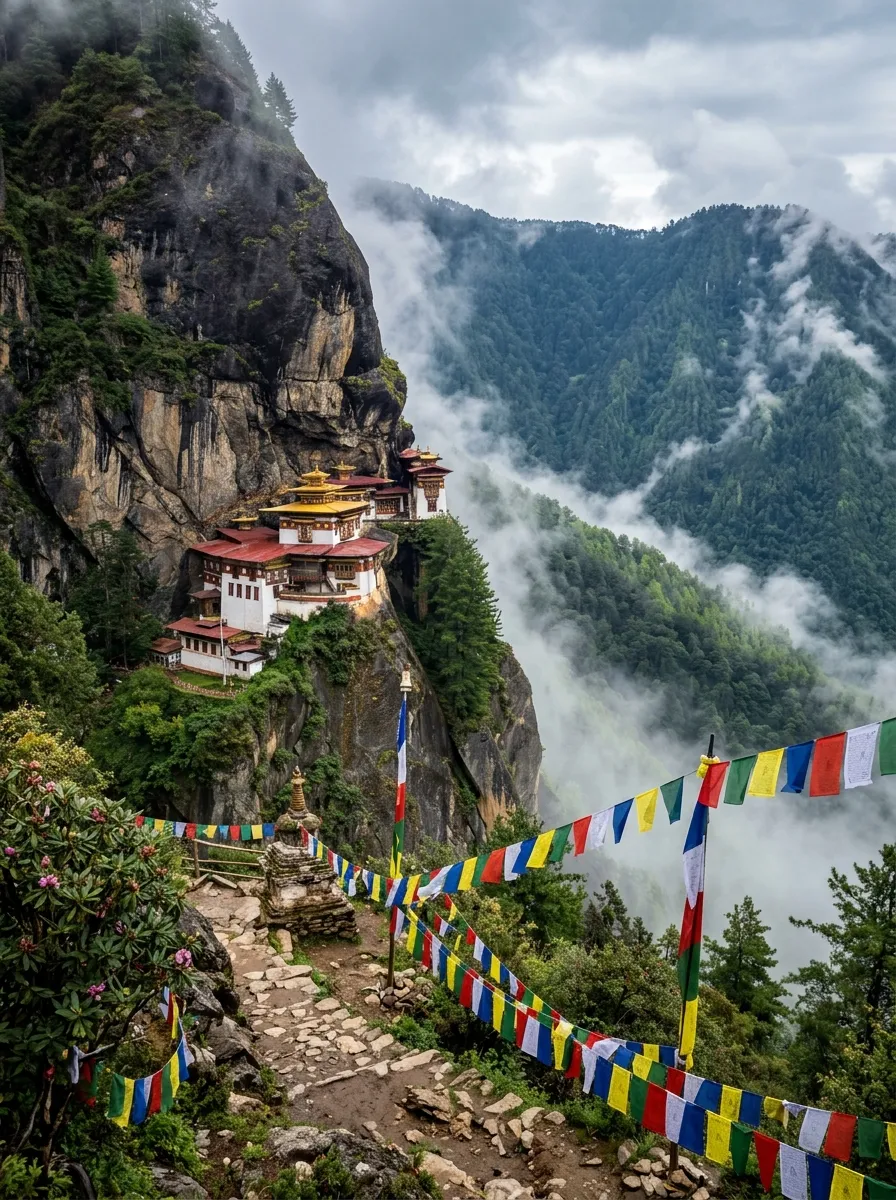
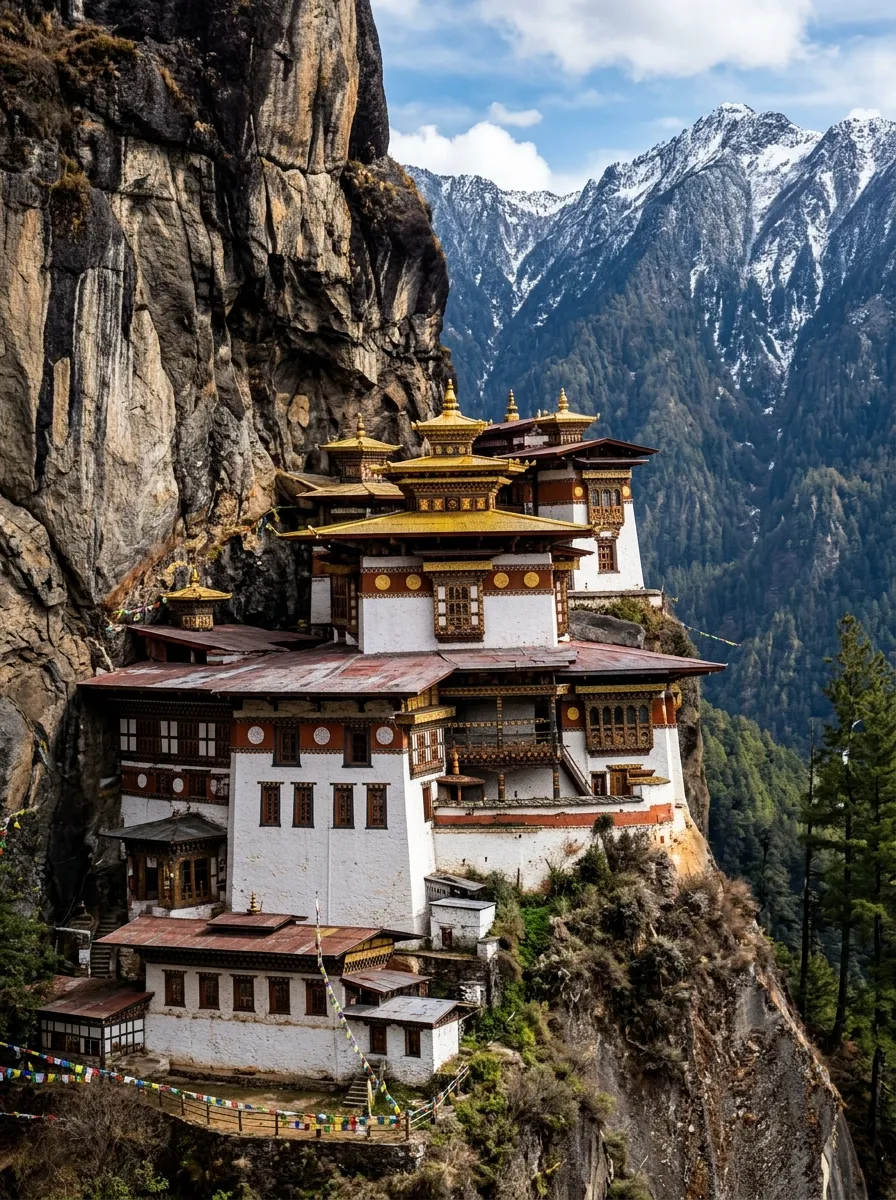
High above the Paro Valley, a cluster of white-and-gold buildings seems to hang from the side of a Himalayan cliff.
This is Paro Taktsang, better known to travelers as Tiger’s Nest Monastery.
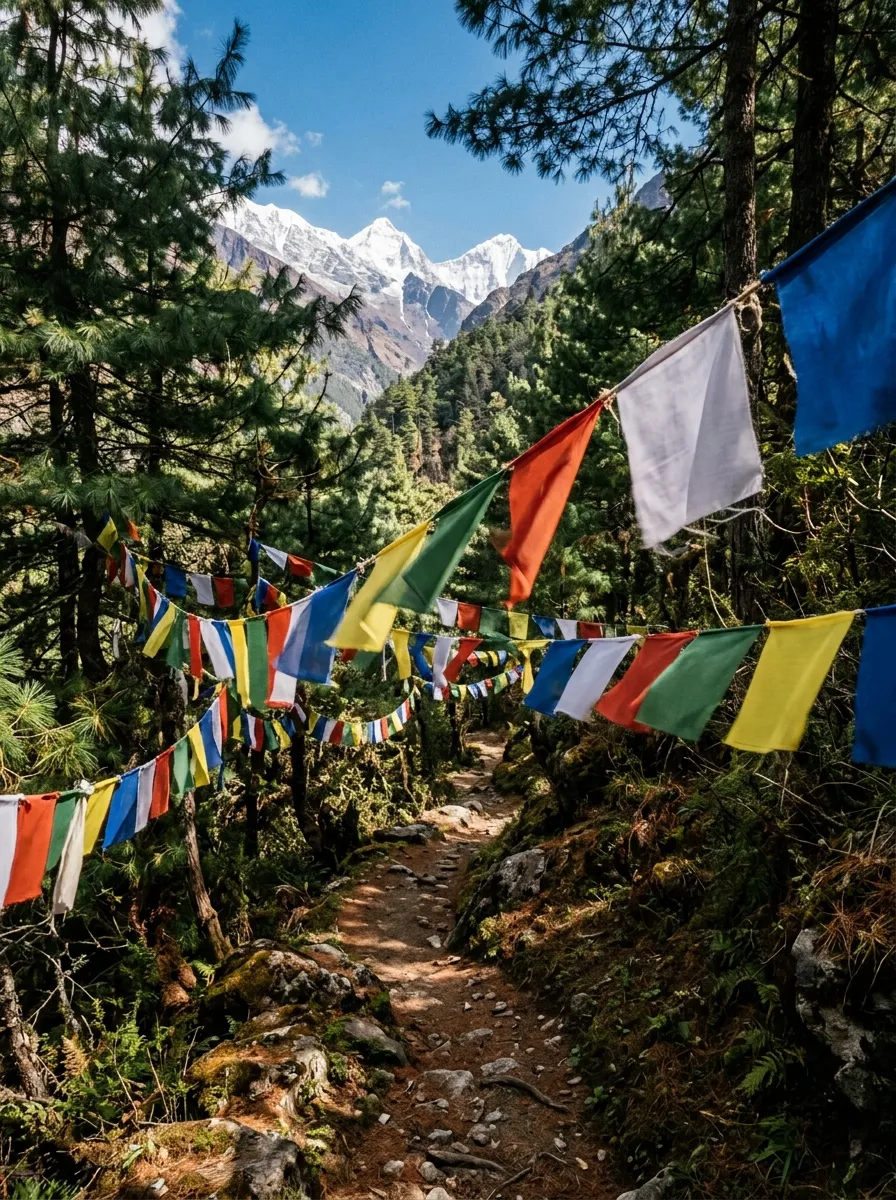
Getting there requires a steady uphill hike through pine forest, prayer flags and mountain scenery before the trail reaches the famous viewpoint over the monastery. Then comes the part many people remember most: a long staircase descending into the gorge and climbing back up toward the monastery itself.
It is not a technical mountain trek, but it is a real hike.
Bhutan’s official tourism site lists the Paro Taktsang hike as a 5 to 6-hour experience, while other official Bhutan material describes roughly a two-hour climb to the monastery itself. The difference comes from how long you spend at viewpoints and inside the monastery, plus the return journey.
If you’re planning to visit Tiger’s Nest for the first time, this guide explains how to get there, how difficult the hike is, what to wear, when to go, whether horses are available, what happens at the monastery and how to prepare for the altitude.
Recommended Travel Items for Your Trip
What Is Tiger’s Nest Monastery?
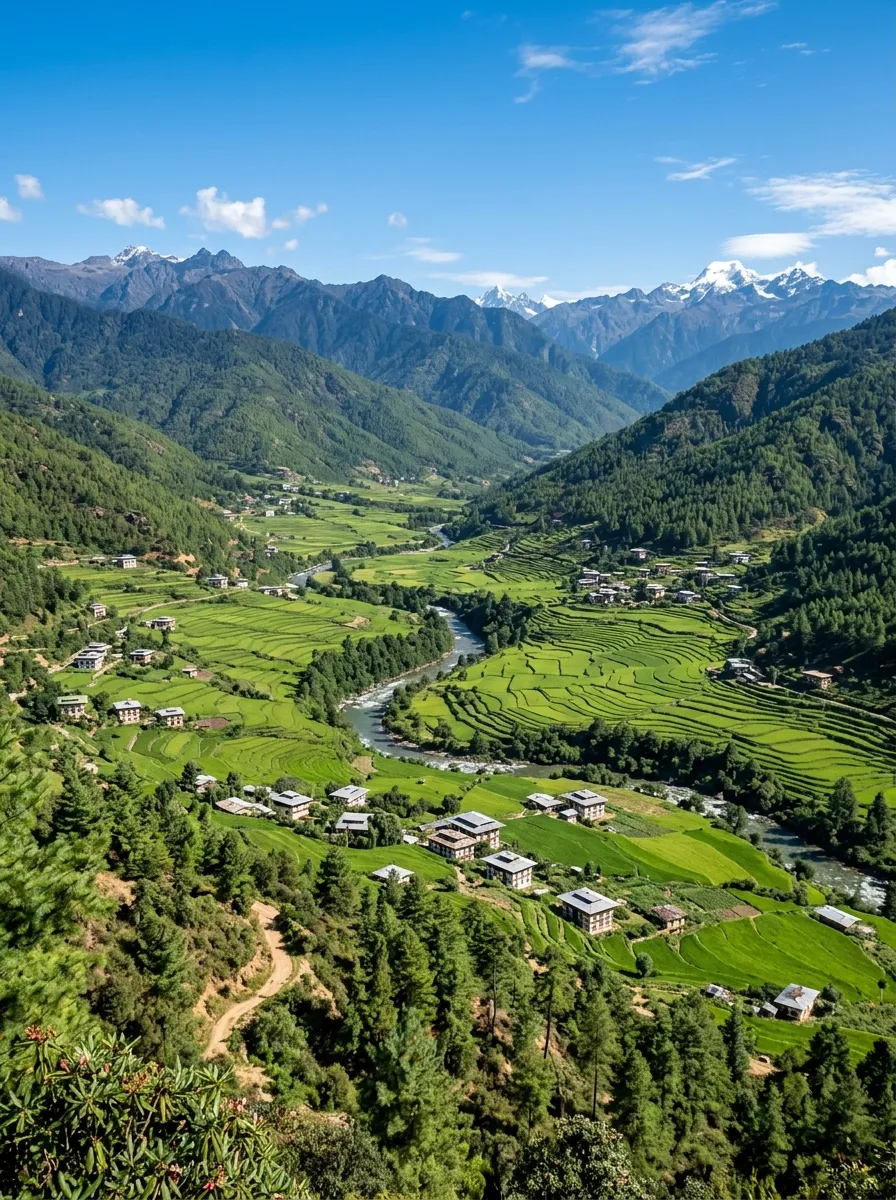
Tiger’s Nest is the popular name for Paro Taktsang, a sacred Buddhist monastery complex built into a cliff above the Paro Valley.
The site is associated with Padmasambhava, also known as Guru Rinpoche, who is traditionally believed to have arrived here in the 8th century after flying to the location on the back of a tigress.
The present monastery complex was constructed in 1692, according to Bhutan’s official tourism information. It has become one of Bhutan’s most important pilgrimage sites and one of the country’s defining landmarks.
The setting is extraordinary.
The monastery sits roughly 3,000 feet above the valley floor, while the trail begins from an elevation of around 7,000 feet in the Paro area and climbs toward approximately 10,000 feet.
That elevation is important.
The hike may not look extreme on a map, but the altitude can make your legs feel like they have suddenly filed a formal complaint.
Where Is Tiger’s Nest?
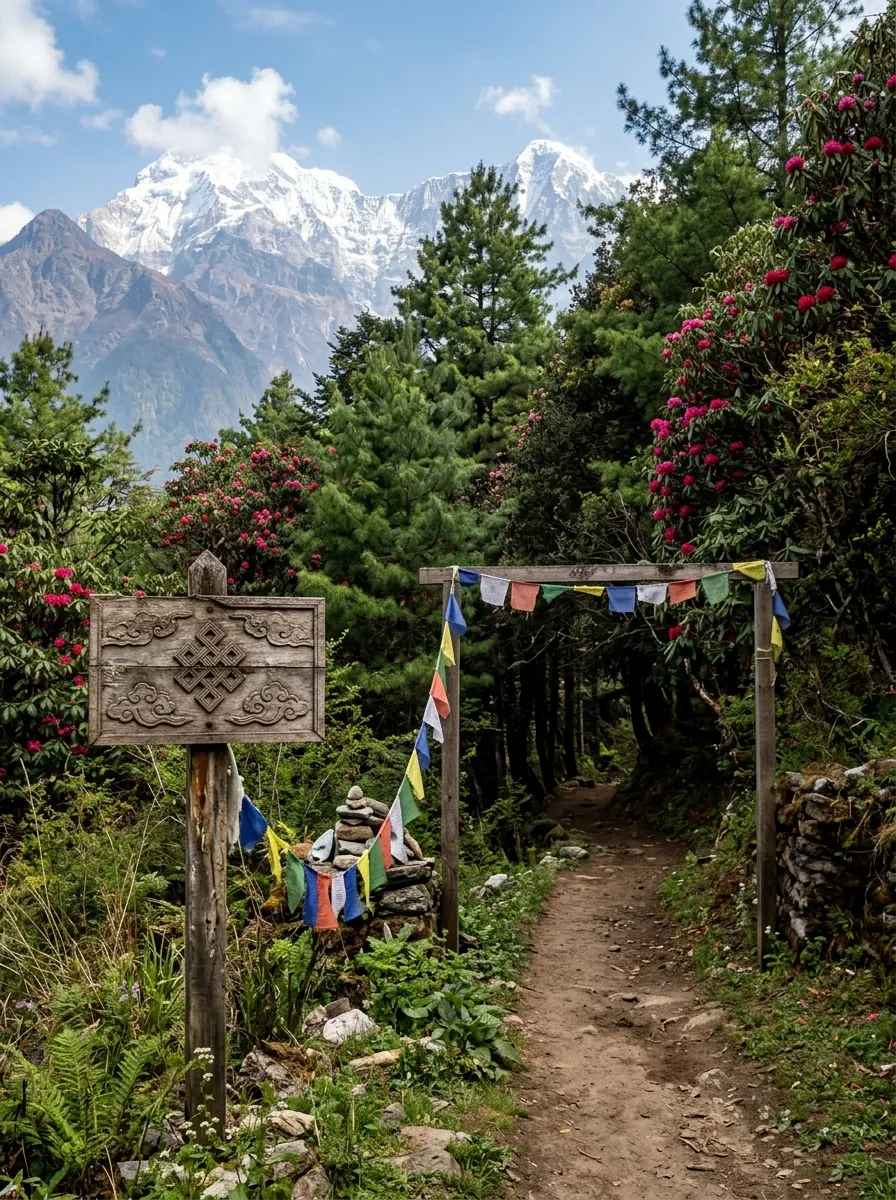
Tiger’s Nest is located in the Paro Valley in western Bhutan.
The trailhead is approximately 6 miles from Paro town, according to Bhutan’s official tourism information.
That makes Paro the obvious base for the hike.
If you’re staying in Thimphu, Punakha or another part of western Bhutan, you can arrange transportation to Paro, but it is much more comfortable to plan the hike around a night in Paro rather than trying to squeeze it into an exhausting cross-country travel day.
How To Get to the Tiger’s Nest Trailhead
The actual hike begins at a road-accessible area below the monastery.
Your Bhutanese guide and driver will normally take you there.
The official Bhutan tourism FAQ states that visitors must be accompanied by a guide, and trekking or hiking activities must be undertaken with an accredited tour operator or guide.
This is different from hiking in many countries where you simply download a trail map and head into the mountains.
In Bhutan, the guide is part of the travel system.
From Paro
Paro is the easiest base.
The trailhead is only a short drive from the town, so you can start early and return to your hotel later the same day.
From Thimphu
You can travel from Thimphu to Paro for the hike, but staying in Paro the night before is usually more comfortable.
It means you can start walking early rather than adding a morning drive to an already demanding day.
How Long Does the Tiger’s Nest Hike Take?
Plan for approximately 5 to 6 hours for the complete hike experience.
That includes walking to the monastery, spending time at viewpoints and the monastery, and returning to the trailhead. Bhutan’s official tourism site lists Paro Taktsang among its day hikes with a 5 to 6-hour duration.
The uphill section to the main viewpoint generally takes around two hours for many hikers, although your pace, fitness and altitude acclimatization can change that considerably. Bhutan Tourism describes a steady two-hour climb to around 10,000 feet.
A realistic planning table looks like this:
| Section | Approximate time |
| Trailhead to cafeteria/viewpoint area | 1.5 to 2.5 hours |
| Viewpoint to monastery | 30 to 60 minutes |
| Time at monastery | 45 to 90 minutes |
| Return hike | 1.5 to 2.5 hours |
| Total | Around 5 to 6 hours |
Don’t treat these as fixed timings.
The mountain doesn’t own a stopwatch.
How Difficult Is the Tiger’s Nest Hike?
For a reasonably active traveler, Tiger’s Nest is generally manageable.
But it is moderate to challenging, mainly because of elevation gain, altitude and the number of stairs.
You don’t need climbing equipment.
You do need:
- Comfortable hiking shoes
- Reasonable cardiovascular fitness
- Patience
- Water
- Time to take breaks
- Clothing appropriate for changing mountain weather
The trail climbs steadily through forest before reaching the famous monastery viewpoint.
Then comes a more complicated section involving stairs.
You will descend.
Then climb.
Then descend again.
Then climb again.
This is the part that catches many first-time visitors.
The Tiger’s Nest Trail Explained
Understanding the trail before you arrive makes the hike much easier mentally.
1. The Trailhead
The hike begins from the road-access area below Taktsang.
The first section is a steady climb through forest.
There are usually other hikers around, but don’t let someone else’s pace dictate yours.
2. The Forest Climb
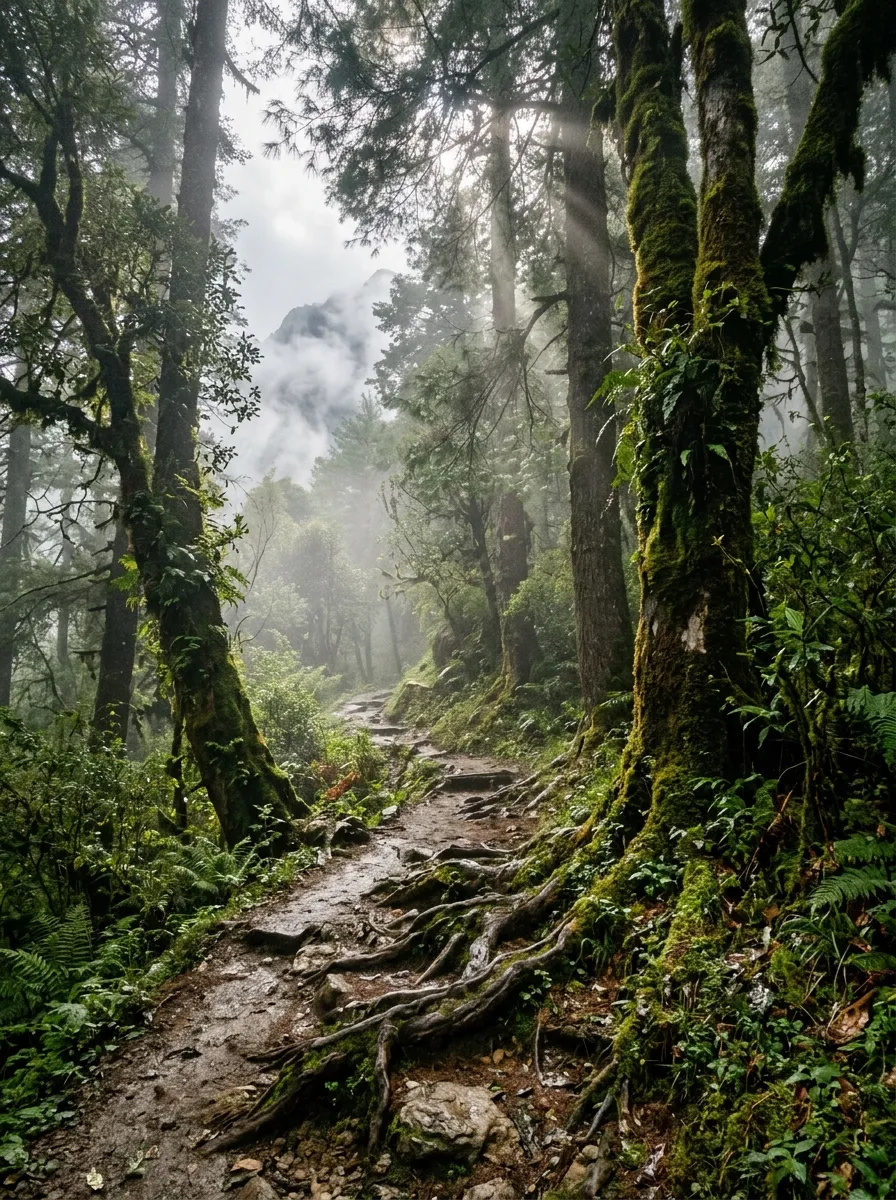
This is where you’ll gain much of the elevation.
The trail winds through pine forest and offers occasional views through the trees.
Prayer flags add color to the landscape.
Take your time here.
A slow, consistent pace is much more useful than charging uphill for 20 minutes and then needing a dramatic recovery meeting with a tree.
3. The Cafeteria and Viewpoint
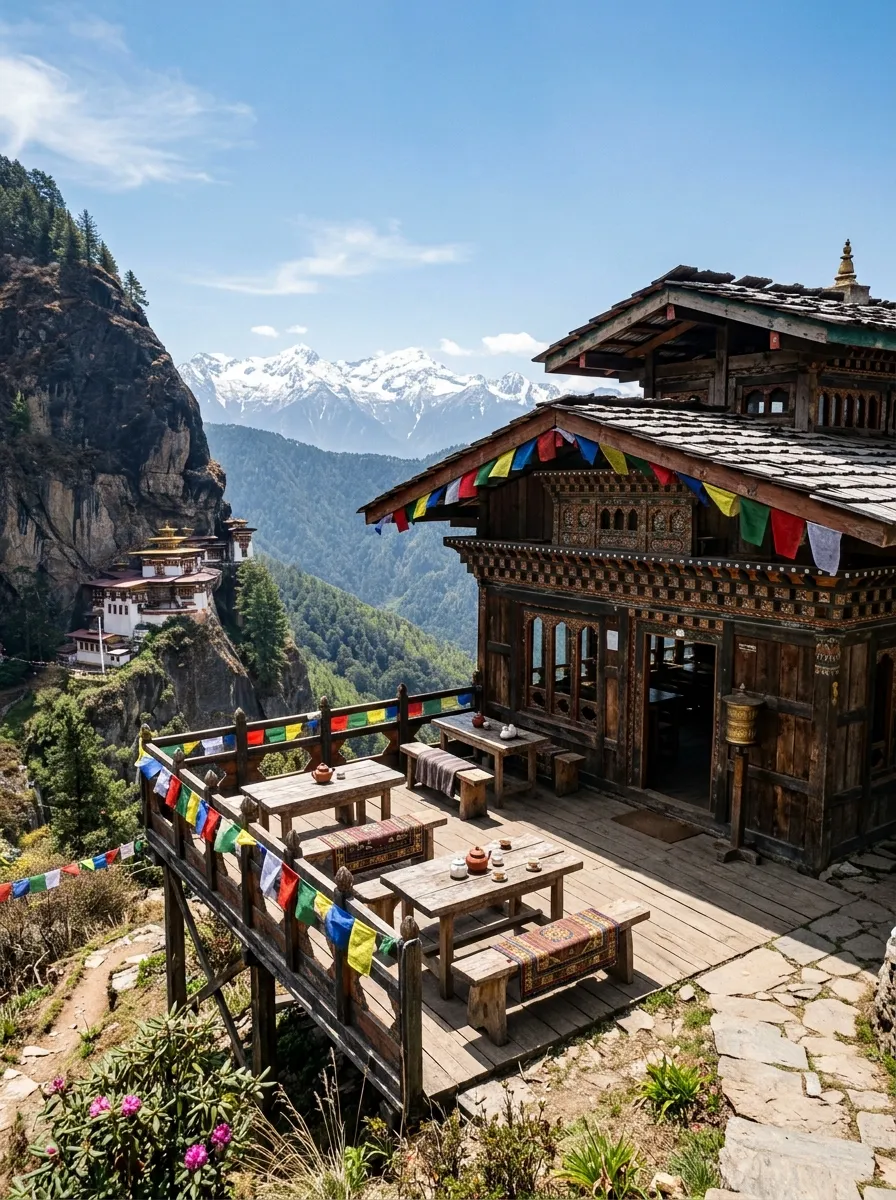
The trail eventually reaches the area where many hikers stop for refreshments and rest.
This is also where you get one of the classic views of Tiger’s Nest across the gorge.
It can feel like you’ve already arrived.
You haven’t.
The monastery is still across the valley.
4. The Staircase
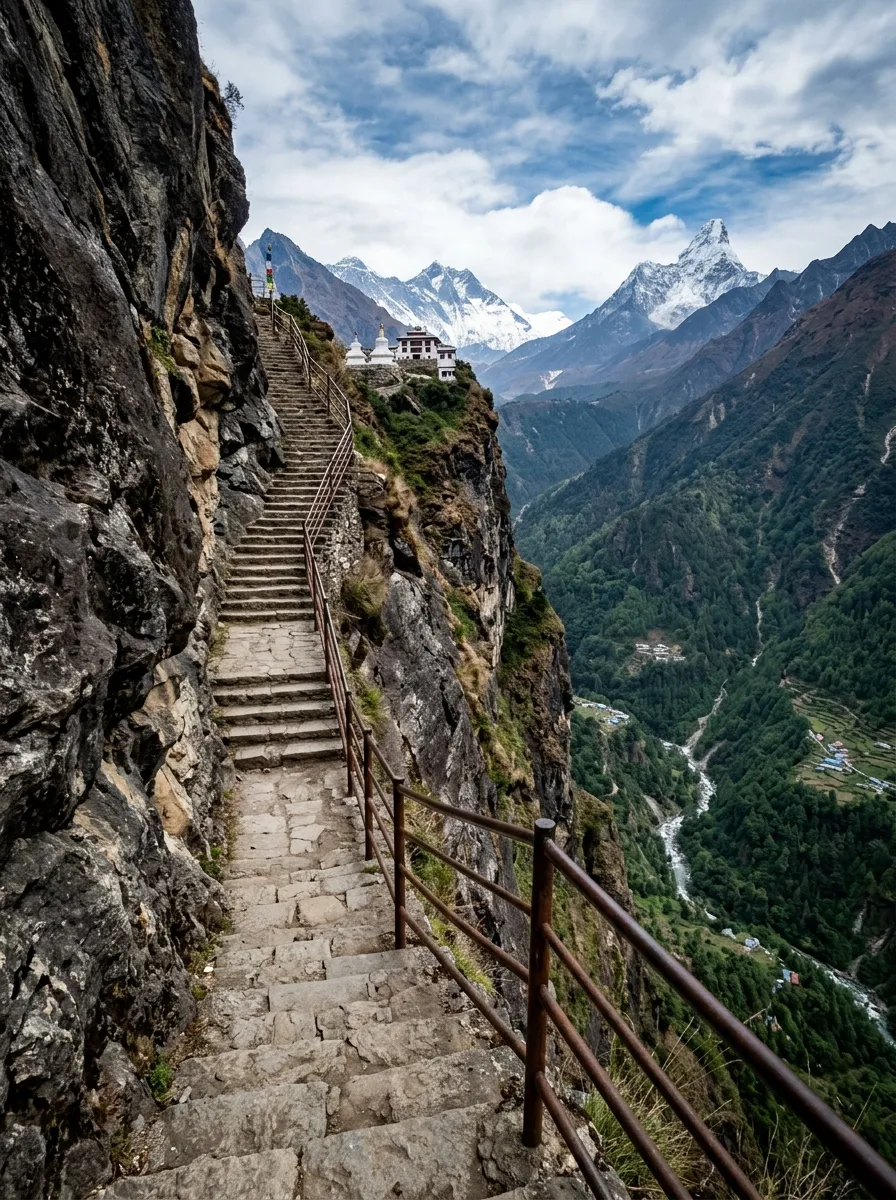
This is the famous section.
From the viewpoint, the trail drops down toward a waterfall and then climbs a staircase toward the monastery.
The staircase is one of the most physically demanding parts because you’ve already completed a substantial uphill climb.
Take it slowly.
Use the railings where available.
5. Tiger’s Nest Monastery
Eventually the trail reaches the monastery complex.
This is the moment to stop thinking about your step count.
The architecture, cliffside setting and surrounding mountains make the effort worthwhile from a sightseeing perspective.
Remember that this is a sacred religious site, not simply a viewpoint.
Can You Ride a Horse to Tiger’s Nest?
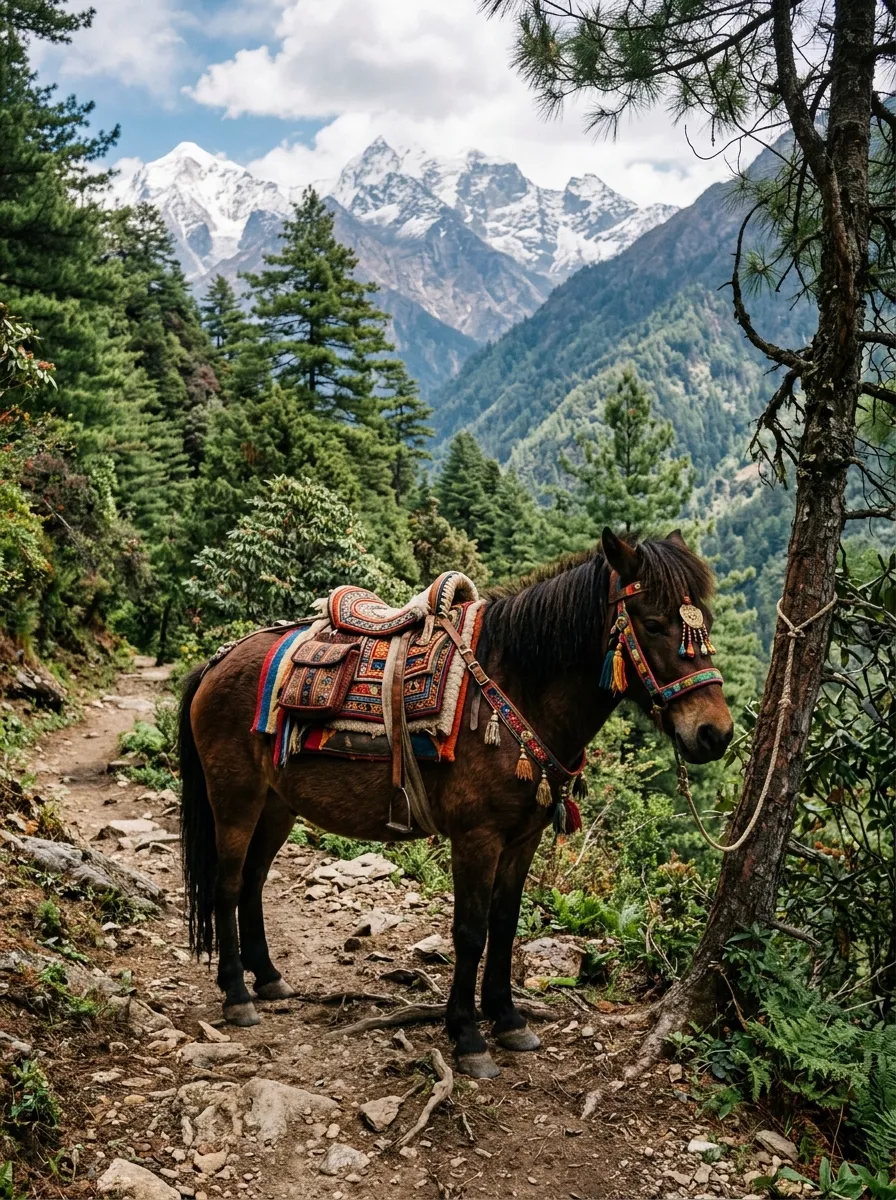
Horse services are available for part of the trail, but they are not a ride all the way to the monastery.
Bhutan Tourism notes that ponies can take visitors to around halfway up the hike.
There is also an important current rule.
Bhutan Tourism announced that guests who require horse-riding services for the Taktsang trail must pre-book them through the designated management system. The announcement says the requirement was introduced to organize the service and improve safety.
So don’t assume you can simply arrive at the trailhead and negotiate a horse ride.
If you need this option, arrange it ahead of time through your Bhutanese travel provider or the current Taktsang horse-service management.
And remember that you will still need to walk the upper section.
Should You Use a Horse?
That depends on your physical condition and comfort around animals.
For some travelers, a horse can reduce the hardest part of the initial climb.
For others, hiking the entire route is an important part of the experience.
If you’re considering a horse because you are struggling with altitude or have a medical concern, discuss your travel plans with your doctor before the trip. A horse is not a substitute for acclimatization.
What Should You Wear?
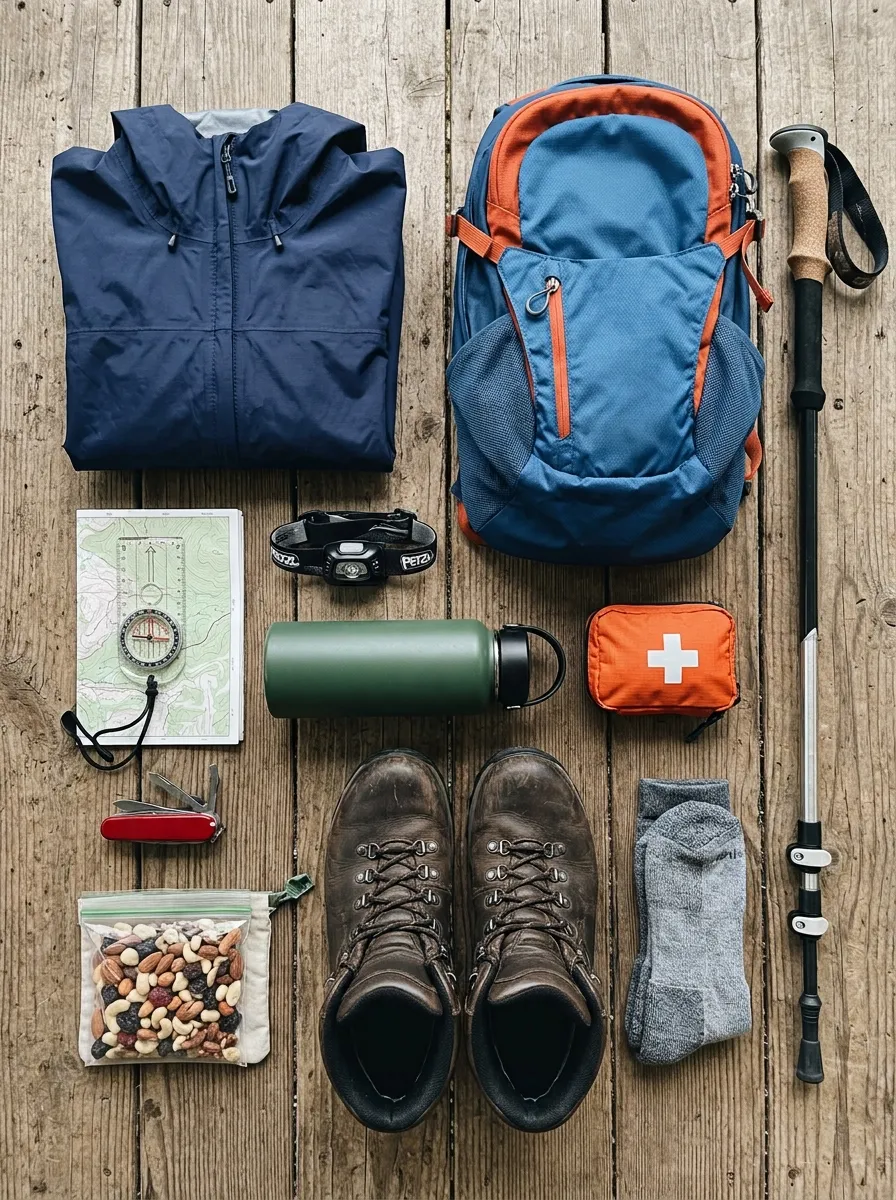
Dress for a mountain hike and a Buddhist monastery.
For the Hike
Wear:
- Comfortable hiking shoes
- Moisture-wicking shirt
- Lightweight hiking pants
- Warm layer
- Rain jacket
- Hat
- Sunglasses
For the Monastery
Your clothing should cover your shoulders and legs.
Bhutan’s official visitor guidance asks visitors to wear long sleeves and cover their legs when visiting temples. Hats and caps should also be removed at sacred sites.
A practical solution is to wear hiking clothes that already meet those standards.
You don’t need to carry a separate formal outfit up the mountain.
What Should You Pack?
Keep your daypack light.
You’ll notice every extra item once the trail starts climbing.
Tiger’s Nest Hiking Checklist
- Water bottle
- Small backpack
- Hiking shoes
- Rain jacket
- Warm layer
- Sunscreen
- Sunglasses
- Hat for the trail
- Snacks
- Camera or phone
- Power bank
- Basic medication
- Tissues
- Small first-aid kit
A trekking pole can also be useful if you have difficulty with steep descents or stairs.
Do You Need to Bring Food?
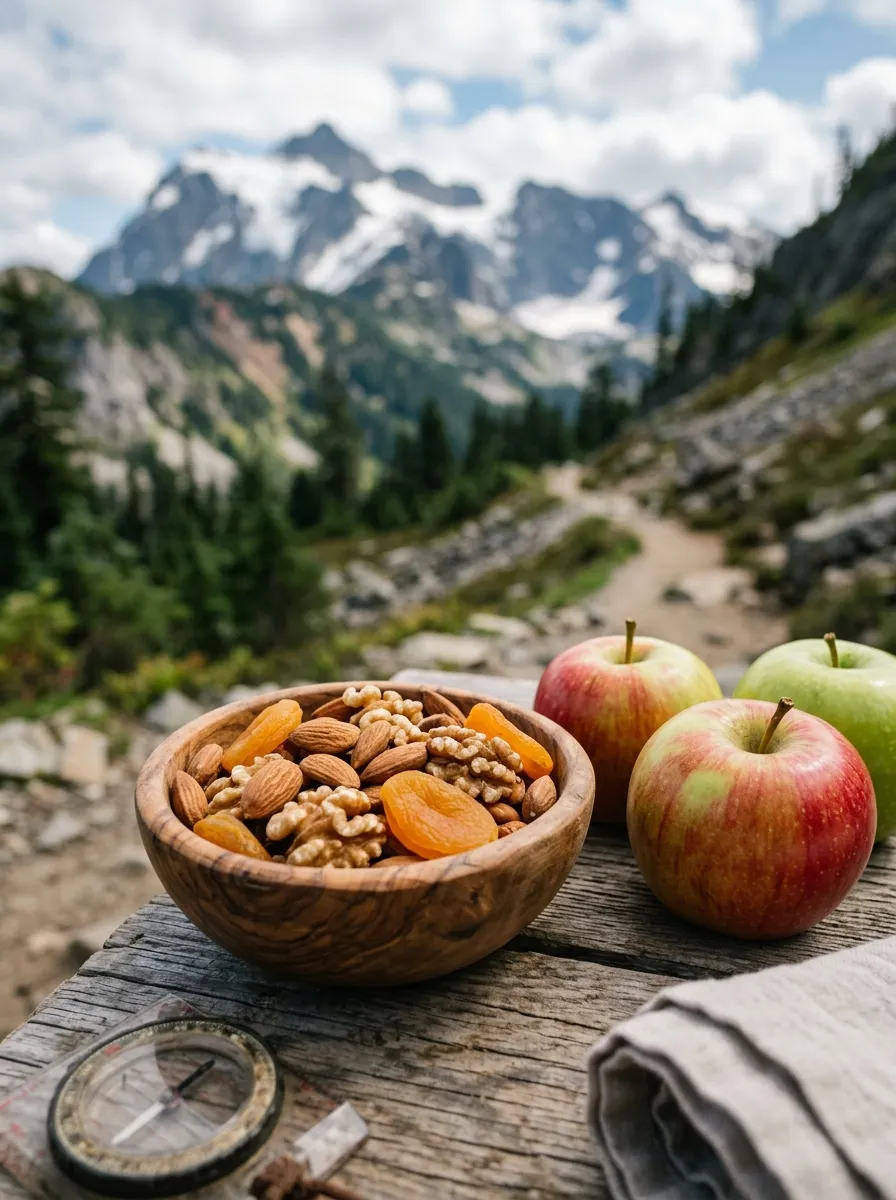
Bring a small snack.
The cafeteria on the route can provide refreshments, but you should not rely on it as your only food source.
Good hiking snacks include:
- Nuts
- Energy bars
- Dried fruit
- Chocolate
- Crackers
- Fresh fruit
Don’t overpack.
This isn’t an expedition to Everest Base Camp.
It’s a demanding day hike.
How Much Water Should You Carry?
Bring enough water for several hours of walking.
Your guide can advise you on local refill options and the day’s conditions.
Avoid arriving with a tiny bottle because it looked cute in your hotel room.
You are climbing thousands of feet.
Hydration matters.
How To Deal With the Altitude
Altitude is one of the biggest differences between Tiger’s Nest and an ordinary day hike.
The monastery sits at roughly 10,000 feet above sea level, according to Bhutan’s tourism information.
If you have just arrived in Bhutan from a much lower elevation, don’t expect your body to behave exactly as it does at sea level.
The best strategy is simple:
Slow down.
Take regular breaks.
Drink water.
Don’t sprint the first section.
Tell your guide if you feel unwell.
Symptoms such as severe headache, vomiting, confusion, unusual weakness or difficulty breathing should not be ignored. Descending and seeking medical assistance may be necessary if serious altitude symptoms develop.
Best Time To Hike Tiger’s Nest
Tiger’s Nest can be visited throughout much of the year, but conditions vary considerably.
Spring
Spring brings greener landscapes and comfortable hiking conditions, although weather can change quickly.
Summer and Monsoon
Rain can make sections of the trail muddy and slippery.
If you’re visiting during wetter periods, good footwear becomes particularly important.
Autumn
Autumn often brings clearer mountain views and pleasant hiking weather.
It is a popular time to visit Bhutan, so expect more visitors around major attractions.
Winter
Winter can be cold, but clear skies can create beautiful views.
Bhutan Tourism specifically notes that winter can offer calm trails and clear views around Tiger’s Nest.
Whatever month you choose, check the weather forecast with your guide before leaving.
What Time Should You Start the Hike?
An early start is usually the most comfortable approach.
Starting in the morning gives you:
- Cooler temperatures
- More time for the hike
- Better flexibility if you’re walking slowly
- More time at the monastery
- A larger buffer for changing weather
It also means you can return to Paro in the afternoon instead of finishing the hike late.
Your guide can advise you on the best departure time based on weather and current conditions.
What Is the Monastery Like Inside?
The interior is a sacred religious space.
Do not expect to walk around taking photographs like you would in a museum.
Bhutan’s official visitor guidance says visitors should remove their shoes when entering temples and refrain from taking photographs inside sacred sites. It also asks visitors not to touch religious objects or paintings.
Follow your guide’s instructions.
Keep your voice low.
Avoid blocking worshippers.
Don’t sit on sacred thrones.
Don’t touch religious objects.
This small amount of respect matters far more than getting the perfect interior photograph.
Can You Take Photos at Tiger’s Nest?
Yes, photography around the exterior and surrounding landscape is an important part of the experience.
But photography rules apply inside sacred areas.
Bhutan Tourism specifically advises visitors not to take photographs inside sacred sites and asks travelers to be considerate when photographing people.
The classic photograph is taken from the viewpoint across the gorge.
You’ll probably recognize it immediately.
The monastery seems to grow directly from the cliff face, with the valley falling away behind it.
Is Tiger’s Nest Suitable for Families?
It can be, depending on the children’s age and hiking ability.
Bhutan Tourism specifically describes Tiger’s Nest as a family-friendly experience and notes that ponies can transport younger guests partway up the trail.
However, parents should not underestimate:
- Elevation
- Stairs
- Long walking time
- Weather changes
- The return descent
Young children may become tired before reaching the monastery.
Plan plenty of breaks.
Is Tiger’s Nest Suitable for Older Travelers?
Age alone doesn’t determine whether you can complete the hike.
Fitness, acclimatization and existing medical conditions matter much more.
Older travelers should consider walking slowly, taking regular breaks and discussing any altitude concerns with their doctor before traveling.
If necessary, ask your guide about the horse option for the lower portion of the trail.
How Much Does It Cost To Visit Tiger’s Nest?
There isn’t one simple “Tiger’s Nest ticket price” that covers the entire experience.
Your Bhutan trip already involves the country’s Sustainable Development Fee.
For most international visitors, the current SDF is US$100 per adult per night, with reduced rates for children. Indian nationals have a separate SDF rate.
Some monuments also charge separate entrance fees.
Bhutan’s official FAQ says some monuments are chargeable and others are free, with monument fees payable on arrival where applicable.
Because the official tourism authority maintains a current monument-fee schedule, check that information through your guide or Bhutan Tourism before budgeting a separate Taktsang admission amount.
Do You Need a Guide for Tiger’s Nest?
Yes.
Bhutan’s current tourism rules state that visitors must be accompanied by a guide, and the country’s FAQ specifically says all treks must be undertaken with an accredited tour operator or guide.
This makes planning relatively straightforward.
Your guide can help with:
- Transportation
- Trail timing
- Weather
- Horse arrangements
- Monument access
- Cultural etiquette
- Safety
- Local history
You also don’t need to organize every part of Bhutan through a tour operator. Bhutan reopened independent trip planning in 2022, but the guide requirement remains.
A Simple Tiger’s Nest Day Itinerary
7:00 AM: Breakfast in Paro
Eat properly.
You have several hours of walking ahead.
7:30 to 8:00 AM: Leave for the Trailhead
Your driver takes you to the starting area.
8:30 AM: Begin Hiking
Start slowly.
Don’t try to win the mountain.
10:30 AM: Reach the Main Viewpoint
Rest.
Take photographs.
Have water and a snack.
11:00 AM: Continue Toward the Monastery
Begin the staircase section.
Take your time.
11:30 AM to 12:30 PM: Explore Tiger’s Nest
Spend time at the monastery and follow all religious-site rules.
12:30 to 1:00 PM: Begin Return
Allow plenty of time for the descent.
2:30 to 3:30 PM: Reach the Trailhead
Depending on your pace and breaks, you may finish earlier or later.
Afternoon: Return to Paro
Have a late lunch or relax at your hotel.
If your legs have opinions, this is the appropriate time to hear them.
Tiger’s Nest Hiking Tips
Start Slow
The biggest mistake is attacking the first climb too quickly.
Don’t Chase Someone Else’s Pace
Everyone responds differently to altitude.
Keep Your Day Flexible
Weather and hiking speed are unpredictable.
Wear Proper Shoes
The trail includes uneven ground and stairs.
Carry a Rain Layer
Mountain weather can change quickly.
Keep Your Camera Accessible
The scenery changes throughout the climb.
Respect the Monastery
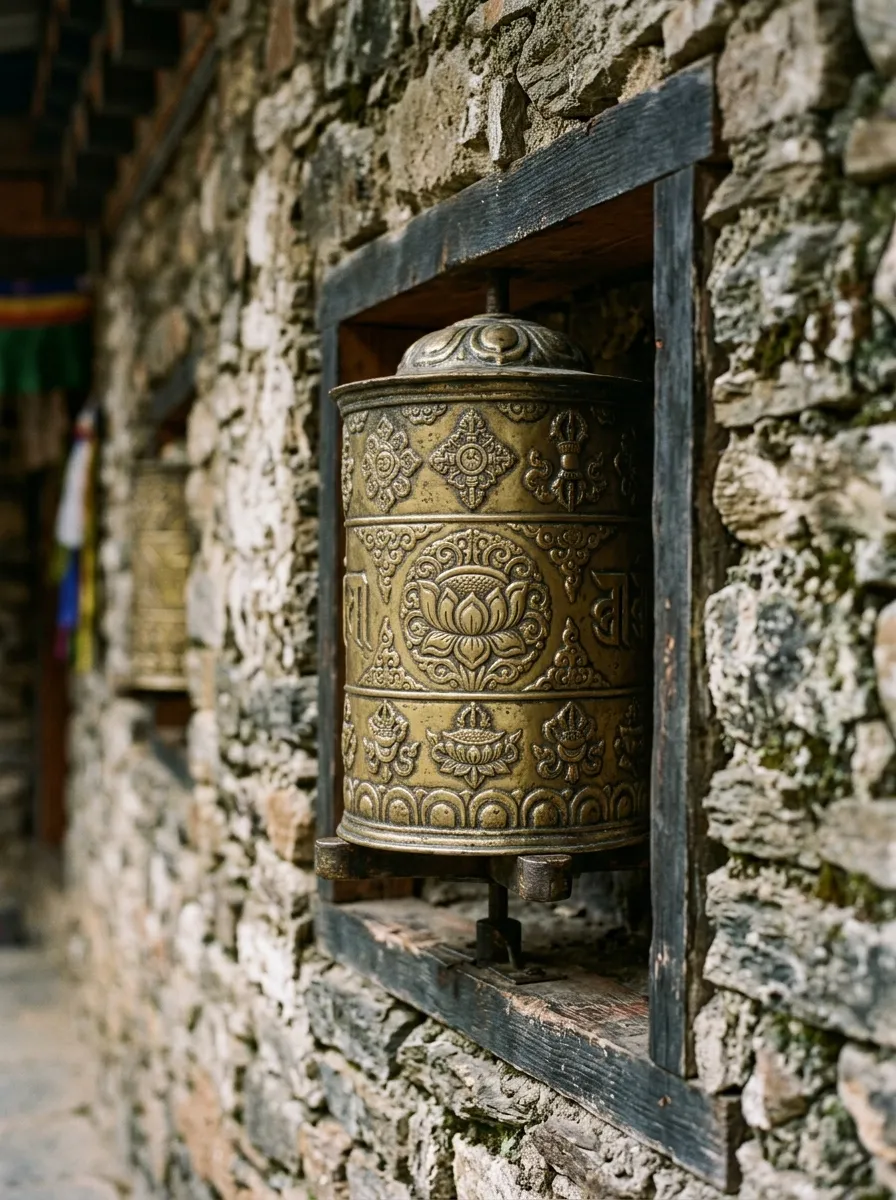
You are visiting a sacred Buddhist site.
Follow Your Guide
Your guide knows the current conditions and cultural expectations.
Where To Stay Before the Hike
Paro
Paro is the obvious choice.
Staying in Paro means you can reach the trailhead early without beginning the day with a long drive.
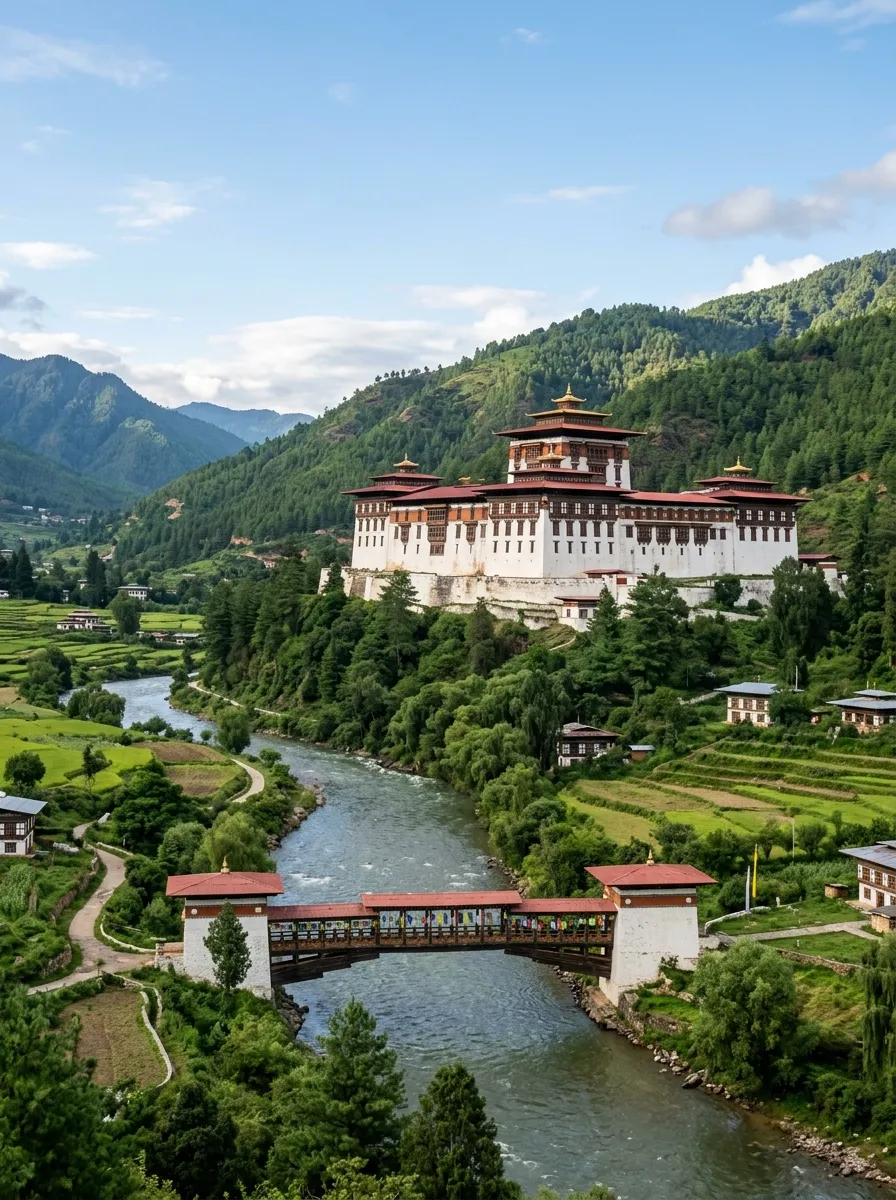
It also gives you time to explore attractions such as Rinpung Dzong and the Paro Valley.
Thimphu
Thimphu works if your itinerary is tight, but it is less convenient for an early Tiger’s Nest start.
If possible, spend the night before the hike in Paro.
Tiger’s Nest and the Rest of Bhutan
Tiger’s Nest is often the headline attraction, but it shouldn’t be the only experience on your Bhutan itinerary.
Give yourself time for:
- Paro Valley
- Thimphu
- Punakha
- Dochula Pass
- Buddhist monasteries
- Traditional villages
- Mountain viewpoints
- Local food
- Short hikes
If you’re building a wider Asian itinerary, our guide to [must-visit cities in Asia] can help you connect Bhutan with other destinations across the region. Must-visit cities in Asia
For travelers interested in mountain landscapes beyond Bhutan, you can also explore our [Kyrgyzstan travel guide]. Kyrgyzstan travel guide
Tiger’s Nest for Photography
If photography is one of your reasons for visiting Bhutan, Tiger’s Nest deserves plenty of time.
The viewpoint provides the classic composition, but the hike itself offers plenty of opportunities:
- Prayer flags against pine forests
- Mountain valleys
- Cliffside architecture
- Waterfalls
- Mist
- Himalayan landscapes
- Changing light on the monastery
Bhutan Tourism specifically promotes the country as a photography destination and highlights Tiger’s Nest among its photographic landmarks.
Don’t spend the entire hike looking through your phone.
Some of the best views happen between the obvious viewpoints.
For more visual travel inspiration, check our [Instagrammable places in Asia] guide. Instagrammable places in Asia
What Travel Essentials Should You Bring?
For a Bhutan trip that includes Tiger’s Nest, a few practical items are especially useful.
Think:
- Lightweight daypack
- Comfortable hiking shoes
- Reusable water bottle
- Rain jacket
- Warm layer
- Power bank
- Sunscreen
- Sunglasses
- Small first-aid kit
- Travel insurance information
- Passport
- Camera or phone
Our guide to [travel essentials you actually need] covers practical gear that can be useful beyond Bhutan as well. Travel essentials you actually need
Frequently Asked Questions
How long does it take to hike Tiger’s Nest?
Allow around 5 to 6 hours for the complete hike experience, including the ascent, monastery visit and return. The uphill climb to the monastery area can take around two hours depending on your pace.
Is Tiger’s Nest hike difficult?
It is a moderate-to-challenging day hike because of the elevation gain, altitude and stairs. It does not require technical climbing equipment.
Can you hike Tiger’s Nest without a guide?
No. Bhutan’s current tourism rules require visitors to be accompanied by a guide, and treks must be undertaken with an accredited tour operator or guide.
Can you ride a horse to Tiger’s Nest?
Horses can take visitors partway along the trail, but they do not take you all the way to the monastery. Horse services must be arranged in advance under the current Taktsang management system.
What should I wear to Tiger’s Nest?
Wear comfortable hiking clothing with good shoes, but make sure your clothing is appropriate for entering a Buddhist temple. Bhutan Tourism advises covering your shoulders and legs and removing hats inside sacred settings.
Can you take photos inside Tiger’s Nest?
Photography is restricted inside sacred sites. Bhutan Tourism advises visitors not to take photographs inside temples and to respect people who are praying or practicing their faith.
What is the best month to hike Tiger’s Nest?
Spring and autumn are popular for comfortable hiking conditions, while winter can offer clear skies and quieter trails. Weather varies considerably in the mountains, so check current conditions with your guide.
How high is Tiger’s Nest?
The monastery sits around 10,000 feet above sea level, according to Bhutan’s official tourism information. The trail involves roughly 3,000 feet of elevation gain from the Paro area.
Do you need to stay in Paro?
No, but Paro is the most convenient base for the hike. Staying there the night before allows you to begin early without adding a long drive before the climb.
Final Thoughts
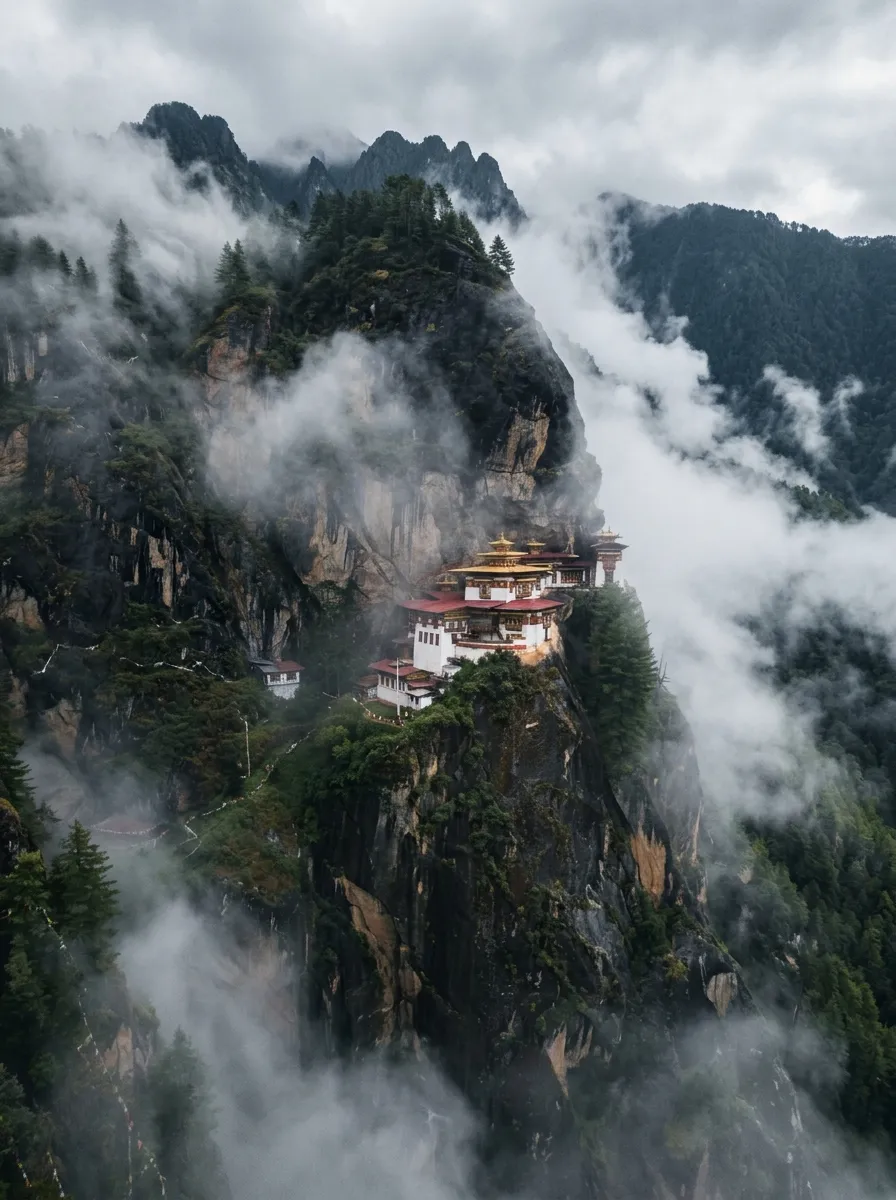
The Tiger’s Nest hike is not really about reaching a famous photograph.
The photograph is simply the invitation.
The actual experience is the gradual climb through the forest, the prayer flags moving in the mountain air, the first glimpse of the monastery across the gorge and the final staircase that seems determined to test whatever confidence you brought with you.
Give yourself five to six hours.
Start early.
Walk slowly.
Dress respectfully.
Bring water and a rain layer.
And leave enough space in your day to actually experience the monastery rather than treating it as a checkbox on a Bhutan itinerary.
Tiger’s Nest has been drawing pilgrims for centuries.
You only need to walk one morning to understand why.