How To Visit Wae Rebo Village In Flores, Indonesia
Wae Rebo is the kind of place that makes you understand why some destinations are worth the extra effort.
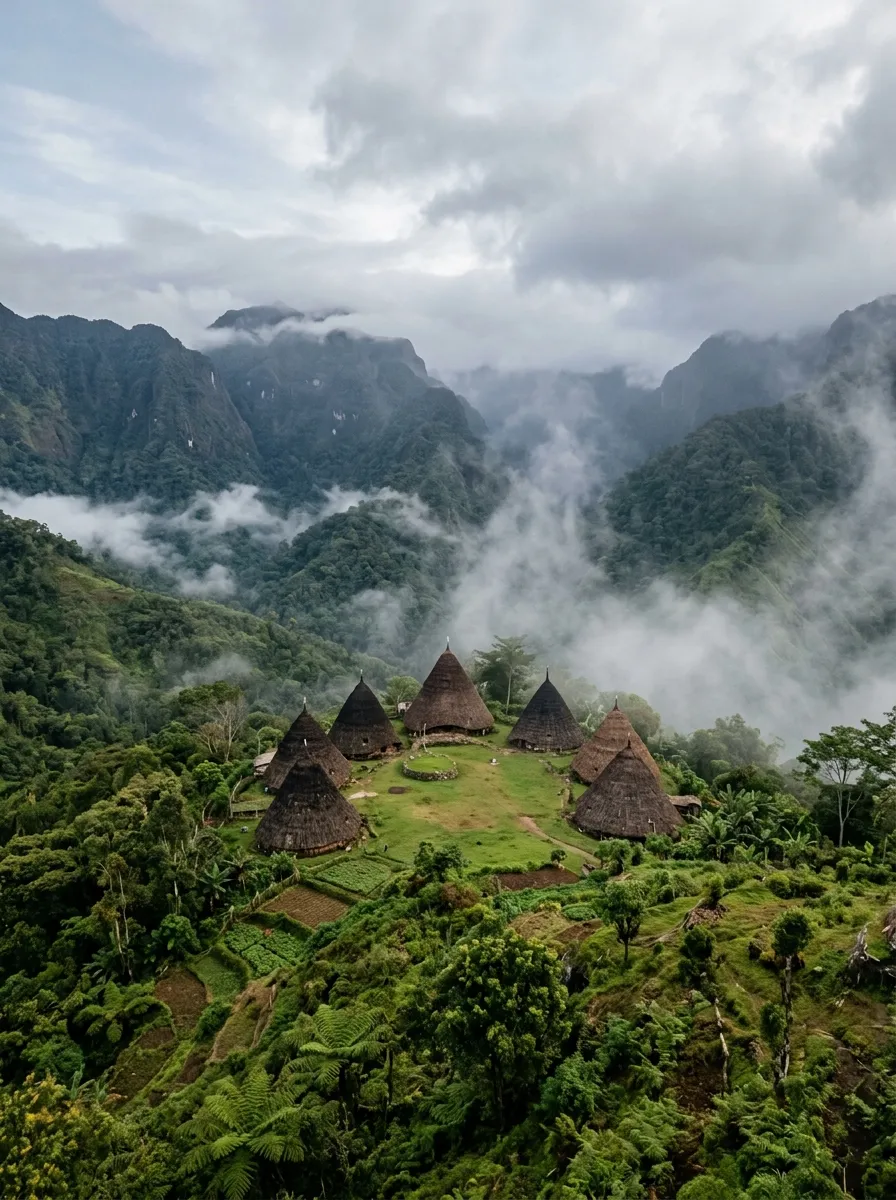
Hidden high in the mountains of Flores, Indonesia, this remote traditional village is surrounded by dense forest, green mountain slopes and frequent mist. At its center are seven enormous cone-shaped houses called Mbaru Niang, arranged in a circle and still used by the local Manggarai community.
There is no road directly to Wae Rebo.
You drive as far as the mountain roads allow, leave the vehicle behind, and continue on foot through the forest. Depending on the route and your pace, the trek can take roughly two to four hours.
That journey is part of the experience.
If you’re planning to visit Wae Rebo from Labuan Bajo, Ruteng or elsewhere in Flores, this guide explains exactly what to expect, how to get there, how difficult the trek is, where to stay, what it costs, what to pack and how to behave once you arrive.
Recommended Travel Items for Your Trip
Where Is Wae Rebo?
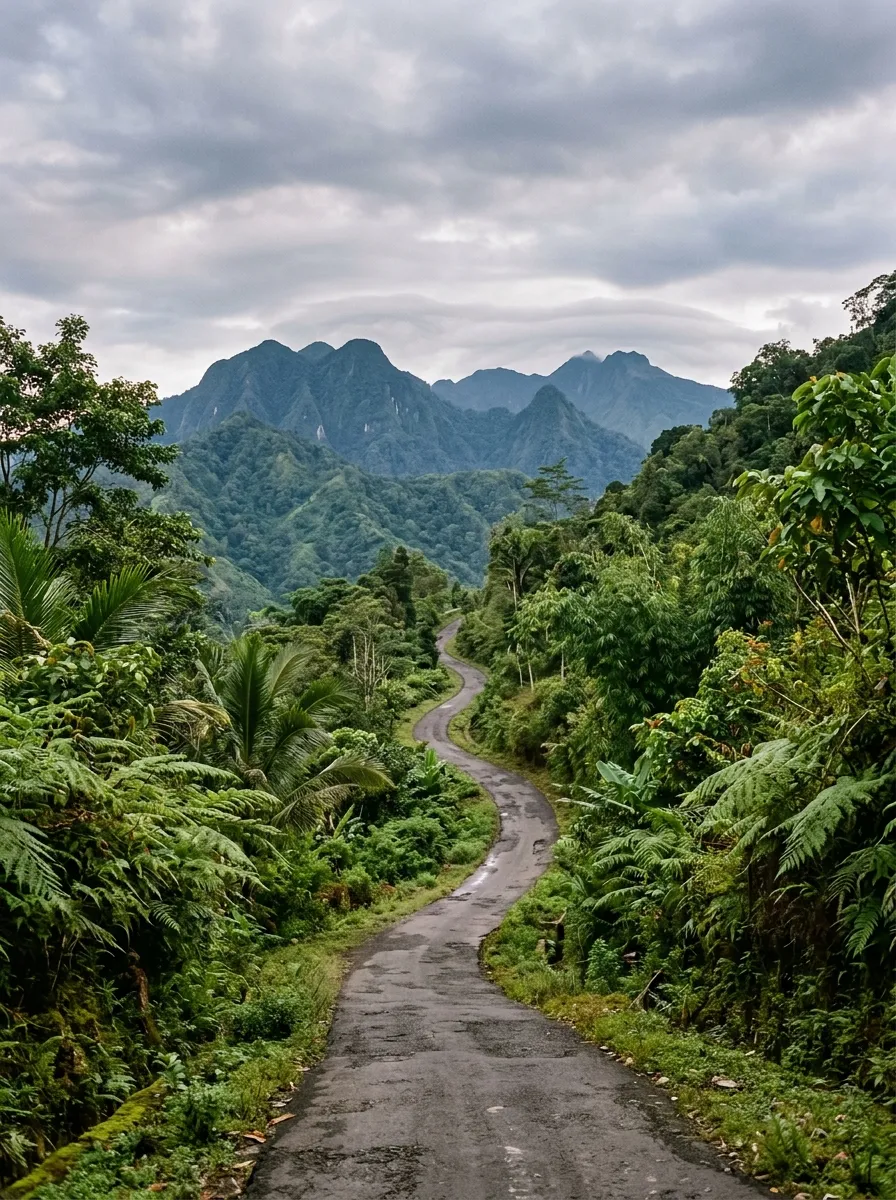
Wae Rebo is a traditional village in Manggarai Regency on the island of Flores, in East Nusa Tenggara.
The village sits at roughly 1,100 to 1,200 meters above sea level and is surrounded by mountains and the Todo forest. Indonesia’s official tourism information describes it as a remote highland village known for its Mbaru Niang houses and traditional Manggarai culture.
The nearest major tourist hub is Labuan Bajo, the gateway to Komodo National Park.
From Labuan Bajo, you travel inland toward Ruteng and then continue toward Denge. Denge is the important part of the journey because it is the final road-accessible area before the trek into the mountains.
The basic journey looks like this:
Labuan Bajo → Ruteng → Denge → trek → Wae Rebo
It is not a quick side trip, but that’s exactly what keeps the village feeling so different from Indonesia’s more heavily visited destinations.
Why Is Wae Rebo So Special?
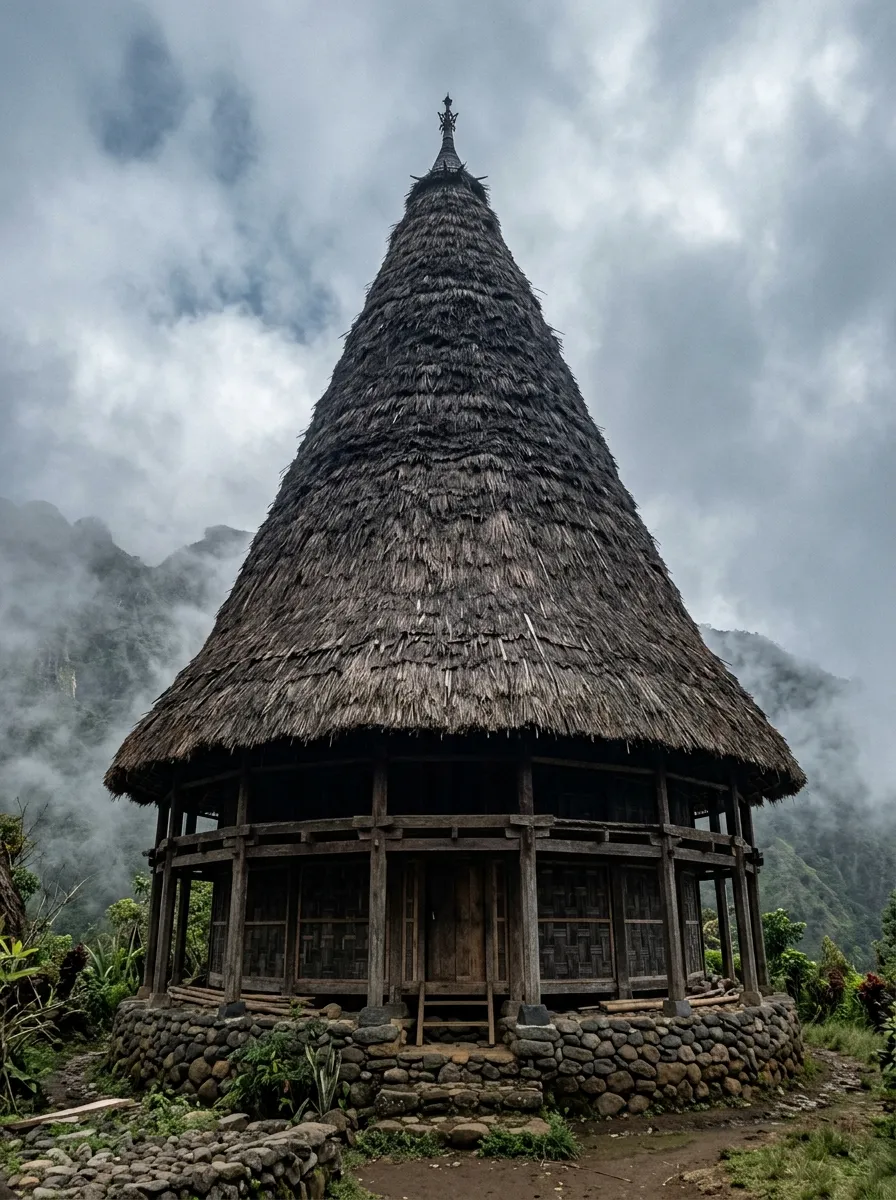
The obvious answer is the seven Mbaru Niang houses.
These enormous cone-shaped traditional buildings are the visual symbol of Wae Rebo. Each has multiple levels with different purposes, including living areas, food storage and spaces connected with traditional beliefs.
But the architecture is only half the story.
Wae Rebo is a living community rather than an open-air museum. People still live in the houses, maintain their traditions and practice agriculture, including growing coffee.
The village’s cultural heritage was recognized through the UNESCO Asia-Pacific Heritage Awards in 2012 for the preservation and rebuilding of its traditional Mbaru Niang architecture.
That distinction matters when you visit.
You are entering someone’s community, not simply walking into a photogenic attraction.
How To Get To Wae Rebo
There are three main stages to reaching Wae Rebo:
- Get to Flores
- Drive to Denge
- Trek from the road to the village
For most international travelers, Labuan Bajo is the easiest starting point.
Step 1: Fly to Labuan Bajo
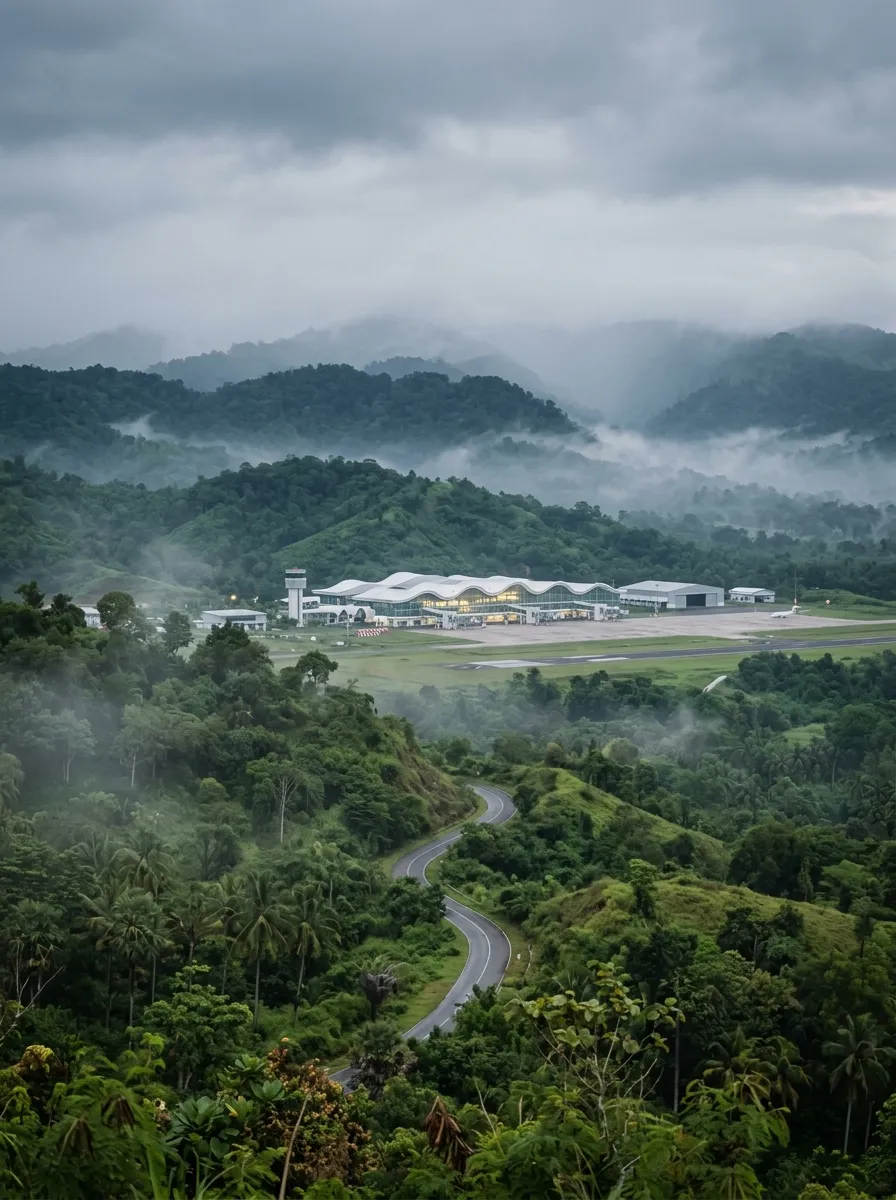
Labuan Bajo is the most convenient gateway for a Wae Rebo trip, particularly if you are also visiting Komodo National Park.
Komodo International Airport serves Labuan Bajo, and the town has become the main tourism hub for western Flores.
If you are already planning time in Bali, it is easy to make Flores part of a larger Indonesia itinerary. You can use our [Bali travel guide] for ideas on combining Bali with other Indonesian destinations. Bali travel guide
Step 2: Travel From Labuan Bajo to Denge
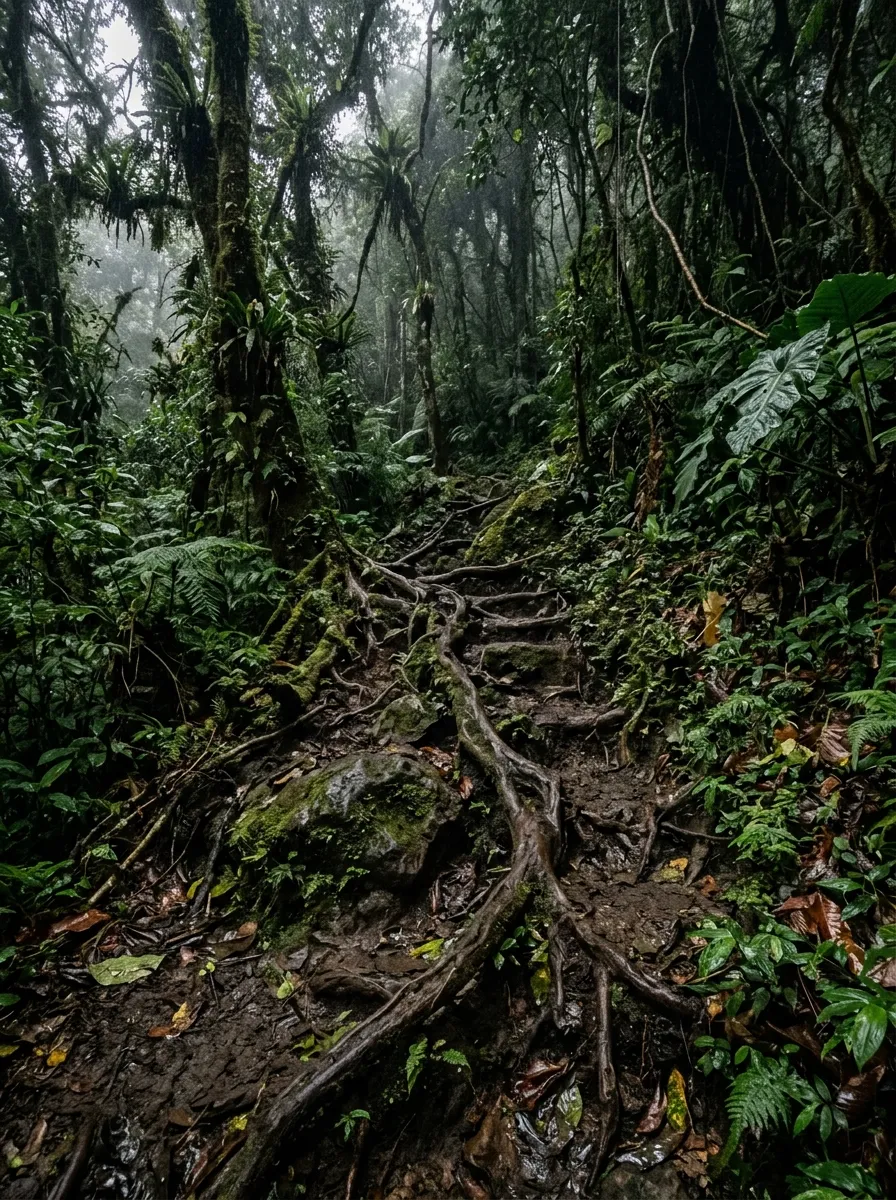
The overland journey from Labuan Bajo to Denge generally takes around five to six hours, depending on the route, road conditions and stops. Indonesia’s official tourism information gives approximately five to six hours for the journey to Denge.
A typical route is:
Labuan Bajo → Ruteng → Denge
Some travelers break the journey by spending a night in Ruteng. This is particularly sensible if you don’t want to combine a long drive with several hours of trekking on the same day.
Current local travel information puts the Labuan Bajo to Denge drive at roughly 180 km, although road routes and stated distances vary depending on the route used.
The important thing is not the exact kilometer count.
It is that this is a full travel day.
Step 3: Trek to Wae Rebo
Once you reach the road’s endpoint around Denge, the vehicle stays behind.
The rest of the journey is on foot.
Official Indonesian tourism sources currently describe the trek as roughly two to four hours depending on the starting point, route and walking pace. One current official guide gives approximately two to three hours, while another lists around three to four hours.
This variation is normal.
The access route and starting points used by visitors can differ, and weather and fitness make a noticeable difference.
Expect a real mountain trek, not a gentle village stroll.
How Difficult Is the Wae Rebo Trek?
You do not need technical climbing skills.
You do need reasonable fitness.
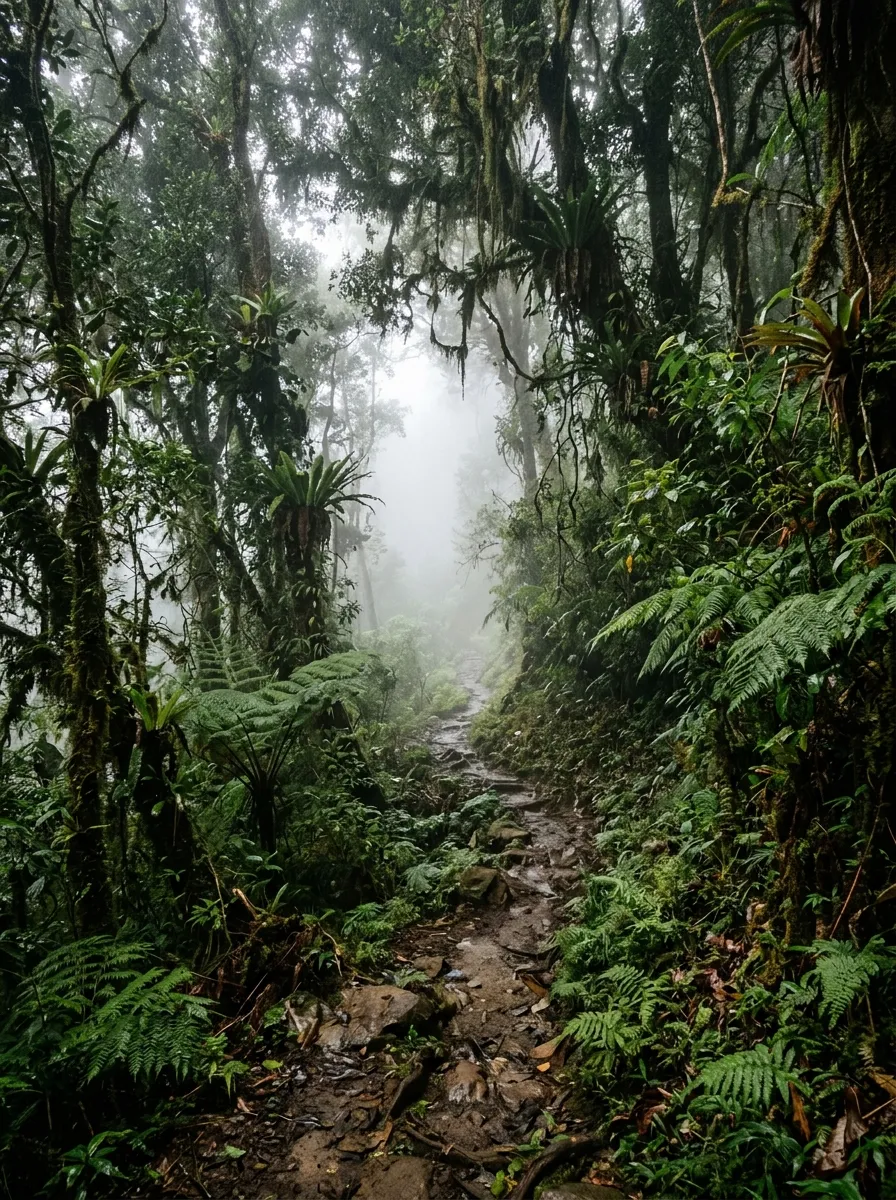
The trail climbs through tropical forest and mountain terrain, and wet conditions can make the path slippery. Current tourism guidance describes the trek as demanding and recommends being physically prepared.
The difficulty comes mainly from:
- Continuous uphill sections
- Humidity
- Uneven ground
- Mud after rain
- Slippery rocks and roots
- Carrying your own luggage
- The altitude gain
The good news is that you can take your time.
There is no prize for reaching Wae Rebo first.
How Long Does the Trek Take?
For planning purposes, allow 2 to 4 hours each way.
A fast and fit traveler may arrive sooner.
Someone walking slowly, stopping for photographs or traveling in wet conditions may need longer.
Build extra time into your itinerary rather than planning around the fastest possible trek.
Should You Hire a Local Guide?
For a first visit, having local assistance is a sensible choice.
The village is remote, mobile coverage is limited or unavailable, and trail conditions can change with weather.
More importantly, a local guide helps you understand the cultural side of Wae Rebo instead of treating the village like a hiking destination with unusual houses at the end.
The official tourism village information confirms that Wae Rebo has a local management structure, visitor information facilities and community-run tourism services.
If you are traveling independently, arrange your local guide and overnight stay ahead of time where possible.
Can You Visit Wae Rebo in One Day?
Technically, you can visit without spending the night.
But I would not design a trip around a rushed day visit from Labuan Bajo.
Think about the logistics:
- 5 to 6 hours driving to Denge
- Several hours trekking
- Time in the village
- Several hours trekking back
- 5 to 6 hours driving back
That is a marathon disguised as an itinerary.
A two-day, one-night trip is much more practical.
You get enough time to make the trek without turning every hour into a countdown.
Why Stay Overnight in Wae Rebo?
This is where the trip becomes much more than a hike.
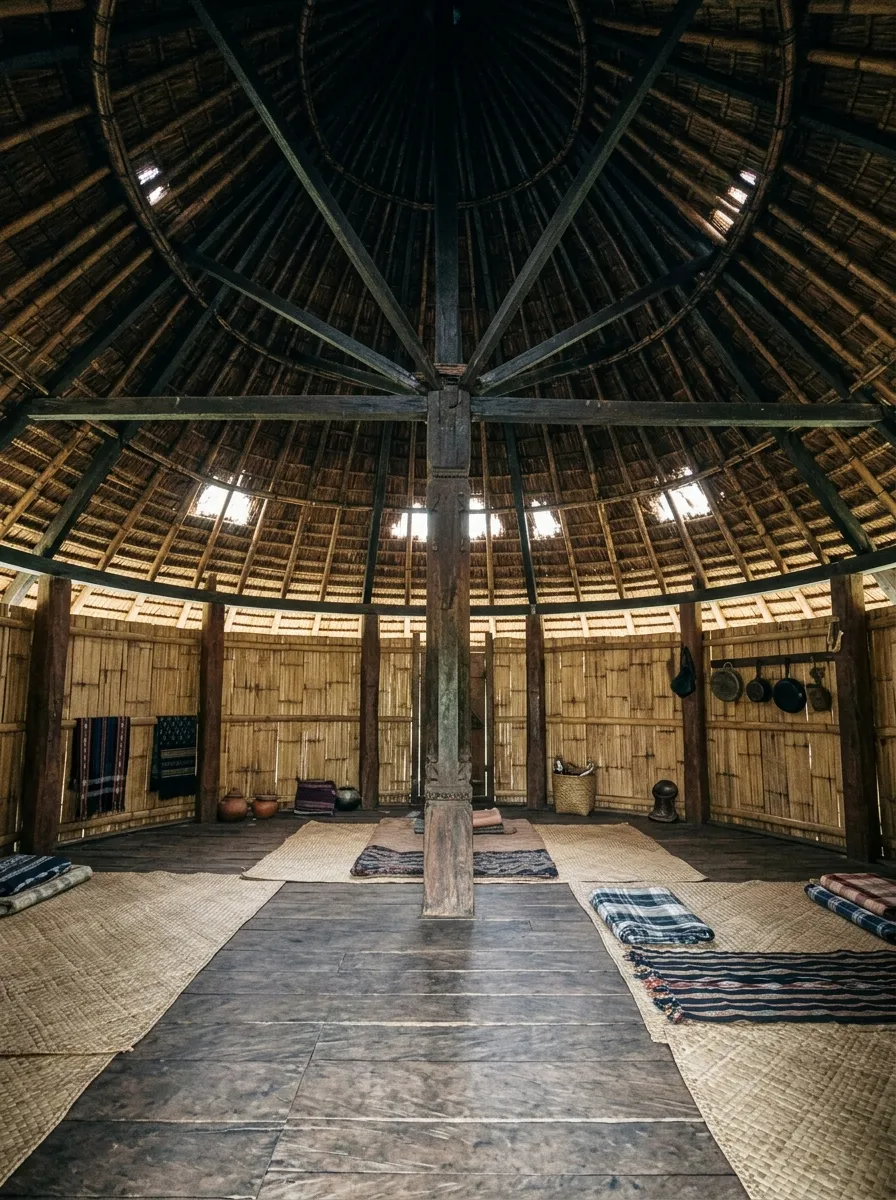
Wae Rebo offers visitors the opportunity to sleep inside a traditional Mbaru Niang house. The official tourism village information confirms that homestays operate within the traditional houses without changing their original form and function.
You should expect something very different from a conventional hotel.
Think:
- Shared sleeping areas
- Basic bedding
- Simple meals
- Traditional architecture
- Limited electricity
- Little or no mobile service
- A quiet mountain environment
Indonesia’s official tourism information notes that electricity is limited and that mobile coverage is unavailable in the village.
That sounds inconvenient until you realize it is also one of the reasons Wae Rebo feels so peaceful.
How Much Does Wae Rebo Cost?
Published prices can change, so confirm the current rate when arranging your visit.
Indonesia’s official tourism site currently lists:
| Expense | Published price |
| Day visit | IDR 225,000 per person |
| Overnight stay | IDR 325,000 per person |
| Local guide | IDR 250,000 per person |
The overnight package includes meals, a welcome drink and basic bedding such as a folding mattress and blanket.
You should also budget separately for:
- Transportation from Labuan Bajo or Ruteng
- Porter if required
- Personal snacks
- Drinks
- Tips or customary contributions where appropriate
Because rural tourism prices can change, treat these figures as a planning reference rather than a permanent price list.
What Happens When You Arrive?
Don’t expect to simply walk into the village and start taking photographs.
Wae Rebo has its own traditions surrounding visitors.
Guests are welcomed through a customary ceremony associated with asking permission to enter the community. Indonesia Travel describes visitors being welcomed by village elders and participating in the traditional welcoming ritual.
You may also be offered locally grown Flores coffee.
This is an important part of the experience.
Slow down.
Listen.
Watch what the locals do.
Follow your guide’s instructions about where you can walk and photograph.
What To See and Do in Wae Rebo
Admire the Mbaru Niang Houses
The seven cone-shaped houses are the heart of Wae Rebo.
Their enormous roofs rise dramatically from the village center, particularly when mist rolls through the surrounding mountains.
Take time to look at the architecture rather than simply photographing the houses from the same angle as everyone else.
Experience Village Life
The best part of Wae Rebo is arguably the chance to observe ordinary life.
Residents farm, prepare food, maintain their homes and continue traditions passed down through generations.
You may see coffee production, traditional crafts and other elements of rural Manggarai life depending on the season.
Drink Flores Coffee
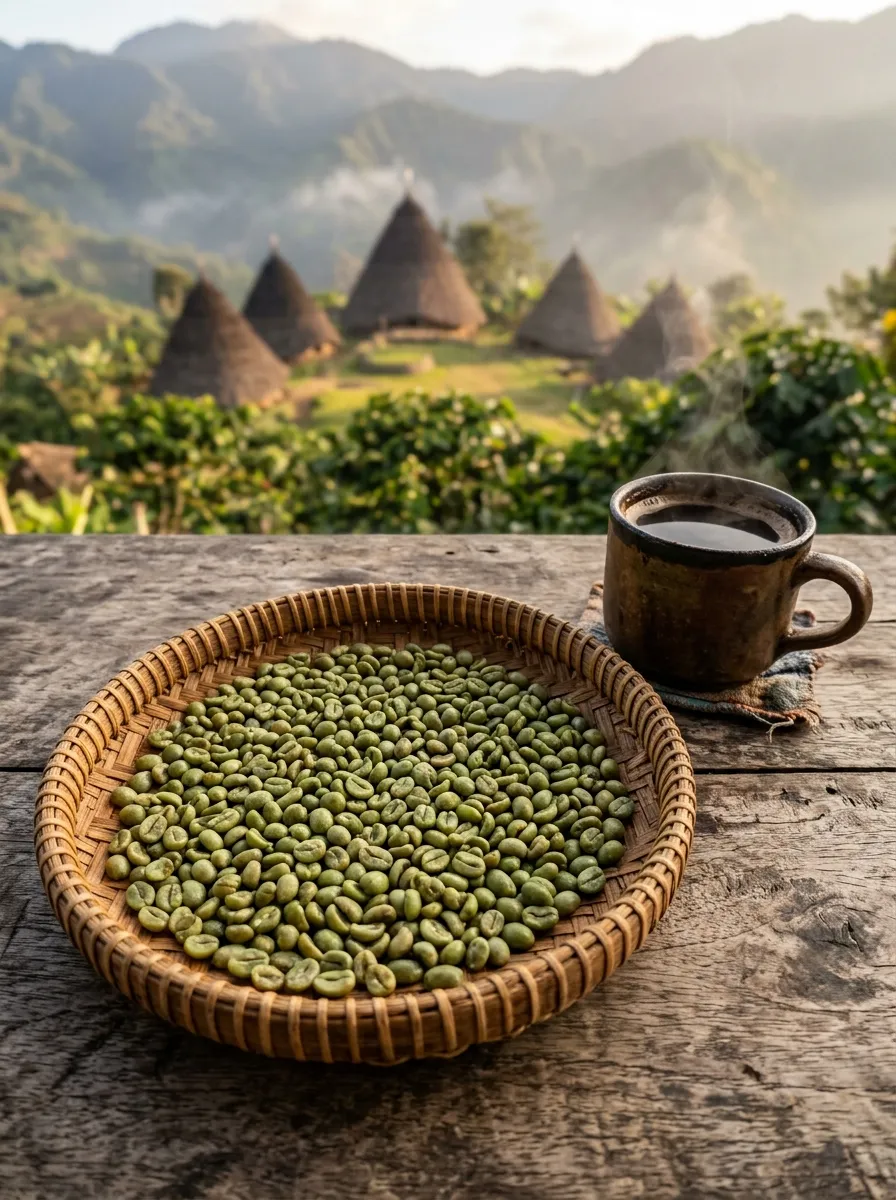
Coffee is an important agricultural product in the region.
A cup of local coffee inside a traditional Mbaru Niang while mountain mist drifts outside is one of those travel moments that does not require an attraction checklist.
Watch the Morning Mist
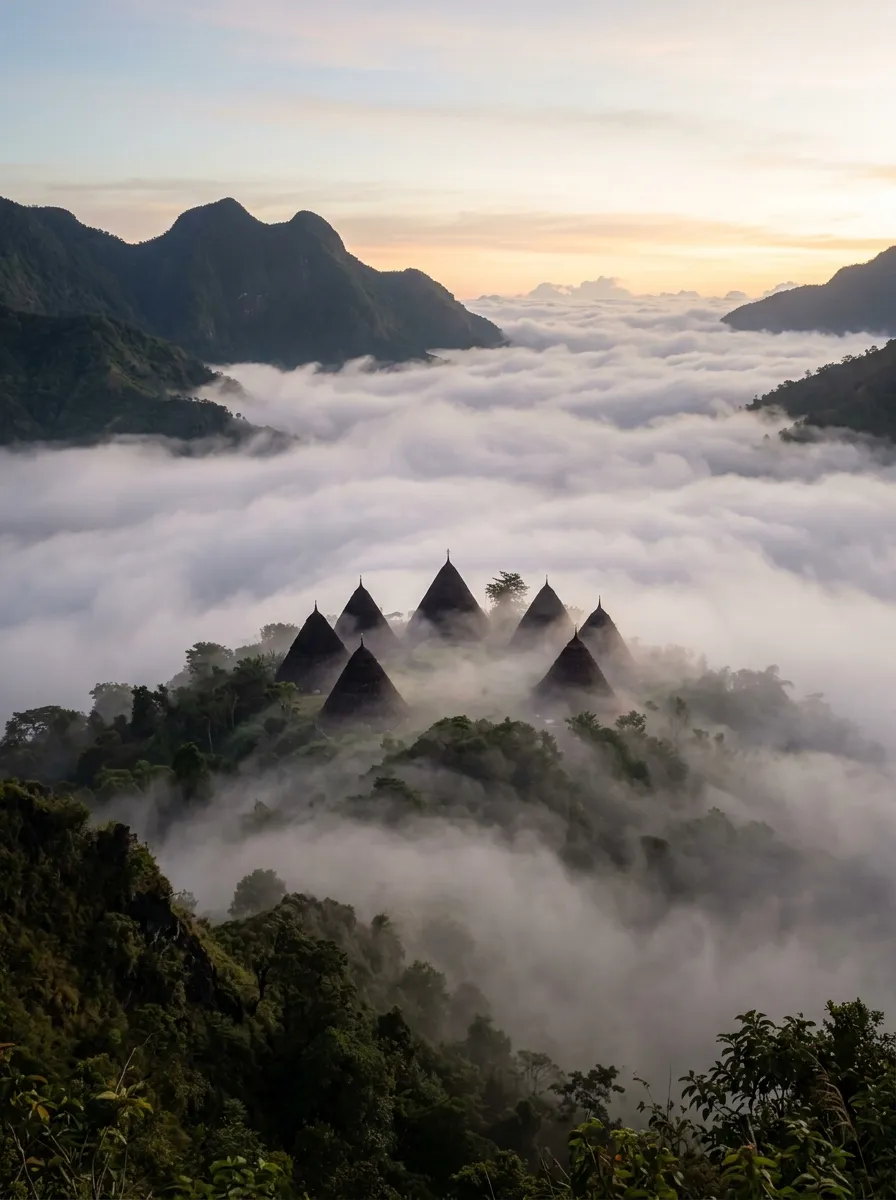
The village’s high elevation and surrounding mountains create the atmospheric conditions behind its famous “village above the clouds” nickname.
Early morning is especially rewarding.
Cloud and mist are unpredictable, though, so don’t arrive expecting a guaranteed cinematic fog machine.
Nature did not sign that contract.
Explore the Forest
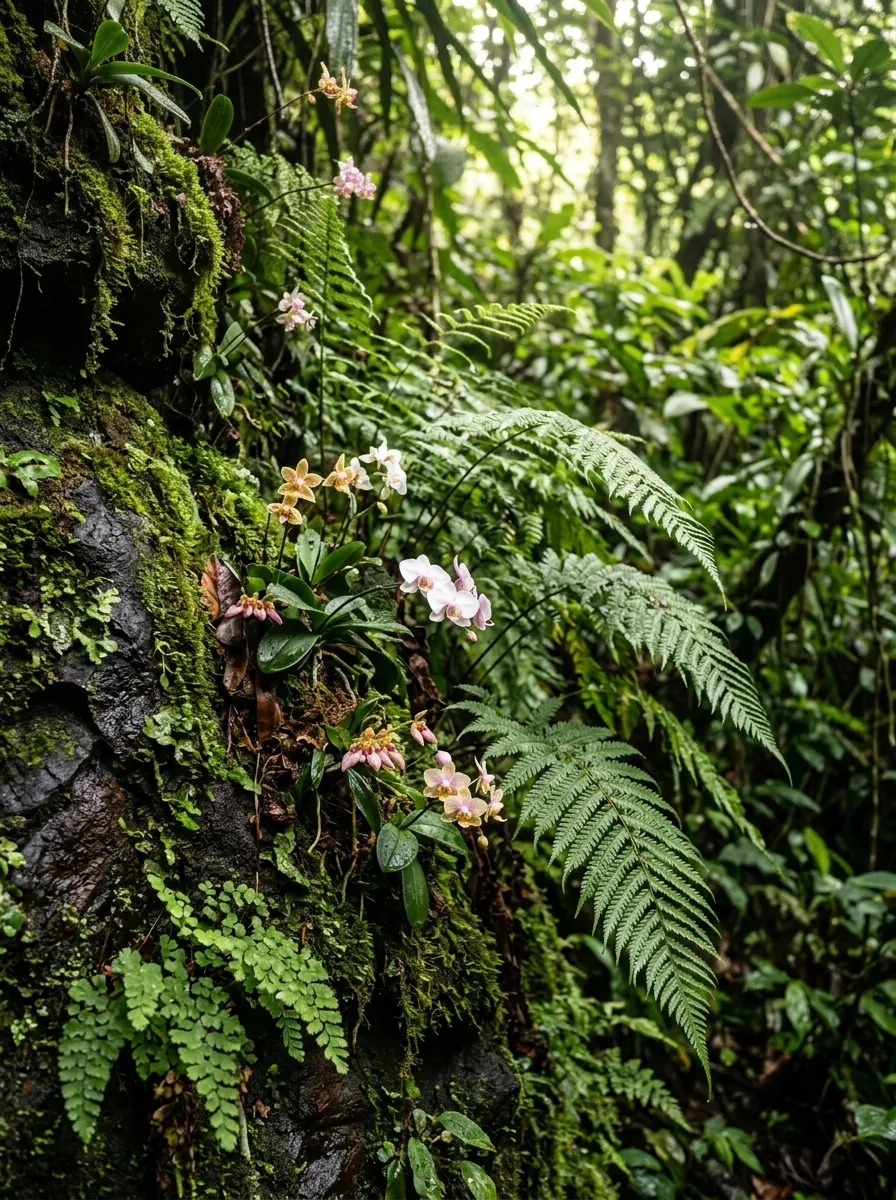
The trek itself passes through lush tropical vegetation.
Look for ferns, orchids, birds and other forest life, but keep your attention on the trail too.
Wet roots and uneven ground are not impressed by your photography skills.
Best Time To Visit Wae Rebo
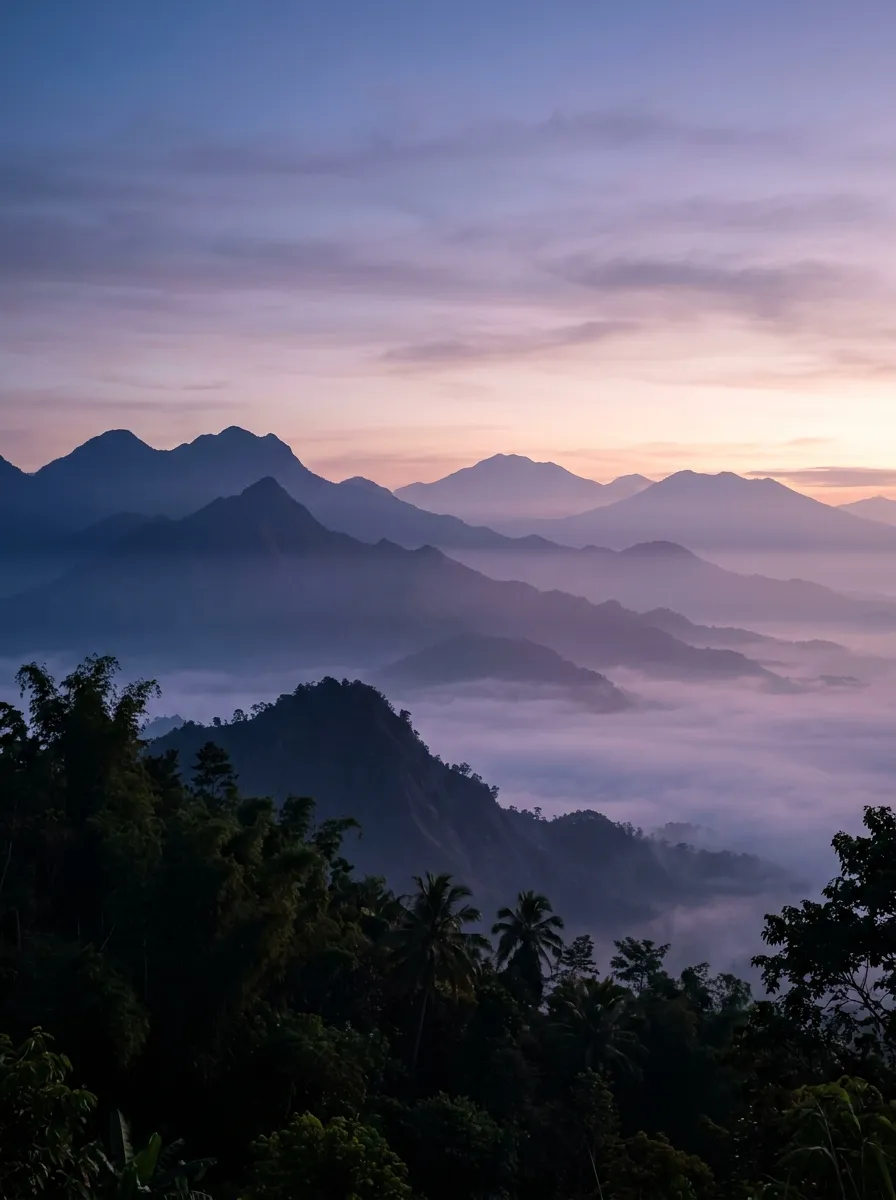
The best time depends on what you want from the trek.
Dry Season
The drier months are generally more comfortable for trekking because trails are less likely to be muddy.
You may also get clearer mountain views.
However, dry season does not guarantee sunshine every hour. Wae Rebo’s highland environment can still bring cloud and mist.
Wet Season
Rain makes the forest greener and can create beautiful misty conditions.
The downside is the trail.
Mud, slippery rocks and wet roots can make the trek considerably harder.
If you visit during a wetter period, waterproof clothing and proper footwear become much more important.
What To Pack for Wae Rebo
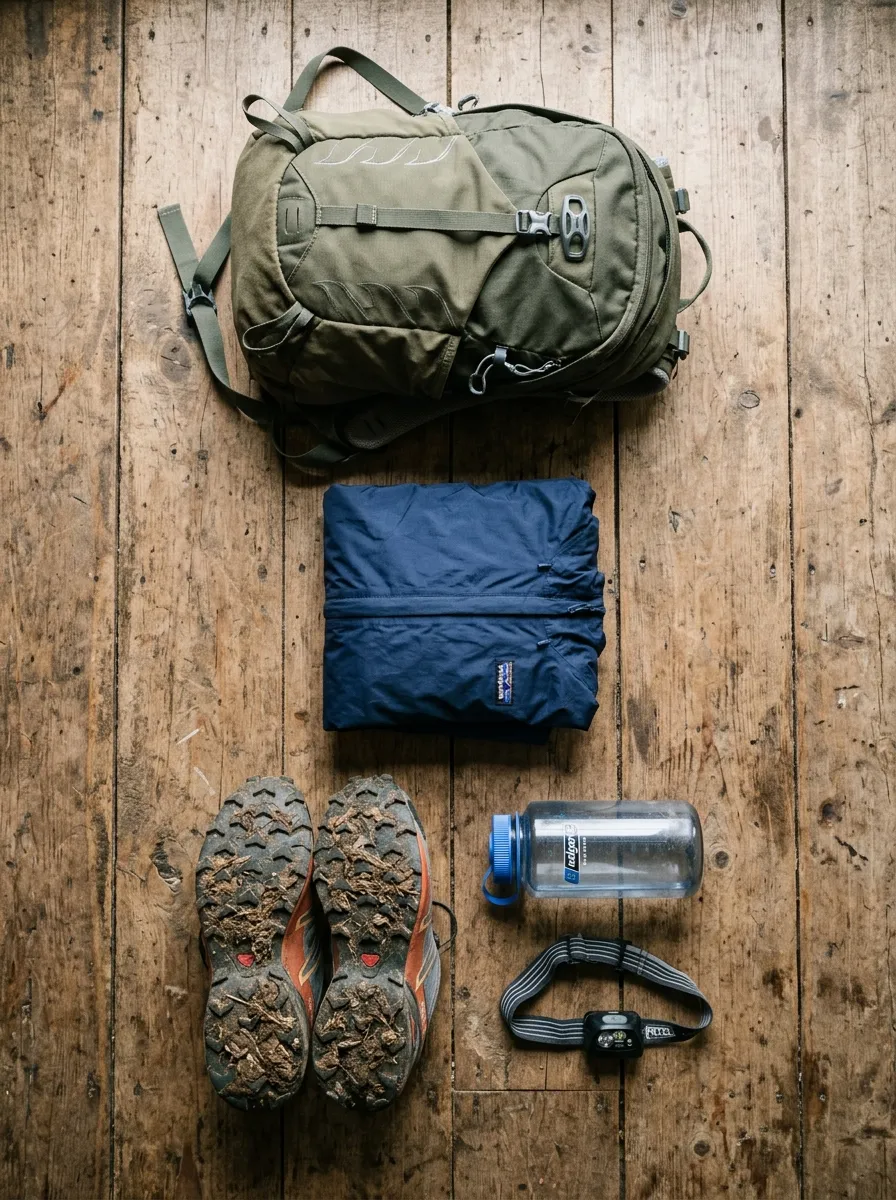
Pack light.
You will eventually have to carry everything up the mountain.
Wae Rebo Packing Checklist
- Hiking shoes with good grip
- Lightweight rain jacket
- Warm layer
- Quick-drying clothing
- Small backpack
- Water bottle
- Snacks
- Sunscreen
- Insect repellent
- Headlamp
- Power bank
- Basic medication
- Small towel
- Waterproof phone pouch
- Cash
- Personal toiletries
- Extra socks
A warm layer deserves special attention.
Wae Rebo is considerably cooler than tropical coastal destinations such as Labuan Bajo because of its elevation. Indonesia Travel specifically recommends bringing a jacket because temperatures can feel cold, particularly at night.
What Should You Wear?
Dress for trekking and respect the community.
Comfortable, modest clothing is the safest choice.
Avoid arriving in beachwear simply because you spent the previous day on the coast.
For the trek:
- Lightweight hiking pants or shorts
- Breathable shirt
- Hiking socks
- Proper trail shoes
- Rain layer
For the village:
- Clean, modest clothing
- Warm layer
- Comfortable sandals or light shoes
Indonesia Travel specifically recommends modest and comfortable clothing for visitors.
Wae Rebo Travel Tips You Should Know
Bring Cash
Do not assume you will find an ATM in the mountains.
Bring enough Indonesian rupiah for your accommodation, guide, transportation and personal expenses.
Do Not Depend on Mobile Service
Wae Rebo has limited connectivity and Indonesia’s official destination information notes the absence of mobile coverage.
Tell family or friends your plans before heading into the mountains.
Pack for Changing Weather
Flores can be warm at lower elevations while Wae Rebo feels cool and damp.
Your bag should be prepared for both.
Keep Your Backpack Small
You will appreciate every gram you leave behind once the trail starts climbing.
Start Early
Starting early helps you avoid arriving late and gives you more flexibility if the trek takes longer than expected.
Do Not Rush the Cultural Experience
The village is not just the reward at the end of a hike.
The community itself is the destination.
Wae Rebo Etiquette
A few simple rules can make a huge difference.
Ask Before Photographing People
A beautiful portrait is still someone’s portrait.
Ask first.
Follow Local Instructions
There are customary rules regarding where visitors can go and what they can photograph.
Listen to your guide and village elders.
Keep Noise Down
Wae Rebo is a living community, not a theme park.
Especially after dark, keep conversations and music quiet.
Do Not Leave Trash
Carry out what you carry in.
The remoteness of Wae Rebo makes waste management much more difficult than at a conventional tourist attraction.
Respect Sacred Areas
If an area is restricted, don’t cross the boundary for a better photograph.
No photograph is worth stepping over a cultural boundary.
Wae Rebo and Sanur: Two Very Different Sides of Bali and Indonesia
If your Indonesia trip begins in Bali, you can build a fascinating contrast into the itinerary.
Sanur offers beaches, restaurants, sunrise walks and easy access to Bali’s broader attractions. Wae Rebo is almost the opposite experience: mountain trails, traditional architecture, community life and limited connectivity.
If you’re planning time in Bali before heading to Flores, our [Sanur Bali guide] covers 23 things to do around this relaxed coastal area. Sanur Bali guide
You can also use our broader [Bali travel guide] to plan the island portion of your trip. Bali travel guide
Wae Rebo and Komodo National Park

The easiest way to build Wae Rebo into a Flores adventure is to combine it with Labuan Bajo and Komodo National Park.
A popular structure is:
Bali → Labuan Bajo → Komodo → Wae Rebo → Labuan Bajo
This gives you a mixture of:
- Islands
- Beaches
- Marine life
- Boat trips
- Mountain trekking
- Traditional culture
- Forest landscapes
It is a much more varied Flores trip than simply flying into Labuan Bajo for a boat excursion and flying out again.
For travelers who enjoy this kind of active itinerary, our guide to [adventure travel destinations] has more ideas for building trips around experiences rather than simply collecting landmarks. Adventure travel destinations
Can You Visit Wae Rebo Solo?
Yes, but independent travel requires more planning.
The biggest issue isn’t the village itself.
It is the logistics of getting to a remote trailhead, navigating the mountain roads and arranging the trek and overnight stay.
Solo travelers should consider arranging:
- Transport to Denge
- Local guide
- Accommodation
- Return transport
- Emergency contact information
A group tour can simplify everything, but an independent trip can work if you arrange the local pieces properly.
Can Children Visit Wae Rebo?
Older children who are comfortable with several hours of uphill walking may enjoy the experience.
For very young children, the trek becomes much more complicated.
There is no road to the village, and carrying a child plus luggage can turn an already demanding hike into a serious physical challenge.
Families should consider:
- Child’s hiking ability
- Weather
- Trail conditions
- Backpack weight
- Availability of a porter
- Emergency planning
Do not underestimate the trek simply because there is no technical climbing involved.
Is Wae Rebo Worth Visiting?
For travelers who enjoy culture, hiking, traditional architecture and less-developed destinations, Wae Rebo offers a very different side of Indonesia.
The journey takes effort.
The roads are slow.
The trek is uphill.
Accommodation is basic.
Mobile service is limited.
And none of those things are really problems once you understand what Wae Rebo is.
The attraction is not luxury.
It is the opportunity to step into a remote community where traditional architecture and daily life are still closely connected.
A Simple 2-Day Wae Rebo Itinerary
Day 1: Labuan Bajo to Wae Rebo
Morning
Leave Labuan Bajo early.
Drive inland toward Ruteng and continue toward Denge.
Afternoon
Arrive around the trailhead and begin the trek.
Allow several hours rather than planning around an aggressive arrival time.
Late afternoon
Reach Wae Rebo, complete the arrival process and settle into the village.
Enjoy the traditional welcome and explore the immediate surroundings.
Evening
Have dinner with the community and experience a very different night from anything you’ll find in Labuan Bajo.
Day 2: Wae Rebo to Labuan Bajo
Early morning
Wake up before the village becomes busy.
Watch the changing light and mountain mist around the Mbaru Niang houses.
Morning
Have breakfast and prepare for the trek down.
Late morning
Begin the descent toward Denge.
Afternoon
Meet your driver and begin the journey back toward Labuan Bajo.
Depending on your transportation arrangements, you can continue to Labuan Bajo or break the journey in Ruteng.
A Better 3-Day Wae Rebo Itinerary
If your schedule allows it, three days gives you a much more comfortable trip.
Day 1
Labuan Bajo → Ruteng
Spend the night in Ruteng.
Day 2
Ruteng → Denge → Wae Rebo
Trek into Wae Rebo and spend the night in the village.
Day 3
Wae Rebo → Denge → Labuan Bajo
Return at a relaxed pace.
This option removes the pressure of combining the longest driving section with the trek.
Frequently Asked Questions
How do I get to Wae Rebo Village?
The most common route is to travel from Labuan Bajo to Ruteng and then continue by road toward Denge. From Denge, you must trek through the forest because there is no road directly to Wae Rebo.
How long is the Wae Rebo trek?
Expect roughly two to four hours depending on the route, starting point, weather and your walking pace. Official Indonesian tourism sources currently give different estimates within this range.
Can you stay overnight in Wae Rebo?
Yes. Visitors can stay inside a traditional Mbaru Niang house. The official tourism village information confirms that these traditional homes are used as homestays without changing their original form.
How much does it cost to stay in Wae Rebo?
Indonesia’s current official tourism information lists an overnight rate of IDR 325,000 per person, while a day visit is listed at IDR 225,000. A local guide is listed at IDR 250,000 per person. Confirm current prices when arranging your visit because rural tourism fees can change.
Is Wae Rebo difficult to reach?
Yes. The difficulty comes from both the long drive to Denge and the uphill trek afterward. It is not a technical mountain climb, but you should be comfortable walking uphill for several hours.
Is there electricity in Wae Rebo?
Electricity is limited. Indonesia’s official destination information states that electricity is available only during certain evening hours, so do not expect normal hotel-style power access.
Is there mobile phone service?
Mobile coverage is limited or unavailable in the village. Plan accordingly and let someone know your itinerary before leaving the connected areas.
What is Wae Rebo famous for?
Wae Rebo is famous for its seven Mbaru Niang cone-shaped traditional houses, its remote mountain setting and its preserved Manggarai cultural traditions.
Is Wae Rebo worth visiting from Labuan Bajo?
If you have enough time and enjoy hiking and cultural experiences, it can be a memorable addition to a Flores itinerary. Just don’t treat it as a quick afternoon excursion. The journey requires a substantial overland drive and a mountain trek.
Final Thoughts
Wae Rebo is not the easiest destination in Flores.
That is part of its charm.
You leave the comfortable roads behind, trade the car for a mountain trail and eventually emerge into a highland village surrounded by forest and mist.
Then you see the seven Mbaru Niang houses.
The journey suddenly makes sense.
Give yourself at least two days, pack light, bring proper hiking shoes, carry enough cash and approach the village with respect. If you can spare three days, even better.
And if you are already planning a Flores adventure around Labuan Bajo and Komodo, Wae Rebo adds something completely different: not another beach, another boat or another viewpoint, but a chance to experience the cultural heart of the island’s mountains.
That is what makes the long road and uphill trail worthwhile.