Jeju Island Travel Guide: Best Things to Do, Hotels & South Korea’s Tropical Escape
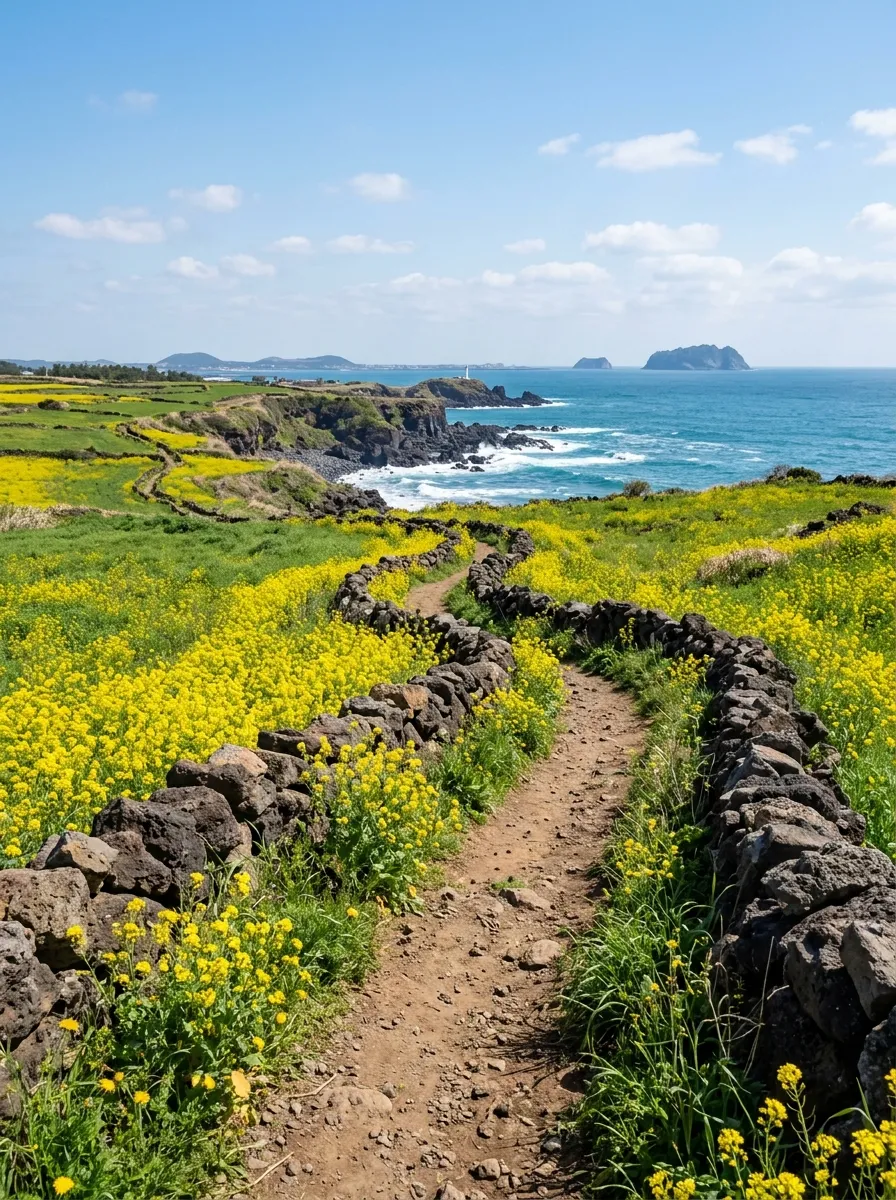
Imagine arriving on a Korean island where volcanic mountains rise above green fields, waterfalls tumble into the sea, black-rock coastlines stretch toward the horizon, and tiny stone statues seem to be watching every traveler who passes.
That is Jeju Island.
Located off the southern coast of South Korea, Jeju Island feels noticeably different from Seoul or Busan. The pace is slower, the scenery is wilder, and nature is the main attraction.
Whether you want to hike Hallasan, explore lava tubes, relax on beaches, chase waterfalls, eat fresh seafood, or simply drive along the coast with no particular plan, Jeju has plenty to keep you busy.
This guide covers the best things to do in Jeju, where to stay, when to visit, how to get around, and what makes Jeju Island South Korea such a memorable destination.
Recommended Travel Items for Your Trip
JEJU ISLAND AT A GLANCE
Location: Jeju Province, South Korea
Best for: Nature, hiking, beaches, food and road trips
Top attraction: Hallasan
Ideal trip: 3–5 days
Best travel style: Road trip or flexible island itinerary
Getting around: Rental car, buses and taxis
Known for: Volcanoes, waterfalls, lava tubes, beaches and local cuisine
Why Visit Jeju Island?
Jeju isn’t simply a beach destination.
The island was formed through volcanic activity, and that geological history is visible almost everywhere.
You’ll find:
- Volcanic craters
- Lava caves
- Dramatic cliffs
- Waterfalls
- Forest trails
- Beaches
- Coastal roads
- Green tea fields
- Traditional villages
The island also has a distinctive local culture, including the famous haenyeo, or female free divers, whose traditions are closely connected with the sea.
Jeju offers a wonderful balance: you can spend the morning hiking through volcanic terrain and the afternoon eating seafood beside the ocean.
Best Things to Do in Jeju
1. Hike Hallasan
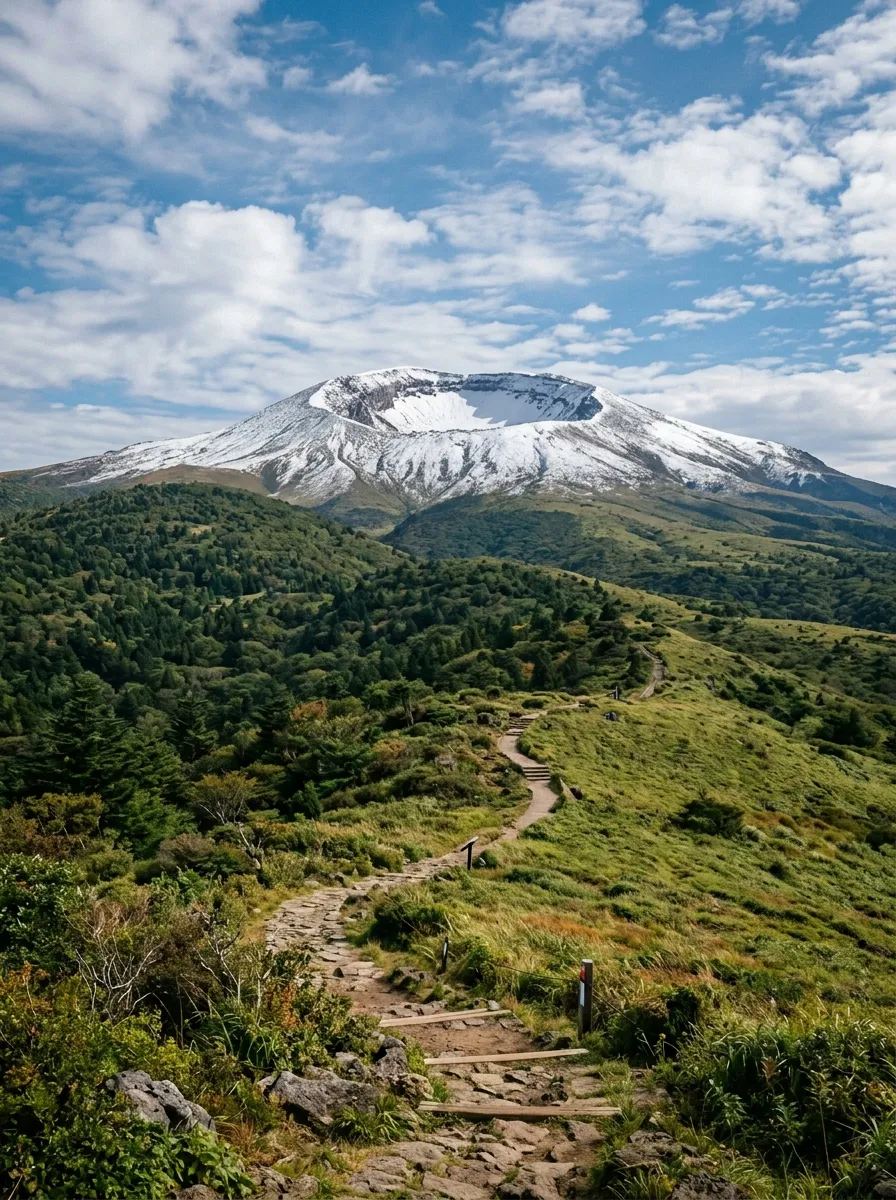
If you only have time for one major adventure, consider Hallasan.
At around 1,947 meters, Hallasan is the highest mountain in South Korea and sits near the center of Jeju.
The mountain is actually a shield volcano, and its slopes offer a variety of landscapes as you climb.
Depending on your chosen route, you may encounter:
- Forest
- Volcanic rock
- Mountain streams
- Alpine vegetation
- Crater scenery
- Panoramic island views
You don’t necessarily need to tackle the longest route.
Several trails offer different levels of difficulty, so choose according to your fitness, available time and current trail conditions.
Always check official hiking information before setting out.
2. Watch the Sunrise at Seongsan Ilchulbong
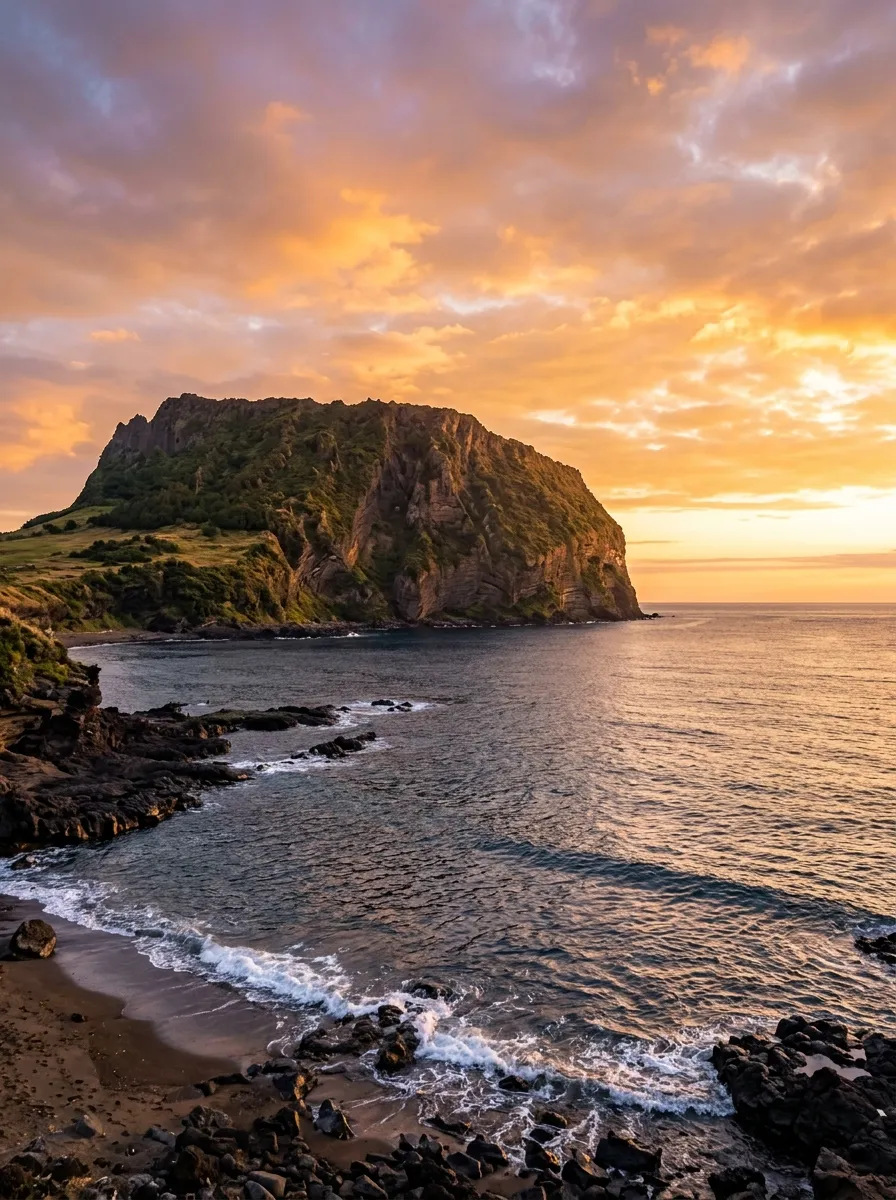
Seongsan Ilchulbong, also known as Sunrise Peak, is one of Jeju’s most recognizable landmarks.
The volcanic tuff cone rises dramatically from the eastern coast, and its name literally connects it with sunrise.
The hike to the top is relatively short compared with Hallasan, making it a popular option for travelers who want spectacular scenery without committing to an all-day mountain trek.
Arrive early if you want to experience sunrise.
The combination of ocean, volcanic cliffs and morning light is spectacular.
3. Explore Manjanggul Lava Tube
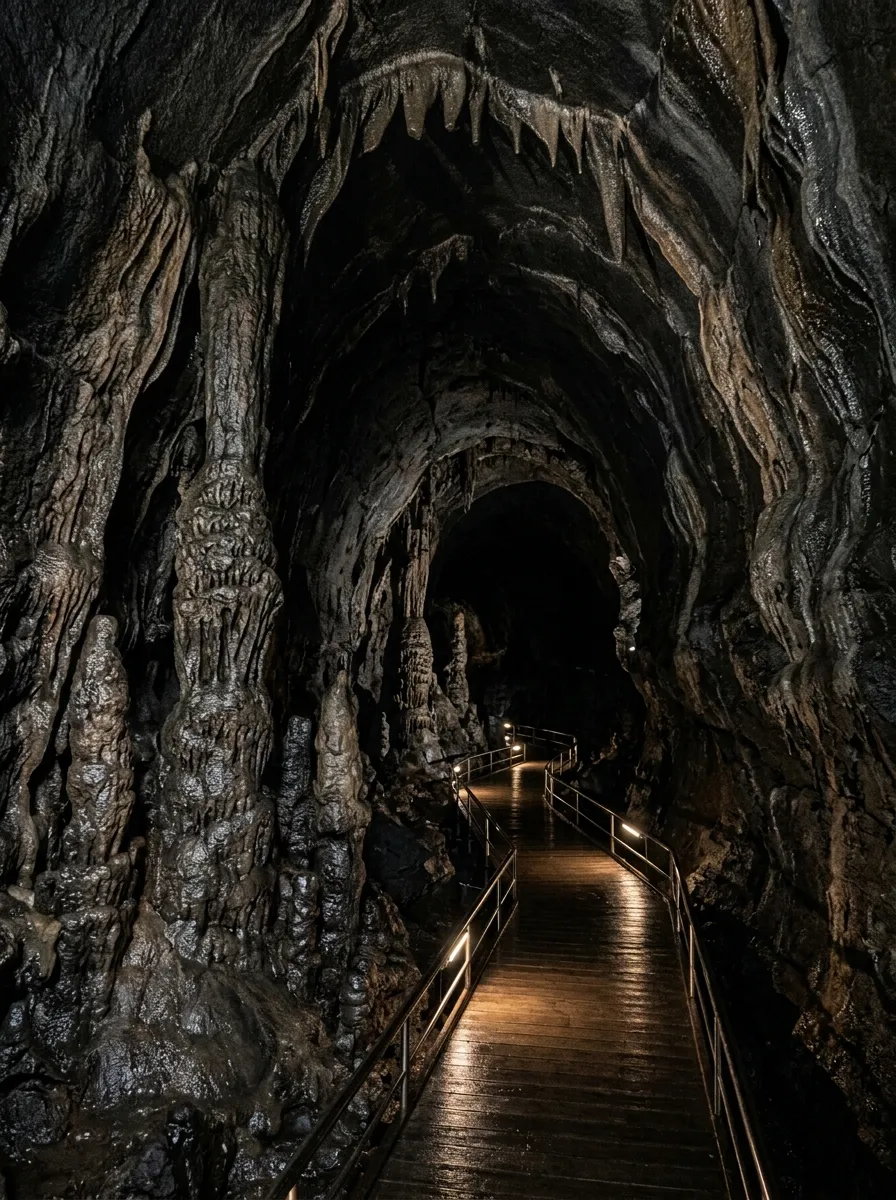
Jeju’s volcanic origins aren’t only visible above ground.
The island contains an extensive network of lava tubes.
Manjanggul Cave has historically been one of the best-known places to experience this underground landscape, although access can vary because of conservation and maintenance work.
If you’re planning your trip around a visit, check its current operating status beforehand.
The wider area is still an excellent reminder that Jeju’s most interesting landscapes aren’t always sitting in plain sight.
4. Chase Jeju’s Waterfalls
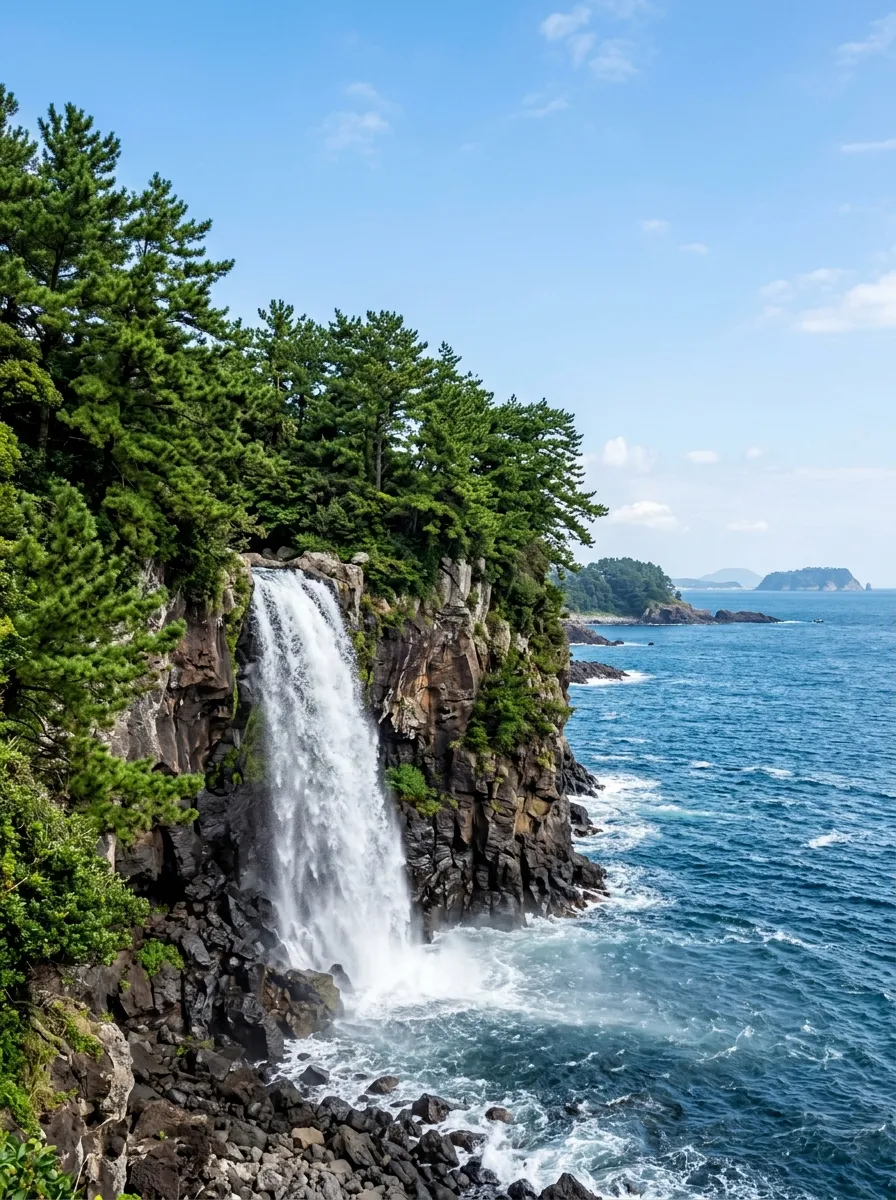
Jeju has several beautiful waterfalls, particularly around the southern coast.
Jeongbang Waterfall is especially distinctive because it drops directly toward the sea.
Cheonjiyeon Waterfall is another popular stop, surrounded by lush vegetation and walking paths.
Water levels and scenery change with the season, so each visit can look slightly different.
A waterfall-hopping afternoon makes an excellent addition to a southern Jeju itinerary.
5. Explore Jeju’s Beaches
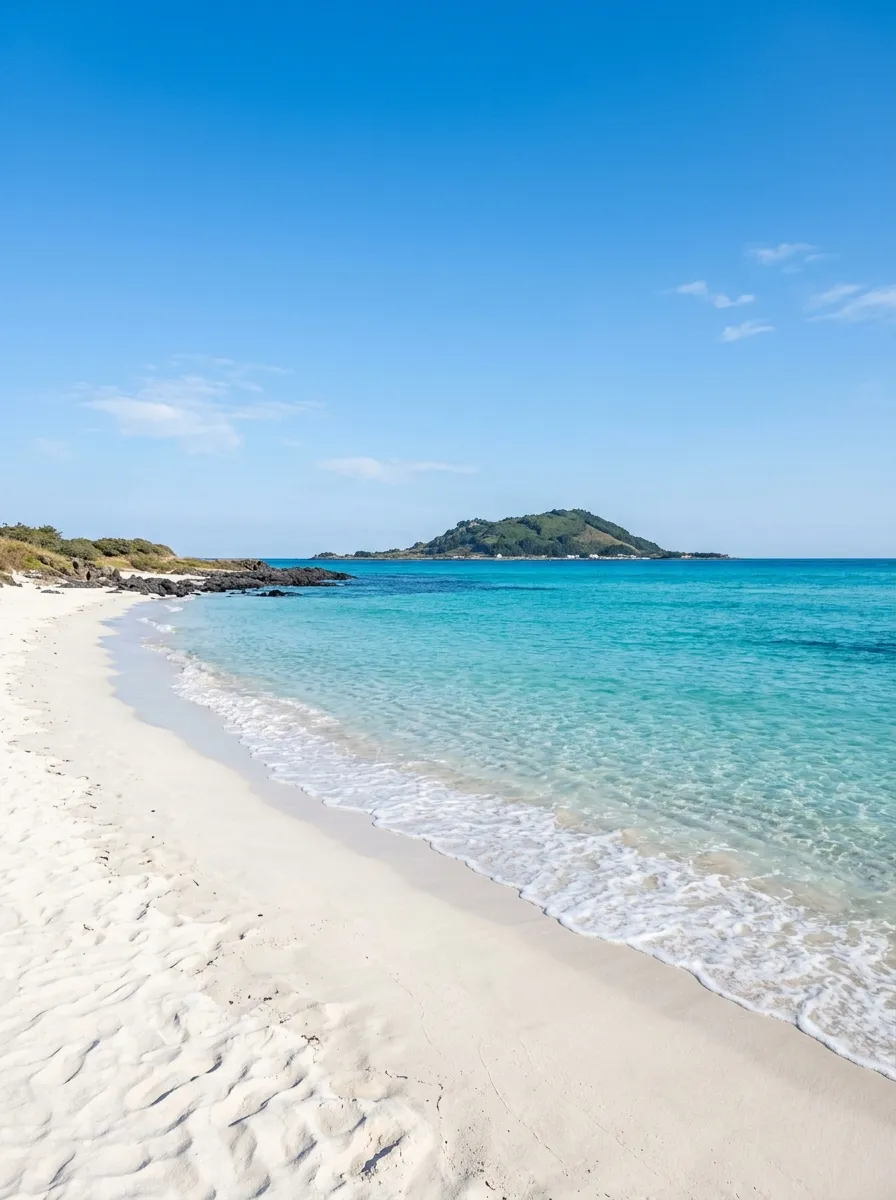
Jeju has beaches for different moods.
Some are known for turquoise water and pale sand, while others have darker volcanic surroundings.
Popular choices include:
- Hyeopjae Beach
- Hamdeok Beach
- Jungmun Saekdal Beach
- Woljeongri Beach
Hyeopjae is particularly popular for its clear water and views toward Biyangdo.
Hamdeok is another excellent choice when you want a more developed beach area with restaurants and cafés nearby.
Don’t expect every beach to feel like a tropical resort.
Jeju’s coastline has its own personality.
6. Drive the Coastal Roads
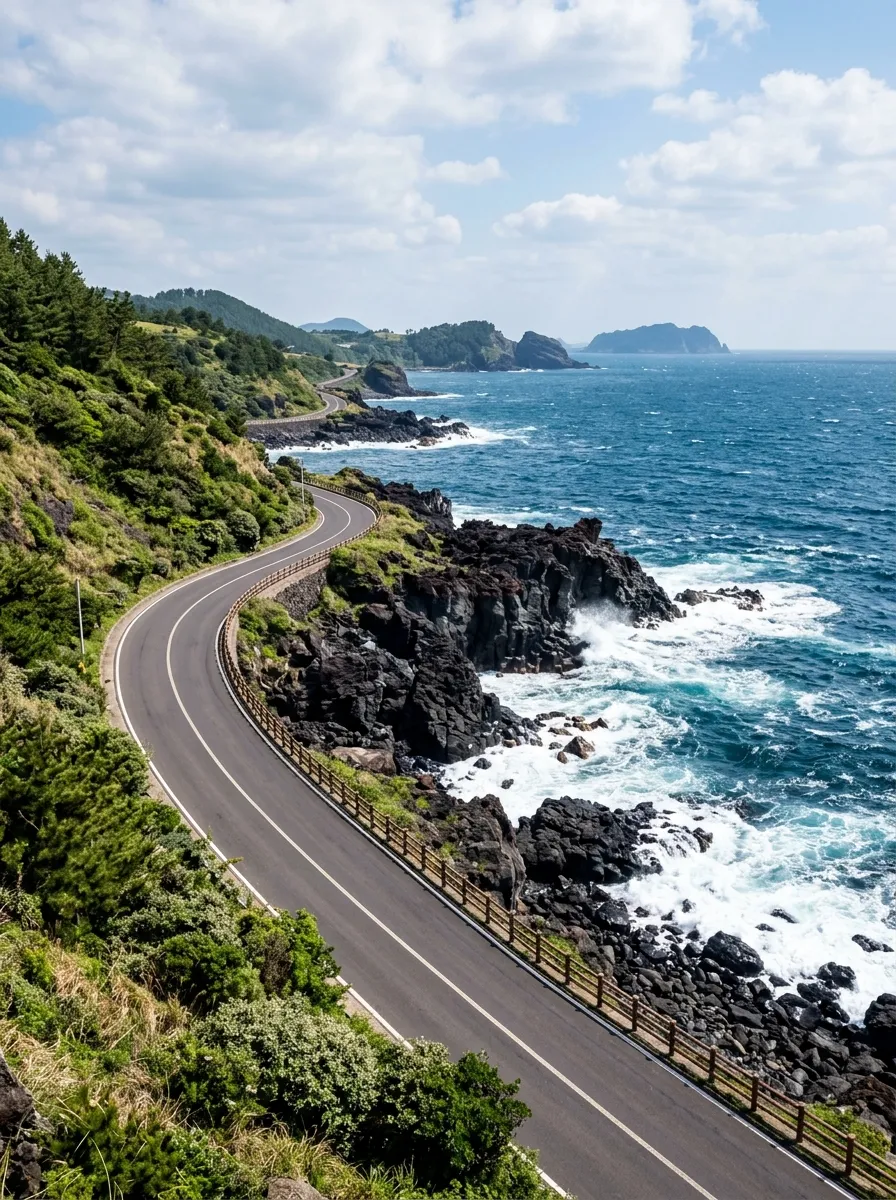
One of the best things to do in Jeju isn’t technically an attraction at all.
It’s driving.
The island’s coastal roads connect beaches, villages, cafés, viewpoints and small attractions.
You can stop when something catches your eye.
That flexibility is one of the biggest advantages of having a rental car.
A typical day might look like:
Breakfast → coastal drive → beach → café → waterfall → seafood dinner.
No frantic train changes required.
Just keep an eye on the weather and allow plenty of time for stops.
7. Visit the O’Sulloc Tea Fields
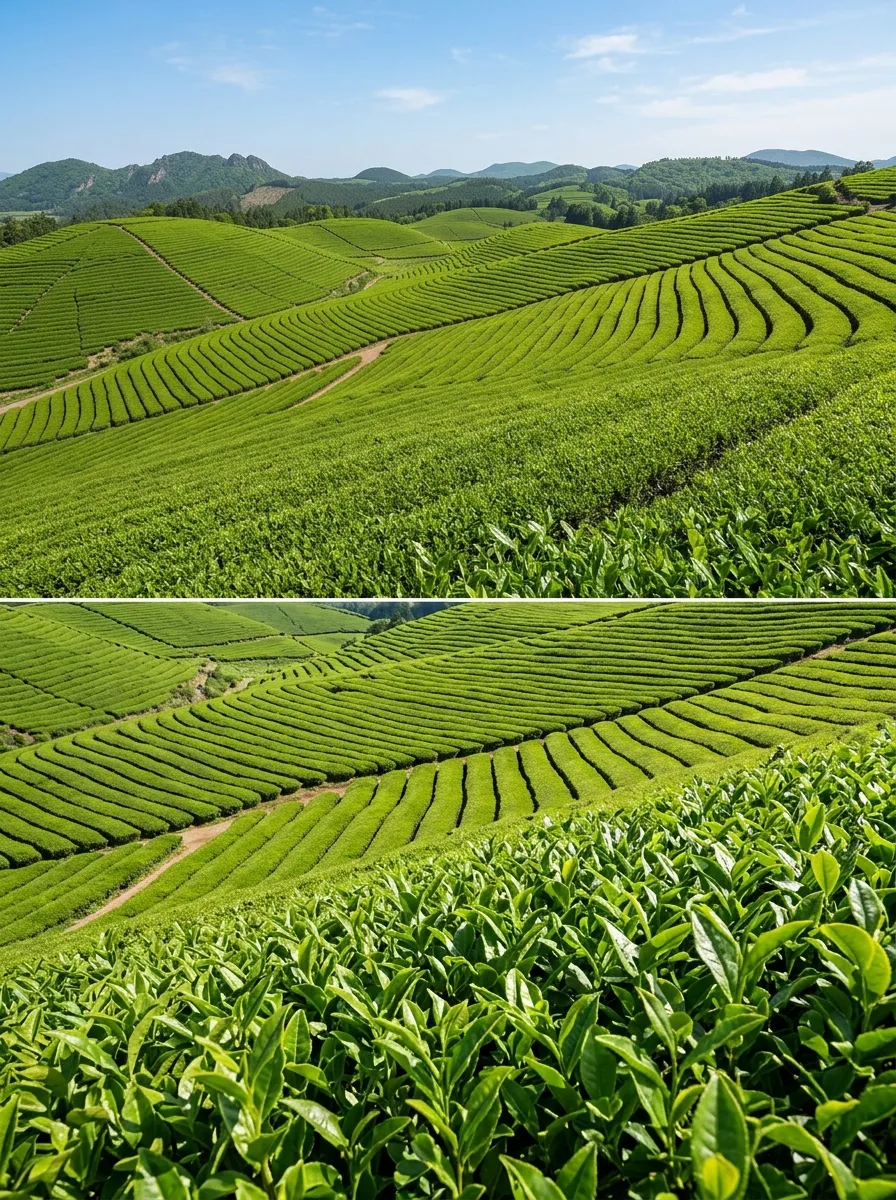
Jeju is famous for tea production, and the O’Sulloc area is one of the island’s best-known places to experience it.
The green tea fields create a striking contrast with Jeju’s volcanic landscape.
You can explore the surrounding grounds, learn more about Korean tea culture and try tea-based desserts and drinks.
It is also a good stop when you want to slow the itinerary down.
Not every memorable travel moment needs to involve climbing something.
8. Explore the Haenyeo Culture
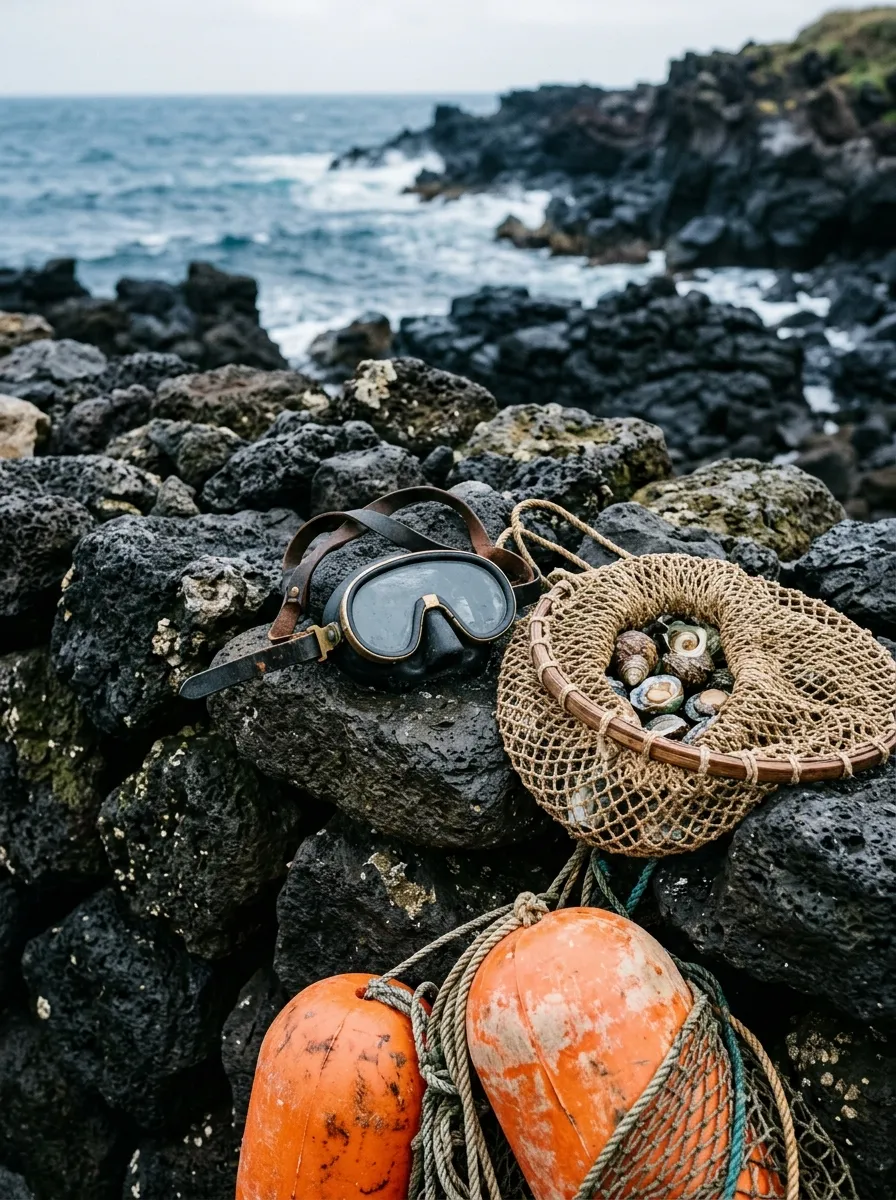
The haenyeo are Jeju’s traditional female divers.
For generations, these women have harvested seafood from the surrounding waters without relying on modern diving equipment.
Their culture is an important part of Jeju’s identity and has been recognized internationally as an important cultural heritage tradition.
Look for museums, performances and coastal communities where you can learn about their history.
Approach these experiences respectfully rather than treating the divers simply as a photo opportunity.
9. Walk the Jeju Olle Trails
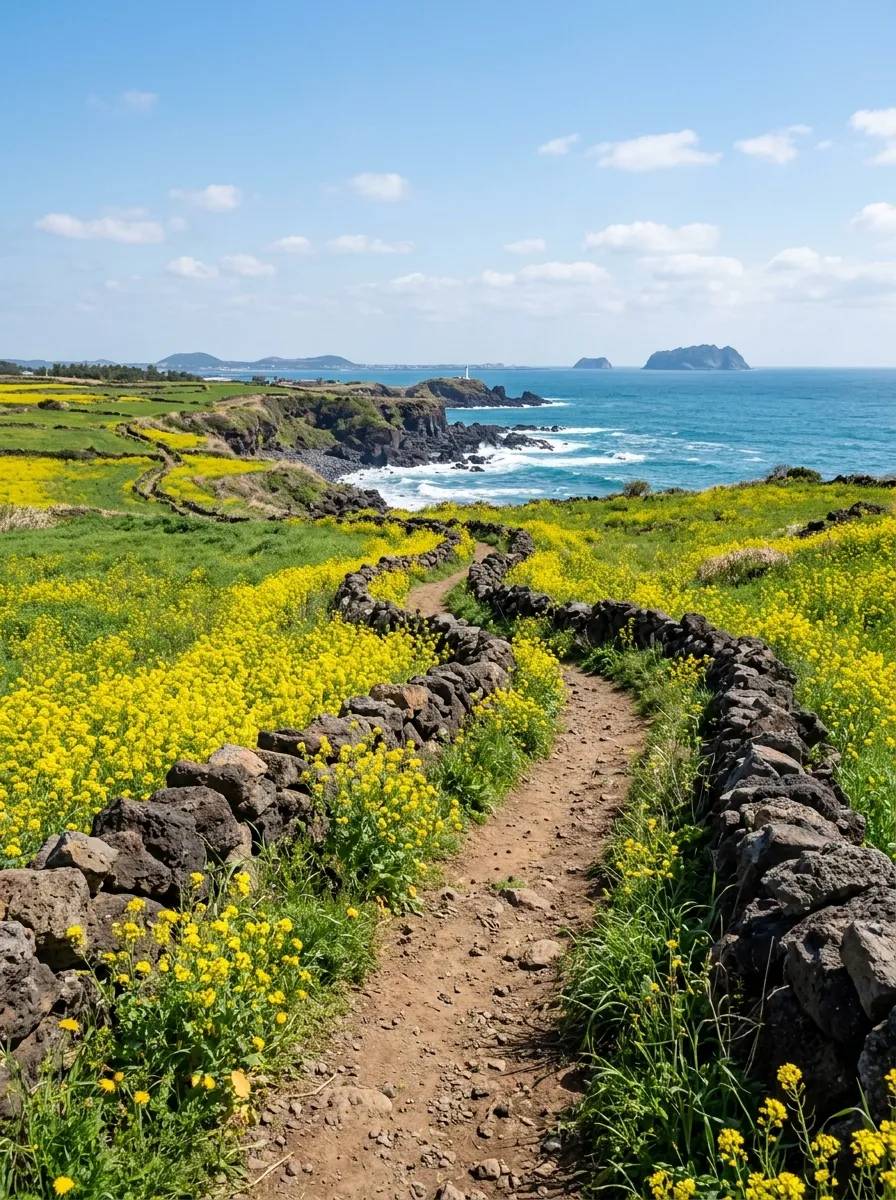
The Jeju Olle Trail network is perfect for travelers who prefer exploring slowly.
The routes wind through:
- Villages
- Coastlines
- Fields
- Forests
- Hills
- Rural landscapes
You don’t have to complete an entire route.
Choose a section that fits your schedule and enjoy seeing the island at walking speed.
This is one of the best ways to discover the quieter side of Jeju.
10. Explore Seogwipo
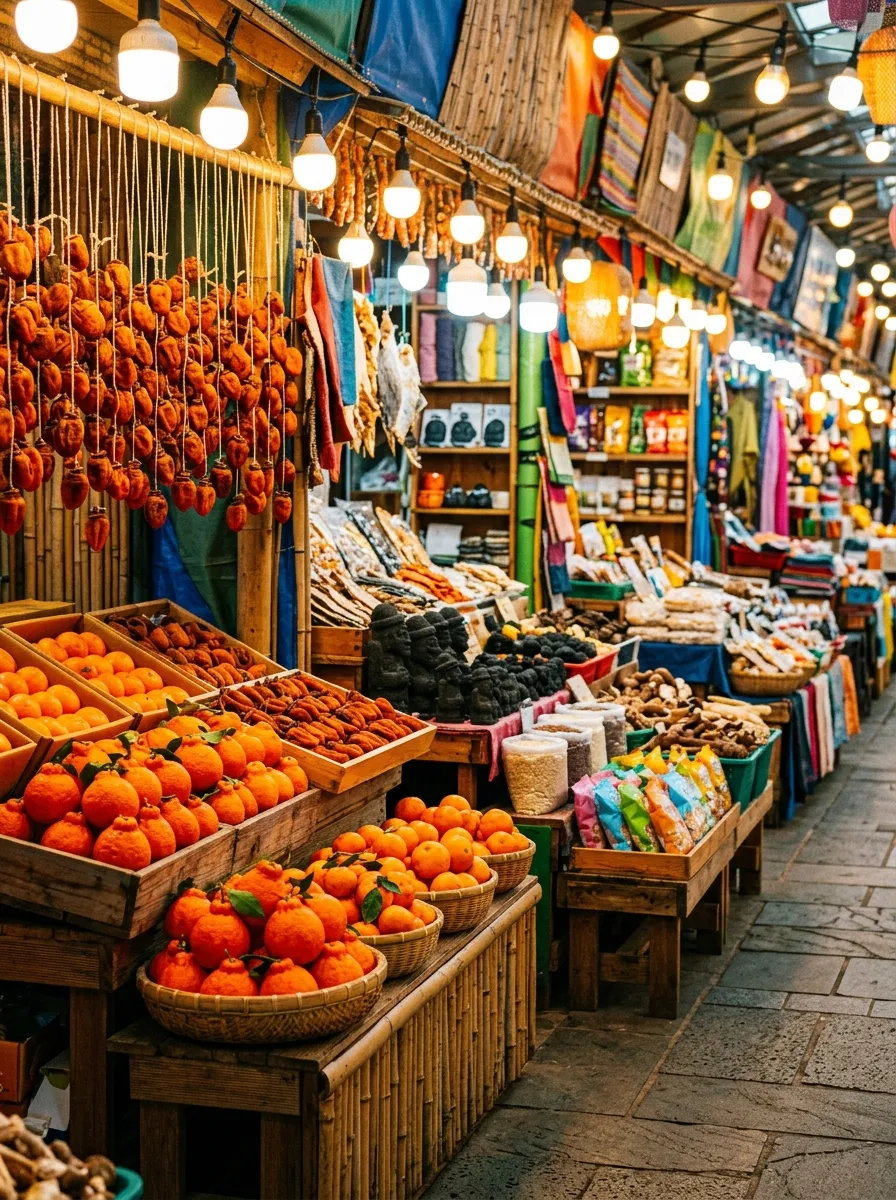
Seogwipo, on the southern side of the island, makes an excellent base for exploring several attractions.
The city has access to waterfalls, markets, coastal scenery and restaurants.
Spend some time exploring local markets and trying Jeju specialties.
It’s also conveniently positioned for visiting southern attractions without constantly changing hotels.
Best Places to Visit in Jeju
| Attraction | Best For | Suggested Time |
| Hallasan | Hiking | Half/full day |
| Seongsan Ilchulbong | Sunrise & views | 2–3 hours |
| Hyeopjae Beach | Beach day | 2–4 hours |
| Hamdeok Beach | Swimming & cafés | 2–4 hours |
| Jeongbang Waterfall | Scenery | 1 hour |
| Cheonjiyeon Waterfall | Nature walk | 1 hour |
| O’Sulloc | Tea & gardens | 1–2 hours |
| Jeju Olle Trails | Hiking | 2+ hours |
| Seogwipo | Food & sightseeing | Half day |
| Coastal roads | Road trip | Flexible |
Where to Stay: Jeju Island Hotels & Areas
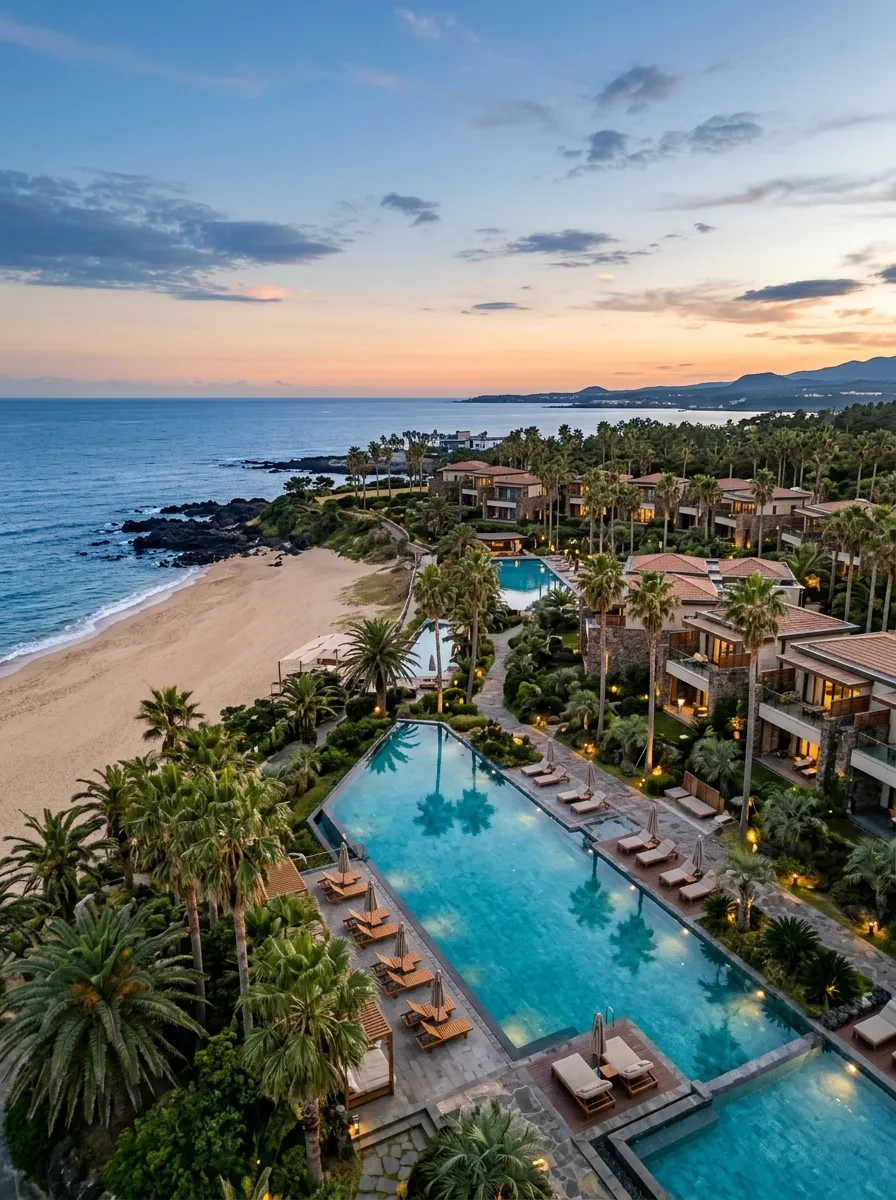
Choosing the right area can make your trip much easier.
Jeju City
Best for:
- First-time visitors
- Airport access
- Restaurants
- Shopping
- Short stays
Jeju City is convenient if you want easy transportation and don’t want to rent a car.
Seogwipo
Best for:
- Waterfalls
- Southern attractions
- Restaurants
- Relaxed atmosphere
Seogwipo is a strong choice if nature is your priority.
Jungmun
Best for:
- Resorts
- Beaches
- Couples
- Luxury stays
This area has some of the island’s better-known resort properties and is convenient for several southern attractions.
Seongsan
Best for:
- Sunrise Peak
- Eastern Jeju
- Quiet stays
- Early-morning adventures
Staying here makes it much easier to reach Seongsan Ilchulbong before the crowds arrive.
When Is the Best Time to Visit Jeju?
Spring
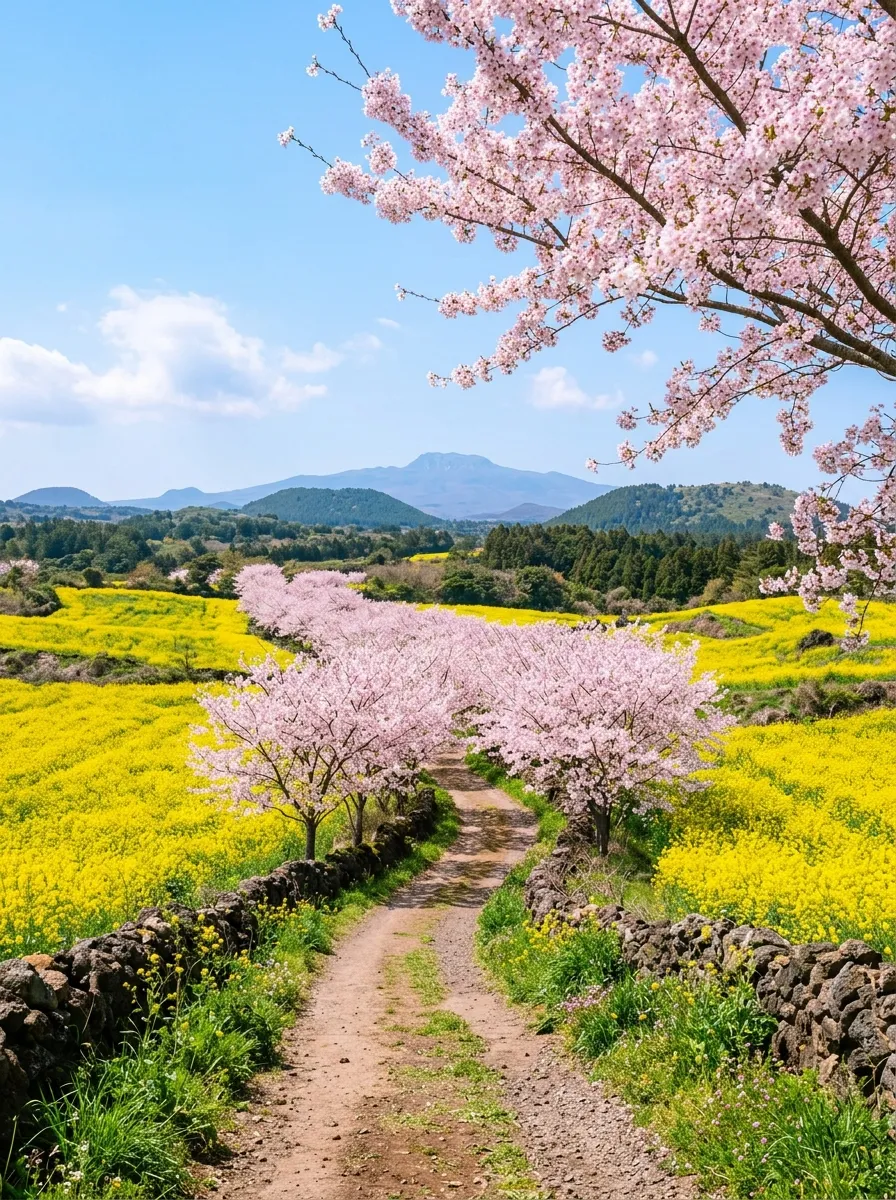
Spring brings comfortable temperatures and beautiful seasonal scenery.
It’s a popular time for hiking and exploring the island’s gardens and countryside.
Summer
Summer is warm and excellent for beaches, but humidity and rain can affect plans.
Typhoons can also influence travel conditions during the wider summer period.
Autumn
Autumn is one of the most appealing seasons for outdoor exploration.
The weather is generally comfortable, making it a great time for hiking and road trips.
Winter
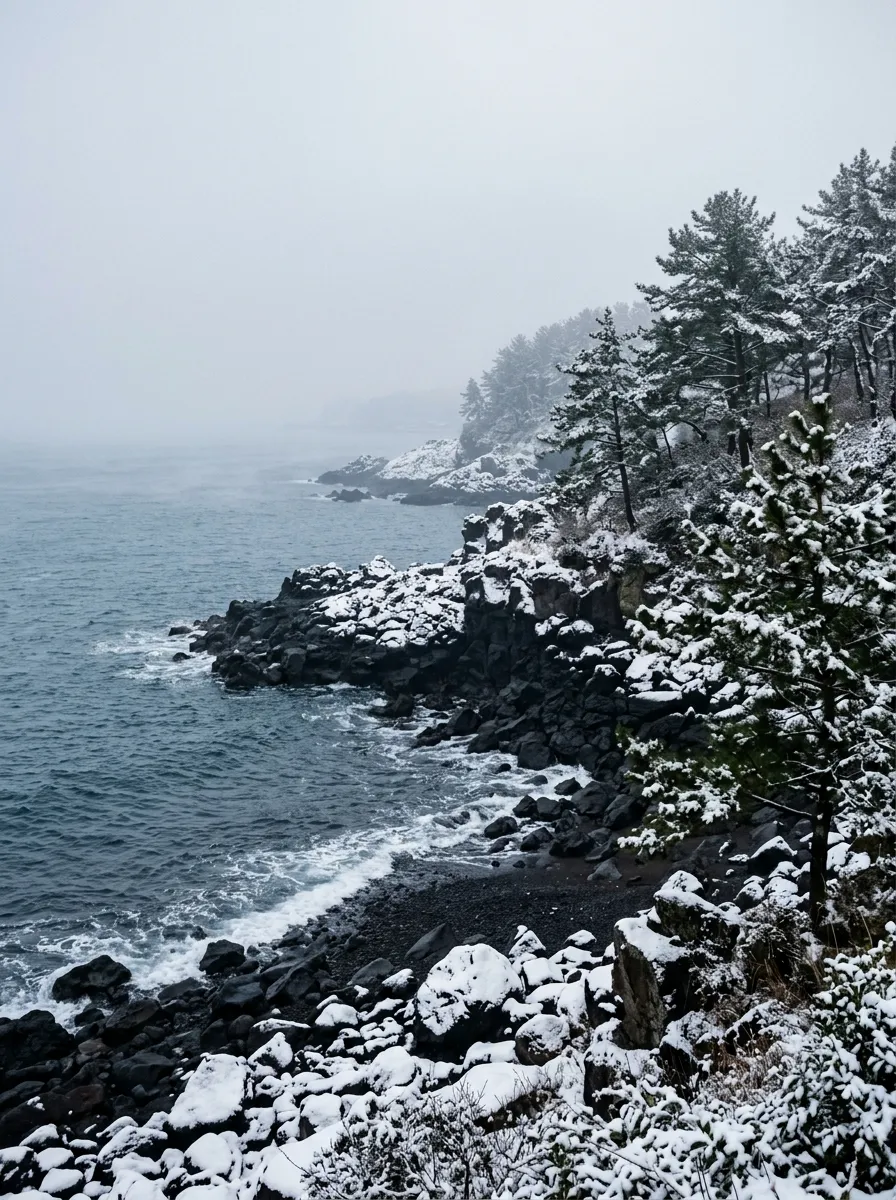
Winter is colder, but Jeju has a completely different charm during this season.
Hallasan can become snow-covered, creating beautiful mountain scenery.
Pack accordingly.
How Many Days Do You Need in Jeju?
For most travelers, 3–5 days is a good starting point.
3 Days
Focus on:
- Seongsan
- Seogwipo
- One beach
- One major hiking or nature experience
4 Days
Add:
- Hallasan or Jeju Olle Trail
- O’Sulloc
- More coastal exploration
5 Days
You can slow the pace and explore both eastern and western Jeju without turning the trip into a scavenger hunt.
How to Get Around Jeju Island
Rental Car
For many travelers, a rental car is the most convenient option.
It gives you flexibility and makes reaching beaches, trails and rural attractions considerably easier.
Make sure you understand South Korea’s driving requirements and insurance rules before renting.
Public Transportation
Buses connect major areas and can work well for travelers on a budget.
However, journeys can take longer, particularly when visiting attractions outside the major towns.
Taxis
Taxis are useful for short trips or when public transportation isn’t convenient.
For a tightly scheduled itinerary, combining buses and taxis can work well.
What to Eat in Jeju
Don’t leave Jeju without trying local food.
Look for:
- Fresh seafood
- Abalone
- Seafood stews
- Hallabong citrus
- Local green tea desserts
- Jeju-style noodles
The island’s food culture is strongly connected to both agriculture and the sea.
Fresh seafood is particularly worth seeking out.
Is Jeju Island Good for Families?
Yes.
Jeju offers a good mix of activities for different ages.
Families can combine beaches, waterfalls, easy trails, gardens, museums and scenic drives.
The main challenge is transportation.
If you’re traveling with younger children, a rental car can make the island much easier to navigate.
For more family travel ideas, our guide to the best family vacation spots for 2026 has plenty of inspiration.
Jeju Island Travel Tips
Check Weather Before Hiking
Mountain weather can change quickly.
Don’t Pack Every Day With Attractions
Jeju is much more enjoyable when you leave room for spontaneous stops.
Consider Staying in Two Areas
If you have five or more days, splitting your stay between the north/east and south can reduce driving.
Book Popular Hotels Early
The best Jeju Island hotels can fill up during busy travel periods.
Start Early
Popular attractions such as Seongsan Ilchulbong are more enjoyable before peak crowds.
Carry a Rain Layer
Even when the forecast looks friendly, Jeju can surprise you.
Download Maps
If you’re driving around rural areas, don’t rely entirely on constant mobile connectivity.
Is Jeju Island Worth Visiting?
Absolutely.
Jeju Island offers something that many destinations struggle to achieve.
It feels like a genuine escape while still having the infrastructure travelers need.
You can hike a volcano in the morning, eat seafood by the ocean in the afternoon and finish the day at a stylish café.
The island is scenic without feeling like one giant tourist attraction.
And that’s its magic.
Frequently Asked Questions
Where is Jeju Island?
Jeju Island is located off the southern coast of South Korea in the Korea Strait.
What is Jeju Island South Korea known for?
Jeju Island South Korea is known for volcanic landscapes, Hallasan, waterfalls, beaches, lava tubes, green tea fields, seafood and the traditional haenyeo diving culture.
What are the best things to do in Jeju?
The best things to do in Jeju include hiking Hallasan, visiting Seongsan Ilchulbong, exploring waterfalls, relaxing on beaches, walking the Jeju Olle Trails, visiting tea fields and driving the island’s coastal roads.
How many days should I spend in Jeju?
Three to five days is ideal for a first trip, although a longer stay allows you to explore at a slower pace.
Is Jeju expensive?
Costs vary depending on accommodation, transportation and activities. It can be affordable, but popular hotels and rental cars can become more expensive during peak periods.
Do I need a car in Jeju?
You don’t absolutely need one, but a rental car can make exploring the island considerably easier, particularly if you want to visit rural areas and multiple attractions in one day.
What are the best areas to stay in Jeju?
Jeju City is convenient, Seogwipo is excellent for southern attractions, Jungmun is ideal for resorts, and Seongsan works well for travelers focusing on eastern Jeju and Sunrise Peak.
Final Thoughts
Jeju Island is South Korea’s great escape hatch.
It combines volcanic mountains, dramatic coastlines, beaches, waterfalls, forests, tea fields and a deeply rooted island culture into one surprisingly diverse destination.
Don’t approach it as a checklist of attractions.
Rent a car if it suits your trip. Stop at a roadside viewpoint. Wander through a coastal village. Eat something you’ve never tried. Follow an Olle Trail for an hour longer than planned.
Those unscheduled moments often become the memories you bring home.
And if you’re building a larger international itinerary, you might also enjoy our charming villages in Spain guide for another look at slower, more scenic travel, or our Paris vs. Rome guide if you’re still deciding where your next big city adventure should take you.