How to Plan a Trip Without Feeling Overwhelmed: A Simple Step-by-Step Guide
Planning a trip should be exciting. But somewhere between comparing dozens of hotels, checking flight prices, building an itinerary, researching restaurants, figuring out transportation, and wondering what you might have forgotten, the excitement can disappear.
The problem usually isn’t that travel planning is difficult. It’s that we try to solve every travel decision at the same time.
A better approach is to break the process into small steps and make the important decisions first. You don’t need a perfect itinerary before you book your flight, and you certainly don’t need to know what you’re having for lunch on day four.
This guide walks you through a simple trip-planning process that works for weekend getaways, family vacations, road trips, international adventures, and longer holidays.
The goal is simple: know what matters, decide it in the right order, and leave enough room for the trip to actually feel like a vacation.
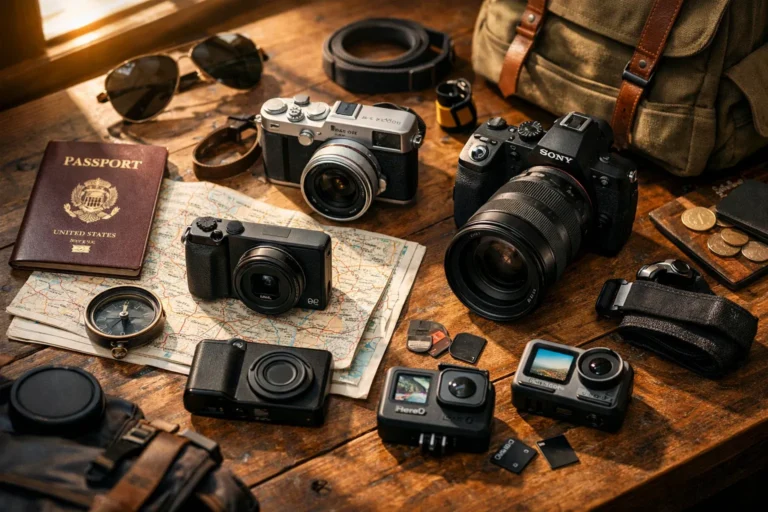
Recommended Travel Items for Your Trip
Why Trip Planning Feels So Overwhelming

Travel planning can involve dozens of separate decisions:
- Where should I go?
- When should I travel?
- How much will it cost?
- Should I fly or drive?
- Where should I stay?
- How many days do I need?
- What should I see?
- Should I rent a car?
- Do I need travel insurance?
- What should I pack?
- Do I need a visa?
- How will I get around?
- Where should I eat?
Trying to answer all of these questions at once creates decision fatigue.
The solution is to plan in layers.
First decide the destination and dates. Then figure out transportation and accommodation. After that, build a flexible itinerary. Finally, take care of packing and small details.
You don’t need to plan everything today.
Step 1: Decide What You Want From the Trip

Before opening flight comparison websites or hotel apps, ask yourself one question:
What do I actually want from this trip?
Maybe you want:
- Relaxation
- Adventure
- Beaches
- Nature
- Food
- History
- Family time
- A romantic getaway
- A road trip
- A city break
- A cultural experience
- A digital detox
This matters because your travel priorities should determine the destination.
For example, someone looking for a quiet beach vacation probably shouldn’t choose a destination because it has 40 attractions to visit. Likewise, someone interested in museums and history may become frustrated at a resort where the main activity is sitting beside a pool.
Write down your top three travel priorities.
That’s enough.
Try the Three-Question Test

Before choosing a destination, answer:
1. What do I want to feel during this trip?
Relaxed? Excited? Curious? Recharged?
2. What do I want to experience?
Nature, food, culture, beaches, adventure, nightlife, history?
3. What do I not want?
Crowds, long drives, extreme heat, expensive hotels, complicated transportation?
The third question is surprisingly useful.
Sometimes knowing what you don’t want makes choosing a destination much easier.
Step 2: Choose a Destination That Fits Your Reality

Once you know what you’re looking for, narrow your destination choices to two or three.
Don’t research 25 destinations simultaneously.
Consider these factors:
Travel Time
A destination that requires two days of travel each way may not make sense for a four-day vacation.
For a short trip, choose somewhere relatively easy to reach.
For a longer vacation, you can justify a more complicated journey.
Weather
Check the typical weather for the month you plan to visit.
Don’t only look at average temperatures. Consider:
- Rainfall
- Humidity
- Storm seasons
- Snow
- Daylight hours
- Ocean conditions
- Seasonal closures
A destination can be beautiful but still be a poor match for your particular travel dates.
Cost
Compare the approximate cost of:
- Transportation
- Accommodation
- Food
- Local transportation
- Attractions
- Activities
- Travel insurance
- Miscellaneous expenses
A destination isn’t necessarily expensive just because hotels are expensive. Food, transportation and attractions can dramatically change the total cost.
Travel Requirements
For international trips, check requirements early.
Depending on your nationality and destination, you may need:
- A passport with sufficient validity
- A visa
- Electronic travel authorization
- Vaccinations
- Proof of onward travel
- Travel insurance
- Special permits
Always verify current requirements with the relevant official government or embassy sources before traveling.
Step 3: Decide How Much Time You Can Realistically Spend
One of the most common trip-planning mistakes is trying to squeeze too much into too little time.
If you have five days, you don’t need to visit five cities.
In fact, you may enjoy the trip more by visiting one or two places properly.
Think about your trip in terms of usable travel days, not simply the number of nights.
For example, a five-night trip might actually give you only four full sightseeing days if your arrival and departure take up significant portions of the first and last day.
A Simple Rule for Short Trips
For a short vacation:
One destination + a few meaningful experiences usually beats several destinations + constant packing and unpacking.
Every time you change cities, you lose time.
You have to:
- Pack.
- Check out.
- Travel to the station or airport.
- Travel to the next destination.
- Find your accommodation.
- Check in.
- Unpack again.
Transfers can quietly eat half a day.
Step 4: Set a Realistic Travel Budget
Don’t start booking things until you have a rough budget.
Your travel budget should include more than flights and hotels.
A useful basic formula is:
Total Trip Cost = Transportation + Accommodation + Food + Activities + Local Transportation + Insurance + Miscellaneous + Emergency Buffer
Create a simple estimate for each category.
| Expense | Estimated Cost |
| Flights / transportation | $ |
| Hotel | $ |
| Food | $ |
| Local transportation | $ |
| Attractions & activities | $ |
| Travel insurance | $ |
| Shopping | $ |
| Miscellaneous | $ |
| Emergency buffer | $ |
You don’t need perfect numbers at this stage.
You’re simply trying to determine whether the trip is financially realistic.
Don’t Forget the Emergency Buffer
This is one of the easiest travel expenses to overlook.
Set aside some money for things you didn’t expect.
Perhaps your flight changes. You need a taxi. Your hotel is farther from the attractions than expected. You need medication. Your luggage is delayed. You decide to take an activity that wasn’t in the original plan.
An emergency buffer gives you breathing room.
It also means one unexpected expense doesn’t turn into a financial crisis.
Step 5: Book Transportation at the Right Time

Once your destination, dates and budget are clear, look at transportation.
For flights, compare:
- Departure airports
- Arrival airports
- Direct vs. connecting flights
- Baggage allowances
- Departure and arrival times
- Seat fees
- Change and cancellation conditions
- Total price rather than headline fare
A cheap flight isn’t necessarily cheap after adding baggage, seat selection, airport transfers and other fees.
Don’t Automatically Choose the Cheapest Flight
Imagine two flights:
Flight A: $320, arrives at 11:30 p.m.
Flight B: $355, arrives at 4:00 p.m.
The second flight costs $35 more, but it might save you a late-night taxi, an awkward hotel arrival and half a day of exhaustion.
Look at the total travel experience, not just the ticket price.
Step 6: Choose Your Accommodation

Now that transportation is sorted, choose where you’ll stay.
Don’t judge a hotel only by its star rating.
Look at:
- Location
- Guest reviews
- Room size
- Public transportation access
- Parking
- Breakfast
- Wi-Fi
- Check-in time
- Cancellation policy
- Resort or destination fees
- Distance from the places you actually want to visit
Location Often Matters More Than Luxury
A beautiful hotel 45 minutes from everything may create more frustration than a simpler hotel in a convenient neighborhood.
Before booking, open a map and identify the main places you want to visit.
Then ask:
How much time will I spend getting from my hotel to these places?
That question can save hours during a trip.
Don’t Overlook the Cancellation Policy
Travel plans change.
Before booking, check:
- Whether cancellation is free
- The cancellation deadline
- Whether payment is refundable
- Whether taxes and fees are refundable
- Whether changing dates costs extra
A slightly more expensive flexible booking can sometimes provide useful peace of mind.
Step 7: Make a Short List of Things You Actually Want to Do

This is where many itineraries go wrong.
People search for:
“50 best things to do in…”
Then attempt to visit all 50.
Don’t.
Instead, create three lists:
Must Do
Experiences you would genuinely regret missing.
Choose around 3 to 5.
Would Like to Do
Things that sound interesting but aren’t essential.
Choose around 5 to 10.
If We Have Time
Optional experiences that can fill gaps.
This third list is your secret weapon.
If the weather changes or you discover something interesting locally, you have options without feeling like the itinerary has collapsed.
Step 8: Build Your Itinerary Around Areas, Not Just Attractions

This is one of the easiest ways to make a trip less exhausting.
Don’t randomly jump across the entire city every day.
Instead, group activities geographically.
For example:
Monday: Historic district + nearby museum + local restaurant
Tuesday: Waterfront + nearby attractions + sunset viewpoint
Wednesday: Day trip outside the city
This reduces unnecessary transportation.
It also gives you more time to explore.
Leave Empty Space
Don’t schedule every hour.
A good itinerary should have room for:
- Long lunches
- Coffee stops
- Unexpected discoveries
- Shopping
- Rest
- Weather changes
- Delays
- Simply doing nothing
If every minute is scheduled, your vacation can start feeling like work.
Step 9: Don’t Book Every Activity in Advance
Some experiences should be reserved ahead of time.
These might include:
- Popular tours
- Major attractions
- Limited-entry museums
- Trains
- Rental cars
- Special restaurants
- Seasonal activities
But not everything needs a reservation.
Leave some flexibility.
You may discover a neighborhood you love and decide to spend an extra afternoon there.
That’s not a planning failure.
That’s travel.
Step 10: Research Local Transportation Before You Arrive

Transportation can become one of the biggest sources of stress when you’re unfamiliar with a destination.
Before leaving, understand your basic options:
- Public transportation
- Taxi
- Ride-sharing
- Rental car
- Airport shuttle
- Walking
- Tourist buses
- Trains
You don’t need to memorize the entire transportation system.
Just answer these questions:
How will I get from the airport to my accommodation?
How will I get around each day?
How will I get back to the airport?
Those three answers eliminate a surprising amount of arrival-day stress.
Step 11: Create a Simple Travel Document

Instead of keeping travel information scattered across emails, screenshots and apps, create one master travel document.
Include:
Transportation
- Flight numbers
- Train reservations
- Rental car details
- Departure times
Accommodation
- Hotel name
- Address
- Reservation number
- Check-in/check-out times
- Contact information
Important Documents
- Passport information
- Visa information
- Travel insurance details
- Emergency contacts
Important Addresses
- Hotel
- Airport
- Train station
- Car rental location
- Embassy or consulate if traveling internationally
You can keep a digital copy on your phone and an offline copy in case you lose internet access.
Step 12: Prepare for Things Going Wrong

You don’t need to expect disaster.
You simply need a backup plan.
Ask yourself:
What happens if my flight is delayed?
What happens if my luggage doesn’t arrive?
What happens if it rains all day?
What happens if an attraction is closed?
What happens if I get sick?
What happens if my phone stops working?
You don’t need elaborate contingency plans.
Just have a basic alternative.
For example:
Plan A: Outdoor sightseeing
Plan B: Museum + food market + café
That small amount of preparation can make unexpected problems much easier to handle.
Step 13: Make a Packing List Based on the Trip
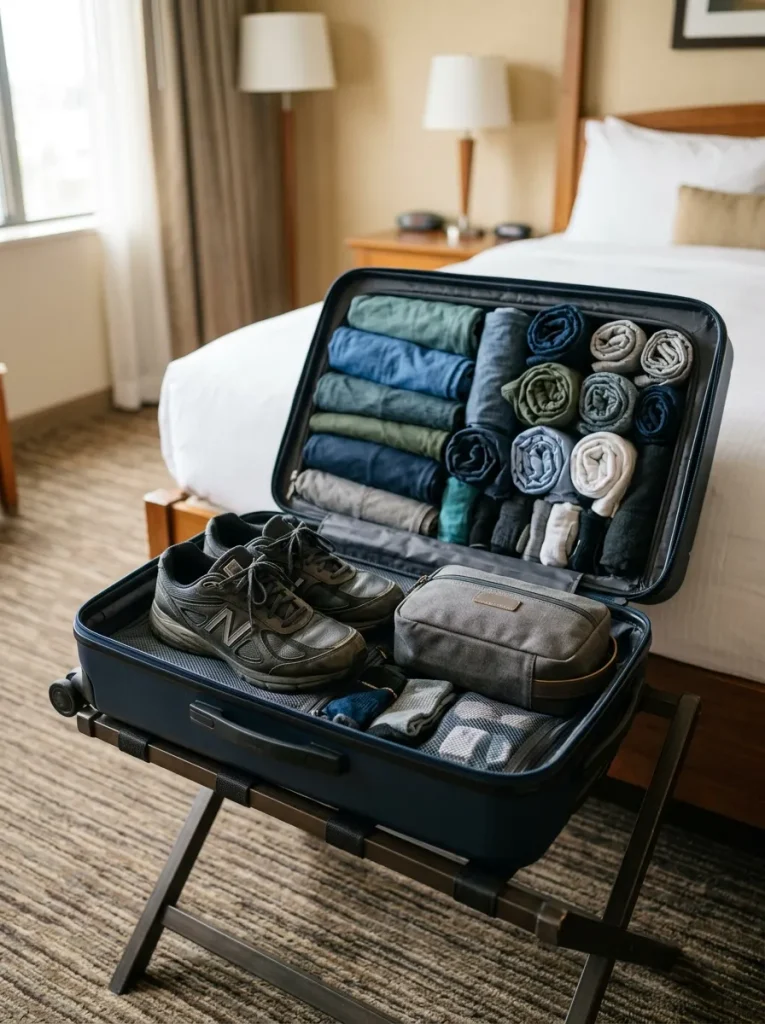
Don’t start throwing random things into a suitcase.
Build your packing list around:
- Destination
- Weather
- Trip length
- Activities
- Accommodation
- Laundry access
- Dress requirements
A seven-day beach trip doesn’t require the same luggage as a seven-day winter road trip.
The Basic Packing Categories
Organize your list into:
Clothing
- Everyday outfits
- Underwear
- Sleepwear
- Outer layer
- Comfortable walking shoes
Toiletries
- Toothbrush
- Toothpaste
- Skincare
- Medications
- Personal hygiene items
Technology
- Phone
- Chargers
- Power bank
- Adapters
- Headphones
Travel Documents
- Passport
- Identification
- Reservations
- Insurance information
Destination-Specific Items
- Rain jacket
- Swimsuit
- Hiking gear
- Warm layers
- Sun protection
This makes packing much easier than trying to remember everything at once.
Step 14: Download What You’ll Need Before Leaving

Don’t assume you’ll have reliable internet everywhere.
Before leaving, consider downloading:
- Offline maps
- Hotel information
- Boarding passes
- Transportation tickets
- Important reservations
- Translation tools
- Destination information
Take screenshots of anything important that you may need quickly.
This is particularly useful at airports or destinations where mobile service is unreliable.
Step 15: Don’t Overplan Your First and Last Day

Your arrival day is rarely as productive as you imagine.
You may be tired.
Your flight may be delayed.
Immigration may take longer than expected.
Your luggage may take an hour to arrive.
Your hotel may not be ready.
So keep the first day relatively light.
The same applies to your departure day.
Instead of planning your biggest attraction a few hours before your flight, leave enough time to return to your accommodation, collect your luggage and reach the airport comfortably.
A Simple 7-Day Trip Planning Timeline
If you have several weeks before your trip, you can spread the planning process out.
4–8 Weeks Before
- Choose destination
- Choose dates
- Set budget
- Check travel requirements
- Book flights or major transportation
- Research neighborhoods
2–4 Weeks Before
- Book accommodation
- Reserve important attractions
- Arrange rental car if necessary
- Research local transportation
- Start your itinerary
1–2 Weeks Before
- Check the weather
- Review reservations
- Create packing list
- Arrange travel insurance if needed
- Download offline maps
- Check passport and travel documents
2–3 Days Before
- Pack
- Charge electronics
- Download tickets
- Check flight status
- Confirm transportation
- Organize documents
- Notify your bank if necessary
The Night Before
Don’t spend the entire night planning.
Your job is simply to make sure you’re ready to leave.
Check:
- Passport
- Wallet
- Phone
- Chargers
- Tickets
- Medication
- Luggage
- House keys
Then go to sleep.
Your vacation starts with leaving home, not with solving one final spreadsheet at 2 a.m.
The 80/20 Rule of Travel Planning
You don’t need to know everything about your destination.
Focus on the information that will have the biggest impact on your trip.
The most important things are usually:
- Where you’re staying
- How you’re getting there
- How you’re getting around
- What the weather will be like
- What requires advance reservations
- What the major costs will be
- What documents you need
- What you’ll do if something goes wrong
Everything else can often be figured out along the way.
Common Trip-Planning Mistakes to Avoid
Trying to Visit Too Many Places
More destinations don’t automatically mean a better trip.
Every transfer costs time and energy.
Booking Based Only on Price
The cheapest flight or hotel can become expensive once you add transportation, baggage and other fees.
Planning Every Minute
Leave room for real life.
Ignoring Travel Time
Google Maps may say an attraction is 30 minutes away, but getting there can involve walking, waiting, transfers and traffic.
Forgetting Rest Days
Especially on longer trips, your body needs downtime.
Not Checking Cancellation Policies
Plans change.
Ignoring Local Holidays
A destination can become dramatically busier or more expensive during major holidays and events.
Saving Everything in One Place
If your only copy of your hotel confirmation is inside an email account you cannot access, you have a problem.
Keep important information available offline.
A Simple Trip Planning Checklist
Use this checklist whenever you plan a new trip.
Before Booking
- Choose your travel priorities
- Select destination
- Check weather
- Check travel requirements
- Estimate total cost
- Choose dates
- Decide how long to stay
Transportation
- Compare transportation options
- Check baggage rules
- Check cancellation/change policies
- Plan airport transfers
- Research local transportation
Accommodation
- Choose the right neighborhood
- Compare reviews
- Check total price
- Check cancellation policy
- Confirm check-in/check-out times
Itinerary
- Pick must-do experiences
- Group attractions by location
- Reserve popular activities
- Leave free time
- Create a bad-weather backup
Before Leaving
- Check passport
- Check visas/entry requirements
- Download offline maps
- Save reservations
- Check weather
- Prepare packing list
- Charge electronics
- Check flight status
- Pack medications and essentials
How to Make Travel Planning Even Easier
The easiest way to plan a trip is to stop thinking about the entire trip at once.
Think about one decision at a time.
First:
Where am I going?
Then:
When am I going?
Then:
How am I getting there?
Then:
Where am I staying?
Then:
What do I want to experience?
Then:
What do I need to pack?
Finally:
What could go wrong, and what is my backup?
That’s it.
You don’t need a perfect itinerary.
You need a solid framework with enough flexibility to let the trip unfold naturally.
Frequently Asked Questions About Trip Planning
How far in advance should I start planning a trip?
For a major international vacation, starting several months ahead can give you more time to compare flights, accommodation and activities. Short domestic trips can often be planned much closer to departure.
The ideal timing depends on the destination, season, transportation and how flexible your dates are.
What is the first thing I should do when planning a trip?
Start by deciding what you want from the trip. Identify your priorities, preferred travel dates, approximate budget and the type of experience you want. Then narrow down destinations that fit those requirements.
How do I plan a trip without spending too much money?
Start with a total budget rather than booking individual items first. Compare transportation, accommodation, food and activities together. Also leave an emergency buffer so unexpected expenses don’t derail the trip.
How many activities should I plan per day?
There is no universal number, but avoid filling every hour. A few meaningful activities with enough time between them is often more enjoyable than trying to see everything.
Should I plan my entire itinerary before traveling?
Not necessarily. Reserve experiences that sell out or require advance booking, but leave some free time. A flexible itinerary makes it easier to adapt to weather, delays, local discoveries and changes in your energy level.
What should I do if my travel plans change?
Keep important reservations, cancellation policies and contact information accessible. If possible, choose flexible bookings for major expenses. Having a backup plan for transportation, accommodation and activities can also reduce stress.
How can I make travel planning less stressful?
Break planning into stages. Don’t research flights, hotels, activities, restaurants and packing simultaneously. Complete one category before moving to the next, and focus on the decisions that have the biggest effect on your trip.
Final Thoughts
A well-planned trip doesn’t mean a trip where every minute is scheduled.
The best travel plans give you enough structure to avoid unnecessary problems while leaving enough freedom to enjoy the unexpected.
Start with your destination, dates and budget. Sort out transportation and accommodation. Choose a handful of experiences that genuinely matter to you. Then prepare for the practical details and leave some breathing room.
If your itinerary changes because you found an amazing little restaurant, spent an extra hour at a viewpoint or decided to sleep in after a long day, that’s not a failed plan.
That’s part of traveling.
The goal isn’t to create the perfect itinerary.
The goal is to make the journey easier so you have more time and energy to enjoy where you’ve gone.