Saint Lucia Travel Guide 2026–27: Best Places to Visit, Beaches & Things to Do
Saint Lucia is the kind of Caribbean destination that offers more than a beautiful beach. Dramatic volcanic mountains rise above the coastline, rainforest trails lead to waterfalls, and colorful fishing villages give the island a character that goes far beyond its luxury resorts.
You can spend one morning hiking beneath the famous Pitons, soak in mineral-rich mud baths in the afternoon, and finish the day watching the sunset over the Caribbean Sea. If you prefer a slower vacation, there are quiet beaches, waterfront restaurants, scenic bays, and plenty of places to enjoy the island’s relaxed atmosphere.
But where should you stay? Which beaches are worth visiting? And how many days do you need to experience the best of Saint Lucia?
This Saint Lucia travel guide for 2026–27 covers the island’s top attractions, best beaches, outdoor adventures, local food, accommodation options, transportation, and practical travel tips. Whether you’re planning a romantic escape, a family vacation, or an adventure-filled Caribbean trip, here’s how to make the most of your visit.
Recommended Travel Items for Your Trip
Where Is Saint Lucia?
Saint Lucia is an island country in the eastern Caribbean, between Martinique to the north and Saint Vincent and the Grenadines to the south. Its landscape combines volcanic peaks, tropical forests, fertile valleys, fishing villages, and beaches along both the Caribbean-facing west coast and the Atlantic-facing east coast.
The capital, Castries, is the island’s main commercial center and an important stop for cruise ships. Soufrière, on the southwestern coast, is famous for its dramatic mountain scenery, geothermal attractions, and access to some of the island’s most memorable natural landmarks.
Saint Lucia is particularly appealing because you can experience several types of vacation in one trip. Couples can enjoy scenic resorts and sunset cruises, families can explore beaches and gardens, and adventurous travelers can hike mountains, snorkel coral reefs, or zipline through the rainforest.
If you’re comparing destinations for your next tropical vacation, explore these best Caribbean islands to see how Saint Lucia fits into your island travel plans.
Best Places to Visit in Saint Lucia
The island is relatively compact, but winding mountain roads mean that journeys can take longer than distances on a map suggest. Choosing a convenient base will help you spend more time exploring and less time traveling.
1. Soufrière: Best for the Pitons and Volcanic Attractions
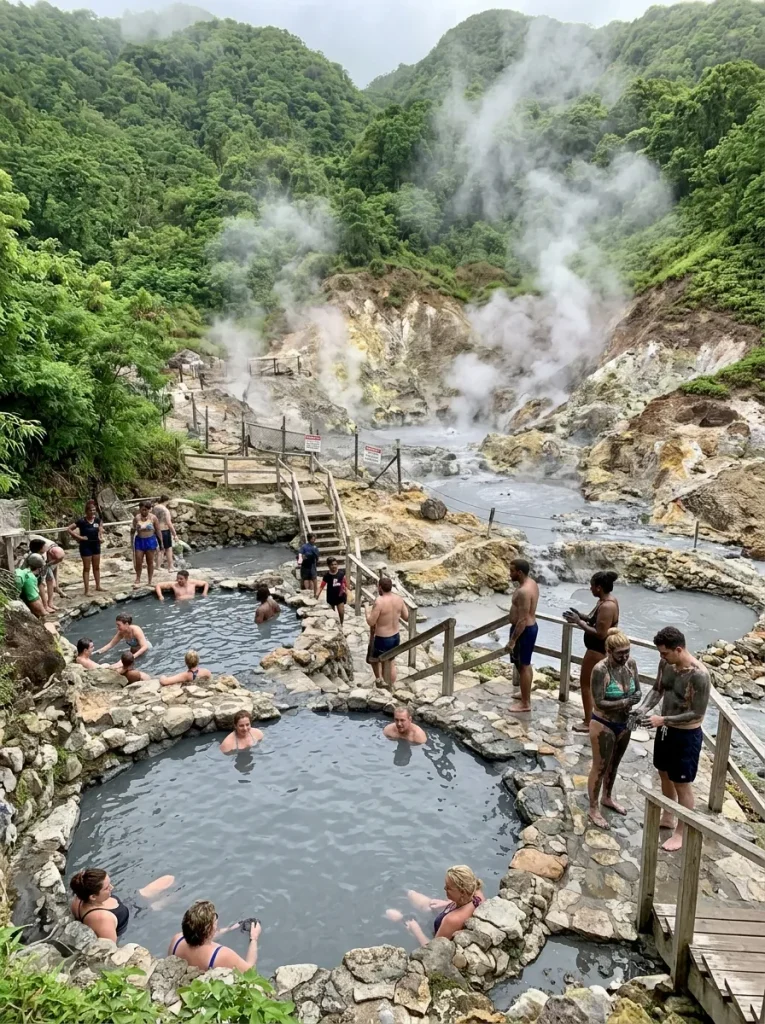
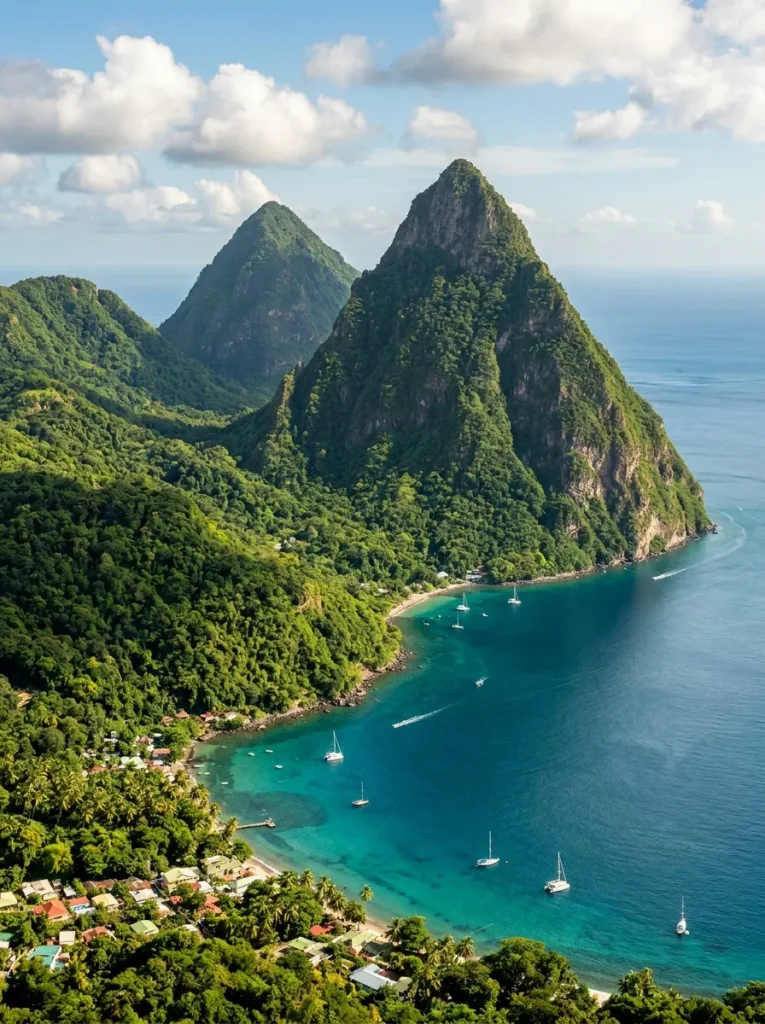
Soufrière is one of the most rewarding places to visit in Saint Lucia. This historic town sits near the island’s most recognizable natural landmarks, including Gros Piton and Petit Piton, the twin volcanic peaks that rise dramatically above the coast.
The Pitons are part of a UNESCO World Heritage Site and are among the island’s most photographed sights. You can admire them from scenic viewpoints, boat trips, beaches, and nearby resorts.
Soufrière is also the gateway to Sulphur Springs, a geothermal area famous for its bubbling mud pools and mineral baths. Visitors can learn about the island’s volcanic landscape and, at designated facilities, experience a mud bath.
Nearby, Diamond Falls Botanical Gardens offers tropical plants, walking paths, and a colorful waterfall. It is a relaxing stop if you want a break from more demanding outdoor activities.
Soufrière is a strong choice for travelers who want to combine nature, scenery, and adventure. Staying nearby also reduces the time needed to reach several major attractions.
Best for: Nature lovers, couples, photographers, hikers, and travelers interested in volcanic landscapes.
2. Castries: Best for Local Culture and Markets
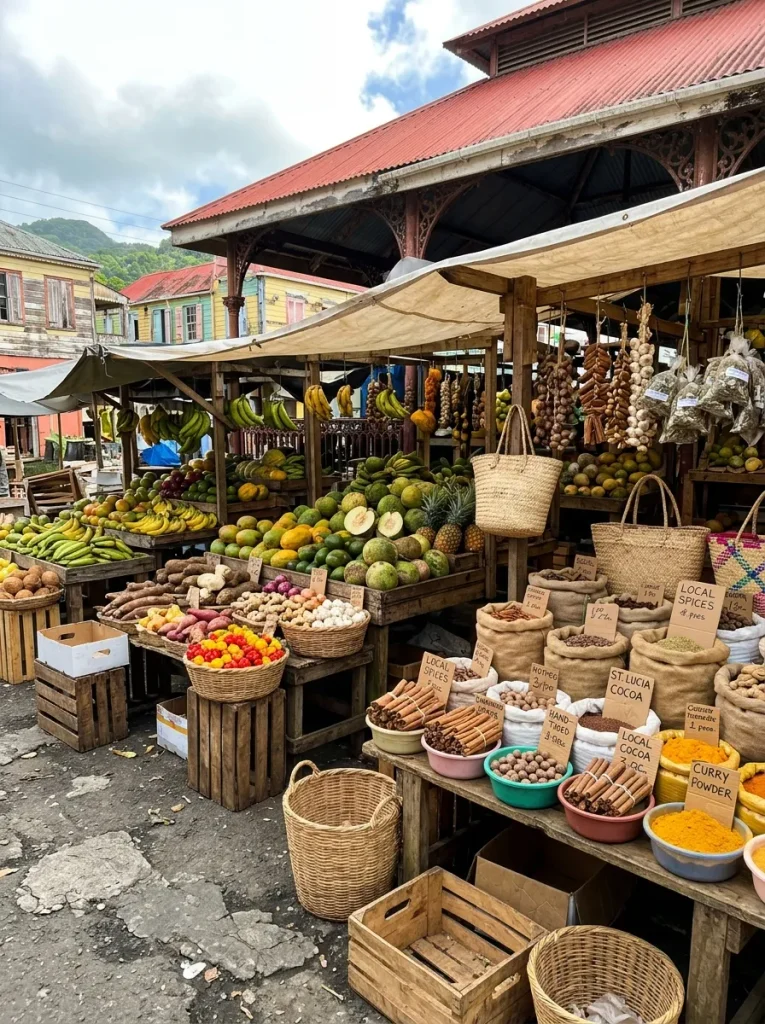
Castries is the capital and a useful starting point for understanding everyday life in Saint Lucia.
Explore the downtown area, browse local market stalls, and look for fresh produce, spices, handmade goods, and souvenirs. The Cathedral Basilica of the Immaculate Conception and Derek Walcott Square are worthwhile stops if you’re interested in the island’s history and architecture.
Castries also provides access to nearby beaches and northern attractions. If you’re arriving by cruise ship, you may be able to explore the main sights in a day, although longer stays give you more time to venture beyond the city.
For a more local experience, look for restaurants serving traditional Saint Lucian dishes rather than spending every meal at your hotel.
Best for: First-time visitors, culture lovers, cruise passengers, and travelers who enjoy markets and local food.
3. Pigeon Island National Landmark: Best for History and Coastal Views
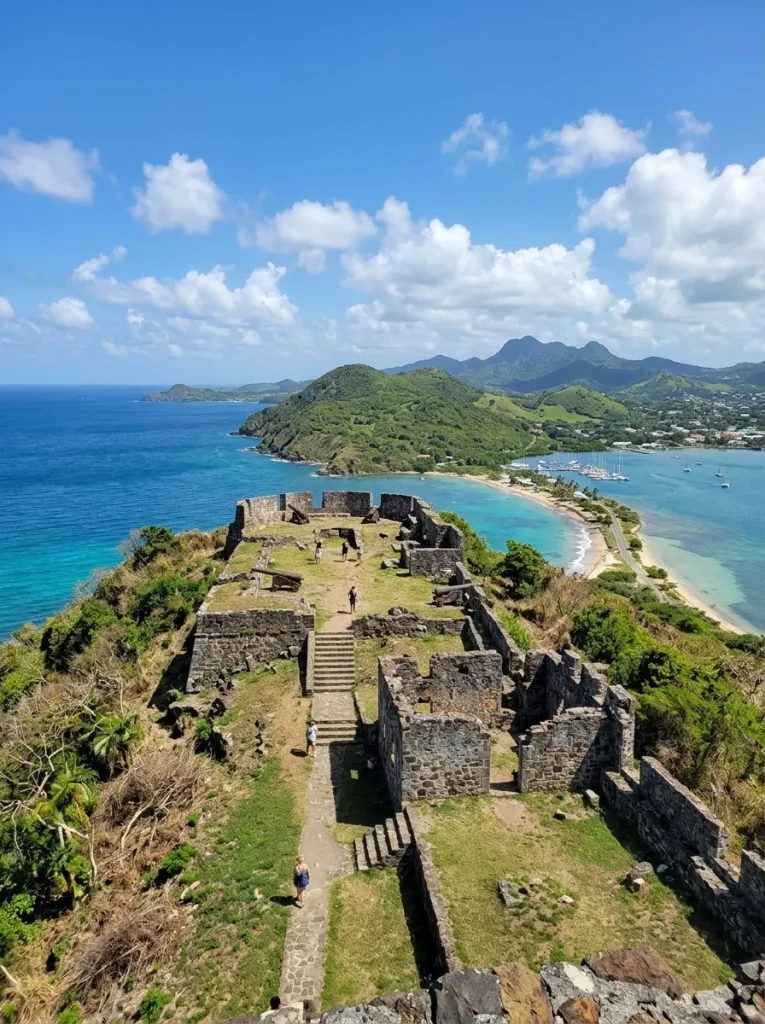
Pigeon Island National Landmark combines history, walking trails, beaches, and beautiful coastal views in one location.
The area was once a separate island but is now connected to the mainland by a causeway. Today, visitors can explore historic military ruins, follow trails toward elevated viewpoints, and enjoy views across the coastline.
Fort Rodney is one of the main historical attractions. The climb to the upper viewpoints involves some uneven paths and steps, so wear comfortable shoes and bring water.
After exploring the historic areas, relax by the nearby beaches or continue toward Rodney Bay for restaurants and other activities.
Allow a few hours for your visit, especially if you want to explore the trails rather than simply stop for photographs.
Best for: History enthusiasts, casual hikers, families with older children, and photographers.
4. Rodney Bay: Best for Restaurants, Shopping, and Nightlife

Rodney Bay is one of the island’s main visitor areas. It offers restaurants, accommodation, shopping, a marina, and convenient access to Reduit Beach.
The area is a practical base if you want a mix of beach time and evening activities. You can spend the morning swimming, explore local shops during the afternoon, and enjoy dinner near the waterfront.
Rodney Bay is also a convenient departure point for selected boat trips and water activities.
Travelers seeking a quiet, secluded escape may prefer accommodation farther from the busier northern areas. However, Rodney Bay is a good option if you value convenience and want several dining choices nearby.
Best for: Families, couples, first-time visitors, and travelers who enjoy restaurants and nightlife.
5. Marigot Bay: Best for Scenic Relaxation
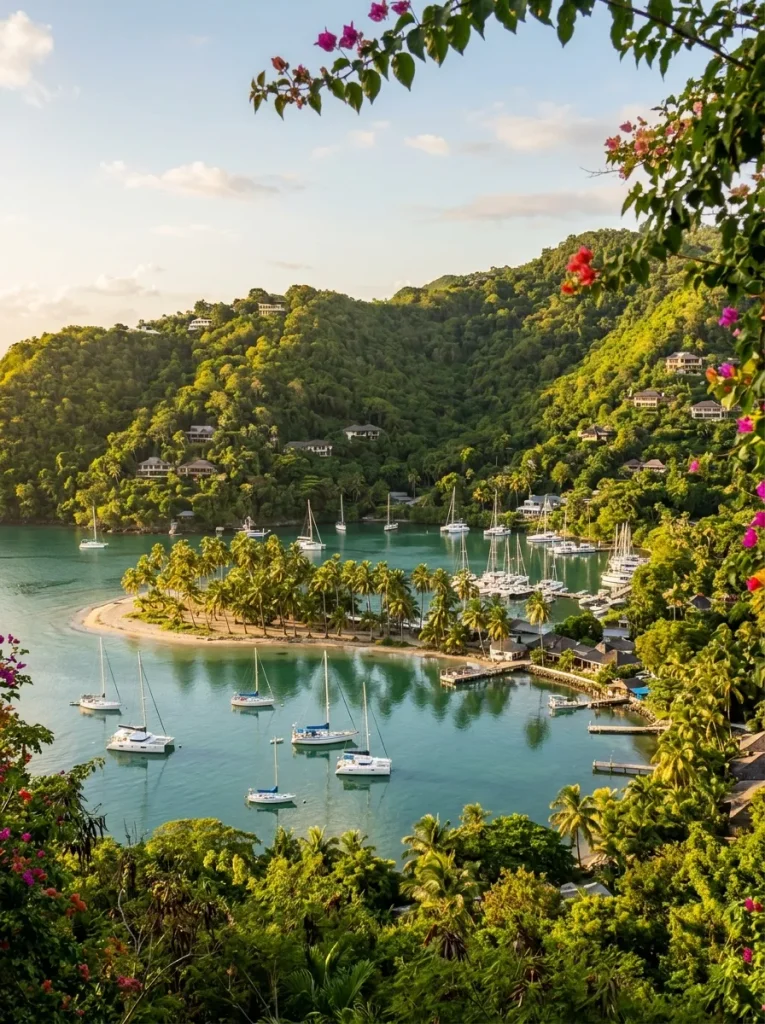
Marigot Bay is a picturesque harbor surrounded by green hills and tropical vegetation. Its sheltered setting, waterfront views, and boats give it a different atmosphere from the island’s open beaches.
You can enjoy a meal overlooking the water, arrange a boat excursion, or simply spend time appreciating the scenery.
Marigot Bay is particularly attractive for travelers who prefer a relaxed pace rather than a packed sightseeing schedule. It can also be a scenic stop during a west-coast road trip.
If you plan to stay here, compare accommodation and transportation options in advance. Some properties are more convenient for boat access than for reaching inland attractions.
Best for: Couples, photographers, boat enthusiasts, and travelers seeking a peaceful setting.
6. Gros Islet: Best for Local Entertainment
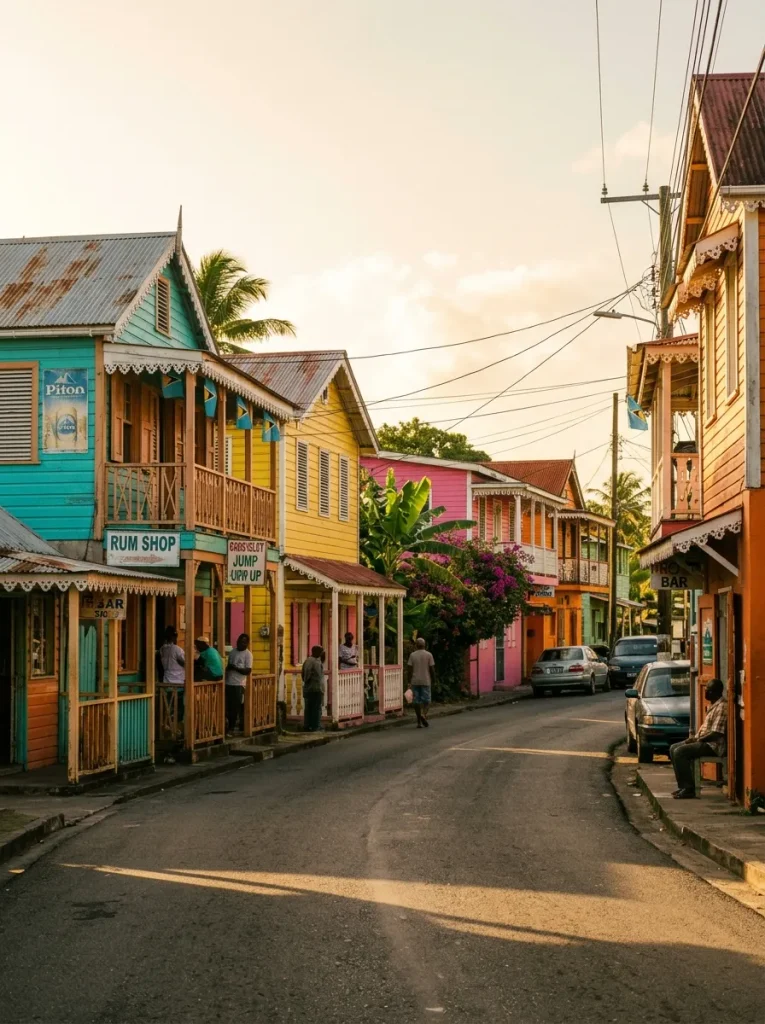
Gros Islet is a community in northern Saint Lucia known for its lively Friday Night Street Party.
The event brings together food vendors, music, and local entertainment. It offers visitors an opportunity to experience a more social side of island life beyond resort activities.
You can sample local dishes, enjoy the atmosphere, and spend an evening exploring the area. Because the event is popular, transport and parking may take extra time.
If you plan to attend, check current event details and arrange a reliable way to return to your accommodation.
Best for: Travelers interested in local culture, music, food, and evening entertainment.
7. The East Coast: Best for Wild Scenery
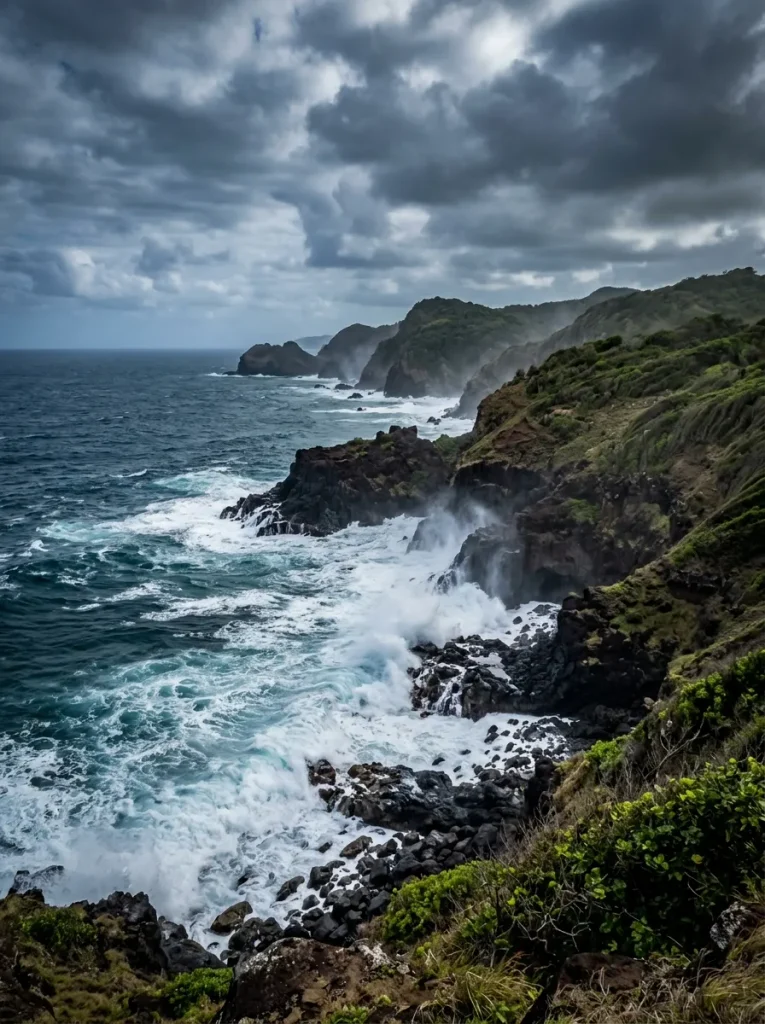
Saint Lucia’s Atlantic-facing east coast offers a different experience from the more sheltered western shoreline.
Here, the landscape can feel wilder, with rugged coastal views, powerful surf, and less-developed stretches of coastline. Grande Anse Beach and other eastern locations appeal to travelers interested in nature and photography.
However, the east coast is not always suitable for swimming. Waves and currents can be strong, so check local conditions and follow safety advice before entering the water.
This part of the island is best explored with a flexible schedule and careful transport planning. Some areas are more remote, with fewer restaurants and services nearby.
Best for: Nature lovers, photographers, experienced surfers, and travelers who enjoy quieter scenery.
Best Beaches in Saint Lucia
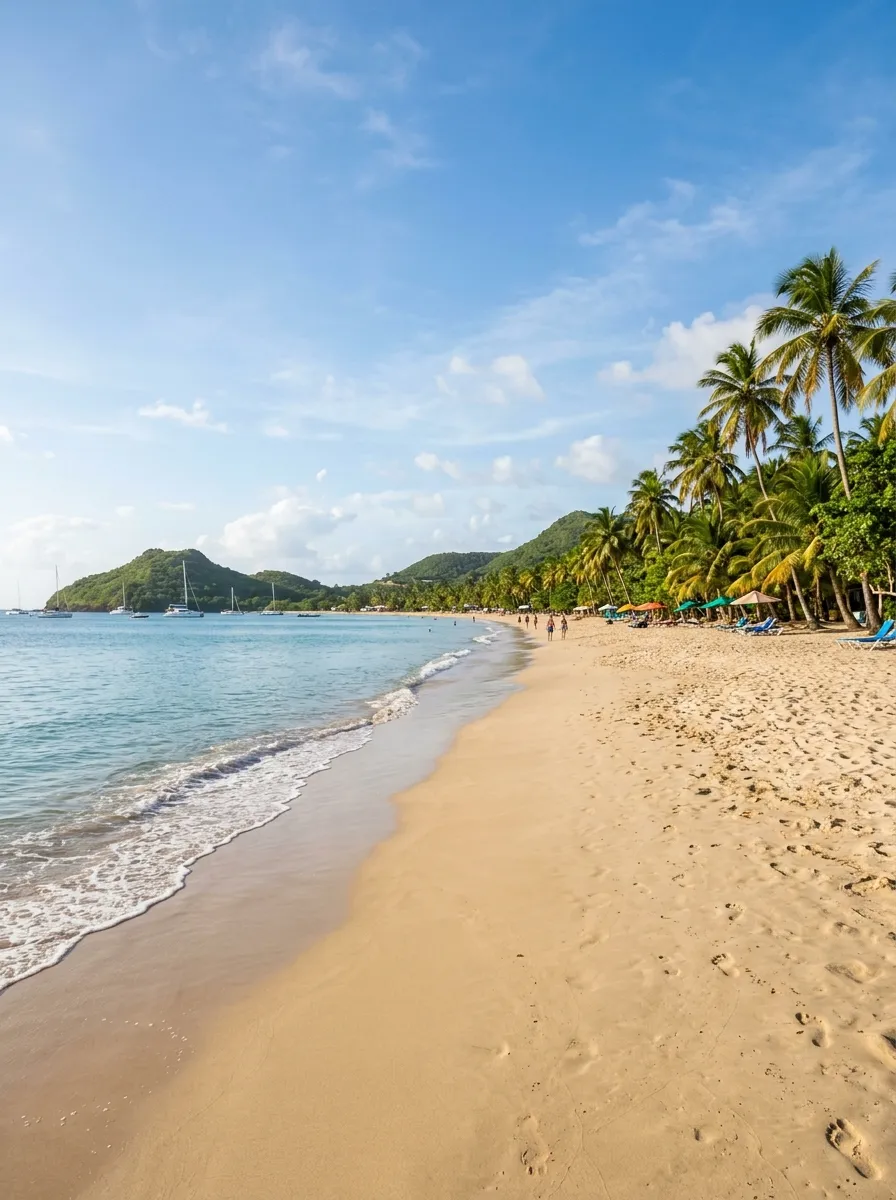
Saint Lucia’s beaches range from lively resort areas to quiet coves framed by volcanic hills. Some have golden or pale sand, while others feature darker volcanic sand.
Reduit Beach
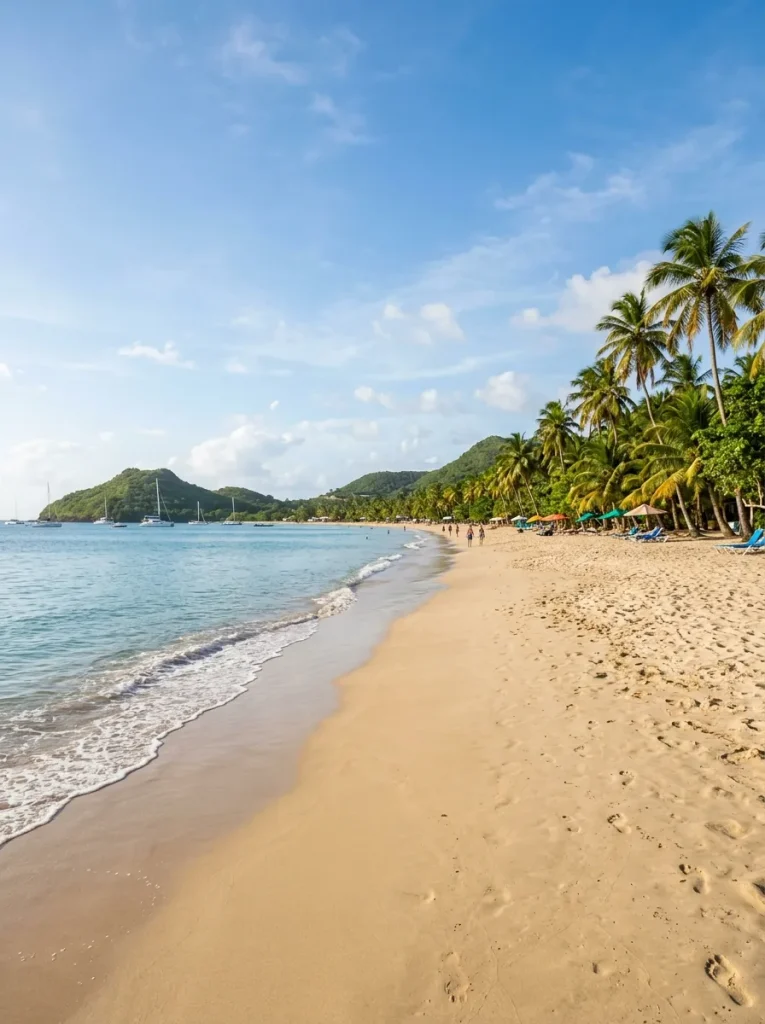
Reduit Beach is one of the most popular beaches on the island. Located near Rodney Bay, it offers a long stretch of sand, access to nearby restaurants, and opportunities for water activities.
Its convenient location makes it a good choice for travelers who want a beach day without a long journey from their hotel.
Sugar Beach
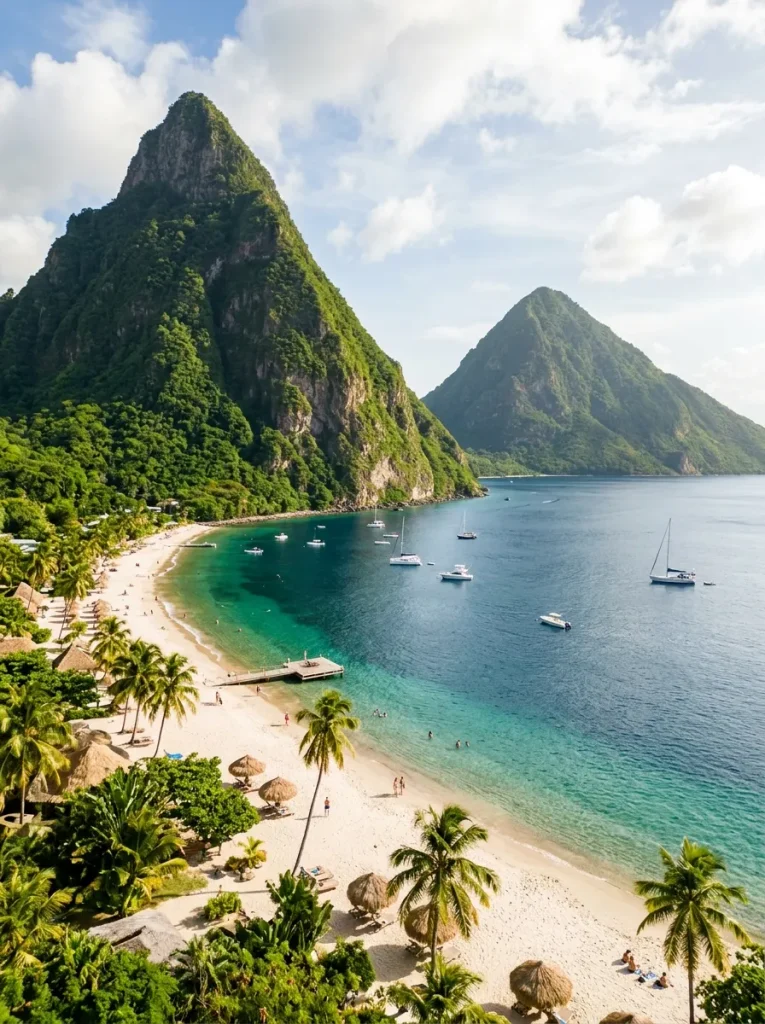
Sugar Beach lies between Gros Piton and Petit Piton, creating one of Saint Lucia’s most recognizable coastal settings.
The surrounding mountains make this beach especially appealing to photographers and couples. Its location also makes it a convenient stop for travelers exploring Soufrière and the southwestern coast.
Access arrangements can vary depending on where you’re staying and which facilities you plan to use, so check current visitor information before arriving.
Anse Chastanet
Anse Chastanet is known for its dramatic scenery and opportunities for snorkeling and diving. The reef near the shore makes it an attractive destination for visitors interested in marine life.
Water conditions can change, so follow local guidance and avoid swimming beyond your ability.
Anse Mamin
Anse Mamin offers a quieter beach experience near Anse Chastanet. Its natural surroundings make it appealing to travelers who want to spend time away from busier resort areas.
Check access and transport arrangements before visiting, particularly if you’re traveling independently.
Vigie Beach
Vigie Beach is located near Castries, making it convenient for visitors staying in or passing through the capital.
It can be a useful option for a relaxed beach stop without traveling to the island’s more distant coastal areas. As always, check swimming conditions and local safety advice.
Beach tip: Don’t assume every beach is safe for swimming simply because the water looks inviting. Atlantic-facing beaches can have stronger waves, while conditions elsewhere can change with the weather.
Best Things to Do in Saint Lucia
Saint Lucia offers plenty of activities beyond relaxing by the water. A well-planned itinerary can combine outdoor adventure, culture, food, and time to unwind.
Hike Gros Piton
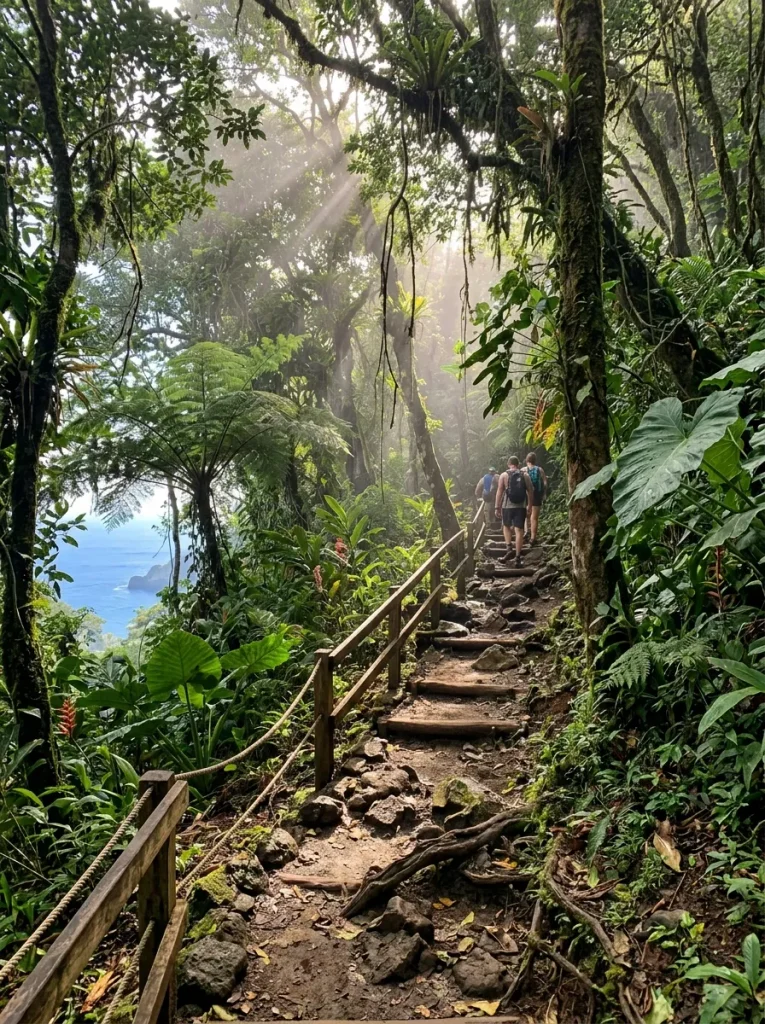
Hiking Gros Piton is one of the island’s most memorable outdoor experiences. The trail climbs through forested terrain toward higher viewpoints overlooking the surrounding landscape.
The route is physically demanding in places and involves steep sections. A guided hike is generally the best approach, especially if you’re unfamiliar with the terrain.
Wear proper footwear, bring enough drinking water, and allow sufficient time for the ascent and descent. Check current trail conditions and any age or fitness recommendations before booking.
If a summit hike feels too challenging, you can still appreciate the Pitons from scenic viewpoints, coastal roads, and boat excursions.
Visit Sulphur Springs
Sulphur Springs is a popular attraction near Soufrière, where visitors can experience the island’s geothermal landscape.
The area includes bubbling pools, volcanic features, and facilities offering mineral mud baths. It is an unusual experience compared with a typical beach vacation.
Follow staff instructions closely and use only designated bathing areas. Geothermal water can be extremely hot in some locations, so never enter restricted pools or touch unfamiliar hot springs.
Explore Diamond Falls Botanical Gardens
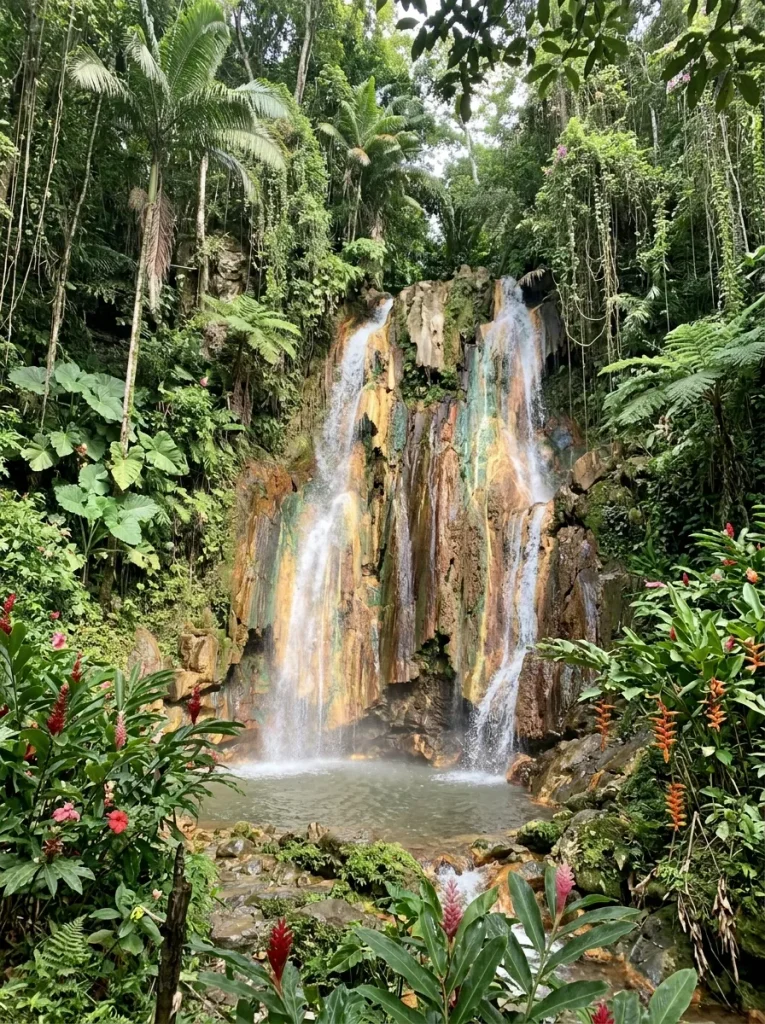
This garden attraction offers a quieter way to experience Saint Lucia’s tropical environment.
Walk among lush plants, explore the landscaped paths, and visit Diamond Falls. The surrounding mineral-rich waters create colorful staining on the rock face, although the waterfall’s appearance varies with rainfall and conditions.
It is a good addition to a day exploring Soufrière, particularly if you want a relaxed activity between more adventurous excursions.
Go Snorkeling or Diving
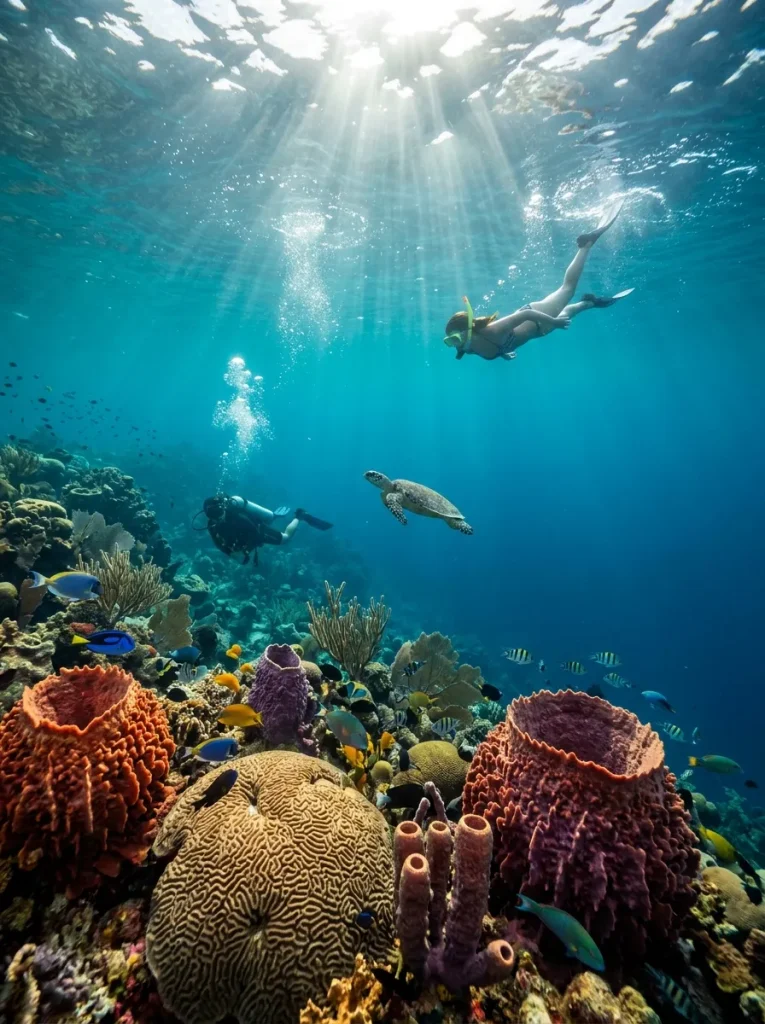
The waters around Saint Lucia offer opportunities to see coral reefs, tropical fish, and other marine life.
Popular areas include the waters near Anse Chastanet and other west-coast locations. Guided excursions can help beginners choose suitable sites and understand local conditions.
Use reef-safe practices, avoid touching coral, and never stand on a reef. If you’re new to snorkeling, choose a calm location and follow your guide’s safety instructions.
Take a Sunset Cruise

A sunset cruise is a memorable way to appreciate Saint Lucia’s coastline from the water. Some excursions offer views of the Pitons, while others depart from northern marinas or nearby bays.
Before booking, compare departure points, trip duration, cancellation policies, and what’s included in the price.
You can find more ideas for unusual travel experiences in this collection of epic travel adventures.
Try a Rainforest Adventure
Saint Lucia’s mountainous interior is covered in tropical forest, offering opportunities for guided hikes, nature walks, birdwatching, and ziplining.
The island is home to distinctive wildlife, including the Saint Lucia parrot. Guided activities can help you learn about local plants, habitats, and conservation efforts.
Rainforest conditions can be wet and slippery, so wear suitable footwear and carry a light rain jacket. For longer hikes, check the route’s difficulty before setting out.
Best Time to Visit Saint Lucia
Saint Lucia is warm throughout the year, but the best time for your trip depends on your budget, preferred activities, and tolerance for rain.
December to April: Popular for Sunshine
December through April is generally the most popular period for visiting Saint Lucia. Travelers often choose these months for beach holidays, outdoor excursions, and winter escapes.
The drier conditions can be convenient for hiking and sightseeing, but accommodation and flights may cost more during busy holiday periods.
Book popular resorts and excursions early if you’re traveling around Christmas, New Year, or spring break.
May and June: A Potential Value Period
May and June can offer a useful balance between warm weather and potentially lower prices than the peak winter season.
Rainfall may increase, and weather conditions can vary. Build some flexibility into your plans if you want to book boat trips or spend several days hiking.
July to November: Consider Weather Risks
The Atlantic hurricane season officially runs from June through November. Saint Lucia can still be visited during this period, but tropical weather may affect flights, ferry services, outdoor excursions, and beach conditions.
If you travel during these months, monitor forecasts, review your travel insurance, and understand the cancellation policies for accommodation and activities.
For more seasonal vacation inspiration, explore these Caribbean island escapes.
How Many Days Do You Need in Saint Lucia?
For most visitors, five to seven days provides a comfortable amount of time to explore Saint Lucia without rushing between attractions.
Three to four days: Focus on Soufrière, the Pitons, Sulphur Springs, and one or two beaches. This works well for a short getaway.
Five to seven days: Combine the island’s main natural attractions with beach time, Castries, Pigeon Island, and a rainforest or boat excursion.
Eight to ten days: Spend more time exploring different regions, enjoy additional outdoor activities, and leave room for slower days at your accommodation.
Remember that winding roads can make cross-island journeys longer than expected. Rather than trying to visit every attraction, choose a few priorities and leave time to enjoy the scenery.
A Sample Seven-Day Saint Lucia Itinerary
This itinerary combines the island’s best-known attractions with beaches, culture, and time to relax.
Day 1: Arrive and Settle In
Arrive at Hewanorra International Airport in the south or George F. L. Charles Airport near Castries, depending on your flight.
Transfer to your accommodation, unpack, and keep the first day light. Enjoy a nearby beach or a relaxed dinner rather than planning a demanding excursion immediately after your flight.
Day 2: Explore Soufrière and the Pitons
Spend the day exploring the Soufrière area. Admire the Pitons, visit Diamond Falls Botanical Gardens, and consider a visit to Sulphur Springs.
If you want to hike Gros Piton, plan the excursion carefully and check whether it fits your fitness level and schedule.
Day 3: Enjoy a Beach Day
Choose a beach near your accommodation or explore the coastline around Soufrière.
Spend time swimming where conditions are safe, snorkeling, or relaxing with a book. Keeping one day relatively unstructured gives you a break from sightseeing.
Day 4: Discover Castries and Pigeon Island
Explore Castries in the morning, including the market and historic sites.
In the afternoon, visit Pigeon Island National Landmark. Walk the trails, explore the ruins, and enjoy the coastal views.
Day 5: Choose a Water or Rainforest Adventure
Book a snorkeling trip, a coastal boat excursion, or a guided rainforest activity.
Choose based on your interests and the weather forecast. If conditions are unsuitable for a boat trip, a garden visit or guided nature walk may be a useful alternative.
Day 6: Explore Rodney Bay and Gros Islet
Enjoy Reduit Beach, browse the shops around Rodney Bay, or take a short excursion from the marina.
If your visit falls on a Friday, consider the Gros Islet Street Party. Check current details and arrange transportation back to your hotel.
Day 7: Relax and Depart
Keep your final morning flexible. Enjoy breakfast, take a short walk, or visit a nearby beach if your departure time allows.
Leave enough time to reach the airport, particularly if you’re staying far from your departure terminal.
Where to Stay in Saint Lucia
Choosing the right base can shape your entire vacation. The island’s regions offer different advantages, so think about your priorities before booking.
Soufrière: Ideal for the Pitons, volcanic attractions, botanical gardens, and scenic coastal experiences. It is especially appealing to couples and nature lovers.
Rodney Bay: A convenient base for restaurants, shopping, beaches, and evening entertainment. It works well for first-time visitors who want several services close by.
Castries: Useful for travelers who want access to the capital, local markets, transport connections, and nearby attractions.
Marigot Bay: A scenic option for travelers who prefer a quieter harbor setting and waterfront views.
Vieux Fort: Worth considering if you want to stay closer to Hewanorra International Airport or explore the southern part of the island.
Compare the total cost of accommodation, including taxes, transfers, resort fees, and meals. A cheaper hotel may not be the best value if you need expensive transportation for every excursion.
Is Saint Lucia Expensive to Visit?
Saint Lucia can suit different travel budgets, but costs can rise quickly if you choose a luxury resort, book private tours, or rely on taxis for every journey.
Accommodation and transportation are often major expenses. Restaurant prices and excursion fees also vary depending on location and service level.
Here are a few ways to manage your spending:
- Compare accommodation options: Look at guesthouses, apartments, boutique hotels, and resorts rather than limiting your search to luxury properties.
- Travel outside peak periods: Flexible dates may help you find better flight and accommodation prices.
- Choose excursions carefully: Pick the experiences that matter most to you rather than booking a paid activity every day.
- Explore local food: Try established local restaurants and food stalls to experience Saint Lucian cuisine.
- Plan transportation: Group nearby attractions together to reduce unnecessary journeys.
- Check what’s included: Some accommodation packages include meals or transfers, while others charge separately.
If you’re comparing Saint Lucia with other tropical destinations, this guide to affordable island destinations offers additional ideas for keeping your trip within budget.
Getting Around Saint Lucia
Saint Lucia’s mountainous terrain and winding roads make transportation an important part of trip planning.
Rental Cars
Renting a car gives you flexibility to explore beaches, villages, and attractions at your own pace.
Driving is on the left side of the road. Roads can be narrow, steep, and winding, particularly in rural and mountainous areas. Check local driving requirements, insurance coverage, and whether you need a local temporary driving permit before renting.
Taxis
Taxis are available at airports, hotels, and major visitor areas. Fares are generally not metered, so agree on the price before beginning your journey.
For longer trips, confirm the fare and payment arrangements in advance. Using a reputable taxi provider can make transfers easier, especially if you’re arriving late or carrying luggage.
Minibuses
Local minibuses can be an affordable way to travel along established routes. However, they may not be convenient for every attraction, particularly in remote areas or when you’re traveling with luggage.
Ask your accommodation about routes and operating times before relying on minibuses for an important connection.
Water Taxis and Boat Trips
Water taxis and organized boat excursions can be useful for selected coastal journeys and sightseeing experiences.
Availability depends on the route, weather, and operator. Confirm departure times and return arrangements before booking.
What to Eat in Saint Lucia
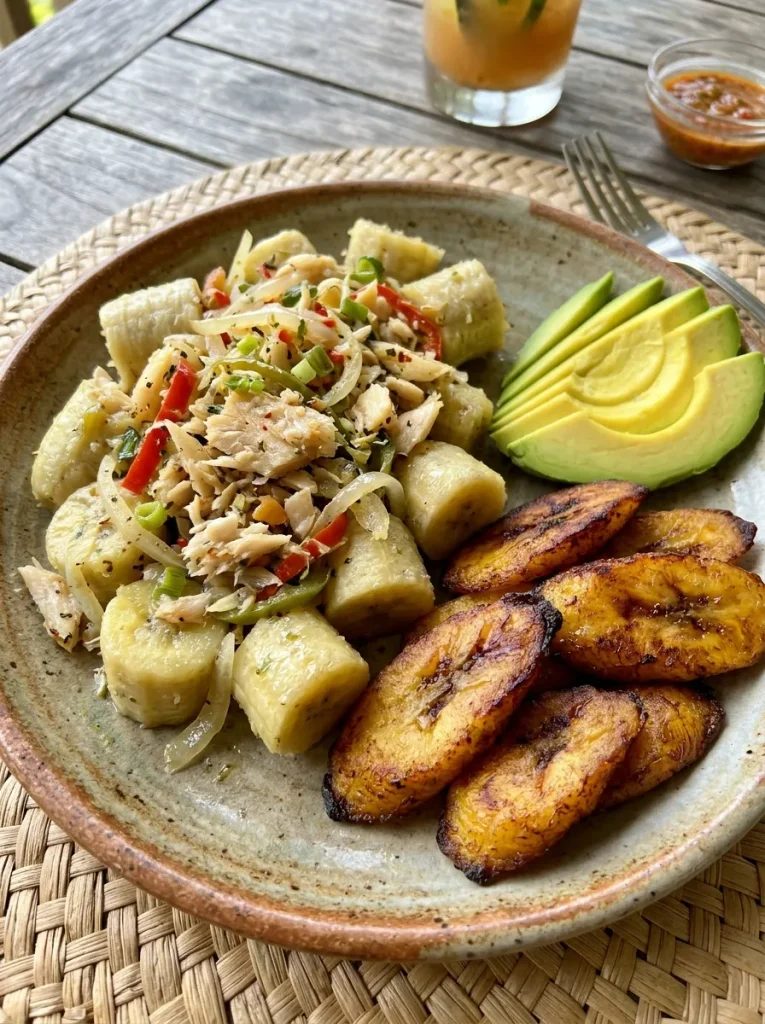
Saint Lucian cuisine reflects African, Caribbean, French, and other cultural influences. Fresh seafood, local produce, herbs, and spices play an important role in many dishes.
Here are a few foods worth trying:
Green fig and saltfish: Often considered the national dish, this meal combines green bananas with salted fish and seasonings.
Callaloo soup: A flavorful soup commonly made with leafy greens and local ingredients. Recipes vary between cooks and restaurants.
Bouyon: A hearty one-pot dish that may include meat, vegetables, ground provisions, and dumplings.
Accra: Savory fritters that are often made with fish or other seasoned ingredients.
Fresh seafood: Look for locally prepared fish and seafood dishes, especially in coastal communities.
Cocoa-based treats: Saint Lucia has a long association with cocoa production, and you may find chocolate, cocoa drinks, and chocolate-focused experiences around the island.
For a richer food experience, visit a local market or ask residents about established places serving traditional meals.
Saint Lucia Travel Requirements and Safety Tips
Travel requirements depend on your nationality, passport, and length of stay. Before departure, check the latest information from the Saint Lucia Tourism Authority and the relevant government authorities.
Visitors generally need a valid passport and may need to show evidence of onward or return travel. Visa requirements vary by nationality. Air arrivals are also encouraged to complete the official online immigration form before arrival, which can be submitted within the permitted pre-travel window.
Keep these practical points in mind:
- Confirm passport validity and visa requirements well before departure.
- Keep copies of your important travel documents.
- Consider travel insurance that covers medical emergencies and weather-related disruptions.
- Use reputable tour operators and agree on taxi fares before traveling.
- Check weather and swimming conditions before outdoor activities.
- Protect yourself from the sun and carry water during hikes.
- Respect local communities, wildlife, and protected natural areas.
- Monitor official weather alerts during hurricane season.
Saint Lucia welcomes many international visitors, but normal travel precautions still matter. Stay aware of your surroundings, avoid displaying expensive belongings, and seek current safety guidance before visiting unfamiliar areas.
What to Pack for Saint Lucia
A practical packing list will help you move comfortably between beaches, mountain trails, and local towns.
Consider bringing:
- Lightweight, breathable clothing
- Swimwear and a quick-drying towel
- Comfortable walking shoes or hiking footwear
- Water-friendly shoes for suitable coastal activities
- Sunscreen, sunglasses, and a hat
- Insect repellent
- A light rain jacket
- A reusable water bottle
- A waterproof phone pouch
- Any required prescription medication
- A small day bag for excursions
If you plan to hike Gros Piton, pack appropriate footwear and clothing for a demanding trail. For snorkeling or diving, check whether your tour provides equipment or whether you should bring your own.
Frequently Asked Questions About Saint Lucia
What is Saint Lucia best known for?
Saint Lucia is best known for the twin Pitons, volcanic scenery, Sulphur Springs, tropical rainforests, beautiful beaches, and its reputation as a destination for romantic getaways and outdoor adventures.
What is the best month to visit Saint Lucia?
December through April is popular for drier weather and outdoor activities. May and June may offer better value, while June through November falls within the Atlantic hurricane season. Check current forecasts before booking and traveling.
How many days are enough for Saint Lucia?
Five to seven days is a good starting point for most travelers. It allows time to explore Soufrière, visit beaches, discover local culture, and enjoy at least one outdoor adventure without rushing.
Is Saint Lucia good for a honeymoon?
Yes. Saint Lucia offers scenic resorts, romantic coastal views, sunset cruises, secluded beaches, and the dramatic backdrop of the Pitons. Couples can also choose hiking, snorkeling, spa experiences, and intimate dining.
Is Saint Lucia suitable for families?
Yes. Families can enjoy beaches, gardens, boat excursions, and nature activities. Choose accommodation based on your children’s ages and needs, and check swimming conditions and activity requirements before booking.
Do you need a car in Saint Lucia?
Not necessarily. Taxis, organized tours, and local minibuses can cover many common travel needs. A rental car offers more flexibility if you want to explore several regions independently, but driving conditions can be challenging in some areas.
Is Saint Lucia expensive?
It can be, especially at luxury resorts and for private excursions. Travelers can manage costs by comparing accommodation, choosing local restaurants, planning transport carefully, and traveling outside peak periods when prices may be lower.
Is Saint Lucia safe for tourists?
Many travelers visit without serious problems, but it is important to take sensible precautions. Use reputable transportation, protect valuables, follow local advice, and pay attention to water and hiking safety.
Final Thoughts
Saint Lucia offers a memorable mix of Caribbean beaches, volcanic landscapes, rainforest adventures, and local culture. You can spend your mornings admiring the Pitons, your afternoons exploring waterfalls or snorkeling, and your evenings enjoying fresh local food beside the water.
The key to planning a successful trip is choosing the right base and allowing enough time to explore without rushing. Soufrière is ideal for natural attractions, Rodney Bay offers convenience and entertainment, and quieter coastal areas provide space to slow down.
For a first visit, five to seven days is a practical starting point. Plan your activities around the weather, confirm transportation arrangements, and leave a little room for unexpected discoveries.
Whether you’re looking for a romantic escape, a family holiday, or an active Caribbean adventure, Saint Lucia offers plenty of ways to make your 2026–27 trip worthwhile.